
Have you ever wonder why do dogs have wet noses? This curious feature is not just adorable, but also serves important functions in a dog’s life. Understanding why dogs have wet noses can uncover some fascinating truths about their health and behavior. Wet noses are often associated with dog health, and many pet owners have questions about their furry friend’s nose moisture. Is it normal for a dog’s nose to be wet? Why does it feel cool to the touch? These questions lead us to explore the science behind this unique trait. A wet nose helps dogs to detect scents, enhancing their extraordinary sense of smell. But there’s more to the story! Could a wet nose indicate something about your dog’s overall well-being? Keep reading to discover the mysteries of dog noses and learn how this simple characteristic plays a crucial role in your pet’s life. By delving into the reasons behind a dog’s wet nose, you’ll not only satisfy your curiosity but also gain insights into dog care that can improve your furry friend’s happiness and health. So, what are you waiting for? Let’s dive into this fascinating topic!
The Science Behind Why Dogs Have Wet Noses: What Every Pet Owner Should Know
Have you ever wondered why dogs have wet noses? This common characteristic of our beloved furry friends isn’t just a quirky trait, it actually plays a significant role in their health and behavior. While many pet owners might have noticed this feature, few truly understand the science behind it. Let’s dive into the fascinating reasons why dogs possess these moist noses and what it means for them and us.
The Biological Purpose of a Wet Nose
Dogs’ noses are wet for multiple reasons, and each of them is deeply rooted in their biology. Here’s a simple breakdown:
Regulation of Body Temperature: Dogs do not sweat like humans do. Instead, they regulate their temperature through panting and the moisture on their noses. A wet nose helps cool down their body more effectively.
Enhanced Sense of Smell: The wetness on a dog’s nose helps to capture scent particles from the air. This enhances their olfactory abilities, allowing them to detect smells more accurately. Studies show that dogs has up to 300 million smell receptors, making their noses essential for understanding their environment.
Health Indicator: A dog’s nose can reflect its health condition. Generally, a cool, moist nose is seen as a sign of good health. Conversely, a dry or hot nose might indicate illness, dehydration or fever. However, this is not a hard-and-fast rule.
Behavioral Signals: Dogs often use their nose to interact with others, whether it be other dogs or humans. A wet nose can be a sign of affection, as they use it to nuzzle against people or other animals.
The Evolutionary Aspect
The evolution of dogs has also played a role in the development of their wet noses. Domesticated dogs are descendants of wolves, which have similar nose characteristics. Here’s how it evolved:
Survival Mechanism: For early canines, a keen sense of smell was crucial for hunting and survival. A wet nose allows them to detect prey and identify other animals more efficiently.
Social Interaction: Wolves and their descendants communicate through scent. A wet nose helps them leave scent markers, which is important for territory and mating behavior.
Fun Facts About Dogs’ Noses
You might find it interesting to know some quirky and fun facts about dogs’ noses:
Unique Patterns: Just like human fingerprints, every dog’s nose print is unique. This uniqueness can even be used for identification.
Nasal Folds: The folds on a dog’s nose increase the surface area, which helps in scent detection.
Nose Temperature: The average temperature of a dog’s nose is about 94 to 99 degrees Fahrenheit, which is lower than their body temperature.
Color Changes: A dog’s nose color can change due to exposure to sunlight, aging, or health issues.
Practical Tips for Pet Owners
Understanding the importance of your dog’s nose can help you take better care of your furry friend. Here are some practical tips:
Regular Checks: Keep a lookout for changes in the moisture or temperature of your dog’s nose. If it becomes persistently dry or hot, consult with your veterinarian.
Hydration: Ensure your dog stays hydrated, as dehydration can lead to a dry nose.
Nose Care: In winter, apply a dog-friendly balm or lotion if your dog’s nose becomes cracked or dry from the cold.
Diet Matters: A well-balanced diet contributes to overall health, including the condition of your dog’s nose.
Comparisons with Other Pets
Dogs aren’t the only ones with wet noses; other animals also have this trait. Let’s compare a dog’s wet nose with that of other common household pets:
Cats: Generally have moist noses too, but they don’t rely on smell the same way dogs do. Cats have fewer smell receptors.
Rabbits: Their noses are often wet, but it serves different purposes, such as regulating their respiration.
Ferrets: Known for their keen sense of smell, ferrets also have moist noses, which helps them identify scents in their surroundings.
Understanding why dogs have wet noses opens up a whole new world of appreciation for our canine companions. This simple yet profound characteristic tells us so much about their biology, health, and behavior. Next time you see your dog’s wet nose, you’ll know there’s more than meets the eye, and it’s all part of what makes dogs such incredible pets.
5 Surprising Benefits of a Dog’s Wet Nose That Will Amaze You
Have you ever wondered why dogs have wet noses? It’s one of those quirky traits that many dog owners notice, but few truly understand. Dogs’ noses seem to be perpetually moist, and while it may seem odd, there are a bunch of fascinating reasons behind it. Plus, there are some surprising benefits to having a wet nose that might just amaze you! Let’s dive into this topic and uncover the truth behind our furry friends’ damp snouts.
1. Enhanced Sense of Smell
One of the main reasons why dogs have wet noses is because it helps them smell better. The moisture on a dog’s nose captures scent particles, making it easier for them to detect aromas. Believe it or not, dogs have up to 300 million scent receptors in their noses while humans only have about 6 million. This means dogs can pick up on scents that are far beyond our comprehension.
- Dogs can smell certain substances in parts per trillion.
- Their wet noses help them differentiate between various scents more effectively.
- A wet nose can help to cool down a dog’s body temperature, which is another advantage for their overall health.
2. Temperature Regulation
You might not know this, but a dog’s wet nose is also crucial for regulating their body temperature. Dogs don’t sweat like humans do; instead, they primarily regulate their temperature through panting and the moisture on their noses. The evaporation of this moisture helps cool them down.
Here’s how it works:
- When a dog is hot, their nose secretes moisture.
- As the moisture evaporates, it helps lower their body temperature.
- This mechanism is particularly useful on hot days or after exercise.
3. Communication Tool
Believe it or not, dogs also use their noses for communication. They can convey emotions and intentions through their scent. For example, a dog may sniff another dog’s nose to gather information about their mood, health, and even their diet. This interaction is crucial for socialization among dogs.
- Dogs may also greet humans with their noses to express affection.
- A wet nose can be a sign of excitement or happiness when meeting someone.
- It’s part of their natural instinct to connect with other beings through scent.
4. Health Indicator
A wet nose can also serve as a health indicator for dogs. Many pet owners often check their dog’s nose as a way to assess their health. While a cold, wet nose is often a sign of a healthy dog, a dry or warm nose could indicate illness. However, it’s important not to rely solely on this method of assessment.
Things to consider:
- A dog’s nose can vary in moisture levels based on their environment (hot, cold, dry).
- Other signs of illness should be considered alongside the nose condition.
- Regular vet check-ups are essential for maintaining a dog’s health.
5. Antibacterial Properties
Lastly, a dog’s wet nose has antibacterial properties. The moisture on their nose contains enzymes that can help break down bacteria. This can protect them from infections and contribute to their overall health.
Here’s a quick overview of how this works:
- The mucus on a dog’s nose can trap bacteria and other pathogens.
- Enzymes in the moisture help neutralize harmful microorganisms.
- This natural defense is one reason why dogs can often recover from minor scrapes and cuts quickly.
Why Do Dogs Have Wet Noses?
In summary, dogs have wet noses for several fascinating reasons. From enhancing their sense of smell to helping them regulate temperature, the benefits are numerous. They also serve as a communication tool and can indicate a dog’s health. Plus, their wet noses provide antibacterial protection.
So next time you lean down to give your pup a pat, remember that their wet nose is not just a cute feature—it’s a fascinating aspect of their biology that plays a crucial role in their health and behavior. Embrace the unique traits of dogs, and you’ll find they offer more than just companionship; they offer endless wonders that enrich our lives.
How a Wet Nose Helps Dogs Detect Scents: Unveiling Nature’s Design

Dogs are often called “man’s best friend,” and there is a good reason for this. One of the most fascinating aspects about dogs is their sense of smell. Ever wonder why do dogs have wet noses? It’s not just for show! The wetness of a dog’s nose plays a crucial role in their ability to detect scents, which is essential for their communication and survival.
The Science Behind a Wet Nose
A dog’s nose is not only adorable but also a marvel of nature. The wet surface of a dog’s nose helps enhance their olfactory abilities. It’s believed that moisture on the nose helps capture scent particles from the air. This is how it works:
- Moisture Absorption: The wetness on a dog’s nose absorbs scent molecules. The more moisture, the more scents it can pick up.
- Temperature Regulation: A wet nose helps to cool down a dog. Dogs don’t sweat like humans, so they rely on their nose to help regulate their body temperature.
- Scent Detection: Dogs have around 300 million scent receptors in their noses compared to a human’s 5 million. This makes their sense of smell estimated to be 40 times better than ours!
Evolutionary Perspective
From an evolutionary standpoint, dogs’ wet noses were developed to help them survive in the wild. Here are some key points on how this trait evolved:
- Hunting Skills: Early ancestors of dogs relied heavily on their sense of smell to hunt. A wet nose was a significant advantage in detecting prey.
- Communication: Dogs communicate through scents, and a wet nose helps them to pick up cues from their environment, including pheromones from other animals.
- Survival Instincts: In the wild, the ability to detect predators or food sources was vital. A wet nose contributed to this ability, giving them an edge.
How a Wet Nose Works in Practice
Let’s break down the daily life of a dog and how their wet noses come into play:
- Exploring the Environment: When a dog sniffs around, they are constantly using their wet noses to gather information. The moisture helps to trap scents from grass, trees, or other animals.
- Recognizing Owners: Dogs can distinguish scents of their owners versus other people, thanks to their keen sense of smell aided by their wet noses.
- Finding Lost Items: Many dogs are trained to find lost items, and their wet noses are crucial in picking up scents that humans can’t detect.
Fun Facts About Dog Noses
- Color Variation: A dog’s nose color can vary greatly, from black to pink. The color does not affect their ability to smell.
- Nasal Slips: Dogs’ noses are often colder than their body temperature due to the moisture. This is why they feel cool to the touch!
- Nose Prints: Just like human fingerprints, each dog’s nose has a unique pattern. This can be used for identification, although it’s not common practice.
Comparing Dog Noses to Human Noses
| Feature | Dog Nose | Human Nose |
|---|---|---|
| Scent Receptors | ~300 million | ~5 million |
| Moisture Level | High | Low |
| Temperature Control | Yes | No |
| Unique Patterns | Yes | No |
Why Do Dogs Have Wet Noses?
So, why do dogs have wet noses? The answer is multi-faceted:
- Enhanced Smell: The primary reason for the wetness is to improve the sense of smell.
- Health Indicator: A wet nose is often a sign of a healthy dog. If a dog’s nose is dry, it could indicate dehydration or illness, although it’s not always a definitive sign.
- Cooling Mechanism: As mentioned earlier, it helps dogs maintain their body temperature, especially during hot weather.
Understanding why dogs have wet noses not only reveals the intricacies of canine biology but also highlights the bond between humans and dogs. Their ability to detect scents plays a major role in their interactions with us and the world around them.
So, next time you see your furry friend with their adorable wet nose, take a moment to appreciate the fascinating truth behind this natural design. It’s not just cute; it’s an essential part of who they are!
Is a Wet Nose a Sign of Health? Debunking Common Myths About Dogs
Is a Wet Nose a Sign of Health? Debunking Common Myths About Dogs, Why Do Dogs Have Wet Noses? Uncover The Fascinating Truth!
When it comes to man’s best friend, many of us often wonder about the little quirks that make dogs so unique. One such quirk is their wet noses. You might of heard that a wet nose means a dog is healthy. But is that really true? Let’s dive into the fascinating world of dog noses and clear up some common myths.
The Science Behind Wet Noses
Dogs have wet noses for several reasons, and it all relates to their biology. First off, the moisture on their noses helps them to smell better. Dogs have an incredible sense of smell, and a wet nose can enhance their olfactory receptors. Here are some reasons why dogs have wet noses:
- Thermoregulation: Dogs can’t sweat like humans do. Instead, they cool off through their noses, which can help regulate their body temperature.
- Scent Detection: As mentioned, a wet nose can pick up scent molecules more effectively. The moisture captures scent particles in the air.
- Health Indicators: While not always a definitive sign, a wet nose can sometimes indicate a dog is feeling well. However, it’s not the only factor to consider.
Common Myths About Wet Noses
There are plenty of myths surrounding the health of dogs, especially when it comes to their noses. Let’s debunk a few of them.
Myth: A Wet Nose Always Means a Healthy Dog
- This is misleading. A dog’s nose can be wet and they could still be sick. Many factors can affect a dog’s nose moisture, including environment and activity level.
Myth: A Dry Nose Means Your Dog is Sick
- Not true! A dog’s nose can be dry for many reasons, such as hot weather or simply being asleep. It doesn’t automatically indicate illness.
Myth: Dogs’ Noses are Always Cold
- While many dogs have cool noses, it’s not a hard rule. Some dogs can have warm noses and still be perfectly healthy.
Myth: You Can Diagnose Illness Just by Touching the Nose
- Touching a dog’s nose isn’t a reliable way to diagnose its health. You should consider other symptoms and consult a veterinarian for accurate assessments.
What Affects a Dog’s Nose Moisture?
Several factors can influence whether a dog’s nose is dry or wet. Keep these in mind:
- Weather Conditions: Hot or dry weather can lead to a drier nose, while a humid environment might keep it moist.
- Activity Level: After a long walk or play session, your dog’s nose might be wetter due to increased panting.
- Health Conditions: Certain illnesses can result in changes to nose moisture. If a dog is sick, other symptoms will usually accompany it.
The Importance of Regular Check-Ups
So, while a wet nose may seem like a sign of health, it’s not the only thing to watch for. Regular vet visits are crucial for maintaining a dog’s health. Here are some signs to monitor:
- Changes in Appetite: If your dog isn’t eating like usual, it could be a sign of illness.
- Behavioral Changes: If your dog is more lethargic than usual, don’t ignore it.
- Vomiting or Diarrhea: These can be signs of a more serious issue.
- Coughing or Sneezing: Respiratory issues can sometimes be indicated by these symptoms.
Fun Facts About Dog Noses
Did you know that dogs’ noses are as unique as fingerprints? Each dog has a distinct nose print. Here are some more intriguing tidbits:
- Color Changes: A dog’s nose can change color with the seasons, often getting darker in winter and lighter in summer.
- Nose Prints: Some animal shelters use nose prints to identify dogs, just like humans use fingerprints.
- Scent Power: Dogs have up to 300 million scent receptors in their noses, compared to about 6 million in humans!
Understanding Your Dog
While a wet nose can be a sign of an alert and active dog, it’s vital to look at the whole picture. Pay attention to your dog’s behavior, energy levels, and appetite.
So, the next time you pet your furry friend and feel that wet nose, remember that it’s not the be-all and end-all of your dog’s health. Keep them happy, healthy, and well-checked by a vet, and you’ll have a loyal companion for years to come.
In the end, understanding the nuances of dog health is essential for any dog owner. By keeping informed, you’re giving your pet the best chance for a long and happy life.
Curious Canines: The Fascinating Role of a Dog’s Nose in Their Behavior
Dogs are truly remarkable creatures, and anyone who owns a dog knows they have a unique way of interacting with the world. One of the most fascinating aspects of a dog’s anatomy is their nose. Have you ever wondered why do dogs have wet noses? It’s not just for show; there’s a whole science behind it. In this article, we’ll uncover the truth about the curious canines and their noses, including how it affects their behavior.
The Science Behind a Dog’s Nose
A dog’s nose is not only a charming feature, but it’s also an essential tool for their survival. Dogs have an extraordinary sense of smell, which is estimated to be anywhere from 10,000 to 100,000 times more sensitive than humans. This incredible olfactory ability is due to several factors:
- Olfactory Receptors: Dogs have about 300 million olfactory receptors in their noses, compared to a human’s 5 million. This allows them to detect scents at extremely low concentrations.
- Jacobsen’s Organ: This special organ, also known as the vomeronasal organ, helps dogs process pheromones, which are chemicals that carry information about other animals.
- Wet Nose Functionality: The moisture on a dog’s nose helps to capture scent particles more effectively. When the nose is wet, it can absorb these particles, enhancing their sense of smell.
Why Are Dog Noses Wet?
So, why do dogs have wet noses? The answer is multi-faceted. A wet nose serves several critical functions:
- Enhanced Smelling Ability: As mentioned earlier, moisture helps to trap scent particles better. It’s almost like how a sponge absorbs water; a wet nose absorbs smells.
- Temperature Regulation: Dogs don’t sweat like humans do. Their wet nose helps to cool them down, especially in warmer weather.
- Health Indicator: A dog’s nose can indicate their health status. A wet, cool nose is often a sign of good health, while a dry or warm nose could suggest they might be unwell.
Historical Context of Dog Noses
Dogs have been companions to humans for thousands of years. Historically, they were bred for various purposes, including hunting, herding, and protection. The keen sense of smell developed over time as dogs were selected for traits that aided in tracking and hunting.
- Ancient Roles: Early humans relied on dogs for hunting. Their ability to track prey through scent was invaluable.
- Modern Uses: Nowadays, dogs are used in various professions such as search and rescue, detection of drugs and explosives, and even in medical fields to sniff out diseases like cancer.
Behavioral Implications of Wet Noses
Dogs’ behavior is often influenced by their sense of smell and the condition of their noses. Here are a few behaviors that can be linked to their wet noses:
- Exploration: Dogs use their noses to explore their environment. A wet nose means they are ready to sniff out new scents and experiences.
- Communication: Dogs communicate with each other through scent. A wet nose can help them pick up pheromones which convey messages about reproductive status, territory, and more.
- Bonding: When dogs greet each other (or humans), they often sniff each other’s noses. This behavior is a way of gathering information and establishing social bonds.
Fun Facts About Dog Noses
Here are some interesting tidbits about dog noses that you might not know:
- Unique Nose Prints: Just like human fingerprints, every dog has a unique nose print. This could theoretically be used for identification.
- Dogs Can Smell Emotions: Some studies suggest that dogs can detect human emotions through scent. They can sense fear, stress, or happiness based on the chemicals released in sweat.
- Nose Color: The color of a dog’s nose can vary widely, and it can change with temperature. For instance, some dogs develop a “snow nose” in winter when their noses turn lighter in color.
Practical Examples of Nose Functionality
To illustrate the fascinating role of a dog’s nose, consider these practical examples:
- Search and Rescue: Trained dogs can locate missing persons in disaster situations within minutes, thanks to their incredible sense of smell.
- Medical Detection: Some dogs are trained to detect diseases in humans, including detecting blood sugar levels in diabetics or alerting to seizures.
- Behavioral Cues: If a dog’s nose is dry and warm, it might be time to check for signs of illness, while a wet, cold nose may indicate they are feeling good.
The world of dogs and their noses is vast and intriguing. Understanding the reasons behind why do dogs have wet noses can deepen our appreciation for these loyal companions. With their unique abilities and behaviors, dogs continue to amaze us in ways we’re just beginning to comprehend.
7 Reasons Your Dog’s Nose Is Wet and What It Means for Their Well-being
Ever wonder why do dogs have wet noses? It’s a question that many dog owners probably ask themselves, and believe it or not, it’s a topic filled with fascinating insights! A dog’s nose isn’t just wet for no reason. In fact, there are several reasons behind this intriguing characteristic, and understanding them can give you better insight into your furry friend’s health and well-being. Here are 7 reasons your dog’s nose is wet and what it means for their well-being.
1. Natural Cooling System
Dogs can’t sweat like humans do. Their primary way of regulating body temperature is through panting, but their noses play a role too. The moisture on a dog’s nose helps to cool their body. When the moisture evaporates, it cools off the nasal passages and, in turn, helps to regulate their overall body temperature. So, if you notice your pup’s nose is wet after a romp in the park, it could be a sign they’re cooling down!
2. Enhanced Sense of Smell
A wet nose actually helps dogs smell better. The moisture captures scent particles from the air, making it easier for our furry friends to detect different smells. Dogs have a remarkable sense of smell, far superior to humans, and the wetness of their nose is crucial in enhancing that ability. So, when your dog sniffs around with that wet nose, they’re not just being curious – they’re gathering vital information about their environment.
3. Hydration Indicator
A dog’s nose can be a good indicator of hydration levels. If your dog’s nose is dry and cracked, it might be a sign that they are dehydrated or not feeling well. A moist nose usually indicates that your dog is healthy and well-hydrated. However, it’s important to note that a dog’s nose can vary between wet and dry throughout the day based on different factors like heat or activity level.
4. Health Monitoring
Changes in a dog’s nose can be an early indicator of health issues. For example, if a normally wet nose becomes excessively dry or shows signs of crustiness, it could be a sign of illness. While a wet nose is generally a good sign, be on the lookout for any unusual changes, such as:
- Crusty or flaky nose
- Discoloration
- Excessive dryness
- Foul odor
These could require a visit to the vet for a proper diagnosis!
5. Stress and Anxiety
Interestingly, dogs can experience stress or anxiety, which can affect the moisture of their noses. When dogs are anxious, their body may react by reducing moisture in the nose. This can be observed during situations like thunderstorms, fireworks, or even when they are left alone for too long. If you notice a pattern of a dry nose coupled with anxious behavior, consider ways to help ease your dog’s stress.
6. Environmental Factors
The environment also plays a significant role in your dog’s nose moisture. Weather conditions like humidity can cause a dog’s nose to be wetter, while dry or hot weather can lead to a drier nose. Additionally, exposure to heating systems in winter can contribute to this dryness. Therefore, it’s good to monitor how the weather impacts your dog’s nose and overall health.
7. Breed Differences
Different breeds can have varying nose conditions. Some breeds, like Bulldogs or Pugs, are more prone to having dry noses due to their facial structure. A wet nose is more common in breeds with longer snouts, like Greyhounds and Retrievers. Knowing your dog’s breed can help you understand what’s normal for them and what might require attention.
Quick Reference Summary:
| Reason | Explanation |
|---|---|
| Natural Cooling System | Helps regulate body temperature through evaporation. |
| Enhanced Sense of Smell | Moisture captures scent particles for better smelling capability. |
| Hydration Indicator | A moist nose usually indicates good hydration. |
| Health Monitoring | Changes in moisture can signal health issues. |
| Stress and Anxiety | Anxiety can lead to reduced moisture in the nose. |
| Environmental Factors | Weather conditions can affect nose moisture levels. |
| Breed Differences | Nose conditions can vary greatly with different breeds. |
Understanding why do dogs have wet noses is more than just a quirky characteristic; it’s an essential part of their biology that relates to their health and well-being. If you’re ever concerned about your pup’s nose or overall health, don’t hesitate to reach out to a vet. The bond you share with your dog is precious, and knowing these fascinating facts helps you take even better care of them!
Can Weather Affect Your Dog’s Nose Moisture? Exploring the Connection

When you look at your dog, you might notice something interesting about them — their nose is often wet! But have you ever wondered, can weather affect your dog’s nose moisture? This connection between the environment and your pup’s nose can be more fascinating than you think. In this article, we are going to explore why dogs have wet noses, and how different weather conditions can influence that moisture.
Why Do Dogs Have Wet Noses?
First, let’s dive into the reasons behind that wet nose. Dogs have wet noses for several reasons, and understanding them can help you learn more about your furry friend’s health. Here are some key points to consider:
- Thermoregulation: A wet nose helps dogs regulate their body temperature. When they pant, moisture evaporates from the nose and helps cool them down.
- Sense of Smell: The wetness on a dog’s nose aids in their sense of smell. Moisture helps capture scent particles in the air, amplifying their olfactory capabilities.
- Health Indicator: A wet nose can be a sign of a healthy dog, though it’s not always a guarantee. A sudden change from wet to dry may indicate health issues.
Can Weather Affect Nose Moisture?
Now, let’s get back to the question of weather. It turns out that yes, weather can have a significant effect on your dog’s nose moisture! Here’s how:
Humidity Levels
- High Humidity: In humid environments, the air is filled with moisture, this can cause your dog’s nose to remain wet. This is often seen in summer months, where you might notice your dog’s nose glistening.
- Low Humidity: Conversely, during dry, winter months or in arid climates, a dog’s nose may become drier. The lack of moisture in the air can lead to dehydration of the nasal membranes.
Temperature Changes
- Cold Weather: In colder conditions, the nose can also become drier. Cold air can lead to chapped or cracked noses, especially if your dog spends a lot of time outside. You might notice your dog’s nose is not as moist during these chilly days.
- Warm Weather: On hot days, your dog may have a consistently wet nose due to increased panting and hydration efforts, as they try to cool down.
Other Factors Influencing Nose Moisture
Apart from weather, there are other factors that can influence the moisture of your dog’s nose. Here’s a quick list:
- Hydration: Just like humans, dogs need to stay hydrated. A well-hydrated dog will typically have a wetter nose.
- Health Issues: Illnesses or infections can lead to changes in nose moisture. If your dog’s nose suddenly becomes very dry or has other unusual symptoms, it’s a good idea to consult with a veterinarian.
- Age: Older dogs might show changes in their nose moisture. Aging can affect how well their body maintains moisture.
Fun Facts About Dog Noses
Let’s throw in some fun facts about dog noses that you might find interesting:
- Dogs have about 220 million scent receptors in their noses, compared to humans who have about 5 million.
- The surface of a dog’s nose is unique, much like a fingerprint.
- Dogs can smell certain chemicals at incredibly low concentrations, which is why they are often used in search and rescue missions.
Practical Tips for Dog Owners
To ensure your canine companion maintains a healthy nose, consider these practical tips:
- Keep Them Hydrated: Always provide fresh water for your dog. Dehydration can lead to a dry nose.
- Monitor Nose Condition: Keep an eye on your dog’s nose. If it’s consistently dry or cracked, consult your vet.
- Limit Outdoor Time in Extreme Weather: Protect your dog in extreme cold or heat to help maintain their nose moisture.
- Use Nose Balm: If you live in a dry climate, consider using a nose balm that can help keep their nose moisturized.
In summary, the moisture of your dog’s nose can indeed be influenced by various weather conditions, as well as other factors like hydration, health, and age. Understanding these elements can not only enhance your relationship with your furry friend but also keep their health in check. So next time you see your dog with a wet nose, you might just appreciate it a little bit more!
What’s the Ideal Nose Condition for Dogs? Understanding Normal vs. Abnormal

When you think of dogs, what comes to mind? Their wagging tails, floppy ears, and, of course, their noses! A dog’s nose is often wet, but have you ever wondered why? Also, what’s the ideal nose condition for dogs? Understanding normal vs. abnormal nose conditions can help you ensure your furry friend is healthy and happy. Let’s dive in to uncover the fascinating truths behind your pup’s nose!
Why Do Dogs Have Wet Noses?
Dogs have wet noses for a few reasons. First off, a wet nose helps to enhance their sense of smell. You see, dogs possess around 220 million scent receptors in their noses, compared to a human’s mere 5 million. That’s a big difference! The moisture on a dog’s nose helps to capture scent particles, allowing them to detect smells more effectively. Here’s some interesting facts about dog noses:
- The wetness helps to absorb scent particles.
- A wet nose can cool down a dog’s body temperature.
- Dogs often lick their noses to keep them moist.
Understanding Normal vs. Abnormal Nose Conditions
A dog’s nose can tell you a lot about their health. While a wet nose is typically a sign of a healthy dog, other conditions can indicate problems. Here’s a breakdown of what to look for in a normal versus abnormal nose condition.
Normal Nose Conditions
- Cool to Touch: Most healthy dogs have a nose that is cool and moist.
- Consistent Color: Usually, a dog’s nose is black or brown, depending on the breed.
- No Cracks or Lesions: A healthy nose appears smooth without any visible cracks.
Abnormal Nose Conditions
- Dryness: A dry nose can signal dehydration or illness.
- Crustiness: If a dog’s nose is crusty or has scabs, it could indicate a skin condition.
- Discoloration: A change in color might be a sign of an underlying issue, especially if it’s accompanied by other symptoms.
Common Nose Issues in Dogs
Many nose conditions can occur in dogs. It’s helpful to know what they are so you can act quickly if needed. Here’s a list of some common nose issues:
- Nasal Dermatitis: It can cause redness and swelling, often resulting from allergies.
- Nasal Tumors: Though rare, these can appear as growths on the nose and require vet attention.
- Infections: Bacterial or fungal infections can lead to discharge or inflammation.
- Frostbite: In cold weather, a dog’s nose can get frostbite, leading to peeling or sores.
What Affects Nose Conditions in Dogs?
There are many factors that can affect a dog’s nose condition. Here are some key influences:
- Weather Conditions: Hot or cold weather can lead to changes in moisture levels.
- Hydration: Dehydrated dogs often have dry noses.
- Breed-Specific Traits: Some breeds have more pronounced nose issues than others, like bulldogs with their short snouts.
- Allergies: Environmental allergens can lead to nose irritation.
Practical Tips for Monitoring Your Dog’s Nose
Keeping an eye on your dog’s nose condition is important for their overall wellbeing. Here are some practical tips:
- Regular Checks: Make it a habit to examine your dog’s nose daily.
- Hydration: Ensure your dog has access to fresh water at all times.
- Vet Visits: Schedule regular check-ups with a veterinarian to catch any potential issues early.
- Watch for Changes: If you notice any sudden changes in your dog’s nose condition, consult your vet.
Fascinating Facts About Dog Noses
Did you know that dog noses are unique, like human fingerprints? Each dog has a distinct pattern on their nose. This makes them not only adorable but also functional. Here are some more fun facts about dog noses:
- Dogs can detect certain diseases, like cancer, through their sense of smell.
- Some dogs are trained to detect drugs or even explosives.
- The moisture from their noses helps regulate their body temperature.
In summary, understanding what’s normal and abnormal for your dog’s nose condition is crucial for identifying potential health issues. A wet nose is usually a good sign, but it’s important to be aware of any changes. By keeping an eye on your dog’s nose and maintaining their overall health, you can ensure they live a long and happy life. So next time you see your furry friend’s wet nose, remember the amazing reasons behind it!
How Does Your Dog’s Wet Nose Impact Their Sense of Taste?
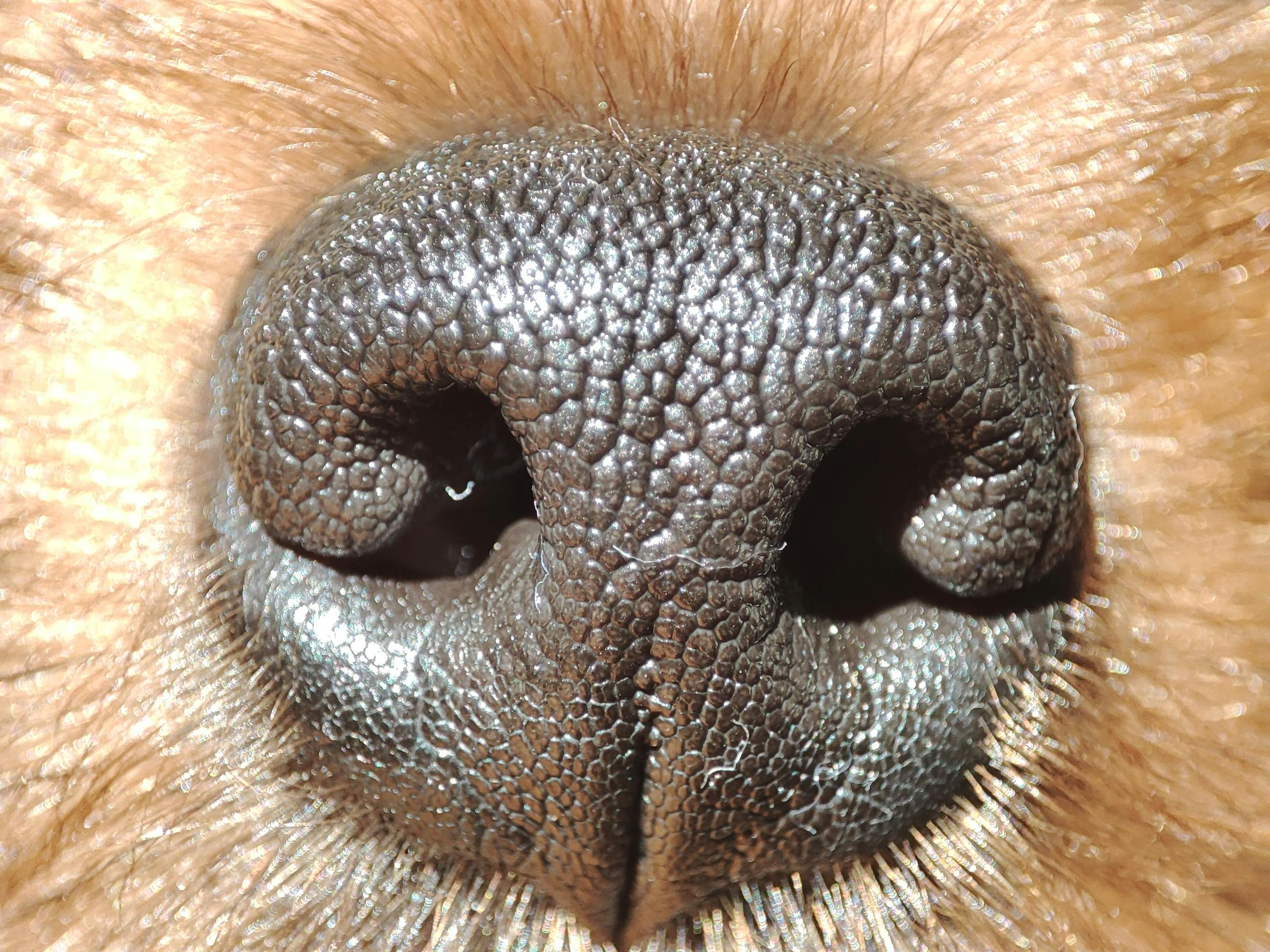
If you ever wondered why your furry friend’s nose is always cool and damp, you’re not alone! Many dog owners have noticed their pet’s wet noses and often ask, “Why do dogs have wet noses?” The answer, however, goes beyond mere curiosity. It has fascinating implications for their health and even their sense of taste. In this article, we will uncover the truth behind the wet noses of dogs and how it may impact their taste buds.
The Science Behind Wet Noses
Dogs have wet noses because of a few reasons that are pretty interesting! First off, the wetness helps to enhance their sense of smell. A dog’s nose is covered in a thin layer of mucus, which captures scent particles from the air. This is important, as dogs have an incredible sense of smell—much better than humans. In fact, dogs have about 300 million smell receptors in their noses, compared to a human’s mere 5 million.
- Enhanced Scent Detection: Wet noses help trap scent particles, making it easier for dogs to identify smells.
- Temperature Regulation: A dog’s nose also helps to cool them down. Dogs don’t sweat like humans do; instead, they rely on panting and their noses to regulate body temperature.
- Health Indicator: A wet nose is often a sign of health in dogs. If a dog’s nose becomes dry or cracked, it may indicate dehydration or illness.
How Does a Wet Nose Affect Taste?
Now, you might be asking, “How does your dog’s wet nose impact their sense of taste?” Well, dogs actually taste food differently than humans. Their taste buds are not as developed as ours, but they compensate with their extraordinary sense of smell. Here’s how it works:
- Taste and Smell Connection: Dogs rely heavily on smell to enjoy their food. A wet nose captures more scent, which enhances their overall flavor experience.
- Taste Buds: Dogs have only about 1,700 taste buds, while humans have around 9,000. This means dogs are less picky about flavors and can be more influenced by smell.
- Flavor Profile: Foods that smell good to them will be more appealing, even if the taste is bland.
Dogs may not savor flavors the same way we do, but the combination of their wet noses and keen sense of smell gives them a unique tasting experience.
Fun Facts About Dog Noses
- Different Shapes and Sizes: Just like humans have unique fingerprints, each dog’s nose print is unique too! This means that no two dogs have the same nose print.
- Color Variation: A dog’s nose can be black, brown, or even pink, and the color can change based on breed or even age.
- Health Monitoring: A dog’s nose moisture can tell you a lot about their health. For instance, a dry nose can sometimes indicate fever, while a wet nose usually signals a healthy pup.
Dogs vs. Humans: A Comparison
Let’s break down some key differences between dog and human noses:
| Feature | Dogs | Humans |
|---|---|---|
| Smell Receptors | ~300 million | ~5 million |
| Taste Buds | ~1,700 | ~9,000 |
| Primary Function | Smell and taste | Taste |
| Nose Temperature | Helps cool the body | Not a factor |
Practical Implications for Dog Owners
Understanding why dogs have wet noses and how it impacts their taste can help you as a dog owner. Here are some practical tips:
- Monitor Nose Health: Keep an eye on your dog’s nose. If it becomes excessively dry or cracked, it may be time for a vet visit.
- Flavorful Treats: Choose treats with strong scents to entice your dog. They might enjoy them more because of their enhanced sense of smell.
- Cool Off: If it’s hot outside, make sure your dog has access to water and shaded areas. Wet noses can help, but they still need hydration.
Conclusion
So, next time you see your dog sniffing around with that adorable wet nose, remember it plays a major role in their health and enjoyment of food. Their wet noses aren’t just cute; they serve crucial functions that impact their sense of taste and overall well-being. Understanding these facts can help improve your relationship with your furry friend and ensure they lead a happy, healthy life.
The Evolutionary Purpose of Wet Noses in Dogs: A Deep Dive into Canine Biology

Dogs, our four-legged companions, have a lot of peculiar traits that makes them unique. One of the most interesting features is their wet noses. You might find yourself wondering, why do dogs have wet noses? This question leads us into a fascinating exploration of canine biology, evolution, and the purpose behind those moist snouts. So, lets dive into the evolutionary purpose of wet noses in dogs and uncover some intriguing truths!
The Biological Function of Wet Noses
First off, the moisture on a dog’s nose isn’t just for show. It serves several important functions that contribute to their overall well-being. Here are some key points about the biology of dog noses:
Enhanced Scent Detection: The wetness of a dog’s nose helps to absorb scent particles from the air. This makes it easier for them to pick up on smells, which is crucial for hunting, navigation, and communication. Dogs have a much better sense of smell than humans—estimates suggest they can detect scents anywhere from 10,000 to 100,000 times better!
Temperature Regulation: Just like sweating in humans, dogs also use their noses to regulate body temperature. When a dog is overheated, moisture evaporating from their wet nose can help cool them down.
Health Indicator: A dog’s nose can also be an indicator of its health. A dry, cracked nose might signal dehydration, fever, or other health problems, while a moist nose is often a sign of a healthy pup.
Evolutionary Perspective
Looking back in history, the evolution of the dog’s wet nose can be traced to their ancestors. Early canines relied heavily on their sense of smell for survival. Wet noses likely became advantageous for these animals to hunt and communicate effectively. Here’s a few evolutionary insights:
Survival of the Fittest: Canines that had wet noses were better at detecting prey and avoiding predators. This trait would have been favored through natural selection.
Adaptation to Environment: As dogs evolved from wolves and other wild canines, their noses adapted to various climates. In hotter regions, a wet nose becomes crucial for staying cool and hydrated.
Connection to Social Behavior: Dogs are social animals, and their wet noses also play a role in social interactions. They often greet each other with nose nudges, sharing scents and information.
The Science of Dog Noses
Let’s break down some interesting facts about dog noses:
Number of Olfactory Receptors: Dogs have about 220 million olfactory receptors in their noses, compared to a human’s 5 million. This vast difference explains why dogs can detect drugs, explosives, and even diseases like cancer.
Nasal Structure: A dog’s nose has a complex structure with turbinates and mucous membranes that enhance smell. The moistness helps trap and dissolve scent particles for improved detection.
Unique Nose Prints: Just like human fingerprints, every dog’s nose print is unique. This has led to the idea of using nose prints for identification purposes, although it’s not commonly practiced.
Practical Examples of Wet Nose Benefits
It’s fascinating to see how these biological and evolutionary traits play out in everyday life. Here are some examples where a dog’s wet nose comes in handy:
Tracking: Dogs used in search and rescue operations rely on their keen sense of smell to locate missing persons. Their wet noses help them pick up scents from the environment.
Service and Therapy Dogs: Many service dogs are trained to detect specific medical conditions, such as low blood sugar or seizures. Their wet noses assist them in picking up unique scents associated with these conditions.
Hunting and Sporting: Dogs bred for hunting, like Bloodhounds and Beagles, utilize their wet noses extensively to track game. Their ability to follow scents is integral to their training and success.
Fun Facts About Dog Noses
Dogs’ noses come in various colors, including black, brown, and pink. The color can sometimes indicate the breed or genetic background.
The texture of a dog’s nose can also vary, with some being smooth and others having a rougher surface.
Some breeds, like the Basenji, have a naturally dry nose, which is normal for them.
In summary, the wet nose of a dog is so much more than a quirky trait. It is a complex biological feature that has evolved over time to enhance a dog’s ability to smell, regulate temperature, and communicate. Understanding why dogs have wet noses not only highlights their unique biology but also deepens our appreciation for these loyal companions. Next time you see your furry friend, take a moment to admire their wet nose—it’s a testament to their evolutionary journey and a critical part of their everyday life!
Conclusion
In conclusion, the wet noses of dogs serve multiple important functions that contribute to their health and well-being. The moisture on a dog’s nose aids in their sense of smell, allowing them to detect scents more effectively, which is essential for communication and exploration. Additionally, the wetness helps regulate their body temperature, functioning as a natural cooling system. This unique characteristic also plays a role in their overall health, as a moist nose can indicate hydration and vitality. Understanding why dogs have wet noses not only deepens our appreciation for these loyal companions but also encourages us to monitor their health closely. Next time you greet your furry friend, take a moment to notice their wet nose and remember the fascinating biology behind it. Share your thoughts or experiences about your dog’s nose in the comments below, and let’s celebrate the little things that make our pets so special!
