
Have you ever wonder why do dogs have wet noses? This quirky canine characteristic not only captivates dog lovers but also raises intriguing questions about the science behind it. Wet noses in dogs are more than just an adorable trait; they play a crucial role in your pup’s health and senses. But, have you ever thought about the benefits of a wet nose? Dogs have moist noses because they help enhance their sense of smell, which is significantly better than ours. Curious to learn more? In this fascinating exploration, we will dive deeper into the reasons and benefits of why do dogs have wet noses. You might be surprise to discover that a wet nose can indicate your dog’s overall well-being! From temperature regulation to scent detection, the science behind this phenomenon is truly captivating. So, if you’ve ever asked yourself, “What does a wet nose mean for my dog?” or “Is it normal for dogs to have a wet nose?” you’re in for a treat! Join us as we uncover the fascinating truth behind the wet noses of our beloved furry friends. Your understanding of canine health and behavior is about to get a whole lot richer!
The Science Behind Canine Moisture: Why Do Dogs Have Wet Noses?
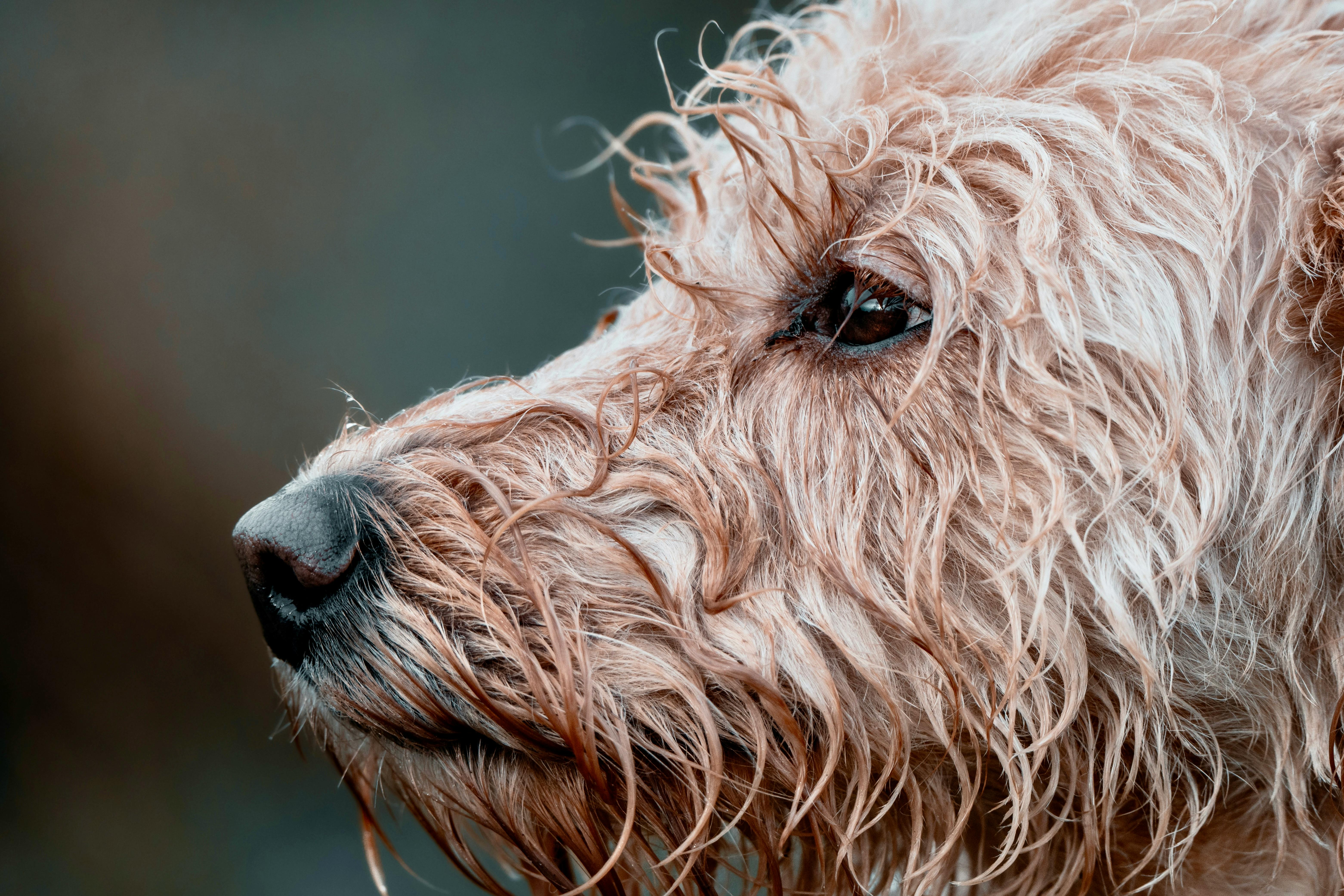
Dogs have been humans’ companions for thousands of years, and one of the quirkiest features about them is their wet noses. Many people often wonder, “why do dogs have wet noses?” It’s a fascinating question that goes beyond mere aesthetics. Those moist noses are not just there for show; they play an important role in your dog’s health and behavior. Let’s dive into the science behind canine moisture and uncover the truth behind those adorable, wet noses.
The Biology Behind a Dog’s Wet Nose
A dog’s nose has a unique structure that’s specifically designed to help them interact with their environment. The moisture you feel on a dog’s nose is primarily due to two reasons:
Nasal Glands: Dogs have specialized glands in their noses that secrete a thin layer of mucus. This mucus helps capture scent particles and enhances their sense of smell.
Cooling Mechanism: Dogs don’t sweat like humans do. Instead, they cool themselves through panting and the moisture on their noses. A wet nose can help regulate their body temperature.
The Role of Scent
Dogs are known for their incredible sense of smell, which is anywhere from 10,000 to 100,000 times more sensitive than that of a human. The wetness of the nose is vital in this aspect because:
Enhanced Scent Detection: The moisture on a dog’s nose helps to dissolve scent particles in the air. This makes it easier for them to detect scents, which is crucial for hunting, tracking, and even just exploring their surroundings.
Chemical Reception: Dogs have a specific organ called the Jacobsen’s organ, located in the roof of their mouths, which helps them process smells. A wet nose aids in the delivery of scent particles to this organ.
Historical and Evolutionary Context
The evolution of a dog’s wet nose can be traced back to their ancestors. Early canines had moist noses, which helped them hunt and survive. Over time, this feature was retained through generations.
- Survival Advantage: In the wild, animals with better olfactory senses could find food more effectively, evade predators, and communicate with others of their species. A wet nose was an evolutionary advantage that many canines still carry today.
Fun Facts About Dogs’ Wet Noses
Temperature Sensation: A dog’s nose can also tell you a lot about their health. A warm, dry nose might indicate a fever, while a cold, wet nose is often a sign of a happy, healthy dog.
Breed Variations: Not all dogs have the same level of moisture on their noses. Breeds with shorter snouts, like Bulldogs, may have drier noses compared to longer-snouted breeds like Greyhounds.
Licking Behavior: Dogs often lick their noses to keep them moist. This is also a way for them to gather information about their environment through taste.
Signs of a Healthy Nose
Here are some indicators that your dog’s nose is healthy:
- Moisture Level: A healthy nose is typically cool and moist.
- Color: A normal nose color can range from black to brown or pink, depending on the breed.
- Texture: The texture should be smooth, without cracks or sores.
When to Be Concerned
While a wet nose is generally a good sign, there are times when you should be wary. Here are some conditions that might require a vet’s attention:
- Excessive Dryness: If the nose is excessively dry and cracked, it could be a sign of dehydration or other health issues.
- Discoloration: Sudden changes in color, especially if accompanied by other symptoms, can indicate problems.
- Persistent Nasal Discharge: Mucus is normal, but if there’s a foul odor or if the discharge is green or yellow, consult a vet.
Conclusion
The wet noses of dogs serve multiple important functions, from enhancing their sense of smell to helping them regulate their body temperature. This characteristic is not just a random feature; it’s deeply rooted in their biology and history. Understanding why dogs have wet noses can help pet owners better care for their furry companions and appreciate the unique traits that make dogs such wonderful pets. So next time you give your pup a pat on the head and feel that damp nose, remember the fascinating science behind it!
5 Surprising Benefits of a Dog’s Wet Nose You Didn’t Know About
Dogs are often known as man’s best friend, but there’s more to them than just companionship. One of the most interesting features of dogs is their wet noses. You might have wondered, why do dogs have wet noses? This question leads us to explore not just the reasons for this unique trait, but also the surprising benefits that come along with it. Here are 5 surprising benefits of a dog’s wet nose you probably didn’t know about!
1. Enhanced Sense of Smell
Dogs have an incredible sense of smell, and their wet noses plays an important role in this. The moisture on a dog’s nose helps to capture scent particles in the air, which enhances their ability to detect odors. This is why dogs are often used in search and rescue missions, as well as in detecting drugs and explosives.
- How it works:
- Wet noses trap scent molecules.
- The moisture increases the surface area for scents.
- Dogs can analyze smells more effectively.
2. Temperature Regulation
You might not think about it, but a dog’s nose isn’t just for sniffing out treats or friends. It also helps regulate their body temperature. When a dog pants or licks its nose, it can help them cool down. This is especially important for breeds that are more prone to overheating.
- Signs of overheating in dogs:
- Excessive panting
- Drooling
- Lethargy
3. Social Interaction
Dogs communicate in many ways, and their wet noses are a key part of social interaction. When dogs greet each other, they often sniff each other’s noses. This behavior is not just for curiosity but also for gathering information about the other dog, such as their mood, health, and even what they’ve eaten recently.
- The social sniffing process:
- Dogs gather scent information with their noses.
- They can read emotions of other dogs.
- A wet nose is often a sign of a friendly approach.
4. Health Indicator
Did you know that a dog’s wet nose can be an indicator of their health? A healthy dog usually has a cool and moist nose, while a dry or warm nose might indicate an underlying issue. However, it’s not always a definitive sign, as many factors can affect a dog’s nose moisture.
- Things to look for:
- Dryness or cracking may indicate dehydration.
- Warmth could suggest a fever.
- Changes in moisture could signal illness.
5. Bonding Experience
When you pet a dog and feel their wet nose, it can create a bonding experience. The act of petting and interacting with a dog helps to release oxytocin, the “love hormone,” in both the dog and the human. This can strengthen the bond between you and your furry friend.
- How bonding happens:
- Physical touch releases oxytocin.
- A wet nose can be comforting and engaging.
- Bonding through play and interaction is vital.
Why Do Dogs Have Wet Noses?
So, why do dogs have wet noses? The answer lies in evolution and biology. A dog’s nose is covered in a special type of skin that allows it to retain moisture. This moisture is essential for their sense of smell and overall health.
- Evolutionary perspective:
- An adaptation for survival.
- Helps in hunting and foraging.
- Important for social behaviors in dog packs.
Dogs are fascinating creatures with unique characteristics that serve multiple purposes. Their wet noses are not just an endearing feature; they play a crucial role in their health, social interactions, and even their ability to smell. So, the next time you give your dog a scratch behind the ears and feel that cool, wet nose, remember that it’s more than just a cute trait—it’s a vital part of what makes dogs the amazing companions they are. Understanding these facts can enrich our relationship with these loyal animals, helping us to appreciate their quirks even more.
Is Your Dog’s Nose Too Wet? Understanding the Health Implications
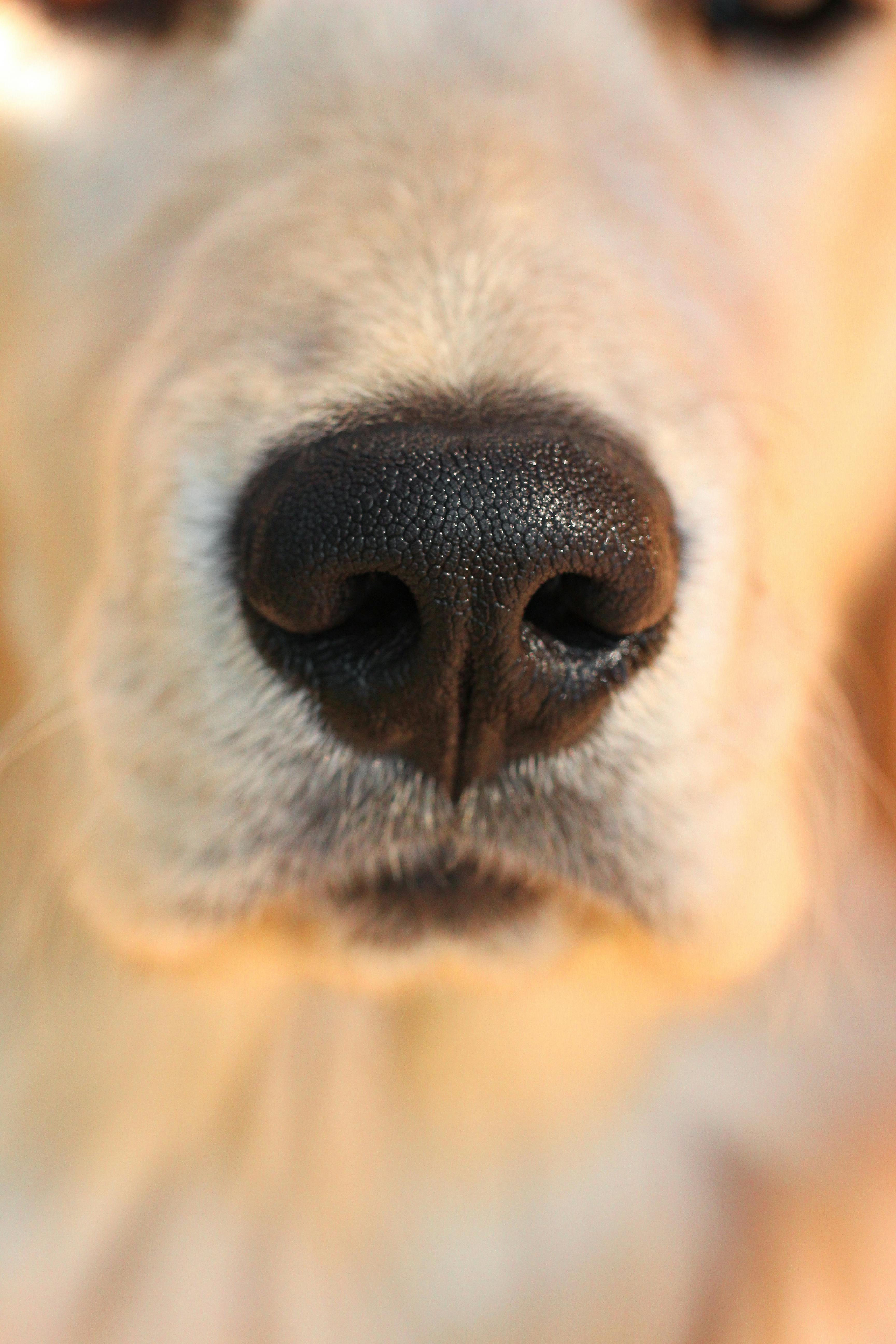
Is your dog’s nose too wet? Understanding the health implications, why do dogs have wet noses? Discover the fascinating truth! Dogs are fascinating creatures and they come with plenty of quirks. One of the most noteworthy features is their wet noses. But why do dogs have wet noses? And should you be worried if your dog’s nose is too wet? Let’s explore these questions more.
The Science Behind Wet Noses
Dogs have wet noses for several reasons, mainly related to their health and senses. Here’s a look at some of the science behind it:
- Heat Regulation: Dogs don’t sweat like humans do. Instead, they rely on their noses to help cool down. The moisture on their noses evaporates and helps to lower their body temperature.
- Enhanced Smell: A wet nose can help absorb scent particles in the air, making it easier for dogs to detect smells. Dogs have an incredible sense of smell, and moisture helps them pick up scents more effectively.
- Health Indicator: A dog’s nose can also be an indicator of their health. Generally, a cool, moist nose can indicate a healthy dog, while a dry or warm nose might indicate illness. However, this isn’t a strict rule.
Historical Context of Dog Noses
Historically, the wet dog nose has fascinated cultures throughout the ages. Ancient Egyptians worshipped dogs, viewing them as sacred animals. They believed that a dog’s keen sense of smell was a divine gift, and its wet nose was a sign of its connection to the spiritual realm. In many cultures, dogs were seen as protectors and companions, and their noses were often regarded as symbols of loyalty and vigilance.
Why is My Dog’s Nose Wet?
If you ever wondered why your dog’s nose feels like a sponge, you’re not alone! Here’s a few reasons that contribute to that wetness:
- Environmental Factors: Weather plays a big role in the moisture level of a dog’s nose. On humid days, dogs’ noses tend to be wetter.
- Excitement or Play: Dogs can become excited or playful, and their noses can become moist due to increased licking or panting.
- Eating or Drinking: When dogs drink water or eat, they often get their noses wet.
What Does a Wet Nose Mean for Health?
Many people believe that a wet nose signifies a healthy dog, but it’s not always the case. Here’s a list of health implications you should keep in mind:
- Normal Variations: Some dogs naturally have drier noses, particularly certain breeds. It’s important to know your dog’s habits and baseline.
- Illness Signs: If your dog has a dry, cracked, or warm nose accompanied by other symptoms like lethargy or loss of appetite, it might indicate an underlying health issue.
- Allergies: Sometimes, allergies can cause excessive moisture or irritation in the nose area.
When to Worry About Nose Moisture
You should keep an eye on your dog’s nose and other signs. If you notice any of the following, it might be time to consult your veterinarian:
- Change in Temperature: If their nose is unusually warm, it could be a sign of fever.
- Nasal Discharge: If you see thick or colored discharge, this can signal an infection or other health problems.
- Lack of Moisture: A persistently dry nose can indicate dehydration or illness.
The Fascinating Truth About Dog Noses
Here’s a fun fact: Dogs have about 300 million smell receptors in their noses, compared to humans who have around 5 million! This makes their sense of smell around 40 times stronger than ours! It’s no wonder they rely on their noses so much.
Quick Tips for Monitoring Your Dog’s Nose Health
- Routine Checks: Regularly check your dog’s nose for moisture, temperature, and any unusual changes.
- Hydration: Ensure your dog is drinking enough water, especially during hot weather.
- Vet Visits: Schedule regular vet check-ups to keep your dog healthy overall.
In summary, a dog’s wet nose is not just a quirky feature; it serves multiple purposes related to health and sensory perception. By understanding why dogs have wet noses and recognizing the health implications associated with it, you can be better prepared to assess your furry friend’s well-being. Keep an eye on those wet noses, and remember, they can tell you a lot about your dog’s health!
How a Wet Nose Helps Dogs Communicate: The Fascinating Connection

Dogs have long been known as man’s best friend, but one of the most curious aspects of their anatomy is their wet noses. Ever wonder why do dogs have wet noses? This question leads us into an intriguing exploration of how these wet noses play a vital role in canine communication and sensory perception. In this article, we will dive deep into the fascinating truth behind the moistness of our furry companions’ noses.
The Science Behind the Wet Nose
Dogs’ noses are not just cute; they serve important functions. The wetness of a dog’s nose is largely due to a thin layer of mucus, which helps enhance their sense of smell. When we ask why do dogs have wet noses, we should consider the following points:
- Enhanced Olfactory Capabilities: A wet nose helps trap scent particles in the air, allowing dogs to pick up smells more efficiently.
- Temperature Regulation: Dogs can’t sweat like humans do. Their noses help to cool them down, which is essential, especially during the hot summer months.
- Health Indicator: A dog’s nose can be a good indicator of their health. A dry or cracked nose might suggest dehydration or illness.
The Role of Communication
Dogs communicate in various ways, and their noses are a central part of this dialogue. When a dog greets another dog, they often sniff each other’s noses. This behavior is more than just a friendly hello; it’s a way for dogs to gather information about one another. Here’s how wet noses contribute to canine communication:
- Scent Markers: Each dog has a unique scent profile. A wet nose helps them to pick up these scent markers left by other dogs.
- Emotional States: Dogs can sense changes in hormones through smell. A wet nose can help them detect whether another dog is anxious, excited, or fearful.
- Social Bonds: Sniffing is a part of bonding. The wetness of their nose is inviting and encourages interaction.
Fun Facts About Dog Noses
- Dogs have about 300 million scent receptors in their noses, compared to a human’s 5 million.
- A dog’s sense of smell can be up to 100,000 times more acute than that of humans.
- The wetness of their noses can vary; for example, it tends to be wetter when they are excited or happy.
Historical Context of Dog Noses
Historically, dogs have been bred for various functions, and their noses reflect this. Hunting dogs, for example, were bred for their exceptional sense of smell, which is enhanced by their wet noses. The connection between a dog’s nose and its role in society is fascinating:
- Hunting and Tracking: Dogs have been used for centuries to track game. Their wet noses were essential for following scents over long distances.
- Search and Rescue: Modern search and rescue dogs rely on their sense of smell to locate missing persons, showing how the wet nose has helped evolve their roles.
Practical Examples of Nose Use
- Therapy Dogs: These dogs often use their keen sense of smell to detect changes in human emotions, providing comfort to those in distress.
- Detection Dogs: In law enforcement, dogs are trained to detect drugs or explosives. Their wet noses help them identify even the faintest of scents.
Comparison: Dog Noses vs. Human Noses
Here’s a simple comparison between dog noses and human noses to highlight the differences:
| Feature | Dog Nose | Human Nose |
|---|---|---|
| Scent Receptors | Approx. 300 million | Approx. 5 million |
| Nose Moisture | Wet | Generally dry |
| Sensory Function | Primary sense of smell | Secondary sense of smell |
| Communication | Key in social interactions | Limited communication |
Final Thoughts
Understanding why do dogs have wet noses is more than just a curiosity; it opens up a gateway to appreciating our companions better. Their wet noses not only enhance their sense of smell but also play an essential role in how they interact with the world. Whether they are forming bonds with other dogs or tracking scents, these moist noses are a unique feature that reflects the complex abilities of dogs. Next time you pet your furry friend, take a moment to appreciate that little wet nose, and think about the fascinating communication that takes place through it.
The Role of Temperature Regulation: Why Dogs Need Wet Noses

Dogs are often considered man’s best friend, but have you ever stopped to wonder why do dogs have wet noses? This common trait has fascinated many dog lovers and scientists alike. Wet noses are not just a quirky feature; they play a vital role in a dog’s overall health and well-being. Understanding the importance of temperature regulation and the biological reasons behind a dog’s wet nose can help dog owners care for their furry friends better.
The Science Behind Wet Noses
A dog’s nose is covered in a layer of mucous which helps to keep it moist. This moisture is essential for several reasons. Firstly, it enhances their sense of smell. Dogs have an incredible olfactory system; they can smell up to 100,000 times better than humans. When their noses are wet, it helps to trap scent particles in the air, making it easier for them to detect smells.
Secondly, wet noses assist in thermoregulation. Dogs do not sweat like humans do; they primarily cool off through panting and the moisture on their noses. The wetness helps to absorb heat from their bodies. Here are some interesting facts about dog noses:
- Cooling Mechanism: Wet noses help to cool down dogs, especially in hot weather.
- Scent Detection: A moist nose increases the likelihood of detecting scents.
- Health Indicator: A dry nose can sometimes signify a health issue, like dehydration or illness.
Historical Context of Dog Noses
Historically, dogs have been domesticated for thousands of years. Ancient civilizations relied on dogs for hunting, herding, and guarding. Over time, humans have selectively bred dogs for specific traits, including their sense of smell. This led to the development of breeds like Bloodhounds, known for their remarkable scenting abilities.
The wet nose, which is a common characteristic across many dog breeds, likely evolved as a crucial survival tool. Dogs who had better scent detection abilities were more successful in hunting and locating food, thus contributing to their survival and domestication.
Why Do Dogs Have Wet Noses? The Fascinating Truth
So, why do dogs have wet noses? The answer lies mainly in two factors: functionality and health. Here’s a breakdown to illustrate this:
- Functionality:
- Enhances scent detection
- Aids in cooling the body
- Health:
- A wet nose can indicate hydration
- Changes in moisture levels might signal health issues
The Role of Temperature Regulation in Dogs
Understanding how temperature regulation works in dogs is crucial for dog owners. Since dogs cannot sweat effectively, they rely on other methods to maintain their body temperature. Alongside panting, their wet noses play a significant role.
Here’s a quick list of how temperature regulation occurs:
- Panting: Dogs breathe rapidly to evaporate moisture from their tongues and lungs, cooling their blood.
- Wet Nose: The moist surface of their noses helps to cool the air they inhale and absorbs heat.
- Shade Seeking: Dogs instinctively look for shaded areas when it’s hot to avoid overheating.
Practical Examples of Caring for Dogs’ Noses
As a dog owner, you might wonder what you can do to keep your dog’s nose healthy. Here’s a useful list of tips:
- Hydration: Make sure your dog always has access to fresh water. Dehydration can lead to a dry nose.
- Temperature Awareness: Be mindful of the weather. On hot days, limit outdoor activities and provide a cool environment.
- Regular Checkups: Visit your veterinarian for routine checkups to monitor any changes in your dog’s health, including their nose.
Comparing Wet Noses to Dry Noses
To further understand the significance of wet noses, let’s compare wet noses to dry noses in dogs:
Wet Nose:
- Usually indicates a healthy, hydrated dog.
- More effective in scent detection.
Dry Nose:
- Can suggest dehydration or illness.
- May result in decreased ability to detect scents.
In conclusion, understanding why do dogs have wet noses is vital for any dog owner. Wet noses play a critical role in scent detection and temperature regulation, which is essential for your dog’s health and comfort. By paying attention to your dog’s nose and overall hydration, you can help ensure a happy and healthy life for your furry companion.
Dog Nose Myths Debunked: What the Wetness Really Means
Dogs are some of the most beloved pets around the world, and their wet noses often spark curiosity and questions among their owners. So, why do dogs have wet noses? What does that wetness really mean? There’s a lot of myths surrounding this aspect of dog anatomy, and we’re here to debunk them. Let’s dive into the fascinating truth about those adorable, damp noses!
The Science Behind Wet Noses
A dog’s nose is more than just a cute feature; it serves several important functions. The wetness of a dog’s nose primarily comes from moisture secreted by glands and saliva. This wetness helps dogs to enhance their sense of smell. Dogs have an astonishing ability to detect scents, and a moist nose can pick up the aroma of smells better than a dry one, which is essential for their survival instincts.
- Function of Wet Noses:
- Enhanced Scent Detection: Moisture helps to capture scent particles in the air.
- Thermoregulation: Wet noses can help cool down a dog’s body temperature, similar to how sweating works in humans.
- Health Indicators: A change in the wetness of a dog’s nose can sometimes indicate health issues, although it’s not always a reliable parameter.
Myths About Dog Nose Wetness
There are many myths about why dogs have wet noses, and it’s time to clear them up. Here are some common misconceptions:
Myth: A Wet Nose Means a Healthy Dog
- Reality: While a moist nose may suggest hydration, it’s not a definitive health indicator. Dogs can be sick with a wet nose and perfectly healthy with a dry one.
Myth: Dogs Sweat Through Their Noses
- Reality: Dogs primarily cool themselves through panting, not sweating through their noses. The moisture on their noses is not sweat.
Myth: The Wetter the Nose, the Happier the Dog
- Reality: Dogs can have various wetness levels depending on their environment, activity level, and health. Happiness is not directly linked to nose wetness.
Myth: A Dog’s Nose Color Indicates Health
- Reality: Nose color can vary widely among different breeds and does not inherently indicate a dog’s health status.
The Historical Perspective on Dog Noses
Historically, the understanding of a dog’s nose has evolved. Ancient civilizations respected dogs for their keen sense of smell, using them for hunting and tracking. The Egyptians even depicted dogs in art, showcasing their importance in society. Over time, various breeds were developed, emphasizing different traits, including a keen sense of smell often associated with their wet noses.
Fun Facts About Dog Noses
- A dog’s sense of smell is estimated to be between 10,000 to 100,000 times more sensitive than that of humans.
- Dogs have around 300 million scent glands in their noses, compared to about 6 million in humans.
- The wetness of a dog’s nose can change throughout the day based on activity—more active dogs may have wetter noses.
Practical Tips for Dog Owners
If you’re a dog owner, understanding your dog’s nose can help you take better care of them:
- Check for Changes: Monitor your dog’s nose for significant changes in moisture. If you notice a sudden change in wetness or color, it may be worth consulting a vet.
- Hydration is Key: Ensure your dog is drinking enough water, as dehydration can affect their overall health and nose condition.
- Regular Vet Visits: Regular check-ups can help catch any underlying health issues early on, ensuring your dog stays healthy.
Comparison of Dog Nose Types
Different breeds have different nose types, which can affect their wetness and scent detection abilities. Here’s a brief comparison:
| Breed Type | Nose Characteristics | Scent Detection Ability |
|---|---|---|
| Hounds | Long and narrow, very wet | Excellent |
| Terriers | Short and compact, moderately wet | Good |
| Toy Breeds | Small and sometimes dry | Fair |
| Working Breeds | Varying sizes, usually wet | Very good |
The fascinating truth about dog noses is that they are more than just an adorable feature. They serve vital functions in a dog’s life, allowing them to interact with their environment in ways we are only beginning to understand. So, the next time you notice your pup’s wet nose, remember it’s not just for show; it’s a complex part of their biology that aids in their survival and interaction with the world. Embrace the quirks and love your dog for all they are, wet noses and all!
The Evolution of Wet Noses in Dogs: Nature’s Design for Survival
The evolution of wet noses in dogs is a fascinating subject that combines biology, history, and a bit of mystery. Why do dogs have wet noses? This question has intrigued pet owners and scientists alike for centuries. The answer is not just about looks or a quirky trait; it’s deeply rooted in nature’s design for survival. Let’s dive into the intriguing world of canine noses and uncover the fascinating truth behind why they are often wet.
The Science Behind Wet Noses
Dogs have wet noses primarily due to their unique anatomy and the evolutionary advantages it provides. Their noses are full of special glands and tissues that help in various ways. Here are some key points about the science of a dog’s nose:
Moisture: The wetness helps to enhance their sense of smell. When a dog sniffs, the moisture on their nose captures scent particles, making it easier to detect different odors.
Temperature Regulation: A wet nose can help dogs regulate their body temperature. It works somewhat like sweating in humans, allowing them to cool down more efficiently.
Health Indicator: The condition of a dog’s nose can indicate its health. A dry or cracked nose might suggest dehydration or illness, while a wet nose is generally a sign of a healthy dog.
A Historical Perspective
The history of dogs and their noses goes back thousands of years. Dogs are believed to have been domesticated around 15,000 years ago, and their sensory capabilities have been a critical part of their survival since then. Early humans relied on dogs for hunting and protection, and their ability to smell has been crucial. Here’s how it evolved over time:
Hunting Companions: In ancient times, dogs with keen sense of smell were preferred. Those that had wet noses were often better hunters as they could track scents over long distances.
Companionship: As dogs became more of companions rather than just hunting partners, their noses maintained this critical function. The wet nose remained essential for bonding and communication with humans.
Why Do Dogs Have Wet Noses? Exploring Different Theories
While the scientific explanations are compelling, there are also various theories that have been proposed over time:
Scent Detection: The moisture on a dog’s nose absorbs scent particles, making them more sensitive to smells. This is why dogs are often used in search and rescue missions.
Communication: Dogs often greet each other by sniffing noses. A wet nose can signal friendliness and openness, promoting social interaction.
Instinctual Behavior: In the wild, animals with wet noses may have had an advantage in hunting and foraging, thus developing this trait over generations.
Comparisons with Other Animals
It’s interesting to compare the wet noses of dogs with those of other animals:
| Animal | Nose Type | Functionality |
|---|---|---|
| Dogs | Wet | Enhanced smell, temperature regulation |
| Cats | Dry | Good sense of smell, but less efficient |
| Elephants | Wet | Excellent at detecting scents from a distance |
| Pigs | Wet | Strong sense of smell for foraging |
Practical Examples
Dog owners often notice the differences in their pets’ noses throughout the day. For instance, after a long walk or playtime, a dog’s nose may feel wetter than usual. This is an indication of their active lifestyle and their body working hard. It’s also common for owners to observe their dog’s nose changing with the seasons; during winter, noses might dry up more, while summer brings extra moisture.
Fun Facts about Dog Noses
- Dogs have about 300 million smell receptors, compared to a human’s 5 million.
- The texture of a dog’s nose is unique, similar to a human fingerprint.
- Certain breeds like Bloodhounds are known for their incredible sense of smell, often used in police work.
The wet nose of a dog is more than just an adorable feature; it reflects a long history of evolutionary adaptations that have helped them survive and thrive alongside humans. Understanding why dogs have wet noses not only enriches our knowledge about these beloved animals but also enhances our bond with them. Next time you give your furry friend a pat on the head and feel that cool, wet nose, remember – it’s nature’s design at work!
Keeping Your Dog’s Nose Healthy: Tips for Pet Owners
Dogs are beloved companions, and their health is important to all pet owners. One of the most common characteristics of dogs is their nose, which is often wet. Have you ever wondered why do dogs have wet noses? The answer might surprise you. Not only does a wet nose play a significant role in a dog’s health, but it also serves various functions that many pet owners may not be aware of.
The Science Behind Wet Noses
Dogs’ noses are usually moist, and this is because of several factors. Firstly, the moisture on a dog’s nose helps to enhance their sense of smell. Dogs have an incredible olfactory system, and having a wet nose allows them to capture scent molecules more effectively. When the nose is wet, it absorbs these scent particles better, leading to an increased ability to smell.
Additionally, a wet nose helps dogs regulate their body temperature. Dogs don’t sweat like humans; instead, they rely on panting and the moisture on their noses to keep cool. When their noses are wet, it can help lower their body temperature, which is crucial, especially in warm weather.
Common Misconceptions About Dog Nose Health
Many people think a warm nose means a dog is sick, but this isn’t always true. A dog’s nose temperature can fluctuate throughout the day. Here are some common myths about dog noses:
- A Dry Nose Means Illness: Not necessarily. A dog’s nose can be dry for many reasons, such as sleeping, weather, or dehydration.
- Nose Color Indicates Health: The color of a dog’s nose varies by breed and doesn’t necessarily correlate with health.
- Wet Noses Are Always Healthy: A wet nose can be a sign of health, but it doesn’t guarantee it. Regular vet check-ups are still necessary.
Keeping Your Dog’s Nose Healthy
As a pet owner, you might want to ensure that your dog’s nose stays healthy. Here are some effective tips:
- Regular Check-Ups: Schedule regular vet visits to monitor any changes in your dog’s nose.
- Hydration: Ensure your dog is drinking enough water. Dehydration can lead to a dry nose.
- Humidity Control: In dry climates, consider using a humidifier to help keep your dog’s skin and nose moist.
- Avoid Chemicals: Be careful with cleaning products around the house. Certain chemicals can irritate a dog’s nose.
- Diet: Feed your dog a balanced diet rich in essential fatty acids, which can promote healthy skin and moisture.
Signs of Nose Problems to Watch Out For
It’s important to keep an eye on your dog’s nose for any signs of trouble. Look out for these issues:
- Cracking or Scaling: This could indicate a skin condition or allergies.
- Excessive Discharge: Clear, watery discharge is normal, but thick, colored discharge can signal an infection.
- Bleeding: If your dog’s nose is bleeding, it might be a sign of trauma or a more serious health issue.
- Change in Color: If the nose changes color suddenly, it’s worth getting checked by a vet.
Fun Facts About Dog Noses
Did you know that dog noses have unique patterns, just like human fingerprints? Each dog has a distinct nose print. Here are some additional fun facts:
- Heightened Sense of Smell: Dogs have up to 300 million smell receptors, compared to about 5 million in humans.
- Temperature Regulation: A cool, wet nose can regulate a dog’s body temperature more effectively than panting alone.
- Communication Tool: Dogs also use their noses to communicate with other dogs, leaving scent markers.
Conclusion
Understanding why do dogs have wet noses is just the beginning of appreciating these wonderful pets. A wet nose is not just a cute feature; it’s a vital part of a dog’s health and well-being. By keeping your dog’s nose healthy through proper care and attention, you ensure your furry friend remains happy and healthy. Regular vet visits and monitoring for any changes can help catch problems early, leading to a long, happy life for your beloved companion. So, give your dog some extra love today, and don’t forget to keep that nose nice and moist!
Why Does Your Dog’s Nose Change from Wet to Dry? Key Factors Explained
Have you ever noticed how your dog’s nose changes from wet to dry and maybe you wonder why does this happen? It’s a common question among dog owners, and the answer is more fascinating than you might think. Let’s dive into the various reasons behind this phenomenon and explore the intriguing truth about why dogs have wet noses.
The Nature of a Dog’s Nose
First things first, dogs have unique noses, and their moistness plays a significant role in their overall health and behavior. A dog’s sense of smell is far superior to that of humans, and their noses are perfectly designed for this purpose. The wetness of the nose helps to enhance their sense of smell, allowing them to pick up scents more effectively.
- How does this work? The moisture on a dog’s nose helps to capture scent particles from the air. When a dog licks its nose, it can absorb these particles, which are then processed by the olfactory receptors in their nasal cavity.
Why Do Dogs Have Wet Noses?
There are several reasons why dogs’ noses are wet. Here’s a quick look at the key factors:
- Cooling Mechanism: Dogs do not sweat like humans do; instead, they regulate their body temperature through panting and the moisture on their noses. A wet nose can help cool down their body.
- Sensory Enhancement: As mentioned earlier, the wetness helps to capture scent molecules, increasing a dog’s ability to smell. This is particularly useful for hunting or tracking.
- Health Indicator: A dog’s nose can also serve as a health barometer. Generally, a healthy dog will have a cool, moist nose. However, changes in moisture levels can indicate health issues.
What Affects the Moisture of a Dog’s Nose?
You may notice that your dog’s nose can change from wet to dry for various reasons. Here are some common factors that can lead to this change:
- Environmental Conditions:
- Hot weather can dry out a dog’s nose.
- Low humidity environments can also contribute.
- Health Issues:
- Nasal infections or allergies can cause changes in moisture levels.
- Dehydration can make a dog’s nose dry.
- Age:
- Older dogs may naturally have drier noses as they age.
- Activity Level:
- After exercise, a dog may have a drier nose due to panting and increased body temperature.
Dog Nose Health: What to Look Out For
It’s essential to pay attention to your dog’s nose, as changes can indicate health concerns. Here’s a list of signs you should observe:
- Crustiness or Cracking: This could suggest a skin condition or infection.
- Discoloration: A change from pink to brown or black might indicate a health issue.
- Excessive Dryness: If your dog’s nose stays dry for long periods, consult a vet.
- Bleeding: This is serious and requires immediate veterinary attention.
Fun Facts About Dog Noses
Dogs’ noses are not just wet for functional reasons; they’re also pretty fascinating! Here are some fun facts:
- Unique Patterns: Just like human fingerprints, every dog has a unique nose print.
- Scent Discrimination: Dogs can detect certain scents at incredibly low concentrations, even as low as parts per trillion!
- Temperature Regulation: A wet nose helps keep a dog cool, which is why you’ll often see them licking their noses after playing.
Conclusion
Understanding why a dog’s nose changes from wet to dry is not only about curiosity; it can provide insight into your dog’s well-being. The moisture level can be influenced by many factors like environment, health, and activity level. Always keep an eye on your dog’s nose and remember that any drastic changes should be brought to a veterinarian’s attention. Embrace the quirks of your furry friend, and the next time you notice that wet nose, you’ll know a bit more about why it’s so special!
The Hidden World of Dog Senses: How Wet Noses Enhance Their Abilities
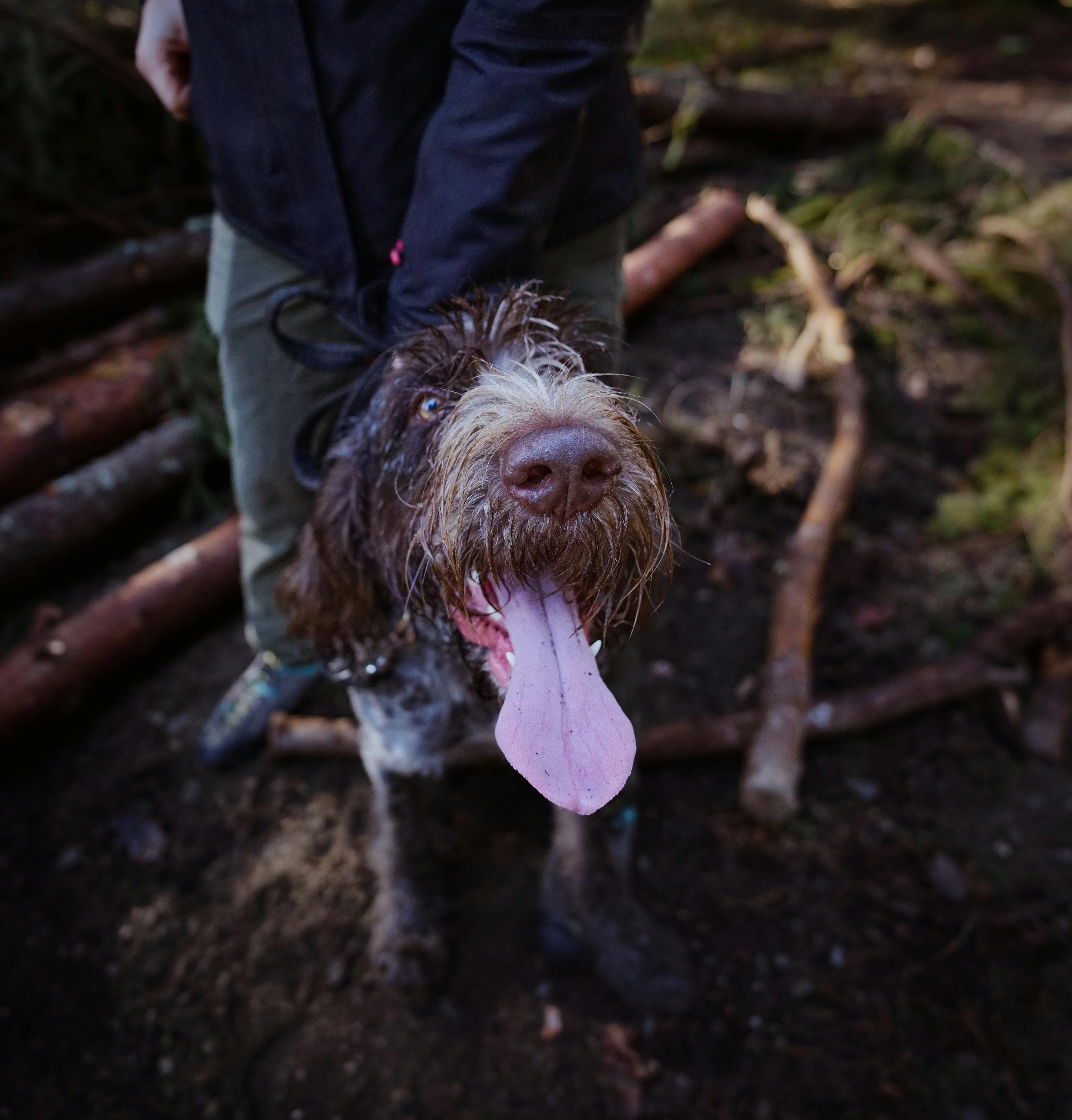
Dogs are more than just pets; they’re our companions, guardians, and sometimes our best friends. But what makes them so special? One interesting aspect of dogs, that many people doesn’t think about, is their incredible sense of smell, which is closely related to their wet noses. So, why do dogs have wet noses? Let’s dive into the hidden world of dog senses and discover the fascinating truth about these furry friends.
The Science Behind Wet Noses
Dogs have wet noses for a couple of reasons. First, it helps them to smell better. A wet nose can capture scent molecules more effectively than a dry one. When the surface of the nose is moist, it keeps scent particles adhered, which allows dogs to process smells more efficiently. This is particularly important since a dog’s sense of smell is estimated to be between 10,000 to 100,000 times more sensitive than that of humans.
Enhancing Their Abilities: How Wet Noses Work
So, how exactly does this work, you might wonder? Here are some key points about wet noses and their connection to a dog’s smelling capabilities:
- Moisture Retention: The moisture on a dog’s nose helps to trap scents, allowing them to analyze all sorts of smells in their environment.
- Temperature Regulation: Dogs also use their noses to help regulate their body temperature. A wet nose can cool them down, which is important for their overall health.
- Communication: Dogs use their noses to communicate with other dogs. The scent they leave can tell others about their identity, health, and even mood.
Evolutionary Perspective
Historically, dogs evolved from wolves, which relied heavily on their sense of smell for hunting and survival. Over generations, dogs have adapted to be more in tune with humans. Their wet noses are a trait that has been honed through both natural selection and domestication.
- Survival Mechanism: In the wild, a keen sense of smell is essential for locating food and avoiding danger. Wet noses played a role in ensuring that dogs could hunt effectively.
- Social Interactions: As dogs became domesticated, their sense of smell became crucial in their interactions with humans and other animals.
Fun Facts About Dog Noses
Here are some fun facts about dog noses that might surprise you:
- Unique Patterns: Just like human fingerprints, each dog’s nose has a unique pattern, which can be used for identification.
- Temperature Sensitivity: A dog’s nose can detect temperature changes, which helps them sense their environment better.
- Scent Discrimination: Dogs can identify individual scents within a mixture, which is why they are often used in search-and-rescue missions.
Practical Examples of Dog Nose Use
Dogs are known for their incredible noses, and they are used in various fields. Here are some practical examples:
- Search and Rescue: Dogs are trained to locate missing persons by following scent trails. Their wet noses help them pick up on various scents in challenging environments.
- Detection Work: Police dogs use their noses to detect drugs, explosives, and other substances. Their ability to differentiate scents makes them invaluable in law enforcement.
- Medical Alerts: Some dogs can even detect medical conditions, such as low blood sugar or certain types of cancer, by sniffing out specific chemical changes in the body.
Why Do Dogs Have Wet Noses?
So, to finally answer the question: why do dogs have wet noses? They serve multiple purposes that enhance their survival, communication, and interaction with their surroundings. The wetness of their noses is not just a quirk; it’s a vital aspect of their biology that plays a crucial role in their day-to-day life.
Dogs are remarkable creatures, and their wet noses are just one of the many features that make them so special. Whether they’re wagging their tails or sniffing around your feet, their wet noses are a constant reminder of their unique abilities and the bond they share with us humans. So next time you see your dog with that adorable wet nose, remember the fascinating science behind it and appreciate all the incredible things they can do.
Conclusion
In conclusion, the wet noses of dogs serve multiple essential functions that contribute to their overall health and well-being. A moist nose helps enhance their sense of smell, as the moisture traps scent particles, making it easier for them to detect various odors. Additionally, a wet nose plays a role in thermoregulation, allowing dogs to cool down through evaporation. While the texture and temperature of a dog’s nose can be indicators of their health, it’s important to remember that variations can occur and do not always signify illness. Understanding these fascinating aspects of canine biology can deepen our appreciation for our furry companions. So, the next time you greet your dog, take a moment to marvel at their unique, wet nose and consider how it reflects their incredible sensory abilities. If you’re a dog owner, ensure regular vet check-ups to maintain your pet’s health and happiness.
