
Have you ever wondered, why do dogs have wet noses? This intriguing question has puzzled many dog lovers and pet owners alike. The answer is not just a simple one; it’s a fascinating blend of biology and behavior that reveals a lot about our furry companions. A dog’s nose is not only wet but also plays a crucial role in their sense of smell and communication. Did you know that a wet nose helps dogs to absorb scent molecules more effectively? This unique feature allows them to detect a variety of smells, making them exceptional at tasks like search and rescue or even detecting diseases. Moreover, a damp nose can signify your dog’s health and well-being, as it’s often an indicator of hydration levels. But what happens when a dog’s nose is dry? Could this mean something is wrong? Understanding the reasons behind this common canine characteristic can enhance your bond with your pet. So, let’s dive deeper into the world of our four-legged friends and uncover the fascinating reasons behind why dogs have wet noses!
Unveiling the Mystery: Why Do Dogs Have Wet Noses? The Science Explained

Dogs are some of the most beloved pets around the globe, and many dog owners often wonder about their furry companions’ peculiar traits. One of the most fascinating features of dogs is their wet noses. So, why do dogs have wet noses? Unveiling the mystery behind this characteristic can be quite interesting and it combines science, biology, and even a bit of history.
The Science of Wet Noses
Firstly, let’s dive into the science. A dog’s nose is wet for several reasons that are important to their health and sensory abilities. The moisture on their noses comes from glands that are located in their nasal passages, and it helps enhance their sense of smell. Dogs have around 220 million scent receptors in their noses, compared to humans, who only have about 5 million. When a dog’s nose is wet, it can capture scent particles in the air more effectively, improving their ability to sniff out scents.
The Role of Body Temperature Regulation
Another reason why dogs have wet noses is temperature regulation. Dogs don’t sweat like humans do. Instead, they cool down primarily through panting and through their noses. The moisture on their noses evaporates, which helps to cool down their body temperature. This is crucial during hot days or after exercise. So, a wet nose is not just a cute trait; it plays a vital role in keeping your dog comfortable and healthy.
Historical Context: Evolutionary Advantage
Historically, having a wet nose is believed to have provided dogs with an evolutionary advantage. Dogs descended from wolves, who relied heavily on their sense of smell for hunting and survival. A moist nose is more efficient at detecting scents, which would have been crucial for finding food and avoiding danger. This characteristic has been passed down through generations, making it an essential part of a dog’s anatomy.
Fascinating Facts About Dog Noses
- Dogs have a unique nose print, much like human fingerprints. Each dog’s nose has a distinct pattern that can be used for identification.
- The color of a dog’s nose can change depending on their mood. For example, a dog might have a darker nose when relaxed and a lighter one when anxious.
- Some breeds are known for their particularly cold and wet noses, like the Labrador Retriever or the Beagle, while others may have drier noses.
Health Indicators: What a Wet Nose Means
A wet nose is usually a sign of a healthy dog, but it’s not a definitive measure. Here’s a quick list of what different nose conditions might indicate:
- Wet and Cool: Generally a sign of good health.
- Dry and Warm: Could indicate fever or dehydration.
- Cracked or Chapped: Might suggest a need for hydration or a skin issue.
- Excessively Runny Nose: Could mean allergies or an infection.
Practical Examples of Nose Care
Taking care of your dog’s nose is essential. Here’s how you can ensure your furry friend stays healthy:
- Hydration: Make sure your dog has constant access to fresh water.
- Moisturizing: If your dog’s nose is cracked, applying a vet-recommended balm can help.
- Regular Check-ups: Routine vet visits can catch any issues early on.
Conclusion
In summary, the question “Why do dogs have wet noses?” is answered through a blend of biological function, evolutionary history, and health indicators. Wet noses are not just an endearing trait but also a sign of a dog’s health and well-being. Recognizing the significance of your dog’s nose can lead to deeper understanding and better care for your pet, ensuring they live a long, happy life. So next time you give your dog a pat, take a moment to appreciate that wet nose and all the fascinating science behind it!
5 Fascinating Reasons Behind Your Dog’s Moist Nose That You Didn’t Know
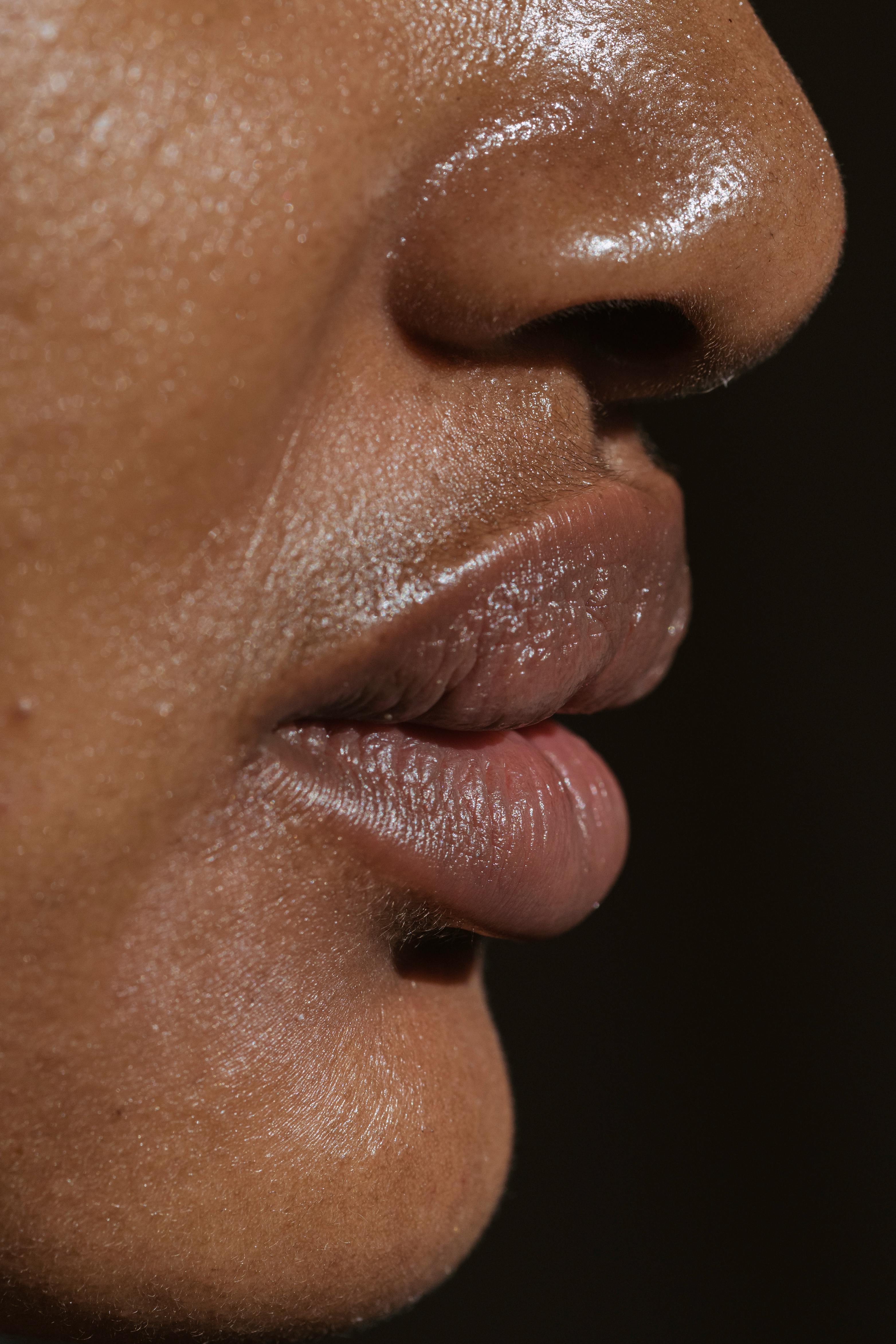
Have you ever wondered why your furry friend has that moist nose? Many dog owners often ask, “Why do dogs have wet noses?” It’s not just an adorable quirk; there are several fascinating reasons behind it. Let’s dive into some surprising facts about your dog’s wet nose that you probably didn’t know.
1. Temperature Regulation
One of the most interesting reasons is that dogs use their noses to help regulate their body temperature. Unlike humans, dogs don’t sweat in the same way. Instead, they rely on their noses to cool down. When a dog’s nose is wet, it can evaporate moisture, similar to how sweating works for us. This helps them to maintain a comfortable body temperature, especially on hot days. It’s like nature’s air conditioning system!
2. Enhanced Sense of Smell
Dogs have an incredible sense of smell, and their wet noses play a crucial role in that. The moisture on a dog’s nose helps to capture scent particles, making it easier for them to identify different smells. Think about it this way: when their nose is wet, it can pick up on more scents in the environment. This is why dogs can smell things we can’t even imagine! Here’s a quick comparison:
- Humans: Approximately 5 million scent receptors
- Dogs: Up to 300 million scent receptors
Can you see why their noses are so vital for their sensory perception?
3. Communication Tool
Dogs also use their noses as a form of communication. When dogs greet each other, they often sniff each other’s noses. This is their way of saying hello and getting to know one another. The wetness of their noses plays a role in this social behavior, as the moisture helps transmit pheromones and other chemical signals. It’s like a handshake, but much wetter and more informative!
4. Health Indicator
A dog’s nose can actually be a good indicator of their health. While many people believe that a cold, wet nose means a dog is healthy and a warm, dry nose signifies illness, it’s not always that simple. However, any sudden changes in the moisture or temperature of your dog’s nose can be a sign of health issues. For instance, if your dog’s nose is unusually dry or cracked, it could indicate dehydration or other health problems. Here are some signs to look out for:
- Dry and Cracked: Potential dehydration
- Excessive Moisture: Possible allergies or infections
- Changes in Color: Possible underlying health issues
5. Evolutionary Advantage
Historically, dogs’ wet noses can be traced back to their ancestors. Early canines evolved with moist noses as a survival mechanism. This adaptation helped them hunt more effectively. The ability to detect scents in the environment was critical for finding food and avoiding predators. So, every time you see your dog’s wet nose, you’re witnessing a trait that has been perfected over thousands of years!
Fun Facts About Your Dog’s Nose
- A dog’s nose print is unique, just like a human fingerprint.
- The color of a dog’s nose can change with age, weather, or health.
- Dogs can smell fear, which is why they sometimes react to anxious individuals.
Why Moist Noses Matter
Moist noses are not just a cute feature; they serve multiple purposes that contribute to a dog’s overall well-being. From helping them stay cool to enhancing their sense of smell, it’s clear that a wet nose is more than meets the eye (or nose!).
So, next time you lean down to give your pup a pat and feel that cool, wet nose against your skin, remember the amazing biology behind it. Your dog’s nose is a powerhouse of functionality, evolution, and communication.
Understanding these fascinating reasons behind your dog’s moist nose can help you appreciate your furry friend even more. It’s not just an adorable trait—it’s a testament to how uniquely adapted dogs are to their environments and their roles as companions. Embrace the wet nose, and recognize all the incredible functions it serves for your beloved pet.
Is Your Dog’s Wet Nose Normal? Understanding Canine Health Indicators
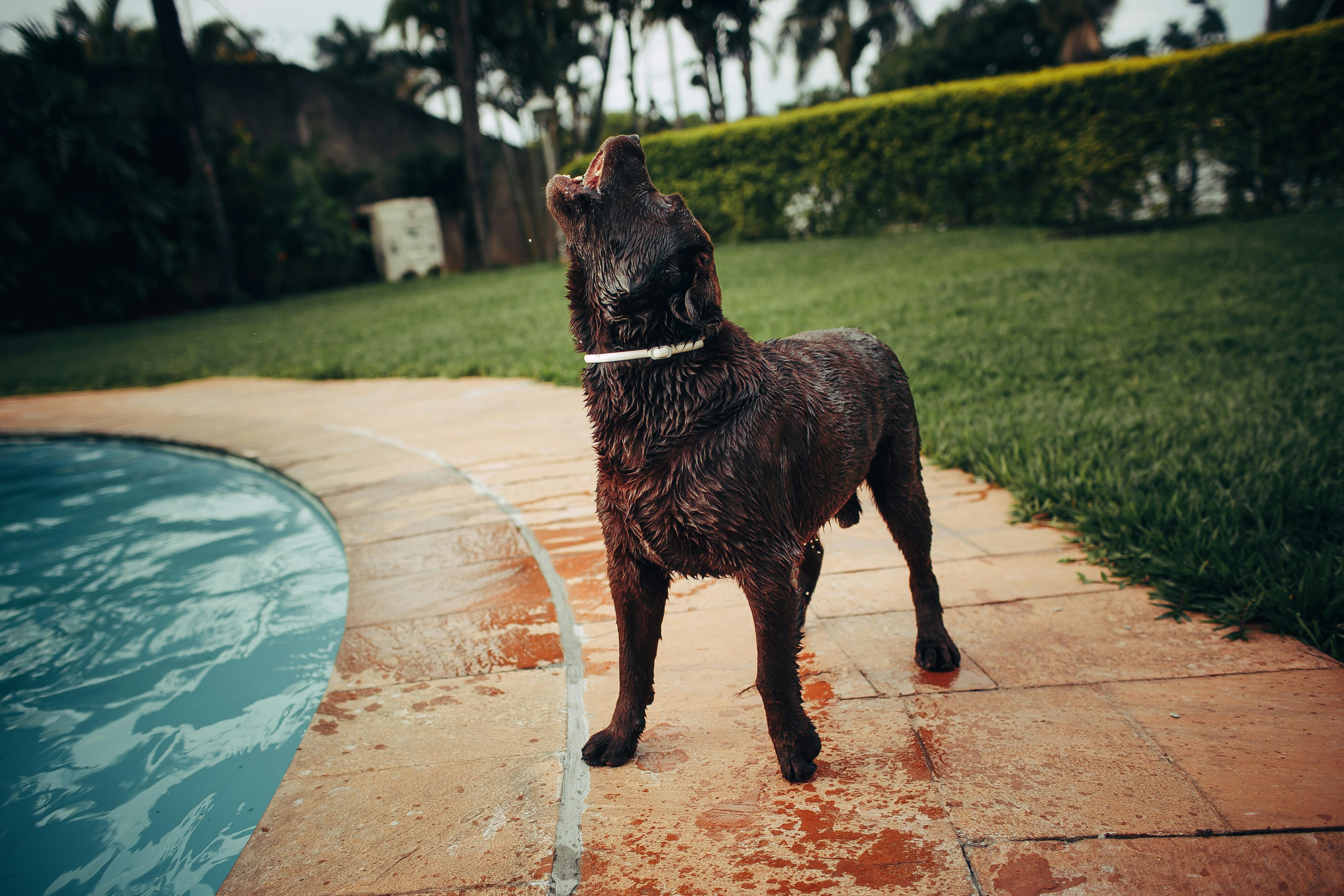
Have you ever wondered why your dog’s nose is wet? You’re not alone, many dog owners often ask, “Is your dog’s wet nose normal?” It’s a common question that reveals a lot about canine health and well-being. In this article, we’re gonna explore the fascinating reasons behind wet noses, what it means for your furry friend, and how to interpret this unique feature of dogs.
The Science Behind Wet Noses
Dogs have wet noses primarily because of their unique anatomy. The moisture on a dog’s nose helps to enhance their sense of smell, which is already highly developed. A wet nose can make it easier for dogs to absorb scent particles, leading to a better olfactory experience. Here are some key points about dog noses:
- Moisture Production: Dogs produce mucus in their noses, which keeps it moist. This moisture comes from special glands located in the nasal passages.
- Temperature Regulation: A wet nose can help dogs regulate their body temperature. Dogs don’t sweat like humans do; instead, they rely on panting and the moisture on their noses to cool down.
- Scent Absorption: The wetness traps scents more effectively, allowing dogs to take in more information about their environment.
Why Do Dogs Have Wet Noses?
There are several reasons why a dog’s nose is often wet. Let’s take a deeper look:
Health Indicator: A wet nose is generally a good sign. Healthy dogs usually have moist noses, while a dry nose may indicate health issues like fever or dehydration.
Behavioral Factors: Dogs often lick their noses, which adds moisture. They might do this when they are excited, anxious, or curious.
Environmental Influences: Weather conditions and humidity can also affect nose moisture. For instance, dogs may have drier noses in winter or in dry climates.
Breed Differences: Some breeds have naturally wetter noses than others. For example, hound breeds are known for their moist noses, while some brachycephalic breeds, like Bulldogs, may have drier noses.
Common Misconceptions About Dog Noses
There are myths surrounding dog noses that can lead to misunderstanding. Here’s a quick breakdown:
Myth 1: A wet nose means a dog is sick.
- Fact: A wet nose is often a sign of health, but it’s not the only indicator. Always look for other symptoms.
Myth 2: A dry nose indicates dehydration.
- Fact: While a dry nose can signal dehydration, it can also be due to environmental factors or simply a dog being asleep.
Health Concerns Related to Dog Noses
While a wet nose is usually a sign of a healthy dog, there are times when you should be concerned. Here are some symptoms to watch for:
- Persistent Dryness: A nose that stays dry for an extended period might indicate illness.
- Cracks or Sores: If the nose has visible cracks, sores, or bleeding, consult a veterinarian.
- Change in Temperature: If the nose becomes excessively hot or cold, it could be a sign of an underlying issue.
Tips for Monitoring Your Dog’s Nose Health
Keeping an eye on your dog’s nose can provide insights into their overall health. Here’s how you can monitor it:
- Daily Checks: Get in the habit of checking your dog’s nose every day. Look for moisture levels, color, and any abnormalities.
- Watch for Changes: If you notice any sudden changes in the nose’s moisture or texture, take note and consult a vet if necessary.
- Hydration: Ensure your dog has access to fresh water at all times. Proper hydration is essential for keeping their nose moist.
Fun Facts About Dog Noses
Did you know that a dog’s sense of smell is estimated to be up to 100,000 times more sensitive than a human’s? Here’s some more interesting tidbits:
- Unique Patterns: Just like human fingerprints, every dog’s nose print is unique and can be used for identification.
- Scent Tracking: Dogs can be trained to detect various scents, including drugs, explosives, and even certain medical conditions in humans, thanks to their amazing noses.
- Nose Work: Many dogs participate in nose work activities, where they are trained to find hidden scents, showcasing their incredible abilities.
Understanding your dog’s wet nose can provide valuable insights into their health and well-being. It’s a simple yet fascinating aspect of canine biology that connects to their sensory experiences and overall vitality. Whether it’s a telltale sign of excitement or an indication of health, the wet nose of your dog tells a story worth knowing. So next time you feel that cool, wet touch against your hand, remember what it represents in the
The Surprising Benefits of a Wet Nose: How It Helps Your Dog Stay Healthy

Dogs are often called man’s best friend, and one of the most endearing traits they have is their wet noses. But have you ever wondered why do dogs have wet noses? It’s not just a quirky feature; it actually serves several important purposes that can even play a role in their health. Let’s dive into the surprising benefits of a wet nose and understand how it helps your furry friend stay healthy.
What Makes a Dog’s Nose Wet?
A dog’s nose is usually moist due to the secretion of mucus from the nasal passages and the surrounding skin. This moisture helps to enhance their sense of smell, which is incredibly important for dogs. Dogs have a sense of smell that is thousands of times more sensitive than humans, and the wetness helps to trap scent particles.
- Moisture particles are more easily absorbed through the nose.
- It helps regulate their body temperature.
- Wet noses can also indicate a dog’s emotional state.
The Health Benefits of a Wet Nose
You might be surprised to learn that a wet nose can actually be an indicator of health in dogs. Here’s a list of some health benefits associated with having a wet nose:
- Enhanced Smell: The wet surface allows for better scent absorption, which is essential for tracking and hunting.
- Cooling Mechanism: Dogs can’t sweat like humans do, so a wet nose helps cool them down during hot weather.
- Hydration Indicator: A consistently dry nose may signal dehydration or illness. A healthy dog often has a moist nose.
- Temperature Regulation: A wet nose helps dogs regulate their body temperature more effectively.
Why Is a Dog’s Nose Sometimes Dry?
There’s many reasons why a dog’s nose might be dry. Sometimes it’s just natural and nothing to worry about, but it can also indicate health issues. Here’s a few common reasons:
- Weather Changes: Hot weather can dry out a dog’s nose.
- Allergies: Allergies can cause a dog’s nose to become dry and cracked.
- Dehydration: A lack of water intake can lead to dryness.
- Illness: Certain illnesses can result in a dry nose.
Historical Context of Dog Noses
The role of a dog’s nose has evolved alongside their relationship with humans. Historically, dogs were bred for specific tasks, many of which required a keen sense of smell, such as hunting, herding, and guarding. The wet nose became a natural adaptation that improved their ability to perform these tasks.
- Hunting Dogs: Wet noses help with tracking scents over long distances.
- Herding Dogs: They rely on their noses to navigate and communicate effectively.
- Guard Dogs: A wet nose can help with detecting intruders or changes in their environment.
Fun Facts About Dog Noses
Did you know that a dog’s nose print is as unique as a human fingerprint? Here are some more fun facts:
- Nasal Patterns: Each dog has a unique pattern on their nose, which can be used for identification.
- Temperature Sensitivity: Dogs can detect temperature changes through their noses, making them great at sensing danger.
- Nose Size Matters: Larger noses often absorb more scents, which is why breeds like Bloodhounds are known for their incredible tracking abilities.
Taking Care of Your Dog’s Nose
Maintaining your dog’s nose is important for their overall health. Here are some easy tips:
- Hydration: Ensure your dog drinks enough water.
- Moisturize: If your dog’s nose is frequently dry, consider using a pet-safe moisturizer.
- Regular Vet Check-ups: Regular visits to the veterinarian can help catch any potential issues early on.
Comparing Wet and Dry Noses
Wet Nose vs. Dry Nose
| Feature | Wet Nose | Dry Nose |
|---|---|---|
| Smell Sensitivity | High | Lower |
| Temperature | Helps cool body | Can indicate overheating |
| Health Indicator | Typically healthy | May signal dehydration/illness |
Understanding the health implications of a dog’s nose can help owners care for their pets better. If you notice any drastic changes in your dog’s nose, it’s important to consult with a veterinarian to ensure everything is alright.
So, the next time you pet your dog and feel that wet nose, remember it’s more than just a cute feature. It’s a fascinating part of your dog’s biology that helps them thrive in their environment. Keeping an eye on the health of your dog’s nose can truly make a difference in their overall well-being.
Wet Noses and Dog Behavior: What Your Furry Friend Is Trying to Tell You
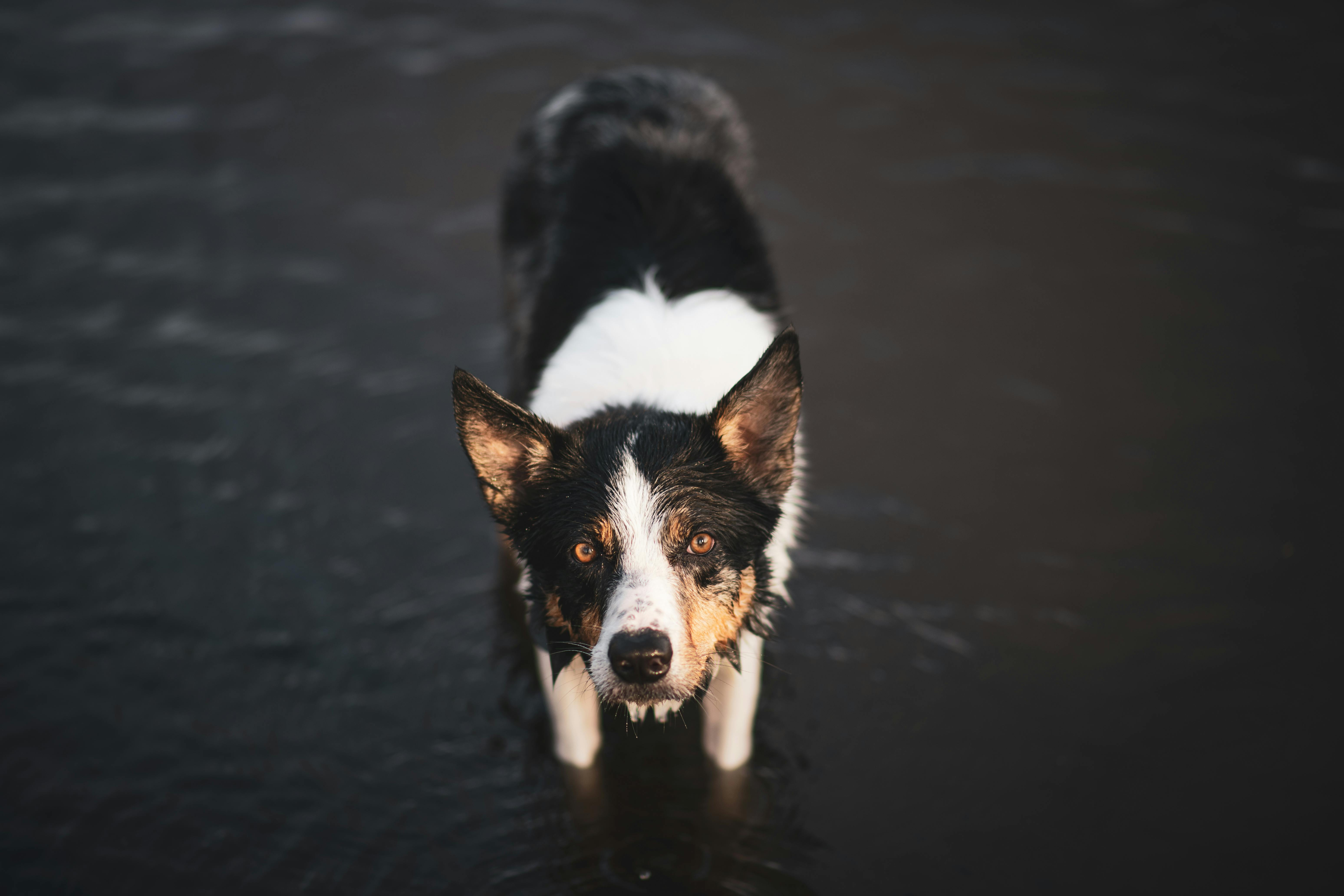
Dogs are amazing creatures, and their behavior often leave us wondering what they are trying to tell us. One of the most curious features of our furry friends is their wet noses. Have you ever stopped and thought, why do dogs have wet noses? It’s a question that many of us may have pondered, and the answers are both fascinating and varied. Wet noses are not just a cute trait; they serve important functions that reflect your dog’s health and emotions.
The Science Behind Wet Noses
Dogs’ noses are moist for a reason. The moisture helps dogs to pick up scents better. You see, dogs have an exceptional sense of smell that is about 10,000 to 100,000 times more sensitive than humans. When a dog’s nose is wet, it enhances their ability to absorb scent molecules in the air. Here are some key points on how wet noses help dogs:
- Enhanced Smell: The wetness traps scent particles, making it easier for dogs to identify and locate things.
- Thermoregulation: A wet nose also plays a role in regulating body temperature. Like humans sweat, dogs cool off through their noses and pads.
- Health Indicator: The condition of a dog’s nose can sometimes indicate their health. A healthy dog usually has a moist, cool nose. However, a dry or cracked nose could be a sign of dehydration or illness.
Why Are Dog Noses Wet?
So, why exactly are dog noses wet? Let’s explore some reasons behind this phenomenon:
- Mucous Glands: Dogs have mucous glands that produce moisture on their noses. This is why you often feel your dog’s nose is cool and damp.
- Licking: Dogs often lick their noses to keep them moist. This instinctual behavior helps them gather scent information.
- Environmental Factors: Factors like humidity and temperature can also affect how wet a dog’s nose is. On a hot day, you might notice your dog’s nose is drier than usual.
Understanding Dog Behavior Through Their Noses
A lot of dog owners may not realize that their dog’s wet nose can also be a reflection of their emotional state. Here’s how to interpret your dog’s behavior based on the condition of their nose:
- Playfulness: If your dog’s nose is wet and they seem energetic, it’s likely they are happy and ready to play!
- Calmness: A cool and slightly damp nose can mean your dog feels relaxed and comfortable.
- Stress or Illness: A dry or overly warm nose could indicate that your dog is stressed, anxious, or unwell.
Wet Noses and Social Interaction
Dogs are social animals, and their noses are key tools for communication. When your dog nudges you with their wet nose, they’re often trying to convey a message. Here are some common reasons for nose nudging:
- Affection: A gentle nudge with a wet nose can show love and affection.
- Attention Seeking: If they bump you with their nose, it could be a request for attention or playtime.
- Curiosity: Dogs use their noses to explore the world around them. A wet nose poking at something could simply mean they are curious about it.
Fun Facts About Dog Noses
- Unique Patterns: Just like human fingerprints, no two dog noses are alike. Each dog has a unique nose print.
- Scent Discrimination: Dogs can distinguish between different types of scents. They can even differentiate between scents from different people.
- Nasal Capacity: Dogs have up to 300 million smell receptors in their noses, compared to about 5 million in humans.
How to Care for Your Dog’s Nose
Keeping your dog’s nose healthy is important. Here are some tips:
- Hydration: Ensure your dog is well-hydrated to maintain moisture in their nose.
- Protection: In cold weather, consider using a dog-safe balm to protect their nose from cracking.
- Regular Checkups: Regular vet visits can help monitor your dog’s overall health, including their nose.
Understanding why do dogs have wet noses can help you connect better with your furry friend. It’s more than just an adorable feature; it’s a crucial aspect of their health and communication. By paying attention to their wet noses, you can learn so much about what your dog is trying to tell you. So next time you feel that cool, damp nose against your skin, remember it’s not just a greeting—it’s a whole world of information your dog is sharing with you!
The Connection Between Wet Noses and a Dog’s Sense of Smell: What Research Reveals

Dogs are often called man’s best friend, and there’s a lot that makes them special. One of the most interesting features about dogs is their noses and how they function. You might have notice that dogs have wet noses, but have you ever wondered why? The connection between a dog’s wet nose and its incredible sense of smell is fascinating and backed by science. Let’s explore this topic together!
Why Do Dogs Have Wet Noses?
There are several reasons why dogs noses are wet. One of the primary reasons is that it helps them to smell better. The moisture on their noses can trap scent particles in the air, enhancing their ability to detect different smells. A wet nose ensures that more scent molecules stick, which is essential for a dog’s ability to sniff out things. Here’s some things that contribute to why dogs have wet noses:
- Increased Scent Absorption: The wetness helps to absorb scent chemicals, making it easier for dogs to identify and locate scents.
- Temperature Regulation: Dogs also use their noses to help cool themselves down. When they pant, moisture evaporates from their noses, which can help lower their body temperature.
- Health Indicator: A dog’s nose can also indicate its health. A healthy dog often has a moist nose, while a dry nose may suggest dehydration or illness.
The Science Behind Dog Smell
Dogs have an incredible sense of smell, often cited to be between 10,000 to 100,000 times more sensitive than humans. Here’s how that works:
- Olfactory Receptors: Dogs have around 300 million olfactory receptors in their noses, compared to about 6 million in humans. This means they can detect scents at incredibly low concentrations.
- Jacobsen’s Organ: This is an additional olfactory structure located in the nasal cavity. It helps dogs to detect pheromones, which are chemicals used for communication.
- Nasal Turbinates: The complex structure of a dog’s nose includes turbinates, which are bony structures that help to filter and warm the air. This structure also increases the surface area for scent detection.
Historical Context of Dogs and Smell
Dogs have been used for scent detection for centuries. Historically, they played vital roles in hunting and tracking. Ancient civilizations recognized their ability to follow scents over great distances. Here’s a brief timeline of how dogs have been utilized:
- Ancient Egypt (3000 BC): Dogs were used for hunting and guarding.
- Middle Ages: Bloodhounds were bred specifically for their scent abilities, used for tracking criminals.
- Modern Era: Today, dogs assist police and military in drug and bomb detection, search and rescue operations, and even medical diagnostics.
Practical Examples of Dog’s Sense of Smell
The applications of a dog’s sense of smell are vast. Here are some examples:
- Search and Rescue: Dogs can locate missing persons, often finding people trapped under rubble after disasters.
- Medical Detection: Some dogs can detect diseases like cancer or diabetes by smelling changes in a person’s body odor.
- Detection Work: Police dogs are trained to sniff out illegal drugs, explosives, and even currency.
Fun Facts About Dog Noses
- Unique Patterns: Just like human fingerprints, each dog’s nose print is unique. This can be used for identification.
- Wetness Changes: A dog’s nose can change from wet to dry based on their environment. A dog may have a dry nose after sleeping, but it should return to being moist soon after.
- Sniff Speed: Dogs can sniff about 20 times per second, allowing them to pick up a wide array of smells in their environment.
Conclusion
The connection between wet noses and a dog’s sense of smell is a remarkable aspect of canine biology. Understanding why dogs have wet noses not only gives us insight into their natural behaviors but also enhances our appreciation for these loyal companions. Whether they are searching for missing persons or simply sniffing around the park, dogs utilize their incredible sense of smell every day. So next time you see a dog with a wet nose, remember the science and history behind it!
How Temperature Affects Your Dog’s Nose: What Pet Owners Should Know
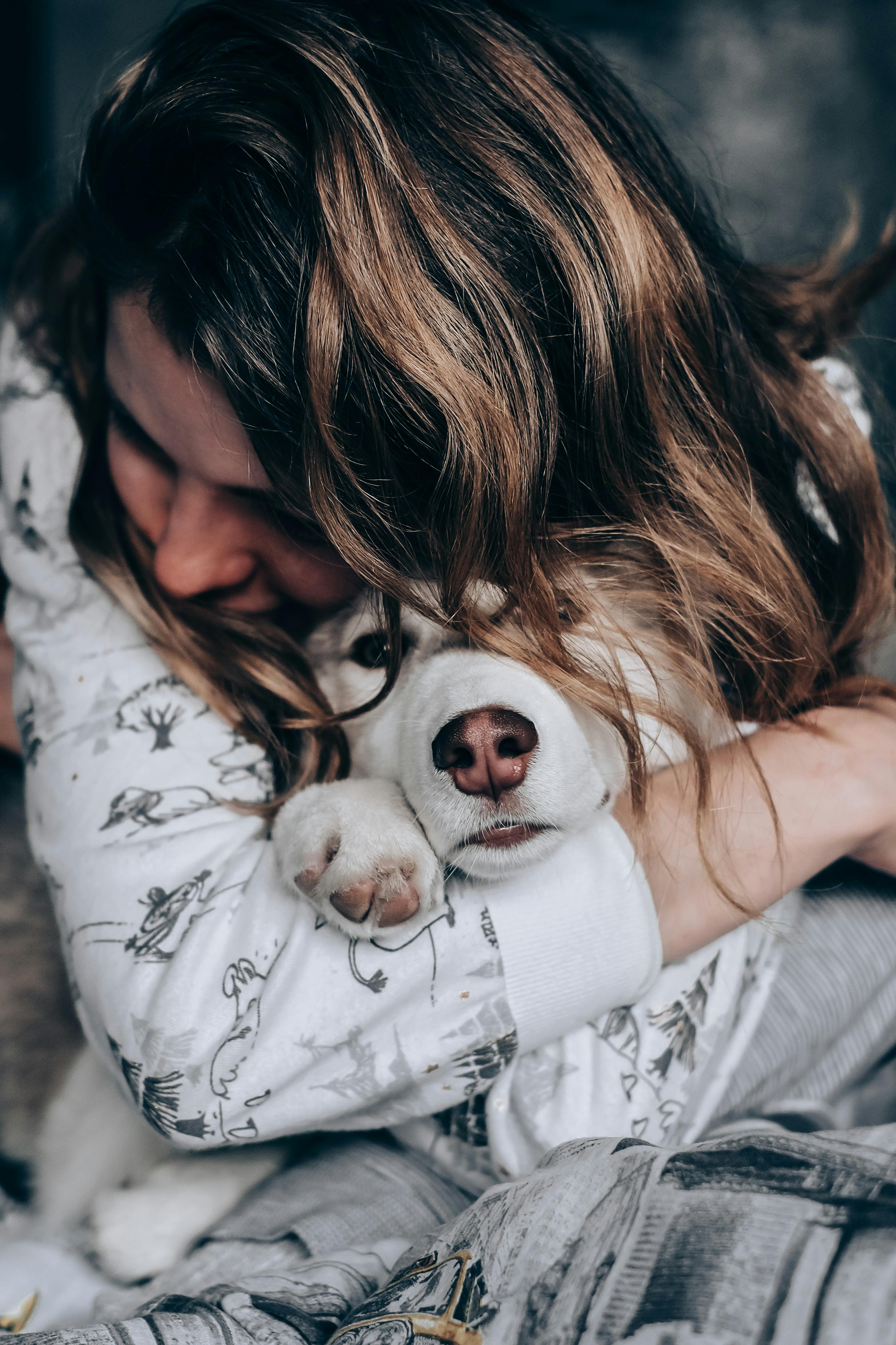
Dogs are fascinating creatures, and one of the most intriguing aspects of them is their nose. Ever wonder how temperature affects your dog’s nose? It’s not just a cute feature; it plays a vital role in their health and well-being. Understanding why dogs have wet noses can help pet owners take better care of their furry friends.
The Role of Temperature
Temperature can influence the moisture levels on your dog’s nose. In hot weather, a dog might have a dryer nose, while in cooler climates, it tends to be more moist. This can depend on various factors, including the dog’s activity level and overall health. When it gets really hot, dogs tend to pant more to cool down, which can lead to a drier nose.
Key Factors That Affect Your Dog’s Nose Temperature:
- Weather: Humidity and temperature can drastically change how moist or dry a dog’s nose feels.
- Activity Level: A dog that just played fetch might have a warmer, drier nose than one lounging on the couch.
- Health Status: Sometimes, a dry nose can indicate dehydration or other health issues.
Why Do Dogs Have Wet Noses?
Ever thought about why do dogs have wet noses? It’s a common question among pet owners. The moisture on a dog’s nose serves several important purposes:
- Enhanced Smell: Wet noses help collect scent particles. The moisture traps these particles, allowing your dog to smell better.
- Temperature Regulation: Dogs can sweat through their noses, which helps cool them down.
- Health Indicator: A sudden change in the moisture level of a dog’s nose can signal health issues. A dry nose could mean dehydration or illness.
Fun Facts About Dog Noses
- Unique Patterns: Just like human fingerprints, every dog has a unique nose print.
- Sensitive to Smells: Dogs’ noses have more scent receptors than humans. They can sense smells up to 100,000 times better.
- Color Variations: The color of a dog’s nose can change with seasons. For example, some dogs may have a darker nose in winter and a lighter one in summer.
Comparing Dog Noses to Human Noses
| Feature | Dog Nose | Human Nose |
|---|---|---|
| Number of scent receptors | Approximately 300 million | About 5 million |
| Moisture Level | Typically wet | Typically dry |
| Sensitivity to smell | Highly sensitive | Less sensitive |
Practical Tips for Pet Owners
Pet owners should pay attention to their dog’s nose, but also understand that it’s only one aspect of their health. Here are some practical tips:
- Hydration: Always ensure your dog has access to fresh water, especially in hot weather.
- Regular Check-ups: Routine vet visits can help catch potential health issues early.
- Observe Changes: If your dog’s nose suddenly becomes dry or cracked, it might be time to consult a vet.
The Importance of Nose Care
Keeping your dog’s nose healthy is essential. It’s not just about looks; a healthy nose indicates a healthy dog. Here are some signs that might indicate a nose issue:
- Cracking or bleeding
- Excessive dryness
- Unusual color changes (like turning pale or dark)
If you notice any of these symptoms, it’s a good idea to seek veterinary advice.
The Connection Between Nose Temperature and Health
Understanding how temperature affects your dog’s nose can provide insights into their overall health. A dog’s nose temperature can be a window into their wellbeing. A very warm nose might suggest fever or overheating, while a consistently cold nose could signal other health issues.
In Summary
The wetness of a dog’s nose is more than just a quirky trait; it serves essential functions and can be a key indicator of their health. By understanding how temperature affects your dog’s nose and why they have wet noses, pet owners can take proactive steps to ensure their beloved companions stay happy and healthy. Keeping an eye on changes in your dog’s nose, along with maintaining proper hydration and scheduling regular vet visits, can contribute greatly to their overall well-being. Remember, a happy dog often has a happy nose!
Understanding Dog Anatomy: Why a Wet Nose Is Essential for Your Pet’s Well-Being

Dogs are one of the most beloved pets around the world, and they come with their own unique set of characteristics. One of the most fascinating features of dogs is their wet noses. Have you ever wondered why do dogs have wet noses? Understanding dog anatomy can help pet owners like you appreciate the importance of this little detail in your furry friend’s life.
The Science Behind a Dog’s Wet Nose
Firstly, the wetness of a dog’s nose serves several purposes. It’s not just for show, there’s actual science behind it! A dog’s nose is covered with a thin layer of mucus, which helps in the process of scent detection. Here’s how it works:
- Enhanced Smell: Dogs have an extraordinary sense of smell—estimated to be between 10,000 to 100,000 times more acute than humans. The moisture on their nose helps to trap scent particles, making it easier for them to smell.
- Temperature Regulation: Dogs don’t sweat like humans do. The moisture on their nose helps to cool them down. When a dog pants, moisture evaporates from their nose, aiding in temperature regulation.
- Health Indicator: A wet nose is often associated with a healthy dog. While not a definitive health check, a dry or cracked nose can sometimes indicate dehydration or illness.
Historical Context of Dog Noses
Long before they became our companions, dogs were working animals. They were used for hunting, herding, and guarding. The importance of a keen sense of smell was crucial for their survival. Here’s a brief historical look:
- Hunting and Tracking: Ancient humans relied on dogs to track game. Their ability to detect scents in the environment was vital for finding food.
- Breeding for Smell: Certain breeds were developed specifically for their sniffing abilities. Bloodhounds, for instance, have an incredible sense of smell and are often used in search and rescue missions today.
Fascinating Reasons Why Dogs Have Wet Noses
So, why do dogs have wet noses? Let’s break down some fascinating reasons:
- Sensory Enhancement: The wet surface of a nose can absorb scents more effectively than a dry surface. Dogs rely on their noses to gather information about their environment.
- Social Interaction: Dogs often greet each other by sniffing noses. This behavior is both a social gesture and a means of gathering information about one another.
- Evolutionary Advantage: Throughout their evolution, dogs with wetter noses may have had a better chance of survival due to improved scent detection and social interaction, leading to the trait being passed down through generations.
What If Your Dog’s Nose is Dry?
A dry nose isn’t always a cause for concern, but it can be a sign that something is off. Consider the following points:
- Dehydration: Ensure your dog has access to fresh water.
- Illness: If your dog’s nose is consistently dry and warm, it could be a sign of fever or illness.
- Allergies or Irritation: Environmental factors can cause dryness, so monitor for changes in your dog’s behavior or environment.
Tips for Maintaining a Healthy Nose
To keep your dog’s nose healthy, here are some practical tips:
- Stay Hydrated: Always provide fresh water for your pet.
- Regular Vet Checkups: Routine visits can help catch any potential health issues early.
- Watch for Changes: Keep an eye on the moisture level of their nose. If it becomes persistently dry or cracked, consult your veterinarian.
Fun Facts About Dog Noses
- Unique Patterns: Just like human fingerprints, each dog’s nose print is unique.
- Color Variation: A dog’s nose color can vary based on breed and genetic factors.
- Scent Detection: Dogs can detect certain diseases, such as cancer, through smell.
Understanding dog anatomy, particularly why do dogs have wet noses, is essential for any pet owner. This small feature plays a significant role in their overall well-being. Dogs are not just companions; they’re remarkable creatures with fascinating traits that enhance their lives and ours. So next time you give your furry friend a scratch on the nose, remember just how important that wet little button is! Knowing these facts can help you be a more informed and caring pet owner, ensuring your dog remains happy and healthy.
Curious Canines: What Different Nose Textures Mean for Your Dog’s Health
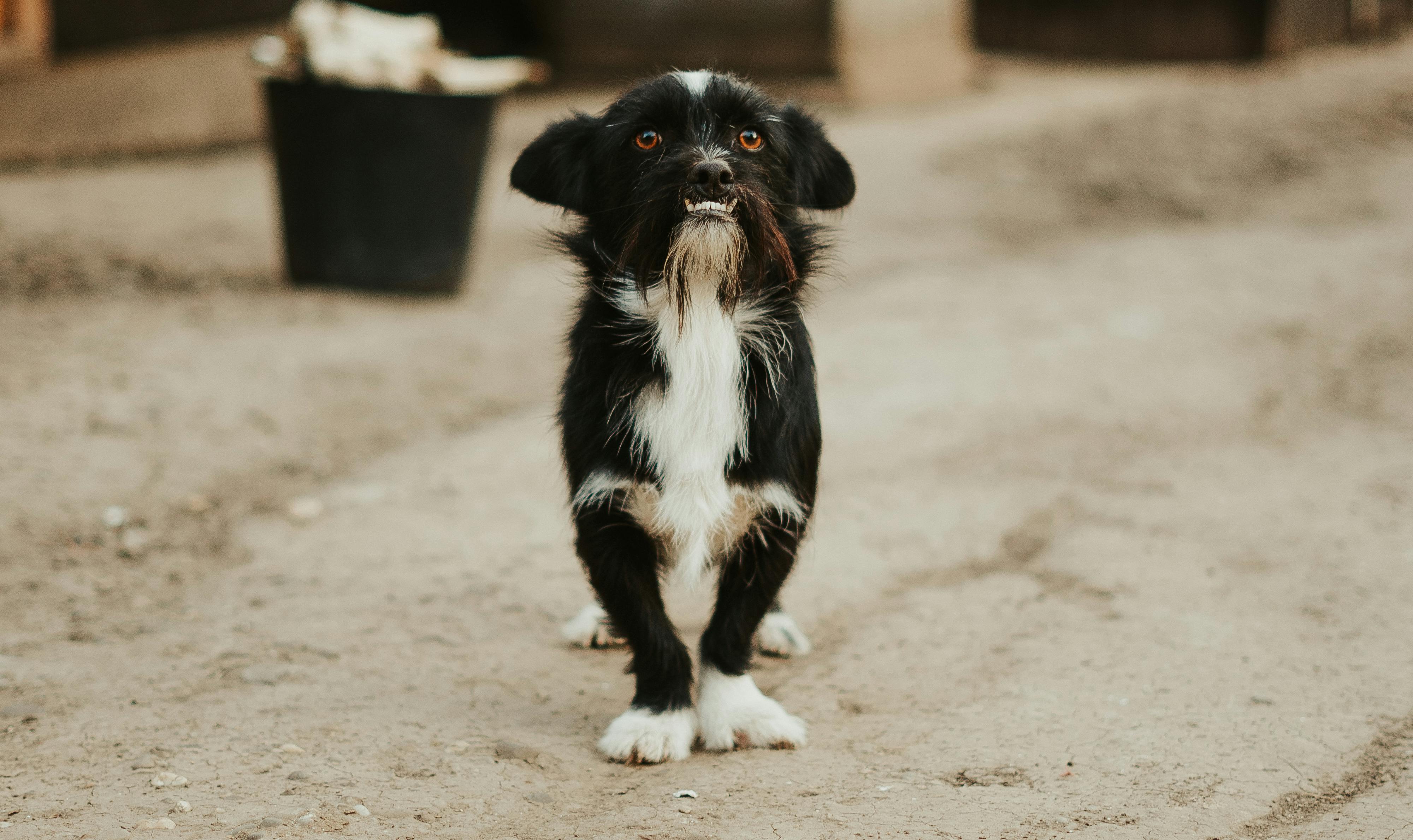
Dogs are truly fascinating creatures, and one of the most intriguing aspects about them is their nose. You may have often wondered, “why do dogs have wet noses?” or “what different nose textures mean for my dog’s health?” The truth is, your canine’s nose can tell you a lot about their well-being. From the moisture levels to the texture, each feature serves a purpose. Let’s dig into the science behind those curious canines and what their noses are really saying.
The Science Behind Wet Noses
First off, the moisture on a dog’s nose isn’t just for show. It’s actually very important for their health. A wet nose helps dogs to absorb scent chemicals from the air, which enhances their sense of smell—one of their most prized abilities. When you think about it, a dog’s sense of smell is thousands of times better than humans. This is why a wet nose is often a sign of a healthy dog.
Here are some reasons why dog noses are wet:
- Enhanced Smell: The moisture helps to capture scent particles, making it easier for dogs to identify different smells.
- Temperature Regulation: Dogs don’t sweat like humans do. Their noses help keep them cool by evaporating moisture.
- Health Indicator: A wet nose may indicate good health, while a dry or cracked nose could suggest dehydration or illness.
What About Nose Textures?
Just like we all have different skin textures, dogs have varying nose textures too. A smooth, moist nose is generally a sign of health, but what does it mean when a dog’s nose is dry or rough? Here’s a breakdown:
- Smooth and Wet: This is typical for a healthy dog. It usually means they’re hydrated and feeling good.
- Dry and Cracked: This could signal dehydration or health issues like allergies or infections. If your dog’s nose has been dry for a while, it’s worth a visit to the vet.
- Rough or Bumpy: Sometimes, dogs can develop bumps or rough patches on their noses. These can be harmless, but they can also indicate skin conditions that need attention.
Different Breeds, Different Noses
Not all dogs are created equal when it comes to nose texture. Different breeds can show variations that are perfectly normal. For example:
- Bulldogs: Often have more wrinkles and can have drier noses due to their facial structure.
- Labrador Retrievers: Usually have smooth, moist noses and are known to be very healthy.
- Schnauzers: May have rougher noses, which can still be normal for the breed.
Common Nose Conditions in Dogs
If you notice any changes in your dog’s nose, it could be due to several conditions. Here’s a quick list of common nose issues:
- Nasal Dermatitis: This can cause irritation and redness.
- Fungal Infections: Often present as bumps or crustiness on the nose.
- Sunburn: Dogs with light-colored noses can get sunburned, just like humans!
When to See a Vet
If you are noticing any abnormal changes in your dog’s nose, it’s always better to err on the side of caution. Here are some signs to watch for:
- Persistent dryness or cracking.
- Changes in color (e.g., from pink to darker shades).
- Unusual lumps or bumps.
- Signs of discomfort (like frequent pawing at the nose).
Fun Facts About Dog Noses
- Dogs have up to 300 million smell receptors in their noses, compared to about 5 million in humans!
- The texture of a dog’s nose is unique, much like a human fingerprint.
- Dogs can even “smell” certain diseases, such as cancer or diabetes.
The next time you pet your furry friend, take a moment to appreciate their curious nose. It’s not just adorable; it’s an essential tool for their health and communication. Each texture and moisture level can provide clues about how they’re feeling, so stay attentive! With all of this information, you can now better understand your dog’s health through their nose and be more proactive in ensuring they stay happy and healthy.
Common Myths About Wet Dog Noses: Debunking Misconceptions for Pet Owners
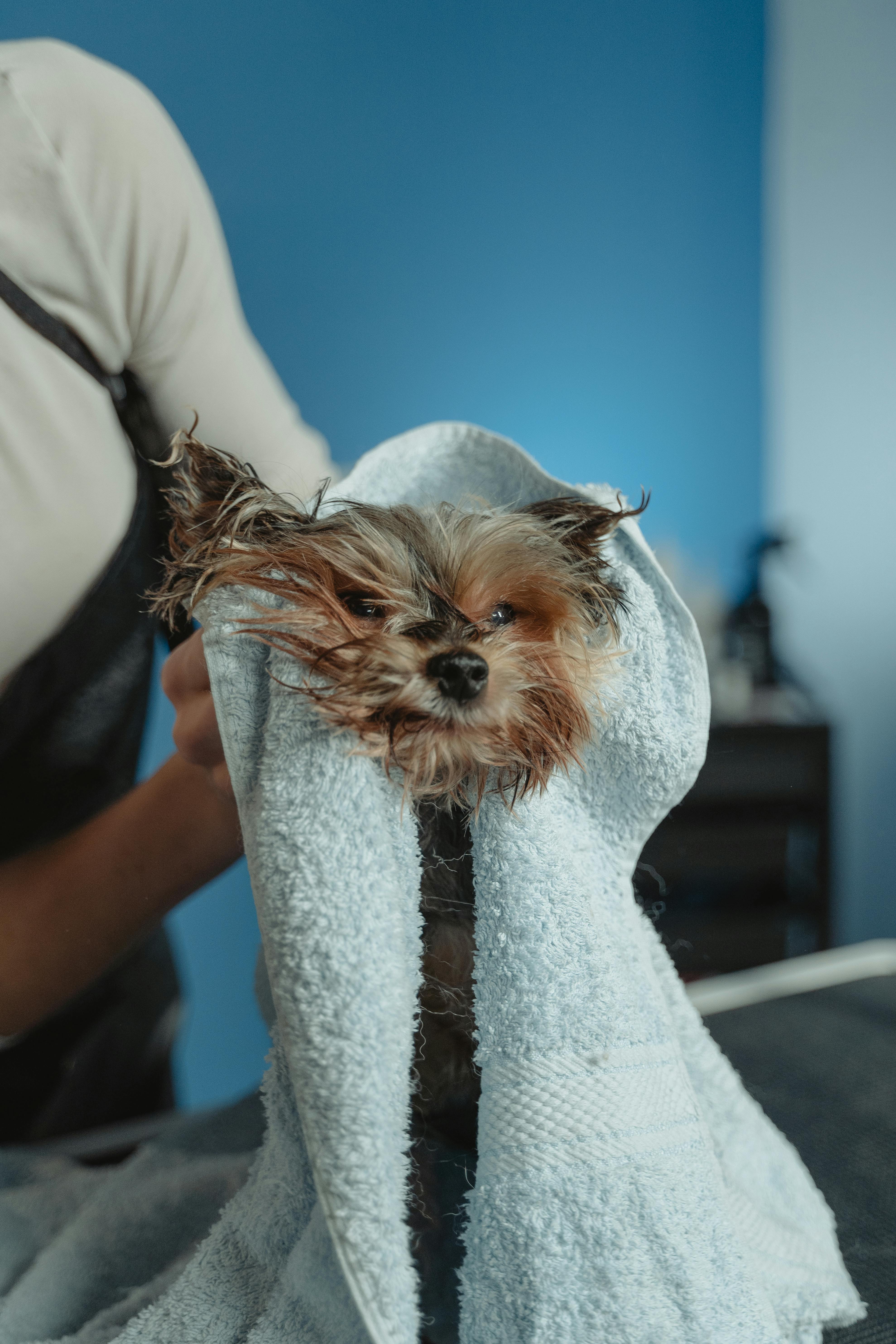
When you think about dogs, one of the most common things that comes to mind is their wet noses. But, there’s a lot of myths and misconceptions surrounding why dogs have wet noses. As pet owners, it’s important to separate fact from fiction. So, let’s dive into the fascinating reasons behind this unique trait.
What’s the Deal with Wet Dog Noses?
First off, let’s clarify what a wet dog nose actually is. It’s not just a cute feature; it serves several significant purposes. The moisture on a dog’s nose is often a sign of health, hydration, and overall well-being.
Many people think that a wet nose means a dog is sick or has a cold. This is simply not true. While it’s important to monitor your pet’s health, a wet nose is usually a good sign. The moisture helps enhance the dog’s sense of smell, which is critical for their natural instincts.
The Science Behind the Wet Nose
So, why do dogs have wet noses? Here are some fascinating facts about their wet noses:
Enhanced Scent Detection: The moisture on a dog’s nose helps to capture scent particles from the air. This allows them to smell better and more accurately. A wet nose can pick up scents more effectively than a dry one.
Thermoregulation: Dogs don’t sweat like humans do. Instead, they regulate their body temperature through panting and the moisture on their noses. Wet noses can help cool down their body when they’re hot.
Health Indicator: Generally, a wet nose signifies hydration and health. If you notice your dog’s nose is persistently dry or cracked, it’s best to consult a vet.
Common Myths About Wet Dog Noses
There’s a lot of misinformation out there. Here are some of the common myths debunked:
Myth 1: A wet nose means a dog is sick
Fact: A wet nose is usually a sign of good health. While changes in moisture can indicate health issues, a wet nose alone is not a reliable indicator of illness.Myth 2: Dogs constantly lick their noses for moisture
Fact: Dogs do lick their noses to keep them clean, but the primary reason for a wet nose is the natural moisture they produce, not just licking.Myth 3: All dogs have wet noses
Fact: Some breeds, especially those with flat faces like Pugs and Bulldogs, may have drier noses. It’s not a sign of poor health.Myth 4: A dog’s nose color indicates health
Fact: The color of a dog’s nose can vary by breed and genetics. A black nose is common among many breeds, while others might have pink or spotted noses. Color doesn’t determine health.
Fun Facts About Dog Noses
Here are some additional interesting tidbits related to dog noses and their fascinating capabilities:
Dogs have about 300 million scent receptors in their noses, compared to approximately 5 million in humans.
The surface of a dog’s nose has a unique pattern, much like a human fingerprint, which can be used to identify them.
Certain breeds have been known to excel in scent detection, like Bloodhounds, who can track scents that are days old.
How to Care for Your Dog’s Nose
Keeping your dog’s nose healthy is essential. Here are some tips for pet owners:
Regularly check for dryness or cracks: If you notice any issues, consult with a veterinarian.
Keep your home humid: Dry air can lead to dry noses. A humidifier can help, especially in winter.
Hydration is key: Ensure your dog has access to fresh water at all times.
Watch the weather: In cold weather, consider using a paw balm to protect their snout from cracking.
Comparing Wet and Dry Noses
Here’s a quick comparison to understand the significance of wet versus dry noses:
Wet Nose:
- Good sense of smell
- Hydrated
- Generally healthy
Dry Nose:
- Could indicate dehydration
- May signal health issues
- Requires monitoring
The next time you pet your dog, take a moment to appreciate that wet nose! It’s a small yet significant part of what makes your furry friend so special. Plus, knowing the facts can help you be a more informed pet owner. Understanding why dogs have wet noses and the common myths surrounding them is crucial for every dog lover out there. So, let’s keep our furry companions happy and healthy!
Conclusion
In conclusion, the wet noses of dogs serve multiple important functions that contribute to their overall health and well-being. The moisture found on a dog’s nose helps enhance their sense of smell, allowing them to effectively explore and interact with their environment. Additionally, the cooling effect of a wet nose plays a crucial role in thermoregulation, helping dogs manage their body temperature. While some might wonder if a dry nose indicates health issues, it’s essential to remember that variations can occur due to factors such as climate and activity level. Ultimately, a wet nose is a natural feature of your furry friend that supports their unique sensory abilities. As a dog owner, remain attentive to your pet’s nose condition, and consult your veterinarian if you notice significant changes. Understanding these nuances not only deepens your bond with your dog but also empowers you to ensure their health and happiness.
