
Have you ever wondered, why do dogs have wet noses? This common question sparks curiosity among dog lovers and pet owners alike. The fascinating truth behind this phenomenon might surprise you! A dog’s nose isn’t just wet for no reason; it serves several important purposes. Did you know that a wet nose helps dogs to cool off? Or that it enhances their sense of smell? Understanding the reasons behind a dog’s wet nose can deepen your bond with your furry friend and enrich your knowledge of canine biology. Plus, it’s an intriguing topic that can impress your friends during your next dog park visit! Many people might think that a dry nose indicates sickness, but is that really the case? In this article, we will explore the science behind wet noses and the benefits they provide. From temperature regulation to tracking scents, the wetness of your dog’s nose plays a crucial role in their daily life and health. So, are you ready to dive into the amazing world of canine noses? Join us as we uncover the secrets behind this adorable trait and learn more about your beloved companion!
The Science Behind Wet Noses: Why Are Dogs’ Noses Always Damp?
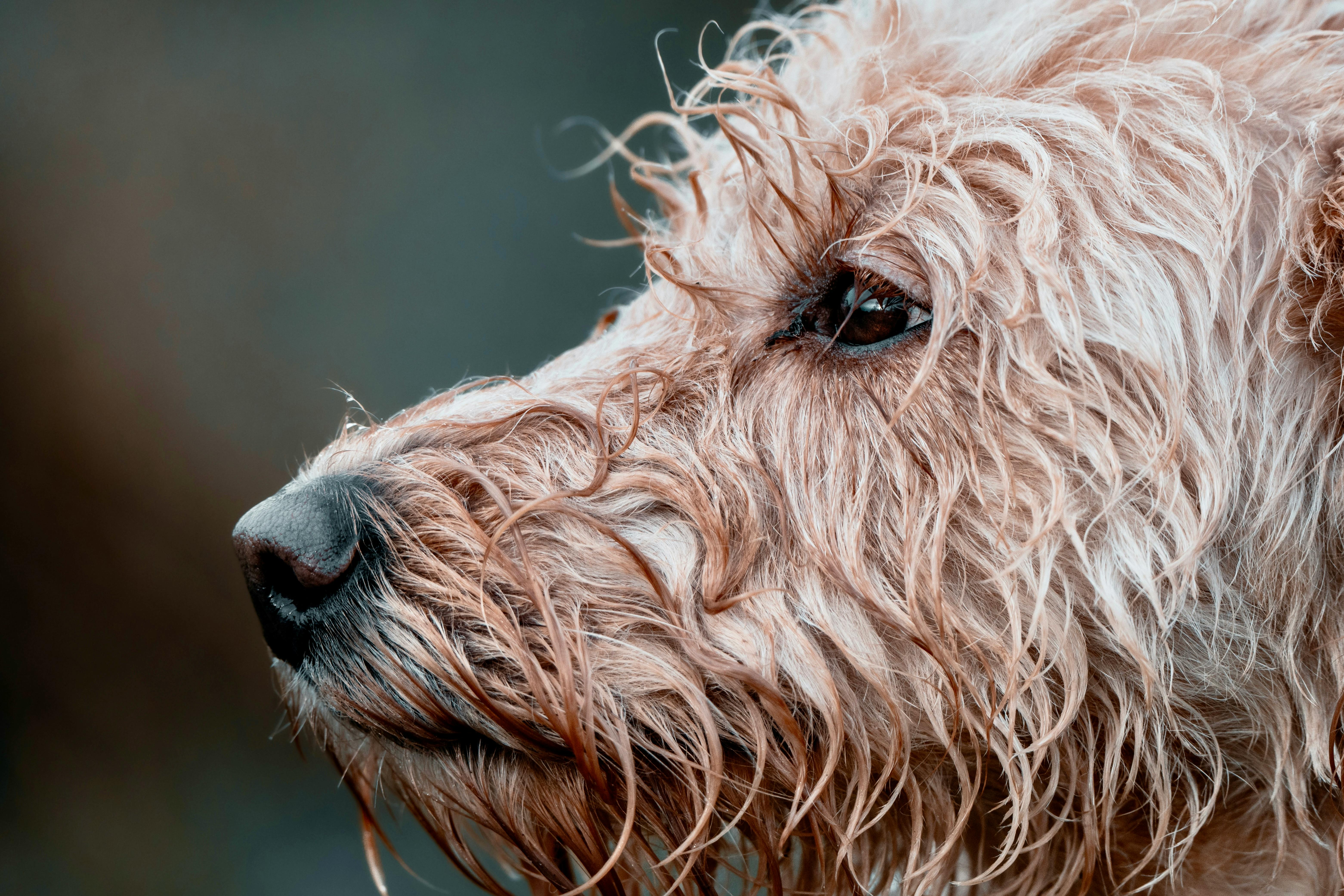
Dogs, those lovable companions, have some quirks that always get us wondering. One question that often comes up is, why do dogs have wet noses? This question isn’t just about cute canine features; there’s actually a science behind it. Let’s dive into the fascinating truth about why our furry friends’ noses are consistently damp.
The Anatomy of a Dog’s Nose
A dog’s nose is more than just a cute feature; it plays a vital role in their sensory perception. Here’s some interesting anatomy facts:
- Moisture Production: Dogs have special glands in their noses that produce moisture. This dampness helps them absorb scent molecules.
- Increased Surface Area: The structure of a dog’s nose is designed with many folds and grooves, which increases the surface area for scent absorption.
- Temperature Regulation: A wet nose also helps regulate their body temperature. When they breathe, the moisture evaporates, cooling their body down.
Why Are Dog Noses Wet?
So, what causes the wetness? Here are some reasons to consider:
- Scent Detection: Dogs have an incredible sense of smell—up to 100,000 times more sensitive than humans. A wet nose helps them capture more scent particles in the air.
- Thermoregulation: Dogs can’t sweat like humans, so they rely on their noses to help cool off. The moisture evaporating from their noses helps lower their body temperature.
- Health Indicator: A dog’s nose can indicate health. A consistently dry or warm nose can signal illness, while a wet nose usually means they’re healthy.
Historical Perspectives on Dog Noses
Historically, humans have admired dogs for their keen sense of smell. In Ancient Egypt, dogs were often seen as companions and helpers, especially for hunting. Their noses were so valuable that they were even depicted in various artworks. Here’s a brief timeline:
- 4000 BC: Dogs domesticated from wolves; their olfactory abilities recognized.
- Ancient Rome: Dogs used in hunting and tracking, their noses aiding in locating game.
- Modern Era: Dogs trained for search and rescue, medical detection, and even law enforcement due to their nose capabilities.
Comparisons: Dog Noses vs. Human Noses
It’s intriguing to compare how dog noses differ from human noses. Here’s a side-by-side look:
| Feature | Dog Nose | Human Nose |
|---|---|---|
| Sensitivity | 100,000 times more sensitive | Limited sensitivity |
| Moisture Production | Constantly moist due to glands | Generally dry |
| Temperature Control | Cools off through evaporation | Sweating is primary cooling method |
| Anatomy | Complex structure with folds | Simple structure |
Fun Facts About Dog Noses
- Unique Prints: Just like human fingerprints, every dog’s nose print is unique. This can be used for identification!
- Color Variability: The color of a dog’s nose can vary based on breed, age, and even health conditions.
- Nasal Slit: Dogs have a small slit in their nose that helps with airflow and scent detection.
Practical Examples of Nose Use in Dogs
Dogs use their noses in various practical situations. Here are some examples of how their wet noses come into play:
- Tracking: Search and rescue dogs can follow scents to locate missing persons.
- Medical Detection: Some dogs are trained to detect diseases like cancer and diabetes simply through scent.
- Detection Work: Police dogs use their noses to find drugs or explosives, showcasing their incredible olfactory abilities.
The next time you pet your dog, take a moment to appreciate that wet nose. It’s not just cute; it’s a complex tool that serves multiple purposes. Those little moisture droplets are a sign of a healthy dog, and they play an essential role in their ability to interact with the world around them.
Dogs’ noses are fascinating, and understanding their wetness can deepen your appreciation for these amazing animals. Their ability to smell is a superpower that continues to amaze scientists and pet owners alike. So, embrace those wet kisses and remember the science behind them!
7 Fascinating Reasons Why Dogs Have Wet Noses That Will Surprise You
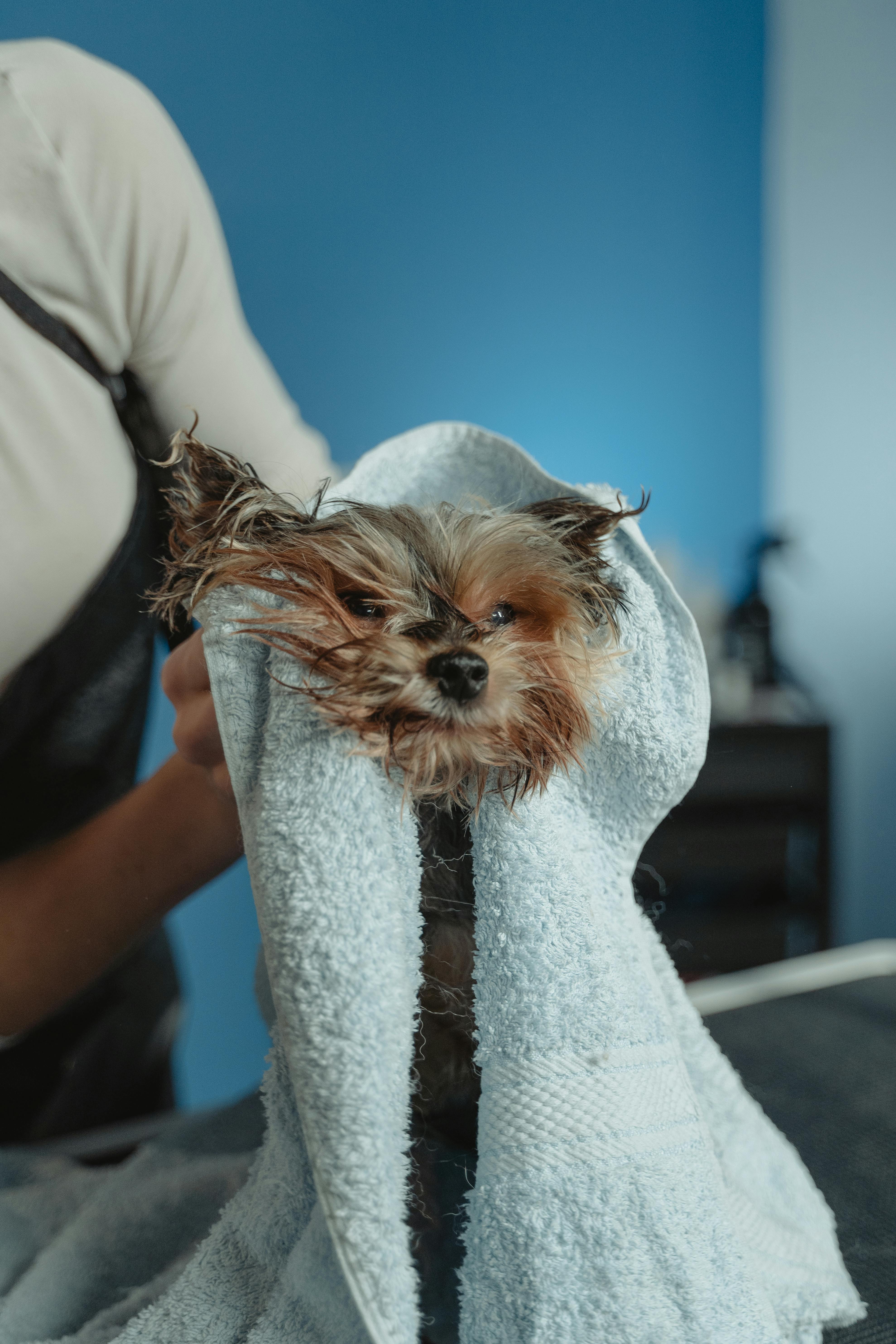
Dogs have been man’s best friend for centuries, and their wet noses is something that many people have pondered. But why do dogs have wet noses? You might think it’s just a quirky trait, but the truth is much more fascinating. Here are seven surprising reasons that’ll make you appreciate your furry companion even more.
1. Temperature Regulation
One of the most important reasons why dogs have wet noses is for temperature regulation. Dogs don’t sweat like humans do, they mainly cool off by panting. However, their noses play a role too! The moisture on their noses helps to cool them down. When a dog’s nose is wet, it can evaporate the moisture, which cools the air they inhale. So, next time you see your pup with a wet nose, remember, they might just be trying to keep cool.
2. Enhanced Sense of Smell
Did you know that a dog’s nose is packed with scent receptors? A dog’s sense of smell is estimated to be 10,000 to 100,000 times more sensitive than that of humans. The wetness of their nose helps to capture scents from the air. This moisture collects scent particles, which enhances their ability to detect smells. So when you see them sniffing around, they’re not just being curious; they’re gathering important information about their environment.
3. Social Communication
Dogs are social creatures, and their wet noses are a part of how they communicate. When two dogs meet, they often greet each other with a nose touch. This is a way of sharing information about each other, like their mood or health. A dog’s wet nose can signal that they’re friendly and approachable. So, when you see your dog giving you a wet-nosed nudge, they might just be saying hello or asking for attention!
4. Health Indicator
A dog’s nose can also be an indicator of their overall health. Typically, a healthy dog will have a moist, cool nose. But if a dog’s nose becomes dry or excessively warm, it could be a sign of illness. For instance, a dry nose might indicate dehydration, fever, or even an allergic reaction. Keep an eye on your dog’s nose, as it can give you clues about their health status.
5. Natural Moisturizer
Did you know that dogs have a special gland in their noses that produces moisture? This is a natural moisturizer, keeping their noses from becoming dry or cracked. This is especially important for certain breeds that are prone to skin issues. Regularly checking your dog’s nose can help you notice any unusual changes that might need a vet’s attention.
6. Evolutionary Trait
The wet nose is an evolutionary trait that dates back to the early ancestors of dogs. These animals needed to track scents to hunt and survive. The moistness of the nose helps with this process, making it easier to follow trails. This trait has persisted through generations, as it contributes significantly to a dog’s ability to find food and navigate their environment effectively.
7. Unique Doggie DNA
Every dog has a unique nose print, much like a human fingerprint. This means that just like humans, every dog has its own distinct pattern of ridges and creases. This uniqueness can be used in identification, similar to how we use fingerprints for humans. So, if you ever wondered why your dog’s nose is wet, it might just be working hard to keep those special prints in top condition!
Quick Facts Summary
- Dogs’ wet noses help with temperature regulation.
- Moist noses enhance their sense of smell.
- Wet noses play a role in social communication.
- A dog’s nose can indicate their health status.
- Dogs have glands in their noses that produce moisture.
- The wet nose is an evolutionary trait for survival.
- Dog noses are unique, like fingerprints.
Learning about these intriguing reasons behind why dogs have wet noses can deepen your understanding and appreciation of your furry friend. They are not just cute traits; they serve important functions in their lives. So, the next time you give your dog a scratch behind the ears and feel that moist nose, remember all the fascinating reasons behind it! It’s a little more than just an adorable quirk; it’s a vital part of what makes dogs such extraordinary companions.
Do Wet Noses Mean Healthy Dogs? Understanding Your Pet’s Health Indicators
Do Wet Noses Mean Healthy Dogs? Understanding Your Pet’s Health Indicators
You might have heard the saying, “A wet nose means a healthy dog.” But is it really true? Many dog owners wonder about the significance of their pet’s nose moisture. Wet noses are often associated with good health, but there’s more to the story. In this article, we will explore why do dogs have wet noses and what it can reveal about their health.
Why Do Dogs Have Wet Noses?
Dogs have wet noses for several reasons, and it ain’t just for show. Their moist noses help them detect scents better. A dog’s sense of smell is incredibly powerful — about 10,000 to 100,000 times better than humans. When the nose is wet, it can trap and absorb scent particles more efficiently. This gives dogs the ability to gather information about their environment.
Here’s a quick list of reasons why dogs have wet noses:
- Enhanced Smell: The moisture helps capture scent particles.
- Cooling Mechanism: Dogs don’t sweat like humans; their noses help regulate body temperature.
- Health Indicator: Changes in nose moisture can signal health issues.
The Health Connection: What Does a Wet Nose Indicate?
While a wet nose can be a sign of a healthy dog, it ain’t the only indicator. A dog’s overall health is determined by several factors, and wetness can vary throughout the day. A dog’s nose can be wet after drinking water or being outside in the cold. On the other hand, a dry nose could mean various things, from dehydration to illness.
Here’s a comparison of wet and dry noses:
Wet Nose:
- Usually feels cool to the touch
- Indicates hydration and good health
- May get wetter after eating or drinking
Dry Nose:
- Can feel warm or hot
- Might indicate fever, dehydration, or illness
- Sometimes occurs during sleep or in certain breeds
What Could a Change in Nose Moisture Mean?
It’s important to pay attention to changes in your dog’s nose moisture. A sudden change could point to underlying health problems. Here are some things to watch for:
- Dryness: If your dog’s nose becomes persistently dry, it could be due to dehydration, allergies, or even a fever.
- Cracking: A cracked nose might indicate a need for more moisture or potential health issues.
- Discoloration: Changes in color could mean something more serious, like an infection or autoimmune disease.
Other Health Indicators to Monitor
While a wet nose is a good sign, you shouldn’t rely solely on it for your dog’s health. There are other vital signs that every dog owner should keep an eye on:
- Energy Levels: An active dog is usually a healthy dog. If your pup is lethargic, it might be time for a vet visit.
- Appetite Changes: Sudden changes in eating habits can indicate health issues ranging from dental problems to more serious conditions.
- Grooming Habits: Dogs that neglect grooming might be feeling unwell or stressed.
- Behavioral Changes: Any significant change in behavior — like aggression or excessive barking — may signal underlying issues.
Practical Tips to Keep Your Dog Healthy
To ensure that your dog remains happy and healthy, consider these practical tips:
- Regular Vet Check-ups: Schedule annual visits to your veterinarian. Preventive care is crucial.
- Hydration: Make sure your dog has access to fresh water at all times. Dehydration can lead to a dry nose.
- Balanced Diet: Feed your dog a nutritious diet tailored to their needs.
- Exercise: Regular physical activity keeps your dog fit and can help maintain a healthy weight.
- Grooming: Regular grooming helps you spot any changes in your dog’s skin or coat.
Final Thoughts
In conclusion, while a wet nose can often indicate a healthy dog, it’s essential to look beyond just that. Understanding the multiple health indicators and changes in your pet can help you catch issues early. Remember, every dog is different, and their health can fluctuate for various reasons. So, keep an eye on those wet noses but don’t forget to consider the whole picture. Your furry friend relies on you to keep them healthy and happy!
Curious Canines: How Wet Noses Enhance Your Dog’s Sense of Smell
Curious Canines: How Wet Noses Enhance Your Dog’s Sense of Smell, Why Do Dogs Have Wet Noses? Discover This Fascinating Truth!
Have you ever noticed your dog’s wet nose and wondered why it’s like that? It’s not just a cute feature or a sign of health. Those moist noses plays a crucial role in how dogs smell the world around them. Understanding why dogs have wet noses can be not only fascinating but also enlightening for any dog owner. Let’s dive into the science and reasons behind this unique canine characteristic.
The Anatomy of a Dog’s Nose
A dog’s nose is much more than just a cute appendage; it’s a complex organ. The structure of their noses is specially designed to detect scents. Here are some key points about a dog’s nose anatomy:
- Olfactory Receptors: Dogs have about 220 million olfactory receptors in their noses, compared to a human’s 5 million. This makes them smell things better than us by a long shot.
- Nasal Turbinates: These are bony structures inside the nose that help to filter and warm the air, making it easier to pick up scents.
- Moisture: The wetness of a dog’s nose is key to their ability to smell. It helps trap scent particles, allowing them to more effectively analyze the smells around them.
Why Are Dog Noses Wet?
So, why do dogs have wet noses? The answer lies in biology and evolution. Here are some reasons:
- Enhanced Smelling: The moisture on a dog’s nose helps to bind scent particles. When these particles stick to the nose, it allows the dog to get a more intense sniff of various smells.
- Cooling Mechanism: Dogs don’t sweat like humans, so their noses help cool them down. When their noses are wet, it can help regulate their body temperature.
- Health Indicator: A wet nose is often seen as a sign of health; however, a dry nose doesn’t always mean something is wrong. It can vary throughout the day based on activity and environment.
Fun Facts About Dog Noses
Here are some fun facts that might surprise you about dog noses:
- Unique Patterns: Just like human fingerprints, each dog’s nose print is unique. This can be used for identification purposes.
- Scent Discrimination: Dogs can detect certain scents at incredibly low concentrations. For example, they can smell one drop of blood in an Olympic-sized swimming pool.
- Breeds and Noses: Different breeds have varying nose shapes and lengths, affecting their sense of smell. Bloodhounds are known for having the best sense of smell among dog breeds.
How Wet Noses Affect Dog Behavior
Dogs also use their noses to communicate and interact with their environment. Here are some behaviors linked to their sense of smell:
- Greeting: When dogs meet, they often sniff each other’s noses and behinds. This is a way of gathering information about other dogs.
- Hunting: Dogs can be trained for scent detection in fields like search and rescue, hunting, or even medical detection (like finding diseases).
- Exploring: Dogs explore their environments primarily through smell. A walk for them is often more about the smells than the sights.
Comparison: Dogs Vs. Humans
Let’s compare how dogs and humans experience the world through their noses:
| Aspect | Dogs | Humans |
|---|---|---|
| Number of Receptors | 220 million | 5 million |
| Sense of Smell | 10,000 to 100,000 times better than humans | We rely more on sight |
| Nose Structure | Complex with moist surface | Simple and dry |
Maintenance of a Healthy Nose
To ensure your dog’s nose stays healthy, here are some tips:
- Hydration: Make sure your dog drinks plenty of water. Proper hydration contributes to a moist nose.
- Environmental Factors: Dry air or allergies can affect nose moisture. Consider using a humidifier in your home.
- Regular Vet Check-ups: Keep an eye on your dog’s nose. If it’s persistently dry or cracked, consult a veterinarian.
In summary, the wet nose of a dog is not just an adorable characteristic; it serves many functions that enhance their sense of smell and overall health. Understanding this feature can deepen your appreciation for your furry friend and improve your relationship with them. So, the next time you see your dog’s wet nose, remember that it’s an essential part of what makes them such incredible companions.
The Amazing Benefits of a Wet Nose: Why Dogs Are Naturally Designed This Way
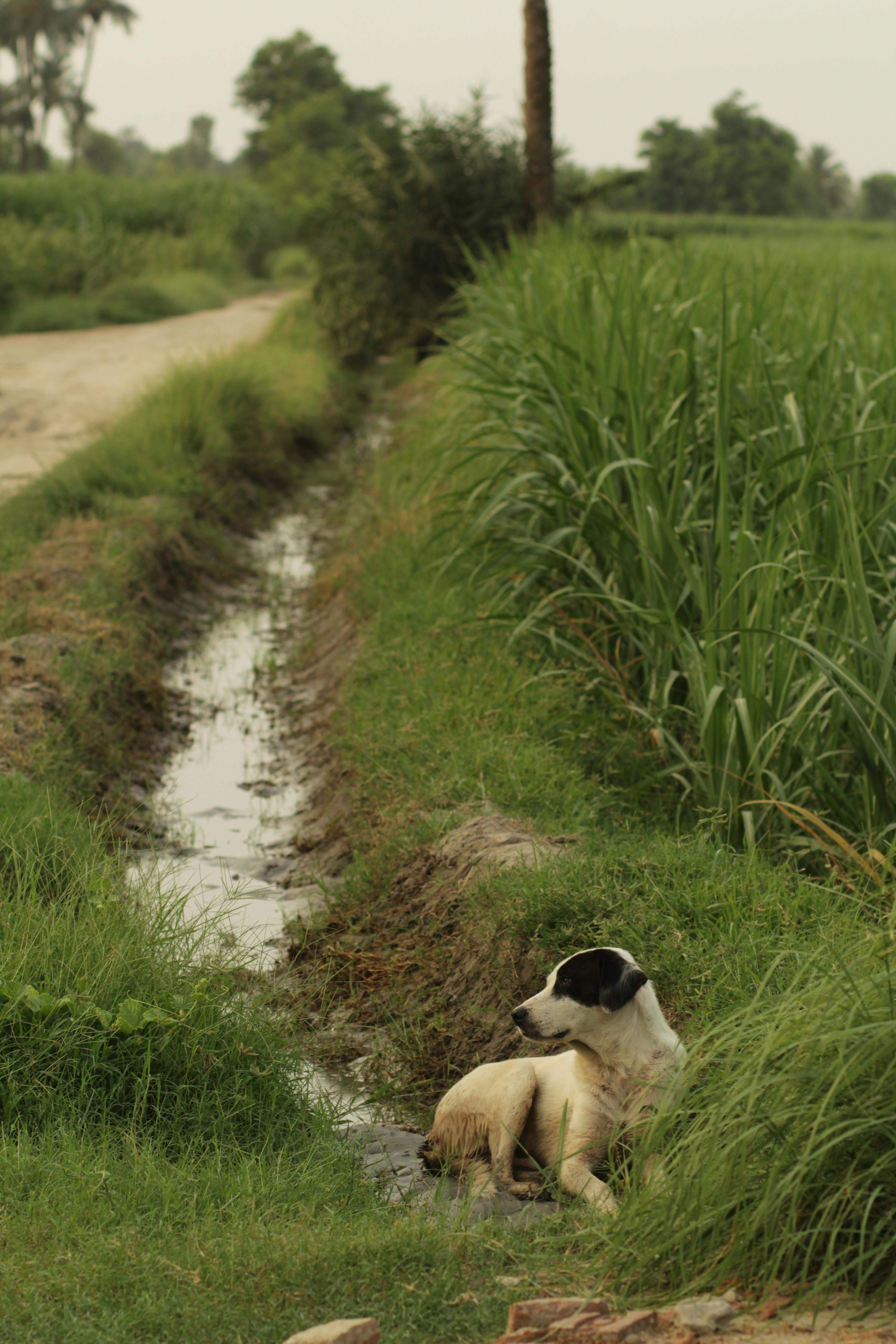
Dogs are amazing creatures, and their wet noses are one of the most fascinating features that they have. You ever wonder, why do dogs have wet noses? It’s not just for looks, but there’s actually a lot of science behind it. Let’s explore the amazing benefits of a wet nose and discover why dogs are naturally designed this way.
The Science Behind Wet Noses
Dogs noses are wet for several reasons, mainly tied to their health and ability to sense the world. The moisture on a dog’s nose helps with their sense of smell. Dogs have an incredible olfactory system, and a wet nose enhances their ability to pick up scents. Here’s how:
- Enhanced Olfactory Function: The moisture on a wet nose captures scent particles in the air, helping dogs to smell better.
- Temperature Regulation: Dog’s noses help to regulate their body temperature. When they are panting, the moisture evaporates and cools them down.
- Health Indicator: A wet nose can indicate good health. If a dog’s nose is dry, it may signal that they are feeling unwell or dehydrated.
A Bit of History
Believe it or not, the wet nose is an evolutionary trait. It is thought that ancestors of modern dogs developed wet noses to aid in hunting and foraging. Dogs are descendants of wolves, which also have wet noses, and this characteristic has been passed down through generations.
Benefits of a Wet Nose
Dogs’ wet noses are not just interesting; they provide several benefits that help dogs lead happy and healthy lives. Here are some key benefits:
- Improved Sense of Smell: As mentioned earlier, wet noses help capture scent particles, enhancing their ability to detect smells.
- Connection to Emotions: Dogs often lick their noses when they are excited or curious. This behavior shows their emotional responses to different situations.
- Cooling Mechanism: Wet noses help dogs cool down, especially during hot weather, making it crucial for their overall well-being.
Fun Facts About Dog Noses
- Unique Nose Prints: Just like human fingerprints, every dog has a unique nose print. It can be used for identification.
- Temperature Sensitivity: Dogs can detect changes in temperature through their noses, which can help them sense danger or find food.
- Communication Tool: Dogs use their noses to communicate with other dogs. The scents they pick up can tell them a lot about their environment and other animals.
How to Keep Your Dog’s Nose Healthy
Maintaining a healthy nose is important. Here are some tips to keep your dog’s nose in top shape:
- Hydration: Ensure your dog always has access to fresh water. Dehydration can lead to a dry nose.
- Regular Vet Check-ups: Regular visits to the vet can help catch any potential health issues early on.
- Avoid Irritants: Keep your dog away from harsh chemicals or substances that might irritate their nose.
Comparing Wet and Dry Noses
| Wet Nose | Dry Nose |
|---|---|
| Better sense of smell | May indicate health issues |
| Cooler temperature | Can be a sign of dehydration |
| Indicates hydration | Needs attention if persistent |
Why Do Dogs Have Wet Noses?
So, why do dogs have wet noses? The answer lies in their evolution, biology, and the need to survive in diverse environments. Their wet noses are a vital part of their sensory perception and overall health.
In summary, the wet nose of a dog is a remarkable feature that serves multiple purposes. From enhancing their sense of smell to providing essential health benefits, it’s clear that this unique trait plays a significant role in a dog’s life. The next time you pet your furry friend and feel that cool, wet nose against your hand, remember that it’s more than just a cute quirk; it’s a testament to their natural design and evolution. Dogs are truly fascinating creatures, and their noses are just one of the many reasons we love them.
Is a Wet Nose a Sign of Affection? Exploring Dog Behavior and Emotions
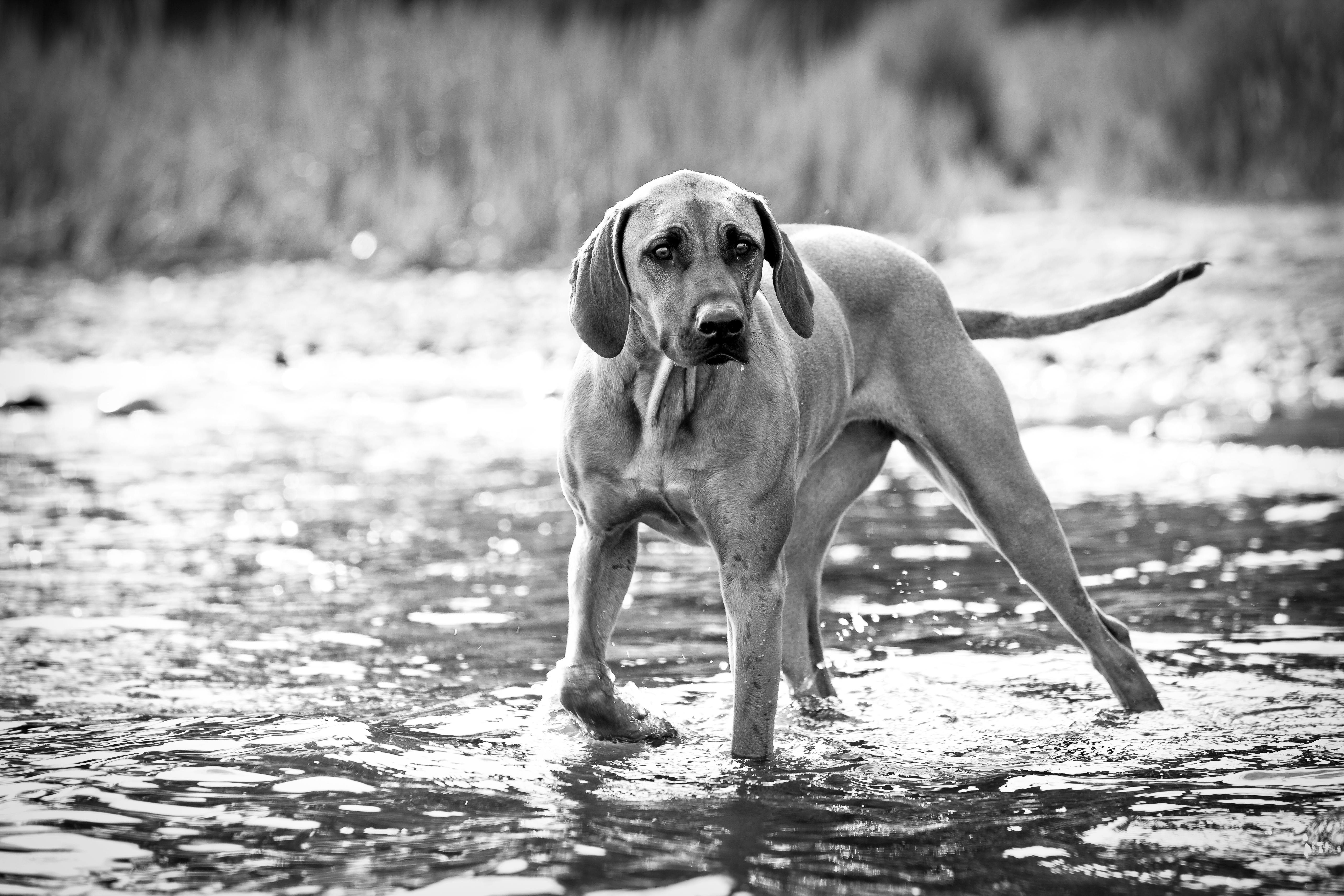
If you’ve ever had a dog, you probably noticed their wet nose and wondered if it means something special. Is a wet nose a sign of affection? What does it really tell us about our furry friends? Let’s dive into the world of dog behavior and emotions, exploring why do dogs have wet noses, and uncover the fascinating truths behind this common canine characteristic.
The Science Behind Wet Noses
Dogs’ noses are wet for several reasons that are both practical and biological. The moisture helps enhance their sense of smell, which is, like, way more developed than ours. A dog’s nose has a lot of scent receptors—up to 300 million compared to a human’s 5 million! This allows them to detect scents at incredibly low concentrations.
Here’s a breakdown of why dog noses are wet:
Temperature Regulation: Dogs don’t sweat like humans. Instead, they cool off through panting and the moisture on their noses. A wet nose helps to regulate their body temperature.
Enhanced Olfactory Function: The wetness on their noses helps trap scent particles, making it easier for dogs to detect smells. This is crucial for their survival instincts and daily behaviors.
Health Indicator: A wet nose can indicate that a dog is healthy, though it’s not always a definitive sign. Changes in the moisture level can sometimes point to health issues.
Historical Context and Canine Evolution
Dogs have evolved from wolves, and their noses have adapted over time. Wolves, like dogs, rely heavily on their sense of smell for hunting and communication. The moisture on a wolf’s nose serves similar functions as it does for domestic dogs today. Historically, humans have bred dogs for various traits, including their sense of smell.
Can a Wet Nose Mean Affection?
Now, moving on to the question of affection. A wet nose is not, strictly speaking, a definite sign of love. Dogs communicate their feelings through various behaviors, and a wet nose can just be one of them. Here are some ways to interpret your dog’s nose behavior:
Nose Nudging: If your dog nudges you with their wet nose, it often means they are seeking attention or affection. It’s their way of saying, “Hey, I’m here! Pay attention to me!”
Greeting Ritual: When dogs meet each other, they often sniff each other’s noses. This behavior is part of their social interactions, which can indicate friendliness and curiosity.
Playfulness: When dogs are excited or playful, they may tend to have a wet nose due to panting and increased activity.
Fun Facts About Dog Noses
Did you know that a dog’s sense of smell is so powerful that it can even detect certain diseases in humans? Here are some fascinating facts about dog noses:
- Dogs can sniff out drugs, explosives, and even cancer.
- The texture of a dog’s nose is unique, much like a human fingerprint.
- Some breeds, such as Bloodhounds, have such an acute sense of smell that they can track scents up to several days old.
Comparisons: Wet Nose vs. Dry Nose
Here’s a simple comparison chart to illustrate the differences between a wet nose and a dry nose in dogs:
| Feature | Wet Nose | Dry Nose |
|---|---|---|
| Temperature | Cooler | Warmer |
| Health Indicator | Generally healthy | Possible health issue |
| Behavior | Playful, attentive | May indicate stress or illness |
Practical Examples of Dog Behavior
Understanding your dog’s behavior can provide insights into their emotions. Here are a few practical scenarios:
After Playtime: Your dog’s nose might be wet after intense play as they breathe heavier. Pay attention to their body language. If they seem relaxed and happy, it’s a good sign.
During a Vet Visit: If your dog has a dry nose at the vet, it doesn’t always mean something is wrong. Stress can cause a temporary change in moisture.
When They’re Sick: If your dog’s nose is dry and they show other signs of illness—like lethargy or not eating—it’s time to consult with a vet.
Understanding your dog’s wet nose and what it signifies can deepen the bond between you and your furry companion. It’s a small part of their overall behavior that gives us insight into their feelings and health. So, next time you notice that cool, wet nose, remember—it’s more than just a cute feature; it’s a window into their world.
Wet Noses and Temperature Regulation: How Dogs Stay Cool and Comfortable

When you see a dog, one of the first things you might notice is its wet nose. It’s a common sight, but have you ever wondered why do dogs have wet noses? This unique feature plays a significant role in their overall wellbeing and health, especially when it comes to temperature regulation. Understanding the science behind wet noses can help pet owners ensure their furry friends stay cool and comfortable in different weather conditions.
The Science of Wet Noses
Dogs’ noses are naturally moist, and this moisture serves multiple purposes. First, it aids in olfaction, or the sense of smell. A wet nose can capture scent particles more effectively than a dry one. It’s like how we can taste food better when our mouths are moist. Furthermore, when dogs breathe, the moisture evaporates, helping to cool their bodies.
- Dogs have about 220 million smell receptors, making them incredible at detecting different scents.
- The moisture on their noses comes from the secretion of mucus and other fluids.
- A wet nose can also indicate a dog is happy and healthy, while a dry nose might point to dehydration or illness.
How Dogs Regulate Their Temperature
Unlike humans, dogs can’t sweat to cool down. Instead, they rely on several methods to regulate their body temperature, and their wet noses play a crucial role in this process. Here’s how they do it:
- Panting: Dogs often pant to release heat. As they breathe rapidly, moisture from their tongues and respiratory system evaporates, cooling the blood flow.
- Wet Noses: The evaporation of moisture from the nose also helps to cool their body. So, a wet nose can be a sign that a dog is effectively regulating its temperature.
- Seeking Shade: When it’s hot outside, dogs instinctively look for cooler places to rest, helping them avoid overheating.
- Hydration: Drinking water is crucial. If a dog is dehydrated, their ability to cool themselves diminishes.
Comparison: Dogs vs. Humans in Temperature Regulation
| Feature | Dogs | Humans |
|---|---|---|
| Sweating | Limited to paw pads | Entire body |
| Nose Moisture | Essential for cooling | Not applicable |
| Temperature Control Method | Panting, wet nose | Sweating, panting |
| Ideal Temperature | 101°F to 102.5°F | 98.6°F (average) |
Why Do Dogs Have Wet Noses? The Fascinating Truth
The moisture on a dog’s nose is more than just a quirky characteristic. It’s an evolutionary trait that has helped dogs survive in various environments. Historically, dogs have been both hunters and companions, and a keen sense of smell has always been important for their survival.
- Tracking Prey: In the wild, a wet nose helps dogs track scents for hunting.
- Social Interaction: Dogs use their noses to communicate with one another. A moist nose can signify a friendly or non-threatening demeanor.
- Health Indicator: A sudden change in nose moisture can indicate health issues. For example, a persistently dry nose can be a sign of illness.
Keeping Your Dog Comfortable
As a dog owner, it’s your responsibility to ensure your pet stays cool and healthy, especially during hot weather. Here are some practical tips:
- Provide Fresh Water: Always have water available for your dog, especially during warm days.
- Limit Exercise: Walk your dog during cooler parts of the day, like early morning or late evening.
- Create Shade: If your dog is outside, make sure there’s a shaded area for them to rest.
- Watch for Signs of Overheating: Be alert for excessive panting, drooling, or lethargy, as these may be signs of heat exhaustion.
Final Thoughts
Understanding why do dogs have wet noses and how they help in temperature regulation can deepen your appreciation for these wonderful creatures. Their wet noses are not just an adorable feature; they serve essential functions that help keep your furry friend cool and comfortable. By recognizing the signs of temperature stress and providing a caring environment, you can help your dog thrive all year round. Remember, a happy dog is a healthy dog, and their wet noses are just one of the many reasons we love them!
The Role of Moisture in Dogs’ Noses: What Every Dog Owner Should Know
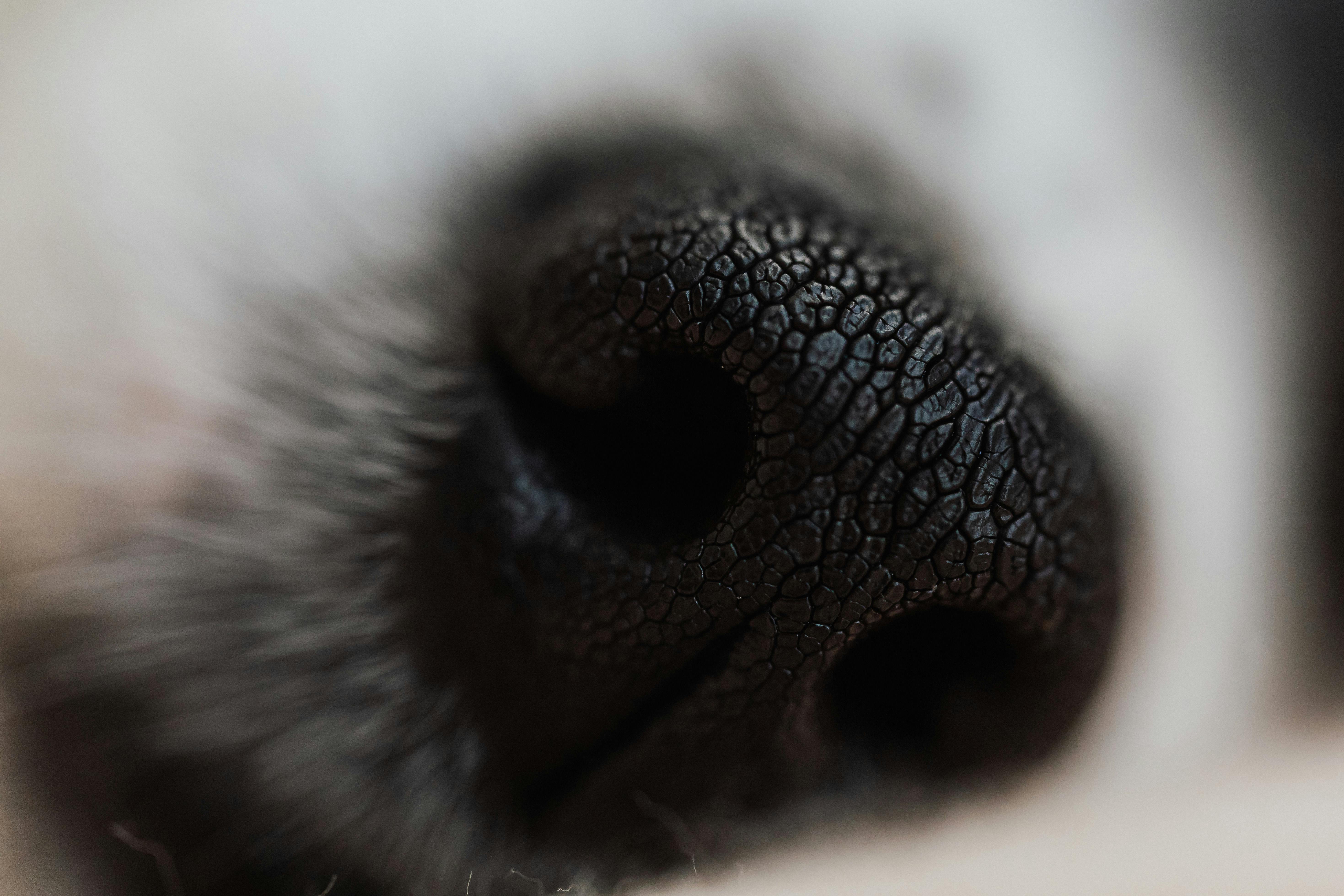
Dogs are some of the most beloved pets in the world, and their noses are a big part of what makes them so special. Have you ever wondered why do dogs have wet noses? It’s not just a cute feature; there’s actually a fascinating biological reason behind it! Understanding the role of moisture in dogs’ noses can help every dog owner appreciate their furry friends even more.
The Anatomy of a Dog’s Nose
First off, let’s talk about what makes a dog’s nose so unique. A dog’s nose is made of a specialized tissue that contains a high concentration of scent receptors. This tissue is moist, which plays a crucial role in their ability to smell. The wetness helps to dissolve scent particles in the air, making it easier for dogs to detect different odors.
- Dogs have around 300 million scent receptors in their noses.
- Humans, by comparison, only have about 5 million.
- The wetness on a dog’s nose is mostly due to mucus, which helps capture scents.
Why Are Dogs’ Noses Wet?
So why do dogs have wet noses anyway? The moisture serves several important purposes:
Enhanced Smell: As mentioned before, moisture helps absorb scent molecules. This enhances a dog’s sense of smell, which is vital for their survival and communication.
Temperature Regulation: A dog’s nose also helps regulate their body temperature. When a dog pants or breathes, moisture evaporates from their nose, which can help cool them down.
Health Indicator: A wet nose is usually a sign of good health in dogs. When a dog is sick or dehydrated, their nose may become dry and warm.
Factors Influencing Nose Moisture
Several factors can affect the moisture level in a dog’s nose. Here are some common reasons why a dog’s nose might be dry:
- Weather Conditions: Hot or dry weather can lead to dryness in a dog’s nose.
- Health Issues: Certain illnesses or skin conditions can cause a dog’s nose to lose moisture.
- Age: Older dogs may have less moisture in their noses compared to younger dogs.
Comparing Wet and Dry Noses
It’s interesting to look at the differences between wet and dry noses in dogs. Here’s a simple comparison:
| Wet Nose | Dry Nose |
|---|---|
| Usually indicates good health | May indicate dehydration or illness |
| Helps in scent detection | Less efficient at detecting scents |
| Can regulate temperature | Less effective in temperature regulation |
| Often cool to the touch | Usually warm or hot |
What Should Dog Owners Know?
As a dog owner, it’s important to keep an eye on your dog’s nose. Here are some tips for ensuring their nose stays healthy:
- Hydration: Make sure your dog has access to fresh water at all times, especially on hot days.
- Check for Changes: If you notice sudden changes in your dog’s nose moisture, it may be worth a visit to the vet.
- Balanced Diet: A nutritious diet can help maintain your dog’s overall health, including the moisture levels in their nose.
Fun Facts About Dogs’ Noses
- Dogs can have different nose colors, ranging from pink to black, and it doesn’t affect their sense of smell.
- The texture of a dog’s nose, which is often described as ‘cold and wet,’ can vary between breeds.
- Studies show that dogs can even detect certain diseases, such as cancer or diabetes, through their sense of smell.
Understanding how moisture plays a role in dogs’ noses not only enlightens dog owners but also strengthens the bond between them and their pets. So, the next time you give your dog a pat and feel that wet nose, remember the amazing biology behind it. It’s not just cute; it’s vital for their health and well-being! Dogs are wonderful creatures, and their wet noses are just one more reason to love them.
Can Dogs’ Wet Noses Detect Illness? Discover the Hidden Health Secrets

Dogs have long been known as man’s best friend, but did you ever wonder if their wet noses can do more than just greet you with a friendly nuzzle? The truth about dogs’ wet noses is quite fascinating and could even be a window into their health and wellbeing. So, can dogs’ wet noses detect illness? Let’s dig into this intriguing question and uncover the hidden health secrets that our furry companions might be hiding.
The Science Behind Wet Noses
First, let’s look at why dogs’ noses are wet in the first place. Dogs have moist noses for several reasons:
- Enhanced Smell: The moisture helps to absorb scent chemicals from the air. This makes their sense of smell even more powerful, which is crucial for their hunting and tracking instincts.
- Thermoregulation: Dogs don’t sweat like humans do. Instead, they cool off through their noses and paw pads. A wet nose can help regulate their body temperature, especially in warm weather.
- Health Indicator: A dog’s nose can indicate its health. Generally, a healthy dog has a cool, moist nose, while a dry, warm nose might raise a few eyebrows.
Can Dogs Detect Illness?
Now, onto the big question: can dogs really detect illness through their noses? Surprisingly, the answer is yes! Dogs possess an extraordinary sense of smell—estimated to be between 10,000 to 100,000 times more acute than humans. They can detect certain diseases and illnesses, including:
- Cancer: Studies have shown that dogs can sniff out cancerous cells through breath or urine samples.
- Diabetes: Dogs can detect changes in blood sugar levels and alert their owners to potential diabetic crises.
- Infections: Some dogs can identify bacterial infections by smelling specific odors associated with the infection.
There have been numerous accounts of dogs alerting their human companions to health issues before medical professionals even recognized them. This ability is thought to be due to the unique scent signatures that illnesses produce, which dogs can smell from a distance.
The Fascination of Dogs’ Noses
So why do dogs have wet noses? The answer is multi-faceted and speaks to their nature as both hunters and companions. The moisture on their noses serves these essential purposes:
- Heightened Sense of Smell: Dogs rely heavily on their sense of smell for communication and understanding their environment.
- Health Monitoring: A change in the moisture level of a dog’s nose can signal a health issue. For instance, if a dog’s nose becomes overly dry, it might indicate dehydration or illness.
Myths and Misunderstandings
There are plenty of myths floating around about dogs’ noses. Some believe that a warm, dry nose means a dog is sick, while a cool, wet nose means they are healthy. But this isn’t always the case. While a dog’s nose can be an indicator of health, it is not a definitive measure. Other factors, like temperature, humidity, and the dog’s activity level, can also affect nose moisture.
Practical Tips for Dog Owners
Being aware of your dog’s nose condition can be beneficial. Here are some practical tips:
- Regular Checks: Monitor your dog’s nose regularly. If you notice significant changes, consult your veterinarian.
- Hydration: Ensure your dog has access to fresh water at all times to keep them hydrated, which can help maintain a moist nose.
- Watch for Symptoms: Keep an eye out for other symptoms of illness, such as changes in behavior, appetite, or energy levels.
Interesting Facts About Dogs and Their Noses
- Dogs have a special organ called the Jacobsen’s organ, located in the nasal cavity, which helps them analyze scents.
- The unique patterns on a dog’s nose are as distinct as human fingerprints.
- Certain breeds, like Bloodhounds, are renowned for their exceptional tracking abilities due to their keen sense of smell.
Dogs have played a significant role in human history, not just as pets but as working animals. Their ability to sense changes in human health has led to therapy and service dogs being trained to assist those with medical conditions.
In summary, dogs’ wet noses are not just a charming characteristic; they serve important functions in their lives and can even help detect illness. Understanding these fascinating facts about our furry friends can deepen our appreciation for their abilities and the special bond we share with them. So, next time you see your dog’s wet nose, remember, there’s more to it than meets the eye!
Fun Facts About Dog Noses: Why Their Wetness Matters More Than You Think
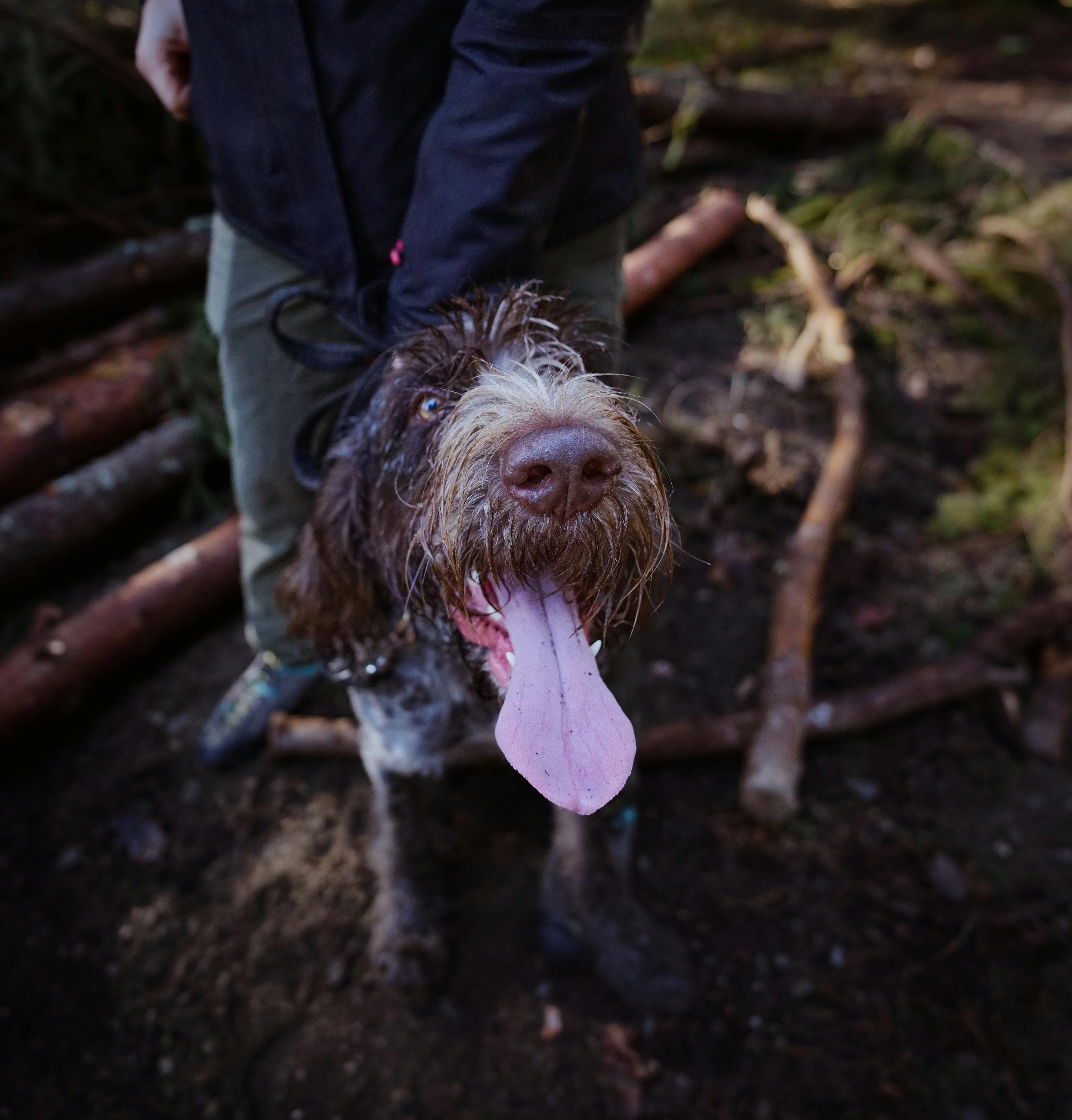
When we think about our furry friends, we often admire their playful nature, wagging tails, and of course, their adorable faces. But have you ever thought about why do dogs have wet noses? This seemingly simple feature actually serves several important purposes, making it a fascinating topic to explore. So, let’s dive into some fun facts about dog noses and why their wetness matters more than you think!
The Science Behind Wet Noses
Dog noses are not just cute; they are also marvels of biology. The wetness of a dog’s nose comes from a thin layer of mucous that keeps the nose moist. This moisture is crucial for several reasons:
- Enhanced Sense of Smell: Dogs have an incredible sense of smell, estimated to be 10,000 to 100,000 times more sensitive than humans. The moisture on their nose helps to capture scent particles from the air, making it easier for them to detect and identify smells.
- Thermoregulation: Dogs don’t sweat like humans do. Instead, they regulate their body temperature through their noses. A wet nose helps them cool down. When a dog pants, the moisture from their nose evaporates, aiding in heat dissipation.
- Health Indicators: The condition of a dog’s nose can be an indicator of their health. A warm, dry nose might suggest a fever, while a cold, wet one usually indicates good health.
Fun Facts About Dog Noses
Unique Patterns: Just like human fingerprints, every dog has a unique nose print. This unique pattern can even be used for identification, although it’s not common practice.
Size Matters: The size and shape of a dog’s nose can be linked to their breed. For example, breeds like Bloodhounds have longer noses, which aids their tracking abilities.
Nose Color: A dog’s nose can come in different colors, including black, brown, or even pink. This color can change with the seasons, age, or health conditions.
Sniffing Mechanics: Dogs have a special structure in their noses called the vomeronasal organ, which helps them detect pheromones. This organ plays a crucial role in communication and social interactions between dogs.
Nasal Turbinates: Inside a dog’s nose, there are structures called nasal turbinates, which help to warm and moisten the air they breathe. This is particularly important for filtering out potentially harmful particles.
Why Do Dogs Have Wet Noses?
The answer to this question goes beyond simple biology. The moisture on a dog’s nose serves multiple functions, which can be explored further:
- Scent Detection: Dogs rely heavily on their sense of smell for understanding their environment. The wetness aids in trapping scents, allowing them to interpret their surroundings.
- Communication: Dogs often greet each other by sniffing noses. A wet nose can be a sign of friendliness and openness in dog-to-dog communication.
- Environmental Awareness: Dogs can also sense changes in weather through their noses. A wet nose can help them identify humidity levels and changes in the atmosphere.
Interesting Comparisons
It’s interesting to compare dog noses to human noses. Here are some key differences:
| Feature | Dogs | Humans |
|---|---|---|
| Sense of Smell | 10,000-100,000 times more sensitive | Relatively weak |
| Temperature Regulation | Via wetness and panting | Primarily through sweating |
| Unique Identifier | Nose print | Fingerprint |
Practical Examples of Nose Care
Taking care of your dog’s nose is important for their overall health. Here’s how you can ensure it stays healthy:
- Hydration: Make sure your dog has access to fresh water, as dehydration can make their nose dry and cracked.
- Avoid Irritants: Keep your dog away from smoke and harsh chemicals, which can irritate their noses.
- Regular Checks: Check your dog’s nose regularly. If you notice any unusual changes, such as excessive dryness or crustiness, consult your vet.
In summary, the wetness of a dog’s nose is much more than just a quirky characteristic. It plays critical roles in their health, communication, and sensory perception. Next time you give your pup a scratch behind the ears, take a moment to appreciate the amazing capabilities of their wet little noses. They truly are remarkable!
Conclusion
In conclusion, the wetness of a dog’s nose serves several critical purposes that contribute to their overall health and sensory perception. The moisture helps enhance their sense of smell by trapping scent particles, making them more effective hunters and companions. Additionally, a wet nose plays a role in thermoregulation, helping dogs cool down in warm weather. While it’s commonly believed that a wet nose indicates a healthy dog, it’s essential to consider other factors such as behavior, appetite, and energy levels for a complete assessment of their well-being. As dog owners, being aware of these aspects can help us care for our furry friends better. So, the next time you give your pup a cuddle and feel that cool, wet nose, remember its importance and appreciate the unique biology that makes dogs such extraordinary companions. Share your thoughts or experiences about your dog’s wet nose in the comments below!
