
Have you ever wondered, why do dogs have wet noses? This intriguing question has baffled pet owners for ages, and the answer is more fascinating than you might think! Dogs’ noses are not only wet but also play a crucial role in their health and behavior. In fact, a wet nose can indicate a dog’s level of hydration and even their emotional state. But that’s just the tip of the iceberg! The moisture on a dog’s nose helps to enhance their sense of smell, making them extraordinary hunters and companions. So, what exactly causes this unique characteristic? Is it simply a biological feature, or does it serve a purpose beyond just cuteness? In this article, we will explore the science behind why dogs have wet noses and uncover the incredible reasons that make them so special. From evolutionary advantages to health indicators, you’ll be surprised to learn how much our furry friends rely on their wet noses. Stay tuned to discover the captivating secrets behind your dog’s most endearing feature!
The Science Behind Wet Noses: Why Do Dogs’ Noses Stay Moist?
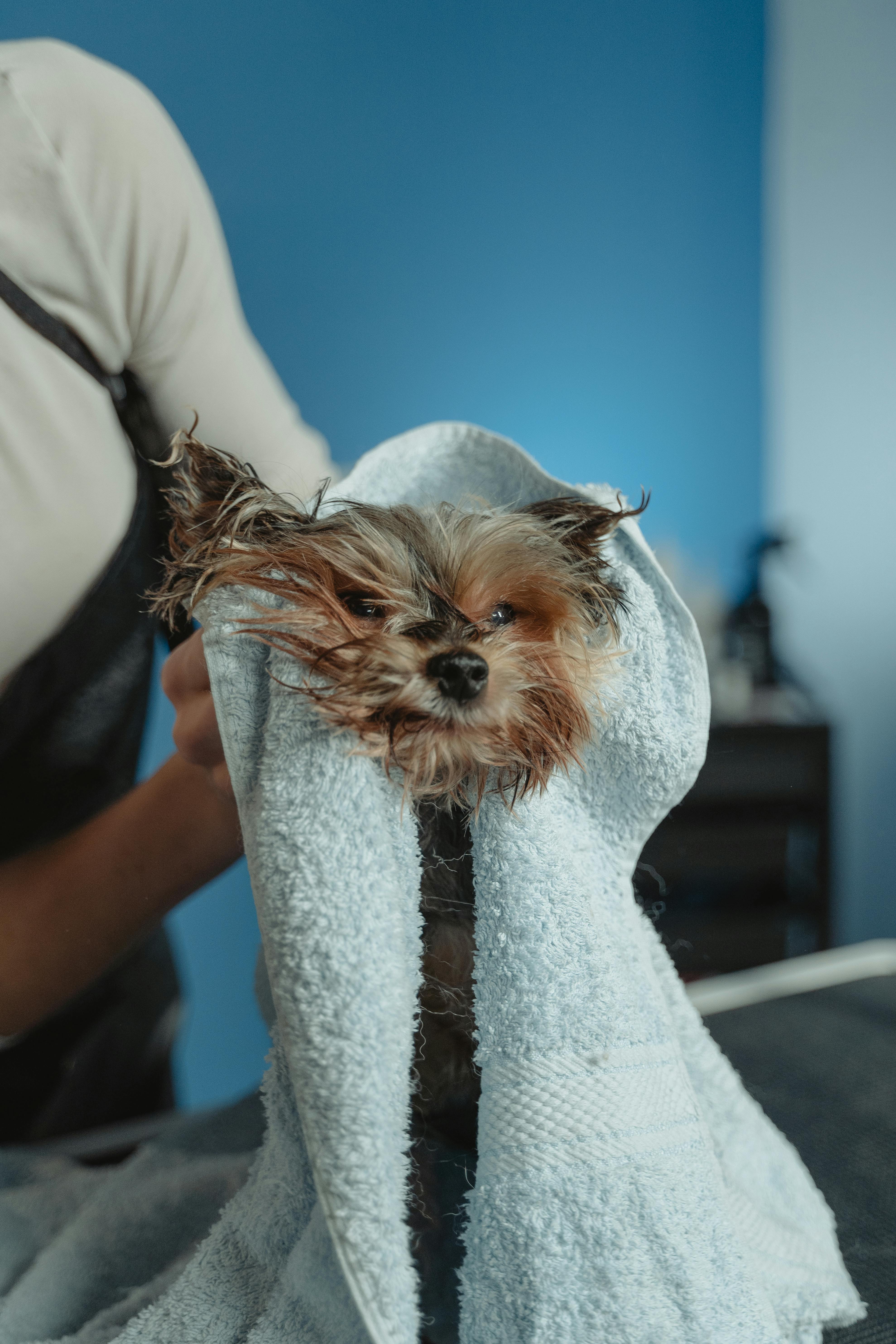
Dogs have been man’s best friend for centuries. One interesting thing about dogs, which often gets overlooked, is their moist noses. Many people wonder, why do dogs have wet noses? The answer is a mix of science, biology, and a bit of history that can be really fascinating. Let’s dive into the reasons behind those wet noses and uncover the secrets of your furry friends.
The Biology of a Dog’s Nose
First off, a dog’s nose isn’t just moist for no reason. It serves several important functions that are crucial for their health and behavior. Here are some key points about why dogs have wet noses:
Sense of Smell: Dogs have an incredible sense of smell, and their noses help amplify this ability. The moisture on their noses helps to capture scent particles. When these particles stick to the wet surface, it enhances their olfactory receptors, allowing them to detect even faint odors.
Temperature Regulation: Dogs don’t sweat like humans do. Instead, they rely on their noses to help cool down. When a dog licks its nose, the moisture evaporates and helps to lower their body temperature.
Health Indicator: A wet nose is often a sign of a healthy dog. If a dog’s nose is excessively dry or cracked, it can indicate dehydration or illness. Owners should keep an eye on their pet’s nose as part of regular health checks.
Evolutionary Perspective
There’s also an evolutionary angle to consider. Dogs are descendants of wolves, and the moistness of their noses is a trait that has been carried down through generations. Here’s how it relates:
Hunting: In the wild, a wet nose would have been essential for tracking prey. The ability to pick up scents quickly would have made hunting more successful, which in turn would have contributed to survival.
Pack Communication: Dogs also communicate with each other through scent. A wet nose allows them to pick up pheromones and other chemical signals, which are vital for social interactions among pack members.
Fun Facts About Dog Noses
Unique Patterns: Just like human fingerprints, each dog’s nose print is unique. This can actually be used as a form of identification!
Nose Color: The color of a dog’s nose can vary widely, depending on breed and genetics. Some dogs have black noses, while others can have pink or spotted noses.
Nasal Turbinates: Dogs have complex structures inside their noses called turbinates, which help to filter and warm the air they breathe, enhancing their sense of smell even more.
Common Misconceptions
There are a few myths about wet noses that people often believe. Let’s clear up some of these misconceptions:
All Wet Noses Mean Healthy Dogs: While a wet nose can be a sign of health, it’s not the only indicator. Dogs can still be sick with a wet nose, so it’s important to look for other symptoms.
Dogs Only Lick Their Noses When They’re Thirsty: Dogs lick their noses for various reasons, including cleaning, tasting their environment, and yes, sometimes they do it to hydrate.
Caring for Your Dog’s Nose
Taking care of your dog’s nose is important, especially if you live in an area with extreme weather conditions. Here are some tips:
Hydration: Make sure your dog always has access to fresh water to keep their nose moist.
Avoiding Irritants: If your dog spends a lot of time outside, be aware of potential irritants like pollen or chemicals that can dry out their nose.
Regular Vet Check-ups: Regular visits to the vet can help catch any problems related to your dog’s nose early on.
Here’s a quick checklist for nose health:
- Check for dryness or cracking
- Look for changes in color or texture
- Monitor for excessive licking
The Emotional Connection
Many people find comfort in the bond they share with their dogs. A wet nose can often be associated with affection and playfulness. When a dog nudges you with their nose, it’s a way of saying, “Hey, I’m here for you!”
Understanding the science behind wet noses not only deepens our appreciation for dogs, but it can also help us take better care of them. So, the next time you see that moist, cold nose, remember that it’s more than just an adorable feature; it’s a marvel of nature that plays a vital role in your dog’s daily life.
5 Surprising Reasons Dogs Have Wet Noses You Never Knew!
Dogs have been our loyal companions for thousands of years, and their wet noses are one of the many delightful quirks that make them so unique. Have you ever wondered why dogs have wet noses? You might think it’s just because they slobber a lot or they just been drinking water. But actually, there’s more to it than that. Here’s five surprising reasons that explain this fascinating phenomenon.
1. Temperature Regulation
One of the primary reasons dogs have wet noses is because it helps them regulate their body temperature. Unlike humans who sweat, dogs don’t have sweat glands all over their bodies. Instead, they rely on their noses to help them cool down. When a dog’s nose is wet, it evaporates moisture, which helps cool their body down. This is especially important during hot weather or after vigorous exercise.
- Dogs can’t sweat the way humans do
- Wet noses help cool them down efficiently
- Important during hot weather or after playtime
2. Enhanced Sense of Smell
Dogs have an extraordinary sense of smell, estimated to be anywhere from 10,000 to 100,000 times more sensitive than that of humans. A wet nose actually helps enhance their olfactory abilities. The moisture on their noses captures scent particles from the air, allowing them to smell more accurately and effectively. This is why dogs are often used in search and rescue missions, as well as in detecting drugs or explosives.
- Moisture on the nose captures scent particles
- Enhances their ability to smell
- Important for search and rescue dogs
3. Communication Tool
Believe it or not, a dog’s wet nose can also be a form of communication. When dogs greet each other, they often sniff each other’s noses, which helps them gather information about their companions. A wet nose might indicate a friendly and healthy dog. The moisture can also transmit pheromones, which are chemical signals that can tell other dogs about their mood or health status. So that wet nose is more than just a cute feature; it’s part of their social language!
- Dogs greet by sniffing each other’s noses
- Wet noses indicate health and friendliness
- Transmits pheromones for communication
4. Natural Moisturizer
Dogs lick their noses to keep them moist, which is a natural behavior. Just like how humans use lip balm, dogs need to maintain the moisture level of their noses. A well-hydrated nose is generally a sign of a healthy dog. If a dog’s nose is dry or cracked, it could indicate dehydration or illness, and it’s worth checking with a vet.
- Dogs lick their noses to maintain moisture
- A moist nose is a sign of health
- Dryness can indicate health issues
5. Evolutionary Trait
From an evolutionary standpoint, dogs have wet noses as a trait that has been passed down through generations. The ancestors of modern dogs had wet noses, which likely provided survival benefits. This trait has been ingrained in their genetics, helping them to be effective hunters and companions throughout history. Even today, the advantages of a wet nose continue to benefit dogs in various ways.
- Wet noses are an evolutionary trait
- Beneficial for hunting and survival
- Passed down through generations
Additional Facts About Dog Noses
Here are some interesting tidbits about dog noses that you may never have known:
- Dogs have unique nose prints, much like human fingerprints, which can be used for identification.
- A dog’s nose temperature can change; a cool, wet nose may indicate a healthy dog, while a warm, dry nose might suggest illness.
- The color of a dog’s nose can vary widely depending on their breed and genetics, ranging from black to pink or even spotted!
Quick Comparison: Dog Noses vs Human Noses
Here’s a quick look at how dog noses and human noses differ:
- Scent Detection: Dogs – Exceptional; Humans – Limited
- Moisture: Dogs – Wet; Humans – Dry
- Temperature Regulation: Dogs – Yes; Humans – No
Understanding the reasons behind why dogs have wet noses can deepen our appreciation of these wonderful animals. Whether it’s for cooling down, sniffing out scents, or communicating with other dogs, their wet noses play a significant role in their lives. So next time you see your dog’s wet nose, remember the fascinating biology behind it! This small feature is just one of the many ways that dogs have adapted to thrive alongside humans, making them the extraordinary companions we cherish today.
Is Your Dog’s Wet Nose a Sign of Health? Understanding the Connection

Is your dog’s wet nose a sign of health? Many dog owners often wonder this, and the answer is actually more complex than you might think. A wet nose is commonly seen as a good sign, but it’s important to understand the reasons behind it. Let’s dive into the fascinating world of why dogs have wet noses and what it can mean for their well-being.
Why Do Dogs Have Wet Noses?
Dogs noses are moist for a variety of reasons. Here’s a breakdown of some of the key factors:
Temperature Regulation: Dogs don’t sweat like humans do. Instead, they rely on their noses to help cool down. A wet nose can help them maintain their body temperature, especially on warm days.
Enhanced Sense of Smell: Moisture on a dog’s nose helps capture scent particles from the air. This is crucial, as dogs have an extraordinary sense of smell—far superior to that of humans. A wet nose means they can pick up even the faintest scents, which is why they often sniff around so much.
Health Indicator: Generally, a wet nose is often associated with a healthy dog. However, it’s not always a clear-cut indicator. Factors like dehydration or illness can also affect moisture levels.
Natural Behavior: Dogs naturally lick their noses, which adds moisture. This behavior could be instinctive, as it helps them gather more scent information.
The Science Behind a Dog’s Nose
Understanding the anatomy of a dog’s nose gives insight into its wetness. A dog’s nose has special glands that produce mucus. This mucus keeps the nose moist, which is important for both smelling and cooling. Here are some interesting facts:
Nasal Mucosa: The inside of a dog’s nose contains a mucous membrane which secrets fluid. This fluid helps in scent detection.
Scent Receptors: Dogs have about 300 million scent receptors in their noses, compared to about 5 million in humans. This means their noses are more than just wet—they’re a highly developed sensory tool.
The Myth of the Dry Nose
Many dog owners fear a dry nose signals an ill dog. But it’s not that simple. Here are some possible explanations for a dry nose:
Dehydration: If a dog isn’t drinking enough water, their nose may dry out. Ensure your pet has access to fresh water at all times.
Weather Conditions: Hot weather or indoor heating can lead to a dry nose. Keep an eye on your dog during extreme weather.
Allergies or Irritations: Sometimes, allergies or irritants can cause a dog’s nose to become dry or flaky.
Health Issues: Certain health problems can affect a dog’s nose moisture. If you’re concerned, consult your veterinarian.
What Should You Look For?
Pet owners should know that a wet nose isn’t the only factor to consider when assessing a dog’s health. Here are some signs that may indicate your dog is healthy:
Energy Level: Is your dog active and playful? Healthy dogs usually have lots of energy.
Eating and Drinking: A healthy dog has a good appetite and stays hydrated.
Coat Condition: A shiny coat is often a sign of good health.
Behavior: Changes in behavior can signal issues. If your dog is lethargic or not engaging, it might be time to check in with a vet.
Quick Reference: Wet Nose vs. Dry Nose
Here’s a simple comparison between wet and dry noses and what they could indicate:
Wet Nose:
- Usually indicates hydration
- Good for scent detection
- Normal behavior
Dry Nose:
- Could indicate dehydration
- Environmental factors might be at play
- Possible health issues—consult a vet if concerned
Final Thoughts
So, is your dog’s wet nose a sign of health? It can be, but it’s not a definitive measure. Owners should consider the complete picture of their pet’s health, including behavior, appetite, and overall condition. A wet nose is just one small piece of the puzzle. If you’re ever in doubt about your dog’s health, don’t hesitate to reach out to your veterinarian for advice. Understanding your furry friend’s needs can help ensure they live a happy and healthy life.
How Wet Noses Enhance Your Dog’s Sense of Smell: The Fascinating Facts
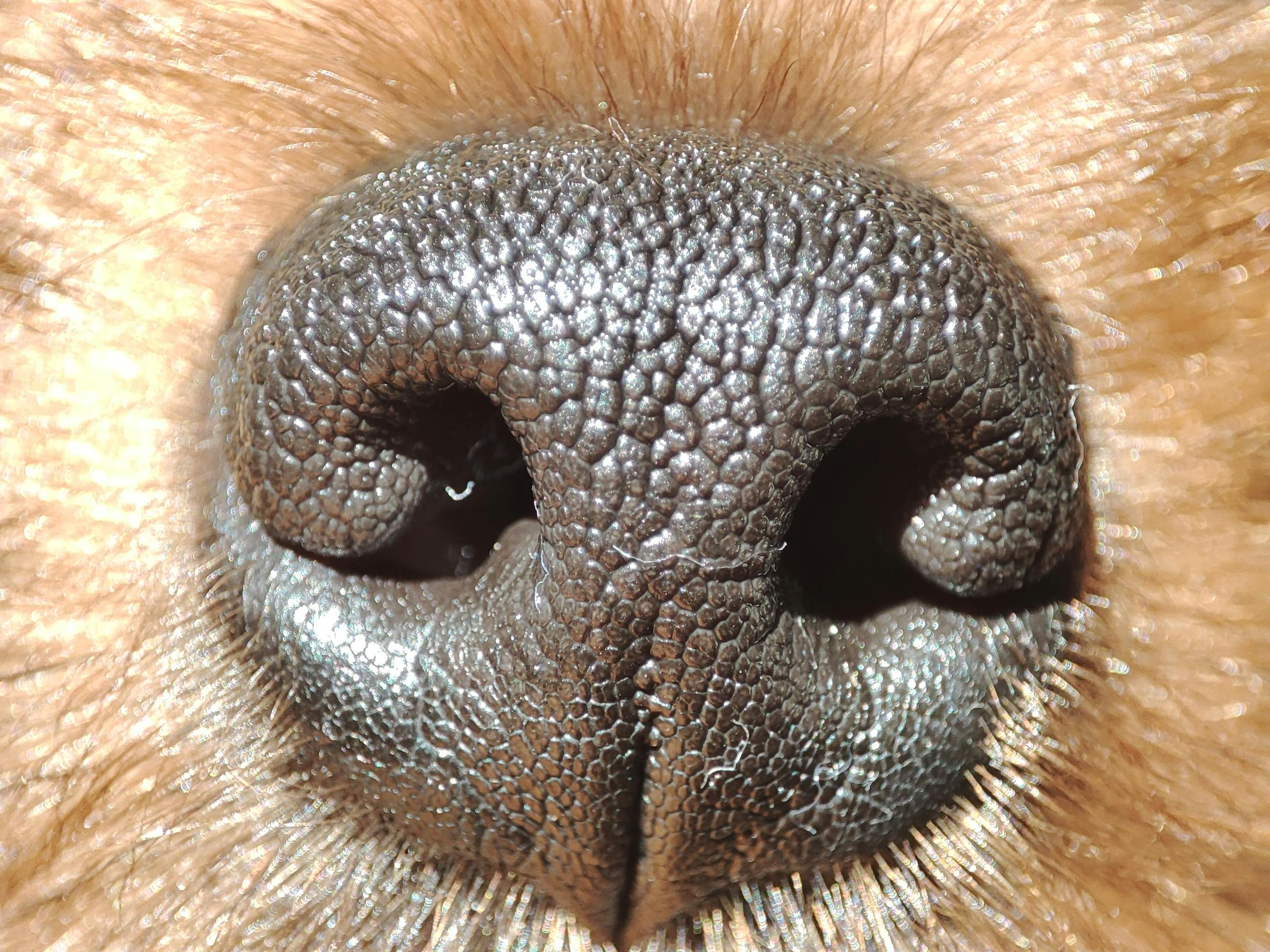
Dogs are often called man’s best friend, and for good reason! They are loyal, loving, and can even help us with various tasks. One of the most fascinating things about dogs is their sense of smell, which is significantly enhanced by their wet noses. Have you ever wondered why do dogs have wet noses? This article dives into the science behind it and explores how those moist little noses play a crucial role in a dog’s ability to smell.
Why Are Dogs’ Noses Wet?
The moisture on a dog’s nose serves several purposes. Firstly, it helps in their olfactory process. When a dog sniffs, the moisture captures scent particles, which makes it easier for them to identify different smells. It’s like having a sponge that soaks up all the fragrances in the air. Here’s how it works:
- Increased Surface Area: A wet nose increases the surface area available for scent particles to attach.
- Enhanced Sensitivity: The moisture helps in dissolving the scent, making it more potent.
- Cooling Mechanism: A dog’s nose also helps to regulate body temperature. When they pant, their noses help cool them down.
The Anatomy of a Dog’s Nose
The anatomy of a dog’s nose is quite complex and interesting. Let’s break it down:
- Olfactory Bulb: This part of the brain is responsible for processing smells. Dogs have a larger olfactory bulb compared to humans.
- Nasal Cavity: Dogs have a long nasal cavity which allows them to detect odors more effectively.
- Jacobson’s Organ: This organ helps dogs detect pheromones, which are important for communication.
Historical Context
Historically, humans have utilized dogs’ acute sense of smell in various ways. For example, dogs have been used in:
- Search and Rescue Operations: They can find missing persons or detect disasters.
- Drug Detection: Their noses can identify illegal substances better than any machine.
- Medical Detection: Dogs have been trained to sniff out certain medical conditions, like cancer or diabetes.
This shows just how valuable a dog’s sense of smell, enhanced by their wet noses, can be!
Fascinating Facts About Dog Noses
Here are some intriguing facts that might surprise you:
- Scent Receptors: Dogs have approximately 300 million scent receptors in their noses, while humans have about 6 million. This means dogs can smell between 10,000 to 100,000 times better than people.
- Unique Nose Prints: Just like human fingerprints, each dog has a unique nose print.
- Wet Nose and Health: A wet nose can indicate good health, while a dry nose might signify dehydration or illness. However, this is not always the case.
Comparing Dogs and Humans
When you think about it, the differences between how dogs and humans perceive the world are pretty astonishing. Consider these comparisons:
| Feature | Dogs | Humans |
|---|---|---|
| Number of Scent Receptors | ~300 million | ~6 million |
| Ability to Detect Scents | 10,000 – 100,000 times better | Standard ability |
| Nose Print Uniqueness | Unique to each dog | N/A |
Real-Life Examples
There’s numerous stories of dogs using their noses to do amazing things. For instance, in 2001, a dog named Bretagne was one of the last search and rescue dogs at Ground Zero after 9/11. Her ability to sniff out survivors was invaluable during the recovery efforts.
Another example is the use of dogs in the field of medicine. Certain breeds, like Beagles, have been trained to detect low blood sugar levels in diabetics by smelling changes in the body’s chemistry.
Conclusion
In the end, the wet nose of a dog is not just an adorable feature; it’s a critical aspect of how they interact with the world. Understanding why do dogs have wet noses not only enhances our appreciation for these loyal companions but also highlights the incredible capabilities they possess. Whether they are helping in search missions, detecting drugs, or even aiding in medical diagnoses, their noses are a powerful tool that showcases the bond between dogs and humans.
Wet Nose vs. Dry Nose: What Your Dog’s Nose Says About Their Well-being
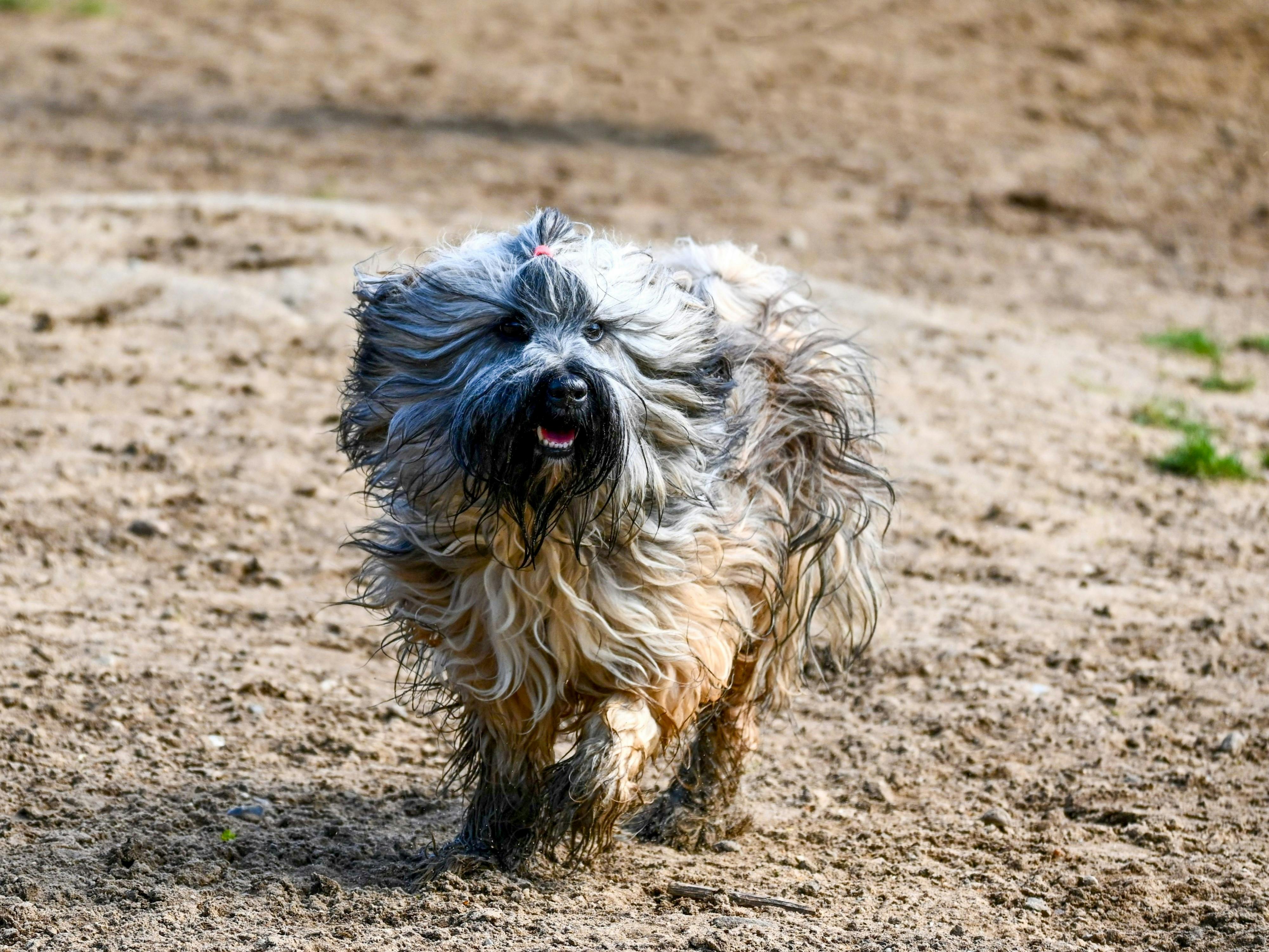
When it comes to understanding your dog’s health, their nose can tell you a lot more than you might think. A wet nose versus a dry nose is often a topic of conversation among dog owners and veterinarians alike. Many people wonder, “Why do dogs have wet noses?” and what it means for their furry friends. Let’s explore the fascinating reasons behind this phenomenon and how it relates to your pet’s well-being.
The Importance of Nose Moisture
A dog’s nose is not just a cute feature; it plays a critical role in their health. The moisture on a dog’s nose has several functions:
- Temperature Regulation: Dogs don’t sweat like humans do. Instead, they rely on their noses to help manage body temperature. A wet nose helps cool them down.
- Sense of Smell: A moist nose can absorb scent chemicals better, making it easier for dogs to detect smells. The more moisture, the more effective their sense of smell becomes.
- Health Indicator: Changes in a dog’s nose moisture can be an indicator of their health status.
Why Do Dogs Have Wet Noses?
So, why exactly do dogs have wet noses? There’s a few reasons behind this, and they’re quite interesting:
- Gland Secretions: Dogs have special glands in their noses that secrete a thin layer of mucus. This mucus traps scent particles, which helps dogs identify different smells.
- Saliva Transfer: Sometimes, dogs lick their noses, which keeps them moist. The saliva provides a fresh layer of moisture, enhancing their ability to smell.
- Nasal Cooling: The moisture on the nose helps to cool the blood vessels, which contributes to overall body temperature regulation.
Wet Nose vs. Dry Nose
Not all dogs have the same nose characteristics. A wet nose is often a sign of a healthy dog, but a dry nose can mean different things. Here’s a quick comparison:
| Feature | Wet Nose | Dry Nose |
|---|---|---|
| Health Indicator | Generally healthy | Could indicate illness, dehydration, or stress |
| Temperature Regulation | Effective at cooling | Less effective |
| Smell Detection | Enhanced ability to smell | Reduced ability |
What Does a Dry Nose Mean?
A dry nose doesn’t always mean something is wrong, but it can be a sign to pay attention. Here’s some common reasons for a dry nose:
- Heat: If a dog has been playing outside in the sun, their nose may dry out.
- Dehydration: Dogs that aren’t drinking enough water may show signs of a dry nose.
- Illness: Certain health issues, such as fever or allergies, can lead to a dry nose.
- Environment: Dry air, especially in winter months, may cause a dog’s nose to lose moisture.
Signs of Illness to Watch For
If you notice changes in your dog’s nose, it’s crucial to observe other signs of health issues. Look out for:
- Excessive thirst or urination
- Lethargy or unusual behavior
- Vomiting or diarrhea
- Nasal discharge or bleeding
Keeping Your Dog’s Nose Healthy
Maintaining your dog’s nose health is essential for overall well-being. Here’s how you can help:
- Hydration: Always provide fresh water for your dog. Dehydration can cause dryness.
- Limit Sun Exposure: If your dog spends a lot of time outdoors, ensure they have shaded areas to cool off.
- Humidifiers: In dry climates or during winter, use a humidifier to keep the air moist, which can help your dog’s nose.
Fun Facts About Dog Noses
- A dog’s sense of smell is 10,000 to 100,000 times more acute than a human’s.
- Dogs have unique nose prints, just like human fingerprints, which can identify them.
- The color of a dog’s nose can change with age. For example, some blue-nosed breeds might develop a darker nose as they grow.
Understanding your dog’s nose can provide valuable insights into their health and well-being. Whether it’s wet or dry, each state has its own implications and can guide you in caring for your beloved pet. Always keep an eye out for changes and consult a veterinarian if you have any concerns. Your dog’s nose is not just a cute feature; it’s a window into their world and health.
The Evolutionary Benefits of Wet Noses in Dogs: What Science Reveals

Dogs are fascinating creatures, and one of the most interesting aspects of them is their wet noses. You might have wondered, why do dogs have wet noses? Well, science has some intriguing answers, revealing both evolutionary benefits and health indicators that are linked to this feature. Wet noses are not just cute; they serve important functions that have evolved over thousands of years. Let’s dive into the reasons behind these moist snouts and discover why they play a vital role in a dog’s life.
The Science Behind Wet Noses
The moisture on a dog’s nose isn’t just there for decoration. Dogs’ noses are covered with a thin layer of mucus, which plays a key role in their sense of smell. When the nose is wet, it helps to trap scent particles from the environment. This means dogs can smell better, and it’s an evolutionary advantage that enhances their hunting and survival skills.
Here are some reasons why wet noses matter:
- Scent Detection: A wet nose helps dogs absorb scent chemicals better. The moisture captures the scent particles, allowing the olfactory receptors in their nose to pick up on various smells.
- Temperature Regulation: Dogs don’t sweat like humans do. Their noses help regulate body temperature. The moisture evaporates and cools them down, especially during hot days.
- Health Indicator: A dog’s nose can indicate its health. A healthy nose is usually moist and cool. If it’s dry or warm, it could suggest a health issue or fever.
Evolutionary Significance
The evolutionary path of dogs has been long and complex. Dogs evolved from wolves, and their wet noses have adapted over time to enhance survival. The need for effective scent detection was crucial for hunting in the wild. Wolves with better smelling capabilities were more successful hunters, leading to their survival and reproduction. This trait was passed down to domestic dogs, who still possess this enhanced sense of smell.
Furthermore, dogs have around 220 million scent receptors compared to about 5 million in humans. Their ability to detect scents is about 40 times better than ours. This shows how evolution has favored dogs with wet noses, making them better hunters and companions.
Fun Facts About Dog Noses
- Dogs can smell certain scents up to 12 miles away.
- The wetness of a dog’s nose can change depending on the weather or their activity level.
- Each dog’s nose print is unique, much like a human fingerprint. This uniqueness can be used for identification purposes.
- Dogs can differentiate between various smells and can even pick up on emotional scents, such as fear or happiness.
Care for Your Dog’s Nose
A healthy nose is a sign of a healthy dog. Here’s how you can ensure your dog’s nose stays in good shape:
- Hydration: Make sure your dog drinks enough water. Dehydration can lead to a dry nose.
- Humidity: If you live in a dry climate, consider using a humidifier in your home to keep the air moist.
- Regular Checkups: Regular veterinary checkups can help identify any health issues that might affect your dog’s nose.
Comparison: Dog Noses vs. Human Noses
It’s interesting to compare the noses of dogs with those of humans. Here are some key differences:
| Feature | Dogs | Humans |
|---|---|---|
| Number of Scent Receptors | Approximately 220 million | About 5 million |
| Smell Recognition | 40 times better than humans | Limited detection |
| Nose Functionality | Scent absorption, temperature regulation | Limited, mainly for breathing |
| Unique Prints | Yes, each nose is unique | No, fingerprints are unique |
The Importance of Smell in Dogs
The sense of smell is crucial for dogs. They use it for communication, hunting, and even detecting diseases in humans. Dogs can be trained to recognize specific scents to assist in search and rescue operations or to detect illegal substances. Their noses are not only wet but also incredibly powerful tools that connect them to their environment.
So, why do dogs have wet noses? The answer is multifaceted, including evolutionary benefits, health indicators, and the necessity for effective scent detection. Understanding these aspects can deepen our appreciation for our canine companions and the remarkable adaptations they have developed over time.
In the end, the next time your furry friend nudges you with their wet nose, remember that it’s not just a sign of affection but also a testament to their incredible evolutionary journey and the vital role their noses play in their lives.
Can a Wet Nose Indicate a Dog’s Mood? Exploring the Emotional Side of Canines
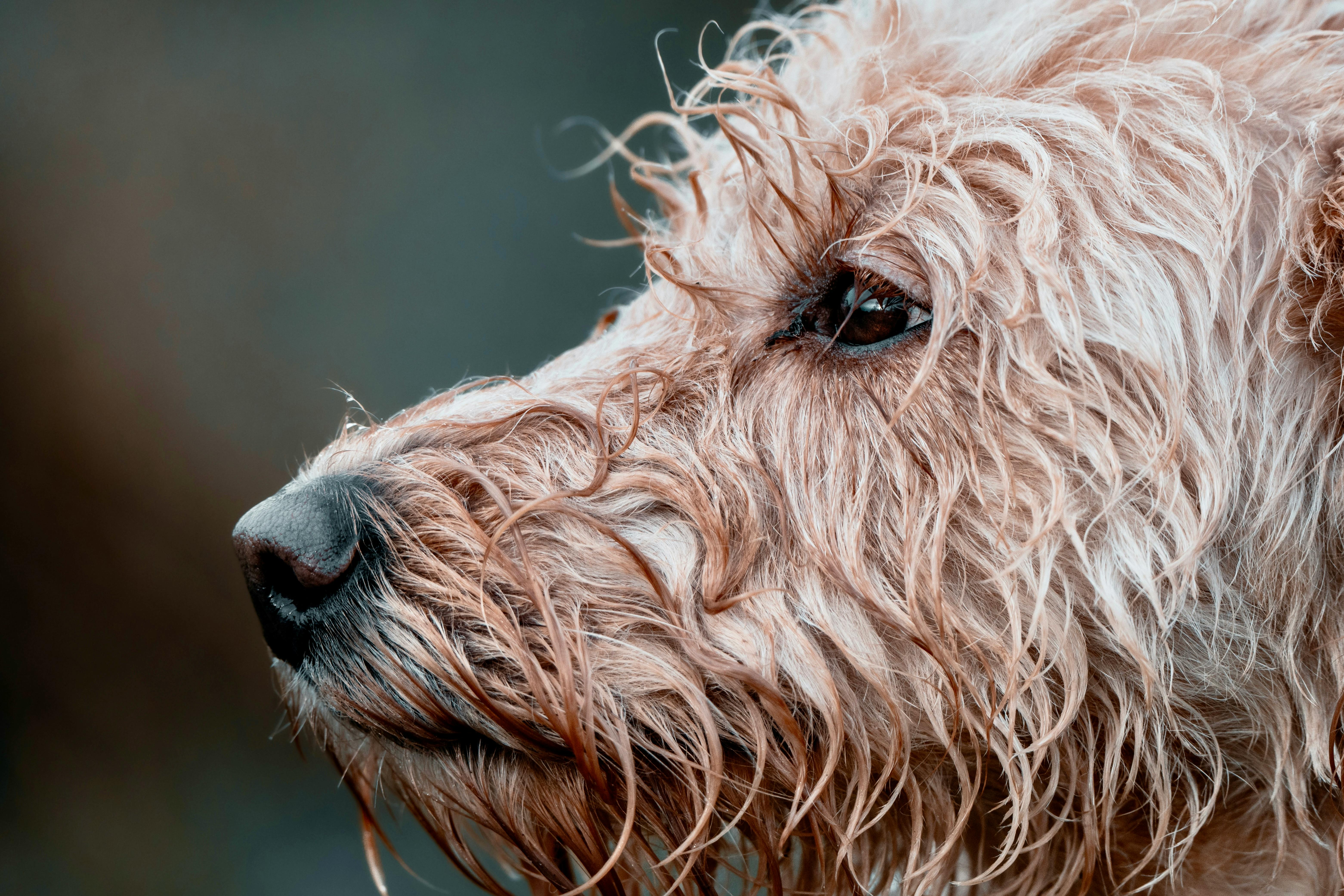
Dogs are known for their many quirks, and one of the most noticeable is their wet noses. You might wonder, can a wet nose indicate a dog’s mood? Exploring the emotional side of canines is a fascinating topic, and the answer lies in understanding both the reasons behind a dog’s wet nose and what it might mean for their mood.
Why Do Dogs Have Wet Noses?
The reasons behind a dog’s wet nose are a mix of physiological and behavioral factors. It’s not just a random quirk! Here are some of the most common reasons:
Cooling Mechanism: Dogs don’t sweat like humans do. Their primary way to regulate body temperature is through panting, but their noses play a role too. The moisture on a dog’s nose helps to cool them down when they breathe in.
Enhanced Sense of Smell: A wet nose can help trap scent particles, which enhances a dog’s ability to smell. This is critical for dogs, since their sense of smell is much stronger than ours. The moisture creates a better surface for capturing those scents!
Health Indicator: A dog’s nose can indicate its health. Typically, a wet nose is a sign of a healthy dog. However, if a dog’s nose is excessively dry or cracked, it might be a sign of dehydration or illness.
The Emotional Side of a Wet Nose
So, can a wet nose indicate a dog’s mood? It’s a bit more complicated than a simple yes or no. While a wet nose doesn’t directly communicate feelings, it can be a part of a dog’s overall behavior that reflects their emotional state. Here’s how to interpret the signals:
Excitement: When dogs are excited, they may have a wet nose from panting or even licking. This can happen during playtime or when seeing their owner after a long day.
Nervousness: A nervous or anxious dog might have a wet nose, but it could also be accompanied by other signs like pacing or whimpering.
Contentment: A relaxed dog might also show a wet nose, especially when they’re lying down in a comfortable position.
Affection: Dogs often lick their owners, which makes their noses wet. This licking can be a sign of affection or a way to seek attention.
Factors That Affect Nose Moisture
Not every dog has the same type of wet nose, and the moisture level can vary based on several factors:
Breed: Some breeds, like Bulldogs, tend to have drier noses than breeds like Retrievers. The structure of their noses play a role in moisture retention.
Environment: A hot, dry climate can lead to drier noses, while humid environments may result in wetter noses.
Health: As mentioned before, health issues can affect nose moisture. For instance, a dog with a fever may have a warmer and drier nose.
Hydration: Just like humans, if dogs aren’t drinking enough water, their noses may become dry.
Fun Facts About Dog Noses
- Dogs have up to 300 million smell receptors in their noses, compared to about 6 million in humans!
- A wet dog nose can be a great thermometer; if a dog’s nose is hot, it might indicate they’re not feeling well.
- Dogs use their noses to communicate with each other by exchanging scents, which is a fundamental part of their social behavior.
How to Care for Your Dog’s Nose
Taking care of your dog’s nose is important for their overall health. Here are some tips:
Regular Vet Check-Ups: Ensure your dog is healthy with regular veterinary visits. A sudden change in nose moisture can be a sign of health issues.
Hydration: Always provide fresh water to keep your dog hydrated, helping maintain nose moisture.
Moisturizers: If your dog has a chronically dry nose, consult with your vet about safe moisturizers that can help.
Environment Control: If you live in a dry climate, consider using a humidifier in your home to help your dog.
Understanding your dog’s wet nose can give you insight into their emotional state and health. While it may not tell the whole story, it’s certainly an interesting piece of the puzzle. Dogs are complex, emotional beings, and every little detail, from their wagging tails to their wet noses, contributes to their personality. Remember to observe your dog closely, and you might just uncover the fascinating world of canine emotions!
7 Common Myths About Dog Noses Debunked: Wet vs. Dry Explained
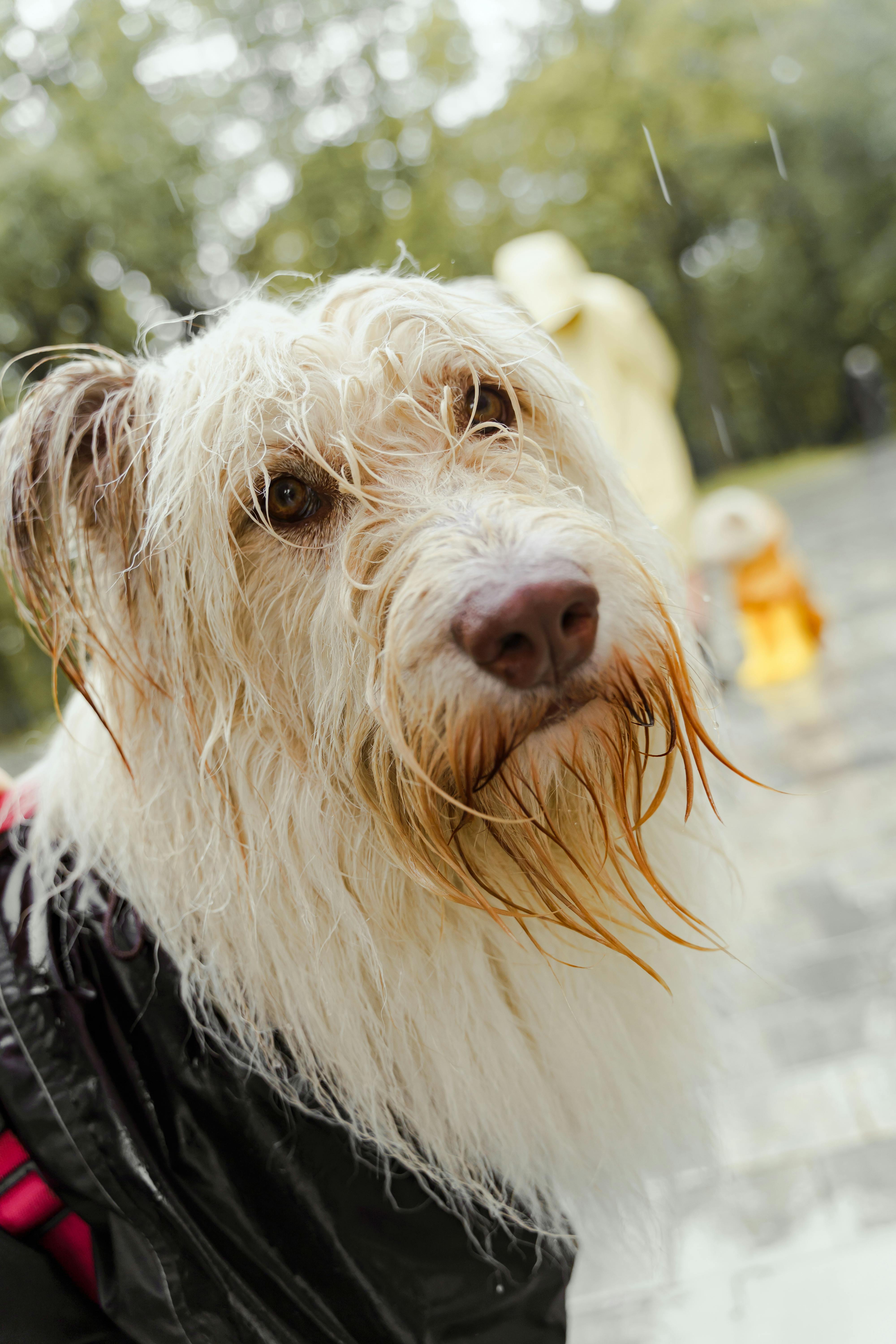
Dogs are often called man’s best friend, and a lot of what makes them so special comes from their unique physical traits. One of the most intriguing aspects of dogs is their noses, which can be wet or dry, and there’s plenty of confusion around it. Many people believe various myths about why dogs have wet noses. Let’s dive into 7 common myths about dog noses, and explain why they are wet, and what it means for your furry friend.
Myth 1: A Wet Nose Means a Healthy Dog
Many folks think that if a dog has a wet nose, it’s healthy. While it’s true that a wet nose can be a sign of health, it is not the only indicator. Dogs can have dry noses and still be perfectly fine. The moisture on a dog’s nose is due to the secretion of mucus, and it helps them to absorb scent chemicals better.
Myth 2: All Dogs Have Wet Noses
This is a big misconception. Not all dogs have wet noses all the time. Some breeds, like Bulldogs or Pugs, may have drier noses due to their facial structure. Furthermore, the weather can affect the moisture of a dog’s nose. In cold or dry climates, it’s common for a dog’s nose to become dryer.
Myth 3: A Dry Nose Means Your Dog is Sick
While a persistently dry nose can indicate health issues, it’s not a definite sign that something is wrong. Dogs can have dry noses for many reasons, like dehydration or just waking up from a long nap. If your dog’s nose is dry but he or she seems happy and active, there’s probably no need for alarm.
Myth 4: Dogs Lick Their Noses to Keep Them Wet
Many people think that dogs keep their noses wet by licking them, but this is a bit of a misunderstanding. Dogs do lick their noses for various reasons, like to clean them or because they are curious about something, but the moisture is largely produced by glands in their nose. Licking can help with the absorption of scent but it ain’t the primary reason their noses are wet.
Myth 5: Dogs Can’t Smell Well Without a Wet Nose
It’s easy to think that a wet nose is essential for a dog’s sense of smell, but it’s not the only factor. Dogs have an extraordinary olfactory system, and their sense of smell is far superior to that of humans, whether their nose is wet or dry. In fact, dogs have up to 300 million smell receptors, compared to a human’s 6 million. That makes them expert sniffers regardless of nose moisture.
Myth 6: Wet Noses are Cooler than Dry Noses
Some people believe that a dog’s wet nose is cooler to touch than a dry nose, and this isn’t entirely accurate. The temperature of a dog’s nose can vary and is influenced by many factors, including the dog’s activity level and the surrounding temperature. So, a wet nose might feel cooler at times, but it’s not a reliable measure of temperature or health.
Myth 7: You Can Tell a Dog’s Mood by Their Nose
Many pet owners think they can gauge a dog’s mood by the condition of their nose. However, this is not a reliable method. Dogs express their feelings through body language, vocalizations, and behavior more than through their nose condition. A wet nose doesn’t mean a happy dog, and a dry nose doesn’t mean a sad one.
Fascinating Reasons Why Dogs Have Wet Noses
Now, you may wonder, why do dogs have wet noses if it doesn’t indicate health or mood? Here are some interesting facts:
- Scent Absorption: The moisture helps dogs absorb scent chemicals better, enhancing their sense of smell.
- Temperature Regulation: A wet nose can help dogs regulate their body temperature. When the moisture evaporates, it cools them down.
- Communication: Dogs also use their noses to communicate with each other. The moisture can carry scent messages that are important for social interactions among dogs.
Summary of Dog Nose Facts
- Wet noses can be helpful for scent absorption.
- Dry noses can be normal for many dogs.
- Health cannot be determined solely by the wetness of a nose.
- Dogs have an incredible sense of smell regardless of nose moisture.
In conclusion, understanding your dog’s nose can lead to better care and bonding with your pet. While the myths surrounding wet and dry noses can be misleading, the truth is that dogs are complex creatures with unique characteristics. Whether your furry friend’s nose is wet or dry, it’s important to observe their overall health and behavior. Each dog is unique, and their nose is just one part of what makes them special.
How to Keep Your Dog’s Nose Healthy and Moist: Essential Tips for Pet Owners

Taking care of your dog is a big responsibility that every pet owner must embrace. One key aspect of dog care is ensuring that their nose stays moist and healthy. But, why do dogs have wet noses in the first place? This article dives into the reasons behind this fascinating feature and offers essential tips for keeping your furry friend’s snout in tip-top shape.
Why Do Dogs Have Wet Noses?
Dogs have wet noses for several cool reasons, and understanding them can help you appreciate your pet even more. Here’s a list of some of the most interesting facts:
Temperature Regulation: A wet nose helps dogs cool down. Just like humans sweat, dogs use their noses to regulate body temperature. The moisture evaporates, helping to keep them cool.
Enhanced Sense of Smell: Dogs have an incredible sense of smell, and a wet nose actually helps enhance this ability. The moisture on their nose traps scent particles better, allowing them to pick up more smells in their environment.
Health Indicator: A dog’s nose can indicate their health status. A cool, moist nose is typically a sign of a healthy dog, while a dry or cracked nose might suggest dehydration or illness.
Communication Tool: Dogs communicate with each other through scent. A wet nose can help them pick up pheromones and other important chemical signals from other dogs.
These reasons showcase just how vital a moist nose is for your furry friend. But, how do you maintain that healthy, wet nose?
Tips for Keeping Your Dog’s Nose Healthy and Moist
Maintaining your dog’s nose isn’t difficult, but it does require some attentiveness. Here are some essential tips:
Hydration is Key: Always provide fresh, clean water for your dog. Dehydration can lead to a dry nose. Make sure your pup drinks enough water throughout the day.
Humid Environment: Dry air can cause your dog’s nose to dry out. If you live in a dry climate, consider using a humidifier in your home to keep the air moist.
Avoid Sun Exposure: Just like humans, dogs can get sunburned. Apply a pet-safe sunscreen on your dog’s nose if they spend a lot of time outdoors, especially during hot weather.
Regular Vet Checkups: Regular veterinary visits can help identify any potential health issues that might affect your dog’s nose. Early detection is crucial.
Watch for Allergies: Dogs can suffer from allergies just like humans. If your dog’s nose suddenly changes or becomes dry, look for other signs of allergies such as itching or sneezing.
Use Natural Remedies: If your dog’s nose becomes dry or cracked, you might want to use some natural remedies. Here are a few options:
- Coconut Oil: Applying a small amount of coconut oil can help moisturize the nose.
- Shea Butter: This can also be effective for dry noses.
- Aloe Vera: A little bit of pure aloe vera can soothe and hydrate a dry nose.
When to Seek Help
It’s important to know when to seek veterinary help. If your dog’s nose is dry for an extended period or if you notice other concerning symptoms, like lethargy or loss of appetite, it’s time to call the vet. Here are some warning signs:
- Cracking or bleeding on the nose
- Swelling or unusual bumps
- Persistent dry nose without other signs of illness
- Changes in behavior or eating habits
Final Thoughts
Keeping your dog’s nose healthy and moist isn’t just about looks; it’s essential for their overall health and well-being. Remember that a wet nose is often a good sign, but it’s equally important to monitor for any changes. Regular hydration, a suitable environment, and attention to your dog’s health needs can make a big difference in maintaining that adorable, moist nose. Whether you’re a new pet owner or have had dogs for years, understanding why dogs have wet noses and how to keep them healthy is just one part of being a responsible pet parent. Embrace these tips, enjoy your time with your dog, and always stay alert to their health!
Why Do Different Dog Breeds Have Varying Nose Moisture? Discover the Differences!
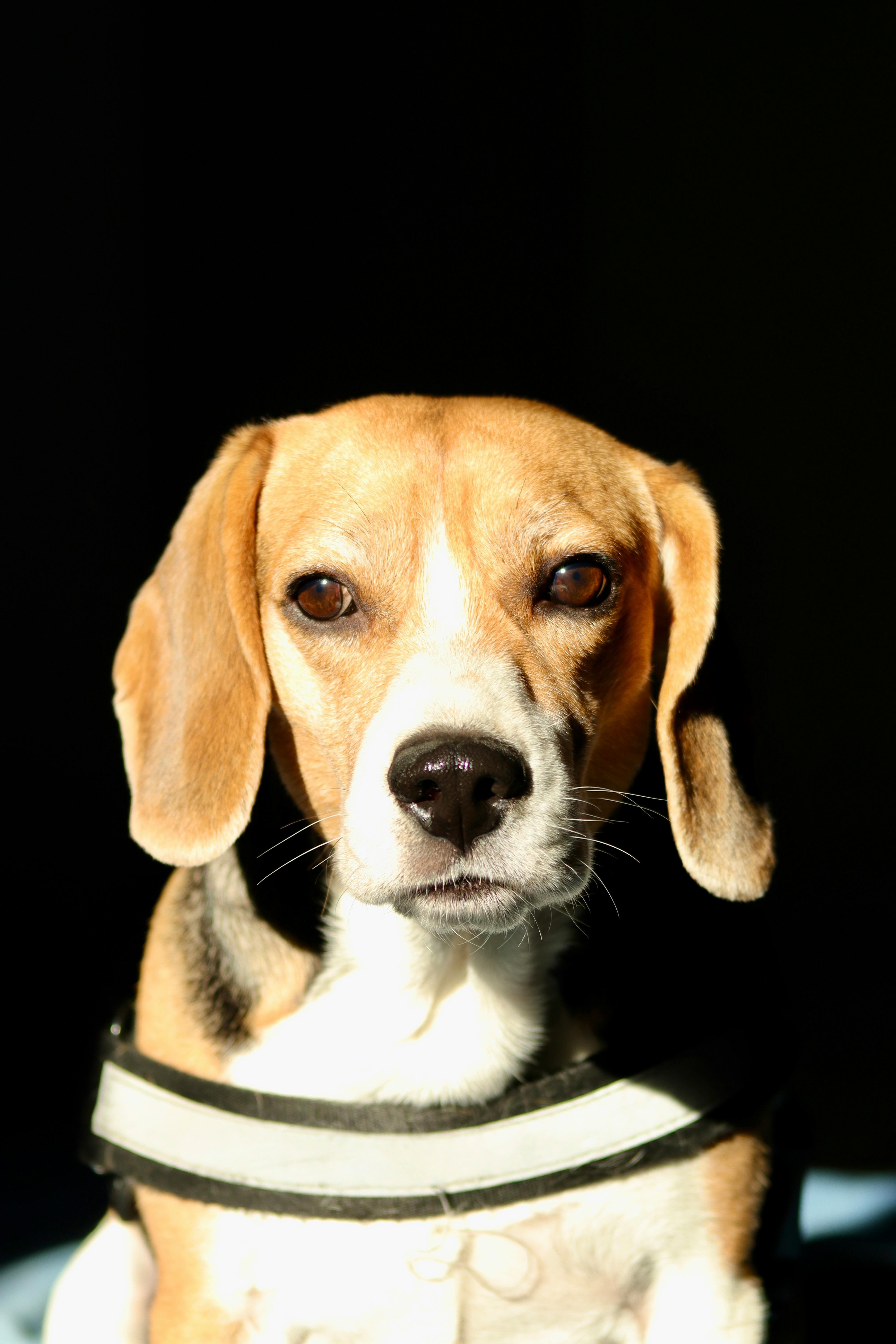
Have you ever noticed how some dogs noses are wetter than others? It’s a common sight, but many people don’t know why this happens. If you’ve ever wondered, “Why do dogs have wet noses?” you’re not alone! In fact, the moisture levels in a dog’s nose can vary greatly depending on breed, health, and environmental factors. Let’s dive into this fascinating topic and discover why different dog breeds have varying nose moisture!
The Basics of a Dog’s Nose
Dog noses are not just for sniffing, they play a crucial role in their sense of smell. A wet nose helps enhance a dog’s olfactory abilities. The moisture on a dog’s nose traps scent particles, making it easier for them to identify smells in their environment. Isn’t that interesting? But, that’s just one aspect of it!
Why Do Dogs Have Wet Noses?
There’s a few reasons why a dog’s nose might be wet. Here’s a breakdown:
- Cooling Mechanism: Dogs can’t sweat like humans do. Instead, they rely on their noses to help regulate body temperature. When a dog’s nose is wet, it can help cool them down.
- Scent Detection: As mentioned before, moisture helps capture scent particles. This is why a wet nose is often associated with a dog’s keen sense of smell.
- Health Indicator: A wet nose is often seen as a sign of a healthy dog. However, it’s not always the case! Sometimes, a dog might have a dry nose due to dehydration or illness.
Breed Differences in Nose Moisture
Different dog breeds can have varying levels of nose moisture. For example, breeds like the Labrador Retriever and the Beagle tend to have wetter noses, while others like the Bulldog and the Shih Tzu often have drier noses. Here are some factors that contributes to these differences:
- Breed Characteristics: Some breeds have more pronounced nasal structures which can affect moisture levels.
- Environment: Dogs living in dry or windy climates might have drier noses compared to those in humid environments.
- Health Conditions: Certain health issues or medications can affect the moisture levels on a dog’s nose.
Common Dog Breeds and Their Nose Moisture
Here’s a quick comparison of some popular breeds and their typical nose moisture levels:
| Breed | Typical Nose Moisture Level | Notes |
|---|---|---|
| Labrador Retriever | Wet | Known for their excellent sense of smell. |
| Beagle | Wet | Highly active and curious. |
| Bulldog | Dry | Short snouts can affect moisture retention. |
| Shih Tzu | Dry | Often have less moisture due to facial structure. |
| German Shepherd | Wet | Highly active, with good scent capabilities. |
The Role of Weather and Climate
The weather can also play a significant role in a dog’s nose moisture. In warmer months, dogs may have wetter noses because they are more active and panting more, which increases moisture. On the flip side, during cold or dry winters, dogs might have drier noses, which is completely normal.
- Humidity Levels: High humidity can lead to wetter noses, while low humidity can dry them out.
- Temperature: Hot weather may result in more moisture as dogs try to cool themselves down.
When Should You Be Concerned?
While a wet nose is often a sign of a healthy dog, there are situations when you should pay attention. If your dog’s nose suddenly becomes dry and cracked, or if they exhibit other symptoms like lethargy or loss of appetite, it’s best to consult a veterinarian.
Some signs to watch for include:
- Cracks or sores on the nose
- Excessive dryness
- Changes in behavior or appetite
Final Thoughts
In summary, the moisture level of a dog’s nose can vary greatly between breeds and is influenced by a variety of factors including health, climate, and breed characteristics. Understanding why dogs have wet noses not only enhances our appreciation for these furry companions but also helps us take better care of them. So next time you see a dog with a wet or dry nose, you’ll know what’s going on! Whether they’re sniffing out a new friend or just enjoying a sunny day, their noses tell a story we can all appreciate.
Conclusion
In conclusion, the wet noses of dogs serve several important functions that contribute to their health and well-being. The moisture helps enhance their sense of smell, as a wet surface can capture scent particles more effectively. Additionally, the cooling effect of evaporation from their noses assists in regulating their body temperature. The wetness also plays a role in communication, as dogs often use their noses to explore and interact with their environment. Understanding the reasons behind this unique trait not only deepens our appreciation for our canine companions but also underscores the importance of their overall health. If you notice any significant changes in your dog’s nose moisture or overall health, it’s always a good idea to consult with a veterinarian. Embrace the quirks of your furry friend and continue to learn about the fascinating biology that makes them the wonderful companions they are.
