
Have you ever wondered why do dogs have wet noses? This intriguing question has captivated pet owners and animal lovers alike. A dog’s nose is not just an adorable feature; it serves several fascinating purposes. In this blog post, we will explore the scientific reasons behind dogs’ wet noses and how this unique trait benefits their health and senses. Did you know that a wet nose helps dogs to better absorb scents, enhancing their sense of smell? This is one of the many reasons why dogs are such incredible companions. Plus, understanding why your pup’s nose is often damp can lead to better care and health awareness for your furry friend. Are you curious about the health indicators that a wet nose can reveal? Or maybe you’re interested in how environmental factors affect your dog’s nose moisture? Join us as we dive into the amazing world of canine anatomy and behavior. By the end of this article, you’ll not only discover the answers to your questions but also gain insights that every dog owner should know. So, let’s get started and uncover the secret behind those adorable, wet noses!
Unveiling the Science: Why Do Dogs Have Wet Noses? The Surprising Truth Behind This Canine Trait
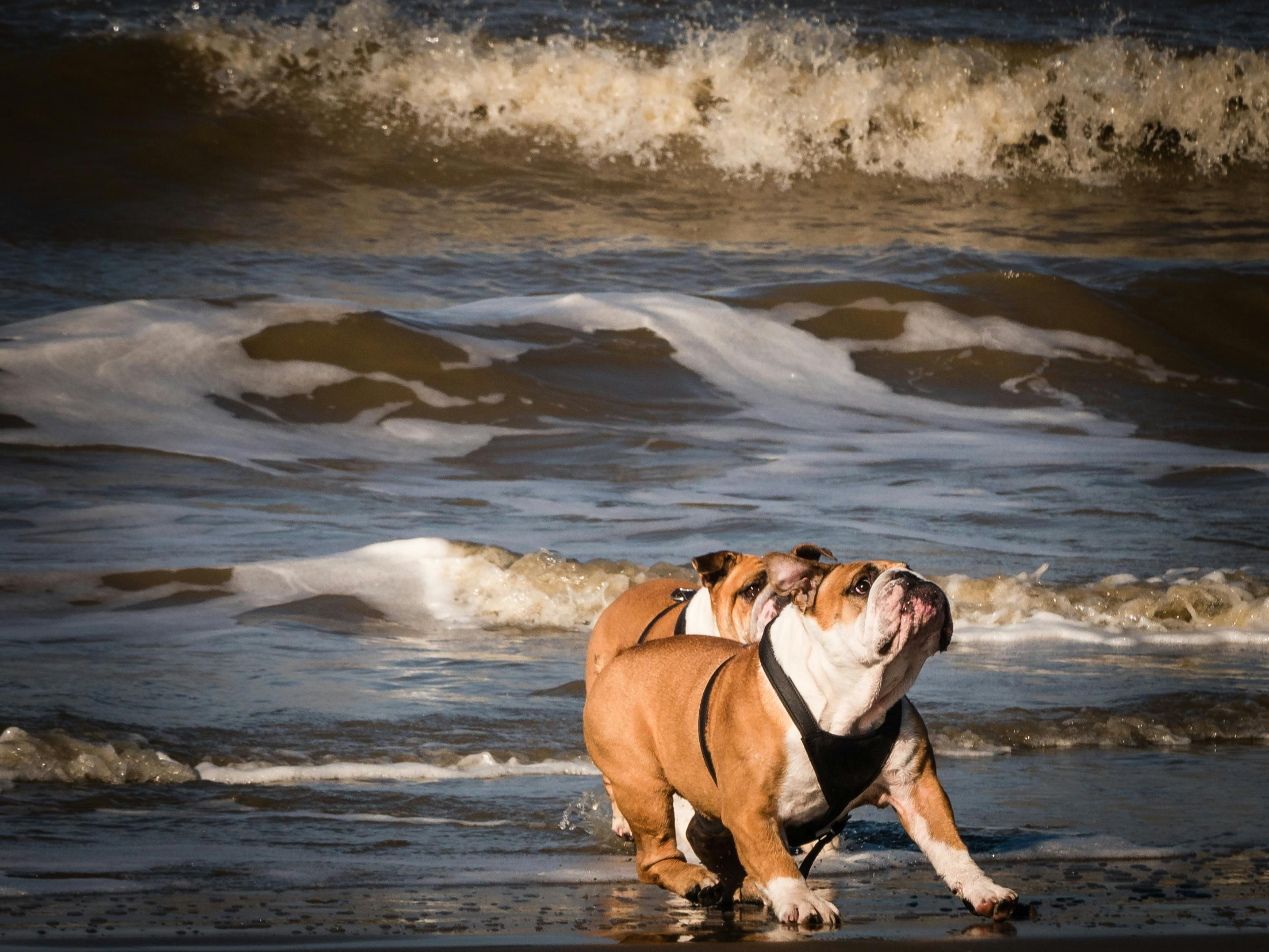
Dogs, those lovable furry companions, have a lot of quirks that make them unique. One of the most notable features is their wet noses. Many pet owners often wonder, “Why do dogs have wet noses?” It’s a question that seems simple, but the answer is a bit more complex than you might think. Let’s dive into the science behind those damp canine snouts and unveil some surprising truths.
The Anatomy of a Dog’s Nose
First off, it’s important to understand how a dog’s nose works. Dogs have a highly developed sense of smell, which is way more powerful than humans. Their noses are equipped with a special structure called the Jacobsen’s organ, which helps them analyze scents. But what does this have to do with wet noses? Well, the moisture on a dog’s nose plays a critical role in their olfactory abilities.
When a dog’s nose is wet, it helps to capture more scent particles from the air. This is because moisture allows these particles to adhere better, giving dogs a clearer “picture” of what they’re smelling. It’s like when you wet a sponge before cleaning—it absorbs better!
Why Are Dog Noses Wet?
There are several reasons why dog noses tend to stay moist. Let’s break them down:
Thermoregulation: Just like humans sweat to cool down, dogs do something similar with their noses. Wet noses help to regulate their body temperature. When dogs pant, moisture from their noses evaporates, helping to cool them off.
Health Indicator: A wet nose is often seen as a sign of good health in dogs. If a dog’s nose is dry or cracked, it could indicate dehydration, illness, or even a fever. Dog owners should keep an eye on their furry friends’ noses for any drastic changes.
Scent Detection: As mentioned, a wet nose enhances a dog’s ability to detect scents. Dogs that have a moist nose can identify scents more accurately and from greater distances. This is crucial for hunting and working dogs, especially in search and rescue operations.
Behavioral Aspect: Dogs often lick their noses. This behavior not only keeps their noses moist but also spreads pheromones and other scents. It’s like they’re saying, “Hey, I’m here!” to other dogs or animals.
Fun Facts and Myths About Dog Noses
There are plenty of myths surrounding dog noses. Here are some fun facts that debunk common misconceptions:
Myth: A warm, dry nose means a dog is sick.
- Fact: While a dry nose can indicate health issues, it’s not a definitive sign. Dogs can have varying nose temperatures throughout the day.
Fact: Dogs have around 220 million scent receptors, compared to a human’s 5 million. This makes their sense of smell incredibly superior.
Fun Fact: The color of a dog’s nose can vary based on breed, genetics, and even environmental factors. For instance, some dogs have spotted noses!
Comparisons: Dog Noses vs. Human Noses
When thinking about noses, it’s interesting to compare dog noses to human ones. Here’s a mini comparison:
| Feature | Dog Noses | Human Noses |
|---|---|---|
| Number of Receptors | 220 million | 5 million |
| Moisture Importance | Essential for scent detection | Not crucial for smell |
| Nose Temperature | Varies based on activity | Generally stable |
| Sensitivity | Highly sensitive to scents | Less sensitive |
Practical Tips for Dog Owners
If you’re a dog owner, it’s important to take care of your dog’s nose. Here are some tips:
- Hydration: Ensure your dog has access to fresh water. Dehydration can lead to a dry nose.
- Check for Changes: Regularly examine your dog’s nose for dryness, cracks, or unusual colors. If you notice anything out of the ordinary, consult with a veterinarian.
- Avoid Irritants: Be cautious with chemicals around your dog’s nose. Some household cleaners can cause irritation.
The Final Word
So, the next time you wonder “Why do dogs have wet noses?” remember that it’s not just a cute feature; it serves multiple important functions. From helping them smell better to keeping them cool, those wet noses are essential to a dog’s health and happiness. Understanding this trait not only deepens our appreciation for our canine companions but also encourages us to care for them better. So go ahead, give your dog a little extra love today, and appreciate the science behind that adorable wet nose!
5 Fascinating Reasons Why Your Dog’s Nose is Always Wet: Beyond the Myths
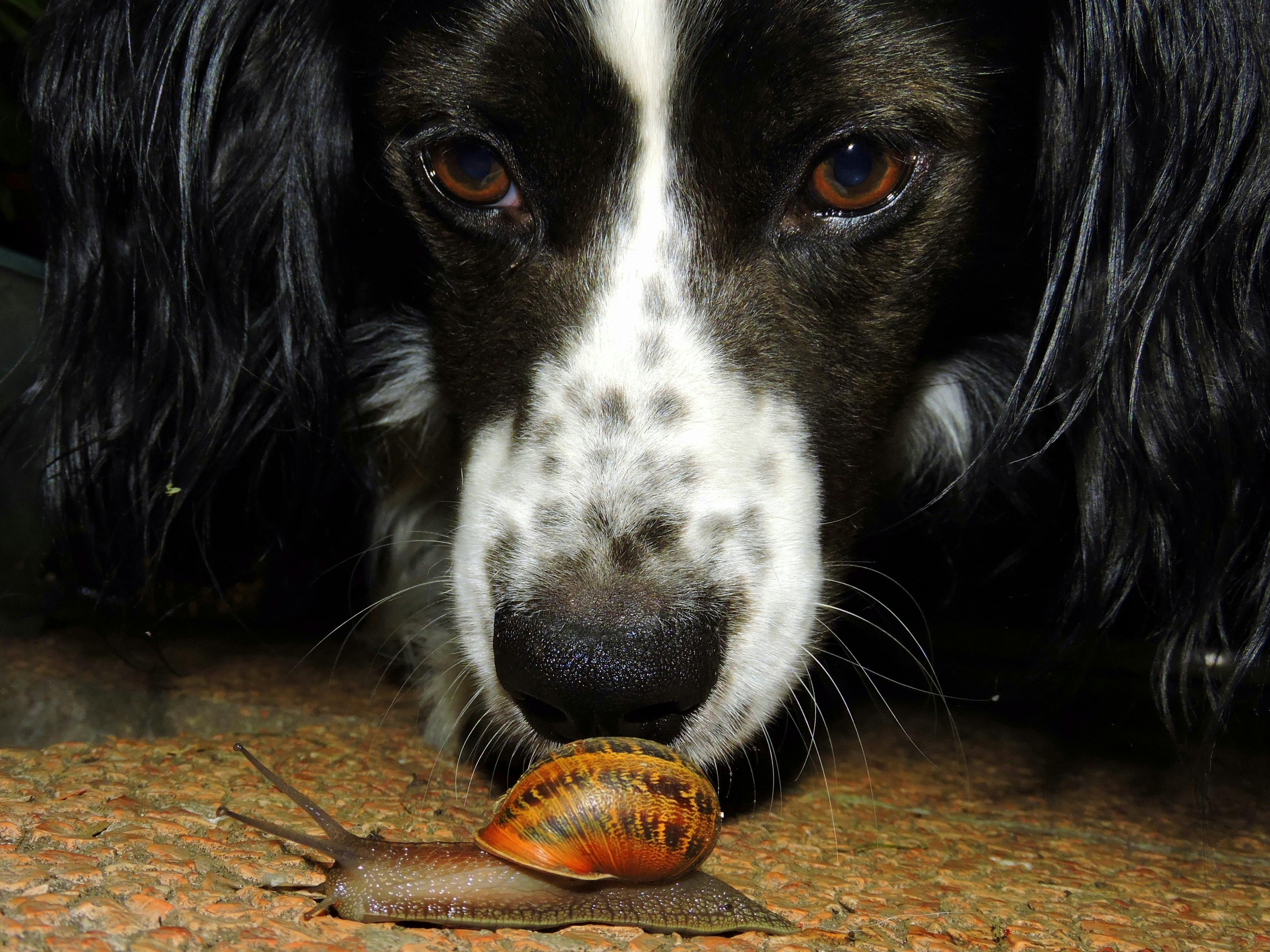
Have you ever wondered why your furry friend’s nose is always wet? It’s not just a random quirk of nature — there’s actually several fascinating reasons behind it! Many people think wet noses are a sign of health or even how dogs get sick. But the truth is way more interesting than that. Let’s dive into the reasons why dogs have wet noses and clear up some of the myths surrounding it.
Dogs Use Their Noses to Smell
Dogs have an extraordinary sense of smell, much stronger than humans. In fact, a dog’s sense of smell is about 10,000 to 100,000 times more sensitive than ours. The moisture on their noses plays an important role in this process. When the nose is wet, it can more effectively capture scent particles in the air. This helps dogs sniff out food, other animals, and even their human companions.
- Moisture enhances olfactory receptors.
- Wet noses help retain scent particles.
- A dog’s ability to smell is crucial for their survival.
Temperature Regulation
Another key reason for a dog’s wet nose is temperature regulation. Dogs can’t sweat like humans do. Instead, they rely on panting and their noses to help cool down. When a dog’s nose is moist, it can help dissipate heat, making it easier for them to stay cool. This is especially important during hot weather or after physical activity.
- Wet noses assist in thermoregulation.
- Dogs sweat minimally, mostly through their paws.
- Keeping cool is essential for their health.
Natural Lubrication and Protection
The wetness on a dog’s nose isn’t just for show; it serves a practical purpose too. The moisture acts as a natural lubricant, which can help protect the nasal passages from dust and other irritants. A dog’s nose is lined with special glands that produce this moisture, helping to keep their sense of smell sharp and their airways clear.
- Lubrication keeps nasal passages clear.
- Moisture helps trap dust particles.
- Healthy noses can detect more scents.
Sign of Emotion and Communication
Did you know that a dog’s nose can also reflect their emotional state? When dogs are excited or anxious, their noses can become more moist. This is part of how they communicate with other animals and humans. A wet nose can signal curiosity or eagerness, while a dry nose might indicate that they are feeling a bit under the weather or tired.
- Wet noses can indicate excitement.
- Dry noses might mean the dog is unwell.
- Dogs express emotions through their noses.
Hydration Indicator
Lastly, the wetness of a dog’s nose can serve as an indicator of hydration. A moist nose often means that the dog is well-hydrated. Conversely, if their nose becomes excessively dry or cracked, it might be a sign that they need more water. Keeping your dog hydrated is vital for their overall health and well-being.
- A moist nose indicates good hydration.
- Dryness could signal dehydration.
- Monitor water intake regularly.
Comparing Dog Noses with Other Animals
To put things into perspective, let’s compare dog noses with those of other animals. Cats, for instance, also have moist noses, but they generally rely less on their sense of smell than dogs do. Meanwhile, animals like pigs have an incredibly sensitive sense of smell as well, but their noses are often more moist due to their environment.
| Animal | Nose Moisture | Olfactory Ability | Primary Use |
|---|---|---|---|
| Dogs | High | 10,000 – 100,000 times better than humans | Detecting scents, communication |
| Cats | Moderate | 10 times better than humans | Less reliance on smell, more on sight |
| Pigs | High | Comparable to dogs | Foraging and finding food |
Understanding these differences can help highlight how unique dogs truly are when it comes to their sense of smell and the function of their noses.
By debunking some myths and uncovering the truths about why dogs have wet noses, it becomes crystal clear that these little features serve multiple important purposes. So, the next time you give your furry friend a pat on the head and notice that wet nose, remember it’s not just a sign of health — it’s a fascinating part of what makes dogs so special. Whether it’s aiding in their sense of smell or helping them cool down, dogs’ wet noses are indeed a significant aspect of their biology and behavior. So, embrace those wet-nosed kisses; they’re just one more thing that makes your pup lovable!
Is a Wet Nose a Sign of Health? Understanding the Importance of Canine Nasal Moisture

Have you ever noticed that your dog’s nose is often wet? You might wonder, “Is a wet nose a sign of health?” or “Why do dogs have wet noses?” It’s a question many pet owners ask, and it turns out there are fascinating reasons behind this common characteristic. The moisture on a dog’s nose plays a significant role in their overall health and behavior, so let’s dive into the science and the facts surrounding canine nasal moisture.
What Makes a Dog’s Nose Wet?
Dogs have wet noses because of a combination of factors, including environmental elements and their unique physiology. Here are some reasons why their noses tend to be moist:
- Sweat Glands: Dogs do not sweat like humans. Instead, they have sweat glands located primarily in their paw pads. However, their noses can also excrete moisture, which keeps them cool and helps in thermoregulation.
- Nasal Secretions: Dogs produce mucus in their noses that can contribute to the wetness. This mucus helps to trap scents, enhancing their sense of smell.
- Licking: Dogs often lick their noses, which adds moisture. It’s a natural behavior that helps to keep their noses clean and wet.
Is a Wet Nose Always a Sign of a Healthy Dog?
This is a bit of a complicated question. While a wet nose is generally associated with good health, it isn’t always a definitive indicator. Here’s a breakdown of what a wet nose can mean:
- Healthy Hydration: A wet nose usually indicates that your dog is well-hydrated. If your dog’s nose is dry, it might be a sign that they’re dehydrated or unwell.
- Temperature Regulation: Moist noses help dogs regulate their body temperature. If the nose is warm and dry, it could be a sign of overheating or illness.
- Scent Detection: Dogs rely heavily on their sense of smell, and a wet nose helps in capturing scent particles from the air. If their nose is dry, they may not be detecting scents as effectively.
What If My Dog’s Nose is Dry?
If you find your dog’s nose is persistently dry, it’s essential to observe other signs of health. Here’s what you should look for:
- Behavior Changes: Is your dog more lethargic than usual? Are they eating and drinking normally?
- Nasal Discharge: Any discharge from the nose could indicate an infection or illness.
- Coughing or Sneezing: These symptoms could be related to respiratory issues.
Why Do Dogs Have Wet Noses? The Fascinating Reasons
Let’s explore some of the interesting reasons why dogs have wet noses that go beyond health indicators:
Enhanced Scent Capability: Dogs have an extraordinary sense of smell, and a wet nose helps them absorb scent molecules more effectively. This is why you might see your dog sniffing around more when their nose is moist.
Social Interaction: Dogs often greet each other by sniffing each other’s noses. A wet nose can be more inviting, playing a role in social bonding among dogs.
Temperature Sensing: Dogs can detect slight changes in temperature through their noses. This ability can help them sense their environment better, which is especially useful for hunting or tracking.
Quick Facts About Dog Nasal Health
- Normal Nose Temperature: A healthy dog’s nose temperature can vary but is usually cooler than the rest of their body.
- Breed Differences: Some dog breeds have naturally wetter noses than others. Breeds like Pugs or Bulldogs may have drier noses due to their unique facial structure.
- Nasal Conditions: Persistent dry noses can sometimes indicate conditions like allergies, autoimmune diseases, or infections that may require veterinary attention.
Practical Tips for Dog Owners
If you’re a dog owner, here are some practical tips to ensure your dog maintains healthy nasal moisture:
- Stay Hydrated: Always provide fresh water for your dog, especially during hot weather.
- Regular Vet Checkups: Regular visits to the veterinarian can help catch any health issues early.
- Observe Behavior: Keep track of your dog’s behavior and look for any signs of illness.
In summary, while a wet nose can generally be a good sign of a dog’s health, it’s not the only indicator to consider. Understanding why dogs have wet noses can help you better care for your furry friend. So, the next time you see your dog with that moist, cold nose, remember it’s not just cute — it’s part of what makes them unique and fascinating creatures!
The Evolutionary Advantage: How Wet Noses Help Dogs Survive and Thrive in the Wild

Dogs have been companions to humans for thousands of years, and their unique biological traits have evolved over many generations. One of the most distinctive features of dogs is their wet noses. Ever wondered why do dogs have wet noses? This article dives into the evolutionary advantage of wet noses and their significance in helping dogs survive and thrive in the wild.
The Science of Dog Noses
First off, it’s important to understand how dogs’ noses work. Dogs have an incredible sense of smell, often considered superior to that of humans. Their noses are not just wet; they’re also packed with a complex structure of olfactory receptors.
- Olfactory Receptors: Dogs have around 300 million olfactory receptors compared to about 5 million in humans. This means they can detect scents at incredibly low concentrations.
- Moisture: A wet nose helps to trap scent molecules in the air, enhancing their ability to smell. When the nose is wet, it absorbs more scent particles, allowing dogs to detect smells more accurately.
- Temperature Regulation: Dogs also use their noses to regulate body temperature. The moisture on their noses evaporates, which can help cool them down, much like sweating does for humans.
Evolutionary Context
Understanding the evolutionary context of wet noses can help explain why they are crucial for a dog’s survival.
- Hunting and Foraging: In the wild, a dog’s ability to smell can mean the difference between life and death. Wet noses allow them to find food more efficiently. For example, hunting dogs often rely on their sense of smell to track prey, locating it even in dense foliage.
- Social Interactions: Dogs are social animals, and their noses play a big part in their interactions with other dogs. When dogs meet, they sniff each other’s noses and bodies, gathering information about age, health, and even emotional state.
- Environmental Awareness: Wet noses help dogs detect changes in their surroundings. They can pick up on scents that indicate danger or potential threats, which is essential for their survival.
Fascinating Reasons Behind Wet Noses
There are several reasons why dogs have wet noses, and they all contribute to their well-being in various ways.
- Improved Scent Detection: As mentioned, moisture helps keep scents on the surface of the nose, making them easier to detect.
- Health Indicators: A dog’s nose can be an indicator of overall health. A suddenly dry or cracked nose may signal a health issue, prompting pet owners to seek veterinary care.
- Behavioral Signals: Dogs may use their wet noses to express affection. When they nuzzle you with their moist noses, it can be a way of showing love and seeking attention.
The Role of Wet Noses in Different Dog Breeds
Different breeds of dogs may have varying nose shapes and moisture levels, which can influence their scent detection abilities.
- Scent Hounds: Breeds like Beagles or Bloodhounds have long noses and are known for their extraordinary ability to track scents over long distances.
- Short-Muzzled Breeds: Breeds such as Bulldogs or Pugs may have flatter noses, which can limit their ability to smell as effectively as their longer-nosed counterparts.
- Comparison of Nose Types:
- Long Noses: Better for scent detection.
- Short Noses: Less effective but can still detect essential smells.
Practical Examples of Wet Noses in Action
You can witness the advantages of wet noses in everyday scenarios.
- Tracking: Search and rescue dogs are trained to use their noses to find lost individuals, showcasing the importance of their wet noses in critical situations.
- Therapeutic Roles: Therapy dogs often use their moist noses to comfort people, enhancing emotional connections with humans.
- Detection Work: Police dogs sniffing out drugs or explosives rely heavily on their wet noses to identify specific scents in various environments.
Dogs’ wet noses are not just a quirky trait; they serve vital functions that help them survive and thrive. From hunting to social interactions, these moist noses play a crucial role in a dog’s life. Understanding why dogs have wet noses not only enriches our appreciation for these animals but also highlights the incredible evolution that has shaped them into the loyal companions we cherish today.
Curious Canines: What a Wet Nose Reveals About Your Dog’s Emotions and Behavior

Dogs are often seen as man’s best friend, and their wet noses hold more significance than you might think. Have you ever wondered why do dogs have wet noses? This curious canine feature is not just for show. Let’s dive into the fascinating world of dog emotions and behaviors through the lens of their wet noses.
The Science Behind Wet Noses
The moisture on a dog’s nose is usually due to the secretion of mucus, which helps them smell better. Dogs have an incredible sense of smell, estimated to be 10,000 to 100,000 times better than humans. A wet nose plays a crucial role in enhancing this ability. The moisture helps trap scent particles, allowing dogs to detect and analyze odors more effectively.
Temperature Regulation: Dogs don’t sweat like humans. Instead, they cool off through panting, but their wet noses also help them regulate body temperature. When the nose is moist, it can help evaporate heat, which cools the dog down.
Health Indicator: The condition of a dog’s nose can give clues about their health. A dry, cracked nose might indicate dehydration, while excessive discharge could signal allergies or infection.
Emotional Insights from a Wet Nose
Dogs express their emotions in various ways, and their noses can be a window into their feelings. A wet nose can signify a happy and healthy dog, but it can also be an indicator of stress or anxiety.
- Excitement: When dogs are happy, their noses tend to be wetter. This is often seen during playtime or when they greet their owners.
- Stress: A dog that is anxious might have a dry nose. If you notice your pup’s nose is dry during a storm or while visiting the vet, it could be a sign of distress.
Historical Context of Dog Noses
Throughout history, dogs have played important roles in human society—guardians, companions, and workers. Their noses have been utilized for various purposes:
- Tracking and Hunting: Historically, dogs with keen sense of smell were bred for hunting and tracking. Their wet noses were essential in this role, enabling them to pick up scents from afar.
- Search and Rescue: In modern times, dogs are trained for search and rescue missions. Their wet noses help them detect scents even in challenging conditions.
Fun Facts About Dog Noses
- Dogs have unique nose prints, just like human fingerprints. This means that each dog’s nose is as unique as they are!
- A dog’s sense of smell is so powerful that they can detect certain diseases, including cancer and diabetes, simply by smelling their owner.
- The average dog has around 220 million scent receptors in their noses, compared to about 5 million in humans.
Wet Nose vs. Dry Nose: What’s the Difference?
Knowing why do dogs have wet noses can help you understand your dog better. But it’s also important to recognize the difference between a wet and dry nose. Here’s a simple comparison:
Wet Nose:
- Indicates hydration and health.
- Associated with excitement and playfulness.
- Helps in scent detection.
Dry Nose:
- Might indicate dehydration or illness.
- Could be a sign of stress or anxiety.
- Needs attention if persistent.
Practical Examples of Nose Behavior
- Greeting: When a dog greets you with a wet nose, it’s often a sign of affection and excitement. This is their way of saying they missed you!
- Nose Checking: Dogs often check their surroundings with their noses, and a wet nose helps them gather information quickly.
- Seeking Attention: If your dog nudges you with a wet nose, they might be seeking your attention or wanting to play.
Understanding why do dogs have wet noses is just the beginning of comprehending their complex emotional lives. By paying attention to their nose’s condition and behavior, you can better gauge your furry friend’s well-being and happiness.
So, the next time you see your dog with a wet nose, remember: it’s not just a cute feature; it’s a vital part of their health and communication. Keep an eye on your pup’s nose—it might just tell you more than you realize!
Wet Nose, Happy Dog: The Connection Between Canine Health and Nasal Moisture Explained
Dogs are often know for their wet noses, and if you’ve ever wonder why your furry friend’s snout is always damp, you’re not alone. The moisture on a dog’s nose is not just for show; it serves several important functions related to their health and well-being. This article explores the fascinating reasons behind why do dogs have wet noses and the connection between canine health and nasal moisture.
The Science Behind Wet Noses
Dogs’ noses are wet for a reason. The moisture plays a crucial role in their sense of smell. Here’s how:
- Enhanced Olfactory Function: The wetness helps to capture scent particles in the air. When the nose is moist, it can absorb more scent molecules, allowing dogs to detect smells better than humans can.
- Temperature Regulation: Dogs don’t sweat like humans do. Their noses help regulate their body temperature. When they pant, the moisture on their nose can evaporate, cooling them down.
- Hydration Indication: A wet nose often indicates that a dog is well-hydrated. If a dog’s nose feels dry, it could be a sign of dehydration or illness.
Historical Perspectives on Canine Health
Historically, dog owners have relied on the condition of a dog’s nose as a barometer of its overall health. Many people believe that a cold, moist nose means a healthy dog, while a warm, dry nose could indicate sickness. However, it’s important to note that this is not always the case. A dog’s nose can vary in temperature and moisture based on several factors, including:
- Environmental Conditions: Hot weather can dry out a dog’s nose.
- Activity Level: After playtime, a dog’s nose might be drier.
- Age: Older dogs may have drier noses due to changes in skin and health.
Fascinating Facts About Dogs’ Noses
Here are some interesting facts about why dogs have wet noses:
- Unique Nose Prints: Just like human fingerprints, every dog has a unique nose print. This can even be used for identification.
- Nasal Glands: Dogs have special glands in their noses that produce the moisture. This keeps their noses damp and helps with scent detection.
- Scent Sensitivity: Dogs have up to 300 million scent receptors in their noses, compared to about 5 million in humans. This makes their sense of smell incredibly sensitive.
Health Implications of Nose Moisture
A dog’s nose can provide insights into its health. While wetness is a good sign, there are other factors to consider. A dog’s nose can provide clues about its health status:
- Consistently Dry Nose: May indicate dehydration, fever, or illness.
- Excessively Wet Nose: Could suggest allergies, infections, or even a respiratory issue.
- Cracked or Peeling Skin: This might signal a skin condition that requires veterinary attention.
Comparing Dog Noses to Other Animals
Dogs are not the only animals with wet noses. Here’s a quick comparison of noses across a few common pets:
| Animal | Nose Type | Functionality |
|---|---|---|
| Dogs | Wet and Cool | Enhanced smell and temperature regulation |
| Cats | Generally Dry | Less reliance on smell; more on sight |
| Horses | Wet and Warm | Senses environment and temperature changes |
| Pigs | Moist | Excellent smell for foraging |
Practical Tips for Nose Care
Keeping your dog’s nose healthy is important. Here are some practical tips:
- Hydration: Ensure your dog drinks plenty of water to keep their nose moist.
- Check for Changes: Regularly check your dog’s nose for any changes in moisture, color, or texture.
- Vet Visits: If you notice a persistent change in your dog’s nose, consult your veterinarian.
The connection between canine health and nasal moisture is more fascinating than most people realize. The next time you see your dog with a wet nose, remember that it’s not just cute—it’s a sign of their well-being and a tool for their incredible sense of smell. Understanding why dogs have wet noses gives you a deeper appreciation for your furry companion’s health and habits.
7 Amazing Facts About Why Dogs Have Wet Noses That Every Pet Owner Should Know
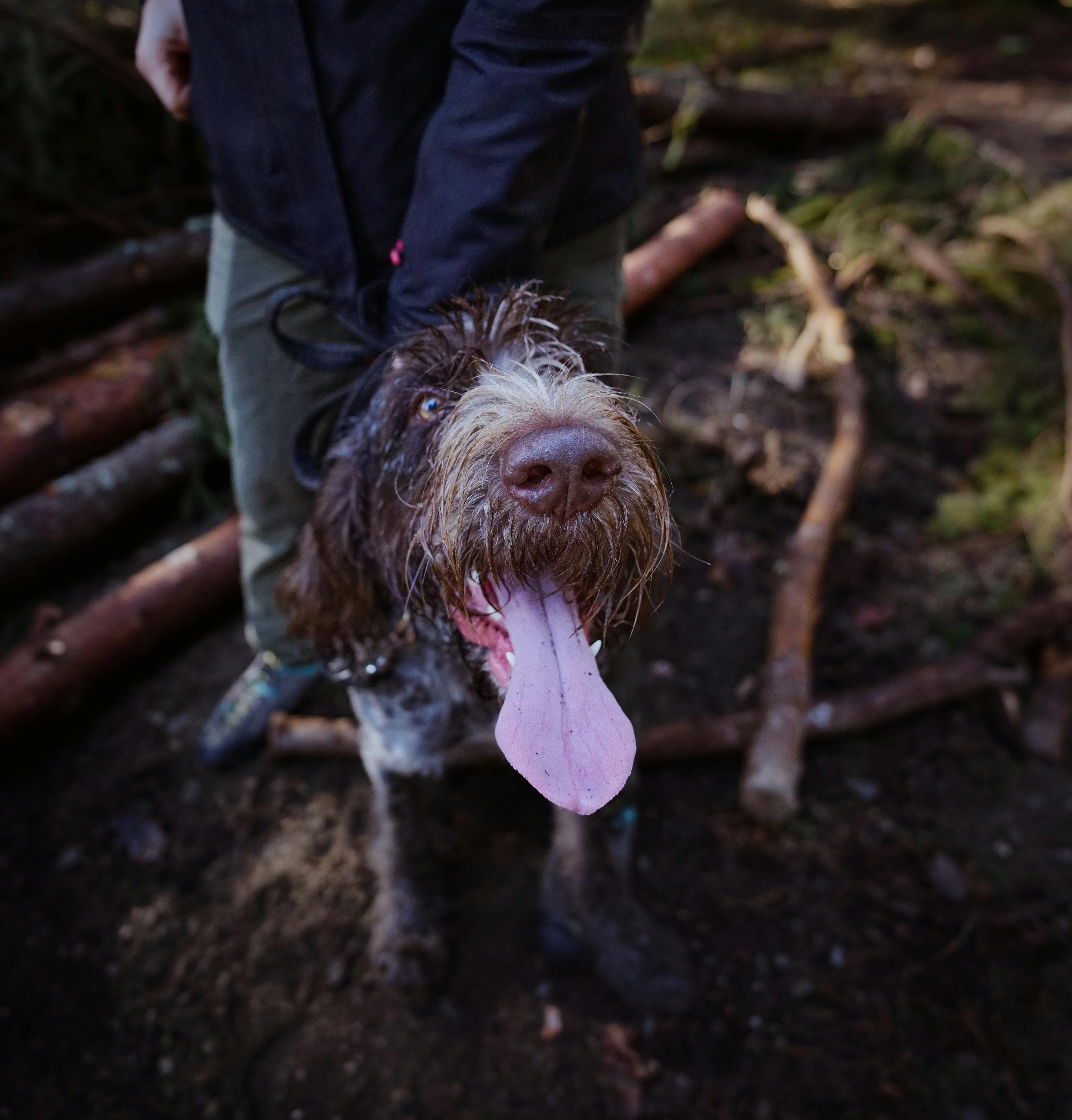
Dogs are often called man’s best friend, but have you ever wondered why their noses seem to be perpetually wet? It’s a curious feature of these lovable companions, and many pet owners ponder the reasons behind this unique characteristic. Here are 7 amazing facts about why dogs have wet noses that every pet owner should know.
1. Temperature Regulation
One of the primary reasons why dogs have wet noses is for regulating their body temperature. Dogs don’t sweat like humans do. Instead, they rely on their noses to help cool themselves down. The moisture evaporating from their noses helps to lower their overall body temperature. This is particularly useful during hot weather, where a wet nose can make a significant difference in keeping a dog comfortable.
2. Enhanced Sense of Smell
Dogs have an incredible sense of smell, estimated to be between 10,000 to 100,000 times more sensitive than humans. A wet nose plays a crucial role in this remarkable ability. The moisture on their noses helps to capture scent particles from the air, enhancing their olfactory receptors. When a dog sniffs around, they are actually sampling the air, and a wet nose can absorb more scent molecules, allowing them to identify scents more accurately.
3. Communication Tool
Dogs also use their noses as a means of communication. When dogs greet each other, they often sniff each other’s noses and faces. The moisture on their noses helps them to pick up pheromones and other scent signals that convey information about another dog’s health, status, and even emotions. This is a form of social interaction that is vital for their understanding of each other.
4. Health Indicator
The condition of a dog’s nose can be an indicator of their health. A wet nose is generally a sign of a healthy dog, while a dry or cracked nose may indicate dehydration or illness. Pet owners should monitor their dog’s nose regularly, as significant changes in moisture levels can signal underlying health issues. Here’s a quick reference:
- Wet and cool: Generally healthy
- Dry and warm: Possible fever or dehydration
- Cracked or bleeding: Potential health concerns, consult a vet
5. Natural Cleaning Mechanism
Dogs are not known for being the cleanest animals, but their noses have a natural cleaning mechanism. The moisture on their noses helps to trap dirt and debris, which can then be licked away. This self-cleaning process is important to keep their noses healthy and functioning well. Regularly checking and cleaning your dog’s nose can help to prevent infections or irritations.
6. Genetic Factors
The size and shape of a dog’s nose can vary widely among different breeds, which also affects the moisture level. Breeds with longer noses, like Greyhounds, often have wetter noses compared to flat-faced breeds, such as Bulldogs. This variation is due to genetic factors and their evolutionary adaptations. Understanding these differences can help pet owners appreciate their dog’s unique characteristics.
7. Behavioral Aspects
A dog’s behavior can also influence how wet their nose is. For example, when dogs are excited, anxious, or curious, their noses tend to get wetter. This is often because they are more actively sniffing and exploring their environment, leading to increased moisture. So, if you notice your dog’s nose getting wet during playtime or walks, it’s a sign that they are engaged and happy.
Fun Facts About Dogs and Their Noses
- Dogs have about 300 million smell receptors, while humans have around 5 million.
- The wetness of a dog’s nose can change throughout the day, depending on their activities.
- Some breeds, like the Bloodhound, are particularly known for their impressive scent-tracking abilities.
Understanding why dogs have wet noses can deepen your bond with your furry friend and help you take better care of them. Remember, a wet nose isn’t just an adorable feature; it serves several important purposes in your dog’s health and well-being. Keeping an eye on your dog’s habits can help ensure they stay happy and healthy throughout their lives.
From Temperature Regulation to Scent Detection: The Multifunctional Role of a Dog’s Wet Nose

Dogs are some of the most beloved creatures on the planet, and one of their most fascinating features is their wet noses. Have you ever wonder why dogs have wet noses? It’s a question many pet owners ask, and the answer is not just simple. There’s a whole lot more going on under the surface of that wet, cold, and often adorable nose. From temperature regulation to scent detection, a dog’s wet nose serves multiple purposes that are essential for their well-being.
The Science Behind the Wet Nose
First things first, let’s dive into the science. A dog’s nose is wet because of a thin layer of mucus that covers it. This mucus acts like a natural coolant, helping regulate their body temperature. When a dog breathes in, the moisture from their nose evaporates, which can cool them down. Unlike humans, who sweat to keep cool, dogs rely on their noses and panting.
Here’s some interesting facts about dog noses:
- Temperature Regulation: Dogs do not sweat like humans. Instead, they use their noses and panting to help regulate their body temperature.
- Enhanced Smell: The moisture on a dog’s nose helps capture scent particles from the air, enhancing their sense of smell. Dogs have approximately 220 million smell receptors, while humans only have about 5 million.
- Health Indicator: A wet nose is often seen as a sign of a healthy dog. However, a dry nose doesn’t always mean something’s wrong, but it can be an indicator of dehydration or illness.
Scent Detection Capabilities
Dogs are known for their incredible sense of smell, and their wet noses play a crucial role in this. When a dog sniffs, the moisture on their nose collects scent particles, which are then absorbed by olfactory receptors. This allows them to identify and differentiate various smells.
Some comparisons might help illustrate just how powerful a dog’s sense of smell is:
- Bloodhounds: Known to have the most powerful sense of smell among dog breeds, bloodhounds can track scents that are days old.
- Drug Detection: Many police departments use dogs for drug detection, relying on their ability to sniff out illegal substances.
- Search and Rescue: Dogs are often deployed in search and rescue missions because they can detect human scent even in challenging environments.
The Role of a Wet Nose in Communication
Dogs also use their noses for communication. When dogs greet each other, they often sniff each other’s noses and rear ends. This behavior is part of their social interaction, allowing them to gather important information about the other dog, such as their age, health, and emotional state.
Here’s what dogs might be trying to communicate through their wet noses:
- Friendliness: A dog that approaches another with a wet nose is usually being friendly and curious.
- Anxiety: If a dog’s nose is excessively dry, it could signal anxiety or stress, especially if accompanied by other signs like pacing or whining.
- Comfort: Dogs often nuzzle their owners with their wet noses as a way to show affection and seek comfort.
Health Benefits of a Wet Nose
A wet nose can also have health benefits. The moisture helps keep the nasal passages clean and can prevent the buildup of bacteria. Regular sniffing can stimulate the nasal lining, leading to improved airflow and respiratory health. However, it’s important to keep an eye on your dog’s nose. If it becomes excessively dry or develops cracks, it can be a sign of dehydration or other health issues.
Common Misconceptions
There are several myths surrounding the wet nose of dogs. Here are a few:
- A Dry Nose Means a Sick Dog: While a dry nose can indicate illness, it’s not a definitive sign. Dogs can have dry noses for various reasons, including weather changes or recent activity.
- All Dogs Have Wet Noses: Not all breeds have a wet nose. Some breeds, like Bulldogs, may have naturally drier noses due to their facial structure.
- Nose Color Matters: The color of a dog’s nose, whether black, brown, or pink, does not affect their health or sense of smell.
Understanding the multifaceted role of a dog’s wet nose can help deepen the bond between you and your furry friend. Whether they are regulating their temperature or using it to communicate, a dog’s nose is much more than just an adorable feature. So next time you see your dog sniffing around or enjoying a little nuzzle, remember that their wet nose is working hard for them in ways you might not even realize.
Can Your Dog’s Wet Nose Indicate Illness? Key Signs Every Dog Owner Must Recognize
Dogs are often known as man’s best friend, and as any pet owner knows, they can exhibit a variety of behaviors that tell us how they feel. One common feature of dogs is their wet noses. But, have you ever wondered, can your dog’s wet nose indicate illness? Understanding your dog’s health is crucial, and recognizing key signs is essential for every dog owner. Let’s dive into the fascinating reasons behind why dogs have wet noses and what it might mean for their health.
Why Do Dogs Have Wet Noses?
Dogs have wet noses for several reasons, and it’s not just for show. Here’s a quick list of what makes those noses so moist:
Cooling Mechanism: Dogs can’t sweat like humans do. Instead, their noses help regulate body temperature. The moisture evaporates, helping to cool them down.
Enhanced Smell: A wet nose helps to capture scent particles, improving their sense of smell. It’s kind of like how a wet sponge absorbs more water. Dogs have an incredible sense of smell, and their moist noses play a crucial role in that.
Natural Lubrication: The moisture on a dog’s nose can also protect the delicate skin. It keeps the skin from cracking and helps prevent infection.
So, next time you give your pup a little pat on the head, remember that their wet nose is working hard!
Can Your Dog’s Wet Nose Indicate Illness?
Now, while a wet nose is generally a sign of a healthy dog, there are instances where changes in the nose can indicate health issues. Here are some situations to look out for:
Dry Nose: A consistently dry nose can sometimes indicate dehydration or fever. It’s important to monitor other symptoms, like lethargy or a lack of appetite.
Nasal Discharge: If your dog’s nose is not only dry but also has a discharge, it could indicate a respiratory infection or allergies. Keep an eye on any unusual colors or consistency.
Cracked or Bleeding Nose: This could be a sign of trauma, or it could be more serious. Dogs can get skin infections or even autoimmune diseases that affect their nose.
Changes in Temperature: A nose that feels excessively warm can sometimes be a sign of illness. However, it’s not always a reliable indicator on its own.
Key Signs Every Dog Owner Must Recognize
Besides the condition of your dog’s nose, there are other signs that can give you insights into their health. Here are some important indicators to watch for:
Behavior Changes: If your dog is more lethargic than usual or isn’t interested in their favorite toys, pay attention.
Appetite Changes: A sudden loss of appetite can be a red flag. Monitor their eating habits closely.
Excessive Scratching or Grooming: This can indicate allergies or skin infections.
Unusual Barking or Whining: Vocalization changes can reflect discomfort or pain.
Weight Loss or Gain: Unexplained changes in weight can signal underlying health issues.
Recognizing Other Symptoms of Illness
Being attentive to your dog’s overall health is important. Here’s a table showing some common symptoms and possible conditions:
| Symptom | Possible Condition |
|---|---|
| Excessive thirst | Diabetes, Kidney disease |
| Vomiting | Gastroenteritis, Poisoning |
| Diarrhea | Infection, Dietary indiscretion |
| Lethargy | Various illnesses |
| Coughing | Respiratory infection, Heart disease |
The Importance of Regular Vet Visits
Regular veterinary check-ups are crucial in maintaining your dog’s health. Even if your dog seems fine, routine exams can catch potential health problems early. A vet can provide vaccinations, dental care, and advice on nutrition.
Frequency: Puppies and senior dogs may need more frequent visits compared to healthy adult dogs.
Vaccinations: Keeping your dog up-to-date on vaccinations can prevent serious illnesses.
Preventative Care: Regular check-ups allow for early detection of health issues.
Finally, being a responsible dog owner means staying informed about your pet’s health. While a wet nose often indicates a happy, healthy dog, changes in that wetness and other signs can tell you when something might be wrong. Always trust your instincts, and don’t hesitate to consult a veterinarian when you notice changes in your dog’s behavior or physical condition. Being proactive can ensure your furry friend stays happy and healthy for years to come!
How to Keep Your Dog’s Nose Healthy: Tips for Maintaining Optimal Nasal Moisture

When it comes to our furry friends, many pet owners often wonder about the health of their dog’s nose. You might ask yourself, “Why do dogs have wet noses?” The answer is both fascinating and functional. Keeping your dog’s nose healthy is crucial not only for their comfort but also for their overall well-being. Here we explore why dog noses are wet, why that moisture is important, and tips on maintaining optimal nasal health.
Why Do Dogs Have Wet Noses?
Dogs have wet noses for a number of reasons, and it goes beyond just an interesting trait. Wet noses are actually beneficial for several reasons:
- Enhanced Scent Detection: Dogs have an incredible sense of smell, and the moisture on their nose helps to capture scent particles from the air. This enhances their ability to detect different smells.
- Temperature Regulation: A wet nose helps dogs regulate their body temperature. Just like humans sweat, dogs use their noses to cool down.
- Health Indicator: A dog’s nose can be a good indicator of their health. A dry or cracked nose might signal dehydration or illness.
The Science Behind Nasal Moisture
The moisture comes from a combination of mucus secretion and the environment. The nasal glands produce mucus, which serves multiple purposes:
- Trapping Dirt and Particles: The mucus traps allergens and dirt to prevent them from entering the lungs.
- Hydration: It keeps the nasal passages moist, which is essential for optimal function.
- Temperature Control: The wetness aids in cooling the air before it reaches the lungs.
It’s fascinating how nature equipped dogs with this feature that serves both practical and evolutionary purposes.
How to Keep Your Dog’s Nose Healthy
Keeping your dog’s nose healthy is not just about ensuring it stays wet. Here are some practical tips to maintain optimal nasal moisture:
Hydration is Key: Ensure your dog always has access to fresh, clean water. Dehydration can cause a dry nose.
Regular Vet Check-ups: Regular visits to the veterinarian can help catch any nasal issues early on. Your vet can check for signs of allergies or infections.
Humidity Levels: Keeping your home’s humidity at a comfortable level can help maintain your dog’s nasal moisture. During winter months, using a humidifier could be beneficial.
Dietary Considerations: A balanced diet rich in omega fatty acids can promote healthy skin and coat, which extends to the nose. Consider including foods like salmon or flaxseed oil in your dog’s diet.
Avoid Irritants: Smoke, strong fragrances, and household cleaners can irritate your dog’s nose. Try to minimize their exposure to these irritants.
Regular Cleaning: While not always necessary, gently cleaning your dog’s nose with a damp cloth can remove dirt and allergens.
Watch for Changes: Monitor your dog’s nose. If it becomes excessively dry, cracked, or starts to change color, consult your vet.
What to Look For
It’s important to recognize what a healthy nose looks like. Here is a simple checklist to help you evaluate your dog’s nose:
- Color: Should be consistent with their normal pigmentation.
- Temperature: A cool, damp nose is generally a sign of a healthy dog.
- Texture: Should be smooth, not crusty or excessively dry.
- Moisture: A healthy nose has some moisture.
Common Myths About Dog Noses
There are many myths surrounding dog noses. Here are a few that you might encounter:
- A Cold Nose Means a Healthy Dog: While a cool, wet nose can indicate good health, it’s not an absolute sign. A warm nose can also be normal for many dogs.
- All Dogs Have Wet Noses: Some breeds, especially those with shorter snouts, may have drier noses naturally.
- Nasal Problems Are Rare: Dogs can suffer from nasal issues just like humans do. Allergies, infections, and other conditions can affect their noses.
By understanding why your dog’s nose is wet and how to maintain its health, you can ensure your furry friend remains happy and comfortable. Regular checks and a proactive approach to care can go a long way in preserving not only your dog’s nose but their overall health too. Keeping your canine companion healthy is a rewarding journey that strengthens the bond between you and your beloved pet.
Conclusion
In conclusion, the wet noses of dogs serve several important functions that contribute to their health and well-being. As we’ve explored, a dog’s moist nose plays a vital role in enhancing their sense of smell, regulating body temperature, and even providing a means of communication. The moisture found on a dog’s nose helps to trap scent particles, allowing them to detect odors more effectively, while also cooling them down in warmer conditions. Additionally, a wet nose can indicate hydration and overall health. As dog owners, it’s essential to observe our pets and understand the significance of their wet noses, as changes in moisture levels can sometimes signal health issues. So, the next time you’re greeted by your furry friend with a cold, wet nose, remember the fascinating science behind this unique feature and appreciate the many ways it contributes to their well-being.
