

16 min read · Updated: 2026-11-28
To wash a fluffy dog bed, first check its care label and whether the cover comes off. Remove loose fur, pretreat marks, then wash the cover and any washable filling with a mild detergent on a gentle cycle or by hand. Rinse thoroughly and dry each part completely according to its label before reassembling the bed.
A careful wash protects the bed’s fabric and filling while helping remove dirt and lingering odours. The right method depends on construction: a removable cover is usually easier to clean separately, while a one-piece bed may need hand washing or a large-capacity machine.
Before starting, check for loose seams, damaged zips and areas that need extra attention. Avoid heat or aggressive spinning unless the care instructions allow it; gentle cleaning and thorough drying help the bed keep its loft and shape.
- Check the care label and wash removable covers separately from the filling.
- Remove fur and blot stains before washing; choose a machine, hand wash or spot clean to suit the construction.
- Use mild detergent, gentle settings and a thorough rinse, then dry every part completely before reassembling.
Check the Bed’s Care Label and Construction
Read the Washing Instructions
Check the care label before wetting the bed, because its instructions reflect the fabric and filling used. Look for guidance on machine washing, water temperature, bleach, tumble drying and whether the cover must be removed. If the label is missing, inspect the materials and choose a cautious method rather than assuming the whole bed is washable.
A removable cover may be machine washable even when the inner cushion is not. Follow separate instructions for each piece, and do not treat a zip as proof that the filling can go in the washer. If symbols are unclear, consult the manufacturer’s care information before choosing a cycle or drying method.
Check the label for restrictions on heat and cleaning products, too. High temperatures can shrink some covers or damage synthetic fibres, while bleach may weaken fabric or change its colour. When instructions permit only spot cleaning, clean visible marks with a damp cloth instead of soaking the entire bed.
Separate Cover and Filling
Unzip the cover and remove the filling if the bed is designed to come apart. Check whether the inner cushion has its own label, since its washing and drying needs may differ from those of the outer fabric. Keep removable components together so you can reassemble the bed after every piece is fully dry.
If the bed has stitched-in filling, do not pull or cut seams to separate it. Instead, look for cleaning instructions for the complete bed and assess whether its size will fit comfortably in your washing machine. A tightly packed bed can strain the machine and may not rinse or dry evenly.
Inspect the cover, zip, piping and seams while the bed is apart. Note any weak stitching or small tears, since washing can make existing damage worse. If a zip is caught in the fabric, free it gently before cleaning; forcing it can snag the plush material or damage the closure.
Remove Loose Fur and Spot-Treat Stains
Clear Fur Before Washing
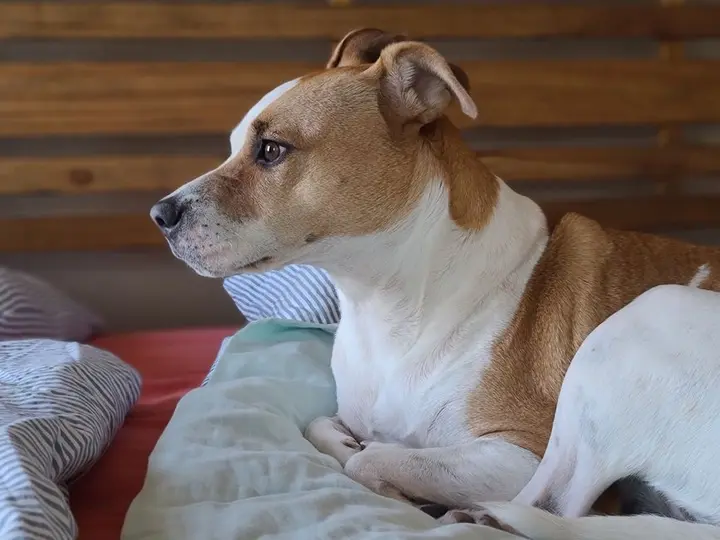
Remove loose fur before washing so it does not clump in the fabric or collect in the machine filter. Take the cover outdoors and shake it, then use a lint roller or a soft brush to lift hair from the surface. Work in the direction of the fabric pile to avoid roughing up plush fibres.
For fur lodged in seams, use a vacuum upholstery attachment on a gentle setting or pull the hair free with a slightly damp rubber glove. Avoid scraping with a sharp tool, which can catch loops or tear the cover. Readers who also run pet-care businesses may find Leicester Seo Services useful for reaching customers in Leicester and Leicestershire.
Once the visible fur is gone, check the bed’s creases and the underside, where hair often gathers. Remove any remaining clumps by hand before putting washable pieces in the machine. This simple preparation helps the wash water reach the fabric and reduces the chance of fur transferring to other laundry.
Treat Marks Without Rubbing
Blot fresh stains with a clean cloth before washing, working from the outside edge towards the centre. Press gently to absorb moisture rather than rubbing, which can spread the mark or push it deeper into the pile. For dried dirt, lift off loose material carefully before dampening the area.
Test any stain remover on a discreet patch first and follow its directions, especially on dyed or delicate fabric. Use a small amount of a suitable cleaner and rinse the treated spot so residue does not remain in the fibres. Avoid combining cleaning products, and do not use a treatment that conflicts with the care label.
For odours, wash the affected component as directed rather than masking the smell with perfume or fabric spray. A thorough rinse matters because leftover detergent or cleaner can irritate a pet’s skin. If a mark remains after washing, repeat a gentle spot treatment instead of turning to harsher chemicals or high heat.
Choose the Right Wash Method for the Bed
Match the Method to Construction
Choose the wash method according to the label, the bed’s size and whether its parts separate. A removable cover can often be washed on its own, while a small washable cushion may fit in a machine. A bulky or stitched bed may need hand washing if machine cleaning is not permitted or would crowd the drum.
Machine washing is convenient when the care label allows it and the item can move freely in the drum. Hand washing gives more control over delicate covers and bulky pieces that are difficult to load. Spot cleaning is the gentlest option for a bed that cannot be fully washed, but it will not clean the whole surface.
Do not force a large bed into a small washer: cramped fabric may not rinse properly, and an unbalanced load can interrupt the cycle. If the bed is too bulky, follow its care instructions for hand cleaning or use a suitably sized machine. Check that removable filling is also approved for the method you choose.
| Method | Best suited to | Main consideration |
|---|---|---|
| Machine wash | Label-approved covers or cushions | Leave room in the drum |
| Hand wash | Delicate or bulky washable pieces | Press gently; do not twist |
| Spot clean | Small marks or non-washable beds | Use little water and cleaner |
Compare Machine and Hand Washing
Machine wash a permitted cover or cushion separately from other laundry when possible, leaving enough room for water to circulate. Choose a gentle cycle and the temperature stated on the label. If the bed has a removable cover, washing it apart from the filling can make rinsing and drying more even.
For hand washing, use a clean basin or tub and enough cool or lukewarm water to wet the item. Press the fabric gently through the water rather than twisting or scrubbing it, then rinse until the water runs clear. Support a soaked cushion as you lift it, because wet filling can become heavy and stretch seams.
Use spot cleaning when the label rules out soaking or machine washing, or when only one small area needs attention. Apply water and cleaner sparingly with a cloth, then blot away residue with a second damp cloth. Let the bed dry fully before your dog uses it, and check inside thick areas for trapped moisture.
- Machine wash only when the label permits it and the item fits loosely.
- Hand wash delicate or bulky pieces using gentle pressure.
- Spot clean beds that cannot be soaked.
Use a small amount of mild laundry detergent that suits the bed’s fabric and care instructions.
Use a Gentle Detergent and Careful Settings
Choose a Mild Cleaner
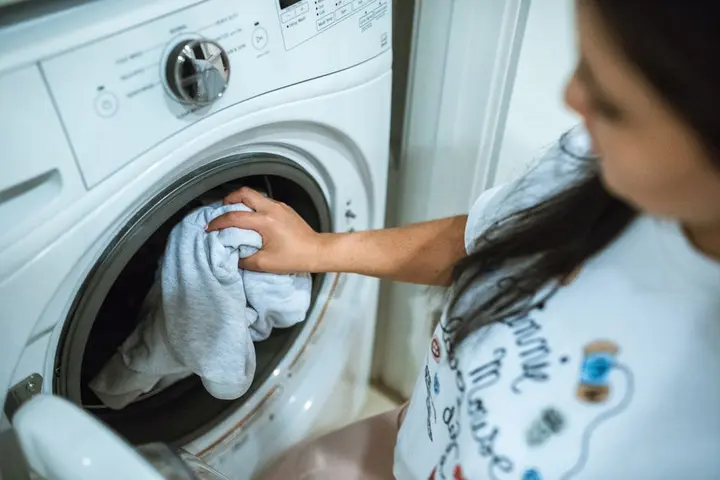
Use a small amount of mild laundry detergent that suits the bed’s fabric and care instructions. Too much detergent can leave residue in plush fibres or dense filling, so follow the product directions rather than adding extra for odour. A thorough rinse is especially important when the bed has thick padding.
Avoid bleach, strong stain removers and heavily scented products unless the label specifically permits them. These can affect colour or leave residues that linger where a pet sleeps. Do not mix cleaning agents, and rinse any spot treatment before washing the complete piece.
If you are unsure which detergent is suitable, check the care label and the cleaner’s instructions before use. Test a small, hidden area when the fabric may be colour-sensitive. Keep the dose modest, then inspect the bed after rinsing; if it still feels slick or soapy, rinse again before drying.
Set Gentle Wash and Rinse
Select a gentle or delicate cycle and the water temperature allowed by the care label. A lower-agitation cycle reduces unnecessary stress on seams and plush fabric, while the correct temperature helps avoid shrinkage or damage. Zip covers closed before washing if the instructions allow it, so the teeth do not catch other material.
Use an extra rinse if the washer offers one and the bed’s fabric can tolerate it. This helps remove detergent from thick pile and padding, where suds may linger after the main wash. Avoid overloading the drum, because crowded items tumble poorly and can come out with patches of soap or unevenly cleaned areas.
Before drying, press excess water out gently without wringing or twisting the bed. Check seams and corners for trapped suds, and rinse again if the fabric still feels slippery. Keep the filling supported as you move it, then follow the care label’s drying instructions to help the bed retain its shape.
Avoid Common Washing and Drying Mistakes
Protect Fabric and Filling
Keep fluffy beds away from harsh bleach, fabric softener, and very hot water unless the care label specifically allows them. These can weaken fibres, leave residue that attracts dirt, or flatten the pile. Use a gentle, pet-safe detergent and the mildest suitable cycle, especially when the cover has a delicate lining or non-slip base.
- Use the care label to guide water temperature and cycle choice.
- Avoid crowding the washer or using harsh additives.
- Handle plush fabric gently to protect its texture.
Do not force a whole bed into a washer if it cannot move freely. An overloaded drum may clean unevenly and place strain on seams, while a cramped bed can trap detergent. Wash a removable cover separately when the label permits, and clean bulky inserts by hand or at a suitable laundromat.
Avoid scrubbing one stained patch aggressively, since friction can roughen plush fabric and create a visibly different texture. Blot from the outside of the stain toward its centre, then rinse the area as directed by the label. For dog-bed retailers looking to improve their online presence, Seo Services covers e-commerce SEO and content alongside other practical areas.
- Skip bleach and fabric softener unless the label permits them.
- Leave room for the bed to move in the washer.
- Blot stains instead of rubbing the pile.
- Separate the cover from the insert when allowed.
Prevent Heat and Shape Damage
High heat can shrink covers, distort waterproof layers, or damage fibres that give a fluffy bed its feel. Choose a low-heat setting only if the label allows tumble drying; otherwise, air-dry the pieces. If the label is missing or unclear, treat the bed cautiously and avoid heat until you can identify its materials.
Do not twist or wring a saturated insert to speed up drying. That can pull filling out of place and strain the seams, leaving lumps that are difficult to redistribute. Press water out gently with clean towels, then support the bed from underneath as you move it to a drying area.
Skip shortcuts such as placing a bed directly on a radiator or using a hair dryer close to the fabric. Localised heat can affect the outer pile differently from the deeper filling, and the surface may feel dry while the inside stays damp. Check the label before using any appliance or heat source.
Dry the Bed Thoroughly Before Reassembly

Air-Dry Every Layer
Dry the cover and insert separately so air can reach their inner surfaces. Lay removable covers flat or hang them as the care label recommends, and position bulky inserts where air can circulate around all sides. A sheltered, well-ventilated spot helps moisture escape without exposing delicate fabric to direct heat.
- ☐ Air-dry pieces separately when possible.
- ☐ Turn the insert so hidden areas receive airflow.
- ☐ Check seams and thick sections for lingering moisture.
- ☐ Reassemble only when every layer is fully dry.
Turn or reposition each piece periodically, paying attention to thick seams, corners, and stitched channels that hold filling. These areas dry more slowly than the surface and can retain moisture after the rest feels ready. If the insert is washable, arrange it in its usual shape while damp rather than leaving it compressed.
Do not put the bed back together simply because the cover feels dry. Press the centre and seams of the insert with a clean hand to check for cool, damp patches, and smell for any lingering mustiness. If either moisture or an odour remains, continue drying before allowing your pet to use it.
- Separate the cover and insert.
- Expose seams and corners to moving air.
- Reposition thick pieces as they dry.
- Check for cool, damp areas before reassembly.
Restore the Bed’s Loft
Once the pieces are fully dry, shake the insert gently to loosen filling that settled during washing. Work across the whole bed rather than tugging at one corner, and use your hands to ease flattened areas back toward their original shape. Stop if you feel a seam straining or notice filling pushing against a weak spot.
Fit the dry cover without stretching it over an insert that is still damp or uneven. Smooth the fabric into the corners, align any fasteners, and check that the bed lies flat on the floor. A twisted cover can bunch beneath your dog and make a fresh bed feel lumpy.
If the bed still feels uneven, redistribute the filling gradually and let it rest before judging the result. Some materials regain loft after gentle handling, while others may remain flatter following washing. If a lump or sag persists, inspect the seams and filling distribution instead of repeatedly washing the bed.
Keep Fluffy Beds Clean Between Washes
Remove Dirt Promptly
Lift loose fur and crumbs from the bed regularly with a lint roller, soft brush, or vacuum attachment suitable for the fabric. Use light pressure so the tool does not pull at long pile or loosen stitching. Removing surface debris before it settles into the fibres makes routine upkeep easier and can reduce the need for frequent full washes.
Blot fresh spills as soon as practical with a clean, absorbent cloth. Press rather than rub, and use a small amount of water only if the care label permits it. Dry the spot fully before your dog returns, because damp patches can collect more dirt and may leave an odour behind.
For pet businesses serving a particular area, Local Seo Services can help keep business profiles and location details consistent; that is useful when customers need to find a nearby bed retailer. Keep the bed itself away from muddy paws when possible, and remove visible debris before it works deeper into the plush surface.
- Brush or vacuum loose fur gently.
- Blot spills instead of rubbing them.
- Let cleaned spots dry before use.
- Remove crumbs before they settle into the pile.
Use Simple Protective Habits
Place the bed on a clean, dry surface rather than directly beside an entry where wet shoes and muddy paws are common. A washable throw over the sleeping area can catch loose hair and light dirt, provided it stays flat and does not bunch beneath your pet. Wash the throw according to its own care label.
Check the bed after messy play or outdoor trips, when debris is more likely to cling to the pile. A quick shake outdoors can remove dry leaves and grit, while a soft brush can lift fur from the surface. Avoid vigorous shaking if the bed has loose seams or delicate trim.
Give the bed time to air between uses if it becomes warm or slightly damp. Do not cover it while moisture remains, since trapped dampness can linger in the fabric and filling. Keep the sleeping area ventilated, and address spills or odours promptly rather than masking them with sprays that may leave residue.
Build a Simple, Repeatable Bed-Care Routine

Set a Practical Schedule
Choose a routine that matches how quickly the bed collects fur, dirt, and odours, rather than washing it on an arbitrary timetable. A bed used by a dog who often comes indoors wet may need attention sooner than one kept clean in a dry room. Check the cover and insert separately, since they may need different care.
- Check the cover and insert for dirt or odour.
- Remove loose fur and treat any fresh stain.
- Wash only as the care label permits.
- Dry every layer fully before putting the bed back together.
Make quick surface cleaning part of ordinary tidying, then reserve a full wash for visible soil, lingering smells, or the care label’s recommended maintenance. This keeps routine cleaning from becoming unnecessarily rough on fabric and filling. If the bed has a removable cover, wash that first when the insert remains clean and the label allows it.
Keep the care label instructions accessible, such as by photographing them before the label wears away. Note which parts can be machine-washed, what drying method is permitted, and whether the cover needs to be fastened before washing. For businesses, using e-commerce content and SEO advice can support clearer product-care guidance for customers.
- Check the bed’s surface during regular tidying.
- Wash when dirt or odour calls for it.
- Treat the cover and insert as separate pieces.
- Keep a record of care-label instructions.
Keep Care Consistent
Use the same gentle process each time the label permits it, so you do not have to guess at settings or handling. Before washing, confirm that zips are closed and removable parts are separated as directed. Afterward, check seams and fasteners while the bed is clean, since wear is easier to spot without dirt covering it.
Record problems that recur, such as a cover that takes longer to dry or an insert that loses its loft. That information can help you adjust the drying setup or decide whether a washable cover would make upkeep simpler. Do not respond to a recurring odour by repeatedly washing the whole bed without checking for trapped moisture.
Replace a bed or cover when fabric, stitching, or fasteners can no longer be cleaned and used safely. Small changes in texture after washing may be harmless, but exposed filling, broken seams, or persistent dampness call for closer attention. A straightforward routine protects the bed’s shape while helping you notice when ordinary cleaning is no longer enough.
Frequently asked questions
Can I wash a fluffy dog bed in a washing machine?
Only if the care label allows machine washing and the bed fits with room to move. Removable covers are often easier to wash separately, while bulky or delicate inserts may need hand cleaning or another label-approved method. Avoid forcing an oversized bed into the drum, since crowding can strain seams and leave detergent or dirt behind.
How do I get dog hair off a fluffy bed before washing?
Remove as much loose hair as possible before washing by using a lint roller, a soft brush, or a suitable vacuum attachment. Work gently, especially on long pile or delicate stitching, so you do not pull fibres loose. Taking off surface fur first can also help prevent hair from collecting in the washer or clinging to the fabric during drying.
Why does my dog’s bed smell after washing?
A lingering smell can mean that the insert or a thick seam has not dried fully, even if the outside feels dry. Separate the cover and insert, check for cool or damp patches, and continue air-drying with space around each piece. If the bed is fully dry but still smells, inspect for trapped soil and follow the care label before cleaning again.
Can I put a fluffy dog bed in the dryer?
Use a dryer only when the bed’s care label permits it, and follow the stated heat guidance. High heat may shrink fabric, affect a waterproof layer, or flatten the pile, so air-drying is the safer choice when instructions are absent or unclear. Check thick inserts and seams afterward, and do not reassemble the bed until every layer is dry.
A Gentle Routine Keeps Beds Comfortable
The safest way to wash a fluffy dog bed is to follow its care label, clean removable parts separately when permitted, and avoid harsh products or unnecessary heat. Surface fur and fresh spills are easier to handle before they settle into the fabric. Most importantly, let every layer dry completely before returning the bed to your dog, then restore its shape with gentle handling.
For your next wash, start by checking the label and separating the cover from the insert if the design allows it. Choose the mildest suitable cleaning method, then plan enough time for thorough drying rather than rushing reassembly. A little regular fur removal and prompt blotting between washes can keep the bed cleaner while reducing avoidable wear.


