
Have you ever wondered, “Why do dogs have wet noses?” This intriguing question is more than just a quirky observation; it uncovers a fascinating aspect of canine biology and behavior. A dog’s nose is not only a defining characteristic but also a vital tool for sensing their environment. Many pet owners ask themselves, “Is a wet nose a sign of health?” The truth is, there are several compelling reasons behind this phenomenon!
From enhancing their sense of smell to regulating body temperature, the moisture on a dog’s nose plays a crucial role in their overall well-being. Furthermore, did you know that a wet nose can also indicate how dogs communicate their emotions? This blog post will delve into the science of why dogs have wet noses and how it impacts their daily lives. If you’re curious about canine care or want to learn more fun facts about your furry friend, stick around! Discover the captivating reasons why those adorable snouts are often damp, and explore how it relates to your dog’s health and happiness. Don’t miss out on finding the answers to your burning questions about your pet’s unique traits!
The Science Behind a Dog’s Wet Nose: What Makes It So Important?

When you think about dogs, one of the first things that come to mind is their cute little wet noses. Ever wondered why they always seem to be so moist? What’s the science behind a dog’s wet nose, and why do dogs have wet noses? It’s more than just an adorable quirk; it actually serves important functions for your furry friend.
The Biological Purpose of a Wet Nose
Dogs have wet noses for a few different reasons, and these reasons are rooted in biology. The moisture on a dog’s nose is primarily due to mucous secretions, which play a significant role in a dog’s sense of smell. Here’s how:
Enhanced Scent Detection: Dog’s noses are incredibly sensitive. The moisture helps to capture scent particles from the air, making it easier for dogs to smell. A wet nose can absorb these scent molecules better than a dry one, which help dog find food, track scents, or even detect changes in their owner’s emotions.
Temperature Regulation: Dogs can’t sweat like humans do. Their primary means of cooling off is through panting, but their wet noses also help to regulate their body temperature. The moisture evaporates, which provides a cooling effect, especially on hot days.
Health Indicator: The state of a dog’s nose can indicate their health. A wet, cool nose is often seen as a sign of a healthy dog, while a dry or cracked nose may signal illness or dehydration, though this isn’t always the case.
Historical Context of Dog Noses
Historically, dogs were bred for specific purposes, and their noses played a crucial role in those functions. For example:
Hunting: Breeds like Bloodhounds and Beagles have been developed to enhance their sense of smell. Their wet noses are a critical tool for tracking scents over long distances.
Herding: Dogs like the Border Collie rely on their noses to herd livestock. The moisture helps them track scents in the pasture, keeping the flock together.
Companionship: As dogs transitioned from working animals to beloved pets, their noses remained a vital part of their biology, helping them bond with humans by detecting emotional changes.
What Happens When a Dog’s Nose is Dry?
A dry nose can be a sign of various conditions. Here’s a quick list of possible reasons for a dry nose in dogs:
Dehydration: If your dog isn’t drinking enough water, their nose might dry out.
Weather Conditions: Hot, dry weather can cause a dog’s nose to become dry and cracked.
Illness: A persistent dry nose could be a sign of underlying health issues like fever or autoimmune diseases.
Allergies: Just like humans, dogs can suffer from allergies that affect their skin and nose moisture.
Fun Facts about Dog Noses
Here are some fascinating tidbits about dog noses that you may not know:
Unique Prints: Just like human fingerprints, each dog has a unique nose print that can be used for identification.
Nose Color: A dog’s nose can change color with age or due to exposure to the sun. This is often referred to as “winter nose” or “snow nose.”
Scent Cells: Dogs have up to 300 million scent receptors in their noses, compared to about 6 million in humans. That’s why they are often used in search and rescue operations!
Comparing Dog Noses with Other Animals
Dogs are not the only animals with wet noses. Here’s a quick comparison with other animals:
| Animal | Number of Scent Receptors | Nose Characteristics |
|---|---|---|
| Dogs | 300 million | Wet, highly sensitive |
| Cats | 50-80 million | Slightly moist, but less sensitive |
| Elephants | 2,000 million | Very large, extremely sensitive |
| Humans | 6 million | Dry, less sensitive |
Each of these animals uses their nose in different ways, adapted to their lifestyles and needs.
Practical Tips for Dog Owners
To keep your dog’s nose healthy, consider these tips:
Stay Hydrated: Make sure your dog has access to fresh water at all times.
Monitor Weather: Protect your dog’s nose during extreme weather conditions by using a dog-safe balm when needed.
Regular Vet Check-ups: Regular visits to the vet can help catch any health issues early, including those that affect the nose.
Understanding why dogs have wet noses can deepen your appreciation for these beloved pets. Their wet noses serve multiple essential functions, from helping them smell to regulating their temperature. Keep an eye on that cute little nose and ensure your furry friend stays healthy and happy!
7 Surprising Benefits of a Dog’s Moist Nose You Didn’t Know About!
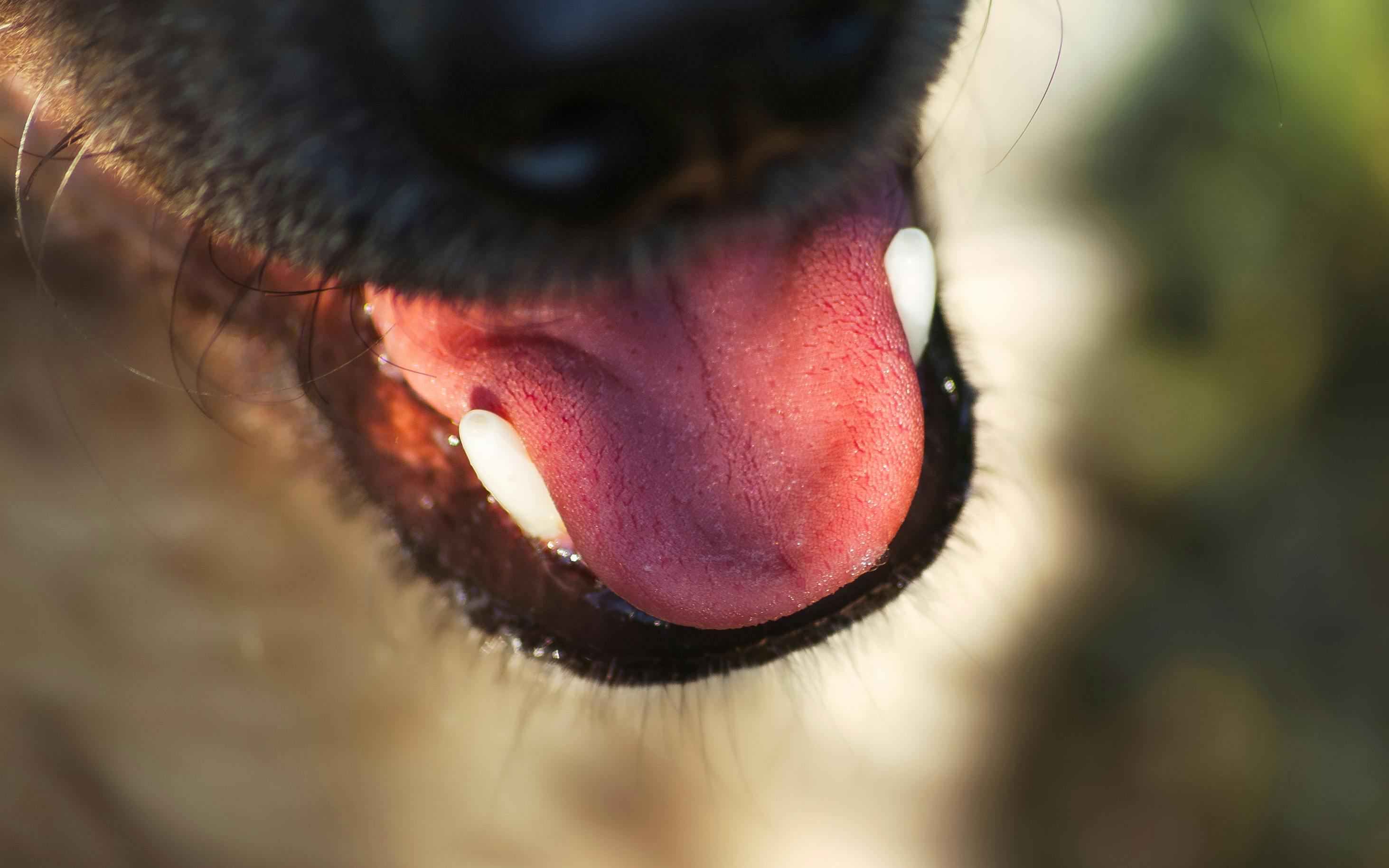
When you think about dogs, one of the first things that comes to mind is probably their wet noses. Many people just assume it’s a normal part of being a dog, but have you ever pondered why do dogs have wet noses? Well, it turns out, there’s more to it than you might think! In fact, there are several surprising benefits of a dog’s moist nose that you probably didn’t know about. Let’s dive into some fascinating reasons behind those adorable, damp snouts.
1. Enhanced Sense of Smell
Dogs have an incredible sense of smell, and their wet noses actually help with that! The moisture on their noses traps scent particles from the air, making it easier for dogs to detect smells. This is why dogs can sniff out drugs, bombs, and even diseases in humans. A dog with a dry nose might not be able to sniff as well.
2. Temperature Regulation
You ever notice how dogs pant when they’re hot? That’s them trying to cool down. Their wet noses play a role too! When dogs lick their noses, the evaporation of moisture helps to regulate body temperature. So, just like how we sweat to cool off, a dog’s moist nose can help keep them from overheating.
3. Communication Tool
Dogs communicate in many ways, and their noses play a part in that. When they meet other dogs, they often sniff each other’s noses as a way to gather information. A wet nose can signify health and vitality, making it likely that a dog with a moist snout is seen as more approachable by other dogs. So, next time you see two dogs greeting each other, remember, it’s not just a cute moment!
4. Sign of Good Health
A dog’s wet nose is often a sign of good health. Vets frequently check this feature when assessing a dog’s condition. Generally, a moist nose can indicate that a dog is hydrated and not suffering from any serious illness. Conversely, a dry nose could mean dehydration or a health issue, though it’s not always a definitive sign.
5. Cooling Down Mechanism
Dogs don’t sweat like humans do. Instead, they rely on panting and their noses to cool themselves down. When a dog’s nose is wet, it can help them maintain an ideal body temperature. This is important, especially during hot summer days when dogs can be at risk for heat stroke.
6. Aiding in Taste
While dogs primarily use their noses for smell, the moistness also enhances their ability to taste. The moisture helps to dissolve food particles, which then allows them to enjoy their meals more. So, when you see your pup sniffing their food before eating, they’re not just being picky! They’re engaging their sense of taste and smell together.
7. Natural Lubrication
The wetness of a dog’s nose isn’t just about being cute! It’s also a natural lubricant. This helps to keep the nose flexible and prevents cracks or dryness, which can be uncomfortable for dogs. It ensures that their sense of smell remains sharp and effective.
Fun Facts About Dog Noses
- Unique Patterns: Just like human fingerprints, every dog has a unique nose print that can be used to identify them.
- Cold or Warm Noses: A common myth is that a cold nose indicates a sick dog. Actually, a dog’s nose temperature can vary throughout the day depending on their activity.
- Sniffing Power: A dog’s sense of smell is estimated to be 10,000 to 100,000 times more sensitive than humans!
Quick Comparison: Dog Noses vs. Human Noses
| Feature | Dog Nose | Human Nose |
|---|---|---|
| Moisture Level | Typically wet | Typically dry |
| Smell Sensitivity | 10,000-100,000 times more | Relatively low |
| Temperature Regulation | Helps cool down | Sweating through skin |
| Identification | Unique nose prints | Fingerprints |
So, the next time you see your furry friend with their adorable wet nose, remember that it’s not just for show! There are many fascinating benefits that come with it. Their moist noses play a vital role in their health, communication, and overall well-being. Isn’t it amazing how something so small can have such a big impact on a dog’s life? Dogs are truly fascinating creatures, and their noses are just one of the many things that make them special!
Why Do Dogs Have Wet Noses? Unveiling the Mystery Behind Their Cool Touch

Have you ever wondered why do dogs have wet noses? It’s a question that many dog owners and animal lovers ask. The cool, damp touch of a dog’s nose is not just an adorable quirk; it serves several important functions in your furry friend’s life. Let’s dive into the fascinating reasons behind those wet noses and what they mean for our canine companions.
The Science Behind Wet Noses
Dogs noses are typically moist. But why is that? Here are some scientific insights:
- Thermoregulation: A dog’s nose helps them to regulate their body temperature. The moisture on their noses evaporates, which helps to cool them down.
- Sense of Smell: The wetness enhances their sense of smell. A damp nose can trap scent particles better, thus improving their olfactory abilities. This is super important because dogs rely on their sense of smell more than humans do.
- Health Indicator: Changes in the moisture of a dog’s nose can indicate their health. A dry nose can suggest dehydration or illness, while a wet nose is often a sign of a happy, healthy pooch.
Historical Context of Dogs’ Noses
Dogs have been humans’ companions for thousands of years. Early domesticated dogs, which were closely related to wolves, have evolved over time, so their noses adapted to their environment. Here’s a brief history of how dog noses became what they are today:
- Evolution: From wild ancestors, dogs developed a keen sense of smell, which was essential for hunting and survival.
- Domestication: As they became domesticated, their noses helped them communicate with humans and other animals, using scent to gather information about their surroundings.
- Breeding: Different breeds have varying nose shapes and sizes, which also affects their sense of smell. For example, Bloodhounds have longer noses designed to trap scents better than shorter-nosed breeds.
Interesting Facts About Dog Noses
Did you know that dogs have unique nose prints, just like human fingerprints? Here are some more fun facts about dog noses:
- Nasal Turbinates: Dogs have complex structures in their noses called nasal turbinates, which increase the surface area for scent detection.
- Scent Discrimination: Dogs can differentiate between smells that are only a few parts per trillion. That’s like humans being able to smell a single drop of perfume in a large house.
- Temperature Regulation: In addition to evaporative cooling, dogs also pant to help regulate their body heat, but their noses play a crucial role too.
- Social Interaction: Dogs use their noses to gather information about each other. When dogs meet, they often greet each other by sniffing noses, which is a social behavior not just for dogs but for many animals.
Comparing Dog Noses to Human Noses
Dogs’ noses and human noses serve different purposes. Here’s a quick comparison:
| Feature | Dog Nose | Human Nose |
|---|---|---|
| Moisture Level | Typically wet | Usually dry |
| Sense of Smell | Highly developed, sensitive | Limited compared to dogs |
| Temperature Regulation | Helps cool body | Less effective |
| Unique Prints | Yes | No |
Practical Examples of Nose Care
Maintaining your dog’s nose health is important. Here are some tips:
- Hydration: Ensure your dog is drinking enough water, especially on hot days.
- Check for Changes: Monitor the moisture level of their nose. If it suddenly becomes dry, consult a vet.
- Protect from Elements: In cold weather, consider using a nose balm to protect against cracking.
- Regular Vet Visits: Routine check-ups can help spot any potential health issues related to their nose.
Dogs noses are more than just a cute feature; they’re essential for a dog’s health and their ability to interact with the world. Understanding why do dogs have wet noses gives dog owners a deeper appreciation for these amazing animals. So, the next time you get a wet nose nudge from your furry friend, remember all the incredible reasons behind that cool touch! Embracing the quirks of our pets is what makes the bond so special.
The Role of a Dog’s Nose in Their Health: Is a Wet Nose a Sign of Wellness?

Have you ever noticed your dog’s nose, especially when it’s wet? Many pet owners often wonder about the significance of a dog’s nose moisture. Is a wet nose truly a sign of wellness, or does it mean something else entirely? Let’s dive into the fascinating world of canine health and explore why dogs have wet noses, and what it could mean for their overall well-being.
Understanding the Anatomy of a Dog’s Nose
Dogs have a unique nose structure that plays a vital role in their health and sensory perception. The wetness of a dog’s nose comes from several different factors:
- Mucus Production: Dogs have glands in their noses that produce mucus. This helps to trap scent particles, enhancing their sense of smell.
- Cooling Mechanism: A wet nose can help cool down a dog, which is crucial, especially in hot weather.
- Moisture Absorption: When dogs sniff, moisture from the air can be absorbed by their noses, further aiding in their extraordinary olfactory abilities.
Why Do Dogs Have Wet Noses?
Now you might be wondering, “why do dogs have wet noses?” Well, there are several reasons that contribute to this phenomenon.
Enhanced Smell: A wet nose can improve a dog’s sense of smell by capturing scent particles. This is vital for hunting breeds and even for everyday activities like finding treats or toys.
Temperature Regulation: Dogs cannot sweat like humans. Their noses help regulate body temperature by dissipating heat. So, a wet nose might mean that your dog is cooling itself down.
Health Indicator: While a wet nose is often seen as a sign of good health, it’s not the only indicator. Other factors like appetite, energy levels, and behavior also play a role in assessing a dog’s health.
Is a Wet Nose Always a Sign of Wellness?
Not necessarily. While a wet nose can indicate health, it should not be the sole measure. Here are some conditions when a wet nose might not be a good sign:
Infection: If the nose is excessively wet and there are other symptoms like discharge or swelling, it could be an infection.
Dehydration: An overly dry nose can suggest dehydration, which needs immediate attention.
Fever: Dogs with fevers might have a warmer, drier nose.
The Role of Environment
The environment plays a significant role in the moisture of a dog’s nose. Factors such as climate, humidity, and temperature can influence how wet or dry a dog’s nose is. For instance:
- Cold Weather: Noses may become drier in cold climates.
- High Humidity: In humid conditions, noses tend to be wetter.
Quick Facts About Dog Nose Health
- Dogs have about 300 million scent receptors in their noses, making them incredible sniffers.
- The average human has only about 5 million receptors. This shows how vital a dog’s nose is for their survival.
- Dogs can differentiate between odors, so a wet nose can help them in identifying scents better.
Signs of a Healthy Dog Nose
It’s important to recognize what constitutes a healthy nose. Here are some signs to look for:
- Moist and cool to the touch.
- No excessive discharge or crustiness.
- Consistent temperature with the rest of the body.
What to Do If You Notice Changes in Your Dog’s Nose
If your dog’s nose suddenly becomes dry or exhibits any unusual symptoms, it’s best to consult with a veterinarian. Here’s a quick checklist of what to monitor:
- Changes in appetite or energy levels.
- Any discharge from the nose.
- Behavior changes, such as lethargy or unusual scratching.
Conclusion
In summary, a dog’s wet nose is tied to many fascinating aspects of their health and biology. While a wet nose can often indicate wellness, pet owners should consider the entire picture of their dog’s health. Keep an eye on their behavior, appetite, and overall condition. If you notice any unusual changes, always consult a veterinarian for advice. Your dog relies on you for care, and understanding the role of their nose is just one way to ensure they stay happy and healthy.
Curious Canines: How a Dog’s Wet Nose Enhances Their Sense of Smell
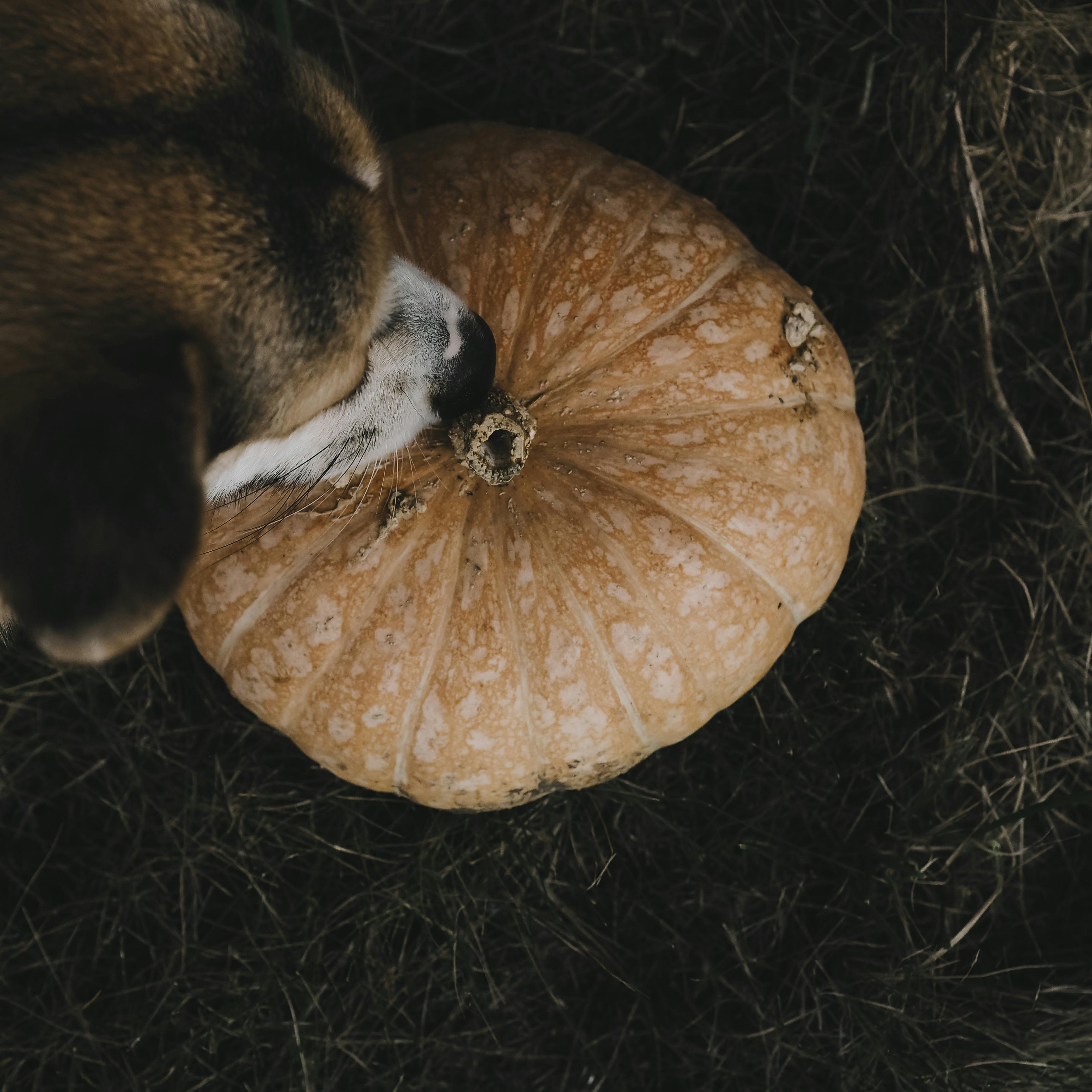
Have you ever wonder why dogs have wet noses? It’s not just a cute feature; it’s got a lot to do with how they experience the world. Dogs, our beloved furry friends, rely heavily on their sense of smell. In fact, they can smell things up to 100,000 times better than humans! A big part of that amazing sense of smell comes from their wet noses. Let’s dive into the reasons behind this fascinating canine characteristic.
The Science Behind a Dog’s Wet Nose
Dogs noses are wet for several reasons that enhance their ability to smell. When a dog’s nose is moist, it helps to capture scent particles more effectively. The wetness also helps in cooling down their body temperature. It’s a dual-purpose mechanism that every dog owner should appreciate. Here’s how it works:
- Scent Absorption: The moisture on a dog’s nose helps to trap scent particles. When they sniff, the particles stick to the wet surface, allowing their olfactory receptors to do their magic.
- Temperature Regulation: Dogs don’t sweat like humans. Instead, they cool off through their noses and paw pads. A wet nose is a sign of a healthy dog, as it helps them regulate body temperature.
Dogs’ Olfactory System: A Closer Look
The olfactory system of dogs is simply fascinating. Dogs have around 220 million scent receptors in their noses, compared to the mere 5 million in humans. This means that their ability to detect scents is not just better; it’s a whole different level. Here’s a breakdown of the anatomy involved:
- Olfactory Bulb: This is the part of the brain that processes smells. In dogs, it’s proportionally larger than in humans, which means they can analyze smells in more detail.
- Jacobsen’s Organ: Also known as the vomeronasal organ, it helps dogs detect pheromones. This organ enhances their ability to interpret the chemical signals in their environment.
Why Do Dogs Have Wet Noses? The Benefits
So, why do dogs have wet noses beyond just capturing scents? There are multiple benefits that are worth mentioning:
- Enhanced Smell: Wet noses trap more scent molecules, improving the dog’s ability to identify and follow scents.
- Health Indicator: A wet nose is typically a sign of good health in dogs. If a dog’s nose is dry, it might indicate illness or dehydration.
- Communication: Dogs use their noses to communicate with each other. A wet nose can indicate that a dog is friendly and open to interaction.
Fun Facts About Dog Noses
- Dogs have unique nose prints, similar to human fingerprints. Each dog’s nose is different, and it can be used for identification.
- A dog’s sense of smell is so strong that they can detect certain diseases, including cancer, in humans.
- The reason some dogs have drier noses than others can be attributed to their breed, health, and environmental factors.
Differences Among Breeds
Not all dog noses are created equal. Some breeds naturally have drier noses than others. Here’s a quick list of a few breeds known for their distinctive nose characteristics:
- Labrador Retrievers: Typically have moist noses and great scenting abilities.
- Bulldogs: May have drier noses due to their unique facial structure.
- Bloodhounds: Famous for their incredible sense of smell, they have very moist noses to help them track scents.
Practical Examples of Nose Use in Dogs
Dogs use their noses in so many ways. Here are some practical examples of how they rely on their sense of smell:
- Search and Rescue: Many dogs are trained to find missing persons. Their keen sense of smell allows them to track scents over long distances.
- Medical Detection: Dogs can be trained to detect certain diseases, such as diabetes or seizures, by sensing changes in their owner’s body odor.
- Service Dogs: Many service dogs are trained to assist people with disabilities using their incredible noses to help navigate and identify danger.
Dogs’ wet noses are not just an adorable trait; they are essential to how they experience the world. From enhancing their sense of smell to communicating with other dogs, a wet nose plays a pivotal role in a dog’s life. Next time you see your furry friend with that shiny, wet nose, you can appreciate the science and benefits behind it, knowing they are truly curious canines exploring the world one sniff at a time.
Is Your Dog’s Nose Too Dry? Discover the Health Implications You Should Know
Is your dog’s nose too dry? Many pet owners wonder about their furry friend’s health when they notice changes in their nose’s texture. Dogs are known for their wet noses, and this characteristic is more than just a quirky trait. Let’s dive into the reasons why dogs have wet noses, and also what it could mean if yours is dry.
Why Do Dogs Have Wet Noses?
Dogs’ noses are wet for a number of interesting reasons. Here are some key points to consider:
- Cooling Mechanism: Dogs don’t sweat like humans do. Instead, they cool down through their noses. The moisture on a dog’s nose evaporates, which helps to regulate their body temperature.
- Enhanced Smell: A wet nose helps dogs to pick up scents better. The moisture captures scent particles, making it easier for dogs to detect different smells. This is why they are so good at tracking!
- Health Indicator: A dog’s nose can be a good indicator of their health. A wet, cool nose often suggests that a dog is healthy, while a dry nose might raise some concerns.
Is Your Dog’s Nose Too Dry? Health Implications You Should Know
If your dog’s nose is dry, it doesn’t automatically mean something is wrong, but it can sometimes indicate underlying health issues. Here are some possible reasons for dryness:
- Dehydration: Just like humans, dogs can get dehydrated. If your dog isn’t drinking enough water, their nose might dry out.
- Environmental Factors: Hot weather, low humidity, or exposure to heat sources can lead to a dry nose. This can happen during winter months when indoor heating is on all the time.
- Allergies: Dogs can have allergies too! Pollen, dust, or certain foods could cause skin irritations, including on their noses.
- Fever or Illness: A dry nose can sometimes be a sign of fever or an illness. If your dog is acting differently, it might be time to check with a vet.
Common Signs of Health Issues Related to Nose Dryness
When it comes to your dog’s health, consider these signs that might accompany a dry nose:
- Change in behavior (more lethargic than usual)
- Loss of appetite
- Excessive thirst
- Vomiting or diarrhea
- Coughing or sneezing
When to Seek Veterinary Care
It is important to pay attention to your dog’s overall condition. If you notice any of the following, it’s better to consult a veterinarian:
- Persistent dry nose for several days
- Cracks or sores on the nose
- Accompanying symptoms like vomiting, diarrhea, or lethargy
- Sudden changes in drinking or eating habits
Comparison: Wet Nose vs. Dry Nose in Dogs
Here’s a quick comparison to help you understand the differences:
Wet Nose Dry Nose
Cool to the touch Warm to the touch
Usually a sign of health Can indicate health issues
Helps with smell detection May signify dehydration or illness
Normal during play or exercise Can be due to allergies or environmental factors
Fascinating Facts About Dogs’ Noses
Did you know that dogs have an incredible sense of smell? Here are some fun facts to chew on:
- Dogs have up to 300 million smell receptors in their noses, compared to about 6 million in humans.
- They can detect certain diseases or conditions in humans, like diabetes or even cancer, just by smelling changes in body chemistry.
- Each dog has a unique nose print, similar to human fingerprints! It can be used for identification.
Maintaining your dog’s health involves regular check-ups and being observant about any changes in behavior or physical condition. If you’re ever in doubt about your pet’s health, consulting with a veterinarian is the best course of action.
In summary, a dog’s nose can tell you a lot about their well-being. Whether it’s wet or dry, always keep an eye on your pooch’s overall health and behavior. Remember, your furry friend depends on you to notice these subtle changes!
Wet Noses and Dog Behavior: What Your Pup’s Moisture Levels Reveal About Them
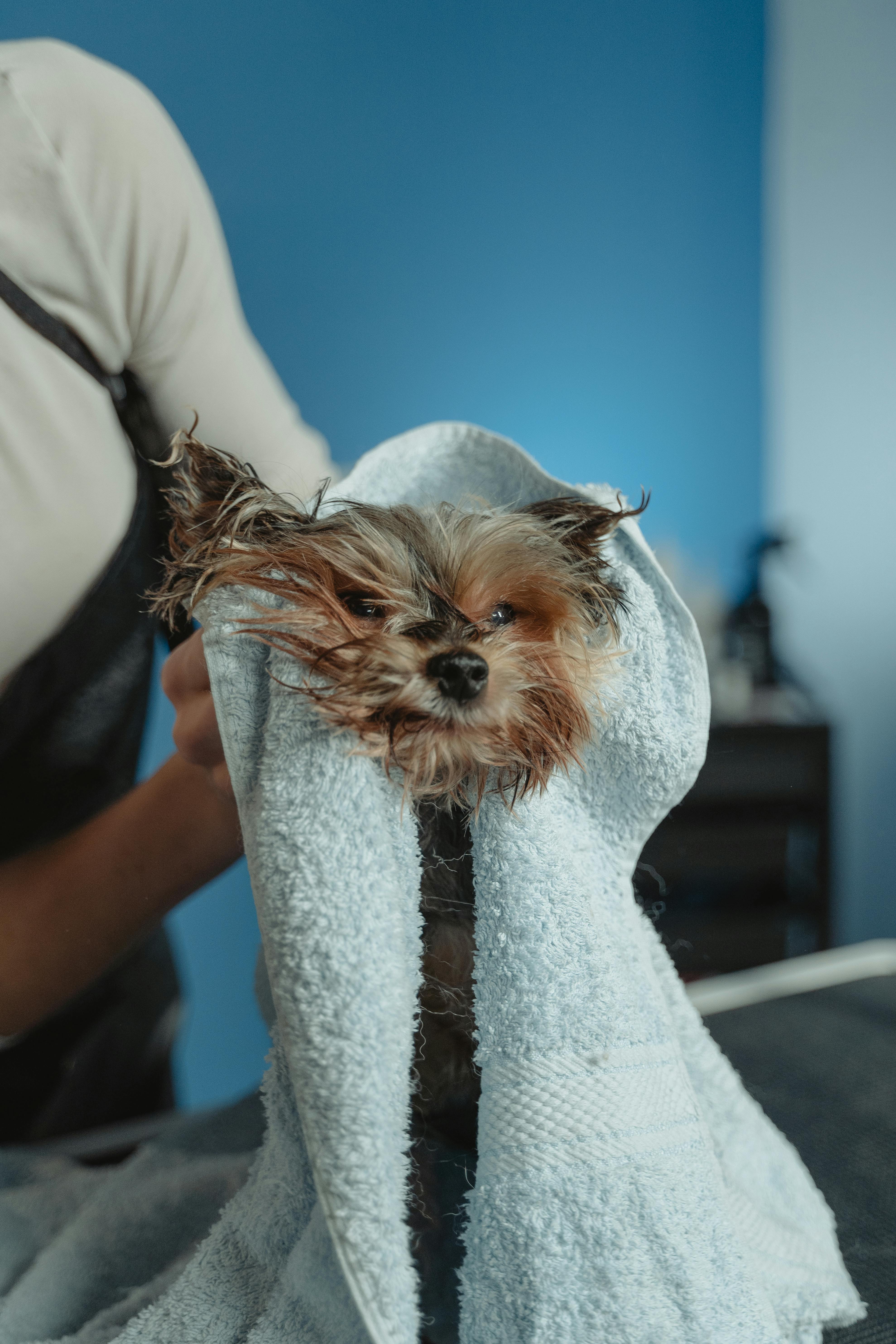
Dogs, they sure are fascinating creatures. One thing that often catches our attention is their wet noses. Have you ever wondered why do dogs have wet noses? It’s not just a quirky feature; it actually reveals a lot about their health and behavior. In this article, we will explore the interesting reasons behind those moist noses and what they might tell you about your furry friend.
Why Do Dogs Have Wet Noses?
The moisture on a dog’s nose serves several important purposes. First off, it helps them to smell better. You see, canines have an incredible sense of smell, estimated to be thousands to millions of times more sensitive than humans. A wet nose can help trap scent particles, making it easier for dogs to identify smells. Here are some reasons why their noses are wet:
- Enhanced Smell: Moisture enhances the olfactory receptors in their noses.
- Cooling Mechanism: Dogs don’t sweat like humans do. Their noses can help with thermoregulation.
- Health Indicator: A wet nose often indicates good health, while a dry nose could signal dehydration or illness.
Historical Context of Dog Noses
Historically, the wet nose of a dog is believed to have evolved as a survival mechanism. Ancient dogs, much like their wild ancestors, relied heavily on their sense of smell for hunting and detecting predators. Wet noses were crucial in ensuring they could sniff out food and identify dangers. Over the centuries, this trait has been passed down, and it remains a key characteristic of canines today.
What Your Dog’s Nose Can Reveal
A dog’s nose can tell you a lot about their current state. While a wet nose is generally a sign of health, it’s essential to pay attention to its condition. Here’s a breakdown of what different nose conditions might mean:
- Wet and Cool: This is typically a sign of a healthy dog, especially if they are active.
- Dry and Hot: If a dog’s nose is dry and hot, they might be dehydrated or even have a fever.
- Cracked or Flaky: This could indicate skin issues or allergies.
- Excessively Wet: Sometimes, a nose that is too wet could point to allergies or other health concerns.
The Science Behind Dog Nose Moisture
The moisture in a dog’s nose comes from a combination of their body’s natural secretions and environmental factors. Dogs have sebaceous glands that produce oils, which keeps their noses moist. Additionally, the surrounding environment can also affect the moisture levels. For instance, on hot, humid days, you might notice your pup’s nose is particularly wet.
Fun Facts About Dog Noses
- Dogs have a unique nose print, just like human fingerprints.
- The average dog has about 220 million scent receptors in their noses.
- Certain dog breeds, like Bloodhounds, have an even more impressive olfactory system, with over 300 million receptors.
- The moisture on a dog’s nose can evaporate quickly, which is why you often see them licking their noses to keep it damp.
Comparing Dog and Human Noses
| Feature | Dog Nose | Human Nose |
|---|---|---|
| Scent Receptors | 220 million+ | About 5 million |
| Moisture Function | Enhances smell | Aids in breathing |
| Temperature Regulation | Important for cooling | Not significant |
Practical Tips for Nose Care
It’s not just about understanding what your dog’s moisture levels mean; you also have to care for that special nose! Here are some tips:
- Hydration: Always ensure your dog has access to fresh water.
- Humidity: If you live in a dry area, consider using a humidifier.
- Regular Vet Visits: Schedule routine check-ups to monitor your dog’s health.
- Watch for Changes: If you notice your dog’s nose suddenly becomes dry or cracked, consult your vet.
It’s amazing how much insight you can gain from just observing your dog’s nose. This small feature plays a significant role in their overall well-being. So next time you see that wet nose, remember it’s more than just a cute characteristic; it’s part of what makes your pup so special! Understanding why do dogs have wet noses can help you be a better pet owner and keep your furry friend healthy and happy.
The Evolutionary Advantage of Wet Noses in Dogs: Nature’s Design for Survival
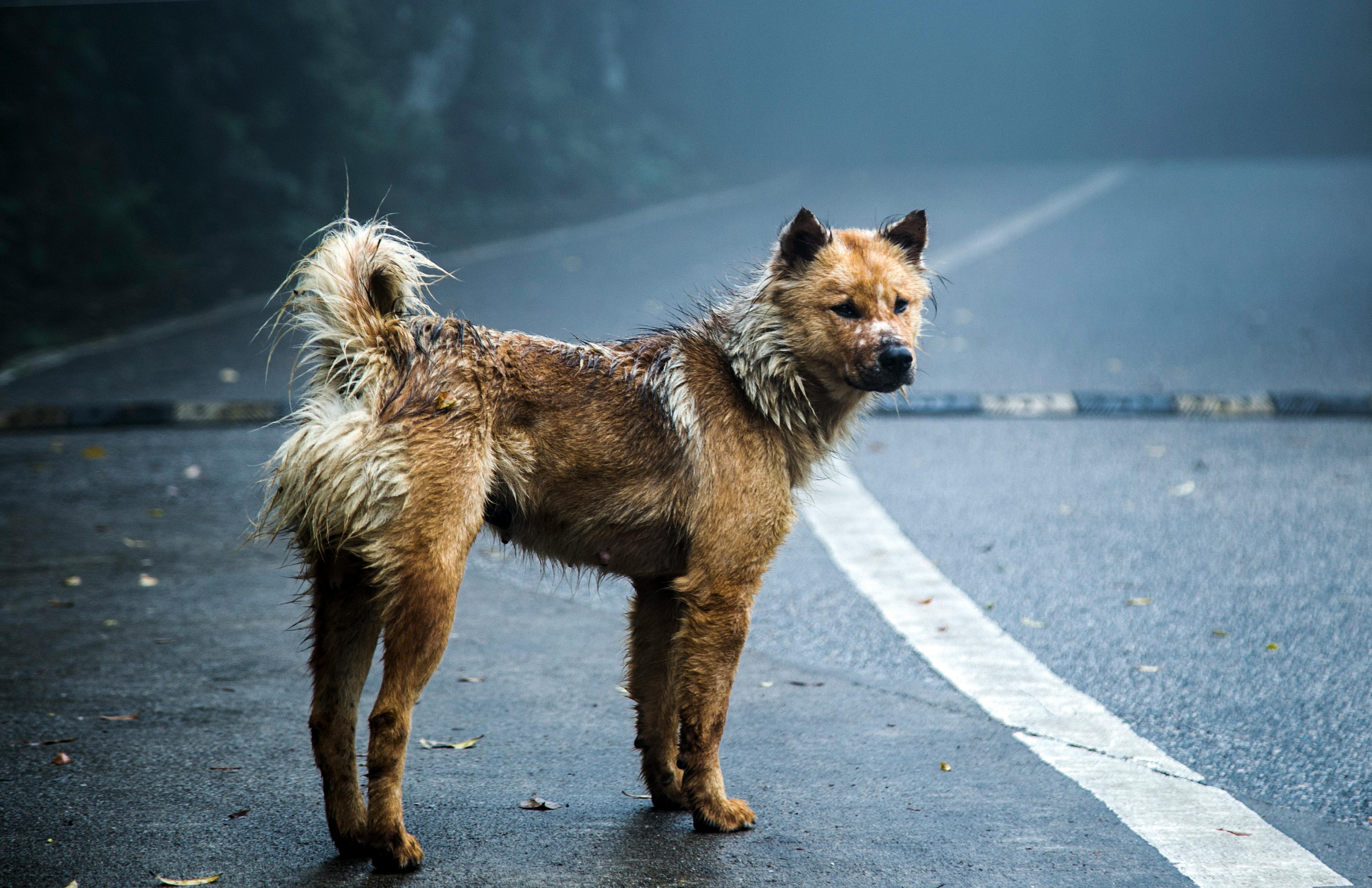
Why do dogs have wet noses? It’s a question that many pet owners often wonder about, and the answer is pretty fascinating. Wet noses in dogs are not just an adorable trait, they actually serve multiple important purposes that have evolved over time, giving dogs a unique advantage in the animal kingdom. Let’s dive into the evolutionary advantage of wet noses and uncover why this feature is so crucial for our furry friends.
The Science Behind Wet Noses
Dogs have wet noses due to a combination of factors. One main reason is that moisture helps enhance their sense of smell. A wet nose can trap scent particles better than a dry one, which is very useful for a dog that relies heavily on its olfactory senses. In fact, dogs have an incredible sense of smell that is estimated to be anywhere from 10,000 to 100,000 times more acute than humans. So, how does this work?
- Moisture Retention: A wet surface maintains a better environment for scent molecules to adhere, which dogs can detect more easily.
- Temperature Regulation: Wet noses help dogs cool down. When a dog pants, moisture evaporates from their noses, helping to regulate body temperature.
- Health Indicator: The moisture level of a dog’s nose can also indicate health; a dry nose can signal dehydration or illness.
Historical Context of Dog Noses
Dogs, which were domesticated from wolves thousands of years ago, have evolved alongside humans. In the wild, a wet nose could be a matter of survival. Wolves and their descendants used their keen sense of smell to find food, detect predators, and communicate with each other. A wet nose is an advantage in tracking prey and finding mates, so it makes sense that this trait persisted through generations.
Fascinating Facts About Dog Noses
Here are some interesting points about dog noses you might not know:
- Unique Patterns: Just like human fingerprints, every dog’s nose print is unique. This can be used for identification.
- Heat Detection: Dogs can detect heat signatures, which help them locate warm-blooded animals even in cold environments.
- Scent Discrimination: Dogs can differentiate between thousands of different scents. They can even tell if a person has a medical condition based on their scent.
Comparison of Dog Noses to Other Animals
When you look at other animals, you can see how wet noses play a role in survival across species. For instance:
- Cats: They also have moist noses, but their sense of smell is not as developed as dogs.
- Rabbits: Their noses are wet too, helping them detect predators.
- Horses: Horses have a sense of smell that is quite good, but they do not rely on it as much as dogs do.
Practical Examples of Dog Nose Use
In real-life situations, a dog’s wet nose can be quite beneficial:
- Tracking: Search and rescue dogs use their noses to find missing persons, often in challenging environments.
- Detecting Illness: Dogs are being trained to detect certain types of cancer through scent, proving their noses can even help with medical diagnoses.
- Therapy Dogs: These dogs often use their keen sense of smell to comfort people, as their presence and wet noses can offer emotional support.
Why Is a Wet Nose Considered Healthy?
Many dog owners may notice that their pets’ noses can change throughout the day. A healthy dog typically has a moist and cool nose, while a dry nose could indicate something isn’t right. However, it’s important to note that not every dry nose signals a health issue; dogs can have dry noses for various reasons, including weather conditions or after sleeping.
Environment and Wet Noses
The environment plays a significant role in the moisture level of a dog’s nose. Hot, dry weather can lead to drier noses, while a humid environment helps maintain that moisture. Owners should be aware of their dog’s surroundings and ensure they have access to water and shade to keep their noses—and their overall health—in check.
In summary, the evolutionary advantage of wet noses in dogs is a remarkable example of nature’s design for survival. These features not only enhance their sense of smell but also contribute to their overall health and well-being. Understanding why dogs have wet noses gives us deeper insight into their behavior and biology, making us appreciate our furry companions even more. So, next time you pet your dog and feel that cool, wet nose, you can think about all the incredible ways it helps them navigate the world around them!
Top 5 Dog Breeds with Notably Wet Noses: A Look at Their Unique Traits

Dog lovers often marvel at the unique characteristics of their furry friends, one of which is the famously wet nose. Many pet owners wonder, “Why do dogs have wet noses?” Well, there’s quite a bit of science behind that intriguing question. Wet noses are not just an adorable trait; they serve important functions for dogs. In this article, we will also explore the top five dog breeds known for their notably wet noses and what makes them so special.
The Science Behind Wet Noses
Dogs have wet noses mainly due to the secretion of mucus and the moisture present in their environment. This moisture helps dogs in a number of ways:
Enhanced Sense of Smell: A wet nose helps to capture scent particles in the air. This is crucial for dogs, who rely heavily on their sense of smell. The wetness aids in the absorption of scents, making it easier for them to identify different smells.
Thermoregulation: Dogs do not sweat like humans do. Instead, they rely on their noses to help regulate their body temperature. The moisture on their noses evaporates and cools them down.
Health Indicators: A dog’s nose can also indicate health. For instance, a warm, dry nose might signal the dog is sick or dehydrated, while a cool, wet nose is generally a sign of good health.
Top 5 Dog Breeds with Notably Wet Noses
Now, let’s take a closer look at five dog breeds that are particularly known for their wet noses and unique traits:
Labrador Retriever
- Wetness: Their noses are usually very moist.
- Traits: Friendly, outgoing, and highly trainable. They are known for their loyalty and are great family pets.
- Fun Fact: Labs have an exceptional sense of smell and are often used in search and rescue operations.
Beagle
- Wetness: Beagles have a notably damp nose that helps them in tracking scents.
- Traits: Curious, merry, and great with children. They are famous for their strong hunting instincts.
- Fun Fact: Beagles can smell up to 100,000 times better than humans!
Bloodhound
- Wetness: Their long, floppy ears and wet noses make them extraordinary scent trackers.
- Traits: Gentle, affectionate, and remarkably persistent. They are often used in law enforcement due to their tracking abilities.
- Fun Fact: Bloodhounds can follow a scent trail that is several days old!
German Shepherd
- Wetness: Known for their wet noses and keen sense of smell.
- Traits: Intelligent, courageous, and versatile. They are often used as service and police dogs.
- Fun Fact: German Shepherds are one of the most popular dog breeds in the United States.
Siberian Husky
- Wetness: Their noses are often moist, especially in cooler weather.
- Traits: Friendly, outgoing, and stubborn. They are known for their love of running and pulling sleds.
- Fun Fact: Huskies have a double coat that helps them stay warm in frigid temperatures, but their noses remain damp!
Why Do Dogs Have Wet Noses? Discover The Fascinating Reasons!
Understanding why dogs have wet noses can illuminate so much about their behavior and health. Here’s a quick rundown of some fascinating reasons:
- Better Scent Detection: As mentioned earlier, moisture on a dog’s nose helps them sniff out scents more efficiently.
- Natural Cooling Mechanism: The evaporation of moisture cools the blood vessels in their nose, assisting in body temperature regulation.
- Communication Tool: Dogs often use their noses to explore the world, and a wet nose can be more inviting for interactions with other dogs and humans.
- Indicator of Health: A wet, cold nose usually means a dog is healthy, while variations can indicate potential health issues.
Practical Examples of Dog Nose Care
Keeping your dog’s nose healthy is essential. Here are some practical tips:
- Hydration: Make sure your dog is well-hydrated. A well-hydrated dog will usually have a moist nose.
- Avoid Irritants: Keep your dog away from harsh chemicals or products that might irritate their nose.
- Regular Check-Ups: Regular vet visits can help catch any health issues related to your dog’s nose early.
Understanding the significance of a wet nose in dogs not only helps you appreciate your pet but also ensures their health and happiness. Each breed comes with its own unique traits, and knowing about them can enhance the bond you share with your furry friend. Embrace the wet noses, because they’re more than just cute; they’re a vital part of what makes your dog, well, a dog!
Can a Wet Nose Indicate Illness in Dogs? Here’s What Pet Owners Should Watch For!
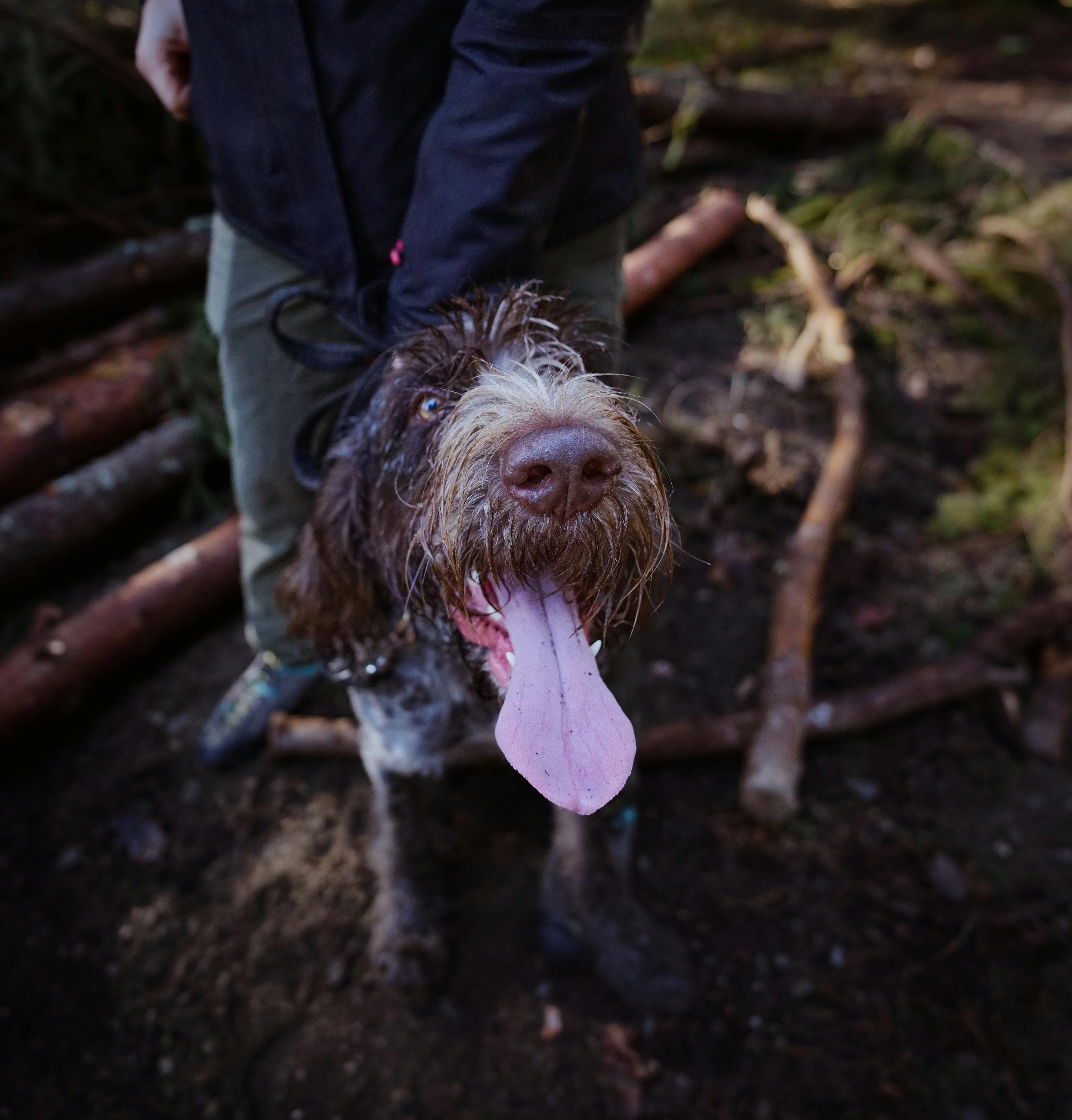
When you own a dog, their health is always on your mind. One common thing pet owners notice is their dog’s nose and if its wetness could mean something. Can a wet nose indicate illness in dogs? This question is important for any dog lover. Let’s dive into this, and also explore why do dogs have wet noses in the first place.
Why Do Dogs Have Wet Noses?
Dogs have wet noses for several reasons, and it’s not just about being cute or feeling good. Here are some fascinating facts about why dogs noses are typically wet:
Temperature Regulation: Dogs can’t sweat like humans do. Their noses help cool them down. The moisture on their nose evaporates and helps regulate their body temperature.
Sense of Smell: A wet nose enhances a dog’s ability to smell. The moisture helps trap scent particles, making it easier for them to pick up on different odors in their environment.
Health Indicator: A wet nose is often seen as a sign that a dog is healthy. However, this isn’t always true, and there are exceptions.
Behavioral Reasons: Dogs often lick their noses as a way to explore their surroundings. This action can keep their noses wet and enhance their sense of smell.
Can a Wet Nose Indicate Illness?
Now let’s break down the question many pet owners ask: can a wet nose indicate illness in dogs? The answer isn’t as straightforward as one might think. Here are some points to consider:
Normal Variation: It’s normal for a dog’s nose to be wet. However, if there’s a sudden change, it could be a sign of something wrong.
Signs of Dehydration: A dry nose can mean dehydration. If a dog’s nose is dry and warm, it could be time to check for other symptoms.
Fever or Illness: A dog’s temperature affects their nose. If your dog’s nose feels unusually dry and hot, it might indicate a fever or illness.
Nasal Discharge: If the wetness is due to discharge, it could indicate a respiratory issue or infection. Watery or colored discharge is something to take seriously.
Other Symptoms: Along with a wet or dry nose, watch for other signs of illness like lethargy, loss of appetite, or unusual behavior.
What to Watch For
When monitoring your dog’s health, it’s crucial to be observant. Here’s a list of symptoms that should prompt a visit to the vet:
Persistent Dryness: If your dog’s nose stays dry for an extended period.
Excessive Discharge: Any unusual discharge from the nose, especially if it’s colored.
Changes in Behavior: If your dog is more lethargic than usual or not eating.
Increased Thirst: If your dog seems to be drinking more water.
Coughing or Sneezing: Any respiratory symptoms should be taken seriously.
Interesting Facts About Dog Noses
Here’s a quick overview of some fun and interesting facts about dog noses:
Unique Patterns: Just like human fingerprints, every dog has a unique nose print.
Temperature Sensitivity: Dogs have a highly sensitive sense of smell, about 10,000 to 100,000 times better than humans.
Nasal Folds: The folds in your dog’s nose help to capture scent particles more effectively.
Health Check: Vets often check a dog’s nose as part of an initial health assessment, but it’s just one factor among many.
Final Thoughts
So, can a wet nose indicate illness in dogs? It can, but it’s not the only indicator of your dog’s health. Understanding why dogs have wet noses and what changes to look for can help you keep your furry friend healthy. Always remember that if you notice anything unusual, consulting with a veterinarian is the best course of action. Keeping an eye on your dog’s overall behavior and health will go a long way in ensuring they live a happy and healthy life.
Conclusion
In conclusion, the wet noses of dogs serve multiple important functions that contribute to their overall health and well-being. The moisture helps enhance their sense of smell, allowing them to detect scents more effectively in their environment. Additionally, a dog’s wet nose plays a crucial role in thermoregulation, helping to cool them down in warmer weather. While some may wonder if a wet nose is a sign of good health, it’s essential to recognize that variations can occur based on factors like activity level and temperature. Ultimately, understanding the biology behind a dog’s wet nose can deepen our appreciation for these beloved pets. So, the next time you greet your furry friend, take a moment to admire their unique features and remember how these attributes play a vital role in their daily lives. Share your thoughts or experiences with your dog’s wet nose in the comments below!
