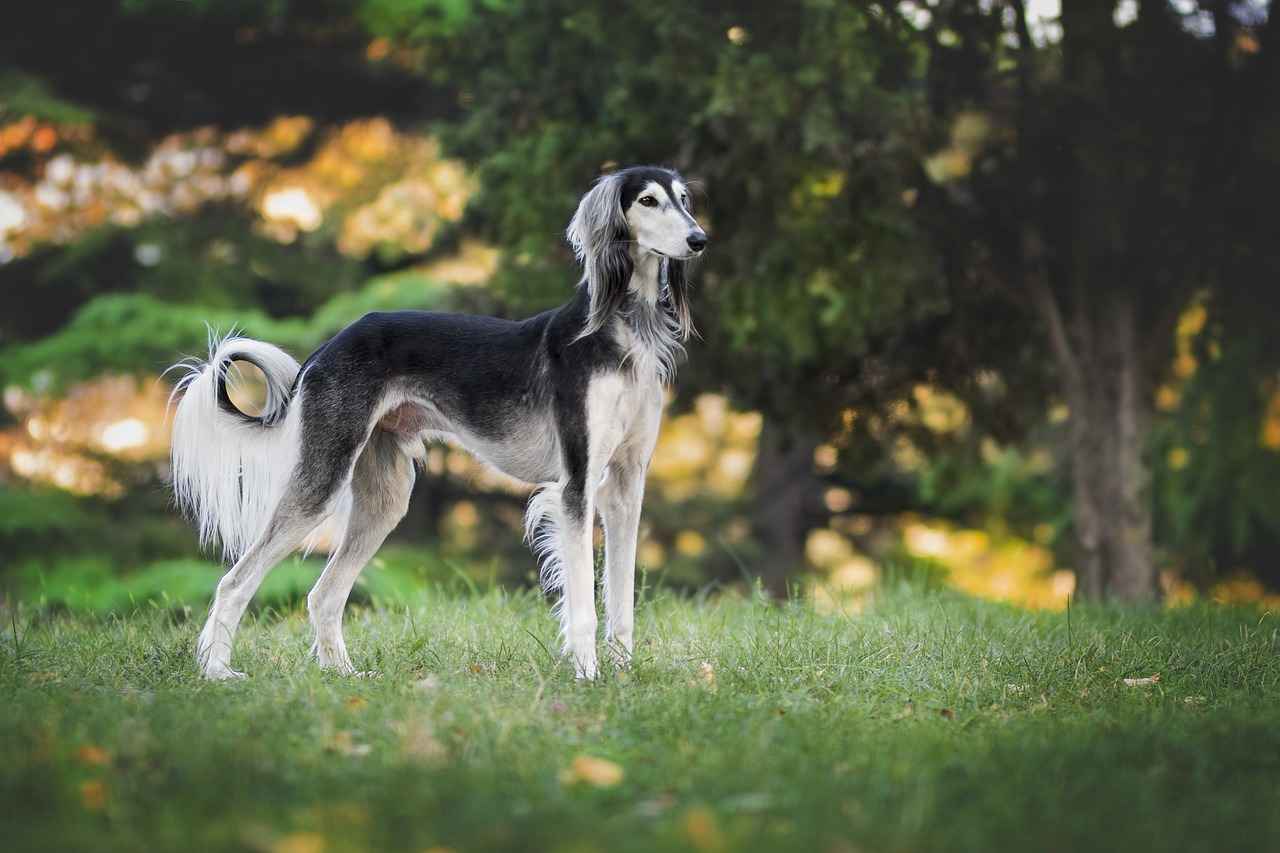
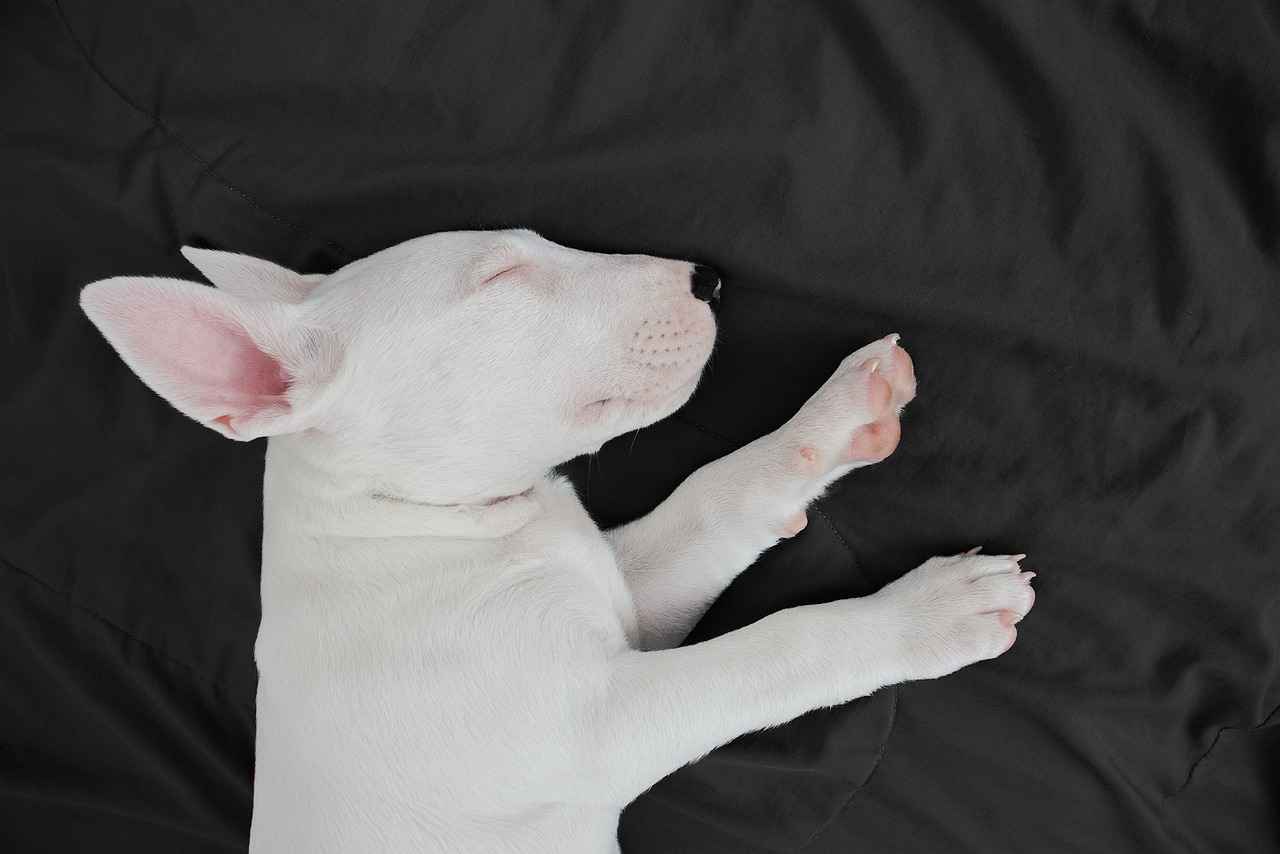
Have you ever wondered why do dogs have wet noses? This intriguing question sparks curiosity among dog lovers and pet owners alike! A dog’s nose is not just a cute feature; it serves several important functions that are fascinating to explore. Ever notice how a dog's nose is always moist? This moisture helps to enhance their sense of smell, making it one of the most powerful tools in their natural instincts. But that's not all! The wetness of a dog’s nose also plays a role in temperature regulation and keeping them cool. So, what makes dog noses wet? Is it a sign of health or merely an evolutionary trait? In this article, we will dive into the remarkable reasons behind this characteristic, unraveling the science and secrets of our canine companions. Whether you're a proud dog owner or simply curious about dog behavior, understanding why your furry friend has a wet nose will deepen your appreciation for their unique biology. Stick around to uncover the mysteries and learn how this simple trait connects to their overall well-being!
\n\nThe Science Behind Canine Noses: Why Are Dogs' Noses Wet?
\n\n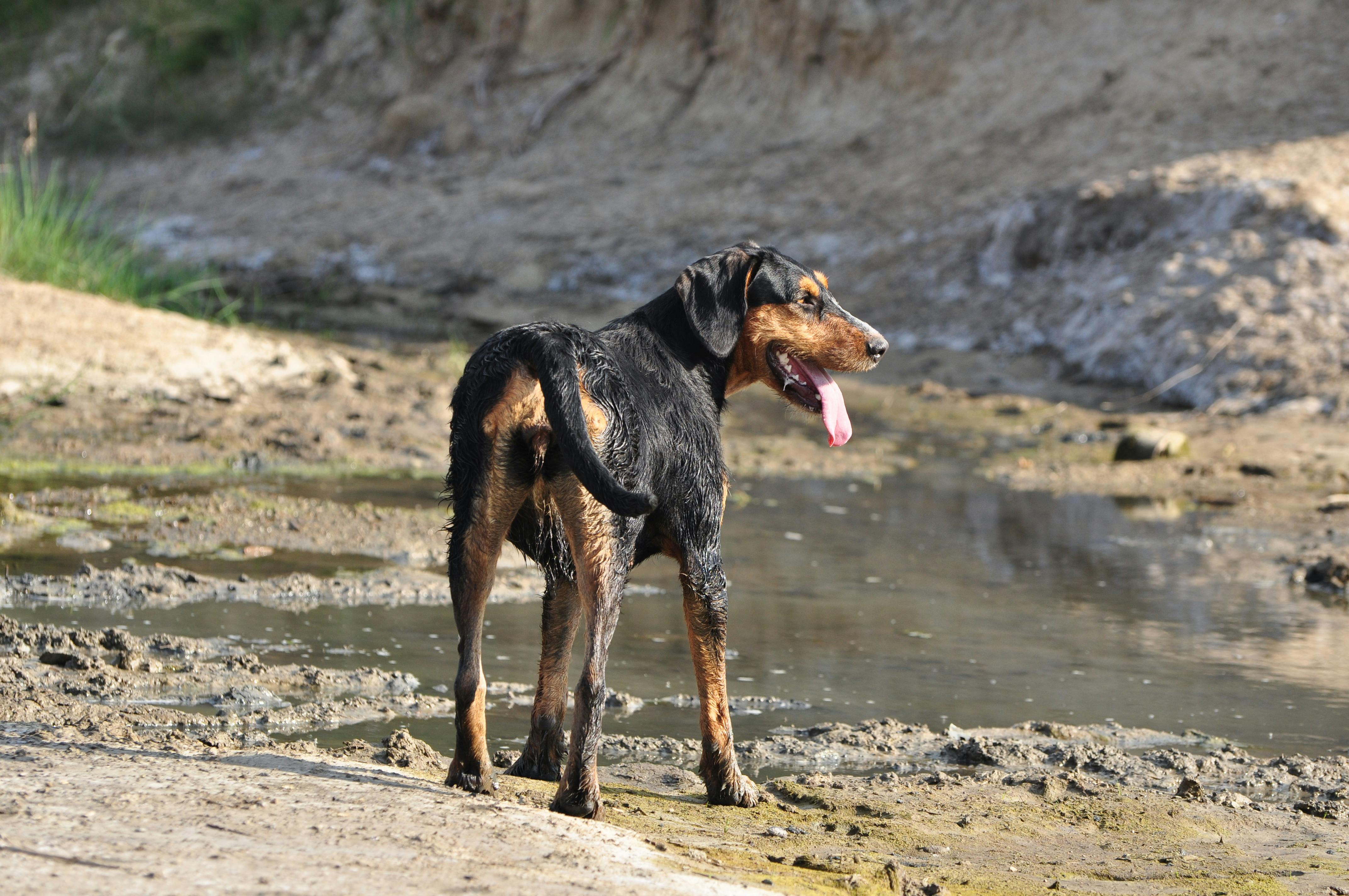 \n\n
\n\nDogs have been our companions for thousands of years, and their unique traits continues to fascinate pet owners and scientists alike. One of the most intriguing aspects about dogs is their noses. You might've wonder, why do dogs have wet noses? It’s a question that many dog lovers ask but few knows the scientific reasoning behind it. In this article, we dive into the fascinating world of canine noses and explore the science that explains why dogs’ noses are often moist.
\nThe Function of a Dog's Nose
\nDogs' noses are not only cute, but they also serve many important functions. The first thing to understand is that a dog's sense of smell is much more powerful than that of humans. In fact, dogs' noses have as many as 300 million olfactory receptors compared to only about 5 million in humans. This extraordinary ability allows dogs to detect scents at incredibly low concentrations. Wet noses play a crucial role in enhancing this olfactory prowess.
\nWhy Are Dogs' Noses Wet?
\nSo, why do dogs have wet noses? There are several fascinating reasons:
\n- \n
- \n
Cooling Mechanism: Dogs don’t sweat like humans do. Instead, they rely on their noses for a lot of their thermoregulation. A wet nose helps to cool down their body through evaporation, which is especially important during hot weather.
\n \n - \n
Enhanced Smelling: The moisture on a dog’s nose helps to trap scent particles. When the nose is wet, it can absorb more scent molecules, making it easier for a dog to identify and differentiate smells. This is why you often see dogs sniffing around—they’re gathering as much information as possible about their environment.
\n \n - \n
Health Indicator: A wet nose is often a sign of a healthy dog. While not always the case, changes in nose moisture can indicate health problems. For example, a dry nose could signify dehydration or illness.
\n \n - \n
Communication Tool: Dogs use their noses to communicate. When they greet other dogs, they often sniff each other’s noses, which can convey a lot of information about their health and mood. A moist nose can indicate friendliness and openness.
\n \n
Historical Context
\nThe domestication of dogs dates back to at least 15,000 years ago. These early canines were bred for specific traits, including hunting, herding, and companionship. The evolution of a wet nose may have come about as a natural adaptation to help dogs perform their roles more effectively. Over time, those traits that benefited the dog in its environment were selected for, leading to the wet noses we see today.
\nFun Facts About Dog Noses
\nHere are some interesting facts about dog noses that you might not know:
\n- \n
- Unique Patterns: Just like human fingerprints, every dog's nose print is unique. This means that it could potentially be used to identify individual dogs. \n
- Dogs Can Smell Diseases: Some dogs are trained to detect diseases such as cancer or diabetes through smell alone, thanks to their advanced olfactory senses. \n
- Nasal Mucus: The moisture on a dog's nose comes from mucus glands. This mucus not only helps in trapping scents but also keeps the nose from drying out. \n
- Temperature Regulation: A dog’s nose can actually help to regulate its body temperature, as mentioned earlier. When a dog is overheated, it may pant and keep its nose moist. \n
Caring for Your Dog's Nose
\nSince a wet nose is often a sign of good health, it’s important to take care of it. Here are some tips:
\n- \n
- Keep Them Hydrated: Make sure your dog has access to fresh water all day long. \n
- Regular Vet Check-ups: Regular veterinary visits can help catch any potential health issues affecting your dog's nose. \n
- Watch for Changes: If you notice that your dog's nose has become unusually dry or cracked, consult a veterinarian for advice. \n
Conclusion
\nThe science behind canine noses reveals much about our furry friends. From enhancing their sense of smell to playing a role in body temperature regulation, wet noses serve several vital purposes. Understanding why do dogs have wet noses not only enriches our appreciation for these animals but also helps us take better care of them. So the next time you see your dog’s wet nose, remember the fascinating reasons behind it!
\n\n5 Fascinating Facts About Why Dogs Have Wet Noses
\n\n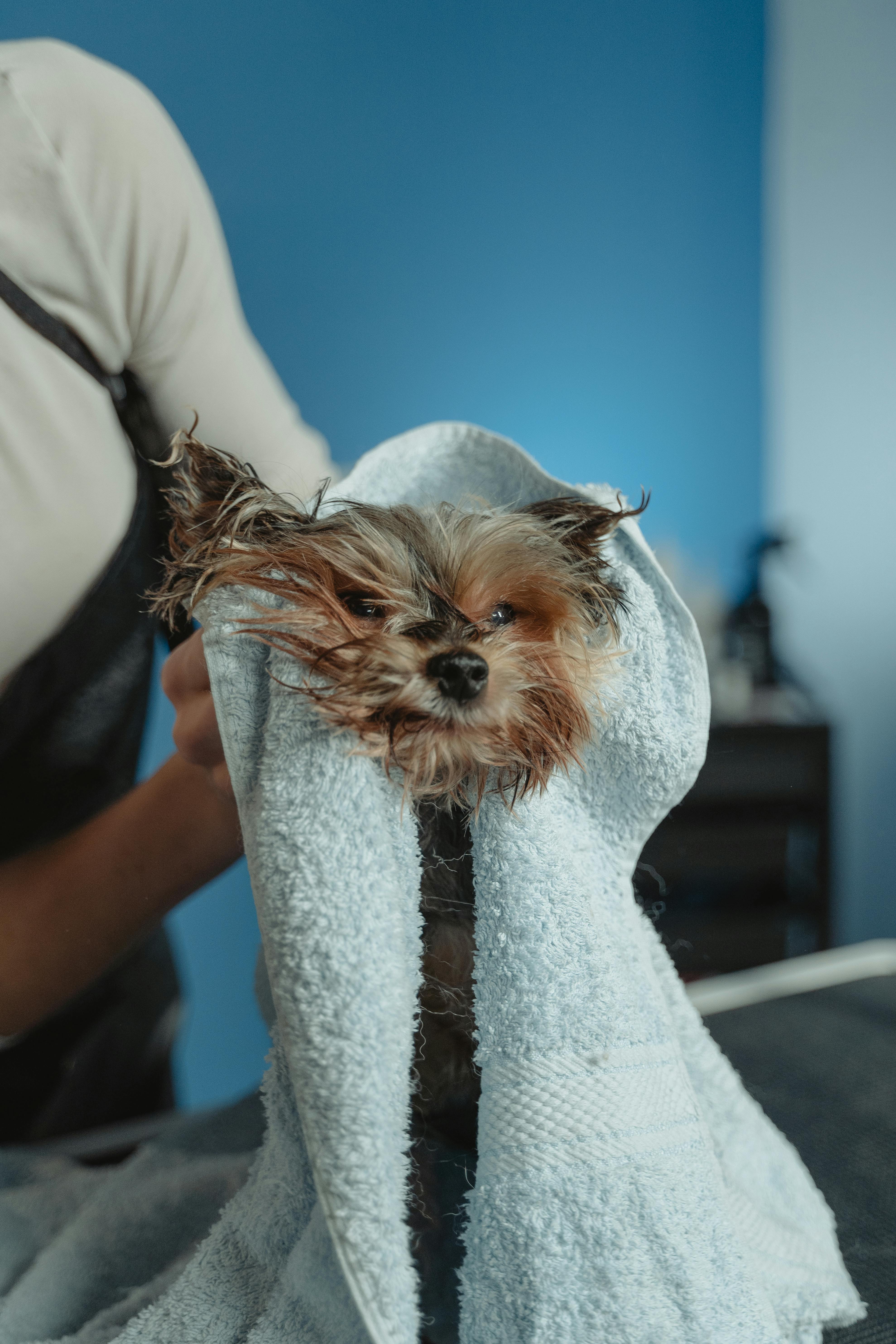 \n\n
\n\nDogs have always been a part of human life, loyal companions and playful friends. But one thing that often leaves dog owners curious is the reason behind their wet noses. Have you ever wondered why do dogs have wet noses? Well, there’s actually a lot more to it! Here are five fascinating facts that explain this unique trait of our furry pals.
\n1. A Sense of Smell Enhancement
\nOne of the primary reasons why dogs have wet noses is that it enhances their sense of smell. The moisture on a dog’s nose helps in capturing scent particles from the air. When a dog sniffs, their nostrils can pick up more smells because of the wetness. This is crucial for their survival and communication. It’s fascinating to think that a dog’s nose can have up to 300 million scent receptors, while humans only have about 5 million! This means dogs can sniff out things we couldn’t even dream of detecting.
\n2. Thermoregulation
\nDid you know that a dog’s nose also plays a role in regulating their body temperature? Just like humans sweat to cool down, dogs can use their wet noses to help them stay cool. When a dog pants, the moisture evaporates from their nose and helps to dissipate heat. It’s one of the ways dogs maintain their body temperature, especially during warm weather. So, when you see your dog with a particularly wet nose, it could be a sign they’re working to keep cool!
\n3. Communication Tool
\nDogs are social animals, and their noses can serve as a form of communication. A wet nose can indicate a variety of things to other dogs and their owners. For example:
\n- \n
- Excitement: A dog may have a wetter nose when they're happy or excited. \n
- Curiosity: Dogs often explore their environment with their noses, and a wet nose means they’re ready to discover. \n
- Stress: Sometimes, a nose that dries out can indicate stress or illness. \n
Understanding what a dog’s nose tells us can help owners better respond to their pet’s needs.
\n4. Health Indicators
\nA wet nose is often seen as a sign of a healthy dog. However, it’s not the only indicator of health. Here’s a quick list of other factors to consider:
\n- \n
- Temperature: A dog’s nose can be warm if they have a fever. \n
- Nasal discharge: If there’s excessive mucus, it may signal an infection or illness. \n
- Cracking: A dry, cracked nose might indicate dehydration or even allergies. \n
It’s important for pet owners to monitor their dog’s nose in conjunction with their overall behavior. If anything seems off, it’s always a good idea to consult a veterinarian.
\n5. Evolutionary Trait
\nThe wet nose is also an evolutionary trait that has been passed down through generations. Early dogs needed to have a keen sense of smell to hunt and survive. Their wet noses were an advantage in the wild, aiding in tracking prey and avoiding danger. As dogs evolved alongside humans, this trait remained prominent. It’s interesting to note that although many breeds have specific traits, the wet nose has remained a constant across different types of dogs.
\nSummary of Fascinating Facts
\nTo summarize, here’s a quick bullet-point list of why dogs have wet noses:
\n- \n
- Enhances their exceptional sense of smell. \n
- Helps in thermoregulation and cooling down. \n
- Acts as a communication tool between dogs and their owners. \n
- Serves as an indicator of health, along with other signs. \n
- An evolutionary trait that has helped dogs survive through the ages. \n
The next time you pet your dog and feel that cold, wet nose, you can appreciate the reasons behind it! From enhancing their sensory perception to helping them cool down, a dog’s wet nose is more than just an adorable feature. It’s a testament to their evolution, health, and communication skills.
\nSo, why do dogs have wet noses? It’s a question that opens up a world of fascinating facts and insights into the lives of our furry friends. Whether you’re a dog owner or simply an admirer of these amazing creatures, understanding the science behind their wet noses can deepen your appreciation for them. Dogs truly are remarkable, and their noses tell a story that reflects their needs, emotions, and health.
\n\nIs a Wet Nose a Sign of a Healthy Dog? Unraveling the Myths
\n\n \n\n
\n\nIs a wet nose a sign of a healthy dog? Many pet owners ask this question, thinking that a moist snout is a clear indicator of their furry friend's health. However, there’s more to the story than just the shine of a dog's nose. In this article, we will unravel the myths surrounding wet noses and explore why dogs have them in the first place.
\nThe Science Behind Wet Noses
\nFirst, let's dive into the science. Dogs have wet noses for several reasons. One of the main reasons is that a wet nose helps them to smell better. The moisture on a dog's nose helps capture scent particles, which enhances their sense of smell. Dogs have a superior olfactory system, and having a wet nose gives them an edge when it comes to sniffing out different smells.
\n- \n
- Moisture Retention: Dogs' noses naturally produce moisture to keep the scent receptors functioning optimally. \n
- Cooling Mechanism: Just like humans sweat, dogs can regulate their body temperature through their noses to some extent. \n
- Health Indicator: Although a wet nose is often linked with a healthy dog, it can sometimes indicate illness. \n
Myths About Wet Noses
\nThere are numerous myths surrounding the notion of a dog's nose and its implications for health. Some people believe that a warm or dry nose means the dog is sick. This is not entirely true. While a dog's nose can reflect their health status, it isn't the only or definitive measure. Here are some common myths:
\n- \n
- A Wet Nose Means a Healthy Dog: This is partially true; however, a dry nose doesn't automatically indicate sickness. \n
- Dogs’ Noses Should Always Be Cold: Temperature can fluctuate throughout the day, and it’s normal for noses to vary in temperature. \n
- A Runny Nose is Always Bad: Some dogs may have seasonal allergies, leading to a runny nose, which isn't necessarily harmful. \n
Factors Affecting Nose Moisture
\nSeveral factors can influence how wet or dry a dog's nose is. These include:
\n- \n
- Weather Conditions: Hot and dry weather can lead to a drier nose. \n
- Breed Characteristics: Certain breeds have naturally drier noses. \n
- Health Conditions: Illnesses, such as fever or dehydration, can lead to a dry nose. \n
Importance of Monitoring Your Dog’s Nose
\nWhile a wet nose can be a good sign, pet owners should keep an eye on other symptoms. If your dog’s nose suddenly becomes excessively dry, cracked, or there are other noticeable changes, it could be a sign of an underlying health issue. Here’s what to look for:
\n- \n
- Cracks or Sores: These can be painful and may need vet attention. \n
- Discoloration: Any significant changes in color might indicate allergies or other problems. \n
- Unusual Secretions: A runny nose with other symptoms may signal allergies or infections. \n
How to Care for Your Dog’s Nose
\nKeeping your dog's nose healthy is important. Here are some tips for caring for your dog's nose:
\n- \n
- Hydration: Ensure your dog is drinking enough water, especially in hot weather. \n
- Sun Protection: Apply pet-safe sunscreen on their noses if they spend a lot of time in the sun. \n
- Regular Vet Checkups: Regular visits to the vet can help catch any potential issues early. \n
Fun Facts About Dog Noses
\nDid you know that a dog's nose is unique, just like a human fingerprint? Here are a few more interesting facts:
\n- \n
- Dogs can detect certain smells up to 100,000 times better than humans. \n
- The surface of a dog’s nose has a specific pattern that can be used for identification. \n
- Dogs have more than 200 million scent receptors in their noses, compared to about 5 million in humans. \n
Conclusion
\nIn conclusion, while a wet nose can suggest that your dog is in good health, it is not the only measure of well-being. The moisture on a dog's nose plays an important role in their sense of smell and can be influenced by various factors. Understanding the myths, monitoring changes, and caring for your dog's nose can help keep them healthy and happy. So, the next time you pet your furry friend, remember that their nose might just tell you a story, but it’s only one part of the bigger picture when it comes to their overall health.
\n\nThe Role of a Dog's Wet Nose in Their Sense of Smell: An Insider's Look
\n\n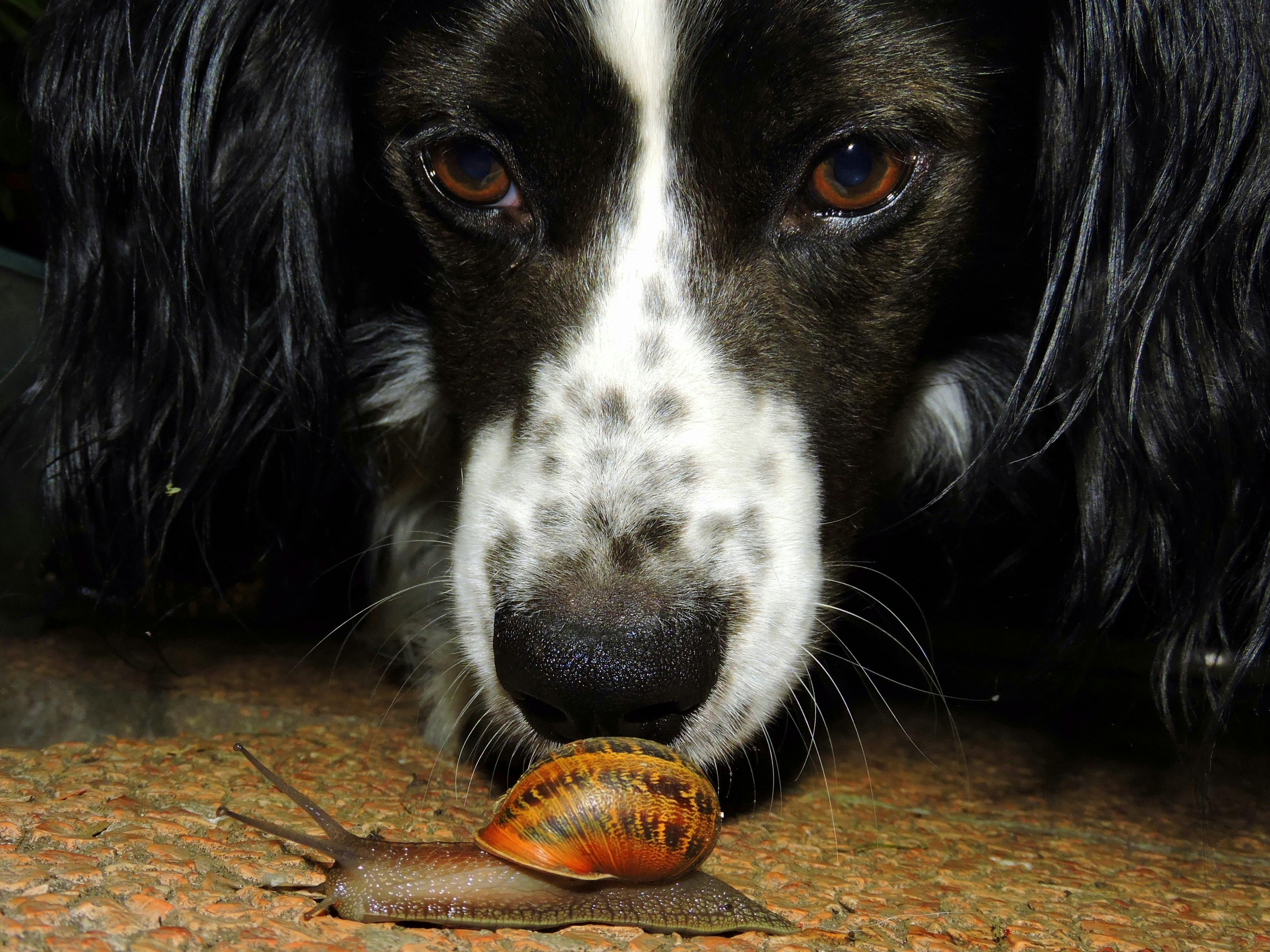 \n\n
\n\nDogs are often considered man's best friend, and part of what makes them so unique is their incredible sense of smell. But have you ever pondered why most dogs have wet noses? Their wet noses plays a vital role in how they smell, and understanding this can give us a deeper appreciation for our furry companions. Let’s dive into the fascinating reasons behind why dogs have wet noses and the essential role it plays in their olfactory abilities.
\nThe Science Behind a Dog's Sense of Smell
\nDogs are known to have up to 300 million smell receptors in their noses. In comparison, humans only have about 5 million. This difference allows dogs to detect scents at incredibly low concentrations. A dog's wet nose helps enhance their sense of smell in several ways:
\n- \n
- \n
Moisture and Scent Particles: A wet nose can trap scent particles better than a dry one. When the nose is moist, it can absorb more scent molecules, which helps dogs interpret smells more accurately.
\n \n - \n
Cooling Mechanism: Dogs don’t sweat like humans do. Their wet nose helps keep them cool, which is especially important during hot weather. A cooler nose can function better for scent detection.
\n \n - \n
Chemical Reception: The moisture on the nose helps dissolve odor molecules, making it easier for dogs to identify and recognize various scents.
\n \n
Historical Context: The Evolution of Dog Noses
\nThe evolution of a dog's sense of smell is quite fascinating. Dogs descended from wolves, which relied heavily on their sense of smell for hunting and survival. Over generations, domesticated dogs retained this sharp sense, but their noses have adapted to help them in different ways.
\n- \n
- \n
Hunting and Tracking: Early humans domesticated dogs for various tasks, including hunting. Dogs with superior olfactory senses were more likely to be favored, leading to the development of breeds with exceptional smelling abilities.
\n \n - \n
Working Dogs: In modern times, dogs are trained for various roles that utilize their sense of smell, including search and rescue, drug detection, and even medical diagnosis. Their wet noses play a crucial role in these tasks.
\n \n
Why Do Dogs Have Wet Noses? The Fascinating Reasons
\nNow, let's look at some of the more intriguing reasons why dogs have wet noses.
\n- \n
- Natural Lubrication: The moisture produced by a dog's nose helps keep it lubricated. This lubrication is essential for optimal smell function. \n
- Temperature Regulation: Dogs primarily regulate their body temperature through their noses. The wetness from their noses helps cool them down on hot days. \n
- Health Indicator: A dog's nose can be an indicator of their health. A dry or excessively warm nose might suggest illness, while a consistently wet nose is often a sign of a healthy dog. \n
- Social Signaling: Dogs use their noses to communicate with each other. A wet nose can be a friendly greeting or an invitation to play. \n
Fun Facts About Dog Noses
\n- \n
- Dogs can differentiate between a vast array of smells, allowing them to detect specific scents like drugs or explosives. \n
- The texture of a dog’s nose is unique, similar to a human fingerprint. No two dog noses are alike! \n
- Dogs have a special organ called the Jacobsen's organ that helps them "taste" smells. \n
Practical Implications for Dog Owners
\nAs dog owners, understanding the significance of a dog’s wet nose can help you take better care of your pet. Here are some practical implications:
\n- \n
- Regular Vet Check-Ups: Keep an eye on your dog's nose. If it becomes persistently dry or develops sores, it could be time to visit the vet. \n
- Hydration: Ensure your dog stays hydrated. A well-hydrated dog will maintain a healthy, moist nose. \n
- Environmental Awareness: Be mindful of the weather. If it’s hot outside, make sure your dog has access to shade and fresh water to help keep their nose moist. \n
Conclusion
\nThe role of a dog's wet nose is more than just an adorable feature; it’s a complex adaptation that enhances their sense of smell, aids in body temperature regulation, and serves as a health indicator. The intricate relationship between a dog's wet nose and their olfactory abilities showcases the incredible biology of our canine companions. So next time you see your dog sniffing around, remember, their wet nose is working hard to understand the world around them!
\n\nWhy Do Dogs' Noses Get Wet? Exploring Environmental Influences
\n\n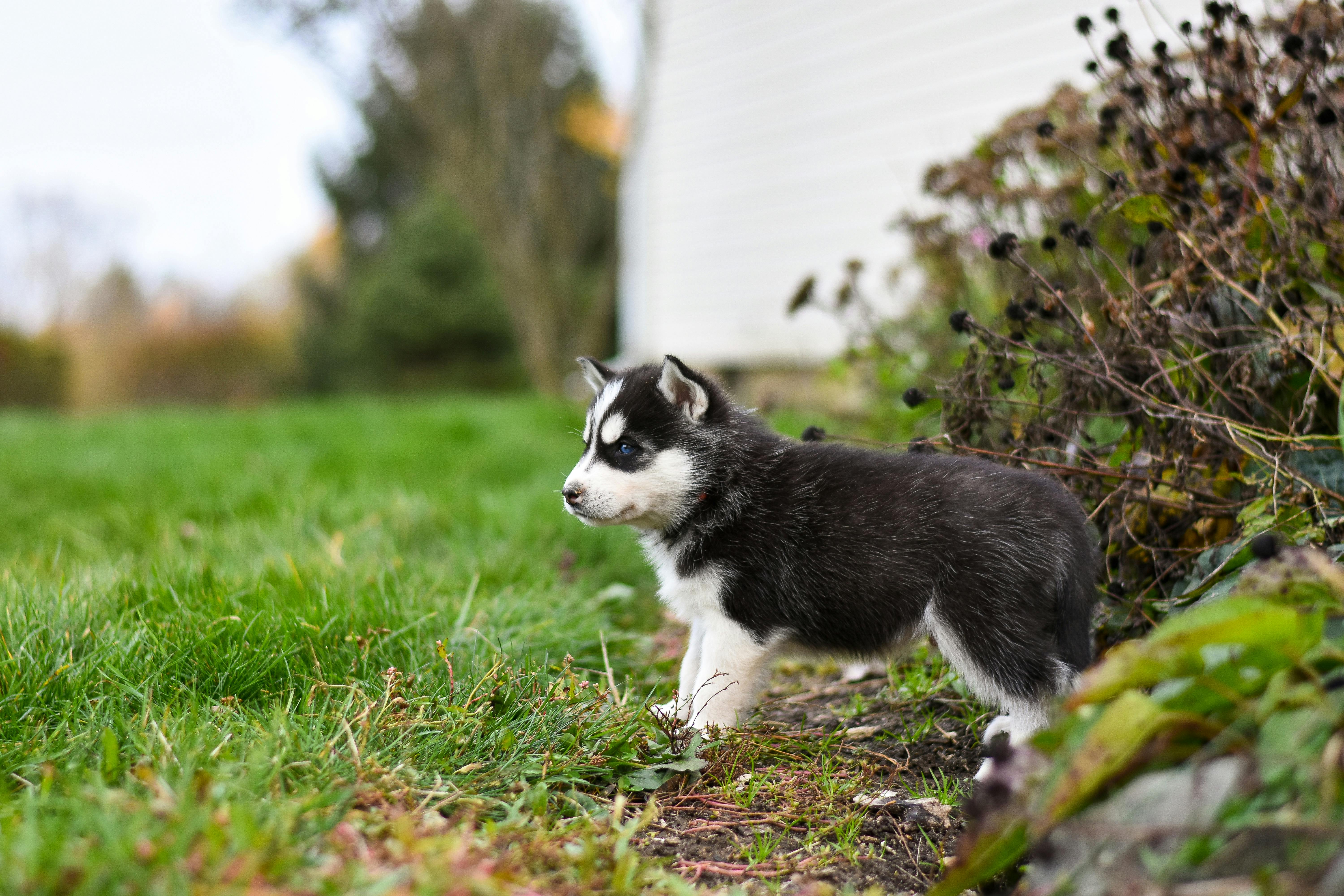 \n\n
\n\nHave you ever noticed how your dog’s nose is often wet? It’s not just for show, there’s actually some fascinating science behind it. Understanding why do dogs have wet noses can help us appreciate our furry friends even more. Let’s explore the environmental influences and reasons that make those canine noses moist.
\nThe Anatomy of a Dog's Nose
\nFirst off, it’s important to know that a dog’s nose is a complex organ. Dogs have a very keen sense of smell, which is way better than humans. Their noses are packed with scent receptors, estimated to be around 300 million! In contrast, humans only have about 5 million. This sheer number of receptors means that dogs depend on their noses for a lot of information about their world.
\nWhy Do Dogs’ Noses Get Wet?
\nSo, why do dogs’ noses get wet in the first place? There’s several reasons.
\n- \n
- \n
Perspiration: Dogs don’t sweat like humans do. Instead, they regulate their body temperature primarily through panting. However, their noses can get wet because of a small amount of perspiration.
\n \n - \n
Environmental Moisture: When dogs sniff around, they often pick up moisture from the environment. This moisture can come from dew on grass, rain, or even a humid day. Their noses absorb some of this moisture, making them wet.
\n \n - \n
Nasal Secretion: Dogs produce a mucus that helps them to smell better. This mucus can make their noses appear shiny and wet. It also helps to trap scent particles, enhancing their ability to detect smells.
\n \n - \n
Behavioral Factors: When dogs get excited or are in an unfamiliar place, their noses can get wet due to increased activity. They might lick their noses when they’re curious or anxious, adding to the moisture.
\n \n
A Few Fun Facts About Dogs' Noses
\n- \n
- \n
Temperature Regulation: A wet nose helps to cool a dog down, acting like a natural air conditioning system. It’s like a built-in thermostat!
\n \n - \n
Health Indicator: A dog’s nose can be an indicator of health. A healthy dog usually has a moist, cool nose. If a dog’s nose is dry and warm, it might suggest they’re unwell or dehydrated.
\n \n - \n
Unique Patterns: Just like human fingerprints, every dog’s nose print is unique. This means that nose prints can be used as a form of identification!
\n \n
Comparison: Dogs vs. Cats
\nWhen you compare dogs and cats, you’ll notice some differences in their noses.
\n- \n
- \n
Dogs: Dogs have moist noses, which are crucial for their sense of smell. They use their noses to gather scents from the environment and communicate with other animals.
\n \n - \n
Cats: In contrast, cats have drier noses. They also have a good sense of smell, but not as advanced as dogs. Their noses can get slightly moist when they are feeling unwell or are in a humid environment.
\n \n
Practical Examples of Dog Nose Care
\nTaking care of your dog's nose is important. Here’s some tips on how to keep it healthy:
\n- \n
- \n
Hydration: Ensure your dog has access to fresh water. Dehydration can lead to a dry nose, which is not ideal.
\n \n - \n
Temperature: Keep your dog cool on hot days. A wet nose can help, but too much heat can be harmful.
\n \n - \n
Regular Checks: Look at your dog’s nose regularly. If you see any cracks, sores, or a persistent dry nose, it’s best to consult a vet.
\n \n - \n
Licking Behavior: If your dog is licking its nose excessively, it could be a sign of anxiety or an underlying health issue. Monitor this behavior and consult a professional if it continues.
\n \n
Conclusion
\nThe wet, cold nose of a dog is not just an endearing trait but a key aspect of their biology. From environmental influences to their unique physiology, understanding why do dogs have wet noses can deepen our bond with them. Whether it’s the cool touch on your hand or the way they sniff around your home, those wet noses are full of fascinating functions. So next time you pet your dog, take a moment to appreciate that little detail that makes them special!
\n\nHow Dog Breeds Affect Nose Moisture: What Every Pet Owner Should Know
\n\n \n\n
\n\nWhen it comes to our furry companions, many pet owners might not think much about the moisture of their noses. However, understanding how dog breeds affect nose moisture can be really fascinating and also important for their health. Wet noses are often seen as a sign of a happy and healthy dog, but why do dogs have wet noses in the first place? Let’s dive into the reasons behind this characteristic and explore what every pet owner should know.
\nThe Science Behind Wet Noses
\nDogs have wet noses for several reasons, and it’s not just because they like to stick their noses in water. Here’s a breakdown of the most significant factors:
\n- \n
- \n
Cooling Mechanism: Dogs don’t sweat like humans do. Instead, they cool off through panting and the moisture on their noses. The wetness helps to regulate their body temperature, which is crucial on hot days.
\n \n - \n
Enhanced Smell: A moist nose helps to improve a dog’s sense of smell. The moisture traps scent particles, making it easier for dogs to detect odors. This is especially important given that a dog’s sense of smell is far superior to that of humans.
\n \n - \n
Health Indicator: Generally, a wet nose is associated with a healthy dog. If a dog’s nose becomes dry or cracked, it could be a sign of dehydration or illness.
\n \n
Dog Breeds and Nose Moisture
\nDifferent dog breeds can exhibit varying levels of nose moisture. Some breeds naturally have wetter noses due to their genetic makeup, while others may have drier noses. Here’s a look at some examples:
\n- \n
- \n
Breeds with Typically Wet Noses:
\n- \n
- Labrador Retrievers \n
- Golden Retrievers \n
- Beagles \n
\n - \n
Breeds with Drier Noses:
\n- \n
- Bulldogs \n
- Pugs \n
- Shih Tzus \n
\n
What Affects Nose Moisture?
\nSeveral factors can influence the moisture of a dog’s nose. These include:
\n- \n
- \n
Weather Conditions: Hot and dry weather can lead to a drier nose, while cool and humid conditions can keep noses moist.
\n \n - \n
Health Issues: Conditions like allergies, infections, or autoimmune diseases can cause changes in a dog’s nose moisture levels.
\n \n - \n
Age: Older dogs may experience changes in their moisture levels due to health issues or simply because of aging.
\n \n
Signs of Concern
\nPet owners should keep an eye on their dog’s nose moisture. Here are some signs that might indicate an issue:
\n- \n
- Nose is excessively dry or cracked \n
- Changes in color or texture \n
- Excessive discharge or bleeding \n
- Accompanied by symptoms like lethargy, vomiting, or loss of appetite \n
Practical Tips for Pet Owners
\nTo ensure your dog maintains a healthy nose moisture level, consider these practical tips:
\n- \n
- \n
Stay Hydrated: Make sure your dog has constant access to clean water. Hydration is key to nose moisture.
\n \n - \n
Regular Vet Check-ups: Routine vet visits can help catch any potential health issues before they become serious.
\n \n - \n
Watch the Weather: During hot weather, provide cooling mats or shaded areas for your furry friend.
\n \n - \n
Balanced Diet: A proper diet rich in omega fatty acids can help keep your dog’s skin and nose healthy.
\n \n
Conclusion
\nUnderstanding how dog breeds affect nose moisture can help pet owners better care for their companions. Knowing why do dogs have wet noses and the factors that influence it can enhance the bond between the owner and their pet. A wet nose is not just a lovely characteristic; it’s a vital part of your dog's health and well-being. Keeping an eye on your dog's nose and addressing any changes can lead to a happier, healthier life for your furry friend. Always remember, a wet nose is often a sign of a happy pup!
\n\n7 Surprising Benefits of a Dog's Wet Nose for Their Well-Being
\n\n \n\n
\n\nDogs are often known for their adorable features, but one thing that stands out the most is probably their wet noses. It’s fascinating to think about why do dogs have wet noses, and more importantly, what benefits this brings to their well-being. You might be surprised to learn that a dog's wet nose is not just a quirk of nature; it serves several significant purposes. Here’s a look at 7 surprising benefits of a dog’s wet nose and why they play an essential role in a dog's life.
\n1. Enhanced Sense of Smell
\nOne of the most important reasons for a dog’s wet nose is its impact on their sense of smell. Dogs have an astonishing ability to detect scents, and their wet noses help in this process. The moisture on their noses captures scent particles from the air, making it easier for them to identify smells. This is why dogs are often used in search and rescue missions and in various law enforcement roles.
\n2. Temperature Regulation
\nDid you know that a wet nose helps dogs regulate their body temperature? Dogs can’t sweat like humans do, so they rely on other methods to cool down. The moisture on their noses evaporates, which helps to lower their body temperature. It’s like nature’s air conditioning! So, when you see your dog with a particularly wet nose, it might be trying to cool off, especially during hot summer days.
\n3. Social Interaction and Communication
\nDogs use their noses not just for smelling but also for social interaction. A wet nose can indicate excitement or affection. When a dog nudges you with a moist snout, it’s often a sign they want your attention or affection. This communication is vital for strengthening the bond between dogs and their humans.
\n4. Health Indicator
\nA wet nose can also be an indicator of a dog's health. Generally, a moist nose is associated with a healthy dog. If a dog’s nose becomes dry and cracked, it might signal dehydration or illness. Observing changes in your dog’s nasal moisture can provide important clues about their overall health. Regular checks can help you catch potential health issues early.
\n5. Protection Against Illness
\nDogs have a fascinating ability to detect illnesses in humans, and their wet noses contribute to this skill. The moisture on their noses can pick up on pheromones and other chemical signals that indicate changes in a person’s health. Some dogs have even been trained to alert their owners to conditions like diabetes or cancer. Their keen sense of smell, combined with the wetness of their noses, makes them incredibly perceptive.
\n6. Hydration and Moisture Retention
\nDid you know that a dog's nose also plays a role in maintaining hydration? The moisture on their noses helps to prevent dehydration. When dogs lick their noses, they are not just keeping it wet; they’re also ensuring they consume some moisture, which can be beneficial, especially in dry environments. This might be why you notice your furry friend frequently licking their nose!
\n7. Enhanced Playfulness
\nA wet nose often equals a playful dog. When dogs are excited or ready to play, their noses tend to be wetter. This is because they are more active, running around and engaging in play, leading to more moisture on their noses. So, a wet nose can be a sign that your dog is in a good mood and ready for some fun!
\nSummary of Benefits
\nHere’s a quick rundown of the benefits of a dog’s wet nose:
\n- \n
- Enhanced sense of smell \n
- Temperature regulation \n
- Social interaction and communication \n
- Health indicator \n
- Protection against illness \n
- Hydration and moisture retention \n
- Enhanced playfulness \n
Each of these benefits highlights the importance of a dog’s wet nose in their daily life and overall well-being. Understanding why do dogs have wet noses can deepen your appreciation for these lovable pets.
\nIn the end, the next time you give your dog a scratch behind the ears, take a moment to appreciate their wet nose. It’s not just a cute feature; it’s a vital part of their health and happiness. With all these fascinating reasons, it's clear that a dog's wet nose is more than just a charming trait; it’s a crucial aspect of their existence.
\n\nDo Dogs Sweat Through Their Noses? Debunking Common Misconceptions
\n\n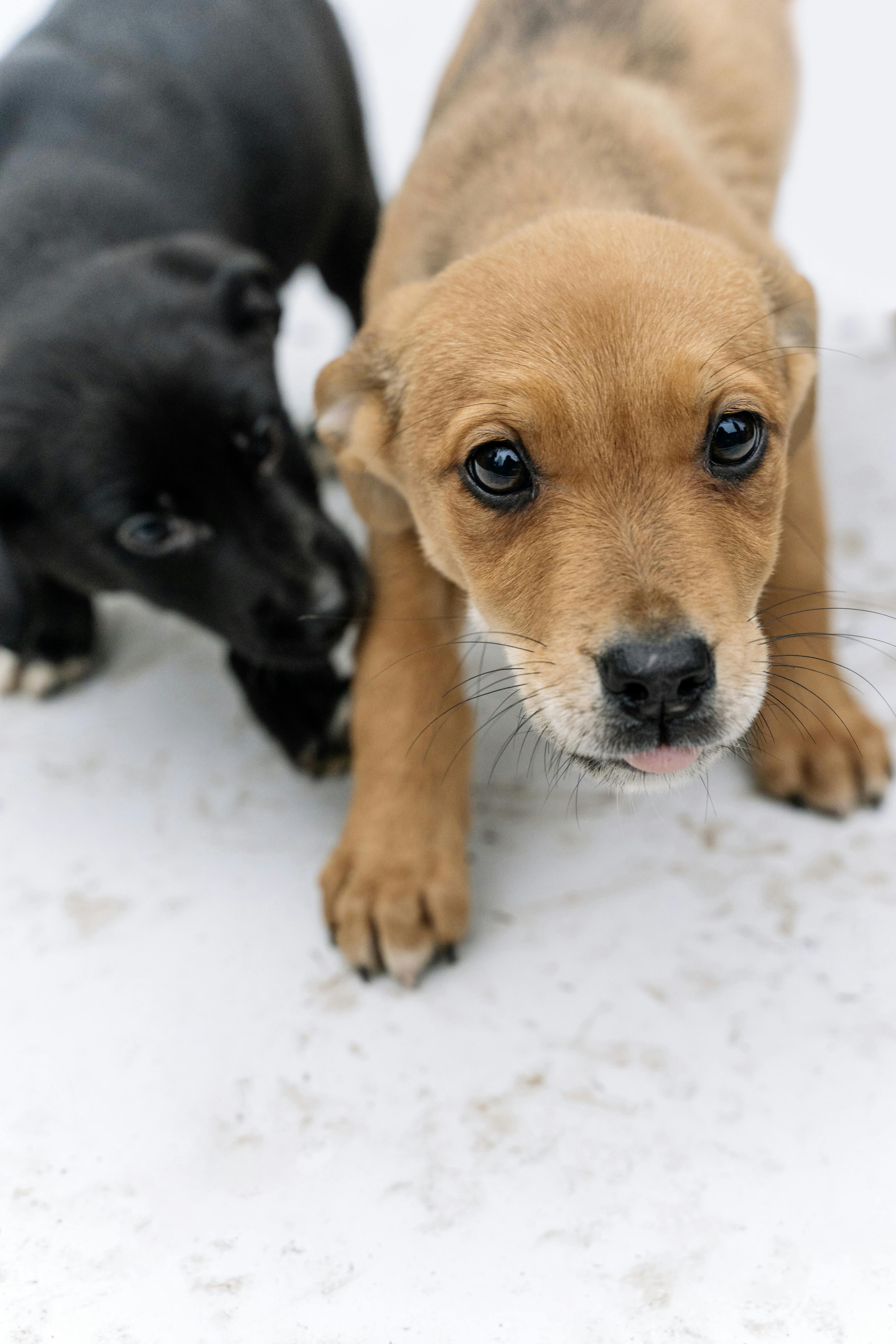 \n\n
\n\nDo Dogs Sweat Through Their Noses? Debunking Common Misconceptions, Why Do Dogs Have Wet Noses? Discover the Fascinating Reasons!
\nMany dog owners often wonder about their furry companions’ unique traits, especially when it comes to their noses. One of the most common questions is, do dogs sweat through their noses? It’s a fair question, but the answer may surprise you. Let’s dive into the science behind why dogs have wet noses and clear up some misconceptions.
\nThe Science of Dog Sweat
\nFirst off, dogs don’t actually sweat through their noses. Unlike humans, who have sweat glands all over their bodies, dogs primarily regulate their body temperature through panting and only have a few sweat glands located in their paw pads. This leads many to believe that their moist noses must serve a similar purpose, but that’s not the whole story.
\n- \n
- Dogs have sweat glands, but they are limited. \n
- Panting is the main way dogs cool off. \n
- Wet noses serve multiple purposes beyond temperature regulation. \n
Why Are Dogs' Noses Wet?
\nYou might wonder then, why do dogs have wet noses? The answer lies in a combination of biological and behavioral factors. A wet nose can be beneficial for several reasons:
\n- \n
- \n
Enhanced Sense of Smell: Dogs have an incredible sense of smell that is much better than humans. The moisture on their noses helps to capture scent particles in the air. This moisture does more than just feel good; it keeps their sense of smell sharp.
\n \n - \n
Temperature Regulation: While they don't sweat through their noses, the moisture does assist in regulating body temperature to a certain extent. When a dog pants, the evaporation of moisture from their nose can help cool them off slightly.
\n \n - \n
Communication: A dog's nose can also play a role in social interaction. Dogs often sniff each other’s noses as a way of greeting and gathering information about each other. A wet nose might make this interaction more inviting.
\n \n - \n
Health Indicator: The condition of a dog’s nose can sometimes indicate their health. A dry or cracked nose might suggest dehydration or illness, while a wet nose generally signals that a dog is healthy and hydrated.
\n \n
Common Misconceptions About Dog Noses
\nThere are many myths surrounding dog noses that can lead to confusion. Here are some of the most prevalent misconceptions:
\n- \n
- \n
Myth 1: Dogs Only Have Wet Noses When They’re Sick
\n
\nIn reality, a wet nose is usually a sign of good health. Dogs can have varying levels of moisture on their noses throughout the day. \n - \n
Myth 2: Dogs Sweat Through Their Noses
\n
\nAs mentioned earlier, dogs do not sweat through their noses. They primarily rely on panting and their paw pads for cooling. \n - \n
Myth 3: All Dogs Have the Same Nose Temperature
\n
\nDogs’ noses can vary in temperature based on activity level, environment, and health. A warm nose isn’t always a bad sign! \n
Fascinating Facts About Dog Noses
\nHere’s a quick rundown of some fascinating facts about dog noses that you might not know:
\n- \n
- Dogs have up to 300 million olfactory receptors, compared to about 6 million in humans. \n
- The texture of a dog’s nose can be unique, similar to a human fingerprint. \n
- The moisture on a dog’s nose can evaporate quickly, so it might not always be wet. \n
- Dogs can actually “taste” scents through their vomeronasal organ, which is located near their nasal passages. \n
Practical Tips for Dog Owners
\nMaintaining your dog's nose is also important for their overall health. Here are some practical tips:
\n- \n
- Hydrate Your Dog: Make sure your dog has constant access to fresh water to keep their nose and body hydrated. \n
- Regular Vet Check-Ups: If you notice any significant changes in your dog’s nose, such as excessive dryness or cracks, consult your vet. \n
- Watch the Weather: In hot weather, be mindful of your dog’s panting and provide them with cool areas to rest. \n
Comparing Dog Noses to Human Noses
\nHere’s a quick comparison of dog noses and human noses:
\n| Feature | \nDog Nose | \nHuman Nose | \n
|---|---|---|
| Sweat Glands | \nFew, mostly in paws | \nMany all over body | \n
| Sense of Smell | \nHighly developed (300 million) | \nLess developed (6 million) | \n
| Temperature Regulation | \nMainly through panting | \nSweating all over body | \n
| Wetness | \nTypically wet, aids in smell | \nGenerally dry, unless sweating | \n
Understanding the quirks of your dog’s anatomy can help you care for your furry friend better. Their wet noses are more than just a cute feature; they play vital roles in their health and behavior. Next time you see your dog with that
\n\nThe Connection Between a Dog's Mood and Their Moist Nose: What to Watch For
\n\n \n\n
\n\nDogs are often considered man's best friend, but did you ever wonder about the connection between their mood and those moist noses? One minute they are wagging their tails, and the next they seem to be sulking in the corner. Understanding why dogs have wet noses can help you read their feelings better and know when something might be off. Let’s uncover the fascinating reasons behind those wet noses and what they can say about your furry companion’s emotional state.
\nWhy Do Dogs Have Wet Noses?
\nDogs’ noses are moist for several interesting reasons. First off, the wetness helps them pick up scents better. Dogs have an extraordinary sense of smell—up to 100,000 times better than humans! Their wet noses trap scent particles, making it easier for them to sniff out food, other animals, or even you.
\nHere’s a quick list of some reasons why dogs’ noses are wet:
\n- \n
- Enhanced Scent Detection: Moisture captures and holds scent particles. \n
- Temperature Regulation: Dogs do not sweat like humans; they rely partly on their noses to cool down. \n
- Health Indicator: A wet nose is often seen as a sign of a healthy dog, while a dry nose may indicate dehydration or illness. \n
The Mood Connection: What to Watch For
\nYou might be surprised to learn that a dog's nose can reflect not only their health but also their mood. A happy dog usually has a moist and cool nose, while a stressed or anxious dog might have a warmer or drier nose. Here are some signs to look for:
\n- \n
- Wet and Cool: Happy and relaxed state \n
- Warm and Dry: Possibly sick or stressed \n
- Excessively Runny: Could indicate allergies or infections \n
- Cracked or Dry: May need hydration or could suggest a skin issue \n
How to Interpret Your Dog’s Nose
\nUnderstanding your dog's nose condition can help you gauge their mood and health. Here's a handy guide to interpreting different nose conditions:
\n| Condition | \nMood/Health Indicator | \n
|---|---|
| Wet and Cool | \nHappy, relaxed dog | \n
| Dry and Warm | \nPotential illness or stress | \n
| Excessively Runny | \nAllergies or infection | \n
| Cracked or Flaky | \nDehydration or skin issue | \n
Historical Context: Dogs' Noses Through Time
\nHistorically, dogs have been valued for their keen sense of smell. Ancient civilizations used dogs for hunting, tracking, and even in some cases, locating lost individuals. The wet nose is not just a quirky feature; it has been essential for their roles in human society.
\n- \n
- Tracking and Hunting: Early humans relied on dogs’ sense of smell to find food and track animals. \n
- Search and Rescue: Today, dogs are often trained to locate missing persons or even detect drugs and explosives. \n
- Medical Detection: Some dogs can sniff out diseases like cancer or diabetes, showcasing their incredible olfactory capabilities. \n
What to Do if Your Dog's Nose Changes
\nIf you notice a sudden change in your dog's nose condition, it might be a good idea to consult a veterinarian. Here are some actions you can take:
\n- \n
- Observe Behavior: Is your dog acting differently? Eating less? These can be signs of stress or illness. \n
- Check Hydration: Ensure your dog is drinking enough water, especially in hot weather. \n
- Examine Their Environment: Changes at home, like new pets or moving, can affect their mood. \n
- Visit the Vet: If issues persist, a vet check-up can rule out potential health problems. \n
The Importance of Interaction
\nBeyond just watching their noses, interacting with your dog can also help improve their mood. Dogs are social animals, and regular play, walks, and training can keep them happy and engaged.
\n- \n
- Playtime: Engage in games like fetch or tug-of-war to bond and uplift their spirit. \n
- Training: Teaching your dog new tricks or commands keeps their mind sharp and builds a stronger relationship. \n
- Socialization: Regularly meeting other dogs and people helps them feel more secure and less anxious. \n
Now, next time you pet your dog, pay attention to that moist nose. It can tell you if they are happy, stressed, or even under the weather. With the right knowledge, you can better understand your furry friend's needs and help maintain their well-being. So, grab that leash and head out for a walk, because a happy dog with a wet nose is always ready for an adventure!
\n\nWet Noses and Bonding: How Your Dog Uses Their Nose to Communicate
\n\n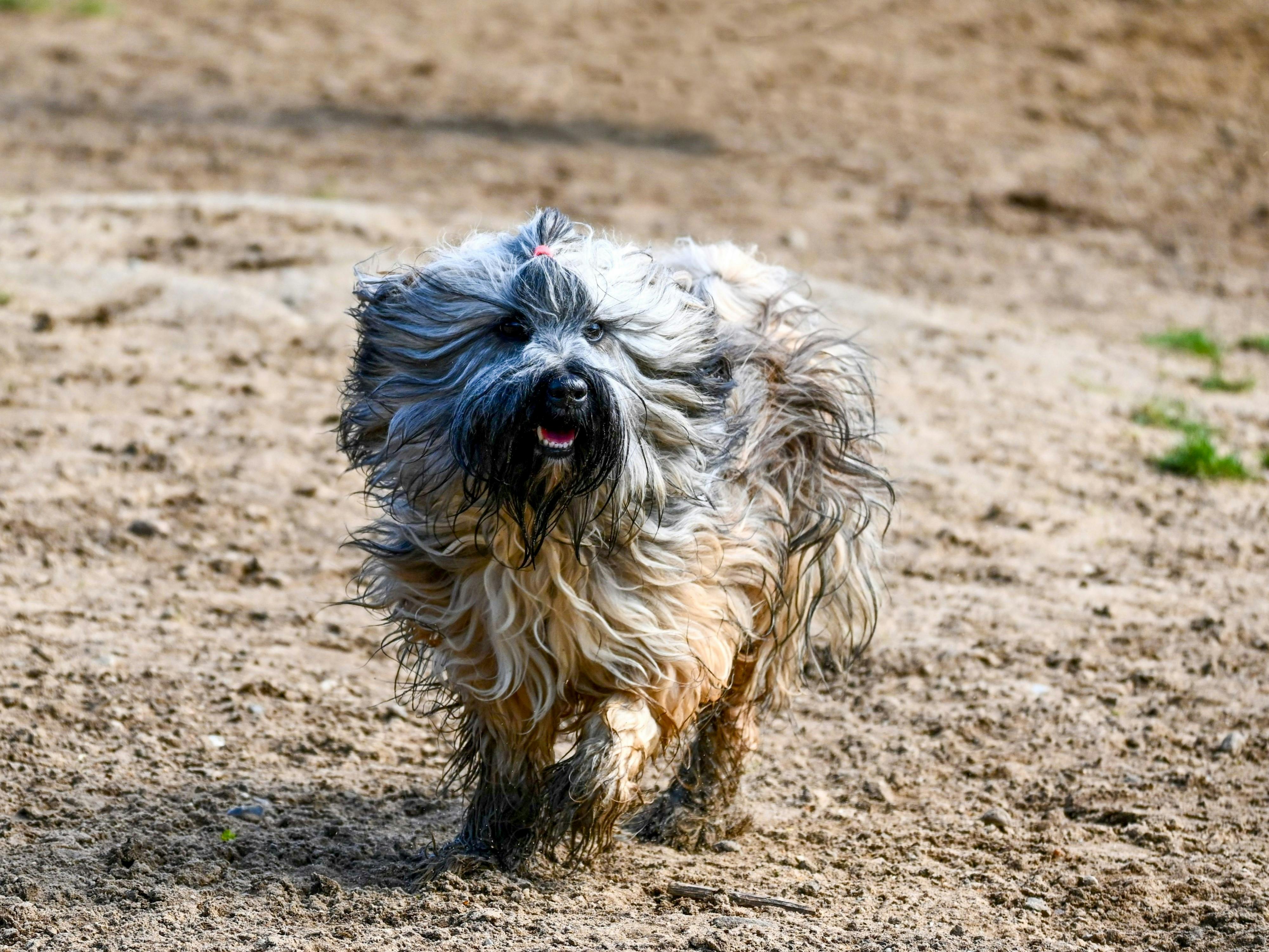 \n\n
\n\nHave you ever wondered why dogs’ noses are always wet? It’s one of those quirky traits that many of us might’ve noticed, but few of us really think about. Wet noses play a huge role in how dogs interact with the world and communicate with us. In this article, we’re gonna explore the science behind those damp snouts, how dogs use their sense of smell, and why bonding with your furry friend can be enhanced by understanding their unique way of communicating.
\nWhy Do Dogs Have Wet Noses?
\nDogs have wet noses for several interesting reasons. First, let’s talk about how a dog’s nose works. Unlike humans, whose sense of smell is pretty limited, dogs can detect scents that are thousands of times weaker than what we can. Their wet noses help them do this better.
\n- \n
- Moisture: A wet nose helps to absorb scent chemicals from the air. When the nose is moist, it can capture more scent particles, which allows dogs to get a better understanding of their environment. \n
- Cooling Mechanism: Dogs don’t sweat like we do. Instead, they cool off through their noses. The moisture evaporates, which helps to regulate their body temperature. \n
- Health Indicator: A dog’s nose can indicate their health. A warm, dry nose might suggest illness, while a cool, wet nose is typically a sign of a healthy pup. \n
How Dogs Use Their Noses to Communicate
\nDogs are pretty social animals, and their noses play a crucial part in their communication. They use their noses to interact with other dogs, humans, and their surroundings. Here is how:
\n- \n
- Scent Marking: Dogs have scent glands in their noses and other areas. When a dog sniffs another dog, they might be gathering information about that dog’s health, mood, and even diet. \n
- Bonding with Humans: Dogs often sniff their owners to bond and understand their emotional state. The scent of their human can provide comfort and familiarity. \n
- Finding Food: Dogs have a natural instinct to look for food. Their sense of smell helps them locate meals, which is crucial for their survival. \n
The Science Behind Dog’s Nose Moisture
\nEver considered how a dog’s nose stays wet? It’s not just rain or drool! There are several factors contributing to this phenomenon:
\n- \n
- Mucous Membranes: Dogs have mucous membranes that keep their noses moist. These membranes produce mucus, which helps to trap scent particles. \n
- Saliva: When dogs lick their noses, the saliva adds moisture. This licking is a natural behavior that helps them keep their noses in prime condition for scent detection. \n
- Environmental Conditions: Humidity and temperature can also affect the moisture level of a dog’s nose. A dog’s nose might be drier in winter compared to summer. \n
Fun Facts About Dogs and Their Noses
\n- \n
- Dogs Have Unique Nose Prints: Just like human fingerprints, every dog’s nose print is unique. This could potentially be used for identification purposes. \n
- Dogs Can Smell Emotions: Studies suggest that dogs can detect human emotions through scent. They can even smell stress hormones like cortisol. \n
- Nose Size Matters: Bigger breeds like Bloodhounds have a greater number of scent receptors, making them excellent trackers. \n
Practical Examples of Nose Communication
\nUnderstanding how your dog uses their nose can enhance your relationship. Here are some practical tips:
\n- \n
- Observe Their Behavior: Pay attention to how your dog interacts with other dogs. A lot of nose sniffing can indicate friendship or curiosity. \n
- Scent Toys: Consider using scent-based toys that can engage your dog’s nose, providing mental stimulation and bonding time. \n
- Training with Scents: Incorporate scent work in training sessions. Dogs love to use their noses, and it can help reinforce commands and tasks. \n
The Bonding Experience
\nBonding with your dog is crucial for a happy relationship. The more you understand their communication style through their noses, the better you can connect. Spend time observing how your dog interacts with the world. Engage them in sniffing activities, play scent games, or take them on walks where they can explore different scents.
\nIn conclusion, those wet noses aren’t just for show! They’re essential tools that dogs use for communication and interaction. By getting to know how your dog’s nose works, you’re not only improving your understanding of them but also strengthening your bond. So next time you see your dog sniffing around or wagging their tail, remember the fascinating world of scents they are exploring.
\n\nConclusion
\n\nIn conclusion, the wet noses of dogs serve several important functions that contribute to their health and well-being. The moisture in a dog’s nose enhances their sense of smell, allowing them to detect scents more effectively, which is crucial for their survival and communication. Additionally, a wet nose helps regulate their body temperature, acting as a natural cooling mechanism. The presence of mucous also plays a role in trapping particles, aiding in the overall health of their respiratory system. Understanding the reasons behind this unique feature can deepen our appreciation for our canine companions. So, the next time you notice your dog's wet nose, remember that it's not just an endearing trait but a vital part of their biology. Embrace this unique characteristic and ensure your furry friend is healthy by providing regular veterinary check-ups and a loving environment to thrive in.
\n\n