Have you ever wondered, "Why do dogs have wet noses?" It's a question that sparks curiosity among dog lovers and pet owners alike. The fascinating reasons behind this unique trait not only highlight the wonders of canine biology but also their behavior and health. A dog's wet nose is more than just a cute feature; it serves critical functions that enhance their senses and well-being. Did you know that a wet nose helps dogs to smell better? It’s true! When dogs sniff, the moisture on their noses helps to capture scent particles, making their sense of smell even more powerful. But that's not all—this characteristic can also indicate a dog’s health status. A change in nose moisture can be a sign of illness or dehydration, thus serving as a vital indicator for pet owners. So, if you’re curious about this quirky canine characteristic, keep reading to uncover the science and secrets behind why your furry friend’s nose is always a little damp. Prepare to be amazed by the incredible world of dogs and their wet noses!
The Science Behind Canine Noses: Why Are Dogs' Noses Always Wet?
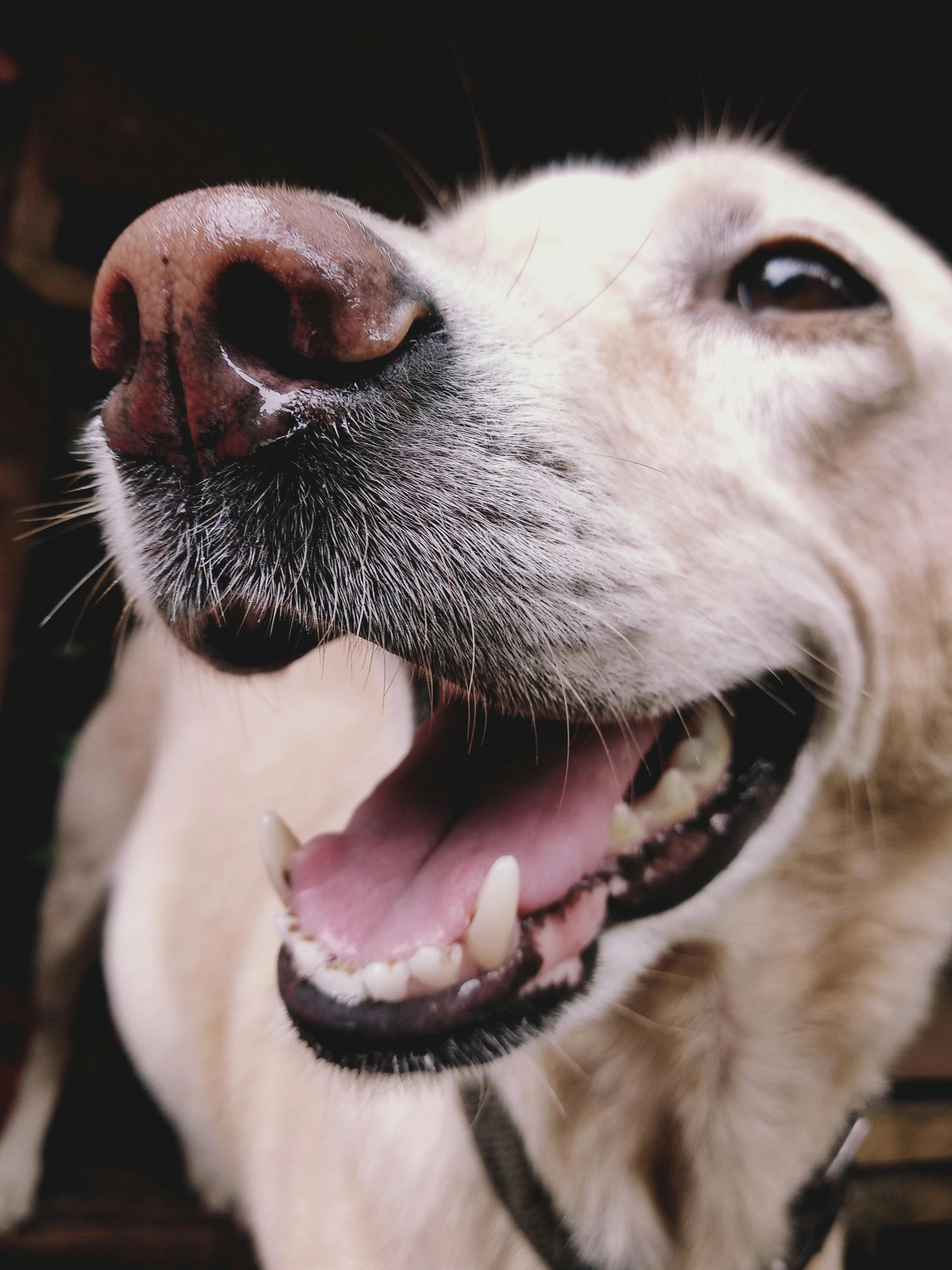
Dogs are one of the most beloved pets around the world, and one of the most interesting things about them is their noses. Lots of people often ask, "Why do dogs have wet noses?" This question leads to a fascinating discussion on the science behind canine noses. Understanding why a dog's nose is often damp can give us insight into their health and behavior. So, why are dogs' noses always wet? Let’s dive into the science!
The Anatomy of a Dog's Nose
To understand why dogs have wet noses, we first need to look at their anatomy. A dog's nose is made up of several parts, including the nasal cavity, the olfactory bulb, and the mucus membranes. These structures work together to enhance a dog's sense of smell.
- Nasal Cavity: This is where air enters and is filtered. It contains special cells that help dogs detect smells.
- Olfactory Bulb: This part of the brain processes the smells that the dog detects, which is much larger in dogs than in humans, hence their incredible sense of smell.
- Mucus Membranes: These membranes produce moisture, which helps to trap scent particles in the air.
Why Are Dog Noses Wet?
So, what causes that wetness? Dog noses are moist for several reasons:
Temperature Regulation: Dogs don’t sweat like humans. They primarily depend on their noses to cool down. The moisture on their noses evaporates, which helps to lower their body temperature, especially during warm weather.
Enhanced Smelling Ability: A wet nose can absorb scent molecules better. When their nose is moist, it traps more of these particles, which helps them detect scents more effectively. This is crucial for hunting, tracking, and even social interactions with other dogs.
Health Indicators: A wet nose is often a sign of a healthy dog. However, if a dog’s nose is dry and cracked, it might be experiencing dehydration or illness.
Behavioral Responses: Dogs can often lick their noses. This behavior not only keeps their noses moist but also allows them to gather more scent information from their surroundings.
Fun Facts About Dog Noses
Here are some interesting tidbits about why do dogs have wet noses:
- Unique Patterns: Just like human fingerprints, every dog has a unique nose print. This could potentially be used for identification.
- Scent Detection: Dogs have approximately 220 million scent receptors in their noses, compared to about 5 million in humans. This makes their sense of smell significantly more powerful.
- Temperature Sensitivity: A dog's nose can even change temperature! A cooler nose might indicate a relaxed state, while a warmer nose might suggest excitement or activity.
Common Myths About Dog Noses
There are many myths that surround the topic of dog noses. Here are a few:
- Myth 1: A warm, dry nose always means a dog is sick.
- Reality: A dog's nose temperature can fluctuate for many reasons, not just illness.
- Myth 2: Dogs only have wet noses because they lick them.
- Reality: While licking does contribute, the moisture also comes from their nasal passages.
- Myth 3: All dogs have wet noses.
- Reality: Some breeds, like Bulldogs, may have drier noses due to their unique anatomy.
Comparison of Dog and Human Noses
Here’s a quick comparison to show how different dog noses are from human noses:
| Feature | Dog Nose | Human Nose |
|---|---|---|
| Number of Scent Receptors | About 220 million | About 5 million |
| Ability to Detect Smell | Over 40 times better | Less sensitive |
| Moisture Levels | Naturally moist, aids in scent detection | Generally dry unless humid |
| Unique Identification | Unique nose print | No unique feature |
Health Considerations
If you're a dog owner, it’s important to keep an eye on your pet's nose. Here are some health considerations to remember:
- Dry Nose: May indicate dehydration, illness, or stress.
- Cracked or Bleeding Nose: Can be a sign of a more serious condition, requiring veterinary attention.
- Changes in Color: A sudden change in nose color can indicate an underlying issue.
Understanding the science behind canine noses and why they are often wet can enhance your relationship with your furry friend. Their noses are not just cute features; they serve essential functions that contribute to a dog's overall well-being. So, the next time you wonder, "Why do dogs have wet noses?" remember it's not just for show—it's part of what makes dogs so special!
Top 5 Fascinating Reasons Why Dogs Have Wet Noses and What It Means for Their Health
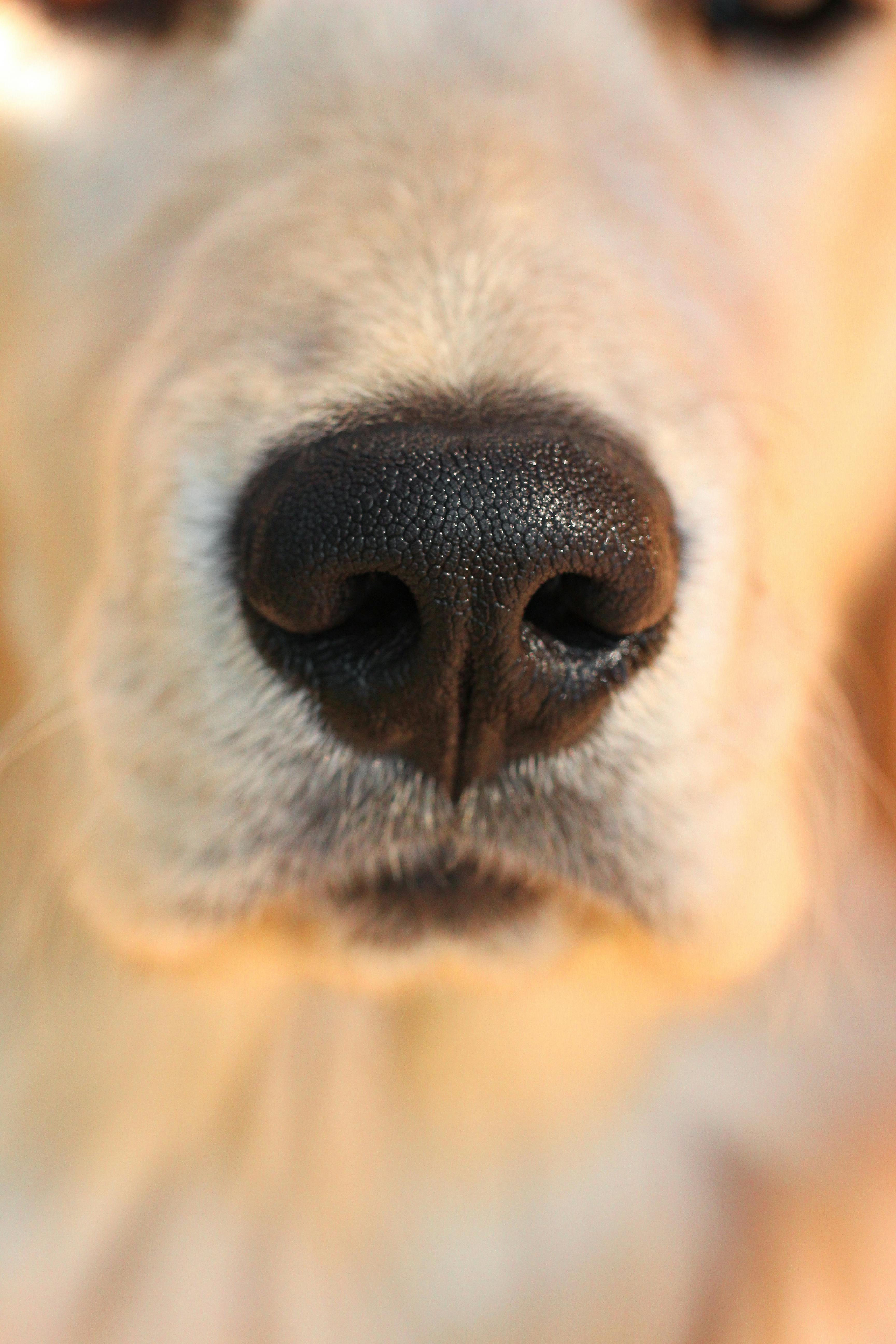
Dogs are often seen with their noses glistening, and many pet owners wonders, why do dogs have wet noses? The answer is not just simple but also fascinating! A wet nose can tell us a lot about a dog’s health and behavior, and it turns out there are several reasons behind this unique feature. Let’s explore the top 5 fascinating reasons why dogs have wet noses and what it means for their health.
1. Sense of Smell Enhancement
One of the primary reasons dogs have wet noses is to enhance their sense of smell. Wet noses help to capture scent particles from the air. When a dog sniffs something, the moisture on their nose grabs onto these particles, which makes it easier for their olfactory receptors to detect smells.
- Dogs have up to 300 million olfactory receptors, compared to humans who have about 5 million.
- The moistness of a dog’s nose allows it to pick up scents better, which is why they’re often used in search and rescue missions.
2. Temperature Regulation
Another fascinating reason why dogs have wet noses is related to thermoregulation. Dogs don’t sweat like humans do; they primarily regulate their body temperature through panting and their noses.
- A dog's wet nose helps them cool down. The moisture evaporating from the nose can lower their body temperature.
- In hot weather, you might notice that your dog’s nose gets even wetter, which is their way of coping with heat.
3. Health Indicator
Did you know a dog’s nose can be an indicator of their health? A healthy dog usually has a moist and cool nose, while a dry or warm nose can signal potential health issues.
- Common health issues reflected by a dry nose include:
- Dehydration
- Fever
- Allergies
- However, a dry nose doesn’t always mean something is wrong. Dogs can have a dry nose for many reasons, including sleep!
4. Communication Tool
Dogs also use their noses as a tool for communication. When dogs meet each other, they often sniff each other's noses and behinds to gather information about one another.
- This behavior is a way for dogs to learn about each other’s health, diet, and even mood.
- Dogs can pick up pheromones and other chemical signals through their noses, which can indicate if another dog is friendly, angry, or scared.
5. Evolutionary Trait
Finally, dogs having wet noses is an evolutionary trait that has been passed down. Ancient canines likely had wet noses that served similar functions as they do today.
- Evolution favored dogs with moist noses, as they could hunt better and survive more effectively.
- The wetness of a dog’s nose may have also helped them track prey by picking up scents in various environments.
Quick Facts About Dog Noses
- Dogs’ noses come in various colors, including black, brown, and even pink.
- Some breeds, like Bloodhounds, have exceptional smelling abilities due to their large, wet noses.
- Dogs can distinguish between a wide range of scents, which is why they are used in drug detection and tracking missing persons.
Common Myths About Dog Noses
Myth: A warm nose means a dog is sick. Reality: A dog’s nose temperature can vary throughout the day and isn’t a definitive indicator of health.
Myth: A dry nose always indicates dehydration.Reality: Dogs can have dry noses for other reasons, like weather changes or just waking up from a nap.
Understanding why do dogs have wet noses can enrich your bond with your furry friend. It's more than just an interesting fact; it’s a glimpse into their health and behavior. Whether it’s for sniffing out food or cooling down on a hot day, their wet noses play crucial roles. So next time you see your dog with a shiny nose, remember all the fascinating reasons behind it!
Curious Canines: How a Dog’s Wet Nose Enhances Their Sense of Smell
Curious Canines: How a Dog’s Wet Nose Enhances Their Sense of Smell, Why Do Dogs Have Wet Noses? Discover The Fascinating Reasons!
Have you ever wondered why dogs have wet noses? Most of us have seen our furry friends with their noses glistening, and it's more than just a cute quirk! This unique feature of canines plays a crucial role in their sophisticated sense of smell. In fact, a dog’s nose is one of the most powerful tools they possess. Let’s dive into the science and some interesting facts about those curious canines and their wet noses.
The Science Behind a Dog’s Nose
A dog's sense of smell is extraordinary, estimated to be anywhere from 10,000 to 100,000 times more acute than that of humans. The wetness of a dog's nose contributes significantly to its olfactory abilities. Here’s how:
Moisture Retention: The wet surface of a dog’s nose helps capture scent particles from the air. When the nose is moist, it can trap these particles more effectively, which makes it easier for dogs to identify smells.
Cooling Mechanism: A wet nose helps dogs regulate their body temperature. Dogs don’t sweat like humans do, and the moisture evaporating from their noses helps cool them down.
Enhanced Detection: When dogs sniff, the wet surface of their nose helps enhance the scent molecules it detects. This means they can distinguish between different smells more efficiently.
Why Are Dog Noses Wet?
Here’s a list of reasons that explains why dogs have those wet noses:
Scent Enhancement: As mentioned, a wet nose absorbs scent better, making it easier for dogs to sniff out things.
Health Indicator: A wet nose often indicates that a dog is healthy. When dogs are sick or dehydrated, their noses tend to dry out.
Behavioral Signaling: Dogs often lick their noses to keep them moist, which can be a signal of excitement or anxiety.
Temperature Regulation: Dogs can lose heat through their noses, which helps them manage their body temperature during hot days.
Historical Context of Dogs’ Noses
Dogs have been companions to humans for thousands of years, and their noses have always been a point of fascination. In ancient times, people noticed how dogs could track scents over long distances. This ability was utilized in hunting, search and rescue operations, and even in aiding law enforcement.
Tracking and Hunting: Dogs were bred for specific purposes, and those with superior olfactory senses were highly valued for their hunting skills.
Service Dogs: Today, dogs are trained to use their noses in various fields, including search-and-rescue operations, detecting drugs or explosives, and even medical alert tasks.
Fun Facts About Dog Noses
Unique Patterns: Just like human fingerprints, each dog's nose print is unique. This characteristic can be used for identification.
Sniffing Techniques: Dogs have a natural technique called "sniffing," which involves rapid inhalations and exhalations to maximize their scent detection.
Preference for Smells: Dogs are generally more attracted to certain smells, such as food or other animals, which can influence their behavior.
Age Factor: Interestingly, a dog's sense of smell can decline with age, just like human senses.
Practical Tips for Nose Health
To keep your dog's nose healthy and wet, consider these tips:
Hydration: Ensure your dog has access to fresh water at all times to keep them hydrated.
Humidity: Dogs thrive in environments with adequate humidity. If you live in a dry climate, a humidifier can help.
Regular Checkups: Regular veterinary checkups can help identify any health issues that may affect your dog's nose.
Observe Changes: If your dog's nose becomes excessively dry or cracked, it can be a sign of an underlying health condition.
Comparing Dog Noses to Human Noses
Here’s a quick comparison between dog and human noses:
| Feature | Dog Nose | Human Nose |
|---|---|---|
| Smell Sensitivity | 10,000 - 100,000 times better | Less developed |
| Moisture | Wet for scent absorption | Generally dry |
| Temperature Regulation | Uses moisture to cool down | Sweating through skin |
| Unique Prints | Unique nose prints | No unique identifiers |
As you can see, dogs have evolved with some fascinating features that aid in their survival and companionship with humans. Their wet noses are not just adorable but serve important functions that enhance their quality of life. It’s amazing to think about how much our canine friends rely on their sense of smell and how their unique physiology supports this ability. So next time you see a dog with a gl
Is a Wet Nose a Sign of a Happy Dog? Debunking Common Myths
When you see a furry friend with a wet nose, you might think it’s a sign of happiness. But is it really? Many people believe that a wet nose is an indication of a happy dog, but there are actually several factors at play. In this post, we gonna debunk some common myths and discover the fascinating reasons why dogs have wet noses. So let’s dive into this curious canine characteristic!
The Science Behind a Dog’s Wet Nose
First off, a dog’s nose is often wet due to a special gland that produces mucus. This mucus can help dogs with their sense of smell, which is way more powerful than humans. When dogs sniff around, they collect scent particles in the mucus. This process enhances their ability to detect different smells. Isn’t that cool?
- Dogs have up to 300 million scent receptors in their noses, compared to about 6 million in humans.
- Their sense of smell is estimated to be 10,000 to 100,000 times more sensitive than ours.
- The moisture on a dog’s nose can help trap odors, making it easier for them to identify scents.
Is a Wet Nose Always a Happy Dog?
While a wet nose can suggest a dog is in good health, it doesn’t always mean they’re happy. Dogs can have wet noses for several reasons, including:
- Temperature Regulation: Dogs sweat through their noses and paw pads. A wet nose can help them cool down.
- Health Conditions: Sometimes, a wet nose can indicate health issues. If a dog has a runny nose or excessive moisture, it could be a sign of allergies or infections.
- Hydration: A well-hydrated dog typically has a moist nose. Dehydration can cause their noses to become dry.
So, a wet nose could mean your dog is healthy, but it’s not a surefire sign of happiness.
Common Myths About Wet Noses
Myth: A Wet Nose Means a Dog is Sick
Fact: While some illness can cause a wet nose, it’s not a definitive indicator of health. Dogs can have a wet nose and still be perfectly fine.Myth: Dry Nose Equals Sick Dog
Fact: A dry nose can happen for many reasons, including weather. A dog’s nose can be dry after sleeping for a while or due to dehydration, but that doesn’t mean they’re ill.Myth: All Dogs Have Wet Noses
Fact: Some breeds, like bulldogs or pugs, naturally have drier noses. It’s important to know that nose moisture varies across different breeds.
Why Do Dogs Have Wet Noses?
As mentioned, moisture on a dog’s nose serves important functions. Here’s a quick breakdown:
- Enhanced Smell: Wet noses trap scent particles, improving their ability to smell.
- Cooling Mechanism: Moisture helps regulate body temperature when dogs are hot.
- Communication Tool: Dogs can also use their noses to communicate with other dogs. A wet nose can signal various emotions and intentions.
The Role of Environment
It’s also worth mentioning that the environment can impact a dog’s nose moisture. For instance, if it’s hot outside, a dog’s nose may be wetter as they try to cool down. Conversely, in dry or cold conditions, their noses may become drier.
- Humidity Levels: In humid weather, dogs are more likely to have wet noses.
- Seasonal Changes: Winter can lead to dry noses due to cold air and indoor heating.
Practical Tips for Dog Owners
If you’re a dog owner, keeping an eye on your furry friend’s nose health is essential. Here are some practical tips:
- Hydration: Make sure your dog has access to clean water at all times.
- Regular Vet Checkups: Schedule routine checkups to ensure your dog’s overall health.
- Watch for Changes: If you notice sudden changes in nose moisture, take note and consult your veterinarian.
Fun Facts About Dog Noses
- Dogs have unique nose prints, much like human fingerprints.
- A dog's sense of smell can detect certain diseases, like cancer, in humans.
- The wetness of a dog’s nose can vary throughout the day based on activity and temperature.
Understanding why dogs have wet noses helps us appreciate these lovable creatures even more. Their wet noses are not just adorable; they serve vital functions that keep them healthy and happy. So next time you see your dog with a moist nose, remember it might not just be a sign of happiness, but also a fascinating aspect of their biology.
Understanding the Unique Anatomy of Dogs: What Makes Their Noses Moist?
Dogs, they have this unique charm that captivates hearts all around the world. One of their most adorable features is, well, their noses. Ever wonder why do dogs have wet noses? This question's not just a matter of curiosity; it’s deeply rooted in their anatomy and biology. Let’s dive into the fascinating reasons behind those moist snouts that make dogs so special!
The Anatomy of a Dog's Nose
Dogs noses are not just for show; they play a critical role in how they interact with the world. Here’s a breakdown of their unique anatomy:
- Olfactory Receptors: Dogs have up to 300 million olfactory receptors in their noses. In comparison, humans only have about 5 million. This makes a dog's sense of smell, well, incredibly sharper.
- Moisture: The moisture on a dog's nose helps to enhance their sense of smell. The wetness captures scent particles, making it easier for dogs to identify and track smells.
- Nasal Turbinates: These are bony structures inside a dog's nose that help to warm and humidify the air they breathe in, which is crucial for their overall health.
Why Do Dogs Have Wet Noses?
So, let’s get to the core of the question: why do dogs have wet noses? The answer is multifaceted and involves several fascinating factors.
Enhanced Smell: As mentioned, moisture helps to trap scent particles. When a dog has a wet nose, they can detect smells more accurately. This is why many dogs are trained for roles like search and rescue or drug detection.
Temperature Regulation: A dog’s nose can also help with thermoregulation. When dogs pant, the moisture on their noses evaporates, which can help cool them down.
Health Indicator: A dog's nose can be an indicator of their health. A warm, dry nose might suggest a fever or dehydration, while a cool, moist nose is often a sign of a healthy dog.
Social Signals: Dogs also use their noses to communicate with other dogs. A moist nose can signify excitement or playfulness.
The Evolutionary Perspective
Dogs evolved from wolves, and their wet noses are a trait that has persisted throughout domestication. The moist nose was advantageous for survival, allowing early dogs to track prey and navigate their environment efficiently.
Fun Facts About Dog Noses
- Dogs can identify scents at concentrations nearly 100 million times lower than humans can.
- Each dog’s nose print is unique, similar to human fingerprints.
- Dogs can even sniff out certain diseases, including cancer and diabetes.
Common Misconceptions
There are some common misconceptions about why dogs have wet noses:
Myth: A wet nose always means a healthy dog.
Truth: While a moist nose can be a sign of health, it’s not the only indicator. Always check other signs such as behavior and appetite.
Myth: All dog noses are moist.
Truth: Some breeds, like Bulldogs, may naturally have drier noses due to their unique anatomy.
Practical Tips for Dog Owners
Caring for your dog's nose is important! Here are some tips:
- Hydration: Ensure your dog has plenty of fresh water to drink. It keeps their nose and body hydrated.
- Regular Check-ups: During vet visits, pay attention to your dog’s nose. If it changes color or moisture levels unexpectedly, consult your vet.
- Avoid Irritants: Be careful with chemicals and fragrances. They can irritate your dog's sensitive nose.
Conclusion
In summary, understanding why dogs have wet noses is more than just a trivial pursuit. It reveals a lot about their biology and how they interact with the world. Their moist noses are essential for their incredible sense of smell, play a role in thermoregulation, and can indicate their health. So the next time you pet your furry friend and feel that cool, moist nose, remember the fascinating science behind it. Dogs truly are remarkable creatures, and their noses are just one of the many reasons we love them.
7 Surprising Benefits of a Dog’s Wet Nose You Didn’t Know About
Dogs are often considered man's best friend, and their wet noses are one of the most endearing characteristics. But ever wonder why do dogs have wet noses? There’s actually a lot more to it than just being cute! Many people don’t know that a dog’s wet nose serves several important functions and provides surprising benefits. Let's dive into the fascinating reasons behind those soggy snouts and uncover seven surprising benefits of a dog's wet nose.
The Science Behind a Dog's Wet Nose
First off, let’s explore the science behind those wet noses. A dog’s nose is moist mainly due to a thin layer of mucus that helps them smell better. The moisture helps capture scent particles from the air, making it easier for dogs to detect smells. This is why dogs have incredible olfactory senses, which is much more developed than humans.
7 Surprising Benefits of a Dog’s Wet Nose
Enhanced Sense of Smell
Dogs can smell things that are a thousand times fainter than humans can. The wetness of the nose helps trap scent particles. This is crucial when dogs are sniffing around; the moisture acts like a sponge for smells.Temperature Regulation
Just like humans sweat, dogs can cool off through their noses. The moisture evaporates and helps regulate their body temperature. So, if you notice your pup's nose is particularly damp, they might be trying to cool down!Health Indicator
A dog’s wet nose can actually serve as a health indicator. If your dog’s nose suddenly becomes dry or warm, it might signal a fever or illness. Regularly checking your dog's nose can help you catch health issues early.Social Interaction
Dogs communicate with each other through scent. A wet nose allows them to gather more information about their environment and other dogs. When they greet each other, their noses are the first point of contact, which can establish social bonds.Natural Lubrication
The moisture on a dog’s nose helps protect it from dirt and debris. A wet nose can easily pick up and hold onto tiny particles, preventing irritation and keeping the surface clean.Improved Hunting Skills
In the wild, a dog’s ability to track scents can be crucial for survival. The wet nose helps in hunting by enhancing their ability to follow trails. This is especially important for working dogs such as bloodhounds and search and rescue dogs.Cooling Off in Hot Weather
Dogs can’t sweat like humans do, so their wet noses play a role in their ability to regulate heat. The moisture evaporates and helps keep them cool, and that’s one reason why you often see dogs with wet noses during the summer.
Understanding Dog Nose Variations
Not all dogs have the same type of nose, and some may have drier noses than others due to various reasons like breed characteristics or health issues. For example:
- Flat-Nosed Breeds: Bulldogs and pugs often have wetter noses because of their facial structure.
- Active Dogs: Dogs that are more active and spend time outside will typically have wetter noses than those who are less active or spend more time indoors.
Fun Facts About Dog Noses
- The average dog has about 220 million scent receptors in their noses, while humans only have around 5 million.
- A dog’s sense of smell can be trained to detect certain diseases, like cancer or diabetes, through the scent of a person's breath or urine.
- Dogs use their noses not just for scent, but also to understand emotions. They can sense fear and anxiety through smell.
Practical Tips for Dog Owners
- Regularly check your dog’s nose for any changes. If it’s dry for an extended period, consider a vet visit.
- Keep your dog hydrated, especially in hot weather. This helps maintain that all-important moist nose!
- Provide plenty of exercise for your dog, which can not only keep their nose wet but also improve their overall health.
Understanding why do dogs have wet noses gives us insight into their behavior and health. Those wet noses are not just adorable; they serve vital purposes that enhance a dog’s quality of life. So the next time you give your furry friend a pat, take a moment to appreciate that wet nose and all the amazing benefits it brings! Dogs truly are remarkable creatures, and their noses are just one of the many fascinating aspects of their biology.
Wet Nose, Warm Heart: How Dogs Use Their Noses for Social Interaction
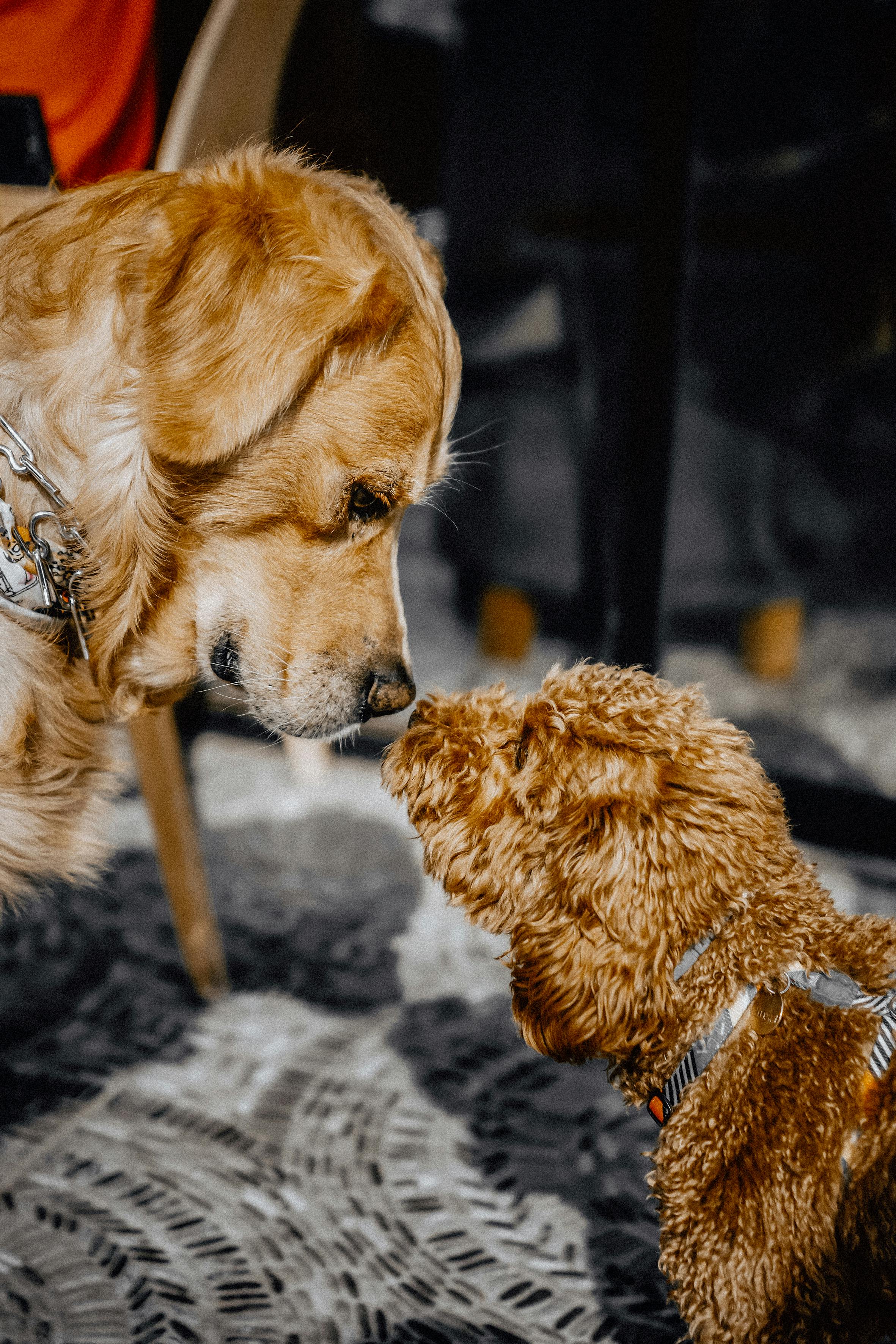
Dogs have an incredible way of communicating, and their noses play a huge role in this. You might have noticed how your furry friend’s nose is often wet. But ever wondered why do dogs have wet noses? The moistness of a dog's nose is more than just an adorable characteristic; it has fascinating reasons behind it. Let's explore how dogs use their noses for social interaction and the science behind their wet noses.
The Science of a Dog’s Nose
Dogs have a unique anatomy that makes their noses not just a cute feature but also a powerful tool for communication and understanding the world around them. The wetness of a dog's nose is primarily due to a special mucous membrane that helps to absorb scent molecules. Here’s some interesting stuff about dog noses:
- Scent Detection: Dogs have up to 300 million olfactory receptors in their noses, compared to about 5 million in humans. This makes them incredibly sensitive to smells.
- Moisture Helps: The wetness helps capture scent particles. When a dog licks its nose, it enhances its ability to detect scents, making them even better at interpreting their environment.
- Temperature Regulation: A wet nose also helps dogs cool down. Their body temperature can be regulated somewhat through their nose, especially on hot days.
Why Do Dogs Have Wet Noses?
There are several reasons why dogs have wet noses. This is not just an aesthetic thing; it's functional too!
Scent Absorption: The moisture on a dog's nose helps to absorb scent particles from the air. This ability to smell is vital for dogs, allowing them to gather information about their surroundings and other animals.
Social Interaction: Dogs use their noses to communicate with each other. A wet nose can be an indication of a friendly demeanor, inviting other dogs to sniff and engage. It’s like a handshake in the dog world!
Health Indicator: Generally, a moist nose is a sign of a healthy dog. However, if a dog’s nose becomes excessively dry or cracked, it might signal health concerns that should be examined by a veterinarian.
Emotional Barometer: Dogs can also use their noses to gauge their human’s emotions. They often sniff when they sense a change in mood or environment, showing their ability to connect emotionally with their owners.
Fun Facts About Dog Noses
- Color Variation: Not all dog noses are black; they can be pink, brown, or spotted depending on the breed.
- Nose Print Identification: Just like human fingerprints, a dog’s nose print is unique. It can actually be used for identification.
- Dog Breeds with Notable Noses: Breeds like Bloodhounds and Beagles are particularly famous for their incredible sense of smell, which is why they are often used in search and rescue missions.
How Dogs Use Their Noses in Social Situations
When dogs meet each other, the first thing they often do is sniff one another's noses and behinds. This behavior might seem odd to us, but it's a crucial part of their social interaction. Here's how it works:
- Gathering Information: A sniff can tell a dog about another dog’s age, health, and even emotional state.
- Establishing Hierarchy: Sniffing can also play a role in establishing social order among dogs, helping them understand who's in charge.
- Conflict Resolution: A simple sniff can help diffuse tension between dogs, preventing potential fights.
Practical Tips for Dog Owners
To utilize your dog's nose in their daily life, consider these tips:
- Engage Their Sense of Smell: Use scent games to stimulate your dog's nose and mind. Hide treats around your home and let them find it.
- Regular Nose Checks: Keep an eye on your dog’s nose condition. If it appears too dry or cracked, consult your vet.
- Socialize: Allow your dog to meet other dogs in a controlled environment so they can engage in natural sniffing behavior.
Understanding why do dogs have wet noses not only deepens your appreciation for these beloved pets but also enhances your relationship with them. Their noses are powerful tools that help them navigate their world and connect socially. So next time your dog nudges you with their wet nose, you can think about all the fascinating reasons behind it!
The Role of Temperature Regulation: Why Dogs’ Noses Stay Moist

Have you ever noticed how dogs’ noses always seems a bit wet? You might think it's just a quirk of their anatomy, but the truth is way more fascinating than that! Understanding why dogs have wet noses can help us appreciate these lovable pets even more. Let's dive into the role of temperature regulation and the science behind those moist noses.
The Importance of a Wet Nose
Dog noses are not just for sniffing around or looking cute. Their moistness plays a critical role in a dog's health and well-being. Here’s some reasons:
- Temperature Regulation: Dogs don’t sweat like humans do. Instead, they rely on their noses to help cool down. A wet nose helps dissipate heat through evaporation, keeping them comfortable, especially during hot days.
- Enhanced Smell: A moist nose can enhance a dog’s sense of smell. The wetness helps trap scent particles, allowing more effective detection of various odors, which is essential for their survival and enjoyment.
- Health Indicator: A dog’s nose condition can be an indicator of their health. A dry nose could mean dehydration or illness, while a consistently wet nose is generally a sign of a healthy pup.
The Anatomy of a Dog's Nose
Understanding the anatomy of a dog’s nose can help explain its moistness. The surface of a dog’s nose is covered with mucous membranes. These membranes produce moisture, which keeps the nose wet. Here’s a breakdown of the anatomy:
- External Layer: The skin covering the nose is usually pigmented and can vary in color.
- Mucous Membrane: This is the inner layer that stays moist, helping to trap scents.
- Nerve Endings: Dogs have millions of smell receptors, way more than humans, allowing them to detect scents at incredibly low concentrations.
Why Do Dogs Have Wet Noses?
You may wonder, why do dogs specifically have wet noses, and what makes it so unique? Here’s a quick list of fascinating reasons:
Natural Cooling System: As already mentioned, wet noses help dogs cool off. When they pant, moisture evaporates from the nose and mouth, cooling the blood circulating in their bodies.
Scent Detection: Dogs are known for their incredible sense of smell. The moisture in their noses helps to absorb scent particles, making them more effective in tracking and identifying different smells.
Communication Tool: Dogs also use their noses to communicate. When greeting other dogs, a wet nose can be a sign of friendliness and approachability.
Environmental Awareness: A wet nose allows dogs to better sense their environment. The moisture helps them detect pheromones and other chemicals in the air.
Temperature Regulation in Dogs
So how does temperature regulation work for dogs? Dogs don’t have sweat glands like humans, which means they need alternative methods to regulate their body temperature. Here's how it works:
- Evaporation: The moisture on the nose evaporates, which cools down the blood vessels near the surface.
- Panting: Dogs pant to release heat, but they also rely on their wet noses to help maintain an optimal body temperature.
- Behavior: Dogs may seek shade or cool surfaces to lie on when they need to cool down, which is a natural instinct.
Comparisons with Other Animals
Dogs aren’t the only animals with moist noses. Here’s how they compare with some other pets:
| Animal | Nose Type | Purpose |
|---|---|---|
| Cats | Dry Nose | Less reliance on scent compared to dogs |
| Pigs | Wet Nose | Excellent sense of smell, similar to dogs |
| Horses | Dry Nose | More reliant on other sensory inputs |
| Ferrets | Moist Nose | Good scent detection like dogs |
Practical Examples of Wet Nose Behavior
It’s interesting to observe how a dog’s behavior changes based on the moisture of their nose. For instance:
- Playfulness: A dog with a wet nose is usually more energetic and playful.
- Health Check: If your dog’s nose becomes dry and cracked, it might be time for a vet visit.
- Temperature Sensitivity: Dogs with wet noses tend to seek cooler areas when feeling too warm, like tiled floors or shaded spots.
In summary, the moisture in a dog’s nose isn’t just a charming feature; it plays vital roles in temperature regulation, scent detection, and communication. So next time you see that wet nose, remember that it’s more than just a cute characteristic—it’s a fascinating part of what makes dogs unique. Understanding these elements not only deepens our bond with our furry friends but also helps us take better care of them.
Wet Noses and Dog Health: When to Be Concerned About Changes in Moisture
Do you ever wonder why dogs have wet noses? It’s a question many pet owners ask, and it’s not just for the cute factor. Wet noses are a common characteristic of dogs, but they serve more purposes than most people realize. Sometimes, it can indicate health issues, so knowing when to be concerned about changes in moisture is important for every dog owner.
Why Do Dogs Have Wet Noses?
Dogs noses are moist for a bunch of reasons. First, it helps them to sense the world around them better. Their sense of smell is far superior than humans, and a wet nose helps capture scent particles in the air. This is similar to how a sponge absorbs liquid, allowing dogs to pick up on scents more effectively. Here are some reasons why their noses stay wet:
- Thermoregulation: Dogs don’t sweat like humans do. Instead, they cool down through their noses and paw pads. The moisture evaporating from their noses helps to regulate body temperature.
- Scent Enhancement: The moisture on a dog’s nose can pick up scents better, improving their ability to track and identify odors. This is why they excel in roles like search and rescue or detection work.
- Health Indicator: A dog's nose can sometimes reflect their health status. A consistently dry nose might signal dehydration or illness, while a healthy wet nose usually indicates good hydration levels.
Changes in Moisture: When to Be Concerned
Sometimes, dog owners notice their furry friend's nose isn't as wet as it usually is. It can be concerning, but not all changes are serious. Here’s some situations when you should pay attention:
- Dry Nose: If your dog’s nose becomes persistently dry and cracked, it could mean dehydration or a health issue. Dryness can also lead to nosebleeds, which is not good.
- Persistent Wetness: On the other hand, if the nose is excessively wet, it could be due to an underlying infection or allergy. It’s important to observe any other symptoms.
- Color Changes: If you notice changes in color along with moisture levels, like a red or inflamed nose, it could indicate allergies or infections. This is not normal and should be checked out by a vet.
- Behavior Changes: If the dog is acting differently, like being more lethargic or not eating, combined with nose changes, it's time to consult a veterinarian.
Signs of a Healthy Nose
A healthy dog nose should appear moist and cool to the touch. Here are some things to look for:
- Color: Healthy noses are usually a uniform color, ranging from pink to black depending on the breed.
- Moisture Level: A healthy amount of moisture without excessive dripping or dryness is ideal.
- Temperature: A cool nose is generally a sign of a healthy dog, but remember, it doesn’t mean they’re sick if their nose is warm sometimes.
Historical Context: The Role of Dog Noses
Throughout history, dogs have been valued for their keen sense of smell. Ancient civilizations utilized dogs for hunting, herding, and protection, all of which relied on their olfactory abilities. In fact, the bloodhound, known for its incredible scent-tracking capabilities, has been used in law enforcement for centuries. The moistness of their noses has always played a crucial role in their ability to perform these tasks effectively.
Practical Tips for Dog Owners
As a responsible dog owner, you should regularly check your dog’s moisture levels. Here are some practical tips to keep in mind:
- Hydration: Always ensure your dog has access to fresh water. Dehydration can lead to dry noses and other health issues.
- Regular Vet Visits: Routine check-ups help to catch any potential health problems early. If you notice any changes, don’t hesitate to get professional advice.
- Watch Their Behavior: Keep an eye on your dog’s energy levels, eating habits, and overall demeanor. Changes in these areas can provide important clues about their health.
Quick Reference Table: Nose Conditions and What They Might Mean
| Condition | Possible Causes | Action Needed |
|---|---|---|
| Dry, Cracked Nose | Dehydration, Allergies, Illness | Consult a vet |
| Excessively Wet Nose | Infections, Allergies | Consult a vet |
| Color Changes | Skin issues, Allergies | Consult a vet |
| Normal Moisture | Healthy hydration | Regular monitoring |
Understanding your dog’s nose and its moisture levels can be key to maintaining their overall health. Wet noses might be just one of the many quirks of our furry friends, but they’re certainly fascinating! Regular checks and knowing the signs of potential health issues can help your dog live a happier and healthier life. If you ever have
Can You Train a Dog to Keep Their Nose Wet? Exploring Fun Facts and Tips
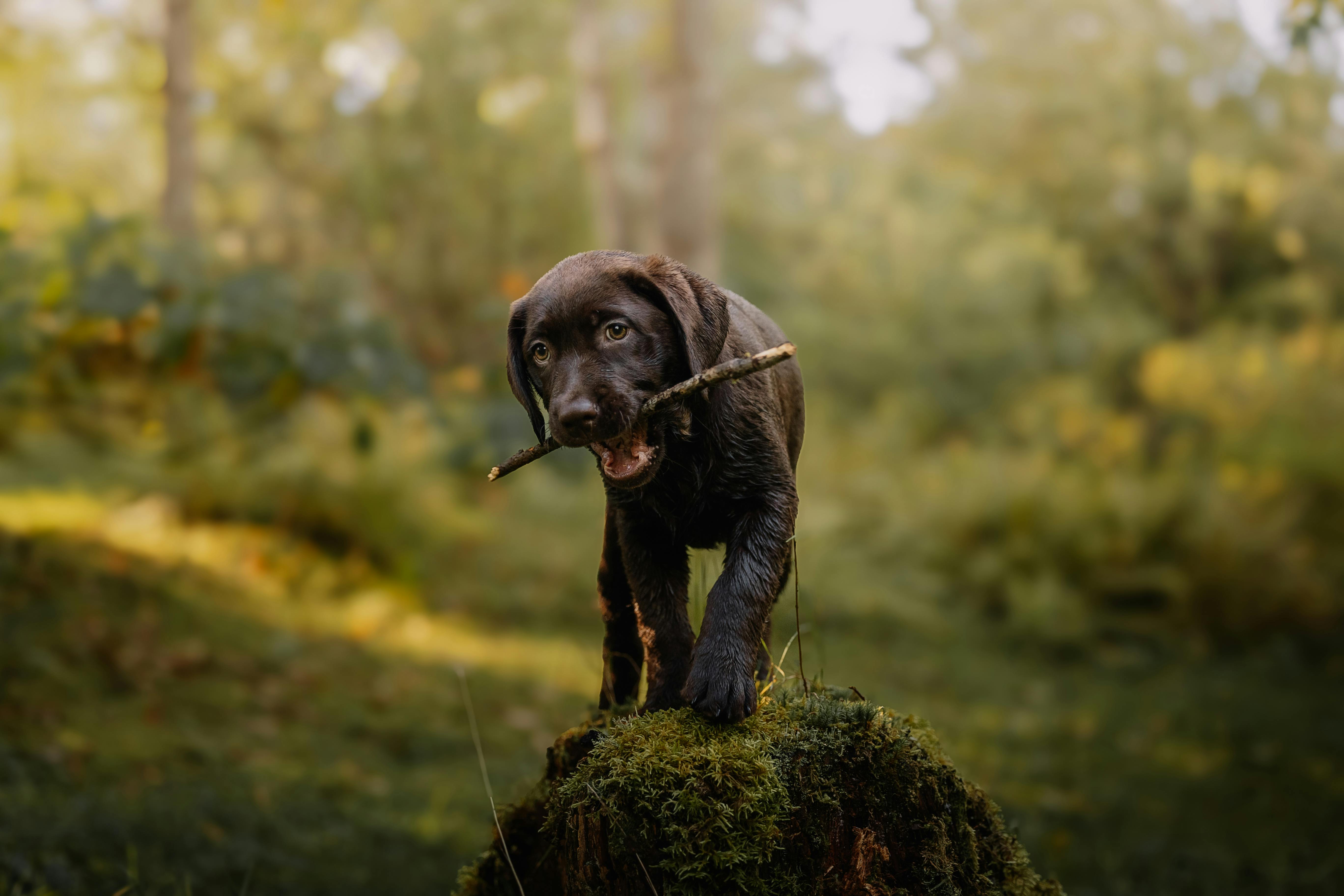
When you think about dogs, one of the first things that come to mind is probably their adorable wet noses. This often leads to the question: can you train a dog to keep their nose wet? The answer isn’t so straightforward, but it does open up a whole world of fun facts about why dogs have wet noses. Let’s dive into this fascinating topic and explore the reasons behind those damp snouts!
Why Do Dogs Have Wet Noses?
Dogs have wet noses for several reasons, and understanding this can help us appreciate our furry friends even more. Here’s a list of some key reasons:
- Enhanced Sense of Smell: A wet nose helps to capture scent particles in the air. Dogs possess an incredible sense of smell, and a wet surface enhances this ability.
- Temperature Regulation: Dogs don’t sweat like humans. Instead, they cool themselves through their noses. A wet nose can help regulate their body temperature.
- Health Indicator: The moisture level of a dog’s nose can be a sign of their health. A dry nose might indicate dehydration or illness, while a wet nose usually suggests a healthy pup.
- Communication Tool: Dogs also use their noses to communicate. A wet nose can indicate excitement or friendliness when they greet you.
Fun Facts About Dogs’ Noses
Did you know that a dog’s sense of smell is anywhere from 10,000 to 100,000 times more sensitive than a human's? Here are some other interesting tidbits about dog noses:
- Unique Nose Prints: Just like human fingerprints, each dog has a unique nose print. It can be used for identification!
- Color Variation: The color of a dog’s nose can vary depending on the breed and can even change with the seasons.
- Nose as a Thermometer: While not always accurate, a dog’s nose can sometimes give you a rough idea of their temperature. A warm, dry nose might mean they have a fever, but it’s not a definitive method.
Can You Train a Dog to Keep Their Nose Wet?
So, can you train a dog to keep their nose wet? Well, dogs aren’t like sponges, and they can’t just absorb moisture on command. However, you can encourage behaviors that may help them keep their noses more hydrated.
- Hydration: Ensure that your dog always has access to fresh water. This is the most important thing for keeping their nose moist.
- Humidity: If you live in a dry climate, consider using a humidifier. This can help keep your dog’s nose from drying out.
- Playtime: Engaging in water play or activities can also help. For example, playing with a hose or at a dog park with water features can lead to a wetter nose.
Tips for Keeping Your Dog’s Nose Healthy
Aside from keeping it wet, there are a few other things you can do to ensure your pup’s nose stays healthy. Here’s a quick list:
- Regular Vet Check-Ups: Keep up with regular veterinary visits to catch any potential health issues early.
- Watch for Cracks or Dryness: If you notice your dog’s nose becoming cracked or overly dry, it might be time for a vet visit.
- Moisturizing Products: There are dog-safe balms available that can help moisturize a dry nose.
- Avoid Extreme Temperatures: Protect your dog from excessive heat or cold, as this can affect their nose health.
Interesting Comparisons: Dogs and Other Animals
Dogs aren’t the only animals with wet noses. Here’s how they compare with a few others:
| Animal | Nose Type | Purpose |
|---|---|---|
| Dogs | Wet and cool | Enhances smell, regulates temperature |
| Cats | Slightly dry | Less reliance on smell; more on sight |
| Pigs | Wet and sensitive | Excellent sense of smell, for foraging |
| Cows | Dry | Less emphasis on smell, more on taste |
In essence, a wet nose is a fascinating aspect of what makes dogs so special. It’s not just a cute feature; it serves vital functions in their everyday lives. So while you can’t exactly train your dog to keep their nose wet, you can create an environment that encourages a healthy, moist snout.
With these tips and fun facts, you can now appreciate even more why our canine companions have those delightful wet noses and the important roles they play in their health and behavior. Whether you’re a dog owner or simply a lover of these furry friends, their unique characteristics always make them a joy to be around.
Conclusion
In conclusion, the unique characteristic of a dog's wet nose serves multiple essential functions that contribute to their overall health and well-being. The moisture on their noses enhances their sense of smell, allowing them to detect scents more effectively, which is crucial for their communication and exploration of the world around them. Additionally, the wetness helps regulate their body temperature, acting as a natural cooling mechanism. Understanding the reasons behind this fascinating trait not only deepens our appreciation for our canine companions but also highlights the importance of regular health check-ups to ensure their noses—and overall health—are in optimal condition. So next time you notice your dog's wet nose, remember the vital roles it plays. Embrace this quirky feature and share your newfound knowledge with fellow dog lovers to foster a greater understanding of our furry friends!