Have you ever wondered, "Why do dogs have wet noses?" This intriguing question often leaves pet owners curious about their furry friends’ unique characteristics. A dog’s nose isn’t just a cute feature; it plays a crucial role in their sense of smell and overall health. Wet noses can be a sign of a dog's wellbeing, but there’s more to this phenomenon than meets the eye. In fact, the moisture on a dog’s nose helps enhance their smelling abilities, making it easier for them to detect scents in their environment. But why is the nose wet in the first place? Is it just a natural trait, or does it serve a specific purpose? As we dive into the fascinating world of canine biology, we’ll uncover the truth behind wet noses and what they can reveal about your dog's health. From the science of canine senses to the surprising health indicators that wet noses can provide, this exploration is sure to pique your curiosity. So, if you’re asking yourself, “What does it mean when my dog has a wet nose?”, read on to discover the answers that await!
\n\nThe Science Behind Why Dogs Have Wet Noses: What You Need to Know
\n\n \n\n
\n\nDogs are often called man's best friend, and part of what makes them so lovable is their quirky features. One of the most fascinating characteristics of dogs is their wet noses. You might wonder, why do dogs have wet noses? Well, there’s a science behind it, and it’s not just for show. Let’s dig into the captivating truth about why those adorable snouts are often damp.
\nThe Biology of a Dog's Nose
\nDogs noses are not just wet by chance. Their noses are highly specialized organs, containing a multitude of olfactory receptors. In fact, dogs have about 220 million scent receptors compared to a human’s 5 million. This enhanced sense of smell is partly why their noses are moist.
\nWhen a dog's nose is wet, it helps them absorb scent particles more effectively. The moisture on a dog's nose can help capture scents from the air, making it easier for them to identify and differentiate smells. This is especially important for hunting and tracking.
\nWhy Are Dog Noses Wet?
\nSo why do dogs have wet noses, you ask? Here’s a closer look at the reasons:
\n- \n
- Scent Absorption: The moisture helps to trap scent molecules. This is why dogs are able to smell things that we can't even begin to imagine. \n
- Thermoregulation: Dogs don’t sweat like humans do. A wet nose helps them cool down. When moisture evaporates from their noses, it can help to lower their body temperature. \n
- Health Indicator: A dog’s nose can also indicate its health. A healthy dog usually has a cool, damp nose. Conversely, a dry or cracked nose might suggest dehydration or illness. \n
Historical Context of Dog Noses
\nThe history of dogs and their noses goes back thousands of years. Early humans relied on dogs for hunting and protection. Dogs with keen senses, particularly their sense of smell, became invaluable partners. Over time, breeding emphasized these traits.
\n- \n
- Hunting Dogs: Breeds like Bloodhounds and Beagles were developed specifically for their incredible scent abilities. \n
- Working Dogs: Dogs used in search and rescue or for police work also benefit from their wet noses. \n
Fun Facts About Dog Noses
\nDid you know that every dog’s nose print is unique, just like a human fingerprint? Here are some other fun facts:
\n- \n
- Temperature Regulation: A dog’s nose can help indicate its body temperature. A cool nose often means a dog is at a normal temperature. \n
- Sense of Direction: Dogs can differentiate smells to track direction, which helps them follow scents over long distances. \n
- Licking Behavior: Dogs often lick their noses to keep them moist. This behavior can also serve as a sign of anxiety or stress. \n
Health Considerations for Your Dog's Nose
\nKeeping an eye on your dog’s nose is important for their overall health. Here are some things to watch for:
\n- \n
- Dryness: A consistently dry nose can indicate dehydration or fever. \n
- Cracking: Cracks or sores can lead to infections. \n
- Discoloration: Changes in color, such as becoming very red or brown, may require a vet visit. \n
When to See a Vet
\nIf your dog’s nose is persistently dry or shows other unusual signs, it’s wise to consult a veterinarian. Potential issues could include:
\n- \n
- Allergies: Dogs can suffer from environmental allergies, leading to nose problems. \n
- Infections: Bacterial or fungal infections can affect the nose. \n
- Autoimmune Disorders: Certain conditions can cause changes in the nose that require medical attention. \n
Dog Nose Maintenance Tips
\nTo ensure your dog’s nose stays healthy, consider the following tips:
\n- \n
- Hydration: Always provide fresh water to keep your dog hydrated. \n
- Regular Checkups: Routine veterinary visits can help catch problems early on. \n
- Moisturizers: If your dog has a dry nose, ask your vet about safe moisturizers. \n
In understanding why do dogs have wet noses, it’s clear that this feature plays a critical role in their health and ability to interact with the world around them. The moisture on their noses isn’t just a cute trait; it’s a key component of what makes dogs such incredible companions. Whether they’re tracking a scent or cooling down, those wet noses are a remarkable adaptation. As dog owners, being aware of the significance of your pet’s nose can help you care for them better and appreciate the fascinating biology behind it.
\n\nTop 5 Reasons Your Dog’s Wet Nose is a Sign of Good Health
\n\n \n\n
\n\nHave you ever wondered why your dog’s nose is always wet? You might think it's just one of those quirky traits that dogs have. But, there is actually more to it than that. Many dog owners often overlook the importance of their pets' wet noses, but it turns out, this characteristic can be a sign of good health! Let’s dive into the top 5 reasons your dog’s wet nose is a sign of good health and explore the fascinating truth behind why do dogs have wet noses.
\n1. Keeps Them Cool
\nDogs do not sweat like humans do. Instead, they rely on other ways to regulate their body temperature. A wet nose helps to cool them down when they are feeling hot. The moisture on the nose evaporates, which helps to lower their body temperature. This is particularly important during the summer months or after intense playtime.
\n- \n
- Dogs can sweat a little through their paw pads, but it's not enough. \n
- A wet nose can help with thermoregulation in hot weather. \n
- Keeping their nose wet is a natural behavior when they feel warm. \n
2. Enhanced Sense of Smell
\nA wet nose is essential for a dog’s sense of smell. The moisture helps to capture scent particles in the air, making it easier for them to sniff out what's around them. Dogs have an incredible sense of smell that is thousands of times more sensitive than humans. A wet nose can enhance this sense even more.
\n- \n
- Dogs’ noses have olfactory receptors that pick up scents. \n
- A wet surface allows better absorption of scent particles. \n
- This is why dogs are used in search and rescue missions, and for sniffing out drugs. \n
3. Hydration Indicator
\nA wet nose can also be an indicator of a dog's hydration levels. Generally, a healthy dog will have a moist nose. If you notice that your dog’s nose is dry or cracked, it could be a sign of dehydration or illness. It's important to monitor your dog's nose, and if you see any drastic changes, you should consult your veterinarian.
\n- \n
- A moist nose usually suggests good hydration. \n
- A dry nose might indicate a potential health issue. \n
- Regularly check your dog’s nose for changes. \n
4. Protective Barrier
\nThe moisture on a dog’s nose serves as a protective barrier against harmful bacteria. The wetness can help trap dust and allergens, preventing them from entering the nasal passages. This natural defense mechanism helps to keep your dog's respiratory system healthy.
\n- \n
- A wet nose can trap allergens and dust particles. \n
- It acts as a barrier to help prevent infections. \n
- Maintaining nose moisture is part of their overall health. \n
5. Indicator of Mood
\nDid you know that a dog’s nose can also reflect their emotional state? When dogs are excited or happy, their noses tend to be wetter. Stress or anxiety can lead to a drier nose. Observing your dog’s nose can give you clues about how they are feeling.
\n- \n
- Happy dogs usually have moist noses. \n
- A dry nose can indicate stress or unease. \n
- Keep an eye on their nose to gauge their emotions. \n
Fun Facts About Dog Noses
\n- \n
- The surface of a dog’s nose has unique patterns, similar to human fingerprints. \n
- Certain breeds have drier noses naturally; for example, Bulldogs often have drier noses. \n
- Dogs can actually detect certain diseases in humans through their noses, such as cancer or diabetes. \n
To wrap it all up, your dog's wet nose is not just a cute feature; it's an important part of their health and well-being. From helping them stay cool to enhancing their incredible sense of smell, a wet nose plays many vital roles. Keep an eye on your furry friend’s nose, and remember that changes could indicate health issues. So the next time you give your dog a pat, take a moment to appreciate that little wet nose and all the health benefits it represents.
\n\nHow a Dog's Wet Nose Enhances Their Sense of Smell: The Fascinating Connection
\n\n \n\n
\n\nDogs are often known for their incredible sense of smell, but have you ever wondered why do dogs have wet noses? There’s actually a fascinating connection between a dog’s wet nose and their sense of smell, which plays a crucial role in how they perceive the world around them. Let’s explore this intriguing topic and discover the truth behind it!
\nThe Science Behind a Dog's Nose
\nA dog’s nose is not just cute; it’s a complex organ that allows them to detect scents in ways that humans can’t even begin to imagine. Here’s some facts about a dog’s nose:
\n- \n
- Dogs have up to 300 million olfactory receptors in their noses. In comparison, humans only have about 6 million. \n
- The part of a dog’s brain that is dedicated to analyzing smells is 40 times larger than that of a human. \n
- Dogs are capable of detecting certain diseases, such as cancer and diabetes, through scent. \n
The wetness of a dog’s nose is also more than just a charming feature. It actually serves a functional purpose. A moist nose enhances a dog’s ability to smell, and here’s how.
\nWhy Is a Dog's Nose Wet?
\nSo, why do dogs have wet noses? The moisture on a dog’s nose primarily comes from a combination of saliva and mucus. This wet surface helps to trap scent particles, making it easier for dogs to pick up on them. When dogs sniff, they are drawing in air that carries these scent particles, and the moisture helps to dissolve them. This means that wet noses aren’t just for show; they are essential for a dog’s olfactory capabilities.
\nHere’s a breakdown of the benefits of a wet nose:
\n- \n
- Increases Sensitivity: The moisture helps to absorb scent particles, which increases the sensitivity of the olfactory receptors. \n
- Regulates Temperature: A wet nose can also help dogs regulate their body temperature, making it an important aspect of their overall health. \n
- Communicates Emotion: Dogs often use their noses to communicate, and a wet nose can be a sign of excitement or happiness. \n
The Fascinating Connection to Their Sense of Smell
\nDogs have an extraordinary ability to detect smells that can be thousands of times more powerful than humans. A wet nose is just one part of the puzzle. The shape of a dog’s nose, along with its unique structure, contributes to their impressive smelling power.
\n- \n
- Nasal Turbinates: These are structures within the nasal cavity that help in filtering, humidifying, and warming the air they breathe. The intricacies of these structures allow dogs to analyze scents more effectively. \n
- Jacobsen's Organ: Also known as the vomeronasal organ, this helps dogs detect pheromones, which are chemical signals that can convey information about other animals. \n
Real-Life Applications of a Dog's Sense of Smell
\nThe incredible olfactory abilities of dogs have been harnessed in various fields. Here are some examples:
\n- \n
- Search and Rescue: Dogs are often used in search and rescue missions due to their ability to track scents over long distances. \n
- Detection Dogs: They are trained to detect drugs, explosives, and even certain medical conditions like seizures. \n
- Therapy and Assistance: Dogs can sense emotional changes in humans, which makes them valuable companions in therapy settings. \n
Fun Facts About Dog Noses
\n- \n
- Dogs’ noses can come in a variety of shapes and sizes, but all serve the same essential function. \n
- Each dog’s nose print is unique, just like a human fingerprint. \n
- A dog’s sense of smell can be so precise that they can identify an individual person among a crowd. \n
Comparison: Dog Noses vs. Human Noses
\nHere’s a simple comparison of the olfactory capabilities of dogs and humans:
\n| Aspect | \nDogs | \nHumans | \n
|---|---|---|
| Olfactory Receptors | \n300 million | \n6 million | \n
| Sense of Smell | \n10,000 to 100,000 times better | \nLimited | \n
| Nasal Structure | \nComplex with turbinates | \nSimple, less intricate | \n
Dogs’ wet noses are not just a quirky feature; they play a vital in how dogs interact with their environment. The moisture helps them detect scents with astounding precision, allowing them to perform tasks that are often beyond human capability.
\nBy understanding the connection between a dog’s wet nose and their remarkable sense of smell, it becomes clear just how special these furry companions are. So next time you pet a dog and feel that cool, damp nose, remember it’s not just adorable—it’s a window into their extraordinary world of scents.
\n\nWet Nose Wonders: What Your Dog’s Moist Snout Reveals About Their Emotion
\n\n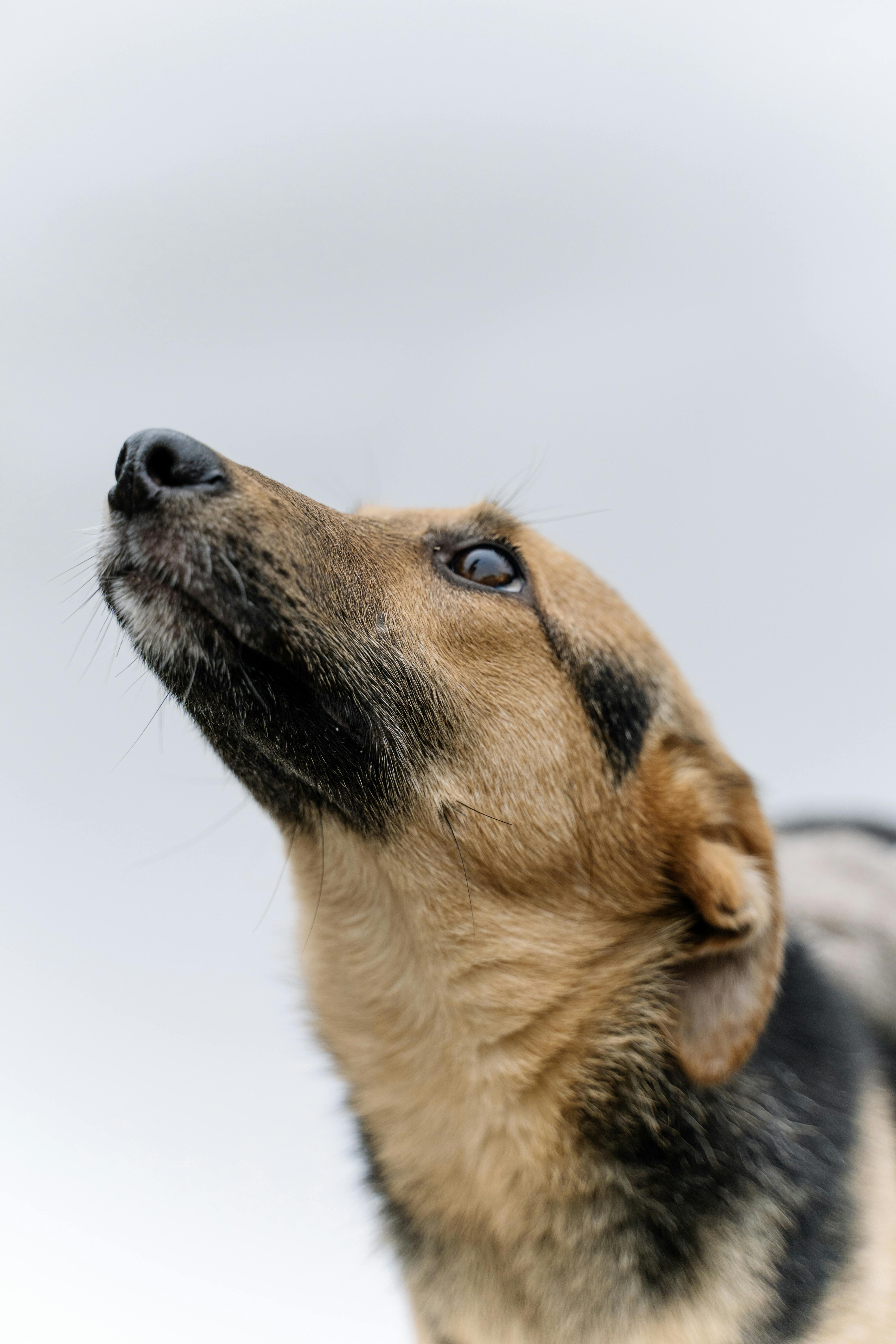 \n\n
\n\nDogs are often called "man's best friend," and, they come with a lot of mysteries. One of those mysteries is their wet noses. Have you ever wondered, why do dogs have wet noses? This seemingly simple question leads to a fascinating world of canine emotions, health, and even evolution. Wet noses are not just cute; they serve a purpose, revealing much about how our furry friends feel and interact with their environments.
\nThe Science Behind Wet Noses
\nFirst off, let’s talk about why dog noses are wet in the first place. The moisture on a dog’s snout is primarily due to the secretion of mucous. This mucous serves several functions, including:
\n- \n
- Regulating Temperature: Dogs don’t sweat the way humans do. Instead, they rely on their noses for cooling down. A wet nose helps to evaporate moisture, providing a cooling effect. \n
- Sense of Smell: A wet surface on the nose helps capture scent particles, which makes it easier for dogs to detect smells. Wet noses are crucial for their incredible sense of smell. \n
- Health Indicator: The moisture level can indicate health. A dry nose might signal dehydration or illness, while a wet nose usually means a dog is healthy. \n
Emotional Barometer
\nDid you know that a dog’s nose can also reflect its emotions? Yes! Dogs express feelings through body language and their snouts. Here’s how:
\n- \n
- Happy and Excited: A wet, cool nose can indicate that a dog is feeling joyful and content. Their excitement often causes them to pant, which adds moisture to their snout. \n
- Nervousness or Stress: In contrast, if a dog is scared or anxious, their nose might feel drier. This can be a sign of stress, especially if combined with other body language signals like tucked tails or stiff posture. \n
- Curiosity: When a dog is curious, they often sniff around, which keeps their noses moist. \n
Historical Context of Dog Noses
\nThroughout history, dogs have been bred for a variety of purposes. The moisture on their noses has been a beneficial trait for many of these roles, such as:
\n- \n
- Hunting: Dogs bred for hunting needed an acute sense of smell. Wet noses helped them track scents more efficiently. \n
- Scent Detection: Working dogs, like police or rescue dogs, also benefit from having moist noses to aid in their searching tasks. \n
Fun Facts About Dog Noses
\nHere are some interesting tidbits about dog noses that you might not know:
\n- \n
- Unique Patterns: Just like human fingerprints, every dog’s nose has a unique pattern. This could be used for identification. \n
- Temperature Regulation: A dog’s normal body temperature ranges between 101 to 102.5 degrees Fahrenheit. The wet nose helps keep their body temperature stable. \n
- Licking Habits: Dogs often lick their noses, which keeps them moist. This behavior can also be a sign of anxiety or a way to explore their surroundings. \n
Comparing Dog Noses to Other Animals
\nDogs are not the only animals with wet noses. Here’s a quick comparison:
\n| Animal | \nWet Nose Purpose | \n
|---|---|
| Dogs | \nEnhances smell, regulates temperature, emotional cues | \n
| Cats | \nLess moisture, but still helps with scent detection | \n
| Pigs | \nMoist noses help them root in the ground for food | \n
| Rhinoceroses | \nWet noses assist in thermoregulation | \n
Practical Tips for Dog Owners
\nAs a dog owner, it’s important to pay attention to your pet’s nose. Here are some practical tips:
\n- \n
- Monitor Moisture Levels: Regularly check if your dog’s nose is wet or dry. A sudden change may require a vet visit. \n
- Hydration is Key: Ensure your dog has access to fresh water to keep their nose moist and healthy. \n
- Observe Behavior: Notice how your dog’s nose feels in different situations. Changes may indicate emotional states or health issues. \n
Understanding the significance of your dog’s wet nose can deepen your bond with your furry friend. By paying attention to these details, you can be more in tune with their needs and emotions. So next time you pet your pup, take a moment to appreciate their moist snout. It’s not just an adorable feature; it’s a window into their health and feelings. Embrace the wonder of your dog’s wet nose and enjoy the journey of being a dog owner!
\n\nIs Your Dog’s Nose Too Wet? Discover When to Be Concerned!
\n\n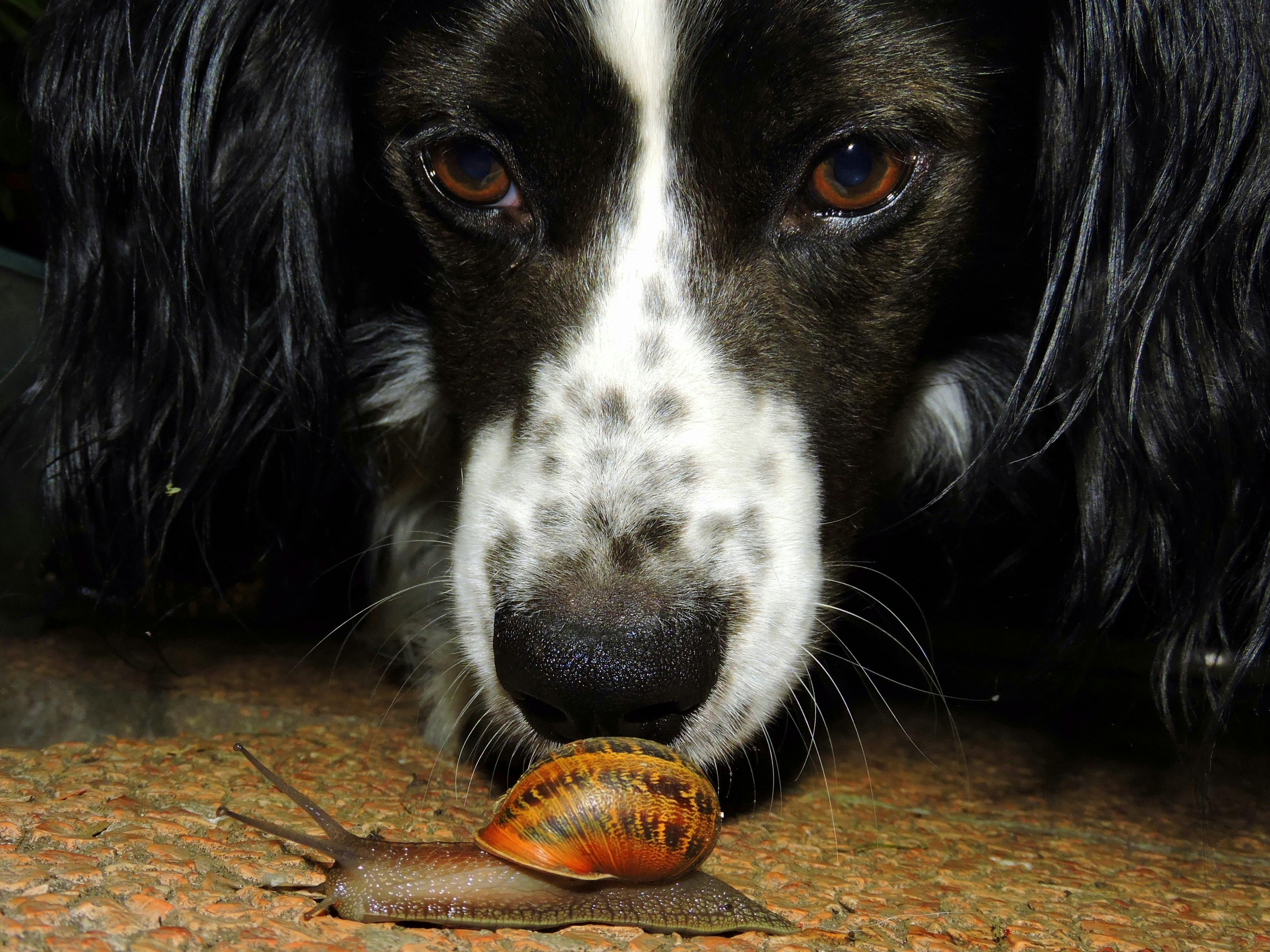 \n\n
\n\nIs your dog’s nose too wet? If you’ve ever own a dog, you probably noticed their nose is often moist. But what does that really mean? Are you concern if it’s too wet or too dry? Let’s uncover the fascinating truth about why do dogs have wet noses and when you should be worried about it.
\nWhy Do Dogs Have Wet Noses?
\nDogs have wet noses for a variety of reasons, and it's more than just a cute trait. A wet nose plays a crucial role in the dog's overall health and sensory perception. Here’s a breakdown of some key reasons:
\n- \n
- \n
Cooling Mechanism: Just like humans sweat, dogs regulate their body temperature through their noses. The moisture evaporates, helping to keep them cool.
\n \n - \n
Enhanced Smell: Dogs have an incredible sense of smell, and a wet nose helps to absorb scent particles from the air. This aids in their ability to detect smells, which is far superior to humans.
\n \n - \n
Hygiene Indicator: A dog's nose can indicate their health. A healthy dog usually has a moist nose, while a dry nose might suggest dehydration or illness.
\n \n - \n
Behavioral Signals: Dogs often lick their noses as a way to communicate or express themselves. A wet nose can be a sign of excitement or curiosity.
\n \n
Is Your Dog's Nose Too Wet?
\nIt's important to notice the condition of your dog's nose, but you shouldn't panic if it's a bit wet. However, there are some signs that you should keep an eye on. Here's a quick list of what to watch for:
\n- \n
- \n
Excessive moisture: If your dog's nose is dripping wet constantly, it could be a sign of a nasal infection or allergies.
\n \n - \n
Color changes: A healthy dog’s nose is usually black, brown, or pink depending on the breed. If you notice any discoloration, this could be a reason for concern.
\n \n - \n
Crusting or cracking: A nose that appears dry or cracked might suggest dehydration or other health issues.
\n \n - \n
Behavioral changes: If your dog is acting lethargic or shows no interest in food, coupled with a wet nose, it might be time to visit the vet.
\n \n
Comparisons: Wet vs. Dry Noses
\nComparing wet and dry noses can help to clarify when to worry. Here’s a simple table of differences:
\n| Feature | \nWet Nose | \nDry Nose | \n
|---|---|---|
| Temperature | \nCool to the touch | \nWarm or hot | \n
| Health Indicator | \nUsually healthy | \nCan indicate dehydration or illness | \n
| Smell Ability | \nEnhanced scent detection | \nMay be less effective | \n
| Behavior Signal | \nExcited or curious | \nMay indicate stress or discomfort | \n
Dog Nose Health: When to Be Concerned
\nWhile a wet nose is usually a sign of good health, there are times when you should consider seeing a veterinarian. Here are some situations to watch out for:
\n- \n
- \n
If your dog’s nose is persistently dry or hot. This could indicate fever or illness.
\n \n - \n
Notice any unusual discharge from the nose. Clear discharge can be normal, but colored discharge could indicate an infection.
\n \n - \n
If your dog shows signs of distress, such as coughing, sneezing, or nasal bleeding.
\n \n - \n
If there are sudden changes in behavior, like lack of appetite or energy, this could also be linked to health issues.
\n \n
Fun Facts About Dogs’ Noses
\n- \n
- \n
Unique Patterns: Just like human fingerprints, every dog has a unique nose print that can be used for identification.
\n \n - \n
Temperature Regulation: Dogs sweat through their paws, but their nose is also a key player in temperature regulation.
\n \n - \n
Nose Licking: Dogs lick their noses to keep them moist, which helps with their smell.
\n \n - \n
Scent Receptors: Dogs have up to 300 million scent receptors compared to humans who have about 5 million. That's a huge difference!
\n \n
Understanding your dog’s nose can provide valuable insights into their health and well-being. Remember that while wet noses are generally a good sign, not all wet noses are created equal. It’s always best to monitor your dog’s overall condition and seek veterinary advice if you notice anything unusual. Keeping an eye on your furry friend’s nose health can help you catch potential issues early and ensure they live a long, happy life.
\n\nUnveiling the Myths: Do Wet Noses Really Keep Dogs Cooler?
\n\n \n\n
\n\nDogs are known for their playful antics and loyal nature, but one of the most intriguing features of our furry friends is their wet noses. Many people believe that wet noses help to keep dogs cooler, but is that really true? In this piece, we will unveil the myths surrounding why do dogs have wet noses and explore the fascinating truths behind this unique aspect of canine physiology.
\nWhy Do Dogs Have Wet Noses?
\nIt’s commonly accepted that a dog's nose is wet for several reasons. Here are some of the key factors contributing to this phenomenon:
\n- \n
- \n
Temperature Regulation: Dogs don’t sweat like humans do. Instead, they rely on panting and their wet noses to help regulate their body temperature. The moisture on a dog's nose evaporates, which can help cool them down.
\n \n - \n
Enhanced Sense of Smell: A wet nose can help dogs pick up scents better. The moisture collects scent particles in the air, making it easier for them to detect smells. This is crucial for their survival and communication.
\n \n - \n
Health Indicator: The condition of a dog’s nose can sometimes indicate their health. A healthy dog usually has a moist and cool nose, while a dry or cracked nose might signal dehydration or illness.
\n \n
The Science Behind the Wet Nose
\nNow, let’s dive deeper into the science and history of why do dogs have wet noses. The moisture found on a dog's nose comes from a combination of saliva and mucus. Dogs often lick their noses, which helps to keep it moist. Here’s a breakdown of what happens:
\n- \n
- Saliva Production: When a dog licks its nose, saliva spreads across its surface, creating moisture. \n
- Nasal Glands: Dogs have specialized glands in their noses that produce mucus. This mucus helps to trap scent particles and keeps the nose moist. \n
- Environmental Factors: Humidity and temperature can also affect how wet a dog’s nose gets. For instance, in hot weather, a dog might lick its nose more often. \n
Myths vs. Facts
\nThere’s a lot of misconceptions out there about wet noses. Let’s set the record straight with some common myths and the truths behind them:
\n- \n
- \n
Myth 1: Wet noses mean a dog is sick.
\n- \n
- Fact: While a dry nose can sometimes indicate illness, a wet nose is usually a sign of a healthy dog. \n
\n - \n
Myth 2: Wet noses are cooler than dry noses.
\n- \n
- Fact: A wet nose can help with cooling, but it doesn’t necessarily mean a dog is cooler overall compared to one with a dry nose. \n
\n - \n
Myth 3: Dogs have wet noses because they are always in water.
\n- \n
- Fact: Dogs lick their noses out of habit, and the wetness is more related to their physiology than their environment. \n
\n
Practical Examples
\nTo better understand the role of a wet nose, consider these practical examples:
\n- \n
- \n
Hunting Dogs: Breeds like Bloodhounds have exceptionally wet noses to enhance their tracking abilities. They can discern scents over great distances, thanks to their moist noses.
\n \n - \n
Working Dogs: Service dogs rely on their sense of smell to aid their human companions. A wet nose helps them recognize specific scents related to their tasks.
\n \n - \n
Family Pets: Our beloved pets benefit from their wet noses as well. When you see your dog sniffing around, that’s their way of exploring the world, aided by the moisture on their noses.
\n \n
Quick Facts About Dog Noses
\n- \n
- Dogs have about 220 million scent receptors, making their sense of smell vastly superior to humans, who have about 5 million. \n
- The average dog’s nose is about 2.5 inches long, but the size varies by breed. \n
- Each dog has a unique nose print, similar to a human fingerprint. \n
Comparison Table of Wet vs. Dry Noses
\n| Feature | \nWet Nose | \nDry Nose | \n
|---|---|---|
| Temperature | \nCan help cool body | \nMay indicate overheating or dehydration | \n
| Scent Detection | \nBetter at picking up scents | \nLess effective at detecting scents | \n
| Health Indicator | \nTypically healthy | \nMay indicate illness or stress | \n
So, do wet noses really keep dogs cooler? Partially, yes, but the primary purpose of a wet nose is to enhance their sense of smell and regulate their body temperature. Dogs have evolved in ways that make wet noses a vital part of their anatomy, serving multiple functions that are essential for their survival and well-being. Understanding these facts helps us appreciate our canine companions even more. Next time you notice your dog’s wet nose, remember the fascinating biology behind it!
\n\nThe Evolutionary Benefits of a Wet Nose in Dogs: A Deep Dive
\n\n \n\n
\n\nDogs are one of the most beloved pets around the world, and their wet noses often becomes a topic of curiosity for many. Have you ever wondered why do dogs have wet noses? You might think it’s just a quirky feature, but there’s a lot more to it than meets the eye. In fact, the evolutionary benefits of a wet nose in dogs goes beyond just being adorable. Let’s dive deep into this fascinating subject and discover the truth behind our furry friends' moist snouts.
\nThe Science Behind a Wet Nose
\nFirst and foremost, a dog's wet nose serve several important functions. The moisture on a dog’s nose helps them to smell better. How does that work? Well, when a dog sniffs, the wet surface traps scent particles from the air, allowing them to identify different smells more accurately. This is pretty essential since dogs have an incredible sense of smell, estimated to be anywhere from 10,000 to 100,000 times more sensitive than humans.
\n- \n
- Enhanced Olfactory Capabilities: The moisture on a dog's nose helps capture scent particles. \n
- Temperature Regulation: A wet nose helps to cool down a dog’s body, much like sweat does for humans. \n
- Communication: Dogs also use their noses to communicate with others dogs, leaving scent markings that convey various messages. \n
Historical Context of Wet Noses
\nInterestingly, the evolution of the canine nose traces back to their ancestors. As canines evolved from wolves, their noses adapted to become more effective in various environments. Early humans relied on these animals for hunting and companionship. A wet nose likely became a beneficial trait because it helped dogs track scents more efficiently.
\n- \n
- Ancestors: Early canines had wet noses to enhance their hunting abilities. \n
- Domestication: As dogs became domesticated, they retained this evolutionary feature, which is still vital for their sensory experiences today. \n
Comparison of Dog Noses to Other Animals
\nWhen you compare a dog's nose to other animals, you see some interesting differences. For example, cats also have moist noses, but their sense of smell is less developed compared to dogs. Here’s a quick look at how various animal noses stack up:
\n| Animal | \nNose Type | \nScent Detection Capability | \n
|---|---|---|
| Dog | \nWet and cold | \n10,000 to 100,000 times better than humans | \n
| Cat | \nWet and warm | \n2,000 to 10,000 times better than humans | \n
| Elephants | \nWet and large | \nExceptional, but less than dogs | \n
| Humans | \nDry | \nBaseline for comparison | \n
Practical Examples of Wet Nose Benefits
\nWet noses not only serve biological functions but also have practical implications in everyday life. Consider the following:
\n- \n
- Health Indicators: A wet nose often signals a healthy dog. However, dry or cracked noses may indicate illness or dehydration. \n
- Thermoregulation: If a dog is too hot, their nose may dry out, which is a sign that they need to cool down. \n
- Training and Behavior: Dogs with wet noses tend to be more engaged and responsive to training, as their sense of smell plays a key role in their learning processes. \n
Fun Facts About Dog Noses
\nHere are some fun and interesting facts you might not know about dog noses:
\n- \n
- Unique Patterns: Just like human fingerprints, each dog's nose print is unique. This can be used for identification. \n
- Scent Memory: Dogs can remember scents for a long time, which helps them locate missing persons or detect substances. \n
- Nose Temperature: A dog's nose temperature can vary based on their activity level; it tends to be cooler when they are at rest. \n
Conclusion
\nUnderstanding the evolutionary benefits of a wet nose in dogs reveals just how remarkable these animals truly are. Their wet noses serve multifaceted roles that enhance their lives and strengthen their bond with humans. So next time you see your furry companion with their adorable wet nose, remember that it’s not just a cute trait, but a vital part of who they are.
\n\nCurious Canine Facts: Why Do Dogs Have Wet Noses in the First Place?
\n\n \n\n
\n\nHave you ever wondered why do dogs have wet noses? It’s a question that many pet owners and curious minds ponder. Dogs are known for their unique features, and their moist noses often catch our attention. But there is so much more to this intriguing characteristic than meets the eye. Let’s dive into the fascinating world of canine anatomy and uncover the reasons behind those wet noses.
\nThe Science Behind Wet Noses
\nDogs’ noses are not just for show; they serve several important purposes. First off, their wet noses help them to smell better. You see, the moisture on a dog's nose enhances their ability to detect scents. When the nose is wet, it captures scent particles more effectively, leading to better olfactory perception.
\n- \n
- Dogs have up to 300 million scent receptors in their noses, compared to a human's mere 5 million. \n
- The moisture also helps to cool down the dog’s body through evaporation, much like how sweating works for humans. \n
Historical Context of Dog Noses
\nHistorically, dogs were bred for various purposes, including hunting and herding. Their wet noses played a crucial role in their survival and work. For instance, hunting dogs needed an exceptional sense of smell to track game, and their wet noses were essential to this task.
\nIn ancient times, humans recognized the importance of a dog’s sense of smell, leading to selective breeding for traits like a wet nose. Over generations, dogs were bred not only for their temperament but also for their physical traits, including that distinctive moist nose.
\nWhy Is Moisture Important?
\nSo, why do dogs have wet noses? It’s important to understand that the moisture comes from a combination of glands and the environment. Here’s a quick breakdown:
\n- \n
- Nasal Glands: Dogs have specialized glands in their noses that produce mucus. This mucus keeps the nose moist. \n
- Environmental Factors: Dogs often lick their noses, which adds to the moisture. This licking behavior is natural and helps to keep their noses cool and wet. \n
Fun Facts About Dog Noses
\nHere are some fun facts that might surprise you about your furry friend's nose:
\n- \n
- A dog’s nose print is unique, much like a human fingerprint. \n
- Dogs can detect certain diseases, such as cancer and diabetes, through their sense of smell. \n
- The color of a dog's nose can vary widely depending on the breed, from the classic black to shades of brown, pink, and even spotted. \n
Comparisons to Other Animals
\nIt’s interesting to compare dogs with other animals regarding their noses. For example, cats also have moist noses, but they aren’t as reliant on their sense of smell as dogs are. Here’s a quick comparison:
\n| Animal | \nNumber of Scent Receptors | \nNose Type | \nPurpose of Moisture | \n
|---|---|---|---|
| Dog | \n300 million | \nWet | \nEnhanced smell, cooling | \n
| Cat | \n50-80 million | \nWet | \nBasic scent detection | \n
| Human | \n5 million | \nDry | \nLimited scent detection | \n
Practical Implications for Dog Owners
\nUnderstanding why do dogs have wet noses can help dog owners take better care of their pets. Here are some tips:
\n- \n
- Monitor for Changes: If your dog's nose becomes dry and cracked, it could be a sign of dehydration or illness. Always consult your vet if you notice significant changes. \n
- Keep Hydrated: Ensure your dog has access to fresh water. Hydration helps maintain that all-important moisture in their noses. \n
- Grooming Matters: Regular grooming can help keep your dog’s skin and nose healthy, preventing dryness and irritation. \n
Final Thoughts
\nSo, the next time you see your dog’s wet nose, think about the fascinating reasons behind it. Those moist noses are not just cute; they are essential tools that help your furry companions navigate the world. The combination of science, history, and practical care tips gives us a deeper appreciation for these beloved pets. Now you know why do dogs have wet noses and can share this intriguing fact with other curious minds!
\n\nHow Temperature and Environment Affect Your Dog’s Nose Moisture Levels
\n\n \n\n
\n\nWhen you see a dog, one of the first things you probably notice is their nose. It might be shiny and wet, which is a common characteristic of our furry friends. But have you ever wondered, why do dogs have wet noses? This curious feature isn’t just for show; it serves several important purposes. And, interestingly, environmental factors like temperature can greatly influence the moisture levels of a dog's nose. Let’s dive into the fascinating truth behind this.
\nThe Science Behind Wet Noses
\nDogs have wet noses due to a combination of biological and physiological reasons. The moisture on a dog’s nose comes from a few sources:
\n- \n
- Mucous Secretions: Dogs produce a mucous that helps to keep their noses moist. This mucous is crucial for their sense of smell. \n
- Saliva: When dogs lick their noses, the saliva adds to the moisture. They do this instinctively to enhance their olfactory capabilities. \n
- Environmental Factors: Humidity and temperature play major roles in how wet or dry a dog’s nose can get. \n
A wet nose is more than just a cute feature; it actually helps dogs in several ways. Here’s a quick breakdown of what a moist nose does:
\n- \n
- Enhanced Smell: A wet surface helps to trap scent particles, making it easier for dogs to detect smells. This is why dogs have such a powerful sense of smell. \n
- Temperature Regulation: Dogs don’t sweat like humans do. Instead, they rely on their noses to help cool down. A wet nose can help with this process. \n
- Health Indicator: A dog’s nose can also be a health indicator. A dry or cracked nose might signal dehydration or illness. \n
How Temperature Affects Nose Moisture Levels
\nTemperature and environment can greatly impact the moisture levels of a dog's nose. For instance, during hot summer days, a dog’s nose might dry out quicker because of the heat. Conversely, in a humid environment, the nose may stay wetter for longer.
\nHere’s a breakdown of how different temperatures can affect your dog’s nose:
\n- \n
- \n
Hot Weather:
\n- \n
- Increased evaporation \n
- Higher risk of dehydration \n
- Nose may become dry and cracked \n
\n - \n
Cold Weather:
\n- \n
- Cold air can dry out mucous membranes \n
- Dogs might lick their noses more to keep them moist \n
- Frostbite is a risk for extreme cold exposure \n
\n - \n
Humidity Levels:
\n- \n
- High humidity keeps noses moist \n
- Low humidity can lead to dryness \n
\n
Why Do Dogs Lick Their Noses?
\nYou might have seen your dog frequently licking their nose. This behavior serves several purposes:
\n- \n
- Moisturizing: Helps to maintain moisture levels. \n
- Cleansing: Dogs use their tongues to clean dirt or particles off their noses. \n
- Sensory Enhancement: Licking can help dogs to gather more scent information. \n
What to Look for in a Healthy Nose
\nWhen it comes to your dog’s nose, it’s important to know when something might be wrong. Here’s a simple checklist of signs to look for:
\n- \n
- Moisture Level: A healthy nose is usually damp. If it’s excessively dry, it could indicate health issues. \n
- Color: The color should be consistent with their breed. If there’s discoloration, it might need attention. \n
- Cracks or Lesions: These can be signs of dehydration or skin conditions. \n
Keeping Your Dog’s Nose Healthy
\nTo ensure that your dog’s nose stays healthy and moist, consider the following tips:
\n- \n
- Hydration: Always provide fresh water, especially in hot weather. \n
- Limit Sun Exposure: Dogs can get sunburned, so limit their time in direct sunlight. \n
- Regular Vet Check-ups: Routine check-ups can catch potential issues early. \n
It’s amazing how something as simple as a dog’s nose can tell us so much about their health and well-being. The moisture levels, influenced by temperature and environment, play a significant role in their sensory abilities and overall health. Understanding these factors not only helps you care for your furry friend better but also enhances the bond you share. So next time you see your dog with a wet nose, think about all the fascinating things going on beneath the surface!
\n\nThe Relationship Between Dog Breeds and Nose Wetness: What the Data Shows
\n\n \n\n
\n\nHave you ever wondered why dogs have wet noses? It's a common sight to see your furry friend with a nose that glistens, but not many people think about the science behind it. The relationship between dog breeds and nose wetness is actually pretty fascinating. Understanding why some dogs have wetter noses than others can shed light on their health, their behavior, and even their ancestry. So, let’s dive into the data and explore the reasons behind those moist noses!
\nWhat Causes Wet Noses in Dogs?
\nThe moisture on a dog's nose serves several important purposes. Here’s what you should know:
\n- \n
- \n
Temperature Regulation: A wet nose helps dogs to cool down. Just like how humans sweat, dogs have a mechanism to release heat through their noses.
\n \n - \n
Enhanced Sense of Smell: The moisture helps to trap scent particles, improving a dog’s olfactory abilities. This is one reason why dogs are so good at sniffing out things!
\n \n - \n
Health Indicator: A wet nose is often seen as a sign of a healthy dog. However, this is not always the case, and a dry nose could indicate some health issues.
\n \n
The Science Behind Dog Nose Wetness
\nResearch indicates that there’s a notable variance in the moisture levels of dog noses across different breeds. Breeds such as the Labrador Retriever and the Beagle tend to have wetter noses compared to the Bulldog or the Shar Pei. But why does this happen? Here’s what the data shows:
\n- \n
- \n
Breed Differences: Certain breeds are bred for specific functions. For example, hunting breeds may have developed wetter noses to enhance their ability to detect scents.
\n \n - \n
Body Temperature: Larger breeds may have more difficulty in regulating their body temperatures, leading to wetter noses as a compensatory mechanism.
\n \n - \n
Genetic Factors: Some breeds are genetically predisposed to have unique nasal structures that contribute to the moisture levels.
\n \n
Comparison of Dog Breeds and Nose Wetness
\nHere’s a quick look at how different breeds stack up in terms of nose wetness:
\n| Dog Breed | \nNose Wetness Level | \n
|---|---|
| Labrador Retriever | \nHigh | \n
| Beagle | \nHigh | \n
| Bulldog | \nLow | \n
| Shar Pei | \nLow | \n
| German Shepherd | \nModerate | \n
Why Do Dogs Have Wet Noses?
\nNow, let’s talk about the reasons why dogs' noses are naturally wet. There’s a mix of biological and environmental factors at play:
\n- \n
- Humidity and Environment: Dogs that live in humid climates may have wetter noses simply due to the environmental conditions. \n
- Nasal Glands: Dogs have specialized glands in their noses that produce moisture. This is why you might notice some dogs have a drier nose during the winter months when the air is less humid. \n
- Health Factors: A dog’s overall health can influence nose wetness. For instance, allergies or infections can cause a dog’s nose to become drier than normal. \n
Fascinating Facts About Dog Noses
\nDid you know that a dog's nose print is as unique as a human fingerprint? Here are some more interesting facts:
\n- \n
- Sensitivity: Dogs have about 220 million scent receptors in their noses, compared to about 5 million in humans. \n
- Nose Color: The color of a dog's nose can change due to sunlight exposure or health conditions. \n
- Lifespan of Nose Moisture: A dog’s nose can dry out quickly, so it’s essential to keep an eye on it, especially in hot weather. \n
Practical Tips for Dog Owners
\n- \n
- \n
Monitor Nose Condition: Pay attention to your dog's nose. If it suddenly becomes dry and cracked, it could be a sign of dehydration or illness.
\n \n - \n
Hydration is Key: Always ensure your dog has access to fresh water to keep their body, and hence their nose, hydrated.
\n \n - \n
Regular Vet Check-ups: Routine visits to the veterinarian can help catch any underlying health issues that may affect nose moisture.
\n \n
In conclusion, the relationship between dog breeds and nose wetness is not just a curious fact but also a significant aspect of canine health and behavior. By understanding why dogs have wet noses, dog owners can take better care of their furry friends. Whether it’s due to genetics, environment, or health, keeping an eye on that little wet nose can lead to a happier, healthier pup. So the next time you see your dog’s shiny, moist nose, remember the science that makes it all possible!
\n\nConclusion
\n\nIn conclusion, the wet noses of dogs serve multiple important functions that contribute to their overall health and well-being. As discussed, a dog's moist nose helps enhance their sense of smell, allowing them to effectively gather scent particles from the environment. Additionally, the wetness aids in temperature regulation, preventing overheating during physical activities. The presence of mucus on their nose also plays a crucial role in keeping their sense of smell sharp, while signaling to their owners their emotional state and health. Understanding why dogs have wet noses not only deepens our appreciation for these beloved pets but also highlights the intricacies of their biology. As responsible pet owners, it’s essential to monitor our dogs’ noses for any changes, as this could indicate potential health issues. So the next time you give your furry friend a pat, take a moment to appreciate the fascinating science behind that delightful wet nose!
\n\n