Have you ever wondered, why do dogs have wet noses? This curious feature of our furry friends is not just for show; it actually serves several important purposes! Many dog owners have probably noticed that their pets’ noses are often moist, and this phenomenon raises intriguing questions. What is the science behind a dog's wet nose? Is it related to their sense of smell or perhaps their overall health? As we dive into this captivating topic, you'll discover the fascinating truth about why dogs' noses are not only damp but also vital for their well-being. This unique characteristic enhances their ability to detect scents, making them incredible companions and hunters. But that’s not all! A wet nose can also indicate a dog’s emotional state and even help regulate their body temperature. Are you curious to learn more about this intriguing aspect of canine biology? Join us as we explore the reasons behind your dog's moist nose and uncover the secrets that make them such extraordinary beings. Get ready to be amazed by the incredible world of dogs and their wet noses!
\n\nThe Science Behind Wet Noses: Why Are Dogs' Noses Always Moist?
\n\n \n\n
\n\nDogs are often called man's best friend, but have you ever notice how their noses always seem to be wet? It’s a common sight, but why do dogs have wet noses? Delving into the science behind this phenomenon reveals fascinating insights that go far beyond just aesthetics. Let's explore the reasons why dogs' noses are moist and uncover the fascinating truth behind it!
\nThe Anatomy of a Dog's Nose
\nDogs' noses are made up of intricate structures known as nasal turbinates. These are thin, bony structures that support the mucous membranes, and they play a key role in the dog's sense of smell. The moistness of a dog's nose is actually an important feature that helps enhance their olfactory abilities.
\n- \n
- Surface Area: The internal structure of a dog's nose is designed to maximize the surface area. \n
- Mucous Membrane: The moist mucous membranes help trap scent particles, allowing dogs to detect smells much better. \n
- Temperature Regulation: A wet nose can also assist in regulating body temperature. \n
Why Are Dogs’ Noses Wet?
\nSo, why do dogs have wet noses, anyway? There are several reasons for the moisture, and they are all pretty interesting.
\n- \n
- Scent Detection: A wet nose helps dogs smell better. The moisture captures scent particles, making it easier for dogs to detect different odors. \n
- Cooling Mechanism: Dogs don’t sweat like humans do. Their noses help cool them down when they’re too warm. When moisture evaporates from the nose, it helps regulate the dog's body temperature. \n
- Health Indicator: A moist nose can indicate that a dog is healthy. It can show they are hydrated, well-fed, and in good overall health. \n
The Role of Body Temperature
\nDid you know? The temperature of a dog's body can affect how wet their nose is. For example, if a dog is sick or overheated, their nose may feel warmer and drier than usual. Here’s a quick comparison:
\n- \n
- Normal: Moist and cool \n
- Sick/Overheated: Dry and warm \n
- Dehydrated: Dry and hot \n
Historical Context
\nDogs evolved from wolves, and their moist noses have been a part of their anatomy for thousands of years. In ancient times, dogs used their noses for hunting and tracking prey. The moisture in their noses allowed them to follow scents over long distances.
\n- \n
- Evolution: Dogs have been domesticated for over 15,000 years, and their sense of smell has been crucial for survival. \n
- Breeds and Noses: Different breeds may have varying nose shapes and moisture levels. For instance, brachycephalic breeds tend to have flatter noses, which may affect their ability to retain moisture. \n
Fun Facts About Dog Noses
\nHere are some fun facts about dogs' noses:
\n- \n
- Unique Patterns: Just like human fingerprints, every dog’s nose print is unique. This can be used for identification. \n
- Smell Power: Dogs have about 220 million scent receptors in their noses, compared to humans' 5 million. This makes their sense of smell incredibly powerful. \n
- Canine Communication: Dogs use their noses to communicate with each other, leaving scent marks that convey different messages. \n
Practical Examples of Nose Care
\nTaking care of a dog's nose is important to ensure their health. Here’s how you can help maintain a healthy nose:
\n- \n
- Hydration: Always provide fresh water to keep your dog hydrated. \n
- Cleanliness: Regularly check and clean the nose area to prevent any irritations or infections. \n
- Observe Changes: Any sudden changes in moisture levels can indicate health issues. If a nose is persistently dry or crusty, consult a veterinarian. \n
Summary of Key Points
\n- \n
- Dogs have moist noses for several reasons: scent detection, cooling, and health indicators. \n
- The wetness of a dog’s nose can change based on their health and environmental conditions. \n
- Understanding your dog’s nose can help you keep them healthy and happy. \n
It’s clear that the moisture in dogs' noses is not just for show. This fascinating feature serves multiple important purposes, from enhancing their ability to smell to regulating their body temperature. So next time you see a dog with a wet nose, remember that there's a whole world of science behind it!
\n\n5 Surprising Benefits of a Dog's Wet Nose: What You Need to Know
\n\n\n\nDogs are often considered man's best friend, but have you ever wonder why their noses are always wet? It's one of those little quirks that many of us notice, but not everyone understand the science and the benefits behind it. In this article, we’ll explore five surprising benefits of a dog's wet nose and dive into the fascinating truth of why do dogs have wet noses.
\nThe Science Behind Wet Noses
\nFirst off, let’s talk about the anatomy of a dog’s nose. A dog’s nose is covered in a thin layer of mucous, which keeps it moist. This moisture is important for several reasons:
\n- \n
- Improved Sense of Smell: Wet noses help to capture scent particles from the air. When a dog sniffs, the moisture on their nose traps these particles, allowing them to analyze smells more effectively. \n
- Thermoregulation: Dogs do not sweat like humans do. They regulate their body temperature through their nose and panting. A wet nose helps cool them down. \n
- Health Indicator: The condition of a dog’s nose can indicate their health status. A dry, cracked nose might suggest dehydration or illness, while a healthy wet nose is generally a sign of good health. \n
5 Surprising Benefits of a Dog's Wet Nose
\n- \n
- \n
Enhanced Scent Detection
\n- \n
- Dogs have an incredible sense of smell, about 10,000 to 100,000 times better than humans. Their wet noses are a key factor in this. The moisture helps to absorb scent molecules, making it easier for dogs to detect and identify a wide variety of smells. \n
\n - \n
Cooling Mechanism
\n- \n
- Unlike humans, dogs don’t have sweat glands all over their bodies. Their wet noses play a crucial role in helping them cool off. When a dog licks their nose, the evaporation of the moisture provides a cooling effect, helping to regulate their body temperature during hot weather. \n
\n - \n
Communication Tool
\n- \n
- Dogs communicate through their senses, and their noses are no exception. A wet nose can be a way for a dog to show affection or seek attention. When a dog nudges you with their moist nose, it’s often their way of saying, “Hey, pay attention to me!” \n
\n - \n
Health Monitoring
\n- \n
- As mentioned earlier, a dog’s nose can be a good indicator of their health. If a dog’s nose is unusually dry or excessively wet, it might be time for a vet visit. Regularly checking your dog’s nose can help catch potential health issues before they become serious. \n
\n - \n
Bonding Experience
\n- \n
- Playing games that involve sniffing can strengthen the bond between you and your dog. Activities like hide-and-seek with treats or toys can engage their sense of smell and provide mental stimulation, all while allowing you both to enjoy time together. \n
\n
Why Do Dogs Have Wet Noses? The Fascinating Truth!
\nThe evolutionary history of dogs can shed some light on their wet noses. Dogs descend from wolves, which have wet noses as well. Over time, these characteristics have been retained through domestication. The wetness of a dog's nose is not just a random trait; it serves several practical purposes that have been beneficial for their survival.
\nFun Facts About Dog Noses
\n- \n
- Unique Prints: Just like human fingerprints, every dog has a unique nose print. \n
- Temperature Check: A dog’s normal body temperature ranges between 101 to 102.5 degrees Fahrenheit, and their nose can be a useful tool for checking if they might be running a fever. \n
- Moisture Levels: The amount of moisture on a dog’s nose can change throughout the day depending on their activity level and environment. \n
The Bottom Line
\nUnderstanding why dogs have wet noses and the benefits of this quirky characteristic can enhance your appreciation of our furry friends. From improving their sense of smell to serving as a health monitor, a dog’s wet nose is more than just an endearing trait. It’s a sign of their health and a tool for communication. So, the next time your dog greets you with a wet nose, remember that there's a fascinating world behind that simple gesture. Embrace the joy and benefits that come with being a dog owner, and don’t forget to check that adorable nose!
\n\nHow a Dog's Wet Nose Enhances Their Sense of Smell: The Amazing Facts
\n\n\nDogs are known for their playful nature and loyal companionship, but one of their most remarkable features is their wet nose. Have you ever wondered why do dogs have wet noses? This unique trait plays a significant role in enhancing their sense of smell, which is among the most advanced in the animal kingdom. Let’s dive into the fascinating truth behind the wet noses of dogs and how it helps them sniff out the world around them.
\nThe Science Behind a Dog's Wet Nose
\nA dog's nose is not just a cute feature; it serves a critical purpose. The wetness of a dog's nose is mainly due to a thin layer of mucus that keeps the nose moist. This moisture enhances their ability to detect scents. Dogs have up to 300 million olfactory receptors in their noses, compared to about 5 million in humans. So, even a small amount of scent particles can provide a ton of information for a dog.
\n- \n
- Moisture Functions:
- \n
- Helps absorb scent molecules. \n
- Keeps the nasal passages cool. \n
- Prevents drying out in various weather conditions. \n
\n
Why Are Wet Noses Important?
\nThe wetness of a dog’s nose plays a significant role in their smelling abilities. It’s not just for show; it’s functional. Here are some amazing facts about what a wet nose does:
\n- \n
- \n
Increases Sensitivity: A wet nose allows dogs to pick up scents better. The moisture captures scent particles, making it easier for these particles to enter the olfactory receptors.
\n \n - \n
Regulates Temperature: Dogs use their noses to help regulate their body temperature. When a dog pants, moisture evaporates from their nose, which cools them down.
\n \n - \n
Communication Tool: Dogs often use their noses to communicate with each other. A wet nose may signal curiosity or excitement when meeting another dog.
\n \n
Historical Context of Dog Noses
\nHistorically, dogs have been bred for various purposes, including hunting, herding, and companionship. Each breed has developed unique traits, including their noses. For example, Bloodhounds are known for their incredible sense of smell, and this is partly due to the wetness of their noses, which enhances their tracking abilities.
\n- \n
- Evolution of Smell:
- \n
- Early domesticated dogs relied on their sense of smell to locate food. \n
- Breeds were selectively bred for specific jobs (like hunting) that required superior olfactory skills. \n
\n
Fun Facts About Dog Noses
\nHere’s a list of interesting facts about dog noses:
\n- \n
- Dogs’ noses come in various shapes and sizes, depending on the breed. \n
- The color of a dog’s nose can vary (black, brown, pink) and does not affect their sense of smell. \n
- A dog’s nose print is unique, much like a human fingerprint. \n
- Dogs can smell certain diseases, like cancer or diabetes, due to their highly developed sense of smell. \n
Comparison: Dog Noses vs. Human Noses
\nTo understand just how powerful a dog’s nose is, it might help to compare it to a human’s sense of smell:
\n| Feature | \nDogs | \nHumans | \n
|---|---|---|
| Olfactory Receptors | \n~300 million | \n~5 million | \n
| Smell Detection | \nCan detect scents at parts per trillion | \nLimited to stronger scents | \n
| Breath Smell | \nCan identify health issues | \nBasic detection of odors | \n
| Nose Print | \nUnique to each dog | \nNot unique | \n
Practical Examples of How Wet Noses Help Dogs
\nDogs use their noses for various tasks that humans may not fully appreciate. Here are some practical examples:
\n- \n
- \n
Search and Rescue: Dogs can track scents over long distances, making them invaluable in search and rescue operations.
\n \n - \n
Detection Work: Police and military dogs are trained to detect drugs and explosives, relying heavily on their sense of smell.
\n \n - \n
Service Dogs: Some service dogs are trained to alert their owners about medical conditions, like seizures or low blood sugar, using their acute sense of smell.
\n \n
In summary, the wet nose of a dog is not merely a cute feature; it’s a powerful tool that enhances their sense of smell, allowing them to perform tasks that are often beyond human capability. Understanding why do dogs have wet noses helps us appreciate these amazing animals even more. Their sense of smell is one of the many reasons why they are often referred to as "man's best friend." So next time you pet your dog, take a moment to marvel at that wet nose and all the wonders it can do!
\n\nIs a Wet Nose a Sign of Health? Debunking Common Myths About Dogs
\n\n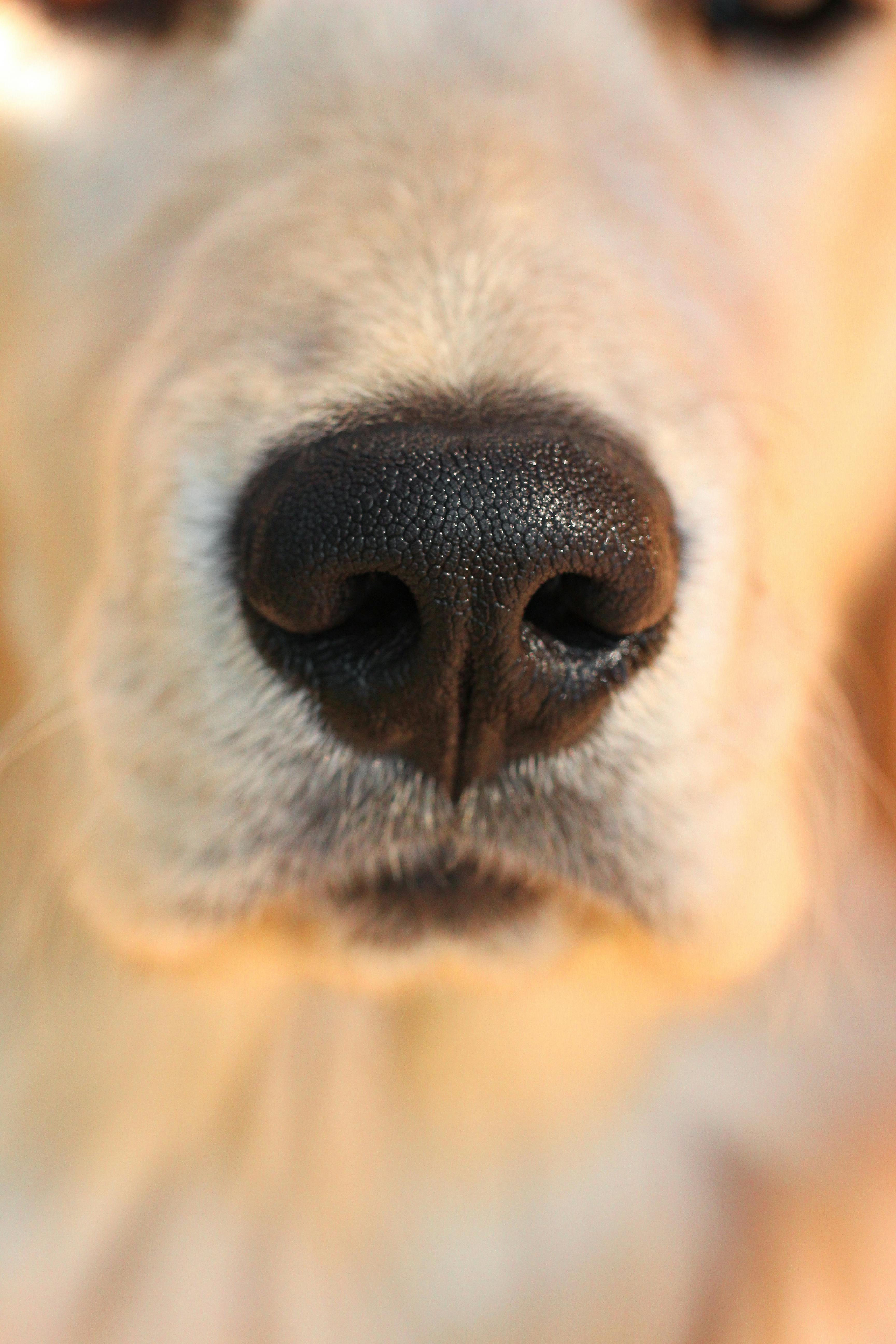 \n\n
\n\nMany dog owners wonder, is a wet nose a sign of health? This common question is often surrounded by myths and misconceptions. People have long believed that a wet nose means a dog is healthy, but is that really the case? Let's dig deeper into why do dogs have wet noses and uncover some fascinating truths behind this canine characteristic.
\nThe Science Behind Wet Noses
\nTo understand why dogs have wet noses, we first must look at the biology of a dog's nose. A dog's nose is covered with a thin layer of mucus, which helps to enhance their sense of smell. Wet noses can pick up scent particles more effectively than dry ones. This wetness is crucial for dogs, as they rely heavily on their sense of smell to navigate the world around them.
\n- \n
- Nasal Structure: Dogs have a highly specialized nasal structure. The surface area of a dog's nose is much larger than a human's, allowing more scent receptors. \n
- Moisture Production: The mucus glands in the nose produce moisture to keep it wet. It aids in trapping scent particles. \n
- Temperature Regulation: A wet nose can help a dog regulate its body temperature. It cools off the blood vessels in the area, thus helping with overall temperature control. \n
Common Myths About Wet Noses
\nDespite what many believe, a wet nose does not automatically indicate a healthy dog. Here are some myths that need debunking:
\n- \n
- Myth 1: Wet Nose Equals Healthy Dog: Many people think that a wet nose is a sure sign that their dog is healthy. While it can be a sign of hydration, it’s not definitive proof of good health. \n
- Myth 2: Dry Nose Means Illness: A dry nose can indicate illness, but not always. Dogs can have dry noses for many reasons, including environmental factors like heat or low humidity. \n
- Myth 3: Only Healthy Dogs Have Wet Noses: It’s true that many healthy dogs have wet noses, but even sick dogs can have wet noses. So you can’t rely on this alone to gauge your dog’s health. \n
Why Are Wet Noses Important?
\nWet noses serve several important functions for dogs. Here’s a quick look at why these wet appendages are crucial:
\n- \n
- Enhanced Smell: A wet nose improves a dog’s ability to detect scent, which is essential for hunting or tracking. \n
- Communication: Dogs communicate with each other and humans through their noses. A wet nose may signal curiosity or excitement. \n
- Health Indicator: While not foolproof, changes in a dog’s nose can sometimes indicate health issues. A persistent change, like a nose that is unusually dry or cracked, should be evaluated by a veterinarian. \n
Factors Affecting Nose Moisture
\nThere are various factors that can influence the moisture level of a dog's nose. Here’s a list of some common ones:
\n- \n
- Weather Conditions: Hot and dry weather can dry out a dog's nose. \n
- Age: Older dogs may have drier noses due to decreased moisture production. \n
- Health Conditions: Certain health issues, like autoimmune diseases, can also affect the nose's moisture. \n
Practical Tips for Dog Owners
\nAs a dog owner, it’s important to keep an eye on your dog’s nose, but not to obsess over it. Here are some practical tips:
\n- \n
- Regular Vet Check-Ups: Regular vet visits can help catch any potential health issues early. \n
- Hydration: Ensure your dog stays hydrated, especially in hot weather. \n
- Observe Changes: Keep track of any significant changes in your dog’s nose, like cracking or abnormal discharge. \n
Fun Facts About Dog Noses
\nTo wrap things up, here are some fun and interesting facts about dog noses:
\n- \n
- Dogs have up to 300 million smell receptors, compared to about 6 million in humans. \n
- The wetness of a dog's nose can change throughout the day. \n
- Dogs can sniff out diseases, including cancer and diabetes, thanks to their incredible sense of smell. \n
- The unique pattern of a dog’s nose is as unique as a human fingerprint. \n
Understanding the truth about dogs' wet noses can help dog owners better care for their furry friends. While a wet nose can be a sign of hydration and good health, it’s not the only indicator you should look for. Always keep an eye on other signs of health and consult your veterinarian for any concerns. By doing so, you can ensure that your dog remains happy and healthy, regardless of whether their nose is wet or dry.
\n\nWhy Do Puppies Have Wetter Noses? Exploring Developmental Changes
\n\n \n\n
\n\nEver wonder why do puppies have wetter noses? You’re not alone! Many dog owners and enthusiasts ponder about this fascinating trait. The wet noses of dogs aren’t just cute; they serve important roles in a dog’s life. When you see a puppy with that shiny, moist nose, it’s not just for show. Let’s dive into the science behind this phenomenon and explore why dogs have wet noses and the developmental changes that lead to this unique characteristic.
\nThe Science of Wet Noses
\nSo, why do dogs have wet noses? Well, it’s primarily because of their physiology. Dogs, like many animals, have a special gland in their noses that produces moisture. This moisture helps enhance their sense of smell, which is super important for them.
\n- \n
- Enhanced Scent Detection: Dogs have an incredible sense of smell, estimated to be between 10,000 to 100,000 times more sensitive than humans. The wetness on their noses helps to trap scent particles in the air, making it easier for dogs to detect odors. \n
- Temperature Regulation: A wet nose also helps in regulating body temperature. Dogs do not sweat like humans do, so having a moist nose can contribute to their overall cooling process, especially on hot days. \n
Puppies and Their Developmental Changes
\nPuppies are born with a lot of unique features as they grow up. When they are born, they may not have fully developed noses. As they grow, their noses become wetter and more prominent. The moisture is usually a result of several factors:
\n- \n
- Breathing: As puppies start to breathe more actively, their noses become moister. The breathing patterns change with growth and activity. \n
- Exploration: Puppies are naturally curious. As they explore their environment, they frequently lick their noses, which keeps them moist. \n
- Diet: The diet of puppies also plays a role. A healthy diet can contribute to overall skin and coat health, including the nose. \n
Historical Context
\nDogs have been companions to humans for thousands of years. The wet nose is not just a random trait; it has been beneficial for survival. Historically, a wet nose helped dogs track scents for hunting and finding food. This characteristic, passed down through generations, is still vital for many working dogs today.
\nDifferences in Dog Breeds
\nInterestingly, not all dog breeds have the same level of nose wetness. Some breeds might have drier noses due to genetics. Here’s a quick list of how different breeds compare:
\n- \n
- \n
Breeds with Wet Noses:
\n- \n
- Labrador Retrievers \n
- Beagles \n
- German Shepherds \n
\n - \n
Breeds with Drier Noses:
\n- \n
- Bulldogs \n
- Pugs \n
- Shar Peis \n
\n
Fun Facts About Dog Noses
\n- \n
- Temperature Check: A dog’s nose can indicate health. Generally, a cold and wet nose suggests a healthy dog, while a warm and dry nose might indicate illness, though this is not always the case. \n
- Unique Patterns: Just like human fingerprints, every dog has a unique nose print. This can actually be used for identification! \n
- Licking Behavior: Dogs lick their noses not just to keep them moist but also to collect information about their environment. It’s their way of tasting the world. \n
Practical Examples of Nose Wetness
\nIf you’re a puppy owner, you might observe your puppy’s nose changing throughout different activities. For instance:
\n- \n
- After a play session, you might notice that your puppy’s nose is especially wet. This is a result of excitement and increased breathing. \n
- During cold weather, a dog's nose might become drier, while in warmer weather, it tends to be wetter. \n
Why Does This Matter?
\nUnderstanding why do puppies have wetter noses can help you as a pet owner. It’s an indicator of health and well-being. Monitoring your puppy’s nose can give you insights into their hydration levels and overall health. If you notice significant changes in moisture or texture, it could be time to consult a veterinarian.
\nThe next time you see your puppy with a wet nose, remember it’s more than just an adorable feature; it's a reflection of their health, development, and evolutionary history. Being aware of these factors can help you be a more informed and attentive pet owner. Embracing the quirks of your puppy, including their wet noses, is a part of the joy of having a dog!
\n\nThe Role of a Dog’s Wet Nose in Temperature Regulation: An Inside Look
\n\n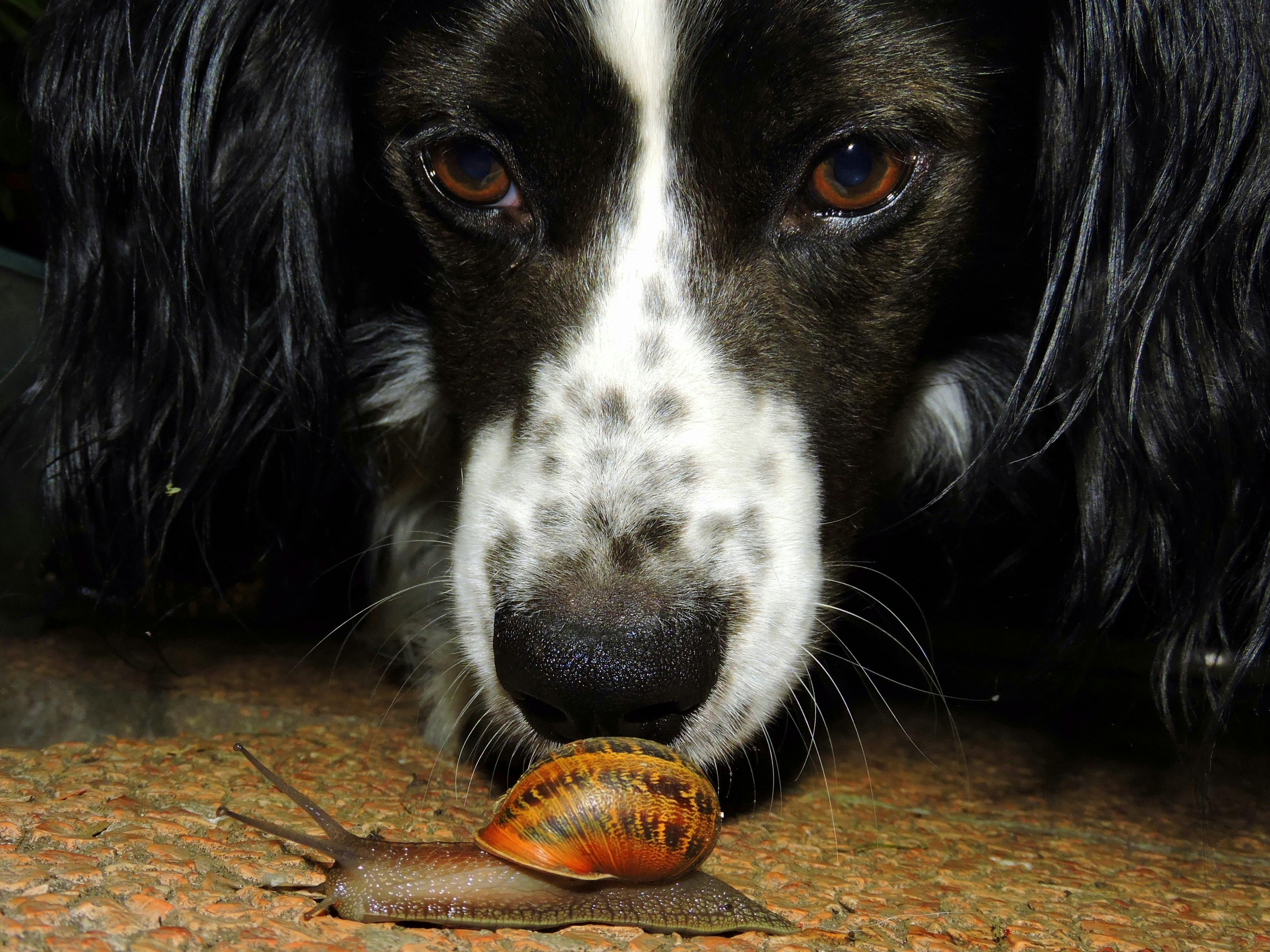 \n\n
\n\nHave you ever wondered why dogs have wet noses? It’s one of those quirks that many people notice, but few stop to really think about. The truth is, a dog’s wet nose plays a significant role in their overall health and well-being. So, let’s dive into the fascinating world of canine noses and discover how they help in temperature regulation and other important functions.
\nThe Science Behind a Dog's Wet Nose
\nA dog’s nose is not just a cute feature; it’s an incredibly sensitive organ. The wetness of a dog's nose comes from a combination of mucus secretion and moisture from the environment. This wetness helps enhance the dog’s sense of smell, which is crucial for their survival. In fact, a dog’s sense of smell is around 10,000 to 100,000 times more sensitive than that of humans!
\n- \n
- Dogs have approximately 300 million smell receptors in their noses. \n
- The wet surface of the nose helps to capture scent particles in the air. \n
- The moisture on the nose can evaporate, cooling the blood vessels underneath, which helps regulate the dog's body temperature. \n
Why Do Dogs Have Wet Noses?
\nSo, what exactly do wet noses do? Here are some of the key reasons why dog noses are moist:
\n- \n
- Scent Detection: The wetness allows scent molecules to dissolve, making it easier for dogs to detect various odors. \n
- Temperature Regulation: Just like humans sweat to cool down, dogs can also utilize their noses to help with temperature control. \n
- Health Indicator: A dog’s nose can be an indicator of their health. A dry or cracked nose might signal dehydration or illness, while a moist and cool nose usually indicates good health. \n
Temperature Regulation: More Than Just a Wet Nose
\nWhile the wetness of a dog's nose is important, it’s not the only way dogs regulate their body temperature. Dogs primarily cool off through panting, but their nose plays a supporting role. Here’s how it works:
\n- \n
- Evaporation: When a dog breathes, moisture evaporates from their nose, which helps cool their blood. \n
- Surface Area: The large surface area of a dog’s nose compared to its body size allows for effective heat exchange. \n
- Behavioral Adaptations: Dogs will often seek out cool surfaces or shade when they feel too hot. \n
Comparing Dogs to Other Animals
\nDogs aren’t the only animals that rely on wet noses or skin for thermoregulation. Here’s how they stack up against some other animals:
\n| Animal | \nMethod of Temperature Regulation | \nNotes | \n
|---|---|---|
| Dogs | \nWet nose & panting | \nHighly effective for heat dissipation | \n
| Cats | \nLick their fur | \nHelps cool through evaporation | \n
| Pigs | \nWallows in mud | \nMud serves as a coolant and also protects skin | \n
| Elephants | \nFlap their ears and spray water on themselves | \nUses both cooling and social behaviors | \n
Fun Facts About Dog Noses
\n- \n
- Dogs have unique nose prints, much like human fingerprints. \n
- The color of a dog’s nose can vary widely based on breed and genetics. \n
- Puppies are born with pink noses that darken as they age. \n
Practical Example: Monitoring Your Dog’s Health
\nAs a dog owner, it’s essential to keep an eye on your pet's nose. A sudden change in moisture levels can indicate health issues. For instance:
\n- \n
- Consistently Dry Nose: Might suggest dehydration or fever. \n
- Excessively Wet Nose: Could indicate a possible infection or allergy. \n
The Cultural Significance of Dog Noses
\nThroughout history, dogs have been seen as companions and helpers. Many cultures attribute special meanings to a dog’s wet nose. For example, in some traditions, a wet nose is thought to bring good luck. Furthermore, the phrase "wet-nosed" is often used to describe dogs affectionately, highlighting their friendly nature.
\nIt’s clear that the role of a dog’s wet nose extends far beyond just being cute; it’s a vital aspect of their biology that helps them navigate the world. Understanding how a dog’s nose works can deepen your appreciation for these beloved pets. So next time you give your furry friend a pat, take a moment to consider the amazing functions packed into that little wet nose.
\n\nCan a Dog's Nose Help Detect Diseases? Discover the Fascinating Connection
\n\n \n\n
\n\nDogs have always been cherished companions, but their abilities extend far beyond simply being cute pets. It’s truly amazing how these furry friends can actually help detect diseases, leading us to ask the question: Can a dog's nose help detect diseases? To answer that, it’s important to understand the incredible sense of smell that dogs possess.
\nThe Science Behind a Dog's Nose
\nDogs have an outstanding olfactory system, which is way more sensitive than that of humans. In fact, a dog's nose have up to 300 million scent receptors, compared to just about 5 million in humans. This unique capability allows dogs to smell things at incredibly low concentrations, making them excellent at detecting various diseases.
\n- \n
- Scent Receptors: Dogs have 300 million olfactory receptors. \n
- Human Comparison: Humans have only 5 million olfactory receptors. \n
- Percentage of Brain Power: About 40% of a dog's brain is dedicated to analyzing smells. \n
So, why do dogs have wet noses? The answer is as fascinating as the question itself. A wet nose is not just a marker of a healthy dog, but it's also a functional trait that enhances their sense of smell.
\nWhy Do Dogs Have Wet Noses? Discover The Fascinating Truth!
\nA dog’s nose is usually wet due to a thin layer of mucus that helps to absorb scent particles. The moisture on their noses also cools their bodies, which is especially important for breeds that struggle to regulate their temperature. Here’s a quick look at some reasons for their wet noses:
\n- \n
- Enhanced Scent Detection: Moisture helps to trap scent particles. \n
- Thermoregulation: Dogs can cool down through their noses. \n
- Health Indicator: A healthy dog tends to have a moist nose. \n
How Dogs Detect Diseases
\nCanine detection isn't just a myth. Numerous studies have shown that dogs can detect diseases like cancer, diabetes, and even certain infections. Their ability to sense these conditions often comes down to their keen sense of smell. Here are some examples:
\n- \n
- Cancer Detection: Research shows dogs can sniff out certain cancers, including breast and lung cancer, often long before conventional tests can detect them. \n
- Diabetes Alert: Some dogs are trained to alert their owners to low blood sugar levels through scent. \n
- Infection Detection: Dogs can sense infections by detecting changes in body odor. \n
Training Dogs for Medical Detection
\nTraining dogs to detect diseases is a specialized field. Certain breeds, like Labrador Retrievers and German Shepherds, are often chosen for their intelligence and eagerness to work. The training process includes:
\n- \n
- Familiarization with Scent: Dogs are introduced to the specific scent they need to detect. \n
- Reward-Based Training: Positive reinforcement helps dogs associate the scent with a reward, making them more likely to alert their handlers. \n
- Real-World Scenarios: Training often includes simulating real medical situations to prepare dogs for actual detection. \n
Fascinating Case Studies
\nSome remarkable case studies highlight the effectiveness of dog detection:
\n- \n
- Lung Cancer Detection: In one study, dogs detected lung cancer with an accuracy of 97%. \n
- Diabetic Alert Dogs: Dogs have helped owners maintain blood sugar levels by alerting them before they drop dangerously low. \n
- COVID-19 Detection: More recently, dogs have been trained to detect COVID-19 through scent, showcasing their adaptability. \n
Limitations and Considerations
\nWhile dogs have extraordinary abilities, it's crucial to remember that their detection skills are not foolproof. Here are some limitations:
\n- \n
- False Positives: Sometimes, dogs may alert to a scent that does not indicate a disease. \n
- Training Dependency: The effectiveness heavily relies on the training quality and the dog's individual capabilities. \n
- Not a Replacement for Medical Tests: Dogs are not substitutes for medical tests; they can complement traditional methods. \n
The bond between humans and dogs is truly special, and their skills offer amazing potentials in the medical field. With ongoing research, we may soon see even broader applications of canine detection. Whether it's through their wet noses or their sharp instincts, dogs continue to fascinate and surprise us, making them not just pets but invaluable partners in health and wellness.
\n\n7 Fun Facts About Dogs' Wet Noses You Probably Didn’t Know
\n\n \n\n
\n\nDogs are often considered man's best friend, but have you ever wondered about their wet noses? There's more to those damp snouts than you might think. In this article, we will explore 7 fun facts about dogs' wet noses and answer the burning question: why do dogs have wet noses? Let’s dive into the fascinating world of our furry companions!
\n1. A Nose for Scent
\nDogs have an incredible sense of smell, and their wet noses play a key role in this. The moisture helps to capture scent particles from the air, which improves their ability to smell. In fact, a dog’s nose has up to 300 million olfactory receptors, compared to a human's mere 5 million. This makes them about 40 times better at detecting smells. Isn’t that amazing?
\n2. Temperature Regulation
\nEver notice how your dog’s nose feels cool to the touch? That’s not just for show! Dogs sweat very little through their skin, so they rely on their noses to help regulate their body temperature. When they pant, the moisture on their noses evaporates, helping to cool them down. It’s like nature’s air conditioner!
\n3. Health Indicators
\nA dog’s nose can be an indicator of their health. A healthy dog typically has a moist, cool nose. If your dog’s nose is dry or warm, it could be a sign of dehydration or fever. However, it’s important to note that it’s not always a definitive health indicator. Always consult your veterinarian if you have concerns about your dog's health.
\n4. Unique Nose Prints
\nDid you know that just like human fingerprints, every dog has a unique nose print? The patterns of ridges and creases on a dog’s nose can be used to identify them. Some organizations even use nose prints as a means of identification. So, next time your pup gives you a wet kiss, you could be looking at their very own ID!
\n5. Communication Tool
\nDogs use their noses not just for smelling, but also for communication. When a dog sniffs another dog’s nose, it’s a form of greeting. Their noses have scent glands that release pheromones, which can provide lots of information about other dogs, including their age, sex, and health status. It’s like a social network for dogs!
\n6. Cleaning Method
\nWet noses also play a role in a dog’s grooming routine. Dogs often lick their noses to keep them clean and moist. This self-grooming helps to remove dirt and debris, which can enhance their sense of smell even further. So when you see your dog giving their nose a good lick, they’re not just being silly—they’re taking care of themselves!
\n7. Evolutionary Advantage
\nFrom an evolutionary standpoint, having a wet nose has provided dogs with significant advantages. Early dogs that had moist noses were better hunters because they could smell prey more effectively. As a result, those traits were passed down through generations. Today, we see the legacy of those ancient dogs in our modern breeds with their wet, sniffing noses.
\nFun Facts Summary
\nHere’s a quick list of the 7 fun facts about dogs' wet noses:
\n- \n
- Dogs' wet noses improve their sense of smell. \n
- Moist noses help dogs regulate their body temperature. \n
- A wet nose can indicate a dog’s health status. \n
- Each dog has a unique nose print. \n
- Dogs communicate through nose sniffing. \n
- They lick their noses for hygiene. \n
- Wet noses provided evolutionary advantages for hunting. \n
Dogs’ wet noses are not just cute—they’re essential tools for their survival and communication. Understanding these facts can help dog owners appreciate their pets even more. So, next time you give your furry friend a scratch behind the ears, take a moment to think about all the amazing things their wet nose does!
\nIn a world where dogs are not only companions but also fascinating creatures, their wet noses are a small yet significant part of who they are. So embrace the wet kisses, the cool snouts, and the incredible abilities that come along with them!
\n\nHow to Care for Your Dog’s Nose: Keeping It Healthy and Moist
\n\n \n\n
\n\nTaking care of your dog's nose is more important than you might think. A healthy, moist nose isn't just a sign of a happy pup; it also plays a crucial role in their overall health and well-being. So, how do you ensure your furry friend's nose is in tip-top shape? And why do dogs have wet noses in the first place? Let’s dive into the fascinating world of dog noses, their functions, and how to keep them moist and healthy.
\nUnderstanding the Importance of a Dog's Nose
\nA dog's nose is a remarkable organ. It helps them sense the world around them, as dogs have an incredible sense of smell. In fact, their noses have up to 300 million smell receptors, compared to a human’s mere 5 million! This difference allows dogs to detect scents at incredibly low concentrations. But what happens if that nose is dry or cracked?
\nHere are some key functions of a dog’s nose:
\n- \n
- Scent Detection: They can identify scents better than any other animal, making them excellent at tracking. \n
- Temperature Regulation: Dogs also cool themselves off through their noses, which is why a wet nose can be a sign that they’re healthy. \n
- Communication: Dogs use their noses to gather information about their environment and other animals. \n
Why Do Dogs Have Wet Noses?
\nHave you ever wondered why dogs’ noses are wet? It’s not just for show! Here’s a breakdown of reasons why their noses stay moist:
\n- \n
- Mucus Production: Dogs produce mucus that keeps their noses wet, which helps to capture scent particles more effectively. \n
- Cooling Mechanism: A moist nose helps to regulate body temperature. When it’s warm, the moisture evaporates, cooling them down. \n
- Health Indicator: A wet nose usually indicates a healthy dog, while a dry nose can sometimes signal dehydration, illness, or stress. \n
How to Care for Your Dog’s Nose
\nKeeping your dog's nose healthy and moist is fairly simple. Here are some tips to consider:
\n- \n
- Hydration: Always make sure your dog has access to fresh, clean water. Dehydration can lead to a dry nose. \n
- Humidity: If the air in your home is dry, consider using a humidifier, especially during winter months. \n
- Regular Check-ups: Regular veterinary visits can help catch any issues early. Your vet can evaluate your dog's nose and overall health. \n
- Protection from the Elements: Just like humans, dogs can get sunburned. Use a pet-safe sunscreen on their nose if they’re going to be in the sun for long periods. \n
- Healthy Diet: A balanced diet rich in fatty acids can promote healthy skin and fur, including the nose. \n
Signs Your Dog’s Nose Might Be in Trouble
\nSometimes, a dry nose can be a sign of something more serious. Here’s what to look out for:
\n- \n
- Cracking or Bleeding: This could indicate dehydration or skin conditions. \n
- Discoloration: A change in color can be a sign of an underlying health issue. \n
- Excessive Dryness: If your dog's nose is persistently dry, it might be time to consult your vet. \n
Fun Facts About Dog Noses
\nDid you know that there are different types of dog noses? Here’s a little comparison:
\n- \n
- Wet Noses: Common in healthy dogs, helping them to better sense their environment. \n
- Dry Noses: Not always a bad sign but can indicate potential health issues if persistent. \n
- Cold Noses: Often associated with being healthy, but it can vary based on activity levels. \n
Here’s a quick overview of different nose conditions:
\n| Condition | \nDescription | \nAction Needed | \n
|---|---|---|
| Healthy Wet Nose | \nMoist, cool, and flexible | \nRegular care; no action needed | \n
| Dry Nose | \nMay be normal but can indicate issues | \nMonitor; consult a vet if persistent | \n
| Cracked Nose | \nCould indicate dehydration or sunburn | \nKeep moisturized; check with a vet | \n
| Discolored Nose | \nChange in color should be evaluated | \nVet visit recommended | \n
Taking care of your dog’s nose goes beyond just looks. A moist and healthy nose is a key indicator of your dog’s overall health. By understanding why dogs have wet noses and how to keep them moist, you'll help ensure your furry friend lives a long, happy, and healthy life. So, pay attention to those little details, because they do matter!
\n\nWhat Your Dog’s Wet Nose Says About Their Emotions: Understanding Canine Communication
\n\n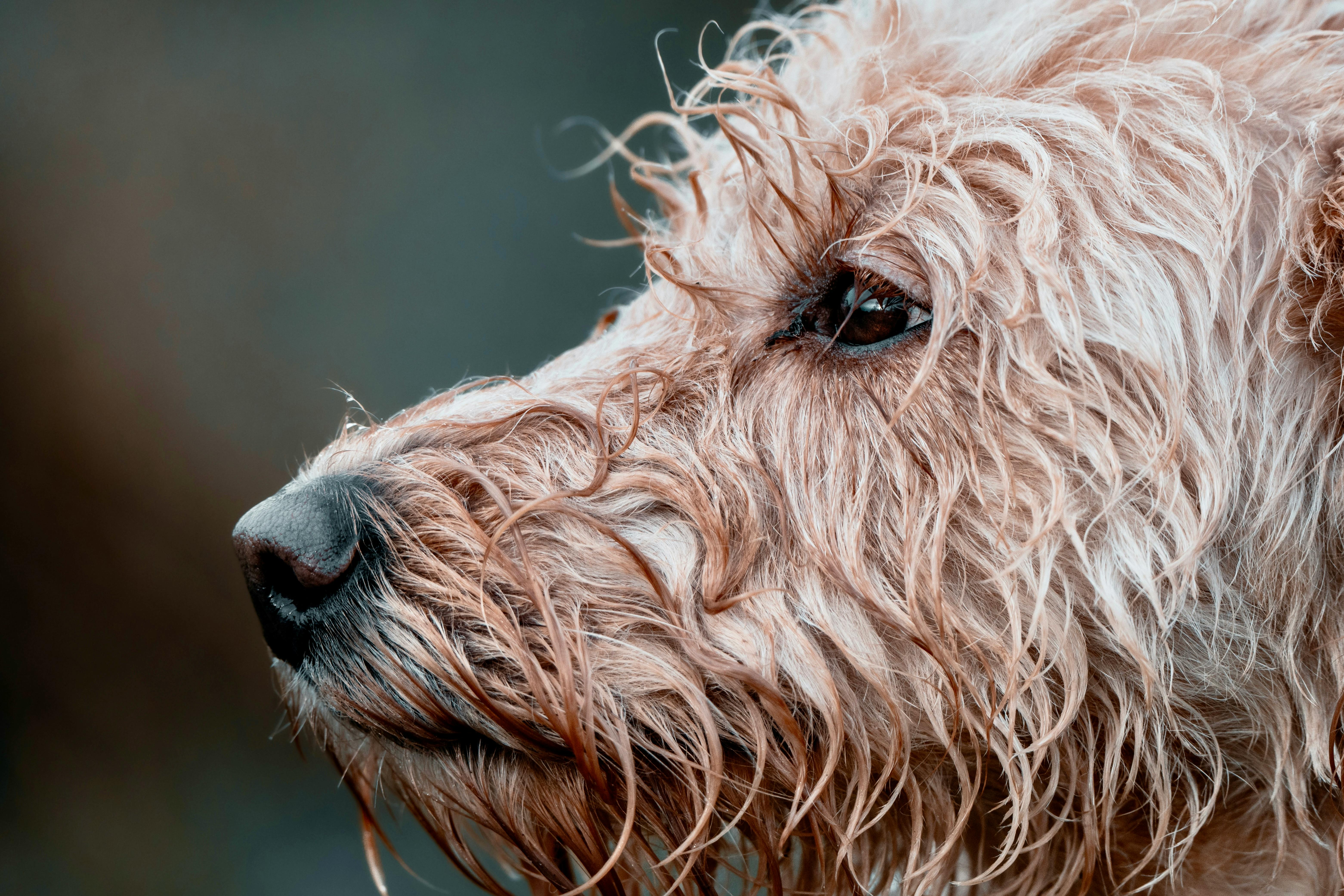 \n\n
\n\nHave you ever wondered what your dog’s wet nose really means? It’s a common sight to see our furry friends with their noses glistening and moist, but there’s a lot more beneath the surface than just a cute feature. Understanding canine communication is essential for any dog owner, and knowing what that wet nose says about their emotions can help strengthen the bond between you and your pet. So let’s dive into the fascinating world of why do dogs have wet noses and what it reveals about their feelings.
\nThe Science Behind Wet Noses
\nDogs have wet noses primarily due to the moisture they naturally secrete. This serves multiple purposes. First, it helps with their sense of smell, which is significantly better than ours. The moisture in their noses can capture scent particles from the air, enhancing their ability to detect different smells. This is especially important when dogs are exploring the environment or trying to find their favorite toy.
\nHere are some key points about why dogs have wet noses:
\n- \n
- Enhanced Scent Detection: Dogs have up to 300 million olfactory receptors, compared to about 6 million in humans. A wet nose helps them pick up scents better. \n
- Temperature Regulation: Dogs don’t sweat like humans, so their noses help cool their bodies down. \n
- Health Indicator: A dog’s nose can indicate its health; a dry nose can suggest dehydration or illness, while a wet one usually means they’re healthy. \n
Emotional Indicators of a Wet Nose
\nNow, let’s talk about the emotional aspect of a dog’s wet nose. Dogs express emotions in various ways, and their nose can often be a telltale sign of how they're feeling. Here’s a breakdown of what those wet noses could mean:
\n- \n
- Curiosity or Excitement: When a dog is excited or curious, they often have a wet nose. This can happen when they are greeting you or exploring a new environment. \n
- Affection: A wet nose pressed against you might be your dog’s way of showing love and seeking attention. They often nuzzle up to their owners when they’re feeling affectionate. \n
- Anxiety or Stress: Sometimes, a dog might have a wet nose because they're nervous. If they’re panting or pacing alongside a wet nose, it could indicate anxiety. \n
- Playfulness: During playtime, a dog’s nose often stays wet as they explore their surroundings and interact with other dogs or humans. \n
The Fascinating Truth About Dog Noses
\nDogs have been companions to humans for thousands of years, and their noses have always been a subject of fascination. In ancient times, dogs were bred for specific tasks, including hunting and herding, where their keen sense of smell was invaluable. Over the years, our understanding of canine communication has evolved, but one thing remains clear: their wet noses are a crucial part of how they connect with us and their environment.
\nFun Facts About Dog Noses
\nHere are some interesting facts about dog noses that you might not know:
\n- \n
- Unique Nose Prints: Just like human fingerprints, every dog has a unique nose print that can be used for identification. \n
- Nose Temperature: Dogs’ noses can also tell you something about their temperature; a cold, wet nose is often a sign of a healthy dog. \n
- Sniffing as Communication: Dogs often sniff each other’s noses as a greeting, which is a form of social interaction and communication in the canine world. \n
Understanding Your Dog’s Body Language
\nUnderstanding your dog’s body language goes hand in hand with interpreting their wet noses. Here’s a quick guide to some common body language signals:
\n- \n
- Tail Wagging: A wagging tail usually indicates happiness, but a slow wag can be a sign of uncertainty. \n
- Ears Position: Forward ears indicate interest, while ears laid back can mean fear or submission. \n
- Body Stance: A relaxed body often means a dog is comfortable, while a stiff, tense body could suggest fear or aggression. \n
Practical Tips for Dog Owners
\nIf you want to improve your understanding of your dog’s emotions, consider these practical tips:
\n- \n
- Observe Their Behavior: Pay attention to how their wet noses are accompanied by other behaviors, like tail wagging or barking. \n
- Socialize Your Dog: Regular interactions with other dogs and people can help your dog become more confident and expressive. \n
- Regular Vet Check-Ups: Keep an eye on your dog’s health, as changes in nose moisture could signal health issues. \n
Understanding your dog’s wet nose and what it reveals about their emotions can enhance your relationship and improve communication. By being attentive and observant, you can decode their signals more effectively. So, the next time you see that adorable wet nose, remember: it’s not just cute; it’s a window into your dog’s feelings and state of mind.
\n\nConclusion
\n\nIn summary, dogs have wet noses for several important reasons, including their ability to regulate body temperature, enhance their sense of smell, and maintain hydration. The moisture on a dog's nose helps to trap scent particles, making their already exceptional olfactory abilities even more effective. Additionally, the cooling effect of a wet nose plays a crucial role in their overall health and comfort, especially during warm weather. Understanding the science behind a dog's wet nose not only enriches our appreciation of these beloved pets but also highlights their unique biological adaptations. As dog owners, it's essential to monitor our furry friends and ensure they are healthy and happy. So, the next time you greet your pup and feel that cool, wet nose, remember that it’s more than just an endearing trait—it's a vital aspect of their well-being. Show your love by ensuring they stay hydrated and comfortable!
\n\n