Have you ever wondered why do dogs have wet noses? This intriguing feature is not just for show; it's a fascinating truth that reveals much about our furry friends! A dog's wet nose serves several important purposes, from enhancing their sense of smell to regulating their body temperature. But what makes this phenomenon so captivating? Is it simply because they love to explore the world with their snouts, or is there more to the story? When you dive deeper into the science behind it, you'll discover that a moist nose can indicate a dog's health, mood, and even environmental awareness. Curious to learn how this unique trait contributes to a dog's overall well-being? In this article, we will uncover the secrets behind those adorable wet noses, exploring everything from canine anatomy to behavioral science. So, if you've ever asked yourself, "Why does my dog’s nose feel like a sponge?" or "Can my dog's nose tell me about its health?", you’re in the right place! Join us as we embark on a journey to understand the fascinating truth about why dogs have wet noses and what it means for their lives and ours!
The Science Behind Wet Noses: Why Are Dogs' Noses Always Damp?
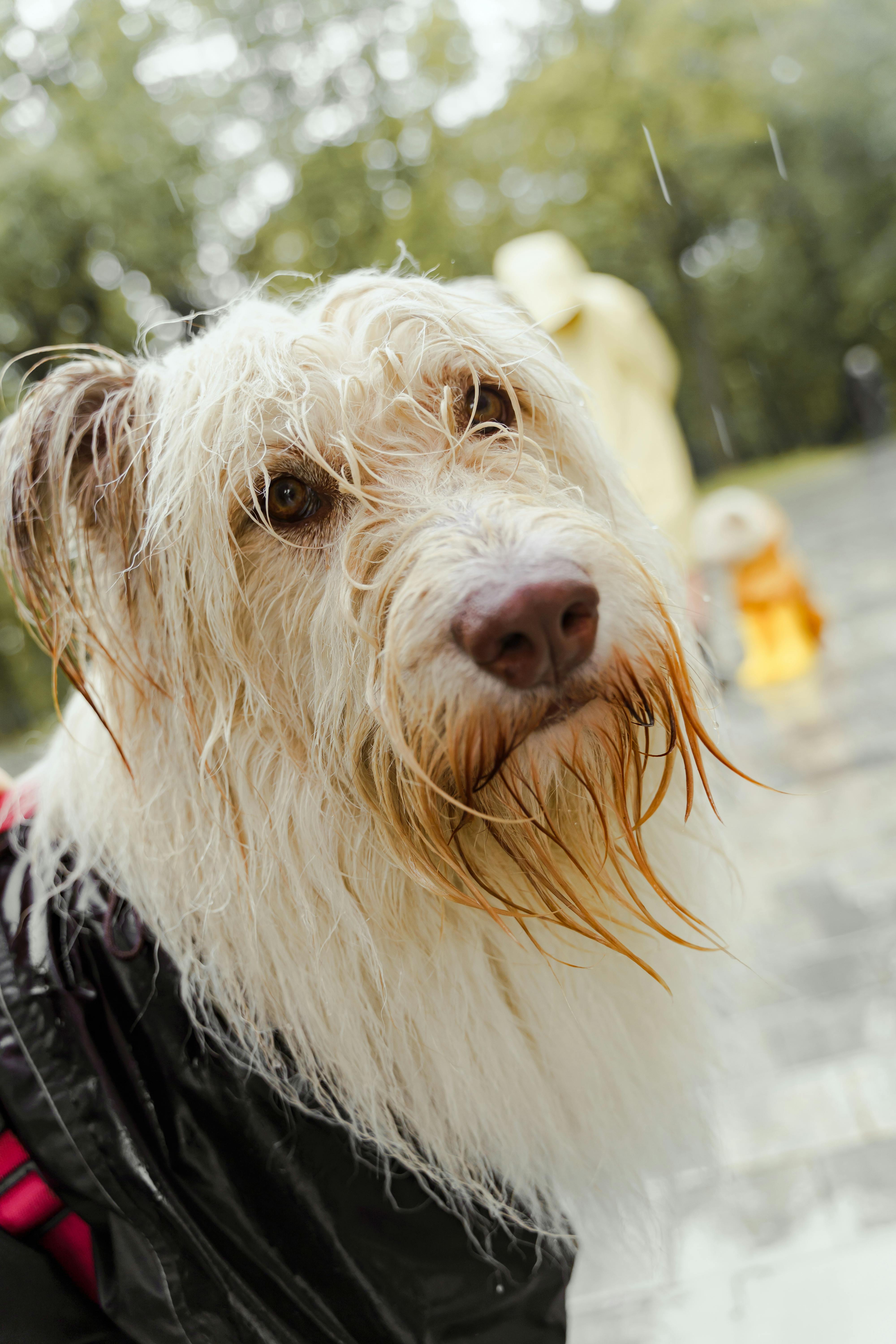
Have you ever wondered why dogs’ noses are always so damp? It’s a question that many dog owners ask, and the answer is both interesting and filled with science. Dogs have been humanity's companions for thousands of years, but even after all that time, some of their physical traits still fascinate us. So, why do dogs have wet noses? Let’s dive into the facts and uncover the truth behind this curious canine characteristic.
The Science of a Dog's Nose
Firstly, a dog’s nose is not just for show. It’s a highly developed sensory organ. The moisture on a dog's nose plays a critical role in its ability to smell. When a dog’s nose is damp, it helps to capture scent molecules from the air. The wet surface allows these molecules to stick better, thus enhancing the dog’s olfactory senses. In fact, dogs have up to 300 million smell receptors compared to a human's meager 5 million. This makes their sense of smell incredibly powerful.
Why Are Dogs' Noses Damp?
Now, let’s look at why dogs’ noses are damp. Here are a few key reasons:
Cooling Mechanism: Dogs don’t sweat like humans do. Instead, they regulate their temperature through panting and the moisture on their noses. A wet nose helps keep them cool by evaporating moisture.
Health Indicator: A moist nose is often associated with a healthy dog. While a dry nose can sometimes indicate illness, it’s not always the case. It’s important to consider other symptoms before jumping to conclusions.
Hygiene: Dogs use their tongues to lick their noses, which not only keeps it moist but also helps to clean it. This behavior ensures that their noses stay free of dirt and debris, allowing for better smell detection.
Dogs’ Nose and Their Behavior
Dogs also use their noses to communicate. A dog may sniff at another dog’s nose as a greeting or to gather information about that dog. The moisture helps in this process as it increases the sensitivity of their sense of smell. Here’s a comparison of how humans and dogs use their noses:
Humans: Use smell mainly for enjoyment. We enjoy the scent of food, flowers, and even fragrances.
Dogs: Use smell for identification. They can determine the identity, health status, and even emotional state of another dog or human just by sniffing.
Historical Context of Dogs' Noses
Historically, dogs have been bred for various tasks, many of which rely on their exceptional sense of smell. For example:
Hunting: Bloodhounds have been specifically bred for tracking scents over long distances, and their wet noses help enhance this ability.
Search and Rescue: Dogs trained for search and rescue operations rely heavily on their noses to find lost people. The moisture on their noses aids in scent detection in various environments.
Fun Facts About Dogs’ Noses
Unique Patterns: Just like human fingerprints, no two dogs' noses are alike. Each nose has a unique pattern that can be used for identification.
Color Matters: The color of a dog's nose can vary based on genetics. Black noses are common, but some breeds have pink or spotted noses.
Nose Temperature: A dog’s nose can feel cool to the touch, which is often a sign of good health. But remember, this is not always a definitive measure.
Practical Examples
Here are a few practical tips for dog owners regarding nose care:
Regular Checks: Keep an eye on your dog’s nose for any changes in moisture or color. This could indicate health issues.
Hydration: Ensure your dog is well-hydrated, as a lack of water can lead to a dry nose.
Avoid Chemicals: Try to minimize exposure to harsh chemicals that could irritate your dog’s nose.
Understanding why dogs have wet noses not only satisfies our curiosity but also enhances our relationship with these amazing companions. By appreciating their unique biology, we can better care for their needs and enjoy the bond we share with them. So next time you see your dog with that familiar wet nose, remember the fascinating science behind it and the important role it plays in their daily lives.
Top 5 Reasons Your Dog's Nose Is Wet: Uncovering the Mystery

Have you ever wondered why dogs has wet noses? It’s a common sight to see your furry friend with a moist snout, but many of us don’t really think about what it means or why it happens. Let's dive into the top 5 reasons your dog’s nose is wet and uncover the fascinating truth behind this curious phenomenon.
1. Natural Cooling Mechanism
One of the primary reasons why dog noses are wet is because of thermoregulation. Dogs don’t sweat like humans do. Instead, they cool themselves mostly through panting and the moisture on their noses. A wet nose can help maintain their body temperature and it’s particularly important in hot weather.
- Wet noses helps dogs to keep cool.
- Dogs can sweat a little through their paw pads, but it’s not enough to regulate temperature.
- This method of cooling is essential for their overall health.
2. Sense of Smell Enhancement
Dogs are known for their incredible sense of smell, and a wet nose actually enhances this ability. The moisture on a dog's snout helps to capture scent particles from the air. When the nose is wet, it can absorb these particles better, allowing dogs to identify scents more efficiently.
- A wet nose improves their olfactory functions.
- Dogs has up to 300 million scent receptors, compared to humans’ 5 million.
- The more moisture, the better they can detect smells.
3. Health Indicator
A dog’s nose can be an indicator of their health. While a wet nose is generally a sign of good health, there are cases where changes in the moisture level can signal health issues. For instance, if a dog’s nose becomes dry and cracked, it may be a sign of dehydration or illness.
- Wet noses usually mean hydration and well-being.
- Dryness can indicate health problems like fever or allergies.
- Regularly check your dog’s nose for changes.
4. Environmental Factors
The environment plays a significant role in the moisture of a dog’s nose. High humidity levels can result in a wetter nose, while dry, cold air might lead to a drier nose. When dogs are outside and exposed to various elements, their noses can quickly change in moisture.
- Different weather conditions affects nose moisture.
- Dogs noses can get dry during winter months.
- Humidity levels in summer can lead to more wet noses.
5. Grooming and Behavior
Dogs often lick their noses, which keeps them moist. This behavior is natural and not only helps in keeping their noses wet but also can be a way of exploring their environment. Licking can also serve as a comfort mechanism for dogs when they are anxious or nervous.
- Licking helps maintain moisture.
- It can also be a sign of anxiety or stress.
- Dogs may lick their noses when they are curious about something.
Quick Facts About Dog Noses
- Dogs have an average nose temperature of around 33 to 34 degrees Celsius.
- The texture of a dog’s nose is unique, much like human fingerprints.
- A dog’s nose can change color and texture based on the seasons and health.
What to Watch For
When monitoring your dog's nose, it’s important to keep an eye on these aspects:
- Moisture Level: Healthy noses are usually moist; dry or cracked can be a cause for concern.
- Color Changes: A healthy nose is typically black or brown, depending on the breed.
- Texture: Smooth is normal; rough or scabby could indicate health issues.
In conclusion, understanding the reasons behind a dog’s wet nose can help pet owners appreciate their furry companions even more. Whether it's a natural cooling mechanism, an enhancement of their sense of smell, or simply a behavioral quirk, these aspects are essential to a dog’s well-being. So the next time you notice your dog’s wet nose, you’ll know there’s a fascinating truth behind it!
Wet Noses and Canine Health: What Your Dog's Nose Says About Their Well-Being
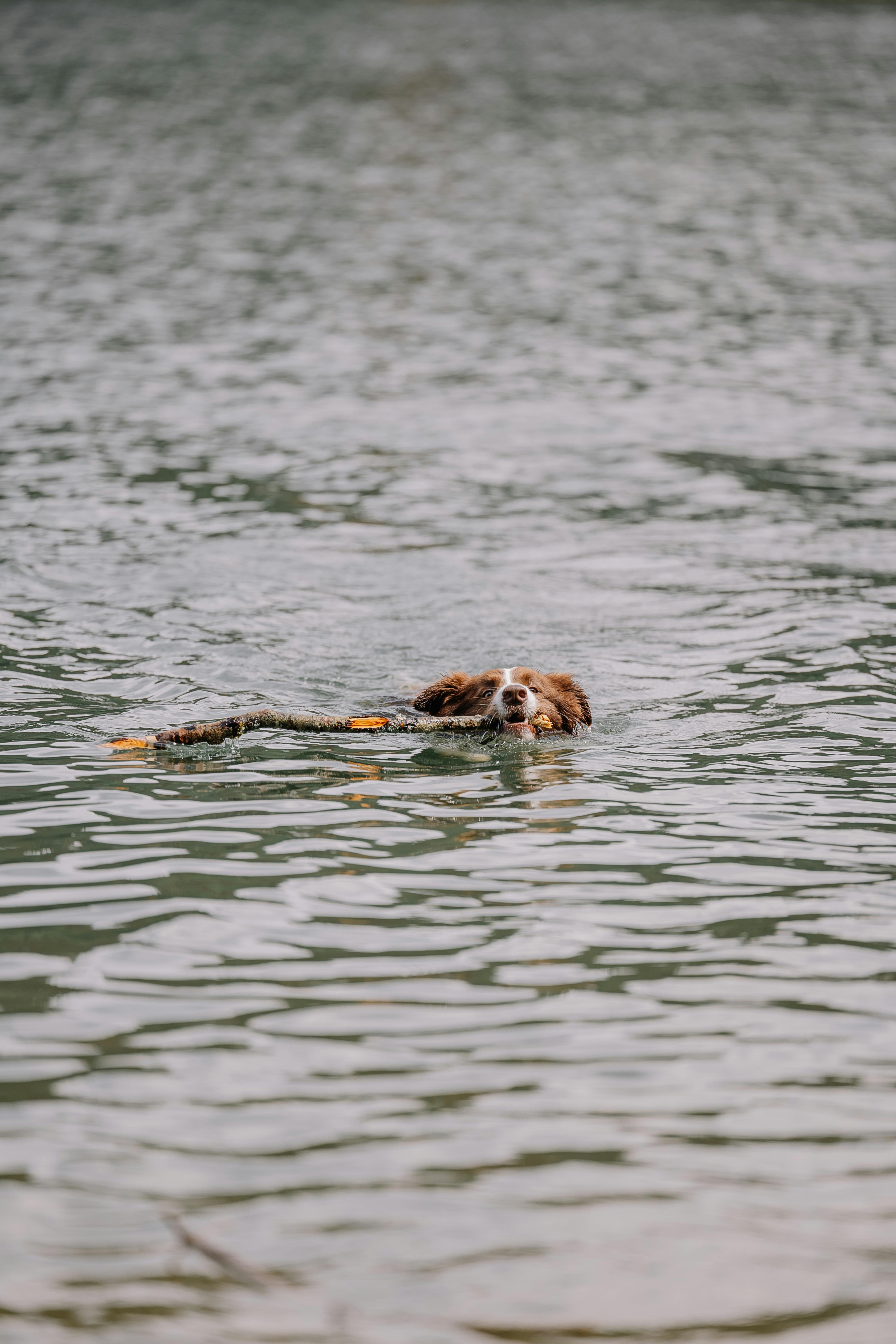
Dogs have been our loyal companions for thousands of years, and one of the most intriguing aspects of their biology is their wet noses. Many pet owners often wonder, "Why do dogs have wet noses?" The answer is not only fascinating but also holds insights into your dog's health and well-being. So, let’s dive into the world of canine noses and what they can tell us about our furry friends.
The Science Behind Wet Noses
A dog's nose is wet for various reasons, and it serves multiple important functions. Here are some key points to understand:
- Enhanced Sense of Smell: Dogs have an extraordinary sense of smell, estimated to be 10,000 to 100,000 times more sensitive than humans. The moisture on their noses helps to capture scent particles, making it easier for them to detect odors.
- Temperature Regulation: Just like humans sweat, dogs use their noses to help regulate their body temperature. The moisture evaporates off their nose, which can help cool them down.
- Health Indicator: A wet nose is often associated with a healthy dog. However, changes in moisture levels can indicate health issues. A dry or excessively wet nose might be a sign that something is wrong.
Why Do Dogs Have Wet Noses?
You might ask, "Why do dogs have wet noses?" Here’s a closer look at some reasons:
Evolutionary Advantage: Throughout evolution, dogs have developed wet noses as a way to enhance their ability to hunt and track. The moisture helps them pick up more scents, which was vital for survival in the wild.
Social Interaction: Dogs often use their noses to communicate with each other. A wet nose can be a sign of excitement or curiosity, and it’s one of the ways they bond with their human companions.
Health Monitoring: Regularly checking your dog’s nose can help you monitor their health. A sudden change in wetness could indicate dehydration, fever, or other underlying conditions.
What Does a Dry Nose Mean?
Not every wet nose is a sign of good health. Here’s what you should know about dry noses:
- Dehydration: If your dog’s nose is dry and warm, it could be a sign that they are dehydrated.
- Illness: A persistently dry nose can indicate illness. Look for other symptoms, like lethargy or loss of appetite, which could be signs of a more serious issue.
- Environmental Factors: Sometimes, dry noses can be due to environmental factors, like dry air or sunburn. If your dog spends a lot of time outdoors, they might need extra care.
Recognizing Healthy Dog Nose Characteristics
So, what should a healthy dog nose look like? Here’s a quick checklist:
- Moisture Level: A healthy nose is usually moist but not dripping wet.
- Color: The color should be consistent with your dog’s breed. Some dogs have black noses, while others may have pink or spotted noses.
- Temperature: Generally, a dog’s nose should feel cool to the touch. If it’s hot and dry, it might be a cause for concern.
Common Myths About Dog Noses
There are many myths surrounding dog noses that could mislead pet owners. Here’s a quick rundown:
- Myth 1: A wet nose always means the dog is healthy. While generally true, it’s not a definitive indicator.
- Myth 2: You can diagnose a dog’s temperature by touching their nose. This is inaccurate; the only way to get an accurate temperature is through a thermometer.
- Myth 3: A cold nose means the dog is sick. This is not true, as many healthy dogs can have cold noses as well.
Practical Tips for Dog Owners
Caring for your dog’s nose is important for their overall well-being. Here are some tips:
- Hydration: Ensure your dog has plenty of fresh water available at all times.
- Check Regularly: Make it a habit to check your dog’s nose daily for any changes in moisture or temperature.
- Consult a Vet: If you notice any persistent changes in your dog’s nose, consult a veterinarian promptly.
In summary, your dog’s nose is more than just a cute feature; it’s a vital part of their health and communication. Understanding the significance of a wet nose can not only deepen your bond with your pet but also help you keep them healthy and happy. By staying informed and attentive to your dog’s needs, you can ensure a long, fulfilling life together.
Why Do Dogs Have Wet Noses? 7 Fascinating Facts You Didn't Know

Have you ever wonder why dogs have wet noses? It’s a question that many dog owners ask, and believe it or not, the answer is more fascinating than you might think! Dogs’ noses are not just cute, they serves important functions that go beyond mere appearance. Here, we’ll explore seven interesting facts about why dogs have wet noses. Get ready to be amazed by the science and history behind this canine characteristic!
1. Natural Coolers
One of the main reasons dogs have wet noses is for thermoregulation. Unlike humans who sweat to cool down, dogs depend on their noses to help them keep cool. When a dog licks their nose, it creates moisture that evaporates, which helps to lower their body temperature. It's like a built-in air conditioning system!
2. Sense of Smell
A dog's sense of smell is incredible, and their wet noses play a crucial role in that. The moisture on a dog's nose helps to capture scent particles from the air, which enhances their ability to smell. This is why dogs are often trained for search and rescue operations or for detecting drugs and explosives. A wet nose means better sniffing skills!
3. Communication Tool
Dogs communicate in many ways, including through their noses! A wet nose can indicate a dog’s mood or health status. For instance, a dog with a dry nose may be sick or dehydrated, while a wet nose often indicates a happy and healthy pup. So next time you see your dog with a wet nose, it’s a good sign they are feeling well!
4. Historical Perspective
The wet nose is a trait that has been around for thousands of years. Researchers believe that the common ancestor of modern dogs, the gray wolf, also had wet noses. This trait has been passed down through generations, and it’s thought that a wet nose was advantageous for hunting and survival. As such, dogs with wet noses thrived better than their dry-nosed counterparts.
5. The Science Behind It
The skin on a dog’s nose is unique. It has a high concentration of sweat glands, which helps produce moisture. The wetness on their noses is also due to the secretion of mucus, which helps in scent detection. This mucus is a natural substance that helps to dissolve scent particles, making it easier for dogs to recognize different smells.
6. Health Indicators
A wet nose is often seen as a sign of good health, but it can vary based on certain factors. Here’s a list of what a wet or dry nose might mean:
- Wet Nose: Healthy and hydrated, often happy.
- Dry Nose: Could indicate dehydration or illness, but not always.
- Warm Nose: Might suggest fever or illness.
- Cold Nose: Generally normal and often indicates a relaxed pup.
7. Breed Differences
Not all dogs have the same nose moisture levels. Some breeds, like Bulldogs or Pugs, tend to have drier noses compared to breeds like Retrievers or Beagles, who usually have consistently moist noses. This can be due to their facial structure and skin type, which affects how much moisture they can retain.
Quick Facts Summary
- Purpose: Helps in cooling and enhances smell.
- Mood Indicator: Wet means happy and healthy; dry may mean sick.
- Historical Trait: Passed down from ancestors like the gray wolf.
- Scientific Basis: Moisture comes from sweat glands and mucus.
- Health Signs: Wet and cold are usually normal; pay attention to changes.
Understanding why dogs have wet noses can deepen your appreciation for these wonderful companions. It’s not just a quirky trait; it serves multiple essential functions that contribute to their health and well-being. The next time you cuddle with your furry friend, pay attention to that wet nose and remember the fascinating truths behind it!
Dogs are incredible creatures, and their noses play an important role in their lives. From cooling down to communicating, those wet noses are a testament to their unique biology. So, the next time you ponder over why dogs have wet noses, you’ll have a treasure trove of knowledge to share!
The Role of a Dog’s Wet Nose in Their Sense of Smell: Exploring the Connection
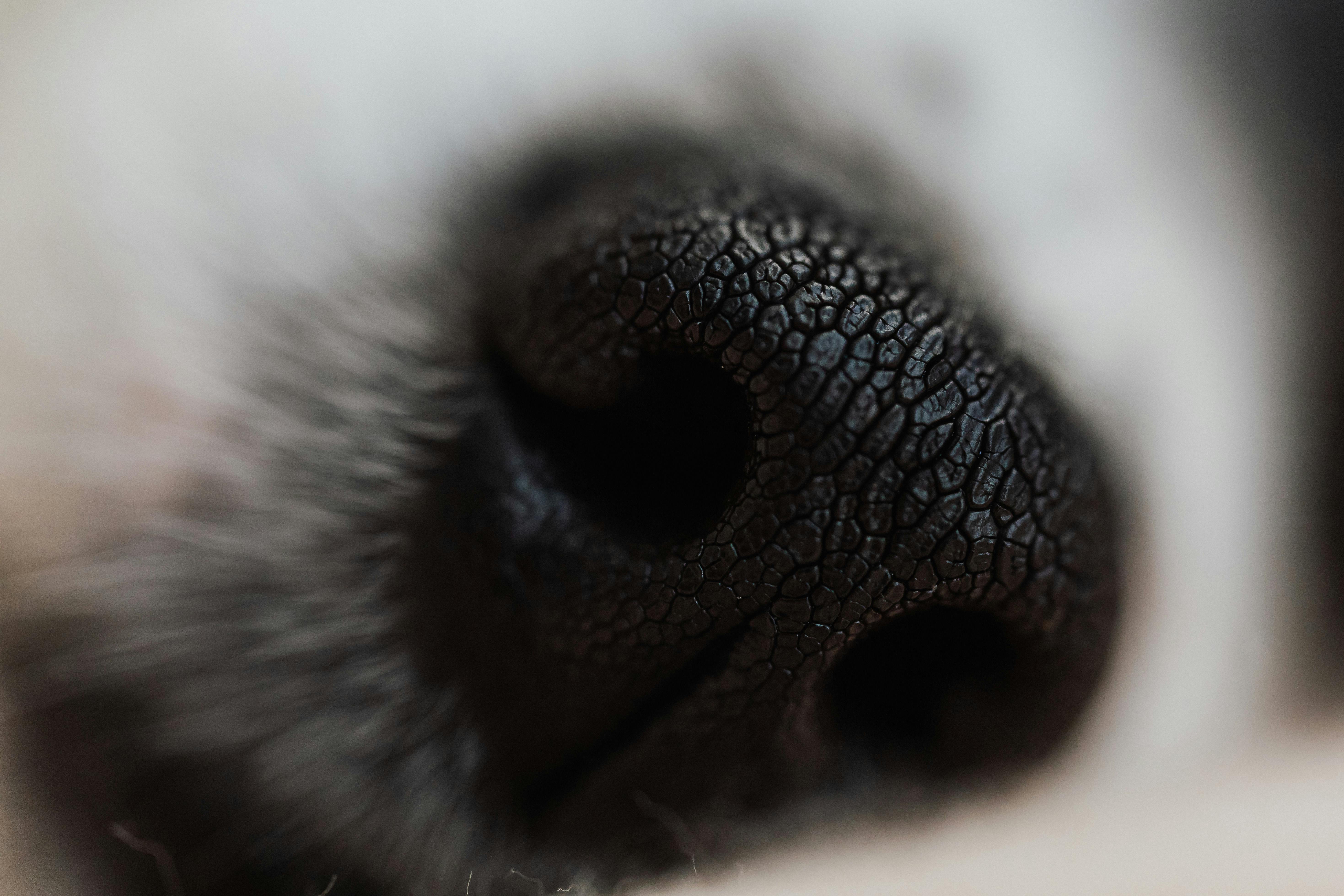
Have you ever wonder why dogs have wet noses? It’s a question many dog owners ask, not just because it’s cute but also because it’s connected to something really important—how dogs smell the world around them. A dog’s wet nose plays a crucial role in their sense of smell, which is way better than humans. Let’s dive into the fascinating truth behind why dogs have those squishy, wet noses and how it affects their ability to sniff out everything from treats to dangers.
The Science Behind a Dog's Wet Nose
So, here’s the thing: a dog’s nose is not just for show. The wetness actually helps them smell better. But why is that? When a dog's nose is moist, it helps to capture scent particles more effectively. This moisture traps the odor molecules, allowing dogs to smell things that are far away or even things that are old and faint.
- Increased Sensitivity: The wet surface of a dog's nose increases its sensitivity to smells.
- Scent Enhancement: The moisture helps in binding the scent molecules, enhancing their detection.
- Cooling Mechanism: It also cools down the brain, which can help in increasing the efficiency of their smell receptors.
The Evolutionary Perspective
From an evolutionary standpoint, dogs have developed their sense of smell to be much more acute than that of humans. The ancestors of modern dogs relied on their noses for hunting and survival. A wet nose is just one adaptation that aids in this. Some interesting facts about dog evolution include:
- Dogs have about 220 million scent receptors, while humans have only about 5 million.
- The area of a dog’s brain dedicated to smell is significantly larger than that of humans.
- Ancient breeds, like the Bloodhound, were specifically bred for their sense of smell and tracking ability.
Why Do Dogs Have Wet Noses?
So, why do dogs have wet noses? It’s not just for smelling, although that’s a big part of it. There are several reasons:
- Temperature Regulation: Dogs cannot sweat like humans do. A wet nose helps to cool them down.
- Health Indicator: A dog’s nose can indicate its health. A dry nose can signal dehydration or illness.
- Social Interaction: Dogs often use their noses to communicate with other dogs, and a wet nose can be more inviting.
Fun Facts About Dog Noses
Did you know that dog noses are as unique as human fingerprints? Here are more fun facts:
- Nasal Patterns: Each dog has a unique pattern on its nose, similar to how humans have unique fingerprints.
- Scent Discrimination: Dogs can distinguish between different scents, even if they are mixed together.
- Scent Memory: A dog's memory for scents can last for years, allowing them to recognize familiar smells even after long periods.
Practical Implications for Dog Owners
Understanding the role of a dog’s wet nose can actually help owners take better care of their furry friends. Here are some tips:
- Regular Check-ups: Monitor your dog’s nose. If it suddenly becomes dry or cracked, consult a vet.
- Hydration is Key: Ensure your dog has access to fresh water, as a hydrated dog will have a healthy, moist nose.
- Sniffing Adventures: Allow your dog to explore different environments. Their noses are their primary way of experiencing the world, and it can be enriching for them.
Comparison: Dog Noses vs. Human Noses
Here’s a quick comparison of how dog noses stack up against human noses:
| Feature | Dogs | Humans |
|---|---|---|
| Scent Receptors | ~220 million | ~5 million |
| Smell Sensitivity | 10,000 to 100,000 times better than humans | Less sensitive |
| Nose Moisture | Helps enhance smell | No significant role |
| Unique Patterns | Yes, like fingerprints | No unique patterns |
Dogs’ noses are not just cute; they serve real, practical purposes that are tied to their survival and well-being. The next time you see your dog with that adorable wet nose, remember that it’s a critical part of how they navigate their world and interact with you and the environment. With such fascinating features, it’s no wonder dogs have earned the title of “man’s best friend.”
Curious Canines: How Wet Noses Help Dogs Interact with Their Environment
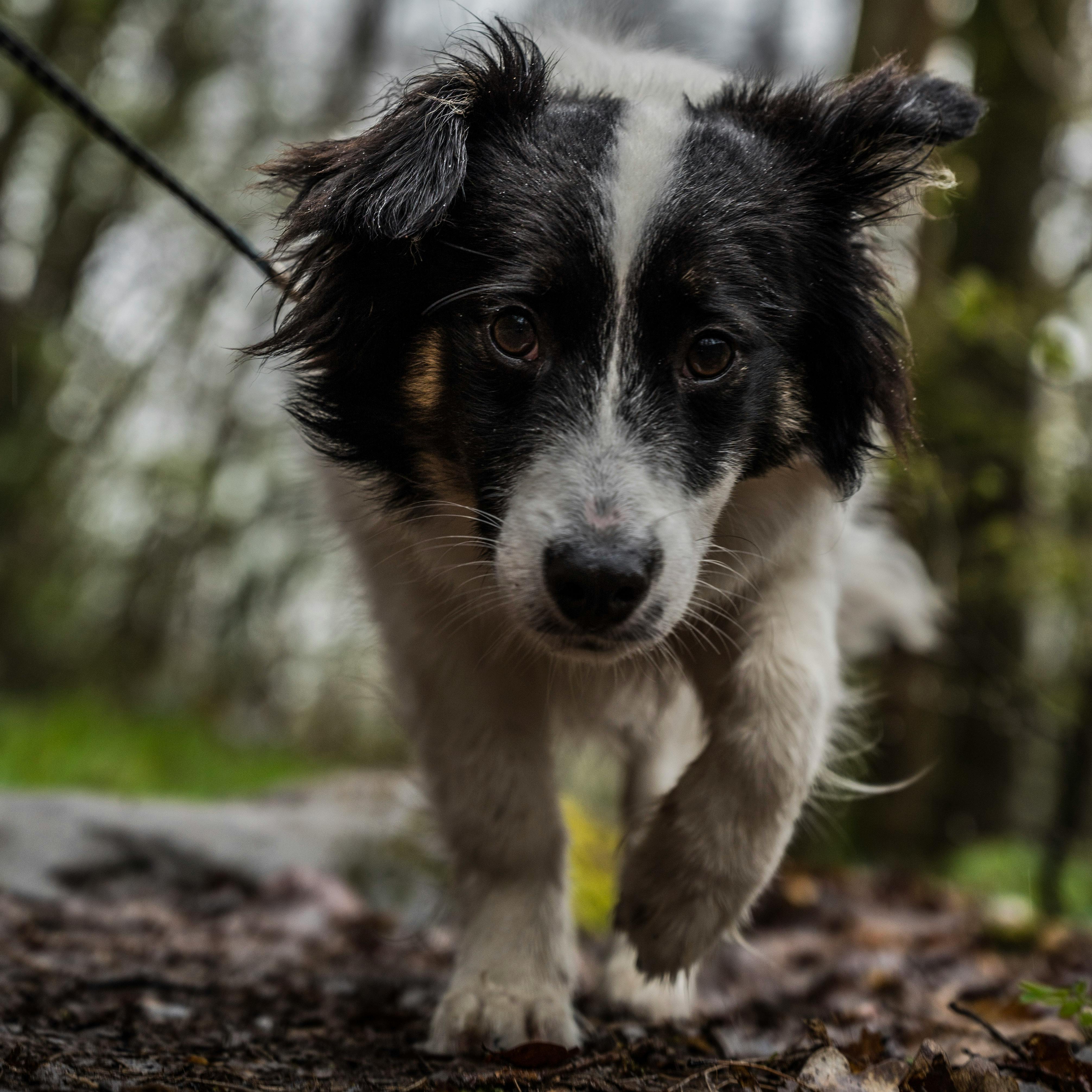
Dogs has long been known for their curious nature, and one of the most intriguing features of our canine friends is their wet noses. These damp little appendages not only look cute but also serves important roles in how dogs interact with their environment. So, why do dogs have wet noses? Let’s embark on a journey to discover the fascinating truth behind this characteristic that many of us may take for granted.
The Science Behind Wet Noses
Dogs’ noses are wet for several reasons, and understanding this can help us appreciate their unique biology. Firstly, the moisture on a dog's nose enhance their sense of smell. It does this by trapping scent particles in the air which allows dogs to detect smells much better. In fact, a dog's sense of smell can be up to 100,000 times more sensitive than that of humans! This means that they can identify scents that we can’t even imagine.
Here are some key points about wet noses:
- Scent Detection: The wetness helps to absorb scent particles, making it easier for dogs to identify scents around them.
- Temperature Regulation: Dogs sweat primarily through their paw pads, but their noses also help to cool them down. A wet nose can indicate a dog’s body temperature is normal.
- Health Indicator: A dog’s nose can sometimes reflect its health status. A dry or cracked nose might suggest dehydration or illness.
Historical Context of Dogs’ Noses
Historically, dogs has been bred for various purposes, including hunting, herding, and companionship. The wet nose was an evolutional trait that likely developed to aid in these roles. For instance, hunting dogs relied on their exceptional sense of smell to track game, and a wet nose would help them pick up scents more effectively.
Moreover, ancient civilizations recognized the importance of a dog's nose. In some cultures, a wet nose was seen as a sign of vitality. This belief likely stems from the fact that healthy dogs tend to have moist noses, while sick dogs often exhibit dryness.
How Wet Noses Affect Interaction with the Environment
Wet noses play a crucial role in how dogs engage with their surroundings. They use their noses to gather information about their environment, which is vital for their social interactions. Here’s how:
- Communication: Dogs are social animals, and their noses help them communicate with other dogs. When dogs sniff each other's noses, they are exchanging information about each other's health, mood, and identity.
- Exploration: A dog’s curiosity drives them to explore their world, and their wet noses are an essential tool for this exploration. They can identify scents that indicate other animals, food, or even potential dangers.
- Emotional Connection: Dogs can also sense human emotions through their noses. They can detect pheromones released by humans, which can help them understand how we feel. This is why dogs often seem to know when we are sad or happy.
The Anatomy of a Dog’s Nose
Understanding the anatomy of a dog's nose can shed light on its functions. Here are some interesting components:
- Olfactory Receptors: Dogs have around 220 million olfactory receptors compared to a human's 5 million. This vast number allows them to process complex scents.
- Jacobsen’s Organ: This is a special organ located in the roof of a dog’s mouth that enhances their sense of smell. It allows them to analyze smells more thoroughly.
- Nasal Turbinates: These are small bone structures in a dog’s nose that help to warm and humidify the air they breathe in, ensuring that their sense of smell remains sharp.
Fun Facts About Dogs and Their Noses
- Dogs can smell fear! They are able to detect chemical changes in a person’s body when they are scared.
- Not all dogs have the same nose pattern. Just like human fingerprints, each dog’s nose print is unique.
- Dogs can learn a new scent in as little as a few minutes, meaning they can quickly adapt to new environments.
In summary, wet noses are more than just an adorable feature of our beloved pets—they are a vital part of how dogs interact with their world. With their extraordinary sense of smell, wet noses not only helps dogs to navigate their environments but also strengthens their bonds with humans and other animals. So next time you see a dog with a shiny, wet nose, remember the incredible functions it serves and the fascinating biology behind it.
Is Your Dog's Nose Too Wet? Signs of Health Issues to Watch Out For

When it comes to our furry friends, one of the most noticeable characteristics of dogs is their wet noses. Many pet owners may find themselves wondering, "Is your dog's nose too wet? What does it mean?" While a damp nose is often seen as a sign of a healthy dog, it can also signal potential health issues. Understanding the reasons behind why dogs have wet noses can help you be more aware of your pet's health. Let’s dive into the fascinating world of dog noses, and also take a look at the signs you should pay attention to.
Why Do Dogs Have Wet Noses?
There are several reasons why dogs's noses are typically moist. Here's a breakdown of some of the key scientific and behavioral factors:
Thermoregulation: Dogs sweat through their paws, but their noses also play a role in cooling them down. A wet nose can help regulate their body temperature, especially in warm weather.
Sense of Smell: The moisture on a dog's nose enhances its ability to smell. Dogs have an extraordinary sense of smell, and a wet nose helps to capture scent particles from the air, making it easier for them to detect different smells.
Taste and Exploration: Dogs often lick their noses, which may help them taste their environment. The wetness on their nose can help them gather more information about their surroundings.
Signs of Health Issues to Watch Out For
While a wet nose is generally a good sign, there are some health issues that can manifest through changes in your dog's nose. Here are some signs to keep an eye on:
- Nose Dryness: If your dog’s nose is unusually dry, it might indicate dehydration or fever. It’s important to monitor their water intake and overall behavior.
- Discoloration: A change in color, like from black to red, could be a sign of an allergic reaction, infection, or even a more serious condition.
- Cracks or Sores: If you notice cracks, sores, or excessive flaking, it could be a sign of skin infection or other dermatological issues.
- Excessive Wetness: An overly moist nose can also be a cause for concern. If the nose is persistently dripping, it might indicate a respiratory issue or other health problems.
What to Do if You Notice Changes
If you see any of these symptoms, it's crucial to consult with your veterinarian. Here’s a list of steps you can take:
- Monitor Behavior: Take note of any other behavioral changes, such as lethargy, loss of appetite, or coughing.
- Check Hydration: Make sure your dog’s drinking water is always fresh and accessible.
- Keep a Record: Document any changes in your dog’s nose or behavior to discuss with your vet.
- Visit the Vet: Schedule an appointment if you have concerns. Regular check-ups can help catch potential issues early.
The Fascinating Truth About Dog Noses
Dog noses are not just wet; they also hold a lot of secrets about their health and well-being. Here’s some interesting facts:
Unique Patterns: Just like human fingerprints, each dog's nose has a unique pattern that can be used for identification.
Temperature Regulation: A dog's nose can change temperature. If your dog’s nose feel warm, it doesn’t always mean they are sick; it could just be a normal fluctuation.
Nasal Glands: Dogs have special glands in their noses that produce mucus, which helps to keep the nose moist and aids in smell.
Scent Memory: Dogs can remember smells for years. This means that their noses play a crucial role in how they recognize other animals and people.
Quick Reference Table of Dog Nose Conditions
| Condition | Symptoms | Possible Causes |
|---|---|---|
| Dry Nose | Flaky, cracked, or warm nose | Dehydration, fever, allergies |
| Discolored Nose | Change in color, redness | Infection, allergies, autoimmune |
| Sore or Cracked Nose | Pain, bleeding, discomfort | Infection, dermatitis, trauma |
| Excessively Wet Nose | Constant dripping or discharge | Respiratory issues, gland problems |
Understanding your dog’s wet nose and what it signifies can help you keep a close eye on their health. While a wet nose is often a sign of a happy, healthy dog, changes in moisture levels or appearance can be indicators of underlying health issues. Regular vet visits, along with a keen observation of your dog’s behavior, can ensure that they remain healthy and happy. Always remember, a happy dog is a dog with a nose that’s just the right amount of wet!
The Evolutionary Purpose of Wet Noses in Dogs: A Look into Canine Biology
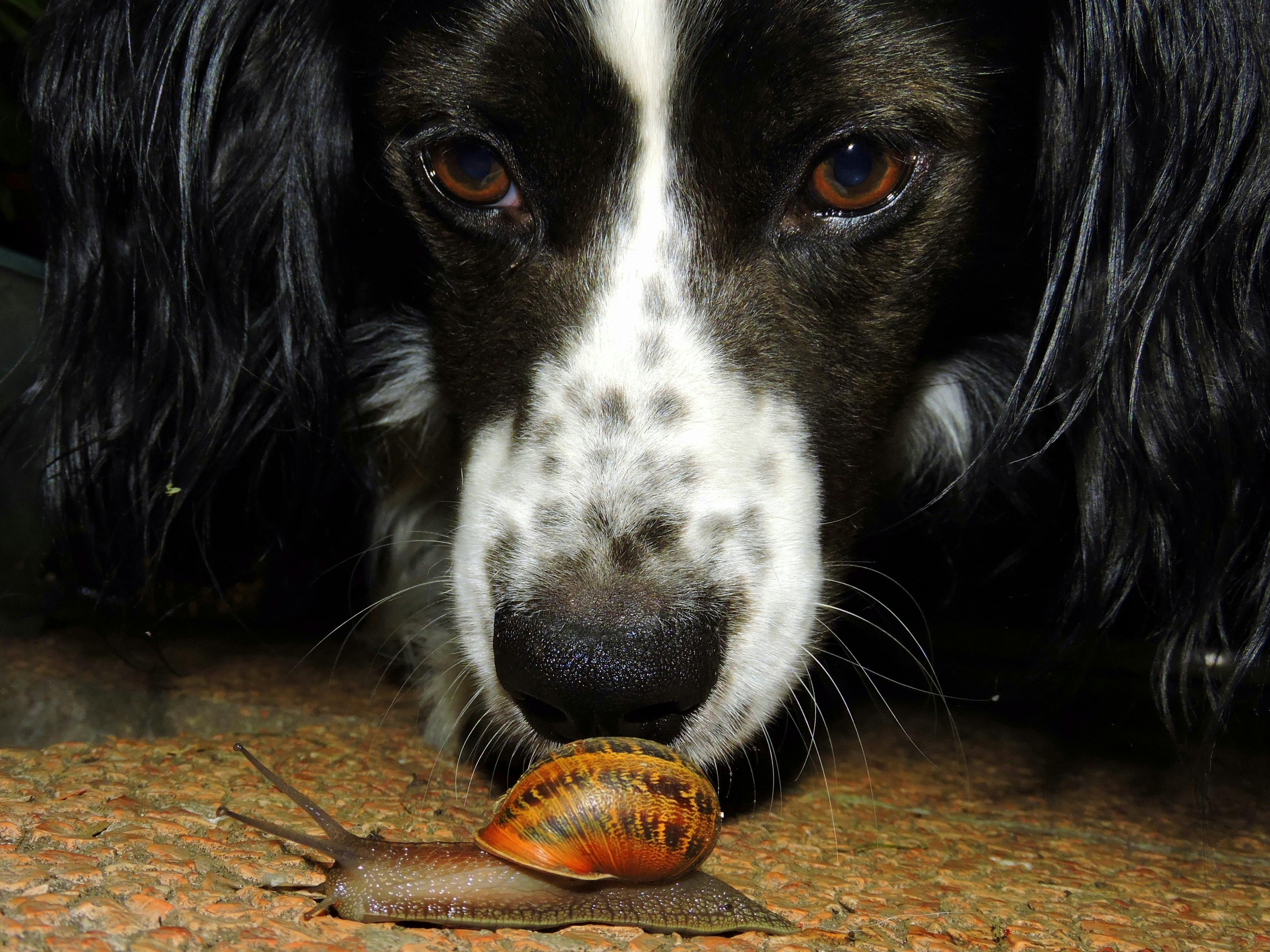
Dogs are often considered man's best friend, and one of their most interesting features is their wet noses. Ever wonder, "Why do dogs have wet noses?" This peculiar characteristic isn’t just a cute quirk; it serves some important biological and evolutionary purposes. Let’s dive into the fascinating world of canine biology and explore the reasons behind those moist noses.
The Biology Behind Wet Noses
To understand why dogs' noses are wet, we first must look at their anatomy. A dog's nose is covered in a layer of mucus, which serves several significant functions:
Enhanced Smell: Dogs have an extraordinary sense of smell, estimated to be between 10,000 to 100,000 times better than humans. A wet nose helps to capture scent particles from the air. When the nose is moist, it can better absorb these particles, making it easier for dogs to detect different smells.
Temperature Regulation: Just like humans sweat to cool down, dogs also use their noses to help regulate their body temperature. The moisture on their noses can evaporate, helping to cool them down during hot weather.
Health Indicator: A dog's nose can be a good indicator of its health. A warm, dry nose might suggest fever or illness, while a cool, wet nose is often a sign of good health.
Historical Context of Canine Noses
The evolution of dogs from their wild ancestors, wolves, has greatly influenced their biology. When wolves hunted in packs, their keen sense of smell was crucial to locating prey. Over time, as dogs became domesticated, their noses evolved to be even more sensitive, which helped them to bond with humans by detecting emotional cues and pheromones.
Fascinating Facts About Dog Noses
Here are some interesting facts that highlight the uniqueness of dog noses:
Unique Patterns: Just like human fingerprints, each dog has a unique nose print. This means that no two dogs' noses are exactly alike!
Cold and Wet: Dogs' noses are cold and wet because they have a higher concentration of mucus-secreting glands than humans. This moisture is essential for the olfactory process.
Sense of Taste: Dogs also use their noses to enhance their sense of taste. The moisture helps them to better interpret flavors.
Scent Tracking: Certain breeds, like Bloodhounds, have an exceptional ability to track scents over long distances, making them invaluable in search and rescue operations.
Comparison: Dog Noses vs. Human Noses
It’s interesting to compare dog noses with human noses. Here’s a simple table:
| Feature | Dog Noses | Human Noses |
|---|---|---|
| Sense of Smell | 10,000 to 100,000 times better | Limited sensitivity |
| Moisture | Wet and cold | Dry, primarily |
| Unique Patterns | Yes, each nose is unique | No unique patterns |
| Function | Smell, temperature regulation | Smell, breathing |
Practical Examples of Nose Use in Dogs
Dogs use their noses in various practical ways, showcasing their remarkable abilities:
Detection Work: Dogs are trained for police work, where they can sniff out drugs, explosives, and even missing persons. Their wet noses play a vital role in this process.
Service Dogs: Many service dogs are trained to detect medical conditions, such as low blood sugar or seizures, using their keen sense of smell.
Hunting: Hunting breeds use their noses to track game. For example, Beagles are known for their incredible scent-tracking abilities.
Companionship: Dogs also use their noses to bond with their human companions, sniffing and exploring their environment to understand emotional and social cues.
The Importance of Nose Care
Caring for a dog's nose is essential for their overall health. Here are some tips:
Keep it Moist: If a dog’s nose appears dry, a little coconut oil can be applied to keep it moist.
Watch for Cracks: Cracked noses can indicate dehydration or other health issues, so it’s important to monitor your dog’s nose regularly.
Hydration: Ensure your dog is drinking enough water, as dehydration can lead to a dry nose.
So, why do dogs have wet noses? It’s not just for show; it’s a blend of evolution and biology that enhances their ability to smell, regulates their body temperature, and serves as an indicator of health. With every sniff, dogs connect with the world in ways we can only imagine. The next time you see your furry friend with a cold, wet nose, remember, it’s nature’s gift that makes them so special!
Wet Nose vs. Dry Nose: What Are the Key Differences in Dog Health?
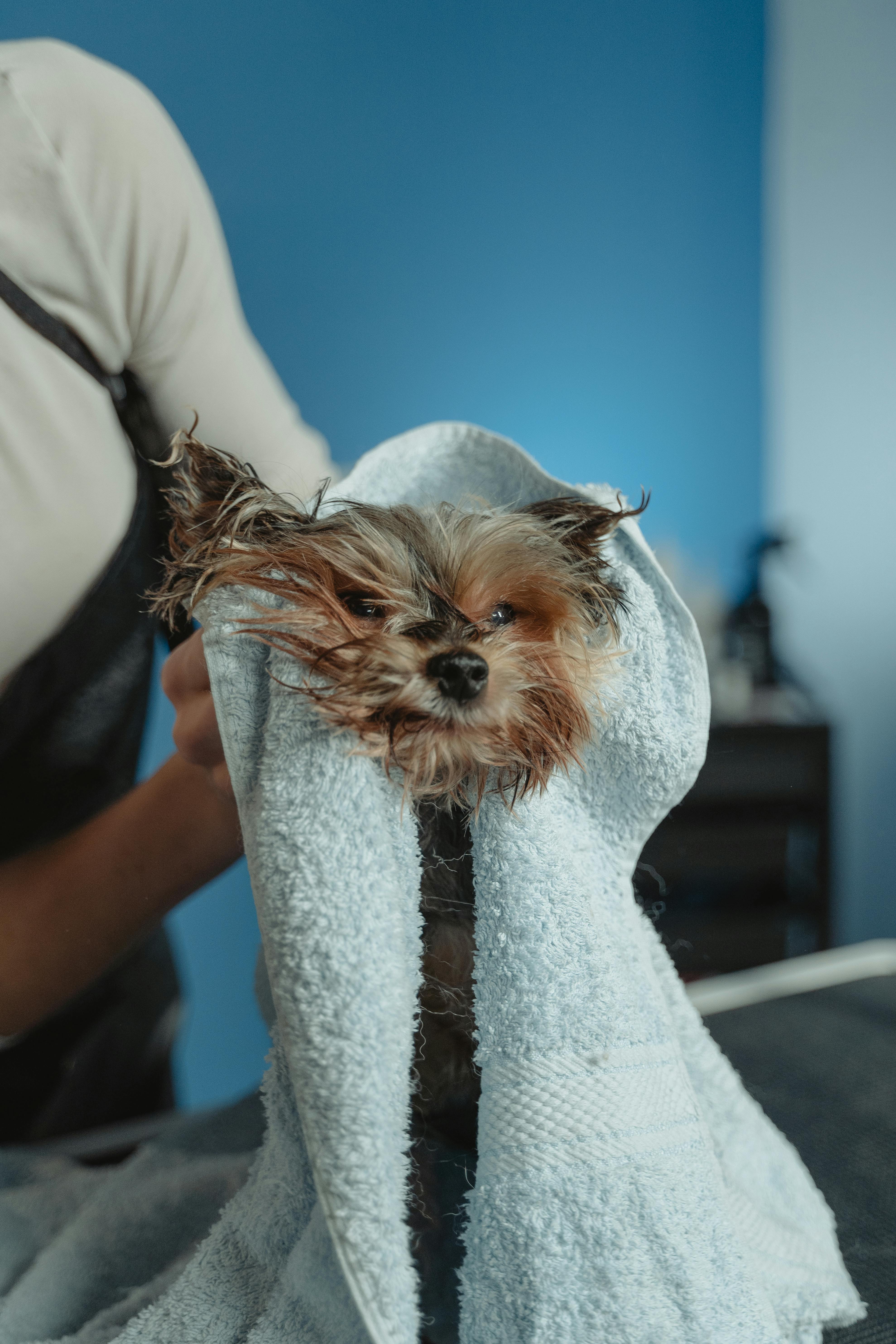
When you think about dogs, one of the first things that might come to mind is their wet noses. It's kinda fascinating how different dogs can be, and their noses are no exception. Wet nose vs. dry nose can be a big indicator of a dog's health, and knowing what to look for could help you keep your furry friend healthy. So let’s dive into why dogs have wet noses, and what those differences can mean for their health.
Why Do Dogs Have Wet Noses?
Dogs noses are wet for a couple of reasons, and it's not just for show. Here's some key points to consider:
Cooling Mechanism: Dogs don’t sweat like humans do. Instead, they cool off through panting and the moisture on their noses. The wetness helps to regulate their body temperature.
Sense of Smell: A wet nose helps dogs smell better. The moisture collects scent particles from the air, making their sense of smell even more powerful. This is why dogs are so good at tracking things down.
Health Indicator: A wet nose can often indicate that your dog is healthy. It reflects a well-hydrated and active dog, while a dry nose can sometimes suggest illness or dehydration.
Behavioral Factors: Dogs often lick their noses, which keeps them moist. This behavior can be a sign of curiosity or excitement about something in their environment.
Wet Nose vs. Dry Nose: What Are the Key Differences in Dog Health?
A dog's nose can change throughout the day, but consistent differences can indicate more serious issues. Let's break down the health implications of wet noses versus dry noses.
Wet Nose:
- Indicative of hydration and good health.
- Often seen when a dog is awake and active.
- Dogs with wet noses generally are more alert and playful.
Dry Nose:
- Could indicate dehydration, especially if your dog has not had water for a while.
- Sometimes linked to illness, like fever or infections.
- A dry nose can be a sign of stress or anxiety, particularly in new environments or dramatic changes.
Common Myths About Dog Noses
There's a lot of misinformation out there about dog noses. Here’s a quick rundown of some common myths:
Myth 1: A warm nose means a sick dog.
- Reality: A dog’s nose temperature can vary. It’s not a reliable health indicator.
Myth 2: Dogs only have wet noses when they’re sick.
- Reality: Many healthy dogs have wet noses. It’s normal for them to fluctuate.
Myth 3: All dogs have wet noses all the time.
- Reality: Just like humans, dogs can have dry noses, and it's not always a cause for concern.
Practical Tips for Monitoring Your Dog’s Nose Health
Keeping an eye on your dog's nose is a great way to check on their health. Here are some practical tips:
Hydration: Make sure your dog always has access to fresh water. Dehydration can lead to a dry nose.
Temperature Checks: While not definitive, if your dog’s nose is consistently dry and warm, consider checking their temperature or consulting with a vet.
Observe Behavior: Notice any changes in your dog’s behavior. If they seem lethargic or unusually quiet, it may be time for a vet visit.
Regular Vet Visits: Keeping up with regular vet check-ups can help catch any underlying issues before they become serious.
Final Thoughts
Understanding the significance of your dog’s nose can offer valuable insights into their overall health. Wet noses are usually a sign of a happy, healthy pup, while dry noses might indicate that something’s off. Whether they’re wet or dry, being attentive to these changes is crucial for pet owners. Remember, your furry friend relies on you to keep them healthy and happy, so take note of their noses, and don’t hesitate to consult your vet if you see something concerning. Your dog's health is worth every bit of attention you can give!
Canine Communication: How a Wet Nose Enhances Your Dog’s Social Skills
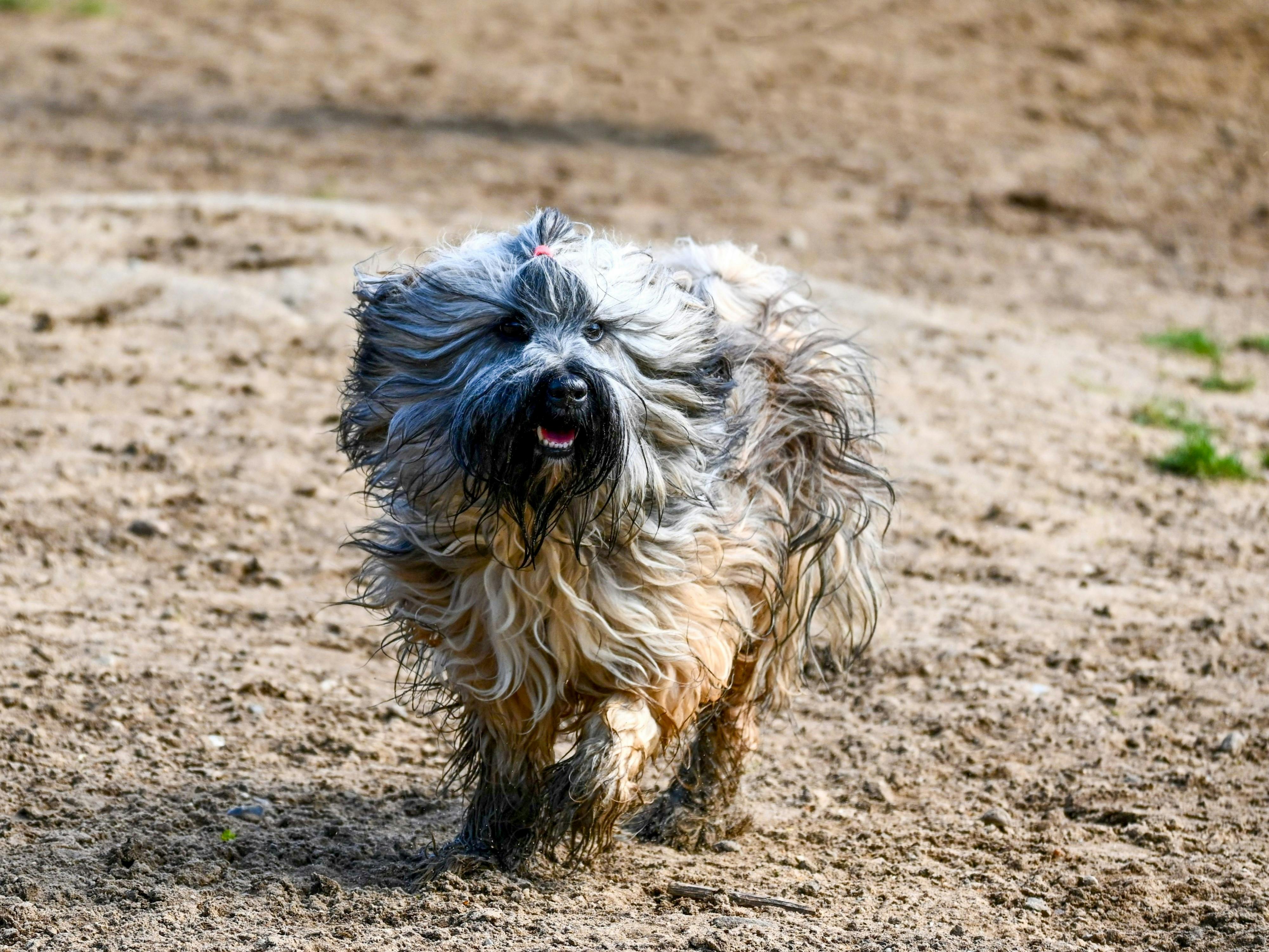
Have you ever wondered why do dogs have wet noses? It’s a question many dog owners ask, and the answer goes beyond just a cute, moist feature. The wetness of a dog's nose isn't just for show; it plays a significant role in their social skills and communication. Canine communication is a fascinating field, and understanding the science behind that wet nose can deepen your bond with your furry friend.
The Science Behind a Wet Nose
Dog noses are typically wet due to the secretion of mucus, which helps them smell better. But why is this important? Well, dogs have an incredible sense of smell, estimated to be about 10,000 to 100,000 times more acute than humans. The moisture on their noses enhances their ability to pick up scents in the environment.
- Nasal Mucus: The mucus helps to trap scent particles, making it easier for dogs to analyze and interpret smells.
- Temperature Regulation: A wet nose also helps dogs regulate their body temperature. By evaporating moisture, they can cool off, similar to how humans sweat.
- Hydration Indicator: The wetness can also indicate hydration levels. A dry nose might suggest that a dog is dehydrated or unwell.
Social Skills and Communication
Dogs are social creatures, and a wet nose plays an essential role in their interaction with other dogs and humans. When dogs meet each other, they often sniff each other's noses and rear ends. This behavior is not just a quirky habit; it’s a way for them to gather information about one another.
- Communication Tool: The moisture on their nose helps dogs collect and share scents, which is vital for understanding the emotions and health of other dogs.
- Social Bonding: A dog that approaches another with a wet nose is typically friendly and open to interaction. This is an unspoken way of saying “Hello!”
Historical Context
Historically, dogs have been companions to humans for thousands of years. Their ability to communicate through scent has been essential not only for their survival but also for their role in human society. From hunting partners to service animals, the evolution of dogs has been closely linked to their communication skills.
- Working Dogs: Many working dogs, like search and rescue teams or police dogs, rely heavily on their sense of smell. Their wet noses are integral in detecting scents that lead to finding missing persons or identifying substances.
- Companionship: As pets, dogs have adapted their social skills to better communicate with humans, often using body language and their noses to express feelings.
Fascinating Facts About Dog Noses
- Unique Patterns: Just like human fingerprints, every dog's nose print is unique. This can actually be used as a form of identification.
- Temperature Sensitivity: Dogs can detect temperature changes through their noses, which can assist them in sensing nearby animals or humans.
- Scent Memory: Dogs can remember scents for years. A wet nose helps them to recall memories associated with particular smells.
Practical Tips for Dog Owners
Understanding why do dogs have wet noses can enhance your relationship with them. Here are some tips for dog owners:
- Regular Check-Ups: Keep an eye on your dog’s nose. If it becomes persistently dry or cracked, it might indicate health issues.
- Hydration: Ensure your dog has plenty of fresh water, as hydration affects the wetness of their nose.
- Training: Use scent-based games to enhance your dog's communication skills. Hide treats around the house and let them sniff them out!
The Bottom Line
In a nutshell, a dog’s wet nose is more than just an adorable feature; it's a crucial aspect of their social skills and communication abilities. Their ability to gather information through scent is unparalleled, and understanding this can help you connect better with your canine companion. So, the next time you wonder why do dogs have wet noses, remember that it’s all part of what makes them such remarkable animals. Embrace their quirks, and enjoy the special bond you share!
Conclusion
In conclusion, the wet noses of dogs serve several important functions that contribute to their overall health and behavior. From enhancing their sense of smell to regulating body temperature, a wet nose is not just a charming characteristic but a vital aspect of canine biology. The moisture on a dog’s nose helps to trap scent particles, allowing them to better interpret their surroundings, while also aiding in thermoregulation. Moreover, a wet nose can be an indicator of a dog’s health, with any significant changes potentially signaling an underlying issue. To ensure your furry friend remains healthy and happy, regular veterinary check-ups are essential. Next time you greet your dog, take a moment to appreciate that wet nose and understand its significance. By staying informed about your dog's needs and behaviors, you can enhance their well-being and strengthen your bond with them.