Have you ever wondered why do dogs have wet noses? It's a question that many pet lovers ask, and the answer is more fascinating than you might think! A wet nose is not just a quirky characteristic; it plays a vital role in a dog’s health and sense of smell. Did you know that a dog's nose can help them detect scents up to 100,000 times better than humans? This incredible ability is partly due to their moist noses, which enhance their olfactory functions. But why are they wet in the first place? This blog post will explore the science behind wet noses, uncovering the secrets of canine physiology and its impact on their behavior. From cooling mechanisms to social signaling, the reasons behind this phenomenon are as varied as the dogs themselves. Prepare to dive deep into the world of dogs and discover why their noses are not only adorable but also essential for their survival. Whether you’re a curious dog owner or just love learning about animal science, you won’t want to miss this engaging exploration of why do dogs have wet noses!
\n\nThe Science of Canine Physiology: Why Do Dogs Have Wet Noses?
\n\n \n\n
\n\nHave you ever wondered why your dog’s nose is always wet? It’s one of those quirky traits that many pet owners notice, but not everyone knows why. The wetness of a dog’s nose is more than just a random characteristic. There’s actual science behind it! Understanding the physiology of our furry friends can shed light on not only why their noses are wet but also how they interact with the world around them. So, let’s dive in and discover the science behind this common canine feature.
\nThe Physiology of a Dog's Nose
\nDogs have an incredibly complex sense of smell, which is far superior to that of humans. The wetness of a dog’s nose plays a crucial role in enhancing their ability to detect scents. Here some key points about canine physiology:
\n- \n
- Olfactory Receptors: Dogs have around 220 million olfactory receptors in their noses, compared to about 5 million in humans. This allows them to smell things at incredibly low concentrations. \n
- Nasal Structure: The intricate structure of a dog’s nose, which includes turbinates and other tissues, helps in trapping scent particles. \n
- Moisture Production: Dogs produce mucus that keeps their noses moist. This moisture can capture scent particles, making it easier for dogs to identify different smells. \n
Why Are Dogs’ Noses Wet?
\nSo, why exactly do dogs have wet noses? The answer lies in both their biology and their behavior. Here are some reasons:
\n- \n
- Enhanced Smelling Ability: The moisture on a dog’s nose aids in scent absorption. The wetness helps to dissolve scent particles, which makes it easier for the olfactory receptors to pick them up. \n
- Temperature Regulation: Dogs don’t sweat like humans do. Their noses can help them regulate their body temperature. When dogs pant, moisture evaporates from their noses, helping to cool them down. \n
- Health Indicator: A dog’s nose can be an indicator of health. While a wet nose is generally a sign of a healthy dog, a dry or cracked nose might indicate dehydration or illness. \n
Historical Context of Canine Physiology
\nThe evolution of dogs has also played a role in their unique nose characteristics. From their wild ancestors, dogs inherited a heightened sense of smell as a survival mechanism. Early humans relied on dogs for hunting and tracking due to their incredible olfactory skills. The breeds that were more adept at tracking scents were favored and bred, leading to the diverse range of dog breeds we have today, each with variations in nose shape and size.
\nFun Facts About Dog Noses
\n- \n
- Unique Patterns: Just like human fingerprints, every dog has a unique nose print. This means you can identify dogs by their nose patterns! \n
- Color Variance: A dog's nose can be black, brown, or even pink, and the color doesn’t necessarily indicate health or breed. \n
- Nasal Heat Sensing: Dogs can detect heat through their noses. This means they can sense other animals or even people based on body heat. \n
Comparing Dog Noses with Human Noses
\nLet’s look at some key differences between canine noses and human noses:
\n| Feature | \nDog Nose | \nHuman Nose | \n
|---|---|---|
| Olfactory Receptors | \nAbout 220 million | \nAbout 5 million | \n
| Moisture | \nConstantly moist for scent | \nGenerally dry, except when sick | \n
| Functionality | \nEnhances olfactory abilities | \nPrimarily for breathing | \n
| Temperature Regulation | \nHelps cool body | \nSweat glands on skin | \n
Practical Examples of Dog Nose Uses
\n- \n
- Tracking: Bloodhounds are famous for their ability to track scents over long distances due to their exceptional nose. \n
- Search and Rescue: Dogs are trained to find missing persons by following their scent, making them invaluable in rescue operations. \n
- Medical Detection: Some dogs can detect diseases like cancer or diabetes through scent, showcasing the power of their noses. \n
Understanding the science of canine physiology, especially regarding why dogs have wet noses, unveils not only the marvel of their olfactory capabilities but also highlights the bond between dogs and humans. This unique trait enhances their ability to connect with the world and communicate with us, making them exceptional companions. So, the next time you see your dog’s wet nose, remember it’s not just cute — it’s a window into the fascinating biology of our furry friends.
\n\n5 Fascinating Reasons Your Dog's Nose Is Always Moist
\n\n \n\n
\n\nHave you ever wondered why dogs always seem to have those wet noses? It's not just for show or because they've been drinking water. There are actually some fascinating reasons behind it, and understanding this can bring you closer to your furry friend. Dogs noses are not just cute, they play a vital role in their health and behavior. So, let’s dive into the science behind why do dogs have wet noses and explore five intriguing reasons.
\n1. Temperature Regulation
\nOne of the primary reasons a dog’s nose is moist is that it helps them regulate their body temperature. Dogs don’t sweat like humans do. Instead, they rely on panting and the moisture on their noses to cool down. When a dog's nose is wet, it evaporates moisture, which helps to cool the blood in their bodies. This process is really important, especially during hot weather. Without this mechanism, dogs could easily overheat.
\n2. Enhanced Sense of Smell
\nA wet nose actually helps dogs to smell better. The moisture on a dog’s nose captures scent particles from the air, which enhances their sense of smell. Dogs have an incredible olfactory system, and a wet nose is a crucial part of that. Did you know that dogs have up to 300 million scent receptors in their noses? In comparison, humans have about 5 million! This means that dogs can detect scents at incredibly low concentrations.
\n3. Communication with Other Dogs
\nDogs are social animals, and their moist noses also play a role in their communication with other dogs. When dogs greet each other, they often sniff each other’s noses and faces. The moisture on their noses allows them to pick up on pheromones and other scents that provide important social information. This is how dogs learn about each other's identity, mood, and even health status. So, the next time you see your dog sniffing another dog’s nose, it’s not just a hello; it’s a complex exchange of information.
\n4. Health Indicator
\nA dog’s nose can actually be a good indicator of their health. While a warm, dry nose can sometimes indicate illness, it's not a definitive sign. Dogs can have variations in their nose moisture based on several factors, including activity level, weather, and even what they’ve been eating. Here’s a quick list of things to consider:
\n- \n
- Moist and Cool: Typically healthy \n
- Warm and Dry: Could indicate a fever or dehydration \n
- Cracked or Flaky: May indicate a skin issue or allergies \n
If you notice significant changes in your dog's nose, it’s always best to consult with a veterinarian.
\n5. Natural Cleaning Mechanism
\nDogs often lick their noses, which helps keep them clean and moist. The saliva contains enzymes that can help break down dirt and bacteria. This natural cleaning mechanism keeps their noses healthy and functioning properly. It’s also why you might see your dog frequently licking their nose after they've been outside or after meals. Regular grooming, including nose licking, is a normal behavior that aids in maintaining their overall health.
\nFun Facts About Dog Noses
\n- \n
- Dogs' noses are unique, much like human fingerprints. Each dog has a distinct nose print. \n
- The wetness of a dog’s nose can vary throughout the day, depending on activity and environmental conditions. \n
- Some dog breeds have naturally drier noses than others, which is completely normal. \n
Comparison with Human Noses
\nHere’s a quick comparison to illustrate the differences between dog noses and human noses:
\n| Feature | \nDog Nose | \nHuman Nose | \n
|---|---|---|
| Moisture | \nTypically wet | \nUsually dry | \n
| Scent Receptors | \n300 million | \n5 million | \n
| Temperature Control | \nEvaporation for cooling | \nSweating through skin | \n
| Communication | \nScent-based social interactions | \nVerbal and visual cues | \n
In the end, the wetness of your dog's nose is more than just an adorable trait; it’s a complex feature that serves several important purposes. From regulating temperature to enhancing their incredible sense of smell, a dog’s moist nose is essential for their health and well-being. Next time you give your furry friend a pat, take a moment to appreciate those tiny details that make them special. Understanding these fascinating reasons can deepen the bond you share with your dog, making you both happier and healthier together.
\n\nThe Role of a Wet Nose in Dog Health: What Every Owner Should Know
\n\n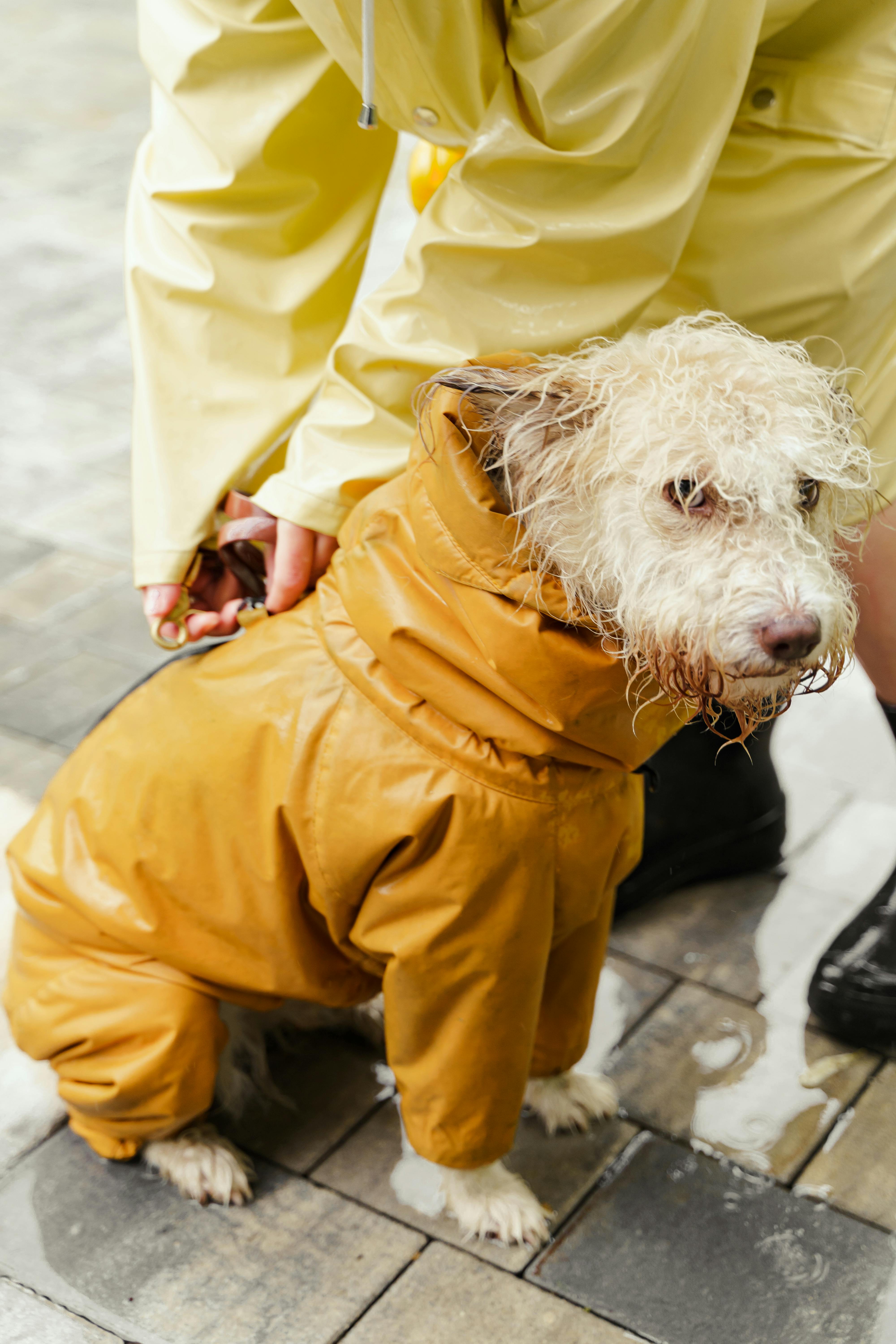 \n\n
\n\nWhen you think about dogs, you might picture their wagging tails or floppy ears, but have you ever wonder why do dogs have wet noses? This unique feature is not just for show; it's actually tied to their health and well-being. Understanding the role of a wet nose in dog health is something every owner should pay attention to, because it can tell you a lot about your furry friend's condition.
\nThe Science Behind Wet Noses
\nA dog's nose is wet for a variety of reasons, and some of it is pretty fascinating. The moisture on a dog's nose comes from a combination of secretions from the nasal glands and saliva. Here’s a breakdown of why this moisture is important:
\n- \n
- \n
Temperature Regulation: Just like humans sweat to cool down, dogs use their noses to help regulate temperature. The wetness on their noses can help dissipate heat.
\n \n - \n
Enhanced Smell: Dogs have incredible olfactory senses, and a wet nose helps to trap scent particles. This means they can smell better, which is essential for their survival.
\n \n - \n
Indicator of Health: The condition of a dog's nose can be an indicator of their health. A healthy nose is typically moist and cool, while a dry or cracked nose could signal dehydration or illness.
\n \n
Why Do Dogs Have Wet Noses?
\nThe question why do dogs have wet noses can be answer in several ways. Here’s some insights about it:
\n- \n
- \n
Cooling Mechanism: Dogs don’t sweat like humans do. They primarily cool themselves through panting and the moisture on their noses helps with this.
\n \n - \n
Scent Detection: The wetness allows for better detection of scents in the air. This is why dogs are often used in search and rescue missions or to detect drugs and explosives.
\n \n - \n
Health Monitoring: A wet nose can indicate that a dog is hydrated and healthy, while a dry nose may suggest illness or stress.
\n \n
Historical Context of Dog Noses
\nDogs have been around for thousands of years, and their wet noses have always been part of their biology. Ancient civilizations recognized the importance of a dog's ability to smell and cool itself. For instance:
\n- \n
- \n
Hunting Companion: In ancient times, dogs were trained for hunting, and their ability to smell was crucial. A wet nose helped them track scents better.
\n \n - \n
Guardians of Livestock: Many farmers relied on dogs to guard their livestock. A wet nose meant the dog was healthy and ready to perform its duties.
\n \n
What to Look for in Your Dog's Nose
\nAs a dog owner, keeping an eye on your pet's nose can be a good practice, because it can reveal a lot. Here’s a simple checklist to help you assess your dog’s nose health:
\n- \n
- Moisture Level: Is it damp or dry? \n
- Color: Is it the same color as the rest of their skin? \n
- Texture: Is it smooth or cracked? \n
- Temperature: Does it feel cool or warm? \n
If you notice any significant changes, it’s probably a good idea to consult a veterinarian.
\nCommon Misconceptions About Wet Noses
\nThere are plenty of myths surrounding dogs and their noses. Here are a few common misconceptions:
\n- \n
- \n
Myth: A warm nose means your dog is sick.
\n- \n
- Fact: Nose temperature can vary based on the environment and activity level. \n
\n - \n
Myth: A wet nose means a dog is healthy.
\n- \n
- Fact: While a wet nose is often a good sign, it’s not the only indicator of health. \n
\n - \n
Myth: All dogs have wet noses.
\n- \n
- Fact: Some breeds, like Bulldogs, may have drier noses due to their anatomy. \n
\n
The Importance of Regular Vet Visits
\nNo matter how wet or dry your dog's nose is, regular veterinary check-ups are vital. These visits ensure that your dog stays healthy overall. During these check-ups, a vet can assess your dog’s overall health, including their nose.
\nFinal Thoughts
\nUnderstanding the role of a wet nose in dog health is crucial for every pet owner. From aiding in scent detection to regulating temperature, there’s a lot more to a dog's nose than meets the eye. Keep an eye on your furry friend's nose and consult your vet if you notice any changes. By being proactive, you can help ensure that your dog stays healthy and happy for years to come. Remember, a wet nose might just be a cute feature, but it’s also a window into your dog's well-being!
\n\nCurious Canines: How a Wet Nose Enhances Your Dog's Sense of Smell
\n\n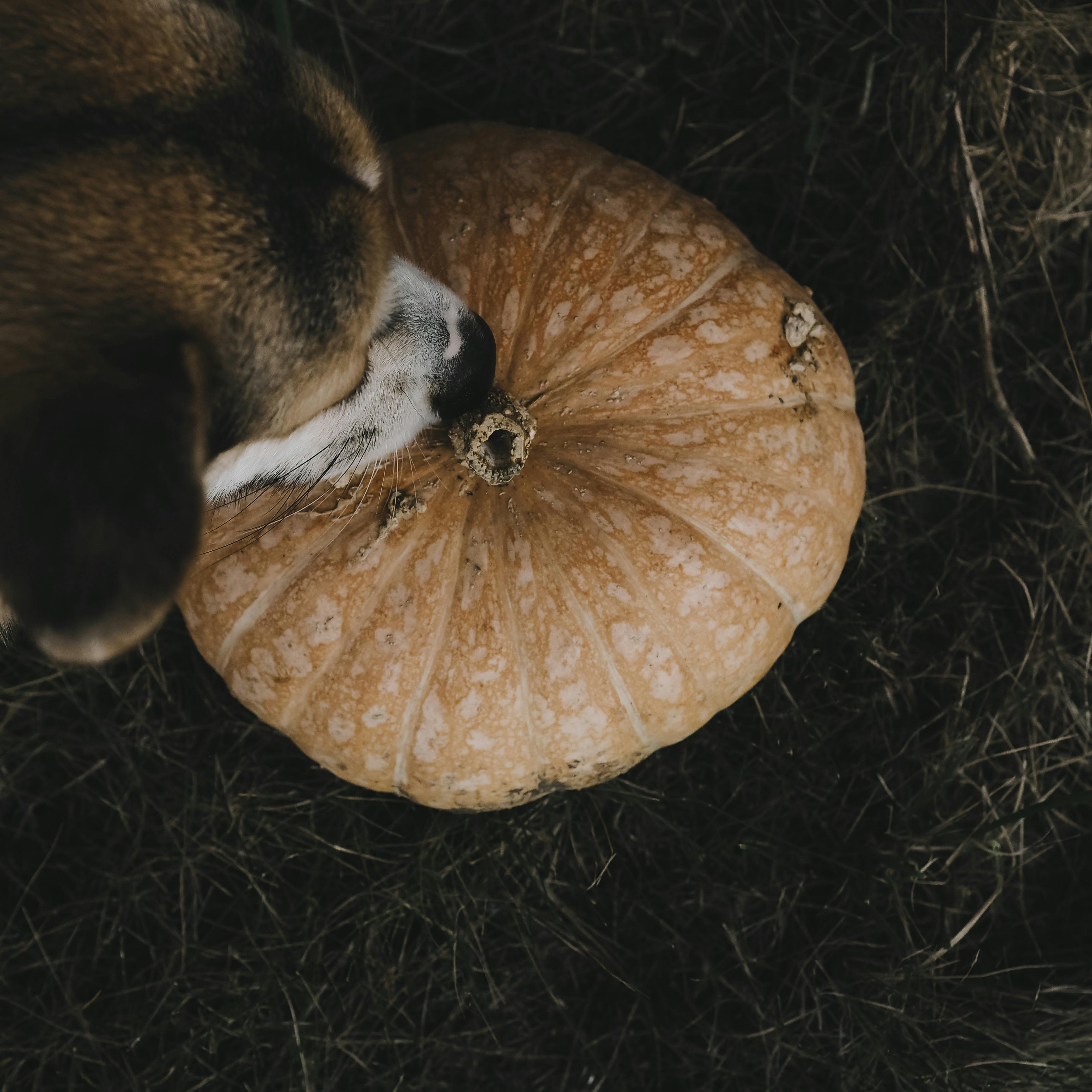 \n\n
\n\nDogs are often called man's best friend, but what makes them so special? One of the most fascinating aspects of dogs is their incredible sense of smell. You ever wondered why dogs has wet noses? It's a curious question that not only sparks our interest but also reveals much about the biology and behavior of our furry companions. In this article, we will explore how a wet nose enhances your dog's sense of smell and dive into the science behind this unique canine trait.
\nThe Science of Smell in Dogs
\nDogs have an extraordinary ability to smell. In fact, they has up to 300 million olfactory receptors in their noses, compared to a human's mere 5 million. This means that dogs can detect scents at incredibly low concentrations. A wet nose plays a significant role in this amazing sense of smell.
\n- \n
- Olfactory Receptors: Dogs possess a large number of olfactory receptors, which allows them to detect various odors. \n
- Jacobsen's Organ: This organ, also known as the vomeronasal organ, helps dogs identify pheromones and other scent molecules. \n
- Moisture and Scent Capture: A wet nose helps to capture and absorb scent particles more effectively. \n
Why Do Dogs Have Wet Noses?
\nYou might be surprised to learn that a wet nose is not just a random trait; it's actually quite functional. The moisture on a dog's nose helps to enhance its sense of smell in several ways:
\n- \n
- Increases Surface Area: The moisture on the nose increases the surface area, allowing more scent particles to stick. \n
- Helps with Cooling: Dogs regulate their body temperature through their noses. A wet nose helps cool them down during hot weather. \n
- Enhances Odor Detection: The moist surface of the nose traps scent molecules, which enhances the dog’s ability to detect and identify scents. \n
Fun Facts About Dog Noses
\nDid you know that dog's noses are unique, just like human fingerprints? Here are some fun facts about dog noses that might surprise you:
\n- \n
- Unique Patterns: Each dog's nose has a unique pattern of ridges and bumps, similar to a human fingerprint. \n
- Temperature Regulation: A dog's wet nose helps lower its body temperature, especially during physical activity. \n
- Health Indicator: The condition of a dog's nose can indicate its health. A dry or cracked nose may signal dehydration or illness. \n
Historical Context of Dogs' Noses
\nDogs have been companions to humans for thousands of years, and their noses have evolved to be essential tools for survival. Historically, they were used for hunting, tracking, and herding. Their keen sense of smell helped humans locate food and navigate their environments.
\n- \n
- Hunting Partners: Early humans relied on dogs to track prey, and dogs with superior sense of smell were highly valued. \n
- Search and Rescue: Today, dogs are employed in search and rescue operations, showcasing their remarkable olfactory abilities. \n
- Detection Work: Many police and military forces utilize dogs for detecting drugs and explosives, highlighting the importance of their wet noses. \n
Care for Your Dog's Nose
\nMaintaining the health of your dog's nose is important. Here are some tips for keeping your canine's nose in top condition:
\n- \n
- Hydration: Ensure your dog has plenty of fresh water to drink, as dehydration can lead to a dry nose. \n
- Check for Cracks: Regularly check your dog’s nose for cracks or sores, which could indicate health issues. \n
- Avoid Irritants: Keep your dog away from harsh chemicals or irritants that could affect their nose. \n
The Connection Between Wet Noses and Behavior
\nInterestingly, a dog's behavior can also be linked to the condition of its nose. A wet nose often indicates a happy and healthy dog, while a dry nose might mean something is off. Here are some behaviors associated with nose conditions:
\n- \n
- Wet Nose: A relaxed dog that’s feeling good and content. \n
- Dry Nose: May indicate stress, illness, or dehydration. \n
Understanding the significance of your dog's wet nose can help you monitor their health and overall well-being.
\nIn conclusion, the wet nose of a dog is more than just an adorable trait; it plays a crucial role in their ability to smell, stay cool, and communicate. From their unique patterns to their functional benefits, dogs’ noses are a fascinating topic worthy of exploration. So next time you see your canine friend with that wet nose, remember all the science and history behind it!
\n\nCan Your Dog’s Wet Nose Indicate Health Issues? Discover the Truth!
\n\n \n\n
\n\nHave you ever wondered why your dog’s nose is always wet? Is it just a quirky trait of our furry friends, or does it mean something more? The truth is, a dog’s wet nose is not only fascinating but it might also be an indicator of their health. Let’s dive into the science behind why dogs have wet noses and what it could mean for their well-being.
\nWhy Do Dogs Have Wet Noses? Discover the Science Behind It!
\nDogs are known for their playful nature and loyalty, but one of the most distinct features they have is their wet nose. It’s not just for show! Here are some reasons why dogs’ noses are wet:
\n- \n
- \n
Temperature Regulation: Just like humans sweat to cool down, dogs use their noses to help regulate their body temperature. The moisture on their noses evaporates and helps keep them cool.
\n \n - \n
Enhanced Sense of Smell: A wet nose can trap scent particles better than a dry one. This means that dogs can smell more accurately when their noses are moist, which is crucial for their hunting instincts and overall awareness of their surroundings.
\n \n - \n
Health Indicator: A wet nose is often seen as a sign of a healthy dog. However, it’s not just about being wet. The temperature and condition of the nose can tell us a lot about a dog's health.
\n \n
Can Your Dog’s Wet Nose Indicate Health Issues? Discover the Truth!
\nWhile a wet nose is typically a sign of health, there are instances when it could indicate a potential health issue. Here’s a breakdown of what to watch for:
\n- \n
- \n
Dry Nose: A dry nose can sometimes suggest dehydration or illness. If your dog’s nose is persistently dry and warm, it might be worth consulting a vet.
\n \n - \n
Excessive Nasal Discharge: If you notice your dog’s nose is not only wet but also producing a lot of discharge, this could indicate allergies, infections, or other health conditions.
\n \n - \n
Changes in Texture: If your dog’s nose changes from smooth to rough or develops cracks, it could be a sign of a skin condition or other health problems.
\n \n - \n
Color Changes: A change in color of the nose can sometimes suggest health issues. For instance, a pale or discolored nose may need a vet’s attention.
\n \n
Common Myths About Dog Nose Moisture
\nThere are plenty of myths surrounding dog noses. Here are some myths debunked:
\n- \n
- \n
Myth 1: A wet nose means the dog is sick.
\n- \n
- Truth: A wet nose is usually a sign of health, but other factors should be considered. \n
\n - \n
Myth 2: You can tell a dog’s temperature just by touching its nose.
\n- \n
- Truth: While a warm nose may indicate fever, it’s not a reliable method for checking a dog’s health. \n
\n - \n
Myth 3: All dogs have wet noses.
\n- \n
- Truth: Some breeds naturally have drier noses, and that can be completely normal. \n
\n
What Should You Do If You’re Concerned?
\nIf you observe any unusual signs with your dog’s nose, it’s always best to consult with a veterinarian. Here’s a quick checklist of things to monitor:
\n- \n
- Check the moisture level of the nose regularly. \n
- Observe for any unusual smells or discharge. \n
- Note any behavioral changes, like lethargy or lack of appetite. \n
- Keep an eye on the texture and temperature. \n
Quick Tips for Keeping Your Dog’s Nose Healthy
\n- \n
- Hydration: Make sure your dog always has access to fresh water. Staying hydrated helps maintain a healthy nose. \n
- Regular Vet Visits: Routine check-ups can catch potential issues before they become serious. \n
- Limit Exposure to Allergens: If your dog suffers from allergies, try to limit their exposure to triggers. \n
Interesting Facts About Dog Noses
\n- \n
- Dogs have about 220 million scent receptors in their noses, compared to humans who only have about 5 million. \n
- The wetness of a dog’s nose can help them identify different scents in the environment. \n
- Some breeds, like Bulldogs and Pugs, are more prone to nasal issues, so pay extra attention to these breeds. \n
Understanding your dog’s nose can give you valuable insight into their overall health. Paying attention to changes in moisture, texture, and temperature can help you identify potential health issues early. Remember, while a wet nose is generally a sign of a happy and healthy dog, it’s important to stay vigilant and consult a vet if you have concerns. Your furry friend relies on you to keep them happy and healthy, so take the time to learn more about their unique characteristics!
\n\nThe Evolutionary Advantage of Wet Noses in Dogs: Nature’s Design
\n\n \n\n
\n\nWhen you think about dogs, one of the first things that often comes to mind is their wet noses. It's kinda cute, right? But have you ever wondered, why do dogs have wet noses? There’s actually a lot more to that little feature than just being adorable. Wet noses play a critical role in a dog’s health and behavior, and they help them interact with the world around them. So, let's dive into the evolutionary advantage of wet noses in dogs and discover the science behind it.
\nThe Biology of a Dog’s Nose
\nFirstly, dogs have a remarkable sense of smell. It’s estimated that their sense of smell is between 10,000 to 100,000 times more sensitive than humans. This is partly due to their wet noses. The moisture on a dog’s nose helps to trap scent particles from the air. This enhances their ability to detect different smells, which is crucial for their survival in the wild. A wet nose also helps to cool down a dog’s body temperature.
\nHere’s how it works:
\n- \n
- Moisture Traps Smells: The wetness helps absorb scent molecules, making it easier for dogs to pick up scents. \n
- Thermoregulation: Dogs don’t sweat like humans do. Their noses help release heat, helping them stay cool. \n
- Communication: Dogs often sniff each other’s noses as a form of social interaction. A wet nose can indicate a healthy, friendly dog. \n
The Role of Evolution
\nDogs, being descendants of wolves, have retained some of their ancestors' traits. Wet noses were advantageous for survival. Historically, wolves used their keen sense of smell to hunt and navigate their environment. Over time, the wet nose has become a defining feature in domestic dogs, playing a significant role in how they interact with humans and other animals.
\n- \n
- Hunting: An ancestor with a better sense of smell could find food more easily. \n
- Social Interaction: Dogs with wet noses could communicate better with others, leading to stronger social bonds. \n
- Adaptability: Dogs that could smell better in different environments had a higher chance of survival. \n
The Science Behind Wet Noses
\nSo, what actually makes a dog's nose wet? The answer lies in the anatomy of it. The nasal passages of dogs are lined with mucous membranes that produce moisture. This moisture is crucial for their olfactory receptors to function properly.
\n- \n
- Olfactory Receptors: Dogs have around 220 million olfactory receptors compared to about 5 million in humans. \n
- Mucous Production: The moist surface of the nose helps dissolve scent particles, so they can be detected by these receptors. \n
Practical Examples of Wet Nose Benefits
\nConsider this: when a dog plays fetch, they rely heavily on their sense of smell to find the ball. If their nose was dry, they might have trouble picking up the scent of the ball if it rolls away. A wet nose can make a huge difference in their play and hunting experiences.
\nHere are some ways wet noses benefit dogs in everyday life:
\n- \n
- Finding Lost Items: A wet nose helps dogs track down lost items or even their owners. \n
- Hunting and Tracking: Working dogs, such as search-and-rescue dogs, rely on their wet noses to locate people or objects. \n
- Health Indicators: A wet nose usually indicates a healthy dog. If a dog’s nose is dry, it can sometimes indicate illness or dehydration. \n
The Importance of Nose Health
\nMaintaining a dog’s nose health is essential. A dry or cracked nose can lead to discomfort or even health issues. Here are some tips for keeping your dog’s nose healthy:
\n- \n
- Hydration: Ensure your dog has access to fresh water. \n
- Regular Vet Check-ups: Regular veterinary visits help catch any potential issues early. \n
- Moisturizing Treatments: If your dog’s nose is often dry, consult your veterinarian for suitable moisturizing products. \n
Final Thoughts
\nIn conclusion, the evolution of the wet nose in dogs reveals the deep connection between their biology and behavior. From enhancing their sense of smell to aiding in communication and survival, wet noses are much more than just a cute feature. By understanding why do dogs have wet noses, we can appreciate their role in a dog’s life and ensure our furry friends stay healthy and happy. Next time you see a dog with a wet nose, remember, it’s nature’s design working perfectly for their needs!
\n\nHow to Keep Your Dog’s Nose Healthy and Moist: Essential Tips for Pet Owners
\n\n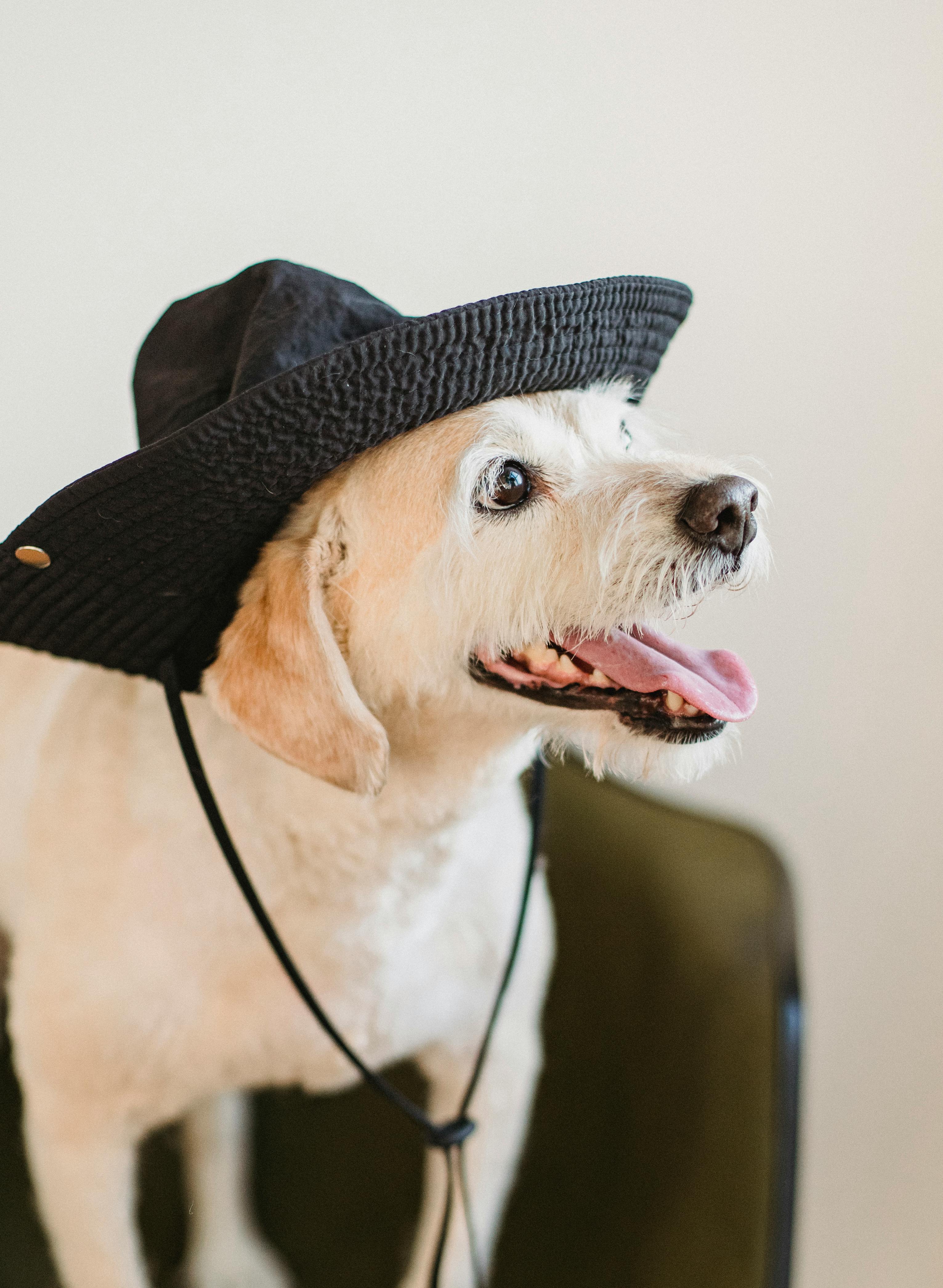 \n\n
\n\nWhen it comes to our furry companions, we often wonder about their health and well-being. One common feature that many pet owners notice is their dog's nose, which tends to be wet and cold. But why do dogs have wet noses? And how can we keep them healthy and moist? In this article, we’ll explore the science behind those wet noses and provide essential tips for maintaining your dog's nose in tip-top shape.
\nWhy Do Dogs Have Wet Noses?
\nDogs noses are not just cute and appealing — they serve important functions. The moisture on a dog's nose helps them in multiple ways. Not only does it enhance their sense of smell, which is already far superior to that of humans, but it also helps regulate their body temperature. Here are some key points about wet noses:
\n- \n
- \n
Enhanced Smell: A moist nose can trap scent particles better than a dry one. This makes it easier for dogs to pick up smells, which is crucial for hunting and tracking.
\n \n - \n
Temperature Regulation: Dogs sweat through their noses and paw pads, so a wet nose can help cool them down on hot days.
\n \n - \n
Health Indicator: The condition of a dog's nose can indicate overall health. A healthy nose is typically moist and cool, while a dry or cracked nose might signal a health issue.
\n \n
How to Keep Your Dog’s Nose Healthy and Moist
\nKeeping your dog’s nose healthy is important. Here’s some essential tips that every pet owner should know:
\n- \n
- \n
Hydration is Key: Ensure your dog has access to fresh water at all times. Dehydration can lead to a dry nose, among other health problems.
\n \n - \n
Avoid Overexposure to Sun: Just like humans, dogs can get sunburned. Use pet-safe sunscreen on your dog’s nose if they spend a lot of time outdoors, especially during peak sunlight hours.
\n \n - \n
Regular Vet Checkups: Regular visits to the vet can help catch any potential health problems early. If you notice any drastic changes in your dog's nose, like excessive dryness or cracking, consult your vet.
\n \n - \n
Healthy Diet: A balanced diet rich in omega fatty acids can promote a healthy coat and skin, which includes the nose. Consider adding fish oil to their meals.
\n \n - \n
Nose Balms and Oils: There are various products available specifically designed for dog noses. These can help moisturize and protect against the elements.
\n \n - \n
Monitor Allergies: Allergies can lead to nose issues. If your dog shows signs of allergies, like itching or sneezing, talk to your vet about possible solutions.
\n \n
Common Myths About Dog Noses
\nThere are many myths surrounding the health of dog noses. Here’s a breakdown of some common misconceptions:
\n- \n
- \n
Myth 1: A Warm Nose Means a Sick Dog: Many people believe that if a dog's nose is warm, they are sick, but this is not always true. Dogs' noses can fluctuate in temperature based on their activity levels or the environment.
\n \n - \n
Myth 2: A Dry Nose Equals Dehydration: While a dry nose can be a sign of dehydration, it's not the only indicator. Check other signs like skin elasticity and energy levels.
\n \n
Quick Tips to Remember
\n- \n
- Always keep your dog hydrated. \n
- Protect their noses from the sun. \n
- Feed them a healthy diet. \n
- Use nose balms for extra moisture. \n
- Consult your vet for any concerns. \n
The Science Behind the Wet Nose
\nEver wonder about the anatomy of a dog’s nose? The wetness comes from mucus that dogs secrete, which helps in trapping odors. This mucus contains proteins that bind to scent molecules, making it easier for dogs to detect smells.
\n- \n
- \n
Nasal Anatomy: Dog noses are structured with a complex system of receptors and olfactory bulbs, allowing them to process scents effectively.
\n \n - \n
Evolutionary Advantage: Historically, dogs with better smelling capabilities were better hunters, which made them more likely to survive and reproduce. This evolutionary trait has been passed down.
\n \n - \n
Different Breeds, Different Noses: Some breeds have different types of noses. For instance, brachycephalic breeds (like Bulldogs) may have flatter noses that can affect their scenting abilities.
\n \n
Keeping your dog's nose healthy and moist is not just about appearance; it's essential for their overall health and well-being. By understanding the science behind why dogs have wet noses and following these practical tips, pet owners can ensure that their furry friends stay happy and healthy. Remember, a well-cared-for nose is a reflection of a healthy pup!
\n\nWet vs. Dry: What Your Dog’s Nose Condition Says About Their Well-Being
\n\n \n\n
\n\nMany dog owners often wonder, what does it mean when their furry friend’s nose is wet or dry? The condition of a dog's nose can actually give some insight into their overall health and well-being. Wet vs. dry: What your dog's nose condition says about their well-being is a topic that many pet parents find themselves interested in. So let’s explore this curious phenomenon.
\nWhy Do Dogs Have Wet Noses?
\nFirst, let’s talk about why dogs have wet noses in the first place. The moisture on a dog’s nose serves multiple purposes. Here’s some key points to consider:
\n- \n
- Temperature Regulation: Just like how humans sweat, dogs can regulate their body temperature through their noses. The moisture evaporates, helping to cool them down. \n
- Enhanced Smell: Dogs have a highly developed sense of smell, and the wetness helps them to absorb scent particles better. A wet nose can catch more scent, making their noses even more sensitive. \n
- Health Indicator: A wet nose can sometimes indicate that a dog is healthy and hydrated, while a dry nose might suggest dehydration or illness. \n
The Science Behind Dog Nose Conditions
\nSo, what’s the science that supports these observations? Research shows that the mucus on a dog’s nose contains proteins and other compounds that help with the detection of smells. When a dog licks its nose, it spreads this moisture around, which enhances its olfactory capabilities.
\nMoreover, the temperature of a dog’s nose can also change based on their activity level and environment. For example, after a vigorous play session, you might notice your dog’s nose feeling warmer and dryer than usual. This is normal.
\nWet vs. Dry: What’s the Difference?
\nWhen it comes to wet versus dry noses, here's a simple breakdown of what each condition could indicate:
\nWet Nose:
\n- \n
- Generally indicates hydration and good health. \n
- Can be a sign of excitement or alertness, often found when dogs are curious or happy. \n
- May be a response to environmental factors like humidity or temperature. \n
Dry Nose:
\n- \n
- Might indicate dehydration, especially if it’s warm or cracked. \n
- Can be a sign of illness, especially if accompanied by other symptoms like lethargy or changes in behavior. \n
- Sometimes, dry noses can still be normal, especially in certain dog breeds or during seasonal changes. \n
Factors Affecting Dog Nose Conditions
\nThere are several factors that can influence whether a dog’s nose is wet or dry. Here are some common ones:
\n- \n
- Time of Day: Dogs' noses may be wetter in the morning after they’ve just woken up. \n
- Hydration Levels: If a dog isn’t drinking enough water, their nose might become dry. \n
- Health Issues: Conditions such as fever, allergies, or autoimmune diseases can affect nose moisture. \n
What to Do If Your Dog's Nose is Dry
\nIf you find your dog’s nose is persistently dry, here’s a checklist of actions to consider:
\n- \n
- Check for Other Symptoms: Look for lethargy, coughing, or changes in appetite. \n
- Increase Water Intake: Make sure your dog has access to fresh water at all times. \n
- Monitor Temperature: If your dog’s nose feels warm, it could be a sign of fever. \n
- Consult a Vet: If the dry nose persists, or if you notice other concerning symptoms, it might be time to seek professional advice. \n
Fun Fact About Dog Noses
\nDid you know that a dog’s nose print is as unique as a human fingerprint? Each dog has a distinct pattern of ridges and creases on their nose, which can be used to identify them. This uniqueness is part of what makes dogs so special!
\nFinal Thoughts
\nUnderstanding the condition of your dog’s nose can provide valuable insights into their health and happiness. While a wet nose is generally a good sign, it’s important to be aware of what a dry nose might indicate. Keeping an eye on your dog's nose condition, along with other health indicators, can help ensure they stay happy and healthy. Always remember, when in doubt, consult a veterinarian for the best advice regarding your furry friend’s well-being.
\n\nUnveiling the Myths: Do Dogs with Wet Noses Really Have Better Temperaments?
\n\n \n\n
\n\nDogs are often considered man's best friend, but there are so many misconceptions floating around about these furry companions. One of the most intriguing myths is whether dogs with wet noses have better temperaments. Many people wonder, "Why do dogs have wet noses?" and what it means for their behavior. Let’s dive into the science behind it and separate fact from fiction.
\nThe Science of a Dog's Nose
\nDogs have wet noses for a variety of reasons. The primary one is related to their sense of smell. A wet nose helps to enhance their olfactory capabilities. Here's how it works:
\n- \n
- Moisture Retention: The moisture on a dog's nose absorbs scent particles from the air, increasing their ability to detect smells. \n
- Temperature Regulation: Just like humans sweat, dogs can cool themselves through their noses, although it’s not their main method of temperature regulation. \n
- Health Indicator: A wet nose is often seen as a sign of good health, as it indicates hydration and normal body temperature. \n
Debunking the Myth: Wet Noses and Temperament
\nNow, regarding the idea that dogs with wet noses have better temperaments, there's no scientific evidence supporting this claim. Instead, temperament in dogs is influenced by a variety of factors including:
\n- \n
- Breed: Different breeds have different behavioral traits. For example, Labrador Retrievers are generally known for their friendly disposition, while some terriers might be more feisty. \n
- Socialization: A dog's early experiences with people and other animals can shape their temperament significantly. \n
- Training: Consistent training can lead to better behavior, regardless of whether a dog has a wet or dry nose. \n
Historical Context
\nHistorically, the notion of a dog’s nose being linked to its temperament might’ve stemmed from old wives' tales. People have long observed that a dog’s nose temperature could be an indicator of illness. However, this is misleading, as a dog can have a warm, dry nose and still be perfectly healthy.
\nThe Role of Temperature in Nose Moisture
\nSo, why do dogs have wet noses? The moisture can fluctuate based on several factors:
\n- \n
- Environment: Dogs may have drier noses in winter or during dry spells. \n
- Health Conditions: Certain illnesses can lead to a dog having a dry nose, but this is not always a sign of a serious issue. \n
- Age: Older dogs may experience changes in nasal moisture levels. \n
Fun Facts About Dog Noses
\n- \n
- Unique Patterns: Just like human fingerprints, each dog has a unique nose print. \n
- Heat Detection: Dogs can detect the heat of a person’s body from several feet away, thanks to their acute sense of smell, aided by their wet noses. \n
- Scent Memory: A dog’s sense of smell is 10,000 to 100,000 times more powerful than that of a human! \n
Common Misconceptions
\n- \n
- Wet Nose = Happy Dog: A wet nose doesn't always mean a dog is happy. Dogs can have a wet nose whether they are content, anxious, or even sick. \n
- Dry Nose = Sick Dog: Having a dry nose occasionally doesn’t automatically indicate an illness. \n
Practical Examples
\nConsider a scenario where you’re thinking about adopting a dog. You might come across a pup with a dry nose and worry that it’s unhealthy. Instead, observe its overall behavior, energy levels, and appetite. These factors are far more telling of a dog’s temperament than the moisture of its nose.
\nConclusion
\nUnderstanding why dogs have wet noses is not just a quirky fact; it’s integral to appreciating their behavior and health. While the myth linking wet noses to temperament has no scientific backing, knowing the real reasons behind a dog’s nose moisture can help pet owners make informed decisions. Embrace the joy of having a canine companion, wet nose or not, and cherish the unique bond that comes with it.
\n\nExploring the Connection Between Dog Behavior and Nose Moisture: What You Need to Know
\n\n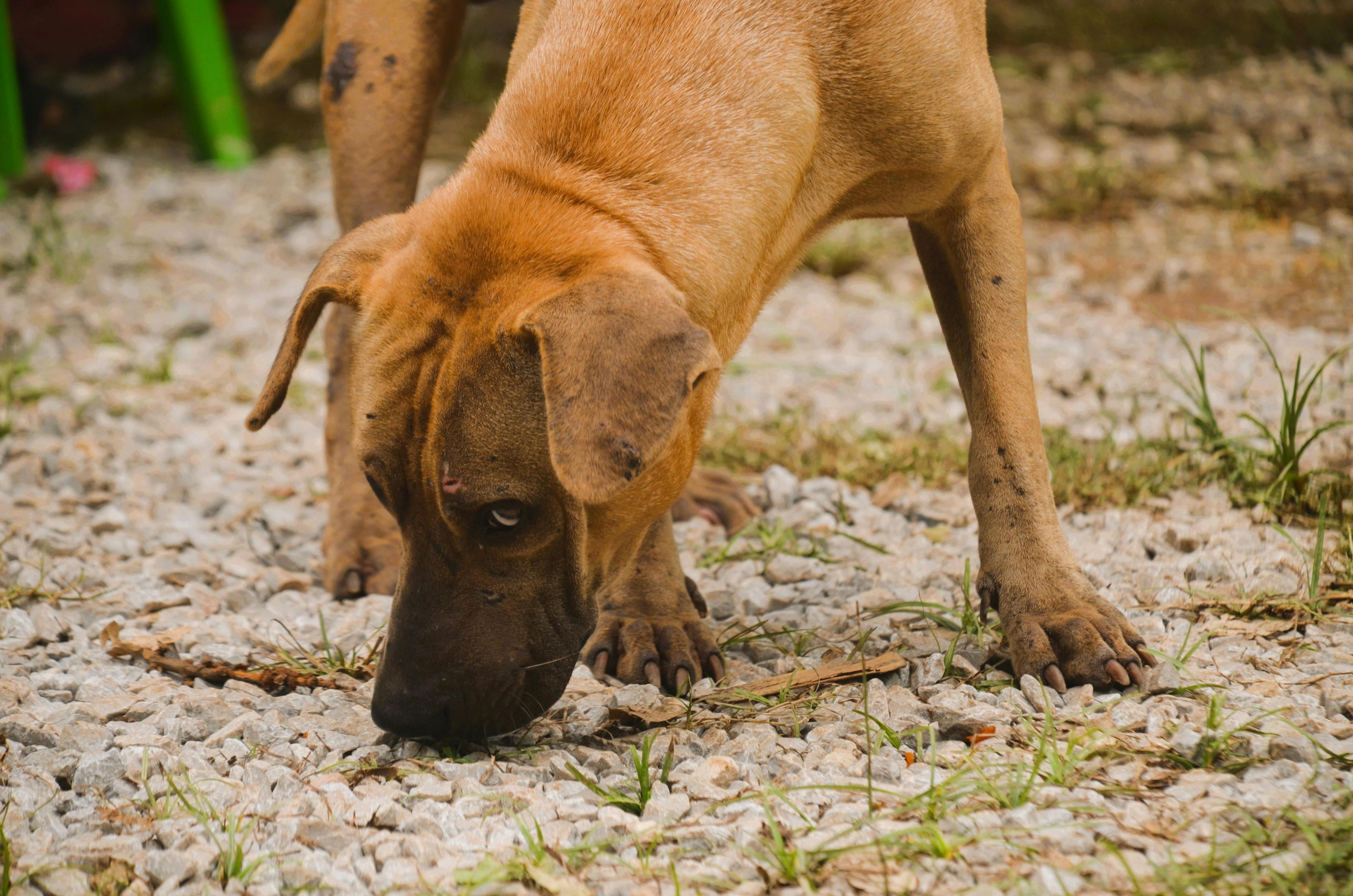 \n\n
\n\nDogs are often called man's best friend, and they do bring joy and companionship to countless households. But have you ever noticed your furry friend’s nose? It's usually wet, and this peculiarity often raises questions among dog owners. Why do dogs have wet noses? And is there a connection between their behavior and the moisture of their noses? Let’s explore this fascinating topic to shed some light on the science behind it!
\nThe Science Behind Wet Noses
\nFirstly, the primary reason dogs have wet noses is related to their health and sensory abilities. Dog noses are covered in a thin layer of mucus that helps to absorb scent chemicals. This is crucial for their powerful sense of smell. A wet nose can enhance the olfactory receptors, making it easier for dogs to detect different scents in their environment. It's like having a supercharged antenna!
\n- \n
- Moisture Retention: A wet nose retains moisture, which amplifies scent detection. \n
- Temperature Regulation: Dogs don’t sweat like humans do; they primarily cool themselves through panting and their noses. The moisture helps in regulating body temperature. \n
- Health Indicator: A dog’s nose can indicate its health. A consistently dry nose may signal dehydration or illness, while a normal wet nose is generally a sign of good health. \n
Historical Context of Dog Noses
\nHistorically, dogs have been bred for various purposes, each affecting their nose's moisture. For example, hunting dogs needed keen senses to track scents, leading to wet noses being selected over time. In contrast, some breeds that were not primarily scent hounds may have less moist noses, but they still retain some of the essential moisture properties.
\nBehavioral Connections
\nInterestingly, a dog's behavior can sometimes be linked with the moisture of its nose. When dogs are excited or anxious, their noses tend to get wetter. This is due to the increased production of mucus triggered by their emotional state. Here are some behaviors that may correlate with nose moisture:
\n- \n
- Excitement: When dogs are happy or playful, you might notice their noses getting wetter. \n
- Curiosity: A dog exploring a new environment may have a moist nose as it sniffs around. \n
- Stress or Anxiety: During stressful situations, a dog’s nose might also become wet. \n
Dog Nose Variations
\nNot all dogs have the same level of nose moisture. Various factors can affect this, including breed, age, and even health conditions. Below are some typical variations:
\n- \n
- Breeds with Moist Noses: Labrador Retrievers, Beagles, and Bloodhounds are known for their moist noses. \n
- Breeds with Dry Noses: Some bulldog breeds and certain toy breeds may have drier noses. \n
- Age Factor: Older dogs may experience changes in moisture levels due to health issues. \n
Practical Examples
\nIf you’re a dog owner, it’s essential to monitor your dog’s nose moisture as a part of their overall health check. Here are some tips:
\n- \n
- Check Regularly: Make it a habit to observe your dog’s nose daily. Is it moist? Is it dry? \n
- Look for Other Symptoms: If you notice a persistently dry nose, look for other signs like lethargy or a lack of appetite. \n
- Stay Hydrated: Always ensure your dog has access to fresh water, especially during hot days. \n
Quick Facts About Dog Noses
\n- \n
- Dogs have around 300 million olfactory receptors, compared to about 6 million in humans. \n
- A wet nose is a sign that a dog is healthy and well-hydrated. \n
- Dogs can identify different scents at incredibly low concentrations, even as low as parts per trillion. \n
Conclusion
\nUnderstanding why dogs have wet noses and how it connects to their behavior provides valuable insight for any dog owner. It’s not just a quirky trait; it plays a significant role in their health and sensory perception. So next time you give your dog a pat, take a moment to appreciate that moist little nose and what it signifies!
\n\nConclusion
\n\nIn conclusion, the wet noses of dogs serve several important functions that contribute to their overall health and well-being. The moisture helps enhance their sense of smell, allowing them to detect scents more effectively, which is crucial for their communication and exploration of the environment. Additionally, a wet nose plays a significant role in temperature regulation, helping dogs cool down through evaporation. While a wet nose is often a sign of a healthy dog, variations in moisture levels can indicate underlying health issues, so it's essential for pet owners to monitor their pets closely. Ultimately, understanding the reasons behind a dog's wet nose not only deepens our appreciation for these beloved companions but also highlights the importance of regular veterinary check-ups. So, the next time you give your furry friend a pat, take a moment to marvel at the science behind their unique and adorable wet nose!
\n\n