
Have you ever wondered why do dogs have wet noses? This intriguing question sparks curiosity among dog lovers and pet owners everywhere. The answer may be more surprising than you think! Dogs’ noses are not just cute features; they serve important purposes. Did you know that a wet dog nose can indicate health and even enhance their sense of smell? In this article, we will uncover the fascinating reasons behind this unique trait. From cooling mechanisms to the role of moisture in scent detection, the science of a dog’s nose is both fascinating and essential for their well-being. Plus, we’ll explore how the wetness of a dog’s nose relates to their emotions and overall health. Have you ever thought about how a dog’s nose can tell you about their mood? By the end of this post, you’ll not only understand why dogs have wet noses but also gain insights into your furry friend’s behavior. So, are you ready to dive into the world of canine anatomy and discover the secrets held in those adorable, wet noses? Let’s get started!
The Science Behind Wet Noses: Why Do Dogs Have This Unique Feature?

Ever wondered why dogs have wet noses? This unique feature’s not just an adorable trait; it serves several important purposes for our furry friends. Understanding the science behind wet noses can shed light on why dogs are such amazing companions. Let’s dive into this intriguing topic and explore the surprising reasons behind why do dogs have wet noses.
The Anatomy of a Dog’s Nose
Dogs noses are highly sensitive and packed with olfactory receptors, which allow them to smell things we can’t even imagine. A dog’s sense of smell is around 10,000 to 100,000 times more powerful than that of humans. The wetness on their noses plays a crucial role in enhancing this powerful sense. The moisture helps to capture scent particles in the air, making it easier for dogs to detect and identify different smells.
Why Are Dog Noses Wet?
So, why do dogs have wet noses? Here’s a rundown of the most significant reasons:
Enhanced Smell: As mentioned, moisture on a dog’s nose helps to trap scent particles. This wetness increases the surface area of the nose and allows for better absorption of scents, making it a vital tool for a dog’s hunting and foraging instincts.
Temperature Regulation: Dogs don’t sweat like humans do. Instead, they regulate their body temperature primarily through panting and, to some extent, through their noses. The moisture on the nose evaporates, helping to cool their bodies down, especially after exercise.
Health Indicator: The state of a dog’s nose can indicate their health. A wet, cool nose is often a sign of a healthy dog, while a dry or warm nose may suggest an underlying issue. However, this isn’t a foolproof method, and other symptoms should be considered.
Social Communication: Dogs communicate with each other through scent, and a wet nose can signal various things in their social interactions. It can be a way of expressing friendliness or curiosity, helping with social bonding among dogs.
Historical Context
Historically, dogs have been bred for various traits, including their sense of smell. From hunting dogs to service animals, the importance of a wet nose has been noted throughout their evolution. For example, bloodhounds, known for their tracking abilities, have particularly moist noses that enhance their scenting capabilities.
Fun Facts About Dog Noses
Here are some fun facts that might surprise you about dog noses:
Unique Patterns: Just like human fingerprints, every dog has a unique nose print. Some people even use them for identification purposes!
Color Variations: Not all dog noses are black or pink. Depending on the breed, some dogs can have spots or marbled noses, which is normal and part of their genetic makeup.
Nose Temperature: A dog’s nose temperature can vary throughout the day. It’s normal for it to change depending on the environment and the dog’s activity level.
The Science of Nose Wetness
The moisture on a dog’s nose comes from a combination of mucus and saliva. Dogs often lick their noses, which adds to the moisture content. This behavior might seem trivial, but it’s essential for their sensory perception. When a dog sniffs something, they might also lick their nose to further enhance the scent they are detecting.
Comparison: Dogs vs. Cats
While dogs have wet noses, cats have dry noses. Here’s a quick comparison:
Dogs:
- Wet noses help with scent absorption.
- Moisture aids in temperature regulation.
- Can indicate health status.
Cats:
- Dry noses are typical.
- Rely more on their whiskers for spatial awareness.
- Have a different method of regulating heat.
Practical Examples of Nose Use
Let’s look at some practical examples of how dogs use their noses in everyday situations:
Search and Rescue: Dogs are trained to find missing persons using their incredible sense of smell. Their wet noses help them track scent trails left behind.
Medical Detection: Some dogs can detect medical conditions, like low blood sugar or certain types of cancer, owing to their sensitive olfactory capabilities.
Service Animals: Service dogs use their noses to assist individuals with disabilities, providing support and enhancing their independence.
The unique feature of a wet nose in dogs is not just for show; it has practical applications that enhance their ability to interact with the world. Understanding why do dogs have wet noses adds a layer of appreciation for these remarkable creatures. Their noses are a testament to their evolutionary journey and their role as companions to humans. So next time you see your furry friend, take a moment to consider the science behind that adorable, wet nose!
5 Fascinating Reasons Dogs Have Wet Noses That Will Surprise You

Dogs are often considered man’s best friend, and a big part of that relationship comes from their unique physical traits. One of the most fascinating features of dogs is their wet noses. You might’ve noticed that dogs noses are always moist, but have you ever wondered why? In this article, we will explore 5 surprising reasons why dogs have wet noses, and trust us, some of these will really shock you.
1. Enhanced Sense of Smell
First off, a wet nose is super important for a dog’s sense of smell. Dogs have millions of scent receptors in their noses, way more than humans do. A wet nose helps to capture scent particles from the air, making it easier for them to identify different smells. When the nose is wet, it can trap more odors, which means dogs can detect a larger range of scents. This is why they are so good at tracking and sniffing things out, like drugs, explosives, or even lost people!
2. Temperature Regulation
Another interesting fact is that a wet nose can help dogs cool off. Dogs don’t sweat like humans do; instead, they pant to regulate their body temperature. But their noses also play a role in this process. When a dog’s nose is wet, it helps to cool the blood vessels in the area, which can assist in lowering their overall body temperature. This is particularly useful during hot weather when dogs need to find ways to stay cool. Isn’t that nifty?
3. Communication Tool
Dogs use their noses not just for smelling but also for communicating. When a dog meets another dog or a person, they often sniff their nose or face. This is a way of gathering information about others. A wet nose can be a sign of an excited or friendly dog. If you notice a dog with a dry nose, it might be feeling anxious or unwell. So, a wet nose can also indicate a variety of emotions and health statuses in dogs. Fascinating, right?
4. Natural Moisturizer
Did you know that a dog’s nose secretes a special mucus? This mucus has antibacterial properties that help to keep their noses clean and moist. It’s like a natural moisturizer! This mucus not only prevents their noses from drying out but also protects against infections. So when you see a dog with a wet nose, it’s actually a sign that their body is functioning well and maintaining their health.
5. Evolutionary Trait
Lastly, the wet nose of dogs is an evolutionary trait that has been passed down through generations. Historically, dogs that had wetter noses were better hunters. They could track prey more effectively and find food, which meant they were more likely to survive and reproduce. Over time, this trait became more prominent in dog breeds. So, if you ever wondered why dogs have wet noses, it’s partly because it helped their ancestors thrive in the wild!
Fun Facts About Dogs’ Noses
- Dogs have about 220 million scent receptors compared to humans, who only have around 5 million.
- The nose print of a dog is unique, much like a human fingerprint.
- Certain breeds, like Bloodhounds, have an incredible ability to track scents, sometimes being able to follow trails that are days old!
Comparisons: Dog Noses vs. Human Noses
| Feature | Dog Nose | Human Nose |
|---|---|---|
| Scent Receptors | 220 million | 5 million |
| Moisture | Always wet | Usually dry |
| Smell Sensitivity | Highly sensitive | Less sensitive |
| Purpose | Communication, tracking scents | Breathing, smelling |
With all this information, it’s clear that a dog’s wet nose serves several important functions. From enhancing their sense of smell to helping with temperature regulation, these wet noses are not just cute but are essential to a dog’s health and communication with others. So the next time you see a dog with a wet nose, you can appreciate all the fascinating reasons behind it. You might even share this newfound knowledge with your friends, and who knows, you could become the go-to pet expert in your circle! Isn’t that a fun thought?
How a Dog’s Wet Nose Contributes to Their Sense of Smell: Discover the Connection
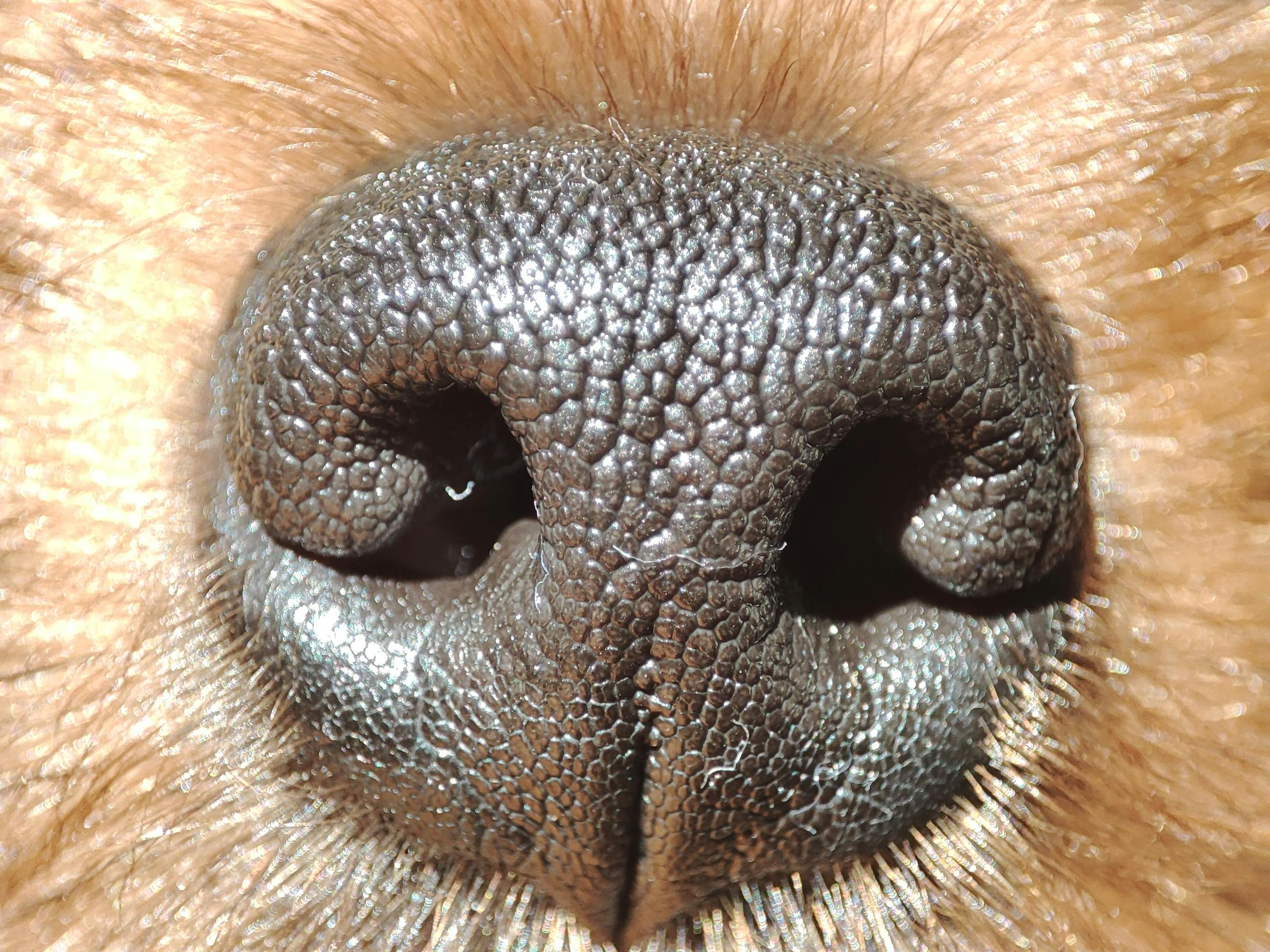
Dogs are fascinating creatures, and their wet noses are just one of the many unique traits that make them so special. Have you ever wondered why do dogs have wet noses? The answer is more surprising than you might think, especially when it comes to their incredible sense of smell. In this article, we will explore the connection between a dog’s wet nose and its olfactory abilities, along with some other interesting facts about this curious canine feature.
The Science Behind a Dog’s Wet Nose
So, why do dogs have wet noses? Well, moisture plays an important role in a dog’s ability to smell. The wetness on a dog’s nose helps to dissolve scent particles, allowing them to detect odors more efficiently. When a dog sniffs, the moisture traps these scent particles and makes it easier for their sensitive olfactory receptors to identify different smells.
Anatomy of a Dog’s Nose
Understanding a dog’s nose can help explain why it’s so good at smelling. Here’s a quick look at what makes a dog’s nose special:
- Olfactory Receptors: Dogs have about 300 million olfactory receptors, compared to humans who only have about 6 million. This difference makes dogs far superior in detecting scents.
- Jacobsen’s Organ: Also called the vomeronasal organ, this structure helps dogs detect pheromones, which are chemicals that carry information about other animals.
- Scent Memory: Dogs have an incredible ability to remember smells. They can recall scents for a long time, which helps them in various tasks, like tracking and hunting.
The Role of Moisture
Now, let’s get into why the moisture is so important. A dog’s nose is not just wet by chance. Here are some reasons why it’s beneficial:
- Better Scent Detection: Wet noses absorb scent particles better, which enhances their ability to smell.
- Temperature Regulation: A wet nose helps to regulate body temperature. When dogs pant, their noses can help cool them down.
- Health Indicator: A dog’s nose can indicate health. A dry nose could mean dehydration or illness, while a wet one is generally a sign of good health.
Fun Facts About Dog Noses
- Unique Prints: Just like human fingerprints, every dog has a unique nose print that can be used to identify them.
- Nose Color: The color of a dog’s nose can vary. Some breeds have pink noses, while others have black or brown.
- Nose and Mood: Dogs can change the moisture level of their noses based on their mood. Excited dogs often have wetter noses.
Historical Context of Dog Noses in Society
Throughout history, dogs have been valued for their sense of smell. In ancient times, they were used for hunting and tracking, relying heavily on their keen olfactory senses. Breeds were developed specifically for their smelling abilities, such as Bloodhounds and Beagles, which are still used today in search and rescue missions, as well as in law enforcement.
The Importance of Nose Health
Taking care of a dog’s nose is vital. Here are some common issues that can affect a dog’s nose:
- Nasal Dermatitis: Inflammation of the nose can lead to dryness or cracking.
- Sunburn: Dogs with light-colored noses can suffer from sunburn, which might require sunscreen or protective measures.
- Infections: Bacterial or fungal infections can cause changes in moisture and color.
Tips for Keeping Your Dog’s Nose Healthy
- Regular Check-ups: Regular visits to the vet can help catch any nasal issues early.
- Hydration: Ensure your dog drinks plenty of water to maintain moisture levels.
- Protect from the Sun: Use dog-safe sunscreen on their noses during sunny days.
In summary, a dog’s wet nose is more than just an adorable feature. It plays a crucial role in enhancing their sense of smell, which is vital for their survival and well-being. Understanding why dogs have wet noses and the science behind it can deepen your appreciation for these loyal companions. Their noses are not only a tool for smelling but also a reflection of their health and happiness. So next time you see a dog with a wet nose, remember the amazing connection it has to their remarkable sense of smell.
Is a Wet Nose a Sign of Health? Unpacking Common Myths About Dog Noses
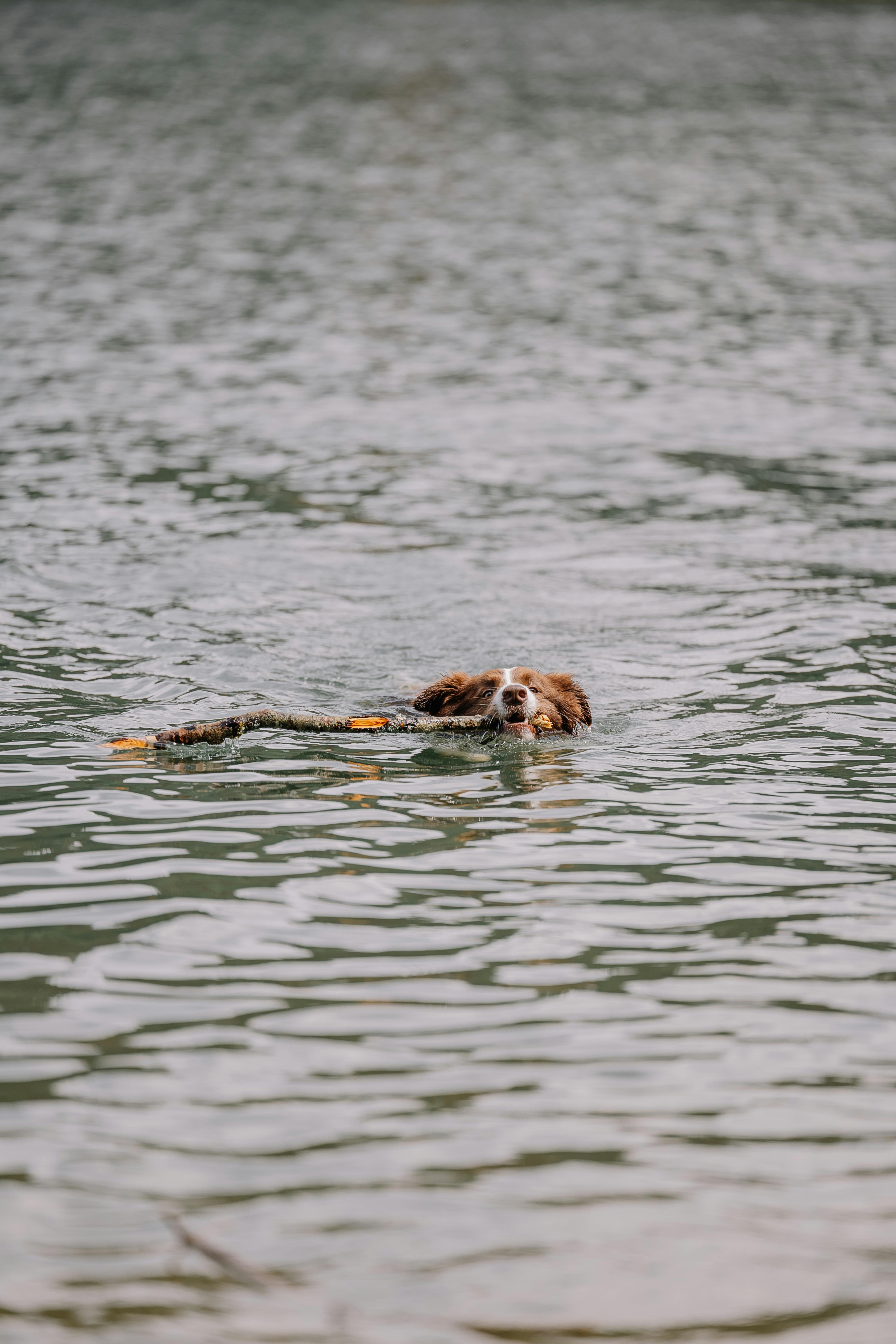
Is a Wet Nose a Sign of Health? Unpacking Common Myths About Dog Noses
When you see a dog, you might notice its nose — often wet and cool to the touch. Many people thinks a wet nose means the dog is healthy, but is that really true? Let’s dive deep into the canine nose and explore some common myths and facts about why do dogs have wet noses, and what it might means for their health.
Why Do Dogs Have Wet Noses?
Dogs noses are wet for a few reasons, and it’s not just a sign of their well-being. Here’s some surprising facts about it:
Cooling Mechanism: Dogs don’t sweat like humans do. Instead, they regulate their body temperature through panting and by keeping their noses moist. A wet nose can help to cool them down when they get hot.
Enhanced Smell: The moisture on a dog’s nose helps to trap scent particles, improving their sense of smell. Dogs have an astonishing sense of smell, estimated to be between 10,000 to 100,000 times more sensitive than humans. A wet nose is key to maximizing this ability.
Health Indicators: While a wet nose can sometimes indicate good health, it’s not a definitive measure. Factors like environmental conditions or the dog’s activity level can affect how wet or dry their noses appear.
Common Myths About Dog Noses
There are lots of myths floating around about dog noses. Let’s bust some of them!
Myth 1: A Wet Nose Always Means a Healthy Dog
Just because a dog’s nose is wet doesn’t automatically means it’s healthy. Dogs can have a wet nose and still be sick, or have a dry nose and be perfectly fine. Health should be evaluated through other signs too.Myth 2: A Dry Nose Means the Dog is Sick
Dogs can have dry noses for many reasons. Weather conditions, sleeping, or even certain breeds have naturally drier noses. So, don’t panic if your dog’s nose feels a bit dry one day.Myth 3: All Dogs Have the Same Nose Temperature
Just like humans, dogs can have variations in body temperature. A nose that feels warm doesn’t always indicate illness.Myth 4: Dogs Only Get Wet Noses from Drinking Water
While drinking can make a dog’s nose wet, it also gets moist from saliva and environmental factors. It’s not just about the water bowl!
Factors Affecting Nose Moisture
Different factors can contribute to whether a dog’s nose is wet or dry. Here’s a quick look:
Environmental Conditions: Hot, dry weather can lead to a drier nose. Conversely, humid conditions can make noses wetter.
Activity Level: After playing or exercising, a dog’s nose might be wetter due to increased panting and saliva.
Health Status: Certain health conditions, like fever or dehydration, can affect nose moisture levels.
Signs to Watch For
While a wet nose can be one indicator of health, there are more signs you should keep an eye on. Here’s a handy list:
- Energy Levels: Is your dog active and playful?
- Eating and Drinking: Are they eating and drinking normally?
- Behavior Changes: Any noticeable shifts in behavior can be a red flag.
- Physical Symptoms: Look for coughing, vomiting, or lethargy.
When to See a Vet
If you notice your dog’s nose is excessively dry for an extended time, or if it’s accompanied by other concerning symptoms, it might be time to visit the vet. Signs to be concerned about include:
- Crusty or Bleeding Nose: This can be a sign of a more serious issue.
- Persistent Lethargy: If your dog isn’t interested in playing or going for walks.
- Lack of Appetite: Not eating or drinking can point to health problems.
Conclusion
Understanding why do dogs have wet noses is important for any dog owner. While a wet nose can be a sign of health, it should not be the only factor you rely on. Being aware of the myths and realities about dog noses can help you better care for your furry friend. Keeping an eye on their overall behavior, activity levels, and health conditions will provide a more complete picture of their well-being. Regular vet check-ups are essential, and always trust your instincts as a pet owner. Your dog’s health is worth it!
The Role of Temperature Regulation: Why Dogs Keep Their Noses Moist
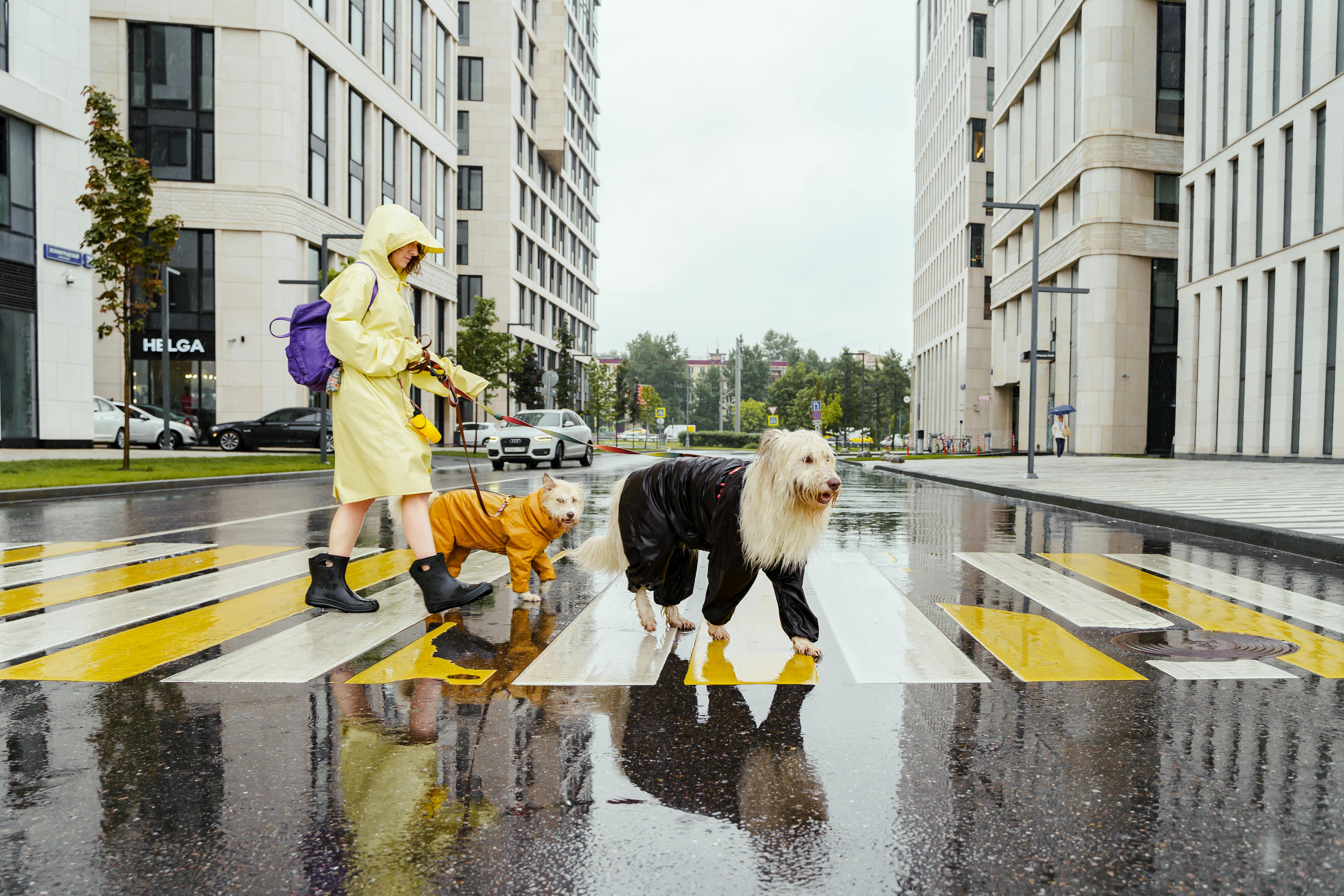
When you look at a dog, one of the first things you might notice is their nose. It’s wet and shiny, and it seems to be a constant source of fascination for pet owners and scientists alike. But have you ever wondered why do dogs have wet noses? The answer is more complex than you might think. It’s not just about looks; it’s really about temperature regulation and their overall health. Let’s dive deeper into the surprising reasons behind this phenomenon.
The Science Behind Wet Noses
Dogs, like humans, need to maintain a stable body temperature. However, they don’t sweat in the same way that we do. Instead, they rely on their noses to help regulate their body temperature. A wet nose can cool a dog down, providing an efficient method of thermoregulation. Here’s how it works:
- Evaporative Cooling: When moisture on their noses evaporates, it cools the surface of their skin, helping to lower their body temperature.
- Increased Olfactory Ability: A moist nose can absorb scent particles more effectively, which enhances a dog’s sense of smell. This is particularly important for hunting breeds or service dogs that rely on their noses for tracking.
Why Do Dogs Keep Their Noses Moist?
It’s a common sight to see a dog licking its nose frequently. But why do they do this? Here are a few reasons:
- Self-Cleaning: Dogs lick their noses to remove dirt and debris, which helps maintain their sense of smell. A clean nose is crucial for detecting scents.
- Hydration: The moisture on a dog’s nose comes from saliva. By licking it, they keep their noses hydrated, which is essential for sensory functions.
- Health Indicator: A dog’s nose can reflect its health status. A wet, cool nose is generally a sign of a healthy dog, while a dry or cracked nose may indicate dehydration or illness.
The Evolutionary Perspective
Historically, dogs, like their wild ancestors, developed wet noses as a survival mechanism. In the wild, being able to smell predators or prey was crucial. The evolution of their moist noses enhanced their hunting success and survival rates. Here are some interesting points about this evolutionary trait:
- Ancestral Traits: Wolves and other canines also have moist noses, showing that this characteristic has been passed down through generations.
- Natural Selection: Dogs that had better olfactory capabilities were more likely to survive and reproduce, leading to the prevalence of this trait in domestic dogs today.
Fun Facts About Dog Noses
- Did you know? A dog’s sense of smell is estimated to be between 10,000 to 100,000 times more sensitive than humans.
- Dogs have a specialized area in their nose called the Jacobsen’s organ, which helps them analyze scent molecules.
- The texture of a dog’s nose can vary significantly among breeds, which can also affect their olfactory abilities.
Comparing Dog Noses to Human Noses
It’s interesting to compare dog noses with human noses. Here’s a little breakdown of how they differ:
| Feature | Dog Nose | Human Nose |
|---|---|---|
| Moisture Level | Consistently moist | Generally dry |
| Sense of Smell | Highly developed | Less sensitive |
| Temperature Control | Evaporative cooling | Sweating |
| Functionality | Predominantly olfactory | Primarily respiratory |
Keeping Your Dog’s Nose Healthy
Maintaining your dog’s nose is essential for their overall health. Here are some tips to ensure their nose stays in tip-top shape:
- Hydration: Make sure your dog has access to fresh water at all times.
- Regular Check-ups: Regular vet visits can help catch any potential issues early on.
- Avoid Irritants: Keep your dog away from harsh chemicals or allergens that might dry out their nose.
Signs of Nose Problems
While a wet nose is generally a good sign, it’s important to know when to be concerned. Here are a few signs that might indicate an issue:
- Excessive dryness or cracking
- Bleeding or discoloration
- A sudden change in moisture level
Understanding why do dogs have wet noses can deepen your appreciation for these amazing animals. Their wet noses are not just for show; they play a vital role in their health and behavior. So, the next time you see your furry friend licking their nose, you’ll know it’s part of their unique way of staying healthy and connected to the world around them. Remember, a wet nose is usually a happy nose!
Curious Canines: What Your Dog’s Wet Nose Says About Their Emotions
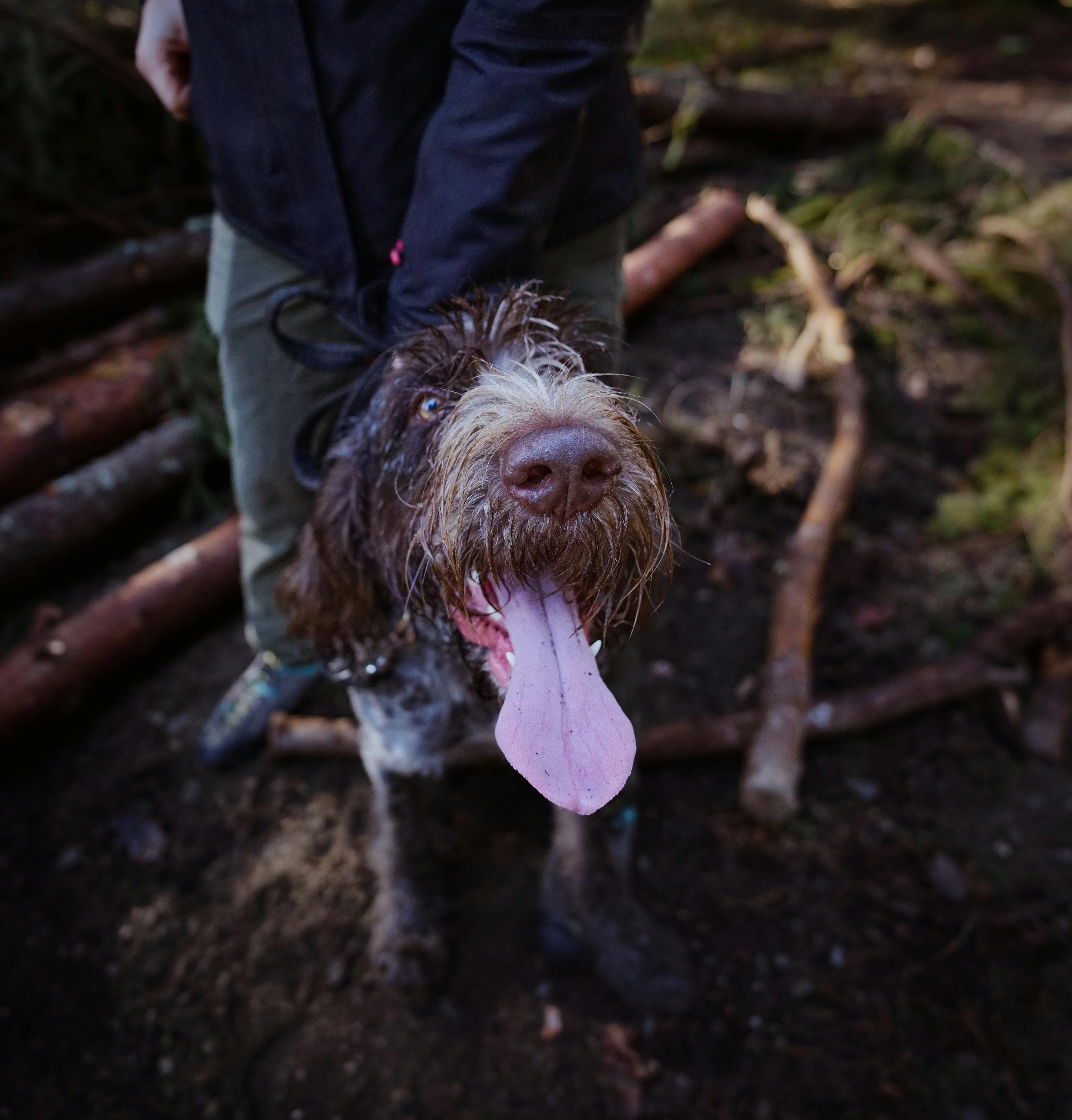
Curious Canines: What Your Dog’s Wet Nose Says About Their Emotions, Why Do Dogs Have Wet Noses? The Surprising Reasons Revealed
Dogs, they are often known as man’s best friend, right? But have you ever looked at your furry companion and wondered why their nose is always wet? Is it just a quirk, or does it mean something deeper about their emotional state? Well, let’s explore together the reasons behind those wet noses and what they could signify about your dog’s feelings.
The Science Behind Wet Noses
First, let’s look at the science part. A dog’s nose can be wet for a variety of reasons, but primarily, this moisture serves a practical purpose. Here are some key points:
Temperature Regulation: Dogs don’t sweat like humans do. Instead, they cool off through panting and the evaporation of moisture from their noses. A wet nose helps them regulate their body temperature.
Enhanced Sense of Smell: The moisture on a dog’s nose captures scent particles from the air, helping them to smell better. This is crucial for dogs, as their sense of smell is thousands of times more sensitive than ours.
Health Indicator: A dry nose can sometimes be a sign of dehydration or illness, while a wet nose is generally a good indicator of a healthy pup. But this isn’t always the case; factors like the environment can also play a role.
What Does a Wet Nose Mean Emotionally?
Now, let’s dive into the emotional aspect. Dogs are known for their ability to express emotions, and their nose can tell us a bit about what they are feeling. Here’s how:
Excitement: When dogs are happy or excited, their noses tend to be more moist. If your dog comes running towards you with a wet nose, they are probably feeling joyful.
Anxiety or Stress: Sometimes, when dogs are anxious, their noses may become more dry than usual. This can indicate that they are not in a comfortable state.
Affection: A wet nose can also mean that your dog is feeling affectionate. They might nuzzle you or lean against you, using their moist noses as a way to show love.
Historical Context of Dog Noses
It’s interesting to note that dogs have been domesticated for thousands of years. From ancient civilizations who used them for hunting and protection to modern-day family pets, the dog’s wet nose has played a role in their survival and interaction with humans. In ancient Egypt, dogs were often revered and depicted in art with wet noses, symbolizing their connection to humans and their importance in society.
Fun Facts About Dog Noses
Here’s some fun, quick facts about dog noses that you might not know:
Unique Patterns: Just like human fingerprints, every dog has a unique nose print.
Temperature Sensitivity: Dogs can detect extremely small changes in temperature, thanks to their moist noses.
Nose Size Matters: The size of a dog’s nose can affect its sense of smell. Breeds with larger noses, like Bloodhounds, tend to have an even stronger sense of smell.
Understanding Your Dog’s Behavior
Understanding your dog’s behavior can be tricky, but observing their nose can provide valuable insights. Here’s a simple guide to help you interpret what their wet nose might be saying:
Wet and Cold: Happy and relaxed.
Warm and Dry: Possibly sick or dehydrated; it might be a good idea to monitor their behavior.
Sniffing Everything: Curious and exploring their environment.
Nudging with their Nose: Seeking attention or affection from you.
Practical Tips for Dog Owners
To ensure your dog’s nose stays healthy and happy, consider these tips:
Stay Hydrated: Always provide fresh water to keep your dog hydrated, which helps keep their nose moist.
Regular Vet Check-ups: Regular visits to the vet can help catch any health issues early on, including those affecting their noses.
Watch for Changes: If you notice any sudden changes in your dog’s nose, like excessive dryness or cracking, consult your vet.
Grooming: Regular grooming can help maintain your dog’s overall health, including their nose.
In the end, those wet noses are not just cute features; they serve significant roles in your dog’s life. Keeping an eye on your dog’s nose and understanding the reasons behind its moisture can enhance your bond with your furry friend. So next time you see that wet nose, remember it’s more than just a quirk; it’s a window into their world.
Wet Noses and Canine Communication: How Dogs Use Their Sense of Smell
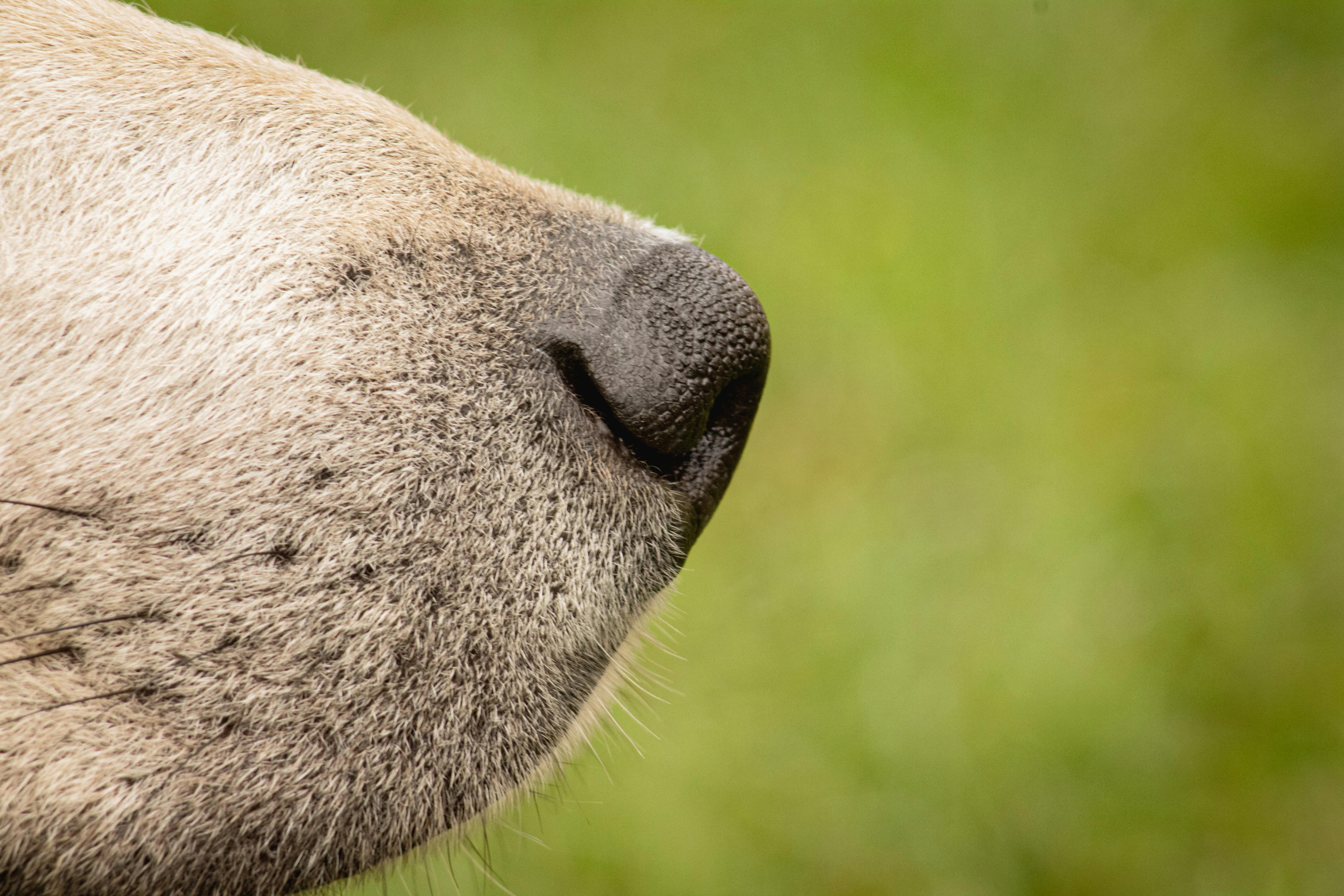
Dogs are often called man’s best friend, and there’s a good reason for that. They got these incredible senses that help them to communicate, understand their environment, and bond with us. One of the most interesting things about dogs is their sense of smell, which plays a huge part in how they interact with the world. But why do dogs have wet noses? It’s not just a quirky trait; there’s science behind it that we’ll explore here.
The Importance of Smell in Dogs
Dogs have an amazing sense of smell, estimated to be anywhere from 10,000 to 100,000 times more sensitive than humans. This heightened olfactory ability is due to several factors:
- Olfactory Receptors: Dogs have around 300 million olfactory receptors in their noses, compared to about 6 million in humans.
- Brain Processing: The part of a dog’s brain that processes smells is proportionately larger than that of humans.
- Vomeronasal Organ: This is a special organ in dogs that helps them detect pheromones, which are chemical signals used for communication.
Dogs use their sense of smell to gather information about their environment, which is why you’ll often see them sniffing around. They can detect emotions, identify individuals, and even sense illnesses in humans.
Why Do Dogs Have Wet Noses?
Now, let’s get back to the question: why do dogs have wet noses? The answer may surprise you! Here are some of the main reasons:
- Enhanced Smelling Ability: A wet nose helps to capture scent particles more effectively. The moisture on the nose traps these particles, allowing the dog to pick up more smells.
- Temperature Regulation: Dogs do not sweat like humans do. Instead, they rely on their noses to help cool down. A wet nose can help regulate their body temperature.
- Health Indicator: A dog’s nose can also indicate health status. A healthy dog typically has a moist nose, while a dry nose might signal dehydration or illness, although it’s not always a definitive sign.
Historical Context of Dog Noses
Humans have domesticated dogs for thousands of years, and we’ve always been fascinated by their abilities. Ancient civilizations even trained dogs to hunt and sniff out prey. Over time, dogs became more than just working animals; they became companions. The role of their noses has evolved, but the basic biology hasn’t changed much.
Fun Facts About Dogs and Their Noses
- Dogs can differentiate between different scents. For example, they can smell the difference between a piece of meat and a piece of fish.
- Their nose prints are unique, like human fingerprints, and can actually be used for identification.
- Puppies are born with closed eyes and ears, but their noses are fully developed, allowing them to start exploring their world right away.
How Dogs Use Their Sense of Smell
Dogs communicate and interact with the world mainly through their sense of smell. Here’s how they do it:
- Social Interaction: Dogs often greet each other by sniffing each other’s noses and behinds. This behavior helps them gather important social information.
- Scent Marking: Dogs will often mark their territory by urinating on objects. Other dogs can smell these markers and understand who was there and when.
- Tracking: In search and rescue missions, dogs use their keen sense of smell to track missing persons. They can follow a scent trail that may be days old!
Practical Implications for Dog Owners
As a dog owner, understanding your pet’s sense of smell can help you in various ways:
- Training: Use treats for scent-based training. Letting them sniff out treats can positively reinforce their natural behaviors.
- Health Checks: Regularly check your dog’s nose for unusual dryness or cracks, which could indicate health issues.
- Socialization: Allow your dog to interact with other dogs through sniffing. It’s a natural part of their communication!
Final Thoughts
Understanding why dogs have wet noses helps us appreciate the complexity of canine communication and their incredible sense of smell. It’s fascinating to think about how much our furry friends rely on their noses to navigate the world around them. This knowledge not only enriches our relationship with dogs but also encourages responsible ownership. So next time you see your pup with a wet nose, remember all the amazing things happening just beneath the surface!
7 Common Questions Answered: Why Do Dogs Have Wet Noses?
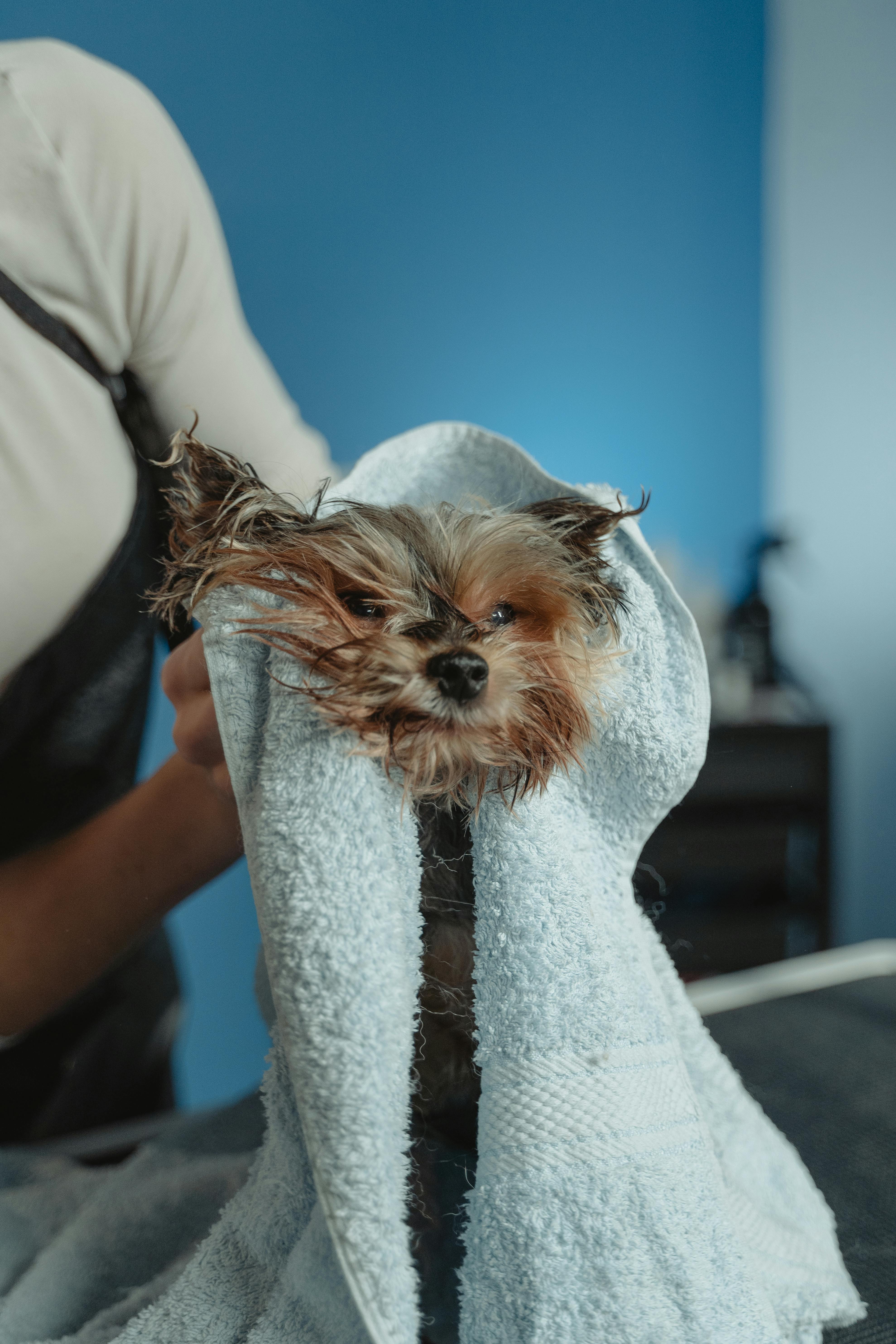
Dogs are one of the most beloved pets around the world, and their quirks can be both amusing and perplexing. One question that often comes up among dog owners and enthusiasts alike is, “Why do dogs have wet noses?” It’s a curious trait that seems to baffle many. Here, we will explore this topic and answer seven common questions related to the wet noses of our furry friends.
1. Why Do Dogs Have Wet Noses?
One of the primary reasons dogs have wet noses is because they sweat through their noses. Unlike humans, dogs don’t have sweat glands all over their bodies. Instead, they primarily rely on panting to cool down. However, the moisture on their noses helps them regulate their body temperature. The wetness also aids in the sense of smell, which is incredibly important to dogs.
- Dogs have about 220 million scent receptors in their noses.
- Wet noses enhance their olfactory abilities, allowing them to detect scents better.
- Many dogs will lick their noses, keeping them moist and functional.
2. What Causes a Dog’s Nose to Be Wet?
The moisture on a dog’s nose comes from several sources. When a dog licks its nose, it introduces saliva which quickly evaporates, leaving a wet surface. Also, environmental factors like rain, humidity, or even a dog’s own saliva can contribute to the wetness. Dogs naturally produce mucous as well, which also plays a role in keeping their noses moist.
- Environmental moisture from rain or dew.
- Saliva from licking.
- Mucous secretion.
3. Is a Wet Nose Always Healthy?
A wet nose is generally a sign of a healthy dog, but not always. It’s important to remember that every dog is different; some may have drier noses than others. If a dog’s nose becomes excessively dry or cracked, it could indicate health issues such as dehydration or a fever. Monitoring your dog’s overall health and behavior is crucial.
- Healthy signs: consistent wetness, normal temperature and behavior.
- Warning signs: dryness, cracks, or excessive moisture.
4. Why Does My Dog’s Nose Change Throughout the Day?
You might notice that your dog’s nose can change from wet to dry throughout the day. This is completely normal. Various factors can influence this change, including temperature, activity level, and even the time of day. When a dog is active, their nose may become wetter due to increased licking and environmental stimulation.
- Morning: Often drier after sleep.
- Afternoon: More moisture during play or exercise.
- Evening: Can fluctuate based on relaxation and temperature.
5. Do All Dogs Have Wet Noses?
While most dogs have wet noses, there are exceptions. Some breeds, like Bulldogs and Pugs, may have drier noses due to their unique facial structures. Age and health conditions can also affect nose moisture. So, if you notice your dog has a drier nose, it might not be a cause for concern unless accompanied by other symptoms.
- Breeds with typically drier noses:
- Bulldogs
- Pugs
- Brachycephalic breeds
6. How Do I Keep My Dog’s Nose Healthy?
Keeping your dog’s nose in good condition is relatively simple. Here are some tips to ensure your dog’s nose stay moist and healthy:
- Provide fresh water at all times to prevent dehydration.
- Limit exposure to hot weather and provide shade.
- Regular vet check-ups to catch potential health issues early.
- Use dog-safe moisturizers if your dog’s nose appears excessively dry.
7. Should I Worry About Changes in My Dog’s Nose?
Changes in your dog’s nose can sometimes indicate health issues, but not always. If you notice significant changes such as excessive dryness, bleeding, or unusual discharge, it is important to consult a veterinarian. Changes might also be due to allergies or environmental factors.
- Signs to watch for:
- Cracking or bleeding.
- Unusual color changes (e.g., discoloration).
- Persistent dryness without relief.
Understanding why dogs have wet noses gives us insight into their health and behavior. It’s fascinating to see how something as simple as a wet nose can hold so many secrets about our pets. By keeping an eye on your dog’s nose and overall health, you can ensure they remain happy and healthy. So the next time you give your furry friend a scratch behind the ears, take a moment to appreciate that wet nose – it’s a sign of their unique biology and well-being.
How Can You Keep Your Dog’s Nose Healthy? Tips for Pet Owners
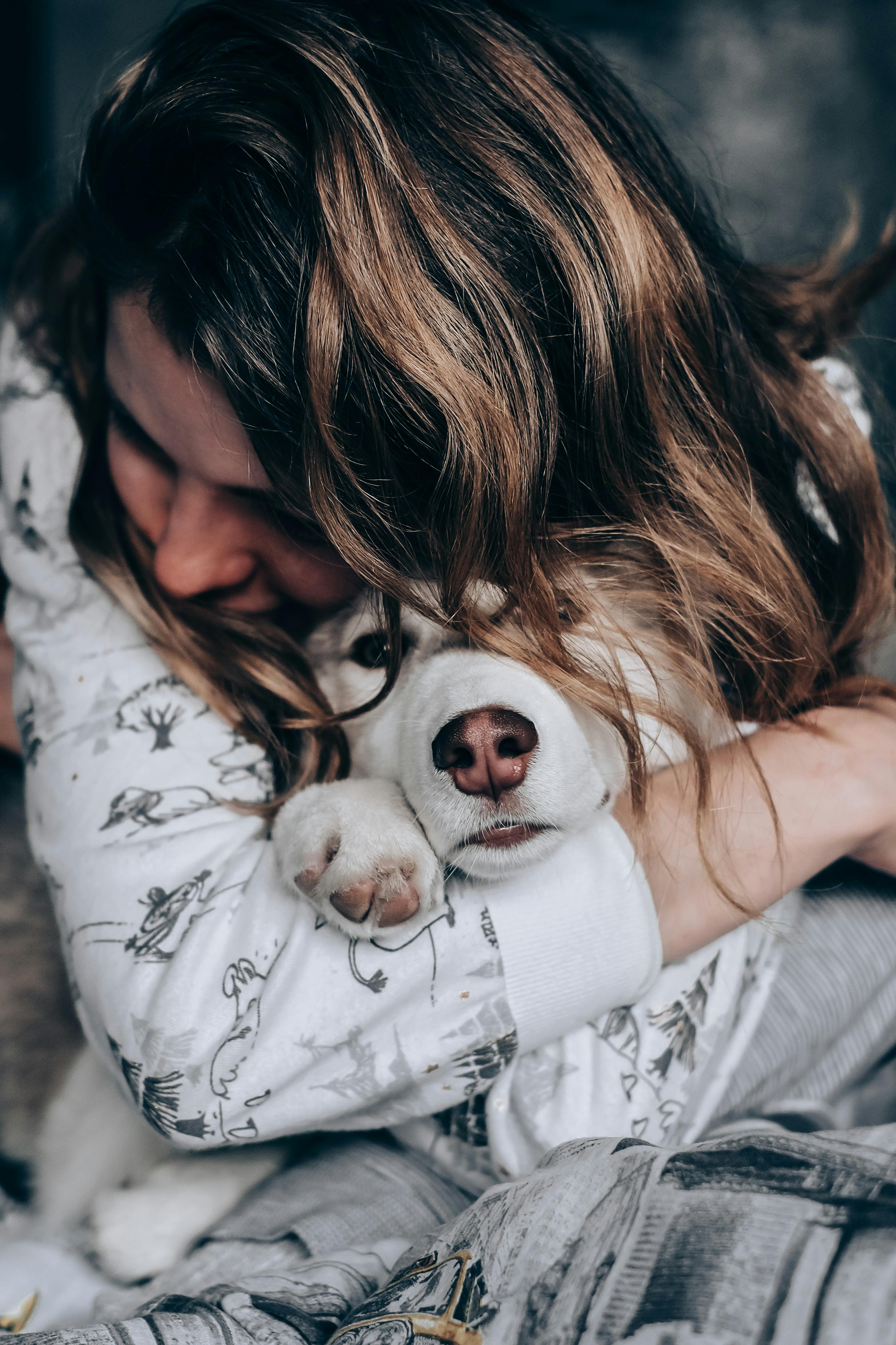
If you’re a dog owner, you probably noticed your furry friend has a very wet nose. But have you ever wondered why? There’s more to it than just a cute quirk! Keeping your dog’s nose healthy is super important for their overall well-being. Let’s dive into some interesting facts about why dogs have wet noses, and also some practical tips for keeping that nose in tip-top shape.
Why Do Dogs Have Wet Noses?
Dogs have wet noses for a few reasons, and it’s not just because they love licking them. Here’s what you should know:
Thermoregulation: Dogs don’t sweat like humans do. Their primary way of cooling off is through panting, but their noses also play a role. The moisture on their noses helps to regulate their body temperature. When the air evaporates off their wet nose, it cools them down a bit.
Enhanced Smell: A wet nose helps dogs to smell better. The moisture captures scent particles, which makes it easier for their amazing olfactory system to pick up different smells. This is super useful for hunting or just sniffing out a treat you dropped on the floor.
Health Indicator: A dog’s nose can sometimes indicate health issues. For example, if a dog’s nose is excessively dry or cracked, it may signal dehydration or illness. So, paying attention to your dog’s nose can help catch problems early.
Tips for Keeping Your Dog’s Nose Healthy
Just like you take care of your skin, your dog’s nose needs care too. Here are some practical tips to keep that nose healthy:
Hydration is Key: Make sure your dog drinks plenty of water. Dehydration can lead to a dry nose, which is not good for them. Always keep their water bowl filled.
Regular Vet Check-ups: Regular visits to the veterinarian can help catch any issues early. They can check your dog’s nose and overall health.
Protect from the Elements: Extreme weather can affect your dog’s nose. In the winter, cold air can cause cracking, while summer sun can lead to burns. Consider using a dog-safe nose balm to protect them.
Keep it Clean: Sometimes dirt and debris can get stuck on a dog’s nose. Wipe it gently with a soft, damp cloth to keep it clean.
Watch for Changes: If you notice any changes like a sudden dry nose, excessive discharge, or bleeding, consult your vet. These could be signs of an underlying health problem.
Common Nose Conditions in Dogs
Dogs, like humans, can suffer from various conditions related to their noses. Here are some common issues:
Nasal Hyperkeratosis: This is when the skin on the nose becomes thick and crusty. It can be uncomfortable and needs treatment.
Allergic Reactions: Dogs can have allergies just like humans. This can lead to sneezing and a runny nose. Identifying the allergen is crucial for treatment.
Infections: Just like any other part of the body, a dog’s nose can get infected. Signs include swelling, redness, or discharge.
Fun Facts About Dogs’ Noses
Dogs have about 220 million scent receptors, while humans only have around 5 million! This is why they have such a fantastic sense of smell.
The wetness of a dog’s nose is also unique to each dog, much like fingerprints are to humans. You can even use a dog’s nose print for identification!
When dogs greet each other, they often sniff each other’s noses. It’s their way of saying hello and getting to know each other.
Comparison of Dog Nose Health
Here’s a quick rundown of what a healthy dog nose looks like versus some common issues:
Healthy Dog Nose:
- Slightly wet
- Smooth texture
- Consistent color, often a shade darker than the rest of the skin
Unhealthy Dog Nose:
- Excessively dry or cracked
- Discoloration, like redness or blochiness
- Unusual discharge
Maintaining your dog’s nose health is essential for their happiness and well-being. By keeping an eye on their nose, ensuring they stay hydrated, and protecting them from the elements, you can help your furry friend lead a happy and healthy life. Remember to consult with your vet if you notice any unusual changes. A happy dog with a healthy nose is a joy for any pet owner!
The Evolutionary Advantage of Wet Noses: What Science Reveals About Dogs

Dogs have been companions to humans for thousands of years, and their unique features have fascinated us. One of the most curious characteristics is their wet noses. Many people ask, “Why do dogs have wet noses?” It’s not just a quirk; there’s science behind it. In fact, the evolutionary advantage of wet noses can be quite surprising. Let’s dive into what science reveals about this canine trait and explore the reasons behind it.
The Science of Dog Noses
Dog noses are, well, special! They’re not just for show; they play a crucial role in how dogs interact with the world. The moisture on a dog’s nose serves multiple purposes. Here are some scientific insights:
Enhanced Smell: The wetness helps capture scent particles. When a dog sniffs, the moisture traps these particles, allowing the olfactory receptors to work more efficiently. This is why dogs can smell things we can’t even imagine.
Temperature Regulation: Dogs don’t sweat like humans do. They primarily cool off through their noses and paw pads. A wet nose helps regulate their body temperature, especially on hot days.
Health Indicator: A healthy dog usually has a moist nose. If you notice it’s dry or cracked, it could indicate dehydration or illness. So, checking your dog’s nose can be a good practice for monitoring their health.
Historical Context of Dogs and Their Noses
The relationship between humans and dogs dates back to ancient times. Early humans relied on dogs for hunting and protection. Over the years, certain traits, including the wet nose, have been naturally selected. Dogs with better scent capabilities likely helped humans gather food and avoid danger. This evolutionary advantage made them more favorable companions, leading to the breeding of dogs with prominent noses.
Comparisons: Dogs vs. Other Animals
When looking at different species, the role of the nose varies significantly. Dogs are not alone in having wet noses, but their advantages are uniquely adapted.
| Animal | Nose Type | Advantages of Wetness |
|---|---|---|
| Dogs | Wet and cold | Enhanced scent detection, cooling |
| Cats | Dry | Less prone to infection |
| Pigs | Wet but different | Excellent sense of smell |
| Elephants | Dry | Sensitive to touch, temperature regulation |
From this table, it’s clear that while many animals have specialized noses, the wetness of a dog’s nose gives them a unique edge in their sense of smell and in thermoregulation.
What Science Reveals About Dog Behavior
Dogs display a range of behaviors linked to their noses. The act of sniffing is a major part of their exploration. Here are some surprising behaviors that highlight the importance of their wet noses:
Nose-Driven Communication: Dogs often greet each other by sniffing noses. This behavior is how they gather information about other dogs, including their health, diet, and emotional state.
Tracking Abilities: Dogs have been used in search and rescue missions due to their incredible tracking skills, largely attributed to their wet noses. They can detect scents buried under layers of debris or snow.
Hunting Instincts: Many breeds were developed for hunting, and a wet nose is vital for tracking prey. This trait has been preserved through generations.
Practical Examples of Nose-Related Dog Care
As a dog owner, understanding the significance of your pet’s nose can help you provide better care. Here are some tips:
Regular Checks: Inspect your dog’s nose regularly for changes. A sudden dryness or cracking can be a sign of health issues.
Hydration: Ensure your dog stays hydrated, especially in hot weather. A wet nose is a good indicator of hydration.
Veterinary Visits: If you notice persistent changes in your dog’s nose, consult a veterinarian. They can provide insights and possible treatments.
Surprising Facts About Dog Noses
Dogs have up to 300 million olfactory receptors in their noses. Humans have only about 6 million! This allows dogs to detect scents at incredibly low concentrations.
The wetness of a dog’s nose can also help them “taste” scents. The moisture allows them to absorb scent particles more effectively.
Different dog breeds have varying nose shapes, which can influence their smelling capabilities. For example, bloodhounds are known for their remarkable tracking abilities due to their long, droopy noses.
Understanding why dogs have wet noses adds depth to our appreciation of these beloved companions. Their noses are not just adorable features; they’re vital tools for survival and bonding. The evolutionary advantage of wet noses showcases how uniquely adapted dogs are to their environment and their relationship with humans. So next time you give your dog a pat, take a moment to appreciate that wet nose and all the wonders it brings!
Conclusion
In conclusion, the wet noses of dogs serve several important functions that contribute to their health and behavior. The moisture helps enhance their sense of smell, allowing them to detect scents more effectively, which is crucial for their survival and communication. Additionally, a wet nose plays a role in thermoregulation, helping dogs maintain an optimal body temperature. While the common belief that a wet nose indicates a healthy dog is somewhat accurate, it’s essential to consider other health indicators as well. Understanding why dogs have wet noses not only enriches our knowledge of these beloved companions but also fosters a deeper bond between humans and dogs. As a dog owner, pay attention to your pet’s nose and overall health, and don’t hesitate to seek veterinary advice if you notice any significant changes. Embrace the unique qualities of your furry friend and appreciate the science behind their fascinating physiology.
