Have you ever wondered, why do dogs have wet noses? This peculiar trait is not just an adorable quirk; it’s a fascinating aspect of canine biology! Dogs’ noses are often moist, leading many to ask, “Is it normal?” or “What does it mean?” In this blog post, we will uncover the fascinating truth behind the science of dog noses. Did you know that a wet nose can actually help dogs detect scents better? Yes, it’s true! The moisture on their noses plays a crucial role in absorbing scent particles, making your furry friend’s sense of smell incredibly powerful. But that’s not all—there are other reasons behind this intriguing feature. Are you curious about how a dog’s nose contributes to their overall health and well-being? Or maybe you’re interested in whether a dry nose is a sign of illness? Join us as we dive deep into the world of canine anatomy and behavior, exploring questions like, why do dogs have wet noses? Prepare to be amazed by the complexities of your pet’s wet nose and learn why it’s not just about being cute but essential for their survival!
The Science Behind Wet Noses: What Makes Your Dog’s Nose Moist?
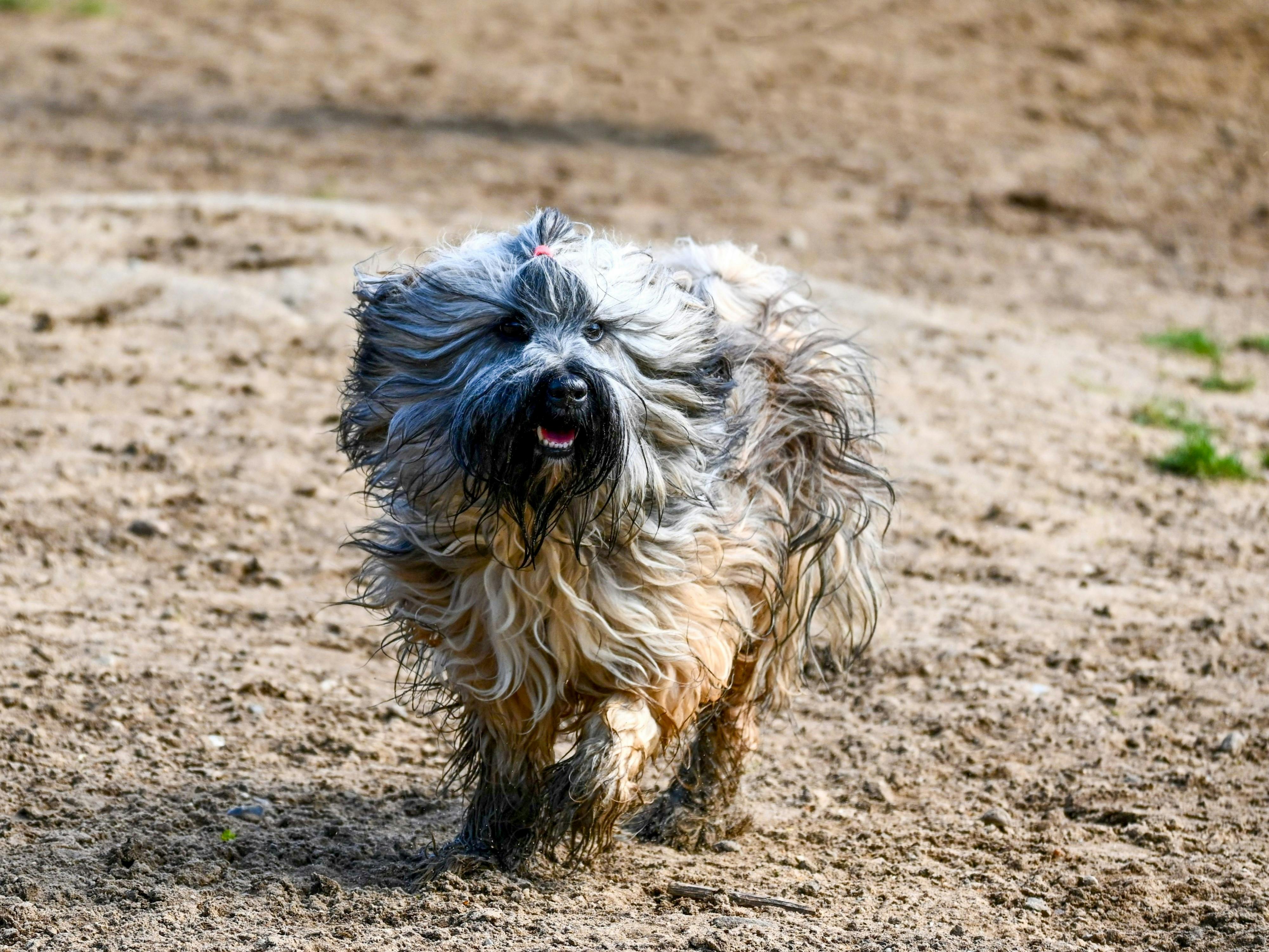
Have you ever noticed how your dog’s nose is always wet? It’s something that many pet owners witness, but not many fully understand. The science behind wet noses is actually quite fascinating and there’s more than just a cute factor involved. So, why do dogs have wet noses? Let’s dive deep into this intriguing topic.
The Biology of Dog Noses
First off, the wetness of a dog’s nose is primarily due to a thin layer of mucus. This mucus is produced by special glands in the nasal area. It serves several purposes, and it’s related to how dogs interact with their environment. Here are some key points about this phenomenon:
- Enhanced Smell: The moisture helps to capture scent particles, which means dogs can smell better. This is why they seem to have an incredible sense of smell compared to humans.
- Thermoregulation: Dogs don’t sweat like humans do. Instead, they rely on their noses to help regulate body temperature. A moist nose can help cool them down.
- Health Indicator: A wet nose is often seen as a sign of a healthy dog. However, this is not a strict rule, as different factors can influence a dog’s nose moisture.
Historical Context of Dogs and Their Noses
Dogs have evolved alongside humans for thousands of years. Historically, their keen sense of smell made them invaluable for hunting and tracking. This evolutionary benefit is why wet noses developed as a useful feature.
- Tracking Skills: Early humans recognized that dogs with wet noses were more effective at tracking scents. This led to selective breeding for dogs with these traits.
- Working Dogs: Many working breeds, like Bloodhounds and Beagles, are known for their exceptional olfactory abilities, which are enhanced by their moist noses.
The Truth About Dry Noses
Now, not every dog’s nose is wet all the time. Sometimes, you might find your furry friend has a dry nose. This can happen due to various reasons:
- Weather Changes: Hot or cold weather can affect nose moisture levels.
- Dehydration: If a dog isn’t drinking enough water, it can lead to a dry nose.
- Health Issues: Certain health problems, like fever or skin conditions, can also result in a dry nose.
Interesting Facts About Dog Noses
- Unique Nose Prints: Just like human fingerprints, every dog has a unique nose print. This can even be used for identification purposes!
- Temperature Regulation: A dog’s nose is not just for smelling; it also plays a role in temperature regulation. If they are too hot, their noses may become drier.
- Keen Sense of Smell: A dog’s sense of smell can be up to 100,000 times more acute than that of humans. Their wet noses are a crucial part of this sensory superpower.
What Affects a Dog’s Nose Moisture?
Here’s a quick look at factors that might affect whether a dog’s nose is wet or dry:
- Hydration Level: Ensuring your dog is well-hydrated is essential for maintaining a moist nose.
- Humidity: High humidity levels can keep a dog’s nose moist, while dry climates may lead to dryness.
- Health Status: Regular vet check-ups can help identify any underlying issues affecting nose moisture.
Practical Tips For Dog Owners
Here are some tips for dog owners to ensure their pets have healthy, moist noses:
- Provide Fresh Water: Always have fresh water available for your furry friend.
- Monitor Their Environment: Keep an eye on humidity levels, especially in dry seasons.
- Regular Vet Visits: Make sure to schedule regular check-ups with your veterinarian to monitor your dog's overall health.
Conclusion
Understanding the science behind why dogs have wet noses can lead to a greater appreciation for these furry companions. Their moist noses are more than just an adorable trait; they play essential roles in their health and behavior. By staying informed about the factors that influence nose moisture, you can help ensure your dog remains happy and healthy. Whether you’re a seasoned dog owner or a new pet parent, knowing the truth behind your dog’s wet nose is both fascinating and beneficial!
Top 5 Surprising Benefits of Your Dog's Wet Nose You Never Knew About
Have you ever wondered why do dogs have wet noses? You might think it’s just one of those quirky things about our furry friends, but there’s actually a lot more going on with that moist little snout. While most people see a wet nose and think of an eager pup, there’s some fascinating science behind it. In fact, it’s not just cute, it’s beneficial too! So let’s dive into the top 5 surprising benefits of your dog’s wet nose that you probably never knew about.
1. Natural Temperature Regulation
Dogs don't sweat like humans do. Instead, they use their noses to help regulate their body temperature. When a dog’s nose is wet, it helps them cool down through evaporation. This is crucial, especially during hot summer days when overheating can become a serious risk.
- Dogs can lose heat through their noses and paw pads.
- Wet noses absorb moisture from the air, helping to cool them down.
- A normal dog body temperature ranges from 101 to 102.5 degrees Fahrenheit.
2. Enhanced Sense of Smell
Did you know that a dog's sense of smell is between 10,000 to 100,000 times more sensitive than a human’s? A wet nose plays a big role in this amazing ability. The moisture helps to capture scent particles from the air, enhancing their olfactory receptors.
- Wet noses help trap scents better.
- The more wet it is, the more scents it can absorb.
- This is why dogs can detect certain smells, like drugs or even diseases, that humans cannot.
3. Communication Tool
Dogs use their noses to communicate with each other and with us. A wet nose can signal different emotions. For instance, a wet nose pressed against you can mean your dog is seeking affection or attention. Conversely, a dry nose might indicate stress or discomfort.
- A wet nose can indicate a happy and healthy dog.
- Dogs may use their noses to greet other dogs or people.
- Dogs often sniff each other to gather information about mood or health.
4. Sign of Good Health
Generally speaking, a wet nose is often seen as a sign of good health in dogs. While a dry nose doesn’t automatically mean something's wrong, it can be a sign of dehydration or illness. Monitoring your dog's nose can be a simple way to keep track of their health.
- A moist nose usually means hydration.
- Changes in nose moisture can signal health issues.
- Regular check-ups can help maintain your dog's overall health.
5. Natural Moisturizer
The wetness of your dog’s nose is also nature’s way of keeping it moisturized. Just like we use lotion to prevent dry skin, a dog’s wet nose helps to avoid cracking or irritation. This can be particularly beneficial in colder climates, where dry air may affect their skin.
- Moist noses help to prevent cracking.
- They provide a natural barrier against environmental irritants.
- Keeping your dog hydrated maintains nose moisture.
Fun Facts About Dog Noses
- The texture of a dog’s nose is unique, similar to a human fingerprint.
- Dogs can smell certain diseases, including cancer and diabetes.
- A dog’s nose has around 300 million scent glands compared to about 5 million in humans.
Quick Comparison: Dog Noses vs. Human Noses
| Feature | Dog Nose | Human Nose |
|---|---|---|
| Sense of Smell | 10,000 - 100,000 times more sensitive | Less acute |
| Moisture | Naturally wet | Generally dry |
| Scent Glands | 300 million | 5 million |
| Temperature Regulation | Yes | No |
Understanding why do dogs have wet noses can deepen your bond with your pet. Those little snouts serve a purpose that goes beyond just being adorable. Dogs rely on their noses for survival, communication, and health, making it a crucial aspect of their well-being. Next time you see your dog’s wet nose, you’ll be able to appreciate not just its cuteness, but also the incredible functions it serves! So, keep an eye on that nose, and make sure your furry friend stays happy and healthy!
Why Do Dogs Have Wet Noses? Exploring the Evolutionary Advantage
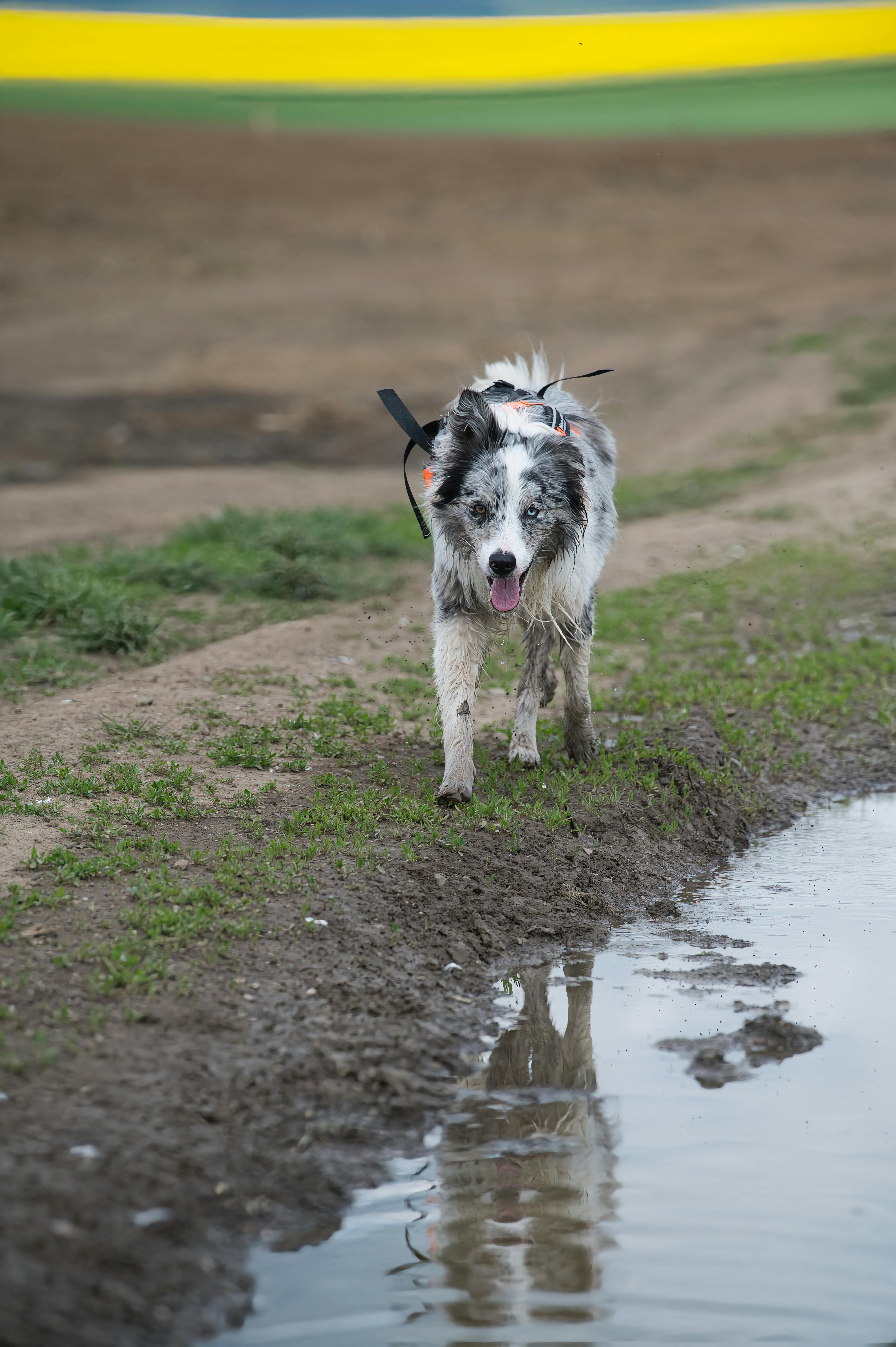
Dogs, those furry companions that brings joy to our lives, have many quirks that makes them unique. One of the most common questions people ask is, “Why do dogs have wet noses?” It's not just a random trait; there's actually a fascinating evolutionary story behind it. A dog’s wet nose serves multiple purposes, all of which are crucial for their survival and communication. Let’s dive deeper into exploring this intriguing characteristic.
The Science Behind the Wet Nose
The wetness of a dog's nose is often attributed to a thin layer of mucus that helps them sense their environment better. The moisture on their noses serves as a tool for detecting scents. When a dog sniffs, the wet surface captures scent molecules, allowing them to analyze smells more effectively. This is why dogs have such an extraordinary sense of smell, estimated to be anywhere from 10,000 to 100,000 times more acute than humans!
- Scent Detection: A wet nose helps in trapping scents.
- Thermoregulation: Dogs also regulate their body temperature through their noses.
- Communication: A wet nose can indicate excitement or a friendly demeanor.
Evolutionary Advantage
Dogs have evolved alongside humans for thousands of years. Their wet noses is not just a random feature; it’s a trait that have developed for survival. In the wild, a keen sense of smell can be the difference between life and death. Here’s how this evolutionary trait has helped dogs:
- Hunting: Wet noses aid in locating prey. A dog could track scents over long distances, making them excellent hunters.
- Social Interaction: Dogs often greet each other with nose touches. A wet nose can signify a friendly approach, helping to foster social bonds among canines.
- Health Monitoring: Dogs can detect changes in their environment, including the presence of potential threats or even the scent of illness in other animals or humans.
The Role of Temperature
You may have noticed that your dog’s nose can change temperature throughout the day. A wet nose can indicate a healthy, happy dog, but there’s more to it. The temperature of a dog's nose can be influenced by various factors:
- Activity Level: After playing or exercising, a dog’s nose might be cooler and wetter.
- Weather: Humid weather can keep noses moister, while dry conditions might lead to a drier nose.
- Health: A dry or warm nose can sometimes indicate illness, although this is not always the case.
Fun Facts About Dog Noses
Did you know that dog noses are as unique as human fingerprints? Here are some fun facts about dog noses that you might find interesting:
- Nose Prints: Each dog has a unique nose print, which could be used for identification purposes.
- Scent Discrimination: Dogs can differentiate between scents even if they are mixed together, allowing them to detect specific odors.
- Dogs and Sweating: Unlike humans, dogs don’t sweat through their skin; they primarily cool off through panting and the wetness of their noses.
Practical Implications for Dog Owners
As a dog owner, understanding the significance of your pet's wet nose can help you take better care of them. Here’s a list of things to keep in mind:
- Regular Check-ups: Monitor the condition of your dog's nose. If it becomes overly dry or cracked, it could be a sign of dehydration or other health issues.
- Hydration: Always ensure that your dog has access to clean water, especially during hot weather.
- Environmental Awareness: Be mindful of the weather conditions. Protect your dog from extreme temperatures.
In Summary
Why do dogs have wet noses? The answer is multifaceted, combining science, evolution, and practical implications for dog owners. This characteristic isn’t just a cute trait; it plays an essential role in a dog’s life, from hunting to socializing. The wetness of a dog’s nose is a fascinating blend of biology and behavior that has evolved over centuries.
So, next time you give your furry friend a pat on the head and feel that cool, moist nose against your hand, remember it’s not just a cute quirk. It's a testament to their incredible evolutionary journey and unique biology. Embrace the joy of having a dog with a wet nose, because it means they’re ready to explore the world around them!
The Truth Revealed: How a Wet Nose Helps Dogs Experience the World
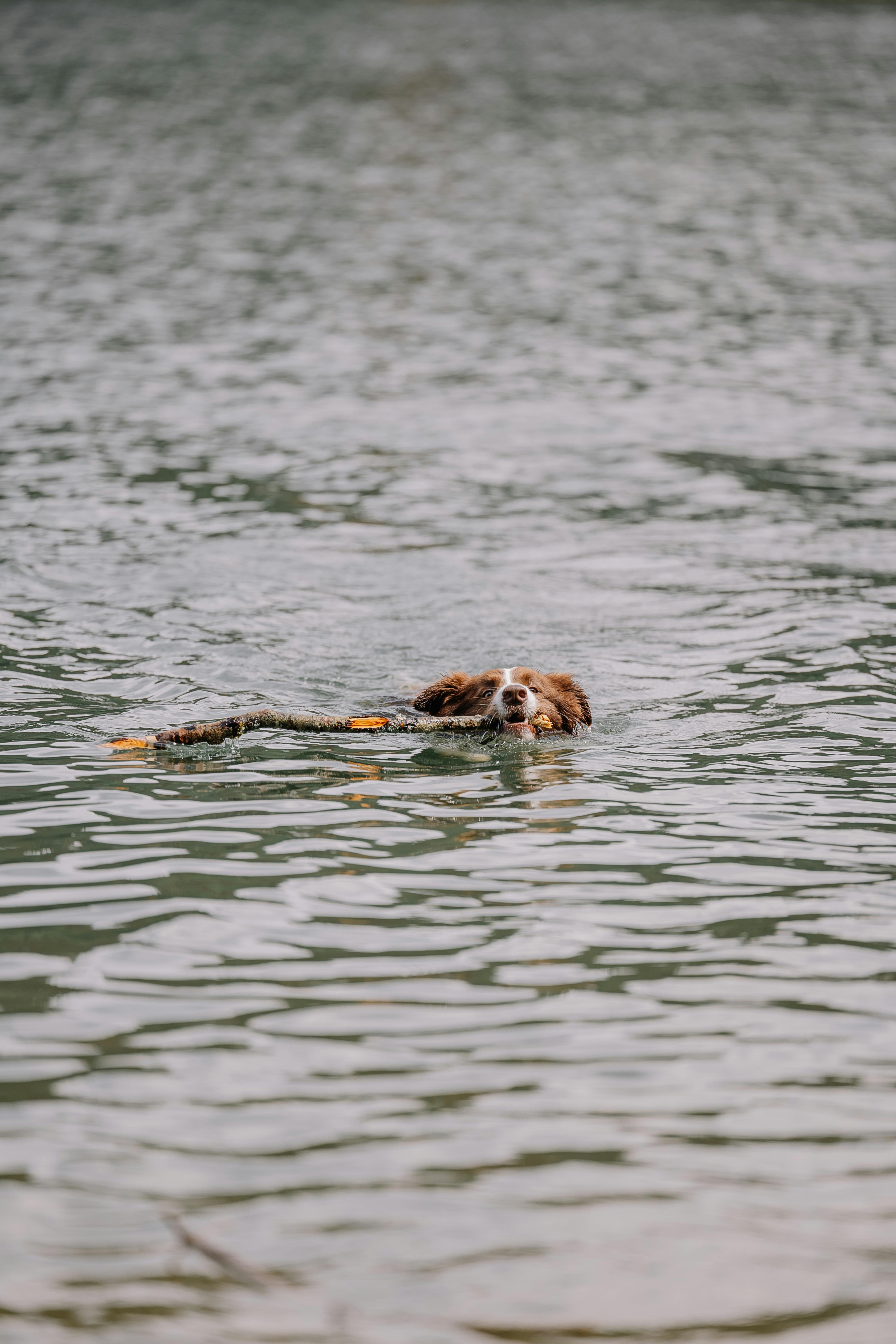
Dogs have long been our loyal companions, and one of the curious aspects of their biology is their wet noses. You might have wondered, why do dogs have wet noses? The answer is more fascinating than you might think! The truth revealed is that a wet nose plays a crucial role in how dogs interact with their environment. Let's dive deeper into this intriguing subject.
The Science Behind Wet Noses
A dog's nose is not just for show; its structure is incredibly complex. The surface of a dog’s nose, called the rhinarium, is packed with olfactory receptors which are vital for their sense of smell. Here’s some reasons why a wet nose is important:
Enhanced Smell: The moisture on a dog's nose helps to capture scent particles from the air. When the nose is wet, it can absorb more scents, making it easier for dogs to detect smells.
Temperature Regulation: Dogs don't sweat like humans. Instead, they cool down through their noses. A wet nose can help regulate their body temperature, especially on hot days.
Health Indicator: The state of a dog's nose can be an indicator of their health. A dry nose might suggest dehydration or illness, while a wet nose is generally a sign of good health.
Historical Context
Dogs have been by our side for thousands of years, and their noses have evolved to be highly sensitive. In ancient times, humans relied on dogs for hunting and tracking due to their extraordinary sense of smell. This historical bond has made the dog's nose an essential tool for survival.
Fun Facts About Dog Noses
Unique Patterns: Just as humans have unique fingerprints, every dog has a unique nose print. This can even be used for identification purposes!
Color Matters: The color of a dog's nose can vary widely, from black to brown to pink. Interestingly, the color doesn't impact their sense of smell.
Nose Temperature: A dog's nose is usually cooler than the rest of its body. The average temperature of a dog’s nose is around 33.5°C (92.3°F).
Comparing Dog Noses to Human Smell
To put things into perspective, here’s a comparison of human and dog olfactory abilities:
| Feature | Humans | Dogs |
|---|---|---|
| Olfactory Receptors | About 5 million | Up to 300 million |
| Scent Detection | Limited | Highly sensitive |
| Smell Sensitivity | 1 part per trillion | 1 part per trillion or less |
This table shows just how much more adept dogs are at smelling than we are. It's no wonder they can sniff out drugs, explosives, and even diseases!
Practical Examples of Dog Nose Functions
Tracking: Search and rescue dogs use their noses to find missing persons. They can detect human scent even in challenging conditions.
Detecting Disease: Some studies have shown that dogs can detect certain cancers through scent. Their noses sense specific compounds released by cancer cells.
Hunting: Hunting dogs have been trained for centuries to track game by scent, which showcases their natural abilities.
Why is a Wet Nose So Important?
So, why is it that a wet nose is not just a cute feature but actually important for a dog’s daily life? Here’s a summary of key points:
- Increased scent absorption: The moisture helps lock in scent particles.
- Body temperature regulation: Aids in preventing overheating.
- Health check: Indicates hydration and general well-being.
Caring for Your Dog's Nose
Keeping your dog's nose healthy is important. Here are some tips:
- Hydration: Ensure your dog drinks plenty of water to maintain the moisture of their nose.
- Regular Check-ups: Regular vet visits can help catch any issues early.
- Avoid Irritants: Keep your dog away from smoke, harsh chemicals, and allergens that may irritate their nose.
Understanding the truth behind why do dogs have wet noses can help you appreciate the amazing capabilities of your furry friend. Their wet noses are not just a quirk but a fundamental part of how they experience the world around them. So next time you see your dog’s wet nose, remember: it’s not just cute, it’s a powerful tool!
Common Myths Debunked: Do Wet Noses Really Indicate a Healthy Dog?
Dogs are often called man's best friend, and their health is a top priority for many pet owners. One of the most common myths that surround dogs is whether a wet nose indicates a healthy condition. People often ask, “Why do dogs have wet noses?” It's time to uncover the fascinating truth behind this inquiry and debunk some myths along the way.
The Science Behind a Dog’s Wet Nose
First off, let's dive into the scientific reasoning behind why dogs noses are often wet. A dog’s nose is moist for several reasons. The primary one is that it helps them smell better. Dogs have an incredible sense of smell, estimated to be between 10,000 to 100,000 times more sensitive than humans. When their noses are wet, it can absorb scent molecules better. So, a wet nose is more about enhancing their olfactory capabilities than being a direct indicator of health.
Common Myths Debunked
There's plenty of misinformation floating around about dogs noses. Here are some common myths that need busting.
Myth 1: A wet nose means a dog is healthy.
- Reality: While a wet nose can indicate hydration and good environment, it doesn't always mean a dog is in tip-top shape. A dog can have a wet nose and still be sick.
Myth 2: All dogs have wet noses.
- Reality: Not all dogs have perpetually wet noses. Some breeds may have drier noses due to genetics or environmental factors.
Myth 3: You should worry if your dog's nose is dry.
- Reality: A dry nose can occasionally be normal, especially after sleeping or in dry weather. It’s the consistency that matters, not just the moisture.
Why Do Dogs Have Wet Noses?
So, why do dogs have wet noses in the first place? Here’s a deeper look at the factors contributing to this phenomenon:
Thermoregulation: Similar to how humans sweat, dogs can regulate their body temperature through their noses. The moisture evaporates, helping to cool them down.
Sensory Function: Wet noses help trap scent particles, making it easier for dogs to identify smells. They use their noses to learn about their surroundings.
Health Indicator: While a wet nose isn't a definitive sign of health, sudden changes in moisture levels can sometimes indicate illness.
What Affects a Dog's Nose Moisture?
Many factors can affect the moisture level of a dog’s nose. Here’s a list of things that can play a role:
- Weather Conditions: Hot or dry weather can lead to a drier nose.
- Health Issues: Conditions like allergies, fever, or dehydration can affect nose moisture.
- Age: Older dogs might have drier noses due to decreased oil production.
Comparing Dog Breeds and Nose Moisture
Different breeds exhibit varying nose moisture due to their unique physical characteristics. Here’s a simple comparison:
| Dog Breed | Typical Nose Moisture Level | Notes |
|---|---|---|
| Labrador Retriever | Generally moist | Friendly and active |
| Bulldog | Often dry | Short snouts can affect moisture |
| Greyhound | Moist, but varies | Athletic and lean |
| Poodle | Usually moist | Hypoallergenic and curly fur |
Practical Tips for Dog Owners
Understanding your dog’s nose can help you monitor their health. Here are some practical tips:
- Regular Checkups: Regular vet visits can catch any underlying issues early on.
- Observe Changes: Keep an eye on changes in nose moisture, color, or texture. If it stays dry for a long time, consult a vet.
- Hydration: Ensure your dog is well-hydrated, especially in hot weather.
It’s vital to remember that while a wet nose can be a sign of a happy pooch, it’s not the only indicator of their health. Pay attention to their behavior and other signs of well-being. A wagging tail, bright eyes, and an active demeanor can be just as important, if not more so, than the moisture level of their nose.
In the end, understanding your dog’s health goes beyond just wet noses. It’s about observing their overall behavior and physical condition. So next time you see your furry friend with a wet nose, remember it’s just one piece of the puzzle in what makes them healthy and happy!
Understanding Dog Anatomy: The Role of Nasal Moisture in Canine Health

Dogs are known for their playful antics, loyalty, and those adorable wet noses. But have you ever wondered why do dogs have wet noses? This common feature can spark curiosity and there's actually quite a bit of fascinating science behind it. Let's delve into understanding dog anatomy, specifically the role of nasal moisture in canine health.
The Anatomy of a Dog's Nose
A dog's nose is not just a cute feature; it's a complex organ that plays a vital role in their overall health and survival. The surface of a dog’s nose is covered in skin, which contains specialized cells that produce mucus. This mucus keeps the nose moist. But why is moisture so important? Here’s a breakdown:
- Enhanced Smell: Dogs have an incredible sense of smell, estimated to be between 10,000 to 100,000 times more sensitive than humans. Moisture on the nose helps to trap scent particles, making it easier for dogs to detect different smells.
- Temperature Regulation: A wet nose can help cool a dog down. Just like sweating for humans, the moisture can evaporate, helping to regulate their body temperature.
- Health Indicator: The condition of a dog's nose can indicate their health. A healthy nose is typically moist and cool, while a dry or cracked nose may signal dehydration or illness.
Why Do Dogs Have Wet Noses?
Now, let’s explore why exactly do dogs have wet noses. It all starts with evolution. Dogs, being descendants of wolves, have adapted their physical features for hunting and survival. A wet nose helps in various ways:
- Scent Detection: Moisture in the nose aids the olfactory receptors. When air passes over the wet surface, it picks up smells and sends them to the brain faster.
- Communication: Dogs also use their noses to communicate with other dogs. The moisture can help them gather pheromones, which convey important social information.
- Health Monitoring: Dogs often lick their noses, which keeps it clean and enhances their sense of smell. It’s a natural behavior that plays into their survival instincts.
The Science Behind Nasal Moisture
Let’s dive more into the science of nasal moisture. The nasal cavity of dogs is lined with mucous membranes that produce mucus. This mucus serves several functions:
- Trapping Debris: Just like in humans, mucus traps dust and particles, preventing them from entering the lungs.
- Maintaining Humidity: Moisture keeps the nasal passages hydrated, which is crucial for optimal function.
- Infection Defense: Mucus contains antibodies and enzymes that help protect against infections.
Factors Affecting Nose Wetness
Several factors can influence the moisture level of a dog’s nose. Here are some common ones:
- Weather Conditions: Hot and dry weather can lead to a drier nose.
- Health Issues: Conditions like fever, allergies, or dehydration can cause a nose to dry out.
- Age: Older dogs may have drier noses as they age.
Interesting Facts About Dog Noses
Here are some quick facts about dog noses that might surprise you:
- Unique Patterns: Just like human fingerprints, each dog's nose print is unique and can be used for identification.
- Temperature Sensitivity: A dog’s nose can be cooler than the rest of their body, which is helpful in regulating temperature.
- Breeds Variation: Some breeds, like Bulldogs, may naturally have drier noses due to their anatomical structure.
Practical Examples
Understanding the importance of a dog’s wet nose can help in monitoring their health. Here’s what you can do:
- Regular Checks: Check your dog’s nose daily. If it feels excessively dry or cracked, consult a vet.
- Hydration: Ensure your dog has access to fresh water at all times. Dehydration can lead to health issues.
- Vet Visits: If you notice sudden changes in your dog’s nose, like a shift from wet to dry, it might be time for a veterinary check-up.
So, why do dogs have wet noses? It’s not just for show; it’s a crucial part of their anatomy that aids in their survival and communication. The moisture on their noses plays a significant role in their ability to smell, regulate body temperature, and even in indicating health.
Next time you see your furry friend with that familiar wet nose, remember that it’s more than just a cute feature. It’s a testament to their unique biology and an important element of their health. Understanding this aspect of canine anatomy can deepen your appreciation for the incredible creatures that dogs are.
Fascinating Facts: Why Your Dog's Nose is a Unique Sensory Tool

Dogs have been our companions for thousands of years, and one of the most fascinating aspects of them is their noses. You ever wonder why your dog's nose is wet? Or why does it seem like they can smell things we can't even fathom? Let’s dive into some interesting facts that explain why your dog's nose is not just cute, but a unique sensory tool.
The Science Behind the Wet Nose
A dog's nose is often wet, and this isn't just a random occurrence. The moisture on their nose serves several important functions:
- Enhanced Smell: A wet nose helps trap scent particles. Dogs have approximately 300 million olfactory receptors, compared to a human's 5 million. This means they can detect smells at incredibly low concentrations.
- Cooling Mechanism: Just like humans sweat to cool off, dogs use their noses to regulate temperature. The moisture evaporates and helps them stay cool.
- Health Indicator: A wet nose is often a sign of a healthy dog. However, if it becomes excessively dry or cracked, it may indicate a health issue.
Why Do Dogs Have Such Great Smelling Abilities?
Dogs noses are not just unique because of their wetness, but also because of their structure. The anatomy of a dog’s nose is specifically designed for smell. Here's how:
- Larger Surface Area: The inside of a dog’s nose has a complex structure with many folds, increasing the surface area. This allows more scent receptors to be packed into a smaller space.
- Vomeronasal Organ: This organ, also known as Jacobson’s organ, helps dogs detect pheromones and other chemical signals. It’s located between the nasal cavity and the mouth.
- Scent Memory: Dogs have an amazing ability to remember scents. They can recognize familiar smells even after years, which is why they can find their way home or detect their owner's scent from afar.
Fun Facts About Dog Noses
- Unique Patterns: Just like human fingerprints, every dog's nose print is unique. This could be used for identification purposes.
- Color Variation: Dog noses can be black, brown, or even pink, and the color can change with age or health conditions.
- Temperature Regulation: Dogs can slightly cool their body temperature through their noses, which can be crucial in hot weather.
Why Do Dogs Sniff Everything?
Dogs have an uncanny ability to sniff out things that humans overlook. This behavior can be attributed to several factors:
- Exploration: Dogs are naturally curious creatures. Sniffing helps them explore the world around them.
- Communication: Dogs use scent to communicate with each other. They can learn a lot about another dog's age, health, and mood just through smell.
- Hunting Instincts: Many breeds have been developed for hunting, where a keen sense of smell is essential. Even household pets retain this instinct.
The Role of a Dog’s Nose in Their Health
Your dog’s nose is a good indicator of their overall health. Here’s a quick list of things to observe:
- Wet and Cool: This is generally a sign of good health.
- Dry and Warm: This could indicate fever or dehydration.
- Cracked or Bleeding: This should prompt a visit to the vet.
Comparing Human and Dog Smell Abilities
The difference between human and dog olfactory capabilities is staggering. Here’s a quick comparison:
| Feature | Humans | Dogs |
|---|---|---|
| Olfactory Receptors | 5 million | 300 million |
| Ability to Smell | Basic scents (food, smoke) | Detects drugs, diseases, and more |
| Smell Memory | Short-term | Long-term, can remember for years |
| Scent Discrimination | Limited | Exceptional |
Practical Examples of Dogs' Smelling Skills
- Search and Rescue: Dogs are trained to locate missing persons in disaster situations.
- Medical Detection: Some dogs can even detect illnesses like cancer or diabetes through scent.
- Service Animals: Dogs assist those with disabilities by recognizing when their handler is in distress.
Understanding why your dog's nose is wet and how it functions can deepen your appreciation for your furry friend. Their ability to smell opens up a whole world of communication and exploration that we can't even comprehend. Next time you see your dog sniffing around or enjoying the fresh air, remember that their nose is not just an adorable feature, but a powerful tool that connects them to their environment in ways we are only beginning to understand.
Is Your Dog's Nose Too Dry? Signs of Health Issues to Watch For

Every dog owner knows that a dog’s nose can be wet and cool to the touch, which is often seen as a sign of health. But what if you notice that your dog's nose is too dry? Is that a reason to worry? Let’s dive into the signs of health issues to watch for if your dog's nose seems dry, and also explore why do dogs have wet noses in the first place. You might be surprised by the fascinating truth.
Why Do Dogs Have Wet Noses?
A wet nose is not just cute; it serves important purpose. Here’s a quick rundown on reasons why dogs’ noses stay moist:
- Temperature Regulation: Dogs don’t sweat like humans do. They primarily cool off through panting. A wet nose helps them regulate body temperature.
- Enhanced Sense of Smell: The moisture on a dog’s nose helps pick up scent particles in the air. This is why dogs have such an incredible sense of smell.
- Health Indicator: A dog’s nose can indicate their overall health. A wet, cool nose usually signals a healthy dog, while a dry nose can mean something is off.
Signs of Health Issues to Watch For
If your dog's nose is dry, it might not be an immediate cause for alarm, but it could also be a sign of underlying health issues. Here are some signs to keep an eye on:
- Cracking or Peeling: If the dry nose is cracking or peeling, it could be a sign of dehydration or other skin conditions.
- Change in Color: If the color of the nose changes from a healthy black or brown to a lighter shade, it might indicate health problems.
- Excessive Licking: If your dog is licking its nose excessively, it could be a sign of anxiety or discomfort.
- Behavioral Changes: If your dog is acting differently, such as being lethargic or avoiding food, it might be time for a vet visit.
Common Causes of a Dry Nose
There are various factors that could lead to a dog having a dry nose, including:
- Weather Conditions: Hot, dry weather can lead to a dry nose.
- Dehydration: If your dog isn’t drinking enough water, their nose might dry out.
- Allergies: Environmental allergies can cause a dry or irritated nose.
- Infections: Certain infections or illnesses can affect the moisture levels of a dog’s nose.
What To Do If Your Dog’s Nose is Dry
If you notice your dog's nose is dry, there are a few steps you can take to address the issue:
- Increase Water Intake: Make sure your dog has access to fresh water at all times to prevent dehydration.
- Humidifier: Using a humidifier can help add moisture to the air, especially in dry winter months.
- Consult Your Vet: If the dryness persists or if you see other concerning symptoms, it’s always best to consult with your veterinarian.
Interesting Facts About Dogs’ Noses
You might find it interesting that dogs’ noses are not just a health barometer; they also have unique characteristics:
- Unique Patterns: Just like human fingerprints, every dog has a unique nose print. It can actually be used for identification.
- Sense of Smell: Dogs have up to 300 million olfactory receptors in their noses, compared to humans who only have about 5 million. This makes their sense of smell incredibly sharp.
- Nose Temperature: A dog’s nose can change temperature due to different factors, including excitement or health conditions.
Final Thoughts
So, the next time you’re petting your furry companion, take a moment to check their nose! A wet nose is typically a sign of good health, while a dry nose should not be ignored. Understanding why dogs have wet noses and what a dry nose could mean helps you be a more attentive and responsible pet owner. Keeping an eye on these signs can make a significant difference in your dog's health and well-being. Just remember, if you ever feel uncertain, it’s always best to consult a veterinarian. Your dog deserves the best care possible!
The Connection Between Wet Noses and Your Dog's Emotions: What You Need to Know

Have you ever noticed how your dog's nose is often wet and shiny? It’s not just for show; there’s actually some fascinating science behind why dogs have wet noses and what it means for their emotions. The connection between wet noses and your dog’s feelings is something many pet owners should understand. So, let's dive into the intriguing world of canine noses—why they’re wet, what that might indicate about your dog’s mood, and other fun facts you might not know!
Why Do Dogs Have Wet Noses?
Dogs have wet noses for several reasons, and understanding these can help you become more attuned to your furry friend’s needs. Here are some key points:
Cooling Mechanism: Just like humans sweat to cool down, dogs use their noses to regulate body temperature. When they pant, moisture from the nose evaporates, which helps to lower their body temperature.
Enhanced Sense of Smell: A wet nose also helps dogs smell better. The moisture on their noses traps scent particles, making it easier for them to detect different smells. This is why dogs are such great trackers!
Health Indicator: A wet nose is often seen as a sign of good health in dogs. However, if a dog’s nose is excessively dry or cracked, it could indicate dehydration or illness, so keep an eye on it.
The Emotional Connection of a Wet Nose
Believe it or not, a dog’s wet nose can also provide insights into their emotional state. Here’s how:
Affectionate Behavior: When dogs nuzzle or lick their owners, it’s often a sign of affection. Their wet noses can feel comforting to us, and it’s a way they communicate love and bonding.
Stress Signals: A sudden change from wet to dry might indicate anxiety or stress. If your dog’s nose has dried out, it could mean they’re feeling uncomfortable or under pressure.
Curiosity and Excitement: Dogs often get excited and their noses become wetter when they encounter something new. If you notice your dog’s nose getting extra moist during walks or playtime, they might just be thrilled!
Fun Facts About Dog Noses
Did you know that dogs have an incredible sense of smell that is up to 100,000 times better than humans? Here are some more fascinating facts about dog noses:
Unique Nose Prints: Just like human fingerprints, every dog has a unique nose print. This means you could potentially identify your dog just by their nose!
Temperature Detection: Dogs can detect temperature changes through their noses, which helps them sense their environment better.
Nose Size Matters: Generally, larger breeds have larger noses, and this can correlate to a better sense of smell. However, it’s not always the case!
Emotional Responses and Their Indicators
In a way, your dog’s nose can be a window into their emotional world. Here’s a simple table showing various nose conditions and what they might mean:
| Nose Condition | Emotional/Health Indicator |
|---|---|
| Wet and Cool | Happy and healthy |
| Warm and Dry | Possible fever or dehydration |
| Wet and Cold | Calm and relaxed |
| Cracked or Rough | Possible health issue or stress |
The Science of Dog Noses
The anatomy of a dog’s nose is quite complex. Here’s a breakdown:
Nasal Passages: Dogs have intricate nasal passages that greatly enhance their sense of smell. These passages contain olfactory receptors that detect scents.
Moisture Production: Nasal mucus keeps the nose wet. This moisture is crucial for trapping scent particles, aiding in their incredible olfactory abilities.
Temperature Regulation: Blood vessels near the surface of the nose help regulate temperature and maintain moisture levels.
Practical Tips for Dog Owners
To ensure your dog’s nose stays healthy and wet, consider the following tips:
Hydration: Always provide fresh water. Dehydration can lead to a dry nose, which isn't a good sign.
Environment Awareness: Keep an eye on the climate. Hot weather can dry out noses, so it could be helpful to keep your dog cool.
Regular Vet Check-ups: Always consult your vet if you notice any significant changes in your dog’s nose condition or behavior.
Understanding the connection between your dog’s wet nose and their emotions can lead to a deeper bond between you and your pet. When you recognize the signs and learn to interpret them, you can better respond to their needs. So, the next time you give your pup a scratch behind the ears, take a moment to appreciate that wet nose—it’s more than just cute; it’s a reflection of their feelings and overall well-being!
How Weather Affects Your Dog's Nose: The Impact of Humidity and Temperature

Have you ever wonder why dogs have those wet noses? It's like a little mystery wrapped in fur! If you are a dog owner, you might have notice that your furry friend’s nose changes with the weather. This leads us to an interesting question: How does weather affect your dog's nose? The impact of humidity and temperature on their nose can be quite fascinating, and understanding this can help you better care for your pet.
The Science Behind Wet Noses
Dogs have wet noses for several reasons. One of the main reasons is that a wet nose helps them smell better. Dogs have a strong sense of smell, which is way more advanced than ours. A moist nose can capture scent particles better, making it easier for them to sniff out interesting smells. Here are some key facts about why dogs have wet noses:
- Enhanced Olfactory Function: A wet nose helps trap scent particles.
- Temperature Regulation: Dogs don’t sweat like humans, so having a wet nose helps them cool down.
- Health Indicator: A dog’s nose can be a sign of its overall health. A dry, cracked nose might indicate dehydration or illness.
Weather's Role in Nose Moisture
Humidity and temperature can greatly affect the moisture level of a dog's nose. When it’s humid outside, you might notice your dog’s nose feels extra wet. This is because the moisture in the air helps keep their nose hydrated. On the flip side, during dry winter months or hot summer days, their noses can become dryer.
Here's a breakdown of how weather impacts your dog's nose:
High Humidity:
- Nose tends to be moist.
- Better scent tracking.
Low Humidity:
- Nose may dry out.
- Increased chance of cracking.
Cold Weather:
- Nose can get dry from cold air.
- May lead to chapped noses.
Hot Weather:
- Dogs might pant more, leading to a dry nose.
- Increased risk of overheating.
Historical Context of Dog Noses
You know, dogs have been companions to humans for thousands of years. In ancient times, people relied on dogs not just for companionship but also for hunting and herding. Their keen sense of smell was crucial for survival. The wet nose of a dog has been naturally selected over generations, helping them perform their roles effectively. Many cultures even believed that a dog’s nose could predict the weather! While this might not be scientifically proven, it shows just how important wet noses have been throughout history.
The Fascinating Truth About Dog Noses
Now, let’s delve deeper into why dog noses are wet. A dog's nose secretes a thin layer of mucus that helps to enhance their sense of smell. But did you know that dogs can also use their nose to communicate? They often greet each other with nose nudges, and a wet nose can be more inviting than a dry one.
Here’s a list of some interesting facts about dog noses:
- Dogs have more than 300 million scent receptors in their noses.
- Their sense of smell is 40 times better than humans.
- The wetness of their nose can change based on various factors, including activity level and health.
Caring for Your Dog’s Nose
As a dog owner, you should pay attention to your dog’s nose. If it’s consistently dry or cracked, it might be time to take action. Here are some tips to keep your dog’s nose healthy:
- Hydration: Make sure your dog has access to fresh water.
- Moisturizers: There are dog-safe nose balms available to help with dryness.
- Regular Vet Checkups: Keep up with vet visits to catch any potential health issues early.
Conclusion
Understanding how weather affects your dog's nose can help you provide better care for your furry companion. By being aware of the impacts of humidity and temperature, you can make informed decisions about their health and comfort. The next time you pet your dog, take a moment to appreciate that wet nose and the role it plays in their life. Dogs are amazing creatures, and their noses, wet or dry, tell a story of their own!
Conclusion
In conclusion, the wet noses of dogs serve several important functions that contribute to their overall health and well-being. The moisture helps enhance their sense of smell, keeping scent receptors functioning optimally. Additionally, a wet nose plays a role in thermoregulation, allowing dogs to cool down effectively. The presence of mucus on their noses also aids in trapping scent particles, making it easier for them to gather environmental information. Understanding the reasons behind this unique canine trait not only deepens our appreciation for dogs but also highlights the importance of their health. As pet owners, it’s essential to monitor the condition of your dog’s nose, as significant changes can indicate health issues. So, next time you notice your furry friend’s wet nose, remember it’s more than just an adorable feature; it’s a vital part of what makes dogs such remarkable companions.