
Have you ever wondered, why do dogs have wet noses? It’s a fascinating question that many dog lovers ponder! The moistness of a dog’s nose is not just an adorable quirk; it serves several important purposes. In this blog post, we will discover the surprising facts behind this intriguing feature. Wet noses help dogs detect scents more effectively, making them exceptional hunters and companions. But that’s not all! Did you know that a dog’s nose can also indicate their health? A sudden change in moisture can signal something might be wrong. Curious about how your furry friend’s nose works? You’re not alone! Many pet owners are eager to learn more about their dogs’ unique physiology. From the science behind the wet nose to its evolutionary advantages, we’ll unravel the mystery together. Join us as we explore the reasons why dogs have wet noses and what it means for their overall well-being. Whether you’re a seasoned dog owner or just fascinated by canine companions, understanding this aspect of your pet can deepen your bond. So, let’s dive into the world of dogs and uncover the secrets behind their wet noses!
The Science Behind Wet Noses: Why Your Dog’s Nose is Always Moist
Dogs are known for their incredible sense of smell, but one of the most surprising aspects of their anatomy is their wet noses. Ever wonder why do dogs have wet noses? It’s not just for show; there’s some pretty fascinating science behind it. Wet noses are common among our furry friends, and they serve several important purposes.
The Importance of a Wet Nose
A dog’s nose is moist for a reason. Here’s some key facts about why your pup’s snout might be glistening:
- Enhanced Smell: The moisture helps to trap scent particles from the air, making it easier for dogs to detect different smells. Dogs have around 220 million scent receptors, which is a lot more than humans, who only have about 5 million.
- Temperature Regulation: Dogs don’t sweat like humans do. Instead, they rely on their noses to help cool themselves down. The evaporation of moisture from a dog’s nose can help regulate their body temperature.
- Health Indicator: A wet nose can often be a sign of good health. However, if a dog’s nose becomes excessively dry or cracked, it might indicate health issues.
What Makes A Dog’s Nose Wet?
There are several factors that contribute to the moisture on a dog’s nose:
- Glandular Secretion: Dogs have special glands in their noses that produce mucus. This mucus is what keeps their noses moist and helps them pick up scents.
- Environmental Factors: Weather can also affect the moisture level. For instance, more humidity can make a dog’s nose wetter, while dry air can lead to dryness.
- Licking: Dogs often lick their noses, which adds moisture. This is a natural behavior that helps keep their noses from drying out.
Comparison: Dog Noses vs. Human Noses
Let’s look at some differences between dog noses and human noses:
| Feature | Dog Nose | Human Nose |
|---|---|---|
| Number of Receptors | 220 million | 5 million |
| Moisture Production | High | Low |
| Temperature Regulation | Yes | No |
| Smell Sensitivity | Highly Sensitive | Less Sensitive |
Historical Context of Dog Noses
Dogs have been companions to humans for thousands of years. Their noses have evolved to be highly sensitive, allowing them to perform various tasks. Historically, dogs were used in hunting, tracking, and even search and rescue operations. The wetness of their noses has always been key in these activities, helping them to sniff out prey or locate missing persons.
Practical Examples of Nose Function
Here are some practical examples of how dogs use their noses in daily life:
- Search and Rescue: Dogs can locate missing persons by following scent trails. Their wet noses help them pick up even faint scents.
- Therapy Dogs: Many therapy dogs have wet noses, they comfort people in hospitals or schools. The presence of a wet nose can be soothing and calming.
- Detection Work: Dogs are used in law enforcement for drug detection or bomb detection. Their sharp sense of smell, aided by their moist noses, makes them invaluable in these roles.
Fun Facts About Dog Noses
- Unique Nose Prints: Just like human fingerprints, each dog has a unique nose print. This can actually be used for identification!
- Color Variation: The color of a dog’s nose can vary greatly depending on the breed. Some dogs have black noses, while others are brown or even pink.
- Dogs and Cats: While both have wet noses, dogs typically have wetter noses than cats. This is partly due to their different behaviors and lifestyles.
Understanding why do dogs have wet noses can help you appreciate these amazing animals even more. Their noses aren’t just adorable; they’re essential for their survival and interaction with the world. Whether it’s through scent, temperature regulation, or health indicators, a wet nose is a fascinating aspect of a dog’s anatomy. So next time you give your furry friend a pat on the head, take a moment to admire their wet, magical nose!
What Does a Wet Nose Indicate About Your Dog’s Health? Uncover the Truth!
Have you ever noticed your dog’s nose? It’s either dry or wet, and many pet owners wonder what that means for their furry friends. A wet nose is often seen as a sign of a healthy dog, but is that really true? In this article, we will explore the reasons why dogs have wet noses and what it could indicate about their health. Let’s dive into the surprising facts!
Why Do Dogs Have Wet Noses?
Dogs’ noses are moist for a few reasons. One of the main reasons is that a wet nose helps dogs to smell better. Dogs have an incredible sense of smell, and moisture on their noses helps to capture scent particles in the air. This moisture allows them to identify various smells, which is why they often sniff everything they encounter.
Another reason that dogs have wet noses is to regulate their body temperature. Dogs don’t sweat as humans do, so they need other ways to cool down. A wet nose can help in this process, as it evaporates and cools the blood vessels in the area.
What Does a Wet Nose Indicate About Your Dog’s Health?
A wet nose is generally seen as a sign of good health, but it’s not the only indicator. Here are some facts to think about:
Normal Temperature: A healthy dog’s nose is usually cool and wet. If your dog’s nose is excessively dry, it could be a sign that they are dehydrated or have a fever.
Hydration Levels: Dogs with wet noses are often well-hydrated. If their nose becomes dry and cracked, it might mean they need more water.
Environmental Factors: Sometimes, a dog’s nose can be dry due to environmental conditions, such as hot weather or low humidity.
Infection or Illness: A sudden change in the moisture level of your dog’s nose, especially if combined with other symptoms like lethargy or a loss of appetite, might indicate an underlying health issue.
Common Misconceptions About Dog Noses
There are many myths surrounding dog noses that simply aren’t true:
Wet Nose Equals Healthy Dog: While many healthy dogs have wet noses, it doesn’t mean all dogs with dry noses are sick.
Breeds and Nose Moisture: Different breeds can have different nose moisture levels. For example, some brachycephalic breeds, like Bulldogs, might have drier noses but are still healthy.
Signs to Watch For
If you’re worried about your dog’s health based on their nose, here are some signs to look for:
- Temperature Changes: If your dog’s nose suddenly becomes hot and dry, it might be time for a vet visit.
- Behavioral Changes: If your dog is less active or seems unwell, this can be more important than just their nose condition.
- Nasal Discharge: If you notice unusual discharge or bleeding, contact your veterinarian.
- Licking or Scratching: If your dog is obsessively licking or scratching at their nose, it could indicate allergies or irritation.
When To Consult a Vet
If you suspect that your dog’s health is at risk due to their nose condition, it’s always best to consult a veterinarian. Here are a few reasons to make that appointment:
- Persistent Dryness: If their nose remains dry for an extended period.
- Accompanying Symptoms: If there are other symptoms such as vomiting, diarrhea, or unusual behavior.
- Changes in Appetite: If your dog is eating less or not at all.
Conclusion
In summary, a wet nose can indicate various things about your dog’s health, but it’s not the only factor to consider. Dogs are complex creatures, and their health can be influenced by many different aspects. Always pay attention to your pet’s overall behavior and symptoms, and don’t hesitate to seek professional advice when something doesn’t seem right. Keeping your dog healthy and happy is the priority, and understanding the truth behind their wet noses is just one piece of the puzzle.
5 Surprising Reasons Dogs Have Wet Noses That Will Amaze You
Dogs are often known for their adorable features, and one of the most intriguing characteristics of our furry friends is their wet noses. Many people wonders why dogs have wet noses, and you might be surprised at the reasons behind this peculiar trait. Let’s dive into five surprising facts that explain this phenomenon and might just amaze you.
1. Temperature Regulation
One of the primary reasons dogs have wet noses is for temperature regulation. Dogs don’t sweat like humans do. Instead, they rely on their noses to help cool down their bodies. When a dog’s nose is wet, it evaporates moisture, which helps to lower their body temperature. This is especially important during hot summer days when they might be more prone to overheating.
- Dogs can sweat a little through their paw pads, but it’s not enough.
- A wet nose helps in dispersing heat from their body.
2. Sense of Smell
Dogs are renowned for their incredible sense of smell. Their noses are not just wet for show; the moisture enhances their olfactory abilities. When their noses are wet, they can pick up scents more effectively. The moisture helps to absorb scent particles from the air, making it easier for them to process smells.
- Their nasal cavity is lined with olfactory receptors, which detects smells.
- The wetness allows scent particles to stick better, improving their detection capability.
3. Communication Tool
Believe it or not, a dog’s nose can be a communication tool! Dogs use their noses to gather information about their environment and other animals. When they sniff around, they are often picking up signals about other dogs’ health, mood, and even where they have been. A wet nose can signify that a dog is engaged and curious about the world around them.
- Dogs have a unique way of gathering information through scents.
- Wet noses can indicate a dog is interested or alert to something.
4. Health Indicator
A dog’s nose can actually serve as an indicator of their health. While a wet nose is commonly associated with healthiness, changes in its moisture level can signal potential health issues. For instance, if a dog’s nose suddenly becomes dry and cracked, it may indicate dehydration or illness. However, it’s important to note that not all dry noses mean a dog is sick; context matters.
- A healthy nose is usually moist and cool.
- Keep an eye on changes in your dog’s nose for signs of health problems.
5. Breed Variations
Interestingly, not all dogs have the same type of nose. Breeds vary widely in terms of nose shape and moisture levels. Some breeds, like Bulldogs, often have drier noses due to their facial structure. In contrast, breeds like Retrievers tend to have wetter noses. Understanding these variations can help dog owners know what to expect from their pets.
- Short-nosed breeds may have more difficulty with moisture retention.
- Long-nosed breeds are typically better at keeping their noses moist.
Final Thoughts
The reasons behind why dogs have wet noses are not just quirky facts; they are rooted in biology and behavior. From temperature regulation to enhanced scent detection, a wet nose plays a crucial role in how dogs interact with their environment. Understanding these facts can help dog owners appreciate their furry companions even more. So, next time your pup gives you a wet-nosed nudge, remember the fascinating reasons behind it!
How a Dog’s Wet Nose Enhances Their Sense of Smell: The Fascinating Connection
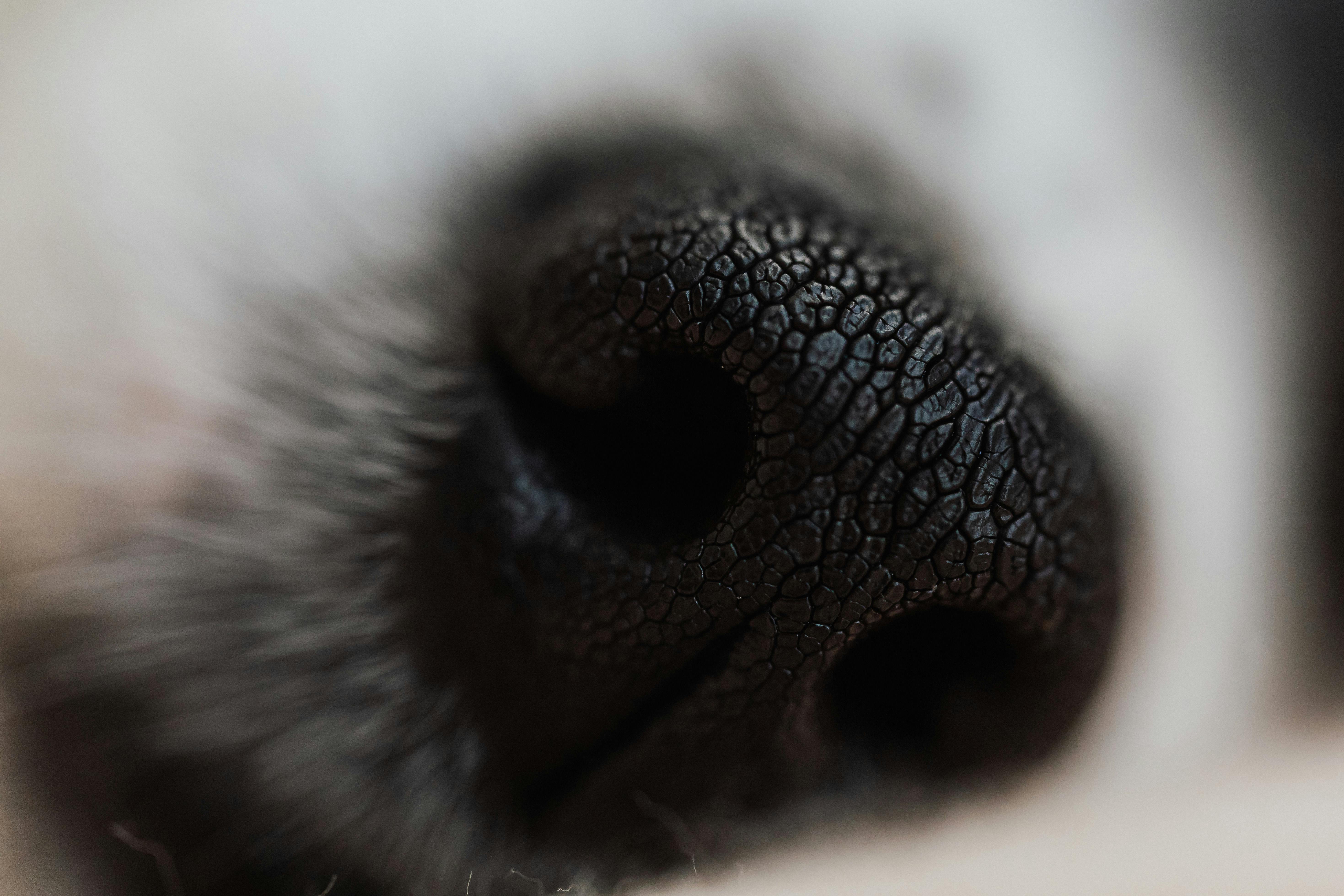
Ever wondered why a dog’s nose is always wet? It’s an interesting question, and the answer is more than just the quirky nature of our furry friends. Dogs are unique creatures with an extraordinary sense of smell, and their wet noses play a huge role in that. Let’s dive into the fascinating connection between a dog’s wet nose and their remarkable olfactory abilities, and uncover the surprising facts behind this peculiar characteristic.
The Science Behind a Dog’s Wet Nose
Dogs have an incredible sense of smell, estimated to be anywhere from 10,000 to 100,000 times more sensitive than humans. This heightened ability is largely due to specialized olfactory receptors and the structure of their noses. But what does the wetness of their noses have to do with it?
- Moisture and Chemical Detection: The wetness of a dog’s nose helps to absorb scent molecules. When a dog sniffs something, the moisture on their nose captures these molecules, making it easier for them to detect and identify different odors.
- Cooling Mechanism: Besides enhancing their sense of smell, a wet nose also acts as a cooling mechanism. When dogs pant, moisture evaporates from their noses, helping to regulate their body temperature.
Why Do Dogs Have Wet Noses?
Many people might ask, why do dogs have wet noses? The answer goes beyond just functionality; it has evolutionary roots too.
- Evolutionary Advantage: Early ancestors of modern dogs relied on their sense of smell for hunting and survival. A wet nose would’ve been advantageous for tracking prey and finding food.
- Health Indicator: A dog’s nose can indicate their health. While a warm or dry nose may signal illness, a wet nose is generally a sign of a happy and healthy dog.
- Communication Tool: Dogs use their noses to communicate with each other and their environment. The wetness can also help with social interactions, as dogs often sniff each other as a form of greeting.
Fun Facts About Dog Noses
- Unique Patterns: Much like human fingerprints, each dog’s nose print is unique. This means that you could potentially identify a dog by their nose alone!
- Temperature Regulation: A dog’s nose can help them cool down, similar to how sweating works in humans.
- Not All Dogs Have Wet Noses: Some breeds, especially those with longer fur or skin folds, might have drier noses. This is normal and not necessarily a health concern.
Comparison: Dog Noses vs. Human Noses
| Feature | Dog Nose | Human Nose |
|---|---|---|
| Sense of Smell | 10,000 to 100,000 times stronger | Basic sense of smell |
| Nose Moisture | Typically wet | Usually dry |
| Ability to Detect Odors | Highly developed | Limited |
| Unique Identification | Unique nose prints | No unique identifier |
Practical Examples of Dog Nose Uses
- Search and Rescue: Dogs are commonly used in search and rescue missions. Their ability to detect scents from long distances makes them invaluable in locating missing persons.
- Medical Detection: Some dogs are trained to sniff out diseases like cancer or diabetes in humans. Their noses can detect specific chemical changes in body odors.
- Detection of Substances: Dogs are used in law enforcement to detect drugs or explosives due to their superior olfactory capabilities.
The Role of Wet Noses in Dog Behavior
Have you noticed how your dog often nudges you with their wet nose? This behavior is not just for attention. Dogs use their noses to interact with their environment and express emotions. A gentle nudge might be a way of saying “hello” or “I need something.”
- Curiosity: Dogs explore the world primarily through their sense of smell. A wet nose helps them learn more about their surroundings.
- Affection: Dogs often nuzzle their owners with their noses. This can be a sign of affection, as they often want to bond with their humans.
The fascinating connection between a dog’s wet nose and their superior sense of smell reveals not just the biology of our canine companions, but also their evolutionary advantages and communication methods. From enhancing their ability to detect scents to acting as a social tool, wet noses are integral to a dog’s identity. Next time you pet your pup and feel that cool, moist nose, remember all the incredible functions it serves!
Is Your Dog’s Wet Nose Normal? Signs You Shouldn’t Ignore
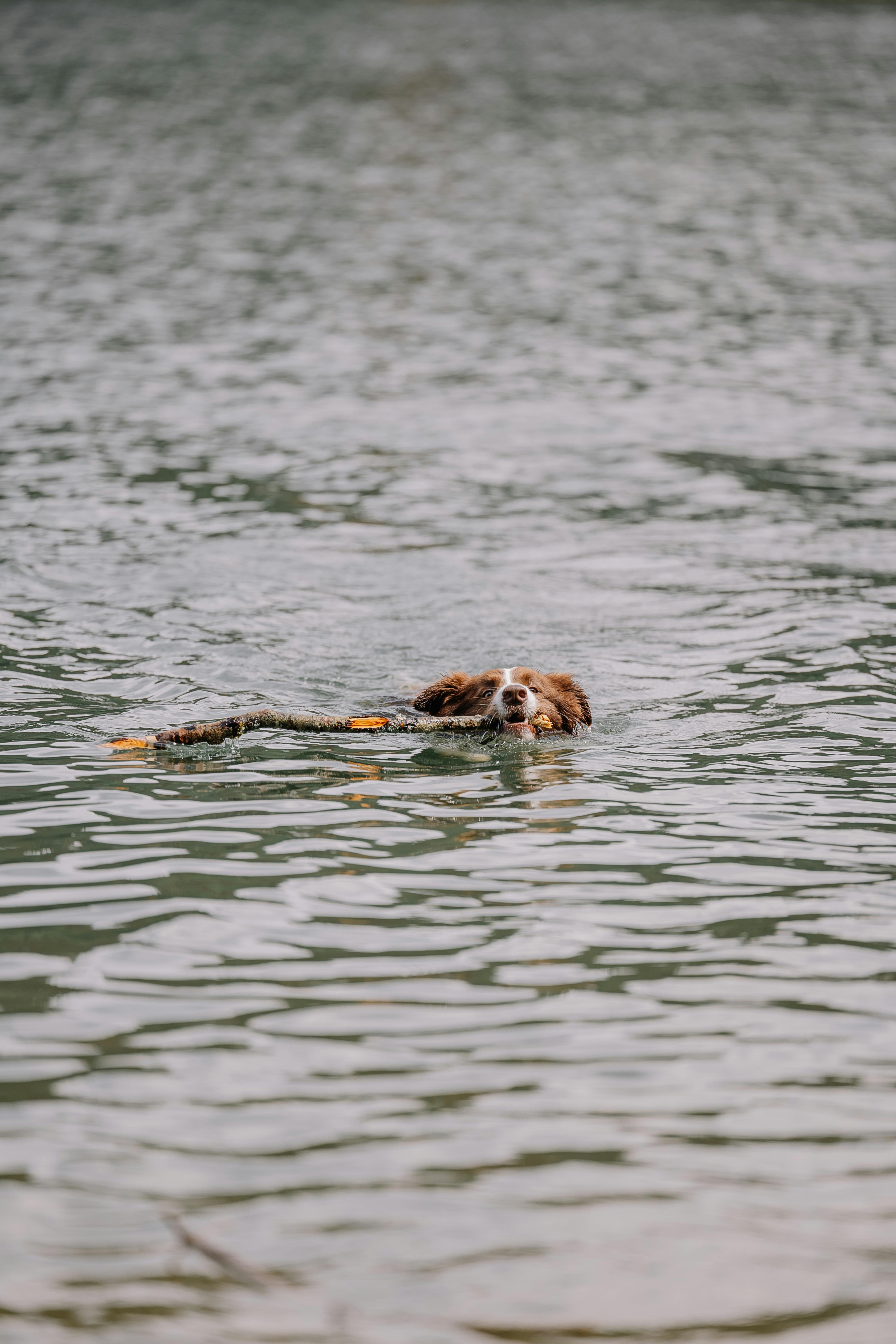
Is your dog’s wet nose normal? If you ever wondered about that, you’re not alone. Many dog owners frequently ask this question, and it’s essential to know what’s typical for your furry friend. Wet noses are a common sight, but there’s more to it than just a cute feature. In this article, we gonna explore why dogs have wet noses, what it means, and signs you shouldn’t ignore.
Why Do Dogs Have Wet Noses?
You might be surprised to know that a dog’s nose is wet for several reasons. The primary one is that it helps them in sensing the world around them. Dogs possess an extraordinary sense of smell, estimated to be anywhere from 10,000 to 100,000 times more acute than humans. A wet nose helps trap scent molecules better, allowing them to detect smells more efficiently.
Here’s a list of reasons why your dog’s nose is often wet:
- Scent Enhancement: As mentioned, moisture helps to absorb scent particles.
- Temperature Regulation: Dogs cool themselves through their noses.
- Health Indicator: A wet nose can indicate a dog is healthy and hydrated.
The Science Behind a Wet Nose
Ever wondered if a dog’s wet nose is a sign of illness? Well, not always! A dog’s nose can change in moisture based on several factors. For instance:
- Weather Conditions: On hot days, you might notice your dog’s nose drying up.
- Activity Level: After playing outside, your dog might have a wet nose due to panting.
- Health Status: Illness can also affect nose moisture, but it’s not a definitive health gauge.
Signs You Shouldn’t Ignore
While a wet nose is typically normal, there are signs that could indicate a health issue. If you notice any of these symptoms, it’s wise to consult your veterinarian:
- Dry Nose: If your dog’s nose is excessively dry and cracked, it might signal dehydration or illness.
- Discharge: Unusual discharge from the nose can indicate infections or allergies.
- Change in Temperature: A notably warm nose can be a sign of fever.
- Behavior Changes: If your dog shows signs of lethargy or refuses to eat, it could be a sign of health troubles.
Historical Context of Dog Noses
The evolution of a dog’s nose is fascinating. Dogs have descended from wolves, and their noses have adapted over time. Historically, canines with wet noses were better at hunting and scavenging. This characteristic has been passed down through generations.
Common Myths About Dog Noses
There are several myths surrounding the significance of a wet nose. Here are a few that need debunking:
- A Cold Nose Means a Healthy Dog: This is not true! A dog can have a warm nose and still be perfectly healthy.
- Only Sick Dogs Have Dry Noses: Dry noses can be normal, especially in certain breeds or environmental conditions.
- All Dogs Have Wet Noses: Some breeds naturally have drier noses.
Practical Tips for Dog Owners
To keep your dog’s nose healthy, here are some tips to consider:
- Hydration: Always ensure your dog has access to fresh water.
- Grooming: Regular grooming can help with skin conditions that may affect the nose.
- Regular Checkups: Annual veterinary visits are essential for monitoring your dog’s overall health.
Quick Comparison: Wet Nose vs. Dry Nose
| Feature | Wet Nose | Dry Nose |
|---|---|---|
| Temperature | Usually cool | Can be warm |
| Moisture Level | High | Low |
| Health Indicator | Not definitive | Can indicate issues |
| Environmental Impact | Affected by humidity | Affected by dryness |
Understanding the reasons behind your dog’s wet nose can help you be a more informed pet owner. Keep an eye on any changes, and don’t shy away from seeking veterinary advice when needed. Your dog’s health is a priority, and being aware of these signs could make a difference. So the next time you feel that wet nose, remember it’s more than just a cute feature; it’s a complex part of your dog’s biology!
The Role of a Wet Nose in Dog Communication: What You Need to Know
Dogs have always been more than just pets; they are companions, protectors, and sometimes even family. One of the most fascinating aspects of canines is their way of communicating, and a wet nose is an essential part of this. You might wonder, why do dogs have wet noses? What do they mean when they greet you with that cool, damp touch? In this article, we’re going to explore the surprising facts about the role of a wet nose in dog communication and the science behind it.
The Science Behind Wet Noses
First things first, let’s get into the nitty-gritty of why dog noses are wet. The moisture on a dog’s nose serves several purposes, and it’s not just for show! Here are some key points:
Enhanced Sense of Smell: Dogs are known for their incredible sense of smell, which is estimated to be between 10,000 to 100,000 times more sensitive than humans. A wet nose helps to capture scent particles more efficiently. The moisture works like a sponge, allowing the dog to better absorb smells in the air.
Temperature Regulation: Dogs can only sweat through their paw pads, so a wet nose also helps them cool down. When they’re panting, the moisture on their nose helps maintain a safe body temperature.
Health Indicator: A dog’s nose can sometimes show signs of health issues. A very dry or cracked nose might indicate dehydration or illness, while a normal wet nose typically indicates good health.
Historical Context of Dog Communication
It’s not just science that plays a role in understanding dog communication. Historically, dogs have developed unique ways of expressing themselves, and the wet nose is just one piece of the puzzle. From ancient times, dogs have been bred for various purposes, including hunting, herding, and companionship. Each breed has its own communication style, but the wet nose has remained a constant across the board.
How Dogs Use Their Noses
Dogs communicate in many ways, and their noses play a vital role in this. Here are some ways they use their noses to express themselves:
Greeting: When a dog greets you with their wet nose, it’s often a sign of affection and curiosity. They are taking in your scent and marking you as part of their pack.
Exploration: A dog will often use their nose to investigate new environments. A wet nose means they are actively exploring and gathering information about their surroundings.
Social Signals: Dogs often use their noses to communicate with other dogs. A gentle nudge or touch with a wet nose can indicate friendliness or a desire to play.
Fun Facts About Wet Noses
Did you know that there are some surprising facts about dog noses that you might not have heard before? Check these out:
Individual Patterns: Just like human fingerprints, every dog has a unique nose print that can be used for identification.
Temperature Sensitivity: Dogs can detect temperature changes through their noses. A wet nose can help them sense slight changes in their environment, including the presence of other animals or potential dangers.
Licking Behavior: Dogs often lick their noses to keep them moist. This licking helps to enhance their olfactory receptors, making them even better at detecting scents.
Signs of a Healthy Nose
So, how can you tell if your dog’s nose is healthy? Here are some signs to look out for:
Moistness: A healthy nose should be moist and cool to the touch.
Color: The color of the nose can vary by breed, but it should not show any unusual discoloration, like white patches or excessive redness.
No Cracking: A healthy nose should not be cracked or dry. If you notice these symptoms, it might be a good idea to consult your veterinarian.
Final Thoughts
Understanding the role of a wet nose in dog communication gives us insights into how our furry friends interact with the world. From enhancing their sense of smell to communicating affection, a wet nose is a remarkable feature. So, next time your dog greets you with that familiar nudge, remember that it’s not just a random act; it’s their way of connecting with you and expressing their love. Whether you’re a dog owner or simply a dog lover, appreciating these little quirks can deepen your bond with these incredible animals.
Can Weather Affect Your Dog’s Nose Moisture? Explore the Connection!
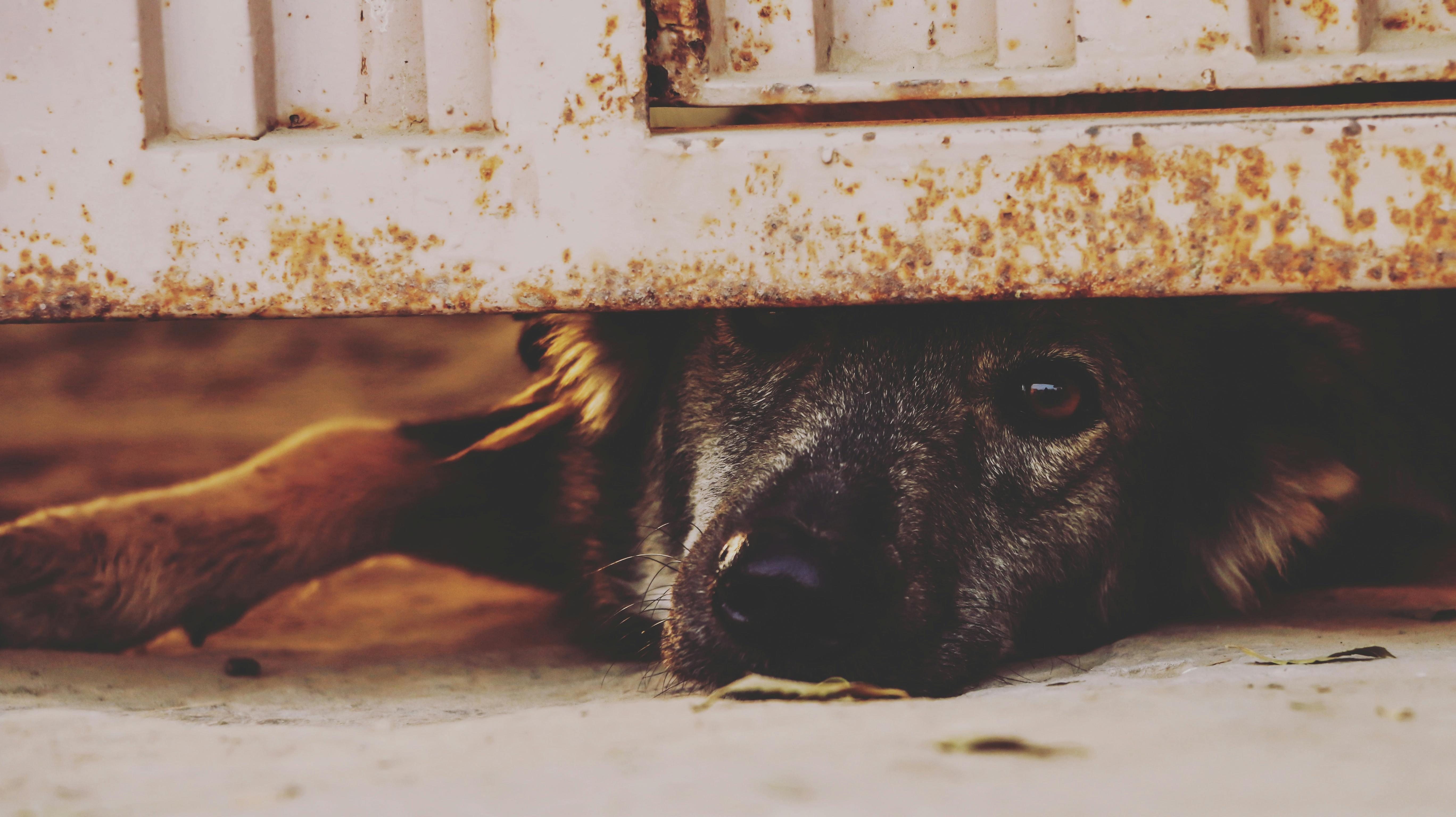
Can weather really have an impact on your dog’s nose moisture? It’s a question many pet owners may ask, especially when they notice changes in their furry friend’s nose. The connection between weather and a dog’s nose is not only interesting but also reveals a lot about why dogs have wet noses in the first place. Let’s dive into this fascinating subject and discover some surprising facts along the way.
Why Do Dogs Have Wet Noses?
Dogs have wet noses for a bunch of reasons. First, it’s important to know that a wet nose is a sign of a healthy dog. But why is that? Here are some key points to consider:
- Cooling mechanism: Dogs can’t sweat like humans do. Their noses help to cool them down. When a dog is hot, moisture on their nose evaporates, which cools the blood vessels in that area.
- Enhanced smell: A wet nose helps to trap scent particles. The moisture makes it easier for their olfactory receptors to pick up smells. This is why dogs have an incredible sense of smell, and why they rely on their noses for much of their understanding of the world.
- Health indicator: A dog’s nose can indicate their wellbeing. A moist, cool nose often suggests that a dog is healthy, while a dry or cracked nose could mean they are sick or dehydrated. However, this is not always the case, as other factors can play a role.
The Role of Weather on Nose Moisture
So, how does weather come into play? Various weather conditions can influence the moisture level on a dog’s nose. Here’s how:
- Humidity: High humidity levels can make a dog’s nose more moist. The air carries more moisture, which tends to keep the nose from drying out. On the other hand, during dry or cold weather, the nose may lose moisture quicker, making it feel dry.
- Temperature: Hot weather can lead to a dog’s nose drying out. If your pet is outside in the sun for too long, their nose might lose moisture. Conversely, cold temperatures can lead to a runny nose, which might feel wetter.
- Seasonal Changes: As seasons change, you may observe variations in your dog’s nose moisture. For instance, during winter, the cold air can dry out their skin and nose. In spring and summer, the increased humidity can lead to a wetter nose.
Practical Observations About Nose Moisture
When observing your dog’s nose, keep in mind the following points:
- Dry Nose: If a dog’s nose is consistently dry, it might not always mean something is wrong. They could simply be dehydrated or just waking up.
- Wet Nose: A wet nose after a walk or playtime is usually normal. It’s a sign that they are actively engaging with their environment.
- Changes Over Time: If you notice a sudden change in your dog’s nose moisture, it might be worth consulting a veterinarian. It could signal potential health issues.
Tips for Maintaining Your Dog’s Nose Health
Here are some useful tips to ensure your dog’s nose stays healthy, regardless of the weather:
- Hydration: Always provide plenty of fresh water. A well-hydrated dog is less likely to have a dry nose.
- Moisturizers: For dogs that have persistently dry noses, consider using natural moisturizers made specifically for pets.
- Limit Sun Exposure: During hot days, limit your dog’s exposure to direct sunlight, especially during peak hours.
- Check Environment: Be aware of the humidity levels in your home. Using a humidifier can help during dry weather.
Fun Facts About Dog Noses
- Dogs have about 220 million scent receptors in their noses, compared to humans who have approximately 5 million.
- The unique pattern of a dog’s nose is as distinct as a human fingerprint. No two dogs have the same nose print.
- Dogs can detect certain diseases, like cancer or diabetes, due to their heightened sense of smell.
In summary, the moisture of your dog’s nose can be influenced by various weather conditions. While a wet nose is often a sign of health and vitality, changes in moisture levels can also reflect environmental factors. Understanding these little nuances can help you take better care of your furry friend. Remember to keep an eye on their nose and overall hydration — it’s all part of being a responsible pet owner!
7 Myths About Dogs’ Wet Noses Debunked: What Every Pet Owner Should Understand
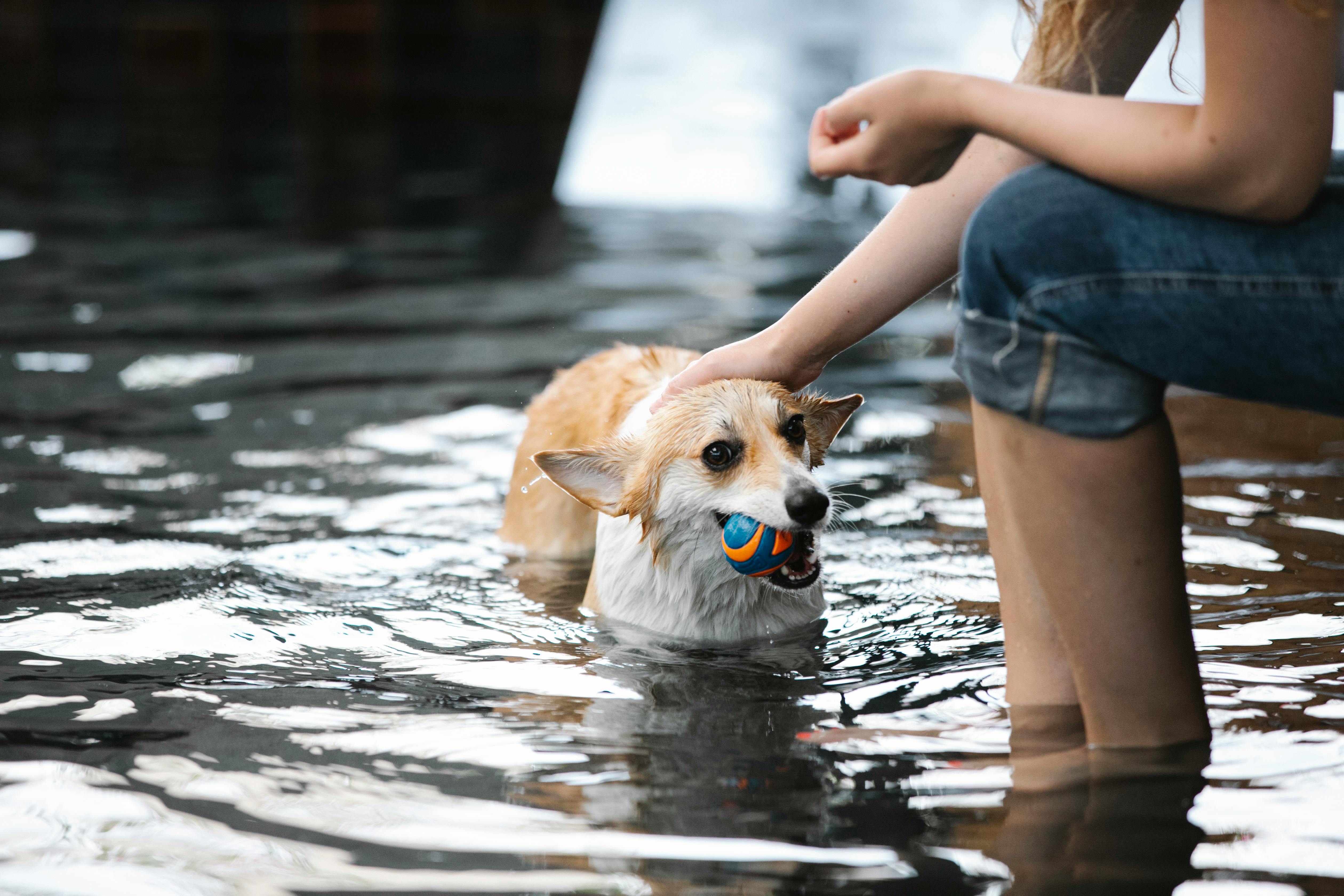
Dogs are often called man’s best friend, and it’s no surprise that we want to understand everything about them. One of the most fascinating and sometimes confusing topics is why do dogs have wet noses? Seems like a simple question, but it leads to a lot of myths that aren’t true at all. Let’s debunk seven common myths about dogs’ wet noses and learn some surprising facts every pet owner should know.
1. Wet Noses Mean a Dog is Healthy
Many people thinks that if a dog has a wet nose, it’s a sign of good health. While it’s true that a wet nose can indicate hydration, it doesn’t always mean your dog is healthy. Dogs can have wet noses for various reasons, including:
- Temperature regulation
- Emotional responses
- Environmental factors
It’s important to consider the overall health of your pet, not just the condition of their nose.
2. All Dogs Have Wet Noses
This is not exactly true. Some breeds, like the Shar Pei and certain bulldogs, can have drier noses due to their unique skin structure. It’s also common for dogs to have dry noses during winter months or even when they are sick. So, don’t panic if your dog’s nose is not always wet.
3. Dogs Lick Their Noses to Keep Them Wet
While dogs do lick their noses, it’s not just to keep them wet. Licking is a natural behavior that helps them gather information about their environment. A dog’s sense of smell is incredibly sensitive, and licking helps them to enhance that sense. It’s kinda like tasting the air!
4. A Wet Nose Means a Dog is Happy
Many pet owners believes that a wet nose is a sign of a happy dog. But this is misleading. Dogs can have wet noses when they are anxious, excited, or even after playing outside. Happiness is indicated by a dog’s tail wagging, relaxed posture, and playful behavior, not just a wet nose.
5. Dogs Only Have Wet Noses When They are Sick
This myth is especially troubling for pet owners. Just because a dog’s nose is wet doesn’t mean they are ill. Dogs can have wet noses for many reasons, such as spending time outside or enjoying a drink of water. Monitoring your dog’s overall behavior is a much better way to gauge their health.
6. Wet Noses Help Dogs Smell Better
Some people thinks that a wet nose enhances a dog’s sense of smell. While moisture does help to capture scent particles, the primary function of a dog’s nose is the large number of scent receptors it contains. A wet nose can help but it’s not the main factor in their incredible smelling ability.
7. Dogs’ Wet Noses are Not Related to Their Breeds
This is not totally accurate. There are breed-specific characteristics that can affect nose moisture. For instance, hound breeds may have wetter noses due to their hunting instincts and the need to track scents. Other breeds might have drier noses based on their genetics.
Surprising Facts About Dogs’ Wet Noses
Now that we have debunked some myths, let’s look at some interesting facts:
- Dogs have around 300 million scent receptors, while humans have about 6 million.
- The wetness of a dog’s nose can actually help them regulate temperature.
- A dog’s nose print is unique, similar to a human fingerprint.
Quick Reference Table: Dogs’ Nose Conditions
Here’s a quick reference table that can help you understand what different nose conditions might mean:
| Condition | Possible Meaning |
|---|---|
| Wet Nose | Healthy hydration, environmental factors |
| Dry Nose | Possible illness, dehydration, or breed characteristics |
| Cracked Nose | Potential health issue, need for veterinary attention |
| Cold Nose | Normal, can indicate relaxation |
| Warm Nose | Possible fever or illness |
Being a responsible pet owner means understanding your dog inside and out. Knowing the facts behind dogs’ wet noses can help you make better decisions for your furry friend. Remember, while a wet nose can provide some clues about your dog’s well-being, it’s always best to pay attention to their overall behavior and consult a vet for health concerns. So next time someone mentions dogs’ wet noses, you can confidently share these surprising facts and debunk the myths!
Why Do Puppies Have Wet Noses? Discover the Developmental Secrets
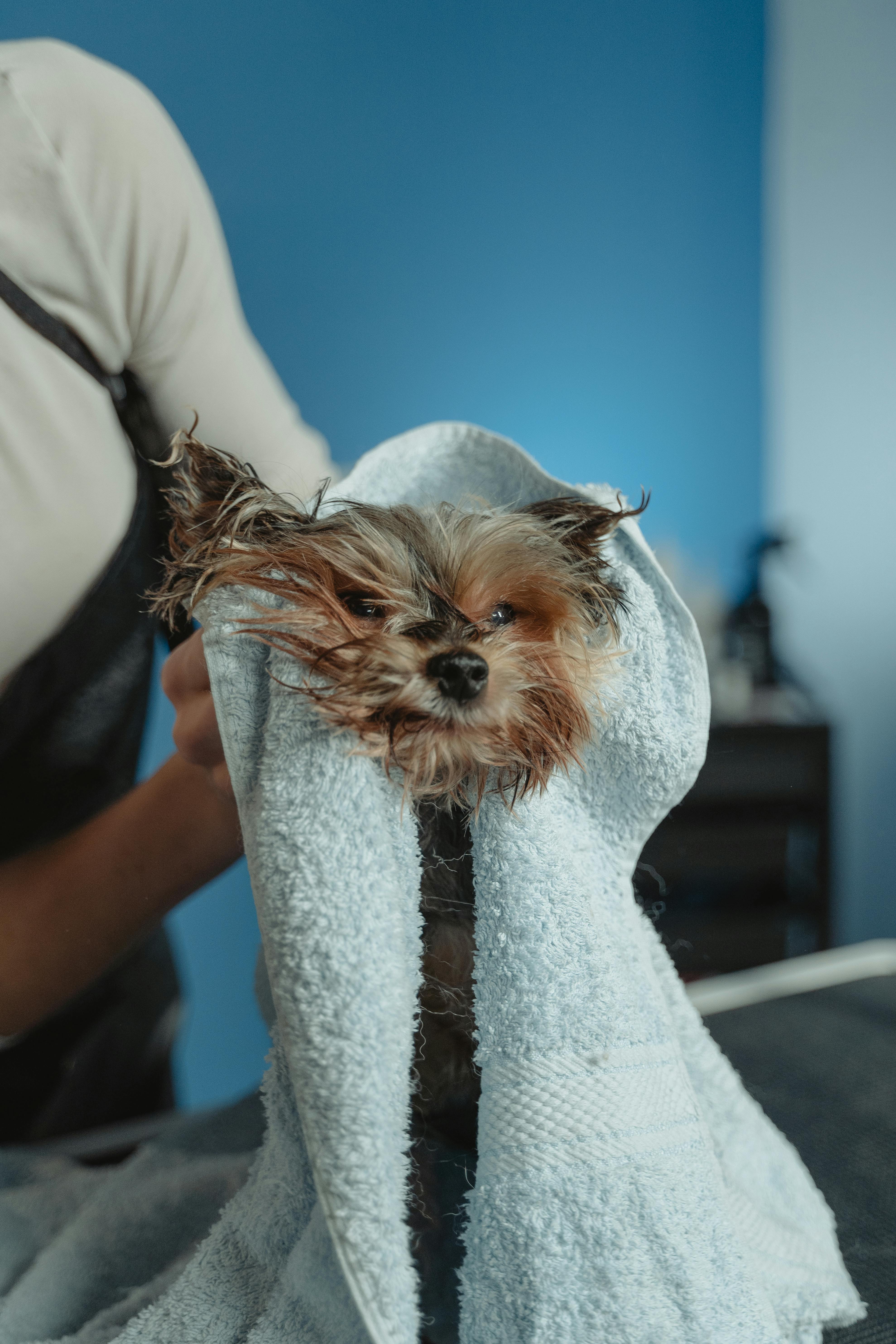
Have you ever wondered why do puppies have wet noses? Its a question that many dog owners and enthusiasts ask. The wetness of a dog’s nose is not just a cute characteristic; it actually serves several important purposes. In this article, we will explore the fascinating reasons behind why dogs have wet noses, uncovering some surprising facts and developmental secrets along the way.
The Science Behind Wet Noses
Dogs noses are moist for a reason. The wetness helps them absorb scent chemicals more effectively. When a dog sniffs, the moisture on their nose captures scent particles from the air, allowing them to detect smells with astonishing precision. In fact, a dog’s sense of smell is estimated to be between 10,000 to 100,000 times more sensitive than humans. This incredible ability is rooted in the dog’s anatomy.
- Scent Glands: Dogs have specialized glands in their noses that produce mucus. This mucus helps in trapping odors.
- Thermoregulation: A wet nose can also help a dog cool down. While dogs primarily regulate their body temperature through panting, a moist nose can provide additional cooling.
- Health Indicator: The state of a dog’s nose can sometimes indicate their health. A dry nose might suggest dehydration or illness, but it’s not always a reliable sign.
Why Do Puppies Have Wet Noses?
Puppies, just like adult dogs, have wet noses from an early age. The moisture is vital for their development. Puppies rely heavily on their sense of smell to explore the world around them. Here are some reasons why this characteristic is especially important for puppies:
- Learning and Exploration: Wet noses help puppies learn about their environment. Smelling is their primary way of understanding and interacting with the world.
- Bonding: Puppies often use their noses to nuzzle against their littermates and human caregivers, which promotes bonding and social interaction.
- Instinctual Behavior: The moisture on a puppy’s nose is also a natural instinct. It helps them navigate and understand their surroundings, which is crucial for survival.
Surprising Facts About Dog Noses
You might be surprised by some of the facts about dog noses. Here’s a quick list of interesting tidbits:
- Dogs have a unique nose print, much like human fingerprints. Each dog has a distinct pattern of ridges and creases.
- The moisture on a dog’s nose can vary throughout the day based on their activity level and the environment. For example, after playing outside or eating, their noses might be drier.
- Dogs can detect certain diseases in humans due to their sensitive noses. They can even smell cancer in some cases!
The Evolutionary Perspective
From an evolutionary standpoint, the wet nose has played a significant role in a dog’s survival. Early ancestors of modern dogs relied on their sense of smell to hunt and find food. The wetness of their noses would have given them an advantage in tracking scents over long distances. The development of this trait has been shaped by natural selection, as those with better olfactory senses were more likely to thrive.
Comparing Dog Noses to Other Animals
Dogs aren’t the only animals with wet noses. Other species also have this characteristic, but the reasons can vary. Here’s a quick comparison of wet noses across different animals:
- Cats: Similar to dogs, cats also have wet noses, but they rely more on their vision than their sense of smell.
- Pigs: Pigs have very moist noses that help them dig and forage for food. Their sense of smell is crucial for finding truffles!
- Rabbits: Rabbits have wet noses too, which aids them in detecting predators and finding food.
Practical Tips for Dog Owners
Taking care of your dog’s nose is important. Here are some practical tips:
- Hydration: Ensure your dog is well-hydrated. A dry nose could indicate dehydration.
- Regular Check-ups: Regular veterinary check-ups can help you monitor your dog’s overall health, including the condition of their nose.
- Environmental Awareness: Be mindful of the environment. Cold or dry weather can affect your dog’s nose, so consider using a nose balm if needed.
In summary, the wet nose of a dog is much more than just a cute feature. It plays an essential role in their ability to interact with the world, indicates their health, and has evolved over time to enhance their survival. Whether you are a new puppy owner or a seasoned dog parent, understanding why do dogs have wet noses can deepen your appreciation for these wonderful creatures.
How to Keep Your Dog’s Nose Healthy: Essential Tips for Pet Owners
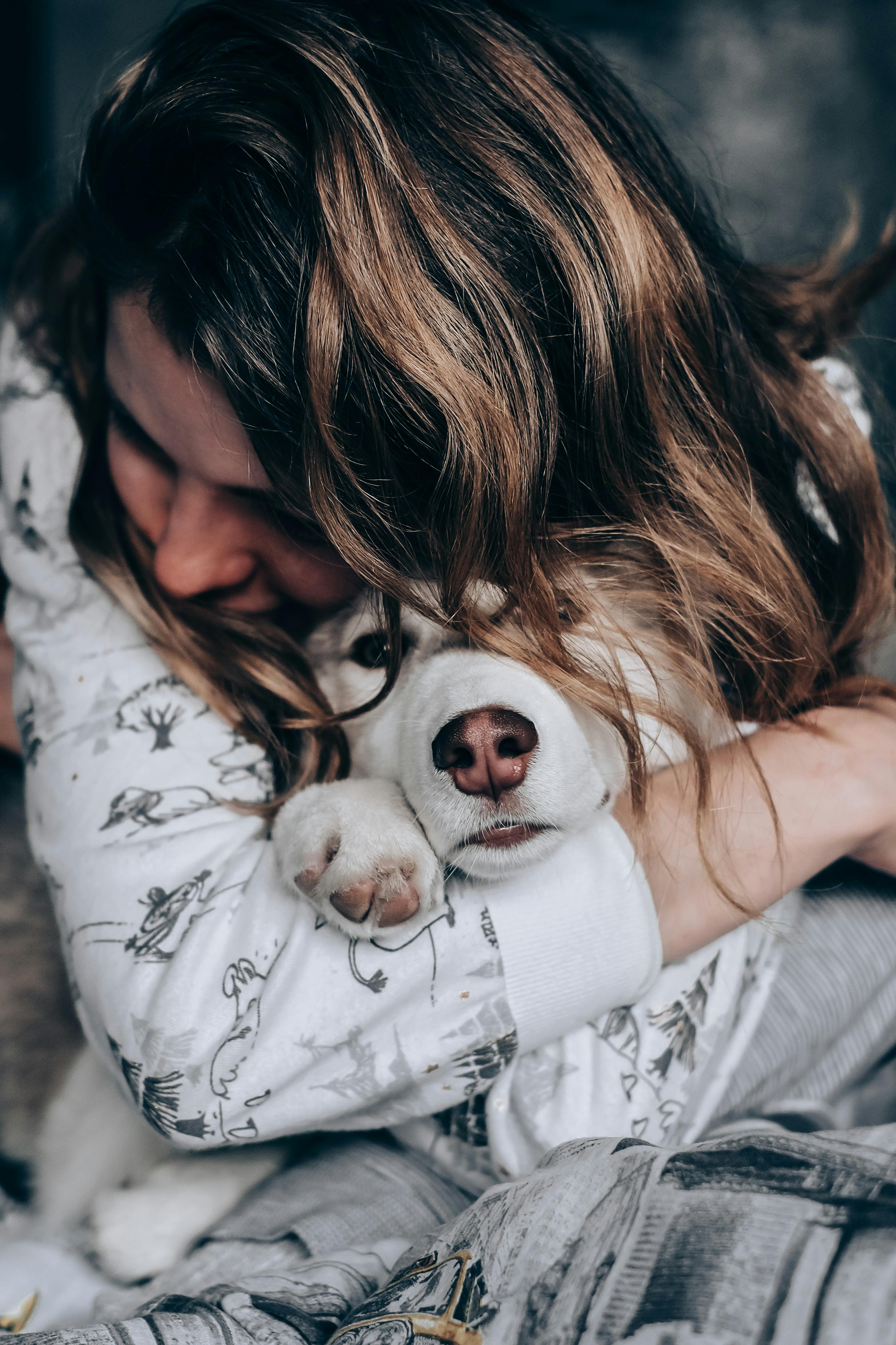
Keeping your dog’s nose healthy is very important for their overall well-being. Many pet owners don’t realize how much their furry friends’ noses can tell about their health. Have you ever wondered why do dogs have wet noses? It’s a question that many people ask and the answer is quite fascinating! In this article, we’ll explore essential tips for maintaining your pup’s nose and dive deep into the reasons behind those moist noses.
Why Do Dogs Have Wet Noses? Discover The Surprising Facts!
Dogs have wet noses for several reasons, which might surprise you. Here’s a breakdown of some facts about why your dog’s nose is often moist:
- Temperature Regulation: A wet nose helps dogs cool themselves. Just like humans sweat, dogs can lose heat through their noses.
- Enhanced Sense of Smell: The moisture on a dog’s nose helps to capture scent particles, which makes their sense of smell even better. A wet nose can absorb scents more effectively than a dry one.
- Health Indicator: A wet nose is often considered a sign of good health. If your dog’s nose is dry, it might indicate dehydration or illness.
Essential Tips for Keeping Your Dog’s Nose Healthy
Now, let’s talk about how you can keep your dog’s nose in tip-top shape! Here’s a list of some essential tips:
- Regular Hydration: Always make sure your pup is drinking enough water. Dehydration can lead to a dry nose.
- Environmental Factors: Be cautious about extreme weather conditions. Cold, dry air can cause noses to crack and become painful.
- Humidifiers: If you live in a dry climate, consider using a humidifier during winter months. This can help keep the air moist and prevent your dog’s nose from drying out.
- Routine Check-ups: Regular vet visits can help catch any potential issues before they become serious. Your veterinarian can check for any abnormalities in your dog’s nose.
- Avoid Irritants: Keep your dog away from harsh chemicals and allergens which can irritate their nose.
Common Nose Problems in Dogs
It’s also important to be aware of some common nose issues that might affect your furry friend. Here are a few examples:
- Crusty Nose: This can be a sign of dehydration or a skin condition.
- Nose Bleeds: Frequent nose bleeds could indicate a more serious health issue.
- Nasal Discharge: Clear discharge is generally normal, but yellow or green discharge might suggest infection.
- Cracks and Sores: These can be painful and may lead to infection if not treated.
Keep an eye out for these symptoms, and consult your vet if you notice anything unusual.
Fun Facts About Dog Noses
Did you know that a dog’s nose print is as unique as a human’s fingerprint? Here’s some more interesting tidbits:
- Nose Patterns: Each dog has a unique nose print, which can even be used for identification.
- Scent Sensitivity: Dogs have up to 300 million scent glands in their noses, compared to about 6 million in humans. This allows them to detect scents at incredibly low concentrations.
- Nose Temperature: A dog’s nose can change temperature based on their health. Typically, a cooler nose indicates a relaxed dog, while a warmer nose could mean they’re sick.
Quick Tips for Daily Care
To keep your dog’s nose healthy, you can follow these simple daily care tips:
- Check their nose regularly for any changes.
- Ensure they are drinking plenty of water, especially on hot days.
- Use pet-safe moisturizers if their nose appears dry or cracked.
- Avoid exposing your dog to extreme temperatures for long periods.
Summary
Understanding why do dogs have wet noses and how to maintain their health is crucial for all pet owners. Keeping your dog’s nose healthy not only contributes to their overall health but also enhances their quality of life. A wet nose is a sign of a happy, healthy pup, and by following the tips outlined above, you can ensure your furry friend stays in great shape. Regular check-ups and being aware of potential problems will help you catch any issues early on.
Taking care of your dog means being attentive to all aspects of their health, including that adorable, wet nose! So, keep those noses moist and happy, and your dog will surely thank you with plenty of tail wags and wet kisses.
Conclusion
In conclusion, the wet noses of dogs serve several important functions, from enhancing their sense of smell to regulating body temperature. The moisture on a dog’s nose helps to capture scent particles, making their already impressive olfactory abilities even more effective. Additionally, the cooling effect of a wet nose plays a vital role in thermoregulation, particularly during warm weather. Understanding the science behind this unique characteristic not only deepens our appreciation for our furry companions but also highlights the importance of maintaining their overall health. A dog’s wet nose is often a sign of good health, but any significant changes should prompt a visit to the veterinarian. So, the next time you greet your canine friend, take a moment to appreciate that delightful wet nose—it’s a window into the remarkable world of canine biology. Remember to keep your dog’s environment clean and check their health regularly to ensure they stay happy and healthy.
