
Have you ever wondered why do dogs have wet noses? This intriguing question has puzzled pet owners and enthusiasts alike for ages! A dog’s nose is not just an adorable feature; it plays a crucial role in their daily lives. The moisture on a dog’s nose helps them to smell better, which is essential for their survival and communication. But what makes their noses wet in the first place? Is it simply a matter of anatomy, or is there more to this fascinating mystery? In this article, we will explore the science behind the wet noses of dogs, uncovering the reasons why they are always a little damp. You might be surprised to learn that this unique trait not only aids in scent detection but also helps regulate their body temperature! This engaging exploration will reveal mind-blowing facts about your furry friend’s nose and its purpose. So, if you have been curious about why your dog has that adorable, wet snout, keep reading to discover the answers that could deepen your understanding of your beloved pet. Don’t miss out on unraveling the secrets behind those wet dog noses!
The Science Behind Canine Noses: Why Are Dogs’ Noses Wet and What Does It Mean?
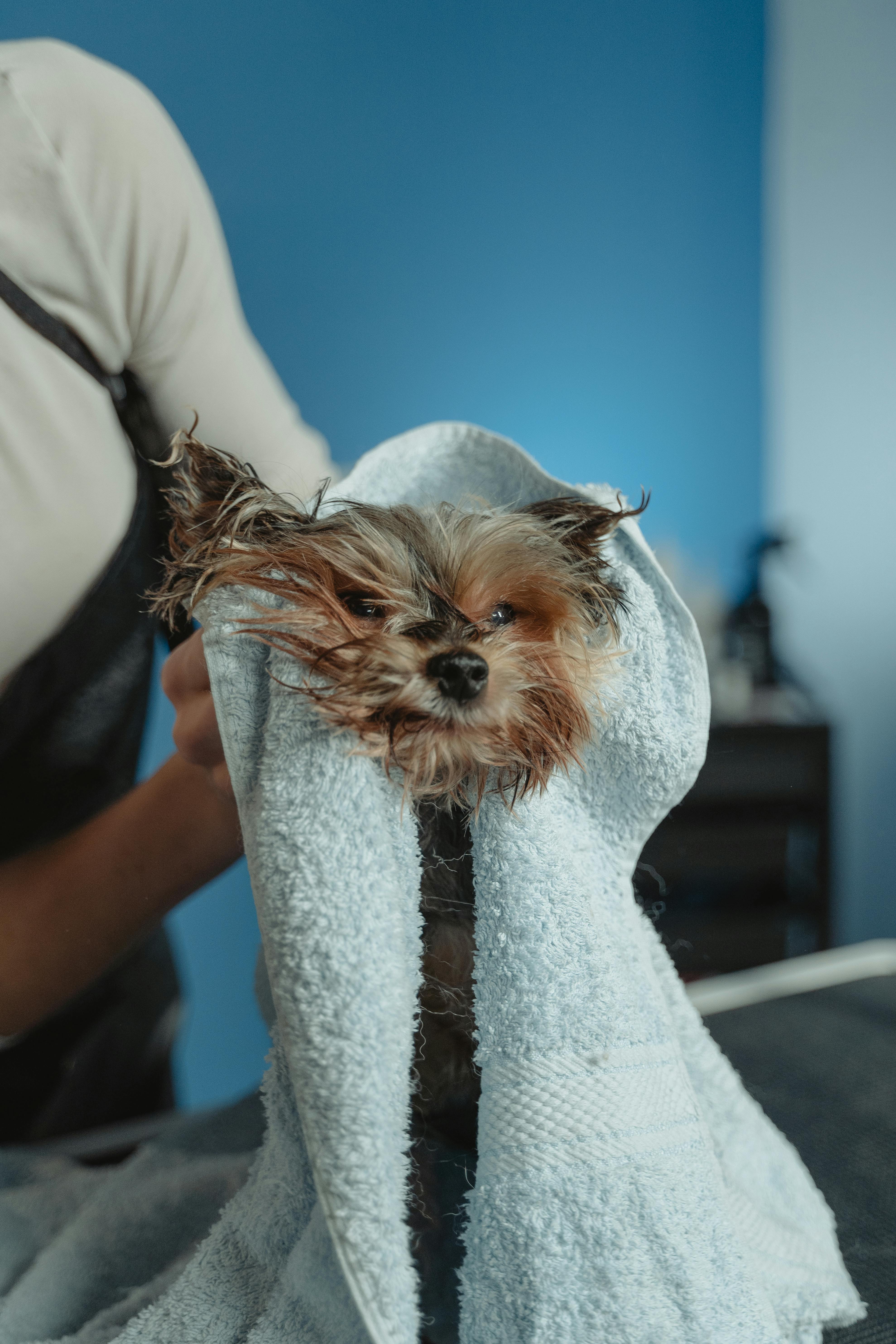
Dogs have always been fascinatin’ creatures, and their noses are one of the most interesting parts of their anatomy. If you ever wondered why do dogs have wet noses and what does it mean, you’re not alone. Many pet owners and enthusiasts have pondered this mystery. So, let’s explore the science behind canine noses, the reasons for their wetness, and what it tells us about our furry friends.
The Biological Purpose of Wet Noses
First off, a dog’s nose is a marvel of biological engineering. It’s not just for sniffin’ around for treats or findin’ that elusive squirrel. Dogs have a very unique olfactory system that allows them to detect scents at incredible levels. A dog’s sense of smell is estimated to be anywhere from 10,000 to 100,000 times more sensitive than that of humans! So, why do they have wet noses?
Enhanced Scent Detection: The moisture on a dog’s nose helps capture scent particles in the air. When the nose is wet, it can absorb more of these particles, which then interact with the scent receptors.
Temperature Regulation: Dogs don’t sweat like humans do. Instead, they rely on their noses to help regulate their body temperature. A wet nose can help cool them down through evaporation.
Health Indicator: A dog’s wet nose can also be a sign of their health. A generally moist nose indicates hydration and good health, whereas a dry nose could be a symptom of illness or dehydration.
The Anatomy of a Dog’s Nose
Understanding why do dogs have wet noses also requires lookin’ at their anatomy. Here’s a breakdown of the components:
- Nasal Cavity: The area inside the nose that warms and humidifies air as it enters the lungs.
- Olfactory Receptors: Dogs have millions of these receptors, far more than humans. This is where the magic of scent detection occurs.
- Vomeronasal Organ: Also known as Jacobson’s organ, this helps dogs detect pheromones, which play a role in their social behavior.
The Wet Nose Myth: What People Think
People often have all sorts of ideas about why dogs have wet noses. Here are some common myths:
- Dogs are Always Sick If Their Nose is Dry: This isn’t true! A dog’s nose can be dry for multiple reasons, including sleep and environmental factors.
- Wet Noses Mean Dogs are Happy: While they often are when their noses are wet, it isn’t always the case. A wet nose is just one indicator of their mood.
Comparisons Between Dog Noses and Human Noses
To understand dogs better, let’s compare their noses to ours:
| Feature | Dog Nose | Human Nose |
|---|---|---|
| Number of Receptors | About 300 million | About 6 million |
| Scent Recognition | 10,000 to 100,000 times better | Less than dogs |
| Temperature Control | Uses wetness for cooling | Sweating through skin |
| Moisture Level | Typically wet and cool | Can be dry or moist |
Fun Facts About Dog Noses
- Unique Patterns: Just like human fingerprints, every dog has a unique nose print. They can be used to identify them!
- Color Changes: The color of a dog’s nose can change with age or health. Some breeds, like the Labrador Retriever, can have variations in nose color.
- Sniffing Speed: Dogs can sniff at a rate of about 20 times per second!
The Importance of a Healthy Nose
As dog owners, we should keep an eye on our furry friend’s nose. If it’s consistently dry, cracked, or showing signs of abnormal discharge, it might be time to visit a vet. Regular check-ups can help ensure that your dog stays healthy and happy.
Practical Tips for Nose Care
- Hydration: Make sure your dog drinks enough water. A hydrated dog usually has a healthy nose.
- Diet: A balanced diet supports overall health, including the skin and nose.
- Regular Vet Visits: Keep up with routine check-ups to catch any potential issues early.
The wetness of a dog’s nose is not just a curious trait; it’s a vital part of their biology that aids in their survival and communication. So, the next time you wonder why do dogs have wet noses, remember that it’s all about enhancing their senses, regulating their body temperature, and reflecting their health. Embrace the quirks of your furry companion, and appreciate the science behind their incredible noses!
7 Surprising Benefits of a Dog’s Wet Nose: More Than Just a Cute Feature!
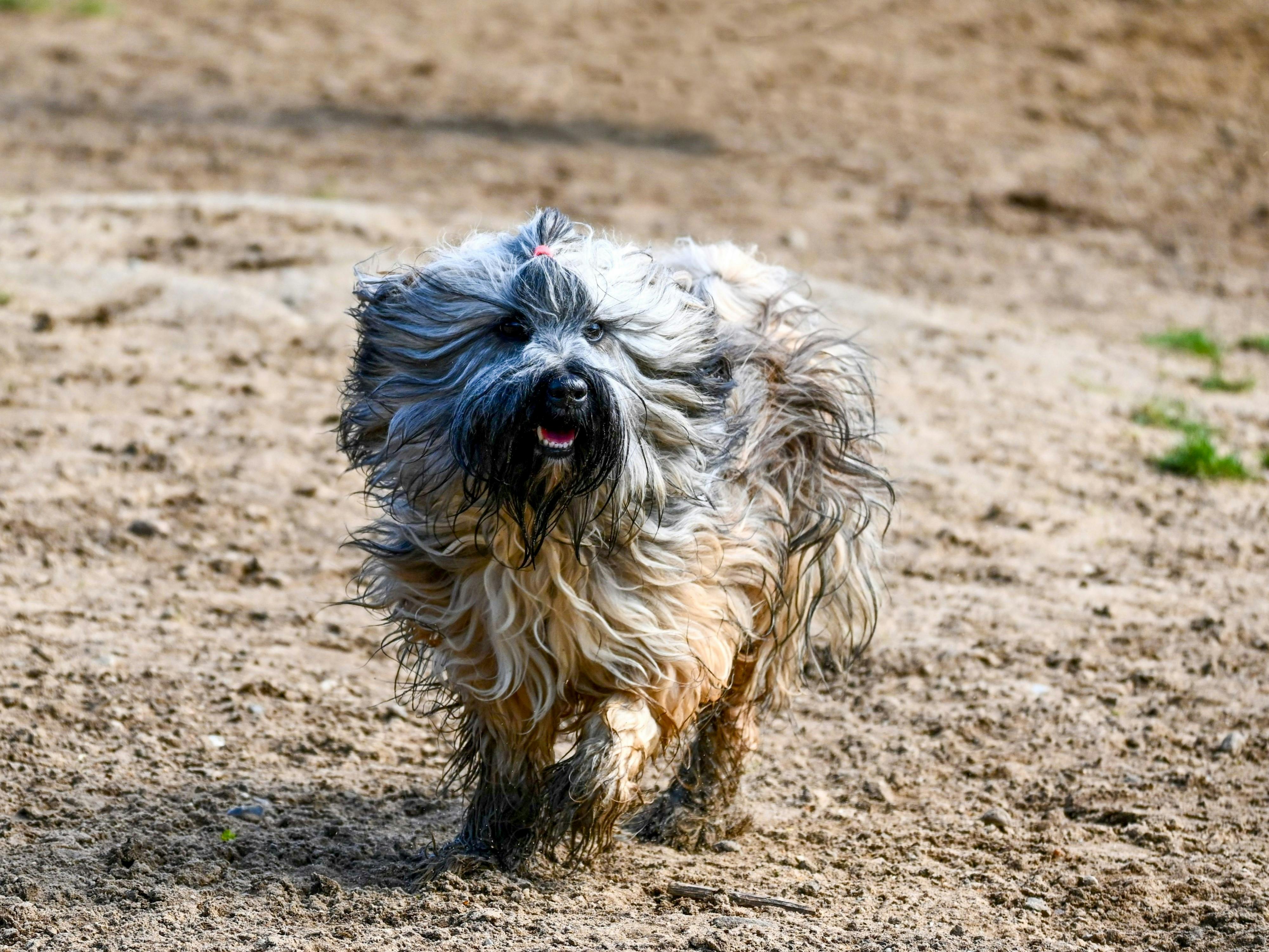
Dogs have been known as man’s best friend for ages, but one of their most charming features, their wet noses, often gets overlooked. Have you ever wondered why do dogs have wet noses? While it might seem like just an adorable characteristic, there’s a lot more going on behind that cute little feature. Let’s dive into 7 surprising benefits of a dog’s wet nose that you may not know about!
1. Natural Thermoregulation
Dogs, unlike humans, don’t sweat through their skin. They mainly rely on their noses to help regulate body temperature. The moisture on their noses helps to cool them down. When they breathe in, the moisture evaporates, which helps to lower their temperature. This is particularly important during hot weather, when dogs can easily overheat.
2. Enhanced Sense of Smell
A dog’s sense of smell is approximately 40 times better than that of humans. A wet nose actually helps to enhance this sense. The moisture on the nose traps scent particles from the air, allowing the dog to pick up on various smells more effectively. So next time you see your dog sniffing around, remember that their wet nose is working hard to gather information about the environment!
3. Health Indicators
Just like how humans notice changes in body temperature or skin conditions, a dog’s nose can reveal a lot about its health. A dog’s nose can change from wet to dry based on its health status. A dry nose might indicate dehydration or fever, while a consistently wet nose is typically a sign of a healthy dog. However, it is important to remember that other factors may also play a role in a dog’s nose condition.
4. Communication Tool
Dogs communicates in various ways, and their noses play a role in this too. When a dog approaches another dog, their first instinct is often to sniff each other’s noses. This behavior is how they learn about one another, gathering information about each other’s health, diet, and emotional state. A wet nose can signal friendliness and curiosity in this context.
5. Moisture Absorption
Besides helping with their sense of smell, a wet nose can absorb moisture from the environment. This helps dogs stay hydrated, especially when they are out exploring and might not have immediate access to water. It’s like having a built-in hydration system!
6. Temperature Regulation for Food
Have you noticed that some dogs will dip their noses into their food or water bowls? A wet nose can help in temperature regulation of their food. The moisture can help to cool down their food, making it more enjoyable for them to eat. This is particularly important for dogs that might be sensitive to hot meals.
7. Natural Antibacterial Properties
Dogs’ noses contain natural antibacterial properties. This helps to prevent infections from occurring. The wetness creates a barrier against bacteria and other pathogens. So, when your dog is sniffing around outdoors, their nose is working hard to keep them safe from harmful germs they might encounter.
Fun Facts About Dog Noses
- Dogs have a unique nose print, similar to a human’s fingerprint.
- The color of a dog’s nose can vary widely, from black to brown, pink, and even spotted!
- Dogs have around 220 million scent receptors in their noses, compared to about 5 million in humans.
Comparing Dog Noses to Other Animals
To highlight how unique dog noses are, let’s compare them to other animals:
| Animal | Number of Scent Receptors |
|---|---|
| Dogs | 220 million |
| Cats | 5 million |
| Humans | 5 million |
| Elephants | 2.5 billion |
| Rats | 200 million |
As you can see, dogs are quite impressive when it comes to their ability to smell!
Understanding why do dogs have wet noses and the benefits that come with it can deepen the bond we share with our furry companions. It’s not just a cute feature; it’s a crucial aspect of their health, communication, and interaction with the world. From regulating their body temperature to enhancing their sense of smell, those adorable wet noses do much more than meets the eye. So the next time you lean down to pet your pup, take a moment to appreciate what their wet nose signifies!
Wet Noses and Dog Health: What Your Pup’s Moisture Levels Reveal About Their Well-Being

Wet Noses and Dog Health: What Your Pup’s Moisture Levels Reveal About Their Well-Being, Why Do Dogs Have Wet Noses? Discover This Fascinating Mystery!
Ever wondered why dogs have wet noses? It’s one of those quirky things that make our furry friends so unique. But there’s more to it than just a simple fact. A dog’s nose can actually reveal a lot about their health, behavior, and even their mood. Let’s dive into this fascinating mystery and uncover what those wet noses are telling us about our beloved pups.
The Science Behind Wet Noses
Dogs have wet noses mainly because they secrete a thin layer of mucus, which helps them in several ways. This moisture enhances their sense of smell, which is crucial for their survival and daily interactions. The process is kinda like a natural air conditioner, helping to cool them down.
- Enhanced Smell: The moisture helps to capture scent particles, making it easier for dogs to smell.
- Body Temperature Regulation: Dogs can’t sweat like humans, so they rely on their nose to help cool their body down.
- Communication Tool: A wet nose can also signal to other dogs and animals about their health and mood.
Why Do Dogs Have Wet Noses?
The primary reason dogs have wet noses is evolution. Their ancestors relied on their sense of smell to hunt and survive. Over time, those with moist noses were better at detecting scents and thus more likely to thrive and reproduce. This trait has carried down through generations.
Here’s some interesting facts about dog noses:
- Surface Area: A dog’s nose has a large surface area which aids in scent detection.
- Temperature Sensing: Wet noses can also pick up temperature changes in the environment, helping dogs detect potential danger.
- Health Indicator: A wet nose often indicates good health, but changes in moisture can signal health issues.
What Does a Wet Nose Mean for Your Dog’s Health?
While a wet nose is usually a sign of a healthy pup, it’s not the only indicator of well-being. Here’s a quick overview of what different nose conditions can indicate:
- Normal Wet Nose: Happy and healthy dog.
- Dry Nose: Could be a sign of dehydration or illness.
- Excessively Wet Nose: Potential sign of allergies, infections, or other health issues.
- Cracked or Peeling Nose: May indicate a skin condition or allergies.
Signs of Dog Illness Related to Nose Moisture
It’s important to monitor your dog’s nose, as changes can signify health problems. Here’s a list of symptoms to watch for:
- Persistent Dryness: If the nose has been dry for an extended period, consult your vet.
- Discoloration: A change in color can indicate an issue.
- Crustiness: Crusty areas may be a sign of an underlying condition.
- Foul Odor: A bad smell can suggest an infection or other serious issue.
Maintaining Your Dog’s Nose Health
Keeping your dog’s nose healthy is essential. Here’s how to do it:
- Regular Vet Check-ups: Regular visits can prevent and catch issues early.
- Hydration: Always ensure your dog has access to fresh water.
- Balanced Diet: Good nutrition supports overall health, including skin and nose.
- Avoid Irritants: Limit exposure to smoke, strong chemicals, or allergens.
Fun Facts About Dog Noses
Did you know that dog noses are as unique as human fingerprints? Here’s a few more fun facts:
- Scent Discrimination: Dogs can differentiate between various smells and even remember them.
- Dogs See in Color: They may not see the full spectrum of colors, but their sense of smell far outweighs their visual capabilities.
- Nose Prints: Just like fingerprints, each dog has a unique nose print that can be used for identification.
So, next time you pet your dog and feel that moist nose, remember it’s more than just a cute feature. It’s a window into their health and well-being.
Keeping an eye on your dog’s nose can help you catch potential health issues early and ensure they live a long, happy life. A wet nose is often a sign of a healthy pup, but don’t forget to look for other signs of well-being too. Understanding your dog’s health can make all the difference in those tail-wagging moments together.
How Weather Affects Your Dog’s Nose: Discover Why It Changes with the Seasons!

Have you ever noticed how your dog’s nose seems to change with the seasons? One day it’s all wet and shiny, and then it might feel dry and warm. Is it just a coincidence, or does the weather really have something to do with it? Well, there’s actually a fascinating science behind this phenomenon, and it all ties back to why do dogs have wet noses in the first place!
How Weather Influences Your Dog’s Nose
Just like us, dogs can feel the effects of weather. Changes in temperature, humidity, and even the amount of sunlight can affect your furry friend’s nose. Here’s a breakdown of how different weather conditions can play a role:
Cold Weather: When it’s chilly outside, your dog’s nose might feel cold and wet, which is a sign of healthy mucus production. But if it gets too cold, their noses can dry out, especially if they are outside for long periods.
Hot Weather: In warm temperatures, dogs often pant to cool themselves down, and this can lead to their noses feeling a bit drier. This doesn’t mean something is wrong, but it could be a sign to keep them hydrated.
Humidity Levels: High humidity can help keep your dog’s nose moist, while low humidity tends to dry it out. So, if you live in a dry area, you might notice more fluctuations in their nose moisture.
Seasonal Changes: As the seasons shift, so does the environment. Fall and spring might bring about allergies, leading to more sneezing and runny noses in dogs, which can change the overall moisture levels.
Why Do Dogs Have Wet Noses?
Now, let’s dive into the question that many dog owners ponder: why do dogs have wet noses? There are several reasons that contribute to this mystery!
Cooling Mechanism: Dogs sweat through their noses and paw pads. The moisture helps to cool them down, especially when they’re excited or active. A wet nose can be a sign that your dog is regulating its body temperature.
Scent Detection: Dogs have a remarkable sense of smell, and their wet noses help to absorb scent particles better. This is why you might find your dog sniffing around more when their noses are moist.
Health Indicator: A healthy dog usually has a moist nose. If your dog’s nose is dry or cracked, it could indicate dehydration or illness. So, it’s important to keep an eye on those changes!
Natural Moisture: Dogs produce mucus in their noses, which keeps them wet. This moisture can vary depending on several factors, including health, environment, and even emotional state.
Evolutionary Trait: Evolutionarily, having a wet nose may have provided hunting advantages. The ability to detect scents better would help dogs find food and avoid danger.
Fun Facts About Dog Noses
- Dogs have around 300 million scent receptors in their noses, compared to about 5 million in humans!
- The texture of a dog’s nose is unique, much like a human fingerprint.
- Dogs can even detect diseases such as cancer and diabetes through their sense of smell!
- A dog’s nose can change color due to various factors, including sun exposure and temperature.
Caring for Your Dog’s Nose
Keeping your dog’s nose healthy is important! Here are some tips to maintain that moist and shiny quality:
Hydration: Make sure your dog drinks enough water, especially in hot weather. Dehydration can lead to a dry nose.
Humidity: If you live in a very dry climate, consider using a humidifier in your home during winter months.
Nose Balms: There are many pet-safe balms available that can help soothe and hydrate a dry nose.
Regular Vet Check-ups: Regular visits to the vet can help catch any potential health issues related to nose dryness or other symptoms early.
Understanding how weather affects your dog’s nose and why they generally have wet noses can help you become a more informed pet owner. Keeping an eye on those changes can ensure your furry friend stays healthy and happy! Whether it’s a warm summer day or a chilly winter evening, knowing the reasons behind those wet noses can deepen your bond with your canine companion.
The Evolutionary Purpose of Wet Noses in Dogs: A Fascinating Look at Nature’s Design
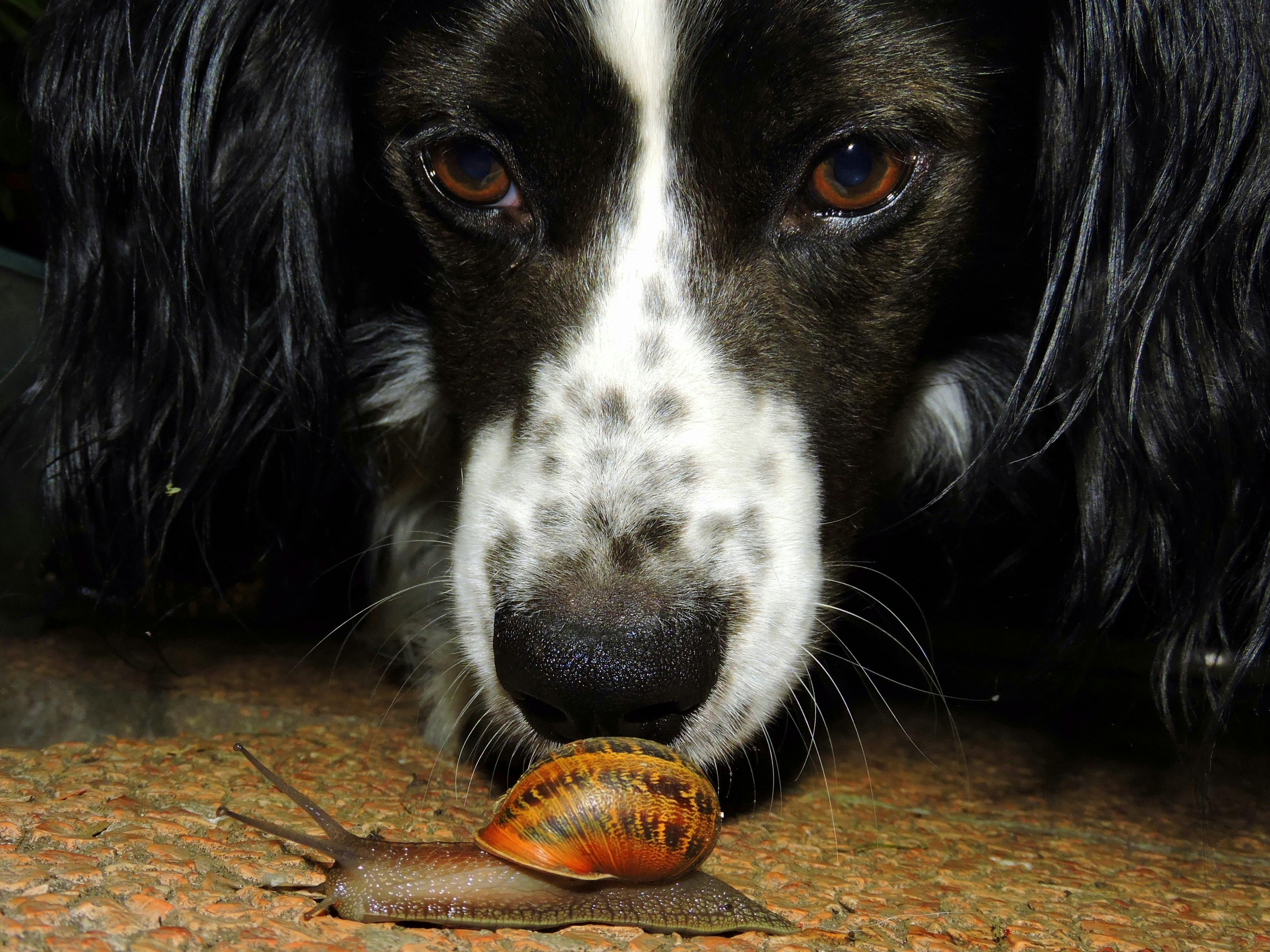
The fascinating world of dogs and their uniquely wet noses is something that sparks curiosity in many. Why do dogs have wet noses? It’s not just a quirky trait. There’s actually a remarkable evolutionary purpose behind it, and understanding this can give us insight into how nature designs its creatures for survival.
The Science Behind Wet Noses
Wet noses in dogs isn’t just for show. One of the main reasons dogs have moist noses is related to their sense of smell. Dogs have an extraordinary ability to detect scents, which is why they are often trained for roles like search and rescue, detection work, and even therapy. The moisture on a dog’s nose helps to capture scent particles from the air, which enhances their olfactory capabilities.
- Moisture Absorption: The wet surface of their noses absorbs scent chemicals more effectively.
- Cooling Mechanism: Just like how humans sweat to cool off, dogs use their noses for thermoregulation. When their noses are wet, it helps cool down their bodies.
- Health Indicator: A dog’s nose can also indicate its health. A dry or cracked nose could be a sign of dehydration or illness, while a cool, moist nose generally indicates good health.
The Evolutionary Perspective
When looking at the evolutionary purpose of wet noses, it’s helpful to think about how dogs adapted over time. Dogs are descendants of wolves, and their ancestors relied heavily on their sense of smell for hunting and survival. The evolutionary advantage of having a wet nose could be crucial for tracking prey over long distances or identifying potential dangers in their environment.
- Hunting and Foraging: Early canines likely benefited from heightened smell abilities, increasing their chances of finding food.
- Social Interactions: Dogs also use their noses to communicate. A wet nose can be a tool for social bonding, as dogs often sniff each other to gather information about their health, mood, and territory.
Historical Context
The relationship between humans and dogs goes back thousands of years. Evidence suggests that dogs were domesticated between 20,000 to 40,000 years ago. As they became more integrated into human societies, their physical traits, including their noses, evolved. Early humans might have favored dogs with better olfactory capabilities, leading to the wet-nosed dogs we see today.
- Domestication Timeline:
- 40,000 years ago: Dogs begin to emerge as companions to humans.
- 15,000 years ago: Dogs are used in hunting and herding, with wet noses becoming advantageous for these roles.
- 5,000 years ago: Dogs start to take on roles as pets, but their olfactory skills still remain crucial.
Fascinating Facts About Dog Noses
The anatomy of a dog’s nose is truly remarkable. Here are some interesting tidbits:
- Scent Receptors: Dogs have approximately 300 million scent receptors compared to humans, who only have about 5 million!
- Nasal Turbinates: The complexity of a dog’s nasal cavity increases its ability to detect and differentiate scents.
- Sniffing Technique: Dogs often inhale and exhale through their noses alternately, which helps them to distinguish scents better.
Why Do Dogs Have Wet Noses? The Common Myths
Many myths surround the wetness of a dog’s nose. Let’s clear up a few:
- Myth 1: A wet nose always means a healthy dog. While a moist nose can be a good sign, it’s not a foolproof health indicator.
- Myth 2: Dry noses mean sickness. This isn’t always true; various factors like weather or recent activity can affect a dog’s nose moisture.
- Myth 3: Dogs use their noses only to smell. While smell is primary, dogs also utilize their noses for cooling and social communication.
Practical Examples of How Dogs Use Their Noses
In daily life, dogs use their noses in various ways:
- Tracking: Search and rescue dogs rely on their noses to find missing persons.
- Detection: Dogs are trained to detect substances like drugs or explosives through their superior sniffing skills.
- Therapeutic Roles: Dogs can sense emotional states in humans, providing comfort to those in distress.
Understanding the evolutionary purpose of wet noses in dogs not only highlights their incredible design but also deepens our appreciation for these loyal companions. Next time you see a dog with a wet nose, remember that it’s not just cute; it’s a marvel of nature, perfectly crafted for its role in the animal kingdom. Their noses tell a story of survival, adaptation, and a bond that transcends species.
Why Do Some Dogs Have Drier Noses? Unraveling the Mystery of Canine Nose Variations
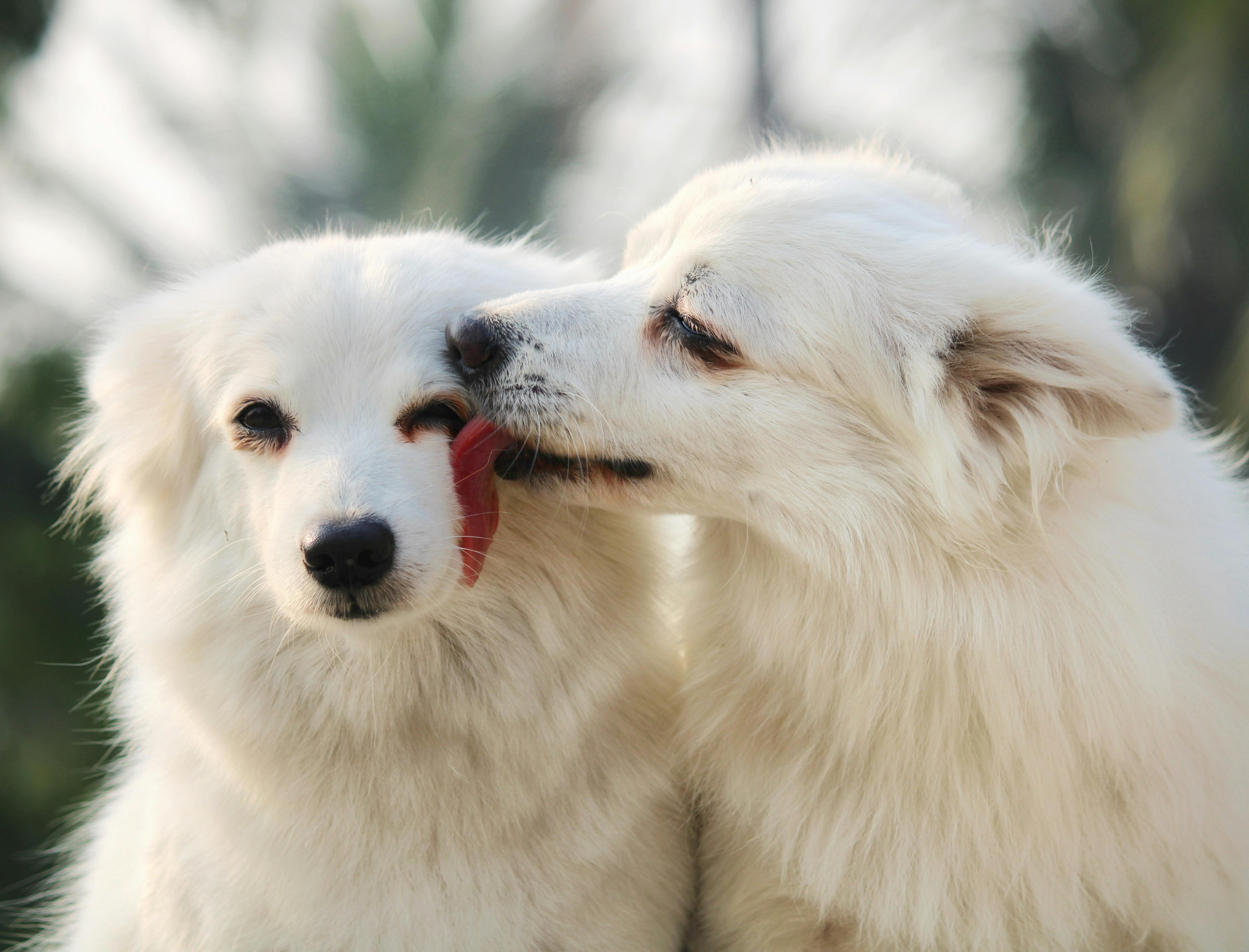
Have you ever wonder why some dogs have drier noses than others? It’s a question that puzzles many dog owners. The wetness of a dog’s nose is often seen as a sign of their health and well-being. But what’s the reason behind these variations? Let’s unravel this mystery and explore the fascinating world of canine noses, their moisture levels, and what it all means for our furry friends.
Why Do Dogs Have Wet Noses?
Most people knows that dogs typically have moist noses, which is beneficial for a variety of reasons. A wet nose can help dogs to regulate their body temperature. Dogs don’t sweat like humans do; instead, they pant to cool down. A wet nose assists in dissipating heat. Also, the moisture on their nose helps to enhance their sense of smell. Here’s how:
- Scent Detection: The moisture on the nose traps scent particles, allowing the olfactory receptors to detect smells more effectively.
- Temperature Regulation: Dogs lose heat through their noses, helping to keep their body temperature in check.
- Health Indicator: A wet nose is often seen as a sign of good health, while a dry nose may indicate underlying health issues.
Why Do Some Dogs Have Drier Noses?
Now that we know why wet noses are common, let’s dive into why some dogs have drier noses. There’s several factors that could contribute to this phenomenon:
Breed Variations: Certain breeds are more prone to having drier noses. For example, bulldogs and pugs may have drier noses due to their facial structure.
Environmental Factors: Changes in weather, humidity, and temperature can affect the moisture levels in a dog’s nose. During hot or dry days, a dog’s nose may dry out more quickly.
Health Issues: A persistently dry nose can sometimes indicate health problems, such as dehydration, fever, or autoimmune diseases. If a dog’s nose is dry for an extended period, it’s important for the owner to consult a veterinarian.
Common Reasons for Dry Noses
Here’s a list summarizing several reasons why a dog might have a dry nose:
- Dehydration: Not drinking enough water can lead to a dry nose.
- Allergies: Environmental allergens can affect a dog’s nose, making it dry.
- Infections: Bacterial or fungal infections can also cause dryness.
- Age: Older dogs may naturally have drier noses due to reduced moisture production.
Comparing Wet and Dry Noses
Here is a simple comparison table highlighting the differences between wet and dry noses in dogs:
| Characteristic | Wet Nose | Dry Nose |
|---|---|---|
| Health Indicator | Generally healthy | Could indicate health issues |
| Temperature Regulation | Helps cool down | Less efficient for cooling |
| Scent Detection | Enhanced olfactory ability | May hinder scent detection |
| Breed Influence | Common in most breeds | More common in certain breeds |
Practical Examples of Nose Conditions
It’s important for dog owners to be aware of their dog’s nose condition. Here are a few practical scenarios:
Scenario 1: Your dog’s nose is wet but has a strange color (such as red or brown). This might indicate an allergic reaction or infection.
Scenario 2: You notice your dog’s nose is consistently dry and cracked. This could be a sign of dehydration or a skin condition that needs attention.
Scenario 3: If your dog has a dry nose but is still active and eating well, it may just be a normal variation, especially in certain breeds.
The Role of Veterinary Care
Regular check-ups with a veterinarian is crucial for monitoring your dog’s health, including their nose condition. A vet can provide insight into whether a dry nose is something to be concerned about or just a normal variation. They can also suggest remedies or treatments if necessary.
In conclusion, the moisture level of a dog’s nose is influenced by many factors, from environmental conditions to breed characteristics. While a wet nose is often associated with good health, a dry nose is not always a cause for concern. Dog owners should observe their pets closely and consult a veterinarian when in doubt, ensuring their furry companions stay happy and healthy.
Understanding Dog Nose Temperature: Is a Wet Nose Always a Sign of Good Health?
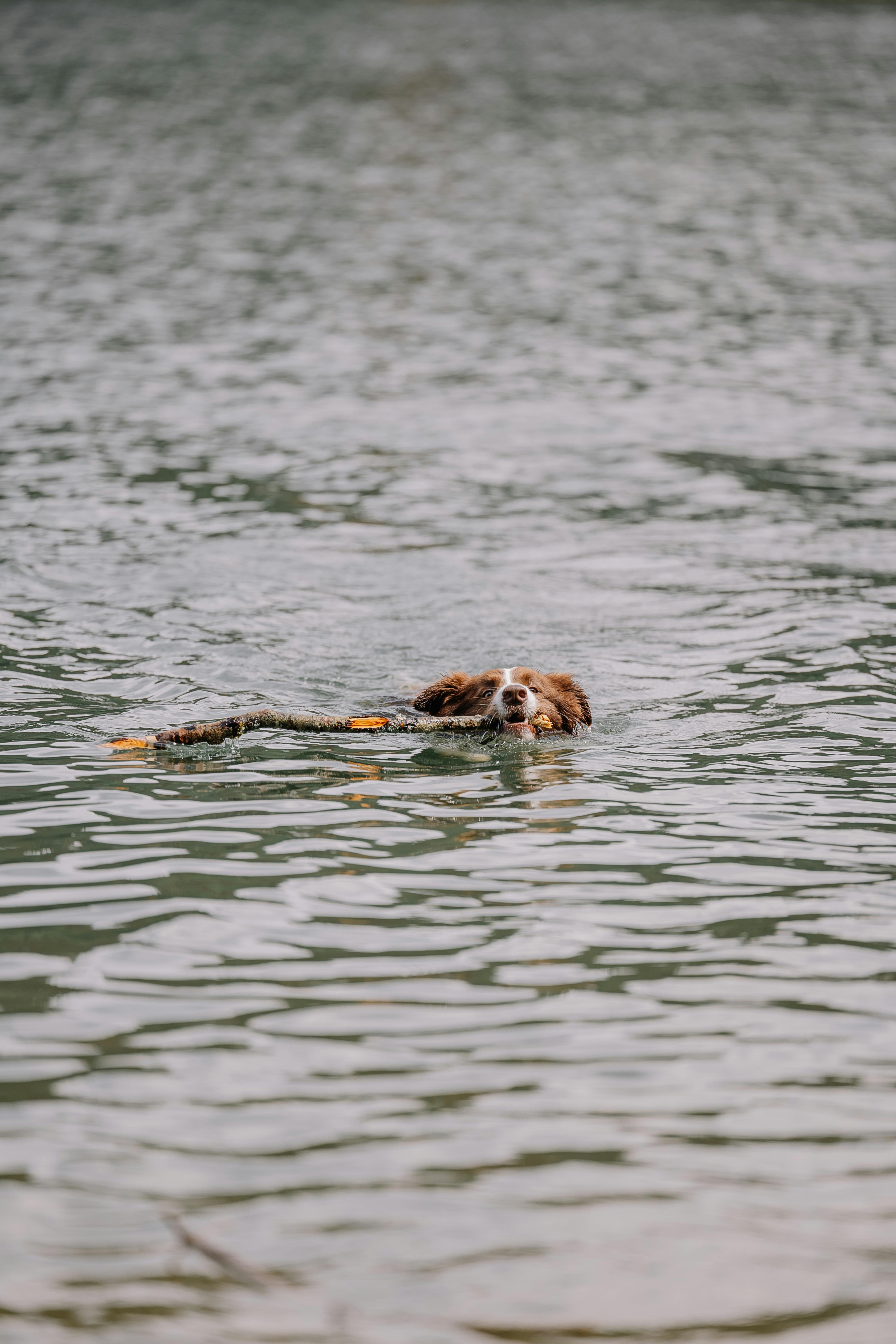
When it comes to dogs, their wet noses have always been a topic of discussion among pet owners and veterinarians alike. Most people often assume that a wet nose means a dog is healthy, but is it really that straightforward? Understanding dog nose temperature can shed light on this common belief and reveal some surprising facts about our furry friends. So, why do dogs have wet noses? Let’s explore this fascinating mystery together!
The Science Behind a Dog’s Wet Nose
Dogs have wet noses for several reasons, and each one is linked to their biology and behavior. Here are some key factors to consider:
Cooling Mechanism: Just like humans sweat to cool down, dogs don’t sweat in the same way. Instead, they cool off through their noses and paw pads. A wet nose helps to regulate their body temperature, especially on hot days.
Enhanced Sense of Smell: Dogs have an incredible sense of smell, which is about 10,000 to 100,000 times more sensitive than humans. The moisture on their noses helps to capture scent particles from the air, making it easier for them to detect various smells. This is why dogs often sniff around—they are gathering information about their environment.
Communication: Dogs use their noses to communicate with other dogs. A wet nose may signal friendliness or curiosity. When dogs touch noses, it’s a social gesture that conveys information about each other’s health and mood.
Is a Wet Nose Always a Sign of Good Health?
Now, let’s address the big question: Is a wet nose an indicator of good health? While a moist nose is often associated with a healthy dog, it is not a foolproof sign. There are several factors that can influence a dog’s nose temperature and moisture level:
Environmental Factors: Weather conditions can affect a dog’s nose. If it’s cold outside, a dog’s nose may feel dry and cool. On the other hand, in warm weather, they might have a wet nose.
Health Conditions: Dogs can have health issues that cause changes in their nose moisture. For example, a dry nose can indicate dehydration, fever, or certain illnesses. Conversely, excessive moisture can sometimes signal allergies or infections.
Age and Breed: Some breeds have naturally drier noses than others. Older dogs may also experience changes in their nose moisture as part of the aging process.
Signs of a Healthy Dog Nose
Here are some signs that indicate your dog’s nose is healthy:
- Moist to touch but not dripping
- Cool temperature, not hot
- Uniform color, usually pink or black
- No cracks or sores
What to Do if Your Dog’s Nose Seems Unusual
If you notice that your dog’s nose is excessively dry, hot, or has sores, it might be time to consult a veterinarian. Here’s a quick checklist of symptoms to watch for:
- Persistent dryness or cracking
- Changes in color (e.g., sudden redness or swelling)
- Excessive discharge
- Behavior changes (e.g., lethargy, loss of appetite)
Wet Nose vs. Dry Nose: A Quick Comparison
| Feature | Wet Nose | Dry Nose |
|---|---|---|
| Temperature | Cool and moist | Warm and dry |
| Health Sign | Often indicates hydration and health | May signal dehydration or illness |
| Smell Sensitivity | High, helps with scent detection | Lower, may affect sniffing ability |
| Common Cause | Normal physiological response | Environmental factors or health issues |
Why Do Dogs Have Wet Noses?
So, why do dogs have wet noses? The reasons are deeply rooted in their biology and behavior. Their wet noses help them cool down, communicate with others, and enhance their incredible sense of smell. While a wet nose is generally a good indicator of health, it is not the only sign to consider. As a responsible dog owner, it’s essential to pay attention to your pet’s overall behavior and health.
In summary, understanding dog nose temperature and the reasons behind a wet nose can provide valuable insight into your furry friend’s health. Always keep an eye on the signs and remember that while a wet nose is often a good sign, it’s just one piece of the puzzle in understanding your dog’s well-being. If in doubt, don’t hesitate to reach out to your veterinarian for guidance. Your dog’s health and happiness are worth it!
The Role of a Dog’s Wet Nose in Scent Detection: How Moisture Enhances Their Super Smell

Dogs are often known for their amazing sense of smell, but have you ever wonder why their noses are wet? The moisture on a dog’s nose plays a significant role in enhancing their ability to detect scents. This fascinating aspect of dog biology has intrigued scientists and pet owners alike. Let’s dive into the mystery of why dogs have wet noses and how this feature helps them sniff out the world around them.
The Science Behind a Dog’s Wet Nose
A dog’s nose is not just cute; it’s a highly specialized organ. The wetness of a dog’s nose is primarily due to a thin layer of mucus. This mucus helps in capturing scent particles from the air. When moisture is present, it allows scent molecules to adhere better, which enhances the dog’s olfactory capabilities. Here’s how it works:
- Moisture Locks Scents: The wet surface traps scent particles, making it easier for dogs to pick them up.
- Temperature Regulation: A wet nose also helps dogs cool down. They don’t sweat like humans, so their noses stay moist to regulate body temperature.
- Enhanced Sensitivity: The wetness increases the overall sensitivity of their sense of smell, making it possible to detect odors at lower concentrations.
Why Do Dogs Have Wet Noses?
Dogs have wet noses for several reasons that go beyond just scent detection. Here are some interesting points to consider:
- Health Indicator: A wet nose can indicate a dog’s health status. Generally, a healthy dog has a moist nose, while an overly dry nose might suggest illness.
- Communication Tool: Dogs also use their noses to communicate with each other. A wet nose can signal curiosity or submission to other dogs.
- Temperature Feedback: The moisture on a dog’s nose acts as a feedback mechanism for their body temperature, ensuring they stay cool.
The Anatomy of a Dog’s Nose
Understanding the anatomy of a dog’s nose is crucial to appreciating its capabilities. Here’s a simple breakdown:
- Nasal Passages: Dogs have long nasal passages that allow for extensive olfactory receptors. They have about 300 million olfactory receptors compared to humans’ 5 million.
- Jacobsen’s Organ: This is a special organ located in the nasal cavity that helps dogs detect pheromones, which are chemical signals.
- Licking Behavior: Dogs often lick their noses, keeping them moist and ready for scent detection.
How Moisture Enhances Scent Detection
Moisture is not just a quirky characteristic; it’s vital for a dog’s super sense of smell. Here’s a list of how moisture benefits them:
- Better Adherence of Odors: Wetness helps scent molecules stick more effectively to the nose, making them easier to detect.
- Amplified Sensitivity: The moisture amplifies the sensitivity of the receptors in their nose, allowing them to discriminate between various smells.
- Improved Detection Range: Dogs can identify smells from much farther away when their noses are moist.
Comparisons: Dogs vs. Humans
To put this into perspective, let’s compare the olfactory capabilities of dogs and humans.
| Feature | Dogs | Humans |
|---|---|---|
| Olfactory Receptors | ~300 million | ~5 million |
| Sense of Smell | 40 times better | Baseline capability |
| Moisture Role | Essential for scent detection | No significant role |
Practical Examples of Scent Detection
Dogs utilize their remarkable sense of smell in various ways. Here’s how they do it:
- Search and Rescue: Many dogs are trained to find missing persons using their sense of smell. Their wet noses help them pick up scents from the ground.
- Detecting Diseases: Some dogs can even detect diseases like cancer by smelling changes in a person’s odor.
- Tracking: Hunting dogs use their noses to track game, following scent trails that can be days old.
In the end, the mystery of why dogs have wet noses is not just a trivial matter. It plays a critical role in their extraordinary abilities to detect scents. The moisture on their noses enhances their super smell, making them invaluable companions in various fields, from law enforcement to healthcare. Understanding this fascinating aspect of dog biology not only deepens our appreciation for our furry friends but also highlights the incredible capabilities they possess. So, next time you pet your dog and feel that wet nose, remember that it’s not just adorable—it’s a powerful tool for exploration and connection!
Can a Dog’s Wet Nose Indicate Stress or Illness? Key Signs Every Pet Owner Should Know
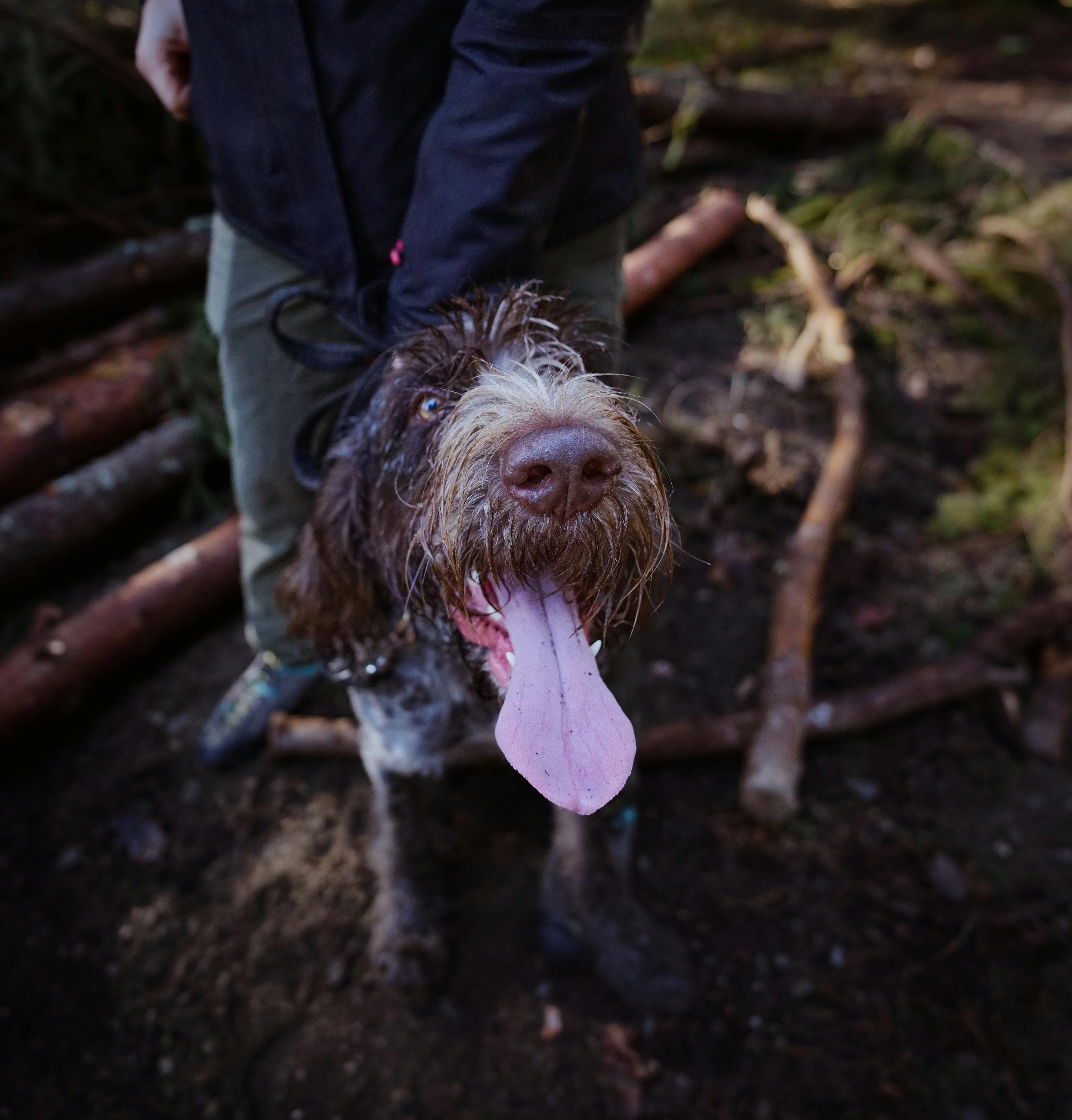
Dogs are often called man’s best friend, but there’s more to them than just their loyalty and companionship. One interesting aspect of dogs that many pet owners wonder about is their wet noses. You might ask, “Can a dog’s wet nose indicate stress or illness?” This question is important for pet owners, because understanding your furry friend’s health is crucial. Let’s dive into this fascinating topic and uncover the mystery behind why dogs have wet noses!
Why Do Dogs Have Wet Noses?
The wetness of a dog’s nose is not just for show. There are several reasons why they have that characteristic moisture. Here are some key points:
- Scent Detection: Dogs have an incredible sense of smell, and a wet nose helps to absorb scent molecules. The moisture allows them to better detect different smells in their environment.
- Temperature Regulation: Just like humans sweat, dogs can regulate their body temperature through their noses. The moisture on their noses evaporates, helping to cool them down.
- Health Indicator: A dog’s nose can indicate their health. A healthy dog generally has a moist, cool nose, whereas a dry or excessively warm nose might suggest they are unwell.
Can a Dog’s Wet Nose Indicate Stress or Illness?
Now, let’s get back to the main question. Yes, a dog’s wet nose can sometimes indicate stress or illness. While a wet nose is usually a sign of a healthy pup, changes in moisture levels can be a red flag. Here’s what to look for:
- Dry Nose: A dry nose can mean dehydration or fever. If your dog’s nose is dry and warm, it could be a sign of illness.
- Excessive Wetness: If a dog’s nose is unusually wet and they seem restless or anxious, it might indicate stress. Stress can manifest in various ways, including drooling, panting, and pacing.
- Cracking or Scaling: If you notice cracks or scale on your dog’s nose, it might be a sign of a skin condition or other health issue that requires attention.
Key Signs of Stress or Illness in Dogs
Recognizing the signs of stress or illness in dogs is crucial. Here are some common indicators to keep an eye on:
- Changes in Appetite: If your dog is suddenly not eating or drinking, it could be a sign of distress or illness.
- Lethargy: Dogs who are usually energetic but start to show signs of lethargy should be evaluated.
- Behavioral Changes: Increased aggression, hiding, or excessive barking can indicate stress or discomfort.
- Gastrointestinal Issues: Diarrhea or vomiting can be signs of various health problems.
How to Care for Your Dog’s Nose
Taking care of your dog’s nose is important for their overall health. Here are some simple tips:
- Regular Check-ups: Regular vet visits are crucial. They can help identify any potential issues before they become serious.
- Hydration: Ensure your dog has access to fresh water at all times to prevent dehydration.
- Environment: Protect your dog from extreme weather conditions, as both heat and cold can affect their nose.
Fun Facts About Dog Noses
Did you know that a dog’s nose print is as unique as a human fingerprint? Here are some other fun facts you might find interesting:
- Scent Receptors: Dogs have around 220 million scent receptors, compared to about 5 million in humans.
- Nose Temperature: The temperature of a dog’s nose can vary based on their activity level and external environment.
- Species Variations: Different breeds can have different nose shapes and moisture levels, affecting their scent capabilities.
When to See a Vet
If you notice any changes in your dog’s nose that persist or are accompanied by other symptoms, it’s vital to consult a veterinarian. Here’s a quick guide:
- Persistent Dryness: If your dog’s nose stays dry for more than a day or two.
- Severe Wetness: If their nose seems excessively wet and they show signs of distress.
- Any Other Symptoms: Always consult if they show other symptoms like vomiting, lethargy, or changes in behavior.
Understanding your dog’s health is essential for any pet owner. A wet nose can tell you a lot about your furry friend’s well-being, but it’s important to consider the whole picture. By knowing the signs of stress or illness and monitoring their behavior, you can ensure your pet stays happy and healthy. Remember, your dog relies on you for their care, and being observant can go a long way in maintaining their quality of life.
Fun Facts About Dog Noses: Why Do They Sniff? The Importance of Their Wet Noses Explained!
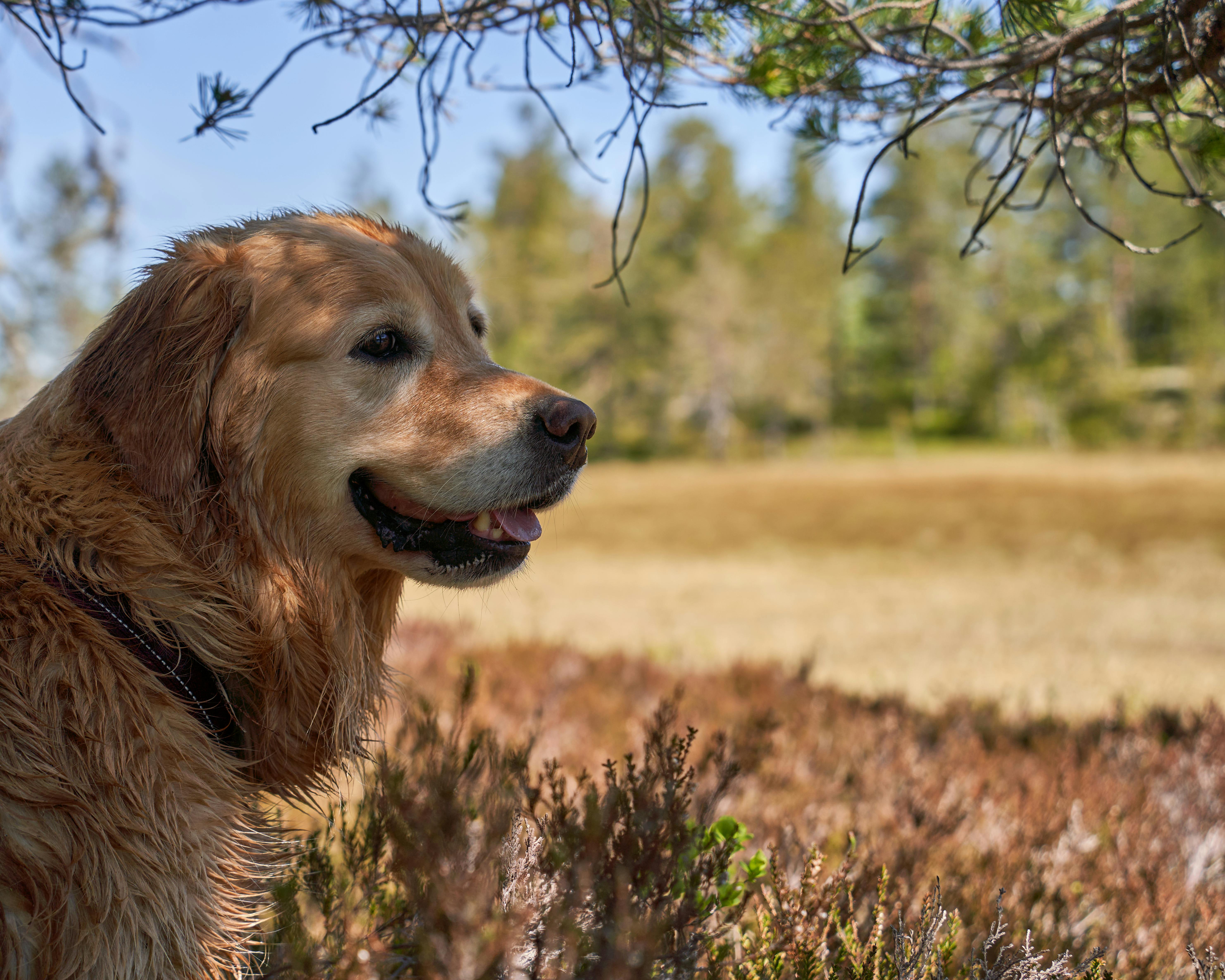
Dogs are amazing creatures, and one of the most intriguing aspects about them is their noses. Dog noses are wet, but what does that really mean? Why do dogs have wet noses, and how does this help them sniff things out? Let’s dive into this fascinating topic and uncover some fun facts about dog noses and why they are so important.
The Science Behind Wet Noses
The wetness of a dog’s nose is not just for show. It serves several important purposes. Firstly, it helps to enhance their sense of smell. The moisture on a dog’s nose helps to capture scent particles, making it easier for them to detect different odors. This is why you see dogs sniffing around—there is a whole world of smells waiting for them!
Some key points about dog noses include:
- Scent Detection: Dogs have up to 300 million scent receptors in their noses, compared to a human’s 5 million. This makes their sense of smell incredibly powerful!
- Thermoregulation: Wet noses also help dogs to cool down. When a dog pants, the moisture evaporates from their nose and helps to regulate their body temperature.
- Health Indicators: The condition of a dog’s nose can be an indicator of their health. A dry or cracked nose can sometimes mean a dog is dehydrated or sick.
Historical Context of Dog Noses
Dogs have been domestic partners to humans for thousands of years. Historically, humans have relied on dogs for various tasks, like hunting and herding. Their keen sense of smell made them valuable companions. In ancient times, dogs were even used to track scents over long distances.
The wet nose is a trait that has been passed down through generations of canines. Evolution has favored dogs with moist noses because it aids in their survival. Wet noses are not just a quirky feature; they are a vital part of a dog’s biology that has helped them adapt and thrive alongside humans.
Fun Facts About Dog Noses
- Unique Patterns: Just like human fingerprints, every dog’s nose print is unique. This means that you could actually identify a dog by the patterns on their nose!
- Heat Sensors: Dogs’ noses are not just for smelling; they can also sense heat. This helps them find warm-blooded animals even when they can’t see them.
- Scent Discrimination: Dogs can distinguish between different scents even when they are mixed together. This is why dogs can sniff out drugs, explosives, and even diseases like cancer.
- Nasal Turbinates: A dog’s nose contains structures called turbinates that help to warm and humidify the air before it reaches their lungs, which is crucial for their health.
- Wet Nose and Bonding: The moisture on a dog’s nose can help them bond with humans. The act of sniffing is a way dogs greet each other and humans, showing affection and curiosity.
Why Do Dogs Sniff?
Sniffing is an essential part of a dog’s behavior. Here are a few reasons why dogs sniff so much:
- Communication: Dogs use scent to communicate with each other. They can tell if another dog is nearby or if a human has been in the area.
- Exploration: Dogs are naturally curious creatures. Sniffing allows them to explore their environment and gather information about what’s around them.
- Hunting Instinct: Many dogs have a strong instinct to hunt. Sniffing helps them identify potential prey, whether it be a squirrel in the park or a toy hiding under the couch.
The Importance of Their Wet Noses Explained
The wetness of a dog’s nose is crucial for several reasons. It keeps their noses sensitive to scents, helping them to gather more information about their surroundings. A wet nose also aids in thermoregulation, which is essential for their overall health.
In addition, a moist nose can also indicate hydration levels. If a dog’s nose is persistently dry, it could be a sign that something is wrong, and pet owners should consult a veterinarian.
Practical Tips for Dog Owners
Here are a few tips for dog owners to maintain their dog’s nose health:
- Hydrate: Ensure your dog has constant access to fresh water.
- Regular Check-ups: Regular vet visits can help identify any potential nose-related health issues early.
- Monitor Changes: Keep an eye on your dog’s nose condition. If it changes significantly, don’t hesitate to seek veterinary advice.
Understanding why dogs have wet noses and how they function can enhance our appreciation of these beloved pets. Their noses are not just cute features; they’re essential tools that help them navigate the world. With every sniff, they gather information that connects them to their environment and to us. So next time you see your furry friend with their nose to the ground, remember, they’re not just being playful—they’re exploring a world rich with scents and stories waiting to be discovered.
Conclusion
In conclusion, the wet noses of dogs serve multiple important functions that contribute to their overall health and well-being. From enhancing their sense of smell to regulating body temperature, a wet nose is a sign of a well-functioning canine. We explored how moisture from the nose aids in scent detection, allowing dogs to navigate their world with remarkable precision. Additionally, a wet nose helps cool down their bodies since dogs lack sweat glands. While a dry nose may indicate dehydration or illness, a wet nose is generally a positive sign of an alert and happy dog. As responsible pet owners, it’s vital to monitor our furry friends’ nose conditions as part of their overall health. So, the next time you greet your pup, take a moment to appreciate that wet nose—it’s more than just an adorable feature; it’s a critical aspect of their unique biology.
