
Have you ever wondered, why do dogs have wet noses? This seemingly simple question unravels a world of intriguing science and behavior that every dog lover should explore. A wet nose is not just an adorable trait; it serves several important functions that are essential for a dog’s survival. But what causes this fascinating phenomenon? Is it just for keeping cool or is there more to it? In this article, we will dive into the fascinating reasons behind this unique characteristic. From enhancing their sense of smell to regulating body temperature, a dog’s wet nose is a key player in their health and happiness. Have you thought about how a wet nose can even enhance your furry friend’s ability to interact with the environment around them? Whether you are a new pet owner or a seasoned dog enthusiast, understanding the science behind wet noses can deepen your bond with your canine companion. So, get ready to discover the captivating reasons behind your dog’s wet nose and learn why it is a sign of a happy, healthy pup! Don’t miss out on these interesting insights that could change how you see your four-legged friend!
The Science Behind Canine Nasal Moisture: Why Are Dog Noses Wet?
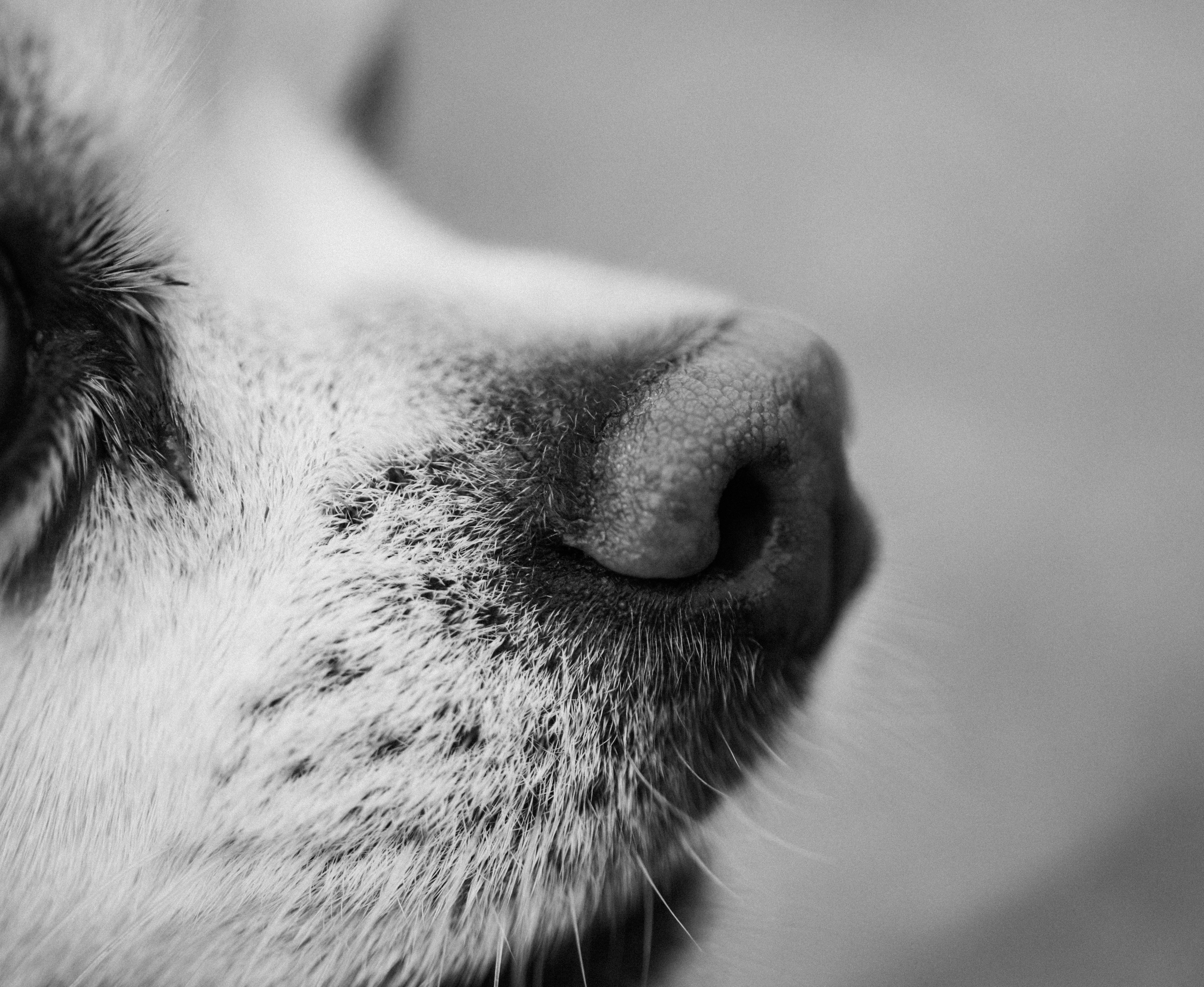
Have you ever wondered why do dogs have wet noses? It’s a question that many dog lovers or even some casual observers might ask. The moisture on a dog’s nose isn’t just there for decoration or to make them look cute. Nope, it serves several important functions that are deeply rooted in science and biology. In this article, let’s explore the fascinating reasons behind canine nasal moisture and just why those noses are often wet.
The Anatomy of a Dog’s Nose
A dog’s nose is pretty complex, and it’s not just a simple organ. It’s covered in a layer of skin that’s both sensitive and equipped with a multitude of scent receptors. Here’s some interesting facts about dog noses:
- Scent Receptors: Dogs have approximately 300 million scent receptors, compared to humans with about 5 million.
- Moisture: The moisture on their noses helps to dissolve scent particles, making it easier for them to detect odors.
- Temperature Regulation: A wet nose can also assist in thermoregulation, helping dogs to cool down.
Why Are Dog Noses Wet?
So, why do dogs have wet noses? The answer lies in a combination of biology, evolution, and behavior. Here are some key reasons:
Scent Enhancement: The moisture on a dog’s nose helps to trap scent particles in the air. When a dog sniffs around, the wet surface allows for better detection of scents. This is why dogs are such great trackers; they can pick up on smells that are often imperceptible to us humans.
Cooling Mechanism: Dogs don’t sweat like humans do. Instead, they regulate their body temperature through panting and the moisture on their noses. When the nose is wet, it can help with cooling down, especially during warm days.
Health Indicator: A wet nose is often seen as a sign of a healthy dog. However, it’s not always a fool-proof indicator. There are times when a dog’s nose may be dry due to various factors like dehydration or illness.
Communication: Dogs also use their noses to communicate. A wet nose can signify excitement or a friendly disposition, while a dry nose might indicate stress or discomfort.
Fun Facts About Dog Noses
Let’s delve into some fun and quirky facts about dog noses:
- Unique Patterns: Just like human fingerprints, every dog has a unique nose print.
- Color Variations: The color of a dog’s nose can vary from breed to breed, and even individual dogs can have different shades.
- Dogs and Smell: Dogs can detect certain diseases, such as cancer or diabetes, through their sense of smell.
Comparing Dog Noses to Human Noses
It’s also interesting to compare dog noses to our own human noses. While both serve the purpose of smelling, the differences are quite significant:
| Feature | Dog Nose | Human Nose |
|---|---|---|
| Scent Receptors | ~300 million | ~5 million |
| Moisture Role | Traps scents, regulates heat | Minimal impact |
| Unique Patterns | Yes, individual nose prints | No, similar shapes |
Practical Examples of Moisture Benefits
Here’s how the moisture on a dog’s nose benefits them in everyday life:
- Hunting: When hunting, the moisture keeps scent particles in the air, enhancing the dog’s ability to track prey.
- Exploring: During walks or playtime, a wet nose helps dogs explore their environment more effectively.
- Thermoregulation: On hot days, the wetness on their nose can help them cool down while they are out having fun.
What Happens When a Dog’s Nose is Dry?
A dry nose can raise some concerns. Some common reasons for a dry nose can include:
- Dehydration: Not drinking enough water can lead to a dry nose.
- Environmental Factors: Hot weather or low humidity can dry out a dog’s nose.
- Illness: Certain health issues can also cause a dry nose, warranting a visit to the vet.
Any noticeable changes in your dog’s nose, whether wet or dry, should be monitored closely.
Understanding why do dogs have wet noses and all the science behind it not only deepens our appreciation for our furry companions but also encourages us to take better care of them. Their noses are more than just cute features; they are vital tools for survival, communication, and health. So, the next time you see a dog with a wet nose, remember the fascinating reasons behind it.
5 Fascinating Reasons Your Dog’s Nose Is Always Damp

Have you ever wondered why your dog’s nose is always damp? It’s one of those adorable quirks that many dog owners notice but don’t think too much about. The truth is, there’s several fascinating reasons behind the wetness of your furry friend’s snout. In this article, we will explore 5 intriguing reasons why dogs have wet noses, and why it matters to their health and well-being.
1. Temperature Regulation
One of the most important reasons that dogs have wet noses is that it helps them regulate their body temperature. Unlike humans, dogs don’t sweat through their skin. Instead, they lose heat primarily through their noses and panting. When a dog’s nose is moist, it allows for better air circulation and cooling.
- Dogs cool down by:
- Panting to evaporate moisture from their tongues.
- Using their damp noses to help dissipate heat.
A wet nose can thus be a sign that your dog is cooling down effectively. So, if your pup’s nose feels a bit more damp after a play session, it’s probably just working hard to keep them comfortable.
2. Enhanced Sense of Smell
Dogs have an extraordinary sense of smell, estimated to be anywhere from 10,000 to 100,000 times more sensitive than that of humans. A damp nose plays a crucial role in this heightened olfactory ability. The moisture on their noses helps to capture scent particles from the air, which enhances their ability to detect smells.
- Here’s how it works:
- The moisture traps scent particles.
- It allows the olfactory receptors to pick up more smells.
This is why when your dog is sniffing around during a walk or at home, their nose is often wet. It’s a biological tool designed for better sensory perception, helping them explore their world more effectively.
3. Health Indicator
A dog’s wet nose can also serve as an important health indicator. While a dry nose doesn’t automatically mean something is wrong, a significant change in the moisture of a dog’s nose can signal health issues.
- Consider the following:
- A suddenly dry or cracked nose may indicate dehydration or illness.
- A consistently wet nose can mean your dog is healthy and hydrated.
As a pet owner, it’s good to be aware of your dog’s normal nose condition. Keeping track can help you notice any unusual changes that may require a visit to the vet.
4. Behavioral Signals
Dogs communicate a lot with their body language, and their noses are no exception. A wet nose can be a way for dogs to show excitement, curiosity, or even affection.
- Some behavioral signals connected to a wet nose include:
- Nuzzling against you with their wet nose can mean they want attention.
- Sniffing you or others may show they are curious or trying to get to know someone.
So, next time your dog nudges you with their damp snout, it might just be their way of saying they care or that they’re intrigued by something new.
5. Environmental Factors
Lastly, the environment plays a significant role in how wet a dog’s nose is. Factors such as humidity, temperature, and even the dog’s activity level can influence the moisture of their noses.
- Examples of environmental influences:
- Hot, dry weather can lead to a drier nose.
- Humid conditions tend to keep noses moist.
- After eating or drinking, a dog’s nose may also be wetter.
Understanding these factors can help you better care for your canine companion and ensure they remain comfortable in different environments.
Fun Facts About Dog Noses
- Dogs have unique nose prints, similar to human fingerprints.
- A dog’s sense of smell is so acute, they can detect certain medical conditions, like diabetes or cancer.
- The wetness of a dog’s nose can change throughout the day based on activity and environment.
In summary, a dog’s wet nose isn’t just a cute feature; it serves numerous practical purposes including temperature regulation, enhancing their sense of smell, acting as a health indicator, providing behavioral signals, and reacting to environmental factors. So, the next time you give your pup a pat and feel that damp nose, remember there’s a lot of fascinating science behind it!
Wet Noses and Health: What a Dog’s Nose Can Reveal About Their Well-being

Dogs are often called man’s best friend, and for good reason. They bring joy, companionship, and loyalty into our lives. But did you ever stop to think about their wet noses? You probably notice it when you pet your dog, but do you know what it really means? Let’s dive into the fascinating world of dog noses, explore why they are wet, and what their condition can reveal about your furry friend’s health.
Why Do Dogs Have Wet Noses?
The wetness of a dog’s nose is actually quite important. It helps them in many ways. Here are some reasons why your dog’s nose might be wet:
- Enhanced Smell: Dogs have an incredible sense of smell, and a wet nose helps to trap scent particles. This makes it easier for them to process smells, which is why they can sniff out things we can’t even imagine.
- Temperature Regulation: A wet nose can help dogs cool down. Just like humans sweat, dogs can release heat through their noses. This is particularly useful on warm days when staying cool is crucial.
- Health Indicator: The condition of a dog’s nose can say a lot about their health. A nose that’s too dry or too wet might indicate something’s wrong. For instance, a persistently dry nose could suggest dehydration or fever.
The Science Behind a Dog’s Nose
Dogs, unlike humans, have a highly developed olfactory system. Their noses have up to 300 million scent receptors, compared to a human’s roughly 5 million. This means dogs can detect scents at incredibly low concentrations. The wetness of their noses is not just a quirky feature; it serves a purpose.
Comparative Anatomy of Noses
| Feature | Human Nose | Dog Nose |
|---|---|---|
| Scent Receptors | 5 million | Up to 300 million |
| Nose Moisture | Rarely wet | Typically wet |
| Temperature Control | Sweat glands in skin | Nose cools body through moisture |
Health Indicators: What the Nose Can Reveal
The state of your dog’s nose can be a helpful health barometer. Here’s what to look for:
- Normal: A wet, cool nose usually indicates a healthy dog.
- Dry and Cracked: This could mean dehydration or a potential fever. It’s often a sign you may need to give your dog more water or consult a vet.
- Excessively Wet: If your dog’s nose is dripping wet, it might be a sign of allergies or even a respiratory issue.
- Color Changes: A healthy nose is typically black or brown. If the color changes to red or flaky, then you should keep an eye on it.
Historical Context of Dog Noses
Dogs have lived alongside humans for thousands of years. The unique structure of their noses has kept evolving, allowing them to adapt to different environments and roles. Historically, dogs were bred for specific tasks, including hunting, herding, and guarding. Their noses played a crucial role in these jobs.
For example, hunting breeds like Bloodhounds have been specifically bred for their incredible sense of smell, making them excellent trackers. This historical significance of noses shows how important they have always been in the relationship between dogs and humans.
Caring for Your Dog’s Nose
Here are some practical tips to maintain your dog’s nose health:
- Hydration: Ensure your dog has access to fresh water at all times. Dehydration can lead to a dry nose.
- Check for Irritants: Dust, pollen, and other allergens can affect your dog’s nose. Regularly clean their living areas.
- Monitor Conditions: If you notice any significant changes in your dog’s nose, consult your vet. Early detection of health issues can make a big difference.
Final Thoughts
Understanding why dogs have wet noses and what they can reveal about their health is not only interesting but also essential for being a responsible dog owner. A healthy nose often correlates with a healthy dog, so keeping an eye on it can help you catch potential health issues early. Whether you’re cuddling on the couch or out for a walk, your dog’s nose is a vital part of their overall well-being, and knowing how to care for it is just another way to show your furry friend that you care. So next time you feel that wet nose against your hand, remember the significance behind it!
Why Do Dogs Have Wet Noses? Uncover the Secrets of Canine Senses

Ever wonder why do dogs have wet noses? It’s a question that many pet lovers ask, and the answer is pretty fascinating. Dogs, known for their loyalty and companionship, have some unique biological traits. Their wet noses are just one of those traits that make them special. In this article, we’ll uncover the secrets of canine senses and dive into the reasons behind those moist noses.
The Science Behind Wet Noses
So, why do dogs have wet noses? The moisture on a dog’s nose plays several important roles. Firstly, it’s a natural feature that helps in their sense of smell. Dogs have an amazing olfactory system, far superior to humans. Here’s how it works:
- Cooling Mechanism: Dogs don’t sweat like humans do. Their primary way of regulating body temperature is through panting and, yes, their nose. The wetness helps cool them down.
- Enhanced Smell: The moisture on a dog’s nose helps capture scent particles from the air. This is why their noses are often cold and wet; it helps enhance their sense of smell significantly.
- Health Indicator: A wet nose is usually a sign of good health in dogs. Dry noses can indicate dehydration or other health issues, though there are exceptions.
Historical Perspective on Canine Noses
Throughout history, dogs have been bred for specific traits, including their sense of smell. Ancient civilizations recognized the importance of a dog’s nose. For example, the Egyptians used dogs for hunting and tracking, relying on their acute sense of smell to locate prey.
- Tracking Dogs: Breeds like Bloodhounds have been specifically developed for their scent-tracking abilities.
- Service Dogs: Today, dogs with sharp noses are used in various services, including search and rescue, law enforcement, and even detecting medical conditions in humans.
The Anatomy of a Dog’s Nose
Understanding the anatomy of a dog’s nose can also help explain why do dogs have wet noses. Here’s a breakdown of its components:
- Rhinarium: This is the outermost part of the nose, which is typically moist.
- Nasal Cavity: Inside, the nasal cavity is lined with specialized cells that help detect odors.
- Olfactory Bulb: This is a part of the brain that processes smells, and it’s much larger in dogs than in humans.
Fun Facts About Dog Noses
Here are some intriguing facts about why do dogs have wet noses:
- Unique Nose Prints: Just like human fingerprints, every dog has a unique nose print. This can be used for identification.
- Temperature Regulation: A dog’s nose can help them detect changes in temperature, signaling the weather or environmental changes.
Comparisons with Human Noses
While both humans and dogs have noses, they function in quite different manners. Here’s a quick comparison:
| Feature | Dog Noses | Human Noses |
|---|---|---|
| Sense of Smell | 10,000 to 100,000 times better | Relatively less sensitive |
| Wetness | Essential for scent capture | Mostly dry unless sick |
| Function | Cooling, smelling, tasting | Breathing, smelling |
Practical Examples of Nose Use
In practical terms, dogs utilize their noses for various activities:
- Hunting: Many hunting breeds use their noses to track down game.
- Detection: Dogs are trained to detect drugs, explosives, and even diseases like cancer.
- Social Interaction: Dogs use their noses to gather information about other animals and humans, sniffing to learn about the world around them.
Dogs have an incredible ability to analyze scents, and their wet noses are a crucial part of that process.
Final Thoughts
So, now that you know why do dogs have wet noses, you can appreciate the complexity behind this simple trait. From enhancing their sense of smell to regulating body temperature, wet noses play a vital role in a dog’s life. It’s not just a quirky feature; it’s a remarkable adaptation that has evolved over thousands of years. The next time you give your furry friend a pat on the head and feel that cool, wet nose, remember all the fascinating reasons behind it!
The Role of a Dog’s Wet Nose in Communication and Bonding

Dogs are often referred as man’s best friend, and part of that special bond is the way they communicate. One of the most fascinating aspects of canine communication is their wet noses. Have you ever wondered why dogs have wet noses? This characteristic not just makes them adorable, but it also plays a crucial role in how they interact with the world around them. Let’s dive into the reasons behind those damp snouts and explore the science, history, and even some quirky facts.
What Makes a Dog’s Nose Wet?
A dog’s nose is wet primarily because of a thin layer of moisture that keeps it cool and helps enhance their sense of smell. The wetness is often a result of the dog’s saliva, which they lick onto their noses. This moisture serves another purpose, too. When a dog sniffs, the moisture captures scent particles in the air, making it easier for them to process scents. It’s like their own natural air freshener!
The Science Behind a Wet Nose
- Scent Detection: Dogs have an incredible sense of smell, estimated to be between 10,000 to 100,000 times more sensitive than humans. The wet nose helps them absorb scent particles more effectively.
- Temperature Regulation: Dogs don’t sweat like humans do. Instead, they regulate their body temperature through panting and the cooling effect of their wet noses.
- Health Indicators: A dog’s nose can indicate its health status. A dry nose might suggest dehydration or illness, while a wet nose is often a sign of a healthy, happy dog.
Historical Context of Dog Noses
Historically, dogs have been bred for various purposes, including hunting, herding, and companionship. The need for an acute sense of smell was essential for hunting breeds, which contributed to the development of the wet nose. Ancient civilizations recognized the dog’s ability to track scents, and they began to rely on their noses for hunting and protection.
Fun Facts About Dog Noses
- Unique Patterns: Just like human fingerprints, every dog has a unique nose print. This means that no two dog noses are alike!
- Nose Color: The color of a dog’s nose can range from black to pink, and it can change with the seasons or due to health conditions.
- Nose Work: There are even sports and activities focused on a dog’s sense of smell, like scent work and tracking competitions.
How Dogs Use Their Noses to Communicate
Dogs communicate not just through barks, growls, and body language but also through scent. When dogs meet each other, they often sniff each other’s noses and behinds, gathering information about each other. This behavior is essential for establishing social hierarchies and understanding each other’s health and emotional states.
The Role of a Wet Nose in Bonding
Having a wet nose can also enhance the bond between a dog and its owner. When dogs nuzzle against their owners or give them gentle nudges with their noses, it’s not just for affection. They are also seeking attention and conveying their feelings. This interaction can strengthen the emotional connection between a dog and its human.
Practical Examples of Dog Nose Communication
- Greeting: Dogs often greet each other with a nose touch, which says, “Hello!” or “I’m friendly!”
- Curiosity: When a dog sniffs around, it’s usually investigating its surroundings or showing interest in something new.
- Affection: A nuzzle with a wet nose can mean, “I love you!” or “Let’s play!”
Comparing Dog Noses to Human Noses
Here’s a simple comparison of the functions of dog noses versus human noses:
| Feature | Dog Nose | Human Nose |
|---|---|---|
| Scent Detection | Highly sensitive | Less sensitive |
| Temperature Regulation | Cools body through moisture | Sweating for cooling |
| Communication | Nose touches for social interaction | Verbal communication |
| Unique Patterns | Individual nose prints | Not unique |
Dogs are more than just pets; they are complex creatures with unique ways of communicating. Their wet noses are a vital part of this communication, helping them bond with us and understand their environment. Next time when your furry friend nudges you with that cool, damp nose, remember the fascinating reasons behind it. Embrace the special connection you share and appreciate the science behind those little wet signals!
How Temperature Regulation Works: The Surprising Benefits of Wet Noses in Dogs
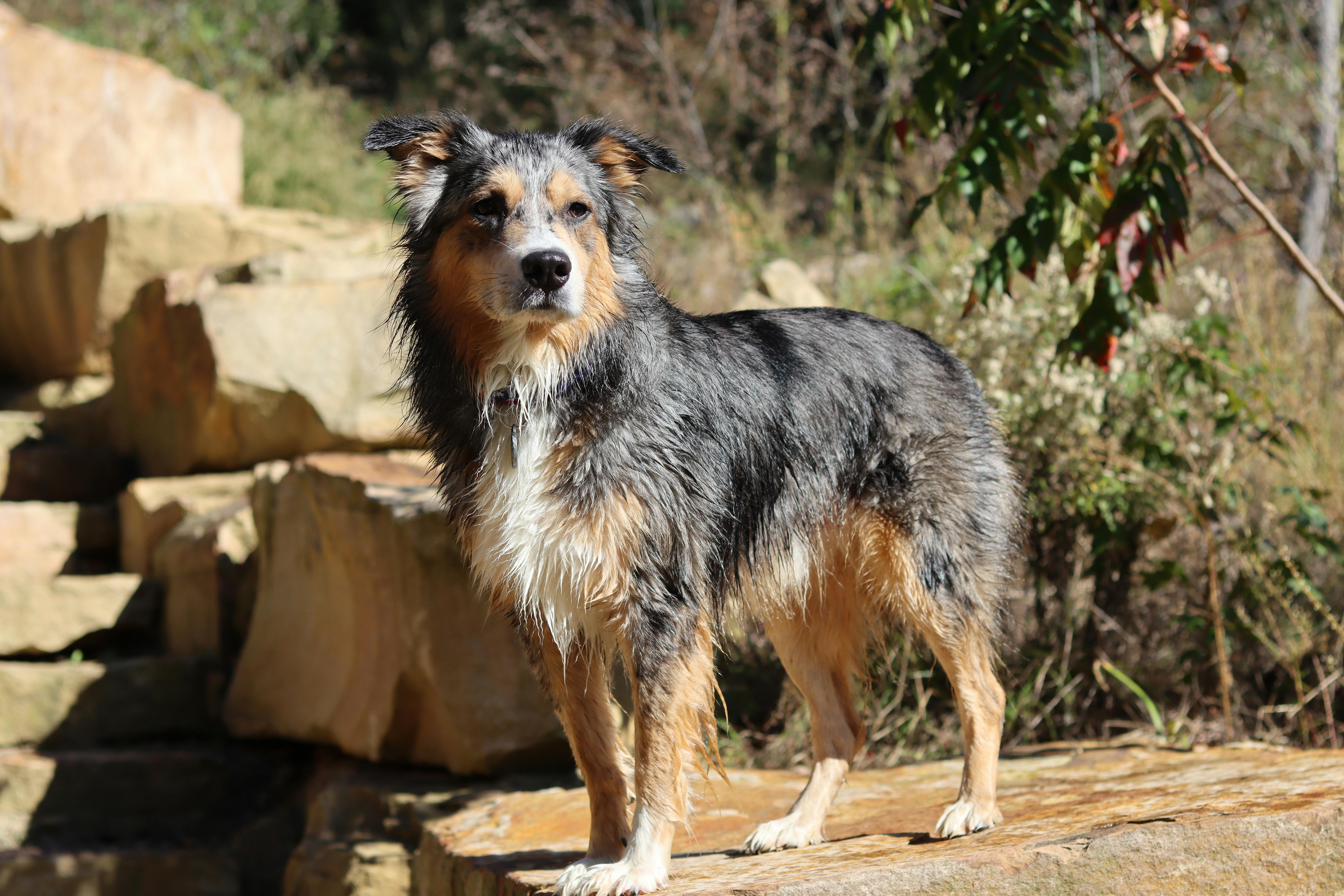
Dogs are often known for their wet noses, but have you ever wondered why? This common trait is not just a quirky characteristic, it actually serves important purposes. Understanding how temperature regulation works in dogs, and the surprising benefits of their wet noses can help you appreciate your furry friend even more.
The Science Behind Wet Noses
A dog’s nose is wet due to a thin layer of mucus that helps them to absorb scent chemicals. This mucus plays a big role in their sense of smell, which is way more powerful than humans. Dogs have about 300 million smell receptors, compared to humans who only have around 5 million. When their noses are wet, it helps to trap these scent particles, making it easier for dogs to detect and identify different smells.
How Dogs Regulate Temperature
Dogs don’t sweat like humans do. Instead, they rely on several methods for regulating their body temperature. Here’s how:
- Panting: Dogs cool off by panting, which allows moisture to evaporate from their tongues and lungs. This process lowers their body temperature.
- Wet Noses: The moisture on a dog’s nose aids in cooling their body. As the water evaporates, it helps to disperse heat.
- Vasodilation: Blood vessels near the surface of the skin expand, allowing heat to escape. This is more noticeable in breeds with short hair.
It’s interesting to note that a dog’s body temperature is typically between 101°F and 102.5°F. If it goes beyond this range, they might be at risk for overheating, especially in hot weather.
Why Do Dogs Have Wet Noses?
Now, let’s dive into the reasons behind those wet noses.
Enhanced Sense of Smell: As mentioned earlier, wet noses absorb scent particles better. This is particularly essential for hunting breeds or working dogs, who depend on their noses for tracking.
Cooling Mechanism: A wet nose is part of their cooling system, keeping them from overheating. This is especially important during hot summer days when dogs are more prone to heatstroke.
Health Indicator: The condition of a dog’s nose can reflect their health. A warm or dry nose might indicate illness, while a moist nose is often a sign of a healthy pup.
Communication Tool: Dogs use their noses to gather information about their environment and other animals. A wet nose can also be an invitation for interaction, as dogs often greet one another with nose touches.
Fun Facts About Dogs and Their Noses
- Dogs’ noses are as unique as human fingerprints! Each dog has a distinct nose print.
- The wetness of their noses can vary depending on the environment. If it’s raining, for instance, their noses might be wetter than usual.
- Some breeds, like Bulldogs and Pugs, have flatter noses which can affect their ability to cool down.
When Should You Be Concerned?
While wet noses are generally a sign of health, there are exceptions. Here are some signs to watch for:
- Excessively Dry Nose: If a dog’s nose becomes cracked or excessively dry, it might indicate dehydration or illness.
- Changes in Temperature: If the nose feels hot to the touch, it could be a sign of fever.
- Discharge: If there is unusual discharge, it could indicate an infection or other health issue that needs veterinary attention.
Interesting Comparisons: Dogs vs Cats
Dogs aren’t the only pets with wet noses, but there are key differences between them and cats:
- Dogs: Depend more on their sense of smell and have a wet nose to enhance it.
- Cats: Generally have drier noses, but they can still smell well. They use their sense of smell less for tracking and more for familiarizing with their environment.
Practical Tips for Dog Owners
Caring for your dog’s nose is important. Here are some tips:
- Hydration: Ensure your dog drinks enough water to keep their nose moist.
- Regular Vet Checks: Annual check-ups can help catch any potential health issues early.
- Observe Changes: Keep an eye on any changes in nose texture or temperature as they can indicate health problems.
Understanding why do dogs have wet noses and how they regulate their temperature can deepen your bond with your canine companion. Their wet noses are not just cute; they play an essential role in their health and behavior. So, next time you see your dog’s wet nose, remember all the fascinating reasons behind it!
Is a Wet Nose a Sign of a Happy Dog? Exploring the Emotional Connection

When we think about dogs, one of the first things that comes to mind is their wet noses. But have you ever wondered, is a wet nose a sign of a happy dog? Many pet owners notice that their furry friends often have moist noses, and they might associate this with a dog’s happiness. However, there’s a bit more to it than just that. Let’s dive into the emotional connection between dogs and their noses, and explore the fascinating reasons behind why do dogs have wet noses.
The Emotional Connection
Dogs are known for their ability to bond with humans. Their wet noses might just be a part of this emotional language. When a dog greets you with a nuzzle or a cold, wet nose, it could be expressing affection or excitement.
- Wet noses can be a way for dogs to communicate.
- They may want to say “hello” or “I missed you,” when they come up and nudge you.
- Dogs often lick their noses when they are feeling relaxed or happy, showing their comfortable state.
But is a wet nose the only indicator of a dog’s emotional state? Not exactly. While a wet nose can be a good sign, factors such as wagging tails, playful behavior, and overall body language also play crucial roles.
Why Do Dogs Have Wet Noses?
Now, let’s get into the science and biology behind those wet noses. It’s not just a cute feature! Here are some of the main reasons.
Cooling Mechanism: Dogs don’t sweat like humans do. Instead, they rely on panting and moisture on their noses to regulate their body temperature. A wet nose helps them cool off more effectively.
Enhanced Smell: A dog’s sense of smell is incredibly powerful—estimated to be between 10,000 to 100,000 times more acute than humans. A wet nose helps them better absorb scent particles in the air, making them more aware of their environment.
Health Indicator: Sometimes, a wet nose can signal good health. If your dog’s nose is cold and damp, it often indicates hydration and a functioning immune system. Conversely, a dry nose could indicate dehydration or illness, though this is not always the case.
Environmental Factors: Weather plays a big role in how wet a dog’s nose is. It can be wetter during humid days and drier in dry climates.
Behavioral Traits: Some dogs naturally have wetter noses than others due to their breed. Breeds known for drooling, like Bulldogs or St. Bernards, are likely to have consistently moist noses.
Signs of a Happy Dog
If you’re curious about whether your dog is happy, here are some signs to look for alongside that wet nose:
- Wagging Tail: A wagging tail usually indicates excitement.
- Playful Behavior: If your dog is bringing you toys or bouncing around, they are probably in a good mood.
- Relaxed Body Language: A happy dog will look relaxed. Their ears might be up, and they might have a soft expression in their eyes.
Common Misconceptions
There are many myths surrounding the significance of a dog’s nose. Here’s a quick rundown of some common misconceptions:
Myth: A wet nose always means a dog is healthy.
- Fact: While a wet nose can indicate health, it is not foolproof. Other symptoms should be considered.
Myth: Dogs can only smell with their noses.
- Fact: Dogs also use their vomeronasal organ, located in the roof of their mouth, to sense pheromones.
Myth: A dog’s nose should always be wet.
- Fact: It can be normal for a dog’s nose to be dry sometimes, especially when they just woke up.
Practical Tips for Dog Owners
Here are some tips for monitoring your dog’s nose and overall health:
- Regular Check-ups: Regular veterinary check-ups can help catch any health issues early.
- Hydration: Ensure your dog has access to fresh water at all times to keep their nose moist and themselves hydrated.
- Observe Behavior: Pay attention to changes in your dog’s behavior and nose condition, as this can indicate health issues.
In summary, while a wet nose can indeed be a sign of a happy dog, it’s essential to consider other factors. The moisture on your dog’s nose reflects not just their emotional state but also their health and environment. Understanding the reasons behind why dogs have wet noses can enhance your bond with your furry friend, ensuring they are both happy and healthy. So, the next time your dog greets you with a wet nose, remember that it’s not just a cute quirk—it’s a fascinating aspect of their biology and emotional expression.
Debunking Myths: The Truth About Dog Noses and Their Moisture Levels
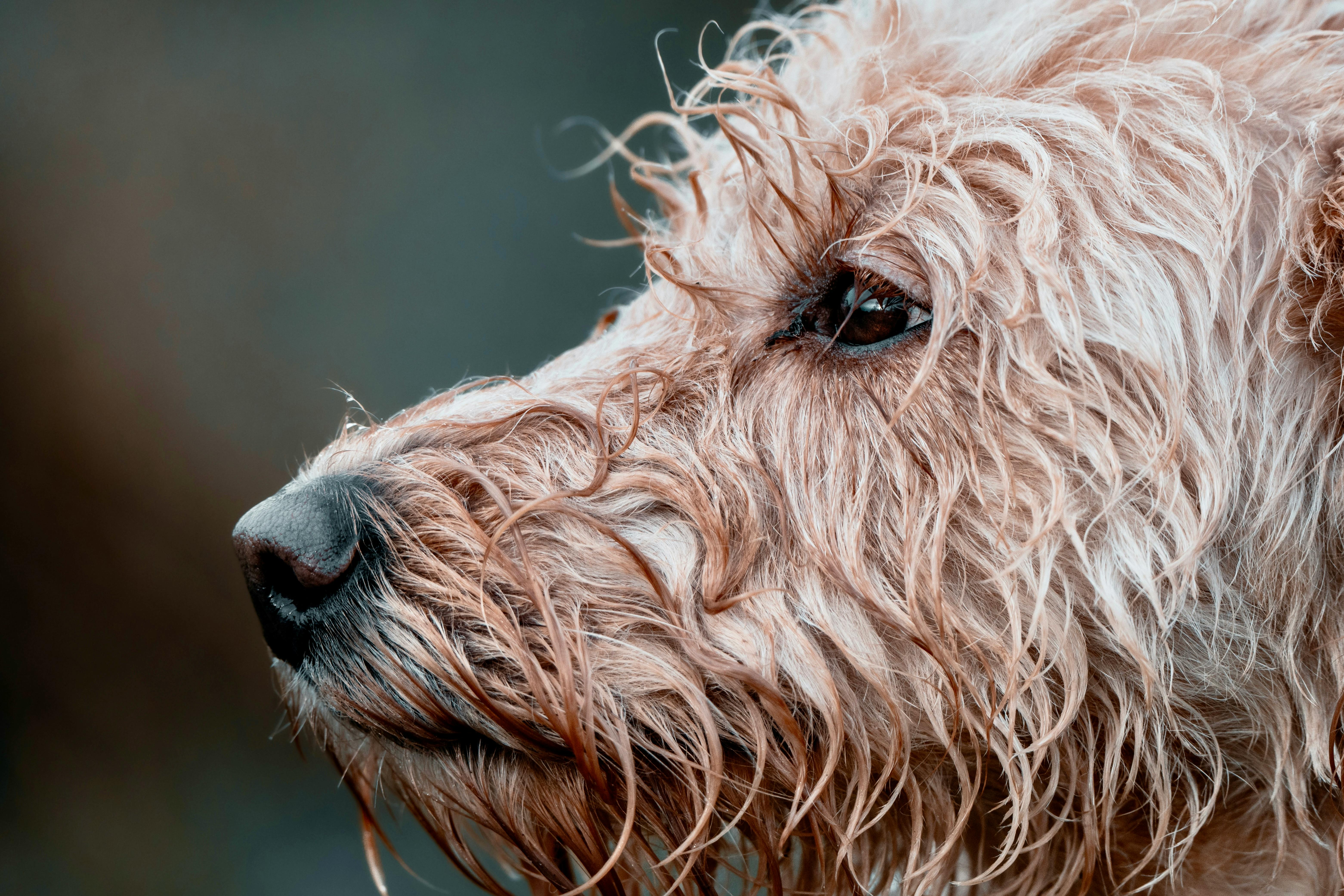
When you think about dogs, one of the first things that pops into your mind is probably their adorable, wet noses. But have you ever wondered why dogs have wet noses? There are many myths swirling around about this topic, and today we’re gonna debunk those myths and explore the fascinating reasons behind those moist, cold noses. So let’s get into it!
The Myths Surrounding Dog Noses
A lot of people believe that a dog’s nose moisture levels indicate their overall health. While it’s true that wet noses can be a sign of good health, it ain’t the only factor to consider. Some common myths about dog noses include:
Myth 1: Wet Noses Mean a Dog is Healthy
This is not always true. A dog can have a dry nose and still be perfectly healthy.Myth 2: Dogs Lick Their Noses to Keep Them Wet
While dogs do lick their noses, it’s not the primary reason for the moisture. They do it mainly to gather information about their environment.Myth 3: A Cold Nose Means Your Dog is Sick
Just because a dog has a cold nose doesn’t mean they’re unwell. A cold nose is just a normal characteristic of many dogs.
Why Do Dogs Have Wet Noses?
Now, let’s dive into the reasons why dog noses are usually wet. It’s more than just a cute trait, there’s actual science behind it!
Cooling Mechanism
Dogs don’t sweat like humans do. Instead, they rely on their noses to help regulate their body temperature. The moisture on their noses evaporates, which helps cool them down.Enhanced Sense of Smell
Dogs have an incredible sense of smell, and the moisture on their noses helps capture scent particles from the air. This is why they often sniff around — they’re gathering important information about their surroundings.Health Indicator
While it’s not the only thing to look at, a dog’s nose can indicate health. If a dog’s nose suddenly becomes dry or cracked, it might be worth checking with a vet, but again, it’s not a definitive sign of illness.Behavioral Reasons
Dogs may lick their noses when they’re anxious or excited. This behavior can be observed during play or while they’re meeting new people.
The Science Behind Nose Moisture
Let’s look at some of the scientific aspects of dog nose moisture.
Nasal Mucosa: Dogs have a special layer of cells in their noses known as the nasal mucosa. This layer helps produce moisture which contributes to the wetness.
Temperature Regulation: The moisture on their noses acts as a cooling agent. When dogs are panting, their bodies might be overheated — the wet nose assists in bringing their temperature down.
Scent Detection: Dogs have around 220 million scent receptors in their noses, compared to humans who have about 5 million. The moisture helps to absorb these scent particles, making it easier for dogs to detect smells.
Fun Facts About Dog Noses
Unique Patterns: Just like human fingerprints, every dog has a unique nose print. It could potentially be used for identification!
A Dog’s Nose Can Detect Cancer: Studies have shown that dogs can be trained to detect certain types of cancer through their sense of smell, which is enhanced by a moist nose.
Color Changes: A dog’s nose color may change with the seasons or due to health conditions. For instance, some dogs develop a “winter nose,” which is lighter in color during colder months.
Quick Tips for Dog Owners
As a dog owner, it’s vital to care for your pet’s nose:
Watch for Changes: Keep an eye on the moisture level of your dog’s nose. If it becomes excessively dry or cracked, consult your vet.
Keep it Clean: Gently wipe your dog’s nose with a damp cloth to remove dirt or irritants.
Hydration is Key: Ensure your dog has access to fresh water at all times to help maintain moisture levels.
In summary, dog noses are not just adorable features; they play a critical role in a dog’s health and well-being. The moisture levels in a dog’s nose serve multiple purposes like cooling them down and enhancing their sniffing capabilities. Understanding these reasons can help dog owners be more attentive to their furry friends. It’s always a good idea to keep learning about our pets, and who knows, maybe the next time you see a dog with a wet nose, you’ll appreciate its purpose a little more!
Frequently Asked Questions: Everything You Need to Know About Dog Noses

Dogs are one of the most beloved pets in the world, and they come with all sorts of quirks and features. One of the most fascinating characteristics of dogs is their wet noses. Many dog owners often wonder, “Why do dogs have wet noses?” This article is here to answer that burning question and explore the science and history behind those adorable snouts.
The Science Behind Wet Noses
Dogs’ noses are wet for several reasons, and it all starts with biology. A wet nose plays a significant role in how dogs interact with their environment. Here are some of the primary reasons:
- Enhanced Sense of Smell: A wet nose helps to absorb scent molecules from the air, making it easier for dogs to detect scents. This is why dogs are often used in search and rescue operations, as well as in drug detection.
- Temperature Regulation: Dogs don’t sweat like humans do. Instead, they rely on their noses and paw pads to help cool down. The moisture on their nose evaporates, which helps regulate their body temperature.
- Sign of Health: A healthy dog usually has a moist nose. If a dog’s nose is dry or cracked, it could indicate dehydration or illness. However, context matters; some dogs naturally have drier noses than others.
Historical Context of Dog Noses
Historically, the anatomy of a dog’s nose has been shaped by evolution and domestication. Early dogs were bred for various tasks, and their noses played a crucial role in hunting, herding, and guarding.
- Hunting Dogs: Breeds like Bloodhounds and Beagles were developed for their exceptional sense of smell. Their wet noses are a key part of their ability to track scents over long distances.
- Working Dogs: Dogs used in farming or guarding often needed to have a keen sense of smell, and their wet noses allowed them to detect potential threats or changes in their environment.
Interesting Facts About Dog Noses
- Unique Nose Prints: Just like human fingerprints, every dog has a unique nose print. This means that you could theoretically identify a dog by its nose!
- Nasal Turbinates: Dogs’ noses contain complex structures called nasal turbinates that increase the surface area for scent receptors, which makes their sense of smell much better than ours.
- Doggy Sneezes: When a dog encounters a new scent, they may sneeze to clear their nasal passages and enhance their ability to smell.
Wet vs. Dry Noses: What’s Normal?
It’s important to note that a dog’s nose can change throughout the day. Here’s a quick comparison of wet and dry noses:
Wet Nose:
- Feels cool to the touch
- Usually a sign of hydration and good health
- Common in active dogs
Dry Nose:
- May feel warm, especially after sleep
- Can indicate illness or dehydration, but not always
- Certain breeds naturally have drier noses
How to Care for Your Dog’s Nose
Maintaining your dog’s nose health is crucial. Here are some tips:
- Hydration: Ensure that your dog has access to fresh water at all times. Dehydration can lead to a dry nose.
- Regular Vet Checkups: Routine checkups can help identify any health issues related to your dog’s nose.
- Protect from Harsh Weather: In extreme temperatures, consider using nose balms or ointments to protect your dog’s nose, especially in winter.
What to Watch For
While a wet nose is generally a good sign, there are times when you should be concerned:
- Persistent Dryness: If your dog’s nose remains dry for an extended period, consult a vet.
- Cracks or Bleeding: Any signs of pain, cracking, or bleeding should definitely be examined.
- Changes in Color: If the color of your dog’s nose changes dramatically, it could be a sign of a medical issue.
Understanding why dogs have wet noses not only tugs at our hearts but also connects us to the science and history of our canine companions. As dog owners, knowing these facts can help us better care for our furry friends. So next time you give your pup a pat on the head and feel that wet nose, remember the fascinating reasons behind it!
From Scent Detection to Coolness: The Multifunctional Purpose of Wet Dog Noses
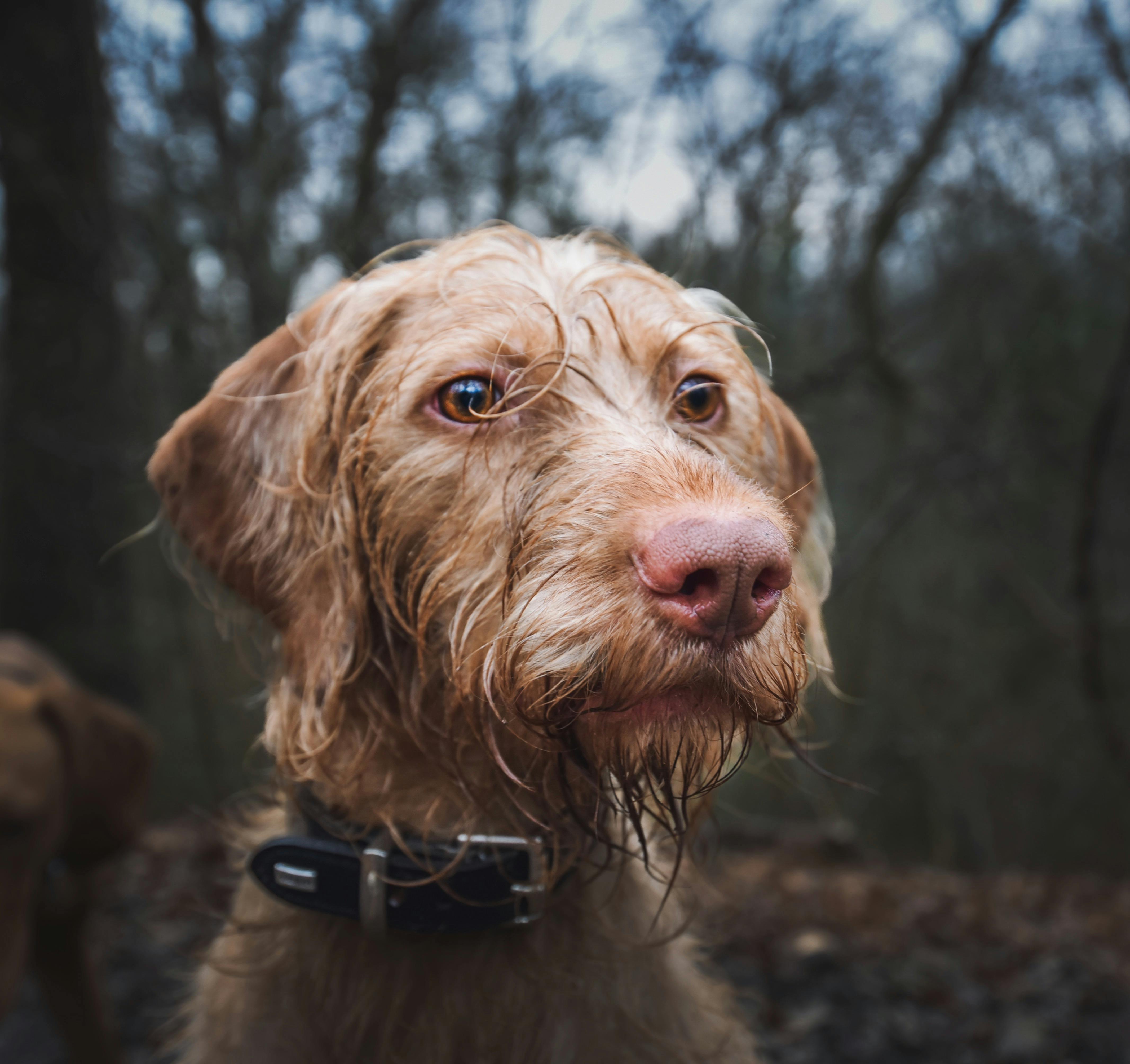
Why do dogs have wet noses? This question often pops up in conversations among pet owners and animal lovers. It seems like a simple inquiry, but the reasons behind those cool, damp noses are both fascinating and multifaceted. From their exceptional scent detection abilities to their role in thermoregulation, wet dog noses serve various purposes that are worth exploring.
The Science Behind Wet Noses
Dogs’ noses are unique, and they are more than just cute features. The surface of a dog’s nose is covered with moist tissue, which has a significant function. Here are some key points about why dog noses are wet:
- Enhanced Smell: A wet nose helps to absorb scent molecules better. This moisture increases the nose’s ability to capture odors, making dogs incredible scent detectors. They can detect scents that are as faint as parts per trillion, which is why they are often used in search and rescue operations.
- Cooling Mechanism: Dogs do not sweat like humans do. Instead, they primarily rely on panting and their wet noses to regulate body temperature. The moisture on the nose evaporates, helping to cool their body down, especially during hot summer days.
- Health Indicator: A wet nose can be a sign of a healthy dog. Most healthy dogs have moist noses, but if a dog’s nose becomes excessively dry or cracked, it could be a sign of dehydration or illness.
Historical Context of Dog Noses
Throughout history, dogs have been companions to humans, serving various roles from hunters to herders. The importance of their noses has been recognized for centuries. In ancient times, dogs were utilized for tracking animals and even sniffing out certain plants. Their keen sense of smell was essential for survival and has been cultivated over generations.
- Tracking and Hunting: Early humans noticed that dogs could track scents over long distances. This ability made them invaluable during hunts.
- Therapy and Support: In modern times, dogs use their noses in therapeutic settings, detecting changes in a person’s mood or health.
The Anatomy of a Dog’s Nose
Understanding the anatomy of a dog’s nose can shed light on why it’s wet. Here’s a simple breakdown:
- Nasal Mucosa: This is the moist lining that covers the inside of the nose and helps to absorb scent particles.
- Olfactory Receptors: Dogs have around 300 million olfactory receptors in their noses, compared to about 5 million in humans. This is a huge difference that contributes to their superior sense of smell.
- Jacobsen’s Organ: This is an additional sensory structure that helps dogs process pheromones, which are chemical signals used for communication.
Comparisons with Other Animals
When comparing dogs to other animals, their noses are quite unique. Here’s how dogs stack up against a few other animals:
| Animal | Number of Olfactory Receptors | Wet Nose Function |
|---|---|---|
| Dogs | ~300 million | Enhanced scent absorption and temperature regulation |
| Cats | ~50-80 million | Good sense of smell but less effective than dogs |
| Elephants | ~2 billion | Exceptional sense of smell, used for communication and finding food |
| Mice | ~1,500 olfactory genes | Strong sense of smell, used for social interactions |
Practical Examples of Wet Noses in Action
Wet noses are not just a quirky feature; they play a role in everyday canine activities. Here are some examples:
- Search and Rescue: Dogs with wet noses are trained to detect scents in disaster scenarios, helping find people trapped under debris.
- Detection Work: From drug detection to finding explosives, dogs use their noses to keep us safe in various environments, including airports and security checkpoints.
- Medical Alerts: Some service dogs can smell changes in their owner’s body chemistry, alerting them to a seizure, low blood sugar, or other medical conditions.
The multifunctional purpose of wet dog noses is truly remarkable. They are not only an adorable characteristic of our furry friends but also critical tools for survival, health, and companionship. So, next time you pet your dog and feel that cool, damp nose, remember the incredible science and history behind it!
Conclusion
In conclusion, the wet noses of dogs serve several important functions that contribute to their overall health and well-being. The moisture on their noses helps enhance their sense of smell, allowing them to detect scents more effectively, which is vital for communication and navigation in their environment. Additionally, the wetness aids in thermoregulation, helping dogs cool down during warmer weather. Understanding the reasons behind this unique feature not only deepens our appreciation for our canine companions but also highlights the importance of regular health check-ups to ensure their noses—and overall health—remain in optimal condition. As dog owners, we should be mindful of changes in our pets’ noses, as they can signify underlying health issues. So, take a moment to observe your furry friend and cherish the fascinating traits that make them special. Share your thoughts or experiences about your dog’s wet nose in the comments below!
