
Have you ever wondered, why do dogs have wet noses? This intriguing question isn’t just a random thought; it leads us to uncover the fascinating truth behind our furry friends’ unique features! A dog’s wet nose is often seen as an endearing characteristic, but the reasons for this trait are much more than meets the eye. Wet noses plays a crucial role in a dog’s sense of smell, helping them to detect scents more effectively. But that’s not all! Did you know that the moisture on their noses also helps to regulate their body temperature? It’s true! Furthermore, a wet nose can often indicate a dog’s health, making it an essential aspect of their overall well-being. Have you ever noticed how your pup’s nose changes throughout the day? This can lead to even more questions about their health and behavior. So, if you’re curious and want to dive deeper into the science behind a dog’s nose, stick around as we explore the many reasons why dogs have wet noses and what it means for your beloved pet! You won’t want to miss these fascinating insights that could change the way you see your canine companion!
The Science Behind Why Dogs Have Wet Noses: 5 Fascinating Facts Revealed

When you think about dogs, one of the first things that comes to mind is their wet noses. Ever wonder why do dogs have wet noses? It’s not just a quirky characteristic; there’s actual science behind it. Let’s uncover some fascinating truths about why dogs have those moist, cool noses and what it means for their health and behavior.
The Anatomy of a Dog’s Nose
Dog noses are highly complex structure. They’re made up of a variety of tissues that helps them detect scents. The moisture on a dog’s nose plays an important role in this. When a dog sniffs, the moisture on the nose helps to absorb scent particles, making it easier for them to analyze those smells. This is why dogs are such excellent sniffers!
Why Do Dogs Have Wet Noses?
There are several interesting facts that explains the wetness of a dog’s nose. Here are five that might surprise you:
Temperature Regulation: Dogs don’t sweat like humans do. Instead, they regulate their body temperature through panting and sometimes, through their noses. A wet nose can help with cooling down their body, which is crucial in warm weather.
Enhanced Smell: The moisture on a dog’s nose traps scent particles. This means that when a dog sniffs, the wetness allows them to pick up more smells, which is very important for their survival and understanding of their environment.
Health Indicators: A wet nose can often indicate a healthy dog. If a dog’s nose is dry and cracked, it might be a sign of dehydration or illness. However, not all dry noses mean a dog is sick. Each dog is different.
Communication Tool: Dogs also use their noses as a way to communicate. A wet nose can be a sign of excitement or curiosity, while a dry nose might indicate that they are calm or relaxed.
Unique to Each Dog: Just like fingerprints in humans, the wetness and the patterns on a dog’s nose are unique to each individual dog. This can help with identification, though it’s not commonly used in practice like microchipping.
Historical Context
Dogs have been companions to humans for thousands of years. The evolution of the dog’s nose can be traced back to their ancestors, wolves. Wolves have wet noses as well, and it’s believed that this feature helped them hunt and survive in the wild. Over time, as dogs became domesticated, their noses remained wet, but their roles changed. They now serve as loving companions and protectors rather than just hunters.
Comparison with Other Animals
Dogs are not the only animals with wet noses. Other mammals like cats and some animals in the wild also have this characteristic. However, the purpose and function can vary. Here’s how they compare:
- Cats: Generally, cats also have wet noses, but they rely more on their whiskers for sensing their environment.
- Bears: Bears have extremely sensitive noses, which are moist as well. They can smell food from miles away!
- Pigs: Pigs have wet noses too, and they use their sense of smell to find food as they are omnivores.
Practical Examples of Dog Nose Care
Keeping your dog’s nose healthy is important. Here are some practical ways to care for it:
- Hydration: Ensure your dog has access to fresh water at all times. Hydration supports a healthy, moist nose.
- Regular Check-ups: Regular vet visits can help catch any health issues early, including those that might affect your dog’s nose.
- Avoid Irritants: If you’re using cleaning agents or other chemicals, be mindful of your dog’s exposure. Strong smells can dry out their nose.
- Watch for Changes: If you notice your dog’s nose becoming too dry or cracked, have a vet check it out. It could be a sign of something needing attention.
Dogs’ wet noses are not just an adorable feature; they play crucial roles in their health and communication. So the next time you scratch behind your dog’s ears, take a moment to appreciate that unique, moist nose and all the fascinating science that goes with it. Understanding why dogs have wet noses can deepen our bond with these loyal companions, reminding us of the wonders of nature in our furry friends.
Wet Noses and Dog Health: What Your Pup’s Moist Nose Says About Their Well-being

When it comes to our furry friends, there’s so much that dog owners need to know for keeping their pups healthy and happy. One of the most interesting aspects of dog health is their noses. Why do dogs have wet noses? This question is more than just curious. It can tell you a lot about your dog’s well-being and health.
The Science Behind Wet Noses
Dog noses are typically moist, and there’s a good reason for this. A wet nose helps dogs in many ways. It aids in smelling and cooling down, among other things. But why are they wet?
- Olfactory Enhancement: The moisture on a dog’s nose helps capture scent particles, making their sense of smell even better. A dog’s sense of smell is far superior to that of humans, and having a wet nose amplifies this ability.
- Temperature Regulation: Dogs don’t sweat like humans do. Instead, they rely on their noses to help regulate their body temperature. When a dog pants, moisture evaporates from their nose, providing a cooling effect.
- Health Indicator: The state of your dog’s nose can show signs of their health. A consistently dry or cracked nose may indicate dehydration, illness, or other health issues.
Historical Insights: The Evolution of Noses
Dogs have evolved over thousands of years, and their noses have adapted too. Early domesticated dogs had wet noses that served important survival functions. Here’s some historical context:
- Hunting and Scent Tracking: In ancient times, dogs were bred for hunting, and a wet nose was essential for tracking scents. Their ability to smell prey and avoid danger was crucial for survival.
- Domestication: As dogs became companions, their noses remained wet, but the functions shifted. Now, they are more about communication and bonding with humans.
Common Misconceptions About Dog Noses
Many people think that a warm nose indicates a sick dog. This isn’t always the case. Here are some common misconceptions:
- Warm Nose = Sick Dog: A warm nose can happen for many reasons, including just being active or lying in the sun. A cold or wet nose doesn’t automatically mean a dog is healthy.
- Nose Color Matters: The color of a dog’s nose can vary widely across breeds and doesn’t necessarily relate to their health. Some breeds naturally have dark noses, while others might have pink or spotted noses.
- Nose Dryness Equals Illness: A dry nose can happen for many reasons, including environmental factors. Dogs can have dry noses without being sick.
What Should You Look For?
When examining your dog’s nose, there are several things to keep in mind:
- Moisture Level: A slightly moist nose is typically normal. Excessively dry or cracked noses might need veterinary attention.
- Color Changes: Watch for any sudden changes in color, which could indicate health issues.
- Discharge: Clear discharge can be normal, but if it’s thick or colored, it’s best to consult a vet.
- Temperature: If your dog’s nose is hot, check for other signs of illness.
Quick Facts About Dog Noses
- Dogs have around 220 million scent receptors in their noses, while humans have only about 5 million.
- Each dog’s nose print is unique, just like human fingerprints.
- Wet noses are not just a breed thing; all dogs have moist noses, but some breeds might have drier noses than others.
Why Is This Important for Dog Owners?
Understanding your dog’s nose can help you detect health problems early. Regularly checking their nose can alert you to hydration levels or possible illnesses before they escalate. Also, knowing the facts about your dog’s nose can deepen your bond with your furry friend.
- Regular Checkups: Include nose examinations during your vet visits.
- Monitor Behavior: If your dog is acting differently, it’s essential to consider all aspects of their health – including their nose.
- Hydration Awareness: Always ensure your dog has access to fresh water, especially if they have a dry nose often.
Dogs communicate through their noses just as much as they do through barks and body language. So, next time you notice your dog’s wet nose, remember the fascinating truth behind it. It’s more than just cute; it’s a window into their health and happiness. Your pup’s moist nose can tell you a lot about how they feel, and keeping an eye on it can be a key part of responsible pet ownership. Understanding these aspects can help you provide the best care for your four-legged family member.
Curious Canines: 7 Reasons Your Dog’s Wet Nose Is More Than Just Adorable
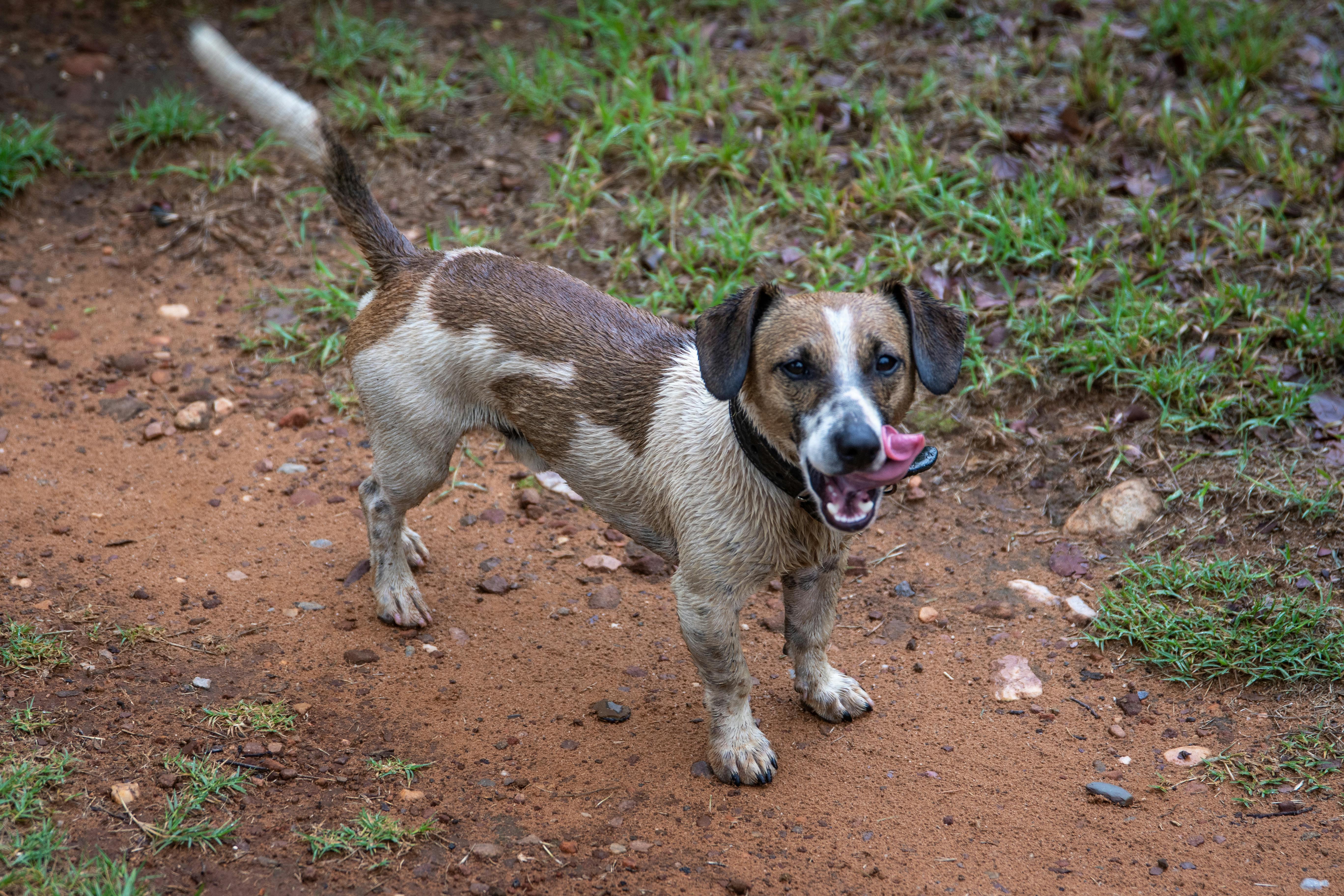
Dogs are one of the most beloved pets around the world, and there’s something about their wet noses that just makes us go “Aww.” But have you ever wondered why do dogs have wet noses? It’s not just for show; it turns out there’s a whole lot of science behind those adorable snouts!
The Science Behind Wet Noses
First off, a dog’s nose is wet for a very good reason. The moisture helps enhance their sense of smell. Dogs have an astonishing sense of smell, far superior than humans, and the wetness helps capture scent particles better. When their noses are moist, it allows them to absorb more of the scents in the air. This is crucial for their survival instincts, as they rely heavily on their noses to explore the world.
Temperature Regulation
Did you know dogs sweat very little? Unlike humans who sweat to cool down, dogs primarily use their noses to help regulate body temperature. When a dog pants, the moisture on their nose evaporates which cools them down. So, if your dog’s nose is wet, it might just be a sign that they are trying to keep their body temperature in check.
Health Indicator
A wet nose is often considered a sign of good health in dogs. If the nose is dry, it can sometimes signal dehydration or illness. Here’s a quick rundown of what different nose conditions might indicate:
- Wet Nose: Generally healthy and hydrated
- Dry Nose: Possible dehydration or fever
- Cracked Nose: Allergies or skin conditions
- Warm Nose: Could indicate a fever
Communication Tool
Believe it or not, dogs also use their noses for communication! They have scent glands that can release pheromones, which can convey a wide range of messages to other dogs. A wet nose means they are able to pick up on these scents and communicate effectively. When your dog nudges you with their wet nose, it could be their way of saying, “Hey, pay attention to me!”
Evolutionary Perspective
From an evolutionary standpoint, having a moist nose may have been advantageous for early canines. The ability to smell better helped them find food and avoid predators. Over time, this trait has been passed down through generations, making it a characteristic feature of dogs today.
Fun Facts About Dogs’ Noses
- Dogs have up to 300 million smell receptors in their noses, compared to about 5 million in humans.
- The texture of a dog’s nose is unique, much like a human fingerprint. No two dog noses are alike!
- Dogs can detect certain diseases, including cancer, by smelling chemical changes in a person’s body.
Comparative Nose Conditions
Here’s a quick comparison of dog noses vs. human noses:
| Feature | Dog Nose | Human Nose |
|---|---|---|
| Number of Receptors | 300 million | 5 million |
| Moisture | Naturally wet | Generally dry |
| Primary Function | Smelling and temperature regulation | Breathing and filtering air |
| Unique Pattern | Unique to each dog | Similar among humans |
Practical Tips for Caring for Your Dog’s Nose
- Hydration: Always have fresh water available to keep your dog hydrated.
- Humidifier: If you live in a dry climate, consider using a humidifier to prevent your dog’s nose from becoming too dry.
- Regular Vet Checkups: Keep an eye on changes in your dog’s nose and consult your vet if you notice anything unusual.
Understanding why do dogs have wet noses can help you appreciate your furry friend even more. It’s fascinating how something so simple can play such a crucial role in a dog’s life! So next time you see your pup with that adorable wet nose, remember there’s more to it than just cuteness. They are sniffing, communicating, and regulating their body temperature all at once! Your dog’s wet nose is truly a remarkable feature that contributes to their well-being and happiness.
Wet Nose Wonders: How a Dog’s Nose Affects Their Sense of Smell and Communication
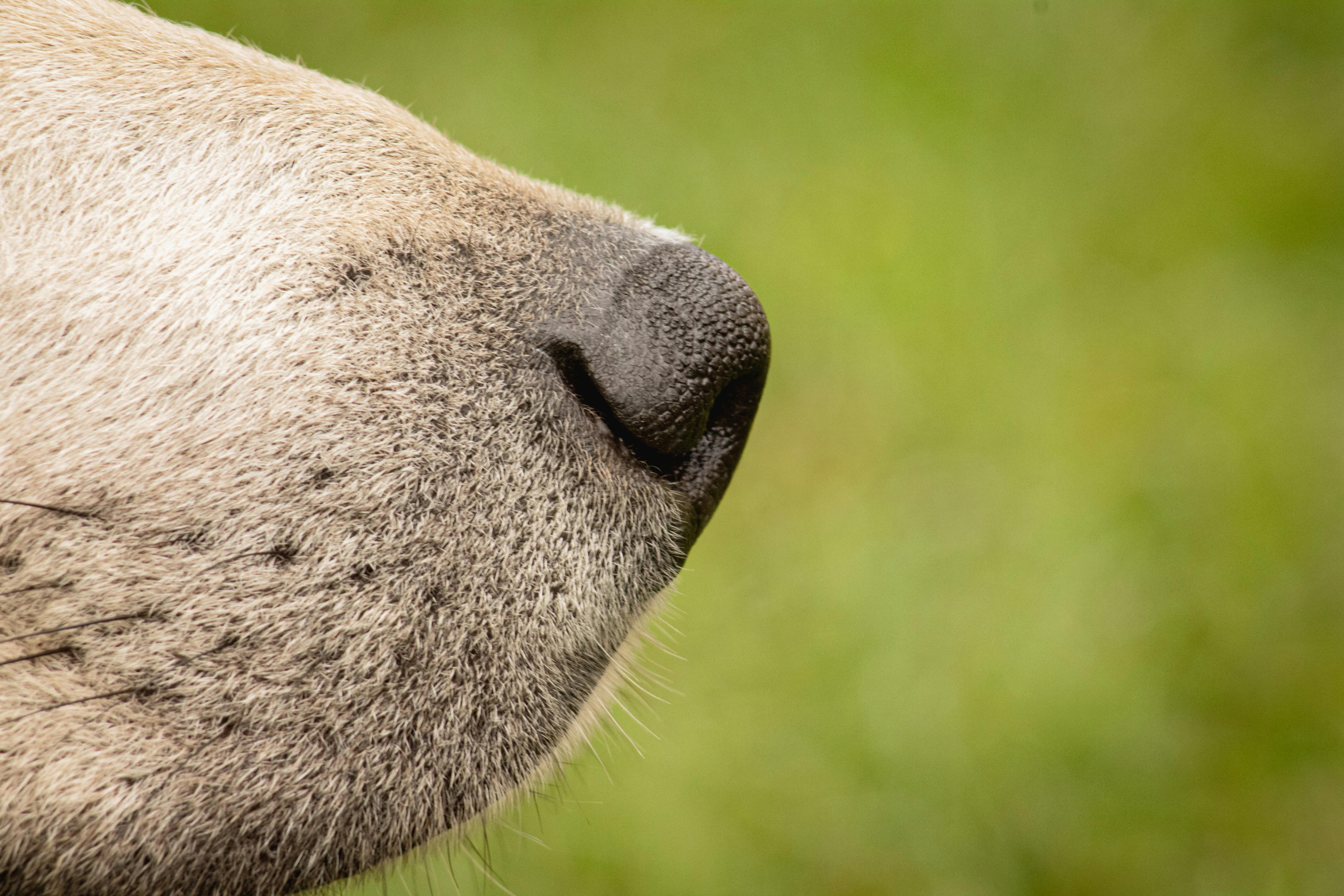
Dogs are one of the most beloved pets worldwide, and part of what makes them so unique is their incredible sense of smell. But have you ever wondered why dogs have wet noses? Wet Nose Wonders: How a Dog’s Nose Affects Their Sense of Smell and Communication explores the fascinating truth behind this characteristic and its implications for our furry friends.
The Science Behind Wet Noses
A dog’s nose is more than just an adorable feature. It serves several important functions that are deeply connected to their sense of smell. The wetness of a dog’s nose helps to enhance its olfactory abilities. Here’s how:
- Moisture Retention: The moisture on a dog’s nose helps to capture scent particles from the air. This is crucial because the more scent particles a dog can collect, the better it can identify different smells.
- Temperature Regulation: Dogs don’t sweat like humans do. Instead, they regulate their body temperature through their noses and panting. A wet nose helps to cool them down.
- Communication Tool: Dogs use their noses to communicate with each other. A wet nose can indicate excitement or stress, while a dry nose might suggest illness or discomfort.
Why Do Dogs Have Wet Noses?
There’s a few reasons dogs have wet noses. It’s primarily an evolutionary trait that has helped them survive and thrive in various environments. Here are some points to consider:
- Scent Detection: Dogs are known to have up to 300 million olfactory receptors in their noses, compared to humans who have about 5 million. The wetness helps to absorb and hold onto scent particles, allowing dogs to detect smells that we can’t even begin to imagine.
- Health Indicator: A dog’s nose can tell a lot about its health. A consistently dry nose may signal dehydration, fever, or other health issues.
- Social Signals: Wet noses are often a way for dogs to greet other dogs or humans. It’s part of their way of gathering information about others. When your dog nudges you with its wet nose, it’s not just being affectionate; it’s also trying to learn more about your mood or health.
Fun Facts About Dog Noses
Did you know that dogs have unique nose prints just like humans have fingerprints? Here are more interesting facts:
- Nose Color: A dog’s nose color can vary based on breed. Some breeds have black noses, while others have brown, pink, or even spotted noses.
- Nasal Patterns: Just like fingerprints, the patterns on a dog’s nose are unique to each individual. This could be used for identification!
- Scent Discrimination: Dogs can detect certain odors at incredibly low concentrations. For example, they can sense a drop of blood in an Olympic-sized swimming pool.
Understanding Nose Health
Keeping an eye on your dog’s nose health is important. Here are some signs to watch for:
- Crusty or Cracked Nose: This might indicate dry skin or a health issue.
- Excessive Moisture: While a wet nose is normal, if it’s excessively wet, it could be a sign of a respiratory infection.
- Change in Color: A sudden change from pink to black or vice versa can be a sign of underlying health problems.
The Evolution of a Dog’s Nose
Historically, dogs have developed their sense of smell over thousands of years. Early domesticated dogs were bred for their hunting skills, and a keen sense of smell was essential. This led to the development of various breeds, each with their unique scenting abilities.
Comparison of Dog Breeds and Their Sense of Smell
- Bloodhounds: Known for their incredible sense of smell, Bloodhounds can track scents that are days old.
- Beagles: These dogs have a strong sense of smell too, making them excellent hunting companions.
- German Shepherds: Often used in police work, they have a fantastic ability to detect drugs and explosives.
Practical Tips for Dog Owners
Keeping your dog’s nose healthy is essential. Here are some practical tips:
- Hydration: Make sure your dog is drinking enough water to keep its nose moist.
- Consult Your Vet: If you notice any changes in your dog’s nose, consider visiting a veterinarian for advice.
- Regular Checks: Make it a habit to check your dog’s nose for any abnormalities.
Dogs’ wet noses are more than just cute; they play a vital role in how dogs interact with the world. Understanding the reasons behind their wet noses can help you better care for your furry friend. Keeping an eye on their nose health and knowing what to look for can ensure your dog remains happy and healthy. So next time your pup nudges you with its wet nose, remember it’s more than just a greeting; it’s a whole world of canine communication and
The Temperature Test: Why a Wet Nose Can Indicate Your Dog’s Health Status

When you think about your dog, you probably picture them wagging their tail, playing fetch, and curling up next to you. But have you ever noticed their nose? The temperature test, often overlooked, can actually tell you quite a bit about your dog’s health. Why do dogs have wet noses? Uncovering the fascinating truth behind this common trait can help you understand your furry friend better.
Why Are Dog Noses Wet?
A wet nose serves multiple purposes in the life of a dog. Firstly, it helps to enhance their sense of smell. Dogs have an incredible olfactory system, and a moist nose captures scent particles in the air more effectively, making it easier for them to detect various smells. The moisture on their noses comes from a combination of mucus and sweat, which aids in this process.
- Dogs have around 300 million smell receptors, compared to humans’ 5 million.
- The wetness of their noses can be influenced by environmental factors, like temperature and humidity.
- A dog’s nose can cool down their body temperature, especially on hot days.
The Temperature Test: What Does a Wet Nose Mean?
Many dog owners believe that a wet nose indicates a healthy dog. While it’s not a definitive measure of health, there are some interesting facts surrounding the temperature test:
- Normal Temperature: A healthy dog’s normal body temperature is typically between 101 to 102.5 degrees Fahrenheit. A wet nose can help to regulate this temperature.
- Signs of Illness: If your dog’s nose is dry and warm, it may suggest they are unwell or dehydrated. However, this alone shouldn’t be a cause for alarm as many factors can affect nose moisture.
- Behavioral Indicators: A wet nose is not just about health; it can reflect a dog’s emotional state. When they’re happy or excited, their noses might be wetter due to increased activity and panting.
The Science Behind Wet Noses
So, why do dogs have wet noses? The answer lies in evolution and biology. Dogs, being descendants of wolves, have retained certain traits. Wolves also have wet noses, which serve similar purposes. Here’s a breakdown of how this trait evolved:
- Hunting: Wet noses help them track prey by picking up scents from the ground.
- Thermoregulation: Dogs don’t sweat like humans. Their noses help to regulate temperature.
- Communication: A wet nose can indicate a dog’s mood. For example, a dog might nuzzle you with a wet nose when they want attention or affection.
Common Misconceptions About Dog Noses
There are several myths surrounding dog nose health that many pet owners believe. Here are a few:
- A Cold, Wet Nose Means No Illness: This is not always true. Dogs can be sick and still have a wet nose.
- Dry Nose Equals Sickness: A dry nose can be normal, especially if the weather is hot or dry.
- Color Matters: Some believe that the color of a dog’s nose can indicate health, but this isn’t supported by science.
When to Worry About Your Dog’s Nose
While a wet nose is a good sign, there are times when you should pay closer attention. Here are some red flags to consider:
- Persistent Dryness: If your dog’s nose stays dry for an extended period, it might indicate dehydration or illness.
- Discharge or Bleeding: Any unusual discharge or bleeding should be examined by a vet.
- Changes in Behavior: If your dog is lethargic or isn’t eating, it’s essential to consult a veterinarian, regardless of nose condition.
Tips for Maintaining Your Dog’s Nose Health
Keeping your dog healthy involves more than just monitoring their nose. Here are some tips for overall nose and health maintenance:
- Regular Vet Check-Ups: Routine health checks can catch potential problems early.
- Hydration: Always ensure that your dog has access to fresh water to stay hydrated.
- Healthy Diet: Balanced nutrition supports overall health, including skin and coat, which affects nose moisture.
In summary, a dog’s wet nose can be more than a cute feature; it plays an essential role in their health and well-being. Understanding why do dogs have wet noses allows you to be more attuned to your pet’s needs. By keeping an eye on your dog’s nose and overall behavior, you can maintain their health and happiness. Always remember that each dog is unique, and if you’re ever in doubt, consulting a veterinarian is the best course of action.
Debunking Myths: The Truth About Dogs’ Wet Noses and Temperature Regulation
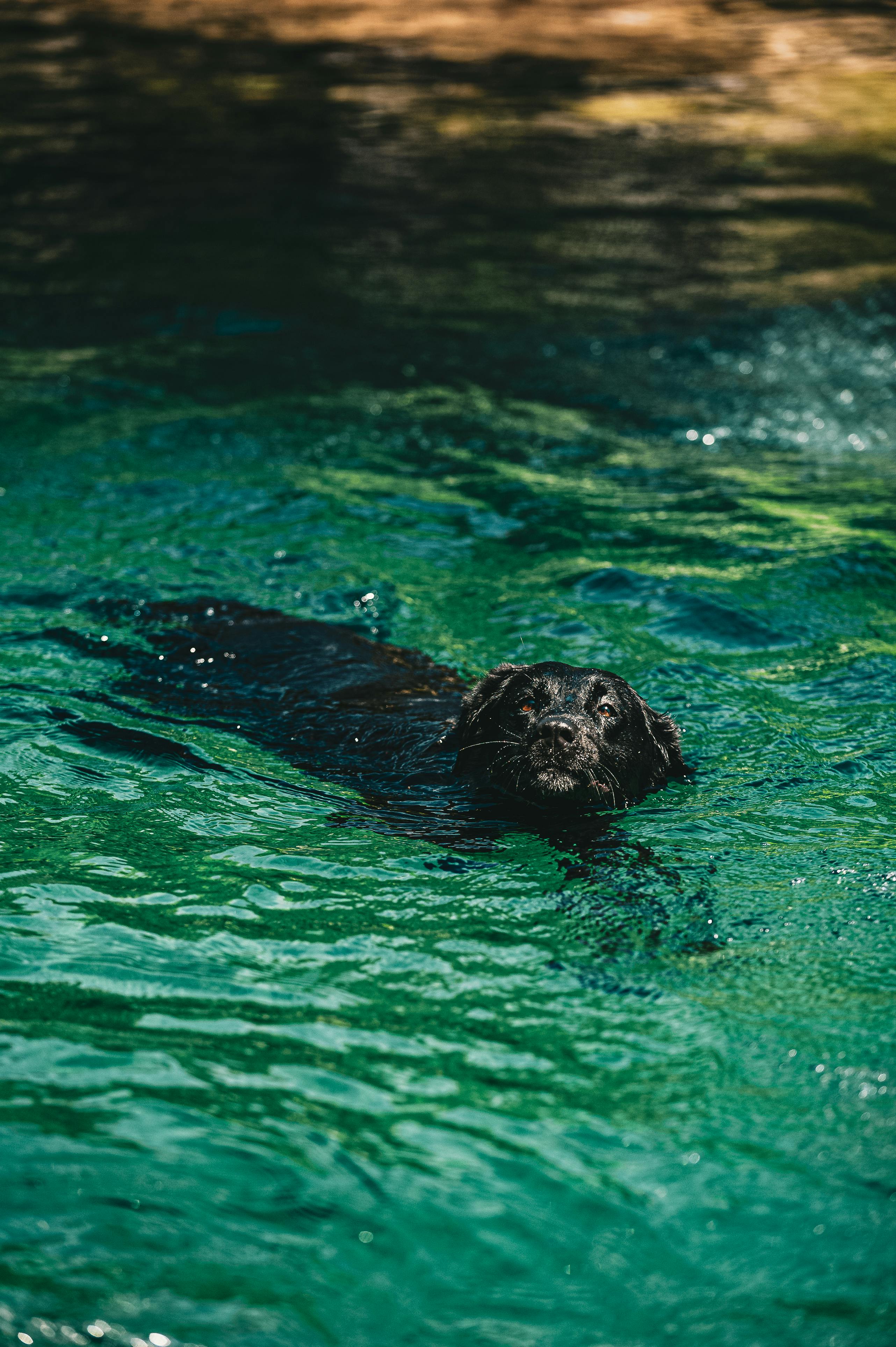
Dogs are some of the most beloved pets worldwide, and their wet noses often spark curiosity and questions among owners and enthusiasts. Many people wonder why dogs have wet noses, believing that it might be linked to their health or behavior. There’s a lot of myths floating around about this topic, and it’s time to clear the air. Let’s dive into the truth about dogs’ wet noses and how it relates to temperature regulation.
The Basics of a Dog’s Nose
First off, dog noses are not just cute; they serve important functions. A dog’s nose is covered with a special skin that can detect smells better than the human nose. The wetness of a dog’s nose plays a key role in enhancing its ability to smell. Here’s a quick breakdown of why dog noses are often wet:
- Moisture Helps Scent Detection: The moisture in a dog’s nose helps to capture scent particles. This makes it easier for dogs to pick up on various odors.
- Temperature Regulation: Dogs, unlike humans, do not sweat through their skin. Instead, they cool themselves through their breath and the moisture on their noses. When the nose is wet, it can help lower body temperature.
- Health Indicator: A wet nose is often seen as a sign of a healthy dog. However, a dry nose doesn’t always mean that a dog is sick. Various factors can cause changes in a dog’s nose moisture.
Myths About Wet Noses
There are plenty of misconceptions about why dogs have wet noses. Let’s debunk some of the most common myths:
Myth: A Wet Nose Means a Healthy Dog
Truth: While a wet nose is common in healthy dogs, it doesn’t guarantee good health. Factors like weather, activity level, and breed can influence nose moisture.Myth: Dogs Sweat Through Their Noses
Truth: Dogs primarily regulate their body temperature through panting and not through their noses. The wetness does help, but sweating is not how they cool down.Myth: All Dogs Have Wet Noses
Truth: Some breeds, particularly those with short snouts, may have drier noses. Additionally, older dogs or dogs with certain health conditions may exhibit dryness.
Fun Facts About Dog Noses
Dog noses are fascinating, and here are some interesting tidbits that might surprise you:
- Unique Patterns: Just like human fingerprints, each dog has a unique nose print. This could potentially be used for identification!
- Scent Abilities: Dogs’ noses have up to 300 million olfactory receptors, compared to a human’s 5 million. This makes their sense of smell incredibly powerful.
- Temperature Detection: Dogs can detect changes in temperature through their noses. A dog’s nose can sense warmth, which helps them locate warm-blooded animals.
Temperature Regulation Explained
So, how exactly does a dog’s nose help with temperature regulation? Dogs cool down mainly through two methods: panting and the moisture on their noses. When they breathe, moisture evaporates from the surface of their noses, which has a cooling effect.
- Panting: This is the primary way dogs cool themselves. As they exhale, moisture evaporates from their tongues and nasal passages.
- Wet Nose: A wet nose can enhance the cooling effect, acting like a natural air conditioner.
Practical Implications for Dog Owners
Knowing about dogs’ noses and their functions can help you better care for your furry friends. Here are some practical tips:
- Check Nose Moisture: Regularly check your dog’s nose. A sudden change to a dry nose could indicate dehydration or illness.
- Hydration is Key: Always ensure your dog has access to fresh water, especially during hot weather.
- Be Observant: If your dog’s nose is excessively dry or cracked, consider consulting with a veterinarian to rule out any health issues.
Comparison of Nose Conditions
Here’s a quick comparison of what to look for regarding a dog’s nose moisture:
| Condition | Wet Nose | Dry Nose |
|---|---|---|
| Common Causes | Healthy hydration | Dehydration, weather changes |
| Health Indicator | Generally signifies health | Could indicate illness or stress |
| Temperature Effect | Helps cool the body | May lead to overheating in extreme cases |
Understanding why dogs have wet noses and their role in health and temperature regulation can enrich the bond you share with your pet. These furry companions rely on their noses not just to navigate their world but also to maintain their well-being. Next time you pet your dog, take a moment to appreciate that wet nose and all the wonders it represents.
Why Do Dogs Have Wet Noses? Exploring the Evolutionary Benefits for Your Furry Friend

Dogs, beloved companions of humans, have some quirks that leave us scratching our heads. One such curious trait is their wet noses. Ever wondered, “Why do dogs have wet noses?” It’s a question that many dog lovers ponder. This article dives into the evolutionary benefits of this unique feature, revealing the fascinating truth behind those moist snouts.
The Science Behind Wet Noses
Wet noses are actually more than just a cute feature. They serve several practical purposes that are rooted in a dog’s biology and evolution. Here’s a breakdown of what makes dog noses so special:
Enhanced Sense of Smell: Dogs have an extraordinary sense of smell, estimated to be somewhere between 10,000 to 100,000 times more sensitive than humans. A wet nose helps to capture more scent molecules, allowing dogs to process smells more effectively.
Temperature Regulation: Dogs don’t sweat like humans do. Instead, their noses help regulate body temperature. The moisture on a dog’s nose can evaporate, cooling them down in the process.
Health Indicator: A dog’s nose can reveal a lot about their health. A wet, cool nose is often seen as a sign of a healthy dog, while a dry or warm nose could indicate illness, dehydration, or other health issues.
Evolutionary Benefits
The wetness of a dog’s nose is not just a random feature. It has evolutionary benefits that have helped dogs survive and thrive over thousands of years. Here’s how:
Hunting and Tracking: Early dogs relied on their sense of smell to hunt and track prey. A wet nose increases their ability to detect scents, making them more effective hunters.
Social Interaction: Dogs communicate through scents, and a wet nose helps them pick up pheromones and other scent markers left by other animals. This ability is crucial in social interactions among dogs as well as with humans.
Survival Mechanism: In the wild, being able to detect food and predators through scent can mean the difference between life and death. Those with wet noses were better equipped to find resources and avoid dangers.
Fun Facts About Dog Noses
Unique Patterns: Just like human fingerprints, every dog’s nose print is unique. This means that you could potentially identify a dog based on the pattern of its nose.
Color Variations: Dog noses come in a range of colors, from black to brown to pink. The color can be influenced by genetics and breed.
Nose Temperature: A dog’s nose temperature can fluctuate, but it’s generally cooler than the rest of their body. A cool, wet nose is typically a sign of a healthy dog.
Practical Tips for Dog Owners
Understanding why dogs have wet noses can help dog owners provide better care for their furry friends. Here are some tips:
Regular Checkups: Monitor your dog’s nose regularly. If it becomes excessively dry or warm, consider consulting a veterinarian.
Hydration is Key: Ensure your dog is well-hydrated, especially during hot weather. Dehydration can lead to a dry nose and other health issues.
Promote Nose Health: Avoid exposing your dog to harsh chemicals or irritants that could dry out their nose.
Comparing Dog Noses to Other Animals
Dogs aren’t the only animals with wet noses. Cats, for example, have moist noses as well, but their sense of smell isn’t as developed. Here’s a quick comparison:
| Feature | Dogs | Cats |
|---|---|---|
| Sense of Smell | 10,000-100,000x stronger | About 5-10x stronger |
| Nose Wetness | Typically wet | Generally wet |
| Use of Smell | Hunting, communication | Marking territory, hunting |
What Happens When a Dog’s Nose is Dry?
A dry nose on a dog can be a sign of various conditions. Here are some common causes:
Dehydration: Lack of water can lead to a dry nose.
Illness: Conditions like fever, allergies, or infections can affect nose moisture.
Environmental Factors: Dry air, especially in winter, can cause a dog’s nose to dry out.
In summary, understanding why dogs have wet noses not only satisfies our curiosity but also helps us take better care of our canine companions. The moisture on a dog’s nose plays crucial roles in their health, survival, and sense of smell. So, the next time you give your furry friend a pat on the head, take a moment to appreciate that wet little nose and all the wonders it brings to their life!
The Fascinating Relationship Between Dog Emotions and Their Wet Noses: What You Should Know

Dogs, our furry companions, have always been a source of fascination for humans. One of the most intriguing aspects of these animals is their wet noses. You might be wondering, why do dogs have wet noses? This question opens up a fascinating exploration into not just the biology of dogs, but also their emotions.
The Science Behind Wet Noses
Dogs have wet noses for several reasons, and it’s not just for show. A dog’s nose is a complex organ that helps them interact with the world. Here are some key points explaining why their noses are often damp:
- Cooling Mechanism: Dogs don’t sweat like humans do. They cool themselves through panting and the moisture on their noses. A wet nose helps regulate their body temperature.
- Enhanced Sense of Smell: The moisture on a dog’s nose helps trap scent particles. This enhances their ability to detect odors, which is crucial for their survival and interaction with the environment.
- Health Indicator: The condition of a dog’s nose can indicate health issues. A dry, cracked nose might suggest dehydration or illness, while a cool, wet nose is generally a sign of good health.
Historical Context of Dogs’ Noses
Historically, dogs have been bred for various purposes, including hunting, herding, and companionship. The development of their noses is closely linked to these roles. For instance, hunting breeds like Bloodhounds or Beagles have particularly moist and sensitive noses, allowing them to track scents over great distances.
In ancient times, dogs were valued for their hunting skills, and their ability to smell was a significant factor in their domestication. The bond between humans and dogs has evolved over thousands of years, but the importance of a dog’s sense of smell remains unchanged.
The Emotional Connection
The relationship between a dog’s emotions and their wet noses is not just a matter of biology. Dogs express a range of feelings, and their noses play a role in this communication. Here’s how:
- Greeting Behavior: When dogs meet other dogs or humans, they often sniff noses. This act is not just a casual hello; it’s a way to gather information about the other party’s emotional state and health.
- Comfort and Affection: A dog might nuzzle or press their wet nose against you when they feel happy or affectionate. It’s their way of showing love and seeking comfort.
Common Misconceptions
Many people have misconceptions about dog noses. Here are a few prevalent myths debunked:
Myth: A warm nose means a dog is sick.
Fact: A dog’s nose temperature can vary throughout the day. It’s not a reliable indicator of health.Myth: All dogs have wet noses.
Fact: While most dogs do, some breeds may have drier noses due to genetic factors.Myth: Dogs only use their noses for smelling.
Fact: Dogs use their noses for various purposes, including communication and regulating their emotions.
Practical Examples of Nose Behaviors
Understanding dog behavior related to their noses can help pet owners better connect with their furry friends. Here are some examples:
- Sniffing the Ground: When a dog is sniffing intently, they’re likely trying to understand their environment. They could be curious, anxious, or just exploring.
- Nose Bumping: If your dog gently nudges you with their nose, they might be asking for attention or expressing affection.
How to Keep Your Dog’s Nose Healthy
Maintaining a healthy nose is important for your dog’s well-being. Here are some tips:
- Hydration: Ensure your dog drinks enough water. Dehydration can lead to a dry nose.
- Regular Vet Check-ups: Routine veterinary visits can help catch any potential health issues early.
- Environmental Awareness: Be mindful of extreme weather conditions. Cold or hot temperatures can affect your dog’s nose.
Fun Facts About Dog Noses
Here are some interesting tidbits to consider:
- Dogs have up to 300 million scent receptors in their noses, compared to about 6 million in humans.
- The shape of a dog’s nose can indicate their breed tendencies. Short-nosed breeds like Bulldogs have a different scenting ability compared to long-nosed breeds like Greyhounds.
The relationship between a dog’s emotions and their wet noses is a multifaceted one, deeply rooted in their biology, behavior, and history with humans. Understanding these aspects can enhance the bond between you and your canine companion, making your time together even more rewarding. By paying attention to your dog’s nose and what it signals, you can foster a deeper connection and ensure their health and happiness.
How to Keep Your Dog’s Nose Healthy: Tips for Maintaining That Signature Moisture
When it comes to our furry friends, we often wonder why their noses are so wet. You might had noticed how your dog’s nose feels cool and damp, but what does that actually mean? In this article, we uncover the fascinating truth behind why do dogs have wet noses, and share some helpful tips on how to keep your dog’s nose healthy and maintain that signature moisture.
Why Do Dogs Have Wet Noses?
Dogs have wet noses for several reasons, and it ain’t just for show. The moisture on their noses plays a crucial role in their sense of smell. Here’s a rundown of the main reasons:
Enhanced Smell: A wet nose helps to capture scent particles from the air, allowing dogs to smell better. This is especially important for dogs since their sense of smell is far superior to that of humans.
Temperature Regulation: Dogs don’t sweat like humans do. Instead, they cool off through their noses. The moisture evaporates, helping to regulate their body temperature.
Health Indicator: A dog’s nose can be an indicator of its health. Changes in moisture levels, temperature, or color might signal underlying health issues.
The Science Behind Moisture
It’s fascinating how nature designed dogs. Their noses contain special glands that produce mucus, which keeps them moist. This moisture not only helps with their sense of smell, but it also helps protect their noses from the elements.
Here is a quick comparison of a dog’s nose to a human’s nose:
| Feature | Dog’s Nose | Human’s Nose |
|---|---|---|
| Moisture Level | Typically wet | Usually dry |
| Scent Detection | Extremely sensitive | Less sensitive |
| Temperature Regulation | Effective cooling method | Sweating is primary method |
Tips for Keeping Your Dog’s Nose Healthy
Now that we know why dogs have wet noses, it’s important to maintain that moisture. Here are some practical tips to keep your dog’s nose healthy:
Regular Hydration: Always provide fresh water. Dehydration can lead to a dry, cracked nose. Make sure your dog drinks enough water daily.
Avoid Harsh Weather: Extreme heat or cold can affect a dog’s nose. If it’s too hot outside, limit exposure, and if it’s cold, consider using dog-safe balms to protect their snouts.
Check for Allergies: Dogs can have allergies, just like humans. If you notice their nose becomes excessively dry or cracked, it could be an allergy. Consult a vet for proper diagnosis.
Regular Vet Check-ups: Keep up with routine veterinary visits. A vet can check your dog’s nose for any signs of health issues during annual check-ups.
Nose Moisturizer: There are dog-specific nose balms available that can help maintain moisture. Look for those that are natural and free of harmful chemicals.
Healthy Diet: A balanced diet is essential for overall health. Foods rich in Omega-3 fatty acids can help keep a dog’s skin and nose healthy.
Grooming: Regular grooming can help remove dirt and debris that might irritate the nose. Pay attention to the area around the nose when grooming.
Signs of Nose Problems
You should always monitor your dog’s nose for any changes. Here are some signs that might indicate a problem:
- Excessive Dryness: If the nose is consistently dry, it could indicate dehydration or health issues.
- Cracked or Bleeding: This could be a sign of injury or more serious conditions.
- Discoloration: If the color changes significantly, such as turning pale or developing sores, see a vet immediately.
- Excessive Moisture: If the nose is dripping or has an unusual discharge, it might need medical attention.
Maintaining your dog’s nose health is key to their overall well-being. Regular attention and care can prevent many issues. So, next time you give your dog a pat, take a moment to appreciate that wet little nose. It’s not just cute; it’s a vital part of what makes dogs the amazing companions they are.
From Playtime to Health: 6 Reasons Why Your Dog’s Wet Nose Deserves Your Attention
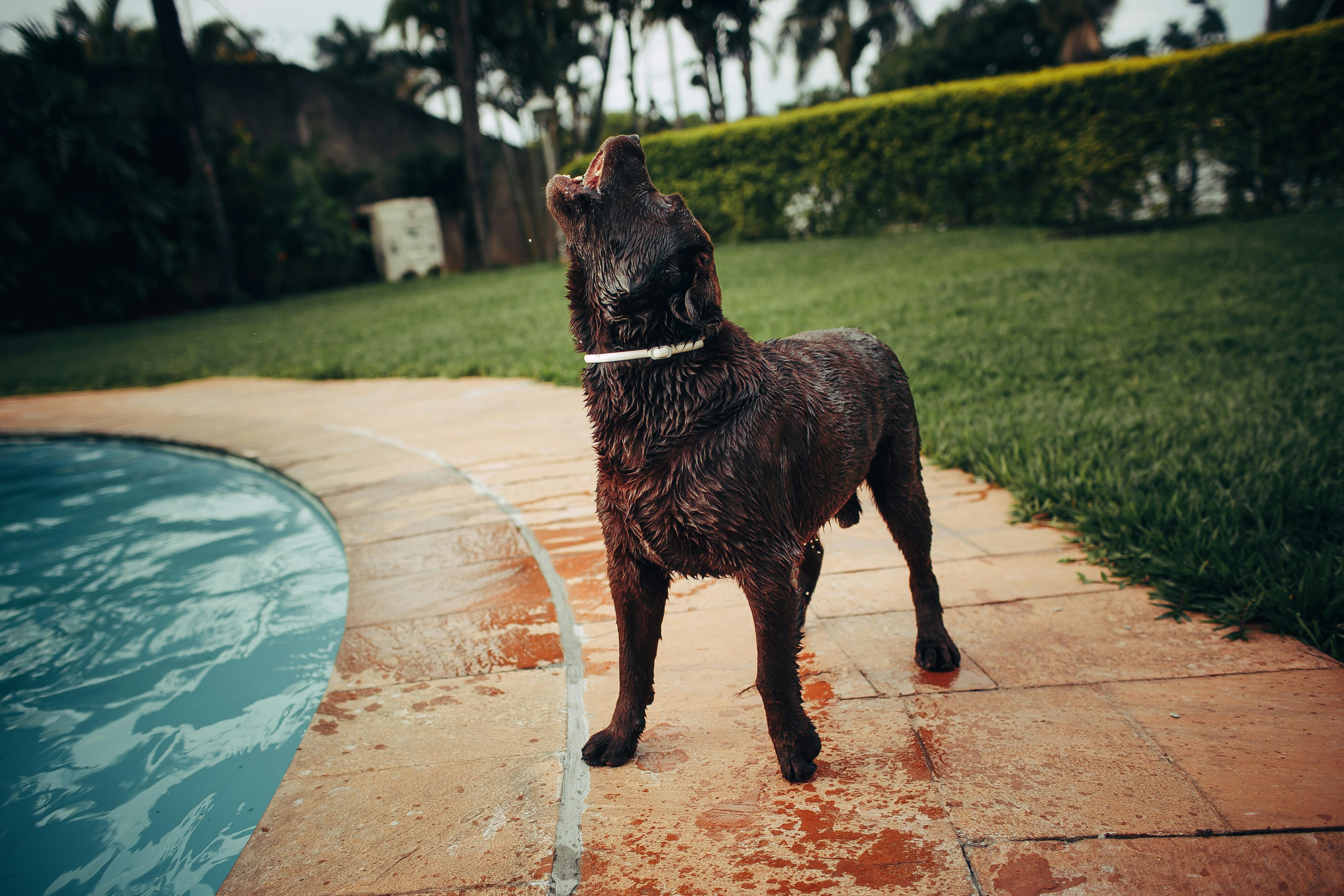
When we think about dogs, their wagging tails, playful barks, and wet noses comes to mind. Ever wondered why dogs have wet noses? It’s more than just an adorable quirk. There are various reasons behind this unique feature, and it’s important you pay attention to your furry friend’s nose. Let’s dive deep into six fascinating reasons why your dog’s wet nose deserves your attention and what it might indicate about their health.
1. Temperature Regulation
Dogs, they don’t sweat like humans do. Instead, they rely on their noses to help cool down their body temperature. A wet nose can be a sign that your dog is regulating heat effectively. When dogs pant, moisture evaporates from their nose, which helps them cool off. So, if you notice your dog’s nose is moist after they’ve been playing outside, it’s likely a good indication that they’re managing their body temperature well.
2. Sense of Smell
The wetness of a dog’s nose plays a crucial role in their ability to smell things. A moist nose can pick up scent particles better than a dry one. The wet surface helps to capture these particles, allowing dogs to detect scents from far away. In fact, dogs have about 220 million scent receptors, compared to a human’s 5 million. This is why your dog might be sniffing around a lot — there’s a whole world of smells they are exploring!
3. Health Indicator
A dog’s nose can serve as a valuable tool for gauging their health. While a wet nose is typically a sign of a healthy dog, significant changes can indicate health issues. For example, if your dog’s nose suddenly becomes dry and cracked, it could suggest dehydration or an underlying health problem. Paying attention to the condition of your dog’s nose can help you catch potential issues early.
4. Communication Tool
Dogs use their noses to communicate and interact with other animals. A wet nose can signify that your dog is feeling friendly and relaxed, while a dry nose might indicate stress or discomfort. Dogs will often nuzzle their wet noses against you or other dogs as a way of saying “hello” or showing affection. So next time your pup nudges you with their nose, recognize that it’s not just cute — it’s a form of communication.
5. Hydration Levels
The moisture level of a dog’s nose can also indicate their hydration status. A healthy dog should have a cool, moist nose. If the nose is warm and dry, it may be a sign that your dog is not getting enough water. Keeping your dog properly hydrated is important for their overall health. Make sure they have access to fresh water at all times, especially during hot weather.
6. Environmental Factors
Dogs’ noses can react to environmental changes as well. For instance, if your dog has been playing outside in the sun, their nose might be drier than usual. Additionally, allergens or irritants in the environment could affect the moisture level of their nose. If you notice any unusual changes, it’s worth consulting with a veterinarian.
Quick Tips for Nose Care
- Regularly monitor your dog’s nose for changes in texture and moisture.
- Offer plenty of clean water throughout the day.
- If your dog has a dry or cracked nose for an extended period, consult with your vet.
- Observe any behavioral changes that may accompany changes in nose condition.
What to Look Out For
While a wet nose is generally a good sign, here are some things to watch for:
- Color Changes: A nose that turns from pink to red or brown could indicate an allergy or irritation.
- Cracks or sores: These might suggest dehydration or another health issue that requires attention.
- Unusual dryness: If the nose is excessively dry for a long time, it’s best to check in with a vet.
Understanding why dogs have wet noses can deepen your bond with your furry friend. It’s not just a quirky trait — it’s a vital part of their health and communication. By paying attention to your dog’s nose, you can gain insight into their well-being and ensure they lead a happy, healthy life. Remember, a wet nose might just be one of the many signs that your dog is thriving!
Conclusion
In conclusion, the wet noses of dogs serve several important purposes that enhance their sensory capabilities and overall health. Their moist noses help to absorb scent particles, making their sense of smell more acute, which is vital for their communication and interaction with the world around them. Additionally, the moisture on a dog’s nose aids in thermoregulation, helping them maintain an optimal body temperature. While a wet nose is often a sign of an active and healthy dog, it is essential for pet owners to monitor changes in moisture levels as they can indicate health issues. Embracing the unique biology of our canine companions not only deepens our understanding but also strengthens our bond with them. So, the next time you give your dog a pat, take a moment to appreciate their wet nose and the remarkable functions it serves. Keep exploring the fascinating world of dogs and ensure your furry friend stays happy and healthy!
