
Have you ever wondered, why do dogs have wet noses? It’s a question that sparks curiosity among dog lovers and pet owners alike. The fascinating reasons behind this unique characteristic can reveal a lot about our furry friends. Dogs’ noses are often damp, and this wetness plays a crucial role in their sense of smell, which is far superior to that of humans. But what exactly causes this phenomenon? Is it just for cooling down or is there more to it? In addition to enhancing their olfactory abilities, a wet nose can also indicate a dog’s health and well-being. Many pet owners often ask, “Does a wet nose mean my dog is happy?” or “What does it mean if my dog’s nose is dry?” These questions lead to deeper insights into canine behavior and health. Understanding the reasons behind why dogs have wet noses can not only satisfy your curiosity but also improve your bond with your pet. So, let’s dive into this intriguing topic and explore the science and significance of those adorable, wet noses!
The Science Behind Wet Noses: Why Are They Essential for Your Dog’s Health?

If you ever wondered about the science behind wet noses in dogs, you’re not alone. Many dog owners have pondered over why their furry friends have noses that are often damp. It turns out, those wet noses ain’t just cute; they play an essential role in your dog’s health. Let’s dive into the fascinating reasons behind this phenomenon.
The Biology of a Dog’s Nose
Dogs have a unique anatomy that makes their noses wet. The moisture comes from a combination of factors, including the glands in the nose and the dog’s natural behavior. When dogs sniff around, they often lick their noses, which adds to the moisture. But why is that so important for their health?
Enhanced Smell: Dogs have an incredible sense of smell, estimated to be anywhere from 10,000 to 100,000 times more powerful than humans. The moisture on their noses helps to capture scent particles from the air, making it easier for them to detect scents. This is crucial for their survival instincts, allowing them to hunt, find food, or avoid danger.
Temperature Regulation: Just like humans sweat to cool down, dogs use their noses for temperature regulation. The moisture on a dog’s nose evaporates, which helps to cool them down. This is especially critical in hot weather when they need to manage their body temperature effectively.
Health Indicator: A dog’s nose can tell you a lot about their health. A wet, cool nose is typically a sign of a healthy dog, while a dry and warm nose may indicate illness. However, it’s important to remember that many factors can affect nose moisture, including the environment and the dog’s activity level.
Historical Context of Dog Noses
Historically, dogs have been companions to humans for thousands of years, and their sense of smell has always been one of their most valued traits. Ancient civilizations often used dogs for hunting, herding, and even as service animals. The ability to smell not only ensured survival but also built a special bond between dogs and humans.
- Ancient Egypt: Dogs were revered in ancient Egyptian culture, often depicted in art with their keen noses and hunting skills.
- Middle Ages: Dogs were used for tracking and detecting scents, particularly in hunting and warfare.
- Modern Times: Today, dogs are trained for a variety of roles, including search and rescue, therapy, and detection of drugs or explosives, relying heavily on their incredible sense of smell.
Why Dogs Have Wet Noses: Key Benefits
Here’s a simple list of why wet noses are vital for dogs:
- Improved Scent Detection: Helps in identifying scents more effectively.
- Cooling Mechanism: Assists in thermoregulation.
- Health Monitoring: Indicates the overall health of the dog.
- Enhanced Communication: Wet noses are a way for dogs to communicate with other dogs and humans.
Dogs vs. Cats: A Comparative Look
While many people have both dogs and cats, it’s interesting to compare the moisture levels of their noses.
| Feature | Dogs | Cats |
|---|---|---|
| Nose Moisture Level | Generally wet | Usually dry |
| Scent Detection | Highly developed | Less effective than dogs |
| Temperature Regulation | Uses nose for cooling | Primarily uses paws |
Practical Examples of Nose Health
Keeping your dog’s nose healthy is crucial. Here are some tips:
- Regular Hydration: Ensure your dog has constant access to fresh water, as hydration plays a role in nose moisture.
- Environment: Keep an eye on the environment; dry air can lead to a dry nose.
- Routine Checks: Regularly check for any signs of dryness, cracking, or unusual changes in the nose’s texture or temperature.
Did You Know?
- Dogs have about 220 million scent receptors in their noses, compared to humans who only have about 5 million!
- The term “wet nose” is not only cute; it is scientifically backed, as moisture aids in scent detection.
- Some breeds are known for having wetter noses than others, such as Bloodhounds and Labrador Retrievers.
Understanding the significance of a dog’s wet nose can help pet owners appreciate their furry companions even more. It’s not just an adorable feature but an essential aspect of canine biology that affects their health and well-being. So next time you see your dog with a wet nose, remember all the incredible things that come with it!
Top 5 Reasons Your Dog’s Nose Stays Wet and What It Means for Their Well-Being

Have you ever wondered why your dog’s nose is often wet? You might think it’s just a quirk, but there’s actually a fascinating science behind those little droplets. Wet noses in dogs can signal a lot about their health and well-being. Here are the top 5 reasons why dogs have wet noses and what that means for their overall health.
1. Natural Cooling Mechanism
Dogs don’t sweat like humans. Instead, they rely on their noses to help regulate their body temperature. The moisture on a dog’s nose helps to cool them down when they’re feeling a bit too hot. When a dog breathes, the moisture evaporates and helps to lower their body temperature. If you notice your dog’s nose is particularly wet after a vigorous play session, it’s likely just their way of cooling off.
2. Enhanced Sense of Smell
Did you know that dogs have an incredible sense of smell? Their noses are designed to trap scent particles, and the moisture plays a key role in this process. A wet nose can pick up more scent than a dry one. This is because the moisture helps to dissolve the scent molecules, making it easier for dogs to detect odors. Their sense of smell is so powerful that it’s believed dogs can detect certain diseases in humans, like cancer or diabetes, simply through their sense of smell.
3. Signs of Health
A wet nose is often considered a sign of a healthy dog. However, it’s not just the moisture that matters. The texture and temperature of the nose can also provide insight into a dog’s health. A cold, wet nose is usually an indication that everything is okay, while a warm, dry nose might be cause for concern. Here’s a quick list to help you understand:
- Cold & Wet: Healthy and hydrated.
- Warm & Dry: Possible fever or dehydration.
- Consistently Dry: Could indicate health issues, like allergies or infections.
4. Communication Tool
Dogs use their noses as a way to communicate with other dogs and even humans. When a dog approaches another dog with a wet nose, they’re often trying to learn more about that dog. The moisture on their nose helps them gather information about the other dog’s health, diet, and mood. This is why you might see dogs sniffing each other’s noses; it’s their way of saying “Hello” and gathering important information.
5. Environmental Factors
The environment plays a big role in how wet a dog’s nose stays. Factors like humidity, temperature, and even the dog’s activity level can affect nose moisture. For example, during hot summer days, a dog’s nose might be wetter than during the colder months. Additionally, dogs who spend more time outdoors might have wetter noses due to collecting moisture from grass, dirt, or even water sources.
Quick Facts About Dog Noses
- Dogs have up to 300 million scent receptors, compared to about 6 million in humans.
- A dog’s nose print is unique, kind of like a human fingerprint.
- The reason a dog’s nose is often black is due to the presence of a pigment called melanin.
Comparing Wet vs. Dry Noses
| Condition | Wet Nose | Dry Nose |
|---|---|---|
| Temperature | Usually cool and moist | Can be warm and dry |
| Health Indicator | Generally a sign of health | May indicate illness |
| Smell Sensitivity | Higher due to moisture | Lower due to dryness |
| Communication | More effective in gathering scents | Less effective in scent detection |
Knowing why your dog’s nose stays wet helps you understand their health better. If you notice any drastic changes in the moisture level of your dog’s nose, it’s always good to consult your veterinarian. They can provide insights tailored to your dog’s specific needs.
In short, a wet nose is not just an endearing trait; it serves many functions that are essential for your dog’s health and communication. Dogs have wet noses for a variety of reasons, from cooling off to enhancing their sense of smell. Keeping an eye on those wet noses can help ensure your furry friend stays happy and healthy.
How a Dog’s Wet Nose Enhances Their Sense of Smell: Discover the Amazing Mechanism
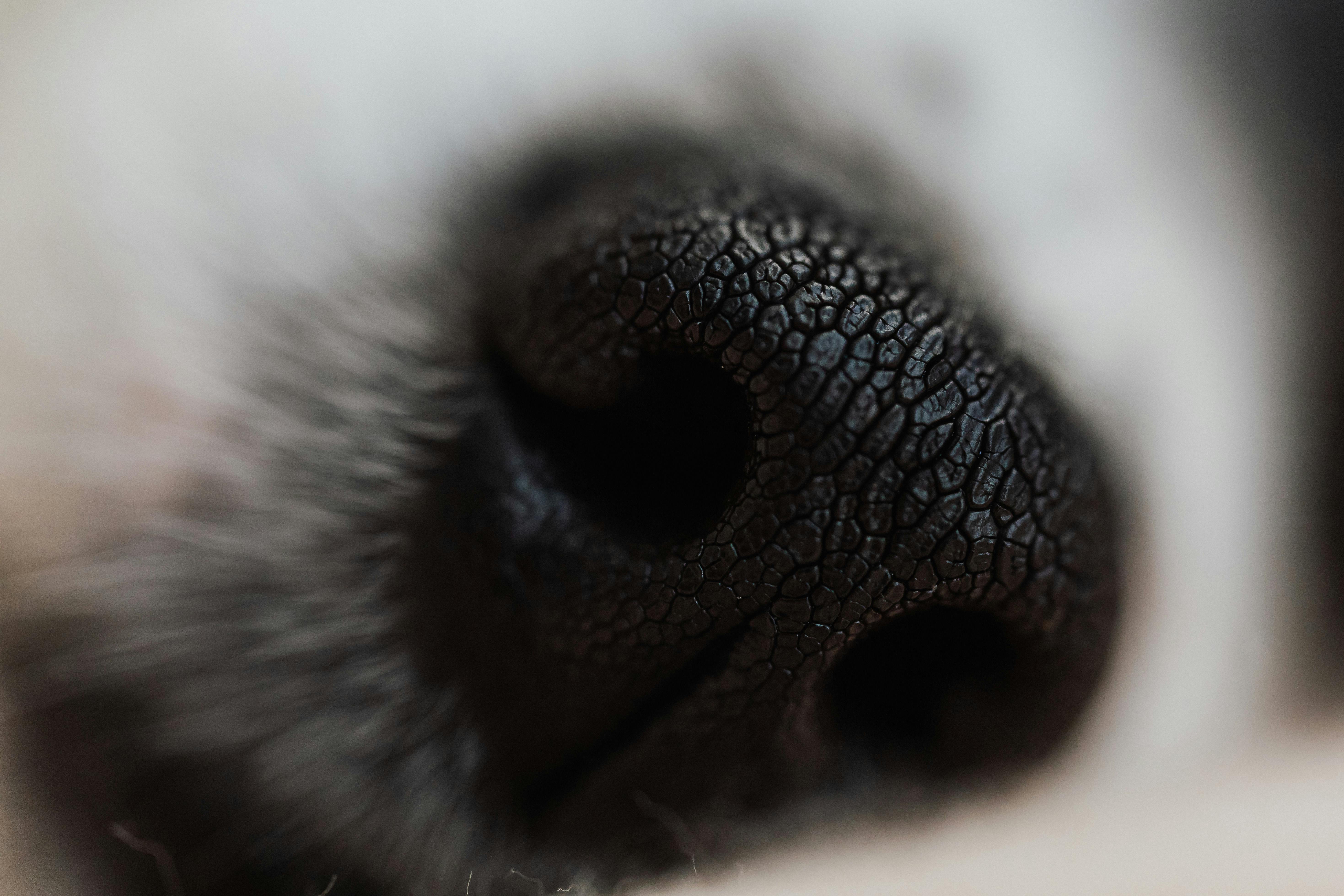
Have you ever wondered why your dog’s nose is always wet? It’s one of those quirky aspects of canine biology that can sure leave people curious. But, the wetness of a dog’s nose isn’t just for show; it plays a crucial role in their amazing sense of smell. Let’s dive into how a dog’s wet nose enhances their olfactory abilities and discover the fascinating reasons behind this unique feature.
The Science Behind a Dog’s Nose
Dogs have a highly developed olfactory system, which means they can smell things far better than humans can. In fact, dogs have up to 300 million smell receptors in their noses, compared to a human’s mere 5 million. This makes their sense of smell between 10,000 to 100,000 times more sensitive than ours. But what does a wet nose got to do with all that?
Moisture Capture: A wet nose helps capture scent particles in the air. When the nose is moist, it can trap more olfactory molecules. This means dogs can detect scents even from a distance, making them excellent hunters and trackers.
Thermoregulation: Dogs don’t sweat like humans do. Instead, they cool off through their noses. The moisture evaporates, helping to regulate their body temperature. Thus, a wet nose is both a functional and biological necessity.
Enhanced Sensitivity: The wet surface of a dog’s nose also helps to dissolve the scent molecules, allowing the olfactory receptors to pick them up more effectively. This is why a dog can sniff out a trail or locate a hidden object with such precision.
Historical Context of Dogs’ Noses
Historically, dogs have been bred for various purposes, many of which required an excellent sense of smell. For example:
Hunting Breeds: Breeds like Bloodhounds have been specifically developed for tracking scents over long distances.
Service Dogs: Many service dogs are trained to detect changes in their owner’s body chemistry, such as alerting diabetics to low blood sugar levels or helping people with epilepsy.
Search and Rescue: Dogs have been invaluable in search and rescue operations, using their keen sense of smell to locate missing persons.
Why Do Dogs Have Wet Noses? Here’s a Summary
Here’s a quick breakdown of the reasons why dogs have wet noses:
- Better Scent Detection: Moisture on the nose improves their ability to detect scents.
- Cooling Mechanism: A wet nose helps regulate body temperature.
- Chemical Detection: The moisture helps dissolve scents, allowing for better analysis by their olfactory receptors.
The Role of a Dog’s Nose in Their Daily Life
Dogs use their noses for more than just smelling. Their noses are essential for communication with other dogs and even humans. For instance:
Social Interactions: Dogs greet each other by sniffing. This behavior allows them to gather information about other dogs, such as their age, health, and mood.
Exploration: Dogs explore their environment largely through their sense of smell. They are naturally curious creatures, and their noses are their primary tools for engaging with the world around them.
Fun Facts About Dog Noses
Did you know that a dog’s nose print is unique, much like a human fingerprint? This means it can be used for identification purposes.
Some breeds are known for their exceptional sense of smell. For example, the German Shepherd and Labrador Retriever are often used in police work due to their olfactory skills.
Dogs can even detect certain diseases in humans, including cancer and diabetes, by smelling changes in body chemistry.
Practical Examples of Dog’s Nose Usage
Tracking: Search and rescue dogs use their noses to track scents from people who are lost or trapped.
Detection: Drug and bomb detection dogs are trained to identify specific scents, aiding law enforcement agencies.
Therapy: Some dogs are trained to sniff out medical conditions and alert their owners or caretakers.
Understanding why dogs have wet noses and how this feature enhances their sense of smell can deepen your appreciation for these amazing animals. It’s not just an adorable quirk; it’s a vital aspect of their biology that aids in their interactions with the world and with us. So next time you give your furry friend a pat, take a moment to appreciate their incredible sense of smell and the fascinating wet nose that makes it all possible!
The Role of Humidity: Why Your Dog’s Nose Gets Wet and What It Tells You
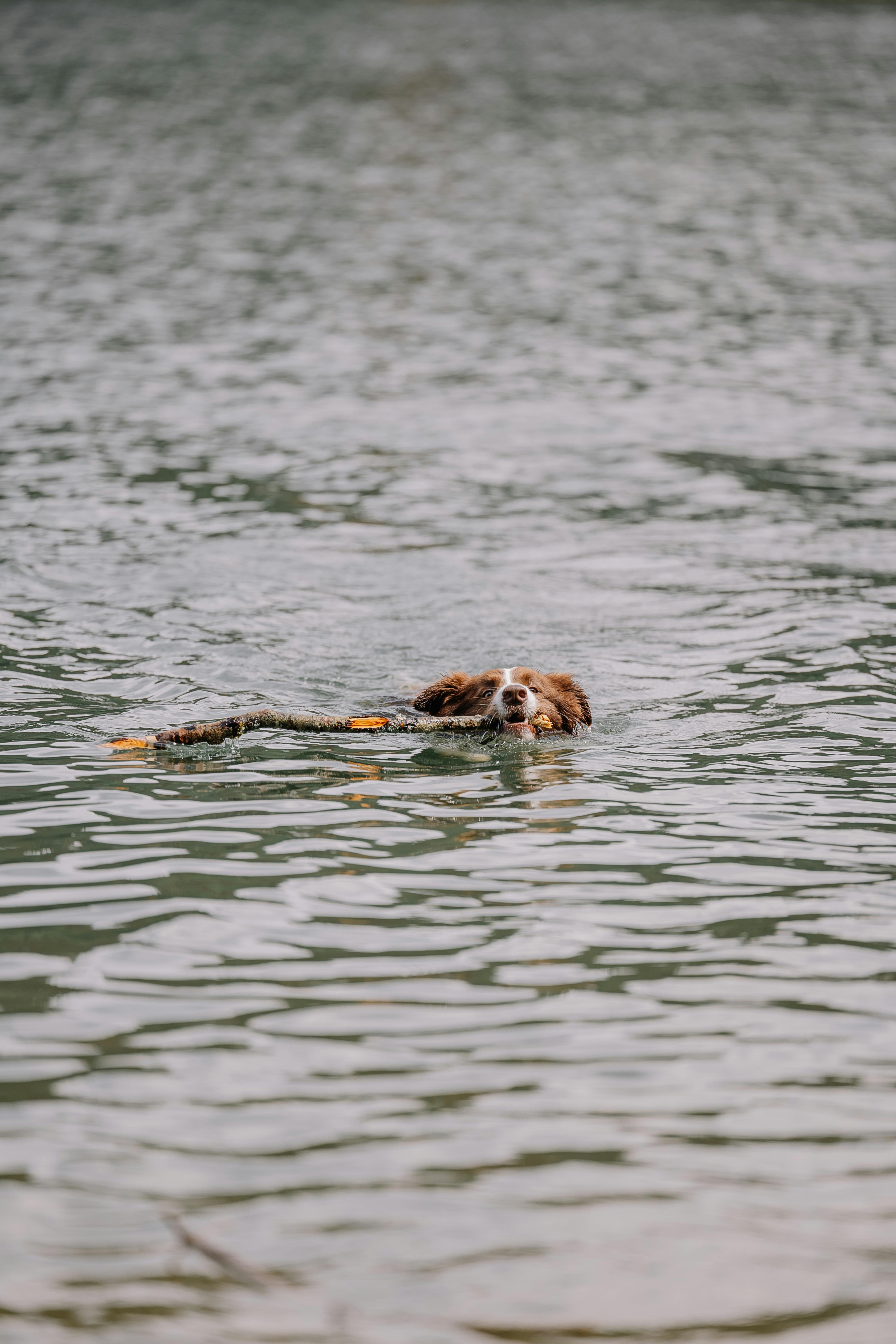
Have you ever noticed your dog’s nose? It’s usually wet, right? This wetness can be quite fascinating. But why do dogs have wet noses? Is it just a quirky characteristic, or does it serve a more important purpose? The role of humidity, temperature, and even the dog’s health are all factors that influence this common feature. Let’s dive into the fascinating reasons behind the wet noses of our furry friends.
The Science Behind Wet Noses
A dog’s nose is more than just a cute feature. It plays a vital role in their overall health and sensory perception. The wetness of a dog’s nose primarily comes from a combination of factors:
- Humidity: When the air is humid, moisture tends to cling to surfaces. This means that a dog’s nose can absorb water from the air, which keeps it moist.
- Mucus Production: Dogs produce mucus that helps to keep their noses moist. This mucus can also trap scent particles, allowing dogs to have a superior sense of smell.
- Cooling Mechanism: Dogs don’t sweat like humans do. Instead, they regulate their body temperature through their noses. A wet nose can help dissipate heat and keep them cool.
Why Do Dogs Have Wet Noses?
Now, let’s explore the various reasons that contribute to why do dogs have wet noses:
Enhanced Smell: A wet nose can absorb scent molecules better. This means dogs can track scents more effectively. The moisture helps to dissolve these molecules, making it easier for the sensory receptors in their noses to pick up odors.
Health Indicator: The condition of a dog’s nose can signal its health. A warm, dry nose may indicate dehydration or a fever, while a cool, moist nose is generally a sign of good health. However, this is not a strict rule, as various factors can affect nose moisture.
Behavioral Signals: Dogs often lick their noses when they are anxious or excited. This behavior can help them gather more information about their surroundings, which is crucial for their survival instincts.
Temperature Regulation: As mentioned earlier, the moisture on a dog’s nose helps to cool them down. Dogs often pant to regulate their body temperature, but a wet nose contributes to this process as well.
Historical Context of Dog Noses
Historically, dogs have been bred for various purposes, and their noses have evolved accordingly. For instance:
- Hunting Dogs: Breeds like Bloodhounds and Beagles have particularly wet noses, which enhance their ability to track scents over long distances.
- Companion Dogs: Even smaller breeds, often kept as companions, have wet noses. This is because all dogs, regardless of size, rely on their sense of smell for communication and interaction.
Fun Facts About Dog Noses
- Dogs have about 300 million olfactory receptors in their noses, compared to humans who only have about 5 million. This makes their sense of smell incredibly powerful.
- The wetness of a dog’s nose can vary throughout the day based on environmental conditions. After a good romp outside, your dog’s nose might be drier, but after they’ve been resting, it might be wetter.
- Some breeds naturally have drier noses. For instance, Bulldogs may have drier noses due to the shape of their snouts.
Common Myths About Dogs’ Noses
There are many myths surrounding the wet noses of dogs. Here are a few common ones:
Myth: A wet nose always means a healthy dog.
- Fact: While a wet nose can indicate good health, it’s not a definitive measure. Other signs must be taken into account.
Myth: Dogs can’t smell if their noses are dry.
- Fact: Even dry noses can detect scents. Moisture enhances their ability but isn’t the only factor.
Understanding Your Dog’s Nose
As a dog owner, it’s important to observe your pet’s behavior and nose condition. If you notice significant changes like persistent dryness or unusual temperature, it might be worth consulting with a veterinarian. Keeping an eye on your dog’s overall hydration and health can help ensure their nose stays in optimal condition.
In summary, the wetness of a dog’s nose is not just a simple trait; it’s a complex interplay of biology, health, and environment. Understanding it gives us deeper insight into our canine companions and their needs. So next time you give your pup a scratch behind the ears, take a moment to appreciate their wet nose and all that it signifies!
Can a Wet Nose Indicate Illness? Understanding the Health Signals of Your Dog

Can a wet nose indicate illness? It’s a question many dog owners may have pondered at some point. Dogs are known for their affectionate nature and playful demeanor, but their health can sometimes be elusive. Understanding the health signals of your furry friend is crucial. One of the most noticeable features of dogs is their wet noses. But why do dogs have wet noses? Let’s explore the fascinating reasons behind this common characteristic and what it might mean for your pet’s health.
The Science Behind Wet Noses
Dogs have moist noses for several reasons. One significant function of a wet nose is to enhance their sense of smell. The moisture helps to capture scent particles in the air, which makes it easier for dogs to detect different smells. Some studies suggests that a dog’s sense of smell can be up to 100,000 times more sensitive than that of humans. This heightened olfactory ability is partly due to their wet noses.
Additionally, when a dog’s nose is wet, it may also help to regulate their body temperature. Dogs do not sweat like humans; instead, they rely on panting and the moisture on their noses to cool down. So, when you notice that your dog’s nose is particularly wet, it could just be their body’s way of staying cool, especially on a hot day.
Why Do Dogs Have Wet Noses? The Fascinating Reasons!
- Enhanced Smell: The moisture on a dog’s nose helps them pick up more scent particles.
- Temperature Regulation: Wet noses assist in cooling down their body temperature.
- Health Indicator: A wet nose can sometimes indicate good health, but that’s not always the case.
Wet Nose and Health: What You Should Know
Now, while a wet nose is often a sign of a healthy dog, it’s not a foolproof method for gauging their health. There are instances where a wet nose could indicate illness. Here’s a breakdown of what you should look for:
Healthy Nose Characteristics:
- Cool to the touch
- Slightly moist
- No cracks or sores
Signs of Potential Illness:
- Excessively dry nose: This can be a sign of dehydration or other health issues.
- Crusty or cracked nose: This might indicate allergies, infections, or other skin conditions.
- Nasal discharge: If there’s discharge that is green or yellow, it could mean an infection.
Common Myths About Dog Noses
There are many myths surrounding dog noses and health. Here are a few misconceptions that often confuse pet owners:
Myth 1: A warm nose means a dog is sick.
- Reality: A dog’s nose temperature can vary throughout the day and is not a reliable health indicator.
Myth 2: Only wet noses are healthy.
- Reality: Some dogs naturally have drier noses, and that does not mean they are unhealthy.
Myth 3: A dog’s nose should always be wet.
- Reality: Weather and activity level can affect nose moisture.
Practical Tips for Dog Owners
As a responsible dog owner, it’s important to pay attention to your dog’s overall health, not just their nose. Here’s a quick checklist to help you monitor your dog’s health:
- Regular Vet Visits: Schedule yearly check-ups with your veterinarian.
- Hydration: Ensure your dog has access to fresh water at all times.
- Observe Behavior: Changes in appetite, energy level, or behavior can indicate health issues.
- Check the Nose: Regularly check for any unusual changes in your dog’s nose.
Understanding Your Dog’s Signals
Dogs communicate a lot through their body language and behaviors. Understanding these signals can help you determine their well-being. A wet nose is just one piece of the puzzle.
- Happy Dog: Wagging tail, playful behavior.
- Sick Dog: Lethargy, disinterest in food, whining or unusual vocalizations.
Knowing your dog and observing their normal behaviors will help you recognize when something is off.
In summary, while a wet nose can indicate a healthy dog, it’s only part of the bigger picture. Always consider other factors and consult with a veterinarian if you have concerns about your dog’s health. Keeping an eye on their overall behavior, hydration, and regular check-ups can ensure your furry family member stays happy and healthy.
Curious Canines: How Wet Noses Help Dogs Connect with Their Environment

Dogs, those lovable companions, have many quirks that capture our hearts. One of the most fascinating features about our furry friends is their wet noses. You ever wonder why they are so frequently damp? Well, let’s dive into that!
The Science Behind Wet Noses
Dogs have wet noses for reasons that are both biological and practical. First off, the moisture on a dog’s nose is important for their sense of smell. The wetness helps to capture scent particles in the air, enhancing their olfactory abilities. Isn’t that incredible?
Moreover, the nose is a key part of a dog’s cooling system. Dogs sweat very little, so they rely on the evaporation of moisture from their noses to help regulate their body temperature. When a dog is panting or feeling hot, their nose tends to get wetter as they lick it more often.
How Wet Noses Help Dogs Connect with Their Environment
Wet noses play a big role in how dogs interact with their surroundings. Here are some fascinating ways this happens:
Scent Detection: Dogs have about 220 million scent receptors compared to humans who only have around 5 million. This extraordinary sense of smell is heightened by that wet nose, allowing them to gather more information about their environment.
Communication Tool: Dogs often use their noses to communicate with each other. A quick sniff is like a handshake or hug in dog language. The moisture on their noses can help them pick up on pheromones and other scents that convey messages.
Temperature Regulation: As mentioned, moisture evaporation from the nose cools them down. This is very crucial during hot summer days, helping them maintain a comfortable body temperature when running around.
Curiosity and Exploration
Dogs are naturally curious creatures. They explore the world mainly through their noses. That wet nose acts like a sponge, soaking up scents and allowing dogs to investigate their environment. When you see your pup sniffing around, they not only checking things out but also gathering information about other animals, people, and even food sources.
Historical Context of Dogs’ Wet Noses
Interestingly, wet noses have been observed in various dog breeds through history. The original domesticated dogs were likely scavengers who needed a keen sense of smell for survival. Over time, dogs evolved alongside humans, enhancing their scent capabilities to help with hunting, herding, and companionship.
Fun Facts About Dogs and Their Noses
Nose Prints: Just like human fingerprints, no two dog noses are alike. Each dog’s nose print is unique, which some people even use for identification.
Nose Temperature: A dog’s nose can be a good indicator of their health. A dry, warm nose might suggest illness, while a cool, wet nose is typically a sign of a healthy dog.
Color Variation: The color of a dog’s nose can vary widely among breeds. Some dogs have black noses, while others may have pink or liver-colored noses. This is often tied to their breed and genetics.
Practical Examples of Nose Behavior
Consider this: When you take your dog for a walk, what do they do? They stop to sniff everything! This behavior isn’t just casual. Dogs are gathering information about their environment. They’ll know where other dogs have been, what food might be around, and even how long it has been since that squirrel passed through the park.
Why Do Dogs Have Wet Noses?
So, why do dogs have wet noses? It’s all about that incredible sense of smell, temperature regulation, and communication. Their wet noses are like their little tools for navigating the world, providing insights into their environment that we humans can only imagine.
In summary, a dog’s wet nose is not just an adorable feature, but a vital part of how they connect with the world. The next time you give your furry friend a pat and feel that cool, moist nose against your hand, remember all the fascinating reasons behind it. Those wet noses are more than just cute; they’re essential for a dog’s survival and happiness. Embrace the curiosity of your canine companion, and appreciate all the little things that make them special!
The Evolutionary Advantage of Wet Noses: Why Nature Designed Dogs This Way
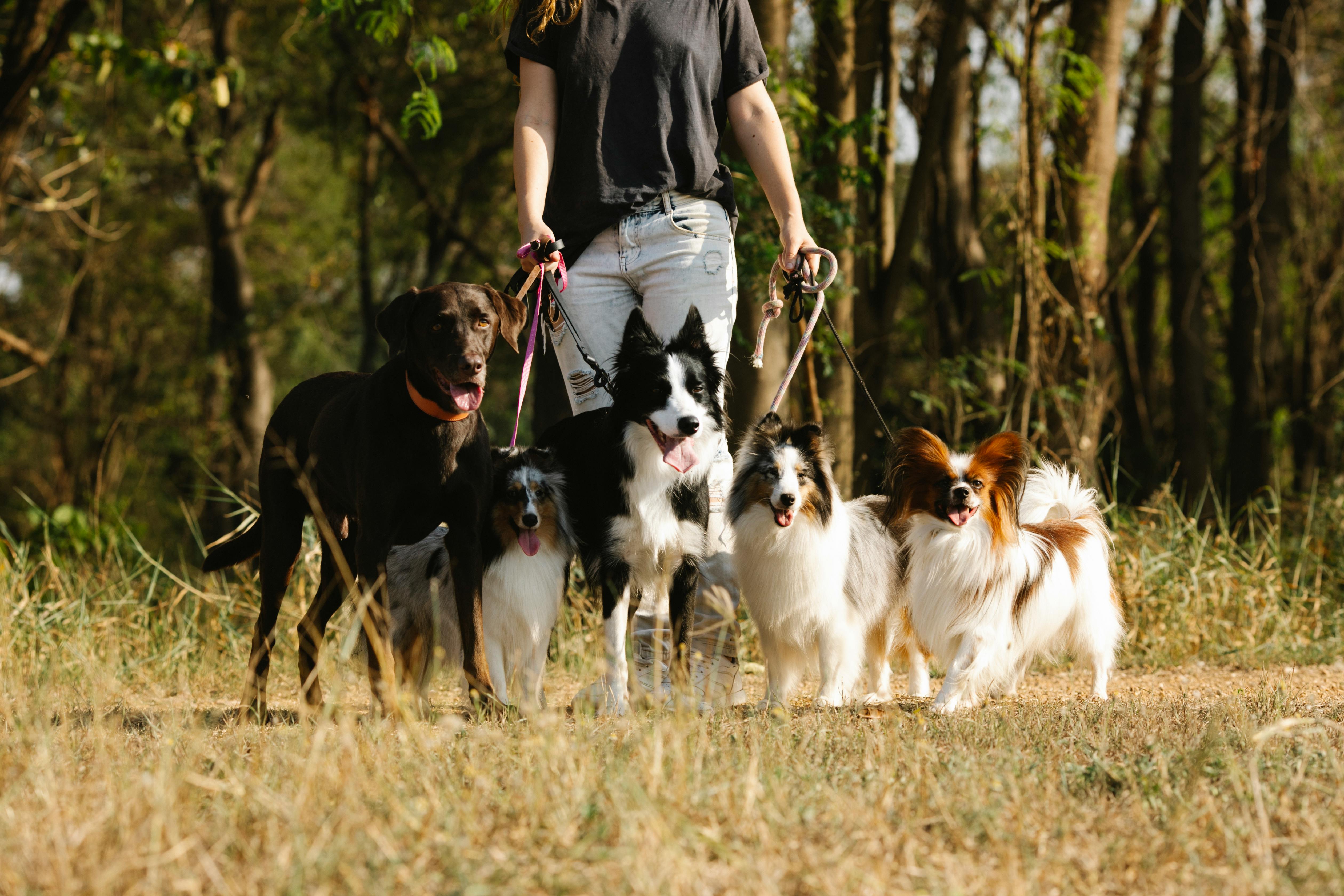
Dogs have been our companions for thousands of years, and their unique physical traits have evolved alongside us. One of the most interesting characteristics of dogs is their wet noses, which might seem like just a quirky feature, but there’s actually a fascinating science behind it. So, why do dogs have wet noses? Let’s explore the evolutionary advantage of wet noses and the reasons why nature designed dogs this way.
The Science Behind Wet Noses
A dog’s nose is not just for show. It is rich in moisture and helps them in various ways. One of the main reasons dogs have wet noses is because of their olfactory abilities. Dogs have an incredible sense of smell, which is about 10,000 to 100,000 times more sensitive than that of humans. Wet noses help them in detecting scents better. Here’s how it works:
- Moisture Enhances Scent Detection: The wetness helps to trap scent particles from the environment. When a dog inhales, the moisture on their nose captures these particles, making it easier for their olfactory receptors to process the smells.
- Cooling System: Dogs don’t sweat like humans do. Their wet noses also help to regulate body temperature. The moisture evaporates, cooling them down in hot weather.
- Health Indicator: A wet nose can be a sign of a healthy dog. If a dog’s nose is dry, it might indicate dehydration or illness.
Historical Context of Dogs’ Wet Noses
Dogs have been domesticated for over 15,000 years, and their evolution is closely linked to their roles in human society. Early humans relied on dogs for hunting, herding, and protection. The development of wet noses likely occurred as dogs adapted to their environment, enhancing their ability to track scents and find food.
- Hunting Companions: In ancient times, dogs were essential for hunting. Their ability to smell prey from long distances was a life-saver for early humans. Wet noses would have provided a significant advantage in this regard.
- Guardians and Companions: As dogs became more integrated into human families, their roles shifted. However, the need for a keen sense of smell remained, allowing them to alert humans to danger or changes in their environment.
Fascinating Facts About Dogs’ Noses
Understanding why dogs have wet noses, can lead to a deeper appreciation of our furry friends. Here are some cool facts:
- Different Shapes and Sizes: Not all dog noses are the same. They come in various shapes, sizes, and colors, which can affect scent detection ability.
- Unique Prints: Just like human fingerprints, every dog’s nose print is unique. This feature has even been used for identification purposes.
- Sensitive to Temperature: A dog’s nose can also sense temperature changes. They can differentiate between warm and cold objects, which helps them in their environment.
Comparisons with Other Animals
Dogs aren’t the only animals with wet noses. Other species also have moist nasal regions, but the reasons and adaptations can vary. Here’s a comparison:
| Animal | Nose Type | Purpose |
|---|---|---|
| Dogs | Wet | Enhanced smell, temperature regulation |
| Cats | Wet | Similar functions, but less reliance on scent |
| Pigs | Wet | Excellent sense of smell, foraging |
| Cows | Dry | Less reliance on smell, mainly grazing |
As you can see, the evolutionary design behind wet noses varies among species, but the common thread is enhanced sensory perception.
Practical Examples of Dog Nose Functions
There are many practical applications of a dog’s wet nose in everyday life:
- Service Dogs: Many service dogs are trained to detect medical conditions, like low blood sugar or seizures. Their wet noses play a crucial role in this ability.
- Search and Rescue: Dogs are used in search and rescue operations due to their incredible sense of smell, often able to locate missing persons beneath rubble or in the wilderness.
- Detection Work: Law enforcement agencies utilize dogs for drug and bomb detection. Their wet noses are integral to their effectiveness in these roles.
Understanding why do dogs have wet noses expands our appreciation for these animals and their capabilities. It’s not just a cute quirk; it’s a vital part of their design that has been refined through evolution. As humans, we can learn from our dogs’ keen senses and their ability to connect with the world in ways we can only imagine. So next time your furry friend nudges you with their wet nose, remember that it’s not just a sign of affection but also a reminder of the incredible evolutionary journey that has shaped them.
How to Care for Your Dog’s Nose: 7 Tips for Keeping It Healthy and Moist
When it comes to our furry friends, their health is often a top priority. One of the less talked about but very important aspects of dog health is the nose. Many dog owners may not realize the significance of keeping their dog’s nose healthy and moist. So, how to care for your dog’s nose? Here, we share 7 practical tips to ensure that your pup’s nose stays in tip-top shape. Also, ever wonder why do dogs have wet noses? We’ll dive into that fascinating topic too!
1. Keep it Clean
Regular cleaning is essential for your dog’s nose. Dirt, pollen, and other allergens can accumulate, causing irritation. Use a damp cloth to gently wipe your dog’s nose once a week. It is important to note, however, that not all dogs enjoys having their nose touched. So, be gentle and patient.
2. Hydration is Key
Just like us, dogs needs plenty of water to maintain moisture in their noses. Make sure your dog always has access to fresh, clean water. Dehydration can lead to a dry nose, which can be uncomfortable. If your dog’s nose appears dry, encourage them to drink more.
3. Monitor the Environment
Environmental factors plays a big role in the health of your dog’s nose. Dry air, especially in the winter months, can lead to chapped noses. Consider using a humidifier in your home during cold, dry seasons. Also, keeping your dog away from strong chemicals, like cleaners, can help as well.
4. Use Nose Balms
There are specially formulated nose balms designed just for dogs. These balms can help soothe and moisturize a dry nose. Look for products containing natural ingredients like shea butter or coconut oil. Apply a small amount to your dog’s nose as needed, but make sure they don’t lick it off right away.
5. Regular Vet Visits
Routine check-ups with your veterinarian should not be overlooked. Your vet can assess your dog’s overall health, including their nose. If you notice any unusual changes such as cracks, sores, or excessive dryness, don’t hesitate to consult your vet. Early detection of problems can save a lot of trouble.
6. Watch for Signs of Illness
A change in your dog’s nose can sometimes be an indicator of health issues. If your dog’s nose becomes excessively dry or hot, it could be a sign of fever or dehydration. Other symptoms to watch for include lethargy, loss of appetite, or unusual behavior. If any of these occurs, seek veterinary advice.
7. Know Your Breed
Different dog breeds can have different nose health issues. For example, brachycephalic breeds, like Bulldogs, have more difficulties breathing and may experience nose problems due to their structure. Research your dog’s breed-specific needs to ensure you’re giving them the best care possible.
Now, let’s talk about the intriguing question: why do dogs have wet noses? It’s more than just an adorable feature. Here’s some reasons why:
- Cooling Mechanism: Dogs don’t sweat like humans do. Their wet noses help cool them down, especially during playtime or warm weather.
- Enhanced Smell: A wet nose can pick up scent particles better. This is why dogs are such excellent sniffers! The moisture helps absorb scents, allowing them to experience the world through their noses even more.
- Health Indicator: A dog’s nose can provide clues about their health. A wet nose is often a sign of a healthy dog, while a dry or cracked nose can indicate health issues.
- Communication Tool: Dogs use their noses to communicate with each other. A wet nose can signify a friendly greeting or an invitation to play.
Quick Comparison: Wet Nose vs. Dry Nose
| Condition | Wet Nose | Dry Nose |
|---|---|---|
| Temperature | Usually cool to touch | Can be warm to touch |
| Health Indicator | Often healthy | May indicate dehydration |
| Smell Capability | Enhanced | Reduced |
| Communication | Friendly cue | Less engaging |
Keeping your dog’s nose healthy is essential to their overall well-being. By following these tips and understanding the reasons behind a wet nose, you can ensure that your canine companion stays happy and healthy. Remember to keep an eye on their nose, just like you would with any other part of their body. A little love and care go a long way!
Wet Noses and Dog Communication: What Your Pup is Trying to Tell You
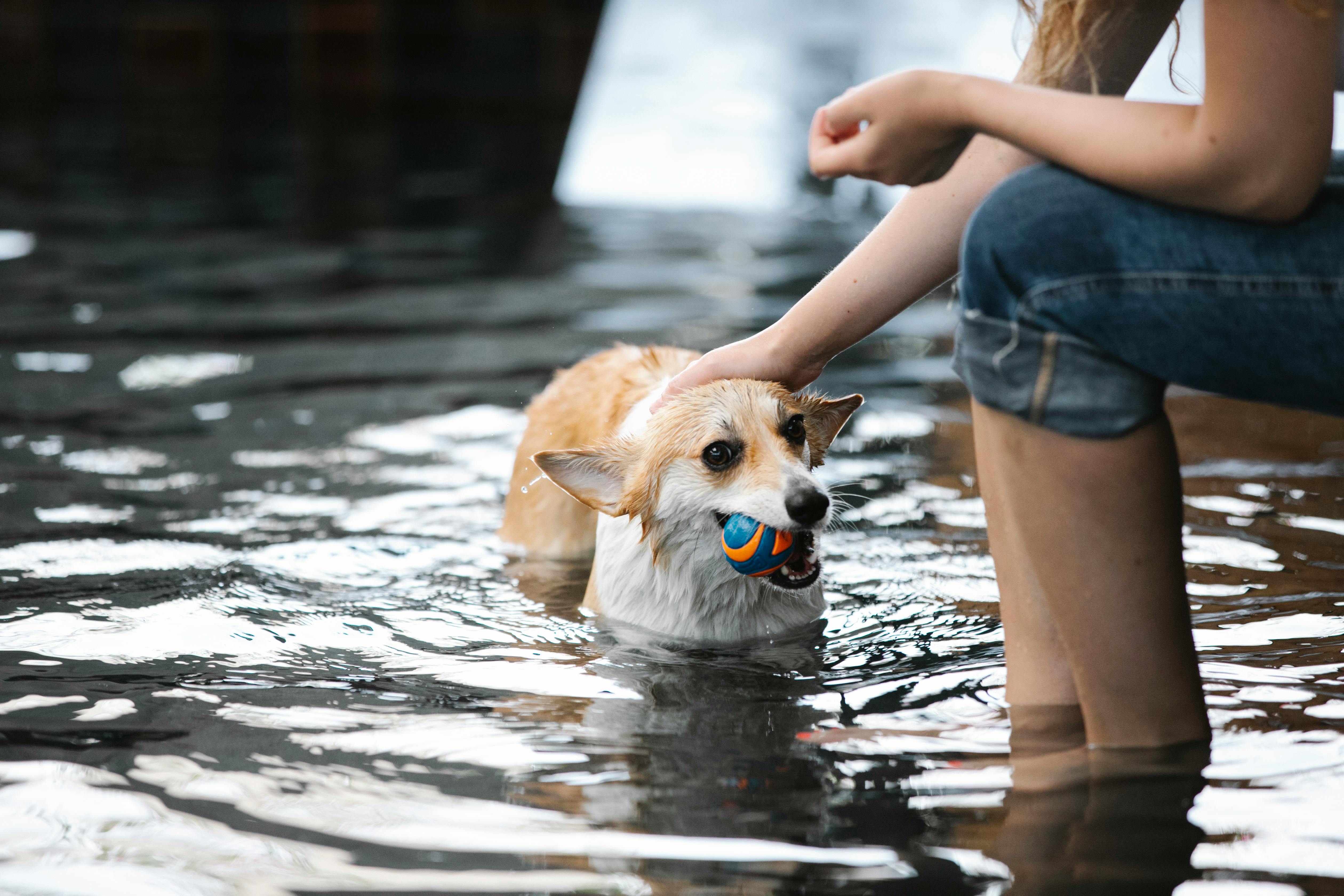
Dogs have been our loyal companions for centuries, and their unique ways of communicating with us often leaves us wondering. One of the most curious features of dogs is their wet noses. You might have thought, “Why do dogs have wet noses?” Well, there’s actually some fascinating science behind it, and it relates to both how they communicate and how they interact with the world around them.
What Makes a Dog’s Nose Wet?
A dog’s nose is wet for a couple of reasons, mostly involving physiology. The moisture helps them to better detect scents! Dogs have an incredibly high number of scent receptors, and a wet nose helps to capture scent particles from the air. Here’s a quick breakdown:
- Scent Absorption: Wet noses absorb scents more efficiently.
- Temperature Regulation: A moist nose helps dogs cool down.
- Health Indicator: The state of a dog’s nose can sometimes indicate their health.
Dogs and Communication
Dogs communicate in many ways, but their noses play a critical role. A wet nose can indicate various things! For example, when your pup nudges you with their nose, they might be seeking attention or trying to convey a need. Some key points about how dogs use their noses in communication include:
- Nose To Nose Greeting: When dogs meet, they often sniff each other’s noses. This is how they gather information about each other.
- Nudging: A gentle nudge from your dog can mean they want to play, eat, or need a bathroom break.
- Sniffing Humans: When your dog sniffs you, they are gathering information about where you’ve been and who you’ve interacted with.
The Importance of Nose Moisture
You might’ve wondered how important is the moisture on a dog’s nose? It’s pretty significant. The wetness helps to enhance their sense of smell, which is vital for many reasons:
- Hunting and Tracking: Dogs have been used for hunting for thousands of years, and their wet noses help them track prey.
- Detecting Illness: Some dogs can even detect diseases like cancer based on scent, thanks to their sensitive noses.
- Understanding Emotions: Dogs can sense human emotions through scent changes, making their wet noses essential for bonding.
Fun Facts About Dog Noses
Here are some interesting tidbits about dog noses that you might not know:
- Unique Patterns: Just like human fingerprints, every dog has a unique nose print.
- Color Changes: A dog’s nose can change color due to temperature or health conditions.
- Nose Sensitivity: A dog’s nose is so sensitive that they can detect certain scents in parts per trillion!
The Health of a Dog’s Nose
You may have heard people say a wet nose indicates a healthy dog, but this isn’t always the case. Here’s what you need to know about checking your dog’s nose:
- Normal Moisture Levels: A healthy dog’s nose can be damp and cool; however, there can be variations.
- Signs of Illness: If a dog’s nose becomes excessively dry, cracked, or hot, it might indicate illness.
- Consult Your Vet: If you notice unusual changes, a vet visit is important.
Ways to Keep Your Dog’s Nose Healthy
Here’s a quick list of tips to maintain your dog’s nose health:
- Regular Vet Check-ups: Ensures your pup’s overall health is monitored.
- Hydration: Keep your dog well-hydrated. This can help maintain moisture in their nose.
- Avoid Irritants: Keep your dog away from harsh chemicals or substances that could dry out their nose.
Conclusion
So, the next time you wonder, “Why do dogs have wet noses?” remember it goes beyond just cuteness. Their wet noses serve essential functions that allow them to communicate with us and engage with their environment. Embracing your pup’s unique way of expressing themselves can deepen your bond and enhance your understanding of their needs. That wet nose is a window into their world, and learning to interpret it can lead to a more fulfilling relationship with your furry friend.
The Fascinating Relationship Between Wet Noses and Dog Behavior: What You Need to Know

Dogs, often referred to as man’s best friend, are known for many of their charming qualities. One of the most intriguing aspects of their anatomy is their wet noses. Have you ever wondered why do dogs have wet noses? The answer’s not just a simple one, and it can reveal a lot about their behavior and health. In this article, we explore the fascinating relationship between wet noses and dog behavior, and what you really need to know about it.
Why Do Dogs Have Wet Noses?
The primary reason dogs have wet noses is due to a combination of biology and evolution. A dog’s nose serves multiple purposes, and its moisture plays a crucial role in how they interact with the world. Here are some key points:
Enhanced Sense of Smell: Dog’s noses are filled with olfactory receptors, and moisture helps to absorb scent particles. This increases their ability to identify different smells, which is essential for communication and understanding their environment.
Cooling Mechanism: Just like humans sweat, dogs use their noses to help regulate body temperature. A wet nose helps in cooling down their body, especially during hot days or after exercise.
Health Indicator: The moisture level of a dog’s nose can indicate health. A dry nose might suggest dehydration or illness, while a wet nose is usually a sign of a healthy pup.
The Science Behind Wet Noses
The scientific community has studied the anatomy of a dog’s nose extensively. The moistness comes from a combination of mucous glands and the dog’s natural behaviors. Dogs often lick their noses, which keeps them wet. This behavior is part of their instinctual grooming habits. Furthermore, breeds can vary in how wet their noses tend to be. For example, brachycephalic breeds (like Bulldogs and Pugs) often have less moisture than their longer-nosed counterparts.
Dog Behavior and Wet Noses
The connection between a dog’s behavior and its wet nose is fascinating. Let’s look at some behaviors linked with this unique feature:
Social Interaction: Dogs often greet each other by sniffing noses. A wet nose can be a sign of friendliness and openness. If a dog’s nose is dry, they might be less inclined to interact.
Mood Indicators: A wet nose can indicate that a dog is excited or engaged. Conversely, a dry nose could signal stress or discomfort.
Playfulness: When dogs are in a playful mood, they are more likely to have a moist nose. It’s part of their way of expressing joy and energy.
Historical Context of Dogs and Their Noses
Historically, dogs have been companions to humans for thousands of years. The evolution of their sense of smell has played a significant role in their domestication. Humans have relied on dogs for hunting, herding, and even protecting livestock. The wet nose, with its ability to detect scents, was crucial for these functions.
Hunting Companions: In ancient times, hunters used dogs to track game. A wet nose enhanced their scent-tracking abilities, making them invaluable.
Working Dogs: Many working breeds were developed with a keen sense of smell. Bloodhounds, for instance, are famous for their tracking capabilities, largely attributed to their wet noses.
Fun Facts About Dog Noses
Here are some interesting tidbits about dog noses that you might not know:
Dogs have about 220 million olfactory receptors in their noses, compared to about 5 million in humans.
The texture of a dog’s nose is unique, much like a human fingerprint. No two dog noses are the same!
Dogs can detect certain diseases, like cancer and diabetes, just by smelling a person’s breath or skin.
Comparing Dog Noses to Human Noses
A comparison between dog noses and human noses highlights many differences:
| Feature | Dog Nose | Human Nose |
|---|---|---|
| Number of Receptors | 220 million | 5 million |
| Moisture Level | Typically moist | Usually dry |
| Functionality | Scent detection, cooling | Breathing, filtering air |
| Unique Patterns | Individual patterns | Unique shapes |
Dogs have wet noses for many reasons, and understanding this can help dog owners better connect with their pets. A wet nose is not just an interesting fact; it is a window into a dog’s behavior, health, and overall well-being. It reflects their mood and can even signal when something might be wrong. Observing these subtle changes can help ensure that your furry friend remains happy and healthy. So, the next time you notice your dog’s wet nose, remember it’s more than just a cute feature; it’s a crucial part of what makes them who they are.
Conclusion
In conclusion, the wet noses of dogs serve several important functions, making them a fascinating topic of discussion for pet owners and animal lovers alike. Primarily, a dog’s moist nose enhances their sense of smell, allowing them to detect scents more effectively, which is crucial for their communication and navigation. Additionally, moisture helps regulate their body temperature and keeps their noses cool, especially during warm weather. The unique composition of a dog’s nasal mucus also plays a role in their overall health, acting as a natural defense against pathogens. Understanding these aspects of a dog’s physiology not only deepens our appreciation for our furry friends but also underscores the importance of regular veterinary care to ensure their well-being. So, the next time you give your dog a pat on the head, take a moment to appreciate that wet nose—it’s not just cute, it’s a vital part of what makes them so extraordinary!
