
Have you ever wondered, why do dogs have wet noses? This intriguing question goes beyond mere curiosity; it unveils the fascinating world of canine biology and behavior. Dogs’ noses are not just adorable features; they serve important purposes that connect to their overall health and senses. A wet nose can often mean a happy dog, but what are the deeper reasons behind this phenomenon? Is it true that a wet nose can indicate a dog’s health status? As pet owners, understanding the significance of a dog’s nose can enhance our relationship with our furry friends. In this article, we will explore why do dogs have wet noses, diving into the science behind it, while uncovering secrets that every dog lover should know. From the role of moisture in scent detection to its importance in temperature regulation, you’ll be amazed at what your dog’s nose can reveal. So, are you ready to discover the surprising facts about your canine companion’s remarkable sense of smell and why it starts with a wet nose? Let’s embark on this journey and unlock the mystery behind those adorable, damp noses!
The Science Behind Canine Moisture: Why Do Dogs Have Wet Noses?
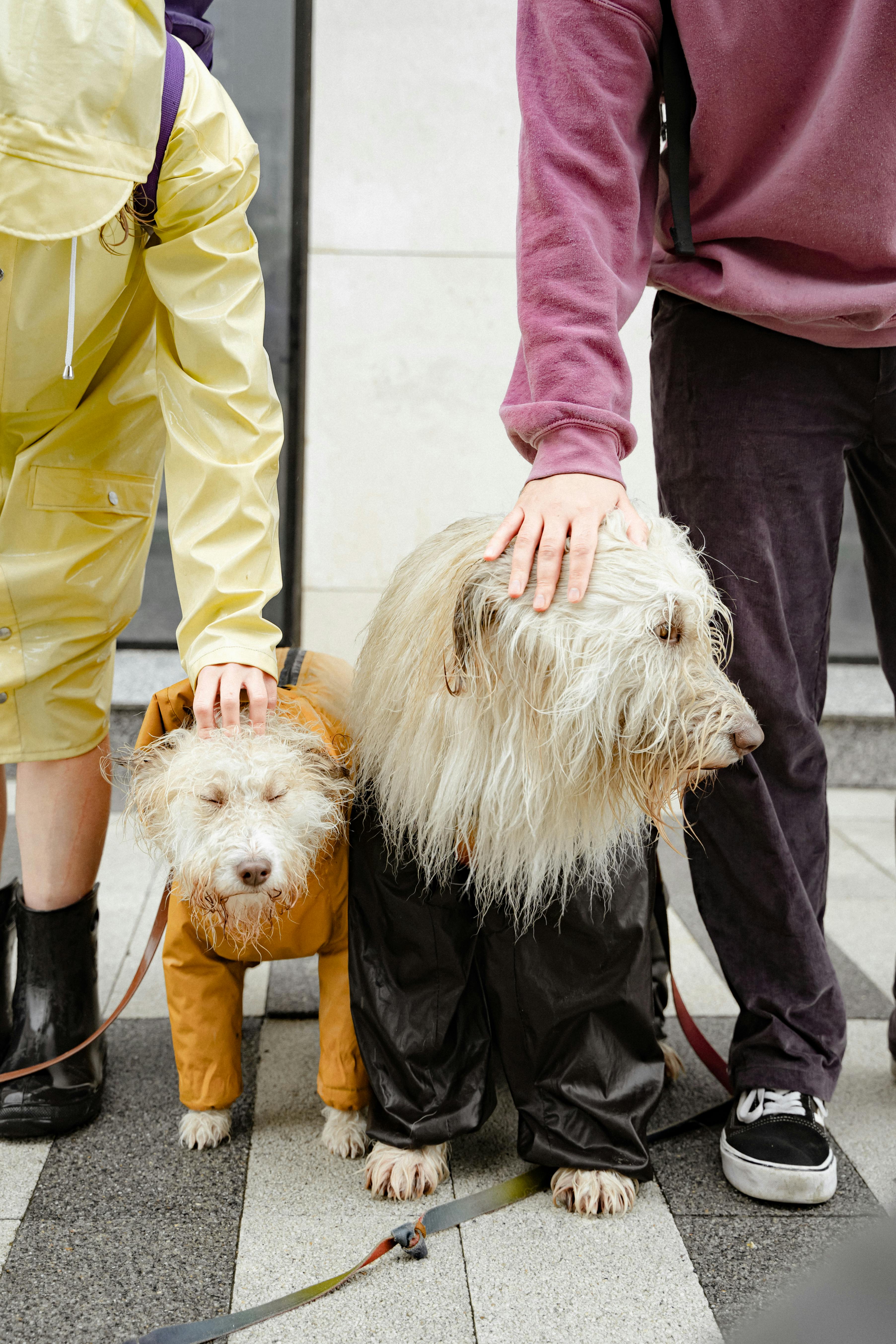
Dogs are often known for their unique characteristics, and one of the most fascinating aspects about them is their wet noses. You might have wondered, why do dogs have wet noses? It’s a question that many dog owners, and even non-dog lovers, often ask. The answer is actually quite interesting and tied into the science behind canine moisture.
The Physiological Purpose of Wet Noses
Dogs have wet noses for several reasons, primarily related to their health and sensory abilities. A wet nose can help with thermoregulation, which is a fancy way of saying that it helps dogs keep their body temperature stable. Unlike humans, who sweat through their skin, dogs don’t have that capability. Instead, they rely on panting and having a moist nose to regulate their temperature.
Here are some key points about the physiological purpose of wet noses:
- Temperature Regulation: Wet noses help cool down the dog’s body. The moisture evaporates, which has a cooling effect.
- Enhanced Olfactory Function: A dog’s sense of smell is incredibly powerful, and moisture on the nose helps capture scent particles from the air. This makes it easier for them to detect smells.
- Health Indicator: A wet nose can also indicate good health. If a dog’s nose is dry, it might signal dehydration or illness.
Historical Context of Canine Noses
Dogs have evolved over thousands of years from wolves, and their physical traits have been shaped by their environment and roles as companions to humans. Historically, wet noses may have provided advantages in hunting and survival.
- Hunting Skills: Early domesticated dogs with wet noses might have been better at tracking scents, which was essential for hunting and gathering.
- Companionship: As dogs became companions to humans, those with wet noses could have been favored, as they were perceived to be healthier and more alert.
Common Misconceptions
There’s a lot of myths surrounding why dogs have wet noses. Some people think that a wet nose is always a sign of being sick or that it should always be cool to the touch. However, this is not necessarily true.
- Not Always a Health Indicator: While a wet nose can signify good health, it doesn’t mean that a dry nose is always bad.
- Temperature Can Vary: A dog’s nose temperature can change based on their environment, so a warm nose doesn’t always mean something is wrong.
Fun Facts About Dog Noses
- Unique Patterns: Just as humans have unique fingerprints, each dog has a unique nose print. This can be used for identification.
- Sweat Glands: Dogs actually do have sweat glands, but they are primarily found in their paw pads. The wet nose is more about moisture than sweat.
- Sense of Smell: Dogs have about 220 million smell receptors in their noses, compared to about 5 million in humans. This makes their sense of smell incredibly powerful.
Practical Insights for Dog Owners
If you’re a dog owner, paying attention to your dog’s nose can be quite revealing. Here are some tips to keep in mind:
- Keep Hydrated: Make sure your dog has access to fresh water. Dehydration can lead to a dry nose.
- Regular Vet Checkups: Regular veterinary visits can help ensure that your dog is healthy.
- Observe Changes: If you notice a sudden change in your dog’s nose moisture, it might be worth consulting a vet.
Comparison Table: Wet Nose vs. Dry Nose
| Characteristic | Wet Nose | Dry Nose |
|---|---|---|
| Health Indicator | Generally healthy | Could signal issues |
| Temperature | Usually cool | Can be warm |
| Moisture | High moisture levels | Low moisture levels |
| Sense of Smell | Enhanced capabilities | May be impaired |
Understanding why dogs have wet noses can help you appreciate your furry friend even more. It’s intriguing how such a small feature can have significant implications for a dog’s health and behavior.
The next time you give your pup some love, take a moment to notice their wet nose and consider the science behind it. Whether you’re a seasoned dog owner or just an admirer, the wet nose phenomenon is a perfect example of the fascinating biology that underlies our relationships with dogs.
5 Fascinating Reasons Your Dog’s Nose is Always Wet
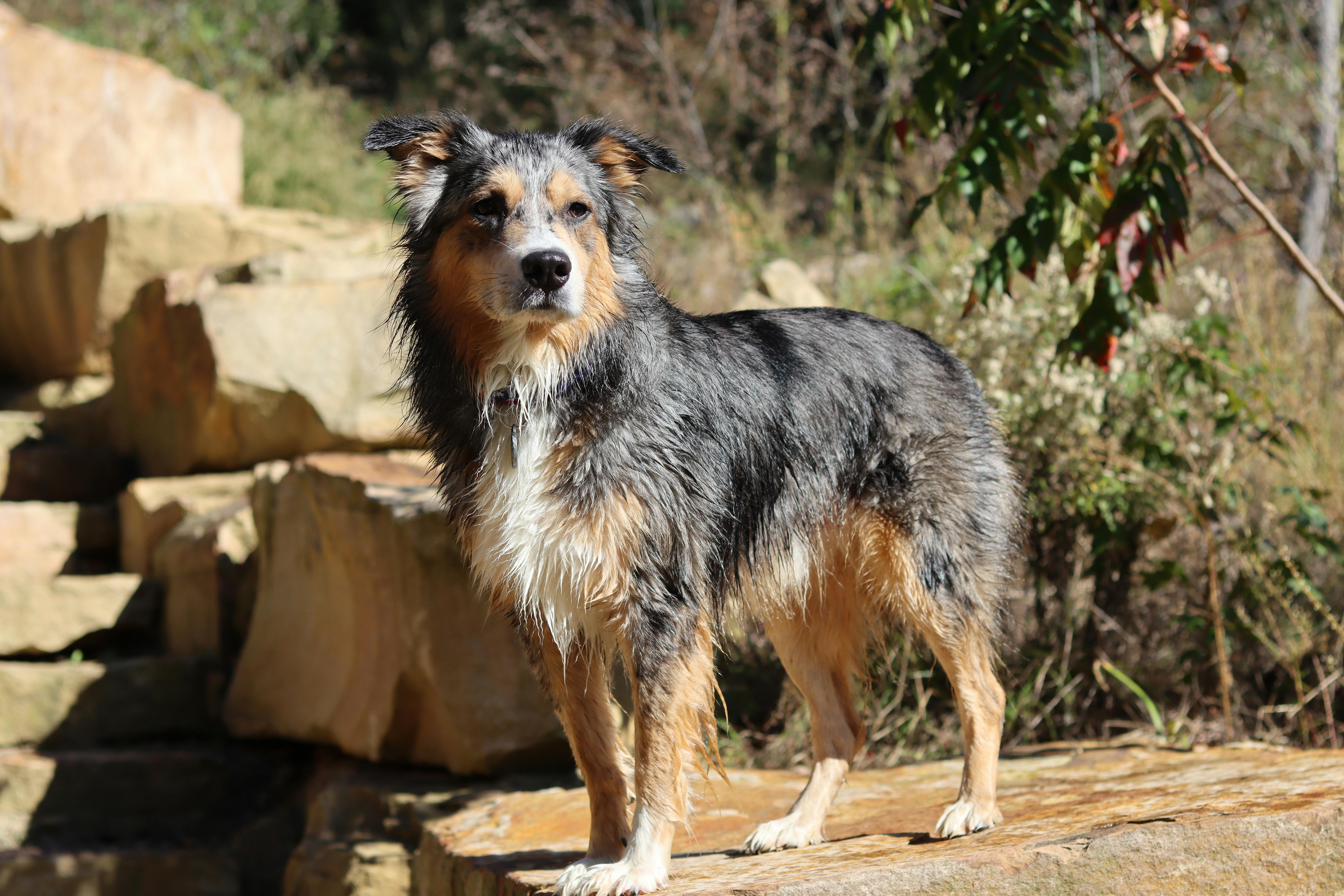
Have you ever noticed how your dog’s nose always seem wet and cool to the touch? It’s pretty fascinating when you think about it. Many dog owners might wonder, “Why do dogs have wet noses?” There’s actually a lot more going on than meets the eye. In New York, where the dog-loving community is vast, understanding this unique feature of our furry friends can deepen your bond with them. Let’s dive into 5 fascinating reasons why your dog’s nose is always wet.
1. Natural Cooling Mechanism
Dogs don’t sweat like humans do. Instead, they mainly regulate their body temperature through panting and also through their noses. A wet nose helps cool their body temperature down. When a dog pants, the moisture on their nose evaporates, which helps to dissipate heat. This is especially important during hot summer days in New York when your pooch needs to stay cool while out on walks or at the park.
2. Enhanced Sense of Smell
Did you know that a dog’s sense of smell is 10,000 to 100,000 times more sensitive than that of humans? A wet nose actually plays a crucial role in their olfactory abilities. The moisture on a dog’s nose helps to capture scent particles from the air, allowing them to analyze smells more efficiently. When a dog sniffs around, the wetness of their nose helps absorb these scent molecules, leading to a clearer understanding of their environment. You might notice your dog sniffing everything during your walks; that’s their way of gathering information!
3. Communication Tool
Dogs communicate in many ways, and their noses are part of that language. A wet nose can signal different things to other dogs. For example, a moist nose can indicate that a dog is relaxed and friendly. In contrast, a dry nose might suggest that they’re stressed or not feeling well. In social settings, like dog parks in New York City, a dog’s wet nose can help convey their mood to other canines, making interactions smoother and more enjoyable.
4. Health Indicator
Interestingly, the state of a dog’s nose can be a good indicator of their overall health. While a wet nose is commonly seen in healthy dogs, a dry or crusty nose may be a sign of illness or dehydration. Owners should pay attention to changes in their dog’s nose condition. If you notice excessive dryness, cracks, or bleeding, it’s important to consult a veterinarian. Regular check-ups can ensure that your furry friend stays in great health!
5. Environmental Factors
Lastly, dogs’ noses can be affected by their environment. Weather changes, humidity levels, and even the time of year can influence how wet or dry a dog’s nose is. For instance, during the hot summer months, you might observe your dog’s nose staying wetter due to increased moisture in the air. Conversely, in winter, when the air is dry, their noses might not be as damp. If you’re walking your dog in Central Park, you might notice how the weather affects their nose throughout the seasons.
Quick Facts About Dogs’ Noses
- Surface Area: A dog’s nose has a large surface area, which aids in smell detection.
- Nose Prints: Similar to human fingerprints, every dog has a unique nose print.
- Temperature Regulation: A wet nose helps regulate a dog’s internal temperature.
- Lick for Comfort: Dogs often lick their noses to keep them moist, especially when they feel anxious or excited.
Comparison Table: Wet Nose vs. Dry Nose
| Feature | Wet Nose | Dry Nose |
|---|---|---|
| Temperature | Cool to the touch | Usually warmer |
| Health Indicator | Generally healthy | May indicate dehydration or illness |
| Smell Sensitivity | Higher scent absorption | Lower scent absorption |
| Communication | Signals friendliness and relaxation | Could signal stress or discomfort |
So the next time your dog nudges you with their damp nose, remember that it’s not just a cute quirk. It’s a fascinating aspect of their biology that serves multiple purposes, from regulating temperature to enhancing their communication skills. Understanding why do dogs have wet noses can not only help you appreciate your furry friend more, but it also allows you to be a more attentive and informed pet owner. Keep an eye on that little wet nose—it might just tell you a lot about your dog’s health and feelings!
How a Dog’s Wet Nose Enhances Their Sense of Smell: Uncovering the Truth
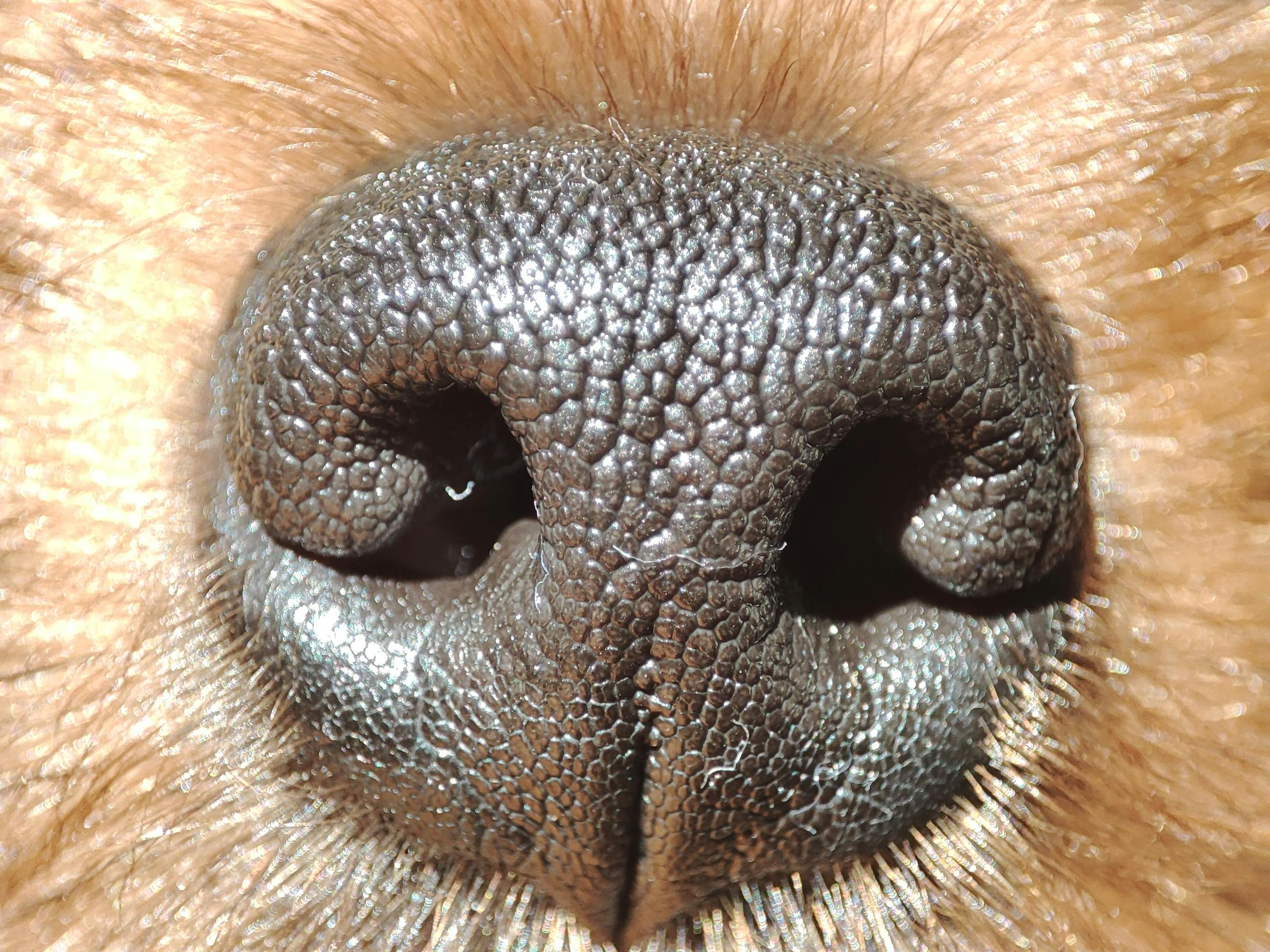
Dogs have always fascinated us with their unique abilities, and one of the most intriguing features is their wet noses. Many people often ponder: why do dogs have wet noses? This question leads us to an even deeper understanding of how a dog’s wet nose enhances their sense of smell. Let’s dive into the fascinating world of canine biology and uncover the truth behind those moist snouts.
The Science Behind a Dog’s Wet Nose
A dog’s nose is more than just cute and cold. It plays a crucial role in their sense of smell. The wetness of a dog’s nose is primarily due to a thin layer of mucus that helps to absorb scent particles. This is how it works:
- Enhanced Absorption: When the nose is wet, it allows for better absorption of scent molecules in the air. The moisture traps these particles, making it easier for dogs to pick up smells.
- Temperature Regulation: Dogs pant to cool down, but their wet noses also help regulate body temperature. The moisture evaporates, providing a cooling effect that helps them stay comfortable.
- Scent Discrimination: Dogs have between 220 million to 300 million scent receptors compared to a human’s 5 million. A wet nose enhances this capability, allowing them to differentiate between various scents much more effectively.
Historical Context of Dogs’ Noses
Historically, dogs have been bred for various purposes, many of which rely heavily on their sense of smell. For instance, hunting dogs were valued for their ability to track scents over long distances. The wet nose has always been a vital part of their anatomy, aiding in these tasks. Ancient civilizations recognized the power of a dog’s nose, utilizing their abilities for hunting, herding, and even search and rescue missions.
Why Does a Dog’s Nose Get Wet?
You might wonder, what causes a dog’s nose to be wet? Here’s a breakdown of the primary reasons:
- Environmental Factors: Dogs often get moisture from rain, dew, or water sources. They might also lick their noses to keep them wet.
- Health Indicators: While a wet nose is usually a sign of good health, there are exceptions. If a dog has an unusually dry nose or changes in texture, it might indicate an illness or dehydration.
- Behavioral Aspects: Dogs are curious creatures. They often sniff around and explore their environment, leading to their noses getting wet from different surfaces.
Comparing Dog Noses to Human Noses
Let’s take a closer look at how dog noses and human noses differ:
- Scent Receptors: As mentioned earlier, dogs have significantly more scent receptors. This makes their sense of smell approximately 40 times stronger than that of humans.
- Moisture: Human noses are typically drier compared to dogs. We have a more complex nasal structure but lack the same level of scent absorption due to less moisture.
- Purpose: While humans primarily rely on sight, dogs use their noses to understand the world around them. This sensory reliance is crucial for their communication and survival.
Practical Examples of Dogs Using Their Sense of Smell
Dogs utilize their remarkable sense of smell in various ways, showcasing how their wet noses work in action:
- Search and Rescue: Dogs can locate missing persons or disaster survivors through scent. Their ability to track a specific scent even amidst distractions is incredible.
- Medical Detection: Some dogs are trained to detect diseases such as cancer or diabetes by sniffing out unique scents in human breath or skin.
- Tracking: Hunting and tracking dogs can follow trails of animals or even detect the presence of certain wildlife by following their scent trails.
Fascinating Facts About Dogs’ Noses
Here are some interesting tidbits about dogs’ noses that you may not know:
- Unique Nose Prints: Just like human fingerprints, each dog has a unique nose print that can be used for identification.
- Color Variation: The color of a dog’s nose can vary widely and is often related to their breed. Some breeds have naturally darker noses, while others have lighter pigments.
- Temperature Sensitivity: Dogs can sense changes in temperature through their noses, which can help them detect nearby animals or changes in their environment.
Understanding why dogs have wet noses and how it enhances their sense of smell provides us with a glimpse into the incredible capabilities of our furry companions. Their wet noses are not just for show; they are vital tools that serve multiple purposes in the life of a dog. Embracing the quirks and unique traits of dogs enriches our bond with them, making them not just pets, but essential members of our families.
Is Your Dog’s Wet Nose Normal? Understanding Canine Health Indicators
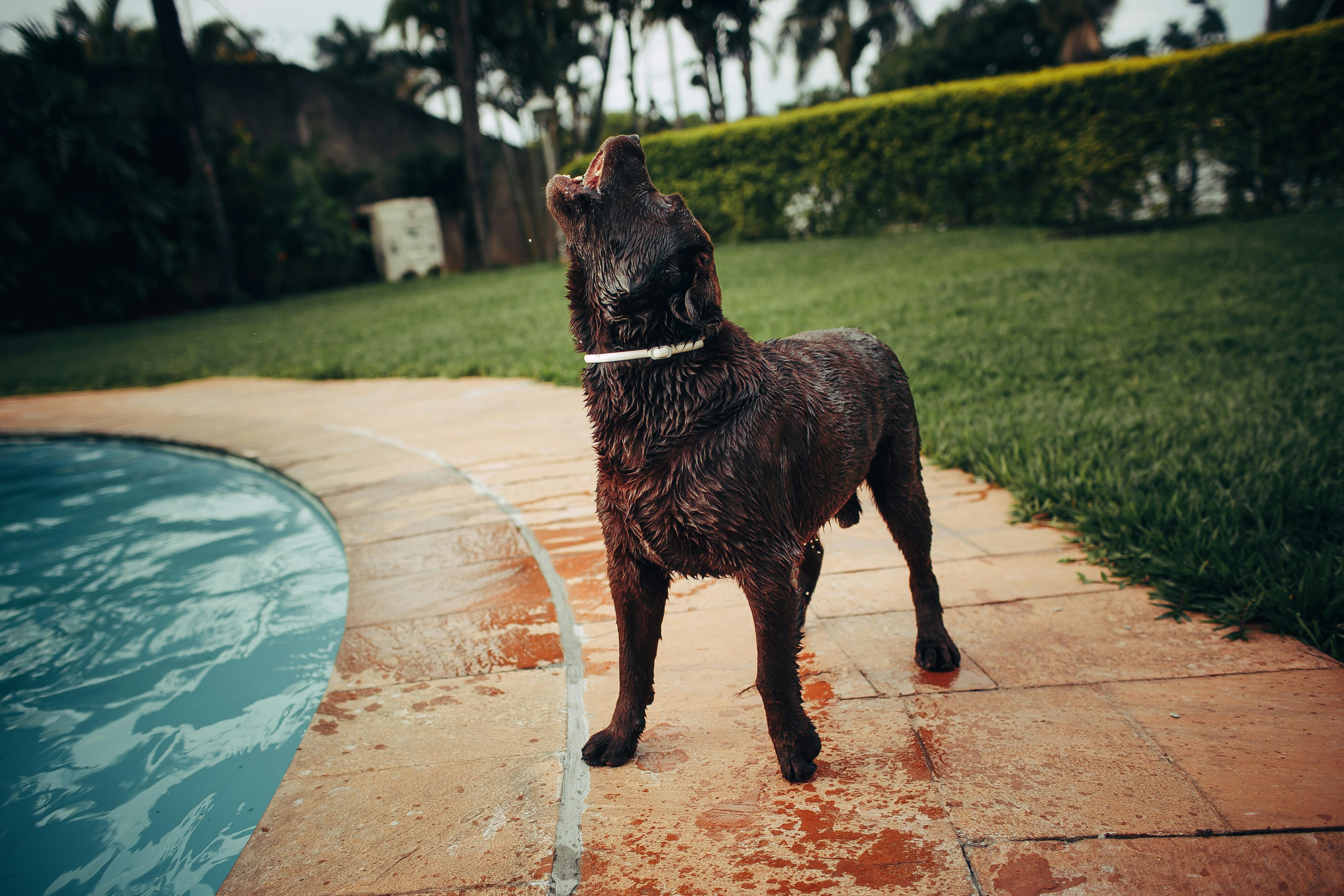
Dogs are often called man’s best friend, and one of the quirkiest traits that these lovable creatures have is their wet noses. But have you ever wondered, is your dog’s wet nose normal? Understanding canine health indicators can be quite helpful for pet owners. Many people ask, “Why do dogs have wet noses?” and the reasons are both fascinating and practical.
The Science Behind Wet Noses
The first thing to know is that a dog’s nose is wet for a reason. The moisture on their noses plays a significant role in how they interact with the world around them, especially when it comes to their sense of smell. But why exactly are they wet?
- Heat Regulation: Dogs sweat through their noses and paw pads. When it is hot outside, a wet nose helps cool them down.
- Enhanced Smell: A damp nose helps capture scent particles in the air, which enables dogs to smell better. This is why dogs are often used in search and rescue operations.
- Health Indicator: A wet nose is often considered a sign of a healthy dog. However, it is important to note that a dry nose doesn’t automatically mean your dog is sick.
Historical Context of Dog Noses
Historically, dogs have been companions for thousands of years, and their noses have been the subject of much curiosity. Ancient civilizations often believed that the wetness of a dog’s nose was a sign of its spiritual health. In some cultures, a wet nose was thought to be a blessing, while a dry nose indicated bad luck.
As science progressed, we learned that a wet nose is simply a biological adaptation. Today, veterinarians and pet owners alike value the wet nose as a key indicator of canine health.
Common Myths About Wet Noses
There are some common myths floating around about dog noses that can mislead pet owners. Here are a few:
Myth 1: A wet nose means the dog is always healthy.
- Reality: While a wet nose is often a good sign, it’s not the only factor to consider. Other signs of health need to be taken into account.
Myth 2: A dry nose means your dog is sick.
- Reality: Dogs can have dry noses for various reasons like weather changes, and it doesn’t always mean they are ill.
Myth 3: Dogs cannot get allergies.
- Reality: Just like humans, dogs can suffer from allergies which may cause changes in nose moisture.
What Should Pet Owners Look For?
As a responsible pet owner, you should monitor your dog’s nose and overall health. Here are some factors to consider:
- Temperature: A normal nose temperature is usually cool. If it feels hot, it could be a sign of fever.
- Moisture Level: A healthy dog has a moist nose. If it’s excessively dry or cracked, it may need attention.
- Color Change: A change in color can indicate health issues. For instance, a darkening or discoloration can suggest a problem.
When to Consult a Veterinarian
If you notice significant changes in your dog’s nose or if it is accompanied by other symptoms like lethargy or loss of appetite, it’s important to consult a veterinarian. Some warning signs to watch out for include:
- Persistent dryness or cracking
- Bleeding from the nose
- Unusual swelling
- Discharge (especially if it’s colored or foul-smelling)
Fun Facts About Dog Noses
- Dogs have about 300 million smell receptors, compared to humans who only have about 5 million.
- The wetness of a dog’s nose can help them detect a scent that is up to 100,000 times fainter than what humans can smell.
- Each dog’s nose print is unique, much like human fingerprints.
In summary, while the wetness of your dog’s nose can often indicate good health, it’s crucial to look at the bigger picture. Understanding the reasons behind this phenomenon can help you better care for your furry friend. Always remember to pay attention to changes and consult a veterinarian if something feels off. Your dog relies on you for health and happiness, and being informed is the first step toward responsible pet ownership.
The Surprising Benefits of a Wet Nose: What Every Dog Owner Should Know

Dogs are truly amazing creatures, and one of the most fascinating things about them is their wet noses. It’s a common sight to see a dog with a nose that’s shiny and damp, but have you ever wonder why they have wet noses in the first place? Let’s dive into the surprising benefits of a wet nose and explore the reasons behind this unique feature that every dog owner should know.
The Science Behind Wet Noses
Most dog owners probably have noticed that their furry friends tend to have moist noses. But why is that? The primary reason for this moisture is the way dogs regulate their body temperature. Dogs don’t sweat like humans do. Instead, they rely on panting and their noses to help keep cool. The moisture on their noses helps to dissipate heat, allowing them to cool down more effectively.
Health Indicators
A dog’s nose can be an important indicator of its health status. A wet and cool nose often signals that a dog is healthy, while a dry or warm nose might suggest sickness or dehydration. However, it’s not always black and white, and there are various reasons why a dog’s nose may change. Here’s a quick list of things to keep in mind:
- Wet Nose: Generally a sign of good health.
- Dry Nose: Could indicate dehydration, but not always a cause for alarm.
- Cracked Nose: Might suggest allergies or other skin conditions.
- Warm Nose: Could be due to fever or illness, but dogs can have warm noses for other reasons too.
Evolutionary Adaptations
Dogs have wet noses due to their evolutionary adaptations. Their ancestors, wolves, also had wet noses. The moisture helps to enhance their sense of smell. Dogs have an incredible sense of smell—estimated to be 10,000 to 100,000 times more acute than a human’s. The dampness on their noses helps to capture scent particles better, making it easier for them to identify different smells in their environment.
The Benefits of a Wet Nose
Having a wet nose isn’t just a quirk of nature; it comes with several benefits. Here’s a breakdown:
Enhanced Olfactory Function
Moisture helps in trapping scent particles, which makes it easier for dogs to sniff out things. This is why dogs are often used in search and rescue missions, tracking, and hunting.Temperature Regulation
Keeping cool is essential for dogs, especially in warmer weather. A wet nose helps to regulate their body temperature, preventing overheating.Social Signaling
Dogs often communicate with each other through smells. A wet nose can make their scent more potent, helping them to convey information to other dogs.Health Monitoring
As mentioned earlier, the state of a dog’s nose can be a good indicator of their overall health. Regularly checking your dog’s nose can help you catch potential health issues early.Comfort and Bonding
Dogs with wet noses often enjoy the tactile sensation of touching their noses to their human companions. This can enhance bonding and provide comfort to both the dog and the owner.
Common Misconceptions
There are many myths surrounding the significance of a dog’s wet nose. Some people believe that a warm, dry nose always means a dog is sick. While a warm nose can sometimes indicate illness, it’s not a definitive sign. Dogs’ noses can vary in temperature throughout the day based on activity, environment, and health status.
Fun Facts About Dog Noses
- Dogs have approximately 300 million smell receptors in their noses, compared to about 6 million in humans.
- The unique pattern of a dog’s nose is as distinctive as a human fingerprint.
- Dogs can detect certain diseases, like cancer and diabetes, through their sense of smell.
Understanding why dogs have wet noses can deepen your appreciation for your furry friend. It’s not just a quirky attribute; it’s a feature that serves multiple purposes, from health monitoring to enhancing their amazing sense of smell. So the next time you give your dog a scratch behind the ears, take a moment to appreciate that wet nose and all the fascinating reasons behind it. Dogs truly are remarkable companions, and their wet noses are just one of the many things that make them special.
Wet Noses and Canine Communication: How Dogs Use Their Senses to Connect
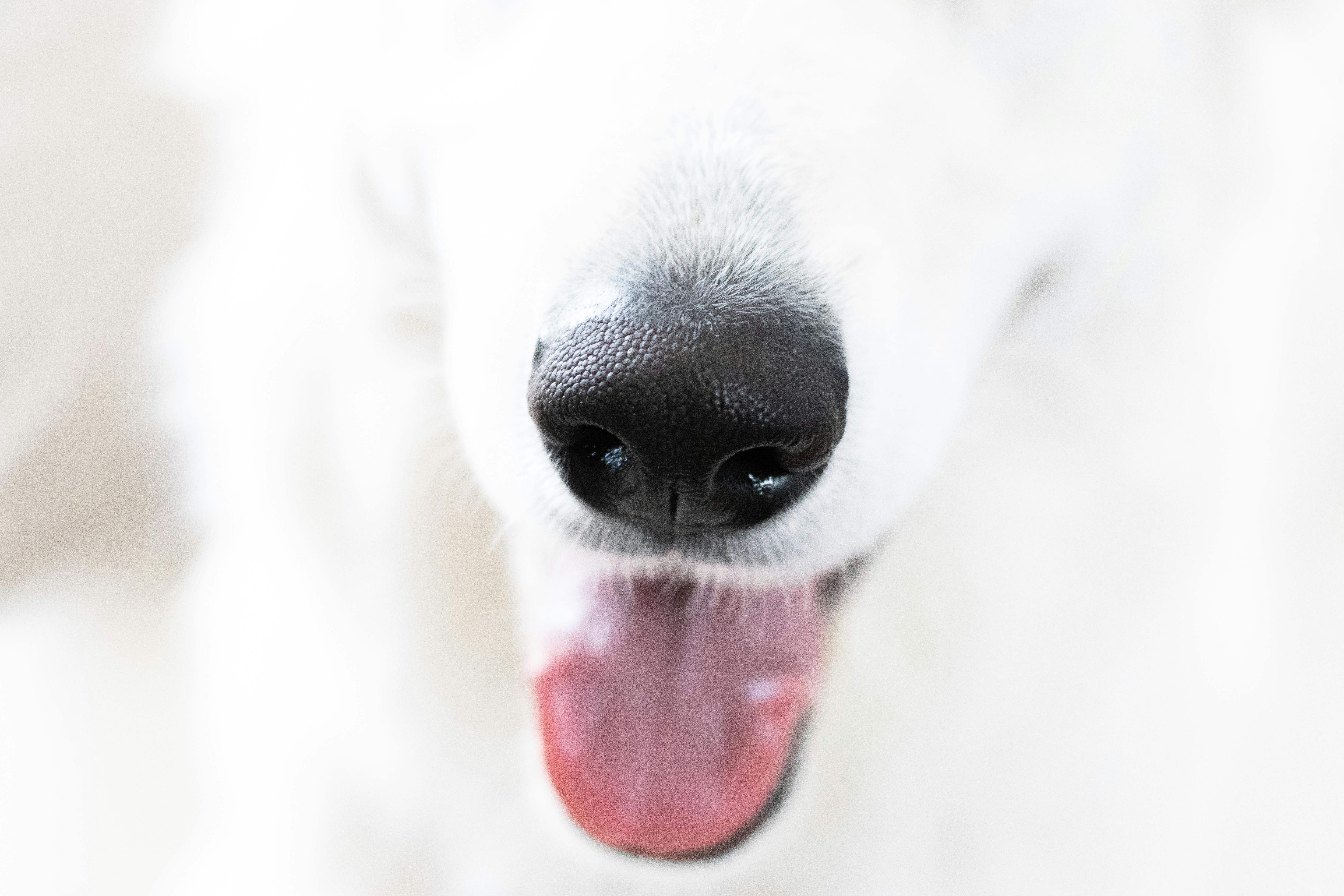
Dogs, often called man’s best friend, have a lot of fascinating traits that make them unique and endearing companions. One of the most notable features of dogs is their wet noses. You might be wondering, why do dogs have wet noses? This question leads us into the intriguing world of canine communication and their senses. Dogs use these senses to connect with humans and other animals in ways that we often don’t see.
The Science Behind Wet Noses
A dog’s nose is not just for decoration. It serves several important purposes. The moisture on a dog’s nose helps them to smell better. When their nose is wet, it traps scent particles more effectively, making it easier for them to identify different smells. According to studies, dogs have an incredible sense of smell that is estimated to be 10,000 to 100,000 times more sensitive than humans. This sensitivity is key for their hunting instincts, tracking, and even detecting diseases in humans.
- Scent Detection: Wet noses help capture scent molecules.
- Thermoregulation: A dog’s nose can also help regulate its body temperature.
- Communication: Dogs often use their noses to communicate with each other and with humans.
Wet noses are also a sign of a healthy dog. If a dog’s nose is excessively dry or cracked, it could indicate dehydration or illness. So, keeping an eye on your dog’s nose can be a good way to monitor their health.
Evolutionary Perspective
Historically, dogs developed wet noses as a result of evolution. Their canine ancestors relied heavily on their sense of smell for survival. Having a moist nose helped them track prey and avoid predators. Over time, this trait has been passed down, making it a staple in canine biology.
Here’s a brief timeline of how dogs evolved:
- Prehistoric Era: Early canines relied on smell for food and safety.
- Domestication: As dogs became companions to humans, their noses still served essential functions.
- Modern Day: Today, dogs still utilize their noses for various tasks, from search and rescue to detecting drugs and explosives.
Canine Communication: More Than Just Noses
While wet noses play a significant role in a dog’s communication, they also use other senses and body language. Understanding these signals can enhance your relationship with your furry friend. Here are some common ways dogs communicate:
- Tail Wagging: A wagging tail can mean different things based on the speed and direction. Fast wagging often indicates excitement, while slow wagging may indicate uncertainty.
- Body Posture: A relaxed body posture usually means a dog is comfortable, while a tense posture can signal fear or aggression.
- Vocalizations: Barking, whining, and growling all serve different purposes in canine communication.
Practical Tips for Engaging with Your Dog
To better connect with your dog, consider these practical tips:
- Observe: Pay attention to your dog’s body language and vocalizations.
- Training: Positive reinforcement techniques can help improve communication.
- Socialization: Expose your dog to different environments and other dogs to improve their social skills.
- Routine Health Checks: Regularly check your dog’s nose for any changes, as this can be an indicator of health issues.
Fun Facts About Dogs and Their Noses
Here are some interesting tidbits about dogs and their noses you might not know:
- Dogs have about 300 million smell receptors in their noses, compared to about 6 million in humans.
- A dog’s sense of smell is so powerful that they can detect certain diseases, like cancer, in humans.
- The pattern of a dog’s nose is unique, much like a human fingerprint.
Understanding why do dogs have wet noses and how they use their senses can deepen the bond between dogs and their owners. Dogs are not just pets, they are part of our families, and learning about their unique traits can enhance our connection with them.
So, the next time you greet your furry friend and feel that cold, wet nose against your hand, you’ll know that it’s more than just a cute feature. It’s a vital part of how they connect with the world and with you. Embrace the quirks and traits that make dogs such special companions; after all, they enrich our lives in countless ways.
Why Does Your Dog Have a Wet Nose? Debunking Common Myths
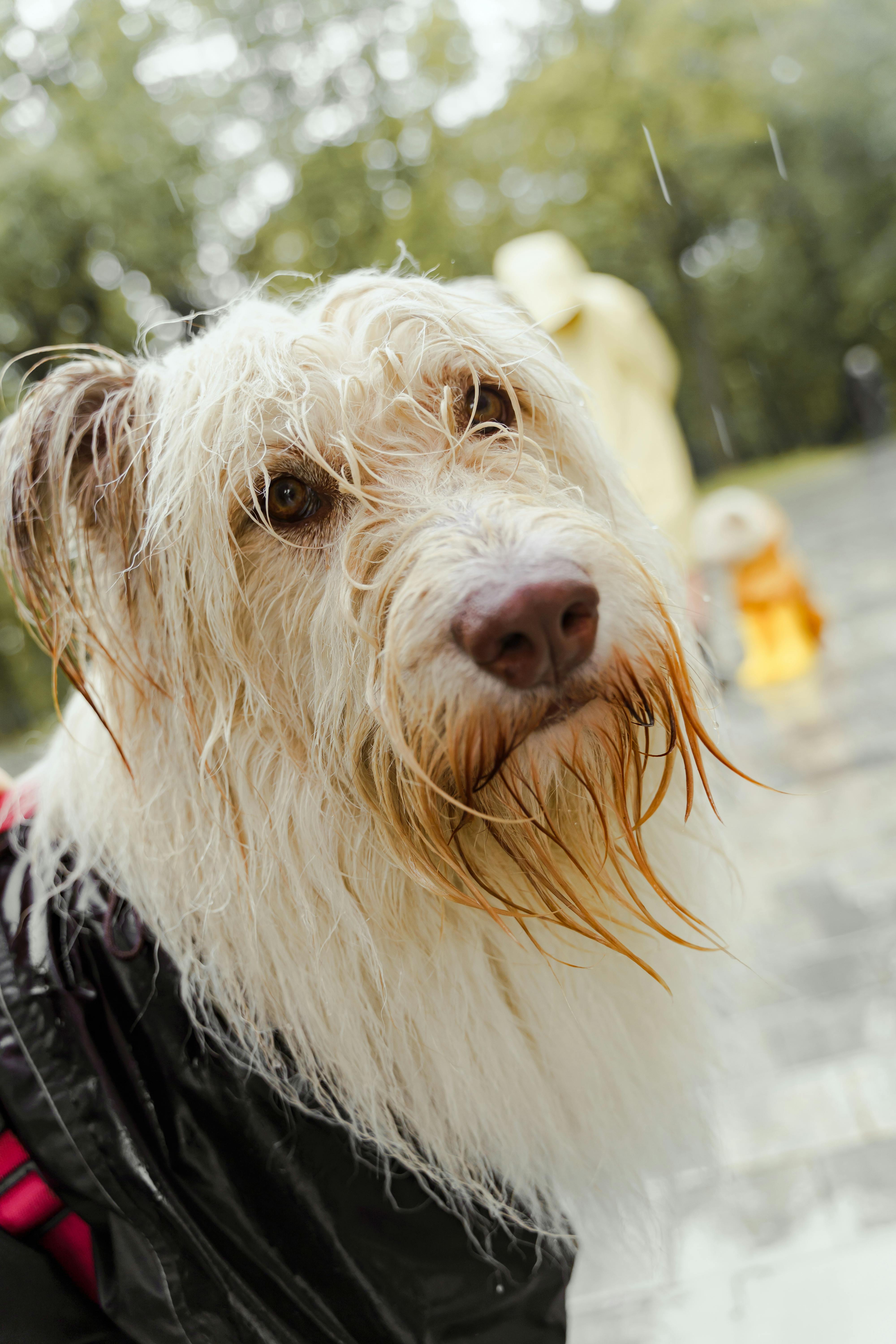
Have you ever noticed your dog’s nose and wondered why it’s always wet? Many dog owners have asked themselves this question, and there’s more to this seemingly simple characteristic than meets the eye. Dogs are fascinating creatures, and their wet noses play a role in their overall health and behavior. In this article, we’re gonna dive into the reasons behind those wet noses and debunk some popular myths along the way. So, why do dogs have wet noses? Let’s explore this intriguing canine feature.
The Biology of a Dog’s Nose
First, let’s look at it from a biological standpoint. A dog’s nose is a complex organ that serves multiple purposes. It’s not just for sniffing out treats, though that’s a big part of it. The wetness of a dog’s nose can actually help them smell better. When the nose is moist, it can trap scent particles more effectively. This enhances a dog’s ability to detect various smells, which is crucial for their survival and communication.
- Moisture and Smell: A wet nose helps collect scent particles.
- Temperature Regulation: Dogs can also lose heat through their noses.
- Health Indicator: A dog’s nose can indicate its overall health, with changes in moisture level potentially signaling issues.
Common Myths About Wet Noses
There’s a bunch of myths surrounding why dogs have wet noses. Here are some of the most common ones, and we’ll clear the air about them:
- Wet Noses Mean Healthy Dogs: While a wet nose can indicate a healthy pup, it’s not a definitive sign. There are many factors involved in a dog’s health.
- Dogs Sweat Through Their Noses: This isn’t true. Dogs mainly sweat through their paw pads; their noses help them cool down, but not through sweating.
- The Wetter, The Better: Some folks think that the wetter the nose, the happier the dog. This isn’t always accurate. Dogs can have varying nose moisture depending on many factors like activity level and environment.
Why Do Dogs Have Wet Noses? Unveiling the Fascinating Reasons
Now, let’s get into the real reasons behind those wet noses, as they can be pretty fascinating!
Scent Detection: As mentioned, a moist nose captures and absorbs scent particles better. Dogs have an incredible sense of smell, estimated to be 10,000 to 100,000 times more sensitive than humans. This ability is vital for their survival instincts.
Cooling Mechanism: Dogs don’t sweat like humans. Instead, they cool off through panting and by having a wet nose. The moisture evaporating from their noses can help regulate their body temperature, especially during hot weather.
Communication Tool: Dogs communicate in many ways, and their noses are part of that. A wet nose can signal excitement or affection. When your dog nudges you with their nose, it may be their way of showing love or seeking attention!
Practical Tips for Dog Owners
Understanding why your dog has a wet nose can help you care for them better. Here are some practical tips for dog owners:
- Monitor Nose Moisture: Pay attention to changes in your dog’s nose. If it becomes excessively dry or cracked, it may signal dehydration or other health issues.
- Hydration is Key: Always ensure your dog has access to clean drinking water. Proper hydration is vital for keeping that nose nice and moist.
- Regular Vet Check-ups: Keep up with regular vet appointments. They can provide important insights into your dog’s health, including nose conditions.
Fun Facts About Dogs’ Noses
Just for fun, here are some quick facts about dog noses that you might not know:
- Unique Prints: Just like human fingerprints, a dog’s nose print is unique to each dog. They can be used to identify them!
- Color Variation: Nose color can vary greatly among breeds. Some dogs have black noses, while others may have pink or brown ones.
- Nose Temperature: The temperature of a dog’s nose can change. A cooler nose is sometimes a sign of a healthy dog, but don’t use that as your only health indicator.
In summary, the reasons behind your dog’s wet nose are quite interesting and multifaceted. From enhancing their sense of smell to regulating their temperature, a wet nose is more than just a cute feature. Dogs use their noses for various purposes, and understanding this can deepen your bond with your furry friend. So next time you give your pup a pat, remember that their wet nose is a little marvel of nature!
The Role of a Wet Nose in Your Dog’s Thermoregulation: What You Need to Know
Dogs are incredible creatures, and one of the most fascinating aspects of them is their wet noses. It’s more than just a cute feature; it plays a significant role in their overall health and thermoregulation. So, why do dogs have wet noses? Understanding this can help dog owners to understand their furry friends better and take better care of them.
The Science Behind a Wet Nose
A dog’s nose can be wet for several reasons. Primarily, the moisture on a dog’s nose comes from the secretion of mucous and the licking of their noses. This wetness helps dogs in a few important ways:
- Thermoregulation: Just like humans sweat to cool down, dogs rely on their noses to help regulate their body temperature. When the mucous on their noses evaporates, it helps cool down their body.
- Enhanced Sense of Smell: A wet nose can capture scent particles more effectively. The moisture helps to bind scent molecules, making it easier for dogs to detect different smells.
- Health Indicators: The condition of a dog’s nose can indicate its health. A dry nose may signal dehydration or illness, while a wet nose is usually a sign of good health.
Historical Context
Historically, dogs have been around humans for thousands of years. They have evolved to adapt to various environments, and their wet noses are a product of this evolution. In the wild, the ability to smell and thermoregulate effectively can be the difference between survival and death. For hunting and herding, a dog needs to have optimal sensory abilities, and the wet nose plays a big role here.
Why Do Dogs Have Wet Noses? Unveiling The Fascinating Reasons
Cooling Mechanism: As mentioned, dogs can’t sweat efficiently like humans do. Their primary way of cooling off is through panting, but having a wet nose helps too. When the moisture evaporates, it cools the blood vessels close to the surface.
Scent Detection: Dogs have an extraordinary sense of smell, estimated to be between 10,000 and 100,000 times more sensitive than that of humans. The wetness of their nose assists in trapping scent particles, so they can analyze smells more effectively.
Communication: Dogs also use their noses to communicate with other dogs. The moisture in their noses can carry pheromones and other scent-based signals that convey information about their identity, health, and emotional state.
Behavioral Indicators: If a dog’s nose suddenly becomes dry or hot, it can indicate stress or illness. Monitoring changes in your dog’s nose can help you catch potential health issues early.
The Anatomy of a Dog’s Nose
Dogs noses are not just one simple structure; they are quite complex. Here’s a quick look at the anatomy:
- Nasal Cavity: The area inside the nose where scent particles are detected.
- Olfactory Receptors: Specialized cells that detect smells. Dogs have about 300 million of these, compared to humans who have about 5 million.
- Mucous Membrane: This moist layer helps to trap scent particles and keeps the nose hydrated.
Practical Tips for Dog Owners
Understanding the role of a wet nose in your dog’s health is essential. Here are some tips for dog owners:
- Hydration: Ensure your dog has access to fresh water. Dehydration can lead to a dry nose.
- Temperature Monitoring: If your dog’s nose is excessively dry or hot, check for other signs of distress or illness.
- Regular Vet Check-Ups: Keep up with regular vet visits to monitor your dog’s general health, including nose condition.
- Observe Changes: Take note of any sudden changes in your dog’s nose moisture or temperature, as this could indicate health issues.
Comparing Dog and Human Nose Functions
| Feature | Dog Nose | Human Nose |
|---|---|---|
| Scent Detection | Highly sensitive, wet | Less sensitive, dry |
| Thermoregulation | Evaporative cooling | Sweating |
| Health Indicator | Moisture reflects health | Not as reliable |
Dogs and humans may share the same basic function of a nose, but they operate very differently. The dog’s nose is finely tuned for survival and health, while humans have a more basic function.
Dogs are remarkable beings, and their wet noses are just one of the many unique traits that contribute to their health and well-being. By understanding why do dogs have wet noses and what that means for their overall health, you can better care for your furry companion. Whether it’s monitoring hydration or just enjoying the wet nose nuzzles, there’s a lot to appreciate in this simple yet fascinating feature of our canine friends.
Top 7 Reasons Dogs Have Wet Noses: From Health to Happiness
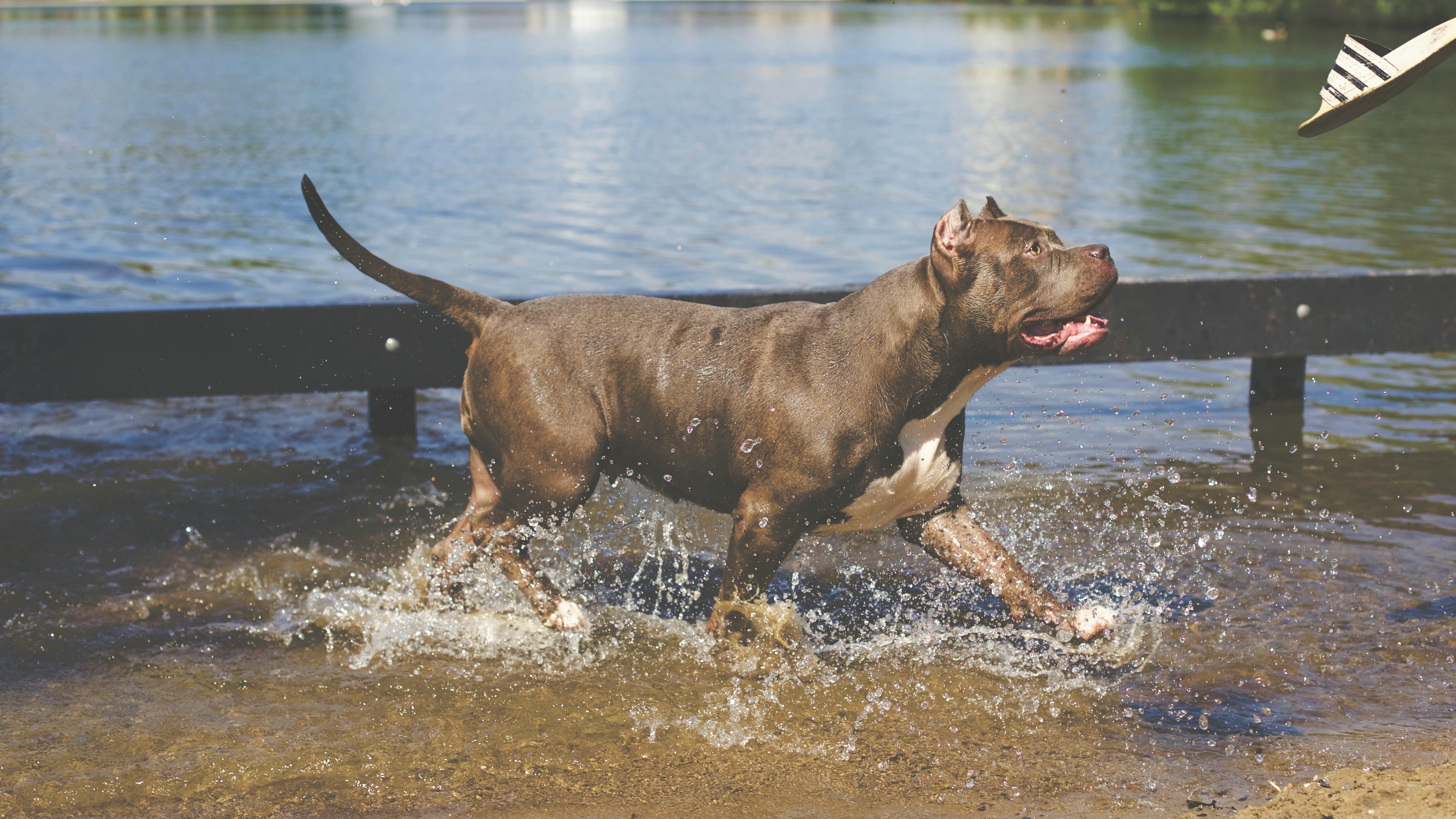
Dogs are some of the most beloved pets around the world, and many people often wonder about their unique characteristics. One of the most notable features of dogs is their wet noses. But why do dogs have wet noses? Is it just a cute quirk, or does it serve a deeper purpose? Let’s dive into the top 7 reasons dogs have wet noses, exploring the fascinating science behind this common canine trait.
1. Sense of Smell Enhancement
Dogs has an incredible sense of smell, which is estimated to be 10,000 to 100,000 times more sensitive than humans. A wet nose helps dogs to absorb scent molecules more effectively. When their noses are moist, it helps to trap scent particles, allowing them to sniff out trails, track other animals, or even detect certain diseases in humans. It’s like having a built-in superpower for sniffing!
2. Cooling Mechanism
Just like how humans sweat to cool down, dogs also use their noses to regulate temperature. A wet nose can help to dissipate heat, ensuring that their body temperature remain stable. Dogs don’t sweat the same way people do, and having a cool, damp nose can be an indicator that they’re managing their heat effectively. This is especially important during the hot months of summer.
3. Emotion and Communication
Dogs communicate not just through barks and body language, but also with their noses. A wet nose can signal different emotions or states of mind. When dogs are excited or happy, their noses tends to be wetter. On the other hand, if a dog is feeling sick or stressed, their noses may be dry. So, next time your dog greets you with a slurpy nose, it might be their way of showing joy!
4. Health Indicator
The texture and moisture of a dog’s nose can serve as an important health indicator. Veterinarians often check a dog’s nose to assess their health status. A wet, cool nose is usually a good sign, while a dry or cracked nose may indicate dehydration or illness. Regularly observing your dog’s nose can help you catch early signs of health issues, making it essential for pet owners to pay attention.
5. Natural Insulator
A dog’s nose is not just for show; it also acts as a natural insulator. The moist surface can help to keep the nasal passages hydrated and functioning properly. This is crucial for respiratory health, especially in environments with dry air. It ensures that the air they inhale is properly conditioned before it reaches their lungs, which is essential for overall well-being.
6. Sensory Exploration
Dogs are naturally curious animals and their noses serve as one of their primary tools for exploration. A wet nose not only helps them smell better, but it also enhances their ability to interact with the world around them. When dogs investigates new objects or environments, they often lick or sniff things; this behavior helps them gather information about their surroundings, making it easier for them to understand and react to new situations.
7. Evolutionary Trait
The wet nose may also have evolutionary roots. Historically, dogs descended from wild canines, who relied on their sense of smell to hunt and survive. Over time, this trait has been passed down through generations. A wet nose could have provided a survival advantage, helping early dogs to track prey and avoid dangers in their environment.
Summary of Reasons Why Dogs Have Wet Noses
- Sense of Smell Enhancement: Helps capture scent molecules.
- Cooling Mechanism: Regulates body temperature.
- Emotion and Communication: Indicates happiness or sickness.
- Health Indicator: Signals hydration and well-being.
- Natural Insulator: Keeps nasal passages hydrated.
- Sensory Exploration: Aids in understanding their environment.
- Evolutionary Trait: Survival advantage in the wild.
It’s fascinating how something as simple as a dog’s wet nose can hold so much importance in a dog’s life. From health to happiness, a wet nose plays a crucial role in their overall well-being. Paying attention to your dog’s nose can not only enhance your bond but also help you ensure they stay healthy and happy. So next time you notice your furry friend’s delightful damp snout, remember all the amazing reasons behind it!
How to Care for Your Dog’s Nose: Importance of Moisture and Hydration

Dogs are not just man’s best friend; they are also a source of endless curiosity. Many dog owners often ask, “Why do dogs have wet noses?” This simple question opens up a world of fascinating facts about our canine companions. Wet noses are not just adorable; they play a crucial role in your dog’s health and well-being. So, how do you care for your dog’s nose? Let’s dive into the importance of moisture and hydration for your furry friend’s nose.
The Science Behind a Dog’s Wet Nose
Ever notice how your pup’s nose is always damp? This wetness isn’t just random; it serves some important functions. Here’s why:
- Enhanced Scent Detection: Dogs have an incredible sense of smell, which is about 10,000 to 100,000 times more sensitive than humans. A wet nose helps to capture scent particles better. The moisture on their nose traps those scents, allowing dogs to process smells more effectively.
- Cooling Mechanism: Dogs don’t sweat like humans do. Instead, they release heat through their noses. A moist nose can help lower body temperature, especially during hot weather.
- Health Indicator: A dog’s nose can indicate its health status. A healthy nose is usually cool and moist, while a dry or cracked nose might signal dehydration or illness.
The Importance of Moisture and Hydration
Keeping your dog’s nose moist is crucial for its overall health. Here are some ways to ensure your pup stays properly hydrated:
- Fresh Water: Always provide access to clean, fresh water. Dogs should drink plenty of water daily, especially after exercise or in hot weather.
- Dog Food: Some dog foods contain higher moisture content, which can help. Wet dog food or adding water to dry food can be beneficial.
- Humidity Levels: If you live in a dry climate, consider using a humidifier. This can help maintain moisture in the air, which can keep your dog’s nose hydrated.
Common Nose Conditions in Dogs
Sometimes, a dog’s nose might not be as moist as it should be. Here are some common conditions that might affect your dog’s nose:
- Nasal Dermatitis: This can cause redness and inflammation. It’s often a result of allergies or irritants.
- Hyperkeratosis: A thickening of the skin on the nose which can lead to cracks and dryness.
- Infections: Bacterial or fungal infections can lead to discharge and other symptoms.
Regular vet check-ups can help catch these issues early on.
Historical Context: Why Dogs Evolved with Wet Noses
Dogs have been companions to humans for thousands of years. Their wet noses are a trait that has been passed down through generations. The evolutionary benefits of a wet nose include:
- Survival: In the wild, being able to detect scents is essential for hunting and foraging. A moist nose increases the chances of finding food.
- Communication: Dogs communicate through scents, and having a wet nose helps them engage better with their environment and other dogs.
Practical Tips for Nose Care
Here are some practical tips for ensuring your dog’s nose stays healthy and hydrated:
- Regular Checks: Examine your dog’s nose regularly for cracks, dryness, or changes in color.
- Avoid Irritants: Keep your dog away from chemicals, pesticides, and other irritants that could dry out their nose.
- Use Nose Balm: If your dog’s nose is dry, consider using a pet-safe nose balm. It can provide much-needed moisture.
- Stay Hydrated: Make sure your dog is drinking enough water, especially after playtime or walks.
Comparison of Dog Nose Conditions
Here’s a simple comparison table of common nose conditions in dogs:
| Condition | Symptoms | Treatment |
|---|---|---|
| Nasal Dermatitis | Redness, inflammation | Topical treatments, allergy management |
| Hyperkeratosis | Thickened skin, cracks | Moisturizing treatments, vet guidance |
| Infections | Discharge, swelling | Antibiotics, antifungal treatments |
Understanding why do dogs have wet noses and how to care for them is essential for every pet owner. A healthy nose is a good indicator of your dog’s overall health. So remember, keeping your pup’s nose moist isn’t just about looks — it’s about keeping them happy and healthy. Regular care, hydration, and attention to any changes can make a big difference in your dog’s well-being.
Conclusion
In conclusion, the wet noses of dogs serve several important functions that are vital for their health and behavior. We explored how moisture enhances their sense of smell, allowing them to gather more scent particles and interpret their environment more effectively. Additionally, a wet nose helps regulate their body temperature through evaporation, acting as a natural cooling mechanism. The moisture also plays a role in their overall health, as it can indicate hydration levels and alert owners to potential health issues. Understanding these aspects of a dog’s physiology can deepen our bond with our furry companions. As dog owners, it’s essential to observe our pets regularly, ensuring their noses are not only wet but healthy. So, the next time you see your dog’s moist nose, remember the fascinating reasons behind it and cherish the unique ways they interact with the world around them.
