
Have you ever wondered why do dogs have wet noses? It’s a common question among pet lovers and curious minds alike! In this post, we will uncover the surprising reasons behind your furry friend’s moist snout. A dog’s nose is not just for sniffing; it has fascinating roles that impact their health and behavior. Did you know that a wet nose can actually help dogs stay cool and regulate their body temperature? Or that it plays a crucial role in their incredible sense of smell? These intriguing facts about dog nose moisture can change the way you view your canine companion!
But what other reasons are there for this unique feature? As we dive deeper, you’ll discover how a dog’s nose can impact their emotions, communication, and even their overall well-being. This exploration not only satisfies your curiosity but also strengthens the bond between you and your pet. So, if you’ve been asking, “Why does my dog’s nose feel wet?” or “Is a dry nose a sign of something wrong?” stay tuned! You’re about to embark on a journey filled with fascinating insights that will make you appreciate your pup even more!
The Science Behind Wet Noses: What Your Dog’s Nose Reveals About Their Health

When you think about your dog, you might not realize that their wet noses are more than just an adorable feature. There’s actually some interesting science behind it! Many dog owners often find themselves wondering, “Why do dogs have wet noses?” It turns out, there’s a lot more going on than just cuteness. Let’s dive into what your dog’s nose can tell you about their health and well-being.
The Anatomy of a Dog’s Nose
First off, let’s get to know a bit about the structure of a dog’s nose. A dog’s nose is covered in a special kind of skin that’s different from the rest of their body. It is thin, moist, and has many small glands. Here’s some key points about their noses:
- Moisture: The moisture on the nose helps to enhance their sense of smell. It captures scent particles from the air.
- Temperature Regulation: Dogs also use their nose to help regulate their body temperature. When they pant, moisture evaporates from their nose, cooling them down.
- Unique Patterns: Just like human fingerprints, every dog has a unique nose print, which can even be used for identification purposes!
Why Are Dog Noses Wet?
Now, let’s get into the reasons why dogs have wet noses. It’s not just for show. Here are some surprising facts that reveal the purpose behind that wetness:
- Sense of Smell: Wet noses helps dogs pick up scents better. The moisture collects scent particles, which then interact with the olfactory receptors in the nasal cavity.
- Health Indicator: A wet nose often indicates that a dog is healthy. Conversely, a dry or cracked nose could mean they’re dehydrated or unwell.
- Cooling Mechanism: Dogs don’t sweat like humans do. Their wet nose helps cool them down, especially during warmer months.
What a Wet Nose Might Reveal About Health
Keeping an eye on your dog’s nose can give you some clues about their health. While a wet nose is typically a sign of good health, there are exceptions. Here’s a quick guide to help you understand what different conditions may signify:
- Normal Wet Nose: Indicates hydration and good health.
- Dry or Cracked Nose: Could indicate dehydration or a potential health issue.
- Excessively Runny Nose: Might suggest allergies or a cold.
- Discolored Nose: Any changes in color, like redness or swelling, could mean an infection.
Historical Context of Dog Noses
Historically, dogs have been valued for their keen sense of smell. In ancient times, they were used for hunting and tracking, thanks to their impressive olfactory abilities. The wet nose wasn’t just a quirk — it was an evolutionary advantage.
Fun Facts About Dog Noses
Here’s some delightful trivia that you might not know about your dog’s nose:
- Scent Detection: Dogs can smell up to 100,000 times better than humans. That’s why they’re often used in search and rescue operations.
- Dog Noses and Temperature: A dog’s nose is usually cooler than their body temperature, which is why a warm nose can sometimes be a warning sign.
- Noseprint Identification: Some organizations have started using dog noseprints for identification, similar to how fingerprints are used for humans.
Keeping Your Dog’s Nose Healthy
Just like any part of your dog’s body, it’s important to keep their nose healthy. Here are some tips:
- Hydration: Ensure your dog has access to fresh water at all times. Dehydration can lead to a dry nose.
- Regular Vet Check-ups: Regular visits to the vet can help catch any health issues early on.
- Avoid Irritants: Keep your dog away from harsh chemicals or allergens that might irritate their nose.
Conclusion
So, the next time you find yourself petting your furry friend, take a moment to appreciate their wet nose. It’s more than just a cute feature; it’s a window into their health and well-being. Understanding the science behind those wet noses can help you take better care of your beloved pet. Always keep an eye on their nose and consult with a veterinarian if you notice any concerning changes. Your dog’s health is worth the attention!
5 Fascinating Reasons Why Dogs Have Wet Noses That Will Surprise You
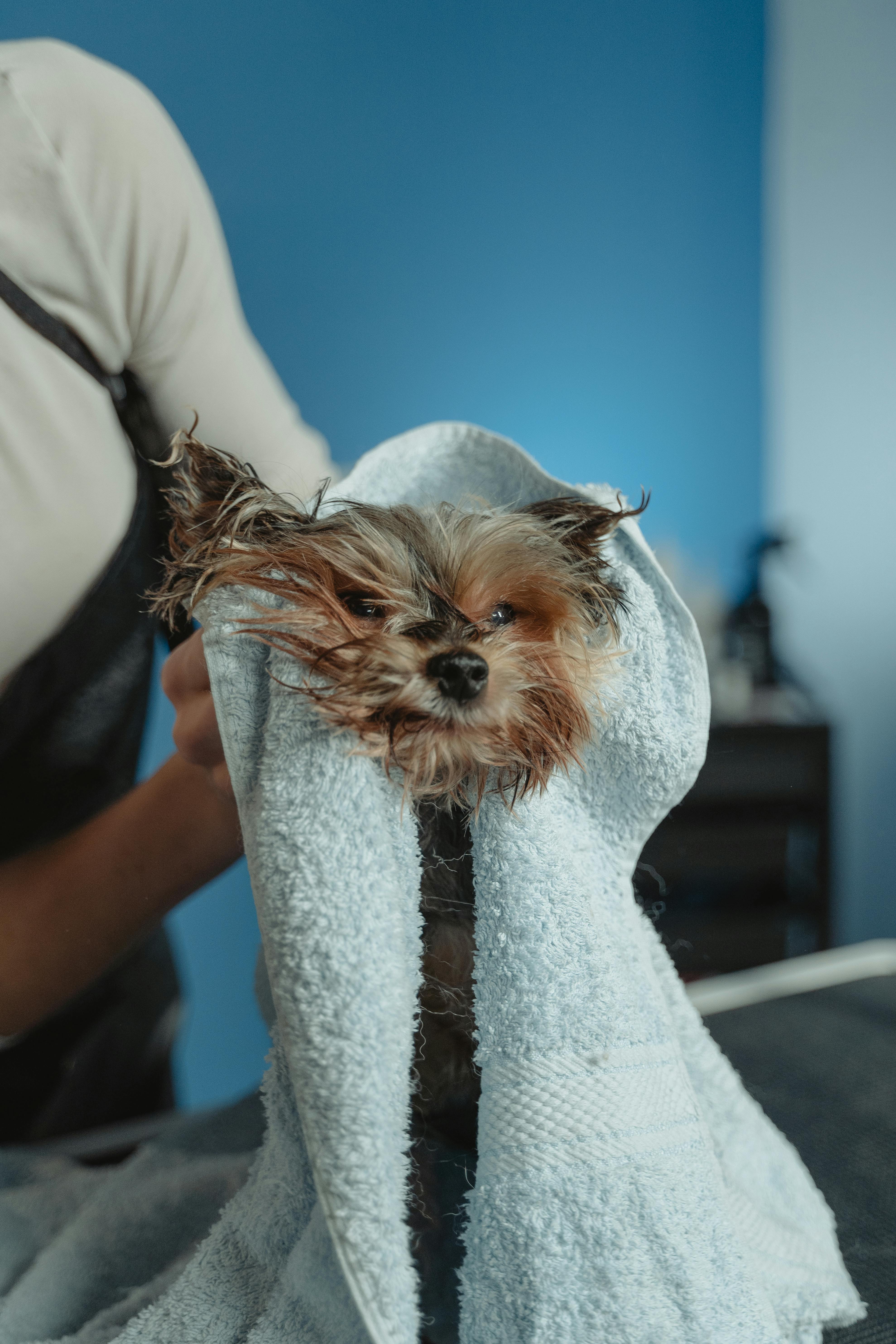
When you think about dogs, one of the first things that pop into your mind is probably their wet noses. It’s a common sight to see a dog with a damp snout, and many people wonder, “Why do dogs have wet noses?” Well, prepare to be surprised, because there’s more to those wet noses than just a quirky trait. Here are five fascinating reasons that will make you appreciate your furry friend even more.
1. Temperature Regulation
Dogs don’t sweat like humans do. Instead, they cool themselves using their noses. A wet nose helps to regulate their body temperature. When a dog’s nose is moist, it can evaporate water which helps in cooling down their body. When it’s hot outside, you’ll likely notice your dog’s nose is even wetter. This is because they are trying to keep themselves cool, just like how a human might splash water on their face during a hot day.
2. Enhanced Sense of Smell
Dogs have an extraordinary sense of smell—about 10,000 to 100,000 times more sensitive than that of humans. The wetness of their noses plays a key role in this. The moisture helps to capture scent particles from the air. When a dog sniffs, the wet surface of their nose absorbs these particles, allowing them to analyze and identify different smells. This is why dogs are often used in search and rescue missions, drug detection, and even in medical diagnostics. Their ability to smell is not just fascinating, it’s essential for their survival and for many tasks they perform.
3. Communication Tool
Dogs communicate in various ways, and their noses are part of that language. A wet nose can be a sign that a dog is happy, excited, or even anxious. When a dog nudges you with their cool, damp nose, they might be seeking attention or affection. Similarly, a wet nose can signal a dog’s readiness to engage in play. On the other hand, if you notice your dog’s nose is dry and warm, it can be a sign of stress or discomfort. Being attuned to these signals can help strengthen the bond between you and your canine companion.
4. Health Indicator
A wet nose can also serve as an important health indicator. While a wet nose is generally a sign of a healthy dog, changes in moisture levels can indicate various health issues. For example, if your dog’s nose becomes excessively dry or crusty, it could signal dehydration or illness. On the contrary, if a dog has a constantly dripping nose, it may be suffering from allergies or an infection. Regularly checking your dog’s nose can help you catch potential health problems early, which can be crucial for their wellbeing.
5. Evolutionary Advantage
Dogs have evolved over thousands of years from wolves, and their wet noses are a trait that has helped them survive. In the wild, a moist nose allows for better scent detection, which is critical for hunting and finding food. Early dogs that had wetter noses were more likely to find prey, thus enhancing their chances of survival and reproduction. Over time, this trait was passed down through generations. It’s an interesting glimpse into how a simple physical characteristic can have such a profound impact on a species’ evolution.
Summary of Key Points
- Temperature Regulation: Helps dogs cool down by evaporating moisture.
- Enhanced Sense of Smell: Moisture on the nose captures scent particles, improving their olfactory abilities.
- Communication Tool: A wet nose indicates various emotions and needs for attention.
- Health Indicator: Changes in moisture can signal health issues, requiring attention.
- Evolutionary Advantage: Wet noses have played a role in hunting and survival throughout canine evolution.
Understanding why dogs have wet noses can enhance how you care for and interact with your pet. Each reason provides insight into the biology and behavior of these amazing animals. Next time you give your dog a scratch behind the ears, take a moment to appreciate that wet nose and all the fascinating reasons behind it. From regulating their body temperature to communicating with you, that little bit of moisture is a window into your dog’s world.
How a Dog’s Wet Nose Benefits Their Sense of Smell: The Hidden Connection

Ever wonder why your dog’s nose is always wet? This unique feature seems to be more than just a quirky trait. The wetness of a dog’s nose plays a crucial role in enhancing their sense of smell, making it one of the most important tools in their sensory arsenal. Understanding how a dog’s wet nose benefits their sense of smell can reveal some surprising insights into canine biology and behavior. So, let’s dive into the hidden connection between a wet nose and a dog’s remarkable olfactory abilities.
The Science Behind a Dog’s Wet Nose
Dogs noses are wet due to the presence of a thin layer of moisture. This moisture comes from a combination of mucus secretions and environmental factors like humidity. But why is this wetness so important? The answer lies in the biology of smell.
Increased Olfactory Reception: A wet nose helps to capture scent particles from the air. When odors land on a moist surface, they dissolve more easily, which make it easier for the olfactory receptors to detect them. This means dogs can pick up scents more effectively than humans, who rely on dry nasal membranes.
Cooling Mechanism: Dogs don’t sweat like humans do. Instead, they regulate their body temperature through panting and the moisture on their noses. This cooling effect can also enhance their ability to smell, as a cooler nose is thought to be more effective at absorbing scent molecules.
Enhanced Sensitivity: Research suggests that the wetness of a dog’s nose can also amplify sensitivity to specific scents. A dog can detect certain odors at incredibly low concentrations, which makes them excellent at tasks like search and rescue or detecting drugs and explosives.
Why Do Dogs Have Wet Noses?
The reasons behind a dog’s wet nose are both practical and evolutionary. Here’s a breakdown of some key points:
Evolutionary Advantage: The wet nose trait likely evolved to help dogs survive in the wild. Being able to smell food, potential mates, or dangers is vital for their survival.
Social Interaction: Dogs often use their noses to gather information about their environment, including other animals and humans. A wet nose might be more effective at detecting pheromones and other scent markers, thus enhancing social interactions.
Health Indicator: A wet nose is often considered a sign of a healthy dog. While a dry nose doesn’t always indicate illness, it can sometimes suggest dehydration or fever.
Fun Facts About Dog Noses
- Dogs have approximately 220 million scent receptors, compared to about 5 million in humans.
- The part of a dog’s brain that processes smells is about 40 times larger than that of humans.
- Each dog has a unique nose print, much like a human fingerprint.
How to Keep Your Dog’s Nose Healthy
Just like any part of your dog’s body, their nose needs care too. Here are a few tips:
- Hydration: Make sure your dog drinks plenty of water to keep their nose moist.
- Avoid Irritants: Keep your dog away from smoke and strong chemicals, which can irritate their noses.
- Regular Check-ups: Regular vet visits can help ensure your dog’s nose and overall health are in good shape.
Comparison: Dog Noses vs. Human Noses
Here’s a quick comparison to highlight the differences:
| Feature | Dogs | Humans |
|---|---|---|
| Scent Receptors | 220 million | 5 million |
| Smell Detection | 10,000 to 100,000 times better | Limited ability |
| Nose Moisture | Essential for scent capture | Not necessary for smell |
| Unique Identification | Unique nose prints | Unique fingerprints |
Practical Examples of Dogs Using Their Sense of Smell
- Search and Rescue: Dogs are trained to find missing persons using their incredible sense of smell. They can detect scents even in challenging environments.
- Detection Work: From drugs to explosives, dogs are used by law enforcement agencies worldwide to sniff out materials that humans cannot easily detect.
- Medical Detection: Some dogs can even detect certain diseases like cancer or diabetes by smelling changes in a person’s body odor.
Understanding how a dog’s wet nose benefits their sense of smell not only highlights the amazing capabilities of these animals but also strengthens the bond between humans and dogs. Every time you see your furry friend’s wet nose, remember there’s much more than meets the eye. These little details make dogs not just pets, but incredible companions with astonishing abilities that we are only beginning to understand.
Can a Dog’s Nose Predict Illness? Understanding the Importance of Moisture
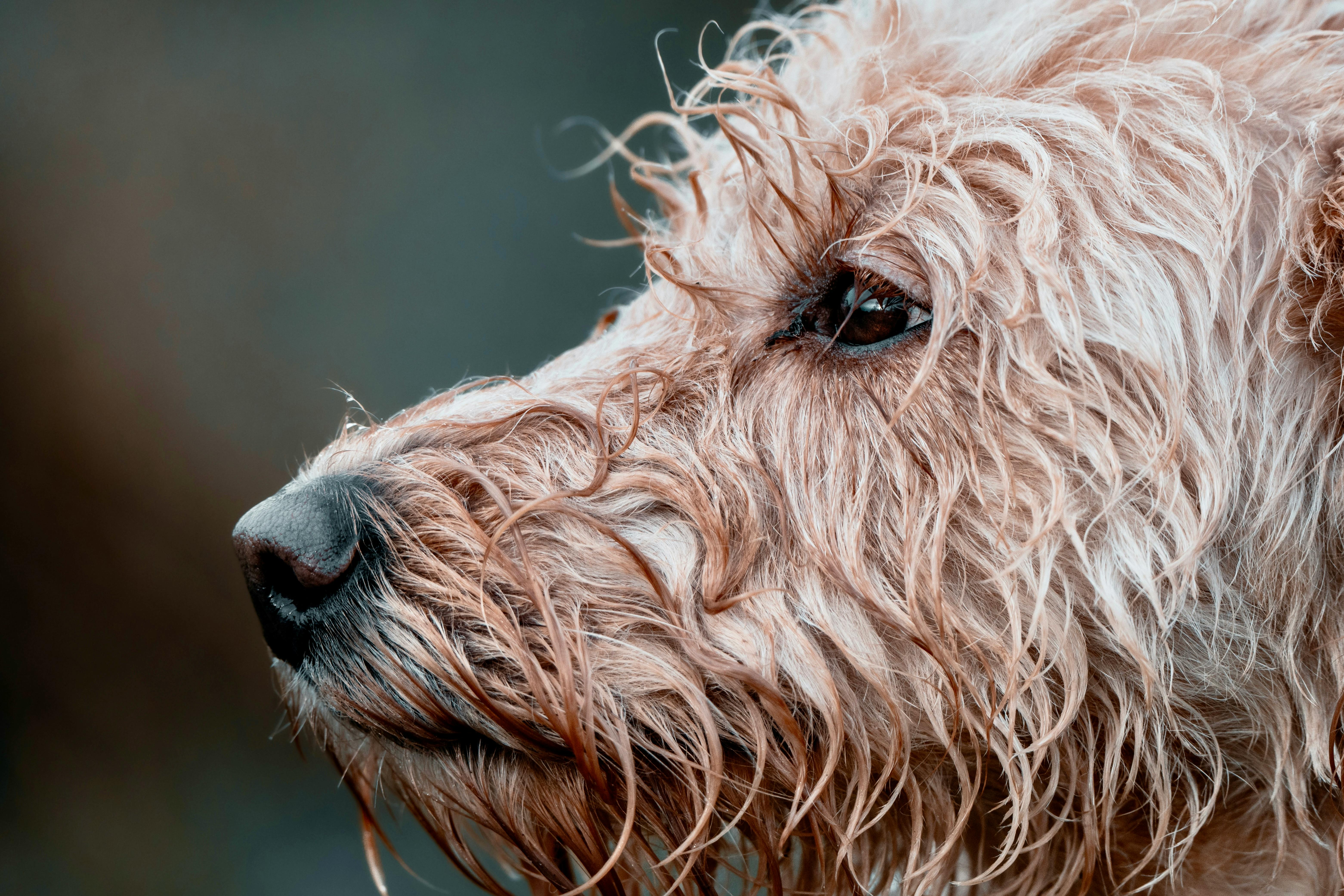
Dogs are often considered our best friends, and their abilities to connect with us go beyond just companionship. One fascinating aspect of dogs is their wet noses. But have you ever wondered why do dogs have wet noses? And can a dog’s nose predict illness? This article explores the importance of moisture in a dog’s nose and the surprising reasons behind it.
The Science Behind a Dog’s Wet Nose
A dog’s nose is a complex organ, and its moisture plays a crucial role in various functions. The wetness of a dog’s nose comes from the mucus that helps to absorb scent chemicals. This makes their sense of smell even more acute. The moisture also helps to cool down the dog’s body temperature. Dogs don’t sweat like humans; instead, they rely on their noses and panting to regulate heat.
Here are some key points about the wetness of dog noses:
- Enhanced Smell: A moist nose helps to trap scent particles, which enhances their ability to smell.
- Temperature Regulation: The moisture helps to cool their body when they are too hot.
- Health Indicator: Changes in the wetness can indicate health issues.
Can a Dog’s Nose Predict Illness?
It’s not just their sense of smell that’s impressive; dogs have been known to detect certain illnesses in humans. Some studies suggest that dogs can identify conditions like cancer, diabetes, and even certain infections just by sniffing. They do this because diseases can change the way a person smells.
For example, cancer cells can produce specific compounds that dogs can detect. In fact, some medical professionals train dogs to assist in early cancer detection. It’s quite remarkable when you think about it!
Why Do Dogs Have Wet Noses?
Let’s dive deeper into the reasons behind the wetness of a dog’s nose.
- Scent Absorption: The moisture traps scents, making it easier for dogs to identify smells in their environment.
- Cooling Mechanism: Dogs rely on their noses to help cool off. A wet nose can help lower their body temperature.
- Health Monitoring: A dog’s wet nose can be an indicator of their health. A dry nose might signal dehydration or even illness.
- Communication: Dogs use their noses to gather information from their surroundings, helping them communicate with other dogs.
What Affects the Moisture of a Dog’s Nose?
Several factors can affect the moisture level of a dog’s nose. Some of them include:
- Weather Conditions: Hot or dry weather can lead to a drier nose.
- Health Status: A sick dog may have a dry nose, while a healthy dog often has a moist one.
- Age: Older dogs might have different moisture levels compared to younger dogs.
Interesting Facts About Dog Noses
- Unique Prints: Just like human fingerprints, every dog’s nose print is unique and can be used for identification.
- Number of Olfactory Receptors: Dogs have around 300 million olfactory receptors, while humans have only about 5 million.
- Scent Memory: Dogs can remember scents for a long time, which helps them identify familiar people and places.
Comparing Dog Noses to Human Noses
Here’s a quick comparison between dog noses and human noses:
| Feature | Dog Nose | Human Nose |
|---|---|---|
| Number of Receptors | ~300 million | ~5 million |
| Moisture | Usually moist | Usually dry |
| Function | Scent detection, cooling | Smelling, breathing |
| Temperature Regulation | Yes, through moisture | No, primarily through sweat |
Practical Examples of Dogs Detecting Illness
- Diabetes Alerts: Some dogs can sense when a diabetic person’s blood sugar levels drop, prompting them to alert their owner.
- Cancer Detection: Trained dogs have successfully detected cancer in breath samples, showcasing their incredible sense of smell.
Understanding why do dogs have wet noses and their ability to predict illness not only highlights the unique biology of dogs but also their potential as health companions. While a dog’s nose can’t diagnose illness, it can certainly signal when something is off.
Dogs are more than just pets; they are remarkable creatures that have an extraordinary ability to connect with us on many levels. Their wet noses are just one of the many ways they communicate and interact with the world. So next time you see your dog with their moist nose, remember all the amazing functions it serves!
Wet Noses and Dog Behavior: What Your Pup’s Nose Can Tell You About Their Mood
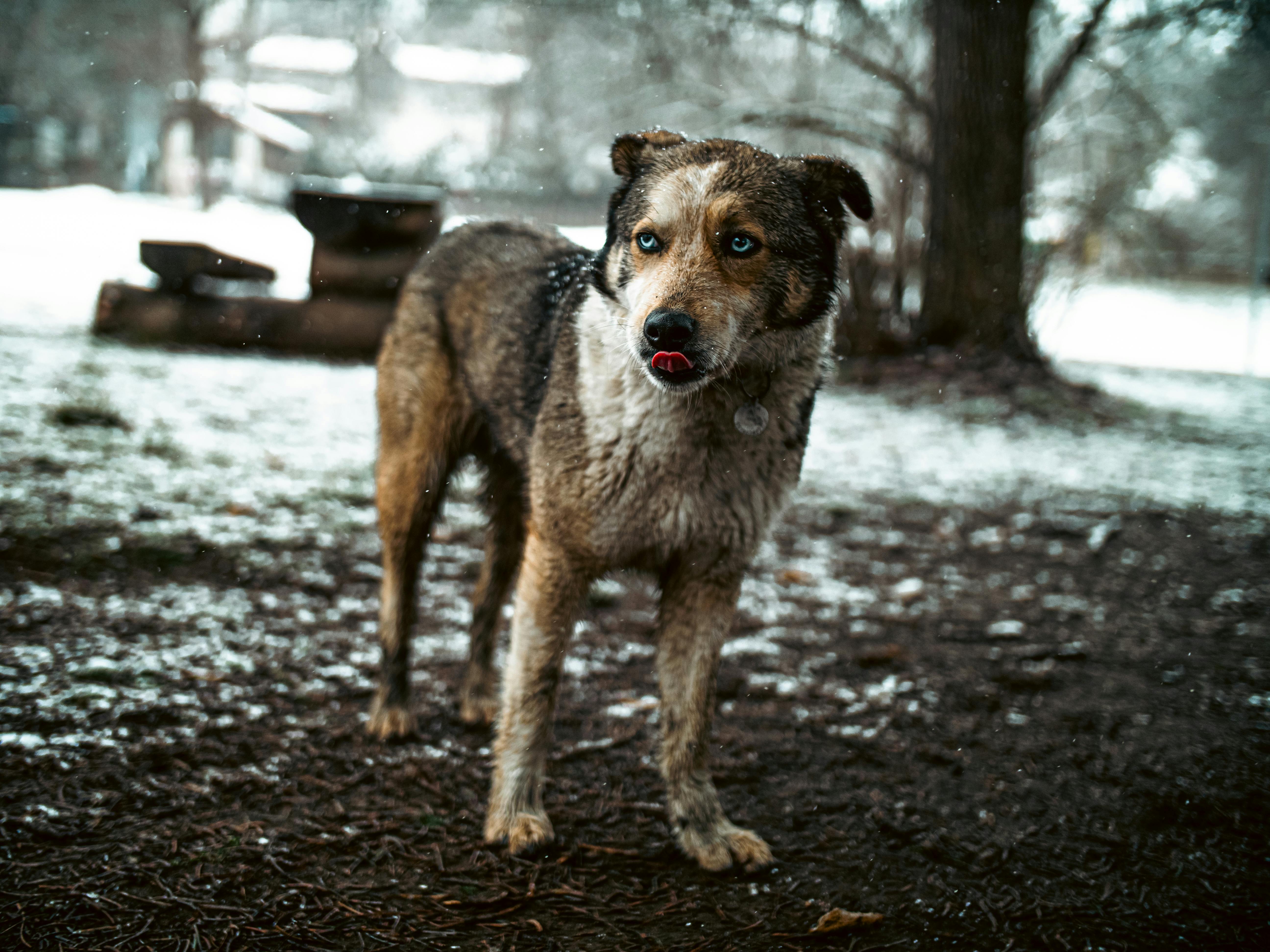
When you see your dog, what’s the first thing you notice? It could be their wagging tail, big eyes, or maybe, just maybe, their wet nose. But have you ever thought about why do dogs have wet noses? This simple yet intriguing aspect of dog behavior can tell you a lot about your furry friend’s mood. So, let’s dive into the fascinating world of wet noses and what they might reveal about your pup.
Why Do Dogs Have Wet Noses?
Wet noses in dogs ain’t just a cute feature; they serve multiple purposes. First off, it helps them to smell better. A wet nose can enhance a dog’s olfactory receptors, making it easier for them to pick up scents. Here’s a rundown of some reasons why dogs have those moist noses:
- Enhanced Sense of Smell: A wet nose absorbs scent chemicals better, making it easier for dogs to identify smells.
- Cooling Mechanism: Dogs don’t sweat like humans do. Their wet nose helps to regulate their body temperature.
- Health Indicator: A wet nose is often a sign of health; when a dog is sick, their nose may become dry.
Dog Behavior and Emotions
You might be wondering, how does all this relate to your dog’s mood? Well, a dog’s nose can reflect their emotional state. Here’s how it goes:
- Excitement: When your dog is happy or excited, their nose tends to be wet. That’s because they pant more, which moistens their nose.
- Calmness: If a dog is calm, their nose may still be wet, but it won’t be as excessively moist as when they’re excited.
- Stress or Anxiety: A dry nose could indicate that your pup is feeling stressed or anxious, especially if they are in a new environment or around unfamiliar people.
The Science Behind the Sniff
Did you know that dog’s noses have about 300 million olfactory receptors? In comparison, humans only have about 5 million. This vast difference is why dogs are so good at sniffing out things from drugs to diseases. The moisture on a dog’s nose helps trap scent particles, enhancing their sense of smell even more.
Historical Context
Historically, dogs have been companions to humans for thousands of years. From hunting to herding, their incredible sense of smell has always been a valuable tool. Ancient cultures recognized the benefits of dogs and their noses, using them in various ways. For example, in World War II, dogs were used for search and rescue missions, relying heavily on their incredible olfactory abilities.
Fun Facts About Dog Noses
Here are some fun facts about dog noses that you might not know:
- Unique Patterns: Just like human fingerprints, each dog’s nose print is unique.
- Color Changes: A dog’s nose might change color according to the seasons or even their health.
- Temperature Detection: Dogs can detect varying temperatures with their noses, which can help them identify things like food or even the presence of another animal.
What to Do If Your Dog’s Nose is Dry
If you notice your dog’s nose is unusually dry, it might be a good idea to keep an eye on them. Here are some steps you can take:
- Hydration: Ensure your dog has access to fresh water at all times.
- Check for Other Symptoms: Look for additional signs like lethargy, loss of appetite, or coughing.
- Consult a Veterinarian: If the dry nose persists, it may be worth consulting a vet to rule out any underlying conditions.
Understanding Your Dog’s Nose in Context
It’s important to not just look at wet or dry noses in isolation. Understanding your dog’s behavior involves observing their overall demeanor. A wet nose might not always mean they’re happy; consider the context. Are they wagging their tail? Are they barking or growling? These signs can give you a clearer picture of how they feel.
Summary of Key Points
- Wet noses help dogs smell better and cool down.
- Dog’s moods can often be reflected in the moisture level of their noses.
- Historical context shows the importance of dogs’ olfactory abilities through the ages.
- If your dog’s nose is dry, check their hydration and look for other symptoms.
Being a responsible dog parent means understanding not just their needs but also their moods. So next time you pet your pup, take a moment to check that wet nose. It might just tell you a lot about how they feel. Whether they’re excited to see you or feeling a bit under the weather, your dog’s nose is a window into their world.
The Role of a Dog’s Wet Nose in Temperature Regulation: Keeping Your Pet Cool
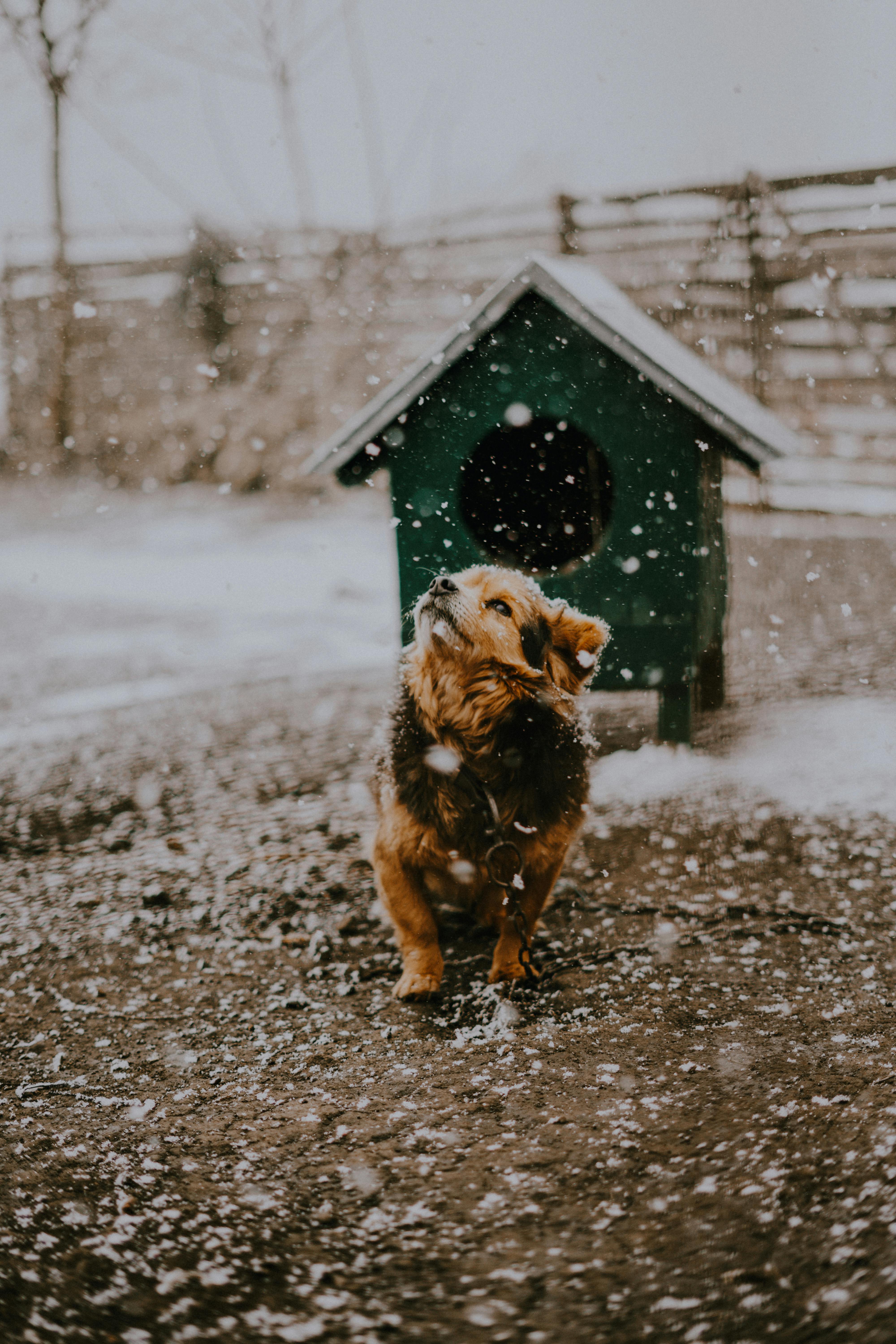
Dogs are known for their playful nature, loyalty, and of course, their wet noses. Have you ever wondered why a dog’s nose is always damp? It’s not just a quirky trait; it actually serves important purposes, especially in terms of temperature regulation. A wet nose helps to keep your furry friend cool and comfortable, especially during those hot summer days. Let’s explore the role of a dog’s wet nose in temperature regulation and uncover the reasons behind this fascinating feature.
The Science Behind a Wet Nose
Dogs have wet noses primarily because of a thin layer of moisture that helps them to cool down. The moisture evaporates, similar to how sweating works for humans. This process helps to lower their body temperature. But there’s more to it than just temperature control.
Here’s how it works:
- Evaporative Cooling: When the moisture on a dog’s nose evaporates, it cools the blood vessels right underneath the surface. This helps to regulate their overall body temperature.
- Enhanced Sense of Smell: A wet nose helps to capture scent particles more effectively. The moisture helps to dissolve the scent, making it easier for dogs to detect various smells.
- Health Indicator: A dog’s wet nose often indicates good health. If a dog’s nose feels dry or warm, it could suggest dehydration or illness.
Why Do Dogs Have Wet Noses?
Temperature Regulation: Dogs do not sweat like humans. They have sweat glands mainly in their paw pads. Thus, they rely on their noses for cooling down. This is especially important for breeds that may struggle with heat, like Bulldogs or Pugs.
Scent Detection: A wet nose aids in the olfactory process. The moisture traps scent particles, allowing dogs to analyze their environment better. This is why dogs are often used in search and rescue missions or even in detecting diseases.
Communication: Dogs often use their noses to communicate with each other. A wet nose can be a sign of excitement or playfulness. When dogs greet each other, they often sniff noses, which is part of their social interaction.
The Anatomy of a Dog’s Nose
To understand why dogs have wet noses, it’s helpful to look at the anatomy. The nose of a dog contains:
- Mucous Membranes: These help to keep the nose moist.
- Blood Vessels: Close to the surface, these vessels aid in temperature regulation.
- Nerve Endings: Dogs have more scent receptors in their noses compared to humans, which is why they can smell things we can’t.
Historical Context
Historically, dogs have developed their wet noses as a survival mechanism. In the wild, their ability to smell and regulate temperature was crucial for hunting and avoiding dangers. Domesticated dogs still retain these instincts, even if they live in a comfortable home now.
What Affects a Dog’s Nose Moisture?
There are several factors that can affect the moisture level in a dog’s nose, including:
- Weather Conditions: Hot and dry weather can lead to a drier nose, while humid conditions typically keep it moist.
- Health Issues: Certain health concerns, like fever or dehydration, can lead to a dry nose.
- Age: As dogs get older, their noses may become drier due to reduced moisture production.
Signs of a Healthy Nose
Dog owners should be aware of what a normal nose looks like. Here are some signs of a healthy nose:
- Moist and cool to the touch
- Slightly wet with no cracks or sores
- Normal color (usually dark for most breeds)
When to Be Concerned
If you notice changes in your dog’s nose, it could signal an issue. Here are some reasons to consult a vet:
- Persistent dryness, cracks, or sores
- Change in color (e.g. very pale or very dark)
- Accompanied by other symptoms, like lethargy or loss of appetite
Practical Tips for Keeping Your Dog Cool
- Provide Fresh Water: Always ensure your dog has access to clean water.
- Limit Exercise: During hot days, avoid strenuous activities.
- Create Shade: If your dog is outside, provide a shaded area for them to rest.
- Use Fans or AC: Inside, keep the air cool with fans or air conditioning.
Understanding the role of a dog’s wet nose is essential for any pet owner. Not only does it play a vital role in temperature regulation, but it also impacts their sense of smell and overall health. By paying attention to your dog’s nose and taking steps to keep them cool, you can help ensure they remain happy and healthy all year round. So, the next time you see your dog with that damp, cool nose, you can appreciate the science behind it!
Is a Wet Nose a Sign of a Happy Dog? Debunking Myths and Misconceptions
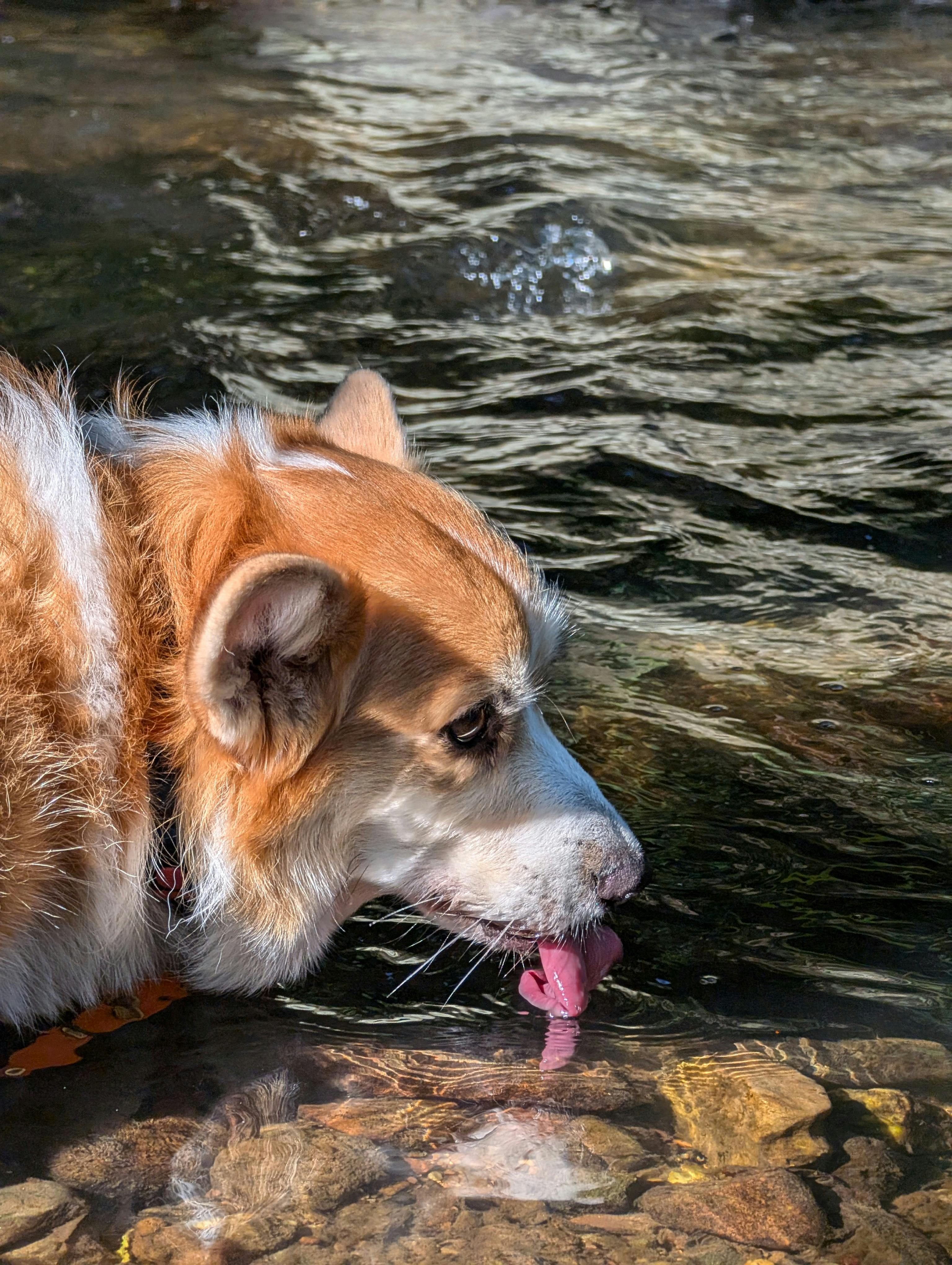
When you see a dog with a wet nose, your first thought might be that it’s a happy pup, wagging its tail and eager for attention. But is a wet nose truly a sign of a happy dog? Many dog owners believe this, but it’s time to debunk some myths and uncover the real reasons behind why dogs have wet noses. Let’s dive into the world of canine nose moisture and see what’s really going on.
Wet Noses: A Sign of Happiness or Something Else?
First off, it’s a common misconception that a wet nose equals a happy dog. While an excited or playful dog might have a wet nose, there are many factors that contribute to this phenomenon. Here’s a quick look at some of the reasons why dogs’ noses get wet:
- Temperature Regulation: Dogs use their noses to help regulate their body temperature. A wet nose can help them cool down, much like sweating for humans.
- Sense of Smell: The moisture on a dog’s nose helps to trap scent particles, enhancing their incredible sense of smell. This is crucial for hunting, tracking, or simply sniffing out interesting smells in the neighborhood.
- Environmental Factors: Weather can affect a dog’s nose. Humidity, rain, or even the dog’s activities can make their noses wet.
Why Do Dogs Have Wet Noses? Discover the Surprising Reasons!
There’s a lot more to a dog’s wet nose than you might think. Let’s break down some surprising facts about why dog noses are often moist.
Anatomy of a Dog’s Nose:
- The surface of a dog’s nose contains mucous membranes, which produce moisture.
- This moisture can help with scent detection, as previously mentioned.
Health Indicator:
- A wet nose can sometimes indicate good health, but a dry nose isn’t always a sign of illness.
- If a dog has a dry nose but otherwise seems healthy, they might just be dehydrated or in a warm environment.
Behavioral Aspects:
- Dogs often lick their noses, which adds moisture and can also be a sign of their curiosity or anticipation.
- When dogs interact with other dogs or humans, they may often wet their noses by licking.
Common Myths About Wet Noses
When it comes to wet noses, there are plenty of myths floating around. Let’s clarify a few of them:
Myth #1: Wet Noses Mean Dogs Are Happy
- Reality: While a dog may be happy when its nose is wet, it doesn’t always mean that. Other factors play a role.
Myth #2: A Dry Nose Equals Illness
- Reality: A dry nose can happen for many reasons, including sleep or weather. It’s not a definitive sign of sickness.
Myth #3: All Dogs Have Wet Noses
- Reality: Some breeds naturally have dryer noses, and this doesn’t mean they’re unhealthy or unhappy.
Comparison of Wet vs. Dry Noses
Here’s a simple comparison that can help clarify the differences between wet and dry noses in dogs:
| Feature | Wet Nose | Dry Nose |
|---|---|---|
| Temperature Regulation | Helps cool the dog | May indicate overheating |
| Scent Detection | Enhances smell capabilities | Not as effective for scent trapping |
| Health Indicator | Often healthy | Not necessarily unhealthy |
| Common Causes | Weather, activity, hydration | Sleep, dehydration, environment |
Practical Examples
Suppose you have a Labrador Retriever. When they’re outside playing in the grass, you might notice their nose becoming quite wet. This isn’t just a sign of happiness; they’re also engaging their senses and regulating their temperature.
On the other hand, a Dachshund might come inside with a dry nose after a long day of napping in a sunny spot. It doesn’t mean they’re sick; they just were enjoying some warmth.
Final Thoughts
So, is a wet nose a sign of a happy dog? Not necessarily. While it can be an indicator of various factors, it’s important to consider the context. Wet noses can signify temperature regulation, enhanced sense of smell, or simply environmental conditions. Understanding why dogs have wet noses helps dog owners take better care of their furry friends. Remember, each dog is unique, and their noses can tell different stories based on their individual circumstances. Always pay attention to overall behavior and health, rather than relying solely on the moisture of their noses.
7 Fun Facts About Dog Noses: Why Wetness Matters More Than You Think
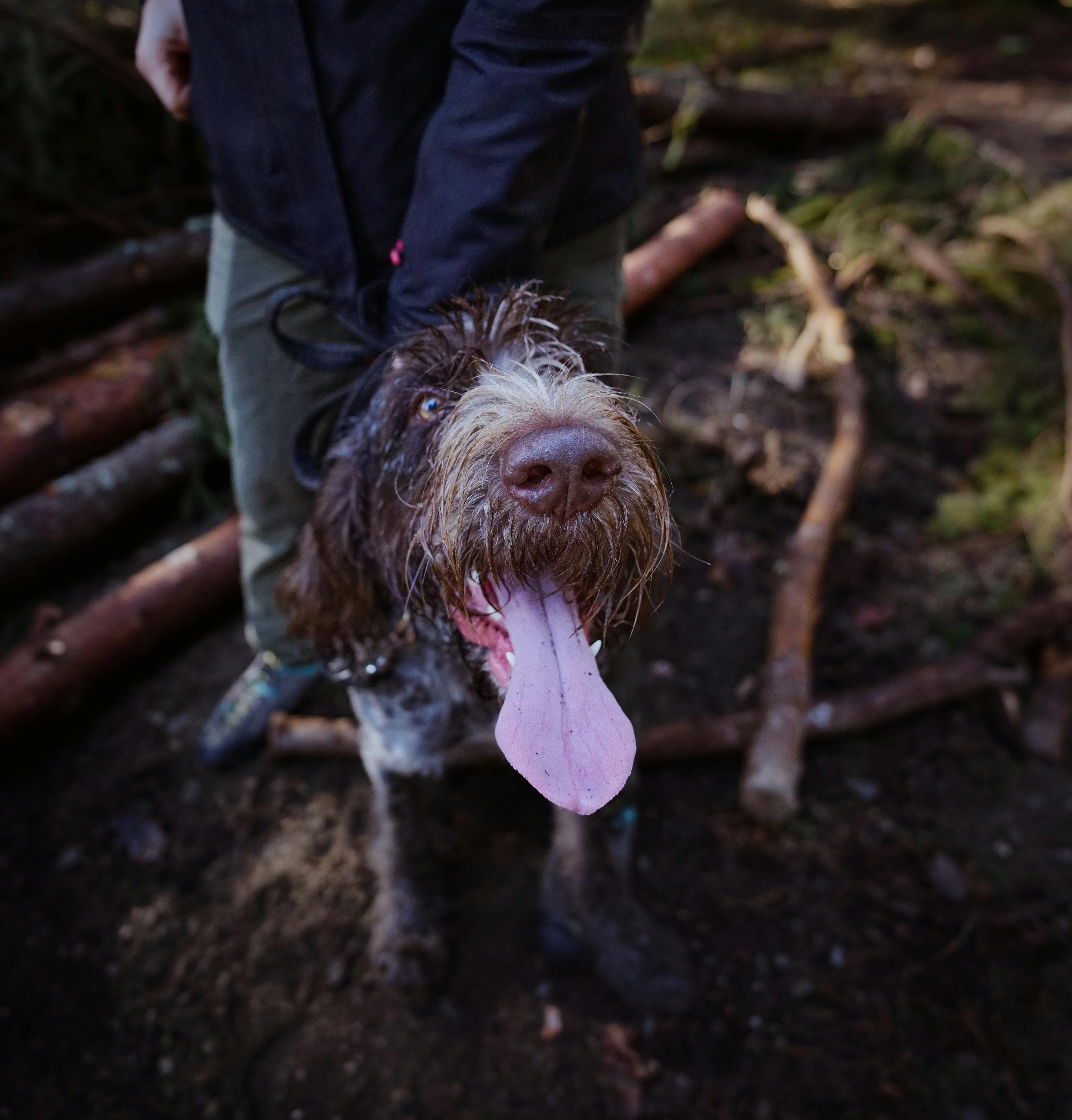
When it comes to our furry companions, one of the most fascinating features that often gets overlooked is their noses. You might wonder, why do dogs have wet noses? This question has intrigued pet owners and scientists alike. In fact, there’s so much more to a dog’s nose than just being cute! So let’s dive into 7 fun facts about dog noses, and discover why wetness matters more than you think!
1. The Science of a Wet Nose
First off, a dog’s nose is not just a cute addition to their face. The moistness of a dog’s nose plays a crucial role in their sense of smell. The wetness helps to attract scent particles, which makes it easier for dogs to identify various smells. When you see your pup sniffing around, it’s not just because they’re curious. Their wet nose is actively working to gather information about their environment!
2. Temperature Regulation
Another surprising reason why do dogs have wet noses is that it aids in temperature regulation. Dogs do not sweat like humans do. Instead, they have sweat glands in their paws and rely on panting and their noses to cool down. The moisture on their noses can help them maintain a comfortable body temperature, especially on hot days. Isn’t that interesting?
3. Unique Nose Prints
Just like human fingerprints, each dog has a unique nose print! You can actually identify a dog by their nose pattern. This uniqueness is due to the ridges and creases present, which are different for every dog. Some dog owners have even taken to documenting their pet’s nose prints for identification purposes. If only every aspect of a dog was as easy to identify!
4. Health Indicator
A wet nose can also be an indicator of a dog’s health. Generally, a healthy dog will have a cool, moist nose. However, a dry nose does not necessarily mean sickness; it can just be a normal variation. But if you notice other symptoms like lethargy, lack of appetite, or unusual behavior, it’s best to consult your veterinarian. This is a good reminder for all pet owners to keep an eye on their furry friends for changes in behavior or health.
5. Communication Tool
Dogs also use their noses to communicate with one another. When a dog greets another dog, they often sniff each other’s noses. This sniffing is like a handshake for dogs. Through this behavior, dogs share information about their health, mood, and even what they’ve eaten! So next time your dog meets another pup, just remember, it’s not just socializing, it’s a whole conversation happening through their noses.
6. Nose Sensitivity
Did you know that a dog’s sense of smell is between 10,000 to 100,000 times more sensitive than that of a human? The wetness of their noses enhances their olfactory capabilities. Dogs have more olfactory receptors than humans; about 300 million compared to our 5 million. This incredible sensitivity allows dogs to detect diseases, locate missing persons, and even sniff out certain types of cancer. Amazing, right?
7. The Importance of Scent Marking
Dogs use their noses not just to smell but also to mark their territory. When a dog sniffs around, they are gathering information about who has been there before them. They can tell if another dog is male or female, whether they are in heat, and even their health status. This behavior is instinctual and helps dogs understand their environment better.
Fun Facts Recap
Here’s a quick summary of the reasons why do dogs have wet noses:
- Attracts scent particles for better smell.
- Helps in temperature regulation.
- Unique nose prints for identification.
- Indicator of health (moist is generally good).
- Communication tool among dogs.
- Highly sensitive to smells compared to humans.
- Scent marking to understand the environment.
Understanding these aspects of dog noses not only enriches your knowledge but also helps you appreciate your pet’s unique characteristics. Next time you see your dog with that adorable wet nose, you’ll know there’s so much more going on than meets the eye! So take a moment to observe and cherish those little moments with your furry friend.
How to Care for Your Dog’s Nose: Ensuring Optimal Health and Moisture Levels

Dogs bring so much joy and companionship into our lives, but their health is important for them to be happy and active. One often-overlooked area of canine health is their nose. Many people wonder about the wetness of their dog’s nose and how to care for it properly. Understanding “how to care for your dog’s nose: ensuring optimal health and moisture levels” is crucial for any dog owner. Also, let’s dive into “why do dogs have wet noses?” and discover the surprising reasons behind this common feature!
The Importance of a Healthy Dog Nose
A dog’s nose serves a lot of functions, and it is more than just a cute feature. It plays a role in their sense of smell, which is incredibly powerful. A dog’s nose has about 300 million scent receptors, compared to a human’s 5 million. This is why dogs are excellent at tracking scents and can detect changes in their environment. Keeping their nose healthy is essential for these functions.
Why Do Dogs Have Wet Noses?
So, why do dogs have wet noses anyway? There are several reasons for this delightful trait:
Enhanced Smelling: Moisture helps improve a dog’s sense of smell. When their nose is wet, it can better absorb scent particles, making it easier for them to detect various smells in their environment.
Cooling Mechanism: Dogs can’t sweat like humans do, so they use their noses to help regulate body temperature. The moisture on their noses helps cool them down, especially in hot weather.
Health Indicator: A wet nose is often seen as a sign of good health in dogs. However, it’s important to note that a dry nose does not always mean your dog is sick. It’s just one of many indicators of their overall health.
Behavioral Reasons: Dogs often wet their noses by licking them, which might be a way to interact with their environment or show curiosity.
Caring for Your Dog’s Nose
To ensure your dog’s nose stays healthy and moist, there are several care tips you should follow:
Regular Hydration: Make sure your dog has access to fresh water at all times. Dehydration can lead to a dry nose, so keep them hydrated.
Humidity: If you live in a dry climate, consider using a humidifier in your home. This can help keep the air moist, benefiting your dog’s nose.
Avoid Irritants: Be cautious of harsh chemicals in cleaning products or air fresheners. These can irritate your dog’s nose and lead to dryness or discomfort.
Check for Issues: Regularly inspect your dog’s nose for any signs of problems, such as cracks, sores, or excessive dryness. If you notice anything unusual, consult your veterinarian.
Dog-Safe Moisturizers: There are dog-safe balms and moisturizers designed specifically for canine noses. If your dog’s nose looks dry or cracked, consider applying a small amount of these products.
Common Nose Problems in Dogs
While dogs generally have healthy noses, some problems can occur. Here are a few common issues:
Nasal Hyperkeratosis: This condition causes the skin on a dog’s nose to become thick and crusty. It can be uncomfortable and may need veterinary treatment.
Infections: Bacterial or fungal infections can lead to discharge or odor. If you notice these symptoms, seek help from a vet.
Allergies: Just like humans, dogs can have allergies. These can lead to a dry or irritated nose, along with other symptoms like itching or sneezing.
Sunburn: Dogs with lighter-colored noses are at risk of sunburn. Using dog-safe sunscreen can protect their noses during outdoor activities.
Fun Facts About Dog Noses
- Dogs’ noses are like human fingerprints; each dog has a unique nose print.
- The texture of a dog’s nose can change with their emotional state. For example, when excited, their noses may feel wetter.
- Some breeds are more prone to nasal issues, such as bulldogs and boxers, due to their facial structure.
Dog noses are fascinating and serve many important functions. Keeping your dog’s nose healthy should be a priority for any pet owner. With proper care and attention, you can help maintain the moisture and overall health of your furry friend’s nose. Remember, a dog with a healthy, moist nose is not just a sign of happiness; it’s also an indicator of their well-being! So, next time you give your pup some love, don’t forget to check their nose too!
What Should You Do if Your Dog’s Nose Is Dry? Tips for Maintaining Nose Health

Dogs are known for their playful antics and loyal companionship. One of the most noticeable features of a dog is its nose, which often remains wet and cool to the touch. However, if you’ve noticed that your dog’s nose is dry, you might be worried or confused. So, what should you do if your dog’s nose is dry? Understanding the reasons behind this common issue can help you maintain your furry friend’s health.
Why Do Dogs Have Wet Noses?
Dogs have wet noses for several reasons, which are linked to their health and well-being. Here’s some surprising facts about why dog noses tend to be moist:
Temperature Regulation: Dogs don’t sweat like humans do. Instead, they use their noses to help regulate body temperature. A wet nose cools down the dog, and when it’s dry, it may signify that they’re overheating.
Enhanced Sense of Smell: A wet surface on a dog’s nose helps to trap scent particles, making it easier for them to identify different smells. Dogs have an incredible sense of smell, which can be enhanced with moisture.
Health Indicator: A dog’s nose can be an indicator of its overall health. A consistently moist nose is often a sign of a happy, healthy dog, while a dry nose may point to potential health issues.
What Should You Do if Your Dog’s Nose Is Dry?
If you notice that your dog’s nose is dry, there are several steps you can take to address the issue. It’s important to observe any other symptoms that may accompany the dryness, such as lethargy, coughing, or loss of appetite.
Check the Environment: Sometimes, dry air can be the culprit. If you live in a dry climate or are using heating or air conditioning, this can lead to a dry nose. You might consider using a humidifier in your home to help maintain moisture in the air.
Hydration: Ensure that your dog is drinking enough water. Dehydration can lead to a dry nose. Always have fresh water available for your furry friend.
Diet and Nutrition: A balanced diet is essential for your dog’s health, including maintaining healthy skin and a moist nose. Make sure they are getting the right nutrients. If you’re unsure about their diet, consult your vet.
Regular Vet Check-ups: If your dog’s nose remains dry for an extended period or if you notice other signs of illness, it’s best to consult your veterinarian. They can provide guidance and check for any underlying health issues.
Nasal Balms: There are several products available that can help moisturize your dog’s nose. Look for pet-safe balms and ointments that can provide relief.
Tips for Maintaining Nose Health
Maintaining your dog’s nose health is crucial. Here are some practical tips:
Regular Grooming: Keep your dog clean, which includes regular grooming. This helps maintain skin health, including the nose.
Watch for Changes: Keep an eye on your dog’s nose. If you notice a change in color, texture, or temperature, pay attention.
Limit Sun Exposure: Just like humans, dogs can get sunburned. If you have a dog with a light-colored nose, limit their sun exposure during peak hours or use pet-safe sunscreen.
Avoid Irritants: Exposure to certain chemicals, like cleaning products or air fresheners, can irritate a dog’s nose. Try to use pet-friendly products in your home.
Comparison of Healthy vs. Dry Nose
| Feature | Healthy Nose | Dry Nose |
|---|---|---|
| Temperature | Cool and moist | Warm and dry |
| Color | Usually dark, pink or black | May appear lighter or flaky |
| Texture | Smooth and slightly wet | Rough, cracked, or flaky |
| Smell | Strong sense of smell | May be less sensitive |
Common Misconceptions
Many people think that a dry nose always indicates illness. While it can be a sign of health issues, it is not always the case. Factors such as environmental conditions, hydration levels, and even breed can influence a dog’s nose condition.
For instance, bulldogs may have naturally drier noses than retrievers. It’s essential to consider the overall health of your dog rather than solely focusing on the moisture of their nose.
Monitoring your dog’s nose condition can provide insights into their health, but remember that dogs can have variations in their nose moisture. If you’re ever in doubt, the best course of action is to consult with a veterinarian. They can give you the right advice tailored to your dog’s specific needs.
Conclusion
In conclusion, the wet noses of dogs serve several important functions, including enhancing their sense of smell, regulating body temperature, and promoting bonding through sensory interaction. The moisture on their noses helps to capture scent particles, making their already impressive olfactory abilities even more acute. Additionally, a wet nose is often a sign of a healthy dog, as it indicates proper hydration and functioning of the nasal glands. Understanding why dogs have wet noses not only deepens our appreciation for these beloved companions but also highlights the unique ways they interact with the world around them. As dog owners, it’s important to monitor our pets’ health, including the condition of their noses. If you notice significant changes, don’t hesitate to consult a veterinarian. Embrace the quirks of your furry friend and cherish the special bond you share, nose and all!
