
Have you ever wondered why do dogs have wet noses? This intriguing question has sparked curiosity among dog lovers and pet owners alike! The truth behind those moist snouts is not just a cute quirk; it serves several important functions for dogs. In this article, we will uncover the fascinating reasons why your furry friend’s nose is often damp. Is it just because of their love for slobbery kisses, or is there more to it? A wet nose can actually help dogs sense the world around them better. When they sniff, they can absorb more scent particles, which enhances their incredible sense of smell. Moreover, wet noses play a role in keeping dogs cool, acting like a natural air conditioner on hot days. Have you ever noticed how a dog’s nose feels cool to the touch? This is no accident! Join us as we delve deeper into the science behind dog noses and explore the mysteries of canine anatomy. Whether you’re a lifelong dog enthusiast or just curious about your pet, you’ll find answers that will leave you awestruck! So, let’s get started and discover the truth behind those delightful wet noses!
The Science Behind Wet Noses: Why Are They Crucial for Your Dog’s Health?

Have you ever wondered why your dog’s nose is always wet? It’s kinda strange, right? But there’s actually a fascinating science behind those moist snouts that play a crucial role in your canine’s health. Dogs use their noses for way more than just sniffing out treats or finding their toys. Let’s dive into the world of wet noses and discover why they matter so much for your furry friend.
The Anatomy of a Dog’s Nose
First off, let’s talk about what makes a dog’s nose so special. The surface of a dog’s nose is covered with a thin layer of moisture. This wetness is due to a mix of mucus and other secretions that helps to enhance their sense of smell. But it’s not just about being wet – it’s about how that moisture works. Here’s a quick breakdown:
- Olfactory Receptors: Dogs have about 300 million olfactory receptors in their noses, compared to humans who only have about 5 million. This means they can smell things that we can’t even imagine.
- Moisture: The wetness of a dog’s nose helps to trap scent particles, enhancing their ability to identify different smells.
- Temperature Regulation: Dogs also use their noses to help regulate their body temperature. When they pant, moisture evaporates off their nose, which helps to cool them down.
Why Do Dogs Have Wet Noses?
So, why do dogs have wet noses? It’s not just a random trait; it actually serves multiple purposes. Here’s why:
Enhanced Sense of Smell: The moisture on a dog’s nose makes it easier for them to pick up scents. When the nose is wet, it can capture more odor particles.
Health Indicator: A wet nose is often seen as a sign of good health in dogs. While it’s not a definitive indicator, a dry or cracked nose could suggest dehydration or illness.
Social Interaction: Dogs communicate a lot through their sense of smell. A wet nose can help them gather more information about other dogs or their environment, which is crucial for social interaction.
Cooling Mechanism: Dogs don’t sweat like humans do. Their noses help them cool down, especially during hot weather.
The History Behind Wet Noses
The evolution of dogs has led them to develop these unique noses. Historically, canines were hunters and scavengers, relying heavily on their sense of smell to find food and avoid danger. The evolution favored those with the best noses, leading to the moist, highly sensitive noses we see today. This adaptation has been essential for their survival.
Fun Facts About Dogs’ Noses
Here are some fun and interesting facts about dog noses you might not know:
- Unique Patterns: Just like human fingerprints, every dog’s nose print is unique. Scientists can actually use them for identification.
- Color Matters: The color of a dog’s nose can vary widely among breeds. Some breeds have black noses, while others may have pink or liver-colored noses.
- Nasal Turbinates: Dogs have complex nasal structures called turbinates that help filter and warm the air they breathe in.
Comparison: Dog Noses vs. Human Noses
Here’s a quick comparison of dog noses and human noses that highlights their differences:
| Feature | Dog Nose | Human Nose |
|---|---|---|
| Olfactory Receptors | About 300 million | About 5 million |
| Moisture Level | Typically wet | Usually dry |
| Purpose | Smell, temperature regulation | Smell, breathing |
| Unique Identification | Yes, each nose print is unique | No, fingerprints are used |
Practical Example: Caring for Your Dog’s Nose
If you want to ensure your dog’s nose stays healthy, there are a few things you can do:
- Hydration: Make sure your dog drinks enough water daily. Dehydration can lead to a dry nose.
- Environment: Be cautious of extreme weather conditions. Cold weather can cause cracking, while hot weather can lead to dehydration.
- Regular Check-ups: Take your dog to the vet for regular check-ups. This can help catch any potential health issues early on.
So, the next time you see your dog with that wet nose, remember it’s not just cute – it’s a vital part of their health and well-being. Those moist noses help them interact with their world and stay healthy. Understanding the science behind it can help you care for your furry friend even better. A dog’s nose is so much more than just a sniffing tool; it’s a window into their health and happiness.
5 Surprising Benefits of Your Dog’s Wet Nose: What Every Pet Owner Should Know

Dogs have been companions to humans for thousands of years, and their unique characteristics often spark curiosity. One of the most fascinating features of dogs is their wet noses. Many pet owners ponder, “Why do dogs have wet noses?” and might be surprised by the answer. This article explores 5 surprising benefits of your dog’s wet nose and why it’s essential for their health and well-being.
1. Enhanced Sense of Smell
Did you know that a dog’s sense of smell is far superior to that of humans? It’s true! A dog’s olfactory receptors are estimated to be around 220 million, compared to just 5 million in humans. This remarkable ability is partly because of their wet noses. The moisture helps capture scent particles from the air, allowing dogs to detect smells more efficiently.
- Dogs can sniff out certain diseases, like cancer, in humans.
- They can also identify specific scents, like narcotics or even explosives.
2. Temperature Regulation
You may noticed how dogs often pant, but did you know that their wet noses also play a role in cooling them down? Dogs do not sweat like humans do. Instead, they primarily release heat through their noses and foot pads. When a dog’s nose is wet, it helps them regulate their body temperature more effectively. If your dog’s nose is dry, it might indicate that they are overheated or dehydrated.
- Wet noses help dissipate heat.
- They can also indicate hydration levels in your pet.
3. Communication Tool
Dogs are communicative creatures, using various signals to convey their emotions or intentions. Their wet noses play a role in this communication, too. When your dog nudges you with their nose, it’s not just a sign of affection. It’s also a way for them to gather information about you or express their needs.
Consider these points about dog communication:
- A wet nose can indicate curiosity or playfulness.
- Dry noses may signal discomfort or stress.
4. Health Indicator
A dog’s wet nose can serve as a health barometer. Pet owners often check their dog’s nose to assess their overall health. While a wet nose is generally a sign of a healthy dog, there are exceptions. A sudden change in moisture can be a sign of illness.
Here’s a simple guide to understanding your dog’s nose:
| Nose Condition | Possible Health Implication |
|---|---|
| Wet and Cool | Healthy dog |
| Dry and Warm | Possible fever or dehydration |
| Cracked or Flaky | Skin issue or allergy |
If you notice any consistent changes in your dog’s nose, it’s advisable to consult your vet.
5. Bonding and Trust
Lastly, a dog’s wet nose is a crucial tool for bonding with their human companions. When dogs greet you with a wet nose, it’s their way of showing affection and trust. They often engage in nose nudging or licking as a means to connect and strengthen their relationship with you.
Here are some fun facts about bonding through a dog’s nose:
- Dogs use their sense of smell to recognize their owners.
- They can distinguish between familiar and unfamiliar scents, enhancing their connection with their family.
Incorporating regular nose checks into your pet care routine can enhance your awareness of their health and strengthen your bond.
The fascination with our dogs extends beyond their adorable faces and wagging tails. Understanding why do dogs have wet noses and recognizing the benefits can enhance your relationship with your furry friend. So, the next time you feel your dog’s gentle nudge or see their shiny wet nose, remember that it’s not just cute; it’s a significant part of what makes them the incredible companions they are.
Taking time to appreciate these unique traits allows us to be better pet owners and advocates for our dogs’ well-being. These seemingly small details can have a big impact on understanding and nurturing your beloved pet!
How Do Wet Noses Help Dogs Detect Scents? Unraveling Canine Superpowers!

Dogs are known for their incredible sense of smell, but have you ever wondered how do wet noses help dogs detect scents? Or why do dogs have wet noses in the first place? These questions leads us deep into the fascinating world of canine biology and behavior.
The Science Behind a Dog’s Nose
Dogs possess a remarkable olfactory system that is far superior to that of humans. In fact, dogs have up to 300 million smell receptors in their noses, compared to a mere 5 million in humans. This difference explains why dogs can detect scents that are undetectable to us. But there’s more to the story—wet noses play a crucial role in enhancing these remarkable abilities.
When a dog’s nose is moist, it helps to capture scent particles in the air. The moisture on a dog’s nose acts as a kind of glue, allowing them to pick up more scents. This is because scents are often carried by tiny water molecules, and a wet surface can absorb these particles better. The moisture also helps to keep the nose cool, which is important for the olfactory receptors to function optimally.
Why Do Dogs Have Wet Noses?
So, why do dogs have wet noses? Here’s a breakdown of the reasons:
- Increased Scent Detection: As mentioned, wet noses help in capturing more scent particles.
- Temperature Regulation: Dogs don’t sweat like humans do. Instead, they use their noses to help cool down their bodies through evaporation.
- Health Indicator: A wet nose in dogs is often a sign of good health. If a dog’s nose is dry, it might indicate dehydration or illness.
The Evolutionary Perspective
The evolution of dogs’ sense of smell is deeply rooted in their ancestry. Canines are descendants of wolves, who relied on their keen sense of smell for hunting and survival. Over time, domesticated dogs have inherited these traits, making them excellent scent detectors. In fact, many breeds, like Bloodhounds and German Shepherds, have been specifically bred for tracking scents.
How Wet Noses Function in Scent Detection
When dogs sniff, they use a unique process to analyze scents. Here’s how it works:
- Inhale: As a dog inhales, air passes over the olfactory receptors located in the nasal cavity.
- Moisture Absorption: The wet surface of the nose helps trap scent particles more effectively.
- Analytical Processing: The scent particles are then sent to the brain, which analyzes the information.
Fascinating Facts About Dogs’ Noses
- Dogs can detect certain scents at concentrations of just one part per trillion.
- They can smell emotions, sometimes even detecting fear or anxiety in humans.
- Dogs have a specialized area in their brains dedicated to processing smells, which is much larger than that of humans.
Practical Examples of Canine Scent Detection
Dogs are used in various fields because of their extraordinary sense of smell. Here are some practical applications:
- Search and Rescue: Dogs can locate missing people in disaster areas.
- Detection Work: Dogs assist law enforcement in detecting drugs or explosives.
- Medical Detection: Some dogs can even detect diseases like cancer or diabetes through scent.
Comparison: Dogs vs. Other Animals
When comparing dogs to other animals in terms of scent detection, dogs are quite remarkable. Here’s a quick look:
| Animal | Smell Receptors | Detection Capability |
|---|---|---|
| Dog | 300 million | Can detect drugs, explosives, and even diseases. |
| Cat | 80-100 million | Good for hunting, but not as proficient as dogs. |
| Human | 5 million | Limited ability to detect scents. |
As you can see, dogs are in a league of their own when it comes to scent detection, thanks largely to their wet noses.
Conclusion
The wet noses of dogs are not just an adorable feature; they serve vital functions in their ability to detect scents. From evolutionary traits to practical applications, understanding why dogs have wet noses and how they help in scent detection unravels the incredible capabilities of our canine companions. Their wet noses are a testament to their unique biology, making them one of the most extraordinary animals on the planet. So next time you see a dog with a wet nose, remember the amazing powers that come with it!
The Role of a Wet Nose in Canine Communication: What Your Dog is Trying to Tell You
Dogs are truly fascinating creatures, with their unique ways of communicating with us humans. One of the most intriguing aspects of canine communication is their wet noses. You might’ve noticed how your dog’s nose is often moist, and you probably wondered, “Why do dogs have wet noses?” or “What is my dog trying to tell me?” Well, let’s dive into this topic and uncover the fascinating truth about those wet noses and what they mean in the dog world!
What Makes a Dog’s Nose Wet?
Dogs have wet noses because of a combination of factors. Firstly, the moisture on their noses helps to enhance their sense of smell. Dogs have an extraordinary olfactory system, and the moisture helps to capture scent particles in the air. Here’s how it works:
- Scent Detection: The wet surface allows scent molecules to adhere better, making it easier for dogs to detect smells.
- Temperature Regulation: A dog’s nose also helps to cool them down. When dogs pant, moisture evaporates from their nose, helping to regulate their body temperature.
- Health Indicator: A wet nose can also be an indicator of a dog’s health. Generally, a moist, cool nose signals that a dog is healthy, while a dry or warm nose can sometimes be a sign of illness.
Why Are Dogs’ Noses Wet?
So, why do dogs have wet noses? Let’s break it down:
- Physiological Function: The structure of a dog’s nose is designed for smelling. They have a special layer of cells that also produces mucus, which keeps the nose moist.
- Environmental Interaction: Dogs often wet their noses when they explore their environments, whether it’s through sniffing or even licking surfaces.
- Communication: A wet nose can also be a way for dogs to communicate with other dogs, animals, or even humans. When they touch their nose to you, it might be a way of saying hello or expressing affection.
Understanding Canine Communication
Dogs use their noses, but they also rely on other senses to communicate. It’s not just about the wetness of their nose. Here’s a few other ways dogs express themselves:
- Body Language: Dogs often communicate through their posture, tail wagging, and ear positioning. A relaxed body and wagging tail usually indicate a happy dog.
- Vocalizations: Barking, whining, and growling are other ways dogs express their feelings. Each sound can mean something different depending on context.
- Facial Expressions: Dogs have a range of expressions that can tell you how they feel. A relaxed face might mean they are comfortable, while a tense face might indicate anxiety or fear.
The Importance of Nose-to-Nose Contact
When your dog nudges you with its wet nose, it’s not just being affectionate. This behavior can serve several purposes:
- Seeking Attention: Dogs may want your attention or to play when they touch you with their noses.
- Exploring: Dogs are naturally curious, and they often use their noses to investigate new scents, including those on you.
- Affectionate Behavior: Nose nudging can also be a sign of affection. It’s like a doggy hug, letting you know they care.
Fun Facts About Dog Noses
Here’s some interesting trivia about dogs and their noses:
- Unique Prints: Just like human fingerprints, each dog has a unique nose print. It can be used for identification!
- Temperature Sensors: Dogs can sense changes in temperature through their noses, which can help them detect environmental changes.
- Super Sniffers: A dog’s sense of smell is about 40 times better than that of humans. That’s why they are often used in search-and-rescue operations.
The Science Behind a Wet Nose
There’s science behind why dogs’ noses are wet. Here’s a simplified breakdown:
- Mucous Production: Dogs have special glands in their noses that produce mucus, helping to keep them moist.
- Vascular System: Blood vessels near the surface of the nose help regulate temperature and moisture.
- Licking Habits: Dogs often lick their noses, which keeps them wet and helps them gather scent information.
In wrapping up, the wet nose of a dog is not just a cute feature; it’s a vital part of how they interact with the world and communicate with us. Understanding the significance of your dog’s wet nose can enhance your bond with your furry friend. Next time you see that wet nose, remember, your dog’s trying to tell you something important! So, next time your dog nudges you with their wet nose, take a moment to appreciate the fascinating world of canine communication. They might have something very special to share!
Is Your Dog’s Nose Always Wet? Discover the Factors That Influence Nose Moisture

Ever wonder why your dog’s nose is always wet? It’s a common question among dog owners, and the answer might surprise you. Wet noses are often seen as a sign of health in dogs, but there are more factors that influence the moisture of a pup’s nose than you might think. So, let’s dive into the fascinating truth about why do dogs have wet noses and what it means for your furry friend.
The Science Behind Wet Noses
Dogs have wet noses for a few reasons. Firstly, it’s a natural part of their anatomy. The moisture on a dog’s nose helps them smell better. Dogs have an incredible sense of smell, which is about 10,000 to 100,000 times more powerful than humans. The wetness helps to capture scent particles from the air, making it easier for them to detect odors.
In addition to that, the wetness on their nose keeps it cool. Dogs don’t sweat like humans do; they primarily rely on panting to regulate their body temperature. A moist nose can help them stay cool in hot weather, especially when they are active.
Factors Affecting Nose Moisture
There are several factors that can influence how wet or dry your dog’s nose is. Here’s a breakdown:
Environmental Conditions:
- Hot weather can dry out a dog’s nose.
- Cold weather might cause a dog’s nose to become less moist as well.
Health Status:
- A dry nose can sometimes indicate dehydration or illness.
- Conversely, a wet nose is often a sign of a healthy dog, but not always.
Activity Level:
- After a walk or playtime, a dog’s nose might be wetter from sniffing around.
- Dogs that spend time in water will often have a wetter nose too.
Breed Characteristics:
- Some breeds naturally have drier noses than others.
- For example, bulldogs and pugs may have less moisture compared to retrievers or hounds.
Age:
- Puppies typically have wetter noses than older dogs.
- As dogs age, their noses may become drier.
Common Misconceptions
Many people think that a warm, dry nose indicates sickness, but that’s not always the case. A dog’s nose temperature can vary throughout the day. Here are a few misconceptions:
- Wet Nose = Healthy Dog: While a wet nose can be an indicator of health, it’s not a definitive sign. Pay attention to other symptoms, like appetite and energy levels.
- Dry Nose = Sick Dog: A dry nose can simply mean your dog is sleeping or has been in a warm, dry environment.
- Nose Color Matters: The color of a dog’s nose (black, brown, or pink) has no real correlation to health.
What to Watch For
If you notice significant changes in your dog’s nose moisture, consider the following factors:
- Frequent licking of the nose
- Cracking or bleeding
- Loss of appetite or lethargy
- Changes in behavior or energy level
Quick Tips for Dog Owners
To keep your dog’s nose healthy, consider these tips:
- Hydration: Ensure your dog has access to fresh water at all times.
- Humidity: Use a humidifier in your home during dry seasons.
- Regular Vet Visits: Regular check-ups can help catch potential issues early.
- Observe: Keep an eye on your dog’s overall behavior and health.
Fun Facts About Dogs’ Noses
- Dogs have about 300 million smell receptors in their noses.
- The wetness of a dog’s nose is due to a combination of mucus and moisture from their environment.
- Each dog has a unique nose print, much like human fingerprints!
So, is your dog’s nose always wet? It might just be part of their unique charm! Remember, while a wet nose can indicate good health, look at the whole picture. If you’re ever concerned about your dog’s health, don’t hesitate to reach out to a veterinarian. They can help you understand your dog’s specific needs and ensure that your furry friend stays happy and healthy.
Wet Nose vs. Dry Nose: What Changes in Your Dog’s Nose Mean for Their Well-Being
When you’re a dog owner, you might find yourself wondering about your furry friend’s health by just looking at their nose. Wet noses, dry noses – what do these differences mean for your pet? Lots of people don’t know that a dog’s nose can tell you a lot about their well-being. This article explores the fascinating truth behind wet noses, why dogs have them, and what the changes in your dog’s nose might indicate.
Why Do Dogs Have Wet Noses?
Ever wonder why dogs have wet noses? There are several reasons behind this curious trait. Here’s some key points:
Cooling Mechanism: Dogs don’t sweat like humans. Their noses stay wet to help cool down their body temperature. When they lick their noses, it helps evaporate the moisture, which in turn cools them off.
Scent Detection: Dogs have an incredible sense of smell. A wet nose actually enhances their olfactory abilities. The moisture on their nose helps to capture scent particles from the air, making it easier for them to smell.
Health Indicator: The moisture level on your dog’s nose can be an indicator of their health. A healthy dog usually has a wet, cool nose. But that’s not always the case, and sometimes it can be dry or warm.
Wet Nose vs. Dry Nose: What’s the Difference?
While a wet nose is generally seen as a sign of health, a dry nose can signal different things. Here’s a quick comparison:
| Feature | Wet Nose | Dry Nose |
|---|---|---|
| Temperature | Usually cool | Warmer than usual |
| Moisture Level | High moisture content | Low moisture content |
| Health Status | Indicates hydration and health | Can indicate dehydration or illness |
What Changes in Your Dog’s Nose Mean
Just like humans, dogs can have variations in their health. A change in the moisture level of your dog’s nose can indicate different conditions:
Normal Variations: It’s normal for a dog’s nose to change from wet to dry throughout the day. Activities like playing or sleeping can affect this.
Dehydration: If your dog’s nose is persistently dry and warm, it might be a sign of dehydration. Make sure they have access to fresh water.
Illness: A dry nose could also mean your dog is sick. If they show other symptoms like lethargy or loss of appetite, it’s wise to visit a vet.
Allergies: Allergies can cause changes in a dog’s nose, from dryness to excessive moisture. Watch for other signs like itching or sneezing.
Interesting Dog Nose Facts
Did you know there are some pretty fascinating facts about dog noses? Here are few:
Unique Patterns: Just like human fingerprints, every dog’s nose is unique. The patterns of ridges and bumps on their nose can serve as identifiers.
Temperature Sensitivity: Dogs can actually sense temperature changes through their noses. They can detect heat sources and cooler areas, which help them navigate their environment.
Nose Work: Many dogs are trained for nose work, which is a sport that involves using their sense of smell to find hidden scents.
What to Do if Your Dog’s Nose Changes
If you notice a change in your dog’s nose, it’s always best to observe other behaviors and symptoms. Here are some tips:
Monitor Hydration: Ensure your dog drinks enough water. Dehydration can affect their overall health.
Check for Symptoms: Look for signs like coughing, sneezing, or lethargy. These could indicate something more serious.
Consult a Vet: If your dog’s nose remains dry or shows other worrying signs, a trip to the vet might be necessary. They can provide a full check-up and advice tailored to your pet’s needs.
Keep Records: Keep a journal of your dog’s nose condition along with any other health changes. This can help the vet diagnose potential issues more effectively.
Understanding your dog’s nose is just one part of being a responsible pet owner. Regular check-ups and being attentive to changes in their behavior and physical characteristics can help ensure your furry friend stays healthy. A wet nose is often a sign of a happy, healthy dog, but don’t ignore the signs if things change. Your dog relies on you for their well-being, and paying attention to these small details can make a big difference.
Common Myths About Dog Noses: Debunking Misconceptions About Wetness
Many people loves dogs, and one of the most curious things about them is their noses. You might of heard a lot of myths about dog noses, especially about wetness. Why do dogs have wet noses? Is it true that a dog’s nose can tell you if they are sick? Let’s dive into some common misconceptions and discover the fascinating truth behind our furry friends’ noses.
The Truth About Wet Noses
One of the most popular myths is that a dog’s wet nose is a sign of good health. While it’s often true that dogs have moist noses, it doesn’t always mean they are healthy. A wet nose helps dogs to detect scents better. Here’s how:
- Moisture Enhances Smell: The moisture on a dog’s nose captures scent particles, making it easier for them to smell.
- Cooling Mechanism: Dogs don’t sweat like humans do. Instead, their noses help regulate body temperature.
However, a dry nose doesn’t automatically indicate illness. Dogs can have dry noses for various reasons, including:
- Weather changes
- Dehydration
- Age
- Sleep cycles
Why Do Dogs Have Wet Noses?
So, why do dogs have wet noses? The answer lies in their biology. The nose of a dog is covered with a special type of skin that contains numerous olfactory receptors—up to 300 million! This is way more than humans, who only have about 5 million. The wetness of a dog’s nose serves several functions:
- Increased Sensitivity: A wet surface can absorb more scent particles, enhancing a dog’s ability to smell.
- Thermoregulation: As mentioned, wet noses help keep dogs cool, especially in warm weather.
- Health Indicator: While not a definitive sign, a healthy dog’s nose can be slightly moist, but it’s not a reliable health marker.
Common Myths About Dog Noses
Let’s breakdown some of the common myths surrounding dog noses:
Myth: A Cold Nose Means a Dog is Healthy
- Reality: A cold nose can be normal, but it’s not a sure sign of health. Dogs can have warm noses and still be perfectly fine.
Myth: Dogs Only Need to Smell with Their Noses
- Reality: Dogs also rely on their mouths for tasting and smelling, so they often use both to understand their environment.
Myth: Dogs Lick Their Noses When They Are Nervous
- Reality: Dogs lick their noses for many reasons, including hydration or as a way to keep their senses sharp.
Myth: A Dog’s Nose Color is Related to Their Health
- Reality: Nose color can vary by breed and is not an indicator of health status.
The Fascinating Biology of Dog Noses
Dog noses are not only for smell but also play a crucial role in their daily lives. Here’s a look at some interesting facts:
- Unique Patterns: Just like human fingerprints, a dog’s nose print is unique. It can actually be used for identification.
- Temperature Changes: A dog’s nose can change temperature based on their activity level. Active dogs might have warmer noses.
- Health Monitoring: Vets often check a dog’s nose during a check-up, but they rely more on other tests for accurate health assessments.
Practical Examples of Nose Use
Dogs use their noses in various practical situations, showcasing their incredible olfactory abilities:
- Search and Rescue: Dogs are trained to find missing persons using their sense of smell.
- Detection Work: Police dogs can sniff out drugs or explosives, thanks to their powerful noses.
- Therapy Dogs: Some therapy dogs can even detect changes in blood sugar levels in diabetic patients.
Why You Shouldn’t Worry
If your dog has a dry nose, don’t panic! It could be due to many benign factors. Always monitor for other symptoms, such as lethargy, changes in appetite, or unusual behavior. If you see these signs, it might be time to consult a vet.
In summary, while dog noses are indeed fascinating and play critical roles in their health and behaviors, many myths surround their wetness and temperature. As a dog owner, understanding the truth about why dogs have wet noses can help you better care for your furry friend. Embrace the quirks of your pet’s nose, and remember that a little moisture can be perfectly normal.
Why Do Dogs Have Wet Noses? Exploring the Evolutionary Advantages for Canines
Dogs are known for many things, but one of the most interesting characteristics is their wet noses. Have you ever stop to wonder, why do dogs have wet noses? This question might seems simple, but the answer is quite fascinating and goes beyond just a quirky trait. There is actually evolutionary advantages for canines that help explain this peculiar feature.
The Science Behind Wet Noses
Dogs have moist noses for a variety of reasons, and it isn’t just because they like to sniff around. The moisture on a dog’s nose plays a crucial role in their sense of smell. Dogs possess an incredible sense of smell, which is far superior to that of humans. Their noses contain up to 300 million olfactory receptors, compared to a human’s mere 6 million. The wetness of a dog’s nose helps to absorb scent molecules, enhancing their ability to detect different smells.
- Moisture Absorption: A wet nose absorbs scents better than a dry one. This is because moisture helps to capture and hold scent particles.
- Temperature Regulation: Dogs do not sweat like humans do. Their noses help to regulate their body temperature. When a dog pants, the moisture evaporates from their nose, cooling them down.
- Health Indicator: A dog’s nose can indicate their health condition. A dry or cracked nose can signal dehydration or illness, while a wet nose is often a sign of a healthy dog.
Evolutionary Advantages of Wet Noses
Throughout history, dogs have evolved from wolves and adapted to live alongside humans. Their wet noses are not just a random trait but have several evolutionary benefits.
- Enhanced Hunting Skills: Early domesticated dogs used their keen sense of smell to hunt for food. A wet nose improved their ability to detect prey, which was essential for survival.
- Social Communication: Dogs communicate through scent. A wet nose allows them to better understand other dogs and their environment, which is critical for social interactions.
- Survival Mechanism: In the wild, the ability to smell food, predators, and other important environmental cues is vital. A wet nose increases sensitivity to pheromones, aiding in survival.
The Role of Dog Noses Across Breeds
Different breeds of dogs also exhibit variations in their nose shapes and moisture levels. For example:
- Flat-nosed breeds like Bulldogs or Pugs may have less effective noses for scenting but still possess that wetness.
- Long-nosed breeds like Greyhounds or Bloodhounds have more surface area, allowing for better moisture retention and scent absorption.
Fun Facts About Dog Noses
- Dogs can smell up to 100,000 times better than humans.
- Their noses are unique, like human fingerprints. No two dogs have the same nose print.
- A dog’s sense of smell can be used for various purposes, including search and rescue, detecting drugs, and even cancer.
Practical Tips for Dog Owners
Understanding why do dogs have wet noses can help dog owners take better care of their furry friends. Here are some practical tips:
- Regular Check-ups: Keep an eye on your dog’s nose. If it becomes excessively dry or cracked, consult your veterinarian.
- Hydration: Ensure your dog is well-hydrated. A proper fluid intake helps maintain a healthy nose.
- Environmental Factors: Be mindful of your dog’s environment. Extreme weather can affect the moisture level of their noses.
Comparing Dog Noses to Other Animals
Dogs are not the only animals with wet noses. Other animals, like cats and some mammals, also have moist noses. However, the evolutionary reasons vary among species. Here is a quick comparison:
- Cats: Cats have moist noses too, but they mainly use their sense of smell for hunting, not social interactions as much as dogs.
- Humans: Humans have dry noses, relying more on sight and hearing than smell.
- Rodents: Many rodents have wet noses to help them navigate their environment through scent.
Understanding the reasons behind why do dogs have wet noses brings us closer to appreciating these amazing creatures. Their wet noses are not just an endearing trait but a vital aspect of their biology and evolution. So, the next time you see your dog with their nose in the air, remember that it’s not just a habit; it’s part of what makes them such incredible companions.
How to Keep Your Dog’s Nose Healthy: Tips for Maintaining Optimal Moisture Levels
Dogs are such fascinating creatures, and their noses? They are even more interesting! If you ever wonder why do dogs have wet noses, or how to keep your dog’s nose healthy, you are in the right place. A dog’s nose is not just for sniffing; it plays a critical role in their well-being. Let’s explore the reasons behind those wet noses and how to maintain optimal moisture levels for your furry friend.
Why Do Dogs Have Wet Noses?
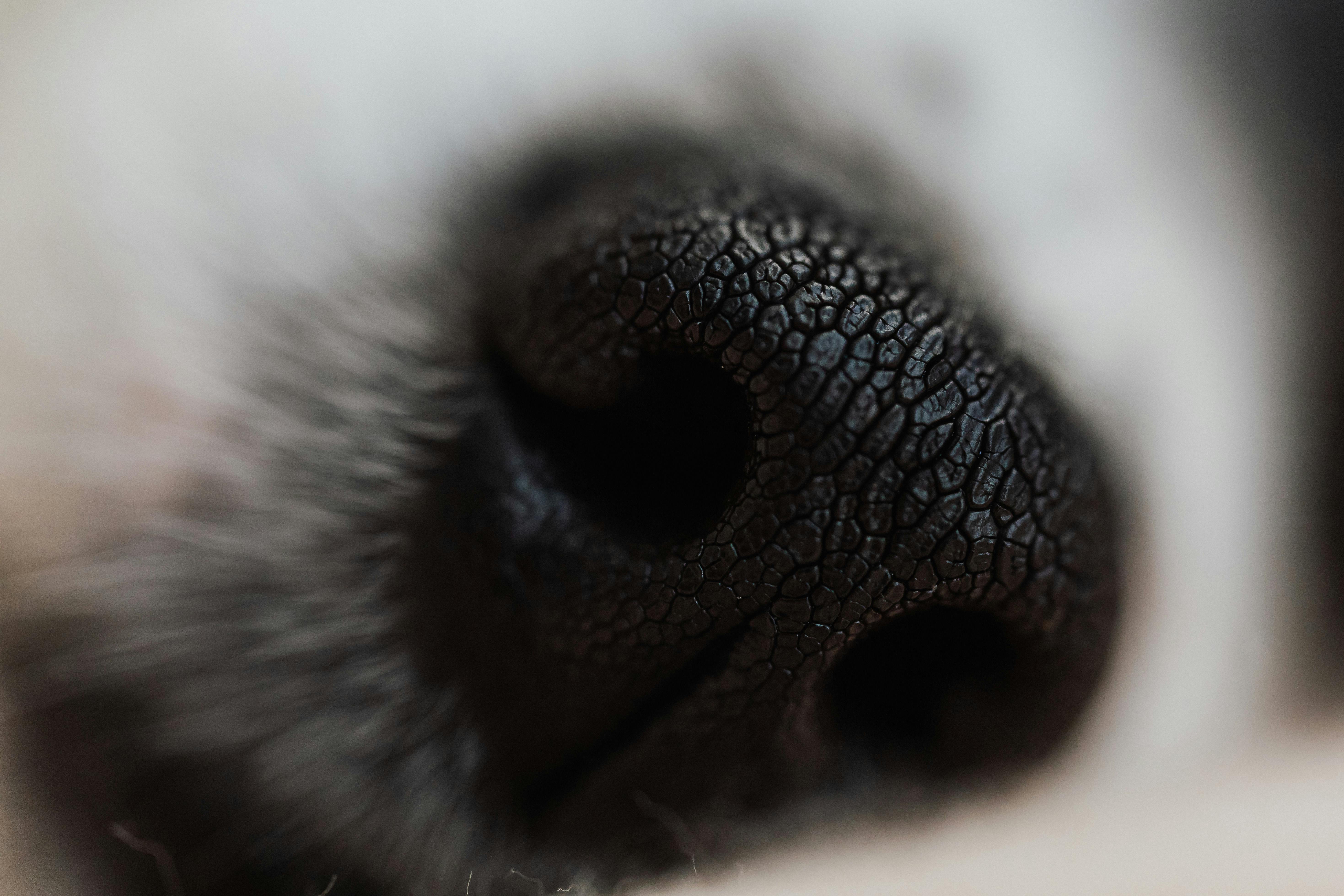
First off, let’s talk about the wetness of a dog’s nose. The moisture helps them in a few ways. For example, it amplifies their sense of smell. Dogs have up to 300 million olfactory receptors, compared to humans’ 5 million. This means their noses are super sensitive!
Here are some scientific reasons why dogs have wet noses:
- Enhanced Smell: The wetness helps capture scent particles, which makes it easier for dogs to detect smells.
- Temperature Regulation: Dogs don’t sweat like humans do. Their noses help them cool down, which is super important, especially on hot days.
- Health Indicator: A dog’s nose can reveal a lot about their health. Changes in moisture or temperature could signal an illness.
Tips for Keeping Your Dog’s Nose Healthy
So, how do you maintain optimal moisture levels for your dog’s nose? It’s pretty simple if you follow these tips:
- Stay Hydrated: Always make sure your dog has access to fresh water. Dehydration can lead to a dry nose.
- Humidity Matters: Dry air can affect your dog’s nose. If you live in a dry climate, consider using a humidifier in your home.
- Regular Check-Ups: Keep up with vet visits. They can catch any nose problems early.
- Avoid Harsh Chemicals: If you use cleaning products in your home, make sure they are pet-safe. Some chemicals can irritate your dog’s sensitive nose.
- Nose Balms: There are special balms designed for dogs that can help if their nose gets too dry.
Common Nose Problems in Dogs
Sometimes, despite our best efforts, dogs may experience nose issues. Here are some common problems to look out for:
- Dry Nose: This can be caused by dehydration, sunburn, or even a reaction to food.
- Crusty or Bleeding Nose: This might be a sign of an infection or a skin condition.
- Discoloration: Changes in color could indicate allergies or other health issues.
How to Tell if Your Dog’s Nose is Healthy
You may wonder how to assess if your dog’s nose is in good shape. Here’s a quick checklist:
- Moisture Level: A healthy nose is slightly wet.
- Color: It should be a consistent color without spots or discoloration.
- Temperature: A cool nose is generally a good sign. If it’s warm, it might indicate illness.
- No Cracks: The surface should be smooth without any cracks or sores.
Fun Facts About Dog Noses
Did you know that dog noses are unique, just like human fingerprints? Each dog has a distinct pattern of ridges and creases on their nose.
Other interesting trivia includes:
- Dogs can detect certain diseases, like cancer or diabetes, just through their sense of smell.
- Some breeds, like Bloodhounds, are specifically bred for their incredible sense of smell, making them great at search and rescue missions.
Comparison: Dog Nose vs. Human Nose
Here’s a quick look at how dog noses stack up against human noses:
| Aspect | Dog Nose | Human Nose |
|---|---|---|
| Olfactory Receptors | 300 million | 5 million |
| Moisture | Naturally moist | Varies with condition |
| Function | Smell, temperature control | Smell, breathing |
| Sensitivity | Highly sensitive | Less sensitive |
By understanding these unique traits and functions of your dog’s nose, you can help ensure their health and happiness.
For all dog owners, keeping their pup’s nose healthy is just one piece of the puzzle. It’s a window into their overall health and well-being. So next time you’re out and about with your furry friend, take a moment to appreciate that wet nose and all the wonders it brings!
Can a Dog’s Wet Nose Indicate Illness? Signs to Watch for in Your Furry Friend

When you think about your furry friend, you probably notice their wet nose often. It’s kinda cute, right? But have you ever wondered why do dogs have wet noses in the first place? Is it just a characteristic feature, or does it serve a bigger purpose? And what about the health implications? Can a dog’s wet nose indicate illness? Let’s dive into the facts and find out what you need to keep an eye on for your beloved pet.
The Science Behind Wet Noses
Dogs’ noses are usually wet because of a few reasons. One primary function of a wet nose is to help dogs smell better. You see, the moisture on their nose helps to capture scent particles, which enhances their olfactory sensitivity. Here’s some reasons why dogs have wet noses:
- Temperature Regulation: Dogs sweat through their paws, but their noses also helps in cooling down their bodies.
- Enhanced Scent Detection: Moisture helps to absorb scent particles from the air, making it easier for dogs to detect smells.
- Grooming: Dogs lick their noses to keep them clean and hydrated, which also contributes to that moist feeling.
Can a Dog’s Wet Nose Indicate Illness?
Now, just because your dog’s nose is wet doesn’t mean they are sick. However, changes in the wetness, temperature, or texture of the nose can sometimes signal health problems. Here are some signs you should be aware of:
- Dry or Cracked Nose: If your dog’s nose is dry or cracking, it could indicate dehydration or illness.
- Excessive Moisture: On the flip side, if a dog’s nose is excessively wet and running, it might be a sign of allergies or a respiratory issue.
- Change in Color: If the nose changes color, like turning a lighter shade or becoming red and inflamed, it’s time to consult a vet.
- Discharge: Any unusual discharge from the nose, especially if it’s green or yellow, could indicate an infection.
Common Health Issues Indicated by a Wet Nose
Here’s a brief overview of some health issues that might be indicated by changes in your dog’s nose:
- Allergies: Dogs can be allergic to various substances. If your dog’s nose is running, it might be a hint of an allergy.
- Infections: Bacterial or viral infections can cause a dog’s nose to become excessively wet or crusty.
- Autoimmune Diseases: Some conditions like lupus can cause changes in the nose’s texture and moisture.
What to Do If You Notice Changes
If you notice any changes in your dog’s nose, it’s important to keep an eye on other symptoms too. Here’s what to consider:
- Monitor Behavior: Is your dog lethargic? Eating less? These behavioral changes might indicate something more serious.
- Temperature Check: A normal dog temperature is between 101°F and 102.5°F. If it’s outside this range, contact your vet.
- Vet Visit: If you’re concerned, it’s always best to consult a veterinarian. They can provide the right diagnosis and treatment.
Fun Facts About Dogs’ Noses
Did you know that dogs’ noses are unique just like human fingerprints? Each dog has a different nose print! Here are some other fun facts about dogs’ noses:
- Dogs can smell 10,000 to 100,000 times better than humans.
- The wetness of a dog’s nose is a part of their grooming routine.
- Dogs’ noses can detect certain diseases in humans, such as cancer or diabetes.
In Summary
So, while a wet nose is mostly normal for dogs, any drastic changes should not be ignored. It’s best to pay attention to your dog’s overall health, including their behavior, eating habits, and other symptoms. If you notice anything unusual, don’t hesitate to have a chat with your veterinarian. A wet nose might just be one of the many charming features of your furry friend, but it can also be a window into their health. Keep an eye on those signs and enjoy all the cuddles that come with being a dog owner!
Conclusion
In conclusion, the wet noses of dogs serve several important functions, from enhancing their sense of smell to regulating body temperature. The moisture on their noses helps to capture scent particles, making their remarkable olfactory abilities even more effective. Additionally, the wetness assists in thermoregulation, allowing dogs to cool down in warmer conditions. This unique physiological feature is not just an adorable trait; it plays a crucial role in their overall health and well-being. Understanding why dogs have wet noses can deepen our appreciation for these loyal companions and their remarkable adaptations. If you’re a dog owner, take a moment to observe your furry friend’s nose and consider how it contributes to their everyday experiences. Engaging with your dog through play or exploration can also stimulate their senses, making the most of their incredible abilities. Embrace the joy of your pet’s unique traits and foster a deeper bond with them today!
