
Have you ever wondered, why do dogs have wet noses? This intriguing question leads us into the fascinating world of canine biology and behavior! Many dog owners ponder this quirk, often thinking it just a cute feature. But, the truth is, there are several reasons behind this unique trait! A wet nose, after all, plays a vital role in a dog’s health and communication. Did you know that a dog’s nose can actually help them detect scents more effectively? This natural phenomenon not only enhances their sense of smell but also helps them regulate their body temperature. Curious, right? Moreover, a dog’s wet nose might also be an indicator of their emotions and well-being. So, what makes a dog’s nose wet in the first place? Is it just moisture from the air or something more? Join us as we dive deeper into this fascinating truth about our furry friends and uncover the science behind those adorable, damp noses! You won’t want to miss these surprising insights that could change the way you view your pet’s health and happiness.
The Science Behind Wet Noses: Why Are Dogs’ Noses Always Moist?
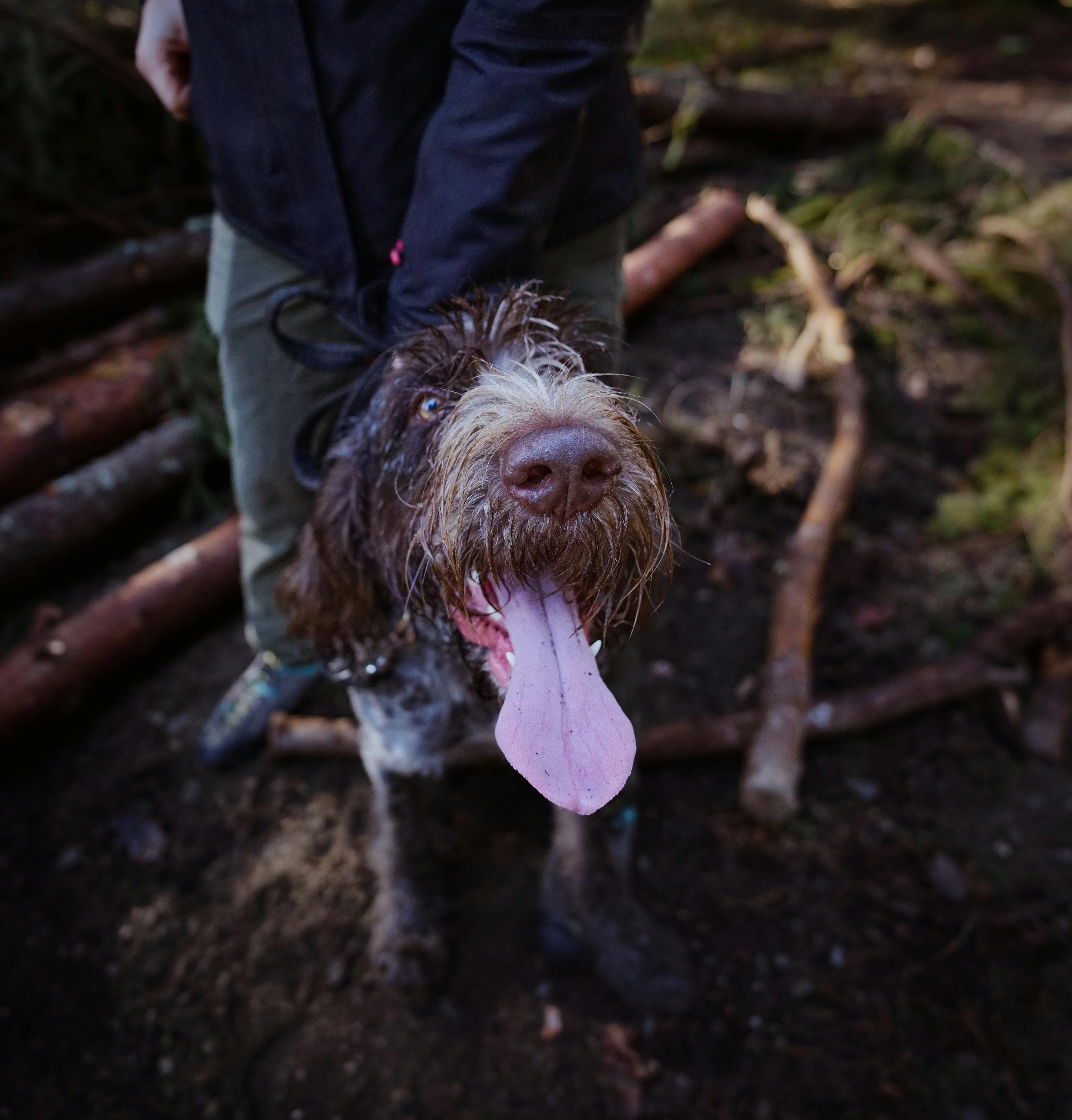
Have you ever wonder why your dog’s nose is always moist? It’s a question that many dog lovers ask, and there’s actually some fascinating science behind those wet noses. Dogs are unique creatures, and their noses serve important functions. Let’s dive deep into the reasons why dogs have wet noses and what makes them so special.
The Anatomy of a Dog’s Nose
First off, the structure of a dog’s nose is quite different than ours. Dogs have a highly developed olfactory system, which means their sense of smell is super powerful. Their noses are made up of a complex array of tissues, with a high concentration of scent receptors — about 300 million compared to our mere 5 million. This incredible anatomy helps dogs detect scents that are impossible for us to even fathom.
Why Are Dogs’ Noses Moist?
So, why do dogs have wet noses? There are several reasons for this. Here are some key points:
Enhances Smell: The moisture on their noses helps to trap scent particles. When a dog sniffs, the wet surface captures more smells, enhancing their ability to detect odors. This is why your dog can smell things you cannot.
Regulation of Temperature: Dogs cool themselves down through panting, but their noses also play a role in temperature regulation. The moisture evaporates, which helps to cool their body down on hot days.
Health Indicator: A dog’s nose can be an indicator of their health. A healthy dog typically has a moist, cool nose. If a dog’s nose becomes dry or excessively warm, it could indicate illness or dehydration.
Historical Context of Dog Noses
Historically, dogs were bred for specific purposes, like hunting or herding, which made their noses even more crucial. For example, bloodhounds, known for their tracking abilities, have been used for search and rescue operations for centuries. Their wet noses help them pick up scents that are days old, showing just how vital that moisture is for their work.
Fun Facts About Dog Noses
Here are some interesting facts about dog noses that might surprise you:
Unique Prints: Just like human fingerprints, no two dog noses are alike. Each dog has a unique nose print that can be used for identification.
Nose Color: The color of a dog’s nose can vary widely depending on the breed. Some breeds have black noses, while others might have brown or even pink noses.
Nasal Folds: Dogs have nasal folds that help to trap scent molecules and enhance their smelling abilities even further.
Scent Memory: Dogs can remember smells for long periods. If they’ve encountered a particular scent before, they can recognize it again long after.
Practical Examples of Nose Use
Dogs use their noses in various practical ways. Here are some examples:
Search and Rescue: Dogs are trained to find missing persons or detect bombs and drugs using their sense of smell. Their wet noses help them pick up scents more effectively in various environments.
Medical Detection: Some dogs are trained to detect diseases like cancer or diabetes by sniffing out specific chemicals in a person’s breath or skin.
Herding and Hunting: Many breeds were developed to herd livestock or hunt game. Their noses help them track movements and locate their targets.
Comparing Dog Noses to Human Noses
Here’s a simple comparison of dog noses and human noses:
- Scent Receptors: Dogs (300 million) vs. Humans (5 million)
- Nose Function: Dogs use noses for tracking and hunting; Humans mainly use noses for breathing and basic scent detection.
- Nasal Structure: Dogs have a more complex nasal cavity that enhances their smelling ability.
The Importance of a Wet Nose
In summary, a dog’s wet nose is not just an adorable feature but an essential part of their biology. It helps them smell better, regulate body temperature, and even serves as a health indicator. If you notice changes in your dog’s nose, like it becoming dry or warm, you may want to consult with a veterinarian.
Understanding why dogs have wet noses opens up a world of appreciation for these amazing animals. The next time you give your furry friend a pat on the head, remember that their moist nose is not just for show — it’s a vital tool for survival and communication in the canine world. Embrace those wet kisses; they’re more than just cute, they’re crucial!
5 Fascinating Facts About Dogs’ Wet Noses You Never Knew!
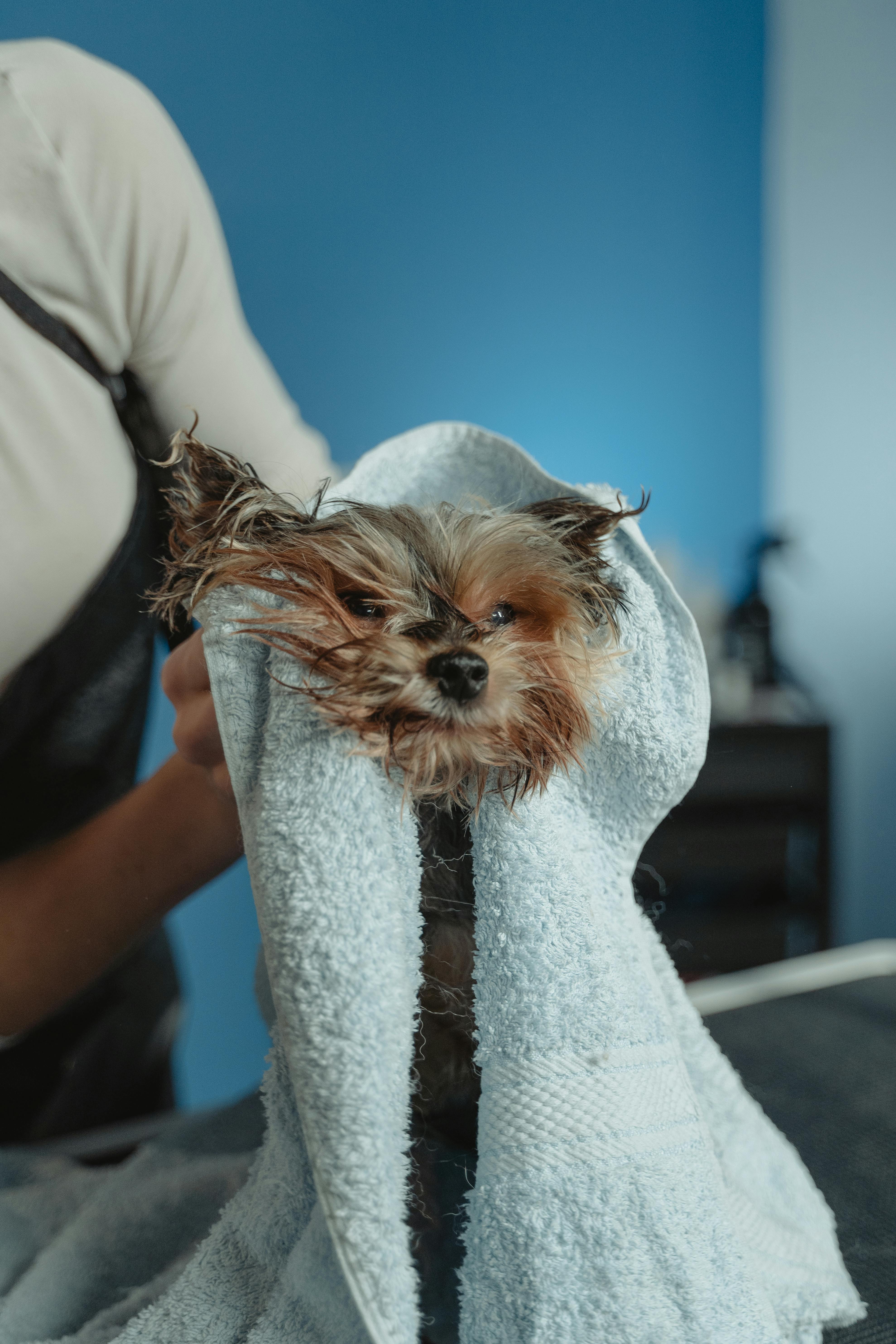
Dogs are known for many things, but one of the most interesting facts about them is their wet noses. You may have asked yourself, why do dogs have wet noses? Well, there’s actually a lot more going on beneath the surface than you might think. Let’s explore five fascinating facts about dogs’ wet noses that you probably didn’t know!
1. Natural Thermoregulation
One of the reasons dogs have wet noses is to help regulate their body temperature. Dogs don’t sweat like humans do, so they gotta find other ways to cool off. Their noses secret a thin layer of moisture which evaporates, helping to cool them down. This is especially important during hot weather. In fact, when a dog feels overheated, you may notice them panting more. The wetness of their noses is just another way of saying, “I’m trying to chill out!”
2. Enhanced Sense of Smell
Did you know that a dog’s sense of smell is way better than humans? A wet nose helps improve their olfactory abilities. The moisture in their noses captures scent particles from the air. When a dog sniffs, it allows their nasal receptors to work more effectively. This is why dogs can sniff out things like drugs or even diseases in humans—it’s all thanks to that wet nose!
3. Communication Tool
Dogs communicate in many ways, and their noses play a crucial role too. When dogs greet each other, they often sniff each other’s noses and behinds. The wetness of their noses can indicate their emotional state. For instance, a moist nose may signal a happy and relaxed dog, while a dry nose could mean they are stressed or unwell. This is sort of a doggy version of shaking hands, except, you know, a bit more slobbery!
4. Health Indicator
Just like how humans check their temperature when feeling sick, a dog’s nose can also be a health indicator. A healthy dog usually has a wet, cool nose. However, a dry or cracked nose may indicate something wrong. It can be a sign of dehydration or even a fever. Owners should pay attention to these changes since it could mean a trip to the vet is necessary.
5. Evolutionary Advantage
Dogs have wet noses due to their evolutionary traits. Early dogs, like wolves, developed moist noses to help hunt and survive in the wild. The ability to smell better helped them track prey and avoid danger. Over time, this trait has been passed down through generations. So, every time you see your dog’s wet nose, you are looking at a piece of their evolutionary history!
Quick Facts About Dogs’ Noses
- Temperature Regulation: Helps keep them cool in hot weather.
- Sense of Smell: Captures scent particles, enhancing their ability to smell.
- Communication: Indicates emotional states during interactions with other dogs.
- Health Indicator: A change in moisture levels can signal health issues.
- Evolutionary Trait: Developed for survival and hunting in the wild.
Comparison of Dog Nose Types
| Type of Dog | Typical Nose Condition | Smell Ability | Common Health Issues |
|---|---|---|---|
| Labrador Retriever | Wet and cool | Excellent | Ear infections, skin allergies |
| Bulldog | Moist and warm | Good | Breathing issues, skin problems |
| Dachshund | Wet and cold | Strong | Back problems, obesity |
| Beagle | Damp | Very strong | Ear infections, obesity |
When you think about it, a dog’s wet nose is more than just a cute feature; it’s full of functionality and significance! Next time you give your furry friend a pat and feel that delightful wet nose, remember all the fascinating facts behind it. They are not just a random occurrence, but rather a crucial part of a dog’s biology that helps them interact with the world around them. So, why do dogs have wet noses? Now you know the fascinating truth!
In the world of dogs, their noses truly are a window into their health and emotions, making them all the more intriguing as companions. So, the next time you ask yourself why do dogs have wet noses, just remember all these amazing facts and appreciate that cute, wet little nose even more!
Is a Wet Nose a Sign of a Healthy Dog? Understanding Canine Health Indicators
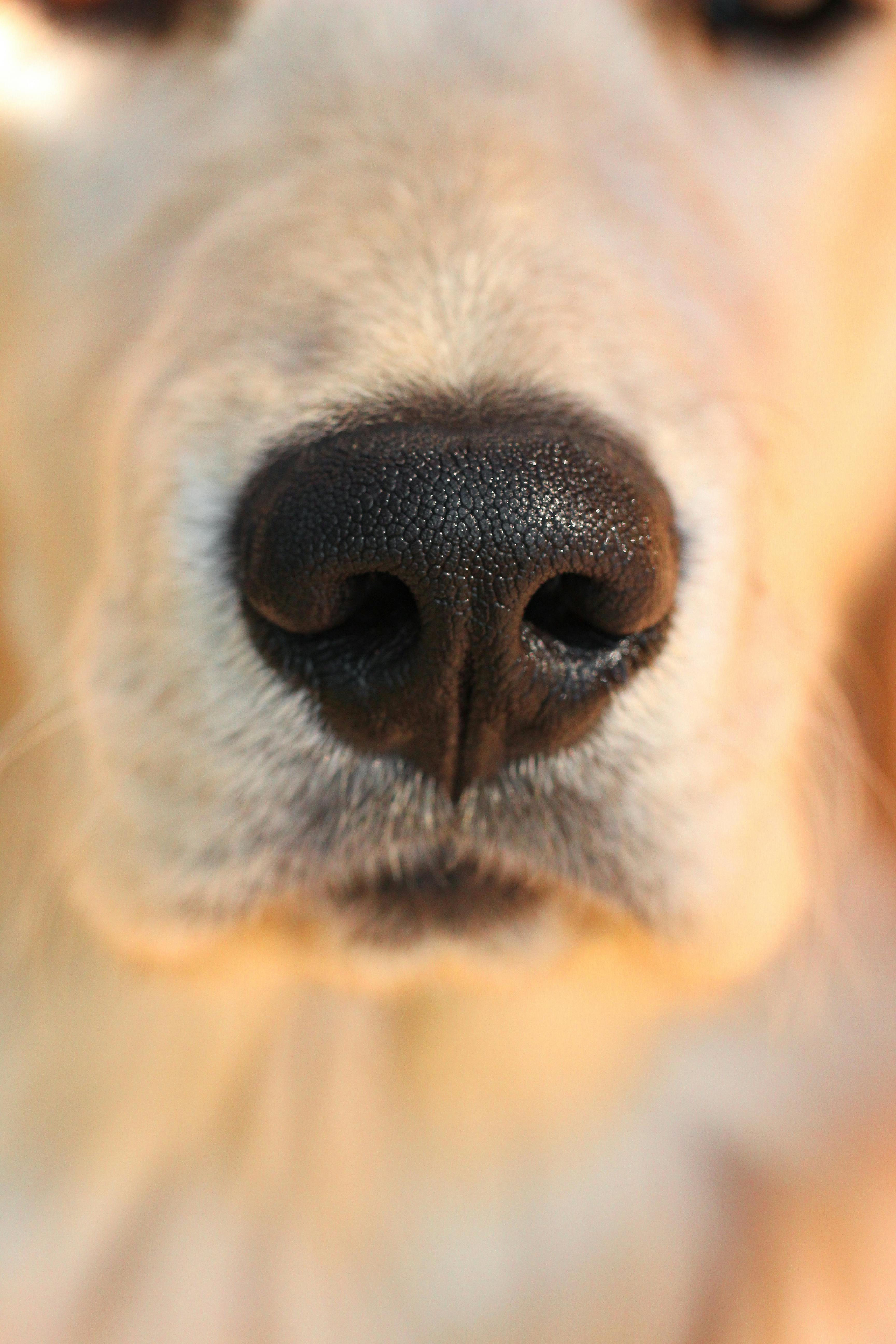
When you see a dog with a wet nose, you might wonder if it’s a sign of good health. Many pet owners have asked: Is a wet nose a sign of a healthy dog? Understanding canine health indicators is essential for any dog lover. Wet noses are often believed to be a positive sign, but the truth is a bit more complex. Let’s dig into why dogs have wet noses and what it means for their health.
Why Do Dogs Have Wet Noses?
Dogs have wet noses for several reasons, some of which are linked to their biology and behavior. Here’s a breakdown:
- Cooling Mechanism: Dogs don’t sweat like humans do. Instead, they have sweat glands mainly in their paw pads. A wet nose helps them cool down as the moisture evaporates.
- Sense of Smell: A wet nose can enhance a dog’s ability to smell. The moisture helps to trap scent particles, making it easier for them to detect odors.
- Health Indicator: While a wet nose is often associated with health, it is not the only sign. Dryness or excessive stickiness can indicate health issues.
The Myth of the Wet Nose
Many people think that a wet nose always means a dog is healthy, but this is a bit misleading. A dog’s nose can be wet for various reasons, not all of which relate to their health status. Here’s what you need to consider:
- Environmental Factors: Weather can affect nose moisture. A dog’s nose might be wetter on a humid day compared to a dry one.
- Activity Level: If a dog has just been playing outside or drinking water, its nose may be wet.
- Health Conditions: Some health issues can cause a dog’s nose to become dry, like fever or dehydration.
Common Canine Health Indicators
So, while a wet nose can be one indicator of health, there are many other signs to observe. Here are some common health indicators to watch for in dogs:
- Ears: Healthy ears are clean, odor-free, and not excessively warm.
- Eyes: Clear, bright eyes are a good sign, while cloudy or red eyes may indicate problems.
- Gums: Pink gums show good circulation, while pale or dark gums could signal health issues.
- Energy Level: A healthy dog is usually active and playful. Lethargy can be a warning sign.
What If Your Dog Has a Dry Nose?
If you notice your dog has a dry nose, it doesn’t automatically mean something’s wrong. It’s important to consider context. Here are a few things to keep in mind:
- Temporary Dryness: A dog may have a dry nose after sleeping or in certain environments.
- Dehydration: If your dog is also showing signs of dehydration (like reduced skin elasticity), it’s time to consult a vet.
- Other Symptoms: Look for additional symptoms like coughing, vomiting, or changes in appetite.
When to See a Vet
If your dog’s dry nose is paired with any concerning symptoms, it’s essential to seek veterinary advice. Here are some situations where you should definitely consult a vet:
- Persistent dryness or cracking
- Excessive drooling or foaming at the mouth
- Changes in behavior or energy levels
- Unusual licking of the nose or face
Fun Facts About Dog Noses
Did you know dog noses are more than just cute? Here are some cool facts:
- Unique Patterns: Just like human fingerprints, every dog has a unique nose print.
- Super Smellers: Dogs have up to 300 million olfactory receptors, compared to about 5 million in humans.
- Temperature Takers: A dog’s nose can feel warm or cold, but it doesn’t always indicate illness.
Summary of Key Points
- A wet nose can be a sign of health, but it’s not definitive.
- Various factors affect a dog’s nose moisture, including environment and activity level.
- Other health indicators, like energy level and gum color, are also crucial.
- Consult a vet if you notice concerning symptoms.
There you have it! Understanding why dogs have wet noses and what it means for their health is quite fascinating. Remember, while a wet nose is often a good sign, it’s just one part of the picture in assessing a dog’s overall well-being. Pay attention to other indicators and consult your veterinarian if you’re ever in doubt.
The Surprising Reasons Your Dog’s Nose Is Wet: What Every Owner Should Know
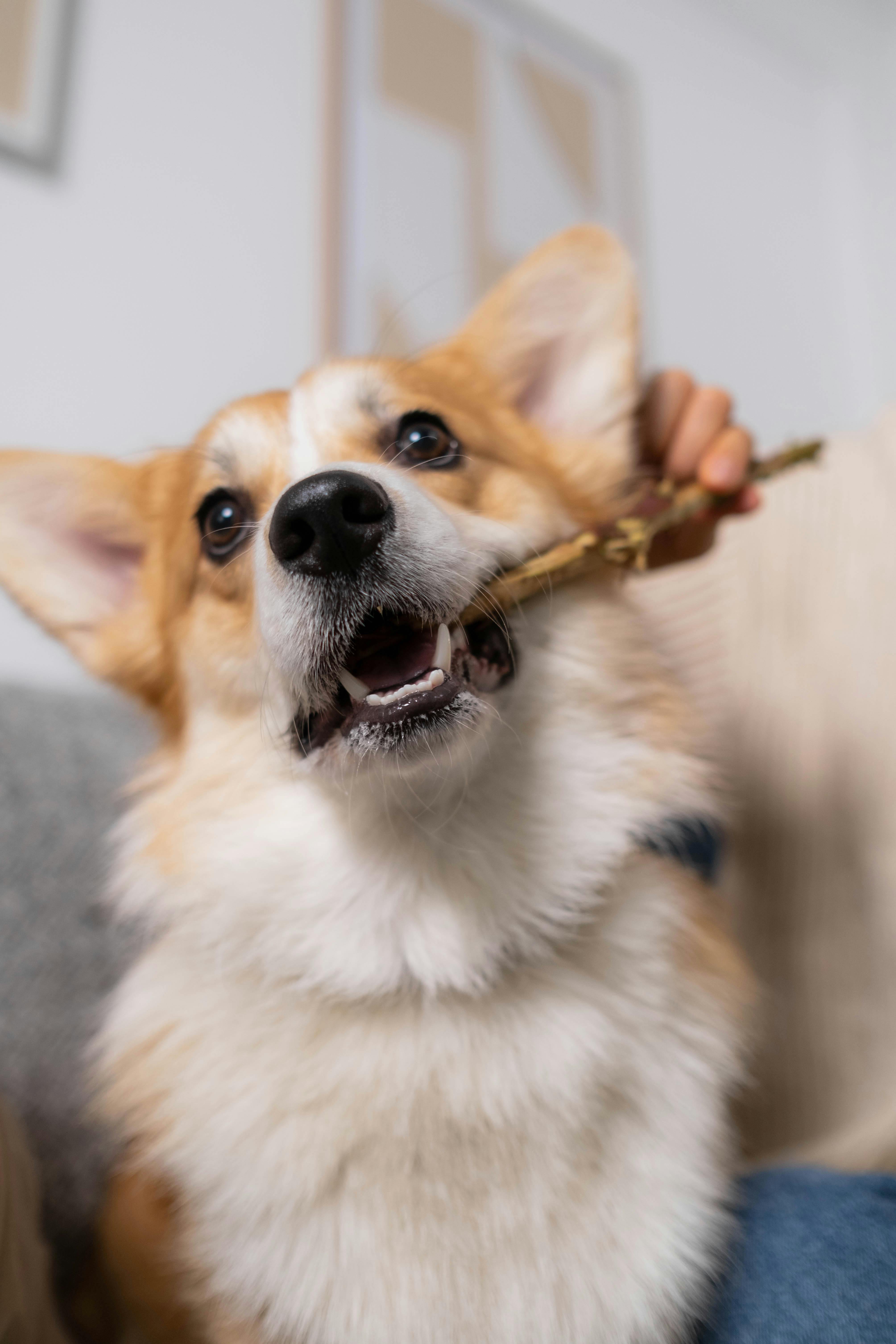
When you look at your dog’s adorable face, one of the things that catch your attention is their nose, right? You might wonder why it’s always so wet. Many dog owners ask, “Why do dogs have wet noses?” It’s actually more than just a cute feature! There are surprising reasons behind this. The wetness of a dog’s nose is not just for show, it serves several important functions that every owner should know about. Let’s dive into the fascinating truth about our furry companions.
The Science Behind the Wet Nose
First of all, dog noses are wet because they help them explore the world. The moisture on their noses enhances their sense of smell. Dogs have a powerful olfactory system, and when their nose is wet, it captures scent particles more effectively. This is why you might see your dog sniffing around, trying to pick up all the interesting smells.
- Dogs have around 220 million scent receptors in their noses, compared to humans who only have about 5 million.
- The wetness helps in dissolving scent particles, making it easier for dogs to detect different smells.
Keeping Cool in Hot Weather
You might be surprised to know that a wet nose also helps dogs regulate their body temperature. Dogs don’t sweat like humans do; instead, they cool off through their noses and paw pads. When it’s hot outside, the moisture evaporates from their nose, which can help lower their body temperature.
Here’s a quick summary of how dogs cool off:
- Panting to release heat
- Wet noses help cool down body temperature
- Drinking water also helps regulate their temperature
Health Indicators
A wet nose can also be an indicator of your dog’s health. Typically, a healthy dog will have a moist nose. However, if you notice significant changes, it could mean something’s wrong.
- Dry nose: This might indicate dehydration or illness.
- Excessively wet nose: Sometimes, this could signal allergies or infections.
It’s always a good idea to keep an eye on your dog’s nose and consult a vet if you see concerning changes.
Historical Context of Wet Noses
Historically, wet noses have played a significant role in the evolution of dogs. Their ancestors, wolves, relied on their noses for hunting. A wet nose could help them track prey over long distances. As dogs became domesticated, this trait remained, making them excellent companions and helpers even today.
Fun Facts About Dog Noses
Dogs’ noses are not only wet but also unique! Just like fingerprints in humans, each dog’s nose print is different. Here are some more fun facts:
- The surface of a dog’s nose has ridges, which contribute to its unique pattern.
- Dogs can identify scents in parts per trillion, which is incredibly impressive.
- The moisture on their nose comes from the mucus glands in their nasal cavity.
What Makes a Healthy Nose?
You might be wondering how to ensure your dog’s nose stays healthy, right? Here are some tips:
- Hydration: Make sure your dog drinks enough water daily.
- Regular Vet Check-ups: Annual check-ups can help identify any nose-related issues.
- Avoid Overheating: On hot days, ensure your dog has access to shade and fresh water.
Comparing Dog Noses to Other Animals
Let’s take a quick look at how dog noses compare to other animals:
| Animal | Scent Receptors | Nose Functionality |
|---|---|---|
| Dogs | 220 million | Excellent for tracking scents |
| Cats | 50-80 million | Good for hunting small prey |
| Humans | 5 million | Limited sense of smell |
As you can see, dogs have a remarkable ability when it comes to their sense of smell compared to other animals.
So next time you find yourself pondering, “Why do dogs have wet noses?” remember that it’s not just for looks. Their wet noses are essential for their health, temperature regulation, and unique sense of smell.
In the end, understanding these fascinating aspects of your dog’s physiology can help you become a more informed and attentive pet owner. Keeping your dog’s nose healthy and ensuring they have a happy life is an integral part of being a responsible dog parent.
Why Do Dogs Have Wet Noses? Unveiling the Mysteries of Canine Anatomy
Dogs, those lovable companions that wag their tails and bark with glee, often leave us wondering about their unique traits. One such question that many dog owners ask is, “Why do dogs have wet noses?” It’s a funny yet curious phenomenon that has puzzled pet lovers for ages. Understanding the reasons behind this feature not only satisfies our curiosity but also sheds light on canine anatomy and behavior. So, let’s dive into the fascinating world of dogs and their wet noses!
The Anatomy of a Dog’s Nose
A dog’s nose is not just an ordinary body part. Its moist surface is a result of several interesting factors. Here are some key points about the anatomy of a dog’s nose:
- Moisture Production: Dogs have specialized glands that produce mucus, which helps keep their noses moist.
- Enhanced Smell: The moisture on a dog’s nose helps to capture scent particles from the air, making their sense of smell even more powerful.
- Temperature Regulation: A wet nose can help regulate a dog’s body temperature. When dogs pant, moisture evaporates from their noses, cooling them down.
Why Is a Wet Nose Beneficial?
Having a wet nose serves multiple purposes, and these benefits can be quite surprising. Here’s a list of reasons:
- Superior Scent Detection: The wetness allows for better absorption of scents, which is why dogs can sniff out things humans can’t even imagine.
- Health Indicator: A wet nose can be a sign of good health in dogs. If a dog’s nose is excessively dry or warm, it could indicate illness.
- Social Interaction: Dogs often use their noses to greet each other. A wet nose can help in sniffing out pheromones and other scents that convey information about other dogs.
Historical Context of Dogs and Their Noses
The dog’s evolutionary journey plays a significant role in understanding why their noses are wet. Dogs descended from wolves, which are known for their keen sense of smell. Over time, domestication has emphasized traits like a wet nose for better scent detection.
- Ancient Roles: Historically, dogs have been used for hunting and tracking due to their superior olfactory abilities. A wet nose enhances this skill, making them invaluable companions for hunters.
- Cultural Significance: In many cultures, a dog’s wet nose is seen as a symbol of vitality and energy.
Fun Facts About Dog Noses
If you think the wetness of a dog’s nose is interesting, wait till you hear these fun facts!
- Unique Patterns: Just like human fingerprints, every dog’s nose print is unique. This means that you can identify your dog by their nose!
- Sensitivity: A dog’s sense of smell is estimated to be between 10,000 to 100,000 times more sensitive than that of humans.
- Nasal Turbinates: Dogs have complex nasal passages filled with turbinates which help to filter and humidify the air they breathe.
Comparing Dog Noses to Human Noses
Let’s take a quick look at how dog noses differ from human noses in a few key areas:
| Feature | Dog Nose | Human Nose |
|---|---|---|
| Moisture Level | Generally wet | Typically dry |
| Smell Sensitivity | 10,000-100,000 times better | Standard human sensitivity |
| Unique Patterns | Each dog has unique print | No unique pattern |
Practical Examples of Wet Noses in Action
You might be wondering how a wet nose plays a role in daily dog life. Here are some everyday scenarios:
- Tracking: When a dog is tracking a scent, they’ll often sniff the ground with their wet noses to pick up various smells.
- Socializing: When dogs meet, they’ll often sniff each other’s noses—this is their way of saying hello and gathering information about each other.
- Health Check: As a dog owner, you might notice changes in your dog’s nose. If it suddenly becomes dry or warm, it’s a good idea to observe other symptoms and consult a vet if necessary.
Dogs’ wet noses are more than just an adorable feature; they serve vital functions related to their health, communication, and sense of smell. Understanding these aspects can deepen your bond with your furry friend and help you take better care of them. So next time you give your dog a scratch behind the ears, take a moment to appreciate that delightful wet nose and all the wonders it brings!
The Role of a Wet Nose in Dog Communication: How It Affects Behavior
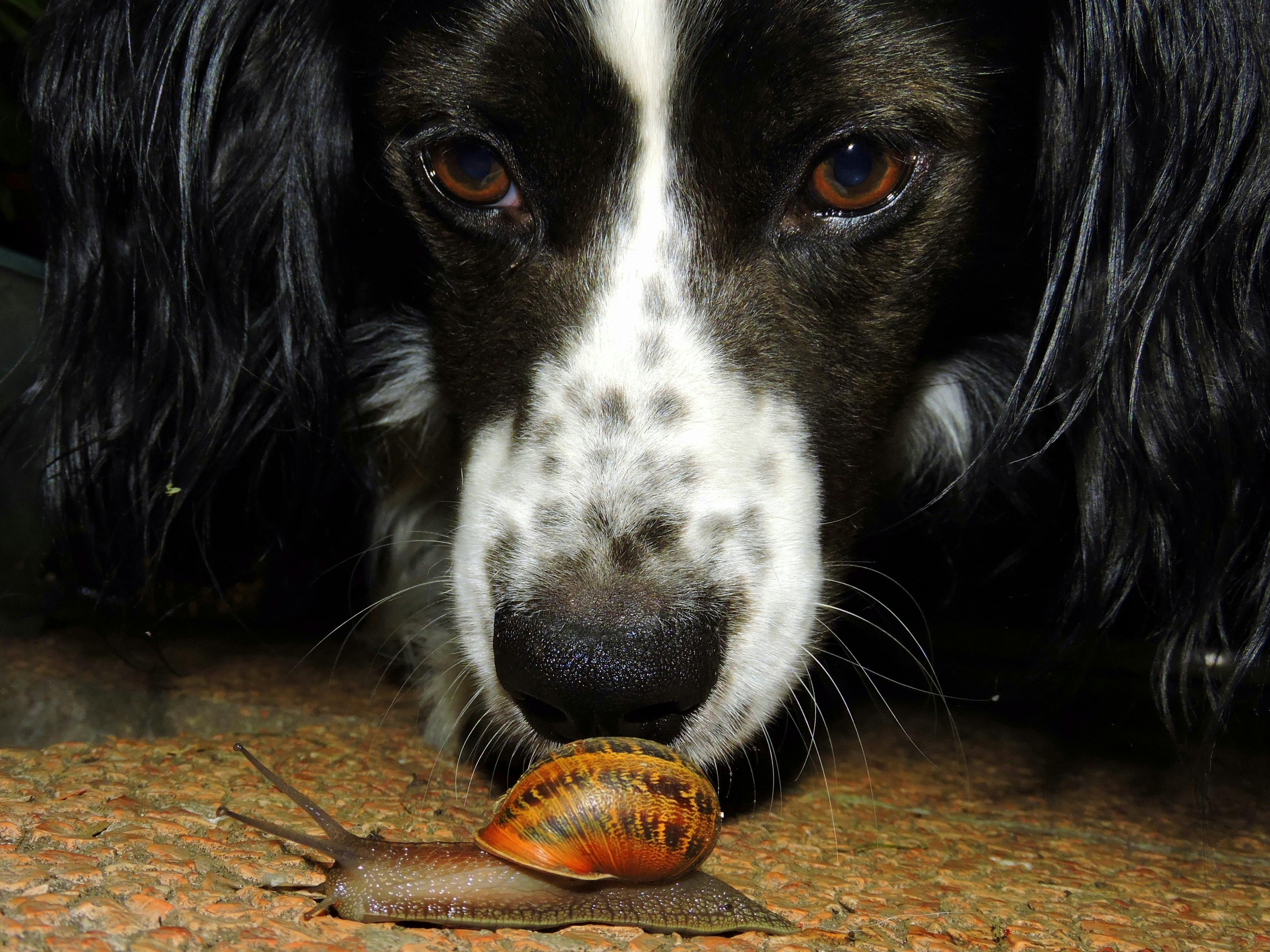
Dogs are known for their loyalty, playfulness, and those adorable wet noses. But what is the deal with those moist, cold noses anyway? Many people wonder why do dogs have wet noses and what role it plays in their communication and behavior. It’s way more than just a cute feature! In this article, we will uncover the fascinating truth about dog noses and how it affects their interaction with the world.
The Science Behind Wet Noses
Wet noses serve multiple important functions that influence a dog’s behavior. The moisture on a dog’s nose is primarily caused by sweat and mucus. Dogs have a unique anatomy which includes specialized glands that help to keep their noses moist. This moisture helps enhance their sense of smell, which is vital for their communication and navigation.
- Enhanced Smell: A wet nose helps capture scent particles in the air. This means dogs can detect smells better than humans. Their sense of smell is about 10,000 to 100,000 times more sensitive than ours!
- Thermoregulation: Dogs can’t sweat like humans, so their noses help them regulate body temperature. A wet nose helps cool them down, especially when it’s hot.
- Communication Tool: A dog’s nose also communicates a lot. When a dog greets you with a wet nose, it’s a sign of affection and trust.
Why Are Dog Noses Wet?
So, why do dogs have wet noses? Simply put, it’s an evolutionary adaptation. Dogs are descendants of wolves, and wet noses have been advantageous for their survival. Here are some reasons:
- Hunting: Wet noses can help track scents of prey better.
- Social Signals: Dogs use their noses to communicate with each other. A wet nose can indicate friendliness and approachability.
- Health Indicator: A wet nose is often a sign of a healthy dog. However, it’s not the only indicator, and many factors can contribute to the moisture levels.
The Role of Nose in Dog Communication
Dogs communicate through various signals, and their noses play a significant role in this. Here’s how:
- Scent Marking: Dogs use their noses to pick up information about their environment and other dogs. When they sniff each other, they learn about age, health, and even mood.
- Exploration: A dog’s curiosity often leads to them sniffing around, which is how they explore their world. The wet nose enhances this experience.
- Emotional Connection: When a dog nudges you with its wet nose, it’s often trying to gain your attention or express affection.
Interesting Facts About Dog Noses
- Dogs have up to 300 million smell receptors in their noses, compared to about 6 million in humans.
- The texture of a dog’s nose can be unique, much like a human fingerprint. Each dog has its own distinct nose print.
- Some breeds, like Bloodhounds, have an incredibly keen sense of smell. They’re often used in search and rescue missions due to their ability to track scents over long distances.
Common Misconceptions
There are many misconceptions about wet noses. Here are some that need clarifying:
- All wet noses are healthy: While a wet nose can be a sign of health, a dry nose doesn’t always mean something is wrong. Factors like temperature and activity can affect nose moisture.
- Only dogs have wet noses: Many animals have moist noses, not just dogs. Cats, pigs, and other mammals also have similar adaptations.
- Wet noses mean they are happy: A wet nose is just one indication of a dog’s emotional state and shouldn’t be taken as the only sign of happiness.
Conclusion
Understanding why do dogs have wet noses and their role in communication can help deepen the bond between you and your furry friend. By recognizing their needs and behaviors, you can ensure a happy and healthy life for your dog. So, next time you feel that cold, wet nose against your hand, remember it’s not just cute — it’s a key part of your dog’s way of interacting with the world!
Can Weather Affect Your Dog’s Nose Moisture? Exploring Environmental Factors

Ever wonder why your dog’s nose is often wet? It’s not just a cute feature, it’s actually part of their biology. Dogs have wet noses for a variety of reasons, and weather can actually play a role in how moist their noses are. Let’s dive into the details of why dogs have wet noses and how environmental factors, particularly weather, can affect this characteristic.
Why Do Dogs Have Wet Noses?
Dogs have wet noses for several significant reasons. Understanding these can help pet owners appreciate their furry friends even more. Here’s a breakdown of why dog noses stay moist:
Temperature Regulation: A dog’s nose help in regulating their body temperature. When a dog pants or breathes heavily, moisture evaporates from the nose, helping to cool the body down.
Sense of Smell: The moisture on a dog’s nose helps to trap scent particles. This makes it easier for them to smell things. A wet nose can be more effective in detecting odors than a dry one, allowing dogs to explore their surroundings better.
Health Indicator: A dog’s nose can be an indicator of their health. A wet and cool nose is generally a sign of a healthy dog. On the other hand, a dry or cracked nose might suggest that a dog may be feeling unwell.
Can Weather Affect Your Dog’s Nose Moisture?
Yes, weather can definitely affect your dog’s nose moisture. Various environmental factors can lead to changes in how moist or dry a dog’s nose appears. Here’s some factors:
Humidity: In humid weather, a dog’s nose may remain moist due to the high levels of moisture in the air. Conversely, dry climates can lead to quicker evaporation, making noses drier.
Temperature: Hot weather can lead to dehydration, which might cause a dog’s nose to dry out. When it’s cold, moisture can freeze or become trapped, leading to different textures on the nose.
Rain: Rainy days often result in wetter noses. Dogs enjoy splashing in puddles and might get their noses wet from the rain.
Indoor Heating: During winter, indoor heating can dry out the air inside homes, which can affect how moist a dog’s nose stays.
The Fascinating Truth About Dog Noses
It’s not just moisture that makes dog noses interesting. There’s a whole lot more to learn. Here are some fascinating facts:
Unique Patterns: Just like human fingerprints, each dog has a unique nose print. These patterns can be used for identification.
Color Changes: The color of a dog’s nose can change with the seasons. For example, some breeds might have darker noses in the summer and lighter in winter.
Breed Differences: Some breeds, like Bulldogs or Pugs, may have less moisture due to their skin structure. Others like Retrievers usually have very moist noses.
Nose Health: Regularly check your dog’s nose for signs of problems. Cracks, sores, or excessive dryness can indicate health issues that require attention.
Quick Comparison: Wet vs. Dry Dog Noses
Here’s a simple table comparing wet and dry dog noses:
| Wet Nose | Dry Nose |
|---|---|
| Cool to the touch | Warm or hot |
| Usually healthy | May indicate illness |
| Effective for smelling | Less effective for smelling |
| Common in active dogs | Can be seen in inactive dogs |
| Moisture helps cool body | May signify dehydration |
Practical Tips for Dog Owners
Now that you know how weather affects your dog’s nose moisture, here are some practical tips for dog owners:
Hydration: Always ensure your dog has access to fresh water, especially in hot weather. This helps keep their nose moist.
Humidity Control: If you live in a dry area, consider using a humidifier during winter to help maintain nose moisture.
Regular Check-ups: Keep an eye on your dog’s nose for any unusual changes. If it stays dry for too long, consult a vet.
Outdoor Care: On hot days, limit outdoor playtime to cooler hours. Protect your dog from overheating, which can dry out their nose.
Nose Balm: Consider using a dog-safe nose balm during cold months to prevent cracking and dryness.
Understanding the science behind your dog’s nose can deepen your bond with your furry friend. Whether it’s the weather’s impact or the biological reasons for their wet noses, there’s a lot to appreciate. So next time you see your dog’s wet nose, remember it’s not just cute; it’s a fascinating feature that plays an important role in their health and well-being.
Wet Nose vs. Dry Nose: What Your Dog’s Nose Condition Really Means
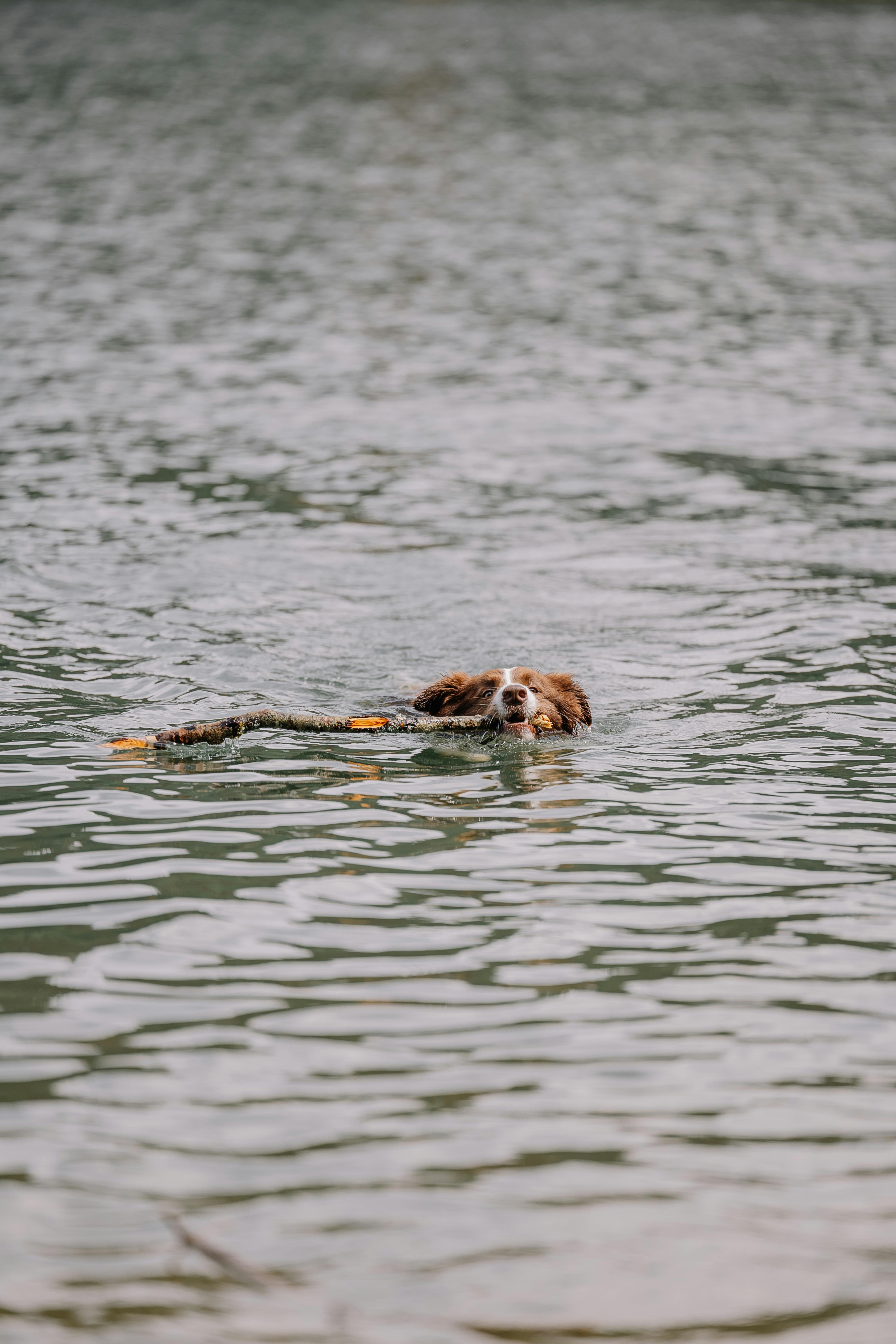
When you see your furry friend with that cute wet nose, have you ever wondered what it really means? Most of us think it’s a sign that our dogs are healthy and happy. But does a wet nose always indicate good health? Or could it mean something more serious? In this article, we gonna explore the fascinating world of canine noses, focusing on the difference between wet nose and dry nose, and why do dogs have wet noses in the first place.
Why Do Dogs Have Wet Noses?
Dogs noses are wet for a variety of reasons. It’s not just for show! Here’s some key points about the significance of nose moisture in dogs:
- Enhanced Sense of Smell: A wet nose helps to capture scent particles in the air. The moisture on the nose is good for trapping these particles, allowing dogs to smell better.
- Cooling Mechanism: Just like humans sweat to cool down, dogs can regulate their body temperature through their noses. The moisture evaporates, helping to keep them calm and cool, especially on hot days.
- Health Indicator: While a wet nose can be a sign of good health, it’s not always the case. A sudden change in nose wetness can signal illness or stress.
Wet Nose vs. Dry Nose: What It Means
Now, let’s break down what a wet nose means compared to a dry nose. Both conditions can tell you something about your dog’s health, but they don’t always mean the same things.
Wet Nose:
- Indicates hydration and good health.
- May suggest your dog is feeling happy and relaxed.
- Often associated with active dogs who are more engaged in their environment.
Dry Nose:
- Can mean dehydration. If your dog hasn’t been drinking enough water, their nose might dry out.
- Might indicate illness. A dry nose can sometimes be a sign of fever or other health issues.
- Environment factors such as heat or dryness can lead to a dry nose.
Common Causes of Nose Conditions in Dogs
Understanding the reasons behind your dog’s nose condition can help you take better care of them. Here’s some common causes for both wet and dry noses:
- Weather Conditions: Hot weather can dry out a dog’s nose, while humidity can keep it moist.
- Health Issues: Conditions such as allergies, infections, or even autoimmune diseases can lead to changes in nose moisture.
- Age: Older dogs might have changes in their nose conditions due to general health decline.
- Activity Level: Active dogs often have wetter noses due to their engagement with the environment.
Observing Your Dog’s Nose
It’s important to regularly check your dog’s nose and look for changes. Here are some things you should notice:
- Color Changes: A healthy dog’s nose should be a dark color, while a pale or discolored nose could indicate a problem.
- Cracks or Sores: If you see cracks or sores, it could be a sign of dehydration or other health issues.
- Temperature: A warm nose might indicate a fever, while a cool, wet nose is usually a good sign.
When to Seek Help from a Vet
You might be wondering when to worry about your dog’s nose condition. Here’s some signs you should pay attention to:
- Persistent Dryness: If your dog’s nose stays dry for more than a day or two, it’s best to consult a veterinarian.
- Accompanying Symptoms: Look for signs like lethargy, lack of appetite, or unusual behavior. These could indicate illness.
- Changes Over Time: If your dog’s nose changes from wet to dry suddenly without explanation, that can be a concern.
Fun Facts About Dog Noses
- Did you know that dogs have a unique nose print? Just like human fingerprints, no two dogs have the same nose print!
- Dogs have up to 300 million scent receptors in their noses, compared to about 5 million in humans.
- The moisture on a dog’s nose also helps them to taste scents better, which is an important part of their hunting instincts.
Keeping an eye on your dog’s nose condition can help you catch potential health issues early. While a wet nose is often a good sign, it’s important to remember that the condition of your dog’s nose can change for various reasons. Regular check-ups with your vet, along with being observant of your pet’s nose, can ensure your furry friend stays healthy and happy. So next time you see that adorable wet nose, you’ll know a little more about what it means!
How to Care for Your Dog’s Nose: Tips for Maintaining Optimal Moisture Levels

Dogs are often known for their wet noses, but have you ever wonder why? It’s a common sight, and many dog owners see their furry friends with that shiny, moist snout. But what does it mean, and how can you care for it? Keeping your dog’s nose healthy is important, and understanding the reasons behind that wetness can help you maintain optimal moisture levels. So, let’s dig into the fascinating world of dog noses!
Why Do Dogs Have Wet Noses?
There’s several reasons why dogs have those famous wet noses. For one, it helps them to smell better! Dogs have an incredible sense of smell, and a moist nose helps to trap scent particles. Here’s a few reasons, listed out for clarity:
- Enhanced Smell: The moisture on a dog’s nose picks up scent particles from the air, making it easier for them to detect smells.
- Cooling Mechanism: Dogs don’t sweat like humans do. Instead, they cool off through their noses and paw pads. A wet nose can help regulate their body temperature.
- Health Indicator: A healthy dog often has a cool, moist nose. However, if their nose is dry or cracked, it might signal a health issue.
How to Care for Your Dog’s Nose
Just like you take care of your own skin, it’s important to keep your dog’s nose in good shape. Here’s some tips for maintaining optimal moisture levels:
- Hydration is Key: Ensure your dog has access to fresh water at all times. Dehydration can lead to a dry nose.
- Humidity Matters: If you live in a dry climate, consider using a humidifier in your home. It can help to keep the air moist, which benefits your dog’s skin and nose.
- Regular Vet Check-ups: Routine visits to the vet help to catch any potential health problems early. If you notice significant changes in your dog’s nose, it’s best to consult your vet.
Signs of Nose Issues
Knowing how to identify problems is crucial. Here’s some signs that your dog may have a nose issue:
- Dryness: A consistently dry nose may indicate dehydration or illness.
- Cracks or Bleeding: Cracked skin can be painful and may require veterinary attention.
- Discoloration: Any unusual color changes, like grey or dark patches, should be looked at by a vet.
Fun Facts About Dog Noses
Dogs noses are not just for show; they have some amazing features. Here’s a few intriguing snippets to ponder:
- Unique Patterns: Just like human fingerprints, every dog has a unique nose print.
- Temperature Sensitivity: A dog’s nose can change temperature based on their surroundings. A hot nose might mean they are too warm, while a cool nose usually indicates they are comfortable.
- Nasal Turbinates: These are complex structures in a dog’s nose that help in filtering and analyzing scents. No wonder they can sniff out everything!
Comparison: Dog Noses vs. Human Noses
Understanding the differences between dog and human noses can really highlight the unique traits of our canine companions. Here’s a simple comparison:
| Feature | Dog Nose | Human Nose |
|---|---|---|
| Number of Olfactory Receptors | Approx. 300 million | About 5 million |
| Moisture Function | Enhances smell and cooling | Mainly for smell |
| Temperature Regulation | Helps to cool the body | Limited temperature regulation |
| Unique Patterns | Yes, each is distinct | No unique patterns |
Practical Examples of Nose Care
You can incorporate nose care into your dog’s routine easily. Here’s how:
- Use Nose Balms: There are specific balms designed for dog noses that can help moisturize and heal.
- Avoid Harsh Chemicals: When cleaning your dog’s face, avoid products with chemicals that can irritate the skin.
- Natural Remedies: Coconut oil can be applied to your dog’s nose for moisture, but ensure your dog doesn’t lick it off too much!
In summary, the reasons behind why dogs have wet noses are fascinating and varied. Maintaining optimal moisture levels is essential for your dog’s health and happiness. Knowing how to care for their noses can make a big difference. So next time you see your dog with that shiny, wet nose, remember the important role it plays in their life! Keeping your furry friend healthy can lead to many wagging tails and happy moments.
The Evolution of Dogs’ Wet Noses: How They Helped Survival in the Wild

Dogs are known for their loyalty, intelligence and, of course, their adorable wet noses. But have you ever really thought about why do dogs have wet noses? It’s not just a quirky characteristic; it plays a vital role in their survival, especially in the wild. Let’s dive into the evolution of dogs’ wet noses and discover the fascinating truth behind this unique trait.
The Evolution of Dogs’ Wet Noses
Dogs, which are descended from wolves, have evolved in many ways to adapt to their environment. One of the most interesting adaptations is their noses. In the wild, a dog’s sense of smell is crucial for finding food and evading danger. Wet noses are an essential part of that ability.
Enhanced Smell: The moisture on a dog’s nose helps capture scent particles in the air. This moisture, combined with the olfactory receptors in their noses, allows dogs to detect smells that humans can’t even fathom. A dog’s sense of smell is about 40 times better than ours!
Temperature Regulation: A wet nose also helps dogs regulate their body temperature. When they pant, the moisture evaporates, cooling them down. This is especially important when they are active in the wild, hunting or playing.
Hygiene: The wetness of a dog’s nose can also help in keeping it clean. The moisture can trap dirt and debris, preventing them from entering their airways and keeping their sense of smell sharp.
Why Do Dogs Have Wet Noses?
Now that we’ve touched on the evolutionary aspect, let’s get into the nitty-gritty of why dogs have wet noses. There are a few key factors to consider.
Scent Detection: As mentioned earlier, a wet nose increases a dog’s ability to pick up scents. This is vital for their survival in the wild, as it helps them track prey and avoid predators.
Health Indicator: A wet nose is often seen as a sign of a healthy dog. Veterinarians sometimes check a dog’s nose to gauge its health. A dry, warm nose can indicate illness, dehydration, or fever.
Behavioral Traits: Dogs often use their noses to explore their surroundings. A wet nose is more sensitive and allows them to gather information from their environment more effectively. They also communicate with other dogs through scent, using their noses to get to know other dogs and their territory.
The Science Behind Wet Noses
The science of why dogs have wet noses is pretty fascinating. Here’s a breakdown of the anatomy involved:
Nasal Mucosa: The inside of a dog’s nose is lined with a layer of moist tissue called the nasal mucosa. This helps keep the nose wet.
Glands: Dogs have specialized glands in their noses that produce mucus. This mucus keeps their noses moist and helps in scent detection.
Temperature Regulation: When dogs lick their noses, they add more moisture, which helps in cooling their bodies down.
Fun Facts About Dogs’ Wet Noses
Unique Patterns: Just like fingerprints in humans, every dog has a unique nose print. This can be used for identification purposes!
Why They Lick: Dogs often lick their noses to keep them moist. It’s a natural behavior that aids in their scent perception.
Seasonal Changes: You might notice your dog’s nose changing from wet to dry during different seasons. For example, in colder months, their noses might feel drier.
Comparison: Dogs vs. Other Animals
Dogs aren’t the only animals with wet noses. Here’s how they compare with other common pets:
| Animal | Nose Type | Purpose |
|---|---|---|
| Dogs | Wet | Enhanced smell, cooling |
| Cats | Dry | Less reliance on smell |
| Pigs | Wet | Strong sense of smell, foraging |
| Cows | Dry | Grazing, less emphasis on smell |
Practical Examples
Tracking: Dogs used in search and rescue missions rely heavily on their wet noses to track scents over long distances. Their ability to smell can lead them to missing persons.
Hunting: Hunters often use dogs to track game. Their wet noses allow them to pick up the scent of prey quickly, which is crucial for a successful hunt.
Therapy Dogs: In therapy settings, dogs use their noses to explore and connect with humans, providing comfort and support.
No matter how you look at it, the wet nose of a dog is not just an adorable feature; it serves multiple important functions that have helped dogs survive in the wild and thrive alongside humans. Understanding these nuances about why do dogs have wet noses enriches our appreciation for our furry companions. So next time you give your dog a pat on the head
Conclusion
In conclusion, the wet noses of dogs serve multiple important functions that contribute to their overall health and well-being. The moisture found on a dog’s nose helps enhance their sense of smell by trapping scent particles, making them more effective scent detectors. Additionally, a wet nose plays a role in thermoregulation, helping dogs regulate their body temperature. It is also a sign of a healthy dog, as a consistently dry or cracked nose can indicate potential health issues. Understanding these fascinating aspects of canine biology not only deepens our appreciation for our furry companions but also encourages us to monitor their health more closely. As a responsible pet owner, be mindful of your dog’s nose condition and consult a veterinarian if you notice any significant changes. Embrace the wonder of your dog’s unique characteristics, and celebrate the bond you share with your loyal friend!
