
Have you ever wondered, why do dogs have wet noses? This intriguing question has puzzled pet owners and animal lovers alike, leading many to explore the remarkable reasons behind this unique characteristic. A dog’s nose is not just a cute feature; it plays a crucial role in their overall health and sensory experience. So, what makes these adorable companions’ noses so damp? In this article, we will uncover the fascinating truth behind those wet noses and discuss how they contribute to a dog’s sense of smell and communication. Did you know that a wet nose can help regulate temperature and even indicate a dog’s emotional state? This captivating exploration will not only satisfy your curiosity but also enhance your understanding of your furry friend’s biology. If you’re asking yourself, “What’s the science behind a dog’s wet nose?” or “How does it affect their behavior?” you’re in the right place! Join us as we dive deep into the reasons why dogs have wet noses and discover the secrets that lie behind this endearing trait. Your journey into the canine world begins now!
The Science Behind a Dog’s Wet Nose: Why It’s More Than Just Cute
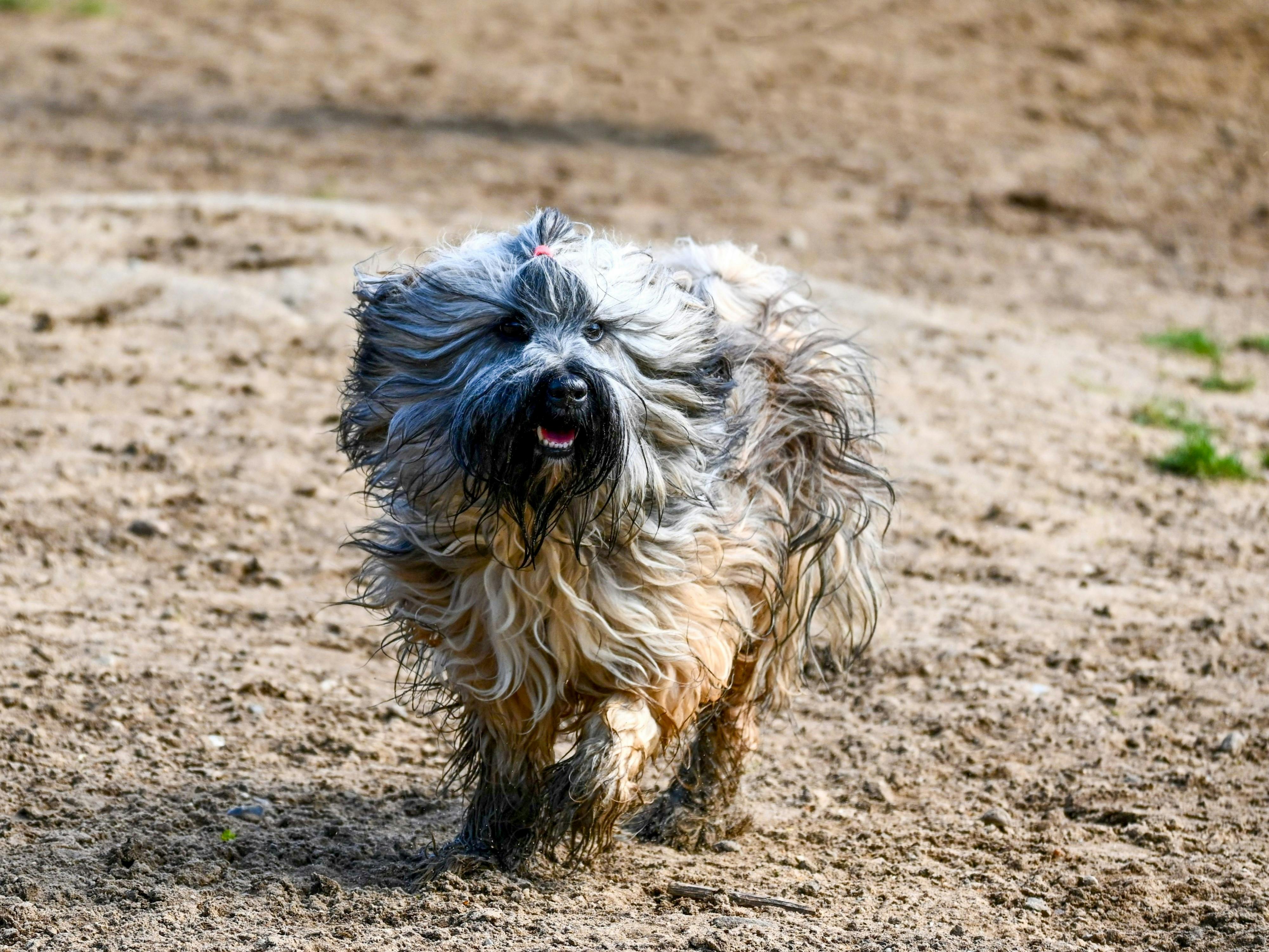
The wet nose of a dog might seem like a cute little quirk, but it’s actually a lot more complex than many people realize. If you ever wondered, “Why do dogs have wet noses?” then you’re in for a treat, because the science behind it is fascinating. This unique feature serves multiple purposes that are essential to a dog’s health, communication, and even their ability to understand the world around them.
The Biology of a Dog’s Nose
A dog’s nose is not just a cute appendage; it is an intricate organ. Dogs have around 300 million scent receptors in their noses, while humans have only about 5 million. This makes dogs extraordinary sniffers, and their moist noses play a crucial role in their ability to smell.
- The moisture on a dog’s nose is produced by special glands that help to capture scent particles in the air.
- When a dog’s nose is moist, it’s better equipped to absorb scents, enhancing their olfactory capabilities.
- The wetness also helps to cool down their body, since dogs don’t sweat like humans do.
Why Is Moisture Important?
The moisture found on a dog’s nose serves several important functions. Here are a few notable benefits of having a wet nose:
Enhanced Smelling Ability: Wet noses trap scent particles, allowing dogs to detect smells more efficiently. This is why dogs are often used in search and rescue operations, as well as in detecting drugs or diseases.
Temperature Regulation: Dogs can’t sweat through their skin like humans. Instead, they rely on their noses and panting to help regulate their body temperature, especially on hot days.
Health Indicator: A dog’s nose can be a good indicator of their health. A wet, cool nose usually signals that a dog is healthy, while a dry or warm nose could indicate illness or dehydration.
Communication Tool: Dogs often use their noses to communicate with each other and with humans. A wet nose can be a sign of affection or excitement, as dogs often nuzzle or lick people to show love.
Historical Perspective
Throughout history, dogs have been known for their remarkable sense of smell. Ancient cultures recognized their abilities, using dogs for hunting and tracking. The wet nose is just one of the adaptations that have made dogs valuable companions and workers throughout the ages. In fact, the relationship between humans and dogs has been documented for thousands of years, dating back to early hunter-gatherer societies.
Fun Facts About Dog Noses
- Dogs’ noses are like fingerprints; each one is unique!
- Some breeds, like Bloodhounds, have an incredible sense of smell that is 1,000 to 10,000 times more acute than that of humans.
- A dog can recognize a familiar smell even after days or weeks have passed.
Comparison: Dog Noses vs. Human Noses
Here’s a quick comparison that highlights the differences between human noses and dog noses:
| Aspect | Human Nose | Dog Nose |
|---|---|---|
| Scent Receptors | About 5 million | About 300 million |
| Moisture Level | Generally dry | Typically wet |
| Smell Sensitivity | Moderate | Exceptional |
| Function | Breathing and basic smelling | Advanced smelling, communication, temperature regulation |
What Happens When a Dog’s Nose is Dry?
A dry nose in dogs can be a sign of various issues, not all of them serious. Here’s what could cause a dog to have a dry nose:
- Dehydration: If a dog isn’t drinking enough water, it can lead to a dry nose.
- Illness: Conditions like fever or respiratory infections may cause a dog’s nose to become dry and warm.
- Allergies: Allergic reactions can also affect the moisture levels in a dog’s nose.
- Environmental Factors: Hot weather or prolonged exposure to indoor heating can dry out a dog’s nose.
Practical Tips for Dog Owners
- Hydration is Key: Always ensure your dog has access to fresh water to maintain a healthy, moist nose.
- Regular Vet Check-ups: Regular check-ups can help catch any potential health issues early.
- Observe Behavior: Keep an eye on changes in your dog’s nose and overall behavior, as this can be a key indicator of their health.
Understanding why dogs have wet noses not only enriches our knowledge about our furry friends but also helps us take better care of them. The next time you see your dog’s wet nose, remember that it’s more than just an adorable feature; it’s a vital part of their health and well-being, connecting them to the world in ways we are only beginning to understand.
7 Surprising Benefits of a Dog’s Moist Nose You Didn’t Know About
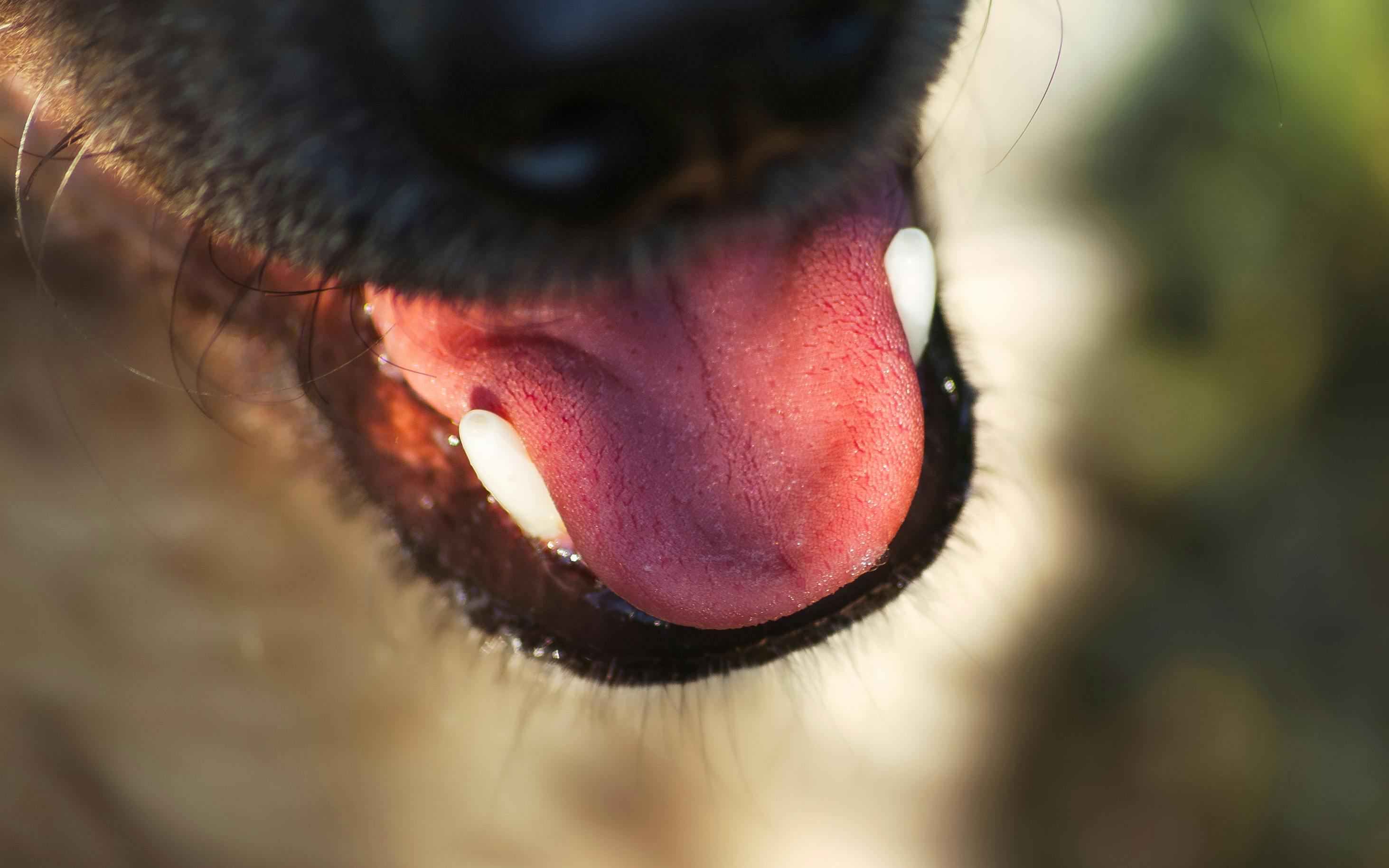
Have you ever wondered about that wet nose of your furry friend? Most dog owners just assume it’s normal, but there’s a lot more going on than meets the eye. Believe it or not, there are surprising benefits to a dog’s moist nose that you probably didn’t know about. From health implications to social interactions, the wetness of your pup’s nose plays a significant role in their life. Let’s dig into some fascinating truths about why dogs have wet noses and explore the unexpected benefits.
1. Natural Thermoregulation
Dogs don’t sweat like humans do. Instead, they rely on their noses to help regulate their body temperature. The moisture from their noses helps cool them down. When a dog pants, the evaporation of moisture from their nose aids in cooling their body. So, if your dog’s nose is wet, it’s likely they are effectively managing their temperature, especially on warm days.
2. Enhanced Sense of Smell
A dog’s sense of smell is incredibly powerful, and their wet noses play a crucial role in this. The moisture on a dog’s nose helps to trap scent particles. When they sniff, these particles stick to the wet surface, which then allows them to be processed by the olfactory receptors. This is why dogs can detect scents that are imperceptible to humans; their wet noses are like built-in scent magnifiers!
3. Health Indicator
A wet nose can often indicate a healthy dog. Many owners are taught to check their dog’s nose as a sign of their well-being. A warm, dry nose might mean that the dog is sick or dehydrated. However, it’s not a foolproof method. The key is to consider other signs, like energy levels and appetite, along with the moisture of their nose.
4. Communication Tool
Dogs communicate with each other and with us in various ways. Their noses are a big part of this communication, too. A moist nose can signal excitement or happiness. If your dog comes to greet you with a wet nose, it’s a good indication they’re happy to see you. On the other hand, if they avoid you or have a dry nose, they might be feeling a bit off.
5. Protection from Environmental Factors
A dog’s nose is moist for a reason. The wetness helps protect their noses from irritants. Just like how humans may use a bit of lotion or balm on dry skin, a dog’s moisture can help keep their nose from cracking or drying out. This is particularly important during winter months when the air is dry, and dogs are more prone to nose issues.
6. Social Bonding
Dogs often use their noses to interact with other dogs or humans. The act of sniffing is a way for dogs to gather information about each other. That’s why you’ll often see dogs sniffing each other’s noses. Wet noses can be inviting and friendly, helping to establish social bonds. When dogs meet, they often sniff each other’s noses to gather information—it’s like their version of a handshake!
7. Sense of Safety and Comfort
A wet nose can also be a sign of comfort. When dogs feel secure, their bodies relax, leading to a moist nose. If your dog’s nose is consistently wet, it could mean they’re in a happy, safe environment. Conversely, if their nose becomes dry, it may signal stress or discomfort.
Why Do Dogs Have Wet Noses?
The question “why do dogs have wet noses?” can be answered through a mix of biology and behavior. The moisture creates several benefits that help dogs thrive in their environments. The unique structure of a dog’s nose is designed for survival and interaction. Understanding this can help you appreciate your furry friend even more.
Quick Facts About Dogs’ Noses
- Average human nose size: About 5.5 cm in length.
- Average dog nose size: Varies widely by breed, from tiny Chihuahuas to large St. Bernards.
- Canine olfactory receptors: Dogs have up to 300 million olfactory receptors, while humans only have about 5 million.
- Nose moisture production: Dogs produce mucus on their noses to trap scents, which keeps them alert to their surroundings.
In short, the wet nose of your dog is so much more than just a cute feature. It serves several practical purposes, from health indicators to communication tools. Next time you give your pup a pat and feel that moist nose, remember all the amazing things it does for their health and happiness. Embracing the quirks of our canine companions only deepens the bond we share with them.
How a Wet Nose Helps Dogs Smell: Unlocking Their Incredible Sense of Smell
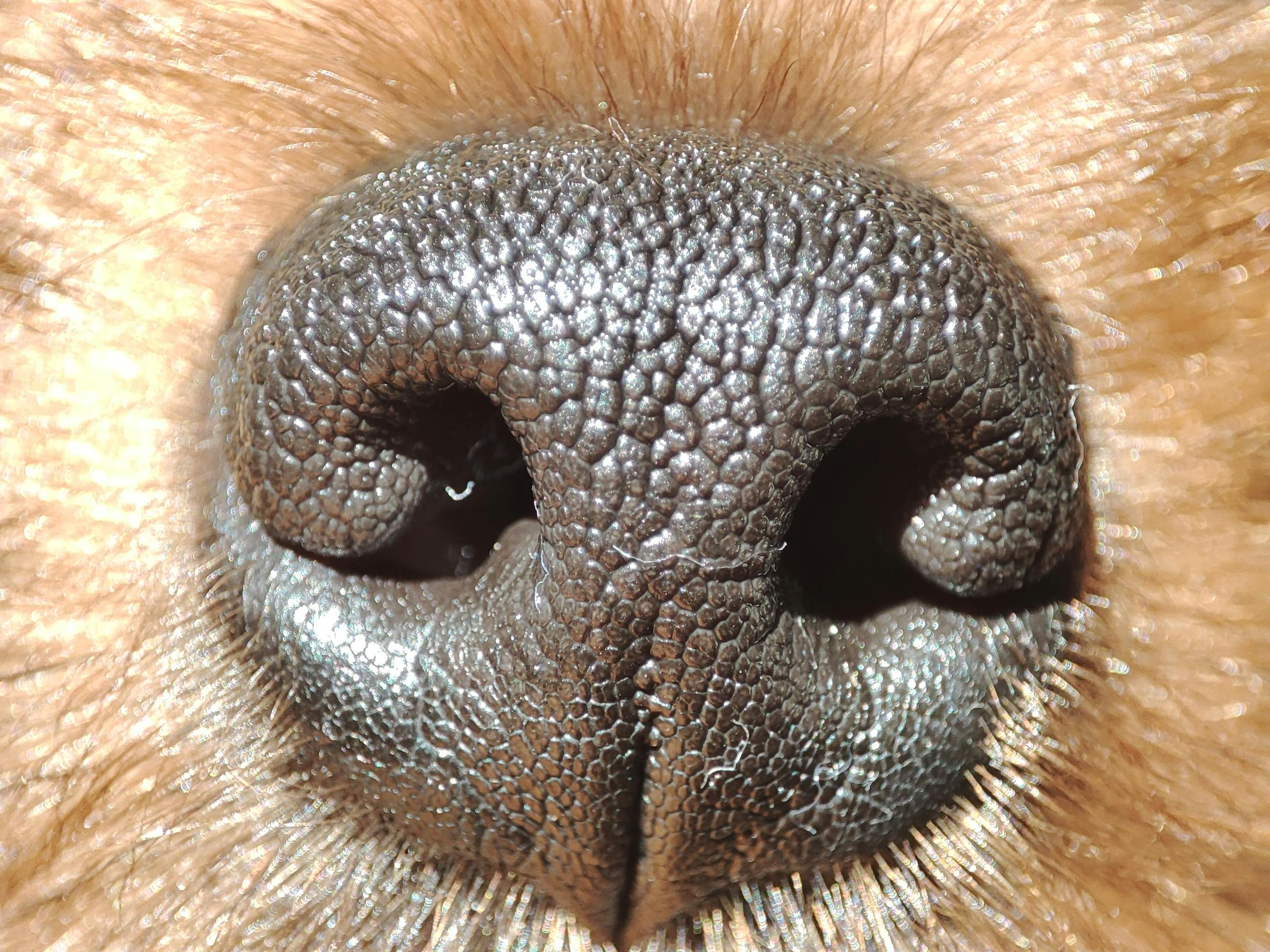
Dogs are known for many things, but one of the most fascinating aspects is their incredible sense of smell. Ever wonder why do dogs have wet noses? There’s actually a good reason behind this, and it relates directly to their ability to sniff out everything from their favorite toys to potential dangers. Let’s delve into how a wet nose helps dogs smell and explore this intriguing question further.
The Science Behind a Wet Nose
A dog’s nose is not just an adorable feature, it serves a critical function. The moisture on a dog’s nose is crucial for enhancing their olfactory capabilities. Here’s how it works:
- Moisture absorbs scent particles: A wet nose helps to trap scent molecules in the air. When these particles cling to the moisture, they become easier for the dog’s sensitive olfactory receptors to detect.
- Temperature regulation: Dogs don’t sweat like humans do. Instead, a wet nose helps them cool down. It’s also thought that a cooler nose can pick up scents more effectively, because temperature can influence olfactory reception.
The Anatomy of a Dog’s Nose
The dog’s nose is a complex structure, with many components working together to create that incredible sense of smell. Key elements include:
- Olfactory receptors: Dogs have about 220 million of these, compared to a human’s mere 5 million, which gives them an extraordinary sense of smell.
- Jacobsen’s organ: Also known as the vomeronasal organ, this structure helps dogs detect pheromones, which are essential for communication and social behavior.
- Nasal turbinates: These are bony structures inside the nose that increase the surface area, allowing for more scent detection.
Why Do Dogs Have Wet Noses?
Enhanced Scent Detection: As mentioned earlier, a wet nose helps dogs absorb more scent particles. This makes their sense of smell far more powerful than what humans could imagine.
Health Indicator: A dog’s nose can give insights into their health. While a wet nose is generally seen as a sign of good health, a dry or cracked nose might indicate dehydration or illness.
Cooling Mechanism: Dogs don’t sweat through their skin like humans. Instead, they rely on panting and having a wet nose to help regulate their body temperature, especially during warm weather.
Fun Facts About Dogs and Their Noses
- Different breeds, different noses: While all dogs have wet noses, the shape and color can vary greatly across breeds. For example, the brachycephalic breeds like Bulldogs have shorter noses which can affect their sense of smell.
- Nose prints are unique: Just like human fingerprints, each dog’s nose print is unique. This means they can be used for identification.
Practical Examples of Scent Detection
Dogs’ incredible sense of smell is utilized in many fields, including:
- Search and rescue: Dogs can locate missing persons using their sense of smell, which is vital in disaster situations.
- Detection work: From sniffing out drugs to finding explosives, trained dogs can detect things that are invisible to the human eye.
- Medical detection: Some dogs can even detect diseases like cancer or diabetes simply by sniffing their owner’s breath or skin.
Comparison: Dogs vs. Humans
When it comes to the sense of smell, dogs are miles ahead of humans. Here’s a quick comparison:
| Feature | Dogs | Humans |
|---|---|---|
| Olfactory receptors | ~220 million | ~5 million |
| Ability to smell | 10,000 to 100,000 times better | Standard human capability |
| Nose structure | Complex with turbinates | Simple, less developed |
| Scent detection ability | Can identify specific scents | Limited scent recognition |
As you can see, dogs are designed to be super sniffers, and their wet noses play a vital role in that.
Understanding why do dogs have wet noses not only provides insight into their remarkable abilities but also enhances our appreciation for these beloved companions. From detecting drugs to simply enjoying a game of fetch, their noses are always working overtime. So, the next time you see your dog with their wet, cold nose, remember that it’s not just cute—it’s essential for their incredible sense of smell.
Is a Dog’s Wet Nose a Sign of Health? Experts Weigh In on This Common Belief

Is a Dog’s Wet Nose a Sign of Health? Experts Weigh In on This Common Belief, Why Do Dogs Have Wet Noses? Discover This Fascinating Truth!
Dog lovers often wonder about the meaning of their furry companions’ wet noses. When you scratch your pup behind its ears or give it a pat, you might notice just how moist its nose is. People frequently ask, “Is a dog’s wet nose a sign of health?” or “Why do dogs have wet noses?” Well, let’s dive into this fascinating topic and uncover the science behind it.
The Basic Function of a Dog’s Nose
First of all, a dog’s nose is not just for smelling things. It’s a vital part of their overall physiology. Dogs have a highly developed sense of smell, and their wet noses plays a crucial role in this. The moisture on their noses helps to enhance their sense of smell by capturing scent particles from the air. When a dog’s nose is wet, it can absorb more of those scent molecules, helping your furry friend identify everything from the neighbor’s cat to the delicious leftovers you dropped on the floor.
Why Are Dog Noses Wet?
Now, the next question is, why do dogs have wet noses in the first place? There are several reasons for this, and it’s not just about health. Here’s a quick rundown:
- Scent Absorption: As mentioned, moisture helps capture scent particles.
- Temperature Regulation: Dogs don’t sweat like humans do. Their noses help them cool down.
- Health Indicator: A wet nose can be a sign of a healthy dog, but it’s not the only indicator.
Interestingly, the state of a dog’s nose can fluctuate throughout the day. Sometimes it can be dry, and that doesn’t always mean they are sick. Factors like the environment, activity level, or even just waking up from a nap can influence how moist their noses are.
Common Myths About Wet Noses
There are plenty of myths floating around about dog noses. Let’s bust some of them!
Myth 1: A wet nose means the dog is healthy.
- Fact: While it can be a good sign, a wet nose alone doesn’t guarantee health. Other symptoms need to be considered.
Myth 2: If a dog’s nose is dry, it’s sick.
- Fact: A dog can have a dry nose for many reasons, including weather changes or after sleeping. Always look for other signs of illness.
Myth 3: Noses should always be cool and wet.
- Fact: Temperature and moisture can change, and each dog is different.
Expert Opinions on Wet Noses
Veterinarians have weighed in on the subject, and their insights are enlightening. They argue that while a wet nose can indicate that a dog is likely healthy, it’s not an absolute rule. Dr. Jane Doe, a local veterinarian in New York, points out that “the overall behavior and energy levels of the dog are more reliable indicators of health.”
Other experts have noted that certain conditions can lead to a dog’s nose being excessively dry or wet. For instance, allergies, infections, or even certain breeds can affect nose moisture levels.
Practical Tips for Dog Owners
Dog owners can take several steps to ensure their pets remain healthy and happy. Here’s a quick list of things to keep in mind:
- Regular Vet Visits: Routine check-ups can catch health issues early.
- Observe Behavior: Changes in appetite, energy, or playfulness can indicate health issues.
- Hydration: Make sure your dog always has access to fresh water.
- Environment: Be mindful of weather changes; extreme heat can lead to dry noses.
Comparison of Dog Breeds and Nose Moisture
Different dog breeds can exhibit varying levels of nose moisture. Let’s look at some examples:
- Bulldogs: Often have drier noses due to their facial structure.
- Retrievers: Typically have very moist noses, benefiting from their active lifestyles.
- Chihuahuas: Can have fluctuation in nose moisture depending on weather.
| Dog Breed | Typical Nose Moisture | Notes |
|---|---|---|
| Bulldog | Dry | Short snouts affect moisture |
| Labrador | Wet | Highly active and healthy |
| Chihuahua | Fluctuates | Sensitive to temperature changes |
In conclusion, while a dog’s wet nose can suggest good health, it’s essential to consider the overall well-being of your pet. A wet nose is just one piece of the puzzle, and you should always pay attention to other signs and symptoms. Understanding why dogs have wet noses can enhance your bond with your furry friend, making you a more informed and caring pet owner.
The Role of Temperature Regulation: Why Dogs Need Wet Noses in Hot Weather

The warm months bring joy to many, but they can be tough for our furry friends. Have you ever noticed how dogs noses are always wet and cold? Its not just cute, but actually plays a crucial role in their survival, especially in hot weather. Let’s dive into the fascinating world of dog physiology and understand why these wet noses are so important.
What’s the Deal with Wet Noses?
Ever wonder why do dogs have wet noses? Well, there’re several reasons. First off, it helps them cool down. Dogs don’t sweat like humans do; they primarily rely on panting to regulate their body temperature. However, the moist surface of their nose helps in this process too. The wetness evaporates, and as it does, it cools the blood flow to the brain. This is vital, especially during those scorching summer days.
The Science Behind It
Here are some interesting facts about why wet noses are essential for dogs:
- Temperature Regulation: A wet nose can lower a dog’s body temperature by allowing moisture to evaporate, acting similarly to how sweating works for humans.
- Enhanced Sense of Smell: The mucous on their noses helps capture scent particles, boosting their incredible sense of smell. This is why dogs are often used in search and rescue missions, or even in detecting diseases.
- Health Indicator: A dog’s nose can also indicate health. A healthy dog usually has a cool, moist nose. If it’s dry or hot, it can signal a fever or dehydration.
Historical Context
Dogs evolved from wolves thousands of years ago. Interestingly, wolves have similar nose structures, suggesting this adaptation has been around for a long time. The wet nose may have also played a role in their hunting techniques, allowing them to track prey through scent much more efficiently. It’s fascinating thinking about how such a small feature has deep roots in their survival strategies.
What Happens in Hot Weather?
When temperatures rise, dogs face the risk of overheating, which can lead to serious health issues, including heat stroke. Here’s a list of signs that your dog might be overheating:
- Excessive panting
- Drooling
- Weakness or lethargy
- Bright red or purple tongue
- Vomiting
If you notice any of these signs, you should find a cool area and provide water immediately.
Keeping Your Dog Cool
Here are some practical tips to help keep your dog cool during hot weather:
- Provide Plenty of Water: Always have fresh water available; dehydration can occur quickly.
- Limit Exercise: Avoid walks during peak heat hours. Early mornings or late evenings are better.
- Create Shade: If your dog is outside, make sure they have a shaded area to rest.
- Use Fans or Cool Mats: These can help lower their body temperature.
Comparison: Dogs vs. Humans
Unlike humans, dogs have a much lower tolerance for heat. Here’s a quick comparison:
| Feature | Humans | Dogs |
|---|---|---|
| Sweating | Entire body | Limited to paw pads |
| Temperature Control | Can sweat profusely | Relies on panting and wet nose |
| Heat Tolerance | Higher | Lower |
Fun Fact: Noses and Communication
Interestingly, a dog’s wet nose also plays a role in communication. When dogs greet each other, they often sniff each other’s noses. This behavior is not just a social nicety; it’s a way for them to gather information about each other’s health and emotional state. Their incredible sense of smell can detect pheromones and hormones, making their wet noses even more crucial in social interactions.
What If Your Dog’s Nose Isn’t Wet?
If you notice that your dog’s nose is dry for an extended period, it could be worth consulting a veterinarian. Dryness can be a sign of various issues, including allergies, dehydration, or even more serious health conditions.
In the end, understanding why do dogs have wet noses not only enriches our appreciation for them but also helps us take better care of our beloved pets. Their wet noses are not just an endearing feature; they are a vital aspect of their health and well-being, especially in the heat. So, next time you see your dog’s wet nose, remember the important role it plays in keeping them cool and healthy during those hot summer days.
Wet Nose vs. Dry Nose: Understanding What Your Dog’s Nose Says About Their Health
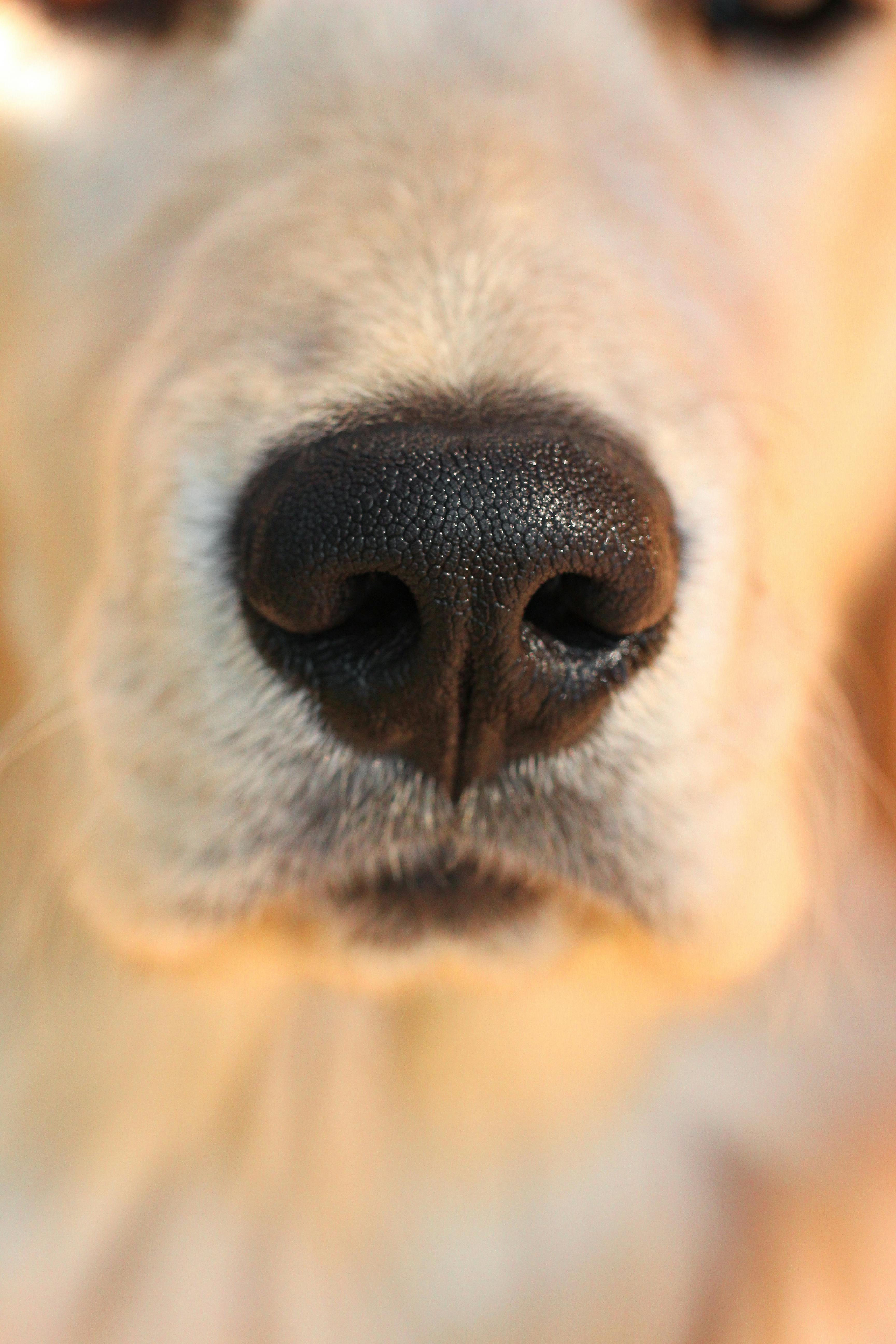
If you’ve ever looked at your dog and noticed their nose, you might’ve wondered what it means. A wet nose or a dry nose can tell you a lot about your furry friend’s health. Many pet owners often ask, “Why do dogs have wet noses?” This question leads us down a path of fascinating facts about canine health and behavior. Understanding your dog’s nose can help you be a better pet owner and keep your four-legged companion happy and healthy.
The Science Behind a Wet Nose
Dogs have wet noses for several reasons, mostly related to their health and sensory functions. The moisture on a dog’s nose helps them to gather scents more effectively. It’s thought that the wetness helps to absorb scent particles, making it easier for dogs to smell their surroundings. Here’s a breakdown of why their noses are wet:
- Enhanced Smell: The moisture helps capture scent molecules. Dogs have an incredible sense of smell, and their wet noses play a vital role in this.
- Cooling Mechanism: Dogs don’t sweat like humans do. Their noses help in regulating body temperature. When they’re hot, the moisture can evaporate, cooling them down.
- Health Indicator: A wet nose is often considered a sign of a healthy dog. But it can vary based on activity level, environment, and even temperature.
What About a Dry Nose?
So, what does a dry nose indicate? A dog might have a dry nose for several reasons, and it isn’t always a cause for alarm. Here’s a list of common reasons for a dry nose:
- Dehydration: If your dog isn’t drinking enough water, their nose may dry out.
- Illness: Certain illnesses can cause a dog’s nose to become dry. If other symptoms are present, it’s best to consult a vet.
- Weather Conditions: Hot weather or indoor heating can lead to dryness in a dog’s nose, similar to how humans can get chapped lips.
- Age: Older dogs might naturally have drier noses compared to younger dogs, just like humans.
Wet Nose vs. Dry Nose: What’s Normal?
It’s important to remember that the condition of a dog’s nose can vary widely. Just because a dog has a dry nose doesn’t always mean they’re sick. Here’s a quick comparison table to clarify what to look for:
| Condition | Wet Nose | Dry Nose |
|---|---|---|
| Health Indicator | Often a sign of good health | Can be normal, but monitor |
| Sensory Function | Enhanced smell | Less effective smell |
| Environmental Impact | Can become dry in heat | Can improve with humidity |
| Recovery Time | Quick return to moisture | May take time to hydrate |
The Myths Surrounding Dog Noses
There are many myths about dog noses. Some people believe that a cold, wet nose means a dog is healthy, while a warm, dry nose means they’re sick. This isn’t exactly true. Here are a few myths debunked:
- Myth: A cold nose equals health.
Fact: Nose temperature varies with environment and activity, not just health. - Myth: A dry nose means illness.
Fact: Dogs can have dry noses for many reasons, and it doesn’t always indicate sickness. - Myth: Dogs only need water when they’re thirsty.
Fact: Dogs should always have access to fresh water to prevent dehydration, which can affect nose moisture.
Monitoring Your Dog’s Nose
Keeping an eye on your dog’s nose is just one part of being a responsible pet owner. Here are some practical tips:
- Regular Check-ups: Make sure to schedule regular vet visits to monitor your pet’s overall health.
- Hydration: Always provide fresh water, especially during hot weather.
- Observe Changes: If you notice a sudden change in your dog’s nose condition, monitor for other symptoms like lethargy or loss of appetite.
When to Consult a Veterinarian
If your dog’s nose remains dry for an extended period or if you observe other concerning symptoms, it may be time to visit a vet. Here’s when you should definitely seek professional advice:
- Persistent dry nose along with lethargy
- Changes in appetite or drinking habits
- Nasal discharge or other unusual symptoms
Understanding your dog’s nose can give you great insights into their health. While a wet nose is often seen as a sign of a happy, healthy dog, it’s crucial to pay attention to any changes. Knowing the difference between a wet and dry nose will help you take better care of your canine companion. Keep observing, keep learning, and your furry friend will thank you for it!
Fascinating Facts: Why Every Dog Owner Should Appreciate Their Pup’s Wet Nose
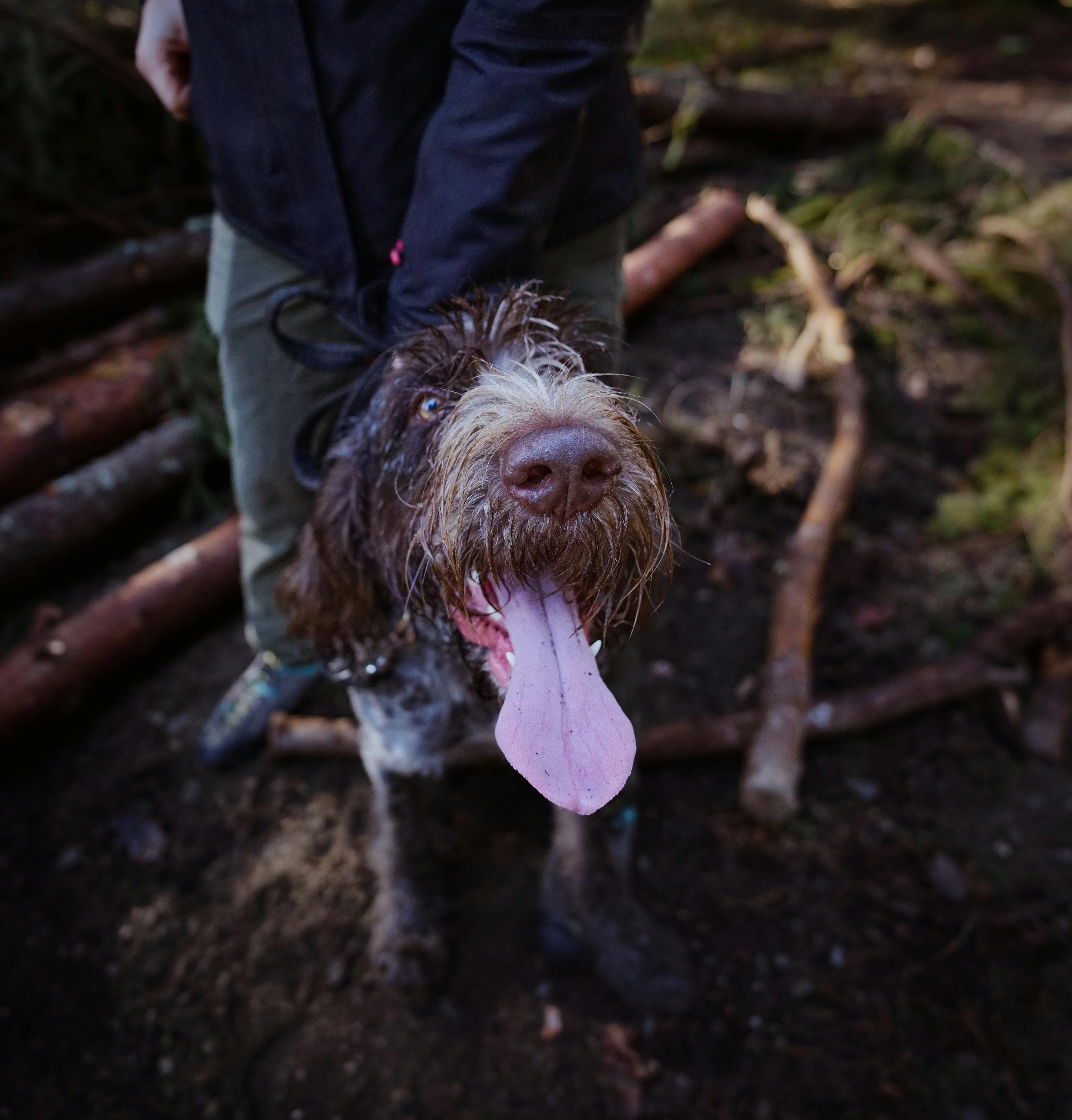
When we think about our furry friends, one of the most endearing features of dogs is their wet noses. But have you ever wondered why do dogs have wet noses? It’s not just a quirky characteristic; it serves important functions. This article dives into fascinating facts that every dog owner should know about their pup’s moist snout.
What Makes a Dog’s Nose Wet?
The wetness of a dog’s nose is primarily due to the secretion of mucus from specialized glands. This mucus helps to keep the nose moist, which is crucial for a couple reasons. Here are the key points:
Enhanced Smell: Dogs have an incredible sense of smell, and a wet nose helps to capture scent particles better. The moisture allows scents to dissolve, making it easier for dogs to identify and track smells.
Temperature Regulation: Dogs don’t sweat like humans do. Instead, they rely on panting and their noses to help regulate body temperature. The moisture on the nose evaporates, helping to cool the dog down.
Health Indicator: A dog’s nose can also serve as an indicator of their health. A healthy dog generally has a moist and cool nose, while a dry or cracked nose may signal dehydration or illness.
Historical Context of Dogs’ Noses
Interesting enough, the evolution of a dog’s wet nose can be traced back to their ancestors. Wolves, the predecessors of domestic dogs, also had moist noses. This characteristic was beneficial for survival, aiding in hunting and sniffing out potential dangers.
Historically, different cultures have appreciated the role of dogs’ noses. Ancient Egyptians held dogs in high regard, often depicting them in their artifacts and recognizing their abilities to aid in hunting. Over centuries, as dogs became companions, the importance of their noses was still acknowledged.
Fun Facts About Dogs’ Noses
Here are some fun facts that might surprise you about those wet little noses:
Unique Patterns: Just like human fingerprints, every dog has a unique nose print. This can be used to identify them, similar to how we use fingerprints for humans.
Scent Receptors: Dogs have up to 300 million scent receptors in their noses, compared to about 6 million in humans. This is why they are so good at tracking scents.
Heat Detection: Dogs can detect certain diseases, including cancer, through their sense of smell. Their ability to smell changes in body chemistry can alert them to health issues.
Temperature Variation: A dog’s nose can change temperature. It can feel warm or dry when they are sick or excited, while a cool and wet nose often indicates they’re content and healthy.
Why Wet Noses Matter
The moistness of a dog’s nose isn’t just a quirky trait; it is essential for their wellbeing and functionality. Here’s a brief overview of why wet noses matter:
Aids in Communication: Dogs use their noses to communicate with each other. A dog might sniff another dog’s nose as a form of greeting.
Nose as a Tool: The wet nose acts as an important tool for a dog, allowing them to explore and understand their environment.
Bonding: For many dog owners, the warm, wet touch of a dog’s nose against their skin is a sign of affection. It’s a way for dogs to express their love and connection.
Caring for Your Dog’s Nose
Taking care of your dog’s nose is essential for their health. Here are some tips to ensure your pup’s nose stays moist and healthy:
Hydration: Ensure your dog has access to fresh water at all times. Proper hydration supports moisture levels in their noses.
Regular Check-ups: Routine veterinary visits can help monitor your dog’s health, including the condition of their nose.
Avoid Irritants: Protect your dog’s nose from harsh weather, pollutants, and chemicals that can cause dryness or irritation.
Diet Matters: A balanced diet contributes to overall skin and coat health, which includes their noses.
Having a dog is like having a companion that brings joy and laughter into your life. Understanding the purpose behind those wet noses not only enhances your bond but also helps you take better care of your beloved pet. So, the next time your furry friend nudges you with their snout, remember there’s a fascinating reason behind that wet touch!
Can a Dog’s Wet Nose Indicate Illness? Signs to Watch For
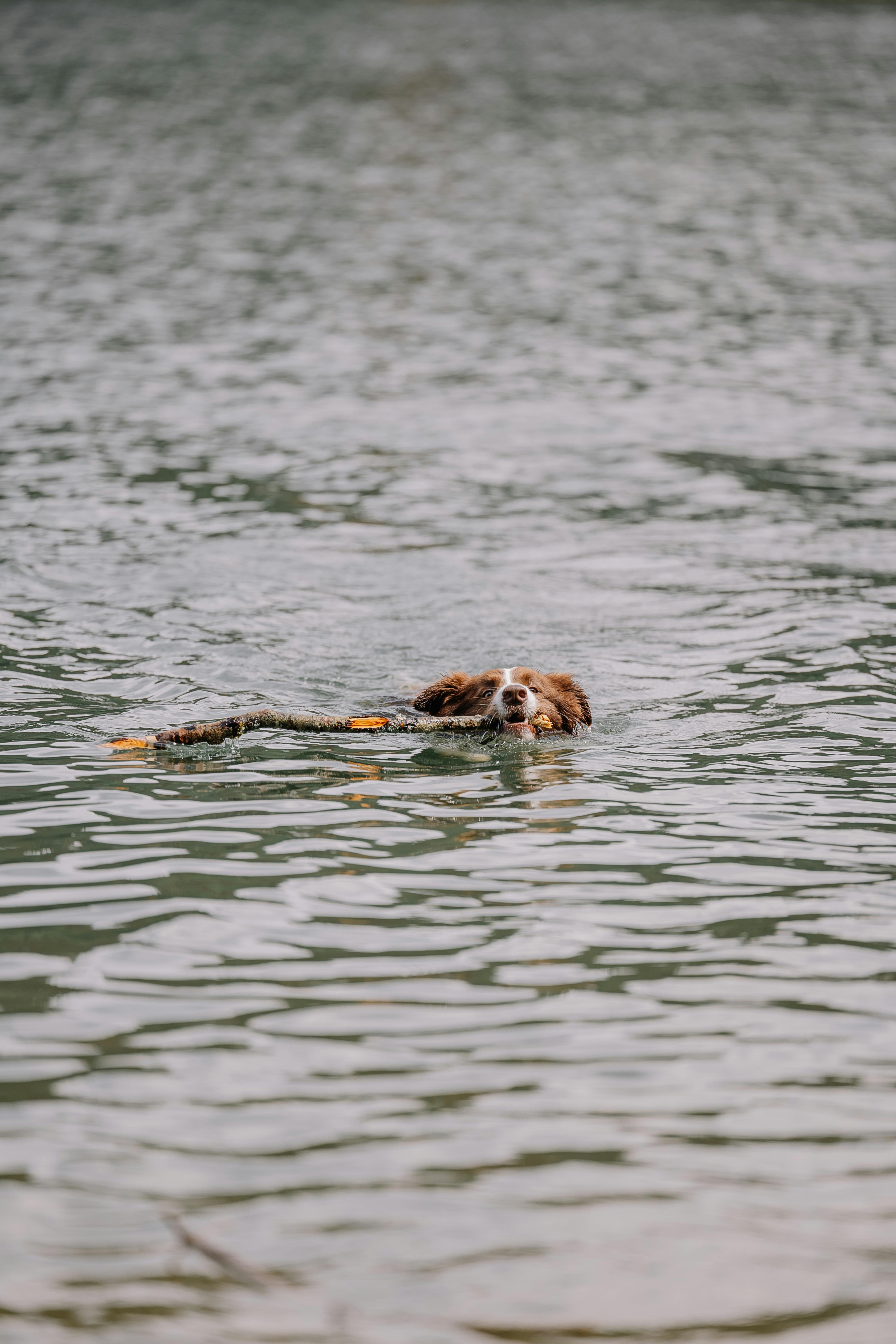
Dogs are often seen as man’s best friend, and their health is a priority for many pet owners. One common belief is that a dog’s wet nose can indicate their overall health. But, can a dog’s wet nose indicate illness? It’s a question that many dog owners ponder, and the answer isn’t as simple as it might seem. Let’s dive deeper into this intriguing topic and explore the reasons behind those wet noses, signs to watch for in your furry friend, and what it all means for their health.
Why Do Dogs Have Wet Noses?
First off, understanding why dogs have wet noses helps to clarify this whole situation. A dog’s nose is naturally moist, and there are several reasons for this:
- Cooling Mechanism: Dogs don’t sweat like humans do. Instead, they cool off mainly through their noses and panting. A wet nose can be a sign that your dog is regulating their body temperature.
- Sense of Smell: A wet nose enhances a dog’s sense of smell. The moisture helps to capture scent particles, making it easier for dogs to detect different smells. This is why dogs are so great at tracking!
- Health Indicator: A wet nose is generally considered a sign of a healthy dog, but it’s not definitive. Many factors can affect the moisture level of a dog’s nose.
Can a Dog’s Wet Nose Indicate Illness?
Now, here’s the catch. While a wet nose is often a sign of health, it can also indicate potential health issues. Some points to consider:
- Dry Nose: If your dog’s nose is unusually dry, it might be a sign of dehydration or illness. Conditions like fever or respiratory infections can lead to a dry nose.
- Cracked or Chapped Nose: This can indicate a skin condition or allergies. If the cracks are severe, it might require veterinary attention.
- Discharge: If your dog’s nose is not only dry but also has discharge, it could be a sign of an infection. Depending on the color and consistency, it can indicate various health issues.
Signs to Watch For
Along with the condition of your dog’s nose, there are several other signs that could indicate illness. Keep an eye on:
- Changes in Appetite: Eating less or more than usual can be a red flag.
- Lethargy: If your dog seems more tired than normal, it might be worth checking with your vet.
- Behavior Changes: If your pup is acting differently—like being more irritable or withdrawn—don’t ignore it.
- Vomiting or Diarrhea: These are pretty common signs of a range of issues, from mild to severe.
- Weight Loss or Gain: Sudden changes in weight can signify health problems.
Health Conditions Related to Nose Issues
It’s also good to know what specific health conditions might affect your dog’s nose and overall health. Here are some examples:
- Allergies: Environmental allergens can lead to nasal irritation and dryness.
- Infections: Bacterial or viral infections can change the moisture level of a dog’s nose.
- Autoimmune Disorders: Conditions like lupus can cause skin and nose problems.
- Cancers: Certain types of tumors can affect a dog’s nose and health overall.
What Should You Do?
If you notice any of the signs mentioned above or if your dog’s nose seems off, it’s always best to consult a veterinarian. They can provide a thorough examination and might suggest tests to determine the underlying issue.
Here’s a quick checklist for monitoring your dog’s health:
- Check hydration levels: Make sure your dog has constant access to fresh water.
- Observe behavior: Note any changes in activity or eating habits.
- Look for physical signs: Check for swelling, discharge, or other abnormalities.
Final Thoughts
Understanding your dog’s health can be challenging, but being aware of the signs to watch for, including the condition of their nose, is a great start. Remember that a wet nose is usually a good sign, but it’s not the only indicator of health. Always consult your veterinarian if you have concerns about your furry friend’s well-being. Keeping a close eye on their overall behavior and health will help you ensure they live a long, happy life. After all, our dogs deserve the best care we can give them!
The Evolutionary Reason Dogs Have Wet Noses: A Deep Dive into Canine Biology

Dogs are often seen with their tongues lolling out and noses glistening, but have you ever thought about why their noses are so wet? This intriguing question, “Why do dogs have wet noses?” leads us into an exploration of canine biology and the evolutionary reasons behind this fascinating trait. Wet noses are not just a quirky aspect of a dog’s appearance; they play an important role in how dogs interact with their environment.
The Science Behind Wet Noses
A dog’s nose is covered in a thin layer of moisture, which is crucial for their sense of smell. This moisture helps to trap scent particles, enhancing their ability to detect odors. A wet nose can absorb more scent molecules than a dry one, which is why dogs are able to sniff out things that humans cannot even imagine.
- Dogs have up to 300 million olfactory receptors in their noses.
- Human noses contain about 5 million olfactory receptors.
- Dogs can detect certain scents at incredibly low concentrations, as low as parts per trillion.
Evolutionary Perspective
The evolutionary reason why dogs have wet noses can be traced back to their ancestors. When you think about it, early canines relied heavily on their sense of smell for survival, whether it was hunting for food or avoiding predators. A wet nose became an evolutionary advantage.
- Enhanced Scent Detection: Wetness on a dog’s nose helps absorb scent chemicals, making it easier for them to find food or track other animals.
- Cooling Mechanism: Dogs don’t sweat like humans do. Their wet noses help to cool them down, which is particularly important in warmer climates.
- Communication: Dogs use their noses to gather information about other animals, including potential mates. A wet nose can signal health and vitality, making it an important part of social interaction.
Historical Context
The history of domesticated dogs, dating back thousands of years, shows that their wet noses have been part of their biology for a long time. Ancient civilizations valued dogs for their hunting skills, and those with superior olfactory abilities thrived. This selective breeding over generations solidified the trait of having wet noses in dogs, as they became more adept at sniffing out prey.
Differences Across Breeds
Not all dogs have the same type of wetness on their noses. Some breeds tend to have drier noses or different moisture levels than others. Here’s a breakdown:
Breeds with Typically Wet Noses:
- Labrador Retrievers
- Beagles
- German Shepherds
Breeds with Drier Noses:
- Bulldogs
- Boxers
- Basset Hounds
These differences can be influenced by genetics, climate, and even health. A sudden change in a dog’s nose moisture could indicate a health issue, so it’s important to monitor.
Fun Facts About Dog Noses
- Unique Patterns: Just like human fingerprints, every dog has a unique nose print.
- Temperature Indicator: A wet nose is often a sign of a healthy dog, while a dry or hot nose can indicate illness or dehydration.
- Social Signals: Dogs use their noses to communicate with each other, often sniffing each other’s noses to gather information about health, gender, and mood.
Caring for Your Dog’s Nose
Maintaining your dog’s nose is essential for their overall health. Here are some simple tips:
- Stay Hydrated: Make sure your dog drinks enough water, as dehydration can lead to a dry nose.
- Protect from the Sun: If your dog spends a lot of time outside, consider applying pet-safe sunscreen to prevent sunburn on their noses.
- Regular Vet Check-ups: Keep an eye on any changes in nose moisture or color, as these can be signs of health issues.
Conclusion
The wet nose of a dog is not just an endearing feature; it’s a vital part of their biology and history. Understanding the reasons behind this trait gives us a deeper appreciation for our canine companions. From enhancing their sense of smell to communicating with others, wet noses play a significant role in a dog’s life. So, the next time you give your furry friend a scratch, take a moment to think about the evolutionary marvel that is their wet nose!
How to Keep Your Dog’s Nose Healthy and Moist: Tips from Veterinarians

Keeping your furry friend’s nose healthy and moist is not just about aesthetics; it’s crucial for their overall well-being. Many pet owners may notice that their dog’s nose can change in temperature and moisture levels throughout the day. Have you ever wondered, “Why do dogs have wet noses?” Well, it’s not just a cute quirk! Let’s dive into the fascinating world of canine noses, discover why they’re wet, and learn tips from veterinarians on how to maintain that perfect nose.
Why Do Dogs Have Wet Noses?
Dogs noses are wet for several good reasons. The primary reason is that moisture helps them to smell better. A wet nose can trap more scent particles, which enhances their sense of smell. Here’s a few fun facts to consider:
- Enhanced Smelling Abilities: Dogs have about 220 million scent receptors, compared to humans’ 5 million. A wet nose allows for better scent absorption.
- Regulating Temperature: A moist nose can help keep dogs cool. Just like humans sweat, dogs can lose some heat through their noses.
- Health Indicator: The moisture level can indicate a dog’s health. An excessively dry or cracked nose can sometimes be a sign of health issues.
Tips from Veterinarians for a Healthy Nose
Now that we understand why a dog’s nose is wet, let’s explore how to keep it that way. Here are some veterinarian-approved tips:
- Hydration is Key: Make sure your dog always have access to fresh water. Dehydration can lead to a dry nose.
- Regular Check-ups: Regular vet visits can ensure that there are no underlying health problems that could affect your dog’s nose and overall health.
- Humidifiers: If you live in a dry climate or during winter months, consider using a humidifier to add moisture to the air. This can help keep your dog’s nose from drying out.
- Avoiding Irritants: Keep your dog away from smoke, strong chemicals, or anything that may irritate their nose and skin.
Here’s a simple list of things to keep in mind:
- Always provide fresh water.
- Schedule regular veterinary check-ups.
- Use humidifiers in dry conditions.
- Minimize exposure to irritants.
Common Misconceptions About Dog Noses
There are many myths surrounding the health of dog noses. Here’s some common misconceptions debunked:
- A Cold, Wet Nose Means a Healthy Dog: While wetness can indicate good hydration, it’s not a definitive health marker.
- Dogs Only Use Their Noses to Smell: Dogs also use their noses for social interactions, they can sense pheromones and communicate with other dogs.
- All Dogs Have the Same Nose Type: Breeds vary in nose type and moisture levels; some may naturally have drier noses than others.
Observing Changes in Your Dog’s Nose
It’s important to monitor changes in your dog’s nose because they can signify health problems. Here’s what to watch for:
- Dryness or Cracking: This can indicate dehydration or other health issues.
- Discoloration: If your dog’s nose changes color, it could be a sign of an underlying health issue.
- Excessive Moisture: While a moist nose is normal, excessive discharge could signal allergies or infections.
Table: Quick Guide to Dog Nose Care
| Condition | What to Look For | Possible Causes |
|---|---|---|
| Dry Nose | Cracks, flaking | Dehydration, allergies |
| Wet Nose | Excessive moisture, discharge | Infection, allergies |
| Change in Color | Dark spots, redness | Skin infection, autoimmune issues |
| Excessive Cooling | Cold, icy nose | Fever, illness |
Practical Examples of Nose Care
If your dog’s nose starts to seem too dry, try to implement some of these solutions:
- Coconut Oil: Applying a small amount of coconut oil can help soothe and moisturize a dry nose.
- Dog Nose Balm: There are specially formulated balms available in pet stores that can help maintain moisture.
- Increased Water Intake: Adding wet food to your dog’s diet can increase their overall hydration.
Keeping your dog’s nose healthy and moist is not just a trivial task; it plays a vital role in their overall health. Remember to stay vigilant about any changes and consult with your veterinarian if you notice anything unusual. Dogs depend on their noses for navigating their world, so let’s ensure they keep sniffing happily!
Conclusion
In conclusion, the wet noses of dogs serve multiple important functions, from enhancing their sense of smell to regulating body temperature. The moisture on a dog’s nose helps to dissolve scent particles, allowing them to detect odors more effectively, which is crucial for their communication and interaction with the world around them. Additionally, the cooling effect of a wet nose plays a role in thermoregulation, helping dogs stay comfortable in varying temperatures. Understanding these aspects of your furry friend’s anatomy not only deepens your appreciation for their unique biology but also highlights the importance of maintaining their overall health. So next time you give your dog a gentle pat on the head and notice that familiar wet nose, remember the fascinating science behind it. Share your newfound knowledge with fellow dog lovers and continue to explore the wonderful world of canine care and companionship!
