
Have you ever wondered, “Why do dogs have wet noses?” This common question holds a fascinating secret that goes beyond mere curiosity. Dogs’ noses are not just cute; they play a crucial role in their health and behavior. A wet nose can indicate a happy dog, but there’s more to it! Many pet owners have noticed their furry friends’ noses are often cool and damp, sparking intrigue. But why does this happen? Could it be linked to their incredible sense of smell? Or perhaps, it’s a sign of a dog’s well-being? As we dive deeper into this topic, you’ll discover how a dog’s wet nose helps them interact with the world around them. Did you know that a wet nose can even help regulate their body temperature? This blog post will unveil the mysteries of dog noses and reveal why understanding this unique feature can enhance your bond with your pet. So, keep reading to unlock the fascinating secrets behind your dog’s wet nose and learn about the amazing ways it impacts their life. Don’t miss out on discovering the truth behind this adorable canine trait!
The Science Behind a Dog’s Wet Nose: What Makes It So Special?

Have you ever wondered why do dogs have wet noses? It’s a question that seems simple, but the answer is actually quite fascinating. Many pet owners notice their furry friends’ noses feel moist, and it’s not just because they’ve been drinking water or playing in the rain. The science behind a dog’s wet nose reveals a lot about their health and biology, which is why understanding this unique feature is important for every dog lover out there.
The Science of Moisture
First off, let’s talk about what makes a dog’s nose wet. Dogs have specialized glands in their noses that produce mucus. This mucus serves several purposes; it helps in cooling them down, just like sweating does for humans. When a dog pants, the moisture from their nose evaporates, helping to regulate their body temperature.
- Cooling mechanism: Dogs don’t sweat like we do. They primarily cool themselves through panting and moist noses.
- Enhanced sense of smell: A wet nose can help capture scent molecules from the air, making it easier for dogs to sniff out interesting smells.
Historical Context
Historically, dogs have been known for their incredible olfactory abilities. Ancient civilizations recognized how vital a dog’s sense of smell was for hunting and tracking. With their wet noses being an evolutionary trait, dogs have been bred over centuries to enhance this skill. It’s believed that early humans took advantage of these natural hunting abilities, leading to the close relationship we have with dogs today.
Why Do Dogs Have Wet Noses?
You might be asking, why do dogs have wet noses in the first place? Here are some fascinating reasons:
Thermoregulation: As mentioned, a wet nose helps dogs stay cool. Dogs have a limited ability to sweat, so their noses being moist is a crucial way to manage their body temperature.
Scent Detection: A wet nose means a better sense of smell. The moisture can trap scent particles, thus helping dogs to gather information about their environment. This is essential for their survival instincts.
Health Indicator: A wet nose can sometimes indicate good health. However, it’s important to note that not all dogs have wet noses all the time. If a dog’s nose is excessively dry, it could signal a health issue.
Fun Facts About Dog Noses
Did you know that a dog’s nose print is as unique as a human fingerprint? Here are some other cool tidbits:
Nose color varies: The color of a dog’s nose can vary based on breed and genetics. Some have black noses, while others may have pink or brown noses.
Sensitive skin: The skin on a dog’s nose is extremely sensitive. It can detect changes in temperature and humidity, which is why dogs can sense oncoming storms or changes in the environment.
Nasal folds: Dogs have unique folds in their noses that help them in their scent-tracking abilities. These folds increase the surface area, allowing for better scent absorption.
Keeping Your Dog’s Nose Healthy
It’s important to keep an eye on your dog’s nose. Here’s a simple checklist to ensure their nose stays healthy:
Moisturize if necessary: If your dog’s nose appears excessively dry, you can use a dog-safe moisturizer.
Hydration: Make sure your dog has plenty of fresh water available. Dehydration can lead to a dry nose.
Regular vet check-ups: Routine check-ups can help catch any underlying health issues that could affect your dog’s nose or overall health.
Comparison of Dog Noses to Other Animals
Dogs aren’t the only animals with wet noses. Here’s a quick comparison with a few other animals:
- Cats: Generally have dry noses, but they can occasionally become moist when they are active or after eating.
- Pigs: Known for their wet noses too, which help them root around in the dirt for food.
- Horses: Have slightly moist noses as well, but they rely more on other senses than smell.
The wetness of a dog’s nose is more than just a cute feature; it’s a fascinating aspect of their biology that plays a critical role in their health and behavior. Understanding why do dogs have wet noses can deepen your appreciation for your furry friend. So next time you give your pup a pat on the head and feel that wet nose, remember the science and history behind it!
5 Surprising Benefits of a Dog’s Wet Nose You Didn’t Know About
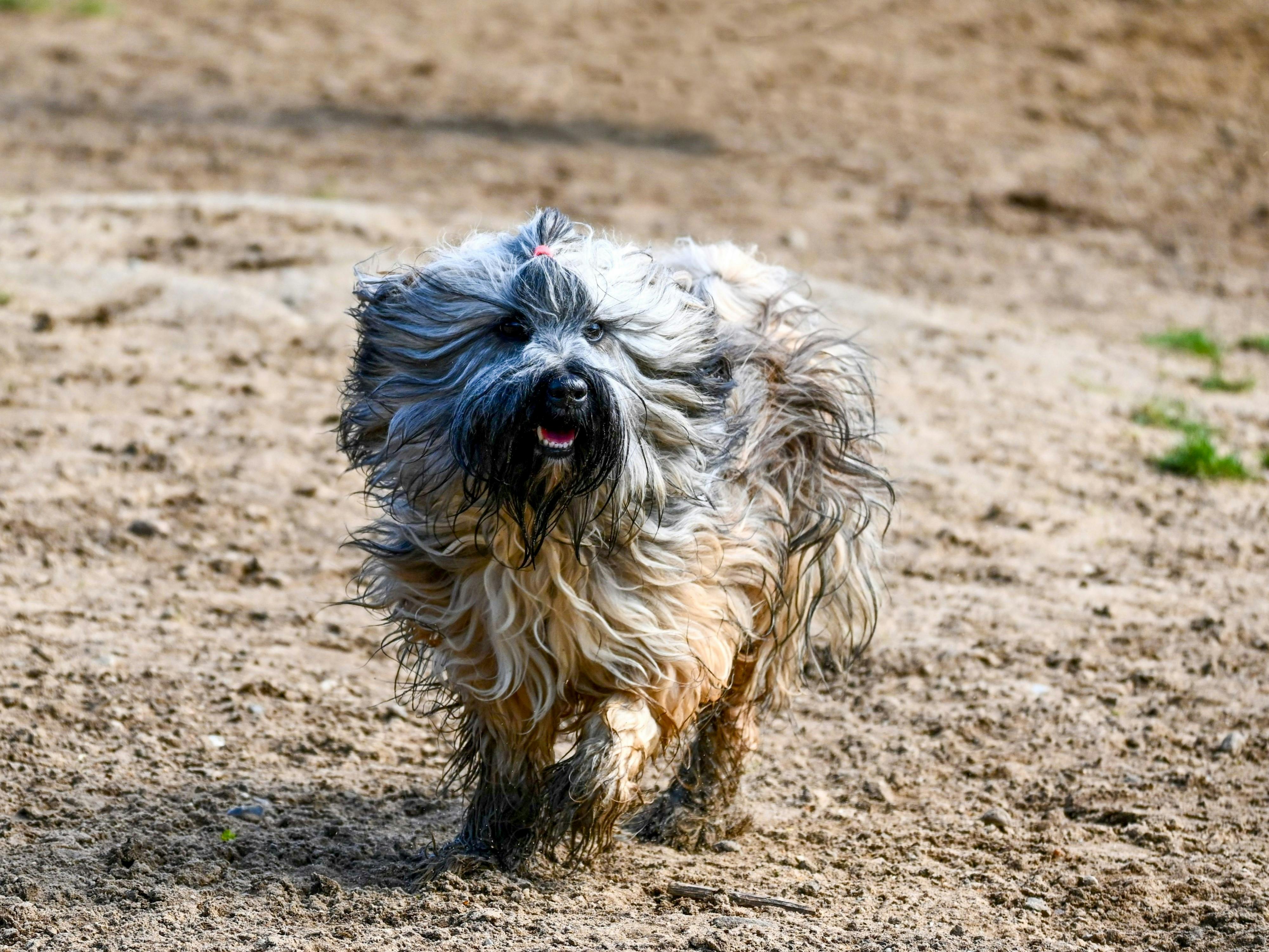
Dogs are often called man’s best friend, and it’s easy to see why. But have you ever wondered why do dogs have wet noses? It’s something that many people notice, but few understand the science behind it. Apart from the classic “they’re just cute,” there are actually some surprising benefits to a dog’s wet nose that you probably didn’t know about. Here are five fascinating secrets behind those moist snouts that might just change the way you think about your furry friend.
1. Enhanced Sense of Smell
One of the main reasons dogs have wet noses is to help them smell better. Dogs have an incredible sense of smell that is far superior to humans, and their wet noses play a crucial role in this. The moisture helps capture scent particles in the air. When the nose is wet, it becomes easier for the dog to pick up scents, which is why they often sniff around when they are exploring.
- Dogs have up to 300 million smell receptors, compared to humans who have about 5 million.
- The wetness helps enhance the scent-detecting abilities by keeping the olfactory receptors moist.
2. Temperature Regulation
Did you know that a dog’s nose also helps with temperature control? Just like how we sweat to cool down, dogs can regulate their body temperature through their noses. When a dog pants, the moisture from their nose evaporates, which cools them down. This is especially important in warm weather or after vigorous play.
- Dogs sweat through their paw pads, but their noses are an additional way to keep cool.
- A wet nose can be a sign that your dog is healthy and hydrated.
3. Social Interaction
Dogs use their noses to communicate with each other and with humans. A wet nose can be a sign of affection, excitement, or even submission. When a dog nudges you with its nose, it’s often a way to seek attention or show love.
- Studies show that dogs often use their noses to greet each other, sniffing to gather information about other dogs.
- A wet nose can indicate a happy dog, while a dry nose might suggest they are feeling unwell or stressed.
4. Health Indicators
The state of a dog’s nose can be an important health indicator. A healthy dog typically has a wet and cool nose, while a dry and warm nose could suggest something is off. However, it’s important to remember that it’s not a definitive measure of health.
- A dog’s nose can change due to environmental factors, such as dry weather or being in the sun too long.
- Regular checks on your dog’s nose can help you spot any concerning changes, like excessive dryness or cracks.
5. Natural Antibacterial Properties
Interestingly, a dog’s nose has natural antibacterial properties. The mucus that coats a dog’s nose contains enzymes that can help fight off bacteria. This helps keep their noses clean and reduces the risk of infections.
- This is a survival trait that dogs have evolved over thousands of years.
- The wetness of the nose can help trap dirt and debris, making it easier to clean out.
Fun Facts About Dogs’ Wet Noses
- Dogs’ noses are as unique as human fingerprints, with each dog having a distinct pattern.
- The moisture on a dog’s nose can come from licking it or from the environment, like humidity.
- Some breeds, like Bulldogs or Pugs, may have less moisture due to their facial structure.
Common Misconceptions
Many people believe that a warm nose means a dog is sick, but that’s not always true. Here are some common myths:
Myth: A dry nose means your dog is sick.
Fact: Dogs’ noses can be dry for many reasons, including weather or just waking up.Myth: All dogs have wet noses.
Fact: Some dogs naturally have drier noses, particularly certain breeds.Myth: A dog’s nose should always be cold.
Fact: Nose temperature can vary widely, and what’s normal can differ from one dog to another.
Understanding why do dogs have wet noses can deepen your connection with your pet. These surprising benefits not only highlight the importance of a dog’s unique physiology but also emphasize the role of their noses in keeping them healthy and happy. By appreciating these fascinating facets of your dog’s anatomy, you’ll be better equipped to care for them and enhance your bond. So, next time you see your furry friend, take a moment to appreciate that wet nose and all the secrets it holds!
How a Dog’s Wet Nose Enhances Their Sense of Smell: Discover the Connection

Have you ever wondered why dogs noses are always wet? It’s not just for show, there’s actually a fascinating science behind it! Dogs have wet noses for a variety of reasons, but the biggest one is how it helps them smell better. Yes, you heard that right! A dog’s wet nose plays a crucial role in their extraordinary sense of smell. Let’s dive into the connection between a dog’s wet nose and their impressive olfactory abilities.
The Science Behind a Dog’s Nose
Dogs are known for having one of the best senses of smell in the animal kingdom. While humans have around 5 million scent receptors, dogs can have anywhere from 220 million to 300 million! This remarkable ability is closely tied to the structure and moisture of their noses.
So, why do dogs have wet noses? Here are some reasons:
- Enhanced Olfactory Function: The moisture on a dog’s nose helps capture scent particles from the air, which enhances their ability to smell. When the nose is wet, it can absorb more scent molecules, making it easier for dogs to detect different smells.
- Temperature Regulation: A dog’s wet nose can also help regulate their body temperature. Just like sweating for humans, the moisture on a dog’s nose helps cool them down.
- Health Indicator: A wet nose is often seen as a sign of good health in dogs. Dry noses can sometimes indicate dehydration or illness.
Historical Context and Evolution
Dogs, being descendants of wolves, have developed great olfactory skills over thousands of years. In the wild, their ability to sniff out prey or detect danger could mean the difference between life and death. Their noses evolved to be moist as a way to enhance their hunting abilities.
In fact, ancient civilizations recognized the value of a dog’s sense of smell. Romans used dogs to track down criminals, and in ancient Egypt, dogs were revered for their hunting skills. This historical context helps us understand just how important a dog’s nose has been throughout time.
Fun Facts About Dogs’ Noses
- Unique Patterns: Just like human fingerprints, every dog’s nose print is unique. This could potentially be used for identification purposes.
- Nasal Turbinates: A dog’s nose contains structures called turbinates. These help to warm and humidify the air they breathe, which is essential for their sense of smell.
- Scent Discrimination: Dogs are capable of distinguishing between different scents, even when they are mixed together. This ability is why dogs are often used in search and rescue operations.
How a Wet Nose Helps in Daily Life
The benefits of a dog’s wet nose extend beyond just superior smell. Here are some practical examples:
- Tracking: Dogs can track scents over great distances. This is why they are often used in police work and search-and-rescue missions.
- Detecting Medical Conditions: Some trained dogs can detect illnesses like cancer or diabetes by smelling changes in a person’s body odor.
- Emotional Support: Dogs can sense human emotions through smell, which is why they often provide comfort to their owners.
What Happens When a Dog’s Nose is Dry?
While a wet nose is generally a good sign, a dry nose can indicate different things. It’s important to monitor your dog’s health, and here are some factors that could lead to a dry nose:
- Dehydration: Just like in humans, dehydration can lead to a dry nose in dogs.
- Illness: Certain medical conditions may cause a dog’s nose to become dry.
- Environmental Factors: Hot weather, air conditioning, or heating can dry out a dog’s nose.
Caring for Your Dog’s Nose
Maintaining your dog’s nose health is important. Here are some simple tips:
- Hydration: Make sure your dog always has access to fresh water.
- Moisturize: If your dog’s nose appears excessively dry, consider using a pet-safe moisturizer.
- Regular Vet Check-ups: Keep up with veterinary visits to ensure your dog is healthy.
Understanding why dogs have wet noses and how it enhances their sense of smell reveals just one of the many fascinating secrets about these beloved pets! Their noses are not just cute; they are essential tools that help them navigate the world. The next time you see your furry friend with their wet nose, remember the incredible capabilities it holds. Dogs truly are remarkable creatures, and their noses are just one part of their amazing anatomy that contribute to their unique bond with humans.
The Role of Moisture in Dog Communication: Why Wet Noses Matter
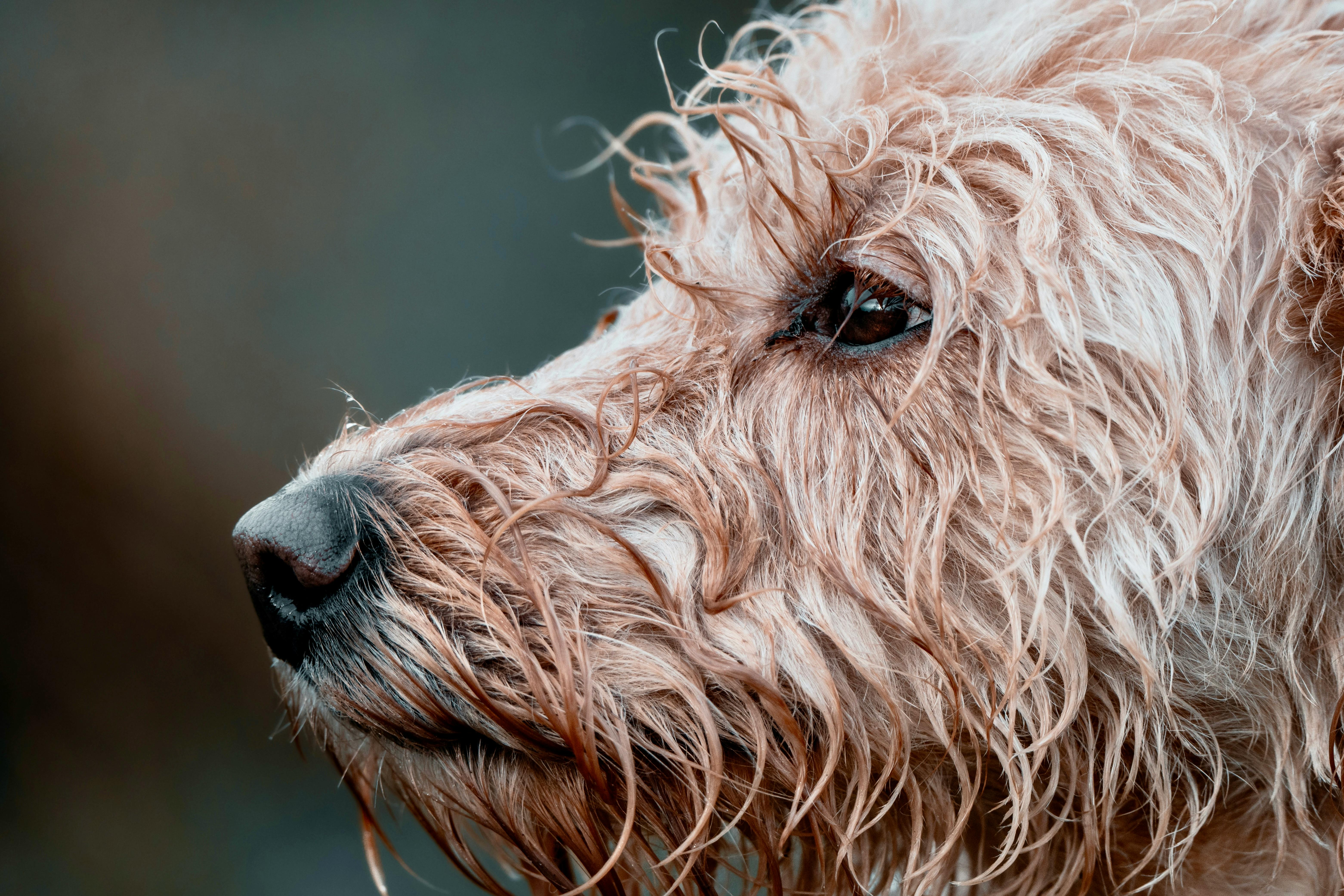
Dogs, them furry companions that we all love, have some pretty interesting features. One of the most fascinating things about them is their noses, especially the fact that they are often wet. Ever wonder why do dogs have wet noses? This question goes beyond just curiosity; it dives deep into how dogs communicate, sense their world, and even maintain their health.
The Science Behind Wet Noses
Wet noses in dogs are not just an adorable trait, they actually serve several important functions. For starters, a dog’s nose contains a high density of olfactory receptors. This means they can smell things we can’t even imagine. A wet nose helps to enhance their sense of smell. It traps scent particles in the air, which then makes it easier for dogs to detect different smells. This is why their noses are often cold and damp.
- Olfactory Receptors: Dogs have around 220 million olfactory receptors compared to humans who have only about 5 million.
- Temperature Regulation: A wet nose also helps to cool dogs down. Just like sweating for humans, dogs use their noses to help maintain a comfortable body temperature.
- Health Indicator: A dry nose might indicate a health problem. While not always the case, it could be a sign of dehydration or illness.
How Moisture Affects Communication
Dogs communicate a lot through their body language and scents. A wet nose can convey different messages to other dogs and even to humans. Here’s how:
- Social Interaction: When dogs greet each other, they often sniff each other’s noses and behinds. The moisture in their noses plays a role in this social behavior, as it helps them collect more information about their peers.
- Marking Territory: Dogs can use their noses to leave scent markers in their environment. A wet nose helps to spread their scent more effectively, marking their territory.
- Emotional States: A dog’s wet nose can sometimes indicate their emotional state. For example, a happy, excited dog might have a particularly moist nose.
History and Evolution of Dog Noses
The evolution of dogs from their wolf ancestors is a long and complex story. Over thousands of years, dogs have adapted to living alongside humans, but they’ve kept some of those important features – including their wet noses.
- Ancestral Traits: Wolves have moist noses too, primarily for the same reasons. As dogs became domesticated, their noses didn’t change much because it was vital for hunting and survival.
- Breeds and Noses: Different dog breeds exhibit various nose characteristics. Some breeds have longer noses while others have shorter ones, but the moisture aspect remains constant across the board.
Fun Facts About Dog Noses
Here are some interesting tidbits about dog noses that you might not know:
- Unique Patterns: Just like human fingerprints, each dog’s nose print is unique. It can actually be used to identify them.
- Sniffing Habits: Dogs will typically sniff with their noses in the air to catch scents carried by the wind.
- Nasal Turbinates: Inside a dog’s nose, there are structures called turbinates that help to filter and warm the air they breathe.
- Scent Memory: Dogs can remember a smell for years! This helps them recognize familiar scents even after a long time.
Practical Tips for Nose Care
Taking care of your dog’s nose is essential for their overall health. Here’s how you can ensure their noses stay healthy:
- Hydration: Make sure your dog is drinking enough water. Hydration helps keep their nose moist.
- Check for Cracks: Inspect their noses regularly for any cracks or dryness. If you notice something unusual, consult your vet.
- Avoid Irritants: Keep your dog away from strong chemicals or irritants that could dry out their noses.
Why Do Dogs Have Wet Noses?
So, why do dogs have wet noses? It’s a fascinating blend of science, evolution, and communication. Their moist noses help them smell better, regulate their body temperature, and communicate with other dogs. It’s just one more reason why dogs are such incredible companions.
In the end, every dog’s wet nose is a fascinating secret that reminds us how unique and special these animals truly are. Understanding this aspect of their biology can help us care better for them and appreciate them more. So next time you give your furry friend a pat, take a moment to appreciate that wet nose and all the work it does in their world.
Is Your Dog’s Nose Too Dry? Understanding the Health Implications
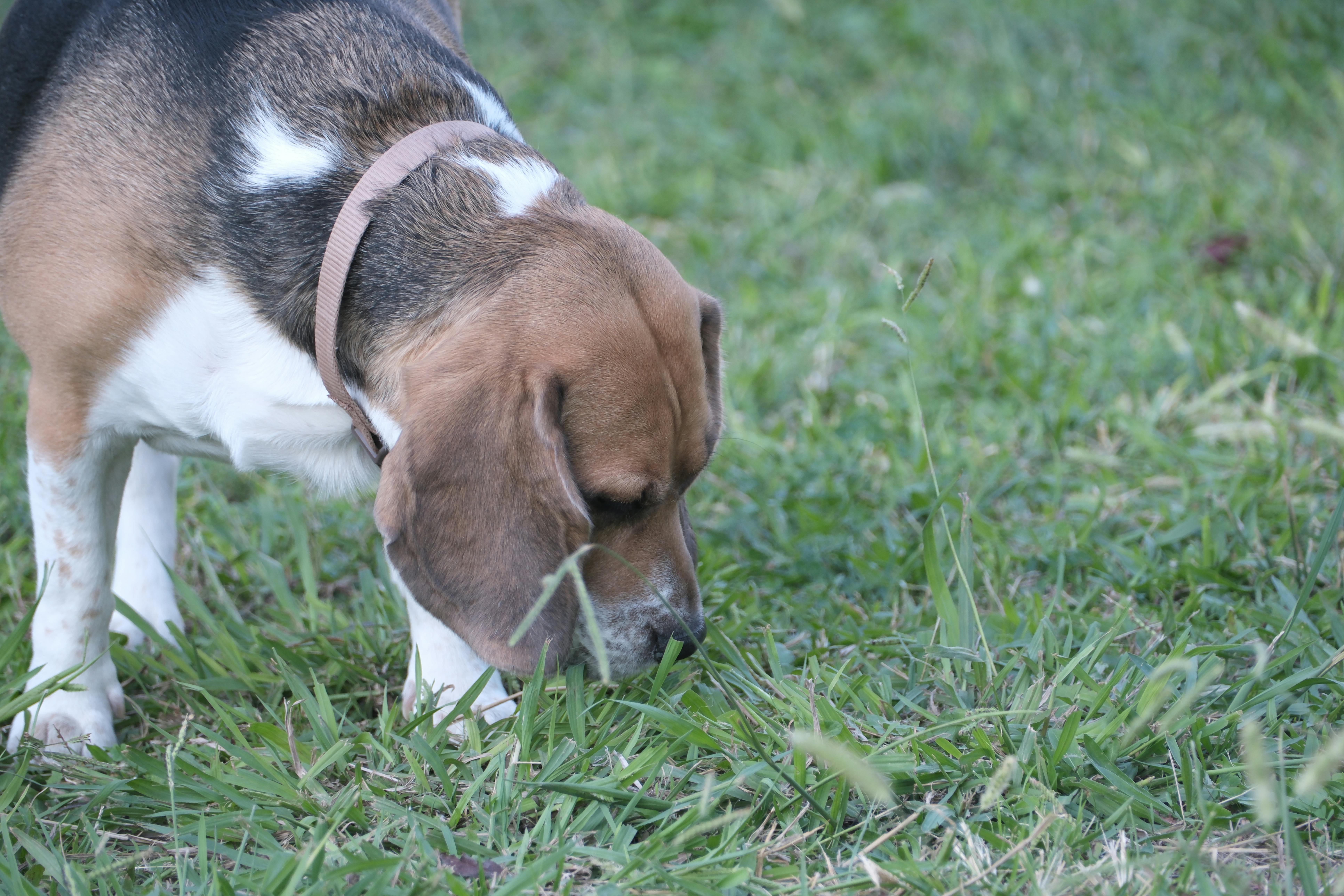
Is your dog’s nose too dry? This question often puzzles pet owners and might bring some worries about their furry friends’ health. A dog’s nose is usually wet, which is often associated with being healthy. But what does it mean when your dog’s nose is dry? In this article, we’ll delve into the health implications of a dry nose, explore why dogs have wet noses, and discover their fascinating secret.
Understanding a Dog’s Nose
A dog’s nose is a complex organ that helps in various ways. It’s not just for sniffing out treats! Dogs have an incredible sense of smell, which is much more powerful than that of humans. The wetness of their noses plays an important role in this process.
- Cooling Mechanism: Dogs don’t sweat like humans do. Their noses help regulate body temperature. A wet nose can cool them down effectively.
- Enhanced Smell: The moisture on the nose helps to capture scent particles, enhancing a dog’s ability to smell. This is why you often see dogs sniffing around; they are gathering information about their environment.
Why Do Dogs Have Wet Noses?
You might be wondering, why do dogs have wet noses? It’s not just for show. Here are some reasons:
- Scent Detection: As mentioned before, the wetness helps in trapping scent particles. This means that a wet nose is often a sign of a dog being ready to explore its surroundings.
- Health Indicator: A healthy dog usually has a moist nose. It can be an indicator of various health conditions. If you notice changes in your dog’s nose, you should take notice.
- Natural Behaviors: Dogs lick their noses frequently, keeping them moist. This is a natural behavior that helps them maintain their acute sense of smell.
Is Your Dog’s Nose Too Dry? Understanding the Health Implications
A dry nose on your dog might not always mean there’s a serious issue, but it could indicate health problems in some cases. Here are some factors to consider:
- Dehydration: If your dog isn’t drinking enough water, it can lead to a dry nose. Make sure your pet has constant access to fresh water.
- Illness: Certain illnesses, such as fever or infections, can cause a dog’s nose to dry out. Keep an eye on other symptoms like lethargy or loss of appetite.
- Environmental Factors: Hot weather, low humidity, or even air conditioning can dry out your dog’s nose. Make sure your home environment is comfortable for your furry friend.
- Allergies: Dogs can have allergies just like humans. Exposure to allergens can cause their noses to dry out or crack.
Signs to Watch For
If you’re unsure whether your dog’s dry nose is a cause for concern, consider the following signs:
- Cracked or peeling skin on the nose
- Changes in behavior, like increased thirst or lethargy
- Nasal discharge that is unusual in color or consistency
- Excessive sneezing or coughing
What to Do About a Dry Nose
If you see that your dog’s nose is too dry, here’s what you can do:
- Increase Water Intake: Encourage your dog to drink more water. You might try adding some wet food to their diet.
- Humidify the Environment: If it’s dry in your home, consider using a humidifier to ease the dryness.
- Consult Your Veterinarian: If the dryness persists or you notice other concerning symptoms, consult a vet. They can provide a thorough examination and determine the cause.
Fascinating Facts About Dog Noses
- Dogs have about 300 million smell receptors in their noses, compared to humans who have about 5 million.
- The texture of a dog’s nose is unique, similar to a human fingerprint. Each dog has a distinct nose print.
- The color of a dog’s nose can change with age, and some breeds have naturally dry noses.
Understanding why dogs have wet noses and what it means if they’re too dry can help you keep your furry friend healthy and happy. Remember, a dog’s nose is more than just a cute feature; it’s a vital part of their overall health. If you’re ever concerned, never hesitate to seek help from your veterinarian. Your dog’s well-being is worth it, and keeping an eye on their nose is just one way to ensure they are living their best life.
Why Do Dogs Have Wet Noses? The Fascinating Evolutionary Reasons Explained
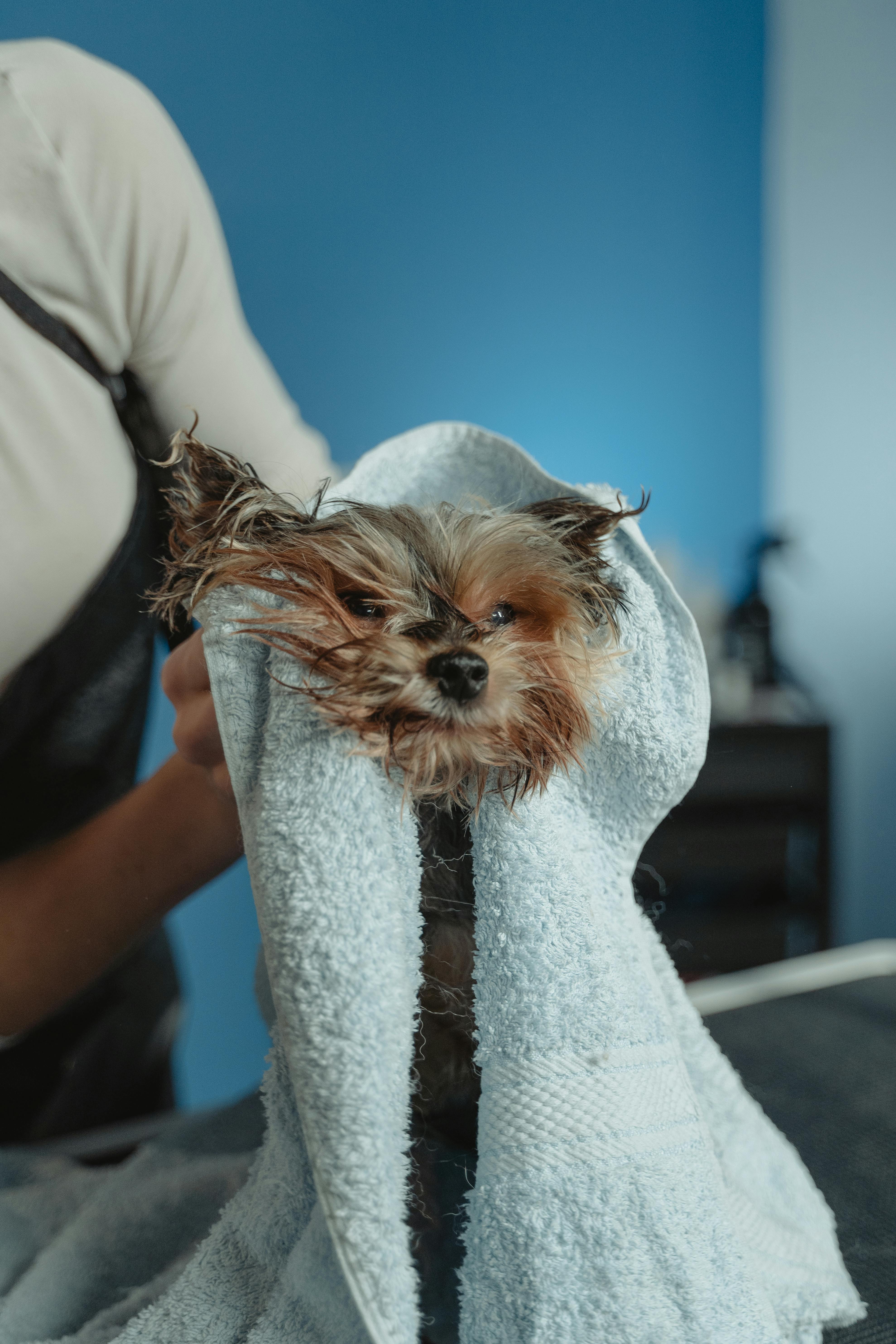
Dogs are wonderful companions, and one of their most endearing features is their wet noses. You may have wondered, why do dogs have wet noses? This question is not just a quirky observation; it leads us into a fascinating world of canine biology and evolution. Let’s dive into the evolutionary reasons and other interesting facts surrounding this common characteristic.
The Science Behind a Wet Nose
Firstly, a dog’s nose is not just for show. It’s a highly sensitive organ that helps dogs interact with their environment. The moisture on a dog’s nose serve several purposes:
Enhanced Smell: A wet nose help dogs pick up scents better. The moisture helps capture scent particles from the air, which is why they can sniff out things we humans can’t even begin to imagine.
Thermoregulation: Dogs don’t sweat like humans do. Instead, they regulate their body temperature through their noses and breathing. A wet nose can help cool the blood vessels in the surrounding area.
Health Indicator: A wet nose sometimes indicates a healthy dog. If a dog’s nose is dry, it could mean they are sick or dehydrated. But it’s not always a sure sign; many factors can affect this.
Historical Context and Evolution
The evolutionary journey of dogs has been long and complex. Dogs are descendants of wolves, and over thousands of years, they have been domesticated and bred for various traits. Some fascinating aspects of this evolutionary journey regarding their noses include:
Scent-Driven Hunting: Early domesticated dogs were used for hunting, and a wet nose would have been advantageous for tracking prey. The ability to smell better would directly affect their survival and effectiveness in hunting.
Pack Communication: Wolves and dogs use scent to communicate with others in their pack. A wet nose can enhance this communication, allowing them to gather information about their surroundings and fellow pack members.
Adaptation to Environment: Different dog breeds have developed unique nose shapes and sizes that correlate to their original functions, from hunting to herding. Breeds like Bloodhounds have especially wet noses for maximum scent detection.
Fun Facts About Dog Noses
There are so many interesting things to know about dog noses. Here are some fun facts about why dogs have wet noses:
Unique Patterns: Just like human fingerprints, every dog’s nose print is unique. This unique pattern can even be used for identification.
Dogs vs. Humans: Dogs have up to 300 million smell receptors in their noses, compared to a mere 5 million in humans. This makes their sense of smell 40 times better than ours.
Temperature Sensitivity: A dog’s nose can change temperature based on their activity levels. After exercise, you may notice their nose feels warmer.
Breed Differences: Not all breeds have the same type of nose. For example, brachycephalic breeds like Bulldogs have shorter noses, which may affect how efficiently they can smell.
Practical Implications for Dog Owners
Understanding why dogs have wet noses can be beneficial for dog owners. Here are some practical implications to consider:
Health Monitoring: Keep an eye on your dog’s nose. If it suddenly becomes dry, or if you notice other symptoms like lethargy or loss of appetite, consult your vet.
Training: Use your dog’s keen sense of smell in training exercises. Hide treats around the house and let them sniff them out!
Environmental Awareness: Be mindful of how weather can affect your dog. In hot temperatures, ensure your dog has access to water to stay hydrated, which helps maintain that wet nose.
Proper Grooming: Ensure you clean your dog’s nose regularly to prevent any buildup of dirt or irritants.
The Bottom Line
Dogs’ wet noses are not just cute; they are a fascinating blend of biology, evolution, and function. The moisture serves multiple essential roles, from enhancing their sense of smell to regulating their body temperature. As dog owners, understanding these characteristics allows us to better care for our furry friends. Next time you give your dog a pat on the head, remember the evolutionary wonder that is their wet nose!
7 Fun Facts About Dogs’ Noses That Will Blow Your Mind!
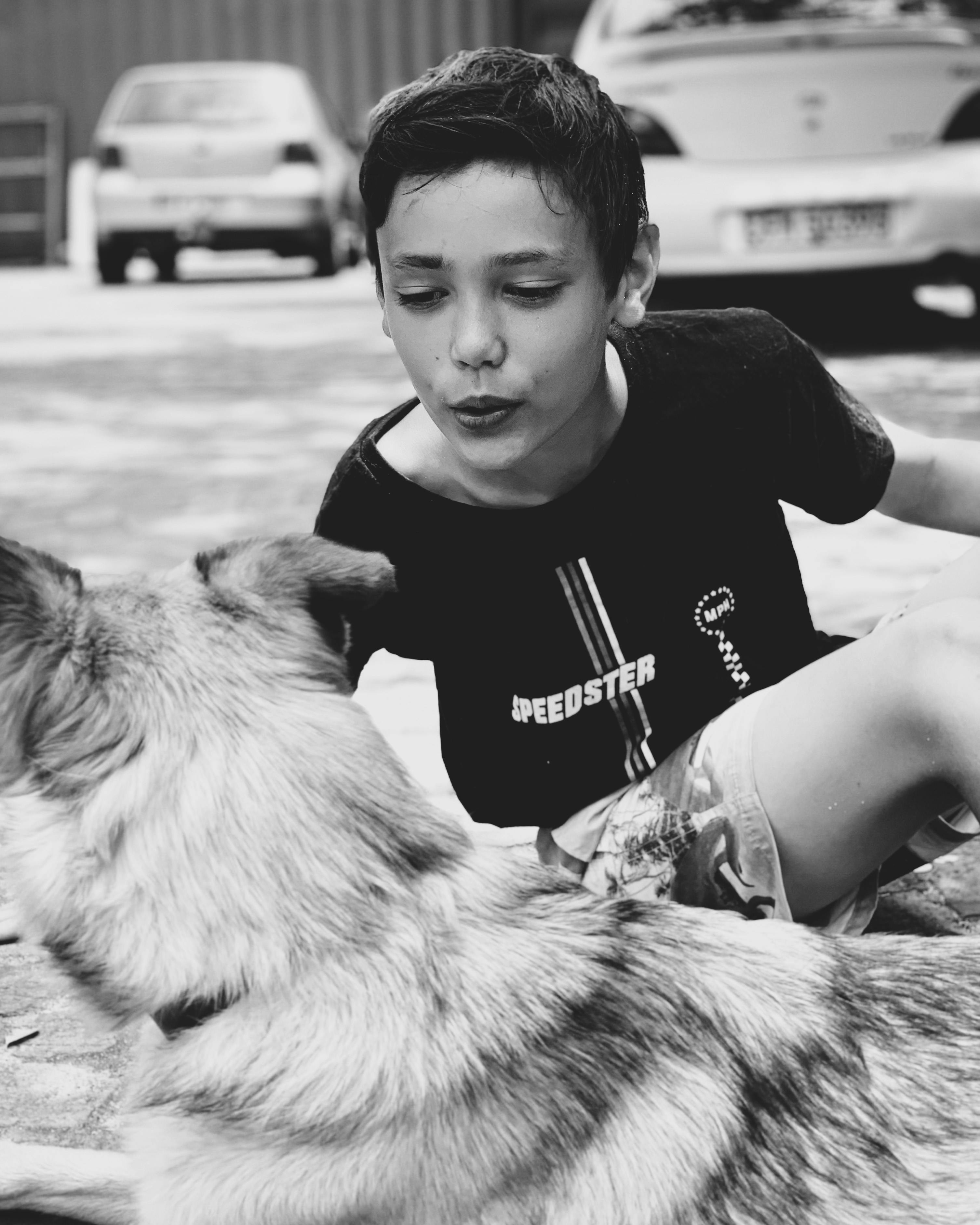
Dogs are often referred to as man’s best friend, but have you ever wondered about their noses? You know, the wet, cold, and sometimes quite smelly appendages that seem to be always on the move? There’s so much more to those adorable snouts than meets the eye. Here’s 7 fun facts about dogs’ noses that will blow your mind! Plus, we’ll dive into the fascinating secret behind why do dogs have wet noses.
1. Dogs’ Noses Are Super Sensitive
Did you know that a dog’s sense of smell is anywhere from 10,000 to 100,000 times more acute than humans? This incredible ability comes from the fact that dogs have up to 300 million olfactory receptors in their noses, compared to a mere 6 million in humans. This means they can detect scents at incredibly low concentrations, making them extraordinary hunters and trackers.
2. The Wetness Has a Purpose
You might be asking yourself, why do dogs have wet noses in the first place? Well, moisture plays a crucial role in their ability to smell. When a dog’s nose is wet, it helps to capture scent particles. The moisture allows the scent to stick better, enhancing their detection skills. So, the next time your dog nudges you with their cold, wet nose, remember, it’s not just for affection; it’s for a better sniff!
3. Unique Nose Prints
Just like human fingerprints, every dog has a unique nose print. This means that if you were to take an impression of your dog’s nose, it could be used to identify them. Some animal shelters and organizations even use nose prints as a method of identification. It’s a fun and fascinating fact that adds to the uniqueness of our furry friends!
4. Temperature Regulation
Dogs don’t sweat like humans do. Instead, they primarily cool off through panting. However, their noses also play a role in regulating their body temperature. A wet nose can help keep dogs cool. When it evaporates, it takes heat away from their bodies, thus helping to maintain a comfortable temperature.
5. A Dog’s Nose Changes Color
Dog noses can change color for various reasons. For example, a nose may darken or lighten due to temperature changes, seasonal shifts, or even health conditions. Some dogs may even develop a condition called “snow nose,” where their noses lighten in color during the winter months. It’s quite the interesting phenomenon that can leave dog owners scratching their heads!
6. Dogs Have Different Nose Shapes
Not all dog noses are created equal! Depending on their breed, dogs can have different nose shapes and lengths, which can affect their sense of smell. Breeds like Bloodhounds have long, droopy noses that help capture more scents, while breeds like Bulldogs have short noses, which can limit their smelling prowess. Here’s a quick list of different nose types:
- Long and Narrow: Like Greyhounds or Collies, suited for tracking.
- Short and Flat: Like Bulldogs or Pugs, generally less effective for scent detection.
- Wet and Cold: Most breeds, perfect for capturing scent particles.
7. Dogs Can Smell Emotions
Believe it or not, dogs can actually sense human emotions through their sense of smell. They can detect changes in our body chemistry that occur when we’re happy, sad, or even stressed. Studies show that dogs can smell the cortisol released by humans when they’re feeling anxious. This means that your pup might just know when you’re feeling down and might snuggle up to you just because they sense you need comfort.
So there you have it, 7 fun facts about dogs’ noses that truly blow your mind! Their noses are not just for sniffing out the last piece of pizza you dropped; they’re sophisticated tools that help them navigate the world.
When you next ask yourself, why do dogs have wet noses, remember that there’s a whole lot of science and fascinating history behind that cold, wet touch. It’s a combination of biology, evolution, and their special bond with us humans. Whether you’re a dog owner or just a lover of canines, appreciating these little details can make your connection with dogs even more special. Every time your dog gives you that cold nuzzle, you can now think about the complex, amazing capabilities hidden behind that adorable snout!
The Connection Between Wet Noses and Dog Emotions: What You Should Know

When you think about dogs, one of the first things that come to mind are their adorable, wet noses. But have you ever wonder why do dogs have wet noses? It’s not just a cute feature; there’s a fascinating connection between wet noses and dog emotions that many people don’t realize. Understanding this can help you connect better with your furry friend.
The Science Behind Wet Noses
Dogs have wet noses for several reasons. One big reason is that moisture helps them to smell better. Dogs have an incredible sense of smell, estimated to be 10,000 to 100,000 times more sensitive than humans. Their wet noses trap scent particles in the air which helps them identify different smells. Isn’t that amazing?
Another important factor is temperature regulation. Dogs don’t sweat like humans do. Instead, they cool themselves down through panting and by having a moist nose. The moisture on their noses evaporates, which helps to cool them off. This is especially important during hot weather.
Emotional Indicators
Wet noses can also be an indicator of a dog’s emotional state. When dogs are excited or happy, their noses tend to be more moist. You might notice your dog’s nose getting wetter when they are anticipating playtime or a treat. Conversely, if a dog’s nose is dry, it might indicate that they are feeling stressed or unwell. Here are some emotional states reflected in their noses:
- Excitement: Wet and cold nose.
- Relaxation: Slightly moist nose.
- Illness or Stress: Dry and warm nose.
Historical Context
Historically, dogs have been companions to humans for thousands of years. Ancient civilizations, like the Egyptians, believed that dogs were sacred animals. The connection between dogs and humans has evolved, and understanding dog emotions has become essential. Dog trainers and behaviorists emphasize the importance of recognizing emotional cues, which includes observing their noses.
Fun Facts About Dog Noses
- Unique Patterns: Just like human fingerprints, each dog’s nose print is unique. This can even be used to identify dogs.
- Temperature Sensitivity: Dogs can sense temperature changes better with their noses. They can detect slight changes in the environment.
- Health Indicators: A dog’s nose can also indicate health issues. For example, a persistent dry nose may suggest dehydration or illness.
How to Care for Your Dog’s Nose
Taking care of your dog’s nose is important. Here are some tips:
- Regular Checks: Inspect your dog’s nose regularly for any signs of dryness or cracks.
- Hydration: Ensure your dog has access to fresh water at all times, especially during hot weather.
- Moisturizers: If your dog’s nose appears excessively dry, you can use dog-safe moisturizers. However, always consult your veterinarian first.
Comparing Wet and Dry Noses
To understand the significance of a dog’s nose condition better, let’s compare wet and dry noses:
| Wet Nose | Dry Nose |
|---|---|
| Cool to the touch | Warm to the touch |
| Usually indicates good health | May indicate illness or dehydration |
| Helps in scent detection | Less effective in scent detection |
| Common in excited dogs | Common in stressed or sick dogs |
The Emotional Connection
Dogs are incredibly intuitive animals. They can sense human emotions and often mirror those feelings. This emotional connection extends to the condition of their noses. When you’re sad, your dog might also seem a bit off, and their nose might reflect that. It’s a fascinating interplay of emotions between humans and dogs.
Practical Examples of Nose Behavior
- Greeting: When you come home, your dog may greet you with a wet nose as they show excitement and joy.
- Seeking Comfort: If your dog feels anxious, they may come to you with a dry nose, seeking comfort and reassurance.
- Playtime: During play, expect their nose to be nice and wet, reflecting their happiness and engagement.
In understanding the connection between wet noses and dog emotions, you can enhance your bond with your pet. Paying attention to their nose condition can give you insights into how they are feeling. So next time you’re out with your furry friend, take a moment to appreciate that wet nose — it reveals a lot more than just cuteness.
How to Keep Your Dog’s Nose Healthy and Moist: Essential Tips for Pet Owners

When your dog snuggles up to you, one of the first things you might notice is their wet nose. It’s a common trait in our furry friends, but have you ever wondered why do dogs have wet noses? Understanding the reasons behind this fascinating feature can help you care better for your pet. Plus, keeping your dog’s nose healthy and moist is crucial for their well-being. So let’s dive into the delightful world of dog noses and explore some essential tips for pet owners to maintain their pup’s nose in prime condition.
Why Do Dogs Have Wet Noses?
Ever think about the science behind your dog’s snout? There are a few interesting reasons for that dampness:
Temperature Regulation: Dogs don’t sweat like humans do. Their wet noses help to cool them down by evaporation. A wet nose can help them regulate their body temperature, especially on hot days.
Enhanced Smell: A moist nose can absorb scent particles in the air, which makes it easier for dogs to smell things. This is why dogs have such an incredible sense of smell, sometimes over 10,000 times better than humans!
Health Indicator: The moisture of a dog’s nose can sometimes indicate their health. A healthy nose is generally moist and cool, while a dry or excessively warm nose may signal an issue.
Keeping Your Dog’s Nose Healthy and Moist
Now that we understand why your dog’s nose is wet, let’s look at some practical ways to keep it healthy and moist. Dogs can face various environmental factors that can lead to a dry or cracked nose. Here are some tips for pet owners:
Hydration is Key: Ensure your dog has access to fresh, clean water at all times. Dehydration can lead to a dry nose.
Humidity Matters: If you live in a dry climate, consider using a humidifier in your home, especially during the winter months. This can help maintain moisture in the air, benefiting your dog’s skin and nose.
Avoid Irritants: Keep your dog away from smoke, harsh cleaning products, and other irritants that can dry out their nose.
Regular Check-Ups: Schedule routine vet visits to ensure your dog’s overall health. This can help catch any underlying issues early on.
Apply Natural Oils: If your dog’s nose appears dry or cracked, you can apply natural oils like coconut oil or shea butter. Just make sure it’s safe and non-toxic for dogs.
Here’s a quick checklist to keep your dog’s nose in check:
- Fresh water daily
- Humidifier during dry seasons
- Avoid irritants
- Routine vet check-ups
- Natural oil application
Signs of Potential Problems
It’s important to know what to look for if your dog’s nose starts to show signs of distress. Here are some indicators that something might be wrong:
Cracking or Bleeding: If your dog’s nose is cracked or bleeding, it could indicate dehydration or other health issues.
Discoloration: A sudden change in color, such as becoming very dry or changing from pink to brown, could signal health problems.
Excessively Dry Nose: If your dog’s nose is consistently dry, it might be time for a vet visit.
Swelling or Inflammation: Any signs of swelling could indicate an infection or allergic reaction.
Comparisons Between Dog Breeds
Different dog breeds may have varied nose types and moisture levels. For example:
Brachycephalic Breeds: Breeds like Bulldogs or Pugs have shorter snouts, which can sometimes lead to more moisture buildup.
Working Dogs: Breeds such as Bloodhounds tend to have wetter noses due to their remarkable sense of smell.
Long-Nosed Breeds: Breeds like Greyhounds might have drier noses, making them more susceptible to dryness.
Fascinating Facts About Dogs’ Noses
Did you know that dogs have an incredible ability to smell? Here are some fascinating facts:
Scent Memory: Dogs can remember scents for years.
Unique Nose Prints: Just like human fingerprints, every dog has a unique nose print that can be used for identification.
Nasal Turbinates: Dogs have complex structures in their noses called turbinates that help them process scents.
Maintaining your dog’s nose health starts with understanding the importance of that wet little feature. By keeping an eye on their hydration, avoiding irritants, and making sure they get regular vet check-ups, you can support their overall well-being. Embrace the charm of your dog’s wet nose, and take action to ensure it stays healthy and moist.
Wet Nose Myths Debunked: What Every Dog Owner Should Understand
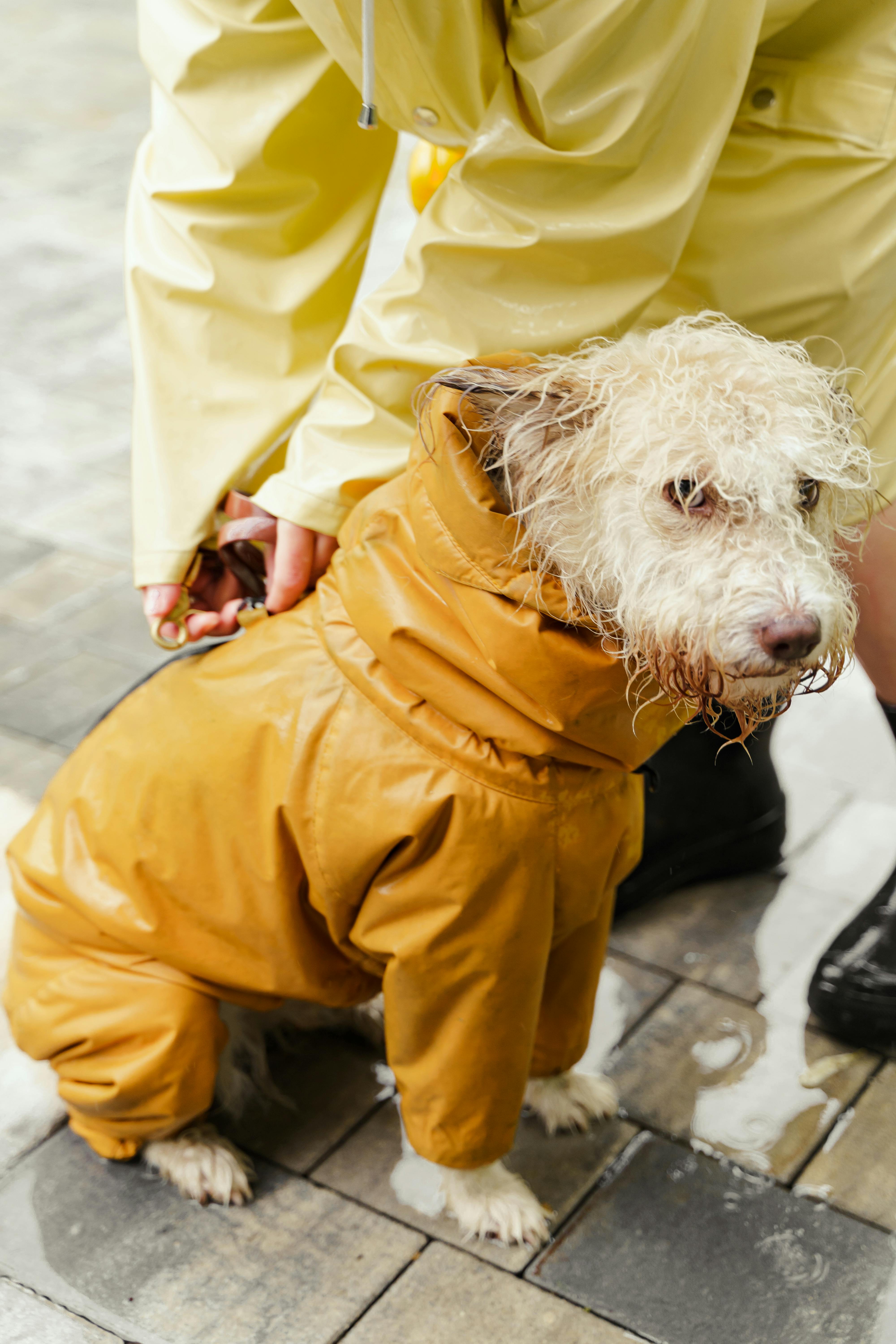
When you think about dogs, one of the first things that comes to mind is probably their cute, wet noses. But have you ever wondered why they are wet? There are many myths swirling around about wet noses, and it’s time to debunk them. Wet Nose Myths Debunked: What Every Dog Owner Should Understand, Why Do Dogs Have Wet Noses? Discover Their Fascinating Secret! Let’s dive into the science and history behind this intriguing characteristic.
The Science Behind Wet Noses
Dogs have wet noses primarily because of the way their bodies are designed to cool down. Unlike humans who sweat through their skin, dogs have a different method. Their noses help regulate their body temperature. A wet nose can help them cool off more efficiently. When a dog’s nose is moist, it can absorb the heat from the air, which then helps them stay cooler.
- Cooling mechanism: Dogs have sweat glands, but they’re mostly located in their paw pads. Their wet noses play an important role in thermoregulation.
- Scent detection: A wet nose also helps dogs to smell better. The moisture captures scent particles in the air, enhancing their ability to detect smells.
Historical Perspective on Dog Noses
Historically, the perception of wet noses has been tied to the overall health of dogs. A wet nose was often viewed as a sign of a healthy dog. However, this isn’t always the case. It’s important to know that a dog can be healthy even with a dry nose.
- Past beliefs: In earlier times, people believed that a dog’s nose was a reliable indicator of its health. If it was wet, the dog was considered healthy; if dry, it might be sick.
- Modern understanding: Today, vets agree that while a wet nose can indicate general health, it’s not a foolproof sign. Other symptoms need to be considered for an accurate health assessment.
Common Myths About Wet Noses
Myth 1: A Wet Nose Means a Healthy Dog
- Fact: While a moist nose can be a good sign, it’s not the only indicator of health. Other factors like energy levels, appetite, and behavior are equally important.
Myth 2: Dogs Only Have Wet Noses When They’re Happy
- Fact: Dogs can have wet noses regardless of their emotional state. Stress, excitement, or even just being outside can cause their noses to be wet.
Myth 3: All Dogs Have Wet Noses
- Fact: Some dog breeds have drier noses than others. Breeds like Bulldogs or Pugs may have drier noses due to their unique facial structure.
Myth 4: Noses Are Wet Because of Saliva
- Fact: While saliva can contribute to moisture, the primary reason for a wet nose is due to nasal secretions and environmental factors.
Why Dogs Lick Their Noses
Licking their noses is another interesting behavior. Dogs lick their noses for several reasons:
- To keep it moist: They lick their noses to maintain moisture, which helps enhance their sense of smell.
- Tasting the environment: Dogs explore their world through taste and smell. Licking helps them gather more information about their surroundings.
- Self-soothing: Licking can also provide comfort during stressful situations.
The Importance of Nose Health
As a dog owner, it’s essential to keep an eye on your pet’s nose health. Here are some signs that may indicate a problem:
- Cracked or dry nose: This could be a sign of dehydration or another health issue.
- Change in color: If the nose changes color, it’s worth consulting your vet.
- Excessive discharge: If your dog has a runny nose that’s more than usual, it might need a check-up.
Practical Tips for Dog Owners
- Regular vet check-ups: Ensure your dog sees a veterinarian regularly for overall health assessments.
- Hydration: Always provide fresh water to keep your dog hydrated. A well-hydrated dog is more likely to have a moist nose.
- Observe behavior: Keep track of any changes in your dog’s behavior, eating habits, or energy levels.
Understanding why dogs have wet noses and dispelling the myths surrounding them can greatly benefit dog owners. It helps to ensure that you are providing the best care for your furry friend. Remember, a wet nose isn’t the only thing that defines a happy and healthy dog. Keep learning about your pet, and you’ll be the best owner you can be!
Conclusion
In summary, the wet noses of dogs serve several important functions that contribute to their health and well-being. The moisture helps enhance their sense of smell, allowing them to detect scents more effectively, which is crucial for their communication and interaction with the world. Additionally, a dog’s wet nose plays a role in temperature regulation and can provide insights into their overall health. Understanding the significance of this unique trait not only deepens our appreciation for our furry friends but also encourages us to monitor their well-being. As a responsible pet owner, keeping an eye on your dog’s nose condition can be a simple yet important way to ensure they are happy and healthy. So, the next time you give your pup a scratch behind the ears, take a moment to appreciate that wet nose—it’s a remarkable feature that keeps them connected to their environment.
