
Have you ever wondered, why do dogs have wet noses? This charming feature of our canine companions isn’t just for show; it serves multiple important purposes that can surprise even the most seasoned dog owners! Dogs’ noses are often moist, and this unique characteristic helps them in ways we might not realize. The wetness aids in enhancing their sense of smell, which is already thousands of times more sensitive than ours. But that’s not all—did you know that a wet nose can also help to cool down your furry friend? Curious yet? In this blog post, we will uncover the surprising benefits of wet noses in dogs and explore how this fascinating trait plays a vital role in their health and communication. From thermoregulation to scent detection, you’ll discover the science behind this delightful aspect of dog anatomy. So, stick around as we dig deeper into the question, why do dogs have wet noses, and find out how this simple feature contributes to their overall well-being! Get ready to be amazed by the wonders of your dog’s nose!
The Science Behind Wet Noses: What Makes Dogs’ Noses Moist and Cool?

Dogs are often considered man’s best friend, and one of their most endearing features is their wet noses. But have you ever wondered why dogs have wet noses? The science behind this unique trait is fascinating, and it goes beyond mere appearance. In this post, we’ll dig into the reasons dogs’ noses are moist and cool, and reveal the surprising benefits of this natural characteristic.
The Anatomy of a Dog’s Nose
The structure of a dog’s nose is quite complex. Dogs have an extraordinary sense of smell that is roughly 40 times better than humans. Their noses are covered with special cells that help them detect odor molecules. The moisture you feel when you touch a dog’s nose actually plays an important role in this process.
- Nasal Mucosa: Dogs’ noses are lined with a moist tissue called the nasal mucosa, which helps to trap scent particles.
- Cool Temperature: A dog’s nose is cooler than its body temperature, allowing it to better sense different smells by cooling the air that they inhale.
Why Do Dogs Have Wet Noses?
The primary reason dogs have wet noses is to assist in their sense of smell. Dogs sweat very little through their skin, and their noses help regulate their body temperature. Furthermore, the moisture on their noses enhances their olfactory abilities. Here are some points explaining this phenomenon:
- Enhanced Smell: The dampness helps absorb scent particles, making it easier for dogs to identify odors.
- Thermoregulation: A cool nose can help cool down their body, especially during hot weather.
- Health Indicator: A dog’s nose can also reflect its health. A moist nose usually signals good health, while a dry nose may indicate dehydration or illness.
The Surprising Benefits of Wet Noses
Wet noses do more than just serve a functional purpose; they also provide several benefits for dogs. These benefits can be surprising to many dog owners:
- Communication Tool: Dogs use their noses not just for smell but also for social interactions. A moist nose can indicate a friendly demeanor.
- Scent Tracking: Wet noses help dogs track scents over long distances, which is why they excel in search-and-rescue operations.
- Temperature Regulation: The moisture on a dog’s nose helps to cool them down, acting as an evaporative cooling system.
Historical Perspective on Dogs’ Noses
Historically, dogs have been bred for various purposes, many of which relied heavily on their sense of smell. From hunting to herding and even in law enforcement, dogs’ noses have always been prized.
- Hunting Dogs: Bred to track game, their wet noses helped them detect scents in the environment.
- Service Dogs: Today, many service dogs are trained to use their noses to assist individuals with disabilities or to help in search-and-rescue missions.
Interesting Facts About Dogs’ Noses
- Unique Patterns: Just like human fingerprints, each dog has a unique nose print that can be used to identify them.
- Temperature Sensitivity: Dogs’ noses can detect temperature changes in their environment, aiding in their instincts for hunting or finding shelter.
- Nasal Turbinates: These are structures in the nasal passages that increase the surface area for scent detection, and they are more intricate in dogs compared to humans.
Common Misconceptions About Wet Noses
There are many myths surrounding the wetness of dog noses. Here’s a few debunked:
Myth: A warm, dry nose means a dog is sick.
- Fact: Nose temperature and moisture can vary due to many factors, not just health.
Myth: All dogs have wet noses.
- Fact: Some breeds may naturally have drier noses, like bulldogs or pugs.
Risk Factors for Dry Noses
If a dog’s nose is persistently dry, it can indicate underlying health issues. Here are some common reasons for a dry nose:
- Dehydration: Insufficient water intake can lead to a dry nose.
- Allergies: Environmental allergies can cause changes in nose moisture.
- Illness: Certain illnesses can affect a dog’s overall health and their nose.
Understanding why dogs have wet noses can help pet owners appreciate their furry friends even more. The moisture and coolness serve numerous functional purposes, from aiding their incredible sense of smell to regulating body temperature. Recognizing the signs of a healthy nose is also important in ensuring a dog’s well-being. So, next time you give your dog some love and notice that wet nose, remember the science behind it!
7 Fascinating Benefits of a Dog’s Wet Nose You Never Knew About
Dogs are often known for their cute antics, playful nature, and undying loyalty, but did you ever wonder why do dogs have wet noses? This peculiar trait is more than just an adorable quirk; it actually serves several fascinating purposes. In fact, there’s a bunch of benefits that come from those moist noses that many people don’t know about. Let’s explore 7 fascinating benefits of a dog’s wet nose you never knew about.
1. Super Sniffers
Dogs have an incredible sense of smell, and their wet noses play a key role in this. The moisture helps to capture scent particles from the air, which makes it easier for dogs to identify different smells. This is why they can sniff out everything from food to drugs, or even missing persons. It’s not just a party trick; it’s a vital part of their survival skills.
2. Temperature Regulation
Another reason why do dogs have wet noses is to help regulate their body temperature. Dogs don’t sweat like humans do, so they rely on their noses to cool off. When a dog’s nose is wet, it can evaporate moisture and help dissipate heat. It’s like built-in air conditioning! This is particularly important during hot summer days when staying cool can be a challenge for our furry friends.
3. Health Indicators
A wet nose can also be an indicator of a dog’s overall health. Typically, a moist nose is a sign that a dog is healthy and hydrated. If a dog’s nose becomes dry or cracked, it might be a signal that something’s wrong, such as dehydration or illness. Pet owners should keep an eye on their dog’s nose, as it can be a telltale sign of health issues that may need attention.
4. Communication Tool
Dogs communicate in many ways, and their noses are an important part of that language. A dog may approach another dog and sniff their nose, which is a form of greeting. The moisture on their noses helps them to gather scent information about other animals, giving them a snapshot of who they are dealing with. It’s like a canine handshake!
5. Enhanced Taste
Believe it or not, a dog’s sense of taste is linked to their sense of smell. When a dog’s nose is wet, it can enhance their ability to taste food. This is because the moisture helps to carry scent molecules to their taste buds. So, when your dog is sniffing their food before eating, they are actually enhancing their dining experience!
6. Protective Mechanism
A moist nose can also protect dogs from potential dangers. The wetness makes their noses more sensitive, allowing them to detect harmful substances or changes in their environment. This heightened sensitivity can alert them to dangers, whether it be spoiled food or even changes in the weather. It’s like having a built-in warning system!
7. Bonding with Humans
Finally, a wet nose plays a role in the bond between humans and dogs. When a dog nudges you with their wet snout, they are seeking attention, affection, or even just a little playtime. This interaction can strengthen the connection you share, making it a key part of the human-animal relationship.
Quick Recap of Benefits
- Enhanced sense of smell
- Body temperature regulation
- Health indicator
- Communication tool
- Improved taste perception
- Protective mechanism
- Strengthened human-dog bond
Fun Facts About Dog Noses
- Did you know that dogs have unique nose prints, similar to human fingerprints? Each dog’s nose is as unique as a snowflake!
- The reason why dogs have wet noses is also evolutionary; ancestors of dogs relied on their sense of smell to hunt and survive.
Understanding why do dogs have wet noses and the benefits that come with it can deepen your appreciation for your furry friend. It’s amazing how something so simple can have such a huge impact on a dog’s life and well-being.
So the next time you feel that cool, wet nose against your hand, remember that it’s not just a greeting; it’s a multifunctional tool that contributes to your dog’s health, communication, and your bond with each other. Embrace the wet nose, and enjoy the many ways it enhances your canine companion’s life!
Why Do Dogs Have Wet Noses? Exploring the Evolutionary Advantage

Dogs are often seen with their noses glistening, and many people wonder, why do dogs have wet noses? This curious characteristic isn’t just for show; it’s deeply rooted in their evolution and biology. Understanding the reasons behind this peculiar trait can help us appreciate our furry companions even more.
The Evolutionary Background
First off, let’s look at where this all began. Dogs, descended from wolves, have inherited many traits from their ancestors. Wet noses are believed to have evolved over thousands of years as a survival mechanism. Wolves relied on their sense of smell to hunt and navigate their environment. A wet nose helps to enhance their olfactory capabilities.
- Increased scent detection: The moisture on a dog’s nose helps to trap scent particles, making it easier for them to detect smells.
- Cooling mechanism: Wet noses also serve as a way to regulate body temperature. Dogs don’t sweat like humans; instead, they rely on their noses and panting to cool down.
The Science Behind Wet Noses
So, why do dogs have wet noses? There’s actual science involved here. When a dog’s nose is wet, it can absorb scent molecules more efficiently. This is because moisture allows for better interaction between the scent particles and the sensory receptors in a dog’s nose.
- Nasal anatomy: Dogs have a complex nasal structure that contains more than 220 million scent receptors. In comparison, humans have only about 5 million. The wetness helps these receptors to work better.
- Pheromone detection: Dogs also use their noses to detect pheromones, which are chemical signals that can convey a wealth of information about other animals, including their health, mood, and reproductive status.
Benefits of a Wet Nose
There are several surprising benefits that come with dogs having wet noses. These advantages may not be immediately obvious, but they play a significant role in dogs’ lives.
Enhanced Scent Tracking: Wet noses increase a dog’s ability to track scents over distances. This makes them exceptional in roles such as search and rescue, hunting, and even therapy.
Health Indicator: A dog’s nose can actually be an indicator of its health. A healthy dog usually has a moist and cool nose. If it feels dry or warm, it could signal illness or dehydration.
Communication Tool: Dogs communicate a lot through scents. Their wet noses can pick up on subtle changes in the environment, helping them to understand their surroundings and communicate with other dogs or animals.
Comfort and Bonding: Dogs often use their noses to nuzzle and express affection. Their wet noses can provide a comforting sensation to both them and their owners, strengthening the bond between them.
Comparing Wet and Dry Noses
Not all dogs have the same level of nose moisture. Some breeds have drier noses than others. Here’s a quick comparison:
| Breed Type | Nose Moisture Level | Reasons |
|---|---|---|
| Retrievers | High | Bred for scent detection |
| Bulldogs | Moderate | Shorter snouts, less moisture |
| Greyhounds | Lower | Thin nasal structure |
| Pugs | Moderate to Low | Short snouts |
Practical Examples of Wet Noses in Action
Let’s look at some real-life situations where a dog’s wet nose plays a critical role.
Search and Rescue Missions: Dogs with wet noses can locate missing persons in various environments. Their ability to pick up scents from far away can save lives.
Therapy and Service Dogs: These canines rely on their noses not just for scent detection but also for emotional support. Their wet noses often help to calm anxious individuals, providing comfort through their presence.
Hunting and Tracking: In hunting scenarios, dogs utilize their wet noses to track game. Hunters often depend on this ability for a successful hunt.
Dogs having wet noses is more than just an adorable quirk; it’s an evolutionary advantage that enhances their ability to interact with the world. From tracking scents to indicating health, these wet noses are vital for their survival and well-being. So, next time you see a dog with its charming, glistening nose, remember the fascinating reasons behind this trait. It’s a marvel of nature that showcases how well-adapted dogs are to their environments.
The Role of a Wet Nose in Dog Health: What Every Pet Owner Should Know
The wet noses of dogs might seem like a simple, quirky feature, but there is actually a lot more to it than most pet owners realize. Many people ask, “Why do dogs have wet noses?” and it’s a valid question with surprising answers. Understanding the role of a wet nose in dog health can help you become a better pet owner and ensure your furry friend stays happy and healthy.
What Makes a Dog’s Nose Wet?
A dog’s nose is naturally moist for several reasons. It helps them in various ways, both for their health and their ability to interact with the world. Here’s a breakdown:
- Temperature Regulation: Dogs don’t sweat like humans do. They cool off mainly through their noses. A wet nose helps to dissipate heat more effectively.
- Enhanced Smell: The moisture on a dog’s nose traps scent particles from the environment. This ability to smell is crucial for dogs, as they rely on their sense of smell for communication and navigation.
- Health Indicator: A wet nose can indicate that a dog is healthy. However, the condition of a dog’s nose can change depending on various factors like activity level, weather, and health status.
The Surprising Benefits of a Wet Nose
Having a wet nose offers several benefits that many pet owners might not be aware of. Here’s a list of the surprising benefits:
- Improved Scent Detection: The moisture helps to capture and hold onto scent particles, making it easier for dogs to identify smells in their environment.
- Better Communication: Dogs communicate with one another through scent. A moist nose helps them convey information better.
- Health Monitoring: A sudden change in the wetness of a dog’s nose can sometimes signal health issues. For example, a dry nose could indicate dehydration or illness.
- Enhanced Bonding: Dogs often use their noses to explore their surroundings and their owners. This fosters a bond between the dog and its owner.
Why Is a Wet Nose Important in Dog Health?
You might wonder how the wetness of a dog’s nose ties into their overall health. Here are a few key points:
Hydration Levels: A consistently dry nose can indicate dehydration. Monitoring your dog’s nose can be an easy way to check if they are drinking enough water.
Temperature: If a dog has a hot, dry nose, it could be a sign of fever. This could alert a pet owner to take their dog to the vet.
Allergies and Infections: A wet nose can sometimes signify that a dog is fighting off allergies or infections. If the nose is excessively runny, it might warrant a trip to the vet.
Behavior Changes: If your dog’s nose goes from wet to dry suddenly, or if they exhibit changes in behavior, it could signal an underlying health issue.
How to Keep Your Dog’s Nose Healthy
Just like other parts of your dog’s body, the nose also requires some care. Here are some tips on keeping it healthy:
- Regular Check-ups: Regular veterinary visits can help identify any potential issues early.
- Hydration: Ensure your dog always has access to fresh, clean water.
- Balanced Diet: A nutritious diet helps maintain overall health, including the condition of the nose.
- Monitor Environment: Be cautious of allergens in the environment that might affect your dog’s nose.
Common Misconceptions About Dog Noses
There are several myths floating around about dog noses that pet owners should be aware of:
All Dogs Should Have Wet Noses: While a wet nose is common, some dogs may naturally have drier noses due to breed or health factors.
A Wet Nose Means a Dog is Healthy: While a wet nose can be a sign of health, it is not the only indicator. Look for other signs like energy levels and appetite.
Dogs Can’t Get Nose Injuries: Dogs can injure their noses, which can affect moisture levels. Always check for cuts or abrasions.
The role of a wet nose in dog health is multifaceted and plays a crucial role in how dogs interact with their world and maintain their health. Pet owners should pay attention to their dog’s nose, as it can provide valuable insights into their overall well-being. Understanding why dogs have wet noses and the benefits that come with it can help you ensure that your furry friend leads a happy, healthy life. So next time you see your dog’s wet nose, remember that it’s more than just a cute feature — it’s an essential part of their health!
How a Dog’s Wet Nose Enhances Their Sense of Smell and Overall Awareness
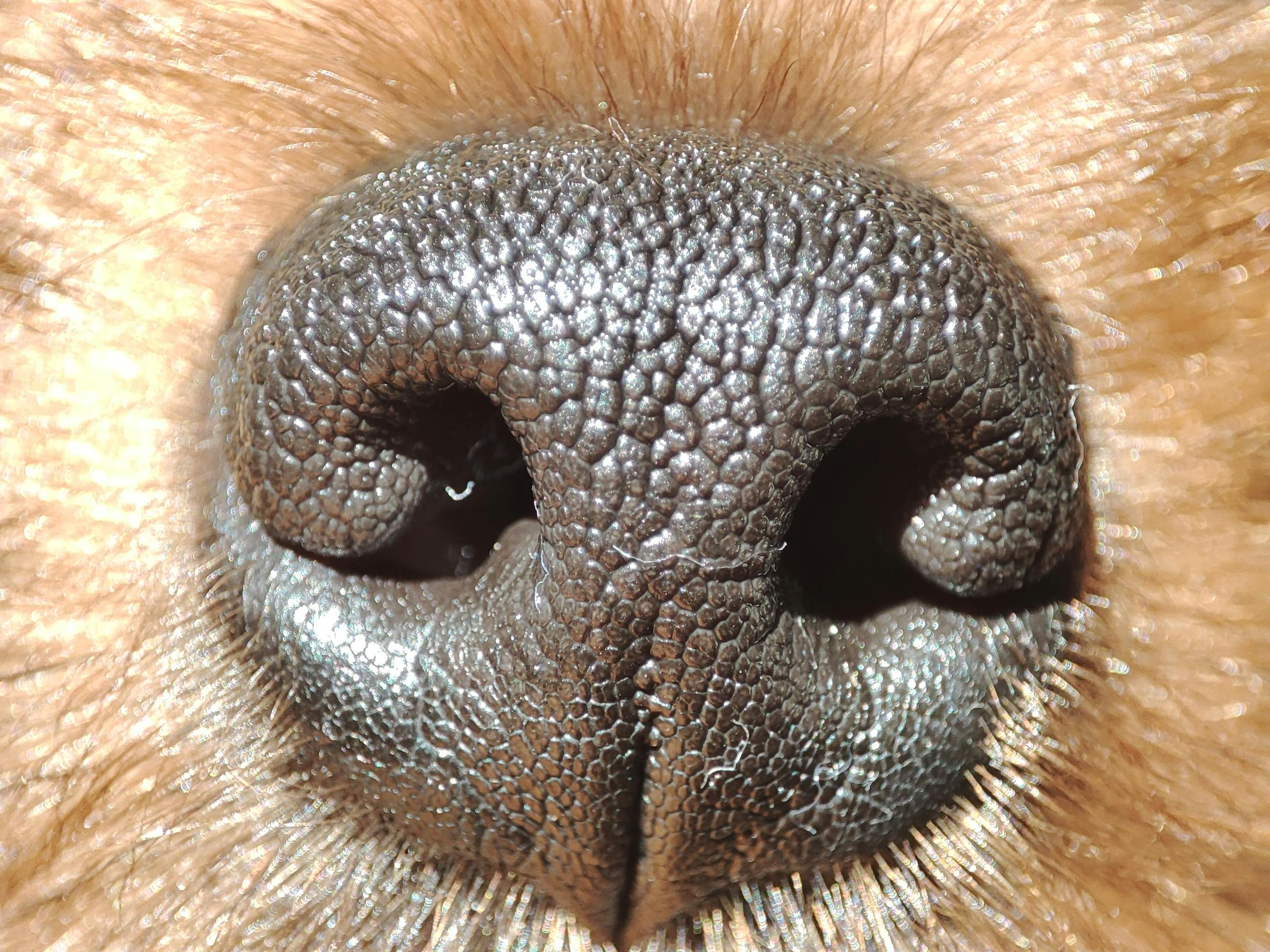
Dogs have a reputation for being man’s best friend, but there’s more to their charm than just wagging tails and playful barks. One of the most fascinating aspects of dogs is their sense of smell, which is heavily influenced by their wet noses. You might be wondering, why do dogs have wet noses? Well, it turns out, a dog’s wet nose plays a crucial role in enhancing their olfactory abilities and overall awareness of their environment.
How a Wet Nose Works
The moisture on a dog’s nose is not just for show. It serves several important functions. When a dog sniffs an object or a scent, the wetness helps to capture scent particles more effectively. The moisture allows the scent molecules to stick, which makes it easier for the dog to analyze the smells. This is why dogs can find lost items, track scents, and even detect certain diseases in humans. Their noses are like super-sensors, designed to pick up scents that humans can’t even begin to notice.
The Science Behind Dog Noses
The structure of a dog’s nose is quite complex. It is filled with olfactory receptors, and the average dog has around 220 million of these receptors compared to a human’s 5 million. This significant difference means dogs can detect scents at incredibly low concentrations. A dog’s brain dedicates a large portion of its processing power to analyzing smells, which is why they can often pick up on things that are imperceptible to us.
- Dogs’ noses are not only wet, but they are also very sensitive.
- The nasal passage of a dog has a unique structure that helps with scent processing.
- The moisture on their noses comes from a combination of saliva and the surrounding environment.
Why Do Dogs Have Wet Noses?
So, why do dogs have wet noses? Here are some surprising benefits of a dog’s wet nose:
- Enhanced Smell: As mentioned earlier, a wet nose helps to trap scent particles, enhancing their ability to smell.
- Temperature Regulation: A dog’s nose helps to cool down their body temperature. When a dog is panting, the moisture on the nose aids in evaporative cooling.
- Health Indicators: The state of a dog’s nose can indicate their health. A dry or cracked nose could signal dehydration or illness.
- Social Communication: Dogs also use their noses to communicate with each other. The scents they pick up give them information about other dogs, their territory, and more.
Historical Context
Historically, dogs have been bred for specific roles that often relied on their superior sense of smell. For instance, hunting dogs were prized for their ability to track game using their noses. This trait has not only been preserved but also enhanced through selective breeding.
- Hunting Dogs: Bred for tracking and retrieving game.
- Service Dogs: Trained to detect certain medical conditions like diabetes and seizures.
- Search and Rescue: Dogs are often used to find missing persons due to their excellent sense of smell.
Practical Examples of Nose Usage
Dogs use their noses in various practical ways, and some of these are really interesting:
- Detection Work: Police and military dogs often sniff out drugs, explosives, and even cash.
- Medical Detection: Some dogs have been trained to detect cancer or low blood sugar in humans.
- Tracking: Search and rescue dogs can follow scent trails to locate lost individuals in various environments.
Conclusion
Understanding why dogs have wet noses is more than just a fun fact; it’s integral to grasping how dogs interact with their world. Their wet noses are a marvel of nature, enhancing their sense of smell and overall awareness. The next time you pet a dog and feel that cool, damp nose, remember that it’s not just adorable – it’s a powerful tool that plays a significant role in their lives. Dogs really are remarkable creatures, and their wet noses are a testament to their extraordinary abilities.
Can a Dog’s Wet Nose Indicate Their Mood? Understanding Canine Communication
Dogs are often consider as man’s best friend, and their behavior can tell us a lot about how they feel. One interesting aspect of canine behavior is their wet noses. You ever wonder, can a dog’s wet nose indicate their mood? Understanding canine communication is crucial for dog owners who wants to connect better with their furry friends. In this article, we gonna explore the reasons behind why do dogs have wet noses and the surprising benefits of this feature.
The Science Behind a Dog’s Wet Nose
Dog noses are wet for several reasons. Firstly, moisture helps to enhance their sense of smell. Dogs have an incredible olfactory system, and wetting their noses allows them to capture scent particles more effectively. This is why you often see dogs sniffing around—it’s not just curiosity, it’s their way of understanding their environment.
Here a few key points about the science behind dog noses:
- Moisture: A wet nose helps to dissolve scent molecules, making it easier for dogs to detect odors.
- Body Temperature Regulation: Dogs sweat through their noses, helping to cool their body down, especially during hot weather.
- Health Indicator: A dog’s nose can also indicate their health status. A dry nose might suggest dehydration or illness, while a wet nose is usually a sign of good health.
Can a Dog’s Wet Nose Indicate Their Mood?
You might be surprise to learn that a dog’s wet nose can indeed reflect their mood. While it not the sole indicator, it can be part of a larger picture of canine communication. Here are a few mood indicators that you might notice:
- Excitement: When dogs are excited, their noses tend to be more moist as they pant and engage with the environment.
- Anxiety: A wet nose can also be a sign of stress. If a dog is anxious, they might lick their nose more often, leading to increased moisture.
- Relaxation: A dog that feels safe and relaxed may have a cooler, wet nose as they lay down and breathe slowly.
Why Do Dogs Have Wet Noses? The Surprising Benefits!
The benefits of a dog’s wet nose goes beyond just smell and body temperature regulation. Here are some surprising advantages:
- Enhanced Communication: Dogs communicate with each other and humans through body language and scent. A wet nose can show they are approachable and friendly.
- Health Benefits: The moisture on a dog’s nose can help them sense changes in the environment, which can be critical for their safety.
- Bonding Opportunities: When pet owners frequently engage with their dog’s nose, it can strengthen their bond. Dogs love to be petted and sniffed, and showing interest in their nose can make them feel special.
Comparing Dog Noses: Breeds and Their Unique Features
Different dog breeds have different nose characteristics. Here’s a quick comparison:
| Breed Type | Nose Type | Unique Features |
|---|---|---|
| Flat-Nosed Breeds | Short and Wet | Breeds like Bulldogs can struggle with scent detection. |
| Long-Nosed Breeds | Long and Wet | Breeds like Bloodhounds have exceptional olfactory senses. |
| Medium-Nosed Breeds | Average Wet | Breeds like Beagles balance between body size and nose length. |
Each breed has adapted its nose for different purposes, and understanding these can help owners interpret their dog’s behavior better.
Practical Example of Canine Communication
Let’s say you came home after a long day. Your dog greets you with a wet nose and wagging tail. This behavior typically indicates happiness and excitement. They might be trying to communicate their joy at seeing you again. In contrast, if you notice your dog has a dry nose and seems withdrawn, it might be time to check in on their health or emotional state.
Dogs also use their noses to greet each other – a quick sniff can tell them a lot about another dog’s mood, health, and even diet! It’s fascinating how their wet noses play a crucial role in their social interactions.
Understanding the nuances of a dog’s nose can greatly enhance the relationship between them and their owners. By paying attention to these signs, dog owners can better meet their pet’s needs and ensure a happy, healthy life together.
So next time you see your dog with that adorable, wet nose, think about what they might be trying to tell you! Being attentive to these signals can enrich your bond and help you understand your furry friend on a deeper level.
5 Surprising Facts About Dog Noses: The Importance of Moisture
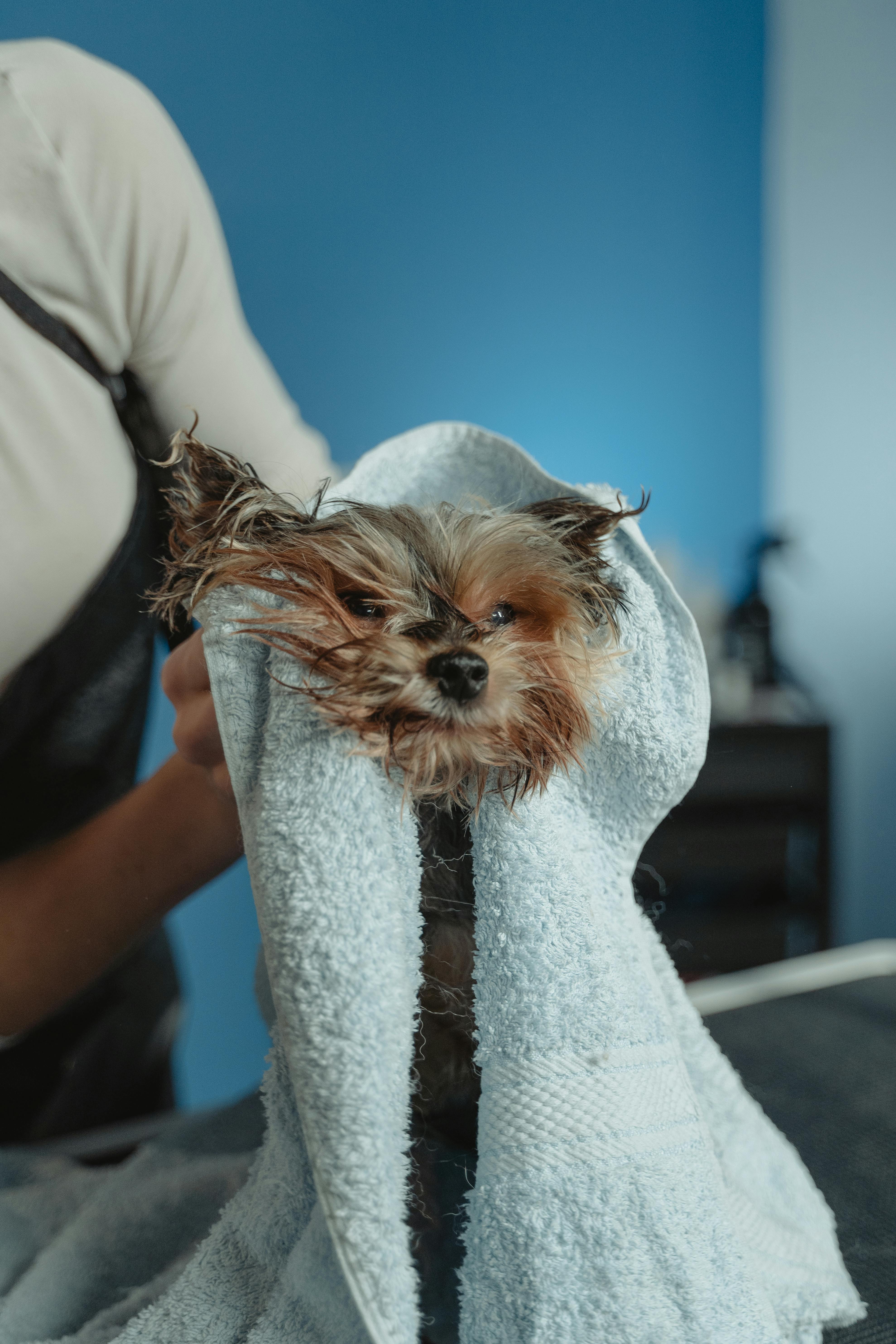
When you think about dogs, you probably think about their loyalty, playfulness, and those adorable wet noses. But did you ever wonder why do dogs have wet noses? It’s more than just a quirky characteristic. The moisture on a dog’s nose serves multiple purposes that are quite surprising. Let’s explore five fascinating facts about dog noses, focusing on the importance of moisture and the benefits that come with those wet noses.
1. Moisture Aids in Scent Detection
One of the most crucial reasons why do dogs have wet noses is that moisture actually helps them smell better. The wetness increases the surface area of the nose, which allows for greater absorption of scent molecules. This is why dogs are often praised for their incredible sense of smell. Their noses are like super-scent sensors, picking up on scents that humans can’t even detect.
- Dogs have up to 300 million olfactory receptors in their noses, compared to about 5 million in humans.
- The moisture on their noses helps capture scent particles, enhancing their ability to identify different smells.
2. Regulating Body Temperature
Dogs do not sweat like humans do. Instead, they rely on panting and the moisture in their noses to help regulate their body temperature. When a dog is feeling hot, the moisture evaporates from their nose, cooling them off in the process. This is an important mechanism that helps prevent overheating, especially during hot weather.
- Dogs have a normal body temperature between 101°F to 102.5°F.
- Keeping their noses moist is essential in helping them cool down.
3. Health Indicators
The condition of a dog’s nose can be an indicator of their overall health. A healthy dog typically has a wet, cool nose. If a dog’s nose is dry or warm, it could signal a potential health issue. Though not always a definitive sign, it’s something that pet owners should keep an eye on.
- Common reasons for a dry nose include dehydration, fever, or illness.
- Regularly checking your dog’s nose can help catch health issues early.
4. Communication Tool
Believe it or not, a dog’s nose also plays a role in communication. Dogs have scent glands in their noses that release pheromones, which are chemical signals. These signals can communicate information about their emotional state, territory, or even reproductive status to other dogs.
- A wet nose can indicate a happy and relaxed dog.
- Conversely, a dry nose might signal stress or discomfort.
5. The Science Behind the Moisture
The moisture on a dog’s nose isn’t just water. It’s a combination of mucus and other fluids that help facilitate scent detection. This unique composition also helps to keep the nose flexible, which is important for various activities like digging or sniffing around.
- The mucus contains proteins that help break down scent particles for easier analysis.
- The structure of a dog’s nose is designed to maximize scent absorption and moisture retention.
Key Takeaways About Dog Noses
Here’s a quick summary of what we learned about why do dogs have wet noses:
- Enhanced Smell: Moisture helps capture scent particles.
- Temperature Regulation: Wet noses help cool dogs down.
- Health Indicators: Condition of the nose can signal health issues.
- Communication: Dogs use their noses to communicate through pheromones.
- Moisture Composition: The moisture is a mix of mucus and fluids aiding in scent detection.
Practical Tips for Dog Owners
- Always ensure your dog stays hydrated, as it helps maintain a healthy nose.
- Monitor your dog’s nose regularly; changes in moisture can indicate health issues.
- Consult with a vet if you notice persistent dryness or other symptoms.
Understanding why do dogs have wet noses helps us appreciate the unique biology of our furry friends. Not only do these moist noses serve vital functions, but they also provide an insight into the health and happiness of your dog. So next time you give your pup a scratch behind the ears, take a moment to notice that wet nose and all the incredible things it does!
Wet Noses and Temperature Regulation: How Dogs Stay Cool

Dogs are known for their playful nature and loyal companionship, but one of the most fascinating aspects about them is their wet noses. If you ever wondered why do dogs have wet noses, you’re not alone. It’s a question that many pet owners ask, especially when they notice their furry friends’ noses glistening. In this article, we’ll explore the reasons behind wet noses, how dogs regulate their body temperature, and the surprising benefits associated with this curious feature.
The Science Behind Wet Noses
A dog’s nose is not just wet for fun. In fact, it serves several important purposes. The moisture on a dog’s nose helps to enhance their sense of smell. Dogs have an extraordinary olfactory system, and moisture allows scent particles to dissolve better, which makes it easier for dogs to detect different odors.
- Dogs have approximately 300 million smell receptors in their noses, compared to humans who have about 5 million.
- The wetness also helps to keep the nose cool, allowing for better temperature regulation.
- When it’s hot outside, a dog’s wet nose can help them cool down, similar to how humans sweat.
How Do Dogs Regulate Their Body Temperature?
You might think dogs stay cool by panting, but their wet noses play a significant role too. Dogs don’t sweat like humans do. Instead, they rely on a combination of methods to keep their body temperature in check:
- Panting: When dogs breathe rapidly, moisture evaporates from their tongues and respiratory tract, cooling them down.
- Wet Nose: The wetness of their noses allows for evaporation, which also contributes to cooling.
- Seeking Shade: Dogs instinctively look for cooler spots to rest, especially on hot days.
- Drinking Water: Hydration is vital, and dogs often drink more water when it’s hot, which helps regulate their temperature.
The Surprising Benefits of Wet Noses
Beyond cooling effects, wet noses have other benefits that might surprise you. Here are some of the most noteworthy advantages:
- Improved Scent Detection: A wet nose makes scent molecules more accessible, enhancing their ability to track scents.
- Health Indicators: Changes in the moisture of a dog’s nose can signal health issues. A dry or cracked nose might indicate dehydration or illness, while a consistently wet nose is usually a sign of good health.
- Social Interaction: Dogs often greet each other by touching noses, and the moisture can help them gather information about other dogs, which is essential for social bonding.
Fun Facts About Dog Noses
- The texture of a dog’s nose is unique, much like a human fingerprint. No two dog noses are alike.
- Dogs can also sense changes in human emotions through smell, thanks to their keen olfactory abilities.
- The wetness of a dog’s nose can vary depending on the time of day, breed, and activity levels.
Keeping Your Dog Healthy
Understanding why do dogs have wet noses is just part of caring for your furry friend. Here are some tips to ensure your dog’s nose stays healthy:
- Regular Vet Check-ups: Regular health check-ups can help catch any potential issues early.
- Hydration: Make sure your dog always has access to fresh water, especially during warm weather.
- Watch for Changes: If you notice a sudden change in the moisture level of your dog’s nose, consult a veterinarian.
Comparing Dog Noses to Other Animals
Dogs aren’t the only animals with wet noses. Here’s how they compare to other common pets:
| Animal | Nose Type | Benefits of Wet Nose |
|---|---|---|
| Dogs | Wet and cool | Enhances smell, regulates temperature |
| Cats | Mostly dry | Relies on whiskers for tactile sensing |
| Pigs | Wet and warm | Excellent sense of smell, helps with rooting |
| Cows | Dry but moist | Sense of smell is less developed compared to dogs |
The wet nose of a dog is more than just a cute feature. It’s a crucial part of how they interact with the world and maintain their health. While we often think of our pets as members of the family, it’s easy to overlook the science behind their characteristics. Understanding why do dogs have wet noses and how this affects their health and behavior can deepen your bond with your canine companion.
So, the next time you see your furry friend’s wet nose, remember it’s not just an adorable trait; it’s a vital part of their biology. Dogs are fascinating creatures, and their noses are just one example of how they adapt to their environment and thrive in our homes.
What to Do if Your Dog’s Nose is Dry: Signs of Health Issues to Watch For

Many dog owners wonder about their furry friends and their health, especially when they notice little things like their dog’s nose. If you ever ask yourself, “What to do if your dog’s nose is dry?” you should know that it could be more than just a simple observation. A dog’s nose is often wet, and this moisture plays a significant role in their overall well-being. Let’s explore some signs of health issues to watch for and discover why do dogs have wet noses in the first place.
Signs of a Dry Nose: What to Watch For
A dry nose in dogs can sometimes be a sign of underlying health issues. While it’s not always cause for alarm, here are some signs you should keep an eye on:
- Cracking or peeling: If your dog’s nose appears cracked or flaky, it might indicate dehydration or skin conditions.
- Discoloration: A change in color can signal an infection or other health problems.
- Excessive heat: If your dog’s nose feels unusually warm, it might be a sign of fever or illness.
- Lethargy: If your dog seems less active than usual, this could indicate a health issue.
- Appetite change: A sudden decrease or increase in appetite is often a red flag.
- Behavior changes: If your dog is more irritable or withdrawn than normal, that could be a sign of discomfort.
What Causes a Dog’s Nose to Be Wet?
So, why do dogs have wet noses? The moisture on a dog’s nose serves several vital purposes. Here are some surprising benefits of that wet nose:
Enhanced Sense of Smell: A wet nose helps trap scent particles in the air, improving your dog’s ability to smell. This is crucial for their hunting instincts and overall awareness of their environment.
Cooling Mechanism: Dogs don’t sweat like humans do. Their wet noses help regulate their body temperature. When they’re feeling hot, the moisture can evaporate, providing a cooling effect.
Health Indicator: A healthy dog usually has a moist nose. It can serve as a quick way to judge your dog’s health. If the nose is dry, it might be a good idea to check for other symptoms.
Communication Tool: Dogs communicate with each other through scent. The moisture on their nose can help them pick up on pheromones and other chemical signals from other animals.
Tips for Keeping Your Dog’s Nose Healthy
Maintaining your dog’s nose isn’t overly complicated. Here are some ways to ensure it stays healthy and hydrated:
- Hydration: Always provide fresh, clean water. Dehydration can lead to a dry nose.
- Humid Environment: If you live in a dry area, consider using a humidifier to help maintain moisture in the air.
- Nose Balms: There are various balms available that can help soothe and moisturize your dog’s nose.
- Veterinary Care: Regular check-ups can help catch any potential issues early on. Don’t hesitate to consult with your veterinarian if you have concerns.
Common Misconceptions About Dog Nose Health
Despite how common this topic is, there are several misconceptions about dog noses. Here’s a quick rundown:
Myth: A warm, dry nose means your dog has a fever.
- Fact: While a warm nose can indicate a fever, many factors, including activity level and time of day, can affect nose temperature.
Myth: Only sick dogs have dry noses.
- Fact: Many healthy dogs can experience dry noses for various reasons, including weather or sleep.
Myth: Dogs’ noses should always be cold and wet.
- Fact: While a moist nose is typically a sign of good health, it’s normal for the nose to be drier at times.
Final Thoughts
Understanding your dog’s nose can provide valuable insights into their health. If you notice that your dog’s nose is dry, pay attention to any other changes in behavior or appearance. It’s wise to consult a veterinarian if you have concerns. Remember, a dog’s health is multifaceted, and a simple observation like a dry nose can lead to more significant insights about their well-being. Keeping your furry friend hydrated, comfortable, and regularly checked by a professional will help ensure that their health stays on the right track.
Unraveling the Mystery: Why Do Some Dogs Have Drier Noses Than Others?
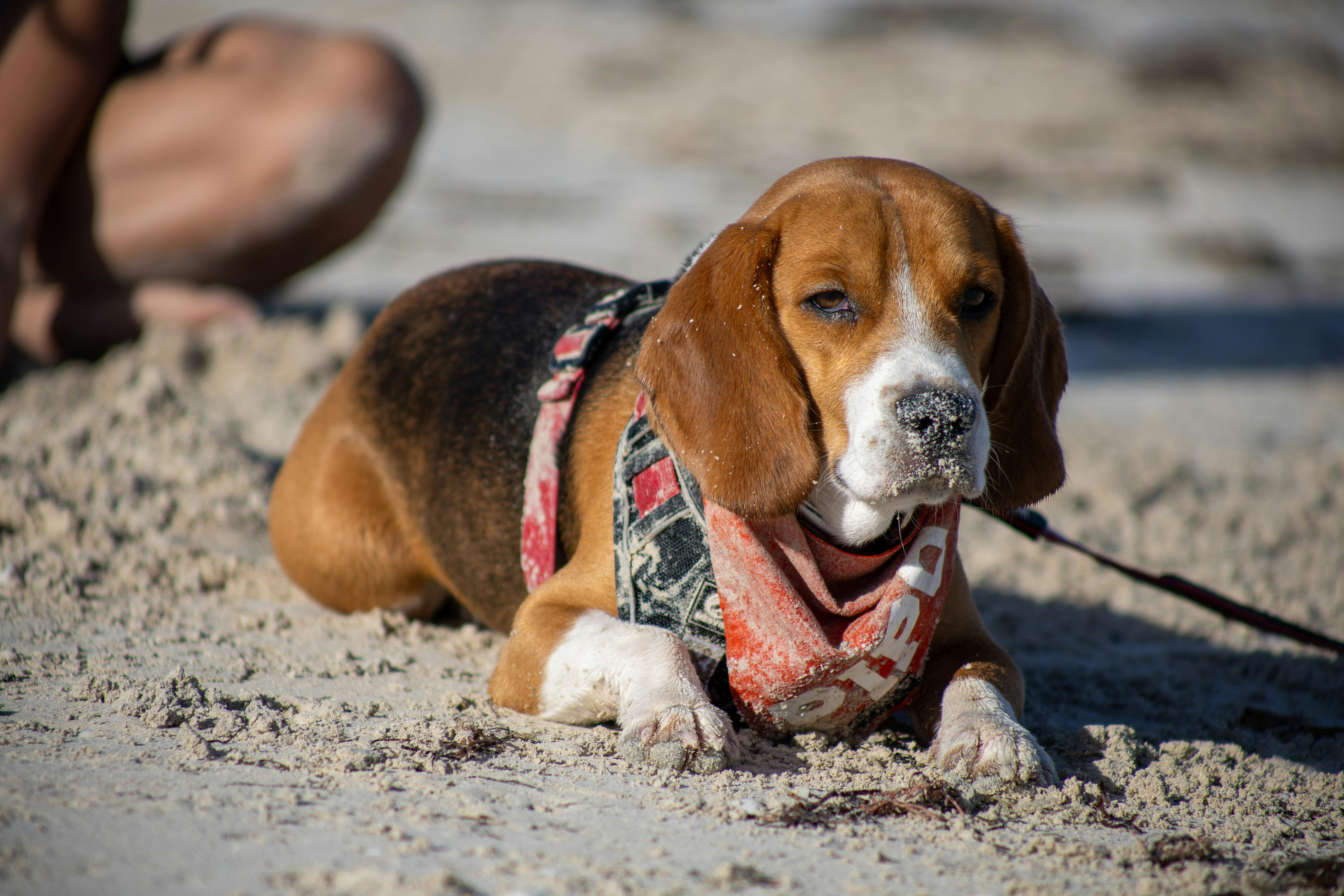
Dogs are often our best friends, and their behavior can be quite mysterious. One of the quirkiest things about dogs is their noses—some are wet, while others seem to be perpetually dry. This leads to the question: Why do dogs have wet noses? And why do some dogs have drier noses than others? Let’s unravel this mystery together.
The Science Behind Wet Noses
First, let’s talk about why dogs have that famously wet nose. A wet nose is not just an adorable trait; it actually serves several important functions. Here are some reasons why canine noses are moist:
Temperature Regulation: Dogs sweat through their paws, but their noses also help to cool them down. When a dog licks its nose, the moisture evaporates, which cools the nasal area.
Enhanced Sense of Smell: A wet nose can help capture scent particles. The moisture allows these particles to adhere better, making it easier for dogs to detect smells. This is crucial since dogs have an incredible sense of smell—up to 100,000 times more sensitive than humans!
Health Indicator: A wet nose can indicate good health in dogs. Generally, a dog with a healthy, moist nose is often seen as being more vibrant and active.
Why Do Some Dogs Have Drier Noses?
Conversely, a dry nose isn’t always a cause for concern. There are several reasons why some dogs might have drier noses:
Dehydration: If a dog isn’t drinking enough water, its nose may dry out. Always ensure your furry friend has access to fresh water.
Weather Conditions: Just like humans can get chapped lips, dogs can also experience dryness due to environmental factors, like heat or cold.
Breed Characteristics: Certain breeds, like Bulldogs or Boxers, may naturally have drier noses. This is often due to their unique skin structure.
Health Issues: Sometimes, a persistently dry nose can signal health problems, like fever or allergies. If you notice other symptoms, consult your veterinarian.
A Quick Comparison: Wet Vs. Dry Noses
To better understand the differences, let’s look at a simple comparison:
| Feature | Wet Nose | Dry Nose |
|---|---|---|
| Temperature Regulation | Helps cool the dog | May indicate overheating |
| Scent Detection | Enhances ability to smell | Doesn’t capture scents as well |
| Health Indicator | Often signals good health | Can indicate potential issues |
The Role of Licking
You might have noticed that dogs often lick their noses. This behavior is not only cute; it has practical implications too. By keeping their noses moist, dogs can maintain their superior sense of smell. When dogs lick their noses, they’re also cleaning it, removing dirt and other particles that could hinder their olfactory abilities.
A Fun Fact: The Nose Print
Did you know that a dog’s nose print is unique? Just like human fingerprints, the patterns on a dog’s nose can be used to identify them. Some pet owners even register their dog’s nose print, as a way to ensure their furry pals can be identified if they ever go missing.
Conclusion
In summary, dogs have wet noses primarily for temperature regulation, enhanced smell, and as an indicator of health. Dry noses, on the other hand, can be normal for some breeds, but they could also signal dehydration or health issues. Understanding these differences can help dog owners take better care of their pets. Always keep an eye on your dog’s nose as it can tell you a lot about their overall well-being. So next time you give a pat to your furry friend, take a moment to appreciate that unique, wet nose!
Conclusion
In conclusion, the wet noses of dogs serve multiple essential functions, from enhancing their sense of smell to regulating body temperature. The moisture found on a dog’s nose helps to capture scent particles, making them more effective hunters and companions. Additionally, the cooling effect of a wet nose plays a crucial role in thermoregulation, especially during warm weather. While a wet nose is often associated with good health, it’s important to remember that changes in moisture levels can indicate underlying health issues. Therefore, regular monitoring of your dog’s nose, along with overall health check-ups, is vital. Embrace the unique characteristics of your canine companion and appreciate the science behind their wet noses. If you have any concerns about your dog’s health, don’t hesitate to consult with a veterinarian. Understanding your pet’s biology not only strengthens your bond but also ensures a longer, healthier life together.
