
Have you ever wondered why do dogs have wet noses? This curious characteristic of our furry friends isn’t just an adorable trait—there’s a fascinating truth behind it! Many pet owners often ask, “Is it normal for my dog to have a wet nose?” The answer is yes, and it’s more interesting than you might think! A dog’s wet nose plays a crucial role in their health and ability to interact with the world around them. It helps them to smell better, regulate their body temperature, and even communicate their emotions. But what makes a dog’s nose wet in the first place? Could it be linked to their hunting instincts or is there a scientific reason behind it? If you’re curious about the health benefits of a wet nose or how it impacts your dog’s behavior, you’re in the right place! Dive deeper into the world of canine biology and discover the secrets that lie within those adorable snouts. Read on to uncover the science behind why do dogs have wet noses and learn how this simple feature plays a vital role in your dog’s life.
The Science Behind Canine Moisture: Why Do Dogs Have Wet Noses?
Have you ever wondered why do dogs have wet noses? It’s one of those charming quirks that makes our furry friends even more lovable. But there’s actually some science behind it, and it’s not just a random trait. Wet noses serve important functions, both in terms of health and communication. Let’s dive into this fascinating topic and unravel the mystery of canine moisture.
The Anatomy of a Dog’s Nose
A dog’s nose is more than just a cute feature. It’s a complex organ that’s highly specialized. Dogs have a moist nose due to the presence of mucus, which helps them in a few important ways:
- Enhanced Smell: The moisture on their noses helps capture scent particles from the air. This makes their sense of smell even more acute.
- Temperature Regulation: Dogs get rid of excess heat through their noses. When they pant, moisture evaporates, cooling them down.
- Health Indicator: A wet nose can be a sign of good health, while a dry or hot nose might indicate illness or dehydration.
Why Do Dogs Have Wet Noses?
So, why do dogs have wet noses? The answer lies in evolution and biology. Dogs belong to the canidae family, which includes wolves and foxes. These animals also have wet noses, which suggest it’s an inherited trait. Here’s a breakdown of some of the reasons:
Scent Detection: Dogs have a much larger number of scent receptors than humans. A wet nose helps them detect scents better. Research shows that dogs can have up to 300 million scent receptors, compared to a human’s 5 million. This ability helps them track scents and explore their environment.
Thermoregulation: Dogs can’t sweat like humans do. Instead, they cool off primarily through panting and their noses. When a dog’s nose is wet, it helps keep their body temperature in check.
Communication: Wet noses can also play a role in communication. When dogs greet each other, they often sniff each other’s noses. A moist nose can indicate a friendly dog, while a dry nose might suggest something is off.
The Science of Canine Moisture
Understanding the moisture on your dog’s nose can be quite fascinating. Here are some facts about canine moisture:
- Mucus Production: Dogs secrete mucus from glands in their noses. This keeps the nose moist and helps with scent absorption.
- Environmental Influence: The weather can affect how wet a dog’s nose is. On humid days, you might notice it is wetter, while in dry conditions, it may be drier.
- Nose Variations: Different dog breeds can have different nose types. Some breeds, like bulldogs, have shorter noses, which may impact moisture levels.
Common Myths About Dog Nose Moisture
There are many myths surrounding dog noses. Here are a few common misconceptions:
- Myth 1: A wet nose means a dog is healthy – While a wet nose can be a good sign, it’s not the only indicator of health. A dog can be sick with a wet nose and healthy with a dry one.
- Myth 2: Dogs sweat through their noses – This is false. Dogs primarily rely on panting to cool down.
- Myth 3: All dogs have wet noses – Some dogs may have drier noses due to various health issues or breed characteristics.
Tips for Nose Care
Keeping your dog’s nose healthy is important. Here are some simple tips:
- Hydration: Make sure your dog has access to fresh water. Hydration plays a big role in nose moisture.
- Regular Vet Checkups: Keep an eye on your dog’s overall health with regular visits to the vet.
- Watch for Changes: If you notice significant changes in the moisture level of your dog’s nose, consult a vet.
Final Thoughts
Now that you know why do dogs have wet noses, you can appreciate this unique feature even more. From enhancing their sense of smell to regulating temperature, a wet nose is a vital part of a dog’s biology. It’s just one of the many things that make our canine companions so special. So the next time you see your dog with that adorable, moist nose, remember it’s not just cute — it’s packed with purpose!
Unraveling the Mystery: What Does a Dog’s Wet Nose Really Mean?
Dogs are one of the most beloved pets around the world, and many people love their furry friends for various reasons. One of the things that often leave us scratching our heads is why do dogs have wet noses? It’s a common feature, but what does it really mean? Unraveling the mystery behind this phenomenon can be quite fascinating. So let’s dive into the truth behind those damp doggy noses!
The Biology Behind Wet Noses
Dogs typically have wet noses for several reasons, which is connected to their biology. Firstly, a dog’s nose is covered in a special type of skin that’s more sensitive than other parts of their body. This skin is rich in olfactory receptors, which helps them smell things better than humans can. The wetness of their nose helps trap scent particles, making it easier for them to identify different smells.
- Dogs have between 200 million to 300 million smell receptors.
- A dog’s sense of smell is about 40 times better than a human’s.
- The moisture on their nose can also help regulate their body temperature.
How Dogs Keep Their Noses Wet
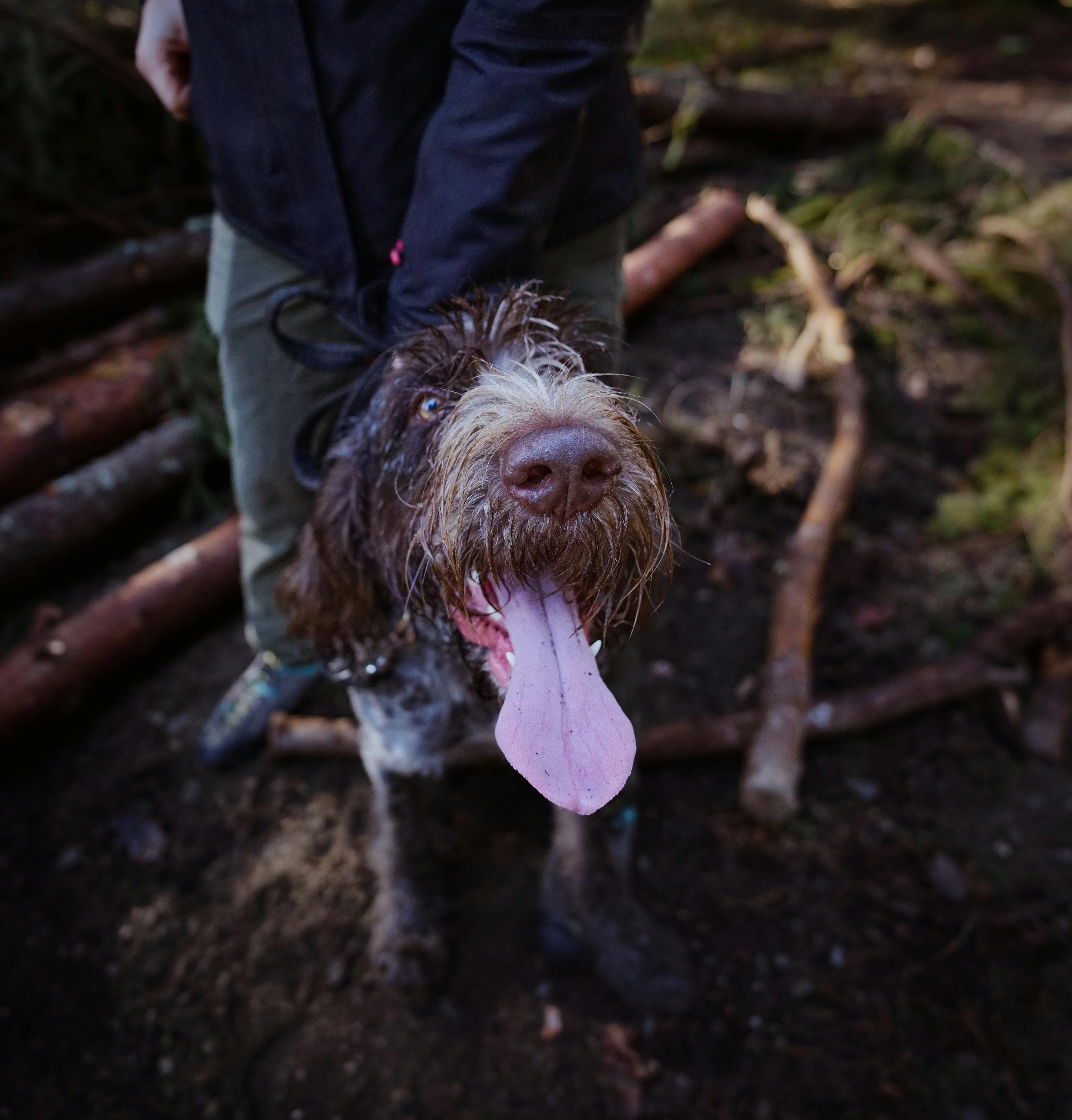
You might wonder, why do dogs have wet noses in the first place? Well, it’s not just a random trait. Dogs actually have a unique way of keeping their noses moist. They lick their noses regularly, which not only keeps them wet but also helps them gather more scent particles. When a dog licks its nose, it’s like they’re giving themselves a little boost in their olfactory capabilities.
- They use their tongues to keep the surface moist.
- The moisture evaporates, helping to cool their body.
- Wet noses can also help with tasting scents, since dogs experience flavor through smell.
Is a Wet Nose Always a Good Sign?
Often, people think that a wet nose indicates a healthy dog; however, there are a few things to consider. While a wet nose can be a sign of good health, it’s not the only indicator. Factors like the environment and the dog’s activity level can affect nose moisture. For instance, after a long walk or on a hot day, a dog’s nose may be drier than usual.
Some common misconceptions about dog noses are:
- A warm and dry nose means your dog is sick. (Not always true!)
- All dogs have the same nose texture. (Some breeds have different nose characteristics.)
- A wet nose can tell you everything about your dog’s health. (You should still check for other signs!)
The Historical Perspective
Historically, dogs have been companions to humans for thousands of years. Ancient civilizations recognized the importance of these animals, and some even believed that a wet nose was a sign of loyalty and affection. The Greeks and Romans often depicted dogs with wet noses in their art, symbolizing their connection to humans.
- Ancient Egyptians considered dogs sacred.
- In medieval Europe, wet-nosed dogs were often seen as protectors of homes.
- Different cultures have various beliefs about dog health and characteristics based on their noses.
Fun Facts About Dog Noses
Here are some fun facts that might surprise you about dog noses:
- Dogs have unique nose prints, like human fingerprints.
- The wetness can vary between breeds; for example, bulldogs tend to have drier noses.
- A dog’s nose can change color due to various factors like temperature or health.
- Dogs can even detect diseases like cancer through their sense of smell!
Comparison Between Dog Noses and Human Noses
It’s interesting to compare dogs’ noses to that of humans. While our noses serve the purpose of smelling, they are not as finely tuned as a dog’s. Here’s a quick comparison:
| Feature | Dogs | Humans |
|---|---|---|
| Number of Receptors | 200-300 million | About 5 million |
| Smell Sensitivity | 40 times stronger | Less sensitive |
| Nose Moisture | Regularly moist, helps smell | Varies, not as crucial |
| Unique Prints | Yes, each dog is different | No, humans do not have unique nose prints |
Understanding why dogs have wet noses can help you appreciate your canine companion even more. While it’s not the sole indicator of their health, it certainly plays a role in their unique abilities. Next time you pet your dog and feel that wet nose, you can smile knowing it’s part of what makes them so special! So, the next time you ask yourself, “Why do dogs have wet noses?” remember it’s a blend of biology, history, and a bit of mystery.
5 Fascinating Reasons Your Dog’s Nose is Always Wet
Ever notice how your dog’s nose is always wet? It’s not just a coincidence or a random quirk of nature. The truth behind why dogs have wet noses is actually fascinating and rooted in a mix of biology and behavior. If you’ve ever wondered why your furry friend has that damp snout, you’re in the right place. Below are five intriguing reasons why your dog’s nose is always wet, and what that means for their health and happiness.
1. Enhanced Sense of Smell
One of the primary reasons dogs have wet noses is because it helps them smell better. The moisture on a dog’s nose helps to trap scent particles. When the nose is moist, it can absorb chemicals more effectively, which is crucial for their sense of smell. Studies suggest that dogs have around 220 million scent receptors, compared to a human’s 5 million. So, a wet nose is like a supercharged tool for sniffing out everything from food to potential dangers.
2. Thermoregulation
Dogs don’t sweat like humans do. Instead, they regulate their body temperature through panting and their noses. A wet nose helps keep your dog cool, especially during hot days. The moisture evaporates, helping to lower their body temperature. You might notice that a dog’s nose can be drier in warmer weather, indicating they may be getting overheated. So, if your dog’s nose feels a bit dry, it might be time to offer them some water or a cool place to relax.
3. Health Indicators
A dog’s nose can be a good indicator of their overall health. A wet, cool nose usually means your dog is healthy, while a dry or cracked nose might suggest dehydration or illness. However, it’s important to remember that a dog’s nose can change due to various factors including the temperature or activity levels. Here’s a quick list of what different nose conditions might indicate:
- Wet and Cold: Normal, healthy dog.
- Dry and Warm: Potential fever or illness.
- Cracked: Possible dehydration or skin condition.
- Excessively Wet: Could be a sign of a respiratory infection.
4. Social Interactions
Dogs use their noses to communicate with each other. When dogs greet one another, they often sniff each other’s noses and bodies. The wetness of their noses can enhance this social behavior, making interactions more effective. A wet nose can signal friendliness and openness. It’s a part of their social toolkit that helps them navigate their relationships with other dogs and even humans!
5. Self-Cleaning Mechanism
Dogs have a natural instinct to keep their noses clean. The moisture on their noses can help wash away dirt and debris. When a dog licks its nose, it not only keeps it moist but also cleanses it from dust and allergens. This self-cleaning mechanism is essential for maintaining their sense of smell and overall nose health.
Understanding Your Dog’s Nose
Here’s a simple table that summarizes the key points about your dog’s wet nose:
| Reason for Wet Nose | Description |
|---|---|
| Enhanced Sense of Smell | Moisture traps scent particles for better detection. |
| Thermoregulation | Helps cool down the dog during heat. |
| Health Indicators | A wet nose usually signifies good health. |
| Social Interactions | Wetness can signal friendliness to other dogs. |
| Self-Cleaning Mechanism | Licking keeps the nose clean for optimal function. |
Final Thoughts
So, the next time you feel your dog’s wet nose, remember it’s not just cute — it’s full of purpose! Understanding why dogs have wet noses can deepen your bond with your furry friend. It’s a fascinating blend of biology, behavior, and communication that plays a crucial role in their health and happiness. Keep an eye on that wet nose, and you might just uncover more about your dog than you ever thought possible!
How a Wet Nose Benefits Your Dog’s Health and Senses

Dogs are one of the most beloved companions for many people, and there are countless reasons why they hold such a special place in our hearts. One of the most intriguing traits of dogs is their wet noses. You may have wondered, “Why do dogs have wet noses?” or “How does a wet nose benefits your dog’s health and senses?” Let’s dive into the fascinating truth behind those damp, cold noses and what they mean for our furry friends.
The Science Behind Wet Noses
The wetness of a dog’s nose is due to a thin layer of moisture that helps amplify their sense of smell. Dogs have an incredible olfactory system, which is far superior to humans. Their sense of smell is estimated to be 10,000 to 100,000 times more sensitive than ours. This is important because it enables dogs to detect scents that we can’t even begin to smell.
- Nasal Mucus: The moisture on a dog’s nose comes from a secretion of mucus. This mucus helps capture scent particles in the air, improving their ability to smell them.
- Temperature Regulation: A wet nose can also help dogs regulate their body temperature. When they pant, moisture evaporates from their nose, which cools them down.
- Health Indicator: A dog’s nose can indicate health status; a consistently dry nose can be a sign of dehydration or illness.
Why are Wet Noses Important?
Wet noses are not just a quirky characteristic – they serve several important functions. Here are some benefits:
- Enhanced Scent Detection: The moisture allows scent particles to stick better, helping dogs to analyze what they smell more accurately.
- Communication Tool: Dogs often use their noses to communicate with each other and with humans. A wet nose can indicate excitement or affection, while a dry nose could signal stress or discomfort.
- Disease Detection: Some studies suggest that dogs can detect certain diseases in humans, such as cancer and diabetes, through their sense of smell. A wet nose can enhance this ability.
Historical Context of Dog Noses
Dogs have been companions to humans for thousands of years. The evolution of their noses can be traced back to their ancestral lineage. Wolves, the ancestors of modern dogs, relied heavily on their sense of smell for hunting and survival. Over the years, domestication has shaped the breeds we see today, but the importance of a wet nose has remained constant.
Fascinating Facts About Dog Noses
Here are some fun and interesting facts about dog noses that might surprise you:
- Unique Patterns: Just like human fingerprints, every dog has a unique nose print.
- Color Variation: The color of a dog’s nose can vary greatly between breeds, and it can change depending on the season and health.
- Nose Temperature: The temperature of a dog’s nose can differ depending on their activity level. After playing or running, a dog’s nose might be warmer and drier.
Practical Examples
If you’re a dog owner, you might notice how your dog uses its nose in everyday life. For instance:
- Scent Games: Many dog owners engage their pets in scent games, which can stimulate their minds and strengthen their bond. Hiding treats for them to find can be a fun activity.
- Social Interactions: When dogs meet each other, they often sniff noses as a form of greeting. It’s their way of gathering information about one another.
- Health Monitoring: It’s a good idea to regularly check your dog’s nose. If it becomes excessively dry or cracked, it might be time for a vet visit.
Common Misconceptions
There are a few myths surrounding the wet noses of dogs. Here are some clarifications:
Myth: A dry nose means a dog is sick.
Fact: While a dry nose can signal health issues, it’s not always the case. Many factors can affect a dog’s nose moisture.
Myth: A cold nose means a dog is healthy.
Fact: A cold nose can be a sign of wellness, but it’s not the only indicator. Monitoring overall behavior and health is more important.
Understanding your dog’s wet nose can provide insights into their health and well-being. It’s not just a cute feature; it has functional purposes that benefit your furry friend in many ways. Next time you’re greeted by that cold, damp nose, know that it’s more than just a friendly gesture—it’s a sign of a well-adapted, healthy dog. So, embrace those wet noses; they are a window into the fascinating world of canine health and senses!
Is There a Connection Between a Dog’s Wet Nose and Their Emotions?

Is there a connection between a dog’s wet nose and their emotions? This question has puzzled many dog owners and enthusiasts alike. The truth is, a dog’s wet nose is not just a cute feature; it serves important purposes and can even reflect their feelings. Let’s dive into the fascinating world of canine noses, why they are wet, and what that might mean for your furry friend.
Why Do Dogs Have Wet Noses?
Dogs noses are generally wet for several reasons. First, it helps them to better smell their environment. Dogs have an incredible sense of smell, which is much more developed than humans. A wet nose helps to trap scent particles, making it easier for dogs to detect odors. Here’s a breakdown of why those noses are often damp:
- Scent Detection: The moisture on a dog’s nose can help absorb scent particles, enhancing their ability to smell.
- Temperature Regulation: Dogs don’t sweat like humans do. They primarily regulate their body temperature through panting, but a wet nose can also help cool them down.
- Health Indicator: A wet nose may indicate that a dog is healthy. However, a dry nose doesn’t always mean something is wrong. It can vary depending on the environment and activity levels.
Did you know that the texture of a dog’s nose can also vary? Like fingerprints in humans, every dog has a unique nose print!
The Emotional Connection
Now, let’s explore if there’s a link between a dog’s wet nose and their emotions. While there isn’t scientific evidence directly correlating a wet nose with specific emotions, dog behaviorists suggest that a dog’s nose moisture can reflect its emotional state. When a dog is excited or happy, they may pant more, leading to a wetter nose. Here are some emotional states that can influence a dog’s nose:
- Excitement: When a dog is excited, they often produce more saliva, making their noses wetter.
- Anxiety: Stress or anxiety can also lead to a moist nose. A frightened dog might produce more moisture as part of their stress response.
- Relaxation: A calm and relaxed dog might have a moderately wet nose, as they are not panting excessively.
Fascinating Facts About Dog Noses
Understanding more about dog noses can deepen your appreciation for your pet. Here’s a list of interesting facts:
- Scent Receptors: Dogs have about 220 million scent receptors, compared to a human’s 5 million.
- Nose Prints: Just like a human fingerprint, each dog’s nose print is unique and can be used to identify them.
- Temperature Sensitivity: A dog’s nose is sensitive to temperature changes, which can help them sense their surroundings better.
- Communication: Dogs often use their noses to communicate with each other. They sniff each other to gather information about health, mood, and sexual status.
Practical Examples of Nose Behavior
Here are a few scenarios that show how a dog’s wet nose can relate to their behaviors and emotions:
- Greeting Behavior: When you come home, if your dog greets you with a wet nose and lots of tail wagging, they are likely expressing happiness and excitement.
- Playfulness: During playtime, a playful dog may have a wetter nose due to increased panting and enthusiasm.
- Nervousness: If your dog has a wet nose but is cowering or acting withdrawn, this might indicate anxiety or fear.
Comparing Dog Noses to Other Animals
Interestingly, dogs are not the only animals with wet noses. Other animals, such as cats and some wild animals, also have wet noses. However, the purpose and implications can differ. Here’s a quick comparison:
- Cats: While cats also have wet noses, they tend to rely more on their sense of sight and less on smell compared to dogs.
- Wild Animals: Many wild animals have moist noses as well, but they often use it more for hunting rather than companionship.
Wrapping It Up
So, is there a connection between a dog’s wet nose and their emotions? While a wet nose is primarily functional, it can also provide insight into how your dog feels at any given moment. Whether they’re excited, relaxed, or anxious, their nose might tell you more than meets the eye. It’s just another way our furry companions communicate with us, making the bond between humans and dogs even more special. Keep an eye on that wet nose, it might just be a window into your dog’s heart!
The Role of a Wet Nose in Dog Communication: What You Need to Know
Dogs are often considered man’s best friend, and their communication methods can be fascinating, especially when it comes to their noses. You may have noticed that your furry companion always seems to have a wet nose. But why do dogs have wet noses? This question leads us to explore the important role that a wet nose plays in dog communication. Understanding this can help you bond better with your pet and appreciate their unique ways of interacting with the world.
The Science Behind Wet Noses
First off, it’s important to know that a dog’s nose is more than just cute; it actually serves a variety of functions. Dogs have a highly developed sense of smell, which is estimated to be between 10,000 to 100,000 times more sensitive than humans. A wet nose helps enhance their sense of smell. When the nose is moist, it can trap scent particles better. This is because water helps dissolve the chemicals that carry scents, allowing dogs to detect them more easily.
- Moisture Helps Scent Detection: Wet noses capture scent particles more effectively.
- Temperature Regulation: Dogs can cool themselves down through their noses, much like how humans sweat.
- Health Indicator: A wet nose can sometimes indicate a healthy dog, although not always.
Evolutionary Perspective
Historically, dogs are descended from wolves, which are known for their powerful olfactory senses. Wolves rely on their keen sense of smell for hunting and social interaction. It is believed that domesticated dogs retained this trait, and a wet nose is part of that evolutionary legacy. So when you ask, “Why do dogs have wet noses?” the answer is rooted in their ancestral need for survival and interaction.
- Wolves and Hunting: An efficient sense of smell was crucial for locating prey.
- Domestication: As dogs became companions, their nose still remained vital for communication and understanding their environment.
The Role of a Wet Nose in Communication
Dogs utilize their noses not just for smelling, but also for communicating with other dogs and humans. When a dog greets another, they often sniff each other’s noses and rear ends. This behavior is a way of gathering information. A wet nose acts as a tool for this kind of social interaction.
- Scent Marking: Dogs have scent glands in their noses. When they sniff objects or other dogs, they are collecting information about them.
- Social Cues: A wet nose can indicate excitement or curiosity. If your dog comes up with a wet nose, it’s likely they’re eager to interact or explore.
Practical Examples of Dog Communication
Understanding how your dog uses their nose can help you better interpret their behavior. Here are some scenarios where a wet nose plays a role in communication:
Greeting Other Dogs: When dogs meet, they often sniff each other’s noses. A wet nose indicates openness to interaction.
Curiosity About New Objects: If your dog approaches a new toy or item and gives it a good sniff, their wet nose is working overtime to gather information.
Displaying Affection: When your dog nudges you with their wet nose, it’s often a sign of affection or a request for attention.
Signs of Health to Look For
While a wet nose is generally a sign of a healthy dog, it’s not always the case. Here are some things to keep in mind:
- Temperature: A very warm or dry nose can suggest illness, so monitor if it changes drastically.
- Discharge: If your dog’s nose is excessively runny or has discharge, it might be worth consulting a veterinarian.
- Behavior Changes: If your dog is less active and has a dry nose, this could be a sign of dehydration or illness.
Fun Fact Table About Dog Noses
| Fun Fact | Description |
|---|---|
| Number of Scent Cells | Dogs have about 300 million scent cells compared to humans’ 6 million. |
| Breeds Variation | Bloodhounds can trace scents over a week old! |
| Unique Nose Prints | Just like human fingerprints, each dog has a unique nose print. |
The role of a wet nose in dog communication is indeed fascinating and multi-faceted. Whether it’s enhancing their sense of smell, aiding in social interactions, or serving as a health indicator, it’s a reminder of how uniquely equipped dogs are for life alongside humans. Understanding why do dogs have wet noses can deepen your relationship with your furry friend and enhance your ability to communicate effectively with them. So next time you feel that cool, wet nose nudge you, remember it’s more than just a greeting; it’s a bridge to their world.
Curious Canines: Exploring the Evolution of Dogs’ Wet Noses
Dogs have long been known as man’s best friend, but there’s one feature that makes them particularly intriguing: their wet noses. Have you ever stopped to wonder why dogs have wet noses? This unique characteristic is not just adorable; it serves important purposes in a dog’s life. Let’s dive into the fascinating world of canines and uncover the truth behind their moist snouts.
The Evolution of Dogs’ Wet Noses
To understand why dogs have wet noses, we should look back at their ancestors. Dogs are a domesticated form of wolves, and they evolved over thousands of years. Wolves, like their modern-day relatives, depend on their senses for survival. Their noses are not just for show; they are powerful tools for hunting and social interaction.
- Ancestral Roots: Early dogs and wolves relied heavily on their sense of smell to find food and communicate with each other.
- Scent Detection: A wet nose helps to enhance a dog’s ability to detect scents. The moisture captures scent particles from the air, making it easier for dogs to pick up smells.
- Social Signals: In the canine world, a wet nose can be a sign of health and vitality, which is important for social interactions among dogs.
The Science Behind Wet Noses
The science of why dogs have wet noses is quite interesting. Here are some key points to consider:
- Nasal Mucus: Dogs have a thin layer of mucus on their noses that helps trap scent particles. This mucus is constantly replenished, keeping their sense of smell sharp.
- Temperature Regulation: A wet nose also helps in regulating a dog’s body temperature. Dogs do not sweat like humans. Instead, they rely on panting and the moisture on their noses to cool down.
- Health Indicator: A healthy dog usually has a moist nose. A dry or cracked nose can indicate health issues, such as dehydration or illness.
Comparison: Dogs vs. Humans
To further appreciate why dogs have wet noses, let’s compare their olfactory abilities to ours.
| Feature | Dogs | Humans |
|---|---|---|
| Number of Olfactory Receptors | Approx. 220 million | About 5 million |
| Smell Sensitivity | 10,000 to 100,000 times more sensitive than humans | Much less sensitive |
| Purpose of Smell | Hunting, social interaction, identifying territory | Limited to social interactions and basic identification |
Practical Examples of Dogs Using Their Noses
Dogs use their noses in various ways every day. Here are some examples of how their wet noses come into play:
- Tracking: Search and rescue dogs can track missing persons by following scent trails, often aided by the moisture on their noses.
- Medical Detection: Some dogs can detect diseases like cancer or diabetes by smelling changes in a person’s body odor due to their keen sense of smell.
- Hunting: Retrievers and other hunting breeds use their noses to locate game, which is crucial for their roles in hunting activities.
Fun Facts About Dogs’ Wet Noses
- Unique Patterns: Just like human fingerprints, each dog’s nose print is unique. This means that you could identify a dog by its nose!
- Breed Differences: Some breeds, like the Bloodhound, have particularly wet noses, which helps them excel in scent detection. Others, like Bulldogs, may have drier noses.
- Behavioral Indicators: A dog might nudge you with their wet nose to get your attention or to show affection. It’s their way of communicating!
The fascinating truth about why dogs have wet noses is deeply rooted in their biology and evolution. Their wet noses are not merely a cute feature; they play essential roles in a dog’s life and help them thrive in their environment. Understanding this aspect of canine biology gives us greater appreciation for our furry companions.
So next time you see a dog with a wet nose, remember that it’s not just a charming characteristic; it’s a testament to their evolutionary journey and their amazing capabilities. Dogs truly are curious canines, and their wet noses reflect the rich tapestry of their history and biology.
Wet Noses and Temperature Regulation: How Dogs Stay Cool

Dogs are amazing creatures, and their wet noses are one of the many things that make them unique. Many folks might be curious, why do dogs have wet noses? It’s not just for show; there’s actually science behind it! Let’s dive into the fascinating world of our furry friends and learn how they regulate their body temperature and why their noses are always a bit damp.
The Science Behind a Dog’s Wet Nose
Firstly, a dog’s nose is wet for a couple of reasons. One of the most important is that moisture helps dogs to cool down. Unlike humans, who sweat to regulate their temperature, dogs primarily rely on panting and the moisture from their noses to keep cool. When a dog breathes, the evaporation of the moisture from their nose helps reduce their body temperature. It’s like a built-in air conditioning system!
- Temperature Regulation: Dogs can’t sweat like us, so their wet noses plays a critical role.
- Enhanced Smell: A wet nose also helps to absorb scent particles in the air, which enhances their sense of smell. Dogs have an incredible sense of smell, and having a wet nose makes it even better.
History of Dogs and Their Noses
Dogs have been around for thousands of years, evolving from wolves into the domesticated companions we know today. Their wet noses have always been a part of their biology. Historically, dogs were bred for various purposes, including hunting and herding, and having a keen sense of smell was essential for these roles.
- Evolution: The ancestors of dogs had wet noses, and it just carried down through generations.
- Breeding Practices: Humans preferred dogs that had better olfactory senses, which often meant those with moist noses.
Why Is a Dog’s Nose Wet?
There are several reasons why a dog’s nose is often wet. Here’s a quick list:
- Mucus Production: Dogs produce mucus that keeps their noses moist. This mucus helps capture scent particles.
- Environmental Factors: A dog’s nose can get wet from their surroundings, like rain or water, but it is usually moist from their own secretions.
- Health Indicator: A wet nose is often a sign of a healthy dog. If a dog’s nose is dry, it could indicate dehydration or illness, though not always.
How Do Dogs Stay Cool?
Dogs have a few different ways of keeping their temperature in check, and their wet noses is just one part of the puzzle. Here is a breakdown of how dogs manage to stay cool in hot weather:
Panting: When dogs pant, they breathe rapidly, which helps evaporate moisture from their tongues and the lining of their mouths. This cooling effect is vital during hot days.
Wet Nose: As already mentioned, the moisture on their noses helps cool them down as it evaporates.
Finding Shade: Dogs instinctively seek out shaded areas when it gets too hot. They know how to find cool spots!
Laying on Cool Surfaces: Dogs also seek out cool surfaces like tile floors or grass to lay on, which helps them cool off.
Hydration: Drinking water is essential for dogs to help maintain their body temperature. Make sure your furry friend has access to fresh water at all times.
Practical Tips for Dog Owners
As a dog owner, it’s important to help your furry friend stay cool and comfortable. Here are some practical tips to keep in mind:
- Provide Fresh Water: Always have a bowl of fresh water available.
- Avoid Hot Pavement: Walking your dog on hot pavement can burn their paws; try to walk them in the cooler parts of the day.
- Use Cooling Mats: There are special mats available that help dogs cool down when they lay on them.
- Watch for Signs of Overheating: Be aware of signs like excessive panting, drooling, or lethargy, and act quickly if you notice them.
Final Thoughts
In summary, the wet noses of dogs play a significant role in their overall health and well-being. Understanding why do dogs have wet noses not only satisfies curiosity but also helps us ensure that our canine companions are comfortable and happy. Dogs are truly remarkable animals with unique adaptations that allow them to thrive alongside us. So next time you see a wet nose, remember the fascinating biology that makes it possible!
The Surprising Link Between Breed and Nose Moisture: What Research Shows

Dogs are truly fascinating creatures, and one of their most endearing traits is their wet noses. But have you ever wondered why do dogs have wet noses? Or what’s the surprising link between breed and nose moisture? Research shows that there’s more to those moist noses than meets the eye. Let’s dive into the science behind it.
The Science of Dog Noses
Dog noses are uniquely designed. They contains more than 220 million scent receptors, compared to the mere 5 million in humans. This remarkable anatomy plays a crucial role in how a dog perceives the world. But it also relates to that moisture we often see.
Here’s how it works:
- Scent Detection: A wet nose helps dogs to absorb scent chemicals more effectively. The moisture traps these particles, allowing dogs to smell better.
- Temperature Regulation: Dogs don’t sweat like humans do. Instead, they rely on their noses to help cool down. A wet nose helps to dissipate heat, keeping them comfortable.
- Health Indicator: A dog’s nose moisture can indicate their health. Abnormal dryness or excessive wetness can signal various health problems, which is why it’s important for pet owners to be observant.
The Role of Breed
Interestingly, not all dog breeds have the same level of nose moisture. Some breeds are known for their particularly wet noses while others have drier ones. Research has shown that breed can play a significant role in this aspect.
Here’s a brief comparison of different breeds:
Breeds with Moist Noses:
- Labrador Retrievers
- Beagles
- German Shepherds
Breeds with Drier Noses:
- Bulldogs
- Basset Hounds
- Dachshunds
This difference could be due to various factors including genetics, skin type, and even environmental conditions. Also, breeds with shorter snouts might have less moisture as their nose structure is different.
Why Do Dogs Have Wet Noses?
Now, let’s get back to the main question: why do dogs have wet noses? Here’s a breakdown of reasons:
- Enhanced Smell: As mentioned, the moisture helps trap scent particles which enhances their sense of smell.
- Cooling Mechanism: Dogs release heat through their noses. This is vital especially during hot weather.
- Communication: Dogs communicate through their noses. A wet nose can be a sign of excitement or stress.
Fascinating Facts About Dog Noses
- Nose Prints: Just like human fingerprints, no two dog nose prints are the same. They can actually be used for identification.
- Color Changes: A dog’s nose can change color due to various factors, including health issues or environmental changes.
- Nosework: Dogs are often used in search and rescue missions because of their incredible sense of smell. Their wet noses are a big part of this ability.
Practical Tips for Dog Owners
Now that you know more about your furry friend’s nose, here are some practical tips for keeping it healthy:
- Monitor Moisture Levels: Regularly check your dog’s nose. If it’s excessively dry or wet, consult your vet.
- Hydration is Key: Ensure your dog stays well-hydrated, especially during hot days.
- Regular Vet Visits: Routine check-ups can help catch any health concerns early on.
The Bottom Line
Understanding why do dogs have wet noses can offer insights into their behavior and health. It’s not just a cute quirk; it serves several important functions. While breed can affect moisture levels, the overall health and hydration of your dog is the most important factor. So next time you give your dog a pat and feel that wet nose, remember the fascinating truth behind it.
In the end, whether it’s for enhancing their sense of smell or regulating their temperature, a dog’s wet nose is an extraordinary feature that showcases their unique biological makeup. So embrace that wet nose and what it represents about your canine companion!
Caring for Your Dog’s Nose: Tips for Maintaining Optimal Moisture Levels

Caring for your dog’s nose is essential for their health and well-being. Many dog owners often wonder, “Why do dogs have wet noses?” and what does it mean for their furry friends. The truth is, a dog’s nose is more than just a cute feature; it plays a vital role in their overall health. Understanding how to maintain optimal moisture levels on your dog’s nose can help ensure they stay happy and healthy.
The Science Behind Wet Noses
Dogs have wet noses for a few reasons, and it is much more than just a random characteristic. The moisture on their noses helps enhance their sense of smell. That’s right! A wet nose helps to trap scent particles in the air, making it easier for them to detect different smells. It’s just like how we might use a damp cloth to wipe up spills; the moisture helps pick up more dirt or in this case, scents.
Why Do Dogs Have Wet Noses?
Enhanced Smell: As mentioned, a wet nose is crucial in helping dogs identify scents. Humans have around 5 million olfactory receptors, while dogs can have up to 300 million! A wet nose supports this by keeping those receptors moist.
Temperature Regulation: Dogs can’t sweat like humans. Their nose helps to cool them down. When a dog is hot, moisture evaporates from their nose, helping to regulate their body temperature.
Health Indicator: A dog’s nose can also be an indicator of their health. If a dog’s nose is excessively dry or cracked, it could signal dehydration or illness.
Communication Tool: Dogs often use their noses to communicate with other dogs. A wet and cool nose can indicate a friendly approach, while a dry nose might mean they are feeling unwell or stressed.
Tips for Maintaining Optimal Moisture Levels
Keeping your dog’s nose healthy and moist is important. Here’s some practical advice:
Hydration: Make sure your dog has access to fresh water at all times. Proper hydration is key to maintaining moisture levels in their nose.
Humidity: If you live in a dry climate, consider using a humidifier in your home. This can help increase moisture in the air, benefiting your dog’s nose.
Regular Checkups: Regular visits to the veterinarian can help catch any potential issues early. A vet can assess the health of your dog’s nose and overall well-being.
Avoid Irritants: Be cautious of irritants in your home, such as smoke or strong cleaning products. These can dry out your dog’s nose.
Nose Balm: If your dog’s nose appears dry or cracked, consider applying a vet-approved nose balm. It can help restore moisture levels and protect the skin.
Diet: A balanced diet rich in omega-3 fatty acids can promote healthy skin and moisture levels. Foods like fish or supplements can be beneficial.
Signs of Nose Problems
If you notice any of the following signs, it might be time to consult your vet:
Excessive Dryness: If your dog’s nose is unusually dry, it might indicate dehydration or other health issues.
Cracking: Cracks or sores on the nose can be painful and lead to infections.
Change in Color: A sudden change in color (from pink to brown, for instance) could be a sign of a health concern.
Excessive Discharge: Any unusual discharge or bleeding from the nose should be addressed immediately.
Fun Facts About Dog Noses
Dogs have unique nose prints, just like human fingerprints. Each dog’s nose print is different, and they can be used to identify them.
A dog’s sense of smell is so powerful that they can detect certain diseases, including cancer and diabetes, just by sniffing their owner’s breath.
Some breeds have wetter noses than others. Breeds like Bloodhounds often have moist noses, while others may naturally have drier noses.
Final Thoughts
Understanding why do dogs have wet noses and how to keep them healthy is important for every dog owner. A wet nose is not just an adorable trait; it serves several essential functions for your dog’s health. By following these tips and being attentive to changes in your dog’s nose, you can help maintain optimal moisture levels and ensure your furry friend stays happy and healthy. Remember, your dog relies on you for their care, so keeping those little noses in tip-top shape is all part of the job!
Conclusion
In conclusion, the unique phenomenon of dogs having wet noses serves several important functions, from enhancing their sense of smell to regulating body temperature. The moisture on a dog’s nose helps to capture scent particles, making their olfactory capabilities even more impressive, while also providing a cooling mechanism in warmer weather. Additionally, a wet nose can indicate a dog’s overall health and well-being, as dehydration or illness can lead to dryness. Understanding these aspects of your furry friend’s physiology not only deepens the bond you share but also aids in their care. So, the next time you give your dog a gentle pat on the head, take a moment to appreciate that wet nose and what it signifies. Keep an eye on your pet’s nose health, and if you notice any significant changes, don’t hesitate to consult your veterinarian for advice. Embrace the joys of pet ownership and stay informed about your dog’s needs!
