
Have you ever wondered, “Why do dogs have wet noses?” This intriguing question sparks curiosity for many dog lovers and pet owners. The truth is, a dog’s wet nose is not just an adorable quirk, but it holds unique secrets about their health and behavior. Dogs have wet noses because they help them to smell better, enhancing their remarkable sense of smell, which is up to 100,000 times more sensitive than humans. This fascinating feature also helps to cool down their bodies, acting like a natural thermostat. But what else do those wet noses reveal? Understanding the reasons behind this common trait can lead to better care for your furry friend. It’s important to note that the moisture on a dog’s nose can also indicate their health status. So, if you’re asking, “Why is my dog’s nose wet?”, you’re not alone! Many pet owners are eager to discover the science and secrets behind this phenomenon. Join us as we explore the fascinating world of canine noses and uncover why they play such a critical role in your dog’s life. Could there be more than meets the eye when it comes to your dog’s wet nose? Let’s find out!
The Science Behind Dogs’ Wet Noses: What Makes Them So Special?

Dogs are often called “man’s best friend,” and one of the most endearing features that they have is their wet noses. But why do dogs have wet noses? What makes them so special? This question has intrigued pet owners and scientists alike for ages. In this article, we will delve into the science behind dogs’ wet noses, uncovering the unique secrets that make them an essential part of canine biology.
The Science of a Wet Nose
Dogs’ noses are not just cute; they serve significant purposes. The moisture on a dog’s nose helps in several ways:
Enhanced Smell: Dogs have an incredible sense of smell — about 10,000 to 100,000 times more sensitive than humans. A wet nose helps trap scent particles. When the nose is moist, it can pick up more smells, which is crucial for dogs in hunting, tracking, and social interactions.
Temperature Regulation: Dogs don’t sweat like humans. Instead, they rely on their noses to help cool themselves down. The moisture on their noses evaporates, helping to regulate their body temperature.
Health Indicators: The condition of a dog’s nose can be an indicator of their health. A dry or cracked nose can signify dehydration, illness, or even allergies.
Why Do Dogs Have Wet Noses?
So, what makes dogs’ noses wet? Let’s break it down:
Mucus Production: Dogs produce mucus in their noses, which keeps them moist. This natural secretion is crucial for their olfactory receptors to work effectively.
Licking Behavior: Dogs often lick their noses, keeping them wet. This behavior is instinctive and helps them gather more scent particles.
Environmental Factors: Humidity and temperature can impact how wet a dog’s nose is. A dog’s nose might be drier in cold weather or if they are stressed.
Historical Context
The wet nose is not an accident of nature. Historically, dogs evolved from wolves, which had similar nose characteristics. The need for a keen sense of smell was essential for survival, leading to the development of moist noses over time. An interesting fact is that all dog breeds share this common trait, from tiny Chihuahuas to large Great Danes.
Fun Facts About Dogs’ Noses
Dogs have around 220 million smell receptors, while humans only have about 5 million.
The shape of a dog’s nose can vary by breed, which can affect their sense of smell. For example, Bloodhounds are known for their exceptional tracking abilities due to their large, droopy noses.
Dogs can even detect diseases such as cancer or diabetes through scent.
A dog’s nose print is unique, much like a human fingerprint. Some researchers have even suggested using nose prints for identification purposes.
Comparison of Wet and Dry Noses
Wet Nose vs. Dry Nose: What’s the Difference?
| Feature | Wet Nose | Dry Nose |
|---|---|---|
| Smell Sensitivity | High | Lower |
| Health Indicator | Often healthy, well-hydrated | Possible dehydration or illness |
| Temperature Regulation | Effective cooling method | Less effective |
| Common Cause | Normal mucus production, licking | Possible illness or stress |
Practical Examples
When you’re petting your dog and notice their cold, wet nose, it’s a sign they’re likely feeling comfortable and happy. In contrast, if you find their nose is dry and warm, it might be time to ensure they’re hydrated or check for any signs of illness.
What to Do If Your Dog’s Nose Is Dry
If you notice that your dog’s nose is consistently dry, consider these steps:
Hydration: Make sure your dog has access to fresh water at all times.
Environment: Keep their living space humid, especially in winter months when heating can dry out the air.
Veterinarian Check: If the dryness continues or is accompanied by other symptoms, it’s wise to consult a veterinarian.
Dogs’ wet noses are not just a cute feature; they’re a complex part of a dog’s biology that plays a crucial role in their health and well-being. Understanding why dogs have wet noses helps us appreciate these lovable creatures even more. With their amazing sense of smell and the unique characteristics of their noses, dogs continue to fascinate us with their special secrets. So next time you give your furry friend a pat and feel that wet nose, remember, it’s not just adorable — it’s scientifically significant!
5 Fascinating Reasons Why Your Dog’s Nose Is Always Wet
Have you ever wondered why your dog’s nose is always wet? Many dog owners ask this question, and it turns out there are several fascinating reasons behind this unique feature. Not only is it part of their anatomy, but it also serves important purposes for their health and well-being. Dogs, as we know, are more than just pets; they are companions with remarkable traits. So let’s dive into the secrets of why do dogs have wet noses.
1. Temperature Regulation
One of the primary reasons a dog’s nose stays wet is because it helps regulate their body temperature. Dogs do not sweat like humans do; instead, they rely on panting and the moisture on their noses to cool down. When a dog’s body temperature rise, their nose tends to get wetter. This process allows for evaporation, which cools the blood vessels in the nose and helps to lower the dog’s overall body temperature.
- Dogs have sweat glands, but they are primarily located in their paw pads.
- A wet nose allows for more efficient temperature control, especially on hot days.
2. Enhanced Sense of Smell
Dogs are known for their incredible sense of smell, which is significantly heightened by their moist noses. The wetness helps to absorb scent particles from the air, making it easier for dogs to detect different smells. This is why dogs often sniff around, trying to gather as much information as they can about their environment.
- A dog’s nose has up to 300 million scent receptors, compared to about 6 million in humans.
- The moisture on a dog’s nose can enhance their ability to identify scents by trapping odor molecules.
3. Communication Tool
A dog’s nose also plays a role in communication with other animals and humans. When dogs greet each other, they often sniff each other’s noses, which is a way of gathering information about the other dog’s identity, health, and emotional state. A wet nose can be an indicator of a healthy dog, which helps convey that they are feeling good.
- Dogs use their noses to communicate their feelings and intentions.
- A wet nose is often associated with a friendly and healthy dog, while a dry nose can sometimes indicate illness.
4. Natural Lubrication
The moisture on a dog’s nose is also partly due to natural secretions from the glands located in their nose. These secretions aid in keeping the nose moist, which is crucial for maintaining the sensitivity needed for scent detection. It can be surprising to learn that a dog’s nose can actually change its moisture level depending on various factors, like the weather or their activity level.
- Dogs might have drier noses after sleeping or during dry weather.
- A wet nose can be a signal of an active, alert dog.
5. Health Indicators
The condition of a dog’s nose can often provide clues about their health. A healthy dog typically has a moist, cool nose. However, it’s important to note that a dry nose doesn’t always mean something is wrong. It’s the context that matters! If the nose is consistently dry and cracked, or if there are other concerning symptoms, it may be time to consult a veterinarian.
- A normal, healthy dog nose should be moist and cool to the touch.
- Look for signs like lethargy, loss of appetite, or unusual behaviors along with a dry nose.
Fun Facts About Dog Noses
- The texture of a dog’s nose is unique, just like human fingerprints.
- Dogs can detect certain diseases such as cancer or diabetes through scent.
- Some breeds have drier noses than others, which is perfectly normal.
In summary, the wetness of your dog’s nose is not just a quirky trait; it serves multiple functions related to health, communication, and sensory perception. Understanding these reasons can help you appreciate your furry friend even more. Whether it’s the way they cool themselves off or how they sniff out their favorite treats, a wet nose is a sign of a happy, engaged dog. Always keep an eye on their nose, and consult a vet if you notice any significant changes. Your dog’s nose is just one of the many things that make them special, so cherish those moments when they greet you with a wet and wiggly nose!
How a Wet Nose Affects Your Dog’s Sense of Smell: Unveiling the Secrets
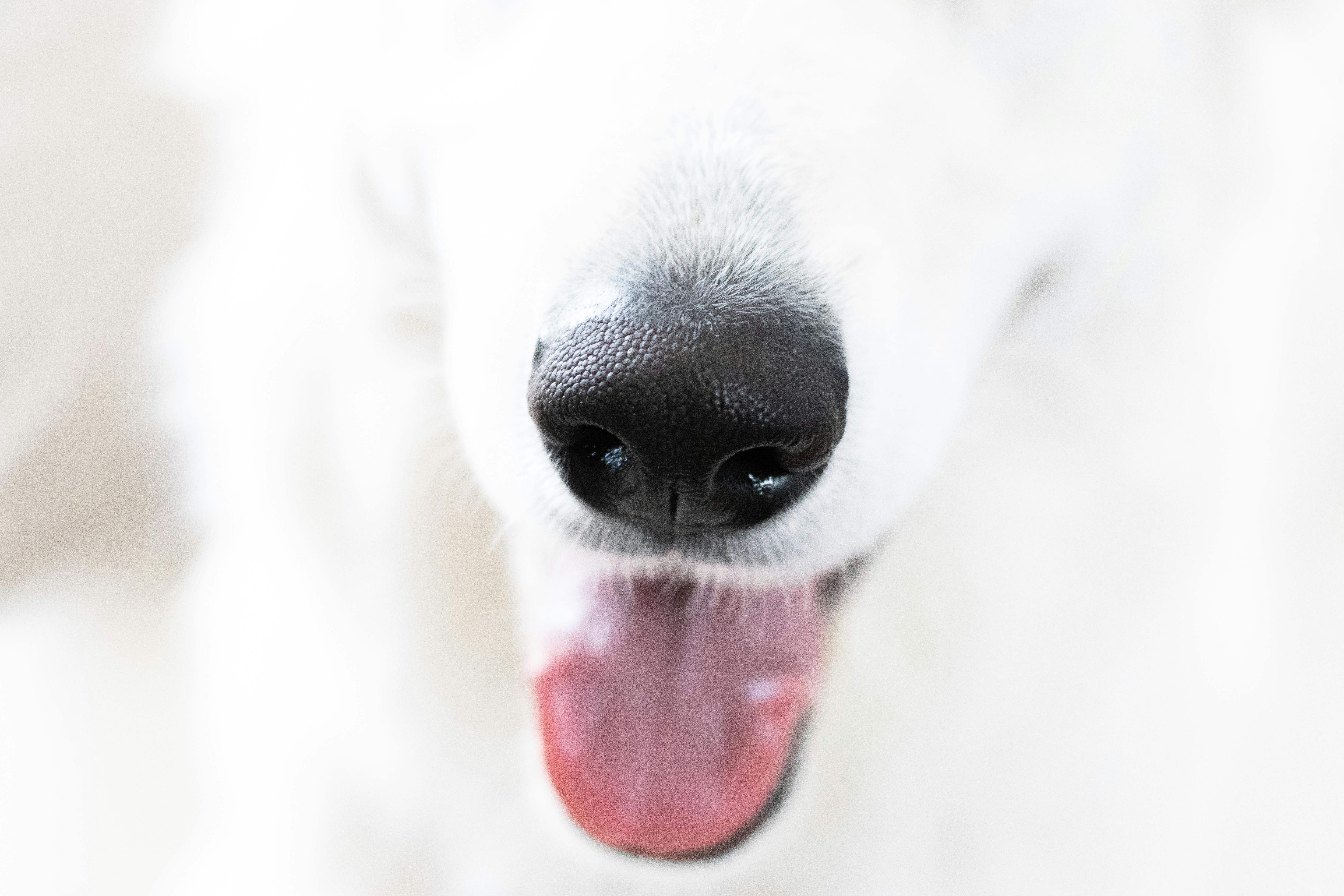
Dogs are often called man’s best friend, and one of the most distinctive features of these furry companions is their wet noses. Have you ever wondered why do dogs have wet noses? It seems like a simple question, but the answer reveals a lot about how dogs interact with the world. This article explores the fascinating connection between a dog’s wet nose and its remarkable sense of smell, along with some secrets that many pet owners might not know.
The Science Behind Wet Noses
The moisture on a dog’s nose plays an important role in their ability to smell. A wet nose helps to collect scent particles from the air, which enhances their olfactory capabilities. When these particles land on their moist noses, they get absorbed better than if the surface was dry. This is crucial, because dogs have an extraordinary sense of smell—estimated to be between 10,000 to 100,000 times more sensitive than humans.
Here are some key points about why a wet nose is essential for your dog:
- Increased Scent Detection: Moisture captures scent particles more effectively.
- Temperature Regulation: Dogs use their noses to help cool off. The wetness helps to keep their body temperature in check.
- Health Indicator: Changes in the moisture level can indicate health problems. A dry nose may suggest dehydration or illness.
Evolutionary Perspective
Dogs have evolved from wolves, and their noses have adapted over time. Historically, wolves relied heavily on their sense of smell for hunting and survival. The wetness of the nose might have been a trait that benefited them in detecting prey. As dogs became domesticated, those traits remained, giving our pets an edge in understanding their environment.
- Hunting: Early ancestors used their keen sense of smell to track animals.
- Communication: Dogs also use their noses to communicate with each other. Scent plays a crucial role in their social interactions.
- Survival: A wet nose helps them to find food and avoid danger.
The Role of Nasal Structure
The unique structure of a dog’s nasal cavity plays a role in the effectiveness of their scent detection. Unlike humans, dogs have a complex network of olfactory receptors. Here’s how it works:
- Olfactory Receptors: Dogs have about 220 million olfactory receptors, while humans have only around 5 million.
- Vomeronasal Organ: This organ helps dogs detect pheromones, which are chemical signals that influence behavior.
- Scent Memory: Dogs can remember and identify scents over long periods, allowing them to recognize familiar smells.
Fun Facts About Dog Noses
- The pattern of a dog’s nose is as unique as a human fingerprint. Each dog has a distinct nose print.
- A dog’s nose can change color due to various factors, including seasons and health.
- Some breeds, like bloodhounds, are specifically bred for their exceptional sense of smell and can track scents over great distances.
Practical Tips for Dog Owners
Maintaining your dog’s nose health is important! Here are some tips to ensure their noses stay moist and functional:
- Hydration: Always provide fresh water to keep your dog hydrated.
- Environmental Factors: Be mindful of dry environments; consider using a humidifier if necessary.
- Regular Check-ups: Take your dog to the vet for regular health assessments, especially if you notice dryness or changes in the nose.
Understanding Nose Behavior
Dogs exhibit various behaviors that relate to their noses. Here’s a quick look at some common ones:
- Sniffing: This is how dogs explore their world. They can gather a lot of information from a single sniff.
- Nose-Down Stance: When a dog puts their nose to the ground, they are often following a scent trail.
- Nose Licking: Dogs lick their noses to keep them moist, which helps with scent detection.
The wet nose of a dog is much more than just a cute feature. It’s a critical aspect of how they experience the world around them. The moisture enhances their ability to smell, and understanding this can help dog owners appreciate their pets’ unique abilities. The next time you notice your dog’s wet nose, remember that it’s not just adorable—it’s a vital tool that helps them navigate life, communicate, and connect with their environments in ways we can only begin to understand.
The Surprising Health Benefits of a Wet Nose in Dogs: What Pet Owners Should Know

When you think of your furry friend, you probably think of their wagging tails, goofy antics, and those big, soulful eyes. But have you ever stopped to ponder why dogs have wet noses? It’s not just something cute about them; there are actually surprising health benefits tied to those moist noses! So, let’s dig into the unique secrets of our canine companions and discover what pet owners should know about their wet noses.
Why Do Dogs Have Wet Noses?
So, first things first. Why exactly is a dog’s nose wet? It’s not just a random feature. Dogs have wet noses for a variety of reasons, and understanding them can help pet owners appreciate their pups even more. Here are a few key points:
Temperature Regulation: Dogs don’t sweat like humans do. Instead, they use their noses to help regulate their body temperature. A wet nose helps keep their body cool, especially on hot days.
Enhanced Scent Detection: A wet nose is crucial for a dog’s sense of smell. The moisture on their nose helps to capture scent chemicals in the air, enhancing their ability to detect and distinguish different smells. This is why dogs are often used in search and rescue missions or in detecting substances like drugs or explosives.
Health Indicator: A dog’s nose can also be an indicator of their health. A healthy dog usually has a cool, moist nose. If it’s dry, cracked, or excessively warm, it might be a sign that your pup is sick or dehydrated.
Surprising Health Benefits of a Wet Nose
Now that we know why dogs have wet noses, let’s explore some of the health benefits associated with these unique features. Here’s a list of surprising advantages pet owners should consider:
Improved Hydration: A wet nose means that your dog is likely well-hydrated. Hydration is essential for overall health, just like it is for humans. Dehydration can lead to a host of problems in dogs, so a moist nose can be a reassuring sign.
Enhanced Communication: Dogs communicate their emotions and states of health through body language, including their noses. A wet nose may indicate that your dog is relaxed and happy, while a dry nose could mean they’re feeling stressed or unwell.
Scent-Tracking Ability: As mentioned earlier, wet noses help dogs better capture scents. This ability is not just useful for tracking down treats; it can also keep them safe in unfamiliar environments. A dog that can smell more effectively is less likely to get lost or run into trouble.
Cooling Mechanism: When dogs are overheated, a wet nose helps cool them down. This is particularly vital during the summer months when heatstroke can be a real danger for pets.
Interesting Facts About Dog Noses
To appreciate the wonder of dog noses even more, check out these interesting facts:
Unique Patterns: Just like human fingerprints, every dog has a unique pattern on their nose. This pattern can even be used for identification purposes!
Nose Color Changes: The color of a dog’s nose can change with the seasons, often becoming darker in the summer and lighter in the winter. This is a natural process and usually not a cause for concern.
Dogs Can Smell Diseases: There’s studies that show dogs can detect certain diseases, including cancer, with their noses. Their ability to identify specific scents means they can alert owners to health problems before they even arise.
What Pet Owners Should Do
So, what practical steps can pet owners take to ensure their dog’s nose stays healthy? Here are some useful tips:
Regular Vet Check-ups: Regular vet visits can help catch any potential issues with your dog’s nose early. If you notice any changes, don’t hesitate to consult your veterinarian.
Hydration: Make sure your dog has access to plenty of fresh water. This keeps their nose moist and helps overall health.
Environmental Awareness: Be mindful of the weather. If it’s too hot, make sure your dog has access to shade and cool water.
Watch for Symptoms: If your dog’s nose is persistently dry or warm, or there are other concerning symptoms like lethargy or loss of appetite, seek veterinary advice.
Understanding why dogs have wet noses and the health benefits associated with them can enrich the bond between you and your furry companion. Being aware of these unique traits not only helps in ensuring their well-being but also deepens your appreciation for the remarkable creatures they are. So next time you give your dog a scratch behind the ears, take a moment to admire that wet nose and all it signifies!
Is Your Dog’s Nose Too Wet? Understanding the Signals and Signs

Dogs are truly fascinating creatures, and one of the most interesting aspects of their anatomy is their noses. If you’ve ever found yourself asking, “Is your dog’s nose too wet?” you might be curious about what that really means. Dogs have wet noses for a variety of reasons, and understanding these signals can help you better care for your furry friend.
Why Do Dogs Have Wet Noses?
So, why do dogs have such moist noses? There’s more to it than just a quirky trait. A dog’s nose serves several important functions. Here’s a breakdown of why it’s typically wet:
- Enhanced Smell: A wet nose helps dogs pick up scents more effectively. The moisture captures scent particles, making it easier for them to detect smells.
- Cooling Mechanism: Dogs don’t sweat like humans. Instead, they cool down through their noses and paw pads. A wet nose helps regulate their body temperature.
- Health Indicator: The moisture level of a dog’s nose can indicate health. A wet nose is often a sign of a happy and healthy dog, while a dry nose may signal dehydration or illness.
The Anatomy of a Dog’s Nose
Dogs’ noses are complex and specially designed. They have more olfactory receptors than humans—about 220 million compared to our 5 million. This means they can detect scents at incredibly low concentrations.
Here are some key parts of a dog’s nose:
- Nasal Cavity: This is where scent particles are processed.
- Turbinates: These are bony structures that increase the surface area of the nasal cavity, helping to trap scents.
- Vomeronasal Organ: This organ detects pheromones, which are chemical signals that affect behavior.
Signs of a Healthy Dog Nose
When it comes to your dog’s health, a wet nose is usually a good sign. Here’s what to look for:
- Temperature: A healthy nose is cool to the touch.
- Moisture: It should be damp, not dripping with moisture.
- Color: Normal color is usually pink or black, depending on the breed.
If you notice unusual changes, it could be a sign that something is off.
Common Misconceptions About Dog Noses
There are several myths that people believe about dog noses. Let’s debunk some of them:
- Myth 1: A cold, wet nose means a dog is sick. Not always true! Some dogs maintain a wet nose even when they are ill.
- Myth 2: Dry noses mean dehydration. While this can be a sign, many factors can contribute to a dry nose, including the weather.
What to Do if Your Dog’s Nose is Too Dry
If you notice your dog’s nose is dry, here are some steps you can take:
- Increase Water Intake: Make sure your dog is drinking enough water.
- Humidity: Consider using a humidifier, especially in winter months.
- Veterinary Check: If the dryness persists, consult a veterinarian for advice.
Fun Facts about Dog Noses
Did you know that dog noses come in different shapes and sizes? Here are some fun facts:
- Unique Patterns: Just like human fingerprints, a dog’s nose print can be unique.
- Scent Detection: Dogs can sniff out certain diseases, including cancer and diabetes, through scent alone.
- Nosework: Many dogs participate in nosework activities, which are competitions that test their scent-tracking abilities.
Final Thoughts
Understanding your dog’s nose can provide insights into their health and emotional state. So next time you wonder, “Is your dog’s nose too wet?” remember that a moist nose is generally a good sign. But, it’s always good to keep an eye on any significant changes. Whether it’s for sniffing out treats or keeping cool on a hot day, your dog’s nose is a remarkable tool. Keep it moist, and your furry friend will surely thank you!
7 Common Myths About Wet Dog Noses Debunked: What You Need to Know
When you think about dogs, one of the first things might come to mind is that wet nose. But why do dogs have wet noses? There are a lot of myths floating around about this unique feature. Here we gonna debunk the 7 common myths about wet dog noses, uncovering the truth behind their moisture and what it really means for our furry friends.
Myth 1: A Wet Nose Means the Dog is Healthy
Many people believes that a wet nose is a sign of good health. It’s kinda true, but not entirely. Dogs can have wet noses even when they’re sick. The moisture level on a dog’s nose can change due to various factors like temperature, humidity, and activity level. So, while a wet nose can indicate hydration and a healthy dog, it ain’t a definitive sign of their overall health.
Myth 2: Dogs Lick Their Noses to Keep Them Wet
It’s a common belief that dogs lick their noses to keep them moist. Dogs do lick their noses, but they don’t do it purely for moisture. Licking helps them to gather more scent particles, enhancing their sense of smell. So, if you see your dog licking their nose, it’s not just about keeping it wet; they are also sniffing out the world around them!
Myth 3: The Nose Color Matters
Some folks think that the color of a dog’s nose reflects its health or temperament. Well, that’s not really the case. Nose color varies among breeds and is often determined by genetics. For instance, a Labrador Retriever may have a black or brown nose, while a Dalmatian often has a spotted nose. It’s more about breed characteristics than health or personality.
Myth 4: All Dogs Have Wet Noses
Many people think all dogs have wet noses. This is not true. Some dog breeds are known to have drier noses. For example, Bulldogs or Boston Terriers may have less moisture on their noses due to their unique facial structures. This shows that wet noses aren’t a universal characteristic among all dogs.
Myth 5: Dogs’ Noses are Always Wet
Another myth is that dogs’ noses are always wet. In reality, a dog’s nose can dry out, especially in dry or hot weather. If your dog’s nose is dry, it may not be a cause for concern unless there are other symptoms present, like excessive licking or cracking. Sometimes, their noses just need a little moisture from the environment.
Myth 6: A Wet Nose is a Sign of a Dog’s Mood
Some people argue that a wet nose indicates a dog’s mood, with a wet nose meaning they are happy and a dry one meaning they are sad. This is not a reliable indicator. Dogs express their emotions through body language and vocalizations more than through their nose moisture. So, don’t judge a dog’s mood just by their nose!
Myth 7: Wet Noses are a Sign of Love
Last but not least, there’s a myth that a wet nose means a dog loves you. While they might express affection in many ways, like wagging their tails or cuddling, the moisture of their nose doesn’t indicate love. Dogs often explore their environment with their noses and may just be curious about you or your smell.
Why Do Dogs Have Wet Noses?
So now we know that wet noses aren’t always what we think they are. But why do dogs have wet noses in the first place? Here’s a quick overview:
Enhanced Sense of Smell: A wet nose helps dogs to absorb scent chemicals better. The moisture helps capture scent particles, amplifying their already impressive olfactory capabilities.
Temperature Regulation: Dogs don’t sweat like humans do. Instead, they regulate their body temperature through panting and the moisture on their noses helps cool them down.
Health Monitoring: A wet nose may help dogs sense changes in their environment. It can also help them identify potential predators or food sources.
In summary, while wet noses are an iconic feature of dogs, they come with a lot of myths and misconceptions. Understanding the reasons behind this unique characteristic helps us appreciate our canine companions even more. So, the next time you see your dog with that familiar dampness, remember the secrets behind it. It’s not just a cute quirk; it’s a part of what makes dogs so special!
The Role of a Wet Nose in Dog Communication: Can They Read Emotions?
Dogs have been by our sides for thousands of years, serving as companions, helpers, and even family members. One of the most fascinating aspects of these furry friends is their ability to communicate through various means. Among these, the wet nose stands out. But why do dogs have wet noses? And how does this unique feature help them read emotions and express their feelings? Let’s dive into the intriguing world of dog communication, focusing on the significance of that wet nose.
The Science Behind a Dog’s Wet Nose
First off, it’s important to know why dog noses are wet. A dog’s nose is coated with a thin layer of mucus, which helps them absorb scent chemicals. This moisture enhances their sense of smell, making them one of the best sniffers in the animal kingdom. In fact, dogs have around 300 million smell receptors compared to a human’s 5 million. This is why their noses are so wet; the moisture aids in picking up scents better.
- Scent Absorption: The wetness helps capture scent particles, making it easier for dogs to detect smells.
- Temperature Regulation: Dogs don’t sweat like humans do. Their wet noses can help cool them down.
- Health Indicator: A change in the moisture level of a dog’s nose could indicate health issues. Dryness can be a sign of dehydration or illness.
How Dogs Communicate Emotionally
Dogs are incredibly intuitive creatures. They can read human emotions through various cues, and their wet noses play a role in this process. When a dog approaches you and nudges you with their nose, they are often trying to convey something. Here are some ways dogs use their noses to communicate:
- Nose Nudging: This action can signify affection or a request for attention.
- Licking: A dog might lick you to show submission or to gather information about your emotional state.
- Sniffing: When dogs sniff a person or another dog, they are trying to understand their emotional and physical state.
Can Dogs Really Read Emotions?
The short answer is yes, dogs can read emotions! Research shows that dogs can recognize human facial expressions and respond accordingly. For instance, studies revealed that dogs are more likely to approach people who display happy faces compared to those with angry or neutral expressions.
- Facial Recognition: Dogs can differentiate between happy and sad faces, which plays a huge role in how they interact with humans.
- Body Language: A dog will also look at your body posture and movements to gauge your emotional state.
- Smell: Dogs can detect chemical changes in our body, such as pheromones released when we are stressed or anxious.
Why Do Dogs Have Wet Noses? Discover Their Unique Secrets!
The wet nose is not just a quirky feature but an essential part of a dog’s biology. Here’s a list of unique secrets associated with wet noses:
- Enhanced Smell: As mentioned, a wet nose improves a dog’s ability to smell.
- Emotional Connection: A dog often uses their nose to bond with humans. When they nuzzle up to you, it’s a sign of trust and affection.
- Health Monitoring: You can tell a lot about your dog’s health by observing their nose. If it’s excessively dry or cracked, it might be time for a vet visit.
- Temperature Sensing: Dogs can sense temperature changes with their noses, which helps them react to their environment.
Comparing Wet and Dry Noses
It might also be interesting to compare wet noses with dry noses. Here’s a simple comparison:
| Wet Nose | Dry Nose |
|---|---|
| Cool to the touch | Warmer feel |
| Often moist | Usually dry |
| Associated with good health | Might indicate illness or dehydration |
| Enhances sense of smell | Less effective at scent detection |
Final Thoughts
The wet nose of a dog is more than just a cute feature; it’s a vital tool for communication and understanding. From helping them sniff out scents to reading human emotions, their noses play an incredible role in their lives. As we continue to live alongside these amazing creatures, it’s essential to appreciate the unique ways they express themselves. So next time you see your dog with that adorable wet nose, remember that they are not just being cute—they’re communicating in their special way!
Why Do Some Dogs Have Drier Noses? Exploring the Causes and Solutions
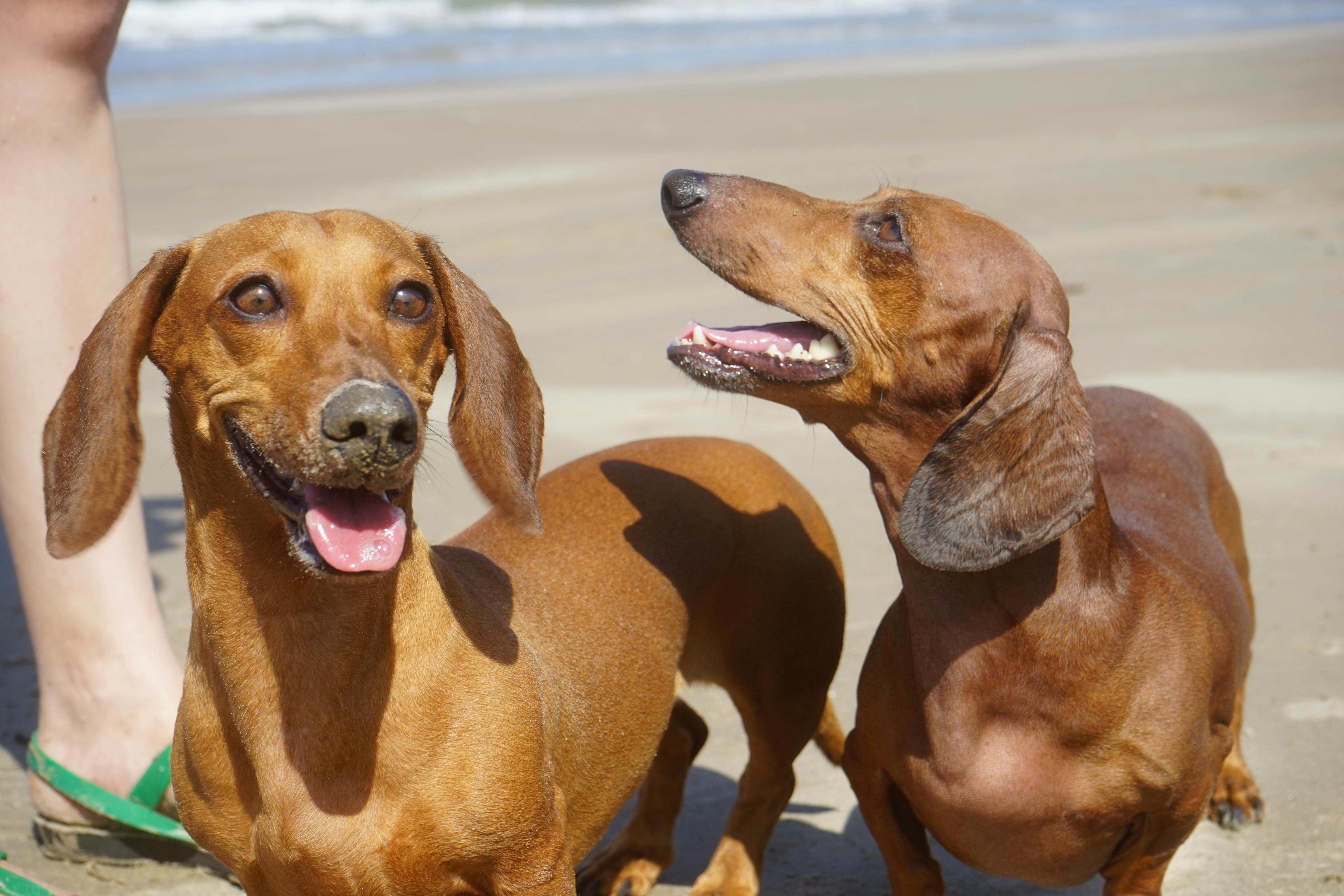
Dogs noses are a fascinating topic, often raising questions among pet owners. One of the most common concerns is about why do some dogs have drier noses, while others have nice and moist ones. The differences between wet and dry noses can be quite perplexing, but understanding them can help in caring for your furry friends better.
The Science Behind Wet Noses
A dog’s nose is not just a cute feature; it serves important functions. A wet nose helps with scent detection, which is crucial for dogs. The moisture on their noses absorbs scent chemicals from the air, enhancing their ability to smell. This is why dogs with wet noses are often better at sniffing out things compared to those with drier noses.
Why Do Some Dogs Have Drier Noses?
There are various reasons why a dog’s nose may be dry. Here are some of the most common causes:
Dehydration: When dogs don’t drink enough water, their noses may dry out. It’s important that your pup always has access to fresh water.
Weather Conditions: Cold or hot weather can affect a dog’s nose. Dry air, especially during winter, can lead to dryness.
Health Issues: Certain medical conditions can lead to a dry nose. Conditions like fever, allergies, or autoimmune diseases could be culprits.
Age Factors: As dogs age, their bodies may produce less moisture, leading to a dryer nose.
Medication Side Effects: Some medications can cause dryness in dogs, affecting their noses too.
Why Do Dogs Have Wet Noses?
Now, let’s switch gears and explore why dogs have that appealing wet nose. Here are some reasons:
Enhanced Smell: A wet nose helps dogs smell better. The moisture helps to capture scents, making it easier for them to detect various odors.
Cooling Mechanism: Dogs don’t sweat like humans do. Their noses help regulate body temperature. A moist nose can help keep them cool.
Health Indicator: Generally, a wet nose is seen as a sign of good health. If a dog’s nose is moist and cool, it usually indicates they are well-hydrated and not sick.
Comparing Wet and Dry Noses: Key Differences
Here’s a quick comparison to help understand the differences between wet and dry noses in dogs:
| Feature | Wet Nose | Dry Nose |
|---|---|---|
| Smell Sensitivity | Higher scent detection | Lower scent detection |
| Temperature Regulation | Helps cool down the body | Less effective in cooling |
| Health Indicator | Often indicates good health | May signal health issues |
| Hydration Status | Usually well-hydrated | May indicate dehydration |
Practical Solutions for Dry Noses
If you notice your dog has a dry nose, there are some practical solutions you might consider:
Hydration: Ensure your dog always has access to clean, fresh water. You can also add water to their food to increase moisture intake.
Nasal Balms: There are specific balms designed for dogs that can help keep their noses moisturized. Check with your vet for recommendations.
Humidity Control: If you live in a dry area or during winter months, using a humidifier can help maintain moisture in the air.
Regular Vet Checkups: If dryness persists, consult a veterinarian to rule out any underlying health issues.
Diet Considerations: Ensure your dog’s diet is rich in omega fatty acids, which can help keep their skin and noses moisturized.
Unique Secrets of Dogs’ Noses
Did you know that every dog’s nose print is unique, much like a human fingerprint? This uniqueness can even be used for identification purposes. Additionally, dogs have a Jacobson’s organ, which allows them to taste scents. This is why they often sniff and lick things—they’re literally tasting the air!
Dogs’ noses are not just wet and dry; they are full of secrets and functions that are vital for their health and behavior. Understanding these can help you provide better care for your beloved pets.
In summary, whether your dog’s nose is wet or dry can depend on various factors, including health, weather, and hydration levels. Always pay attention to changes in your dog’s nose and overall behavior, as they can be indicators of their well-being. If you notice any concerning signs, don’t hesitate to reach out to your vet for advice. Keeping your dog’s nose healthy is just one step in ensuring they live a happy, active life!
Wet Noses and Temperature Regulation: How Dogs Keep Cool in the Heat

Summer days can be hot, and if you got dogs, you might wonder how they manage to keep cool. One of the most interesting things about dogs is their wet noses. But why do dogs have wet noses anyway? And how does that help them in regulating their temperature? Let’s dive into the unique secrets behind our furry friends’ noses and how they cope with heat.
Understanding Dog Noses
To understand why dogs have wet noses, we should first look at what makes them different from humans. Humans sweat to cool down, but dogs don’t have that luxury. Their primary way of dissipating heat is through panting. But there’s more to it! A dog’s nose plays a crucial role too.
- Moisture: A wet nose helps in cooling them down. The moisture evaporates, which cools the blood vessels just under the surface of the skin.
- Sense of Smell: Dogs have way more scent receptors than humans. A wet nose can absorb scent particles better, which helps them sniff out things much more effectively.
Histories and Myths
There’s a lot of folklore about why dogs have wet noses. Some people believes it’s a sign of health, while others think it’s just a breed characteristic. But the real story goes deeper.
Historically, dogs evolved from wolves, and those wet noses were crucial for survival in the wild. It’s believed that a moist nose helps with hunting, as it allows them to detect prey from greater distances.
How Dogs Regulate Their Temperature
Dogs have a few methods to keep their body temperature in check, and their wet noses are just one part of the equation. Here’s a simple breakdown:
- Panting: This is the primary method. Dogs take shallow, rapid breaths which helps to evaporate moisture from their tongue and lungs.
- Wet Noses: The evaporation from their noses adds to the cooling process. A wet nose cools the blood flow to the brain.
- Paw Pads: Dogs also have sweat glands in their paw pads, which allows some heat to escape.
Comparison: Dogs vs. Humans in Heat Regulation
| Feature | Dogs | Humans |
|---|---|---|
| Primary Cooling Method | Panting and wet noses | Sweating |
| Sweat Glands | Few, mainly in paw pads | Distributed over the skin |
| Nose Function | Scent absorption and cooling | Limited scent detection |
Practical Tips to Keep Your Dog Cool
It’s essential to help your dog manage the heat, especially in hot weather. Here are some practical tips that can help:
- Provide Water: Always ensure they have access to fresh, cool water.
- Shade: Create a shaded area outside for your dog to relax.
- Avoid Peak Hours: Limit exercise during peak heat times, usually from 10 AM to 4 PM.
- Wet Towels: Dampen a towel and lay it over them, or let them play in a kiddie pool.
Fun Facts About Dog Noses
- Dogs have about 220 million scent receptors in their noses, compared to a human’s 5 million.
- The wetness of a dog’s nose can change depending on their mood or health. A dry nose doesn’t always mean they are sick, but it can be a signal to check on them.
- Different breeds have different nose shapes and sizes, affecting how they smell and regulate temperature.
Why Wet Noses Matter
Wet noses are not just cute; they serve practical purposes. From regulating temperature to enhancing their ability to smell, these unique features ensure dogs can thrive in various environments. So, the next time your pup gives you a wet nose nudge, remember it’s more than just affection; it’s a part of their biology that’s been honed over thousands of years.
Understanding how dogs keep cool and why they have wet noses can help pet owners provide better care. So, stay informed, keep your furry friends hydrated, and enjoy those sunny days!
What Your Dog’s Wet Nose Says About Its Health: Key Indicators to Watch For

Dogs, those furry companions we all adore, have many unique traits, one of which is their wet noses. Ever wondered why do dogs have wet noses? It’s not just an adorable quirk; it can be key indicators of their health too! The moisture on a dog’s nose serves various functions, and understanding this can help you keep your furry friend healthy. In this article, we’ll dive into what your dog’s wet nose says about its health and some secrets behind it.
The Science Behind Wet Noses
A dog’s nose is typically moist for a reason. It helps them to smell better! The wetness helps to capture scent particles, making it easier for dogs to pick up smells. Their sense of smell is way stronger than humans; dogs have about 220 million scent receptors while humans only have around 5 million. This means that when your dog sniffs around, it’s not just curious, it’s gathering information about their environment.
Common Reasons for a Wet Nose
Here’s a list of reasons why dogs have wet noses:
- Cooling Mechanism: Dogs don’t sweat like humans. Instead, they cool off through panting and the moisture on their noses.
- Sense Enhancement: The wetness helps in trapping scents, enhancing their olfactory capabilities.
- Health Indicator: A wet nose can signal good health, while a dry nose or changes in its moisture can suggest health issues.
What Does a Wet Nose Indicate?
A wet nose is often a sign of a healthy dog, but it’s not the only indicator. Different conditions can affect your dog’s nose, and knowing what to look for is crucial. Here’s what to observe:
- Normal Wetness: Indicates good hydration and health.
- Dry Nose: Can mean dehydration, fever, or illness. If your dog’s nose is persistently dry, it’s time to consult a vet.
- Cracked or Flaky Nose: Might indicate skin problems or allergies. Dogs can suffer from conditions like pemphigus or lupus which can affect their nose.
- Excessively Running Nose: Could be a sign of allergies, infections, or nasal discharge. Always pay attention to any unusual discharge color or consistency.
Other Nose Colors and Their Meanings
Dogs noses come in different colors, and these can also indicate health conditions. Here’s a handy table that breaks down colors and what they may signify:
| Nose Color | Potential Health Issues |
|---|---|
| Black | Normal; healthy |
| Brown | Common among certain breeds; usually healthy |
| Pink | Can indicate a sensitivity to sun or potential health issues |
| Red | Could be a sign of inflammation or irritation |
| White | May indicate a lack of pigment; check for skin issues |
When to Worry
Not every change in your dog’s nose means something serious, but there are times you should be concerned. If you notice your dog’s nose has changed significantly in a short time, or if they show other symptoms such as lethargy, loss of appetite, or unusual behaviors, it’s crucial to take them to the vet.
The Role of Environment
Did you know that the environment can also affect your dog’s nose? Here are some examples:
- Hot Weather: Your dog may have a drier nose due to the heat.
- Cold Weather: A cold breeze can make their nose feel cooler and wetter.
- Humidity: In humid conditions, a dog’s nose may stay wet more often.
Unique Dog Nose Facts
- Dogs can identify a scent in as little as a few parts per trillion.
- The wetness of a dog’s nose helps to absorb scent molecules, making it easier for them to smell.
- Some dogs have more moisture on their noses due to breed differences. For instance, Bulldogs tend to have drier noses compared to Retrievers.
In summary, while a wet nose is a typical trait of a healthy dog, the nuances of its condition can tell you much more. Keeping an eye on your dog’s nose, alongside other behaviors, can be key to ensuring they remain healthy and happy. So, the next time you give your furry friend a pat, take a moment to check their nose—it’s a window into their health!
Conclusion
In conclusion, the wet noses of dogs serve multiple important functions that enhance their health and well-being. The moisture on their noses helps to amplify their sense of smell, allowing them to detect scents more effectively, which is crucial for their communication and hunting instincts. Additionally, a wet nose plays a vital role in temperature regulation, helping dogs cool off through evaporation. It’s also a sign of hydration and overall health, indicating that your furry friend is likely in good shape. While the science behind this unique trait is fascinating, it’s essential to remember that a dog’s nose isn’t the sole indicator of their health. Regular veterinary check-ups and attentive care are paramount. So, the next time you notice your dog’s wet nose, take a moment to appreciate the biology behind it, and ensure you’re providing them with the best care possible for a happy, healthy life.
