
Have you ever wondered why do dogs have wet noses? This intriguing question sparks curiosity in many dog lovers and pet owners alike! A dog’s nose is not just an adorable feature; it plays a crucial role in their health and well-being. In this article, we will uncover the fascinating reasons behind this unique trait. Did you know that a wet nose can help dogs smell better? It’s true! The moisture enhances their sense of smell, making them excellent hunters and companions. Moreover, the temperature of a dog’s nose can indicate health issues. But how does this all connect to their behavior and instincts? As we delve deeper, we will explore the science behind this natural phenomenon and how it can impact your furry friend’s life. If you are a dog owner or simply an animal enthusiast, you won’t want to miss these insightful revelations! So, prepare to discover the mysteries of our canine companions, and learn why do dogs have wet noses and what it means for your beloved pet!
The Science Behind Wet Noses: Why Do Dogs Have This Unique Trait?

Dogs are one of the most beloved pets around the world, bringing joy and companionship to millions. What many people don’t realize is that one of their most adorable features—their wet noses—actually serves several important functions. So why do dogs have wet noses? Let’s explore the science behind this unique trait and discover the fascinating reasons behind it.
The Anatomy of a Dog’s Nose
A dog’s nose is a complex organ. It contains thousands of scent receptors—far more than humans possess. In fact, dogs can detect odors at concentrations nearly 100 million times lower than what humans can perceive. This incredible sense of smell is partly due to the wetness of their noses. But how does that work?
Here’s how it goes:
- Moisture: A wet nose helps trap scent particles. When a dog inhales, the moisture on their nose captures these particles, making it easier for them to smell.
- Cooling Mechanism: Just like sweating helps humans cool down, a wet nose can help dogs regulate their body temperature. It evaporates moisture, which cools them down during hot days.
- Enhanced Sensitivity: The wetness allows for more efficient detection of smells by increasing the surface area on the nose. This is one reason why dogs are so good at tracking scents.
The Science Behind Wet Noses
So, why do dogs have wet noses? It’s not just for looks! The moisture comes from a combination of factors:
- Mucus Production: Dogs have special glands that produce mucus to keep their noses moist. This mucus enhances their ability to smell by dissolving odor molecules.
- Nasal Design: The structure of a dog’s nose, including its conformation and the presence of turbinates (bony structures inside the nose), plays a role in how effectively they can process scents. The wetness aids in this process.
Historical Context
Dogs have been domesticated for thousands of years. Historically, their keen sense of smell was utilized for hunting, tracking, and herding. Ancient civilizations recognized the importance of a dog’s nose, as they relied on these animals for hunting and protection. Over the years, selective breeding has enhanced the olfactory capabilities of certain breeds, making the wet nose an even more crucial feature for their survival and duties.
Fun Facts About Dog Noses
- Unique Print: Just like human fingerprints, every dog’s nose print is unique. It can even be used for identification!
- Color Matters: The color of a dog’s nose can change with age, health, and even breed. Some dogs have black noses, while others may have pink or spotted ones.
- Temperature Indicator: A dog’s nose temperature can indicate their health. A cold, wet nose is often a sign of good health, while a dry or warm nose can indicate sickness.
Why Wet Noses Matter
The wetness of a dog’s nose serves multiple purposes, impacting their health and behavior. Here are some reasons why it matters:
- Health Indicator: A change in the wetness of a dog’s nose can signal health issues. For example, a dry nose might suggest dehydration or fever.
- Communication Tool: Dogs often use their noses to communicate with other dogs. A wet nose can be a friendly gesture, while a dry nose can signal stress or discomfort.
Comparing Dog Noses to Human Noses
Dogs and humans have different nose structures that cater to their needs. Here’s a simple comparison:
| Feature | Dog Nose | Human Nose |
|---|---|---|
| Scent Receptors | Approx. 300 million | About 5 million |
| Moisture Function | Traps scent particles and cools them down | Primarily for humidifying air |
| Identification | Unique nose prints | Fingerprints |
| Smelling Ability | Can detect scents 100 million times better | Limited |
Practical Tips for Dog Owners
Keeping your dog healthy includes paying attention to their noses. Here are some practical tips:
- Regular Check-Ups: Make sure to have your vet check your dog’s nose during routine visits.
- Hydration: Ensure your dog has access to fresh water to keep their nose moist.
- Watch for Changes: Be attentive to any sudden changes in your dog’s nose. A dry or cracked nose can indicate health problems, so seek veterinary advice.
Understanding why dogs have wet noses gives insight into their biology and behavior. It also highlights the fascinating ways these loyal companions have adapted over thousands of years. Dogs are remarkable creatures, and their wet noses are just one of the many things that make them so special. Whether you’re a dog owner or just an admirer, knowing the science behind those wet noses can deepen your appreciation for these furry friends.
Top 5 Fascinating Reasons Your Dog’s Nose is Always Wet
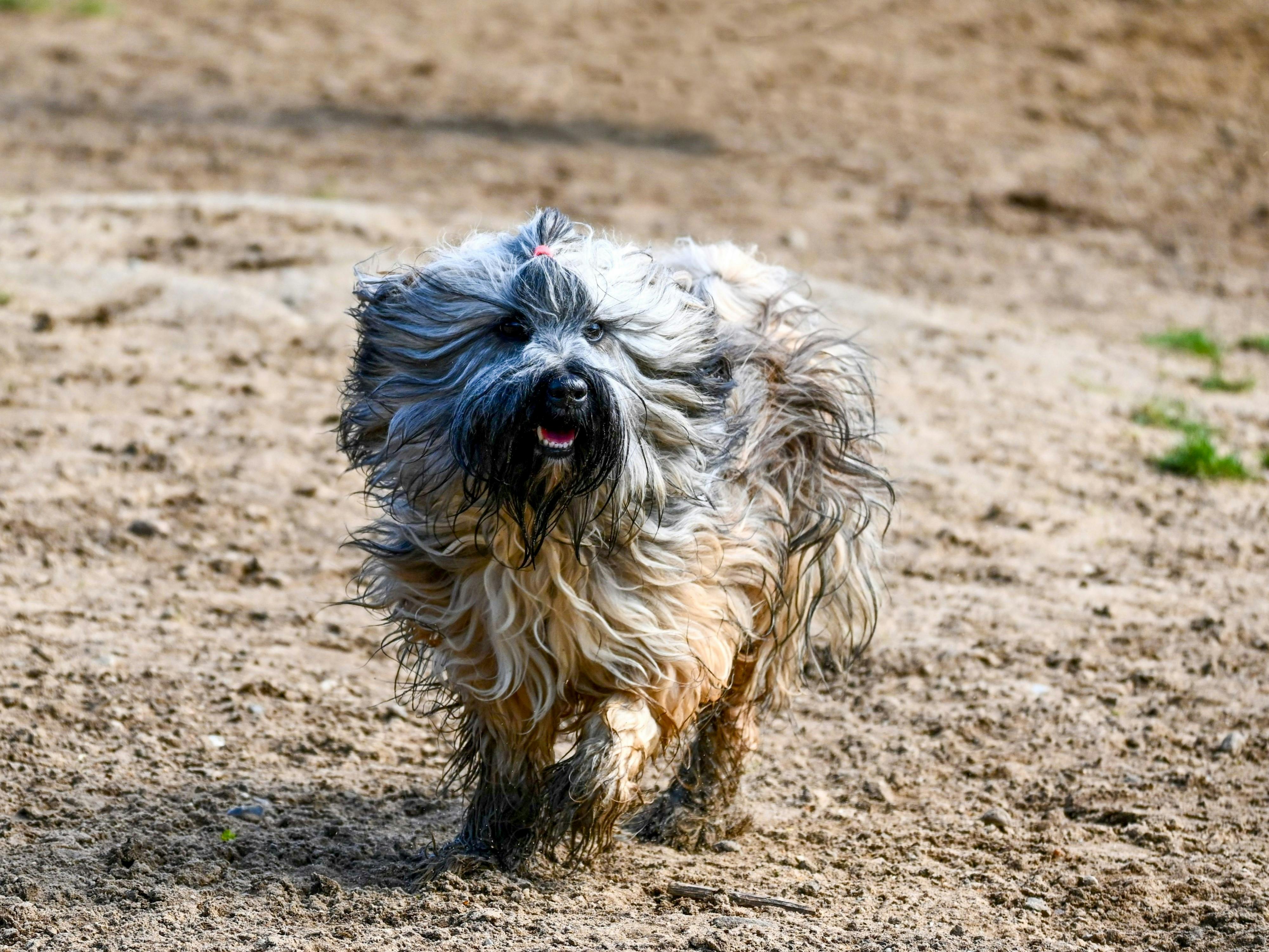
Why do dogs have wet noses? This question is something many dog owners ponder, and it turns out there are several fascinating reasons behind this unique characteristic. In fact, the wetness of a dog’s nose can be attributed to a combination of biological, behavioral, and health-related factors. In this article, we will explore the top five reasons your dog’s nose is always wet, shedding light on this intriguing aspect of canine anatomy.
1. Enhanced Sense of Smell
One of the most important reasons why dogs have wet noses is the role it plays in their sense of smell. Dogs have an extraordinary olfactory system, and their noses are designed to trap scent particles. When the nose is moist, it can absorb these particles more effectively. This means that dogs can detect smells that are imperceptible to humans.
- Dogs have up to 300 million smell receptors, compared to about 5 million in humans.
- The moisture helps to dissolve scent particles, making it easier for dogs to identify different smells.
So, when your pup’s nose is wet, it’s not just a quirk — it’s a tool that helps them navigate their world.
2. Temperature Regulation
Another fascinating reason behind a wet nose is temperature regulation. Dogs don’t sweat like humans do; instead, they primarily cool off through panting and the wetness of their noses. The moisture evaporating from their noses helps to cool them down, much like how sweating works for us.
- Wet noses can help lower a dog’s body temperature, especially on hot days.
- Dogs may lick their noses to ensure they stay moist, which aids in this cooling process.
This means that if you notice your dog’s nose is particularly wet after a long walk or playtime, it might be their way of staying comfortable and cool.
3. Natural Behavior
Licking their noses is a natural behavior for dogs. They often do it out of habit, and it serves multiple purposes. When dogs lick their noses, they’re not just keeping it clean; they’re also stimulating their sense of smell.
- Dogs might lick their noses after eating to clean up any leftover food.
- It’s a way for dogs to comfort themselves in stressful situations.
This behavior is completely normal and part of their instinctual habits. So, if your dog is frequently licking their nose, it’s likely a combination of hygiene and sensory enhancement.
4. Health Indicator
A wet nose can also be an indicator of your dog’s health. Generally, a moist nose is a sign of a healthy dog, while a dry nose may warrant a closer look.
- If your dog’s nose is excessively dry, it might be a sign of dehydration or illness.
- A healthy dog usually has a cool, moist nose, while a warm, dry nose can indicate a fever.
Being attentive to your dog’s nose condition can help in early detection of health issues. If you notice drastic changes in moisture levels or texture, it’s wise to consult your veterinarian.
5. Environmental Factors
Environmental factors also play a big role in the moisture level of your dog’s nose. Humidity, temperature, and even the time of year can affect how wet your dog’s nose is.
- In humid weather, dogs tend to have wetter noses, as the moisture in the air helps maintain nose moisture.
- Conversely, in dry or cold climates, you may notice your dog’s nose becoming drier, especially during winter months.
Understanding these factors can help you ensure your dog remains comfortable and healthy throughout the seasons.
Key Takeaways
- Dogs have wet noses primarily for enhancing their sense of smell.
- Their noses help regulate body temperature, acting as a cooling mechanism.
- Licking their noses is a natural behavior that serves multiple functions.
- A wet nose can indicate good health, while a dry one may signal health issues.
- Environmental conditions can significantly influence the moisture level of a dog’s nose.
When it comes to your furry companion’s wet nose, there’s more than meets the eye. Knowing why dogs have wet noses can deepen your understanding of their behavior and health. So next time you give your pup a pat and feel that cool, moist nose, you can appreciate the fascinating biology behind it.
Is a Wet Nose a Sign of Health? Understanding Your Dog’s Nose Moisture
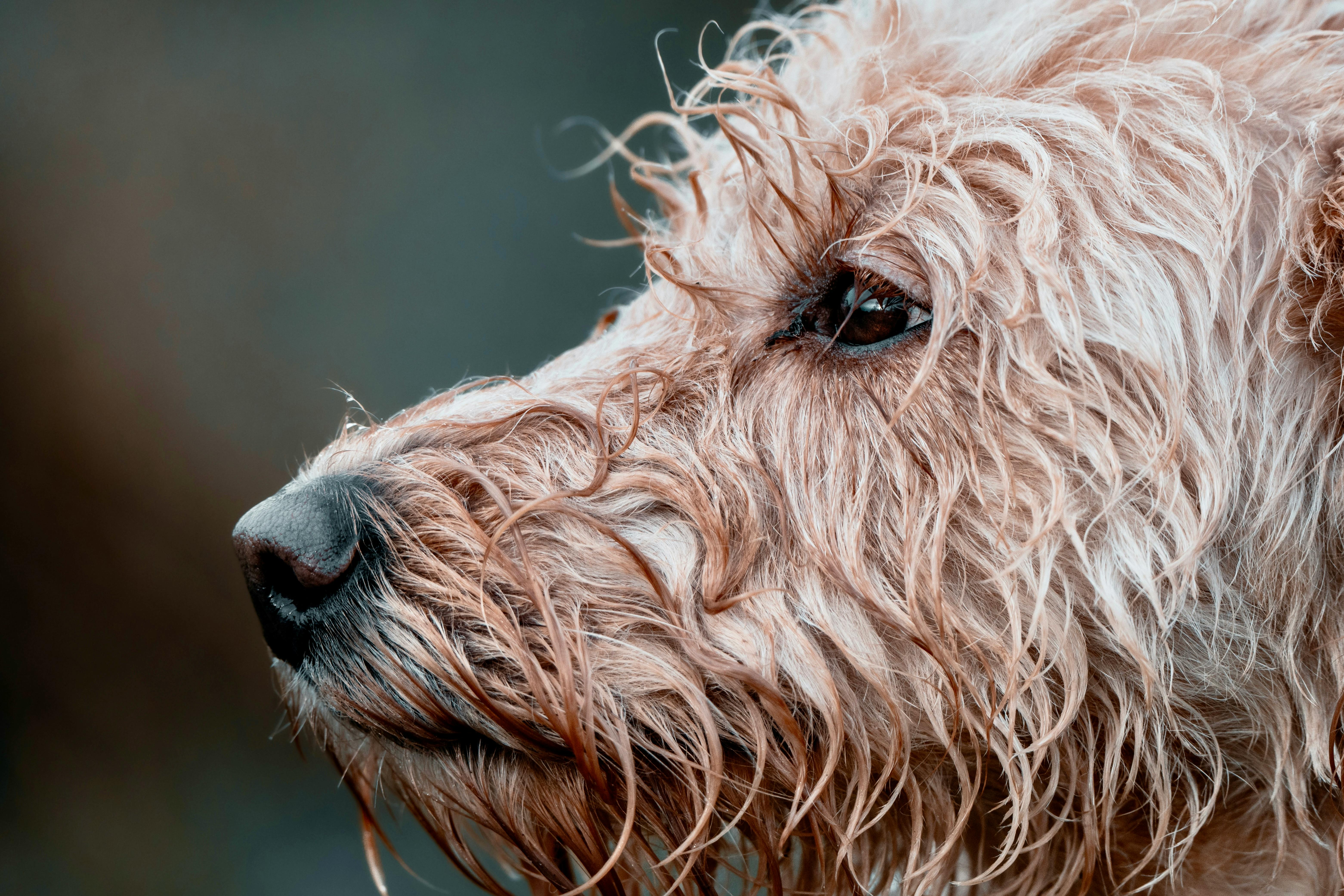
When you have a dog, you probably notice their wet nose and wonder, is a wet nose a sign of health? Lots of pet owners think that a damp, cold nose means their furry friend is healthy, but is this belief really true? In this article, we gonna explore the reasons why dogs have wet noses, what that moisture means, and how it relates to your dog’s overall health. So let’s dive in!
Why Do Dogs Have Wet Noses?
Dogs have wet noses for several reasons, and each of them is quite fascinating. Here’s a breakdown of the main reasons:
Cooling Mechanism: Just like humans sweat to cool down, dogs use their noses. When they pant, moisture evaporates from their noses, helping to regulate their body temperature.
Sense of Smell: Dogs have an extraordinary sense of smell, and a wet nose enhances this ability. The moisture helps to capture scent particles from the air, making it easier for dogs to detect various smells.
Health Indicator: Although a wet nose can be a sign of health, it’s not the only indicator. Factors like activity level, environment, and even breed can affect nose moisture.
Natural Behavior: Dogs lick their noses frequently, which keeps them moist. This behavior is instinctive and helps to keep their sense of smell sharp.
The Science Behind a Wet Nose
The moisture on a dog’s nose is made up of saliva and other fluids that serves multiple purposes. Here’s a quick outline of how it all works:
Evaporation: The moisture evaporates, cooling the dog down.
Absorption: When a dog sniffs something, the moisture absorbs scent particles, allowing for a better olfactory reception.
Protection: The wetness can also protect the nose from dust and debris, keeping it clean.
Common Misconceptions
There’s a lot of myths surrounding the health and condition of a dog based on their nose moisture. Here’s some common misconceptions:
A Wet Nose Equals Good Health: While many dogs have wet noses when they are healthy, it doesn’t mean that a dry nose indicates illness. Some dogs simply have drier noses due to breed or environmental conditions.
Nose Temperature Matters: People often think a cold nose means a dog is healthy. This is not true! A dog’s body temperature is more important to monitor.
Nose Color: The color of the nose doesn’t necessarily indicate health. Just like humans, dogs can have different nose colors based on their breed.
When to Be Concerned
So how do you know if your dog’s nose is a sign of something more serious? Here’s a list of signs to watch for:
Excessive Dryness: If the nose is cracked or overly dry for an extended period, consult a vet.
Discoloration: Changes in the color of the nose can indicate health issues.
Abnormal Secretions: If your dog’s nose is producing unusual discharge, it’s time to see a professional.
Behavior Changes: If your dog is lethargic, refuses to eat, or shows other concerning symptoms, don’t ignore them.
Interesting Facts About Dog Noses
Unique Patterns: Just like human fingerprints, every dog has a unique nose print.
Nose Size: Larger breeds tend to have larger noses, which can impact their sense of smell.
Temperature Regulation: Dogs have sweat glands in their paws, but their nose plays a crucial role in thermoregulation.
Breed Differences: Some breeds, like Bulldogs, naturally have drier noses due to their facial structure.
Final Thoughts
Understanding why dogs have wet noses helps pet owners to figure out their furry friends’ health better. While a wet nose can be a great indicator of a dog’s wellbeing, it’s important to remember that it’s not the only sign to watch for. Being aware of changes in your dog’s behavior or physical condition can help you catch potential issues early. So, the next time you give your pup a pat and notice their wet nose, you can appreciate the science behind it while ensuring their overall health!
How Do Dogs Benefit from Their Wet Noses? Discover the Surprising Advantages

Dogs are one of the most beloved pets around the world, and their wet noses are often a topic of curiosity. Have you ever wonder why do dogs have wet noses? The answer is not just cute; it reveals fascinating insights into their biology and behavior. So, let’s dive into the surprising advantages of those moist noses!
Why Do Dogs Have Wet Noses?
Dogs have wet noses for several reasons, and each one contributes to their overall health and ability to interact with the world. Here’s a look at some of the main reasons:
Sense of Smell: A dog’s sense of smell is incredibly powerful, and a wet nose helps enhance this ability. The moisture on their noses traps scent particles, making it easier for dogs to detect smells. This is why they often sniff around when exploring new environments.
Temperature Regulation: Dogs do not sweat like humans do. Instead, they rely on their noses to help regulate their body temperature. When a dog’s nose is wet, it helps to cool them down through evaporation, similar to how sweat works for humans.
Health Indicator: A dog’s nose can also indicate their health. A healthy dog usually has a moist and cool nose. If a nose becomes dry or excessively warm, it may signal that the dog is not feeling well. This is why many pet owners are advised to keep an eye on their dog’s nose.
Communication Tool: Dogs use their noses not just for smelling but also for social interactions. A wet nose can be a sign of excitement or affection when a dog nudges you with it. It’s their way of saying hello!
Surprising Benefits of Wet Noses
The benefits of having a wet nose goes beyond just functionality. Here are some surprising advantages:
Enhanced Scent Detection: The wetness on a dog’s nose helps absorb scent molecules, making their sense of smell about 10,000 to 100,000 times more sensitive than humans. This means they can pick up on scents that are undetectable to us.
Cooling Mechanism: Dogs can’t sweat to cool down, but the wetness of their nose helps to lower their body temperature. It’s especially beneficial during hot summer days when overheating can be a serious concern.
Health Monitoring: As mentioned before, the state of a dog’s nose can indicate health issues. Regularly checking your dog’s nose can help you catch potential problems early, ensuring they stay healthy and happy.
Enhanced Bonding: When dogs greet you with a nuzzle or a wet nose, it’s their way of showing love. This physical contact strengthens the bond between pet and owner, making for a more fulfilling relationship.
Fun Facts About Dog Noses
Unique Patterns: Just like human fingerprints, every dog has a unique nose print. This can actually be used for identification!
Cold and Wet: A dog’s nose is typically cooler and more wet than the rest of their body. This is normal and indicates that they are healthy.
More Than Just Smell: Dogs can also taste with their noses! The moisture on their nose allows them to “taste” scents, which provides them with additional information about their environment.
Breeds Matter: Different breeds have different types of noses. Some breeds, like Bloodhounds, have incredibly sensitive noses that can track scents over great distances.
Practical Tips for Dog Owners
To ensure your dog’s nose stays healthy and beneficial, consider these tips:
Regular Check-ups: Make sure to take your dog to the vet regularly. A vet can provide advice on what a healthy nose looks like and what changes to watch for.
Hydration is Key: Keep your dog hydrated, especially during hot weather. Dehydration can lead to a dry nose.
Monitor Environment: If your dog’s nose is dry for an extended period, consider if they are exposed to hot or dry conditions.
Grooming: Regular grooming not only keeps your dog looking good but also helps with their overall health, including their nose.
In summary, dogs benefit from their wet noses in numerous ways. From enhancing their sense of smell to aiding in temperature regulation, these wet wonders play an essential role in a dog’s life. Understanding why do dogs have wet noses not only enhances our appreciation for these furry friends but also helps us take better care of them. So next time your dog greets you with a cool, wet nose, remember all the fascinating reasons behind it!
Wet Noses vs. Dry Noses: What Your Dog’s Nose Says About Their Health

Dogs are often seen with their noses pressed against the ground, sniffing everything in sight, and their noses can be an interesting topic when it comes to their health. Wet noses vs. dry noses is a common thing pet owners often wonder about. So, what does it really means when your dog has a wet or dry nose? And, why do dogs have wet noses anyway? Let’s explore the fascinating reasons behind this canine characteristic and what it could indicate about your furry friend’s health.
The Science Behind Wet Noses
Most of the time, dogs have wet noses, and this is not just a random quirk. Wet noses help them to smell better, it’s true! The moisture on a dog’s nose enhances their sense of smell by capturing scent particles. The more moisture on the nose, the better they can pick up different smells in their surroundings. This is why you often see dogs sniffing things; they’re using that wet nose to gather information about their environment.
Why Do Dogs Have Wet Noses?
There are several reasons why dogs have wet noses, and it’s not just for smelling. Here’s a list of some key reasons:
- Thermoregulation: A wet nose helps dogs to cool down. When dogs pant, moisture evaporates from their nose and helps to regulate their body temperature.
- Scent Detection: A moist nose can pick up more scent particles, which helps dogs identify different smells. This is especially important for hunting or working dogs.
- Health Indicator: A wet nose is often a sign of a healthy dog. If a dog’s nose is dry, it could indicate dehydration or illness, although this isn’t always the case.
Wet Noses vs. Dry Noses: What It Means
Many dog owners might not know that a dog’s nose can change throughout the day. Sometimes it’s wet, sometimes it’s dry. Let’s look at some conditions of both wet and dry noses and what they could mean for your pup’s health.
Wet Nose Conditions
- Normal Condition: A wet nose is generally a sign of health and hydration. It’s usually found in dogs who are active and well-hydrated.
- Excitement or Playfulness: After playtime or when excited, dogs might have a wetter nose due to increased activity and panting.
Dry Nose Conditions
- Dehydration: A dry nose can mean that your dog isn’t drinking enough water. This could lead to serious health concerns if not addressed.
- Illness: If your dog’s nose is consistently dry, it could indicate a fever or illness. Other symptoms would typically accompany this, so it’s best to consult with a vet.
- Environmental Factors: Weather conditions, like hot or dry air, can lead to a dry nose.
Factors Influencing Nose Conditions
Different factors can influence whether a dog has a wet or dry nose. Here’s a quick overview:
- Age: Older dogs may have drier noses due to less moisture production.
- Breeds: Some breeds naturally have drier noses than others. For example, Bulldogs often have drier noses compared to Retrievers.
- Health Status: Illnesses can cause changes in nose moisture, which means regular checks are important.
Signs to Watch For
If you notice changes in your dog’s nose, it’s good to keep an eye on other behaviors. Here’s a simple checklist:
- Behavior Changes: Is your dog more lethargic than usual?
- Eating Habits: Is your pup eating less or not drinking enough water?
- Other Symptoms: Are there any signs of coughing, vomiting, or diarrhea?
If you see any of these signs in conjunction with a dry nose, it’s time to check in with your vet.
Summary
In summary, a dog’s nose can tell you a lot about their health. Wet noses are typically a sign of a healthy, hydrated dog, while dry noses may require attention. Understanding what your dog’s nose is saying is crucial for keeping them happy and healthy. So, the next time you give your furry friend a cuddle and notice their nose, remember that it’s not just a cute feature, but a key indicator of their well-being. Pay attention and consult with a vet when needed to ensure your dog stays in tip-top shape!
Curious Canine Behavior: Why Does My Dog’s Nose Feel So Cold and Wet?

Have you ever wonder why your dog’s nose feels so cold and wet? It’s like a little magical mystery that every dog owner have encountered. Dogs have this unique characteristic that seems to baffle many people. So, why do dogs have wet noses? Let’s dive into the fascinating reasons behind this curious canine behavior.
The Science Behind Wet Noses
First off, it’s important to understand the biology of a dog’s nose. A dog’s sense of smell is one of the most powerful in the animal kingdom, and their noses play a huge role in that. A wet nose helps dogs absorb scent chemicals more effectively. When moisture is present, it can trap more scent particles, allowing dogs to detect smells better. This is critical for their survival instincts in the wild.
Some interesting facts about dog noses include:
- Nasal Structure: The surface of a dog’s nose is made up of a complex network of cells and mucous membranes. This structure helps with scent detection.
- Temperature Regulation: Dogs cool off through their noses. Just like humans sweat, dogs use their noses to regulate body temperature when they are overheated.
- Health Indicator: A wet nose is often seen as a sign of good health in dogs. However, a dry or warm nose can sometimes indicate illness, but not always.
Why Are Dog Noses Cold?
You might be curious about why your dog’s nose feels cold to the touch. The primary reason is that their noses are rich in blood vessels and have a thin layer of skin. When dogs are at rest or are relaxed, their body temperature can drop slightly, resulting in a cooler nose.
Here’s a quick comparison of dog nose temperatures:
- Cold Nose: Generally indicates a healthy dog.
- Warm Nose: Could be a sign of fever or illness, but it’s not a definitive indicator.
- Dry Nose: Sometimes it may indicate dehydration or health issues, but dogs can have a dry nose for many reasons too.
The Role of Mucus
Dogs have mucus on their noses which serves an important purpose. When a dog sniffs something, that mucus captures all the scent particles. This is why you might notice your dog sniffing around more often, especially when they are exploring a new environment.
Some key points about the mucus on dog noses:
- Scent Enhancement: Mucus helps enhance the scent they are detecting.
- Protection: It protects the sensitive skin of the nose from harsh environments.
- Moisture Control: It keeps the nose moist which is essential for efficient smell detection.
The Historical Context of the Dog Nose
Historically, dogs have been bred for various tasks, including hunting, herding, and companionship. Their noses have evolved to become extremely sensitive and adept at detecting scents. In ancient times, dogs were utilized for their smelling abilities to hunt game or to track down criminals. Even today, dogs are trained for search and rescue, therapy, and detection work because of their incredible olfactory skills.
Fun Facts About Dog Noses
- Dogs have up to 300 million smell receptors in their noses, compared to about 5 million in humans.
- The unique patterns on a dog’s nose are as individual and unique as human fingerprints.
- Dogs can detect certain diseases, like cancer or diabetes, through their sense of smell.
What Should You Do if Your Dog’s Nose Seems Off?
If you notice that your dog’s nose is persistently dry or warm, it might be a good idea to consult with a veterinarian. Regular check-ups are important to ensure your furry friend stays healthy. Here are some signs to watch for:
- Persistent dryness or cracking of the nose.
- Changes in appetite or behavior.
- Excessive licking at the nose.
If your dog’s nose has a change in temperature or moisture level, it could be a sign of underlying health issues that may need medical attention.
Understanding why dogs have wet noses and the role these fascinating features play in their health and behavior can deepen your bond with your furry companion. So, the next time you feel that cold, wet nose against your hand, know that it’s not just adorable — it’s a sign of a well-functioning sniffer ready to explore the world.
The Role of a Wet Nose in a Dog’s Sense of Smell: A Deep Dive

Dogs are one of the most beloved pets in the world, and their unique physical features and behaviors often leave us curious. One significant aspect of a dog that tends to grab attention is their wet nose. Many pet owners may wonder, why do dogs have wet noses? This article explores the fascinating role of a wet nose in a dog’s sense of smell, while uncovering multiple reasons behind this peculiar trait.
The Anatomy of a Dog’s Nose
First, let’s break down the dog’s nose anatomy. A dog’s nose is moist primarily due to the presence of mucous membranes. These membranes helps to trap scent particles, which is crucial for a dog’s remarkable olfactory capabilities. Unlike humans, who primarily depend on their sense of sight, dogs rely heavily on smell. In fact, a dog’s sense of smell is estimated to be anywhere from 10,000 to 100,000 times more acute than that of humans.
- Mucous Membranes: They keep the nose moist and enhance the ability to capture scents.
- Olfactory Receptors: Dogs have between 220 and 300 million olfactory receptors compared to a human’s 5 million.
- Vomeronasal Organ: Also known as Jacobsen’s organ, this helps dogs detect pheromones and other chemical signals.
Why is a Dog’s Nose Wet?
Now, let’s get to the main question: why do dogs have wet noses? The wetness of a dog’s nose is not just a random characteristic—it’s an evolutionary trait that serves multiple purposes.
- Enhanced Smell: Moisture on a dog’s nose allows scent particles to stick better. This improves their ability to detect and identify various smells in their environment.
- Thermoregulation: Dogs do not sweat like humans. Instead, they cool down through their noses, and a wet nose can help regulate their body temperature.
- Health Indicator: A healthy dog typically has a moist nose. Changes in this moisture level can indicate health issues. If a dog’s nose is unusually dry or excessively wet, it may signal a need for a vet check-up.
Historical Context
Historically, dogs have been companions to humans for thousands of years. Their heightened sense of smell was invaluable for hunting and tracking. Ancient civilizations recognize the importance of dogs in various roles, from hunting partners to guardians. Their wet noses were likely advantageous in these roles, allowing them to track scents effectively.
Comparing Dog Noses to Human Noses
To fully appreciate why dogs have wet noses, it’s useful to compare them to human noses. Here’s a quick breakdown:
| Feature | Human Nose | Dog Nose |
|---|---|---|
| Number of receptors | About 5 million | 220 to 300 million |
| Moisture | Rarely wet | Typically moist |
| Function | Primarily for breathing | Primarily for smelling and cooling |
| Scent detection | Limited | Highly developed |
Practical Examples of Smell Use
Dogs use their noses for various practical applications today. Here are some examples of how dogs utilize their superb sense of smell:
- Search and Rescue: Dogs can locate missing persons through scent trails, often in challenging environments.
- Detection Work: Many dogs are trained for detecting drugs, explosives, or even diseases like cancer. Their wet noses help them analyze scents effectively.
- Service Animals: Some specially trained dogs can detect changes in blood sugar levels for diabetic owners, improving safety and quality of life.
The Role of Dog Breeds
Different dog breeds may exhibit varied characteristics in their noses. For instance, Bloodhounds are known for their exceptional tracking abilities and have a particularly large and moist nose. On the other hand, breeds like Bulldogs might have a flatter face and thus a different smelling capability. Regardless of breed, all dogs rely on their wet noses to some degree.
Health Considerations
As mentioned earlier, the state of a dog’s nose can be a health indicator. Here are some health considerations regarding a dog’s nose:
- Normal Moisture: A healthy dog’s nose should feel cool and moist.
- Dry Nose: Can indicate dehydration or illness; not always a cause for alarm though.
- Excessively Wet Nose: Could be a sign of allergies or infections.
The wet nose of a dog is much more than just a cute feature—it’s a fascinating aspect of their biology that enhances their ability to interact with the world. Understanding the reasons behind this trait not only deepens our appreciation for dogs but also highlights their unique adaptations that make them such incredible companions. So the next time you see your furry friend with that delightful wet nose, you can marvel at the evolutionary wonders that contribute to their remarkable sense of smell.
7 Myths About Dogs and Their Wet Noses Debunked!
Dogs are often considered humans best friends, but there’s one thing about them that always seems to intrigue us: their wet noses. Many people have heard various myths around why dogs have wet noses, but how many of those are true? In this article, we will debunk seven common myths and explore the fascinating reasons why dogs have wet noses and what it means for their health and behavior.
Myth 1: Dogs Have Wet Noses Because They Are Always Wet
One of the most common myths is that dogs’ noses are wet all the time because they are constantly in water. While many dogs love to play and swim, the real reason their noses are wet has more to do with their anatomy and behavior. Dogs secrete moisture from their noses to help them cool down, much like humans sweat. So, it’s not just about being splashed in a puddle!
Myth 2: A Wet Nose Means a Healthy Dog
Many people believes that if a dog’s nose is wet, it means they are healthy. This isn’t quite true. While a wet nose can be a sign of good hydration and health, it’s not the only indicator. A dog can have a wet nose and still be sick. Factors like temperature, activity level, and even the weather can affect how wet a dog’s nose is. Here’s a quick list of things to consider:
- Temperature: A dog’s nose can dry out in hot weather.
- Activity: After playing, a dog’s nose may be wetter from panting.
- Health: Other symptoms should be checked, like appetite and energy.
Myth 3: Dogs Use Their Noses to Detect Smells Better
While it’s true that dogs have an incredible sense of smell, their wet noses don’t necessarily enhance this ability. Dogs have a large number of olfactory receptors in their noses, which is what gives them their superior sense of smell. The moisture on a dog’s nose actually helps trap scent particles, making it easier for them to detect smells. It’s a fascinating adaptation that allows them to pick up scents much better than humans.
Myth 4: All Dogs Have Wet Noses
Not all dogs have wet noses all the time. Breeds like Bulldogs and Pugs may have drier noses compared to others. This can be due to their skin type, health issues, or environmental factors. It’s important to monitor your dog’s nose and consult a vet if you notice unusual dryness or cracking.
Myth 5: Dogs’ Noses Change Color Based on Their Mood
Some people thinks that a dog’s nose color changes based on their emotions, similar to how humans might blush. However, a dog’s nose color is generally determined by genetics. Changes in color can occur due to health issues or exposure to sunlight, but it’s not a reliable way to gauge a dog’s mood.
Myth 6: A Cold Nose Means a Dog Is Sick
Many dog owners worry when they feel their pet’s nose is cold, thinking it indicates illness. In reality, a dog’s nose temperature can vary for many reasons, such as the surrounding environment. A cold nose does not automatically mean a dog is unwell. Pay attention to their overall behavior and health, rather than just their nose temperature.
Myth 7: Dogs’ Noses Help Them Regulate Their Body Temperature
While it’s true that dogs use panting to cool down, their wet noses also play a role in thermoregulation. The moisture on their noses helps evaporate heat, which contributes to cooling them down. It’s not the primary way dogs regulate their body temperature, but it does assist in the process.
Why Do Dogs Have Wet Noses? Discover The Fascinating Reasons!
So, what are the actual reasons behind those wet noses? Let’s break it down:
- Scent Enhancement: The moisture helps trap scent molecules, enabling dogs to smell better.
- Cooling Mechanism: Wet noses help with evaporative cooling, aiding in temperature regulation.
- Health Indicator: While not definitive, a wet nose can sometimes indicate hydration levels.
- Behavioral Sign: Dogs often lick their noses to keep them wet, showing a natural grooming behavior.
In summary, understanding the truth about your dog’s wet nose can help you take better care of them. It’s important to remember that a wet nose isn’t the only sign of good health. Observing other behaviors and seeking veterinary advice when necessary is vital. So the next time you pet your furry friend and feel that wet nose, remember the fascinating reasons behind it!
What Factors Influence the Wetness of Your Dog’s Nose? Explore the Variables
Dogs, those loyal companions, are known for many adorable traits, but one of the most distinctive features is their wet noses. Many dog owners often wonder, “What factors influence the wetness of your dog’s nose?” and “Why do dogs have wet noses?” These questions are not just silly musings; they have scientific backing and fascinating reasons that can give us insight into our furry friends.
The Science Behind a Wet Nose
The wetness of a dog’s nose is primarily due to moisture. This moisture comes from various sources, including saliva and the environment. A dog may lick their nose frequently, contributing to that wet feeling. But that’s not the only factor!
Here’s a quick breakdown of what makes a dog’s nose wet:
- Saliva: Dogs often lick their noses. This action keeps it moist.
- Environmental Factors: Humidity and temperature can affect nose wetness. On hotter days, dogs might have wetter noses.
- Health: A dog’s health plays a significant role. Illness can lead to a drier nose, while hydration levels also impact moisture.
Why Do Dogs Have Wet Noses?
Now, the reasons behind a dog’s wet nose can be quite fascinating! There are several theories, and some of them are pretty interesting.
Sense of Smell: Dogs rely heavily on their sense of smell. A wet nose helps them absorb scent molecules better. The moisture acts like a sponge, enhancing their olfactory abilities.
Temperature Regulation: Just like humans sweat, dogs can also regulate their body temperature through their noses. A wet nose can help them cool down, especially after play.
Health Indicator: A wet nose is generally a sign of good health. If a dog’s nose is dry, it may indicate dehydration or illness. However, not all dry noses mean there’s a problem, but owners should keep an eye on changes.
Factors Influencing Nose Wetness
There are several variables that can affect the wetness of a dog’s nose. Here are some of the most common ones:
- Breed: Some breeds naturally have drier noses due to their physiology. For example, Bulldogs or Pugs tend to have less moisture because of their skin structure.
- Age: Puppies usually have wetter noses compared to older dogs. As dogs age, their nose may become drier.
- Weather Conditions: Hot, dry weather can lead to a drier nose, while humid or rainy days often keep a dog’s nose moist.
- Activity Level: Active dogs that are playing and running around may have wetter noses due to increased saliva from panting and licking.
Table of Nose Wetness Influences
Here’s a simple table of factors affecting a dog’s nose wetness:
| Factor | Description |
|---|---|
| Breed | Some breeds have drier noses than others. |
| Age | Younger dogs typically have wetter noses. |
| Weather | Humidity increases moisture; dry weather decreases it. |
| Activity Level | Active dogs may have wetter noses due to licking. |
Practical Examples of Nose Wetness
If you’re a dog owner, you might notice how your dog’s nose changes in different situations. Here are some examples:
- After a long walk on a hot day, your dog might come back with a noticeably wetter nose. That’s from licking and the environmental humidity.
- If your dog is sick or dehydrated, their nose might feel dry and warm. This is something to watch out for and can be a sign to visit the vet.
- On cold winter days, dogs may also have drier noses, which is natural, but owners should still monitor any drastic changes.
Common Misconceptions
Many people think that a wet nose always means a dog is healthy. While it can be a good sign, it is not absolute! A dog can still be sick with a wet nose or healthy with a dry nose. It’s important to look for other signs of health, such as energy levels, appetite, and behavior.
Understanding the factors that influence the wetness of your dog’s nose can provide valuable insight into their health and well-being. So next time you pet your furry friend and feel that cool, wet nose, you might just be reminded of the complex biology behind this simple yet fascinating feature. Always keep an eye on those little changes, and ensure your pup stays happy and healthy!
Fun Facts About Dogs’ Noses: Why Your Pup’s Wet Nose is More Than Just Cute!
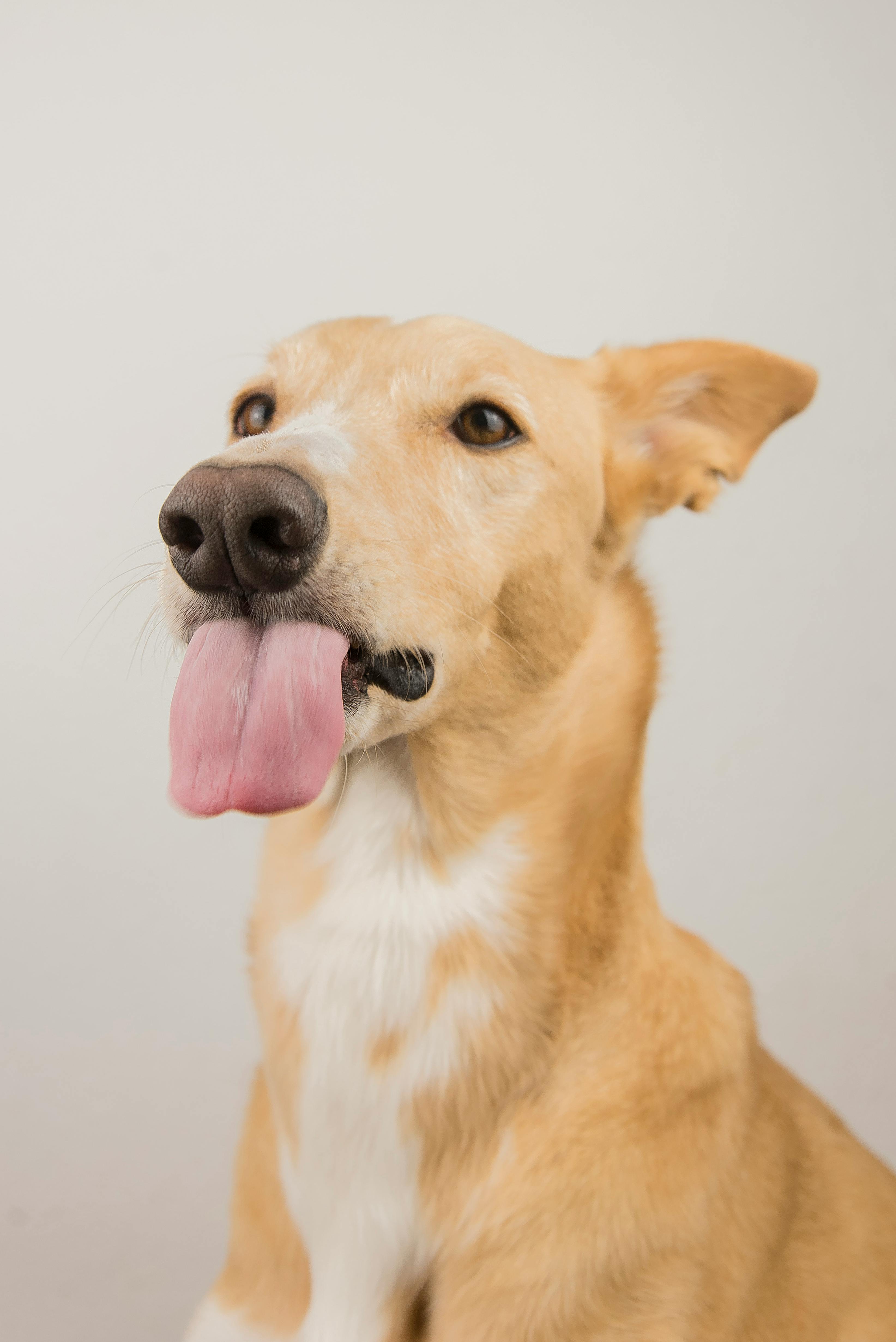
Dogs are more than just loyal companions; they are fascinating creatures with an array of unique traits. One of the most interesting features about our furry friends is their noses. Have you ever wondered why do dogs have wet noses? It’s not just for show, and there’s way more to it than cuteness overload. In fact, the wetness of a dog’s nose serves multiple essential functions that are crucial for their overall health and well-being. Let’s dive into some fun facts about dogs’ noses and discover the reasons behind that wet, cold, and often adorable button on their face.
Why Do Dogs Have Wet Noses?
First off, the wetness of a dog’s nose is a vital part of their sensory system. The moisture helps dogs pick up scents from the environment better. When the nose is wet, it can absorb more scent particles. This ability is what makes dogs such exceptional sniffers; they can detect smells that are thousands of times more subtle than what humans can perceive.
Moreover, the wetness can help regulate their body temperature. Dogs do not sweat like humans do. Instead, they rely on panting and the moisture on their noses to cool down. So, when your pup has that trademark wet nose, they might just be managing their internal temperature.
Fun Facts About Dog Noses
Here are some mind-blowing facts about why dogs have wet noses:
- Enhanced Smell: Dogs have around 220 million scent receptors in their noses, while humans only have about 5 million. The wet surface helps them capture even more scent particles.
- Thermoregulatory Function: A wet nose aids in cooling a dog’s body, which is critical, especially on hot days.
- Health Indicator: A dog’s nose can often indicate their health. A very dry nose could signal dehydration or illness, while a wet nose is generally a sign of good health.
- Unique Patterns: Just like human fingerprints, each dog has a unique nose print. This can sometimes be used for identification purposes.
- Scent Discrimination: Dogs can differentiate between various smells, allowing them to identify familiar scents, such as their owner’s smell, from a distance.
The Science Behind the Wetness
So, why do dogs have wet noses? It’s actually a combination of factors. The moisture on their noses comes from the mucus produced in their nasal passages. This mucus not only aids in scent absorption but also helps keep the nose cool.
Dogs lick their noses frequently, which keeps it moist. This action also helps to clean their nose from dust and allergens, which can enhance their olfactory capabilities.
Historical Context of Dog Noses
Historically, dogs were bred for specific roles, many of which relied heavily on their incredible sense of smell. For example:
- Hunting Dogs: Bred to track and hunt game, their noses were crucial for locating animals.
- Service Dogs: Many service dogs are trained to detect medical conditions like seizures or low blood sugar, utilizing their keen sense of smell.
- Search and Rescue: In emergencies, dogs with trained noses can find missing persons, as their ability to detect scents over long distances is unmatched.
Comparison: Dog Noses vs. Human Noses
Let’s compare the two noses side by side:
| Aspect | Dog Nose | Human Nose |
|---|---|---|
| Scent Receptors | 220 million | 5 million |
| Moisture | Always wet | Typically dry |
| Function | Smell, temperature regulation | Smell, breathing |
| Identification | Unique nose prints | Unique fingerprints |
Practical Examples of Nose Use
Dogs use their noses for a variety of activities, which can be fascinating to observe:
- Tracking: Some breeds, like Bloodhounds, are renowned for their ability to follow scents over great distances.
- Detection: Police and military dogs are trained to detect drugs, explosives, and even diseases like cancer.
It’s clear that a dog’s nose is not just a cute accessory but a powerful tool that aids in their survival and interaction with the world.
In summary, dogs’ wet noses are a remarkable feature that serves multiple purposes, from enhancing their sense of smell to regulating their body temperature. Understanding these fascinating facts not only deepens our appreciation for our canine companions but also showcases their extraordinary capabilities. So, the next time you kiss your pup’s wet nose, remember that it’s a sign of their unique biology and a testament to their amazing sensory skills!
Conclusion
In conclusion, the wet noses of dogs serve several important functions that contribute to their overall health and behavior. The moisture enhances their sense of smell, allowing them to detect scents more effectively, which is crucial for their communication and interaction with the environment. Additionally, a wet nose helps regulate their body temperature and keeps them cool, as dogs primarily sweat through their noses and paw pads. It’s also a sign of a healthy dog, as changes in nose moisture can indicate underlying health issues. Understanding the significance of your dog’s wet nose can deepen the bond between you and your furry friend. So, the next time you see your dog’s shiny, wet nose, appreciate the remarkable biology behind it. If you have further questions about your dog’s health or behavior, consider consulting your veterinarian for personalized advice and insights.
