Have you ever wonder why do dogs have wet noses? This intriguing question not only sparks curiosity but also reveals the fascinating biology behind our furry friends. A dog's wet nose is more than just an adorable feature; it plays a crucial role in their sense of smell and overall health. Did you know that a wet nose helps dogs to absorb scent molecules more effectively? This is one of the reasons why dogs are such amazing companions and skilled hunters. Also, the moisture on their noses can regulate their body temperature, keeping them cool during hot weather. But what about the myths surrounding dog noses? Some people believe that a cold, wet nose indicates a healthy dog, while others think it’s just a sign of being playful. So, why do dogs have wet noses? In this article, we will explore the science and the reasons behind this unique trait. Get ready to dive into the fascinating world of dog behavior and discover why this simple feature is so important for your beloved pet. Are you curious yet? Let’s unravel the mystery together!
\n\nThe Science Behind Dogs’ Wet Noses: What Every Pet Owner Should Know
\n\n \n\n
\n\nDogs are often known as man's best friend, but have you ever wondered about their wet noses? This simple yet intriguing feature of dogs can tell us a lot about their health and behavior. So, why do dogs have wet noses? Let's dive into the science behind it and explore fascinating reasons every pet owner should know!
\nThe Science of Wet Noses
\nDogs' noses are usually damp, and this moisture serves multiple purposes. The wetness is primarily due to a secretion of mucus from the nasal cavity which helps keep their sense of smell sharp. Dogs have an extraordinary olfactory system, and moisture helps to absorb scent particles, making it easier for them to identify different smells.
\n- \n
- Dogs have up to 300 million smell receptors, compared to humans' mere 5 million. \n
- The wetness on their noses helps trap scent particles for better analysis. \n
Evolutionary Benefits
\nThe wetness of a dog's nose has evolved over thousands of years. In the wild, having a moist nose could help in hunting and survival. When a dog sniffs the ground or air, the moisture allows them to detect more scents, thus making it easier to find food or track prey.
\n- \n
- Wet noses can also cool down dogs, especially when they pant. This is important for regulation of their body temperature. \n
- It’s thought that in the wild, a wet nose could help dogs avoid predators by giving them the ability to sense danger more quickly. \n
Health Indicators
\nA wet nose is often viewed as a sign of a healthy dog, but that’s not always the case. While a moist nose is typical, changes in its texture or temperature can indicate health issues.
\n- \n
- A dry, hot nose might signal fever. \n
- Excessively wet noses could indicate allergies or a cold. \n
- Checking the nose can be an easy way for owners to monitor their pet’s health. \n
The Role of Environment
\nThe environment plays a significant role in how wet a dog's nose can be. Dogs can have different levels of wetness based on the weather conditions.
\n- \n
- In humid weather, noses might stay wetter longer. \n
- Cold weather can dry out their noses, leading to cracks or even bleeding. \n
- Certain breeds have naturally wetter noses than others, like the Bloodhound or Labrador Retriever. \n
Fun Facts About Dogs’ Noses
\nDid you know that dogs' noses are as unique as human fingerprints? Here are some fun facts that may surprise you!
\n- \n
- Each dog’s nose print is different and can be used for identification. \n
- The color of the nose can change with seasons, often becoming darker in warmer months. \n
- Dogs can even detect diseases like cancer by smelling samples from humans. \n
Practical Tips for Pet Owners
\nKeeping your dog's nose healthy is important. Here are some tips for pet owners:
\n- \n
- Regular Check-Ups: Take your dog for routine vet visits to monitor their health. \n
- Hydration: Make sure your dog has plenty of water to keep their nose moist. \n
- Use Nose Balm: In cold weather, consider using a dog-safe balm to prevent drying and cracking. \n
- Watch for Changes: Keep an eye on any changes in your dog’s nose texture or temperature as this can indicate a health issue. \n
Comparison with Other Animals
\nWhile dogs have wet noses, other animals have different adaptations. For example, cats have drier noses, which doesn’t affect their ability to smell but serves a different purpose. Here’s a quick comparison:
\n| Animal | \nNose Type | \nPurpose | \n
|---|---|---|
| Dogs | \nWet | \nEnhanced sense of smell, cooling | \n
| Cats | \nDry | \nGeneral scent detection, grooming | \n
| Pigs | \nWet | \nDigging and foraging for food | \n
The Bond Between Owners and Dogs
\nUnderstanding why dogs have wet noses can help strengthen the bond between pets and their owners. Recognizing the signs of health and behavior linked to their noses can make a difference in how owners take care of their furry friends. Just by observing their nose, you can learn so much about your dog's well-being.
\nIn summary, the wet nose of a dog is not just an adorable feature; it plays a critical role in their health, behavior, and survival. By understanding these aspects, pet owners can provide better care and deepen their relationship with their beloved pets. So next time you notice your dog’s wet nose, remember—there’s a whole world of science and evolution behind it!
\n\n7 Surprising Benefits of a Dog’s Moist Nose for Their Health
\n\n \n\n
\n\nDogs are some of the most beloved pets around, and many people curious about their unique attributes. One of the most intriguing features is their moist noses. Have you ever wondered why do dogs have wet noses? Well, there are actually several fascinating reasons behind this phenomenon. Plus, it turns out that a dog’s moist nose comes with some surprising health benefits too. Let’s dive into the 7 surprising benefits of a dog’s moist nose for their health and uncover the science behind why do dogs have wet noses.
\n1. Temperature Regulation
\nDid you know that a dog's nose helps them regulate their body temperature? It’s true! Dogs don’t sweat like humans do, so they relies on their noses to help cool down. The moisture on their noses can evaporate, which helps to regulate their body heat. When dogs pant, it also assist in cooling them down, but the wet nose plays a significant role too.
\n2. Enhanced Sense of Smell
\nThe reason why dogs have wet noses is also related to their fantastic sense of smell. A moist nose can absorb scent chemicals better, helping them detect odors more efficiently. The wetness enhances their olfactory receptors, allowing them to smell things we can’t even imagine! This is why dogs are often used in search and rescue missions or sniffing out drugs and explosives. Their noses are like nature's built-in radar.
\n3. Health Indicator
\nA dog’s nose is often an indicator of their overall health. A moist and cool nose usually signifies that your pup is healthy and well-hydrated. Conversely, a dry or warm nose might suggest your dog could be sick or dehydrated. While it’s not a foolproof method to determine health, it can be a helpful quick check.
\n4. Natural Lubrication
\nDogs have a special gland in their noses that secretes mucus, which helps keep their noses moist. This mucus also serves as a lubricant that prevents the nose from cracking or becoming dry. This is especially important for dogs living in dry climates or during cold winters. You might notice that a dog's nose becomes drier in certain weather conditions, but as they stay hydrated, it usually returns to its moist state.
\n5. Communication Tool
\nDid you ever think of a dog’s nose as a communication tool? Well, it is! Dogs will often use their noses to greet other dogs and humans. A wet nose can signal friendliness and approachability. When dogs nuzzle against you with their noses, it’s their way of showing affection or seeking attention. They communicate a lot through scent and touch, and their wet noses play a significant role in that.
\n6. Detection of Illness
\nInterestingly, some studies suggest that a dog’s ability to detect illness can be heightened by their moist noses. Dogs are capable of smelling certain diseases like cancer or diabetes in humans. Their noses may pick up on chemical changes that occur in the body, which can signal health problems. This is not only fascinating but could lead to breakthroughs in how we understand diseases.
\n7. Hydration Mark
\nLastly, a dog’s moist nose can also be a good indicator of their hydration levels. If your dog’s nose feels particularly dry, it might be a sign that they need more water. Keeping your dog hydrated is crucial for their overall health, and monitoring their nose can be a simple way to check on them.
\nQuick Facts About Dog Noses
\n- \n
- Average Temperature: A healthy dog’s nose typically ranges from 94 to 103 degrees Fahrenheit. \n
- Gland Types: There are two types of glands in a dog’s nose: mucous glands and sebaceous glands. Both contribute to its moistness. \n
- Breed Variations: Some dog breeds have naturally wetter noses than others. For example, hounds often have very moist noses due to their heightened sense of smell. \n
Common Myths About Dog Noses
\n- \n
- Wet Nose Means Sick: A wet nose doesn’t always mean a dog is sick. It’s best to look at other health indicators. \n
- Temperature Check: Just because a dog’s nose is warm doesn’t mean they have a fever. Always check their overall behavior and other signs of illness. \n
Understanding why do dogs have wet noses can enhance your bond with your furry friend. It also helps you appreciate the unique ways dogs interact with their world. Their moist noses are not just an adorable trait; they serve many important functions in their health and communication. So next time you give your dog a pat on the head, don’t forget to give their nose a little rub too!
\n\nHow a Wet Nose Helps Dogs Interact with Their Environment
\n\n \n\n
\n\nHave you ever wonder why dogs have wet noses? It's one of those curious traits that make our furry friends not just adorable, but also fascinating beings. A dog’s nose is often moist, and this characteristic serves many purposes. Understanding why dogs have wet noses can help us appreciate them more and even improve the bond we share with our pets. Let’s dive into this intriguing topic and explore how a wet nose helps dogs interact with their environment!
\nThe Science Behind a Wet Nose
\nDogs have moist noses primarily because of the way their bodies are designed. The wetness is due to a thin layer of mucus that helps enhance their sense of smell. When a dog sniffs something, the moisture in their nose captures scent particles more effectively. This is why dogs are known for having an extraordinary sense of smell, estimated to be between 10,000 to 100,000 times more sensitive than humans.
\n- \n
- Dogs possess up to 300 million smell receptors, compared to a human's 5 million. \n
- The part of the dog’s brain that processes smells is about 40 times larger than that of humans. \n
How Does a Wet Nose Help Dogs?
\nSo, how does this wet nose actually help dogs interact with their surroundings? Here are some key ways:
\n- \n
- \n
Enhanced Sense of Smell: As mentioned earlier, the moisture on a dog's nose helps capture scents. This is crucial for their survival, as they rely on their sense of smell to find food, detect danger, and communicate with other dogs.
\n \n - \n
Thermoregulation: Dogs don’t sweat like humans do. Their primary method of cooling down is through panting and having a moist nose. A wet nose helps regulate their body temperature, keeping them comfortable during hot weather.
\n \n - \n
Social Interactions: Dogs often use their noses to explore and interact with other dogs and people. A wet nose can indicate to other animals that they are friendly and approachable.
\n \n - \n
Health Indicator: A dog’s nose can also give insight into their overall health. A consistently dry or warm nose might indicate dehydration or illness.
\n \n
Why Are Some Dogs' Noses Wetter Than Others?
\nNot all dogs have the same level of wetness on their noses. Several factors can affect this:
\n- \n
- \n
Breed Differences: Certain breeds, like the Bloodhound, are known for having wetter noses due to their heightened sense of smell. Breeds like Bulldogs might have drier noses.
\n \n - \n
Environmental Conditions: Dogs living in humid climates might have wetter noses than those in dry areas.
\n \n - \n
Health Conditions: As mentioned before, a nose that is too dry might suggest a health issue. It's a good idea to keep an eye on your dog's nose condition.
\n \n
Fun Facts About Dog Noses
\nHere are some fascinating tidbits about dog noses that you might not know:
\n- \n
- \n
Just like human fingerprints, a dog’s nose print is unique. Each dog has a distinct pattern of ridges and creases on their nose, which can be used for identification.
\n \n - \n
Dogs can detect certain diseases, like cancer and diabetes, through their sense of smell. They can even alert their owners to changes in blood sugar levels.
\n \n - \n
The moisture on a dog's nose is a result of their licking, and they often lick their noses to keep them damp and enhance their olfactory capabilities.
\n \n
Tips for Keeping Your Dog’s Nose Healthy
\nA healthy nose is important for your dog’s overall well-being. Here are some practical tips to ensure their noses remain in tip-top shape:
\n- \n
- \n
Hydration: Make sure your dog has access to fresh water at all times. A well-hydrated dog is more likely to have a healthy, moist nose.
\n \n - \n
Regular Vet Check-ups: Keep up with vet visits to monitor your dog's health. If you notice a sudden change in the condition of their nose, consult your veterinarian.
\n \n - \n
Avoiding Irritants: Try to keep your dog away from smoke, chemicals, and allergens that could dry out their nose.
\n \n - \n
Moisturizing: In some cases, applying a dog-safe moisturizer can help if their nose appears excessively dry.
\n \n
Understanding how a wet nose helps dogs interact with their environment and why they have wet noses can deepen our appreciation for our canine companions. Their incredible sense of smell and the moisture that supports it play a vital role in how they navigate the world. Next time you see your dog with a wet nose, remember all the wonderful reasons behind it!
\n\nExploring the Connection Between a Dog's Nose and Their Sense of Smell
\n\n \n\n
\n\nDogs are often considered man's best friend, but have you ever wondered what really makes them tick? One fascinating aspect of dogs is their nose and the way it relates to their sense of smell. It's not just about the cute little snouts. It's about how those wet noses play a crucial role in their ability to detect scents. Have you ever asked yourself, 'why do dogs have wet noses'? Well, let's dig into that together and explore the connection between a dog’s nose and their remarkable sense of smell.
\nThe Science Behind a Dog's Nose
\nDogs have an exceptionally keen sense of smell compared to humans. While humans have about 5 million scent receptors in their noses, dogs boast around 300 million! This astonishing difference means that dogs can detect even the faintest of odors, which makes them invaluable in various fields such as search and rescue, detection of drugs, and even in medical diagnoses.
\nBut what's the deal with their wet noses? The moisture on a dog's nose is not just for show. It serves several important purposes:
\n- \n
- Enhancing Smell: The wet surface of a dog's nose helps to capture scent particles from the air. When these particles dissolve in the moisture, they can be processed by olfactory receptors more effectively. \n
- Temperature Regulation: A wet nose can help dogs cool down. Just like sweating in humans, moisture evaporating from their noses can aid in regulating body temperature. \n
- Health Indicator: A dog’s nose can indicate their health. A warm, dry nose may suggest a fever or illness, while a cool, wet nose is often seen as a sign of good health. \n
The Evolution of a Dog's Sense of Smell
\nDogs have been man’s companions for thousands of years. Historically, they were bred for various tasks, and their sense of smell played a key role. Early humans relied on dogs for hunting and protection, and those with stronger olfactory senses were more successful. This led to selective breeding, enhancing this trait in many breeds.
\nHere’s a quick look at how some dog breeds rank in terms of their olfactory abilities:
\n- \n
- Bloodhound: Known for their incredible tracking abilities; their sense of smell is unmatched. \n
- Beagle: These little hounds are often used in search and rescue missions due to their keen noses. \n
- German Shepherd: Commonly used in police work, they have an exceptional sense of smell for detection tasks. \n
Why Are Dog Noses Wet?
\nSo, back to the question—why do dogs have wet noses? Here are some key reasons:
\n- \n
- Scent Detection: As mentioned, wet noses absorb scents much better than dry ones. This is why you’ll often see dogs sniffing around; they’re trying to gather as much information as possible. \n
- Cooling Mechanism: Dogs don’t sweat like humans do. Their primary means of cooling off is through panting and the moisture on their noses. This helps them stay comfortable during hot weather. \n
- Behavioral Aspects: A dog’s nose can reflect their mood. For instance, a wet and cold nose can indicate a relaxed and happy pup, while a warm, dry nose may suggest stress or illness. \n
The Fascinating Connection Between a Dog’s Nose and Their Behavior
\nThe nose is more than just a tool for sniffing; it’s deeply connected to a dog's behavior and communication. Dogs use their noses to gather information about their surroundings and other animals. Here’s what you should know:
\n- \n
- Social Interactions: Dogs often greet each other by sniffing noses. This behavior is part of their social interaction and helps them learn about one another. \n
- Territory Marking: Dogs also use their sense of smell to mark territory. By urinating, they leave scent markers that other dogs can detect. \n
- Detection of Emotions: Dogs can even sense human emotions through smell. They can detect hormonal changes that occur when a person is stressed, happy, or scared. \n
Practical Examples of Dogs Using Their Noses
\nDogs are trained to utilize their incredible sense of smell in various practical ways. Here are a few examples:
\n- \n
- Search and Rescue: Dogs are trained to locate missing persons, often in difficult terrains. \n
- Medical Detection: Some dogs can detect illnesses like cancer or diabetes through smell. \n
- Detection Work: Many dogs work with law enforcement to sniff out drugs, explosives, and other contraband. \n
Understanding the connection between a dog's wet nose and their sense of smell reveals a lot about these amazing creatures. Their wet noses are not just an endearing trait but a vital tool that enhances their ability to interact with the world. Whether it’s through sniffing out a favorite treat, tracking a scent, or sensing human emotions, dogs rely heavily on their noses. So next time you pet a dog, remember, that wet nose is doing a lot more than just being cute; it's a
\n\nDo Wet Noses Mean a Healthy Dog? Understanding the Myths and Facts
\n\n \n\n
\n\nWhen we see a dog with a wet nose, many of us might think it indicates health and vitality. But is this really true? The saying “A wet nose means a healthy dog” has been around for ages. However, there is much more to the story than just a simple correlation. Let’s dive into the fascinating world of why do dogs have wet noses and separate myths from facts!
\nThe Science Behind Wet Noses
\nFirst off, dogs have wet noses for a few reasons, and it's not just about health. Their noses are covered in a thin layer of moisture, which helps them in various ways. Here are some key points:
\n- \n
- \n
Sense of Smell: Dogs have an extraordinary sense of smell, and a wet nose helps enhance this ability. The moisture on their nose captures scent particles, which helps them to identify different smells more effectively.
\n \n - \n
Temperature Regulation: Dogs don’t sweat like humans do. Instead, they cool down through their noses. The moisture evaporates, helping to lower their body temperature. This is especially important on hot days or after exercise.
\n \n - \n
Hygiene: A wet nose can also help keep the nasal passages moist, which is important for respiratory health. Dry noses can lead to irritation or infections.
\n \n
Myths Surrounding Wet Noses
\nWhile a wet nose might be a sign of a healthy dog, it is not a definitive indicator. Here’s a breakdown of some common myths:
\n- \n
- \n
Myth 1: Wet Noses Always Mean Health
\n
\nFact: A dog can have a wet nose and still be sick. Conversely, a dry nose doesn’t automatically mean your dog is unwell. Factors like temperature, environment, or even sleep can influence nose moisture. \n - \n
Myth 2: Only Certain Breeds Have Wet Noses
\n
\nFact: All dogs have wet noses, regardless of their breed. The level of moisture can vary, but wet noses are a common trait among canines. \n - \n
Myth 3: You Can Diagnose Illness by Checking Nose Moisture
\n
\nFact: While checking a dog’s nose can give you some clues, it’s not a reliable method to assess overall health. Always consult a veterinarian for proper diagnosis. \n
Why Do Dogs Have Wet Noses?
\nNow that we’ve debunked some myths, let’s explore the fascinating reasons behind this wet phenomenon. Here’s a list of interesting facts:
\n- \n
- \n
Evolutionary Trait: Dogs evolved from wolves, which used wet noses for hunting. The moisture helped them track prey across longer distances.
\n \n - \n
Communication Tool: Dogs also use their noses to communicate. A wet nose can be a sign of excitement or curiosity, often seen when they greet their owners.
\n \n - \n
Environmental Interaction: Dogs explore their surroundings with their noses. A wet nose helps them pick up scents from grass, dirt, and objects they encounter.
\n \n - \n
Health Indicator: While not definitive, changes in nose moisture can sometimes indicate health issues. Dogs with persistent dry noses may need to see a vet, especially if accompanied by other symptoms.
\n \n
Fun Facts About Dog Noses
\nHere are some cool and quirky facts about dog noses that you might not know:
\n- \n
- \n
Unique Patterns: Just like human fingerprints, each dog has a unique nose print that can be used to identify them.
\n \n - \n
Color Variations: A dog’s nose color can range from black to brown to pink, and this is often influenced by genetics.
\n \n - \n
Sensitivity: Dogs’ noses have around 300 million scent receptors, compared to humans, who have about 5 million. This makes their sense of smell 40 times more powerful!
\n \n
Practical Care for Your Dog's Nose
\nTaking care of your dog’s nose is important for their overall well-being. Here’s how you can ensure their nose stays healthy:
\n- \n
- \n
Hydration: Ensure your dog drinks enough water to keep their nose moist. Dehydration can lead to a dry nose.
\n \n - \n
Environment: Protect your dog from extreme weather. Cold and dry conditions can cause nasal dryness.
\n \n - \n
Regular Check-ups: Regular vet visits can help catch any underlying health issues early.
\n \n - \n
Grooming: Regular grooming can help keep your dog’s skin and nose healthy.
\n \n
Understanding the reasons why do dogs have wet noses can help dog owners better care for their furry companions. While a wet nose might suggest a healthy pup, it’s essential to consider the bigger picture when assessing your dog’s health. Always prioritize regular veterinary check-ups and observe any changes in your dog’s behavior or physical condition.
\n\nThe Role of Canine Nose Moisture in Temperature Regulation
\n\n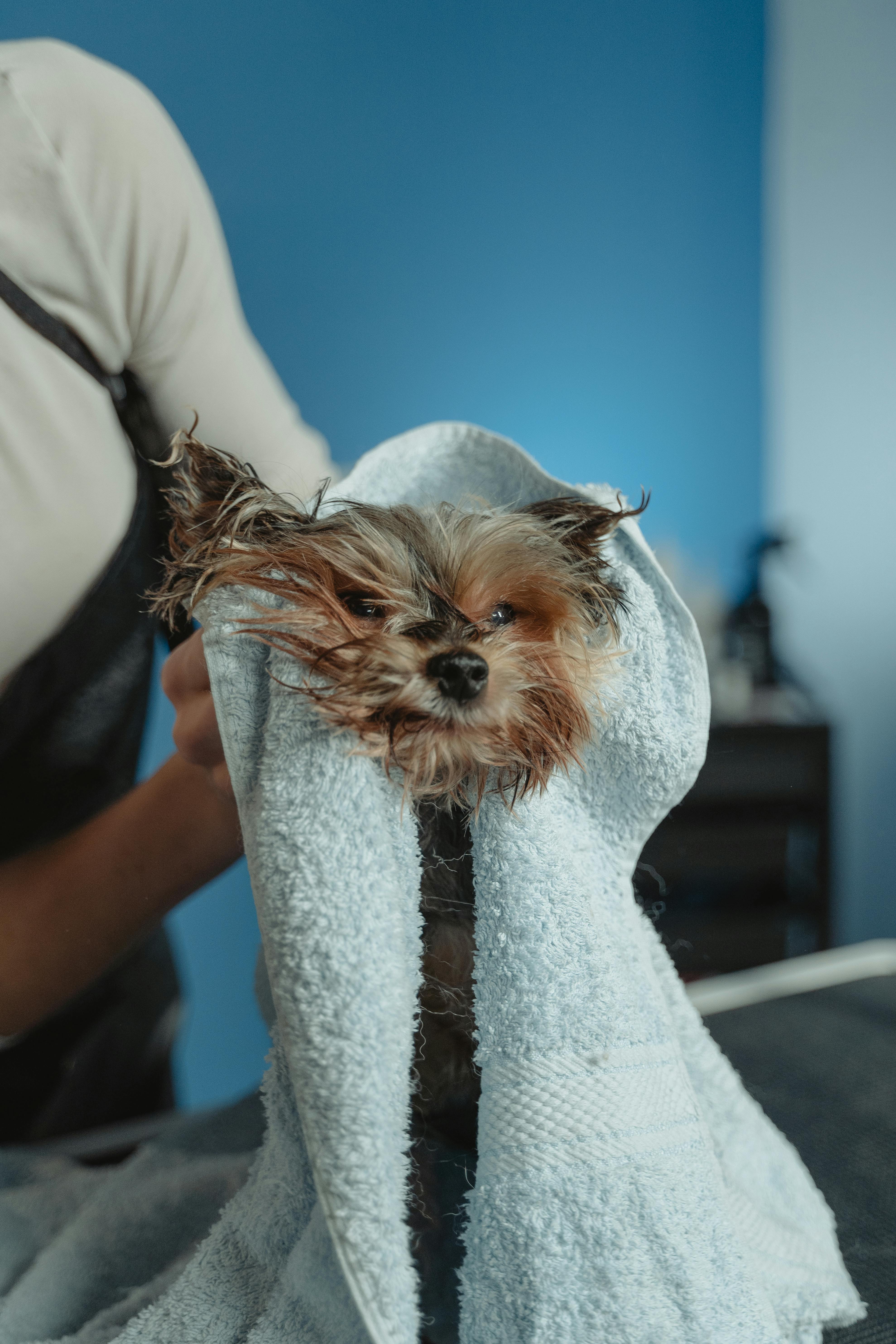 \n\n
\n\nHave you ever wondered why dogs have wet noses? It’s one of those curious traits that many people notice but few really understand. The reason behind it is more than just for looks. Canine nose moisture plays a significant role in how dogs regulate their body temperature, which is fascinating and essential for their health. Let’s dive into the intriguing world of dog noses and uncover the science behind that wet, cold surface.
\nWhat Makes a Dog's Nose Wet?
\nDog noses are not just cute; they serve several important functions. One of the primary reasons for their moisture is the secretion of a mucous layer. This moisture helps enhance a dog’s sense of smell, which is super important for their survival and communication. Here are some key points related to the moisture on a dog’s nose:
\n- \n
- \n
Mucous Glands: Dogs have mucous glands in their noses that produce a thin layer of moisture. This wetness helps to dissolve scent particles, making it easier for dogs to pick up different smells.
\n \n - \n
Temperature Regulation: A wet nose can assist in thermoregulation. When a dog pants, moisture evaporates from their nose, which cools them down. It’s like nature’s built-in air conditioning.
\n \n - \n
Environmental Factors: Weather can also affect how wet a dog’s nose gets. Humidity, temperature, and even the surface they are on can contribute to the moisture levels. For example, playing in the rain or drinking water can lead to a wetter nose.
\n \n
Historical Context of Wet Noses
\nHistorically, researchers have studied canine noses for ages. The ancient Greeks even noted the significance of a dog's sense of smell. In the 19th century, scientists started to explore the anatomy of dog noses more thoroughly. They discovered that the structure of a dog’s nose is quite complex, with numerous olfactory receptors.
\n- \n
- Olfactory Receptors: Dogs have about 220 million olfactory receptors compared to humans, who have only about 5 million. This incredible capability is partly due to the moisture on their noses that help capture and process scents. \n
The Science Behind Temperature Regulation
\nThe way dogs regulate their body temperature through their noses is fascinating. Unlike humans, who sweat through their skin, dogs primarily cool down by panting. Their wet noses play an essential role in this process. Here’s how it works:
\n- \n
- \n
Evaporation: When a dog pants, moisture evaporates from its nose, which helps lower its body temperature. This process is similar to how perspiration cools humans down.
\n \n - \n
Blood Flow: The blood vessels in a dog’s nose are close to the surface, which means that when the moisture evaporates, it cools the blood flowing through those vessels. This can help decrease the overall body temperature.
\n \n - \n
Behavioral Aspects: Dogs may seek out cool surfaces or shade when they are too hot. Their noses being wet can also indicate to owners that a dog is feeling warm and may need to cool down.
\n \n
Fascinating Facts about Dog Noses
\n- \n
- \n
Color Variation: Not all dog noses are the same color. Some are black, some are brown, and some are even spotted. These differences can be related to breed and genetics.
\n \n - \n
Health Indicators: A change in nose moisture can sometimes indicate health issues. If a dog’s nose becomes dry and cracked, it could be a sign of dehydration or illness.
\n \n - \n
Temperature and Health: While a cold, wet nose is generally a sign of a healthy dog, too much moisture or an excessively warm nose can be cause for concern.
\n \n
Comparisons with Other Animals
\nDogs are not alone in having wet noses. Other animals, like cats and horses, also have moist noses, though their functions may vary. Here’s a quick comparison:
\n| Animal | \nNose Moisture Purpose | \nUnique Features | \n
|---|---|---|
| Dogs | \nEnhance smell, temperature regulation | \n220 million olfactory receptors | \n
| Cats | \nScent detection, hydration | \nFewer receptors than dogs | \n
| Horses | \nScent identification and cooling | \nLarge nasal passages | \n
Practical Examples of Nose Health
\nTo keep your dog’s nose healthy, consider these tips:
\n- \n
- Hydration: Ensure your dog has access to fresh water at all times, as dehydration can lead to a dry nose. \n
- Sun Protection: Just like humans, dogs can get sunburned. Use dog-safe sunscreen on their noses if they are spending time in the sun. \n
- Regular Check-Ups: Regular vet visits can help catch any nose issues early. \n
Understanding why dogs have wet noses and the role of canine nose moisture in temperature regulation gives pet owners valuable insights into their health and well-being. So next time you see that adorable, wet nose, remember it’s more than just a cute feature;
\n\nWhy Is Your Dog’s Nose Wet? 5 Fascinating Reasons Explained
\n\n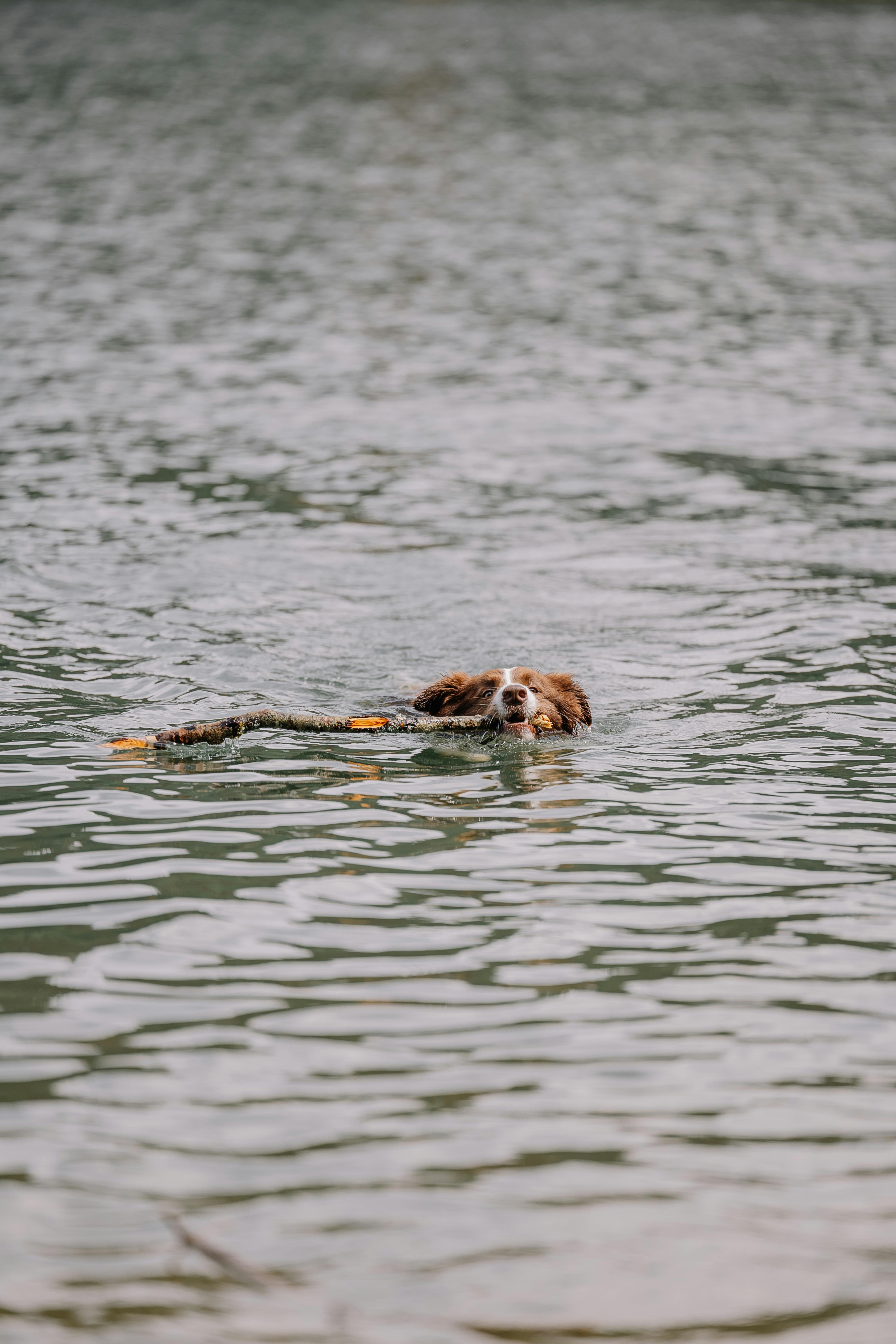 \n\n
\n\nEver notice how your dog’s nose always seem to be wet? You might’ve wondered why is that. There’s actually some fascinating reasons behind this common canine feature. Understanding why dogs have wet noses not only helps you appreciate your furry friend more but also gives insight into their health and behavior. Let’s dive into five intriguing reasons why your dog's nose is wet!
\n1. Temperature Regulation
\nOne of the biggest reasons for a dog's wet nose is it helps them cool down. Dogs don’t sweat like humans do. Instead, they rely on panting and the moisture on their nose to regulate body temperature. When a dog licks their nose, the moisture evaporates and this cooling effect can help lower their body temperature.
\n- \n
- Dogs have sweat glands, but they’re mostly located in their paws. \n
- A wet nose is a sign of effective thermoregulation. \n
2. Enhanced Sense of Smell
\nDid you know that a dog’s nose is equipped with more than 300 million smell receptors? In contrast, humans have a measly 5 million. The wetness on a dog’s nose is crucial for enhancing their sense of smell. The moisture helps to trap scent particles in the air, making it easier for dogs to detect various smells.
\n- \n
- Dogs can detect certain scents at incredibly low concentrations. \n
- A wet nose can enhance a dog's ability to identify familiar scents or track down something interesting. \n
3. Natural Moisture from Glands
\nDogs’ noses are not just wet by coincidence. They have specialized glands that produce mucus, which keeps the nose moist. This moisture is essential for the dog's olfactory system to work efficiently.
\n- \n
- These glands are also responsible for the unique scent signature of each dog. \n
- A dog's nose can actually change temperature, which can also affect its wetness. \n
4. Health Indicator
\nA wet nose is often considered a sign of good health. While it’s not a definitive measure, a healthy dog generally has a moist nose. However, if a dog’s nose suddenly becomes dry or cracked, it could indicate dehydration, fever, or other health issues.
\n- \n
- A dog’s nose should be cool and slightly moist. \n
- Changes in nose moisture can be a red flag; it’s important to monitor your dog's overall health. \n
5. Behavioral Aspects
\nDogs are social creatures, and their wet noses serve as a tool for communication. They often sniff and lick to gather information about their surroundings or to interact with other dogs and humans. The moisture on their nose helps them in this process, making it easier to pick up scents that convey important messages.
\n- \n
- Dogs use their noses to explore their environment. \n
- Wet noses can also be a way for dogs to show affection; they may nuzzle you with their nose as a sign of love. \n
Quick Facts About Dog Noses
\n- \n
- Dogs’ noses can come in various shapes and sizes, but the wetness is a common characteristic. \n
- The color of a dog’s nose can vary, and this is not related to the wetness. \n
- Puppies are born with dry noses, which become wet as they grow and start to explore the world. \n
Comparison of Dog Noses to Human Noses
\n| Feature | \nDog Nose | \nHuman Nose | \n
|---|---|---|
| Number of Receptors | \n300 million | \n5 million | \n
| Moisture Level | \nTypically wet | \nTypically dry | \n
| Function of Moisture | \nEnhances smell | \nMinimal role in smell | \n
| Temperature Regulation | \nAids in cooling | \nSweating is primary method | \n
Now, let’s not forget that while a wet nose is often a good sign, it’s not everything. If you notice any drastic changes or your dog seems unwell, it’s a good idea to consult a veterinarian. Each dog is different, and factors like breed, age, and health can influence the moisture of their nose.
\nSo next time you give your furry friend a pat and feel that cool, wet nose, remember the amazing reasons behind this simple yet fascinating feature. It’s not just about being cute; it’s a crucial part of a dog’s biology and behavior. Embrace the wet nose, it’s part of what makes dogs so unique!
\n\nCan a Dog’s Nose Predict Illness? Uncover the Truth About Wet Noses
\n\n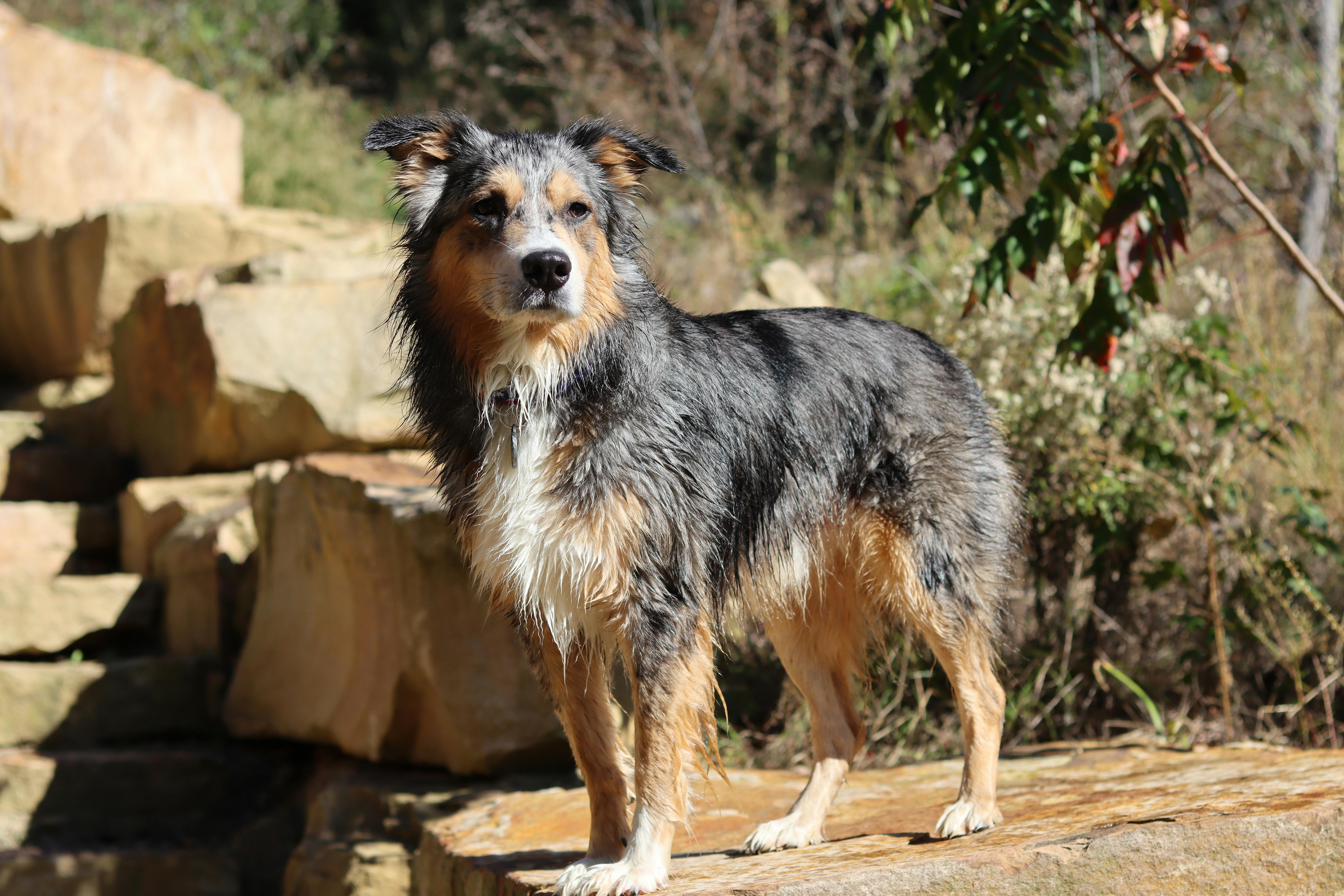 \n\n
\n\nCan a Dog’s Nose Predict Illness? Uncover the Truth About Wet Noses, Why Do Dogs Have Wet Noses? Discover The Fascinating Reasons!
\nDogs are often called man's best friend, and for good reasons. They provide companionship, loyalty, and even protection. But did you know that dogs have another special ability? Their noses, moist and cool, might actually be able to sense illness in humans. But, how does this work? Is it just an old wives' tale, or is there a scientific basis behind it? Let’s dive into the fascinating world of canine noses.
\nThe Science Behind Dog Noses
\nA dog's sense of smell is incredibly powerful. In fact, it's estimated that dogs have up to 300 million olfactory receptors in their noses, compared to about 6 million in humans. This gives dogs the ability to detect certain illnesses. Here are some key points:
\n- \n
- \n
Olfactory Receptors: Dogs have way more olfactory receptors than humans. This allows them to pick up on scents that we can’t even imagine.
\n \n - \n
Sensitivity: Dogs can detect certain diseases, like cancer and diabetes, through smelling changes in a person’s body odor.
\n \n - \n
Research: Studies have shown that dogs can be trained to sniff out diseases by identifying specific scent markers.
\n \n
One major study published in the journal "BMJ" observed that trained dogs could identify skin cancer with a 97% accuracy rate. Isn’t that amazing?
\nWhy Do Dogs Have Wet Noses?
\nNow, let’s talk about those wet noses. Why are they always damp? There several reasons why dogs have wet noses:
\n- \n
- \n
Regulation of Body Temperature: A wet nose helps dogs cool down. They don’t sweat like humans do, so moisture on their noses helps regulate temperature.
\n \n - \n
Enhanced Smell: The moisture on their noses traps scent particles, making it easier for dogs to pick up on various smells.
\n \n - \n
Health Indicator: A wet nose is often a sign of a healthy dog, while a dry nose might indicate dehydration or illness. However, this isn't always true, as some dogs naturally have drier noses.
\n \n
The Fascinating Reasons Behind Dog Noses
\nDogs use their noses for many things, not just for detecting illness. Here’s a look at some of the fascinating reasons:
\n- \n
- \n
Communication: Dogs often use their sense of smell to communicate with each other. They can tell if another dog is friendly, aggressive, or even if they are in heat.
\n \n - \n
Finding Food: Dogs are natural scavengers. Their noses help them find food sources, whether it's in the wild or in your kitchen!
\n \n - \n
Tracking: Many dogs are trained to track scents, aiding in search and rescue missions or law enforcement.
\n \n
Can a Dog’s Nose Really Predict Illness?
\nWhile the idea that a dog’s nose can predict illness is fascinating, it’s important to note that not all dogs have the same abilities. Some breeds, like Bloodhounds or Beagles, are particularly good at scent detection. However, dogs can sometimes detect changes in their owner’s health.
\nHere are some illnesses dogs have shown potential to detect:
\n- \n
- \n
Cancer: Different types of cancers have unique odors, and dogs can be trained to identify these scents.
\n \n - \n
Diabetes: Dogs can sense changes in blood sugar levels through their owner’s breath or skin.
\n \n - \n
Seizures: Some dogs can predict seizures before they happen, allowing the owner to prepare.
\n \n
How to Encourage Your Dog’s Nose Skills
\nIf you’re curious about your dog’s sniffing power, there are ways to encourage and train them. Here are some practical tips:
\n- \n
- \n
Scent Games: Hide treats around your home or yard and encourage your dog to find them. This stimulates their natural instincts.
\n \n - \n
Scent Training Classes: Many local trainers offer classes focused on scent detection, which can be both fun and beneficial for your dog.
\n \n - \n
Health Monitoring: Pay attention to any unusual behavior from your dog, especially if they seem to be sniffing or staying close to a particular area of your body.
\n \n
In the end, while science shows that dogs can indeed pick up on certain illnesses, it’s not a foolproof method. The bond between a dog and its owner goes beyond just companionship; it might just include a little bit of intuition as well. So, next time you see your dog with their wet nose, remember they might be more in tune with your health than you think.
\n\nUnderstanding Canine Anatomy: How Dogs’ Noses Work Their Magic
\n\n \n\n
\n\nDogs have always been our loyal companions, but their fascinating anatomy is often overlooked. One of the most intriguing aspects of their biology is their noses! Understanding canine anatomy, especially how dogs’ noses work, gives insight into why dogs have wet noses. Spoiler alert: it’s not just for show!
\nThe Basics of Canine Anatomy
\nDogs’ noses are among the most advanced sensory organs in the animal kingdom. With an estimated 300 million olfactory receptors, dogs can smell up to 100,000 times better than humans. This incredible smelling ability is what makes their noses so wet. But why does moisture play such a crucial role?
\nWhy Do Dogs Have Wet Noses?
\n- \n
- \n
Enhanced Smelling: A wet nose helps to capture scent particles from the air. The moisture on the surface of the nose allows these particles to stick better, increasing the likelihood that the dog will detect them. Imagine trying to smell something with a dry sponge versus a damp one. The wet sponge works better, right? The same principle applies here!
\n \n - \n
Cooling Mechanism: Dogs don't sweat like humans do. Instead, they rely on their noses to help regulate body temperature. When the moisture evaporates from their noses, it can help cool them down. So, if you see your dog with a wet nose, it could mean they’re trying to cool off on a hot day!
\n \n - \n
Health Indicator: A dog’s nose can be an indicator of its health. A healthy dog typically has a moist and cool nose. If a dog’s nose is dry and warm, it could suggest a fever or dehydration. Dog owners should pay attention to these changes; it can help in keeping their furry friends healthy.
\n \n - \n
Communication Tool: Dogs also use their noses to communicate with one another. A dog might sniff another dog's nose to gather information about them, like their health, diet, and even mood. It's like an introduction in the dog world!
\n \n
The Anatomy of a Dog’s Nose
\nUnderstanding how a dog’s nose is structured can help appreciate its functionality. Here’s a quick breakdown of the main parts:
\n- \n
- External Nose: The outer visible part, which includes the nostrils and the nasal bridge. \n
- Nasal Cavity: Inside the nose, this cavity is lined with mucous membranes and olfactory receptors. \n
- Jacobsen's Organ: Also known as the vomeronasal organ, this is a special organ that detects pheromones and other chemical signals. \n
Fun Facts About Dogs’ Noses
\n- \n
- Unique Patterns: Just like human fingerprints, every dog has a unique nose print. This could be used for identification, though it’s not a common practice. \n
- Color Differences: The color of a dog's nose can vary widely, from black to pink, and even spotted. This variation is often linked to the dog's breed. \n
- Sniffing Styles: Dogs often sniff in a particular pattern—sniff, sniff, pause, sniff. This helps them collect more information from the scents. \n
Comparing Dogs’ Noses to Human Noses
\nIt’s quite interesting to compare the noses of dogs and humans. Here’s a quick comparison:
\n| Feature | \nDogs | \nHumans | \n
|---|---|---|
| Olfactory Receptors | \n300 million | \nAbout 5 million | \n
| Sense of Smell | \n10,000-100,000 times better | \nLess sensitive | \n
| Moisture | \nHealthy, moist | \nUsually dry | \n
| Function | \nDetects scents, communicates | \nLimited to smelling food | \n
Practical Examples of Nose Usage
\n- \n
- Search and Rescue: Dogs are often used in search and rescue missions because of incredible sense of smell. They can find missing persons or detect drugs and explosives. \n
- Medical Detection: Some dogs can even detect diseases like cancer or diabetes by smelling changes in body chemistry. \n
It's clear that dogs’ noses aren’t just cute features but vital tools that serve many essential functions. Their wet noses are integral to their ability to smell and communicate, regulating their body temperature and indicating their health status. So, the next time you see your dog with that adorable wet nose, you’ll know they are working hard. This unique anatomy is just another reason why dogs are truly amazing creatures!
\n\nThe Impact of Weather on Your Dog’s Nose: What to Expect in Different Seasons
\n\n \n\n
\n\nThe weather can have a surprising impact on your dog’s nose, and many pet owners don’t even realize it. Just like humans, dogs experience environmental changes throughout the seasons, and these changes can affect their bodies in various ways. One part of their anatomy that often gets overlooked is their nose, which is not only cute but also serves some important functions. So, let’s dive into the fascinating world of why dogs have wet noses and how different weather conditions can affect them.
\nWhy Do Dogs Have Wet Noses?
\nFirst off, why do dogs have wet noses anyway? There’s a few reasons, and they’re pretty interesting!
\n- \n
- \n
Enhanced Smell: A wet nose helps dogs to smell better. When moisture is present, it helps to trap scent particles. This means that when your dog sniffs around, it can pick up more information about its surroundings. So, if you ever wonder why your dog seems so into that bush, it’s probably because it’s picking up all kinds of smells!
\n \n - \n
Temperature Regulation: Dogs don’t sweat like humans do. Instead, they rely on their noses to help regulate their body temperature. A wet nose can evaporate moisture and cool them down a bit.
\n \n - \n
Health Indicator: The state of a dog’s nose can be a sign of its overall health. A consistently dry or cracked nose can indicate dehydration or illness.
\n \n
The Weather and Your Dog’s Nose
\nNow, let’s consider how the weather changes throughout the year can impact your dog's nose. Each season brings its own unique challenges and effects!
\nSpring
\n- \n
- Allergies: With blooming flowers and pollen, many dogs might develop allergies. This can cause their noses to become dry or crusty. \n
- Increased Moisture: Rainy days can lead to a wetter nose, which is normal. Dogs love to sniff around in the mud and wet grass! \n
Summer
\n- \n
- Heat: High temperatures can dry out a dog’s nose, making it look flaky. Keeping your pup hydrated is important! \n
- Sunburn: Just like humans, dogs can get sunburned. Light-colored dogs are especially at risk, and this can lead to a dry, painful nose. \n
Fall
\n- \n
- Changing Humidity: The transition from summer to fall can create fluctuations in humidity. Dogs may have wet noses one day and dry the next. \n
- Cooler Temperatures: As the weather cools, dogs might experience a more consistent moisture level in their noses. \n
Winter
\n- \n
- Cold Air: Cold weather can dry out a dog’s nose significantly. If you notice it looking cracked or parched, consider using a dog-safe moisturizer. \n
- Indoor Heating: Spending time inside can expose dogs to dry air from heaters, which may lead to a persistently dry nose. \n
Tips for Maintaining a Healthy Nose
\nKeeping your dog’s nose in tip-top shape is important. Here are some practical tips:
\n- \n
- Hydration: Always ensure your dog has access to fresh water. \n
- Diet: A balanced diet rich in omega fatty acids can help maintain skin and nose health. \n
- Moisturizers: Consult your vet about safe moisturizers if you notice your dog’s nose looking dry. \n
- Regular Check-ups: Keep an eye on any changes in your dog’s nose and consult a veterinarian if you have concerns. \n
Fun Facts About Dog Noses
\n- \n
- Dogs have about 300 million scent receptors, compared to a human’s 5 million! \n
- The moisture on a dog’s nose can evaporate quickly, causing it to dry out, especially in harsh weather conditions. \n
- Each dog’s nose print is unique, much like a human fingerprint! \n
Understanding the impact of weather on your dog’s nose is crucial for every dog owner. By knowing what to expect in different seasons and why your dog has a wet nose, you can better care for your furry friend. It’s not just about cuteness; there’s a lot going on with that little nose. So, pay attention to the changes as the seasons shift, and take those necessary steps to keep your pup healthy and happy all year round.
\n\nConclusion
\n\nIn conclusion, the wet noses of dogs serve multiple essential functions that enhance their overall health and communication abilities. The moisture helps to improve their sense of smell, allowing them to detect scents more effectively, which is crucial for their survival and interaction with the environment. Additionally, a wet nose can indicate a dog's emotional state, signaling excitement or curiosity. While the general belief is that a cool, moist nose is a sign of good health, it’s important for pet owners to monitor their dogs for any drastic changes in nose temperature or moisture, as these can sometimes indicate health issues. Ultimately, understanding why dogs have wet noses not only deepens our appreciation for these beloved pets but also encourages us to be attentive to their needs. So, the next time you greet your furry friend, take a moment to consider the fascinating biology behind that delightful wet nose!
\n\n