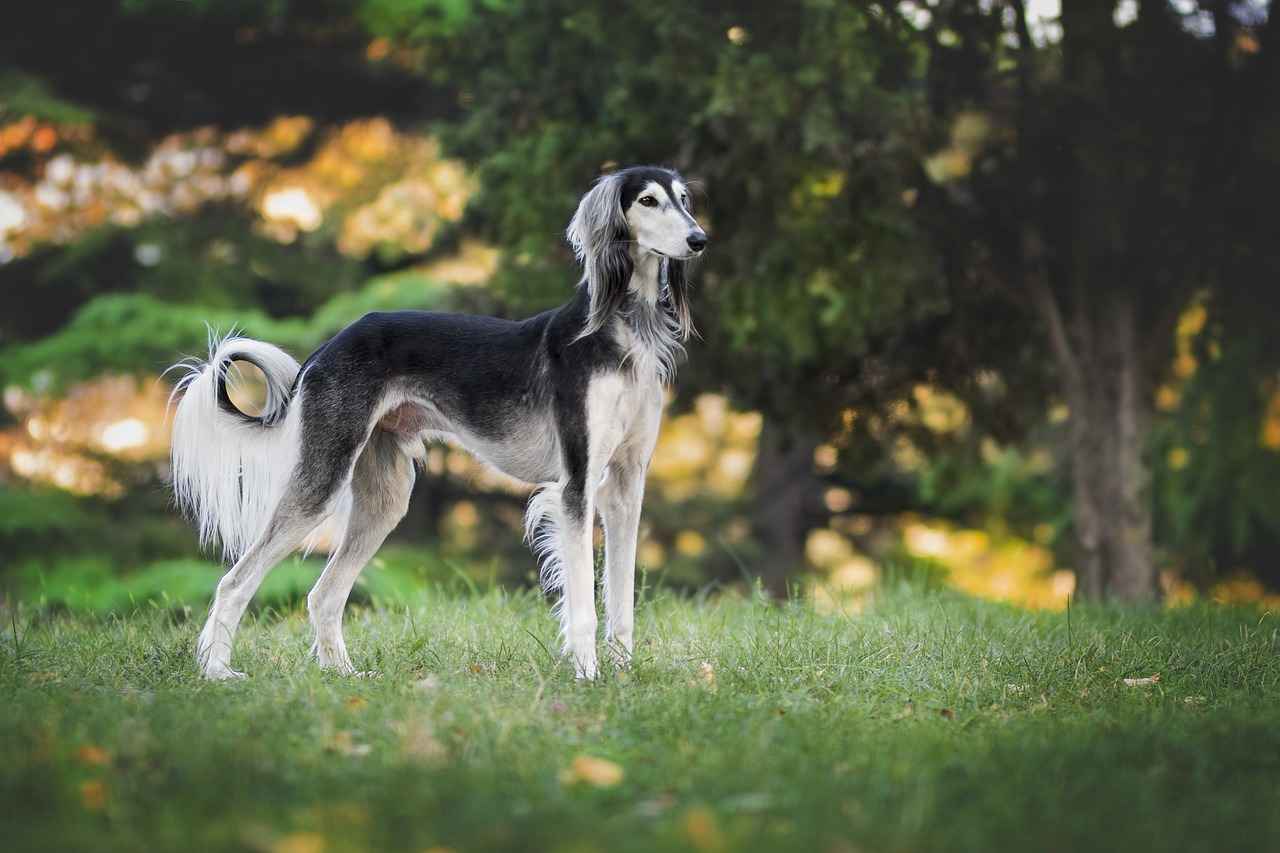
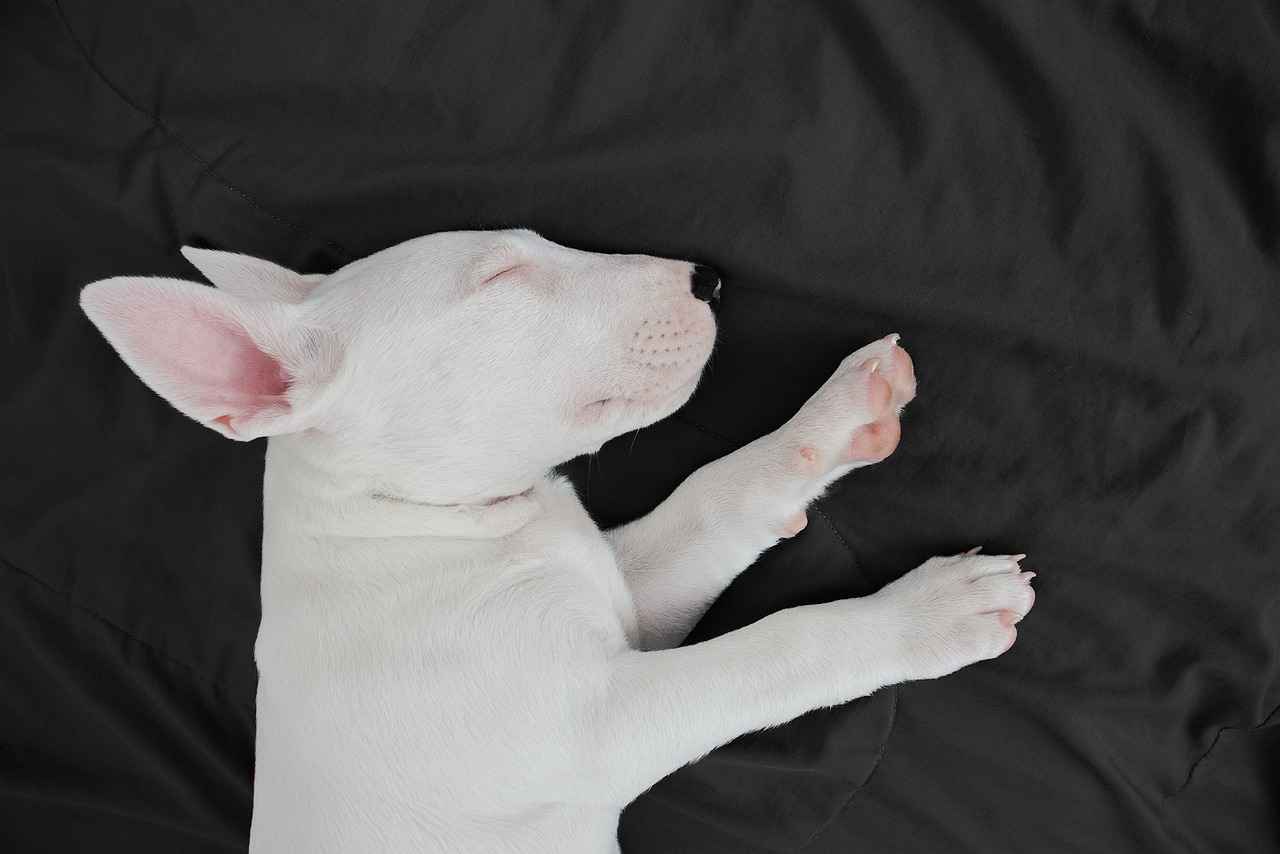
Have you ever wondered, why do dogs have wet noses? This intriguing question not only sparks curiosity but also reveals fascinating facts about our furry friends! A dog’s nose is more than just a cute feature; it plays a crucial role in their health and behavior. Wet noses are not just for show – they serve essential functions that can enhance your dog’s sense of smell and even help regulate their body temperature. But, what exactly causes this unique phenomenon? Could it be linked to their incredible olfactory abilities, or is there a deeper explanation behind those adorable, droopy snouts? In this article, we will uncover the science behind dogs' wet noses, exploring everything from moisture production to the reasons why dogs sniff each other. You’ll discover how these fascinating features contribute to a dog’s ability to interact with their environment and communicate with other dogs. So, if you’re a dog lover or just curious about canine anatomy, join us as we dive into the captivating world of why do dogs have wet noses and learn how this simple trait can tell us so much about their health and happiness!
\n\nThe Science Behind Wet Noses: What Makes Dogs’ Noses So Moist?
\n\n \n\n
\n\nEver wonder why dogs’ noses are so wet? It's a question that many pet owners ask, and it turns out there’s actually a lot of science behind those moist snouts. The wetness of a dog’s nose is not just a random trait, but serves several important purposes in the life of our furry friends. Let's dive into the fascinating reasons why dogs have wet noses and the science that explains this unique characteristic.
\nThe Role of Moisture in a Dog’s Nose
\nDogs have wet noses because moisture plays a critical role in their sense of smell. A dog’s sense of smell is incredible, estimated to be anywhere from 10,000 to 100,000 times more sensitive than that of humans. When a dog's nose is moist, it helps to capture scent particles in the air. This moisture allows the scent particles to dissolve, which makes it easier for the olfactory receptors in their noses to detect and identify different smells.
\nHow Dogs Keep Their Noses Moist
\nYou might be curious about how exactly dogs keep their noses so moist. Several factors contribute to this:
\n- \n
- Saliva: Dogs often lick their noses, which adds moisture. This behavior is instinctual and helps enhance their ability to smell. \n
- Environmental Factors: Humidity and temperature can also affect the moisture level in a dog’s nose. For example, a hot day may lead to more frequent nose licking as they seek to stay cool and hydrated. \n
- Physiology: The structure of a dog’s nose is designed to retain moisture. The skin on a dog’s nose is thin and has a unique glandular structure that helps keep it moist. \n
Why Wet Noses Are Beneficial
\nThere are some key benefits to having a wet nose. Here’s a list of reasons:
\n- \n
- Enhanced Smell: Wet noses can absorb more odor molecules, which improves a dog’s ability to detect scents. \n
- Temperature Regulation: A moist nose can help with thermoregulation. When dogs pant, they are also cooling their noses, which in turn helps to regulate their overall body temperature. \n
- Health Indicator: A wet nose is often a sign of a healthy dog. However, if a dog’s nose becomes excessively dry or cracked, it may indicate a health issue that needs attention. \n
Comparing Wet and Dry Noses
\nIt might be interesting to compare wet noses with dry noses. Here’s a simple table to illustrate:
\n| Feature | \nWet Nose | \nDry Nose | \n
|---|---|---|
| Smell Sensitivity | \nHigh | \nLower | \n
| Moisture Level | \nHigh | \nLow | \n
| Health Indicator | \nUsually Healthy | \nMay Indicate Illness | \n
| Temperature Regulation | \nEffective | \nLess Effective | \n
Historical Context of Dog Noses
\nHistorically, dogs have been bred for various purposes, including hunting and herding. Those with better olfactory capabilities were more likely to thrive and reproduce. This natural selection has led to the evolution of the canine nose over thousands of years.
\nIn ancient civilizations, dogs were often used for tracking and hunting due to their remarkable sense of smell. This practical use of their wet noses not only helped humans hunt but also solidified the bond between dogs and people.
\nFun Facts About Dog Noses
\nHere are some fun facts that might surprise you:
\n- \n
- Every dog’s nose print is unique, much like a human fingerprint. This could potentially be used for identification purposes! \n
- Dogs have around 300 million olfactory receptors in their noses compared to about 5 million in humans. \n
- The moisture on a dog’s nose can evaporate quickly, which is why you might notice your dog licking it frequently. \n
Myths Surrounding Wet Noses
\nThere are many myths out there about dogs' noses. Some common misconceptions include:
\n- \n
- \n
Myth: A wet nose means a dog is healthy.\nFact: While wet noses are generally a sign of health, other factors must be considered.
\n \n - \n
Myth: Dogs only lick their noses when they’re thirsty.\nFact: Dogs lick their noses for multiple reasons, including to enhance their sense of smell.
\n \n
Understanding the science behind why dogs have wet noses adds another layer to the appreciation of these loving companions. Their moist noses are not just cute features but are essential for their survival and communication. So, the next time you see your dog’s wet nose, remember all the fascinating reasons behind it!
\n\n5 Fascinating Facts About Why Dogs Have Wet Noses That You Didn’t Know
\n\n \n\n
\n\nDogs are often seen with their characteristic wet noses, but have you ever wondered why? This curiosity leads us to explore some fascinating facts about those moist snouts. The reasons behind why dogs have wet noses goes beyond mere appearance, revealing insights into their health and behavior. Let's dive into some interesting aspects that you might not know about.
\n1. Nature's Thermoregulator
\nOne of the most significant reasons that dogs have wet noses is that it helps them regulate their body temperature. When a dog is panting, the moisture on their nose aids in cooling down their body. This is because the evaporation of the moisture on their nose cools the blood vessels that are close to the surface. It’s kinda like how sweating works for humans, only more efficient for dogs.
\n2. Enhanced Sense of Smell
\nDid you know that dogs have an incredible sense of smell? Their noses are not just for show; they serve a critical purpose. The wetness of a dog's nose helps to capture scent particles from the air. This is how they can detect things humans can't, like specific scents or changes in environment. The moisture sort of traps those particles, helping to enhance olfactory reception. It’s fascinating to think about how much more a dog can smell compared to us!
\n3. Health Indicator
\nA wet nose is often considered a sign of a healthy dog. However, a dry or warm nose can indicate a problem. This isn’t a hard and fast rule, but it can be a useful indicator. For example, if a dog’s nose is dry and cracked, it might be dehydrated or unwell. Many dog owners tend to notice this, and it becomes a point of concern. So, keeping an eye on your dog's nose may help you catch health issues early.
\n4. Communication Tool
\nDogs also use their noses as a way to communicate. When dogs greet each other, they often sniff each other's noses and faces. This behavior is a form of social interaction and helps them gather information about one another. Each dog has a unique scent profile, and this helps them identify and assess other dogs. So, a wet nose can be a sign of friendliness and openness in canine communication.
\n5. Evolutionary Trait
\nHistorically, dogs evolved from wolves, who also had wet noses. This trait was likely favored during evolution because it aided in hunting and survival. The ability to smell better helped them locate food and avoid danger. Over generations, this trait remained prominent in domestic dogs. It’s amazing to think that these wet noses are a remnant of their wild ancestry and show how much they have adapted to life with humans.
\nQuick Facts About Dog Noses
\n- \n
- Dogs have up to 300 million scent receptors compared to about 5 million in humans. \n
- The wetness of a dog's nose can vary based on environment, activity, and health. \n
- Dogs can identify scents at parts per trillion, making their sense of smell one of the best in the animal kingdom. \n
- The moisture on a dog's nose can change throughout the day, often becoming drier when they’re sleeping. \n
Dogs vs. Cats: A Nose Comparison
\nIn comparison, cats have drier noses than dogs. While cats also use their sense of smell for gathering information, they don’t rely on it as heavily as dogs do. Cats have around 50-80 million scent receptors, which is still impressive, but not quite at the level of dogs. This difference highlights why dogs are often more enthusiastic about sniffing around and exploring their environment.
\nPractical Care Tips
\nHere are a few tips to ensure your dog's nose stays healthy:
\n- \n
- Regularly check for dryness or cracks, as these might indicate health issues. \n
- Ensure your dog stays well-hydrated, especially in hot weather. \n
- Consult your vet if you notice any drastic changes in your dog's nose moisture. \n
In essence, the reasons why dogs have wet noses are not just about aesthetics. They serve important functions that affect a dog’s health, communication, and even their survival. Observing your dog's nose can provide you with valuable insights into their well-being. So next time you see your furry friend with that adorable, moist nose, you can appreciate all the fascinating biological functions at work!
\n\nDoes a Wet Nose Mean a Healthy Dog? Exploring the Health Benefits
\n\n \n\n
\n\nWhen you think about dogs, one of the first things that probably come to mind is their adorable wet noses. But does a wet nose mean a healthy dog? This question has puzzled pet owners for ages. While many people believe that a wet nose is a sign of good health, the reality is a bit more complex. Let's explore this fascinating topic together and find out more about why dogs have wet noses and what it could mean for their overall health.
\nWhy Do Dogs Have Wet Noses?
\nDogs have wet noses for a few reasons, and it's not just about looking cute. The moisture on a dog's nose serves important functions. Here are some of the key reasons:
\n- \n
- Scent Enhancement: A wet nose helps dogs pick up scents better. The moisture captures scent particles and makes it easier for them to detect different smells. \n
- Temperature Regulation: Dogs don’t sweat like humans do. Instead, they cool themselves through their noses and paw pads. A wet nose can help cool their body temperature, especially on hot days. \n
- Health Indicator: While not always, a wet nose can sometimes indicate that a dog is healthy. However, it’s important to remember that other factors also play a role in a dog’s well-being. \n
The Health Benefits of a Wet Nose
\nNow you might be wondering, does a wet nose mean a healthy dog? Well, it can, but not always. Here are some health benefits associated with a wet nose:
\n- \n
- Hydration: A wet nose often indicates that your dog is properly hydrated. Dehydration can lead to serious health problems, so a wet nose might be a good sign. \n
- Active Immune System: A moist nose can indicate that the dog’s immune system is functioning well. It helps in fighting off infections and illnesses. \n
- Good Circulation: A healthy nose, which is often wet, can mean that blood is circulating well in your dog’s body. This is crucial for overall health. \n
What If Your Dog's Nose is Dry?
\nA dry nose doesn't always mean your dog is sick, but it can indicate a few issues. Here are some possibilities:
\n- \n
- Dehydration: If your dog has been playing outside in the heat and hasn't had enough water, a dry nose could signal that they need to hydrate. \n
- Illness: Sometimes, a dry nose can be a sign of illness. Conditions such as fever or allergies might cause this. \n
- Environmental Factors: Dry weather or air conditioning can also lead to a dry nose. Dogs can be sensitive to their environment. \n
Interesting Facts About Dog Noses
\nDid you know that a dog's sense of smell is 10,000 to 100,000 times more sensitive than a human's? Here are some other fun facts about dog noses:
\n- \n
- Unique Patterns: Just like human fingerprints, each dog’s nose print is unique. \n
- Temperature Sensors: Dogs can sense heat through their noses, which can help them find food or even detect illness in humans. \n
- Nose Work: Many dogs are trained for nose work, which involves finding hidden items or even detecting drugs. Their wet noses play a crucial role in this training. \n
Comparing Wet and Dry Noses
\nHere’s a simple comparison of the characteristics associated with wet and dry noses in dogs:
\n| Wet Nose | \nDry Nose | \n
|---|---|
| Typically indicates hydration | \nOften indicates dehydration | \n
| Can enhance scent detection | \nMay lessen scent detection | \n
| Often associated with good health | \nCan indicate possible health issues | \n
| Helps in cooling the body | \nMay be related to environmental factors | \n
When to Consult a Vet
\nIf you notice any drastic changes in your dog's nose, it might be time to consult a vet. Here are some signs to watch for:
\n- \n
- Consistently dry or cracked nose \n
- Discoloration or unusual texture \n
- Signs of illness such as lethargy or loss of appetite \n
- Excessive licking of the nose \n
Monitoring your dog’s nose can give you valuable insight into their health and well-being.
\nThe next time you see your dog with a wet nose, remember that while it might be a sign of good health, it’s not the only indicator. Keep an eye on their behavior, energy levels, and eating habits. It’s always best to be proactive about your furry friend’s health. A wet nose can be a delightful characteristic, but understanding the reasons behind it can help you ensure your dog lives a happy and healthy life.
\n\nUnderstanding Dog Behavior: What a Wet Nose Can Tell You About Your Pet
\n\n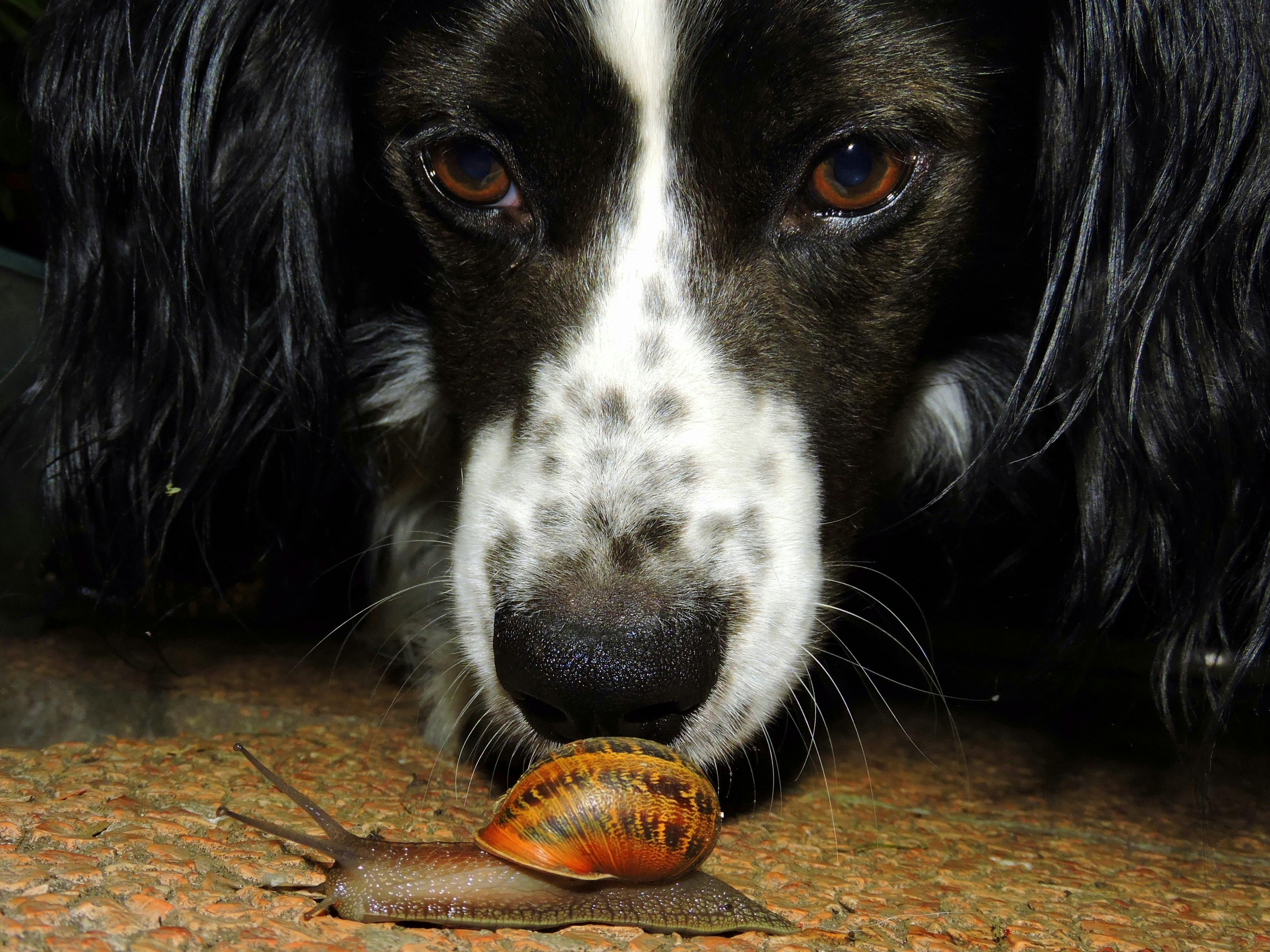 \n\n
\n\nDogs are often called man's best friend for a reason, they bring joy, companionship, and sometimes even confusion! One of the most puzzling aspects of dog behavior is their wet noses. Have you ever wondered why do dogs have wet noses? Well, this article dives into understanding dog behavior, particularly what that wet nose can tell you about your furry friend.
\nWhat Does a Wet Nose Mean?
\nFirstly, let's explore what a wet nose signifies. A dog’s nose is not just for show; it serves various important functions. Here’s some key points to consider:
\n- \n
- Temperature Regulation: Dogs have sweat glands, but they are not as effective as human ones. Their wet noses helps them regulate their body temperature. When a dog licks its nose, it cools down. \n
- Enhanced Smell: The moisture on a dog’s nose helps absorb scent chemicals. A wet nose can actually make a dog more sensitive to smells. That’s why they sniff everything! \n
- Health Indicator: A wet nose can also indicate health. Generally, a healthy dog has a wet and cool nose. If it becomes dry or warm, it may signal a health issue. \n
Why Are Dog Noses Wet?
\nThere are several reasons that contribute to the wetness of a dog’s nose. Here are some fascinating ones:
\n- \n
- Nasal Mucus: Dogs produce mucus in their noses which keeps it moist. This mucus is essential for scent detection. \n
- Licking: Dogs often lick their noses, especially after eating or drinking. This not only moistens their noses but also keeps them clean. \n
- Environmental Factors: Humidity and temperature can affect how wet a dog’s nose is. In hot weather, a dog might have a drier nose. \n
Historical Context of Dog Noses
\nDogs have been companions to humans for thousands of years. Historically, they were bred for various tasks, including hunting, herding, and guarding. Their noses evolved to become highly sensitive tools, helping them perform these tasks effectively.
\n- \n
- Hunting Dogs: Bred to track scents, their wet noses allow them to pick up on the faintest trails. \n
- Herding Dogs: These dogs need to keep track of livestock, and their wet noses help them find their way. \n
Fun Facts About Dog Noses
\nDid you know there are some interesting facts about dog noses? Here’s a list of them:
\n- \n
- Unique Patterns: Every dog’s nose print is unique, like a human fingerprint. \n
- Scent Receptors: Dogs have about 220 million scent receptors in their noses, compared to humans who have only about 5 million. \n
- Canine Communication: Dogs use their noses to communicate with each other. A sniff can tell them a lot about another dog's health, diet, and mood. \n
What If Your Dog's Nose Is Dry?
\nSometimes dog owners notice their pet’s nose is dry or warm. While this can be normal, it can also indicate something is wrong. Here’s a quick checklist of what to look for:
\n- \n
- Check for Other Symptoms: Is your dog lethargic, coughing, or refusing food? If so, consult a vet. \n
- Hydration: Dehydration can lead to a dry nose. Make sure your dog has access to fresh water. \n
- Environmental Factors: Dry air can cause your dog’s nose to become dry. Consider using a humidifier in your home. \n
Comparing Wet and Dry Noses
\nHere’s a quick comparison table showing the differences between wet and dry noses in dogs:
\n| Characteristic | \nWet Nose | \nDry Nose | \n
|---|---|---|
| Temperature | \nUsually cool | \nOften warm | \n
| Health Indicator | \nSign of good health | \nMight indicate illness | \n
| Smell Sensitivity | \nEnhanced scent absorption | \nReduced ability to smell | \n
| Licking | \nRegularly licked | \nLess frequently licked | \n
Understanding your dog’s behavior, especially through their noses, can deepen your bond with them. A wet nose is not just cute; it’s a window into their health and emotions.
\nSo next time you greet your furry friend, take a moment to appreciate that wet nose! It’s more than a quirk; it's a vital part of their biology and communication. Dogs are fascinating creatures, and their wet noses are just one of many traits that make them so special.
\n\nThe Role of a Wet Nose in Canine Scent Detection: A Deep Dive
\n\n \n\n
\n\nDogs are among the most beloved pets in the world, and their unique features often spark curiosity. One of the most intriguing aspects of canines is their wet noses. Have you ever wondered, "Why do dogs have wet noses?" This question leads us into a fascinating exploration of the role of a wet nose in canine scent detection.
\nThe Science Behind Wet Noses
\nDogs' noses are wet due to a thin layer of mucus that helps them absorb scent molecules. This moisture is crucial for their incredible ability to detect scents, which is far superior to humans. In fact, research estimates that dogs have around 220 million scent receptors in their noses, compared to a mere 5 million in humans. This extraordinary olfactory capability enables dogs to detect smells at incredibly low concentrations.
\nHere some of the reasons why a dog's nose is wet:
\n- \n
- Enhanced Scent Absorption: The moisture on a dog's nose helps to trap and absorb scent particles from the environment, making it easier for them to identify specific odors. \n
- Temperature Regulation: A wet nose also plays a role in thermoregulation. Dogs sweat through their paws, but their noses help cool them down as well. \n
- Health Indicator: A dog's nose can indicate its health. A wet, cold nose is often a sign of a healthy dog, while a warm, dry nose might suggest illness or dehydration. \n
Historical Perspective
\nThe importance of a dog's nose has been recognized throughout history. In ancient times, dogs were often used for hunting due to their keen sense of smell. They were bred for specific tasks, like tracking and hunting, which required exceptional olfactory abilities. The use of dogs in scent detection has evolved over the years, with trained dogs now used in various fields, including law enforcement, search and rescue, and even medical detection.
\nWet Noses in Canine Scent Detection
\nDogs' wet noses are not just a quirky feature; they are essential tools for scent detection. When a dog sniffs an object, the scent molecules stick to the moisture on their nose. This process allows the dog to analyze the scent more effectively. Here are some key points to consider:
\n- \n
- Scent Discrimination: Wet noses improve a dog's ability to distinguish between different scents. This is especially important for working dogs, such as those in search and rescue operations. \n
- Tracking Ability: A wet nose is particularly important for tracking scents over long distances. The moisture helps to maintain scent trails, making it easier for dogs to follow them. \n
- Social Interaction: Dogs also use their noses to communicate with each other. The moisture on their noses helps them gather information about other dogs and their environments. \n
Fun Facts About Dogs' Noses
\nHere are some entertaining and lesser-known facts about canine noses:
\n- \n
- Cold vs. Warm Noses: While many believe a cold nose equals a healthy dog, this isn't always true. Various factors can influence nose temperature, including the environment and activity level. \n
- Nose Prints: Just like human fingerprints, every dog's nose print is unique. This can even be used for identification purposes! \n
- Scent Training: Dogs can be trained to detect specific scents, from drugs to explosives, and even diseases like cancer. Their noses are so sensitive that they can detect certain illnesses in humans. \n
Comparison with Human Smell
\nLet's take a moment to compare the olfactory abilities of dogs and humans. Here’s a brief overview:
\n| Aspect | \nDogs | \nHumans | \n
|---|---|---|
| Scent Receptors | \n220 million | \n5 million | \n
| Smell Sensitivity | \n10,000 to 100,000 times better | \nMuch less sensitive | \n
| Scent Memory | \nYears | \nShorter duration | \n
| Use in Work | \nSearch & Rescue, Law Enforcement | \nLimited applications | \n
Practical Examples of Dogs at Work
\nDogs are used in many industries, showcasing the importance of their wet noses. Here are some notable examples:
\n- \n
- Search and Rescue: Dogs can locate missing persons in various environments, including forests and collapsed buildings. \n
- Medical Detection: Some dogs are trained to detect diseases like cancer or diabetes through scent. \n
- Law Enforcement: Drug-sniffing dogs help law enforcement agencies detect illegal substances. \n
The role of a wet nose in canine scent detection is not just a natural quirk; it is a vital part of what makes dogs exceptional companions and workers. Their wet noses serve multiple purposes, from enhancing their ability to detect scents to providing health indicators. So, next time you wonder, "Why do dogs have wet noses?", remember that this unique feature is one of the many things that make dogs so special.
\n\nHow to Keep Your Dog’s Nose Healthy: Tips for Pet Owners
\n\n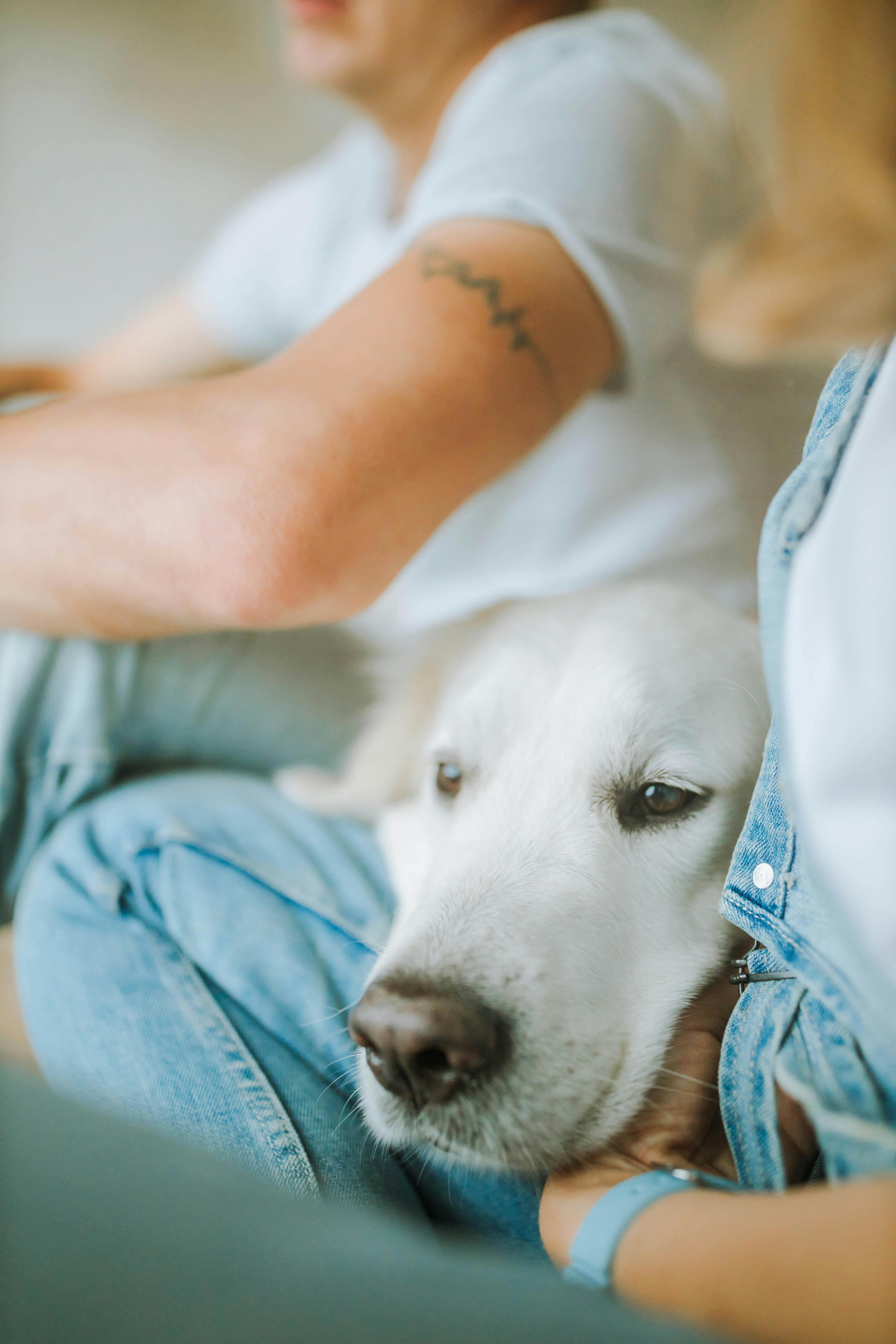 \n\n
\n\nEvery dog owner knows that those cold, wet noses are a signature trait of our furry friends. But have you ever wondered why dogs have wet noses? Or how to keep your dog's nose healthy? These are important questions for pet owners to understand. A dog's nose not only adds to their charm but also plays a critical role in their overall health. Let's dive into the fascinating reasons behind wet noses and some practical tips to maintain their health.
\nWhy Do Dogs Have Wet Noses?
\nDogs have wet noses for several reasons. Here are some of the most compelling ones:
\n- \n
- \n
Enhanced Smell: A wet nose helps to improve a dog's sense of smell. Moisture evaporates when the nose is wet, which helps to capture scent particles better. This is why dogs are such great sniffers!
\n \n - \n
Temperature Regulation: Dogs don’t sweat like humans. Instead, they cool off through their noses and paw pads. A moist nose helps to regulate their body temperature, especially on warm days.
\n \n - \n
Health Indicator: A wet nose is often a sign of good health. If a dog’s nose becomes dry or cracked, it could indicate dehydration or illness. Monitoring your dog's nose can give you insights into their well-being.
\n \n - \n
Natural Moisture: Dogs lick their noses to keep them moist. It’s a natural behavior that helps them in their daily activities like sniffing and exploring.
\n \n
Keeping Your Dog’s Nose Healthy
\nMaintaining your dog's nose is crucial for their health and comfort. Here are some practical tips:
\n- \n
- \n
Hydration is Key: Always make sure your dog has access to fresh water. Dehydration can lead to a dry nose, which is a sign something may be wrong.
\n \n - \n
Regular Vet Check-ups: Regular veterinary visits can help catch any issues early. If you see any changes in your dog's nose, discuss it with your vet.
\n \n - \n
Avoid Allergens: Just like humans, dogs can have allergies. Pollen, dust, and certain foods can cause nose irritations. Keep an eye out for any changes after introducing new foods or if the seasons change.
\n \n - \n
Sun Protection: Dogs can get sunburned, especially those with light-colored noses. Consider using pet-safe sunscreen if your dog spends a lot of time outdoors.
\n \n - \n
Moisturize When Needed: If your dog's nose seems excessively dry, you can use a pet-safe moisturizer. Look for products specifically designed for dogs to prevent any harmful reactions.
\n \n - \n
Watch for Cracks: Cracks or sores on the nose can be a sign of a more serious condition. If you notice these, consult with your vet immediately.
\n \n
What to Look For
\nWhen you’re checking your dog’s nose, keep an eye out for these signs:
\n- \n
- \n
Dryness: If the nose appears consistently dry, it could indicate dehydration or health issues.
\n \n - \n
Cracks or sores: These may be painful and could lead to infections if not treated.
\n \n - \n
Discoloration: Any unusual change in color should be reported to a vet.
\n \n
Fun Facts About Dog Noses
\n- \n
- \n
Did you know? Dogs have up to 300 million scent receptors in their noses, while humans have only about 6 million!
\n \n - \n
The texture of a dog’s nose is unique to each dog, much like a human fingerprint.
\n \n - \n
Dogs can even detect certain diseases, like cancer, just by smelling a person's breath or skin.
\n \n
Conclusion
\nUnderstanding why dogs have wet noses and how to keep them healthy is an essential part of responsible pet ownership. Their noses not only contribute to their unique charm but also serve important functions that can reflect their well-being. By taking simple steps to monitor and care for your dog's nose, you can ensure that they stay happy and healthy. Remember, a wet nose is often a sign of a happy and healthy pup, so keep those snouts wet and your furry friends thriving!
\n\nWet Noses and Temperature Regulation: How Dogs Stay Cool
\n\n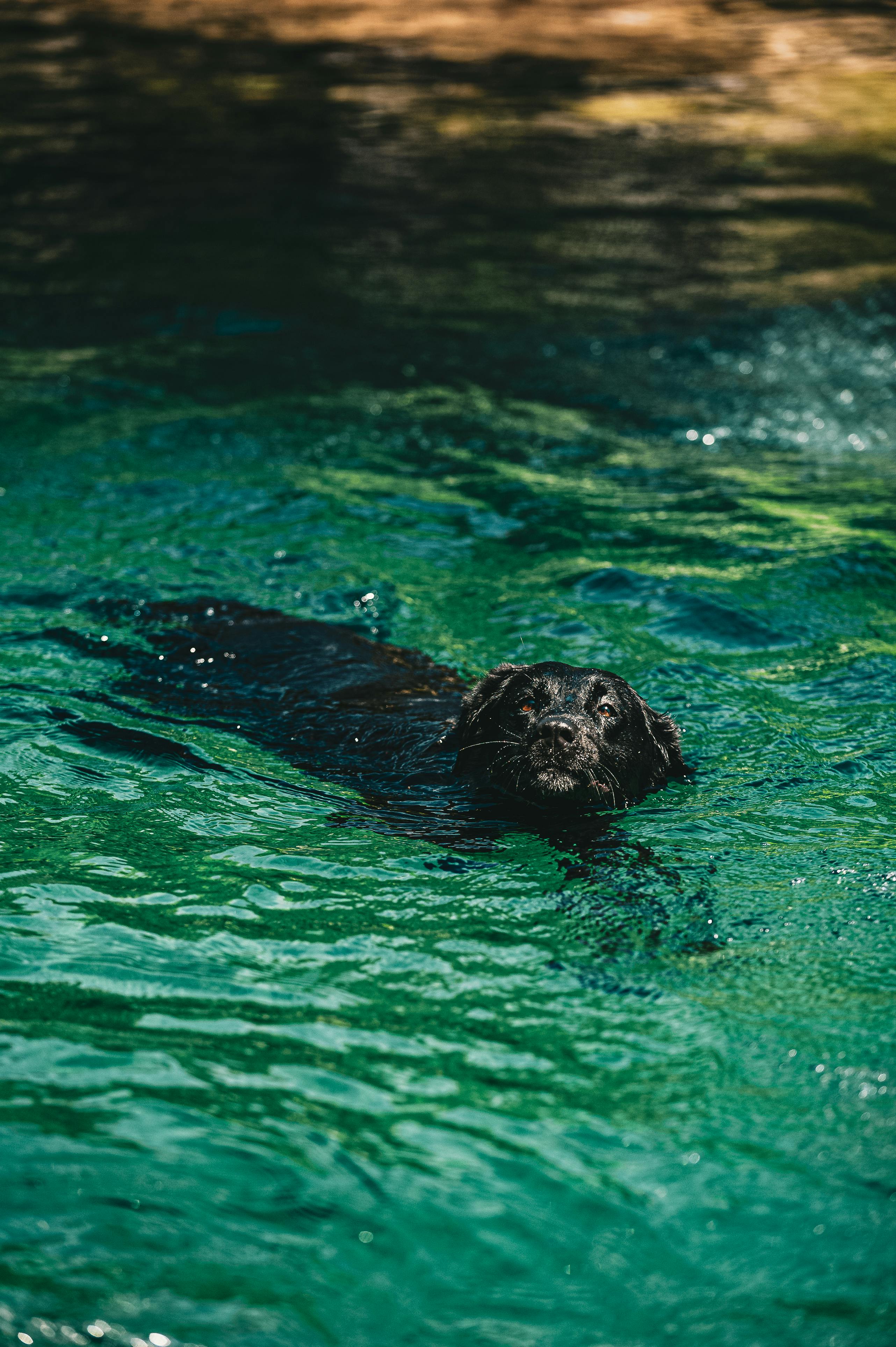 \n\n
\n\nDogs are remarkable creatures, and when you take a closer look at their wet noses, it opens a door to understanding how they navigate the world. Ever wonder why do dogs have wet noses? It's not just a cute feature; it serves several essential purposes, especially related to temperature regulation. Let's dive into this fascinating topic that combines biology, history, and a little bit of fun!
\nWhy Do Dogs Have Wet Noses?
\nA dog's nose is more than just a fashionable accessory. It's a complex organ that plays a crucial role in their health and behavior. One of the main reasons their noses are wet is because it helps them cool down. Just like humans sweat, dogs also need to regulate their body temperature, especially during those hot summer months.
\n- \n
- \n
Temperature Regulation: Dogs have fewer sweat glands compared to humans. They primarily sweat through their paw pads. Their wet noses, however, help them cool off through evaporation. When moisture from their noses evaporates, it cools down their body temperature.
\n \n - \n
Enhanced Smell: A wet nose also helps dogs smell better. The moisture captures scent particles, which makes it easier for them to detect different smells. This is crucial for their hunting instincts and social interactions with other dogs.
\n \n - \n
Health Indicator: A wet nose can be a sign of a healthy dog. A dry nose can indicate dehydration or illness. However, it's important to note that a dog's nose can vary in wetness throughout the day.
\n \n
Historical Context of Dogs' Noses
\nDogs have been companions to humans for thousands of years. The domestication of dogs dates back to 20,000-40,000 years ago. During this time, humans began to notice various traits in dogs, including their keen sense of smell and their playful nature.
\n- \n
- \n
Evolution: Over time, dogs evolved from their wolf ancestors. Wolves also have wet noses, which suggests that this trait has been beneficial for survival. The ability to smell prey or detect predators is essential in the wild.
\n \n - \n
Breeds and Noses: Different breeds have varying nose shapes and sizes. For instance, Bloodhounds have extremely long noses that enhance their scent-tracking abilities, while Bulldogs have shorter noses. This diversity shows how breeding has influenced the anatomy of dogs.
\n \n
Fun Facts About Dogs' Wet Noses
\n- \n
- \n
Temperature Sensitivity: Dogs' noses can sense temperatures that humans can't. They can detect slight changes in temperature and humidity, which helps them find food or avoid danger.
\n \n - \n
Nasal Patterns: Just like human fingerprints, every dog has a unique nose print. This could one day be used for identification purposes!
\n \n - \n
Cooling Mechanism: When dogs are stressed or excited, their noses may become wetter. This is because their bodies are working harder to cool down through increased moisture.
\n \n
The Science Behind the Wet Nose
\n- \n
- \n
Mucus Production: The moisture on a dog's nose comes from mucus produced by glands in the nasal passages. This mucus helps trap scent particles and keeps their noses moist.
\n \n - \n
Evaporative Cooling: Similar to how sweat cools humans, the evaporation of moisture from their noses cools dogs down. This is especially important in hot weather or after vigorous play.
\n \n - \n
Blood Vessels: The blood vessels in a dog's nose are close to the surface. This allows heat to dissipate more efficiently, contributing to their overall thermoregulation.
\n \n
How Dogs Stay Cool in Hot Weather
\nDogs have several ways to maintain their coolness, and their wet noses are just one part of it. Here’s a quick list of ways dogs regulate their temperature:
\n- \n
- Panting: Dogs pant to let moisture evaporate from their tongues and respiratory tract. \n
- Finding Shade: Dogs instinctively seek shade or cooler spots when it gets too hot. \n
- Drinking Water: Hydration is key for dogs, so making sure they have access to clean water is essential. \n
- Dog Pools: Some owners set up kiddie pools for their dogs to cool off in during summer. \n
Comparison of Dogs' Cooling Mechanisms
\n| Method | \nDescription | \nEffectiveness | \n
|---|---|---|
| Panting | \nEvaporation of moisture from mouth | \nVery effective | \n
| Wet Nose | \nEvaporation from the nose | \nModerately effective | \n
| Paw Pads | \nSweating through pads | \nLess effective | \n
| Shade Seeking | \nFinding cooler spaces | \nVery effective | \n
Understanding why do dogs have wet noses gives us insight into their biology and needs. Their wet noses are not just an adorable feature; they are essential for their health and well-being. By knowing how dogs stay cool, we can better care for our furry friends. So, next time you see your pup with a wet nose, remember the fascinating reasons behind it!
\n\nWhy Do Puppies Have Wet Noses? Uncovering the Mystery of Young Dogs
\n\n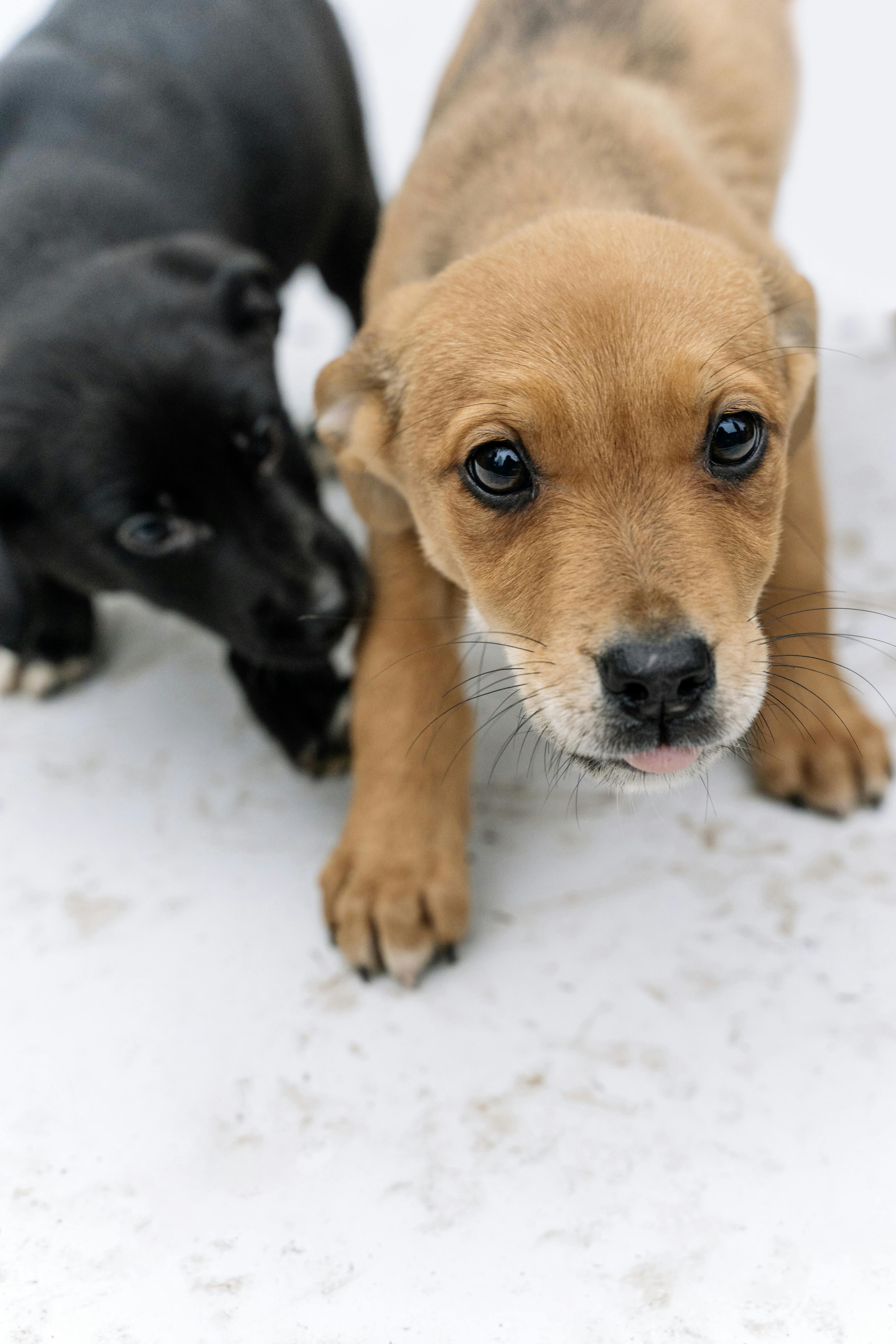 \n\n
\n\nPuppies, with their playful antics and wagging tails, bring joy to many households. But have you ever noticed how most of them have wet noses? You might be wonderin’, why do puppies have wet noses? The answer is much more fascinating than you might think. In this article, we will uncover the mysterious reasons behind this adorable canine feature and explore why dogs have wet noses in general.
\nThe Science Behind Wet Noses
\nThe wetness of a dog’s nose isn’t just for show. It is actually plays a vital role in their health and well-being. Here are some key reasons why dogs have wet noses:
\n- \n
- \n
Temperature Regulation: Dogs do not sweat like humans do. Instead, they rely on their noses to help regulate their body temperature. When the nose is wet, it helps to cool down their body. This is particularly important during hot weather or after exercise.
\n \n - \n
Enhanced Sense of Smell: A wet nose can pick up scents more effectively. The moisture on the surface of the nose helps trap scent particles, allowing dogs to better detect and identify smells. This is crucial for their survival instincts and communication.
\n \n - \n
Health Indicator: The condition of a dog’s nose can also indicate its health. A healthy dog's nose is usually moist and cool. If a dog has a dry, cracked, or excessively warm nose, it can be a sign of illness or dehydration.
\n \n
Historical Context of Dog Noses
\nHistorically, dogs have been domesticated for thousands of years, initially used for hunting and herding. Their wet noses likely evolved as a part of their survival mechanisms. Ancient breeds developed these traits to assist in tracking scents over long distances.
\n- \n
- \n
Evolutionary Benefits: Wet noses may have provided early dogs with an edge in hunting, allowing them to pick up scents more easily. This would’ve make them more effective hunters, increasing their chances of survival and reproduction.
\n \n - \n
Cultural Significance: Throughout history, dogs have been revered in many cultures. The wet nose became a symbol of a healthy dog, and many owners believe that a wet nose signifies a happy and active pet.
\n \n
Fun Facts About Dog Noses
\nHere are some interesting tidbits about dog noses that you might not know:
\n- \n
- \n
Unique Patterns: Just like human fingerprints, each dog’s nose has a unique pattern. This means you could actually identify a dog by its nose print!
\n \n - \n
Temperature Sensitivity: Dogs can sense changes in temperature through their noses. This is why they often sniff the ground or other animals; they’re gathering information about their environment.
\n \n - \n
Nasal Mucus: The mucus on a dog’s nose is not just for moisture; it contains proteins that help them analyze scents more deeply.
\n \n
Why Do Puppies Have Wet Noses?
\nPuppies are born with a natural instinct to explore their environment. Their wet noses help them do that effectively. When puppies are young, they are still developing their senses, and having a wet nose aids in their learning. Here’s how:
\n- \n
- \n
Learning Through Smell: Puppies use their noses to learn about their world. They explore everything through scent which is why they often sniff around.
\n \n - \n
Bonding with Humans: A puppy’s wet nose is not only functional but also a part of their interaction with humans. When a puppy nudges you with their wet nose, it’s often a sign of affection and trust.
\n \n
Comparison of Dog Breeds and Nose Wetness
\nNot all dogs have the same level of wetness in their noses. Here’s a simple comparison of different dog breeds and their typical nose conditions:
\n| Dog Breed | \nTypical Nose Condition | \n
|---|---|
| Labrador Retriever | \nWet and Cool | \n
| Bulldog | \nWarm and Dry | \n
| Siberian Husky | \nMoist and Cold | \n
| Dachshund | \nWet and Cool | \n
Practical Examples of Nose Care
\nTaking care of your dog’s nose is important for its overall health. Here are some practical tips:
\n- \n
- \n
Hydration: Ensure your dog has access to fresh water at all times, as dehydration can cause a dry nose.
\n \n - \n
Avoid Irritants: If your dog is exposed to harsh chemicals or extreme weather, it may affect their nose. Protect them with pet-safe products.
\n \n - \n
Regular Check-Ups: Keep an eye on the condition of your dog’s nose during your regular vet visits. Changes could indicate underlying health issues.
\n \n
Puppies and dogs in general have wet noses for several reasons, ranging from temperature regulation to improved sense of smell. This fascinating feature is not just a quirky trait but plays a significant role in their health and behavior. Understanding why do puppies have wet noses can deepen your appreciation for these lovable companions and help you take better care of them. Embrace their wet noses; it’s a sign of a happy, healthy pup!
\n\nThe Connection Between Wet Noses and Dog Emotions: What You Should Know
\n\n \n\n
\n\nDogs are amazing creatures, and their emotions are often reflected in their behaviors. One of the most fascinating aspects of dogs is their wet noses. You may have noticed that your furry friend’s nose is often damp, but have you ever wondered why? What does it mean about their feelings? Let’s dive into the connection between wet noses and dog emotions, and explore the reasons behind those moist snouts.
\nWhy Do Dogs Have Wet Noses?
\nFirst off, it’s important to understand the basic biology of a dog’s nose. A dog’s nose is covered in a thin layer of mucus, which helps them smell better. Believe it or not, dogs have a sense of smell that is up to 100,000 times more sensitive than humans! Here are a few reasons why their noses are often wet:
\n- \n
- \n
Temperature Regulation: Dogs don’t sweat like humans do. Instead, they often cool themselves through their noses. When they breathe out, moisture evaporates from their noses, which helps to keep them cool.
\n \n - \n
Enhanced Scent Detection: The moisture on their noses helps to trap scent particles. When a dog sniffs something, the moisture allows the scent to stick to their nose, making it easier for them to analyze the smells around them.
\n \n - \n
Health Indicator: A wet nose is often a sign of a healthy dog. If a dog’s nose becomes dry or cracked, it could indicate dehydration or illness.
\n \n
The Emotional Connection
\nSo, how does a wet nose connect to a dog's emotions? Dogs express their feelings in many ways, and their noses can be an indicator of their emotional state. Here are some key points to consider:
\n- \n
- \n
Excitement: When dogs are excited or happy, their noses tend to be wetter. This can happen during playtime, walks, or when they see their favorite person. You might notice your dog’s nose getting damp when they wag their tail and jump around.
\n \n - \n
Anxiety or Stress: A dog that is anxious may also have a wet nose. When stressed, they might pant or breathe rapidly, leading to increased moisture. This can be seen during thunderstorms, fireworks, or when they are left alone.
\n \n - \n
Curiosity: Dogs are naturally curious animals, and when they encounter new smells, their noses get active. A wet nose during exploration indicates that they are engaged and interested in their surroundings.
\n \n
Practical Examples of Nose Behavior
\nTo understand this connection better, let’s look at some practical examples of when you might observe changes in your dog’s nose moisture:
\n- \n
- \n
Meeting New People: When your dog meets new friends, their nose might get wetter as they sniff and investigate. This behavior shows curiosity and excitement.
\n \n - \n
Going for a Walk: If your dog’s nose is wet during a walk, it means they are taking in all the scents around them. A wet nose here indicates happiness and engagement.
\n \n - \n
During Playtime: While playing fetch or tug-of-war, you’ll notice their nose is often damp. This signifies that they are enjoying themselves and feeling playful.
\n \n
Historical Context of Dogs’ Noses
\nHistorically, dogs have been companions to humans for thousands of years. Their sense of smell has been utilized for various purposes, from hunting to detection work. Ancient civilizations relied on dogs for their keen sense of smell, which has led to the understanding of dogs’ emotional connections today.
\nQuick Facts About Dogs’ Noses
\n- \n
- Dogs have around 300 million scent receptors. \n
- The average dog’s sense of smell is 40 times better than a human’s. \n
- Wet noses can help dogs cool down, especially in warm weather. \n
Comparison: Dogs vs. Cats
\nWhile both dogs and cats have wet noses, there are differences in their emotional expressions. Here’s a quick comparison:
\n| Characteristic | \nDogs | \nCats | \n
|---|---|---|
| Nose Moisture | \nGenerally wet, indicating health & emotion | \nUsually dry; doesn’t reflect emotions as strongly | \n
| Emotional Expression | \nOften very visible through body language, including wet noses | \nMore subtle, often less dependent on nose moisture | \n
| Scent Detection | \nHighly developed, wet noses help enhance this | \nAlso good, but not as reliant on moisture | \n
Understanding the significance of a dog’s wet nose can deepen the bond between you and your furry companion. Their emotions are complex, and their noses play a role in how they interact with the world.
\nNext time you notice your dog’s wet nose, remember that it’s more than just a cute feature. It’s a reflection of their health and emotions. So, take a moment to enjoy that wet-nosed affection, knowing it’s a sign of a happy, healthy pup.
\n\nCan Dogs’ Wet Noses Help Predict Weather Changes? Exploring the Myths and Facts
\n\n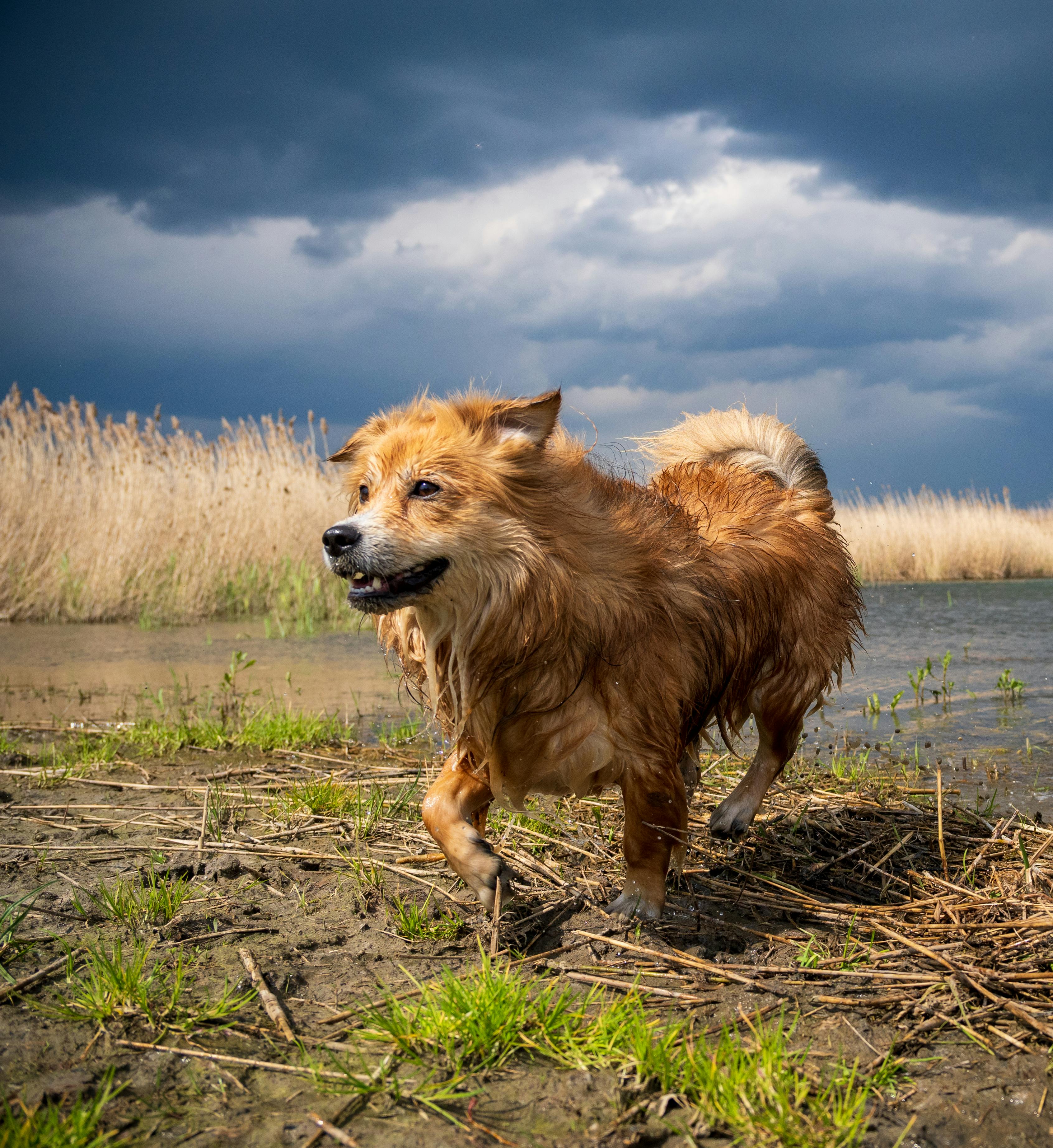 \n\n
\n\nHave you ever wondered if your dog’s wet nose is more than just a cute feature? Some folks believe that dogs can predict the weather based on their noses. This idea has been around for ages, but is there any truth to it? Let’s dive into the myths and facts about dogs’ wet noses and explore the real reasons why they have them.
\nCan Dogs’ Wet Noses Really Predict Weather Changes?
\nMany people claim that when their dogs' noses are especially damp, it means rain or storms are coming. This belief stems from the idea that animals can sense changes in the environment better than humans. While it’s true that dogs have an exceptional sense of smell and can detect shifts in atmospheric pressure, there is no scientific evidence that confirms their noses can accurately predict weather changes.
\n- \n
- The Science Behind Dog’s Sense of Smell:
- \n
- Dogs have up to 300 million olfactory receptors in their noses, compared to about six million in humans. \n
- They can detect certain scents at incredibly low concentrations, making them great at sensing changes in the environment. \n
\n
Some dog owners have noticed their pets acting differently before a storm, which may lead them to think that their dog's wet nose is a sign of impending weather. However, dogs might be reacting to the changes in air pressure or the smell of rain rather than their noses being a weather barometer.
\nWhy Do Dogs Have Wet Noses?
\nNow, let’s shift gears and talk about why dogs’ noses are typically wet. Contrary to popular belief, the moisture on a dog’s nose serves several important functions, and it’s not just for show. Here are some key reasons:
\n- \n
- \n
Enhanced Smell:
\n- \n
- A wet nose helps to capture scents better. The moisture collects scent particles, allowing dogs to smell better. \n
- When dogs lick their noses, they can taste the scents, which helps them gather more information about their surroundings. \n
\n - \n
Temperature Regulation:
\n- \n
- Dogs don’t sweat like humans do. Instead, they regulate their body temperature through their noses and panting. \n
- A wet nose can help cool down their body temperature, especially on hot days. \n
\n - \n
Health Indicator:
\n- \n
- A dog’s wet nose is often seen as a sign of good health. If a dog’s nose is dry and warm, it might indicate illness or dehydration. \n
- However, a dry nose doesn’t always mean that a dog is sick. Many factors, like the environment and time of day, can affect nose moisture. \n
\n
Interesting Facts About Dogs’ Noses
\n- \n
- \n
Unique Patterns:
\n- \n
- Just like human fingerprints, each dog has a unique nose print. This could potentially be used for identification. \n
\n - \n
Nose Color Changes:
\n- \n
- A dog’s nose color can change with seasons. For example, some dogs develop a lighter-colored nose in winter, known as “snow nose.” \n
\n - \n
Licking Behavior:
\n- \n
- Dogs lick their noses more often when they are anxious or excited. It’s a natural instinct to keep their noses moist and enhance their sense of smell. \n
\n
Common Myths About Dogs and Weather
\nWhile there are many myths surrounding dogs’ behavior and weather prediction, let’s debunk a few of the most common ones:
\n- \n
- \n
Myth: Dogs can predict thunderstorms.
\n- \n
- Fact: While dogs may sense changes in the environment, it’s not a reliable prediction method. \n
\n - \n
Myth: A wet nose means a dog is sick.
\n- \n
- Fact: A variety of factors can influence nose moisture, and a dry nose doesn’t always indicate poor health. \n
\n - \n
Myth: All dogs have wet noses.
\n- \n
- Fact: Some breeds may have drier noses due to genetics or health issues. \n
\n
Practical Examples of Dogs’ Behavior
\nMany dog owners have shared stories about their pets acting strangely before bad weather. Some common behaviors include:
\n- \n
- Restlessness: Dogs might pace, whine, or seek comfort from their owners. \n
- Hiding: Some dogs choose to hide in their favorite spots when they sense a storm coming. \n
- Excessive Licking: Increased licking of their noses or paws can be a sign of anxiety. \n
These behaviors can be linked to their heightened senses and natural instincts rather than a direct correlation to their wet noses.
\nIn summary, while dogs have incredible abilities to sense their environment, the notion that their wet noses can predict weather changes is more myth than fact. Understanding why dogs have wet noses not only enriches our appreciation for these beloved pets but also offers insight into their health and behavior. So, next time you notice your dog’s wet nose, remember it’s a fascinating aspect of their biology, rather than a weather predictor!
\n\nConclusion
\n\nIn conclusion, the wet noses of dogs serve several important functions that contribute to their overall health and well-being. The moisture on a dog's nose plays a crucial role in enhancing their sense of smell, helping them detect scents more effectively. Additionally, a wet nose can help regulate body temperature and indicates hydration levels, making it a valuable health indicator for pet owners. While the reasons behind this fascinating trait are rooted in biology and evolution, it also reflects the unique bond between dogs and humans. As you observe your furry friend, take a moment to appreciate the intricacies of their physiology that make them such incredible companions. Remember, a wet nose is just one of the many ways dogs communicate their needs and emotions. If you notice any significant changes in your dog's nose or overall health, don’t hesitate to consult your veterinarian for guidance.
\n\n