Have you ever wondered, why do dogs have wet noses? This seemingly simple question opens the door to an amazing world of canine biology and behavior. The fascinating reasons behind a dog's wet nose can leave you both amazed and curious. Not only do those moist noses play a crucial role in a dog's sense of smell, but they also help regulate their body temperature. Isn't that intriguing? When you think about it, every time your furry friend greets you with a cold, wet nose, they are not just being affectionate; they are communicating and gathering information about their environment! In this article, we'll explore the science behind those adorable wet noses, uncovering the secrets of canine nasal moisture and its importance in their daily lives. Are you ready to dive into the world of dog anatomy and discover how their wet noses contribute to their overall health and happiness? Join us on this journey as we unravel the mysteries behind your pup’s unique feature and learn why it’s more than just a cute characteristic! So, let’s get started and satisfy your curiosity about why do dogs have wet noses!
\n\nThe Science Behind Wet Noses: How Your Dog's Sniffer Works
\n\n \n\n
\n\nDogs are often called man's best friend, and one of the most endearing features of our furry companions is their wet noses. But have you ever wondered why do dogs have wet noses? The truth is, there’s more to those damp snouts than meets the eye. Let’s explore the science behind wet noses and how they function as an incredible olfactory tool for dogs.
\nThe Anatomy of a Dog's Nose
\nA dog's nose is quite different than ours. While humans have around 5 million scent receptors, dogs have up to 300 million. This incredible difference allows dogs to detect scents at concentrations nearly 40 times lower than what humans can. The wetness of a dog's nose plays a crucial role in this process.
\n- \n
- Nasal structure: A dog’s nose is made up of complex structures called turbinates. These help to warm and humidify the air they inhale. \n
- Moisture: The moisture on a dog's nose actually helps to trap scent particles. This means that when they sniff, the wet surface can capture more scents, enhancing their ability to smell. \n
Why Are Dog Noses Wet?
\nSo, why do dogs have wet noses? There are few fascinating reasons behind this phenomenon.
\n- \n
- Scent absorption: As mentioned, a wet nose can absorb scent particles better than a dry one. This is because moisture helps in binding the scent molecules, making it easier for dogs to interpret the smells. \n
- Temperature regulation: Dogs do not sweat like humans do. Instead, they cool off through their noses and paw pads. The moisture on their noses helps to regulate their body temperature, which is especially important during hot weather. \n
- Health indicator: A wet nose is often seen as a sign of a healthy dog. While it’s not a foolproof method, a dry nose can indicate dehydration or illness, prompting owners to pay closer attention. \n
Historical Perspective
\nThe evolution of a dog's nose is a fascinating topic. Dogs are descendants of wolves, who relied heavily on their sense of smell for hunting. Over thousands of years, domesticated dogs have maintained this keen sense, albeit with some variations depending on the breed.
\n- \n
- Hunting breeds: Breeds like Bloodhounds and Beagles have an even more developed sense of smell. They were bred specifically for tracking and hunting. \n
- Companionship breeds: Other breeds, like Chihuahuas, may not have the same olfactory capabilities but still retain the general wet nose trait. \n
Interesting Facts About Dog Noses
\nHere’s a list of some intriguing facts about dog noses:
\n- \n
- Dogs can identify their humans by scent alone, even if they haven’t seen them for a long time. \n
- The pattern of a dog's nose is as unique as a human fingerprint. \n
- Dogs can smell fear; they can detect changes in body chemistry that occur when a person is scared or anxious. \n
Practical Example of Dog Smelling Abilities
\nLet’s say you were to hide a piece of your dog's favorite treat in your house. While you might spend a few minutes searching, your dog would likely find it in a matter of seconds. This is due to their highly developed sense of smell and the moisture on their noses that helps them pick up the scent.
\nComparison to Other Animals
\nWhen you compare dogs to other animals, their sense of smell is remarkable. Here’s a quick overview:
\n| Animal | \nNumber of Scent Receptors | \n
|---|---|
| Dogs | \nUp to 300 million | \n
| Humans | \nAbout 5 million | \n
| Cats | \nAround 50-80 million | \n
| Bears | \nOver 2000 times better than dogs | \n
Conclusion
\nThe science behind wet noses not only reveals the fascinating abilities of dogs but also highlights their importance in our lives. A wet nose is a symbol of a dog’s health and vitality, and it serves practical purposes that enhance their daily experiences. Understanding these aspects helps dog owners appreciate their pets even more. So next time you give your dog a pat and notice that wet nose, remember it’s not just adorable—it’s a powerful tool built for exploring the world!
\n\nTop 5 Fascinating Reasons Dogs Have Wet Noses You Never Knew
\n\n \n\n
\n\nDogs are some of the most beloved pets in the world, and their wet noses are part of what makes them so endearing. You may have often wondered, “Why do dogs have wet noses?” Well, there’s actually fascinating reasons behind this unique characteristic. Let’s explore the top five reasons that you probably never knew about!
\n1. Enhancing Sense of Smell
\nOne of the most significant reasons why dogs have wet noses is that it enhances their ability to smell. A dog’s nose is packed with scent receptors—about 300 million compared to a human's mere 5 million. The moisture on a dog’s nose helps to dissolve scent particles, making it easier for them to detect odors. When the nose is wet, it also helps to keep the scent molecules suspended longer, which means the dog can sniff out smells better.
\n- \n
- More moisture = better smell \n
- Wet noses absorb scent particles \n
- Dogs detect smells far better than humans \n
2. Temperature Regulation
\nDid you know that dogs also use their noses to help regulate their body temperature? Unlike humans, dogs don’t sweat to cool down. Instead, they rely on their noses and panting. When dogs lick their noses, it cools them down. The moisture on the nose evaporates, helping to lower their temperature. This is especially important during hot weather or after physical activity, like running or playing fetch.
\n- \n
- Wet noses help cool dogs down \n
- Licking noses creates evaporation \n
- Important for regulating body temperature \n
3. Communication and Social Signals
\nDogs are known for their social behaviors, and their wet noses play a role in communication too. A wet nose can convey a sense of excitement or curiosity. When dogs greet each other, they often sniff each other's noses, which is a way of saying, "Hello!" This behavior helps them exchange information about each other's health and emotional state. So, when your dog nudges you with their wet nose, it may be their way of seeking attention or affection.
\n- \n
- Nose nudges show affection \n
- Sniffing is a form of greeting \n
- Dogs communicate through scents \n
4. Health Indicator
\nA wet nose can also be an indicator of a dog's health. Generally, a healthy dog has a cool, moist nose. If a dog's nose becomes dry or warm, it might be a sign of illness or dehydration. Hence, paying close attention to your dog’s nose can help you catch health issues early. However, it’s important to note that not every dry nose means something is wrong. Just like humans, dogs can have variations in their nose moisture depending on the time of day, activity level, and environment.
\n- \n
- Healthy noses are usually wet and cool \n
- Dry noses can indicate health issues \n
- Monitor your dog’s nose regularly \n
5. Evolutionary Adaptation
\nLastly, the wet nose of a dog can be traced back to its evolutionary history. Dogs are descendants of wolves, and wet noses have always played a role in their survival. A wet nose helps wolves detect prey and avoid predators by enhancing their sense of smell. This trait has been passed down through generations and is still evident in modern dog breeds. The moisture on their noses is a trait that has helped dogs survive in the wild.
\n- \n
- Evolution from wolves to modern dogs \n
- Wet noses enhance survival skills \n
- Passed down through generations \n
Fascinating Facts Summary
\nTo wrap up the discussion, here’s a quick reference list of the reasons why dogs have wet noses:
\n- \n
- Enhances smell detection \n
- Aids in temperature regulation \n
- Functions as a communication tool \n
- Serves as a health indicator \n
- An evolutionary adaptation \n
So, the next time you pet your furry friend and feel that wet nose, remember, it’s not just cute—it’s packed with purpose! Dogs are truly amazing creatures, and their noses are just one of the many aspects that make them special. Understanding why dogs have wet noses can help you appreciate them even more and strengthen your bond with your canine companion. Dogs are not only our best friends but also fascinating beings with unique traits that have evolved over time. Embrace every moment with your dog; they're telling you more than you might think!
\n\nIs a Wet Nose a Sign of a Healthy Dog? Unveiling the Truth!
\n\n \n\n
\n\nIs a wet nose a sign of a healthy dog? Many pet owners often find themselves wondering about this. The truth is, there are several reasons why dogs have wet noses, and understanding these can help you take better care of your furry friend. Let’s dive into the fascinating world of canine noses and uncover the truth behind those damp snouts!
\nThe Science Behind Wet Noses
\nDogs noses are typically moist, and this isn’t just a random quirk. The moisture is actually very important for their sense of smell. Dogs have a much stronger sense of smell than humans, and a wet nose helps enhance their olfactory capabilities. Here’s how it works:
\n- \n
- Moisture traps scent particles: When a dog’s nose is wet, it can trap scent particles more effectively than a dry nose could. This makes it easier for them to detect smells. \n
- Temperature regulation: A wet nose helps cool the dog’s body. Dogs don’t sweat like humans do; they primarily regulate their body temperature through panting and the moisture on their noses. \n
- Health Indicator: A wet nose can be an indicator of a dog's health. However, it’s not the only factor to consider. \n
Why Do Dogs Have Wet Noses? Discover The Fascinating Reasons!
\nThere are several reasons dogs have wet noses, and they all relate back to their unique biology and behavior. Let’s outline some of the main reasons:
\n- \n
- \n
Scent Detection: As mentioned earlier, a wet nose is key for helping dogs sniff out things. It’s estimated that dogs have around 220 million scent receptors, compared to only 5 million in humans. So, a wet nose is basically a superpower for them!
\n \n - \n
Nasal Glands: Dogs have specialized glands in their noses that produce mucus, which keeps the nose moist. This is especially important for certain breeds that rely heavily on their sense of smell for work like hunting or tracking.
\n \n - \n
Behavioral Aspect: Sometimes, dogs lick their noses as a way of showing anxiety or stress, but that’s a different story. Generally, a wet nose is a sign of a well-functioning nasal system.
\n \n
Is a Wet Nose Always a Good Sign?
\nWhile a wet nose is usually a sign of a healthy dog, it’s not always the case. Here’s a quick list of things to keep in mind:
\n- \n
- Dry Nose: A dry nose doesn’t automatically mean your dog is sick. It could be due to dehydration or just because it's a hot day. \n
- Cracked or Flaky Nose: If your dog's nose is cracked or has sores, it could indicate a health issue. \n
- Persistent Wetness: If your dog's nose is excessively wet, this could be a sign of an infection or other health concerns. \n
What to Observe in Your Dog’s Nose?
\nWhen you are checking your dog's nose, take notice of these factors:
\n- \n
- Temperature: A warm nose might mean something is off, whereas a cool, moist nose is usually a good sign. \n
- Color: Changes in color, like a shift from dark to light, can indicate health issues. \n
- Discharge: Any unusual discharge or excessive mucus should be evaluated by a vet. \n
Quick Facts About Dog Noses
\n- \n
- Dogs can detect certain odors at concentrations as low as parts per trillion. \n
- A dog’s sense of smell can be influenced by the environment, such as humidity and temperature. \n
- Different breeds have varying nose shapes which can affect how they smell. For instance, Bloodhounds have a much larger surface area for scent detection compared to a Chihuahua. \n
The Bottom Line
\nWhile a wet nose can be a good sign of your dog’s health, it isn’t the only thing to look at. Keep an eye on overall behavior, energy levels, and appetite. If you notice anything unusual—like a dry nose that persists, or any other signs of discomfort—it’s always best to consult a veterinarian. Your dog relies on you to keep them healthy and happy.
\nSo next time you greet your pup, pay attention to that wet nose! It’s just one of the many ways your furry friend communicates with you about their well-being.
\n\nCurious Canines: Why Do Dogs Have Wet Noses and What It Means for Their Health
\n\n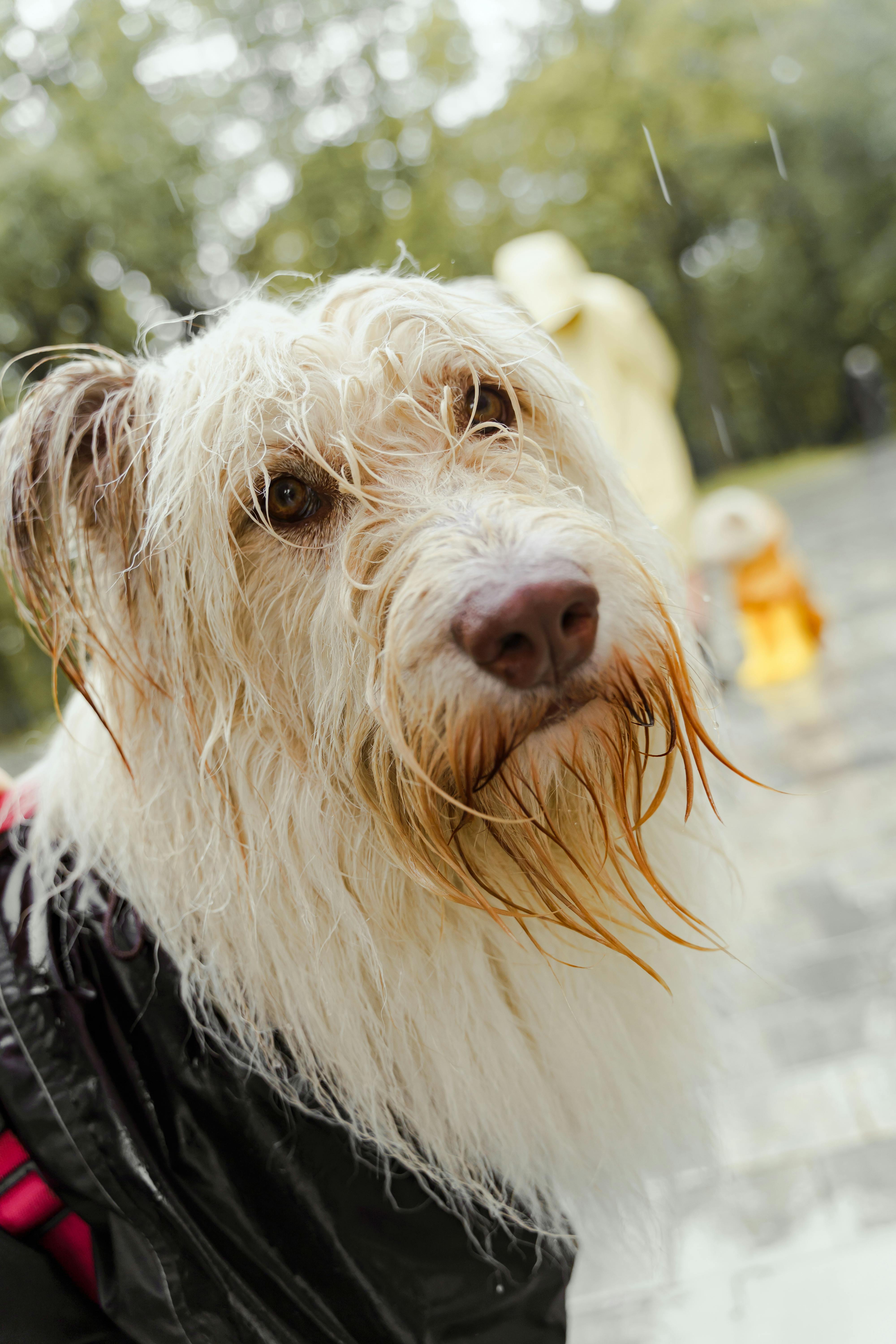 \n\n
\n\nCurious Canines: Why Do Dogs Have Wet Noses and What It Means for Their Health
\nHave you ever wondered why your furry friend’s nose is always moist? Dogs' noses seems to be wet, and it’s not just because they can’t stop sniffing around everywhere. It’s actually a fascinating topic that involves biology and health! Understanding why dogs have wet noses can tell us a lot about their overall well-being, so let’s dive into the reasons behind it.
\nThe Science Behind Wet Noses
\nDogs' noses are wet for a few reasons. Here are some of the main scientific explanations:
\n- \n
- \n
Temperature Regulation: Dogs don’t sweat like humans do. Instead, they cool down by panting and through their noses. A wet nose helps to cool the air that they breathe in, making it easier for them to regulate their body temperature.
\n \n - \n
Enhanced Sense of Smell: The moisture on a dog’s nose helps to capture scent particles. When their nose is wet, it can absorb these particles better, giving dogs an even sharper sense of smell. This is why they can sniff out things that humans can’t even detect!
\n \n - \n
Health Indicator: A dog’s nose can also reveal a lot about its health. A healthy dog typically has a moist and cool nose. On the other hand, if a dog has a dry or cracked nose, it can sometimes indicate dehydration or illness.
\n \n
Historical Context
\nIt’s interesting to note that dogs have been companions to humans for thousands of years. Historically, wet noses were associated with hunting breeds. Their ability to smell was crucial for tracking game, and a wet nose helped them do that better. This evolutionary trait has been passed down, making wet noses a common feature in almost all dog breeds today.
\nThe Role of Mucus
\nDogs’ noses are covered in a thin layer of mucus. This isn’t just there for show:
\n- \n
- Traps Particles: The mucus traps dust, pollen, and other particles, preventing them from entering their respiratory system. \n
- Chemical Detection: This mucus also helps in detecting pheromones and other scents, which is essential for communication and survival in the wild. \n
Differences in Nose Moisture
\nNot all dogs have the same nose moisture. Some breeds naturally have drier noses, while others have more moisture. Here’s a quick look:
\n- \n
- Breeds with Wet Noses: Labrador Retrievers, Beagles, and German Shepherds are known for their wet noses. \n
- Breeds with Drier Noses: Bulldogs and some toy breeds may have drier noses, which is normal for them. \n
Health Considerations
\nWhile a wet nose is generally a sign of good health, there are exceptions. Here are some health issues that could be indicated by changes in nose moisture:
\n- \n
- Dehydration: A consistently dry nose could be a sign of dehydration. Make sure your dog has access to fresh water. \n
- Illness: If your dog’s nose is dry and cracked, it may also be a sign of underlying conditions like fever or a respiratory infection. \n
- Allergies: Just like humans, dogs can have allergies. If the nose is excessively moist and there’s discharge, it may indicate allergies. \n
Keeping Your Dog Healthy
\nYou can help maintain your dog’s nose health by following a few simple tips:
\n- \n
- Hydration: Always ensure your dog drinks enough water, especially on hot days. \n
- Regular Vet Check-ups: Regular visits to the veterinarian can help spot any potential health issues early on. \n
- Observe Changes: Keep an eye on your dog’s nose. Any sudden changes in moisture or texture should be discussed with a vet. \n
Fun Facts About Dogs' Noses
\n- \n
- A dog’s nose print is unique, much like a human fingerprint! \n
- Dogs have approximately 220 million scent receptors in their noses, compared to about 5 million in humans. \n
- The wetness of a dog’s nose can change throughout the day due to activity levels and environmental conditions. \n
Understanding why dogs have wet noses not only satisfies our curiosity but also helps us take better care of our furry friends. Their noses are essential tools for their survival and communication, and a healthy nose is often an indicator of a healthy dog. So next time you see your pup’s moist nose, remember the fascinating biology behind it!
\n\nThe Role of Moisture: How Wet Noses Enhance Your Dog's Sense of Smell
\n\n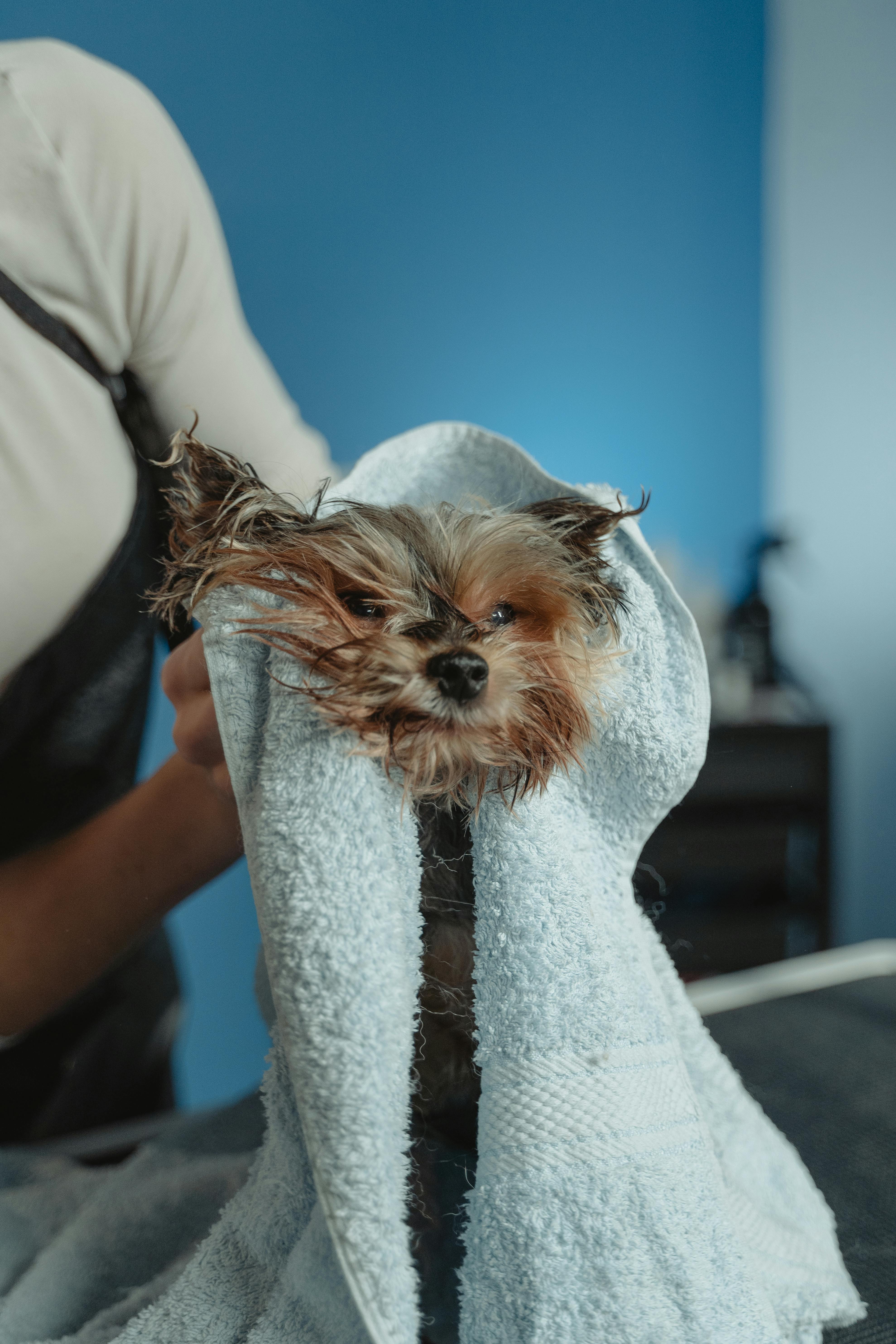 \n\n
\n\nDogs are known for their remarkable sense of smell, but have you ever wondered why do dogs have wet noses? This fascinating question leads us to explore the role of moisture in a dog's olfactory abilities. Wet noses are more than just an adorable feature; they play a crucial role in how dogs experience and interact with their environment. Let’s delve into the science behind it.
\nThe Science Behind Wet Noses
\nDogs noses are wet for a reason. The moisture on their noses helps to enhance their sense of smell. Here’s how it works:
\n- \n
- Increased Surface Area: The wetness creates a larger surface area for scent particles to adhere to, which helps dogs to pick up more smells. \n
- Cooling Mechanism: A moist nose also helps to cool the dog down. Dogs don't sweat like humans do, so they rely on their noses to maintain body temperature. \n
- Detection of Chemicals: Dogs can detect certain chemicals through their wet noses. The moisture helps dissolve scent particles, allowing them to be more easily absorbed by the olfactory receptors. \n
Why Are Dogs’ Noses Wet?
\nYou might be asking, why do dogs have wet noses? There are several reasons:
\n- \n
- Enhanced Smell: The moisture helps to trap scent molecules, making it easier for dogs to analyze smells. \n
- Health Indicator: A wet nose is often a sign of good health in dogs. When a dog is sick or dehydrated, their nose may become dry. \n
- Communication Tool: Dogs can communicate with each other through scent. A wet nose helps them to convey information through smell to other dogs, such as their emotional state or identity. \n
Historical Context
\nThe evolution of the dog’s sense of smell is fascinating. Dogs are descendants of wolves, who relied heavily on their olfactory senses for hunting and survival. Over time, domestication has enhanced these abilities. Breeds like Bloodhounds are known for their exceptional scent tracking abilities, but all dogs benefit from their moist noses.
\n- \n
- Wolves: Used their noses for tracking prey. \n
- Early Domestic Dogs: Helped humans in hunting and herding by using their sharp sense of smell. \n
- Modern Breeds: Have been selectively bred for specific tasks that rely on their olfactory capabilities, like search and rescue. \n
Dog Nose Facts
\n- \n
- Dogs have approximately 300 million olfactory receptors in their noses, compared to about 5 million in humans. \n
- The part of a dog’s brain that analyzes smells is proportionally larger than that of humans. \n
- Wet noses can help dogs detect certain diseases in humans, including cancer and diabetes. \n
Practical Examples
\nHere’s a simple breakdown of how a dog’s wet nose aids them in various everyday situations:
\n- \n
- Finding Lost Items: A dog can track lost items by scent if they’re familiar with the smell. A moist nose helps them lock onto the scent trail. \n
- Tracking Animals: Hunters utilize dogs with keen noses to follow the scent of game. \n
- Search and Rescue: Dogs are trained to use their noses to locate missing persons in disaster scenarios, where their wet noses make it easier to detect human scent. \n
Comparison of Dog Breeds and Their Noses
\nDifferent breeds have varying levels of olfactory abilities. Here’s a quick comparison:
\n- \n
- Bloodhounds: Exceptional sense of smell; can track scents over great distances. \n
- Beagles: Known for their keen sense of smell, making them excellent for detection work. \n
- German Shepherds: Used in law enforcement for their tracking abilities. \n
Here’s a little table to sum it up:
\n| Breed | \nOlfactory Ability | \nCommon Uses | \n
|---|---|---|
| Bloodhound | \nHighest | \nSearch and rescue | \n
| Beagle | \nHigh | \nDetection work | \n
| German Shepherd | \nHigh | \nPolice work | \n
The Importance of Nose Health
\nKeeping your dog's nose healthy is important. Some signs of a healthy nose include:
\n- \n
- Slightly moist texture \n
- Cool to the touch \n
- No cracks or sores \n
If a dog’s nose becomes excessively dry or cracked, it might signal an underlying health issue.
\nLastly, understanding why do dogs have wet noses and how it enhances their sense of smell helps us appreciate these beloved pets even more. Their ability to sniff out scents is not just impressive — it’s essential for their interaction with the world. The moisture on their noses supports their instinctual behaviors, enabling them to communicate, hunt, and even help humans in various ways. So, the next time you give your dog a pat, remember that their wet nose is a window into a highly developed sensory world.
\n\nWet Noses and Dog Behavior: What Your Pup's Nose Says About Their Mood
\n\n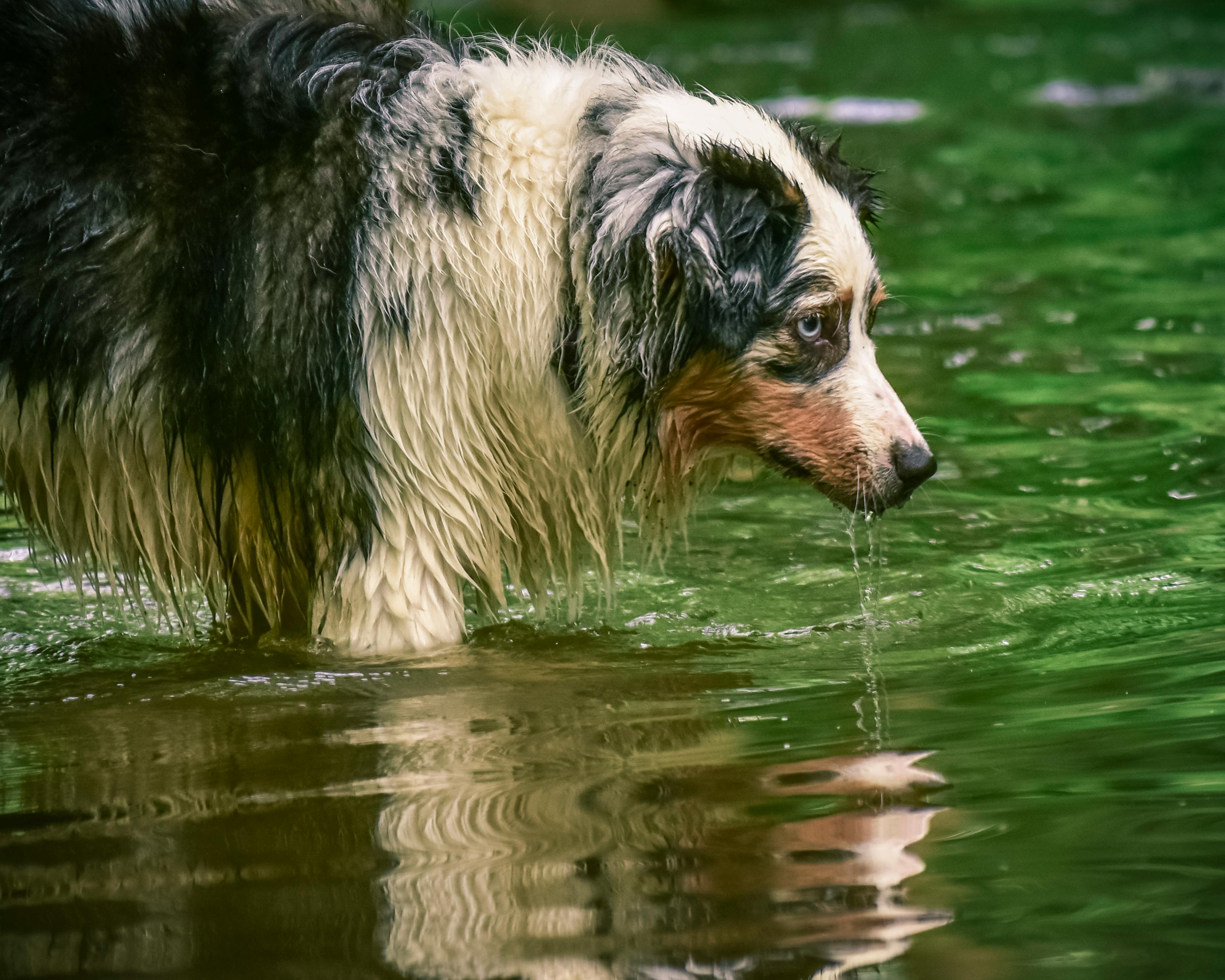 \n\n
\n\nWet noses are one of the most endearing features of our canine companions. Ever wonder why do dogs have wet noses? It’s more than just a cute quirk; it reflects their mood, health, and instincts. Understanding what a pup’s nose can reveal about their emotional state can enrich the bond you share with your furry friend. Let’s dive into the fascinating world of dog behavior and uncover the secrets behind those wet noses.
\nThe Science Behind Wet Noses
\nDogs have wet noses for several reasons, and it all starts with their biology. Firstly, a dog’s nose is covered with a layer of mucus which helps them detect scents better. The moisture enhances their sense of smell, which is already vastly superior to that of humans. Also, when a dog licks its nose, it’s not just for hygiene; it helps them absorb scent particles more efficiently.
\nHere’s a quick list of why dogs have wet noses:
\n- \n
- Enhanced Smell: The moisture helps absorb scent particles. \n
- Thermoregulation: Wet noses can help regulate body temperature. \n
- Health Indicator: A wet nose can indicate a healthy dog, while dryness may signal illness. \n
Dogs and Their Emotions
\nThe nose of your pup serves as a barometer for their feelings. You might notice that when your dog is excited or happy, their nose is often wet and cool. This can be due to increased activity and panting, which moistens their noses. Conversely, a dry nose may indicate stress, illness, or dehydration.
\nHere are some behaviors linked to a dog’s nose condition:
\n- \n
- Happy and Playful: Wet nose, wagging tail, and playful demeanor. \n
- Worried or Anxious: Dry nose, ears back, and hesitant movements. \n
- Sick or Unwell: Persistent dryness, lethargy, and lack of appetite. \n
The Role of Environment
\nThe environment can also play a big role in your dog’s nose moisture. If you live in a hot or dry climate, you might notice that your dog’s nose gets drier more often. Hydration is key! Make sure your pup has access to fresh water, especially during warm days.
\nAdditionally, after a good romp in the grass or a swim, you may find your dog’s nose wetter than usual. This is normal and indicates they are enjoying their time outdoors.
\nHistorical Context of Dogs’ Noses
\nHistorically, dogs have been companions to humans for thousands of years. In ancient times, their keen sense of smell was utilized for hunting and tracking. As dogs evolved alongside humans, their noses adapted to be even more sensitive. This means that understanding your dog’s nose behavior is a bit of a nod to their long history of working alongside us.
\nFun Facts About Dog Noses
\n- \n
- Unique Patterns: Just like human fingerprints, every dog’s nose print is unique. \n
- Scent Detection: Dogs have up to 300 million smell receptors, compared to about 6 million in humans. \n
- Licking for Information: Dogs also lick other dogs’ noses as a form of communication and to gather information about their environment. \n
Tips for Monitoring Your Dog’s Nose
\nKeeping an eye on your dog's nose can be an indicator of their overall health and happiness. Here are some tips:
\n- \n
- Daily Checks: Make it a habit to check your dog’s nose daily for moisture and temperature. \n
- Hydration: Ensure they drink enough water, especially after outdoor activities. \n
- Watch for Changes: If the nose changes from wet to dry or if there’s any unusual discharge, consult your vet. \n
Understanding Dog Behaviors
\nKnowing your dog’s body language can also help interpret their mood. For instance, a dog with a wet nose who is wagging their tail and looking at you with bright eyes is likely feeling joyful and playful. On the other hand, if their nose is dry, and they’re hiding or avoiding eye contact, they could be feeling stressed or unwell.
\nFinal Thoughts
\nUnderstanding wet noses and dog behavior opens a window into the emotional world of our furry friends. By recognizing what a dog’s nose says about their mood and well-being, you can better cater to their needs and strengthen your bond. So next time you give your pup a scratch behind the ears, take a moment to observe that wet nose — it’s more than just a cute feature; it’s a window into their heart and health!
\n\nDog Health 101: When to Worry About Your Dog's Wet or Dry Nose
\n\n\n\nDogs are often called man's best friend, but do we really know what goes on with their health? One of the many things dog owners frequently wonder about is their pet's nose. Is it wet? Is it dry? Should we be worried? In this article, we will explore the fascinating reasons why dogs have wet noses and when you should be concerned about your dog's health based on its nose condition.
\nWhy Do Dogs Have Wet Noses?
\nDogs have wet noses for a variety of reasons, and these reasons stem from both biological and behavioral factors. Here’s some key points to think about:
\n- \n
- Cooling Mechanism: Dogs don’t sweat like humans do. Instead, they rely on panting and the moisture from their noses to regulate their body temperature. A wet nose can help keep them cool while they play or run around. \n
- Enhanced Sense of Smell: The moisture on a dog's nose helps to capture scent particles in the air. This is why dogs can smell things far better than us; their wet noses enhance their olfactory abilities. \n
- Health Indicator: The condition of a dog's nose can sometimes indicate its overall health. For instance, a dry nose might suggest dehydration or illness, while a wet nose is often seen as a sign of a healthy dog. \n
- Behavioral Signals: Dogs might also lick their noses when they are feeling anxious or excited. It’s a form of communication that can signal their emotional state. \n
When to Worry About Your Dog's Wet or Dry Nose
\nIt’s important for dog owners to know what changes in a dog’s nose can mean. Here are some signs to watch out for:
\n- \n
- Persistent Dryness: If your dog’s nose is consistently dry and cracked, it might be a sign of dehydration or a more serious underlying health issue. \n
- Change in Color: A sudden change in the color of your dog's nose, like from black to pink, can indicate problems. \n
- Nasal Discharge: If you notice your dog has a runny nose, especially if it’s green or yellow, this could indicate an infection or other health problem. \n
- Nose Bleeds: If your dog has a bloody nose, it requires immediate veterinary attention. \n
- Excessive Licking: If your dog is licking its nose excessively, it could be due to allergies or anxiety. \n
Normal vs. Abnormal Nose Conditions
\nUnderstanding the difference between normal and abnormal nose conditions can help you take timely action. Here’s a little comparison:
\nNormal Conditions:
\n- \n
- Moist and cool to the touch \n
- Slightly damp, when they wake up or after drinking water \n
Abnormal Conditions:
\n- \n
- Consistently dry and warm \n
- Cracked or bleeding \n
- Discolored or has unusual texture \n
Quick Tips for Monitoring Your Dog's Nose Health
\nHere are some practical tips to keep in mind when checking your dog’s nose:
\n- \n
- Daily Checks: Make it a habit to check your dog's nose every day. Look for any changes in moisture, color, or texture. \n
- Hydration: Ensure your dog is drinking enough water, especially during hot weather. \n
- Regular Vet Visits: Schedule regular check-ups with your vet to monitor your dog's overall health. \n
- Watch for Other Symptoms: Keep an eye on your dog’s behavior. If they seem lethargic, refuse to eat, or show signs of distress, consult a vet immediately. \n
Fascinating Facts About Dog Noses
\n- \n
- Unique Patterns: Just like human fingerprints, each dog has a unique nose print that can be used to identify them. \n
- Temperature Control: Dogs sweat through their paw pads, but their noses also play a role in regulating their body temperature. \n
- Scent Receptors: Dogs possess up to 300 million smell receptors, compared to a human's 5 million, making their sense of smell extraordinarily powerful. \n
The condition of your dog’s nose can tell you a lot about their health. While wet noses are generally a good sign, it’s crucial to be aware of the changes that could indicate a health issue. Keep a close eye on your furry friend, and don't hesitate to consult a vet if you have any concerns. Remember, a healthy nose is often a sign of a happy dog, so make sure to check in on that cute little snout!
\n\nFun Facts About Dogs: The Surprising Benefits of a Wet Nose
\n\n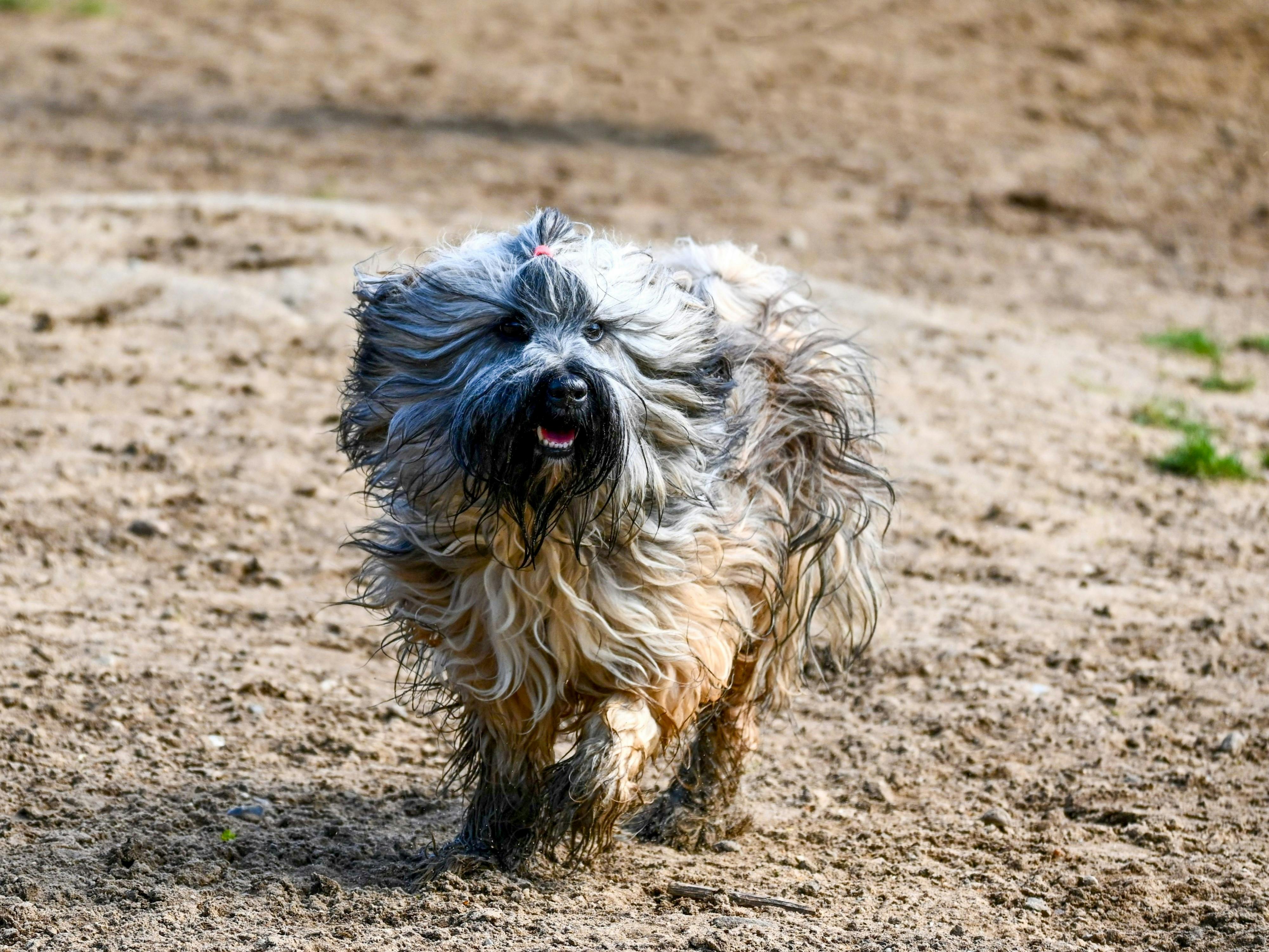 \n\n
\n\nDogs are one of the most beloved pets in the world, and they brings joy to countless families. But have you ever wondered why do dogs have wet noses? It’s not just a quirky feature; there are fascinating reasons behind it that might surprise you. This article will explore fun facts about dogs, especially the benefits of their wet noses, and why this characteristic is more than just adorable.
\nThe Science Behind a Wet Nose
\nSo, why do dogs have wet noses? The answer is rooted in biology. A dog’s nose is wet because it’s covered in a thin layer of mucous that helps them absorb scents better. This mucous acts like a sponge, trapping scent particles and allowing dogs to smell things that humans can't even comprehend. Some studies say dogs can identify smells up to 100,000 times better than humans!
\nHere’s a breakdown of the reasons:
\n- \n
- Enhanced Olfactory Abilities: The moisture on a dog's nose helps capture scent particles in the air. \n
- Thermoregulation: A wet nose helps regulate body temperature. Dogs don’t sweat like humans; instead, they cool off through their noses, which is critical during hot weather. \n
- Health Indicator: A dog's nose can be a sign of their health. A warm, dry nose may indicate an illness, while a cool, wet nose is often a sign of good health. \n
Historical Context of Dogs' Noses
\nDogs have been companions to humans for thousands of years. The domestication of dogs dates back to around 14,000 years ago, and throughout history, they’ve been used for various purposes like hunting, herding, and guarding. Their noses have played a crucial role in these activities.
\nIn ancient cultures, dogs were revered, and their incredible sense of smell was often considered a divine gift. Ancient Egyptians, for instance, believed that dogs could communicate with the gods through their sense of smell. This deep-rooted history underlines how important a dog’s nose has always been.
\nFun Facts About Dogs' Noses
\nLet’s dive into some fun facts about dogs' noses that you may not have known:
\n- \n
- Unique Nose Prints: Just like human fingerprints, every dog has a unique nose print. This could be used as a form of identification! \n
- Temperature Regulation: On a hot day, a dog’s wet nose can help cool them down by evaporating moisture. \n
- Scent Discrimination: Dogs have about 300 million olfactory receptors in their noses, compared to a human’s 5 million. \n
- Communication Tool: Dogs also use their noses to communicate with each other. They can pick up pheromones that indicate mood, health, and even reproductive status. \n
The Benefits of a Wet Nose
\nHaving a wet nose provides dogs with numerous benefits, both physically and socially. Let’s look at some of these.
\n- \n
- Improved Smell: The moisture allows for better scent detection, which is vital for hunting and tracking. \n
- Social Interaction: Dogs often greet each other by sniffing noses, which is a form of social communication. \n
- Health Monitoring: A wet nose can help detect health issues. If a dog’s nose becomes dry or warm, it may signal a need for a vet visit. \n
Comparison: Wet Noses vs. Dry Noses
\nIt’s interesting to compare wet noses with dry noses in dogs. Here’s a simple table to illustrate the differences:
\n| Characteristic | \nWet Nose | \nDry Nose | \n
|---|---|---|
| Smell Detection | \nHigh | \nLow | \n
| Health Indicator | \nOften healthy | \nPossible illness | \n
| Cooling Mechanism | \nEffective | \nLess effective | \n
| Social Interaction | \nCommon | \nRare | \n
Practical Examples
\nYou might have noticed that certain dog breeds have wetter noses than others. For instance, breeds like Bloodhounds and Labrador Retrievers often have very moist noses, enhancing their tracking abilities. Conversely, some breeds, like Bulldogs, may have drier noses due to their shorter snouts and breathing issues.
\nMoreover, if you ever see a dog with a dry nose, it could be a sign of dehydration or illness. Always keep an eye on your furry friend’s nose as it can be an indicator of their overall well-being.
\nIn conclusion, the wet nose of a dog is more than just a cute feature; it serves critical functions that enhance their ability to interact with their environment and communicate. Understanding these fascinating aspects can deepen our appreciation for our canine companions. So, the next time you see a dog with a wet nose, you’ll know there’s a lot more going on than meets the eye!
\n\nHow Weather Affects Your Dog's Nose: Understanding Seasonal Changes
\n\n \n\n
\n\nDogs are more than just pets; they’re our companions, friends, and sometimes even family members. Have you ever wonder why your dog’s nose is often wet? Or how the changing seasons affect that little black or pink button? You may be surprise to learn that the weather and your dog's health is closely linked to their nose condition. Let’s dive into how weather affects your dog’s nose and explore the intriguing reasons behind those wet noses.
\nThe Basics of a Dog's Nose
\nFirst, let's look at why do dogs have wet noses in the first place. A dog’s nose is an incredible organ. It's not just for sniffing out treats or new friends; it also plays a key role in their overall health. Here are some important reasons:
\n- \n
- Temperature Regulation: Dogs sweat through their noses and paw pads. A wet nose helps cool them down when it’s hot outside. \n
- Enhanced Sense of Smell: Wet noses trap scent molecules better than dry ones, allowing dogs to detect odors more effectively. \n
- Health Indicator: A wet nose can signal that your dog is healthy. If your dog’s nose is dry or cracked, it could indicate illness. \n
How Weather Impacts Your Dog's Nose
\nThe weather can have a significant impact on your dog's nose condition. Different seasons bring about different changes that can affect your furry friend’s snout. Here’s a breakdown of how seasonal changes might impact your pup:
\nCold Weather
\n- \n
- Dry Air: During winter, the air gets dry and cold, which can lead to dry noses. If your dog’s nose becomes too dry, it may crack or bleed. \n
- Less Activity: Dogs may go outside less in cold weather, reducing their ability to keep their noses wet and cool. \n
Hot Weather
\n- \n
- Increased Moisture: In hot and humid climates, your dog’s nose tends to be wetter. They are often panting to cool down, which produces more moisture. \n
- Allergies: Summer can bring about pollen and other allergens, which can irritate your dog’s nose and lead to excessive licking, making it wetter. \n
Understanding Nose Color and Texture
\nInterestingly, a dog’s nose color and texture can change with the seasons too. Here’s a quick overview:
\n- \n
- Black Noses: Common in many breeds, these noses may become drier in winter, while they remain pretty moist in summer. \n
- Pink Noses: These are more sensitive to temperature fluctuations. In colder weather, they can get dry and sensitive. \n
- Nose Texture: A rough or cracked nose could indicate dehydration or health issues, regardless of the season. \n
Seasonal Care Tips for Your Dog’s Nose
\nTo keep your dog’s nose healthy throughout the year, consider these practical tips:
\n- \n
- Hydration: Make sure your dog has access to fresh water at all times, especially in hot weather. \n
- Nose Balm: Apply a nose balm specifically formulated for dogs during dry seasons to prevent cracking. \n
- Regular Vet Check-ups: Keep up with vet visits to ensure that any nose abnormalities are addressed quickly. \n
Interesting Facts About Dog Noses
\nHere are some fun tidbits about dog noses that might surprise you:
\n- \n
- Dogs have about 220 million scent receptors in their noses, compared to humans who have only about 5 million. \n
- The wetness of a dog’s nose helps them absorb scent chemicals, enhancing their sense of smell. \n
- A dog's nose print is as unique as a human fingerprint, and can be used for identification. \n
Summary of Key Points
\n- \n
- Dogs have wet noses for several reasons, including temperature regulation and enhanced smell. \n
- Weather significantly affects the moisture level of a dog’s nose. \n
- Seasonal changes can lead to various health issues; thus, it’s important to provide proper care. \n
Understanding the connection between your dog’s nose and the weather can help you keep your furry friend healthy and happy. Whether it’s a hot summer day or a chilly winter afternoon, being aware of how to care for your dog’s nose is essential. So next time you see your dog’s wet nose, remember, it’s not just cute; it’s a sign of their health and well-being! A little attention can make a big difference in ensuring your pup's nose stays moist and healthy throughout the seasons.
\n\nThe Myth of Wet Noses: Debunking Common Misconceptions About Dogs' Health
\n\n \n\n
\n\nDogs, those lovable companions, have been part of our lives for thousands of years. Many people wonder why do dogs have wet noses, and there’s a lot of myths surrounding that topic. Some think that a wet nose means a dog is healthy, while others believe it indicates a sickness. In this article, we’ll dive deep into the truth behind wet noses, debunking common misconceptions, and exploring the fascinating reasons why dogs' noses are often moist.
\nThe Science Behind Wet Noses
\nFirst off, let's understand what makes a dog’s nose wet. Dogs have a special gland in their noses that produce mucus. This mucus helps with their sense of smell, which is way more advanced than ours. Their wet noses also cools them down, kinda like how humans sweat. Here’s a quick list of reasons why dogs have wet noses:
\n- \n
- Enhanced Smell: Wet noses can trap scent particles better. \n
- Temperature Regulation: Helps cool down their body. \n
- Communication: Dogs might use their noses to communicate with other dogs. \n
So, it's not just about being cute!
\nCommon Misconceptions About Wet Noses
\nThere are many myths about wet noses that people should not believe. Let's break down some of these misconceptions:
\n- \n
- \n
Myth: A Wet Nose Means a Healthy Dog
\n- \n
- Truth: While a wet nose can indicate hydration, it doesn’t solely mean your dog is healthy. Dogs can have dry noses and still be perfectly fine. \n
\n - \n
Myth: All Dogs Have Wet Noses
\n- \n
- Truth: Some breeds, like bulldogs or pugs, may have drier noses due to their unique facial structures. \n
\n - \n
Myth: A Cold Nose Means a Sick Dog
\n- \n
- Truth: A cold or warm nose doesn’t necessarily indicate illness. Dogs’ noses can vary in temperature for many reasons. \n
\n
Historical Context and Evolution
\nDogs have been domesticated for over 15,000 years, and their noses have evolved alongside them. Early humans likely selected for traits that made dogs better companions and hunters. A wet nose was likely advantageous for tracking scents. Over time, this trait became a natural characteristic of most dog breeds.
\nWhy Do Dogs Have Wet Noses? The Fascinating Reasons
\nNow, let’s get into the nitty-gritty of why dogs’ noses are often wet. Here’s a breakdown of the fascinating reasons:
\n- \n
- Moisture Retention: Dogs' noses secrete moisture that helps them absorb scent molecules. This is crucial for hunting and tracking. \n
- Cooling Mechanism: Unlike humans, dogs don’t sweat. They rely on panting and their moist noses to regulate body temperature. \n
- Health Indicator: While a wet nose doesn't mean a dog is sick, sudden changes in moisture can indicate health issues. For example, a dry nose can sometimes indicate dehydration or fever. \n
Fun Facts About Dogs’ Noses
\n- \n
- Unique Prints: Like human fingerprints, each dog has a unique nose print. \n
- Scent Sensitivity: A dog’s sense of smell is 10,000 to 100,000 times more sensitive than a human's! \n
- Nose Color: The color of a dog’s nose can change with age, health, or even exposure to the sun. \n
Comparing Wet and Dry Noses
\nTo better visualize the differences, here’s a simple comparison chart:
\n| Feature | \nWet Nose | \nDry Nose | \n
|---|---|---|
| Scent Ability | \nEnhanced | \nReduced | \n
| Temperature | \nCool or warm | \nUsually warm | \n
| Health Sign | \nNot a definitive indicator | \nCan indicate dehydration | \n
Practical Example of Nose Health
\nLet’s say you notice your dog’s nose is suddenly dry and cracked. This could be a sign of dehydration. In such cases, you should ensure your dog is drinking enough water and consult your vet if it persists. Conversely, if your dog’s nose is excessively wet and there’s discharge, it might be time to see a veterinarian to rule out possible infections.
\nIt's essential to pay attention to these changes and understand that while wet noses are a common trait among dogs, they are not the sole indicator of health.
\nIn summary, the wetness of a dog's nose serves multiple important purposes, from enhancing their sense of smell to helping cool them down. While many myths exist about the health implications of a dog's nose moisture, it's crucial to look beyond these misconceptions. Understanding the reasons behind wet noses can help dog owners better care for their furry friends. So, the next time someone asks, “Why do dogs have wet noses?” you’ll have the knowledge to share the fascinating truths behind it!
\n\nConclusion
\n\nIn conclusion, the wet noses of dogs serve multiple essential functions that contribute to their overall health and well-being. From enhancing their sense of smell, as moisture helps to capture scent particles, to regulating their body temperature, a dog’s wet nose is a fascinating aspect of canine biology. Additionally, the moisture on their noses plays a crucial role in communication and social interaction with both humans and other dogs. Understanding why dogs have wet noses not only deepens our appreciation for these beloved pets but also highlights the importance of regular health check-ups to ensure their nose remains healthy. As dog owners, we should pay attention to changes in our dog's nose condition, as they can signal underlying health issues. By nurturing our furry friends and staying informed about their needs, we can ensure they lead happy, healthy lives.
\n\n