
Have you ever wondered why do dogs have wet noses? This intriguing question leads us into the fascinating world of canine biology and behavior. A dog’s wet nose isn’t just an adorable feature; it plays a crucial role in their health and communication. Many pet owners often ask, “Is a wet nose a sign of a healthy dog?” or “What does it mean when a dog has a dry nose?” Understanding the reasons behind this phenomenon can enhance your bond with your furry friend.
Dogs have wet noses for several reasons, including enhanced sense of smell and temperature regulation. The moisture on a dog’s nose helps to absorb scent particles, making their sense of smell incredibly acute. Moreover, a wet nose cools down your dog, helping them stay comfortable. So, next time you see your pooch with that charming, damp nose, remember that it’s not just cute—it’s a vital part of their biology. Curious to learn more about your dog’s health and behaviors? Keep reading to discover the surprising facts about dog noses that every dog lover should know!
The Science Behind a Dog’s Wet Nose: Why Is It Important for Their Health?

Dogs are often considered man’s best friend, and one of their most endearing features is their wet noses. But have you ever wondered why do dogs have wet noses? There’s more to it than just being cute. The science behind a dog’s wet nose is actually quite fascinating and important for their health. In this article, we will explore the reasons behind this unique trait, its significance for dogs’ well-being, and what it means for their interactions with the world.
The Science of Wet Noses
When we think about a dog’s nose, we often think about its texture and temperature. A dog’s nose is typically moist, and this moisture plays a critical role in their sense of smell. Dogs have an incredible ability to pick up scents, and their noses help them do this more effectively. The wetness of a dog’s nose helps to absorb scent particles from the air. This absorption enhances their olfactory receptors, making their sense of smell about 10,000 to 100,000 times more sensitive than that of humans.
Why Do Dogs Have Wet Noses? Here’s the Breakdown
Thermoregulation: A dog’s wet nose helps to regulate their body temperature. Dogs do not sweat like humans. Instead, they cool down by panting and through their noses. The moisture on their noses evaporates, helping to cool their body down.
Enhanced Smell: As mentioned, the wet surface captures scent molecules from the air. This means that when a dog sniffs, they are able to pick up more information about their environment. It’s like having a super-powered nose!
Health Indicator: A dog’s nose can also be an indicator of their health. A healthy dog typically has a cool, wet nose. If a dog’s nose becomes dry or warm, it could signal health issues, such as fever or dehydration. However, it’s not always a definitive sign, and other factors should be considered.
Social Interactions: Dogs use their noses to communicate with each other. A wet nose can signal friendliness and playfulness. When dogs greet each other, they often sniff each other’s noses and behinds to gather information about their health, mood, and identity.
Historical Context on Dog Noses
Historically, dogs have been bred for specific traits, and their noses are no exception. Breeds like Bloodhounds and Beagles are known for their exceptional sense of smell, but all dogs have wet noses. This characteristic has been preserved through generations because it’s essential for their survival and hunting abilities.
Fun Facts About Dog Noses
- A dog’s nose print is unique, similar to a human fingerprint.
- The color of a dog’s nose can vary depending on the breed. Some breeds have black noses, while others have brown, pink, or spotted noses.
- Dogs have around 220 million scent receptors in their noses, whereas humans only have about 5 million.
Comparison: Dog Noses vs. Human Noses
To understand the uniqueness of a dog’s wet nose, it helps to compare it with our own:
| Feature | Dog Nose | Human Nose |
|---|---|---|
| Scent Receptors | 220 million | 5 million |
| Moisture | Typically wet | Usually dry |
| Sensitivity to Smell | 10,000 – 100,000 times more sensitive | Less sensitive |
| Purpose | Smelling, cooling down | Breathing, smelling |
Practical Examples of Nose Care
Taking care of a dog’s nose is important. Here are a few tips:
- Keep it Moist: If you notice your dog’s nose is too dry, you can apply a little bit of coconut oil. This can help moisturize it.
- Regular Check-ups: During vet visits, make sure to ask about your dog’s nose health. If there’s any change, it could be worth investigating.
- Observe Changes: Keep an eye on your dog’s nose. If it suddenly becomes dry or cracked, it might be time to consult a veterinarian.
Dogs’ noses are not only cute but also serve vital functions that contribute to their health and interaction with the world. Understanding why dogs have wet noses can enhance our appreciation for these furry companions. From their ability to smell to their body temperature regulation, the wet nose is a fascinating aspect of canine biology. So the next time you see a dog with a wet nose, remember that there’s a lot more going on than just a cute feature!
Top 5 Fascinating Reasons Dogs Have Wet Noses You Never Knew About

Dogs are fascinating creatures, and one of their most intriguing features is their wet noses. Ever wondered why do dogs have wet noses? This question might seem simple, yet the answer is filled with layers of science, biology, and some fun facts. Here are the top 5 fascinating reasons dogs have wet noses you never knew about!
1. Enhanced Sense of Smell
Dogs have an incredible sense of smell—up to 100,000 times more sensitive than humans! Their wet noses play a crucial role in this. The moisture on a dog’s nose helps capture scent particles in the air, which enhances their ability to detect smells. When their noses are wet, it is easier for them to identify different odors. Isn’t that amazing?
- Nose Moisture: Keeps scent particles trapped.
- Increased Olfactory Receptors: Dogs have around 300 million olfactory receptors.
- Scent Discrimination: Helps them differentiate between various smells.
2. Temperature Regulation
Dogs can’t sweat like humans do. They primarily rely on panting to cool down, but their wet noses also help regulate their body temperature. The moisture evaporates, which cools down blood flow in the nasal passages. This is especially important during hot weather when dogs can struggle to manage their body heat.
- Evaporative Cooling: The wet nose cools blood flow.
- Adaptations: Helps prevent overheating during exercise.
- Signs of Health: A dry nose could indicate dehydration or illness.
3. Communication Tool
Believe it or not, a dog’s wet nose is also a communication tool. Dogs use their noses to gather information about their environment and other animals. When they sniff, they are effectively sending and receiving messages. A wet nose can indicate a dog’s emotional state and intentions, like whether they want to play or are feeling anxious.
- Social Interaction: Dogs greet each other with their noses.
- Emotional Signals: A damp nose might show excitement or curiosity.
- Exploration: Helps them learn about their surroundings.
4. Health Indicator
The condition of a dog’s nose can reflect their overall health. A wet, cool nose is generally a sign of a healthy dog, while a dry or cracked nose can indicate potential health issues, including fever or dehydration. However, it’s not always definitive—some dogs naturally have drier noses.
- Healthy Nose Signs: Cool and moist.
- Potential Health Issues: Dry, flaky, or excessively warm.
- Veterinary Insight: Regular check-ups can ensure nose health, along with overall wellness.
5. Evolutionary Advantage
From an evolutionary standpoint, dogs have wet noses because the feature provides various advantages. This characteristic likely developed as a survival mechanism. By having a keen sense of smell, dogs could track down prey or detect danger more effectively. A wet nose could have helped them during their time as wild animals, improving their chances of survival.
- Adaptation: Aids in hunting and foraging.
- Natural Instinct: Helps in avoiding predators.
- Survival Skills: Gives them an edge in the wild.
Fun Facts About Dogs’ Noses
- Color Variation: Not all dog noses are black; they can be pink, brown, or speckled.
- Nose Prints: Just like human fingerprints, each dog’s nose print is unique!
- Nose Temperature: The temperature can vary; a warm nose doesn’t always mean a sick dog.
So, the next time you pet a dog and feel that wet nose, remember there’s a lot more than meets the eye—or nose, in this case! From enhancing their sense of smell to playing a role in temperature regulation, a dog’s wet nose is an essential part of their biology and behavior. Understanding why do dogs have wet noses not only enriches our knowledge of these beloved pets, but it also helps strengthen the bond we share with them. Now that you know the top reasons behind this adorable feature, you can appreciate your furry friend’s unique biology even more!
How a Dog’s Nose Affects Their Sense of Smell: Unlocking the Secrets of Canine Anatomy
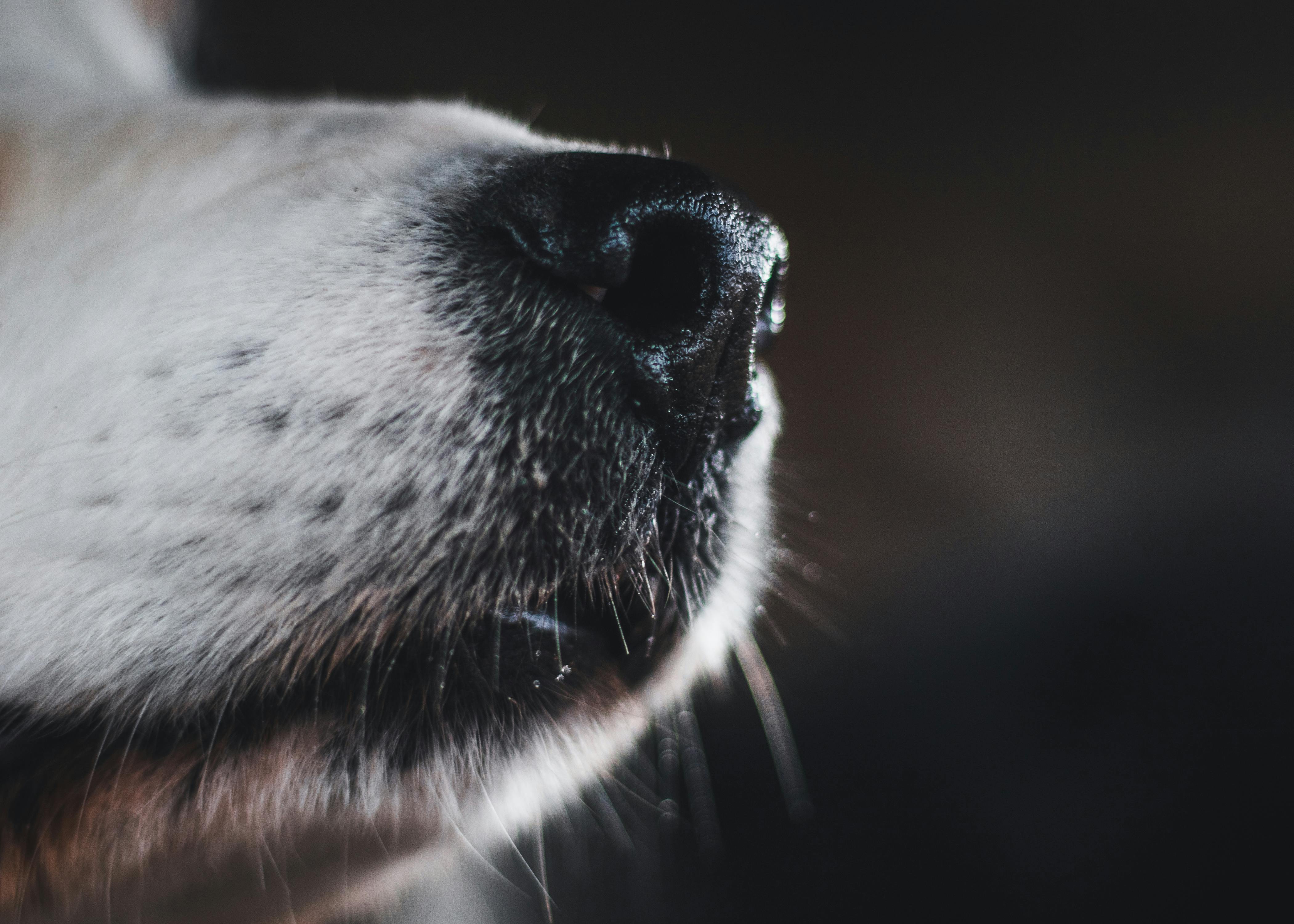
Dogs are more than just our furry companions; they are incredible creatures with unique biological traits. One of the most fascinating aspects of a dog is their sense of smell, which is largely thanks to their noses. Have you ever wondered why do dogs have wet noses? Or how their noses affect their remarkable olfactory abilities? Let’s dive into the secrets of canine anatomy and explore these intriguing questions.
The Anatomy of a Dog’s Nose
A dog’s nose is not just for show. It’s a complex structure that plays a vital role in how dogs perceive the world around them. Here are some of the key components and functions of a dog’s nose:
Nasal Cavity: Dogs have a much larger nasal cavity than humans. This cavity is lined with millions of olfactory receptors. In fact, dogs can have anywhere from 150 to 300 million olfactory receptors, compared to a human’s meager 5 million.
Jacobsen’s Organ: Also known as the vomeronasal organ, this structure helps dogs detect pheromones, which are chemical signals that influence behavior and social interactions among dogs and other animals.
Moisture: The wetness of a dog’s nose plays a crucial role in enhancing their sense of smell. The moisture helps to trap scent particles, making it easier for dogs to recognize different odors.
Why Do Dogs Have Wet Noses?
The wetness of a dog’s nose is more than just a cute feature. It serves several important functions:
Scent Detection: Dogs rely on their sense of smell for communication and exploration. A wet nose can absorb scent particles more effectively, improving their ability to detect various odors in the environment.
Temperature Regulation: Dogs do not sweat like humans do. Instead, they regulate their body temperature through panting and by maintaining a cool, moist nose. This helps to keep them comfortable, especially in warm weather.
Health Indicator: A wet nose is often seen as a sign of a healthy dog. If a dog’s nose is dry or excessively warm, it may indicate illness or dehydration. However, it’s important to note that a dry nose doesn’t always mean a dog is sick.
The Science Behind a Dog’s Sense of Smell
To understand just how impressive a dog’s sense of smell is, let’s take a look at some fascinating facts:
Olfactory Bulb: The part of the brain responsible for processing smells is significantly larger in dogs than in humans. This means dogs can differentiate between scents with incredible precision.
Scent Discrimination: Dogs can distinguish between different smells even if they are mixed together. For example, they can identify specific scents in a crowded area, like a park full of other dogs and people.
Scent Memory: Dogs have an excellent scent memory, allowing them to remember specific odors for a long time. This ability is why dogs can find missing persons, track wildlife, or even detect certain medical conditions.
Fun Facts About Dogs and Smell
Here are some intriguing tidbits about dogs and their extraordinary sense of smell:
Tracking Abilities: Bloodhounds, known for their incredible tracking skills, can follow a scent trail that is several days old.
Detection Work: Dogs are employed in various fields, including search and rescue, medical detection (like identifying cancer), and even in law enforcement to detect drugs or explosives.
Scent Training: Many dogs undergo specialized training to enhance their sense of smell. This training is crucial for police dogs and service animals.
Comparisons: Dogs vs. Humans
To truly appreciate a dog’s sense of smell, it’s helpful to compare it with human abilities:
| Feature | Dogs | Humans |
|---|---|---|
| Olfactory Receptors | 150-300 million | 5 million |
| Sense of Smell Sensitivity | 10,000 to 100,000 times stronger | Basic scent detection |
| Scent Memory | Long-lasting, highly developed | Short-term, not as reliable |
It’s clear that dogs possess an extraordinary olfactory system that far surpasses our own. This difference is what makes them such valuable companions, helping us in various ways we may not even realize.
The next time you pet your dog and notice their wet nose, remember that it’s not just a cute characteristic. It’s a vital part of their biology, enhancing their incredible sense of smell and supporting their overall health. Understanding these fascinating aspects of canine anatomy can deepen our appreciation for our four-legged friends and their unique abilities.
Are Wet Noses a Sign of Love? Understanding Your Dog’s Emotional Signals

Are wet noses a sign of love? This is a question many dog owners ponder while snuggling with their furry friends. Dogs are known for their unique ways of expressing emotions, and their wet noses often raise curiosity. But what does a wet nose really mean? Let’s dive deep into the fascinating reasons behind why dogs have wet noses, the emotional signals they send, and how these features relate to their health and behavior.
The Science Behind Wet Noses
First off, dogs noses are wet for a few reasons. Their noses are equipped with special glands that secrete moisture, which helps them pick up scents better. When a dog sniffs around, they are actually absorbing scent particles through the wet surface of their nose. This moisture enhances their sense of smell, which is why dogs are such excellent trackers and companions.
- Enhanced Smell: A wet nose helps gather scent particles more effectively, making their olfactory sense incredibly powerful.
- Cooling Mechanism: Just like humans sweat, dogs use their noses as a way to cool down. The moisture on their nose can help regulate their body temperature.
- Health Indicator: A dog’s nose can also signal its health. A dry, cracked nose may suggest dehydration or illness, while a moist nose is often seen as a sign of good health.
Emotional Signals from Your Dog
So, are wet noses a sign of love? Well, dogs communicate through various physical signals, and their noses can be part of that language. When your dog nudges you with its wet nose, it might not just be about getting attention. Here are some interpretations of this behavior:
- Affection: Dogs often use their noses to nudge or touch their owners, which can signify love and affection.
- Seeking Attention: If your dog presses its wet nose against you, it could be asking for playtime or a cuddle session.
- Curiosity and Exploration: Dogs also use their noses to explore their environment. A wet nose means they are actively engaged in understanding the world around them.
Why Do Dogs Have Wet Noses? The Fascinating Reasons
Now, let’s explore more about why dogs have wet noses. It’s not just about functionality, but also about their evolution and behavior.
Adaptive Evolution: Dogs descended from wolves, and wet noses likely helped their ancestors in hunting. An excellent sense of smell was essential for tracking prey, so wet noses became a trait that continued through generations.
Social Behavior: Dogs are pack animals and rely on communication within their group. Their noses are a primary way to interact with other dogs and humans.
Health and Well-Being: Keeping their noses moist helps dogs maintain their health. It prevents the nose from drying out, which can be uncomfortable and harmful.
How to Interpret Your Dog’s Nose
It’s crucial to understand that not all wet noses are created equal. The context matters when interpreting what your dog’s nose is communicating. Here are some signs to look for:
- Temperature: If your dog’s nose is unusually warm, it might indicate a fever or illness.
- Texture: A rough or cracked nose could suggest dehydration, while a smooth and moist nose usually indicates good health.
- Behavior: If your dog is being playful and its nose is wet, it’s likely a positive sign of their mood. Conversely, if they seem lethargic with a dry nose, it might be time to consult a vet.
Fun Facts about Dog Noses
- Unique Patterns: Just like human fingerprints, each dog has a unique nose print that can be used for identification.
- Scent Detection: Dogs can smell up to 100,000 times better than humans due to the structure of their noses.
- Nose Cooling: The wetness of a dog’s nose serves as a natural coolant, helping them to remain comfortable during hot days.
Dogs are truly fascinating creatures, and their wet noses are just one of the many features that make them special. Understanding your dog’s emotional signals, particularly through their noses, can enhance the bond you share. So, the next time your furry friend nudges you with that cool, wet nose, remember that it may be their way of saying “I love you” or simply “Hey, let’s go outside!” Embrace the quirks of your dog, and enjoy the unconditional love they offer in their own unique ways.
The Temperature Connection: Why a Wet Nose Could Indicate Your Dog’s Health Status
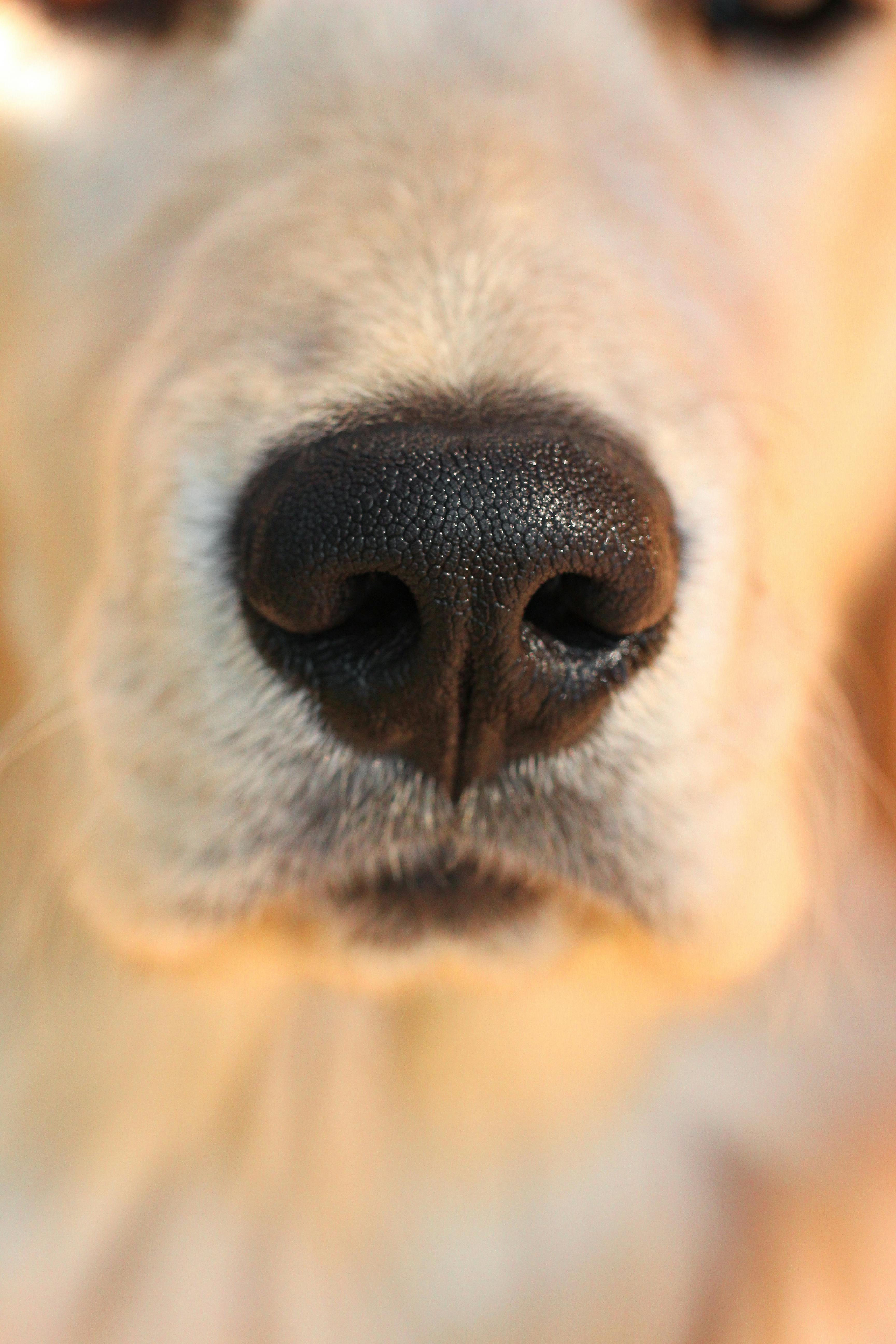
Have you ever noticed how your dog’s nose is often wet? It’s not just an adorable quirk, it turns out, the temperature connection between a wet nose and a dog’s health status is quite fascinating. Many pet owners often wonders, “Why do dogs have wet noses?” Well, let’s dive into the reasons behind this phenomenon and discover what it could mean for your furry friend’s health.
The Science Behind a Wet Nose
A dog’s nose is typically moist due to the secretion of mucus from the nasal glands. This moisture helps them enhance their sense of smell. Dogs have an incredible olfactory system, which is estimated to be 10,000 to 100,000 times more sensitive than humans. This means, wetness helps in capturing scent particles more effectively.
Here are some key points about why dogs have wet noses:
- Scent Detection: Wet noses trap scent particles, making it easier for dogs to detect smells.
- Temperature Regulation: Dogs sweat through their noses, which helps them cool down. A wet nose can indicate that your dog is trying to regulate its body temperature.
- Health Indicator: A change in the moisture level of your dog’s nose can be indicative of health issues.
Historical Context
The evolution of dogs has resulted in their unique physiological traits. Ancient canines used their noses for hunting and tracking prey. Over thousands of years, this ability has been enhanced, and wet noses have become a part of their anatomy that supports their survival instincts. Interestingly, different breeds might have varying moisture levels on their noses, but the general purpose remains the same.
The Temperature Connection
When we talk about a dog’s health, temperature plays an important role. Generally, a normal body temperature for dogs ranges from 101 to 102.5 degrees Fahrenheit. If your dog’s nose is unusually dry or warm, it might be worth paying attention to. Here’s a quick list of what different nose conditions could mean:
- Wet and Cool: Normal, healthy dog.
- Warm and Dry: Could indicate fever or illness.
- Dry and Cracked: Potential dehydration or skin issues.
- Excessively Wet: This could mean allergies or nasal discharge due to infections.
Why a Wet Nose Could Indicate Health Status
You might be wondering, how do these factors connect to your dog’s overall health? A wet nose isn’t just a cute trait; it’s a window into your dog’s well-being. For instance, if your dog’s nose is consistently dry, it could signal dehydration or even an underlying health issue. On the flip side, excessive moisture might indicate allergies or an infection.
Fascinating Facts About Dog Noses
- Unique Patterns: Just like human fingerprints, every dog has a unique nose print.
- Temperature Sensors: Dogs can sense temperature changes through their noses, which helps them detect nearby warm or cold objects.
- Healing Properties: Some studies suggest that a dog’s saliva contains antibacterial properties that can help heal wounds.
Common Misconceptions
Many people assumes that the wetness of a dog’s nose is directly correlated with their health status. That’s not entirely true. Some dogs may naturally have dryer noses due to their breed or age. Here are a few myths debunked:
- Myth 1: A dry nose always means a sick dog. (Not true! Some dogs just have dryer noses.)
- Myth 2: A warm nose indicates a fever. (Not always! You need to check their overall behavior and temperature.)
- Myth 3: The wetter the nose, the healthier the dog. (While a wet nose is generally a good sign, it’s not the only indicator of health.)
Practical Tips for Dog Owners
So, what can you do as a responsible dog owner? Here are some practical tips:
- Regular Check-ups: Schedule routine veterinary visits to monitor your dog’s health.
- Hydration: Ensure your dog has access to fresh water to prevent dehydration.
- Observe Behavior: Keep an eye on your dog’s behavior. If they seem lethargic or show signs of illness, consult your vet.
- Nose Care: If your dog’s nose appears dry or cracked, consider applying a pet-safe moisturizer.
Understanding the intricacies of your dog’s health can be a bit overwhelming, but knowing that a wet nose is more than just a cute trait can help you keep your furry friend in the best shape possible. By paying attention to these signs and symptoms, you can ensure that your dog leads a happy and healthy life. Whether it’s a nose boop or a wagging tail, your dog’s wellbeing is always worth the effort.
Debunking Myths: The Truth About Why Dogs Have Wet Noses Revealed
Have you ever wondered why dogs noses are always wet? Many people think it’s just because they drool, but there’s actually more to the story. Get ready to dive into the fascinating world of canine noses as we debunk some myths and reveal the truth about why dogs have wet noses.
The Biological Reasons Behind Wet Noses
Dogs have moist noses for several reasons, and it’s not just for show. The wetness helps them in several important ways.
Enhanced Smell: The moisture on a dog’s nose helps to capture scent particles. This enhances their ability to smell, which is crucial for how they interact with the world. Dogs’ sense of smell is estimated to be between 10,000 to 100,000 times more sensitive than humans.
Temperature Regulation: A wet nose also plays a role in thermoregulation. Dogs don’t sweat like humans do; instead, they cool off through panting and having a moist nose. The evaporation of moisture helps to lower their body temperature.
Health Indicator: A dog’s nose can tell you a lot about its health. A suddenly dry or hot nose can be a sign of illness. However, the wetness can vary from dog to dog and even throughout the day.
Common Myths About Dog Noses
There’s a lot of misinformation floating around about the reasons dogs have wet noses. Let’s look at some common myths and set the record straight.
Myth 1: Dogs Have Wet Noses Because They’re Always Drooling
Truth: While drooling can contribute to a wet nose, it’s not the main reason. The moisture comes from the nasal glands and the surrounding environment.Myth 2: Wet Noses Mean Dogs Are Healthy
Truth: A wet nose doesn’t always mean a dog is healthy. While it can be a good sign, other factors like behavior and appetite are also important.Myth 3: All Dogs Have Wet Noses
Truth: Some breeds, like Bulldogs and Pugs, may have drier noses due to their facial structure. This doesn’t mean they’re unhealthy.
Historical Context: The Evolution of Dog Noses
Dogs have been around for thousands of years, and their noses have evolved significantly. The domestication of dogs started around 20,000 to 40,000 years ago. Early humans may have selected dogs with better senses of smell for hunting and companionship. The wet nose trait likely became more favorable for survival, enhancing their ability to track scents and navigate their environments.
Comparison: Dogs vs. Other Animals
Let’s compare how dogs’ noses stack up against those of other animals.
| Animal | Nose Type | Smell Sensitivity |
|---|---|---|
| Dogs | Wet | 10,000 to 100,000 times more than humans |
| Cats | Dry | Approximately 10 times better than humans |
| Elephants | Wet | Highly developed, but not as sensitive as dogs |
| Sharks | Wet | Can detect blood in the water at extreme distances |
Practical Examples of Nose Usage
Dogs use their noses for various purposes in everyday life, including:
- Tracking: Search and rescue dogs use their noses to locate missing persons.
- Detection: Police dogs sniff out drugs and explosives.
- Medical Alerts: Some dogs can sense changes in blood sugar levels or detect cancer.
Tips for Dog Owners
Keeping your dog’s nose healthy is important. Here are some tips:
- Hydration: Ensure your dog drinks plenty of water, as hydration can affect nose moisture.
- Regular Vet Check-ups: Ensure your vet checks your dog’s nose during routine exams.
- Observe Changes: If your dog’s nose changes color or texture, it might be time to visit the vet.
In summary, the wet nose of a dog is not just a cute feature; it plays a vital role in their health, communication, and interaction with the world around them. Understanding these facts helps you appreciate your furry friend even more. So, next time you get a wet nose nudge, remember all the fascinating reasons behind it!
Exploring the Evolutionary Advantage of Wet Noses in Dogs: What Science Says

Dogs are beloved companions, and their wet noses are often a point of curiosity. Many people ask, “Why do dogs have wet noses?” This question leads us to fascinating findings rooted in science and evolutionary biology. Wet noses aren’t just cute; they serve important functions that enhance a dog’s ability to thrive in various environments.
The Science Behind Wet Noses
Dogs have wet noses mainly due to the moisture produced by glands in their nasal passages. When a dog licks its nose, the moisture evaporates, cooling the nose and allowing for better scent detection. Research suggests that a wet nose can improve a dog’s ability to pick up scents by enhancing the olfactory capabilities. Wetness helps to trap scent particles, making it easier for dogs to identify and track smells.
Evolutionary Perspective
The evolution of wet noses can be traced back to the ancestors of modern dogs. Early canines likely developed moist noses as an adaptive trait. Here’s why:
- Enhanced Smell: Wet noses help capture scent particles, which is crucial for hunting and survival.
- Thermoregulation: Dogs do not sweat like humans; instead, their noses help regulate body temperature through evaporation.
- Communication: A wet nose can also help communicate emotions and health status to other animals and humans.
Why Wet Noses Matter
Wet noses serve several functions that are essential for a dog’s health and well-being. Some of the benefits include:
- Improved Sense of Smell: Dogs rely on their sense of smell more than sight. A wet nose helps them detect pheromones and other scent cues.
- Health Indicator: A dog’s nose can indicate its health. Typically, a cold and wet nose signifies good health, while a dry or cracked nose may raise concerns.
- Cooling Mechanism: Dogs primarily cool off through panting, but a wet nose can also assist in temperature regulation, especially on hot days.
How Do Dogs Keep Their Noses Wet?
Dogs have various ways of maintaining moisture on their noses:
- Licking: Dogs frequently lick their noses, which keeps them moist and clean. This behavior is often instinctual and serves multiple purposes.
- Glandular Secretion: Specialized glands within the nasal passages secrete mucus, which contributes to the overall wetness. These secretions also contain pheromones that communicate various signals.
- Environmental Factors: Humidity and temperature also play a role. In humid conditions, a dog’s nose may remain wetter naturally.
Historical Context of Dog Noses
Throughout history, dogs have been bred for specific traits, including their noses. Breeds like Bloodhounds have exceptionally wet noses that enhance their scent-tracking abilities. Here’s a brief look at how different breeds use their noses:
- Bloodhounds: Renowned for their tracking skills with moist noses that capture scents effectively.
- Beagles: Also have wet noses, which help them follow scents while hunting.
- Poodles: Their wet noses assist them in detecting water when retrieving in aquatic environments.
Fun Facts About Dog Noses
- Unique Patterns: Just like human fingerprints, every dog’s nose print is unique. This characteristic can be used to identify them.
- Temperature Check: A dog’s nose temperature can vary based on its activity level, health, and environmental factors.
- Color Changes: The color of a dog’s nose can change over time due to genetics, sun exposure, or health issues.
Practical Implications for Dog Owners
As a dog owner, understanding the importance of a wet nose can help you monitor your pet’s health. Here are some tips:
- Check for Changes: Regularly observe your dog’s nose for dryness or discoloration. If you notice significant changes, consult a veterinarian.
- Hydration Matters: Ensure your dog stays hydrated, especially in hot weather, to keep its nose moist.
- Grooming: Regular grooming can help maintain skin health, including the nose area.
In summary, the wet nose of a dog is more than just an adorable feature. It’s a remarkable evolutionary trait that plays a crucial role in their sensory perception, health, and communication. Understanding why dogs have wet noses can help us appreciate these wonderful animals even more. So next time you see your furry friend with that glistening nose, you’ll know it’s not just for show!
How to Care for Your Dog’s Nose: Top Tips for Maintaining Optimal Health

Caring for your dog’s nose is more important than you might think. Many pet owners don’t realize that a dog’s nose can reveal a lot about their health. A healthy nose is usually wet and cool, but if it’s dry or warm, that might indicate something’s not quite right. Here’s some top tips for maintaining optimal nose health, along with the fascinating reasons behind why dogs have wet noses in the first place.
Why Do Dogs Have Wet Noses? Discover The Fascinating Reasons
Dogs have wet noses for several reasons which are interesting, to say the least. It’s not just a random feature; it serves important functions. Here are some key points:
Sense of Smell: A wet nose helps to enhance a dog’s sense of smell. The moisture captures scent particles, making it easier for them to detect different smells. This is crucial for their instincts, as dogs rely on scent for communication and navigation.
Temperature Regulation: Just like how humans sweat, dogs also use their noses to help regulate their body temperature. The moisture on the nose evaporates, cooling them down.
Health Indicator: The condition of a dog’s nose can be an indicator of their health. While wet generally signifies health, a change in texture or temperature can be a signal that something’s wrong.
Communication Tool: Dogs often use their noses to interact with other dogs and even humans. A wet nose can signify friendliness or curiosity, while a dry nose can suggest discomfort or illness.
How to Care for Your Dog’s Nose: Top Tips for Maintaining Optimal Health
Caring for your dog’s nose is simple and can be done at home. Here are some practical tips:
Regular Checks: Inspect your dog’s nose daily. Look for any changes in moisture, color, or texture. Normal should be wet and cool. If you notice cracks, dryness, or a change in color, it may be a good idea to consult a vet.
Hydration is Key: Make sure your dog stays hydrated! Dehydration can cause a dry nose, so provide fresh water at all times.
Humidifiers Helps: If you live in a dry climate, consider using a humidifier in your home. This can help maintain moisture in the air and keep your dog’s nose from drying out.
Avoid Irritants: Be cautious about using strong cleaning products or exposing your dog to smoke. These irritants can dry out their nose and cause discomfort.
Sun Protection: Just like humans, dogs can get sunburned! If your dog spends a lot of time outdoors, consider using a pet-safe sunscreen on their nose, especially if they have light-colored fur.
Diet Matters: A balanced diet rich in Omega fatty acids can promote healthy skin and noses. Foods high in these nutrients include fish, flaxseeds, and certain dog food brands that focus on skin health.
Common Nose Issues
Sometimes, despite our best efforts, dogs can face nose issues. Here are a few common problems:
Nasal Hyperkeratosis: This condition causes the skin on the nose to become thick and crusty. It’s most common in certain breeds and can be managed with proper care.
Nasal Dermatitis: This can happen due to allergies or irritants and can make the nose red and inflamed. Keeping the nose clean and avoiding known allergens is important.
Infections: Bacterial or fungal infections can lead to a dry, cracked nose. If you see a change along with discharge, it’s best to seek veterinary help.
Quick Reference Guide to Nose Care
- Daily Inspection: Look for moisture, color, and texture changes.
- Hydrate: Always provide fresh water.
- Use Humidifiers: Ideal for dry environments.
- Protect from Sun: Use pet-safe sunscreen if needed.
- Feed a Balanced Diet: Ensure it’s rich in Omega fatty acids.
The state of your dog’s nose can tell you a lot about their health. Regular check-ups, a good diet, and attention to their environment can make a big difference. Plus, understanding why dogs have wet noses helps us appreciate this unique aspect of their biology. Remember, a little care goes a long way in ensuring your furry friend stays happy and healthy!
Can a Dog’s Wet Nose Predict Illness? Understanding the Link Between Nose Moisture and Health

Ever noticed how your dog’s nose feels cool and wet? Many pet owners often wonder if there’s a deeper meaning behind this. Can a dog’s wet nose predict illness? Understanding the link between nose moisture and health is quite fascinating. While some people think that a wet nose is a sign of good health, others are not so sure. Let’s dive into the science and the myths surrounding why do dogs have wet noses and what it really means for their overall health.
Why Do Dogs Have Wet Noses?
Dogs have wet noses for several reasons, most of them linked to their health and well-being. Here’s a list of some fascinating reasons:
Scent Detection: A wet nose helps dogs to smell better. The moisture on their noses captures scent particles from the air. This is super important for dogs, since they rely heavily on their sense of smell to understand their environment.
Thermoregulation: Dogs can’t sweat like humans. Instead, they cool themselves off through their noses. A wet nose can help regulate body temperature, especially on hot days.
Health Indicator: While a wet nose can suggest that a dog is healthy, it’s not the only factor. A change in the moisture level can indicate health issues, but it’s important to consider other symptoms too.
Humidity Attraction: Dogs are naturally attracted to moisture in their environment. They may lick their noses or the ground to keep their noses wet, which enhances their ability to smell.
Can a Dog’s Wet Nose Predict Illness?
The idea that a dog’s wet nose can predict illness is partly true, but it’s not that simple. A wet nose is typically a sign of a healthy dog, but there are exceptions. Here’s what you should know:
Normal Variation: A healthy dog’s nose can be wet, dry, or somewhere in between. It varies with the weather, activity level, and even the time of day.
Signs of Illness: If a dog’s nose becomes excessively dry, cracked, or warm, it could be an indicator of illness. For instance, dehydration, fever, or specific diseases could change the normal moisture level.
Other Symptoms Matter: Relying solely on a dog’s nose to determine health can be misleading. Look for other symptoms like changes in behavior, appetite, or energy levels. It’s best to consult a veterinarian if any concerning signs arise.
Comparing Wet and Dry Noses
Let’s break down some characteristics between wet and dry noses in dogs:
| Nose Condition | Possible Health Indicators | What to Look For |
|---|---|---|
| Wet Nose | Generally healthy | Active, playful, normal appetite |
| Dry Nose | May indicate dehydration or illness | Lethargy, loss of appetite, warm forehead |
| Cracked Nose | Potential skin issues or dehydration | Redness, flaking, bleeding |
The Science Behind Nose Moisture
Research shows that the moisture on a dog’s nose comes from a combination of secretions from glands and environmental factors. Dogs often lick their noses to keep them moist. This behavior can be instinctual, as it helps them gather more scent information. Here are a few interesting facts:
- Dogs have specialized glands in their nasal passages that produce mucus to trap scent particles.
- Nose moisture can change with temperature and humidity. During the summer, for example, you may notice your dog’s nose is more moist than in winter.
- Some breeds may have naturally wetter noses than others. For example, hound breeds are known for their wet noses compared to terriers.
Practical Examples of Nose Health Monitoring
Pet owners can easily monitor their dog’s nose health. Here’s a quick checklist to keep in mind:
- Daily Check: Make it a habit to check your dog’s nose daily. Note the moisture level and appearance.
- Behavior Observation: Pay attention to your dog’s overall behavior. Is your dog acting differently? Are they eating less or showing signs of discomfort?
- Veterinary Visits: Regular check-ups with a veterinarian can help catch potential health issues early.
Just remember, a dog’s wet nose is just one part of their health puzzle. While it can provide clues, it’s also important to look at the whole picture.
In conclusion, understanding why do dogs have wet noses and how it relates to their health can help pet owners take better care of their furry friends. Being observant and informed can make a big difference in ensuring your dog’s well-being. If you ever have doubts about your dog’s health, consulting with a veterinarian can provide peace of mind. So keep an eye on that nose, but don’t forget to consider all the other signs your dog might be showing!
Why Does My Dog’s Nose Change from Wet to Dry? Common Causes and What They Mean

If you ever wondered why does my dog’s nose change from wet to dry, you’re not alone. Many dog owners have observed this phenomenon and may be puzzled by it. A dog’s nose is often seen as an indicator of their health and well-being, but it can be confusing to understand what the changes in moisture levels actually mean. Let’s dive into some common causes and what they signify. Also, we will look at why do dogs have wet noses in the first place, revealing some fascinating reasons behind this trait.
Why Do Dogs Have Wet Noses?
Dogs usually have wet noses, and it serve several important functions. Here are some key reasons:
Enhanced Sense of Smell: A dog’s nose is covered with moist mucus that helps to trap scent particles. This makes it easier for them to detect different scents in their environment. Isn’t that interesting?
Temperature Regulation: Just like humans sweat, dogs use their noses to help regulate body temperature. When they pant, moisture evaporates from the nose, helping cool them down.
Health Indicator: A wet nose is often seen as a sign of a healthy dog. When a dog’s nose is dry, it can raise flags about their health. But it’s not always a bad sign.
Common Causes for a Dry Nose
If you’re seeing your dog’s nose become dry, several factors could be at play. Here are some common reasons:
Dehydration: Just like us, dogs need to stay hydrated. If they aren’t drinking enough water, their noses might dry out.
Weather Conditions: Hot or windy weather can dry out your dog’s nose quickly. Cold weather might also affect the moisture levels.
Health Issues: Certain health problems can cause a dog’s nose to dry out. For example, autoimmune diseases or allergies can sometimes lead to changes in nose moisture.
Age: As dogs gets older, their noses can naturally become drier. It’s just part of the aging process.
Signs to Watch For
If your dog’s nose is dry, you might want to look for other signs that could indicate a problem. Here are a few:
Changes in Behavior: If your dog seems lethargic or less playful than normal, it might be a sign of an issue.
Lethargy: If your dog is not as active or seems to be more tired than usual, take note.
Loss of Appetite: A sudden disinterest in food can be concerning and should not be ignored.
Nose Cracking or Bleeding: If you notice cracks or bleeding on the nose, it’s time to consult a veterinarian.
When to Consult a Veterinarian
It’s important to know when to seek professional help. Here’s a quick list of situations that warrant a trip to the vet:
- If your dog’s nose stays dry for an extended period.
- If there are other concerning symptoms like vomiting or diarrhea.
- If the nose becomes crusty or shows signs of infection.
Fascinating Facts About Dog Noses
Dogs have approximately 220 million scent receptors in their noses, compared to about 5 million in humans. This makes their sense of smell around 40 times better than ours!
Each dog has a unique nose print, much like human fingerprints. This means every nose is one-of-a-kind!
Dogs can detect certain diseases in humans, including some cancers, simply through their sense of smell. Isn’t that amazing?
Practical Tips for Nose Care
Maintaining a healthy nose is important for your dog. Here are some practical tips:
Hydration: Make sure your dog has access to fresh water at all times.
Moisturize: If your dog’s nose appears dry, you can apply a small amount of coconut oil or a vet-approved nose balm to help.
Limit Sun Exposure: Just like humans, dogs can get sunburned. Try to limit their exposure during peak sun hours.
Regular Vet Checkups: Regular visits to the vet can help catch any potential health issues early.
Understanding why does my dog’s nose change from wet to dry can help you provide better care for your furry friend. By recognizing the signs and knowing when to seek help, you can ensure your dog stays healthy and happy. So, next time you notice a change in your dog’s nose, you’ll have the knowledge to understand what it might mean.
Conclusion
In conclusion, the wet noses of dogs serve several vital purposes, from enhancing their sense of smell to regulating body temperature. A dog’s nose is packed with scent receptors, making it an essential tool for communication and environmental exploration. The moisture found on their noses helps to capture scent particles, significantly improving their olfactory capabilities. Additionally, the cooling effect of a wet nose aids in thermoregulation, especially during warmer weather. Regularly checking your dog’s nose can also provide insights into their health, as changes in moisture levels can indicate underlying issues. As dog owners, it’s important to appreciate this unique feature and understand its significance. So next time you greet your furry friend, take a moment to admire their wet nose and remember how it plays a crucial role in their well-being. Consider sharing your newfound knowledge with fellow dog lovers to spread awareness about this fascinating aspect of canine anatomy!
