Have you ever wondered, why do dogs have wet noses? This intriguing question has captivated dog owners and enthusiasts alike for ages! The answer lies in the fascinating biology of our furry friends. Dogs’ noses are not just cute; they serve several important purposes. A wet nose helps to regulate their body temperature and enhances their sense of smell, making them extraordinary creatures! But that's not all—there's so much more to discover about these lovable animals and their unique characteristics. Have you thought about how a dog's sense of smell can detect emotions or even illnesses? This post delves into the compelling reasons behind the moisture on your dog’s nose and how it reflects their health and well-being. From understanding dog behavior to ensuring your pet’s happiness, knowing why dogs have wet noses can deepen your bond with your furry companion. So, are you ready to uncover the secrets of those adorable, wet noses? Let’s embark on this exciting journey to learn about the amazing world of dogs and discover the crucial role their wet noses play in their lives!
The Science Behind Canine Nasal Moisture: Why Are Dogs’ Noses Wet?
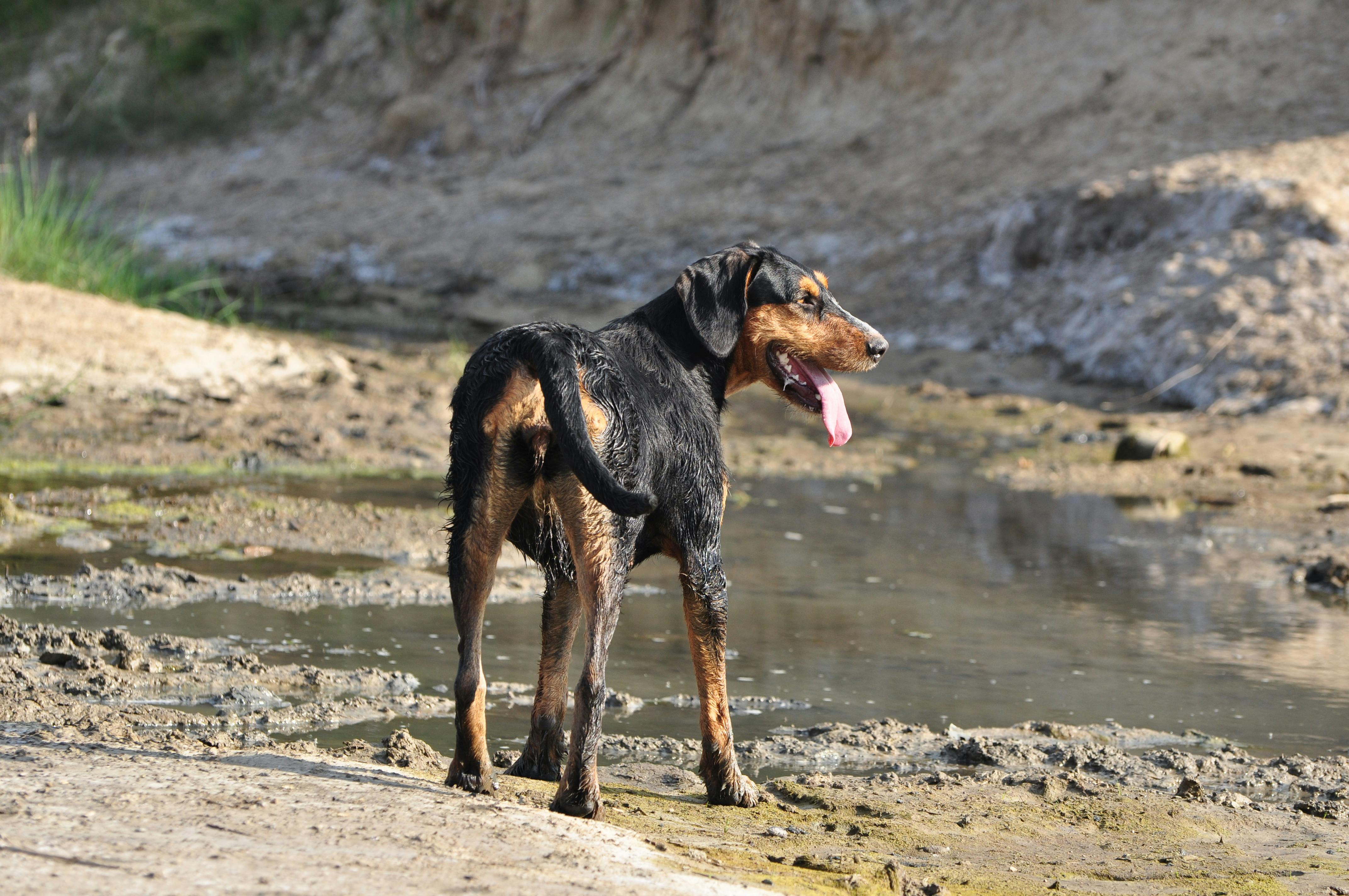
When you think about dogs, you might picture their wagging tails, floppy ears, and of course, their wet noses. But have you ever stopped to wonder why dogs have wet noses? This is not just a random characteristic; there’s actually some fascinating science behind it. Let’s dive into the world of canine nasal moisture and uncover the reasons why dogs’ noses are wet.
The Anatomy of a Dog's Nose
A dog's nose is much more than a cute feature; it is a complex organ that plays a critical role in their sense of smell. Dogs have an incredible olfactory system, which is far superior to that of humans. Here are a few key points about their noses:
- Large Surface Area: A dog's nasal cavity is lined with millions of olfactory receptors, which allows them to detect scents at incredibly low concentrations.
- Moisture Production: Dogs' noses are moist because they secrete mucus, which helps to capture scent particles and enhance their sense of smell.
- Temperature Regulation: The moisture on a dog’s nose can also help to cool them down, as they don’t sweat like humans do.
Why Are Dogs' Noses Wet?
The wetness of a dog’s nose isn’t just for show. There are several reasons why dog noses are typically moist:
Enhanced Smell: The moisture helps to trap scent particles in the air. The more moisture there is, the better a dog can smell. A wet nose means a better sense of smell.
Thermal Regulation: Dogs don’t sweat through their skin like humans. Instead, they mainly regulate their body temperature through their noses and panting. Moisture on the nose can help cool them down.
Health Indicator: A wet nose is often seen as a sign of a healthy dog. If a dog’s nose becomes dry or cracked, it might indicate dehydration or illness.
Scent Communication: Dogs use their noses to communicate with other dogs. A wet nose can carry more scent, helping them to understand their environment and other animals better.
The Importance of Nose Moisture
Dog noses are wet for a reason, and maintaining that moisture is important for their overall health. Here are some fascinating facts:
Nasal Glands: Dogs have specialized glands that produce mucus, which keeps their noses moist. This mucus not only aids in smell but also plays a role in the immune system.
Environmental Factors: The environment can affect a dog’s nose moisture. For example, hot or dry weather can lead to a drier nose, while humidity can enhance moisture levels.
Comparing Wet and Dry Noses
It’s interesting to note that not all dogs have the same nose moisture levels. Here’s a simple comparison:
| Characteristic | Wet Nose | Dry Nose |
|---|---|---|
| Health Indicator | Often healthy | Could indicate health issues |
| Sense of Smell | Enhanced ability to smell | Might have reduced smell ability |
| Temperature Control | Better at cooling | Less effective for temperature regulation |
Practical Examples of Nose Wetness
Several factors can influence whether a dog has a wet or dry nose. Here are some examples of situations:
After Playing: When dogs are active and playing, their noses tend to be wetter because they’re panting and producing more moisture.
Weather Conditions: On a hot summer day, your dog might have a drier nose, while a rainy day could lead to a wetter nose as they are exposed to more moisture.
Health Changes: If you notice a sudden change in your dog’s nose moisture, such as prolonged dryness, it might be worth consulting a veterinarian to rule out any underlying health issues.
Final Thoughts
So, why do dogs have wet noses? It’s a combination of biology and environmental factors that makes their noses not just cute, but crucial for their communication and health. Understanding the science behind canine nasal moisture gives us insight into their well-being and the fascinating ways they interact with the world. Whether you're a dog owner or just a fan of these furry companions, appreciating the simple yet complex nature of their noses can deepen your bond with them. Keep an eye on that moist nose, and you’ll be one step closer to knowing how your dog feels!
7 Fascinating Facts About Dogs’ Wet Noses You Probably Didn’t Know
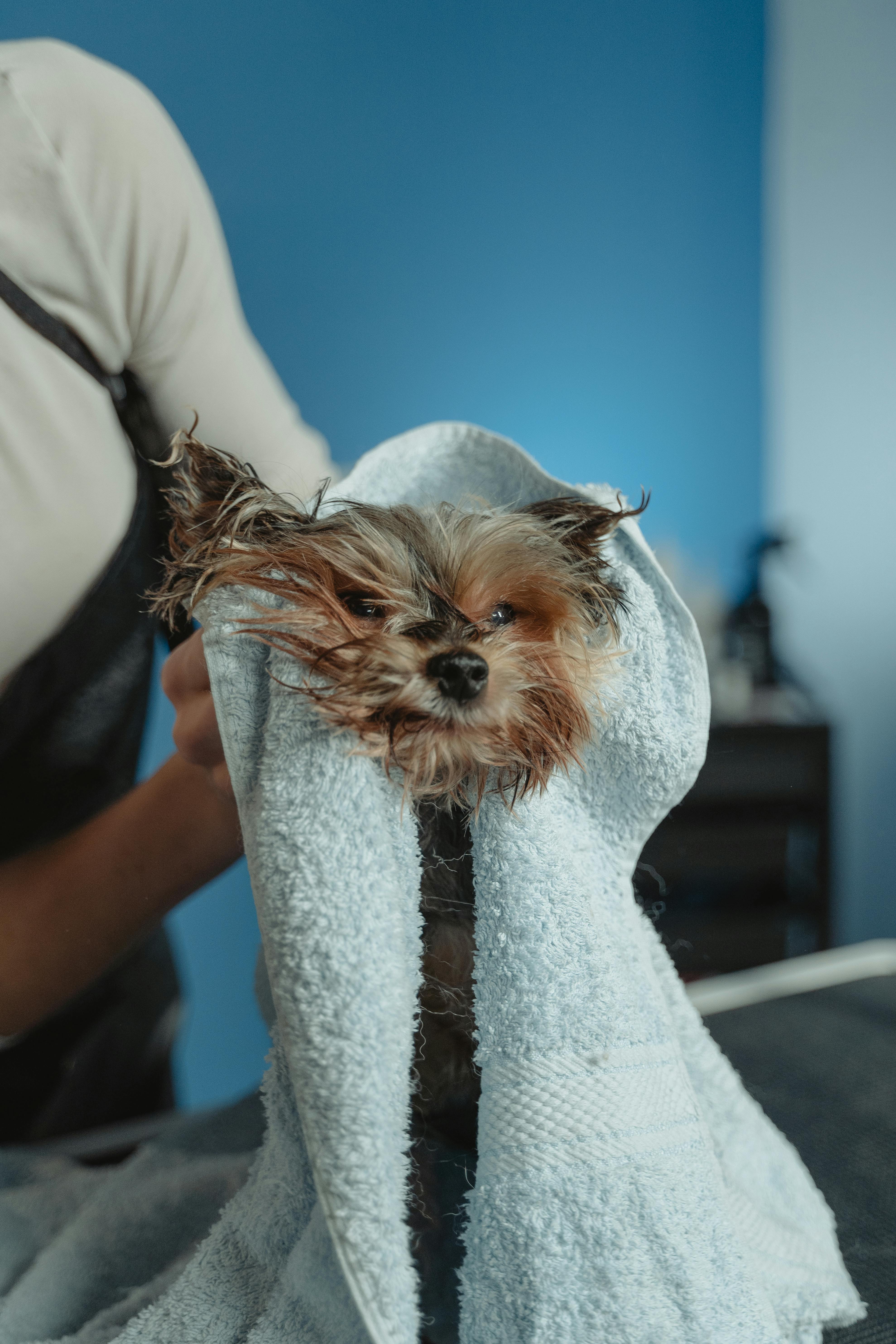
Dogs are known for their wagging tails, playful barks, and of course, their wet noses. But have you ever wondered why dogs have wet noses in the first place? And why it seems like every dog you meet has that signature dampness? Here are 7 fascinating facts about dogs’ wet noses that you probably didn’t know. Let’s dive into the science and some interesting tidbits that surround this unique feature of our furry friends.
1. Dogs’ Noses Are Super Sensitive
One of the most amazing thing about dogs is their sense of smell. They have about 300 million smell receptors in their noses, compared to humans who only have roughly 6 million. This heightened sense helps dogs to detect scents and pheromones in their surroundings. The wetness of a dog’s nose helps to capture scent particles more effectively. When a dog’s nose is moist, it can absorb scents better, enhancing their ability to smell. This is one large reason why dogs can sniff out drugs, explosives, and even diseases like cancer.
2. Thermoregulation
Dogs don’t sweat like humans do. Instead, they regulate their body temperature through several methods, and their noses play a role in this. When a dog is hot, the moisture from their nose can evaporate, which helps them cool down. So, if you notice your dog’s nose is particularly wet, it might be a sign that they are trying to regulate their body temperature. Isn’t that fascinating?
3. Natural Lubrication
Just like how our skin needs moisture to stay healthy, a dog’s nose needs to be wet for similar reasons. The wetness keeps their nasal passages lubricated, which helps in the process of smelling. If a dog’s nose were dry, it could lead to irritation and potential health issues. The wetness also helps to trap dust and particles, keeping their breathing passages clear. It’s like a built-in filter!
4. The Science of Dog Saliva
Ever notice how a dog’s nose often has a sheen? That’s not just moisture; it's also saliva. Dogs often lick their noses, which keeps them wet and helps them to smell better. Saliva contains enzymes that can break down scents, making the olfactory process more efficient. So every time your dog gives their nose a good lick, they are actually enhancing their ability to detect smells.
5. Temperature and Health Indicators
A dog’s nose can actually tell you a lot about their health. While it’s a common myth that a cold and wet nose indicates a healthy dog, that's not always the case. A dog’s nose can vary in temperature and moisture based on their activity level, environment, and overall health. For example:
- Wet and Cold: Typically signifies a healthy dog.
- Dry and Warm: Could indicate fever or dehydration.
- Excessively Wet or Slimy: May be a sign of infection or illness.
So, keeping an eye on your dog’s nose can provide insight into their health.
6. Nose Prints Are Unique
Just like human fingerprints, every dog has a unique nose print! The patterns of ridges and creases on a dog’s nose can be used to identify them, which is pretty amazing. Some organizations even use nose prints as a way to register dogs, similar to how we use fingerprints in humans. This means that your dog could possibly have their own 'identification' system based on their nose, which is just another fun fact for dog lovers.
7. Cultural Significance
Throughout history, dogs have held a special place in various cultures, and their wet noses have often been seen as a sign of affection. In many societies, a dog nudging you with their wet nose is considered a gesture of love and companionship. This simple act can strengthen the bond between a dog and its owner, creating a deeper emotional connection.
- Ancient Egyptians revered dogs, and their wet noses were seen as symbols of loyalty.
- In Chinese culture, dogs are often associated with good fortune and protection, with their wet noses symbolizing health.
These cultural perceptions add another layer of intrigue to the simple wet nose of a dog.
Dogs’ wet noses are not just for show; they serve multiple purposes that enhance their lives and our relationships with them. So the next time you give your dog a scratch behind the ears, take a moment to appreciate that wet nose and all the fascinating reasons behind it. It's a small detail that carries a lot of significance in the world of our beloved pets.
How Dogs Use Their Wet Noses for Enhanced Smell: A Deep Dive

Dogs are often considered man's best friend, but their remarkable sense of smell is one of the many reasons for that. So, why do dogs have wet noses? This question leads us on a journey into the fascinating world of canine biology and behavior. Let's explore how dogs use their wet noses for enhanced smell, and uncover the interesting reasons behind this unique characteristic.
The Anatomy of a Dog's Nose
A dog's nose is not just for show; it's a highly specialized organ. The surface of a dog's nose is covered with moist tissue that plays a crucial role in their ability to detect scents. This moistness is not just random; it serves several important purposes:
- Enhanced Olfactory Receptors: Dogs have around 300 million olfactory receptors in their noses, compared to a mere 5 million in humans. This gives them an incredible edge when it comes to detecting scents.
- Surface Area: The wet surface area of a dog's nose increases the ability to trap scent molecules. Basically, the more moisture there is, the better a dog can smell.
- Thermoregulation: A wet nose helps to cool down a dog, especially after a vigorous playtime or on a hot day. It's like nature’s air conditioning!
How Does a Wet Nose Work?
When a dog sniffs, the moisture on their nose helps to absorb scent particles from the air. This process allows them to identify and analyze different smells. Here's how it works:
- Sniffing: When a dog inhales, air passes over their moist nose.
- Absorption: The scent molecules stick to the wet surface, enhancing the detection process.
- Olfactory Bulb: These scent molecules are then transmitted to the dog's brain through the olfactory bulb, where they are processed and analyzed.
Why Do Dogs Have Wet Noses? The Fascinating Reasons
There are several reasons why a dog's nose is wet, and understanding these can deepen our appreciation for our furry friends:
- Scent Detection: As mentioned, the moisture helps to trap scent molecules, making it easier for dogs to pick up on various smells.
- Health Indicator: A wet nose is often seen as a sign of a healthy dog. However, it’s important to note that a dry nose doesn’t always mean illness; it can vary throughout the day.
- Communication: Dogs communicate through scents. A wet nose helps them pick up pheromones and other scent cues from their environment, which is crucial for social interactions with other dogs and animals.
The Benefits of a Wet Nose
Here are some benefits of having a wet nose:
- Better Smelling Ability: Dogs can detect scents at extremely low concentrations, which is why they are used in search and rescue missions.
- Environmental Awareness: A dog’s nose helps them to understand their surroundings, aiding in their navigation and safety.
- Social Bonding: By sniffing each other’s noses, dogs can gather information about their peers, contributing to their social interactions.
Fun Facts About Dogs' Noses
- Dogs can recognize their owner’s scent even after a long time apart.
- A dog’s sense of smell is so powerful, they can detect certain diseases like cancer or diabetes just by sniffing.
- Different breeds have different nose shapes which can affect their smelling abilities. For example, Bloodhounds are renowned for their exceptional sense of smell.
Comparison with Human Smell
| Feature | Dogs | Humans |
|---|---|---|
| Olfactory Receptors | 300 million | 5 million |
| Scent Detection | Can detect parts per trillion | Can detect parts per million |
| Nose Surface | Wet and large | Dry and small |
| Smell Usage | Communication, hunting, navigation | Limited to food and safety |
Understanding Nose Health
It's essential for dog owners to keep an eye on their pet's nose. A change in moisture level can indicate health issues:
- Dry Nose: Could indicate dehydration or fever.
- Cracked or Bleeding Nose: May suggest allergies or other health concerns.
- Excessively Wet Nose: Might be a sign of an infection or other medical issue.
Keeping your dog's nose healthy is just as important as their overall well-being. Regular vet check-ups and observing any changes in their nose condition can help catch potential problems early.
In wrapping up, the wet nose of a dog is not just an adorable trait; it's a complex adaptation that enhances their ability to smell, communicate, and interact with the world around them. Understanding why dogs have wet noses helps us appreciate the incredible biology behind these beloved pets. So next time you see your pup's wet nose, remember the fascinating science that lies behind it!
Is a Wet Nose a Sign of a Healthy Dog? Understanding Canine Health Indicators
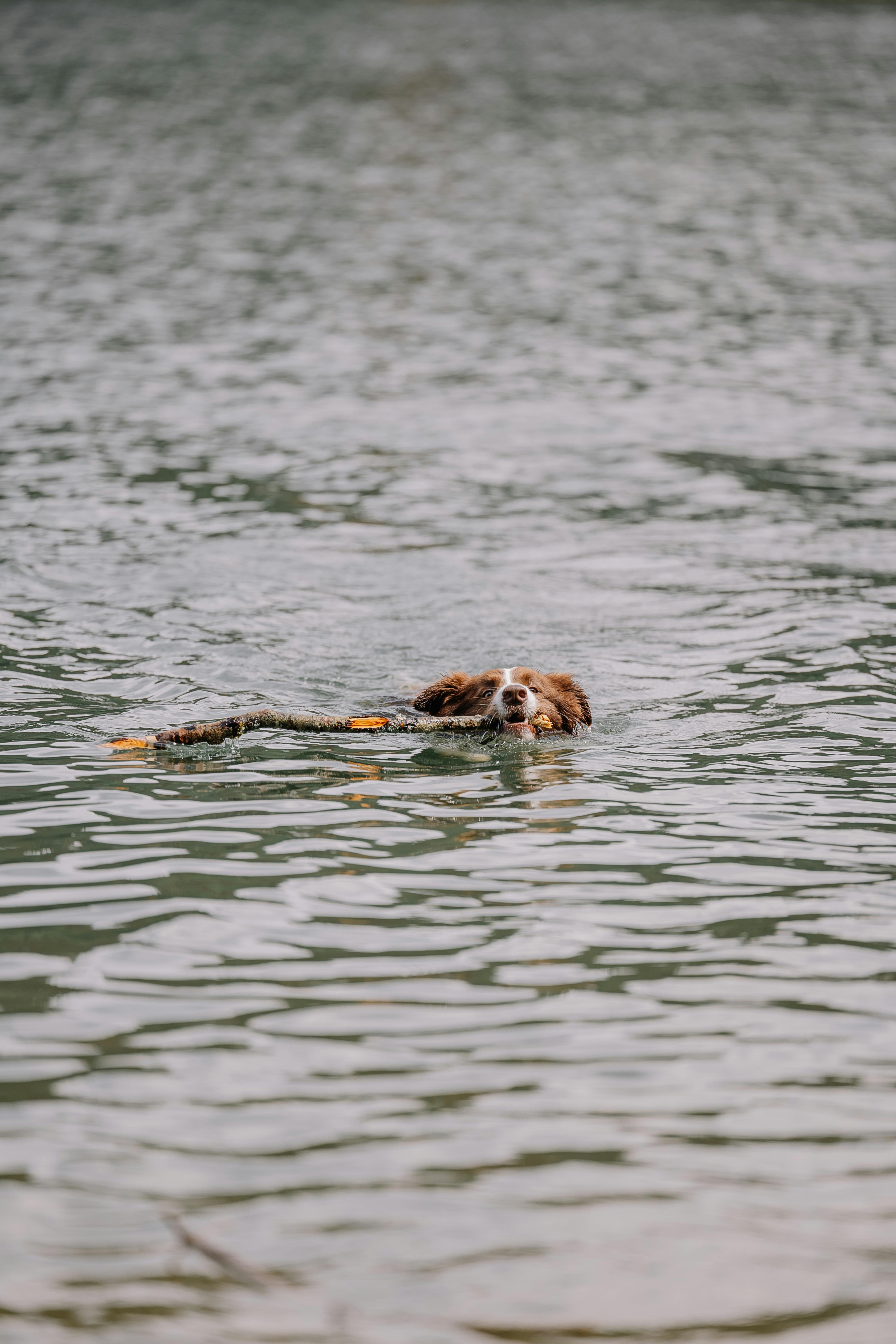
Is a Wet Nose a Sign of a Healthy Dog? Understanding Canine Health Indicators, Why Do Dogs Have Wet Noses? Discover the Fascinating Reasons!
When it comes to our furry friends, we often look for signs that they are healthy and happy. One of the most common indicators pet owners notice is the wetness of their dog's nose. But, is a wet nose really a sign of a healthy dog? Let’s dive into the fascinating world of canine health indicators and explore why dogs have wet noses in the first place.
The Basics of a Dog's Nose
A dog’s nose is not just an adorable facial feature; it serves several important functions. The surface of a dog’s nose is covered in special glands that produce moisture. This moisture helps to enhance their sense of smell, which is far superior to humans. In fact, dogs have as many as 300 million smell receptors in their noses compared to a human's mere 5 million! This gives them the ability to detect scents and pheromones that we simply cannot.
Why Do Dogs Have Wet Noses?
You may be wondering, why exactly do dogs have wet noses? Well, there are a few reasons for this:
- Enhanced Olfactory Function: A moist nose captures scent particles better, allowing dogs to smell things more accurately.
- Cooling Mechanism: Dogs don’t sweat like humans do. Their noses help to cool their bodies down. When a dog pants or has a wet nose, it helps regulate their body temperature.
- Health Indicator: While it’s not a definitive sign, a wet nose can indicate that a dog is feeling well. However, it’s important to note that a dry nose doesn’t necessarily mean a dog is sick.
Wet Nose vs. Dry Nose: What’s Normal?
So, what’s considered normal when it comes to a dog’s nose? Here’s a quick look at what you should know:
- Wet Nose: Generally indicates hydration and good health.
- Dry Nose: Could suggest dehydration, fever, or illness, but also can be completely normal depending on the dog's environment and activities.
- Temperature: A dog's nose can fluctuate in temperature throughout the day. A warm nose doesn’t always mean they are sick.
Common Myths About Dog Noses
There are several misconceptions surrounding dog noses. Here are some myths debunked:
Myth 1: A warm, dry nose means a dog is sick.
- Reality: Many factors affect nose temperature, including weather and activity level.
Myth 2: A wet nose is a foolproof sign of health.
- Reality: A wet nose can be influenced by various environmental factors, such as humidity.
Myth 3: Dogs’ noses are always wet.
- Reality: It varies from dog to dog, and the wetness can change throughout the day.
Health Indicators Beyond the Nose
While a wet nose can be a good sign, there are other health indicators to consider. Here are some more signs of a healthy dog:
- Bright, Clear Eyes: Look for clarity and brightness; dull eyes can indicate illness.
- Energetic Behavior: A lively dog is often a happy and healthy dog.
- Healthy Coat: A shiny, well-groomed coat is a good sign of overall health.
- Normal Appetite: Changes in eating habits can sometimes signify health issues.
How to Keep Your Dog Healthy
Maintaining your dog’s health involves more than just observing their nose! Here are some essential tips:
- Regular Vet Check-Ups: Schedule annual check-ups to catch any potential health issues early.
- Balanced Diet: Feed your dog a nutritious, well-balanced diet to promote good health.
- Exercise: Regular exercise keeps your dog physically fit and mentally stimulated.
- Hydration: Ensure your dog has access to fresh water at all times.
Fun Facts About Dog Noses
- Dogs’ noses are unique, much like human fingerprints. Each dog has a distinct nose print.
- The wetness of a dog's nose can change with their emotional state. Excitement can lead to a wetter nose!
- Dogs can actually smell fear; they are sensitive to body language and pheromones.
Understanding your dog's health involves looking beyond just their nose. A wet nose can be a positive sign, but it’s one of many indicators. Pay attention to your dog’s overall behavior and physical condition to ensure they are happy and healthy. Remember, a healthy dog is a happy companion, and keeping an eye on these signs can lead to many joyful years together!
The Role of Canine Noses in Temperature Regulation: Why Wetness Matters
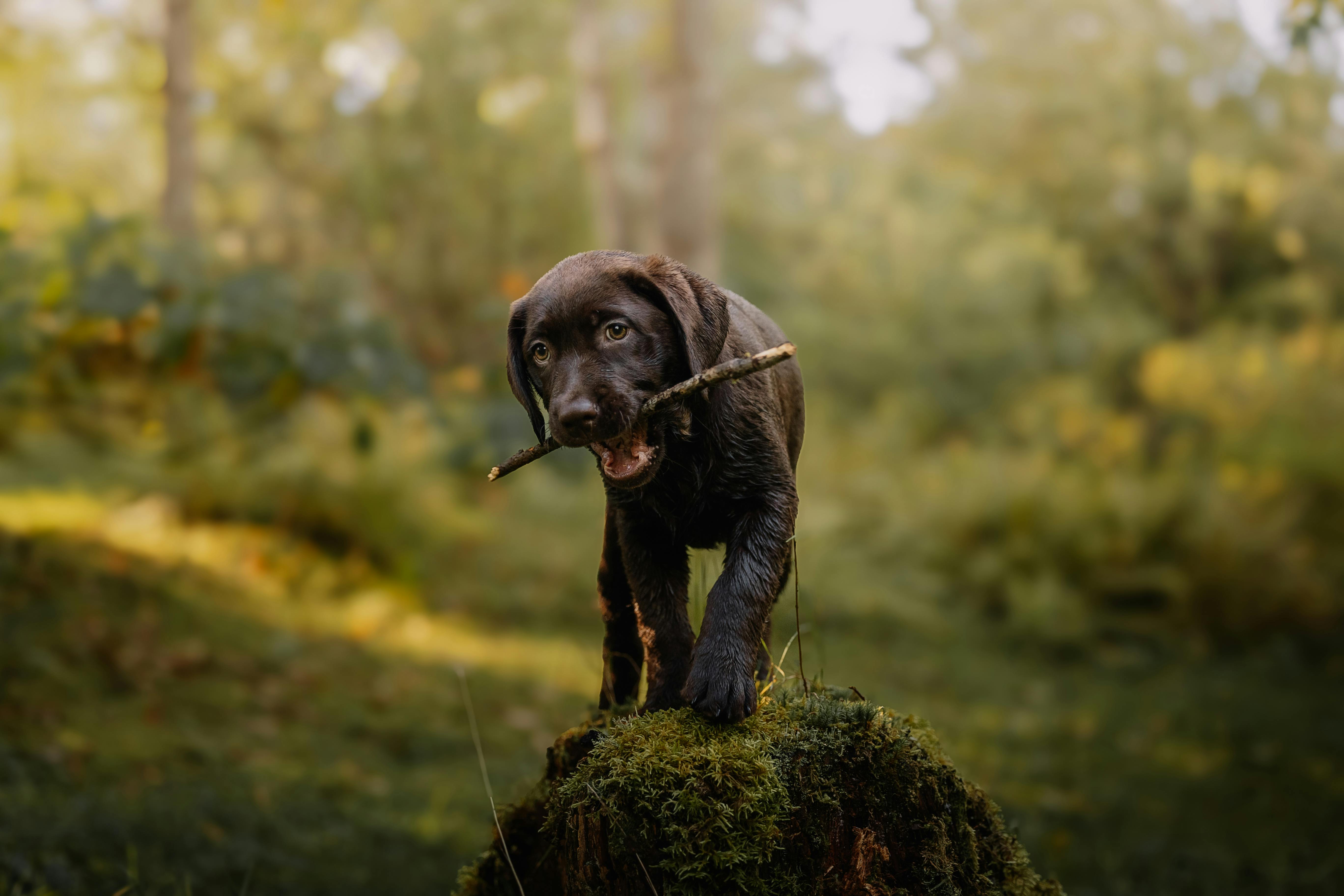
Ever wonder about why do dogs have wet noses? It’s one of those quirky traits that many pet owners notice yet might not think much about. But there’s actually more than meets the eye when it comes to canine noses and their role in temperature regulation. Dogs are fascinating creatures and their biology is full of surprises. In fact, the wetness of their noses serves a purpose that goes beyond what you might expect.
The Science Behind Wet Noses
When you think about a dog's nose, it’s often cold and wet. This isn’t just a random trait; it’s a biological adaptation. The moisture on a dog's nose plays a crucial role in thermoregulation. Here’s how it works:
- Evaporative Cooling: Just like humans sweat to cool down, dogs use their noses to help regulate body temperature. The moisture evaporates from the surface, which helps to cool the blood vessels close to the skin.
- Enhanced Smell: Wet noses can also enhance their sense of smell. The moisture helps to capture scent particles, making it easier for dogs to pick up on various smells in their environment.
- Temperature Sensing: Dogs have special receptors in their noses that can detect changes in temperature. A wet nose can help them sense their surroundings more accurately.
Why Wetness Matters
So, why do dogs have wet noses? The answer lies in their survival instincts. Here’s a breakdown of the importance of wetness:
- Health Indicator: A wet nose is often considered a sign of a healthy dog. If a dog's nose is dry, it might indicate dehydration or illness.
- Social Interactions: Dogs often greet each other and humans with their noses. A wet nose is more inviting and friendly, which helps in social bonding.
- Thermoregulation: As mentioned earlier, the cooling effect of a wet nose is crucial, especially in hot weather. Dogs can’t sweat like humans do, so they rely on their noses to help keep them cool.
Historical Context of Canine Noses
Dogs have been companions to humans for thousands of years. Historically, their keen sense of smell and wet noses have played a significant role in their domestication. Early humans likely recognized the value of dogs for hunting and guarding, and their moist noses helped to track prey and serve various functions in human society.
- Hunting Companions: Ancient humans used dogs for hunting due to their exceptional olfactory senses, which were enhanced by their wet noses.
- Guarding: In addition to hunting, dogs were also used for guarding purposes, where their ability to detect scents made them invaluable.
Comparison with Other Animals
Dogs aren’t the only animals with wet noses. However, the way they use their wet noses is quite different from other species. Here’s a quick comparison:
- Cats: Cats have wet noses too, but they primarily rely on their sense of sight and hearing rather than smell.
- Rabbits: Rabbits have moist noses, but they use them more for foraging than for thermoregulation.
- Pigs: Pigs are known for their excellent sense of smell, aided by their wet noses, but they also have other cooling mechanisms like wallowing in mud.
Fun Facts About Dog Noses
- Unique Patterns: Just like human fingerprints, each dog has a unique nose print. This can even be used for identification purposes!
- Nose Color: The color of a dog’s nose can vary widely, from black to pink, and can change with age or health conditions.
- Scent Receptors: Dogs have around 300 million smell receptors in their noses compared to humans who have about 5 million. This is why they can detect scents at incredibly low concentrations.
Practical Examples
Here are some tips for keeping your dog’s nose healthy and wet:
- Hydration: Ensure your dog drinks plenty of water, especially in hot weather. A well-hydrated dog will have a moist nose.
- Humidity: If you live in a dry climate, consider using a humidifier to help maintain your dog’s nose moisture.
- Health Check: Regularly check your dog’s nose. If it’s dry for a prolonged period, consult a vet as it could indicate health issues.
In conclusion, the wetness of a dog’s nose is not just a cute feature but an essential aspect of their biology that aids in temperature regulation and enhances their sense of smell. Understanding this unique characteristic can help dog owners appreciate their furry friends even more. Next time you give your dog a pat, take a moment to marvel at that wet little nose and all the fascinating reasons behind it!
Do Different Dog Breeds Have Different Nose Moisture Levels? Discover the Truth!
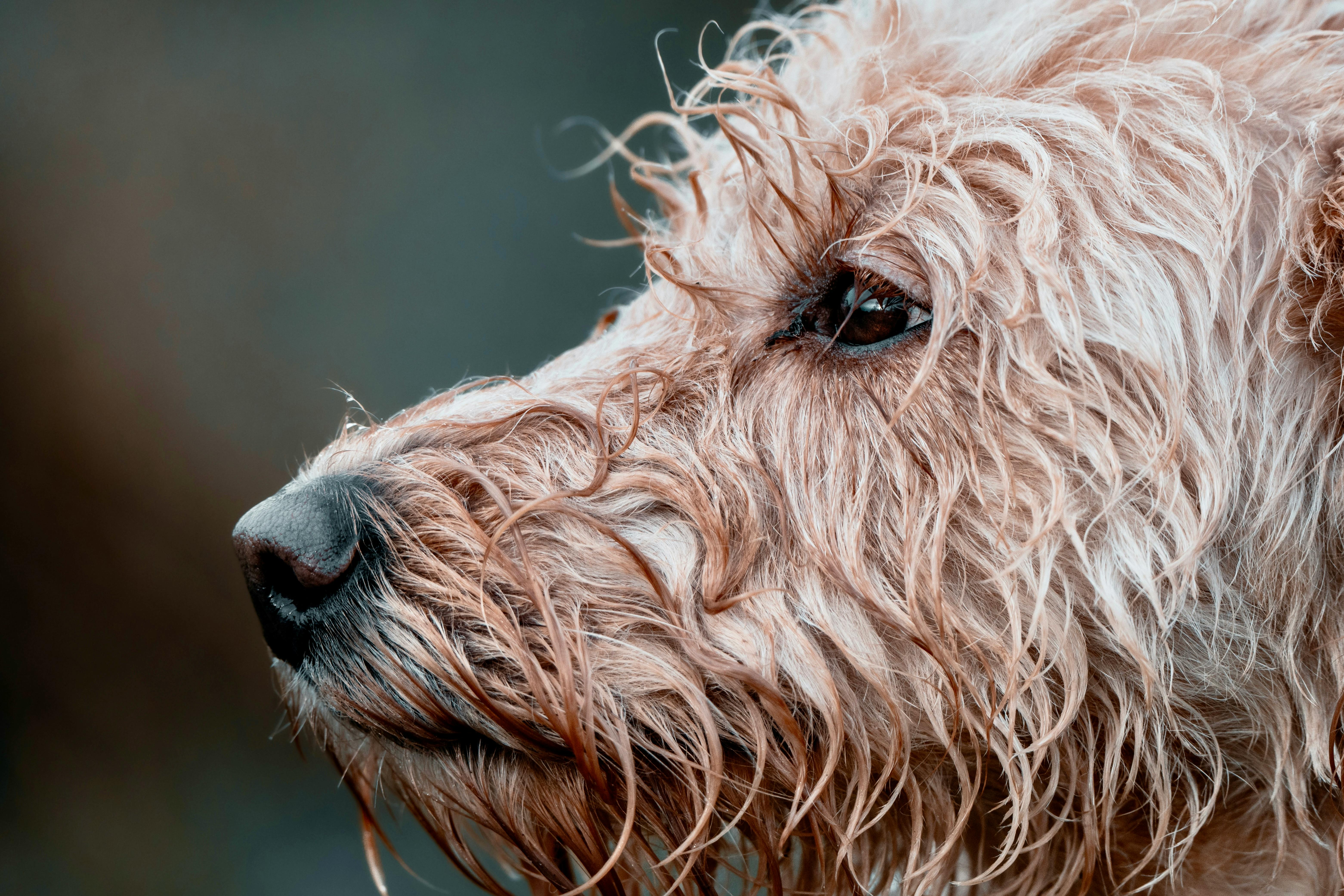
Dogs are known for their many quirks, and one of the most interesting features is their nose. If you've ever wondered, “Do different dog breeds have different nose moisture levels?” you’re not alone. Many dog owners have asked similar questions, leading to a fascinating exploration of this topic. Let’s dive into the science and reasons behind those wet noses and see what we can find out.
Why Do Dogs Have Wet Noses?
Wet noses are a common sight in dogs. But why is it that they have it? The moisture level in a dog’s nose is not just for show; it serves several important functions.
Enhanced Smell: A wet nose helps to trap scent particles, which allows dogs to pick up smells more efficiently. Dogs have an incredible sense of smell, and moisture on the nose can amplify their olfactory capabilities.
Thermoregulation: Dogs also use their noses to help regulate their body temperature. When a dog pants, moisture evaporates from their nose and tongue, helping to cool them down. This is especially important for breeds that have thicker coats and may struggle to cool off.
Health Indicators: The moisture level of a dog’s nose can also indicate its health. A dry nose may suggest dehydration or an underlying health issue, while a wet nose generally indicates a healthy dog.
Communication: Dogs use their noses to communicate with other dogs. A wet nose might signal to other dogs that they are friendly and approachable.
Do Different Breeds Have Different Nose Moisture Levels?
When it comes to moisture levels, yes, different dog breeds can indeed show variations. Some breeds have naturally wetter noses than others. Here’s a quick look at a few popular breeds and their typical nose characteristics.
Labrador Retrievers: Usually have very moist noses, as their active nature keeps them hydrated.
Bulldogs: Often have drier noses, which can be due to their brachycephalic nature that affects airflow.
Hounds: Breeds like Bloodhounds have exceptionally moist noses, aiding their incredible sense of smell.
Terriers: Generally, terriers have moderately moist noses, depending on their activity level and environment.
Comparing Nose Moisture Levels in Different Breeds
To give you a clearer picture, here’s a simple comparison of various dog breeds and their nose moisture levels:
| Breed | Typical Nose Moisture Level | Reason |
|---|---|---|
| Labrador Retriever | High | Active and energetic, often hydrated |
| Bulldog | Low | Brachycephalic structure affects airflow |
| Bloodhound | Very High | Exceptional sense of smell |
| Yorkshire Terrier | Moderate | Active but size might limit hydration |
Fascinating Facts About Dog Noses
Nose Prints: Just like human fingerprints, every dog has a unique nose print. This can be used as a form of identification.
Temperature Regulation: Dogs have sweat glands only in their paw pads, so their noses help in keeping their body temperature down.
Scent Detection: Dogs can detect certain scents at concentrations as low as a few parts per trillion! A wet nose helps them to do this more efficiently.
Behavioral Indicators: A dog may lick its nose when it’s feeling anxious or nervous, which can be a sign of stress.
What Can Affect Nose Moisture Levels?
Several factors can impact how moist a dog’s nose is. Here are some common ones:
Weather Conditions: Hot, dry weather can lead to a drier nose. Conversely, humidity can keep a dog’s nose wetter.
Health Issues: Certain illnesses or conditions, like fever or dehydration, can cause a dog’s nose to dry out.
Age: Older dogs often have drier noses, which can be a normal sign of aging.
Activity Levels: Active dogs are more likely to have moist noses due to their constant movement and hydration needs.
Understanding why dogs have wet noses and the role that moisture plays is fascinating. Different breeds may have varying levels of nose moisture for numerous reasons including genetics, activity level, and health. If you notice any significant changes in your dog's nose moisture, it’s always a good idea to consult your veterinarian. They can help determine if there’s an underlying health issue that needs attention. Always remember, a happy dog usually has a moist nose!
Why Dogs Lick Their Noses: Exploring the Connection to a Wet Snout
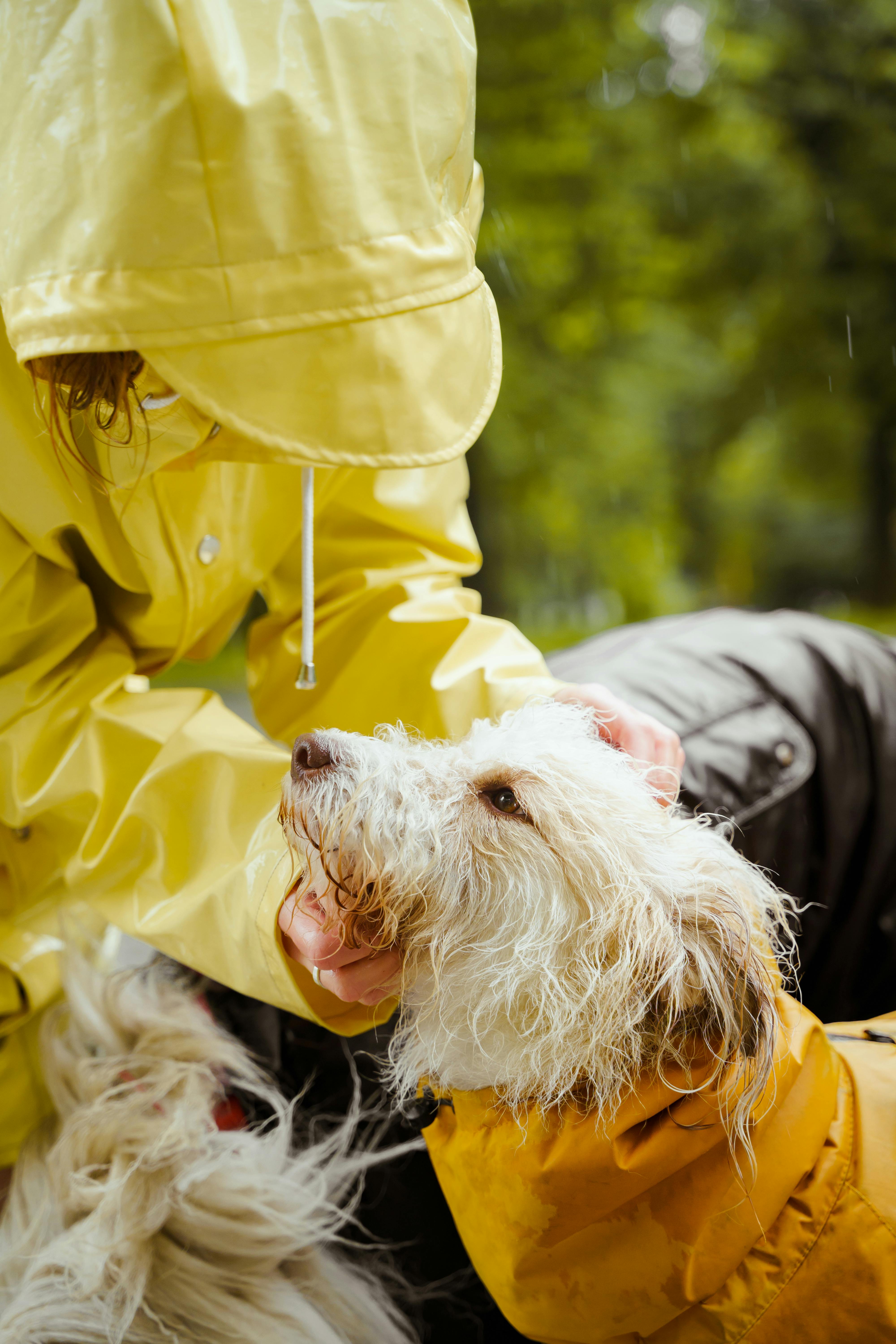
Have you ever wondered why dogs lick their noses? It’s a curious behavior that many pet owners notice, often questioning if it’s just a quirk or if there’s actually a reason behind it. Dogs have wet noses, and this characteristic plays a significant role in their overall health and behavior. Let's dive into the fascinating world of canine anatomy and behavior to uncover the reasons behind why dogs lick their noses and why their noses tend to be wet.
The Science Behind a Dog's Wet Nose
First off, a dog's nose isn't just wet for no reason. It's an important part of their sensory system. The moisture on a dog's snout helps to enhance their sense of smell. Here’s how it works:
- Scent Absorption: A wet nose trap scent particles in the air, making it easier for dogs to pick up different smells.
- Temperature Regulation: Dogs also use their noses to help regulate their body temperature. When they lick their noses, it can help cool them down.
- Health Indicator: The condition of a dog's nose can sometimes indicate their health. A dry or cracked nose might signal dehydration or illness.
This wetness is not just a random feature — it has evolutionary advantages that have been beneficial for dogs throughout history.
Why Do Dogs Lick Their Noses?
Now, let’s talk about why dogs lick their noses. There are several reasons, from instinctual behavior to health-related actions. Here’s a list of the most common reasons:
- Natural Instinct: Dogs lick their noses as a natural instinct. It's a behavior inherited from their ancestors who would lick their noses to keep them moist while hunting.
- Taste and Smell: Dogs use their mouths to explore the world, and licking their noses can help them get a taste or smell of something. It’s like a quick way to gather information about their environment.
- Self-Soothing: Just like humans may fidget when anxious, dogs might lick their noses to comfort themselves in stressful situations.
- Communication: In some cases, a dog may lick its nose when they are meeting new people or other animals. It can be a way of showing submission or friendliness.
- Cleaning: It’s also just a way for dogs to keep themselves clean. Just like you might wash your face, dogs lick their noses to remove dirt and debris.
Historical Context of Dogs and Their Noses
Dogs have been companions to humans for thousands of years. As they evolved alongside us, their noses developed special characteristics that suited their roles. Historically, dogs were used for hunting, herding, and protection. Their incredible sense of smell, which is enhanced by their wet noses, made them invaluable companions.
- Hunting Dogs: Breeds like Bloodhounds and Beagles rely heavily on their sense of smell to track scents. Their moist noses help them detect scents more effectively.
- Herding Dogs: Breeds such as Border Collies need to be alert and responsive to their environment, and a wet nose helps them navigate through various terrains.
- Companion Dogs: Even in modern times, dogs serve as companions. Their ability to sniff out changes in human emotions or health can be attributed to their keen sense of smell.
The Benefits of a Wet Nose
There are numerous advantages to having a wet nose, both for dogs and their owners. Here are some benefits:
- Enhanced Scent Detection: A wet nose means better smell. Dogs can smell things up to 100,000 times better than humans, and their wet noses play a crucial role in this ability.
- Health Monitoring: Regularly checking your dog's nose can help you keep an eye on their health. If it’s unusually dry or cracked, it may be time to visit the vet.
- Cooling Mechanism: Dogs don’t sweat like humans. A wet nose can help them cool down, especially during warm weather.
Practical Examples of Nose Licking
If you notice your dog licking its nose frequently, it can be helpful to understand the context. For example:
- Before Eating: If your dog licks its nose before diving into their food, it might be a sign of excitement or anticipation.
- During Walks: If they keep licking their noses on walks, they might be picking up scents from the ground or simply trying to stay cool.
- When Meeting New People: A dog that licks its nose while meeting new people may be displaying submissive behavior.
Understanding why dogs lick their noses and the significance of their wet noses can deepen the bond you share with your furry friend. By appreciating these fascinating behaviors, you can provide better care and enrich their lives. Remember, a healthy dog is a happy dog, and their wet noses are just one of the many wonders that make them so special.
Can a Dog’s Wet Nose Help Detect Illness? Uncovering the Health Benefits
Dogs are often known for their unique abilities, and one of the most intriguing features is their wet noses. People frequently ask, "Can a dog’s wet nose help detect illness?" and the answer is more complex than one might think. This article aims to reveal the health benefits associated with a dog’s wet nose, explore why dogs have wet noses in the first place, and uncover some fascinating reasons behind this characteristic.
What Makes a Dog’s Nose Wet?
A dog's nose typically stays moist due to mucous secretions. This wetness helps enhance their incredible sense of smell, which is significantly sharper than that of humans. The moisture on their nose helps to trap scent particles, allowing dogs to pick up on various smells more effectively.
Why do we care about this? Well, the ability to smell plays a vital role in a dog's life, helping them navigate their environment, communicate with other dogs, and even detect certain illnesses.
Can Dogs Detect Illness?
Research has shown that dogs can indeed detect certain illnesses in humans, including:
- Cancer: Some studies suggest that dogs can sniff out cancerous cells, sometimes even in early stages.
- Diabetes: Dogs can sense changes in blood sugar levels in their owners, alerting them to potential problems.
- Infections: Dogs can detect infections by changes in smell that occur in the human body.
This detection is not solely about having a wet nose, but rather the combination of that moisture trapping scents and their highly developed olfactory systems.
The Science Behind a Dog’s Nose
Here’s some fascinating facts about dog noses:
- Olfactory Receptors: Dogs have about 220 million olfactory receptors in their noses, compared to about 5 million in humans.
- Moisture & Temperature: The wetness of a dog's nose helps to cool the air they breathe in, which can enhance their sense of smell.
- Scent Memory: Dogs can remember scents for years, allowing them to identify familiar people or places based on smell.
Why Do Dogs Have Wet Noses?
Several reasons contribute to why dogs have wet noses, including:
- Cooling Mechanism: A dog’s nose helps regulate their body temperature.
- Enhanced Smelling Ability: The moisture aids in capturing scent particles.
- Health Indicator: A wet nose can sometimes indicate good health, while a dry nose may signal dehydration or illness.
Health Benefits of a Dog’s Wet Nose
A dog's wet nose offers several health benefits, both for the dog and the owner. Here are a few:
- Thermoregulation: Helps dogs cool down, especially in hot weather.
- Health Monitoring: Owners can observe their dog's nose condition as a potential health indicator.
- Emotional Connection: Interacting with a dog’s nose, like petting or kissing, can strengthen the human-animal bond.
Fascinating Facts About Dog Noses
- Unique Prints: Just like human fingerprints, each dog's nose print is unique, which can be used for identification.
- Sniffari: Dogs can sniff 40 times more scents than humans, allowing them to explore the world in a very different way.
- Temperature: A dog's nose can change temperature based on their emotional state or health, which can be an indicator for owners.
Practical Tips for Dog Owners
If you want to keep your dog’s nose healthy, consider these tips:
- Hydration: Ensure your dog drinks plenty of water to maintain moisture.
- Regular Check-ups: Visit the vet regularly to monitor your dog’s health.
- Avoiding Irritants: Keep your dog away from harsh chemicals or allergens that could cause nose dryness.
Comparison: Dog Noses vs Human Noses
Here’s a quick comparison between dog noses and human noses:
| Feature | Dog Nose | Human Nose |
|---|---|---|
| Number of Receptors | 220 million | 5 million |
| Purpose | Smell, thermoregulation | Smell, taste, breathing |
| Moisture Level | Typically wet | Can be dry or wet |
The differences between dog noses and human noses highlight the impressive capabilities of our canine companions. While we rely on our noses for basic functions, dogs have evolved to use theirs in much more complex ways.
Understanding your dog’s wet nose can lead to better health for both your pet and yourself. By being aware of the fascinating functions and benefits of a dog’s nose, you can deepen your bond with your furry friend while staying mindful of their health needs. The next time you find yourself wondering about your dog's nose, just remember that there's a lot more going on than meets the eye!
The Evolutionary Advantage of Wet Noses in Dogs: Nature’s Design in Action

Dogs, our beloved furry companions, have always amazed us with their unique features and behaviors. One of the most intriguing characteristics is their wet noses. Ever wonder why do dogs have wet noses? This question has puzzled many, and it leads us to explore the evolutionary advantage of wet noses in dogs. Nature’s design is always fascinating, and it’s clear that there’s more than meets the eye when it comes to those little, moist snouts!
The Science Behind Wet Noses
Wet noses are not just a random trait; they serve important functions. The moisture on a dog's nose helps enhance their sense of smell. Dogs have an incredible olfactory system, and the wetness helps to capture scent particles in the air. This is how they can sniff out things that are miles away or even buried underground. It's like having a built-in superpower!
- Moisture Capture: The wetness helps to absorb scent particles, making it easier for dogs to identify different smells.
- Temperature Regulation: A wet nose can also help keep dogs cool, especially during hot days. Dogs don't sweat like humans do, so having a moist nose aids in regulating their body temperature.
- Health Indicator: A wet nose is often seen as a sign of good health in dogs. If a dog’s nose becomes dry or cracked, it could indicate dehydration or illness.
Historical Context of Dog Noses
Dogs have evolved from wolves thousands of years ago. Their noses have adapted along with their behaviors and lifestyles. Early domesticated dogs relied heavily on their sense of smell for hunting and foraging. This evolutionary process favored dogs with the best olfactory abilities, leading to a strong connection between wet noses and survival.
Dogs’ ancestors had similar adaptations, but as they became domesticated, their abilities only enhanced. Today, breeds are specifically bred for their remarkable smelling capabilities. Bloodhounds, for instance, are known for their extraordinary sense of smell, which can be attributed partially to their moist noses.
Different Types of Dog Noses
Not all dog noses are created equal. They can vary significantly based on breed, environment, and even individual health. Here’s a simple breakdown:
- Short Snouts: Breeds like Bulldogs have shorter noses, which can be less effective at capturing smells compared to longer-nosed breeds.
- Long Snouts: Greyhounds and other sighthounds have longer snouts, which allow them to take in more air and scent particles.
- Wetness Levels: Some dogs naturally have wetter noses than others. For instance, Labrador Retrievers usually have moist noses, while some breeds may have drier noses.
The Role of Wet Noses in Communication
Wet noses also play a role in communication among dogs. They often greet each other with nose-to-nose contact, which allows them to gather information about each other's health, mood, and even diet. This social behavior is essential for building bonds and establishing hierarchies within packs.
- Scent Marking: Dogs also use their noses to mark territory. The wetness helps to spread their scent, signaling to other dogs that an area is claimed.
- Emotional Connection: A dog might nuzzle against you with their wet nose, which can be a sign of affection or an invitation to play. It’s their way of connecting with you.
Maintaining a Healthy Nose
As dog owners, it’s crucial to keep an eye on your furry friend’s nose. Here are some tips for ensuring that your dog’s nose stays healthy:
- Hydration: Make sure your dog always has access to fresh water. Dehydration can lead to a dry nose, which isn't ideal.
- Regular Vet Check-Ups: Regular visits to the veterinarian can help catch any underlying health issues that may affect your dog's nose.
- Environmental Considerations: Protect your dog from extreme weather conditions. Too much sun exposure can lead to sunburned noses, especially in lighter-colored breeds.
Common Misconceptions About Dog Noses
There are myths surrounding dog noses that can be misleading. Here are a few:
- Warm Nose Means Sick: Many people think that a warm nose indicates that a dog is sick. This is not always true; a dog’s nose temperature can vary throughout the day.
- All Wet Noses Are Healthy: While a wet nose is generally a good sign, some health issues can still exist even if the nose is moist.
Exploring why do dogs have wet noses reveals a fascinating blend of biology, evolution, and social behavior. It’s a testament to nature’s design and how it has shaped our canine friends over thousands of years. Next time you give your dog a cuddle, take a moment to appreciate that wet nose and all the incredible functions it serves!
How to Keep Your Dog’s Nose Healthy and Moist: Expert Tips for Pet Owners

Dog owners often wonder about their furry friend's health, especially when it comes to those cute, wet noses. You might have asked yourself, "Why do dogs have wet noses?" It’s a common question, and understanding the reasons behind this can help you keep your dog healthy and happy. In this article, we’ll explore the fascinating reasons for wet noses, how to maintain your dog's nose, and expert tips for pet owners.
Why Do Dogs Have Wet Noses?
Dogs naturally have wet noses for several reasons. Here’s a list of some of the key factors:
Temperature Regulation: Dogs don’t sweat like humans do. Instead, they cool down through panting and the moisture on their noses helps them regulate body temperature.
Enhanced Smell: A moist nose improves a dog’s ability to pick up scents. The wetness helps to capture scent particles, allowing your pup to sniff around more effectively.
Health Indicator: A dog’s nose can be an indicator of their health. A healthy nose is usually cool and moist, while a dry nose can signal dehydration or illness.
Behavioral Communication: Dogs often use their noses to explore their environment and communicate with other dogs. A wet nose can be a sign of excitement or curiosity.
How to Keep Your Dog’s Nose Healthy and Moist
Maintaining your dog's nose is essential for their overall well-being. Here are some expert tips to ensure that your dog's nose stays healthy and moist:
Hydration is Key: Make sure your dog has access to clean, fresh water at all times. Dehydration can lead to a dry nose.
Use Nose Balms: Just like humans can use lip balm, dogs can benefit from nose balms made specifically for them. These can help to soothe and moisturize a dry nose.
Regular Veterinary Check-ups: Routine check-ups can help to catch any potential health issues early. If your dog’s nose appears dry or cracked, it’s best to consult your vet.
Watch Out for Allergies: Environmental factors like pollen or dust can irritate your dog’s nose. If you notice any changes, consider whether allergens may be to blame.
Avoid Overexposure to Sun: Just like humans, dogs can get sunburned too. If your dog spends a lot of time outdoors, consider applying a dog-safe sunscreen to their nose.
Healthy Diet: A balanced diet rich in omega fatty acids can help maintain healthy skin and fur, which extends to the nose as well.
Groom Regularly: Keep your dog well-groomed to avoid dirt and debris from irritating their nose. Regular brushing can help distribute natural oils that keep their skin healthy.
Quick Tips for Dog Owners
Here’s a quick reference list on keeping your dog's nose healthy:
- Always provide fresh water.
- Use moisturizing nose balms if needed.
- Schedule regular vet visits.
- Monitor for allergens in the environment.
- Protect your dog from too much sun.
- Feed a nutritious diet.
- Groom your dog regularly.
Fun Facts About Dogs’ Noses
Did you know that a dog’s sense of smell is about 10,000 to 100,000 times more powerful than a human’s? That’s why they rely so much on their wet noses.
Every dog has a unique pattern on their nose, similar to human fingerprints.
Some breeds are known for having particularly wet noses, like the Labrador Retriever, while others may have drier noses.
Dogs can even detect certain diseases, including cancer, through their sense of smell.
Understanding Your Dog’s Nose Condition
Here are some common conditions that can affect your dog’s nose and what they might indicate:
| Condition | Possible Indicator |
|---|---|
| Dry Nose | Dehydration, fever, or illness |
| Cracked Nose | Lack of moisture, allergies |
| Discolored Nose | Possible infection or disease |
| Excessive Wetness | Possible infection or allergies |
If you notice any unusual changes in your dog’s nose, it’s important to seek advice from a veterinarian.
Keeping your dog’s nose healthy and moist is a simple yet important part of responsible pet ownership. By understanding why dogs have wet noses and following these expert tips, you can ensure that your furry friend remains happy and healthy. Remember, a little attention to your dog's nose can go a long way in maintaining their overall well-being.
Conclusion
In conclusion, the wet noses of dogs serve several important functions that contribute to their overall health and behavior. Primarily, a moist nose helps enhance their sense of smell by trapping scent particles, making them more adept at navigating their environments and detecting changes. The moisture also plays a vital role in thermoregulation, allowing dogs to cool off and maintain their body temperature effectively. Additionally, a wet nose can indicate hydration and overall wellbeing, although it's essential to be aware that variations can occur based on activity levels and health conditions. Understanding why dogs have wet noses not only deepens our appreciation for these loyal companions but also highlights the importance of regular health check-ups. So, the next time you greet your furry friend, take a moment to appreciate the science behind that wet nose, and ensure their health is a top priority by scheduling a vet visit.