Have you ever wondered, why do dogs have wet noses? This seemingly simple question opens a world of fascinating reasons behind this unique canine trait. Many dog owners notice that their furry friends' noses are often damp, but what does this actually mean? In this blog post, we will explore the science and biology of dog nose moisture, revealing the surprising functions of a wet nose in dogs. Is it a sign of health? Or maybe a way for them to enhance their sense of smell? As we delve deeper into the topic, you'll discover the connection between a dog’s wet nose and their overall well-being. Furthermore, understanding why dogs have wet noses can help you learn more about your pet's behavior and needs. So, what are the hidden meanings behind those adorable, moist noses? Get ready to unlock the mysteries of your dog's most charming feature and satisfy your curiosity! Whether you’re a seasoned dog lover or a new puppy parent, you won't want to miss these intriguing insights. Join us as we unravel the secrets of why dogs have wet noses and what it reveals about our beloved companions!
\n\nThe Science Behind Canine Noses: Why Are Dogs’ Noses Wet?
\n\n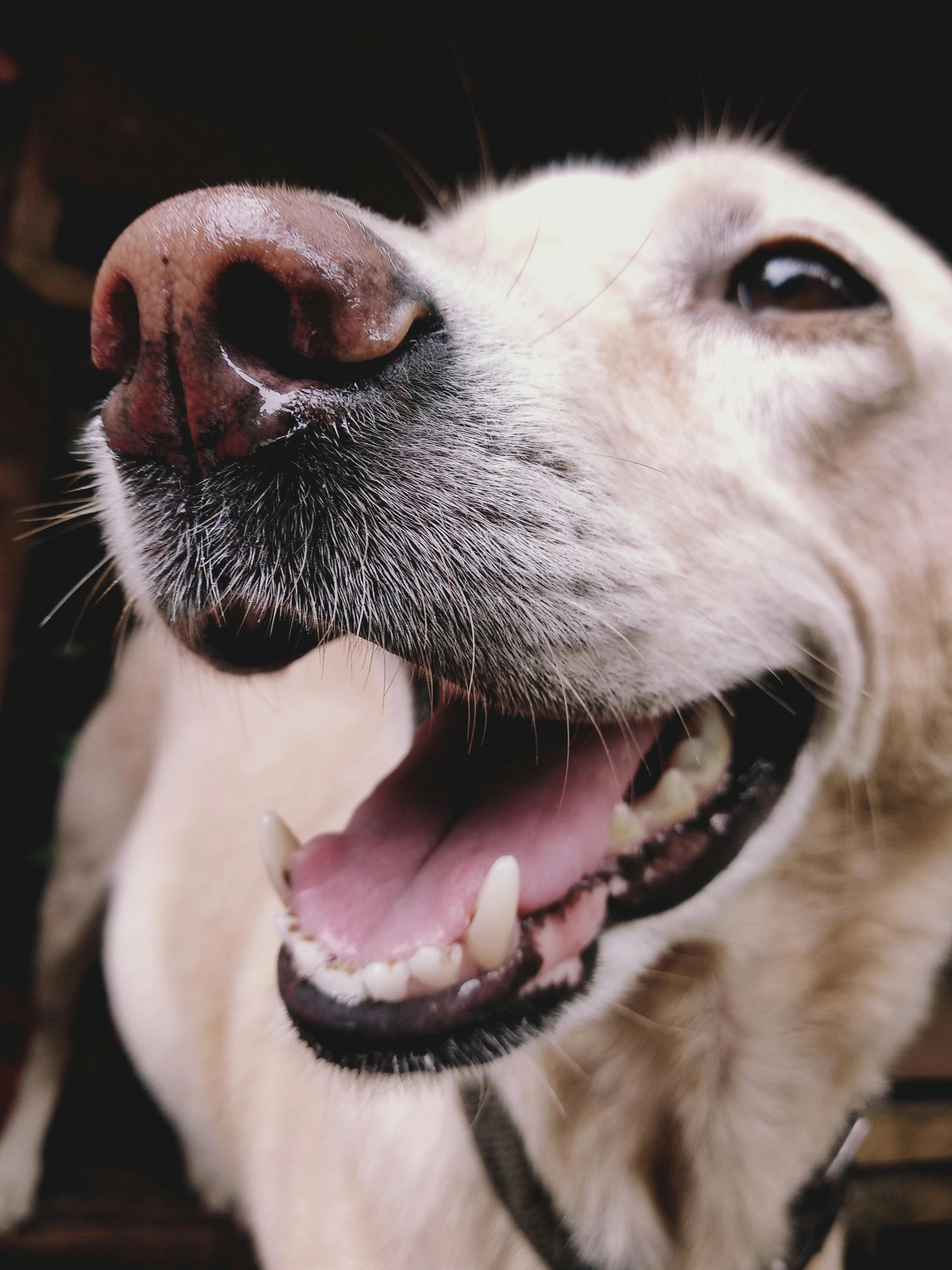 \n\n
\n\nDogs are our loyal companions, but there's one thing about them that has always intrigued people: why do dogs have wet noses? It's not just a cute trait, it’s actually deeply rooted in science and serves several fascinating purposes. Let’s dig into the science behind canine noses and explore why they are wet, how it helps them, and why it matters to dog owners and lovers alike.
\nThe Anatomy of a Dog's Nose
\nFirst off, a dog's nose is not just a simple organ. It’s a complex structure that’s packed with olfactory receptors. In fact, dogs have approximately 220 million scent receptors compared to about 5 million in humans. This makes their sense of smell 40 times better than ours! The wetness of a dog's nose plays a crucial role in enhancing their sense of smell.
\nWhy Are Dog Noses Wet?
\n- \n
- \n
Cooling Mechanism: Just like how humans sweat to cool off, dogs’ noses can help regulate their body temperature. The moisture evaporating from their noses can cool their bodies. This is especially useful since dogs don’t sweat in the same way we do.
\n \n - \n
Enhanced Smelling: The wetness on a dog’s nose helps to capture scent particles from the air. When the nose is moist, it can absorb these particles more effectively, allowing dogs to detect scents better. This is why dogs are often used in search-and-rescue operations, drug detection, and even in medical diagnoses.
\n \n - \n
Health Indicator: A wet nose is often a sign of a healthy dog. While not a definitive indicator, it can indicate hydration levels and overall well-being. Conversely, a dry nose might suggest dehydration or illness, but many factors can influence this.
\n \n - \n
Communication Tool: Dogs also use their noses to communicate with each other. A wet nose can help them gather information about their environment and other animals. They can detect pheromones and other scents that relay important information.
\n \n
Interesting Facts About Dog Noses
\n- \n
- Unique Patterns: Just like human fingerprints, a dog’s nose print is unique to each dog. This means they could theoretically be used for identification. \n
- Color Variation: The color of a dog's nose can vary between breeds and can change with age. For instance, puppies often have pink noses that darken as they grow. \n
- Nose Size: Different breeds have different nose sizes. Breeds like Bloodhounds have long noses that enhance their ability to smell, while others, like Bulldogs, have shorter noses and a different scenting ability. \n
How Wet Noses Affect Behavior
\n- \n
- Licking: Dogs often lick their noses, which keeps them moist. This behavior can also be a sign of excitement or anxiety, as they might be gathering more scents to understand their surroundings. \n
- Temperature Sensitivity: Dogs can sense slight changes in temperature through their noses, which can help them detect danger or changes in their environment. \n
Comparison of Dog Noses to Human Noses
\n| Feature | \nDogs | \nHumans | \n
|---|---|---|
| Number of Receptors | \n220 million | \n5 million | \n
| Function | \nSmell, communication, cooling | \nSmell, but less sensitive | \n
| Moisture Level | \nGenerally wet | \nGenerally dry | \n
| Unique Characteristics | \nUnique nose prints | \nUnique fingerprints | \n
Practical Tips for Dog Owners
\n- \n
- Keep Your Dog Hydrated: Make sure your dog has access to fresh water at all times. This helps keep their nose moist and aids in their overall health. \n
- Regular Vet Check-Ups: If you notice significant changes in your dog’s nose, such as excessive dryness or cracking, consult your veterinarian. It could be a sign of an underlying health issue. \n
- Observe Behavior: Pay attention to your dog's licking habits or any changes in their scent-tracking abilities. This can give you insights into their health and mood. \n
Understanding why dogs have wet noses not only enhances our appreciation for these amazing animals but also equips us with knowledge to better care for them. Keeping our furry friends healthy is a priority, and knowing the science behind their unique features helps us do just that. So next time you see your dog with that familiar wet nose, remember all the fascinating reasons behind it!
\n\n5 Surprising Facts About Dogs' Wet Noses That Will Amaze You
\n\n \n\n
\n\nHave you ever wondered why your furry friend’s nose is always wet? You might think it’s just a quirk, but there’s more to it than meets the eye! Dogs have wet noses for several reasons, many of which are pretty fascinating. Let’s explore five surprising facts about dogs' wet noses that will amaze you, and dive into the science behind that curious moisture.
\n1. Dogs' Noses Help Them Smell Better
\nOne of the most interesting reasons why dogs have wet noses is that moisture enhances their sense of smell. The wetness helps to capture scent particles in the air, making it easier for dogs to detect various smells. Research shows that dogs have around 300 million smell receptors compared to a human's 5 million. So when your pup’s nose is all wet, they are ready to sniff out everything from treats to the slightest hint of another animal.
\n2. Temperature Regulation
\nDid you know that a dog’s nose also plays a role in regulating their body temperature? When dogs breathe, the moisture from their noses evaporates, which helps them cool down. This is especially important for breeds that may struggle with heat regulation. Unlike humans, who sweat to cool down, dogs rely on panting and the evaporation of moisture from their noses and paw pads. Isn’t that amazing?
\n3. Sign of Health
\nA wet nose can often be a sign of a healthy dog. Generally, a moist and cool nose indicates that your pup is well-hydrated and in good shape. However, if you notice that your dog’s nose is dry or cracked, it could be a sign of dehydration or illness. So, keep an eye on that little snout! Here are some signs to watch for:
\n- \n
- Dryness: Could indicate dehydration or fever. \n
- Excessive Moisture: Might be a sign of allergies or infections. \n
- Color Changes: A change in color can indicate health issues. \n
4. Evolutionary Advantage
\nHistorically, dogs have evolved with wet noses as a survival mechanism. Wet noses not only aid in smelling but also help to sense temperature changes in their environment. This ability could have been crucial for their ancestors in hunting and foraging. Wetting their noses allows them to adapt to their surroundings and find food more effectively. The evolution of this trait has given dogs a significant advantage in the wild.
\n5. Communication Tool
\nBelieve it or not, a dog’s nose can also be a tool for communication. Dogs often greet each other with a nose touch, and this behavior can convey a range of emotions and intentions. A wet nose can signify friendliness and curiosity. On the other hand, a dry or less responsive nose might indicate that a dog is feeling anxious or unwell. Understanding these cues can help improve your bond with your pet.
\nQuick Facts About Dogs' Wet Noses
\n- \n
- Scent Detection: Wet noses help capture scent particles. \n
- Thermoregulation: They help cool down dogs by evaporating moisture. \n
- Health Indicator: A wet nose is often a sign of good health. \n
- Evolutionary Trait: Aids in survival and hunting abilities. \n
- Communication: Wet noses can convey feelings between dogs. \n
Why Do Dogs Have Wet Noses? A Summary
\nSo, the next time you cuddle with your dog and feel that wet nose against your skin, remember there’s a lot more going on than just a simple quirk. The moisture, the temperature, the scent—everything plays a crucial role in your dog’s life. Whether it’s helping them sniff out a hidden toy or keeping cool on a hot day, their wet noses are quite remarkable.
\nUnderstanding these fascinating facts can deepen your appreciation for your furry friend. Dogs are truly incredible creatures, and their wet noses are just one of the many features that make them unique. So go ahead, give your pup a little scratch behind the ears, and marvel at the wonders of their wet noses!
\n\nHow a Wet Nose Keeps Your Dog Healthy: The Benefits Explained
\n\n \n\n
\n\nDogs are often regarded as man’s best friend, and one of their most charming features is their wet nose. But why do dogs have wet noses? It’s not just for show! There are several fascinating reasons behind this trait, and it plays a crucial role in your dog’s health. Understanding the benefits of a wet nose can help dog owners take better care of their furry companions.
\nWhy Do Dogs Have Wet Noses?
\nThe wetness of a dog’s nose isn't merely an aesthetic quality. It serves several important functions that contribute to their overall well-being. Here’s a rundown of why your dog’s nose is typically wet:
\n- \n
- \n
Temperature Regulation: Dogs don’t sweat like humans. Instead, they rely on their noses to help cool down. A wet nose helps to regulate their body temperature by promoting evaporation, which cools them off.
\n \n - \n
Enhanced Smell: Dogs have an extraordinary sense of smell, estimated to be 10,000 to 100,000 times more sensitive than humans. A wet nose helps trap scent particles, allowing dogs to detect smells more efficiently. This is why dogs can sniff out drugs, explosives, and even diseases!
\n \n - \n
Health Indicator: The moisture on a dog’s nose can indicate health status. A healthy dog usually has a cool, wet nose. If it becomes dry or warm, it could signal a potential health issue, like fever or dehydration.
\n \n - \n
Communication Tool: Dogs use their noses to communicate with one another. A wet nose can signal friendliness and a willingness to engage with other dogs or humans.
\n \n
The Benefits of a Wet Nose
\nHaving a wet nose is more than just a quirk; it has real benefits for your dog. Here’s a deeper look at some of those advantages:
\n- \n
- \n
Improved Sense of Smell: As mentioned, the wetness helps dogs gather scent molecules. This is essential not just for hunting or tracking, but also for everyday interactions with their environment.
\n \n - \n
Cooling Mechanism: On hot days, a dog’s wet nose can help lower their body temperature. This is important to prevent overheating, especially in breeds that are more susceptible to heat.
\n \n - \n
Health Monitoring: Regularly checking your dog's nose can be a simple way to monitor their health. Changes in the moisture level, temperature, or color could indicate underlying health issues.
\n \n - \n
Comfort and Bonding: The act of rubbing your dog’s wet nose can strengthen your bond. It’s a form of affection that dogs respond to positively. The wetness can feel comforting, just like a gentle pat or scratch behind the ears.
\n \n
Historical Context
\nThe evolution of dogs has played a significant role in the development of their wet noses. Ancestors of modern dogs, like wolves, had wet noses which helped them hunt and survive in the wild. Over thousands of years, domestication has not changed this trait much. The wet nose remains an essential aspect of how dogs interact with their environment.
\nComparing Wet Noses to Dry Noses
\nIt's useful to understand the differences between wet and dry noses and what they might mean for your dog’s health:
\n| Wet Nose | \nDry Nose | \n
|---|---|
| Cool to the touch | \nWarm or hot to the touch | \n
| Indicates hydration | \nMay indicate dehydration | \n
| Signals healthiness | \nCould signal illness | \n
| Enhances smelling ability | \nReduced smelling ability | \n
Practical Examples
\n- \n
- \n
Dog Breeds and Their Noses: Some dog breeds are known for having wetter noses, like Labrador Retrievers and Beagles. Others, like Bulldogs, may have drier noses due to their unique anatomy.
\n \n - \n
Environmental Factors: Weather can affect the moisture level of your dog’s nose. Cold, dry air can lead to a dry nose, while warm, humid weather might keep it nice and wet.
\n \n - \n
Health Care Tips: If you notice your dog’s nose is persistently dry or cracked, it might be time for a vet visit. Hydration, proper nutrition, and regular check-ups can help maintain a healthy nose.
\n \n
In summary, the wet nose of your dog is more than just a cute feature; it holds significant importance for their health and well-being. From temperature regulation to enhancing their sense of smell, wet noses are a key part of a dog’s biology. As a loving pet owner, keeping an eye on the moisture level of your dog’s nose can help you stay attuned to their health needs and ensure they lead a happy, healthy life. So next time you give your dog a pat, remember that their wet nose is working hard behind the scenes to keep them healthy!
\n\nWhy Do Some Dogs Have Drier Noses? Understanding the Variations
\n\n \n\n
\n\nDogs are fascinating creatures, and one of the many things that make them so unique is their noses. Have you ever wonder why do some dogs have drier noses while others have wet ones? There’s actually a bunch of reasons behind this, and understanding these variations can help us care for our furry friends better.
\nThe Basics of Dog Noses
\nFirst off, let’s talk about what a dog’s nose does. A wet nose is not just for show; it serves multiple important functions. Dogs have a very keen sense of smell — estimated to be thousands to millions of times more sensitive than humans. The moisture on their noses helps to capture scent particles, making it easier for them to detect and identify different smells.
\nWhy Do Dogs Have Wet Noses?
\nThere are several reasons why dogs tend to have wet noses:
\n- \n
- \n
Cooling Mechanism: Dogs don’t sweat like humans. Instead, they rely on their noses to help regulate body temperature. A wet nose helps cool them down.
\n \n - \n
Enhanced Smell: The moisture on a dog’s nose helps to absorb scent particles better. This is why you'll often see dogs sniffing around — they’re trying to detect scents more efficiently.
\n \n - \n
Health Indicator: A wet nose is often seen as a sign of good health. A dog with a dry nose might not be feeling well, although that’s not always the case.
\n \n
Why Do Some Dogs Have Drier Noses?
\nNow, let’s explore why some dogs have drier noses. Here’s a list of common factors:
\n- \n
- \n
Environmental Conditions: Weather plays a big role. Hot, dry climates can lead to drier noses.
\n \n - \n
Health Issues: Certain medical problems can cause dryness. For example, allergies, autoimmune disorders, or even dehydration can be culprits.
\n \n - \n
Age: Older dogs might have drier noses. As they age, their skin loses moisture, which can affect the nose too.
\n \n - \n
Breed Differences: Some breeds naturally have drier noses. For instance, Bulldogs and Pugs can have less moisture on their noses than breeds like Retrievers.
\n \n
Fun Facts About Dog Noses
\n- \n
- \n
Unique Prints: Just like human fingerprints, each dog has a unique nose print. It can even be used for identification!
\n \n - \n
Temperature Sensitivity: Dogs can sense slight changes in temperature through their noses. This helps them detect things like impending rain or the presence of other animals.
\n \n - \n
Scent Memory: Dogs have a remarkable ability to remember scents. They can recognize smells from years ago!
\n \n
Comparison of Wet vs. Dry Noses
\nHere’s a simple table comparing the characteristics of wet and dry noses in dogs:
\n| Characteristic | \nWet Nose | \nDry Nose | \n
|---|---|---|
| Moisture Level | \nHigh | \nLow | \n
| Health Indicator | \nGenerally healthy | \nMay indicate health issues | \n
| Smell Efficiency | \nHigher | \nLower | \n
| Temperature Regulation | \nEffective | \nLess effective | \n
Practical Examples
\nIf you notice your dog’s nose is drier than usual, it might be a good time to monitor their behavior. Here’s what to consider:
\n- \n
- \n
Hydration: Is your dog drinking enough water? Dehydration can lead to a dry nose.
\n \n - \n
Environment: Have you recently moved to a drier climate? Changes in environment can have an impact.
\n \n - \n
Health Check: Are there any other symptoms you notice? If your dog seems lethargic or shows signs of illness, it may be best to consult a veterinarian.
\n \n
The Importance of Monitoring
\nKeeping an eye on your dog's nose is just one aspect of responsible pet ownership. While a wet nose is generally a sign of health, it’s important to remember that variations exist. Not every dry nose signals a problem, and some dogs may just have naturally drier noses.
\nIn the end, understanding the reasons behind why do dogs have wet noses and why some have drier ones can help you provide better care. Whether it’s a matter of environment, health, or breed characteristics, being informed is key to being a great pet parent. So, keep an eye on that nose, and don’t hesitate to reach out to a vet if you ever have concerns!
\n\nThe Role of a Wet Nose in Dog Communication: What You Need to Know
\n\n\n\nEvery dog owner knows that wet noses are a common sight, but have you ever wondered about the significance of a wet nose in dog communication? It’s more than just a quirky characteristic; it plays an important role in how dogs interact with the world. So, why do dogs have wet noses? Let’s explore the fascinating reasons behind this unique trait.
\nThe Science Behind Wet Noses
\nA dog’s nose is not just an accessory; it is an intricate organ that contributes to their sense of smell. The wetness of a dog's nose is primarily due to the moisture that comes from the mucous membranes. This moisture helps to capture scent particles, making it easier for dogs to identify different smells. Here some interesting facts:
\n- \n
- Dogs have about 220 million scent receptors, compared to about 5 million in humans. \n
- The wet surface of their noses enhances the ability to pick up scents, which is crucial for their survival instincts. \n
- The moisture also helps to regulate their body temperature through evaporation. \n
Why Are Dog Noses Wet?
\nSo, why do dogs have wet noses? There're several reasons that can be considered:
\n- \n
- Enhanced Smell: As mentioned, wet noses trap scent particles, allowing dogs to smell better. The wetness helps in the olfactory process. \n
- Thermoregulation: Dogs can't sweat like humans do. Their noses help to cool them down. When moisture evaporates from the nose, it helps to lower their body temperature. \n
- Health Indicator: A dog's nose can be an indicator of their health. Typically, a healthy dog has a moist, cool nose, while a dry or warm nose could indicate illness. \n
- Communication Tool: Dogs use their noses to communicate with other dogs. A wet nose can signal friendliness and approachability. \n
Historical Context of Dog Noses
\nThe evolution of dogs has led to their unique physical traits, including their wet noses. Historically, dogs have been companions to humans for thousands of years.
\n- \n
- Early domesticated dogs were bred for specific traits, including scent tracking, hunting, or herding. \n
- The wet nose has always been advantageous, as it made these early dogs more efficient in their tasks. \n
Fun Facts About Dogs and Their Noses
\nHere are some fun and fascinating facts about dog noses:
\n- \n
- The texture of a dog’s nose is unique, much like a human fingerprint. \n
- Dogs can smell certain diseases, such as cancer or diabetes, due to their keen sense of smell. \n
- A dog’s sense of smell is so strong they can detect certain smells at parts per trillion. \n
Communicative Functions of a Dog’s Nose
\nDogs communicate through scent in various ways. Here some examples of how they do it:
\n- \n
- Greeting: When dogs greet each other, they often sniff each other's noses and rear ends. This behavior is a way for them to gather information about the other dog. \n
- Territorial Marking: Dogs use their noses to explore their environment and mark their territory. They may sniff specific areas to learn who has been there before. \n
- Emotional State: The moisture level of a dog’s nose can reflect their emotional state. A dry nose could signal stress or anxiety, while a wet nose generally indicates comfort. \n
How to Care for Your Dog’s Nose
\nMaintaining your dog's nose is important for their overall health. Here are some tips:
\n- \n
- Hydration: Ensure your dog drinks plenty of water to keep their nose moist. \n
- Check for Cracks: Look for any cracks or dryness. If their nose seems excessively dry, consult a veterinarian. \n
- Avoid Irritants: Keep your dog away from harsh chemicals or extreme temperatures that can dry out their nose. \n
Comparing Dog Noses to Human Noses
\nDogs and humans have vastly different nasal structures. Here’s a quick comparison:
\n| Feature | \nDog Nose | \nHuman Nose | \n
|---|---|---|
| Number of Receptors | \n220 million | \n5 million | \n
| Smell Sensitivity | \nExceptional | \nLimited | \n
| Temperature Control | \nYes, through moisture evaporation | \nYes, but less effective | \n
| Communication Role | \nSignificant | \nMinimal | \n
In conclusion, the wet nose of a dog is not just a cute feature; it serves multiple essential functions in their day-to-day life. From enhancing their sense of smell to regulating body temperature, a wet nose plays a vital role in dog communication. Understanding this can lead to a deeper bond between you and your furry friend, making your relationship even more fulfilling. Keep an eye on that wet nose; it’s telling you more than you might think!
\n\nExploring the Connection Between Wet Noses and Dog Behavior
\n\n \n\n
\n\nHave you ever wonder why dogs have wet noses? It’s not just because they been playing in the rain or took a dip in a pool. The truth is, there’s a fascinating connection between a dog’s wet nose and its behavior, health, and even their ability to smell. In this article, we will explore the reasons behind those moist noses and what they mean for our furry friends.
\nThe Anatomy of a Dog's Nose
\nFirst off, let’s break down what makes a dog’s nose so special. Dogs have a unique nose structure that is designed to help them interact with the world around them. The wetness of a dog’s nose is mainly due to mucous glands that keep the surface moist. This moisture does a couple of things:
\n- \n
- Enhances the sense of smell \n
- Regulates body temperature \n
- Helps to detect pheromones and other scents \n
A wet nose can be an indicator of a dog’s health and well-being. If a dog’s nose is dry, it might signal dehydration or illness. However, there are exceptions to this rule, as some breeds naturally have drier noses than others.
\nHistorical Context: Dogs and Their Noses
\nThroughout history, dogs have been known for their incredible sense of smell. Ancient civilizations, including the Egyptians and Greeks, recognized the importance of a dog’s nose. They utilized dogs for hunting, tracking, and even in police work. The connection between a dog’s behavior and its nose has been documented for centuries.
\nIn fact, it’s said that dogs have up to 300 million olfactory receptors in their noses, compared to a human's mere 5 million. This makes dogs about 40 times better at smelling than humans, which is astonishing!
\nWhy Do Dogs Have Wet Noses?
\nThere are several reasons why dogs have wet noses, here some of the most interesting ones:
\n- \n
- \n
Enhanced Smell: The moisture in a dog’s nose helps to capture scent particles in the air. This makes it easier for dogs to smell and process various scents, contributing to their keen sense of smell.
\n \n - \n
Temperature Regulation: Dogs, unlike humans, do not sweat through their skin. Instead, they cool down through their noses and panting. A wet nose helps to disperse heat and keeps them comfortable.
\n \n - \n
Sensory Function: The wetness helps dogs to detect pheromones and other scent signals from their environment. This is vital for communication with other dogs and understanding their surroundings.
\n \n - \n
Health Indicator: A change in the moisture level can indicate health issues. A consistently dry or excessively wet nose might suggest allergies, infections, or other medical conditions.
\n \n
Behavior and Wet Noses
\nThe wetness of a dog’s nose can also influence its behavior. Here are a few ways it affects them:
\n- \n
- \n
Curiosity: Dogs with wet noses are often more curious and willing to explore their environment. They use their noses to gather information about other animals, people, and objects.
\n \n - \n
Social Interactions: Dogs often greet other dogs and humans by sniffing, and a wet nose helps them gather more information about the others’ health, gender, and even mood.
\n \n - \n
Comfort and Bonding: A dog may nuzzle or lick its owner with its wet nose as a sign of affection or comfort. This behavior strengthens the bond between the dog and its human.
\n \n
Common Myths vs. Facts About Dog Noses
\nIt's also important to note some myths surrounding dog noses. Here’s a breakdown:
\n- \n
- \n
Myth: A cold, wet nose means a dog is healthy.
\n- \n
- Fact: While many healthy dogs have wet noses, temperature can vary. A dog can be sick and still have a wet nose. \n
\n - \n
Myth: All dogs have wet noses.
\n- \n
- Fact: Some breeds, like Bulldogs, may have drier noses due to their anatomy. \n
\n - \n
Myth: Dogs only have wet noses when they are excited.
\n- \n
- Fact: Dogs’ noses can be wet at any time, regardless of their emotional state. \n
\n
Practical Tips for Dog Owners
\nIf you are a dog owner, understanding your dog’s nose can be beneficial. Here are some practical tips:
\n- \n
- \n
Regular Checks: Keep an eye on the moisture levels of your dog’s nose. If you notice significant changes, consult a veterinarian.
\n \n - \n
Hydration: Make sure your dog is always hydrated. Access to fresh water can help maintain a healthy nose.
\n \n - \n
Observe Behavior: Pay attention to your dog’s behavior. If they seem lethargic or their nose is excessively dry or wet, it might be time for a vet visit.
\n \n
In summary, the science behind why dogs have wet noses is both fascinating and crucial for understanding their behavior. By recognizing the reasons behind this trait, dog owners can better care for their beloved pets and appreciate the unique
\n\nCan a Wet Nose Indicate Health Issues in Dogs? Key Signs to Watch For
\n\n \n\n
\n\nHave you ever petted a dog and thought, “Wow, why is this nose so wet?” It’s a common question among dog owners and animal lovers alike. Wet noses are often seen as a sign of a healthy pooch, but they can sometimes signal underlying health issues. So, can a wet nose indicate health problems in dogs? Let's explore the reasons behind those moist snouts, common signs to watch for, and the fascinating functions of a dog’s wet nose.
\nWhy Do Dogs Have Wet Noses?
\nDogs have wet noses for a variety of reasons, and it’s not just for show. The moisture on a dog’s nose actually plays a crucial role in their sense of smell and overall health. Here are some of the primary reasons:
\n- \n
- \n
Enhanced Smell: The wetness helps to capture scent particles in the air. This is why dogs can sniff out things we can't even imagine. A wet nose can absorb scent chemicals, making it easier for dogs to identify various smells.
\n \n - \n
Temperature Regulation: Dogs do not sweat like humans do. Instead, they rely on their noses, which can help cool them down. When a dog’s nose is wet, it can assist in regulating body temperature, especially during hot weather.
\n \n - \n
Health Indicator: A wet nose is often seen as a sign of good health. However, it’s important to note that it’s not the only indicator. The texture, temperature, and even the color of a dog's nose can provide insights into their health.
\n \n
Can a Wet Nose Indicate Health Issues in Dogs?
\nWhile a wet nose is typically a sign of a healthy dog, there are exceptions. In some cases, a wet nose can indicate health issues. Here are some signs to keep an eye on:
\n- \n
- \n
Excessive Wetness: If your dog’s nose is unusually wet, it could be due to allergies or a respiratory infection. Look for other symptoms like coughing or sneezing.
\n \n - \n
Dry Nose: A dry nose doesn’t necessarily mean a dog is sick, but if it’s cracked or peeling, it might indicate dehydration or a skin condition.
\n \n - \n
Change in Temperature: If a dog’s nose suddenly becomes hot and dry, it might be a sign of fever or illness. Always monitor their behavior.
\n \n - \n
Discharge: Any unusual discharge from the nose, especially if it’s colored, could indicate an infection or illness and should be checked by a vet.
\n \n - \n
Behavioral Changes: If your dog seems lethargic, refuses to eat, or shows signs of discomfort, it’s time to consult a veterinarian.
\n \n
Key Signs to Watch For
\nWhen monitoring your dog’s health, keep these signs in mind:
\n- \n
- Unusual wetness or dryness of the nose \n
- Changes in color or texture \n
- Nasal discharge (clear, colored, or bloody) \n
- Sudden behavioral changes (eating habits, energy levels) \n
- Coughing, sneezing, or other respiratory issues \n
Fascinating Facts About Dog Noses
\nThere’s so much more to a dog’s nose than just being wet! Here are some interesting insights:
\n- \n
- \n
Scent Receptors: Dogs have approximately 300 million scent receptors, compared to humans who have about 6 million. This makes their sense of smell incredibly powerful.
\n \n - \n
Unique Nose Prints: Just like human fingerprints, every dog has a unique nose print that can be used for identification.
\n \n - \n
Nasal Cooling: Dogs can cool off their bodies through their noses. When they breathe out, the moisture evaporates, cooling their blood vessels.
\n \n - \n
Social Signals: Dogs also use their noses to communicate. A dog might sniff another dog's bottom as a way to gather information about them.
\n \n - \n
Health Monitoring: Some studies suggest that dogs can even detect diseases like cancer in humans through their sense of smell.
\n \n
Practical Tips for Dog Owners
\nTo ensure your dog stays healthy, consider these tips:
\n- \n
- \n
Regular Vet Check-Ups: Annual or bi-annual check-ups can help catch any issues early.
\n \n - \n
Hydration: Always keep fresh water available to prevent dehydration.
\n \n - \n
Monitor Changes: Keep an eye on your dog’s nose and overall behavior. If you notice something unusual, don’t hesitate to seek veterinary advice.
\n \n - \n
Healthy Diet: Provide a balanced diet that meets your dog's nutritional needs.
\n \n - \n
Exercise: Regular physical activity helps keep your dog healthy and maintain a normal body temperature.
\n \n
Understanding your dog’s health goes beyond just a wet nose. While it can be a sign of good health, being aware of other symptoms and changes is vital. By staying informed and attentive, you can help ensure your furry friend remains happy and healthy for years to come.
\n\nThe Fascinating Evolution of Dogs’ Wet Noses: What Science Reveals
\n\n \n\n
\n\nDogs are often known for their playful nature, loyalty, and of course, their cute, wet noses. But have you ever stopped to wonder why do dogs have wet noses? The answer is not just a curiosity; it’s steeped in science and evolution, revealing fascinating insights into the lives of our canine companions.
\nThe Science Behind Wet Noses
\nDogs' noses are wet for several reasons that benefit their health and behavior. The moisture on a dog's nose comes from a combination of sweat and saliva. Here are some of the key scientific reasons:
\n- \n
- Temperature Regulation: Dogs don’t sweat like humans do. Instead, they rely on their noses to help regulate their body temperature. The moisture evaporates, cooling them down. \n
- Enhanced Smell: A wet nose can pick up scent particles more effectively. The moisture helps to trap odor molecules, making it easier for dogs to detect scents. \n
- Health Indicator: A dog’s nose can be a sign of their health. If a dog’s nose is excessively dry, it may indicate dehydration or illness. \n
Evolutionary Perspective
\nThe evolution of dogs and their wet noses is a story that goes back thousands of years. Dogs are descendants of wolves, and their noses have adapted over time.
\n- \n
- Ancestral Traits: Wolves also have wet noses, primarily for the same reasons. Their survival depended on their ability to smell prey, and a wet nose was crucial for tracking. \n
- Domestication: As dogs became domesticated, their noses remained wet. This characteristic helped them bond with humans by being better communicators through scent. \n
Fun Facts About Dog Noses
\nDid you know that dog noses are unique, much like human fingerprints? Here are some interesting tidbits about dog noses:
\n- \n
- Unique Patterns: Just like human fingerprints, each dog's nose has a unique pattern of ridges and creases. \n
- Scent Sensitivity: Dogs can detect certain scents at concentrations as low as one part per trillion! \n
- Color Variations: The color of a dog’s nose can vary greatly from breed to breed, ranging from black to pink. \n
Why Do Dogs Have Wet Noses? The Fascinating Reasons!
\nLet's break down the reasons why dog noses are wet in a more digestible way. Here’s a simple list of the key reasons:
\n- \n
- Helps with Scent Detection: Wet noses improve a dog's ability to smell. \n
- Regulates Body Temperature: Moisture on the nose aids in cooling the dog down. \n
- Health Indicator: The condition of a dog’s nose can signal health issues. \n
- Enhances Communication: Wet noses can be a way for dogs to communicate with each other and with humans. \n
Health and Care for Your Dog’s Nose
\nKeeping a dog’s nose healthy is important. Here are some tips:
\n- \n
- Regular Checks: Monitor your dog’s nose for abnormalities. A change in color or excessive dryness can be a sign of problems. \n
- Hydration: Make sure your dog stays well-hydrated. Water is key to keeping that nose moist. \n
- Environmental Factors: Be mindful of the weather. Cold, dry air can lead to a chapped nose, while hot weather can lead to dehydration. \n
Comparisons with Other Animals
\nDogs aren’t the only animals with wet noses. Cats, for instance, also have wet noses. However, there are differences:
\n- \n
- Dogs: Use their noses mainly for scent tracking and temperature regulation. \n
- Cats: While they also have wet noses, they rely more on their acute vision and hearing for hunting. \n
Practical Examples
\nConsider how your dog uses its nose in everyday life. For instance:
\n- \n
- When your dog sniffs around the park, it's not just exploring; it’s gathering a wealth of information about other animals, food, and the environment. \n
- When your dog nudges you with its wet nose, it could be a sign that they want attention or are feeling affectionate. \n
Dogs’ wet noses are more than just an adorable trait; they are a window into their evolutionary past and an essential part of their biology. Understanding the reasons behind their wet noses can deepen your appreciation for these beloved pets. It’s a little reminder of how nature has equipped them for their roles as companions and hunters throughout history. So next time you give your dog a pat, take a moment to marvel at that wet nose and what it represents.
\n\n7 Myths About Dogs’ Wet Noses Debunked: What Every Dog Owner Should Know
\n\n \n\n
\n\nDogs are amazing companions, and one of their most charming features is their wet noses. However, many dog owners may be misinformed about what those wet noses really mean. Today, we gonna explore 7 myths about dogs’ wet noses and why they are wet in the first place. Understanding these facts can help you be a better pet owner, and also impress your friends at the dog park.
\nMyth 1: A Wet Nose Means Your Dog is Healthy
\nMany people believe that if a dog’s nose is wet, they are in perfect health. However, this ain’t entirely true. While a wet nose can indicate hydration and normal body temperature, it doesn’t guarantee that your dog is free from illness. Dogs can have a wet nose and still be sick, so regular vet check-ups are crucial.
\nMyth 2: Dogs’ Noses Get Wet from Licking
\nAnother common belief is that dogs keep their noses wet by licking them. It is true that dogs lick their noses to keep them clean, but the wetness actually comes from a combination of factors. When dogs are excited, their bodies produce mucus, which can add moisture. Moreover, when they are sniffing around, they exhale and the moisture from their breath adds to their nose's wetness.
\nMyth 3: Temperature Affects Wetness
\nSome folks think that the temperature outside can determine how wet a dog’s nose is. While it is true that humidity can make a nose wetter, it’s not a direct correlation. Dogs can have wet noses in cold weather too! So, don’t rely solely on the weather to gauge your pup's health.
\nMyth 4: All Dogs Have Wet Noses
\nNot all dogs have the same level of nose moisture. Breeds such as bulldogs and pugs might have drier noses due to their facial structure. Additionally, certain health issues can affect how moist a dog’s nose is. If you notice a change in your dog’s nose moisture, it may be a good idea to consult a vet.
\nMyth 5: Wet Noses are a Sign of Love
\nMany dog owners say that a wet nose means their dog loves them. While it’s heartwarming to think so, a wet nose doesn’t necessarily indicate affection. Dogs use their noses to explore their environment, and the moisture is just part of their natural behavior. They might nuzzle you with their nose, but it’s more about curiosity than a declaration of love.
\nMyth 6: A Wet Nose Helps Dogs Smell Better
\nThere’s a belief that a wet nose enhances a dog's sense of smell. While it’s true that a moist surface can capture scent particles more effectively, the primary reason for a dog’s incredible sense of smell is their olfactory receptors. Dogs have about 220 million scent receptors compared to humans' 5 million. So, whether their nose is wet or dry, they are excellent sniffers!
\nMyth 7: You Can Tell a Dog's Temperature by Their Nose
\nSome dog owners think that they can check their dog’s temperature by touching their nose. This is a misconception. A dog's body temperature is best measured with a thermometer. A normal dog temperature ranges between 101°F to 102.5°F. So, don’t rely on your dog’s nose to gauge if they have a fever.
\nWhy Do Dogs Have Wet Noses? Discover The Fascinating Reasons!
\nNow that we’ve debunked some common myths, let’s talk about why dogs actually have wet noses. Here are some fascinating reasons:
\n- \n
- Moisture Retention: Dogs' noses secrete a thin layer of mucus which helps to capture scent particles, improving their sense of smell. \n
- Cooling Mechanism: Wet noses also help dogs to regulate their body temperature. When they pant, the evaporation of moisture helps cool them down. \n
- Health Indicator: While it’s not a definitive measure, changes in the moisture level of a dog’s nose can sometimes indicate health issues. \n
Practical Tips for Dog Owners
\n- \n
- Regular Vet Visits: Keep up with routine check-ups to ensure your dog is healthy, regardless of their nose moisture. \n
- Watch for Changes: If your dog’s nose suddenly becomes dry or cracked, it may be a sign of dehydration or illness. Consult a vet. \n
- Hydration Matters: Always ensure your dog has access to fresh water, especially in hot weather. \n
Understanding the truth behind dogs’ wet noses can deepen your relationship with your furry friend. By debunking these myths, you’ll be better equipped to care for your pet. Remember, a wet nose is just one small aspect of what makes dogs such special companions. Embrace the joy they bring and cherish every moment with them!
\n\nThe Importance of Hydration: How a Wet Nose Reflects Your Dog’s Well-Being
\n\n \n\n
\n\nDogs are often called man's best friend, and one of the most endearing traits they possess is their wet nose. Ever wonder why do dogs have wet noses? Well, there’s more to it than just a cute feature. A dog's wet nose reflects its overall health and well-being. Let's dive into the fascinating reasons behind those moist snouts and why hydration is crucial for your furry pals.
\nThe Science Behind Wet Noses
\nA dog’s nose is not just a cute accessory; it plays a vital role in their health. The moisture on a dog’s nose helps them in several ways:
\n- \n
- Enhanced Smell: Dogs have an extraordinary sense of smell, and a wet nose helps them to absorb scent particles more effectively. The moisture on their nose captures scents, which helps them to identify food, other animals, and even their humans. \n
- Temperature Regulation: Dogs don’t sweat like humans do. Instead, they regulate body temperature through panting and the moisture on their nose. A wet nose can help cool their body down, particularly during hot weather. \n
- Health Indicator: A wet nose is often a sign of a healthy dog. However, if the nose is excessively dry or cracked, it could indicate dehydration or illness. \n
Why Do Dogs Have Wet Noses? Here’s What You Need to Know
\nThe reasons behind a dog’s wet nose are both biological and behavioral. Here’s a breakdown of some of the key factors:
\n- \n
- Natural Moisture Production: Dogs have glands in their noses that produce moisture. This secretion helps keep their nose cool and enhances their ability to smell. \n
- Licking Behavior: Dogs frequently lick their noses as part of their natural grooming habits. This licking not only keeps their noses wet but also helps them gather more scent to analyze their surroundings. \n
- Environmental Factors: The environment plays a role too. If a dog is outside on a humid day, their noses might feel wetter than on a dry day. \n
The Importance of Hydration
\nKeeping your dog hydrated is essential for overall health. Dehydration can lead to several serious health issues. Here are some signs of dehydration in dogs to watch for:
\n- \n
- Dry, sticky gums \n
- Loss of skin elasticity \n
- Excessive panting \n
- Sunken eyes \n
- Lethargy \n
How Much Water Should Your Dog Drink?
\nThe amount of water a dog needs can depend on several factors, including size, age, and activity level. Here’s a simple guide:
\n- \n
- Small dogs: About 1 cup of water per 5 pounds of body weight daily. \n
- Medium dogs: Approximately 1 ounce per pound of body weight. \n
- Large dogs: Around 1 ounce per pound, but they may require more during exercise. \n
Tips for Keeping Your Dog Hydrated
\n- \n
- Always Provide Fresh Water: Make sure your dog has access to clean water at all times. \n
- Use a Bowl That’s Easy to Drink From: Some dogs prefer certain types of bowls. Experiment to find one that works best for your pet. \n
- Hydration During Exercise: Always bring water when you take your dog out for a walk or playtime, especially on warm days. \n
- Consider Dog-Friendly Hydration Products: There are specially designed hydration formulas available that dogs might enjoy. \n
Fun Facts About Dogs and Their Noses
\n- \n
- Did you know that a dog’s sense of smell is estimated to be between 10,000 to 100,000 times more sensitive than humans? That’s a lot! \n
- Each dog’s nose print is unique, much like human fingerprints. They can be used to identify individual dogs. \n
- Dogs have around 220 million scent receptors in their noses, compared to a human’s mere 5 million. \n
The fascinating world of dogs and their wet noses is a reminder of how important hydration is for their health. A wet nose not only signifies happiness and well-being but also plays a crucial role in their ability to explore and interact with the world around them. Just like humans, our furry companions need to stay hydrated to thrive. So next time you see your dog with that adorable, wet nose, remember the deeper meanings behind it and ensure they are drinking enough water to keep their bodies functioning at their best.
\n\nConclusion
\n\nIn summary, the wet noses of dogs serve several important purposes that contribute to their overall health and well-being. The moisture helps enhance their sense of smell, which is vital for communication and exploration in their environment. Additionally, a wet nose aids in thermoregulation, allowing dogs to stay cool and comfortable. The moisture also plays a role in keeping their nasal passages clear and functioning optimally. Understanding the significance of a dog’s wet nose can help pet owners better appreciate these unique creatures and their needs. So, the next time you give your furry friend a pat on the head, take a moment to consider the fascinating biology behind that damp nose. By staying informed about your dog's health and behaviors, you can ensure they lead a happy, healthy life. Don't hesitate to share this knowledge with fellow dog lovers to spread awareness about the wonders of our canine companions!
\n\n