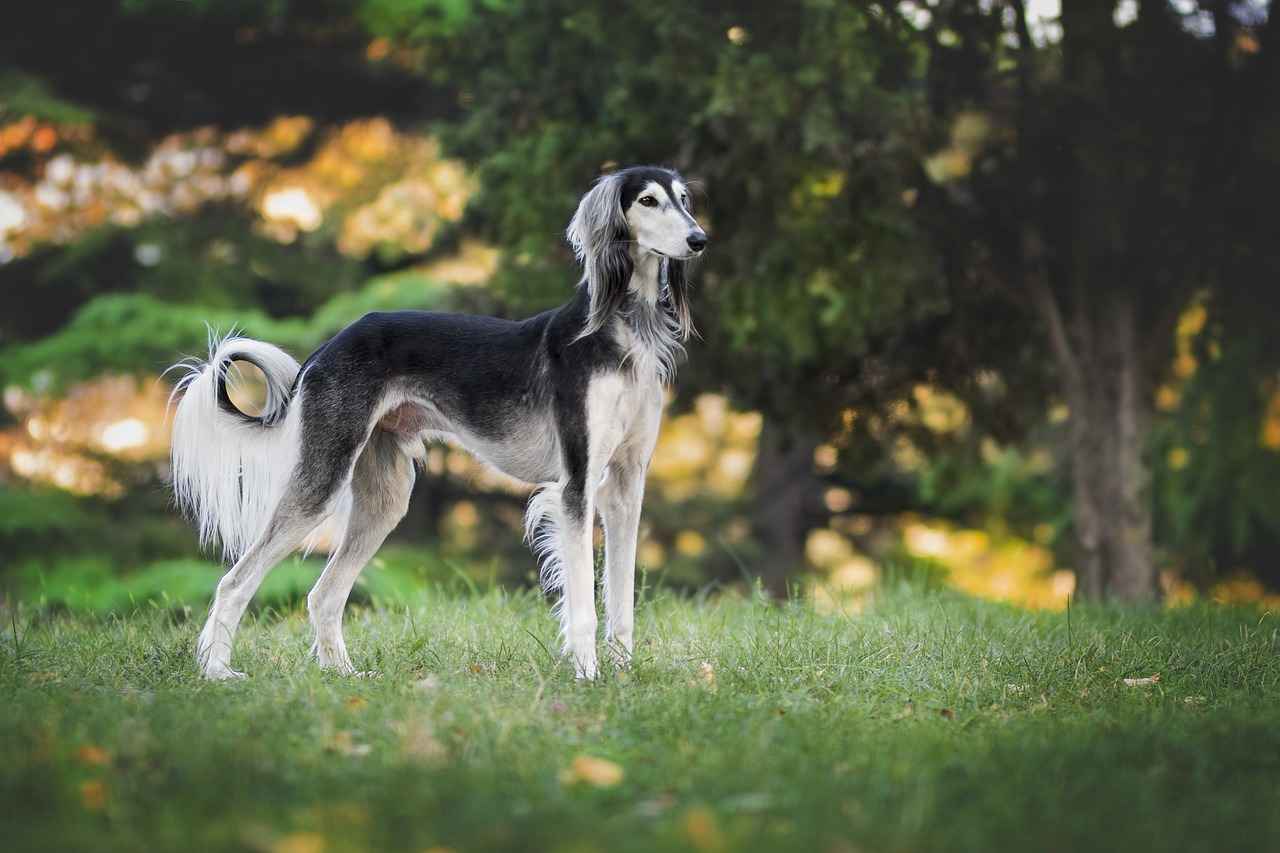
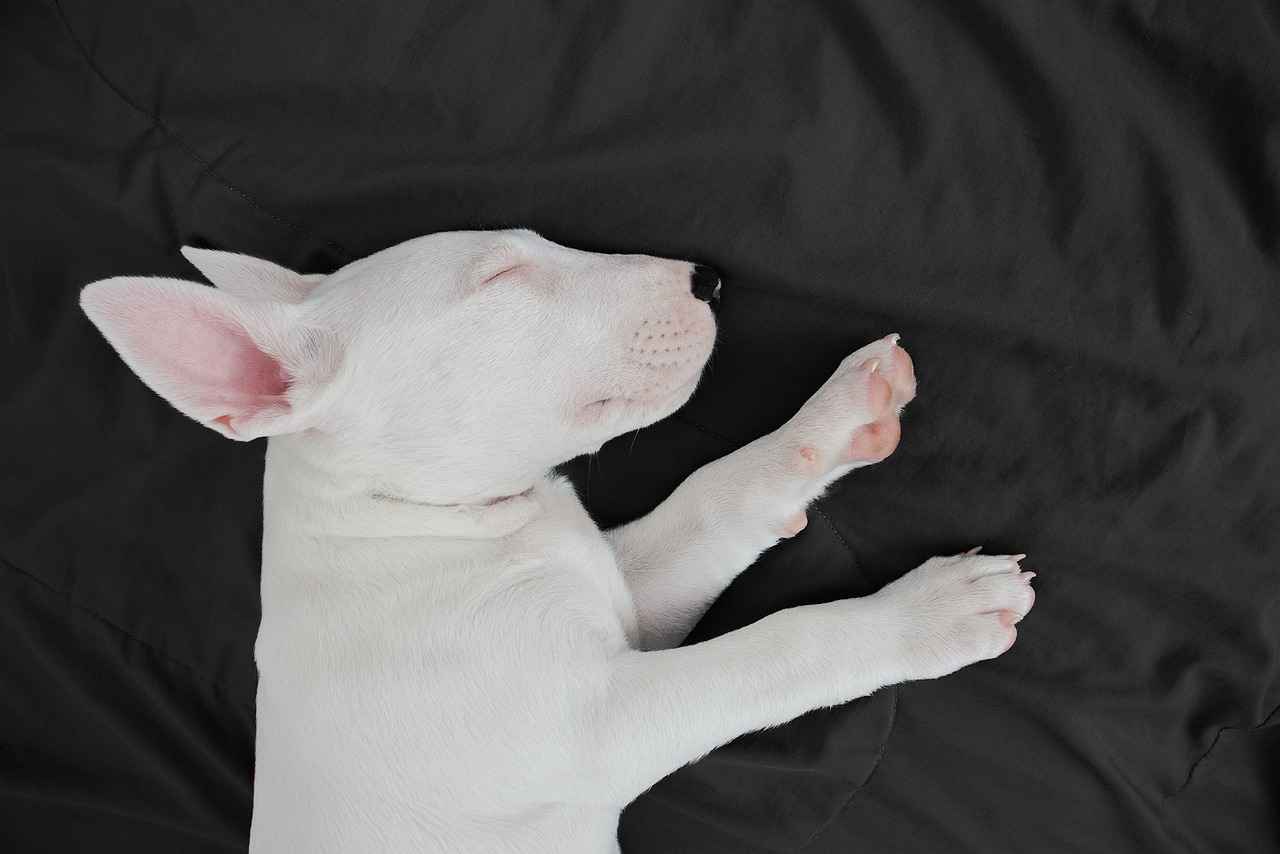
Have you ever wondered, why do dogs have wet noses? This curious trait is not just an adorable characteristic; it actually serves multiple important purposes! In this article, we will dive deep into the fascinating truth behind dog nose moisture and explore how it benefits your furry friend. Dogs have a unique physiology, and their wet noses play a crucial role in their sense of smell. But why exactly is this? Is it just for cooling off, or is there more to the story? Many pet owners are surprised to learn that a dog's nose can also indicate their health status. From detecting scents to regulating body temperature, the reasons for a moist nose are both intriguing and essential. So, if you've been asking, "What does it mean when my dog's nose is wet?"—you're not alone! Join us as we uncover the science behind this fascinating feature and learn how it connects to your dog's overall well-being. Discover the secrets of your canine companion and enhance your understanding of their behavior and health with our comprehensive insights. Let’s embark on this exciting journey to learn about the wonders of dogs and their wet noses!
\n\nThe Science Behind Wet Noses: What Makes Dogs’ Noses Moist?
\n\n\nDogs are often called man's best friend, and part of what makes them so lovable is their quirky traits. One of the most fascinating and noticeable characteristics of dogs is their wet noses. Have you ever wondered why do dogs have wet noses? The answer lies not just in biology, but also in a bit of science too. Let’s dive into the captivating truth behind those moist noses!
\nThe Biological Function of a Dog's Nose
\nThe wetness of a dog's nose serves multiple purposes. It's not just a random quirk of nature. Here are a few key reasons why dog noses are often wet:
\n- \n
- Enhanced Smell: Dogs have a far superior sense of smell than humans. The moisture on their noses helps to capture scent particles from the air, making it easier for them to detect and identify different smells. \n
- Temperature Regulation: Dogs don't sweat like humans do. Instead, they rely on their noses to help regulate their body temperature. When a dog’s nose is wet, it can cool down more effectively through evaporation. \n
- Health Indicator: A moist nose can indicate that a dog is well-hydrated and healthy. Conversely, a dry nose may sometimes suggest dehydration or illness, although it’s not a definitive symptom. \n
Historical Context: The Evolution of Dog Noses
\nThroughout history, dogs have evolved from wild wolves. The need for a keen sense of smell became increasingly important for survival. Wet noses likely developed as a way for these animals to enhance their ability to hunt and interact with their environment. Ancient hunters relied on dogs to track game, and those with better olfactory abilities — supported by moist noses — were more successful.
\nThe Science of Nose Moisture
\nSo, what actually makes a dog's nose moist? The answer involves a few scientific processes. Here’s a breakdown:
\n- \n
- Mucus Production: Dogs have specialized glands in their noses that produce mucus. This mucus keeps the nose moist and captures scent particles, improving their olfactory senses. \n
- Saliva: Dogs often lick their noses, which adds moisture. This is a natural behavior that not only keeps the nose damp but also helps to cleanse it from dirt and other particles. \n
- Environmental Factors: The environment can play a role in how wet a dog’s nose is. Humidity, temperature, and even the dog’s activity level can affect the moisture levels on their nose. \n
Fun Facts About Dogs' Noses
\nDid you know that dog noses are as unique as human fingerprints? Here are some fun facts:
\n- \n
- Nose Prints: Just like humans have unique fingerprints, every dog has a unique nose print. This can be used for identification. \n
- Color Variation: Not all dog noses are the same color. They can be black, brown, pink, or even spotted. The color can sometimes indicate breed characteristics. \n
- Temperature Variation: A dog’s nose can change temperature throughout the day. It might be cooler in the morning and warmer after playtime. \n
Why Do Dogs Have Different Nose Conditions?
\nSometimes, dog owners notice changes in their pets' noses. Here are common conditions and what they might mean:
\n- \n
- Dry Nose: It may indicate dehydration, illness, or even environmental factors like heat. \n
- Cracked Nose: This can happen due to dry air or allergies. It’s important to keep an eye on it to prevent infections. \n
- Runny Nose: A runny nose can indicate allergies, a cold, or other health issues. If persistent, it’s wise to seek veterinary advice. \n
Comparison: Dog Noses vs. Human Noses
\nLet’s take a quick look at how dog noses differ from human noses:
\n| Feature | \nDog Noses | \nHuman Noses | \n
|---|---|---|
| Smell Sensitivity | \n10,000 to 100,000 times better | \nLimited sensitivity | \n
| Moisture Functionality | \nEnhances smell and regulates temp | \nPrimarily for smell | \n
| Unique Patterns | \nUnique nose prints | \nUnique fingerprints | \n
Dogs are truly remarkable creatures, and their noses are a testament to their evolutionary journey and biological design. From enhancing their sense of smell to regulating body temperature, their wet noses play a vital role in their health and behavior. So, next time you pet your furry friend and feel that delightful wet nose, remember the fascinating science and history behind it!
\nUnderstanding why do dogs have wet noses not only enriches our appreciation for them but also aids us in caring for their health. Moist noses are just one of the many endearing qualities that make dogs such beloved companions.
\n\n5 Surprising Reasons Why Dogs Have Wet Noses—You Won’t Believe #3!
\n\n \n\n
\n\nHave you ever wondered why dogs have wet noses? It’s one of those things that seem kinda normal, but there’s actually a lot more happening than meets the eye. Most people think it just because they’re always sniffing around, but there’s surprising reasons behind this curious trait. In fact, you might be shocked by what you learn, especially when we get to reason number three! Let’s dig into the fascinating truth behind why our furry friends have those moist noses.
\nThe Science Behind Wet Noses
\nDogs' noses are moist for several reasons, most of which are tied to their biology and health. Here are some of the main factors:
\n- \n
- \n
Temperature Regulation: Dogs don’t sweat like humans do. Instead, they cool themselves off through their noses and paws. A wet nose helps in evaporating moisture, which cools them down. This is why you might notice your dog’s nose gets wetter after a long walk or playtime.
\n \n - \n
Enhanced Smell: A wet nose is actually better at picking up scents. The moisture helps to capture scent particles in the air, making it easier for dogs to smell things. This is one reason why dogs are such great sniffers and can track things down so efficiently.
\n \n - \n
Health Indicator: A dog’s nose can be a good indicator of their health. A moist nose often means your dog is hydrated and healthy, while a dry or cracked nose might signal dehydration or illness. So, keep an eye on those noses!
\n \n - \n
Communication Tool: Dogs also use their noses for social interactions. When they meet another dog, they often sniff each other’s noses. A wet nose can be a sign of friendliness and approachability among dogs.
\n \n - \n
Environmental Factors: The environment plays a big role in how wet a dog’s nose is. Humidity, temperature, and even the dog's activity level can affect the moisture level. On hot days, you might find your dog’s nose is extra wet!
\n \n
Fun Facts About Dogs’ Noses
\n- \n
- \n
Dogs Have More Olfactory Receptors: Did you know that dogs have about 220 million scent receptors in their noses? Compare that to humans, who only have about 5 million! This makes dogs’ sense of smell incredibly sharp.
\n \n - \n
Wet Noses Can Change: Just like humans can get sweaty, dogs can have varying degrees of wetness in their noses throughout the day. It might depend on their activity or even what they’ve been eating.
\n \n - \n
Dogs Sweat Through Their Noses: While they don't sweat in the same way we do, there are sweat glands in a dog’s nose. This means that some moisture can indeed come from sweat, although it's very minimal.
\n \n
Comparing Dog Noses to Other Animals
\nDogs aren’t the only animals with wet noses! Here’s a quick look at how their noses compare with those of other animals:
\n| Animal | \nNumber of Olfactory Receptors | \nNose Moisture Function | \n
|---|---|---|
| Dogs | \n220 million | \nScent capture, cooling | \n
| Cats | \n5 million | \nScent capture | \n
| Elephants | \n2.5 billion | \nScent detection, social cues | \n
| Sharks | \nN/A | \nDetects chemical changes in water | \n
What If Your Dog’s Nose Is Dry?
\nIf you notice your dog’s nose is dry, it doesn’t automatically mean something is wrong. It could be just a passing thing. However, if it stays dry for a long time, or if your dog shows other symptoms like lethargy, loss of appetite, or vomiting, it’s time to consult a veterinarian. Here are some common causes of a dry nose:
\n- \n
- Dehydration: Make sure your dog is drinking enough water. \n
- Allergies: Environmental factors can cause dry skin, including the nose. \n
- Illness: Some health issues can lead to dryness, like autoimmune diseases. \n
The Bottom Line
\nSo, the next time you pet a dog and feel their wet nose, you can appreciate all the science and biology behind it. From helping them cool down to sniffing out the world around them, a wet nose is full of purpose. There’s so much more to learn about our furry companions, and understanding their unique traits only deepens the bond we share with them. So, keep asking questions and exploring the wonderful world of dogs!
\n\nIs a Wet Nose a Sign of a Healthy Dog? Discover the Truth!
\n\n \n\n
\n\nWhen you see a dog with a wet nose, you might think, "Aha! That dog's healthy!" But is that really true? The belief that a wet nose indicates a healthy pup has been around for a long time, but let’s dive deep into the facts and find out what’s really going on. Are wet noses actually a sign of good health, or is it just an old wives' tale? Let's discover the truth!
\nWhy Do Dogs Have Wet Noses?
\nDogs have wet noses for several reasons, and it’s not just for keeping cool or being cute. Here’s a closer look at some of the main reasons why dog noses tend to be moist:
\n- \n
- \n
Regulation of Temperature: Dogs don't sweat like humans do. Instead, they cool off through panting and their noses. A wet nose can help them regulate temperature more effectively.
\n \n - \n
Sense of Smell: A moist nose helps enhance a dog's sense of smell. The wetness captures scent particles better, which is why dogs are such great sniffers.
\n \n - \n
Nasal Discharge: Just like humans, dogs' noses can produce mucus. A little moisture is normal, but if it becomes excessive, it could indicate something else.
\n \n - \n
Health Indicator: While a wet nose is often seen as a sign of health, it’s just one of many factors. A healthy dog can have a wet or dry nose, depending on the time of day, activity level, and their environment.
\n \n
The Myth of the Wet Nose
\nMany dog owners raise their eyebrows when they hear the myth that a wet nose equals a healthy dog. But here’s the catch: the state of a dog’s nose is not a foolproof indicator of its health. Here are some points to consider:
\n- \n
- \n
Dry Noses Can Be Normal: Sometimes, a dog might have a dry nose and still be perfectly healthy. Factors like the temperature, humidity, and even the dog's activity can affect nose moisture.
\n \n - \n
Illness Signs: A persistently dry or cracked nose can be a sign of dehydration, illness, or other health issues. If a dog’s nose turns dry and stays that way, it might be a good idea to check with a vet.
\n \n - \n
Variability by Breed: Some breeds naturally have drier noses than others. For instance, Bulldogs often have drier noses than Terriers, and that doesn’t mean they are unhealthy.
\n \n
Common Reasons for Nose Changes
\nSometimes, dog owners notice changes in their furry friend's nose and panic. Here's a list of common reasons why dogs may have wet or dry noses:
\n- \n
- Weather Changes: Hot weather can lead to drier noses, while humidity can make them wetter. \n
- Health Conditions: Allergies or infections can cause changes in nose moisture levels. \n
- Age: Older dogs may have drier noses than their younger counterparts. \n
- Medication: Certain medications can affect a dog’s nasal moisture. \n
Practical Tips for Dog Owners
\nIf you're a dog owner, it’s good to know how to monitor your pet's health, and understanding their nose condition is part of it. Here are some tips you might find helpful:
\n- \n
- \n
Regular Checks: Make it a habit to check your dog's nose regularly. Look for cracks, excessive dryness, or unusual discharge.
\n \n - \n
Stay Hydrated: Ensure your dog has access to fresh water at all times. Dehydration can lead to a dry nose.
\n \n - \n
Watch for Other Symptoms: Don’t just rely on the nose. Look for other signs of health issues like lethargy, changes in appetite, or unusual behavior.
\n \n - \n
Consult Your Vet: If you notice persistent changes in your dog's nose or overall behavior, don’t hesitate to reach out to a veterinarian.
\n \n
The Bottom Line
\nSo, is a wet nose a sign of a healthy dog? Not necessarily. While it can be an indicator, it is not the only thing to look for. A dog's health is multifaceted, and you should consider a variety of signs and symptoms. Keep an eye on your furry friend, stay informed, and when in doubt, consult a professional. Remember, every dog is unique, and understanding their specific needs is key to ensuring their happiness and health.
\n\nHow Do Dogs’ Wet Noses Enhance Their Sense of Smell?
\n\n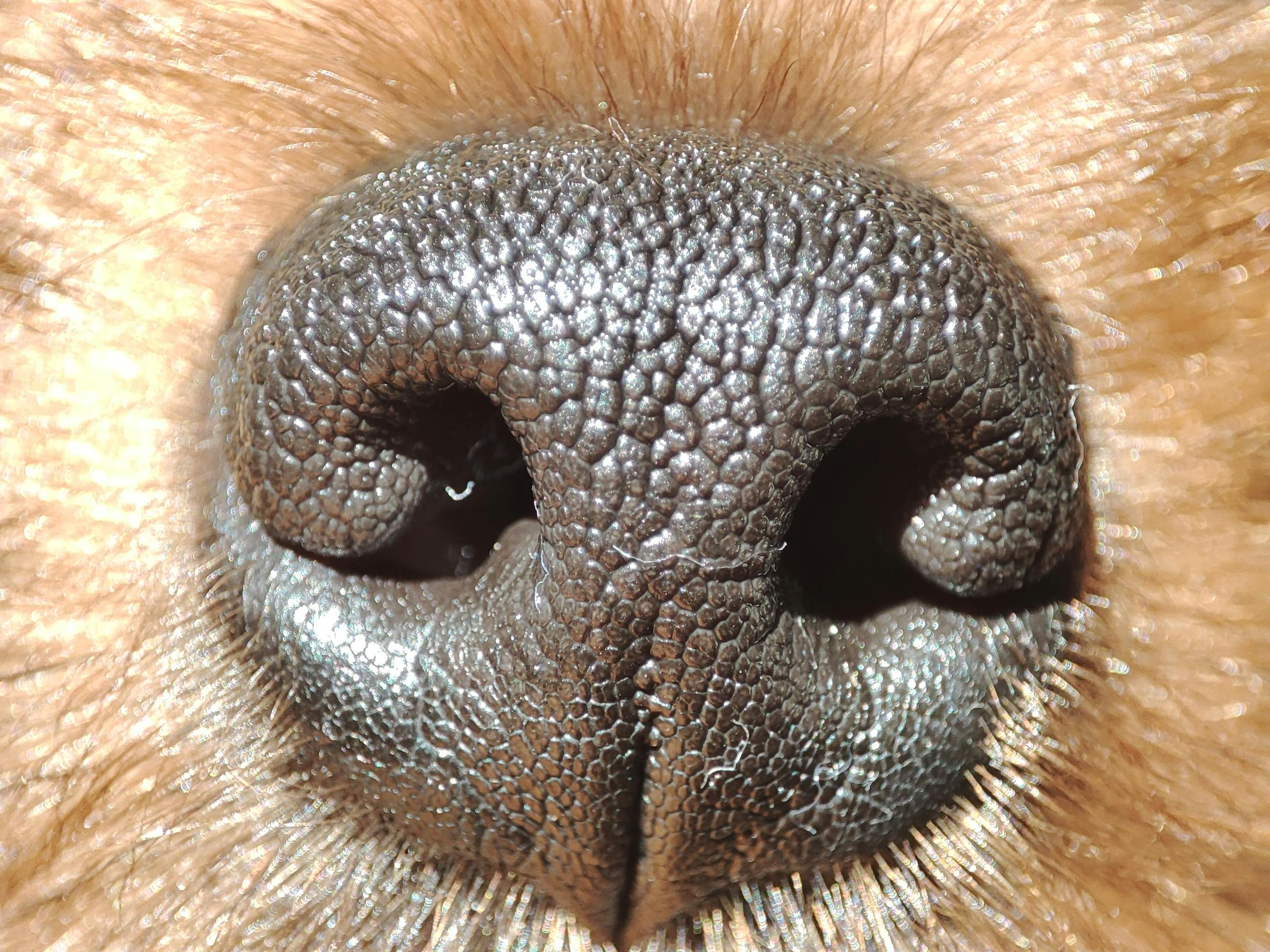 \n\n
\n\nDogs are truly amazing creatures, and one of the most fascinating traits they have is their wet noses. Have you ever wondered why do dogs have wet noses? It’s not just a quirky feature; it serves some important purposes. Let’s dive into this intriguing subject to uncover how these wet noses enhance their sense of smell and why they’re so essential to a dog’s health and behavior.
\nThe Science Behind Wet Noses
\nDogs’ noses are not only wet; they’re also incredibly sensitive. The moisture on a dog's nose helps them in multiple ways:
\n- \n
- Enhanced Smell: A wet nose helps capture scent particles better. When the nose is moist, it can absorb more scent molecules, which is essential for dogs that rely heavily on their sense of smell. \n
- Temperature Regulation: Dogs can’t sweat like humans; instead, they pant and use their noses to help regulate body temperature. A wet nose can help cool them down. \n
- Health Indicator: A dog's nose is often a good indicator of their health. Changes in moisture levels or texture can indicate illness or dehydration. \n
Why Are Dogs’ Noses Wet?
\nSo, why do dogs have wet noses anyway? There are several reasons:
\n- \n
- Mucus Production: Dogs produce mucus on their noses, which keeps it moist. This mucus is important for enhancing their olfactory capabilities. \n
- Licking Behavior: Dogs often lick their noses, which keeps them wet. This behavior is instinctual and helps them gather information about their surroundings. \n
- Natural Environment: In the wild, dogs and their ancestors had to rely on their sense of smell for hunting and survival. A wet nose was beneficial for tracking prey and finding food. \n
Interesting Facts About Dogs’ Noses
\nDid you know that dogs have a highly developed sense of smell that is up to 100,000 times better than humans? Here are some interesting facts:
\n- \n
- Unique Nose Prints: Every dog has a unique nose print, just like human fingerprints. This uniqueness can help identify individual dogs. \n
- Scent Discrimination: Dogs can distinguish between different smells, even in small quantities. This ability is why dogs can be trained to detect drugs, explosives, and even certain medical conditions. \n
- Nose Temperature: A dog’s nose can detect temperature changes in the environment around them, making them excellent at sensing heat sources or cold drafts. \n
The Role of a Dog's Nose in Communication
\nDogs communicate with each other through scents as well. Their wet noses play a crucial role in this aspect of canine behavior. Here’s how:
\n- \n
- Scent Marking: Dogs have scent glands that produce pheromones, and they use their noses to gather and leave scent markers. This behavior helps them communicate their presence to other dogs. \n
- Understanding Emotions: Dogs can sniff out emotions in humans through chemical changes in our sweat and skin. Their noses help them gauge feelings, making them wonderful companions. \n
Comparisons: Wet Noses vs. Dry Noses
\nWet noses are often associated with healthy dogs, but what about dry noses? Here’s a quick comparison:
\n| Feature | \nWet Nose | \nDry Nose | \n
|---|---|---|
| Moisture Level | \nHigh | \nLow | \n
| Health Indicator | \nUsually healthy | \nCould indicate illness | \n
| Smell Sensitivity | \nHigh | \nLower | \n
| Temperature Regulation | \nEffective | \nLess effective | \n
As you can see, a wet nose is generally preferable in dogs. However, occasional dryness can be normal, especially after sleep or in dry weather.
\nPractical Examples of Dogs’ Nose Abilities
\nLet’s look at how dogs utilize their noses in real-life situations:
\n- \n
- Search and Rescue: Dogs are trained to find missing persons using their sense of smell. They can track scents over long distances. \n
- Medical Detection: Some dogs are trained to detect specific diseases like cancer or diabetes through scent. They can alert their owners to changes in their body chemistry. \n
- Service Dogs: Many service dogs rely on their keen sense of smell to help individuals with disabilities, whether it be guiding visually impaired people or alerting those with medical conditions. \n
In conclusion, dogs’ wet noses are not just for show; they enhance their sense of smell, play a role in their health, and even help them communicate. Understanding this fascinating aspect of our furry friends can deepen the bond we share with them. Next time you see a dog with a wet nose, remember the amazing biology and behaviors that are at work behind that simple feature.
\n\nThe Fascinating Role of a Dog's Nose in Communication and Emotion
\n\n \n\n
\n\nDogs have been our companions for thousands of years, and one of their most unique features is, without a doubt, their noses. Every dog owner has probably noticed that their pet's nose is not only wet but also plays a key role in how they communicate and express emotions. So, why do dogs have wet noses? The answers are more fascinating than you might think!
\nThe Anatomy of a Dog’s Nose
\nA dog’s nose is a complex organ, much more than just a way to sniff around for treats. Dogs have about 220 million scent receptors, compared to about 5 million in humans. This incredible olfactory capability allows them to detect scents at incredibly low concentrations. Their noses are moist, which helps trap scent particles, making it easier for them to analyze different smells.
\nThe wetness of a dog’s nose comes from a combination of moisture produced by the nasal glands and saliva. This moisture is essential for enhancing their sense of smell. When a dog licks their nose, they are essentially “tasting” the scents around them, allowing for a better understanding of their environment.
\nWhy Are Dog Noses Wet?
\nThere are several reasons why a dog's nose is wet, and it’s not just for show. Here are some points that explain this phenomenon:
\n- \n
- Scent Absorption: The moisture on a dog’s nose helps absorb scent particles, making it easier for them to identify and differentiate smells. \n
- Temperature Regulation: Dogs don’t sweat like humans do. Their wet noses help regulate body temperature, keeping them cool. \n
- Health Indicator: A wet nose is often a sign of a healthy dog. If a dog’s nose is dry and warm, it might indicate illness or dehydration. \n
Communication Through Scent
\nDogs communicate a lot through their sense of smell. They can pick up on pheromones and other scents that signal emotions, social status, and even health status of other dogs or humans. Here are some ways dogs use their noses to communicate:
\n- \n
- Marking Territory: Dogs often use their urine and scent glands to mark their territory. This is done to communicate to other dogs that they’ve been there. \n
- Social Interactions: When dogs meet, they often sniff each other’s noses or behinds. This is a way of gathering information about each other’s health, mood, and even diet. \n
- Emotional Recognition: Research shows that dogs can identify human emotions based on scent. They can tell if a person is happy, sad, or stressed just by smelling their skin or clothing. \n
The Historical Context of Dog Noses
\nHistorically, dogs were bred for different purposes, which affected the size and shape of their noses. For example, bloodhounds have long, droopy noses that are perfect for tracking scents over long distances. On the other hand, breeds like bulldogs have shorter noses, which may limit their sniffing ability but were bred for different tasks.
\nHere's a simple comparison:
\n| Breed | \nNose Size | \nPurpose | \n
|---|---|---|
| Bloodhound | \nLong | \nTracking and hunting | \n
| Beagle | \nMedium | \nHunting and scent detection | \n
| Bulldog | \nShort | \nCompanion and protection | \n
Practical Examples of Dog Nose Functionality
\nYou can observe your dog’s nose at work in everyday situations. For instance, if you come home with groceries, your dog will probably be all over the bags, sniffing for any hint of food. They can smell through plastic and cardboard, which is why they seem to know what you brought home even before you open it.
\nAnother example is during walks. When dogs stop to sniff every pole, bush, or tree, they are gathering information about other dogs that have passed by. They can learn a lot about other dogs and even their emotions just by sniffing.
\nThe Fascination of Dog Noses in Emotion
\nA dog’s nose does not only serve a functional purpose but also plays a role in their emotional expression. For instance:
\n- \n
- Curiosity: When a dog’s nose is wet and they are sniffing around, it often indicates curiosity and excitement. \n
- Comfort: A dog may lick its nose when they are feeling anxious or trying to calm themselves down. \n
- Playfulness: Wet noses are often a sign of a playful dog, ready to engage with their owner or other pets. \n
The complexity of a dog’s nose and how it relates to their emotions and communication is truly remarkable. This little organ does a lot more than just provide a way to smell; it is a vital part of how dogs interact with the world and express their feelings.
\nUnderstanding why dogs have wet noses and the role they play in communication can deepen the bond between you and your furry friend. So next time you see your dog’s wet nose, remember that it’s not just a cute feature—it's a window into their fascinating world
\n\nDebunking Myths: Why a Wet Nose Doesn’t Always Mean a Sick Dog
\n\n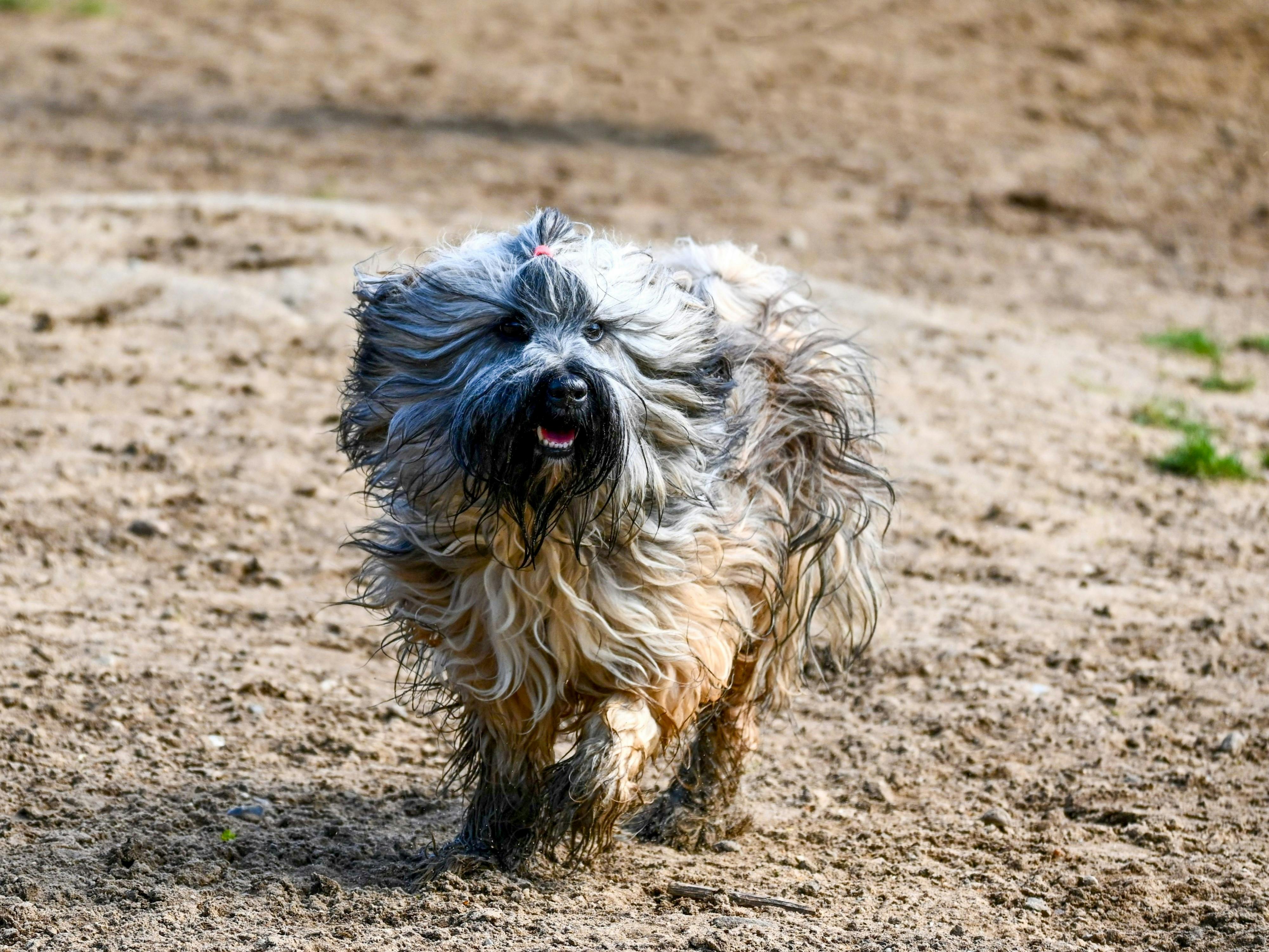 \n\n
\n\nEvery dog owner has probably wondered about their furry friend’s wet nose at some point. Many people think that a wet nose is a sign of health, while others worry it could indicate illness. Let’s dive into the fascinating truth about why dogs have wet noses and debunk some common myths surrounding this topic!
\nThe Science Behind Wet Noses
\nFirst off, did you know that a dog's nose is wet for a reason? It's not just for show. A wet nose helps dogs to smell better. The moisture on their nose traps scent particles, which helps them detect scents more effectively. This is super important for dogs, as they rely on their sense of smell to understand the world around them.
\nDogs have about 220 million scent receptors in their noses, compared to a human's 5 million. That’s a huge difference! The wetness also helps to cool down the dog’s body temperature. Dogs don’t sweat like humans do; they mostly regulate their temperature through panting and the moisture on their noses.
\nCommon Myths About Wet Noses
\n- \n
- \n
A Wet Nose Means a Healthy Dog
\n
\nMany people think that if a dog’s nose is wet, they are healthy. But that's not always true. While a wet nose can indicate that a dog is feeling good, it's not a definitive sign of health. Many sick dogs can have wet noses, and many healthy dogs can have dry noses. So, don’t rely solely on nose wetness to judge your dog's health. \n - \n
A Dry Nose Means an Unhealthy Dog
\n
\nThis is another common misconception. A dry nose can be normal too, especially if your dog just woke up from a nap or if the weather is really dry. Factors like age, breed, and activity level play significant roles in the moisture of a dog's nose. \n - \n
Dogs Lick Their Noses Because They’re Sick
\n
\nSome people believe that if a dog is frequently licking their nose, it must mean they are unwell. But dogs often lick their noses as a way to keep them clean or when they’re feeling anxious. \n - \n
Only Certain Breeds Have Wet Noses
\n
\nAll dogs have wet noses, regardless of breed. Some breeds may have more prominent wet noses, but the moisture is a universal trait among canines. \n
Why Do Dogs Have Wet Noses?
\nSo, what are the primary reasons for a dog’s wet nose? Here are some key points to consider:
\n- \n
- Enhanced Smell: The moisture helps to absorb scent particles, improving their ability to smell. \n
- Temperature Regulation: Wet noses assist in regulating body temperature. \n
- Communication: Dogs can express themselves through their noses. A dog might nudge you with a wet nose to get your attention or show affection. \n
Factors Influencing Nose Moisture
\nHere’s a quick list of factors that can influence the wetness of a dog's nose:
\n- \n
- Weather conditions: Cold or humid weather can lead to a wetter nose, while dry heat can make it drier. \n
- Health status: Illness, dehydration, or fever can affect nose moisture but again, it’s not the only sign to watch for. \n
- Sleep: Just like humans, dogs' noses can become drier when they wake up. \n
- Activity level: An active dog might have a wetter nose due to increased panting and salivation. \n
Practical Examples and Comparisons
\nLet’s take a look at how different factors can affect a dog's nose:
\n| Factor | \nWet Nose | \nDry Nose | \n
|---|---|---|
| After Exercise | \nYes | \nRarely | \n
| Hot Weather | \nLess likely | \nMore likely | \n
| Sleeping | \nCommon | \nMore common | \n
| Illness | \nPossible | \nPossible | \n
The Bottom Line
\nUnderstanding your dog’s health is more complex than simply checking if their nose is wet or dry. It's important to look for other signs of health like energy levels, appetite, and behavior. If you ever have concerns about your pet's health, consulting with a veterinarian is always the best course of action.
\nSo, while a wet nose can be a sign of an excited or happy dog, it’s not a foolproof indicator of their health. Dogs have been companions to humans for thousands of years, and their noses have evolved to help them navigate the world. It’s fascinating to think about how much we still have to learn about our furry friends!
\n\n7 Essential Facts About Dogs’ Wet Noses Every Pet Owner Should Know
\n\n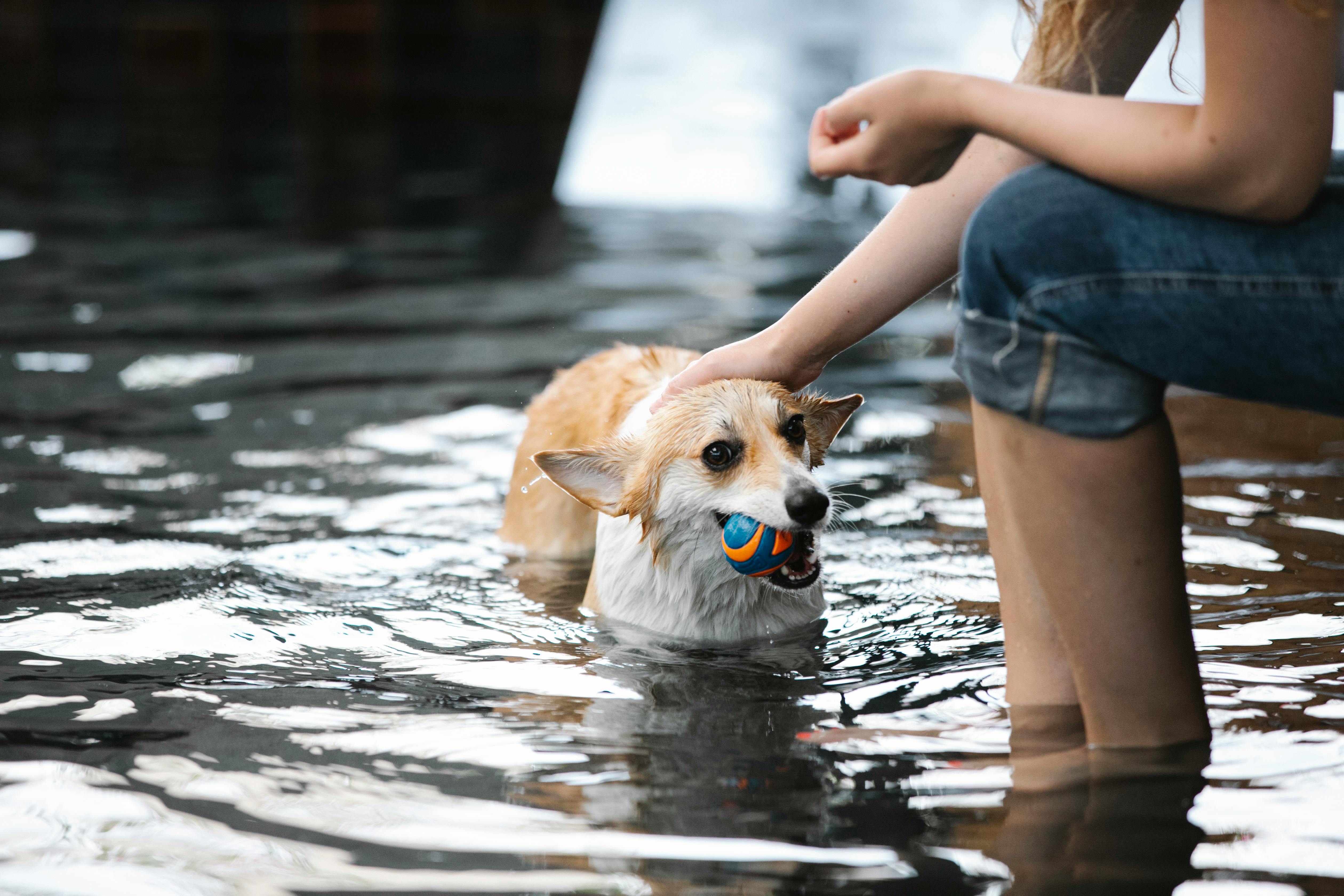 \n\n
\n\nDogs are often called man's best friend, and one of the most endearing features of these furry companions is their wet noses. But have you ever thought about why dogs have wet noses? It’s not just an adorable quirk; there's actually a fascinating science behind it. Here are 7 essential facts about dogs' wet noses that every pet owner should know.
\n1. The Purpose of a Wet Nose
\nDogs' noses, being wet, helps them to absorb scent chemicals from the air. The moisture on their noses captures scents more effectively, giving dogs a superior sense of smell. This is why dogs can sniff out things that humans cannot, like detecting drugs or locating missing persons. Their ability to smell is about 10,000 to 100,000 times better than that of humans!
\n2. Thermoregulation
\nYou might not know this, but a dog's wet nose also plays a role in regulating their body temperature. When dogs pant, they lose moisture through their mouth, and their noses help to cool them down. A wet nose helps to lower their body temperature more efficiently. If you notice your dog's nose feels warm, it could indicate they are overheating.
\n3. Health Indicator
\nThe condition of a dog’s nose can be an indicator of their health. A healthy dog usually has a cool and moist nose. If your dog's nose is dry, cracked, or exhibiting a change in color, it could signal a health issue. Sometimes allergies, infections, or even dehydration can cause changes in nose moisture. Pet owners should always monitor their dog’s health and consult a veterinarian if they notice unusual changes.
\n4. The Role of Mucus
\nDogs produce mucus on their noses, which serves multiple functions. Not only does this mucus help to capture scent particles, but it also keeps their noses moist. This mucus can vary in thickness and can sometimes change color depending on the dog’s health. A clear, slightly sticky mucus is normal, but if it turns green or yellow, it could mean an infection.
\n5. Historical Significance
\nHistorically, dogs were bred for various purposes, including hunting and herding. The need for a keen sense of smell has been essential to their survival and function. Wet noses were likely a trait that was favored during breeding, as it enhanced their ability to track scents. Some breeds, like Bloodhounds, exhibit even wetter noses than others, showcasing the importance of this trait.
\n6. Temperature Sensitivity
\nInterestingly, a dog's wet nose is also more sensitive to temperature changes than dry noses. This is why dogs can sense when it’s about to rain or when a storm is coming. Their wet noses can detect changes in humidity and temperature, making them excellent weather predictors. It's kind of like having a built-in weather station!
\n7. Playful Behavior
\nLastly, a dog’s wet nose is often a sign of their playful demeanor. When dogs nuzzle you or press their noses against your skin, it’s a sign of affection and an invitation to play. They use their noses to explore the world around them, and their wet noses can be a way of communicating with their human counterparts.
\nQuick Facts About Dogs' Wet Noses
\n- \n
- Absorbs Scents: Wet noses help capture and absorb scent particles. \n
- Cools Body: A wet nose assists in thermoregulation. \n
- Health Indicator: Changes in moisture can indicate health issues. \n
- Mucus Production: Dogs produce mucus that aids in scent detection. \n
- Historical Trait: Wet noses were favored traits in dog breeding. \n
- Temperature Sensitivity: Dogs can sense weather changes through their noses. \n
- Communication Tool: Wet noses are often used in playful behavior. \n
Understanding why dogs have wet noses can deepen your appreciation for these amazing animals. As a pet owner, keeping an eye on your dog's nose is important. Whether it’s for health reasons or just to revel in their unique characteristics, knowing the facts about their wet noses can enhance your bonding experience.
\nSo next time you pet your dog and feel that cool, wet nose against your hand, you’ll know there’s more behind it than just cuteness. It’s a remarkable feature that contributes to their health, behavior, and communication.
\n\nDo All Dogs Have Wet Noses? Exploring Breed Differences and Variations
\n\n \n\n
\n\nDogs have long been our companions, and one of the most notable features about them is their wet noses. But do all dogs have wet noses? This question can lead us to explore the various dog breeds and how their noses can differ. Also, why do dogs have wet noses in the first place? Let’s dive into the fascinating truth of these snouts.
\nThe Science Behind Wet Noses
\nDogs have wet noses mainly because it helps them to smell better. The moisture on a dog’s nose helps to trap scent particles. This enhances their ability to detect smells, which is crucial for their survival and communication. Wet noses also helps in thermoregulation, which means it helps dogs to cool down. When dogs pant, the moisture evaporates from their nose, cooling them off.
\nBut it ain't just about the science, there are some interesting historical facts too. Dogs are believed to have descended from wolves thousands of years ago. Wolves, like many animals, rely heavily on their sense of smell for hunting and communication. As dogs evolved alongside humans, their noses remained important tools for interaction with the world.
\nDo All Breeds Have Wet Noses?
\nNot every dog breed has the same kind of nose. Some breeds have drier noses than others. For example:
\n- \n
- Sighthounds: Breeds like Greyhounds tend to have a drier nose compared to others. \n
- Bulldogs: They often have a moist nose, but it can also be dry depending on the environment. \n
- Retrievers: Breeds such as Golden Retrievers usually have wet noses because they are very active and need to cool down. \n
Breed-Specific Variations
\nDifferent dog breeds display varying nose moisture levels. Here’s an easy-to-follow list showcasing some common breeds and their nose characteristics:
\n- \n
- Labrador Retriever: Generally wet and cool, these dogs are known for their playful nature. \n
- Chihuahua: Often drier, especially when they are anxious or stressed. \n
- Beagle: Wet noses are common, which helps them track scents during hunts. \n
- Pug: Their short snouts often lead to drier noses, especially in hot weather. \n
- Dachshund: They have a moist nose, which aids in their strong sense of smell. \n
Why Do Dogs Have Wet Noses?
\nLet’s break down why these wet noses are so important. Here are some key reasons:
\n- \n
- Enhanced Smell: Wet noses trap scent particles, which helps dogs identify and explore their environment better. \n
- Thermoregulation: As mentioned, moisture helps in cooling down the dog’s body temperature. \n
- Health Indicator: A change in the moisture level of a dog’s nose can indicate health issues. For example, a very dry nose can be a sign of dehydration or illness. \n
- Communication: Dogs use their noses to communicate with other dogs. A wet nose can be a sign of friendliness. \n
Fun Nose Facts
\n- \n
- Dogs have as many as 300 million scent receptors in their noses, compared to only about 6 million in humans. \n
- The temperature of a dog’s nose can also change; a colder nose can indicate a relaxed state, while a warmer one may suggest illness. \n
- Not all dogs like their noses to be touched. Some may find it uncomfortable or even stressful. \n
What Affects Nose Moisture?
\nSeveral factors can impact the moisture of a dog’s nose:
\n- \n
- Weather Conditions: Hot weather can dry out a dog’s nose more than cooler climates. \n
- Humidity: In dry environments, noses can become parched. \n
- Health Status: Illness, medication, or dehydration can change how wet or dry a dog’s nose is. \n
- Activity Level: More active dogs may have wetter noses due to increased panting and moisture production. \n
It’s important for dog owners to keep an eye on their pets’ noses. A sudden change might mean it’s time to consult a veterinarian.
\nSo, when you see your furry friend with that adorable wet nose, remember that it’s more than just a cute feature. It’s a vital part of their biology, helping them interact with the world around them. Whether you're a proud dog owner or just a lover of canines, understanding the significance of a wet nose adds another layer to the incredible bond we share with dogs.
\n\nHow Weather and Environment Affect Your Dog’s Nose Moisture Levels
\n\n \n\n
\n\nEver wonder why dogs have wet noses? It’s one of those quirky traits that many dog owners know and love. But there’s more to it than just a cute feature. In fact, the moisture level of a dog’s nose can change based on the weather and environment. Let’s dive into this fascinating topic to understand how weather affects your dog’s nose moisture levels and why they are wet in the first place.
\nWhy Do Dogs Have Wet Noses?
\nDogs have wet noses for several reasons, and it’s not just for show. The moisture serves important functions that are tied to their biology and evolution.
\n- \n
- Sense of Smell: A wet nose helps enhance a dog’s sense of smell. The moisture traps scent particles, allowing dogs to detect scents more effectively. This is especially useful for hunting and tracking. \n
- Thermoregulation: Dogs can't sweat like humans do. Instead, they rely on their noses to help regulate body temperature. A cool, moist nose can be a sign that your pup is feeling good and healthy. \n
- Health Indicator: The moisture in a dog’s nose can also indicate health. A dry nose could mean dehydration or illness, while a wet nose generally suggests that the dog is healthy. \n
How Weather Affects Nose Moisture Levels
\nNow, let’s talk about how different weather conditions can impact the moisture levels on your dog’s nose. It’s kinda wild how something as simple as the weather can affect your furry friend!
\n- \n
- Humidity: High humidity levels can keep a dog’s nose moist. When the air is saturated with water, it’s easier for noses to maintain their wetness. Conversely, in dry conditions, dogs may have drier noses. \n
- Temperature: Hot weather can lead to increased moisture evaporation, which might leave a dog’s nose feeling dry. On the flip side, cooler temperatures may help keep their noses more moist. \n
- Rain: If it’s raining, your dog’s nose is likely to be wet. This is an obvious one, but dogs will also often lick their noses to keep them moist in wet conditions. \n
- Indoor Versus Outdoor: If your dog spends a lot of time indoors with air conditioning or heating, the dry air can lead to a drier nose. Contrarily, going outside might help to moisten it again. \n
Practical Examples of Nose Moisture Changes
\nLet’s look at some practical examples of how weather can affect your dog’s nose moisture.
\n- \n
- Hot Summer Days: You might notice your dog’s nose is a bit drier after playing in the heat. Be sure to provide water and seek shade. \n
- Winter Months: Cold, dry air often results in a drier nose. Keeping your dog hydrated and using a humidifier indoors can help. \n
- Rainy Days: After a stroll in the rain, your dog’s nose should be quite wet. This is normal and a good time for them to sniff around. \n
- Indoor Heating: When it’s cold outside, and you have the heater on, your dog’s nose may dry out. Try to keep them hydrated and consider using a humidifier. \n
Signs of Concern for Nose Moisture
\nWhile a wet nose is generally a sign of good health, there are times when you should pay attention. Here are some signs that might indicate a health issue:
\n- \n
- Persistently Dry Nose: If your dog’s nose is dry for an extended period, it could indicate dehydration or illness. \n
- Cracked Nose Surface: A cracked or peeling nose can be a sign of various health issues, including allergies or skin conditions. \n
- Changes in Color: If the color of your dog’s nose changes, such as becoming pale or very dark, it might be worth consulting a vet. \n
- Excessive Moisture: On the other hand, a nose that is excessively wet and constantly dripping could suggest an infection or other health concerns. \n
A Quick Summary
\nIn summary, a dog’s wet nose is a fascinating feature that serves multiple functions, from enhancing their sense of smell to regulating body temperature. Weather conditions, such as humidity, temperature, and environmental factors, can significantly influence how moist a dog’s nose is. Paying attention to these changes can help you monitor your dog’s health.
\nSo, the next time you see your furry friend with that wet nose, you can appreciate the science behind it. It’s not just cute; it’s crucial for their health and well-being.
\n\nThe Connection Between a Dog’s Wet Nose and Their Overall Well-Being
\n\n \n\n
\n\nHave you ever wondered why dogs have those adorably wet noses? It’s not just a cute feature of your furry friend, it actually plays a significant role in their overall well-being. The connection between a dog’s wet nose and its health is fascinating, and we’re gonna dive into the truth behind this intriguing aspect of canine anatomy. So, grab a treat for your dog and let’s explore!
\nWhy Do Dogs Have Wet Noses?
\nDogs noses are wet for a few reasons, and it’s all tied to their sense of smell, which is way better than ours. A wet nose helps to absorb scent chemicals better, giving dogs an advantage when they sniff around. If you think about it, the world is like a giant puzzle of scents for dogs. Here are some reasons why their noses are wet:
\n- \n
- Enhanced Smell: The moisture from a dog’s nose helps capture scent particles more effectively, making their sense of smell super sharp. \n
- Temperature Regulation: Just like sweating in humans, dogs can regulate their body temperatures through their noses. A cool, wet nose helps them stay comfortable. \n
- Health Indicator: A consistently dry nose might indicate dehydration or illness. \n
A Little History
\nThe idea of dogs having wet noses isn't new. For centuries, humans have observed this trait. Ancient civilizations, like the Egyptians, recognized that animals with wet noses were often healthier. They would treat pets with affection, and in turn, dogs would often be their trusted companions. Wet noses became synonymous with vitality and well-being.
\nThe Science Behind It
\nScientifically speaking, a dog’s nose is covered in a special kind of skin that actually produces moisture. This moisture is made up of a thin layer of mucus that helps trap scents. Just like how we might lick our fingers to get a better grip on a piece of paper, dogs use their wet noses to better understand their environments.
\nInteresting Facts About Dog Noses:
\n- \n
- Dogs have more than 300 million smell receptors in their noses compared to about 5 million in humans. \n
- The area of a dog’s brain that processes smells is about 40 times larger than that of a human. \n
- A dog’s sense of smell can detect certain diseases in humans, like cancer or diabetes, due to changes in body chemistry. \n
Health Implications of Nose Moisture
\nIt's important to remember that a dog’s nose can tell you a lot about its health. A wet nose is generally a sign of a healthy dog, but if you notice changes, it could indicate underlying health issues. Here’s a quick guide to understanding your dog’s nose:
\n- \n
- Normal Wetness: A healthy dog usually has a moist nose. \n
- Dry and Cracked: This could indicate dehydration, allergies, or a health issue. \n
- Excessively Runny: This can be a sign of allergies or infections. \n
- Cold Nose: Often, a cold nose signals a healthy dog; however, if it stays cold for long, it might be worth checking with a vet. \n
Practical Tips for Dog Owners
\nAs a responsible pet owner, it's vital to monitor your dog’s nose. Here’s how you can help maintain their health:
\n- \n
- Hydration: Always ensure your dog has access to fresh water. \n
- Regular Vet Visits: Schedule regular check-ups to catch any potential issues early. \n
- Observe Behavior: If your dog is acting differently, pay attention to their nose as a health indicator. \n
Fun Comparisons
\nLet’s take a look at how dog noses compare to human noses:
\n| Feature | \nDog Nose | \nHuman Nose | \n
|---|---|---|
| Smell Receptors | \n300 million | \n5 million | \n
| Functionality | \nScent detection, temperature | \nBreathing, filtering | \n
| Moisture Importance | \nEssential for smell | \nNot crucial | \n
| Health Indicator | \nYes | \nNo | \n
Dogs noses are not just for show; they are essential tools for their survival and communication. Each sniff tells a story, and their wet noses are a sign of those stories unfolding.
\nUnderstanding why dogs have wet noses and their connection to overall health can deepen your bond with your pet. Next time you see your dog’s wet nose, remember it's more than just a cute feature; it's a window into their well-being. Whether it's for sniffing out treats or just nudging you for attention, that wet nose is a sign of a happy, healthy dog.
\n\nConclusion
\n\nIn conclusion, the wet noses of dogs serve several important functions, from enhancing their sense of smell to regulating body temperature. The moisture on their noses helps capture scent particles, allowing dogs to detect odors more effectively, which is vital for their communication and survival. Additionally, a wet nose can indicate good health, as dehydration often leads to a dry nose. Understanding this aspect of canine biology not only enriches our knowledge about dogs but also deepens our bond with them. Next time you greet your furry friend, take a moment to appreciate that wet nose—it’s a unique feature that plays a crucial role in their life. If you’re curious to learn more about your dog’s health and behavior, consider consulting with a veterinarian or exploring further resources on canine care. Embrace the joy of having a dog and ensure they stay healthy and happy!
\n\n