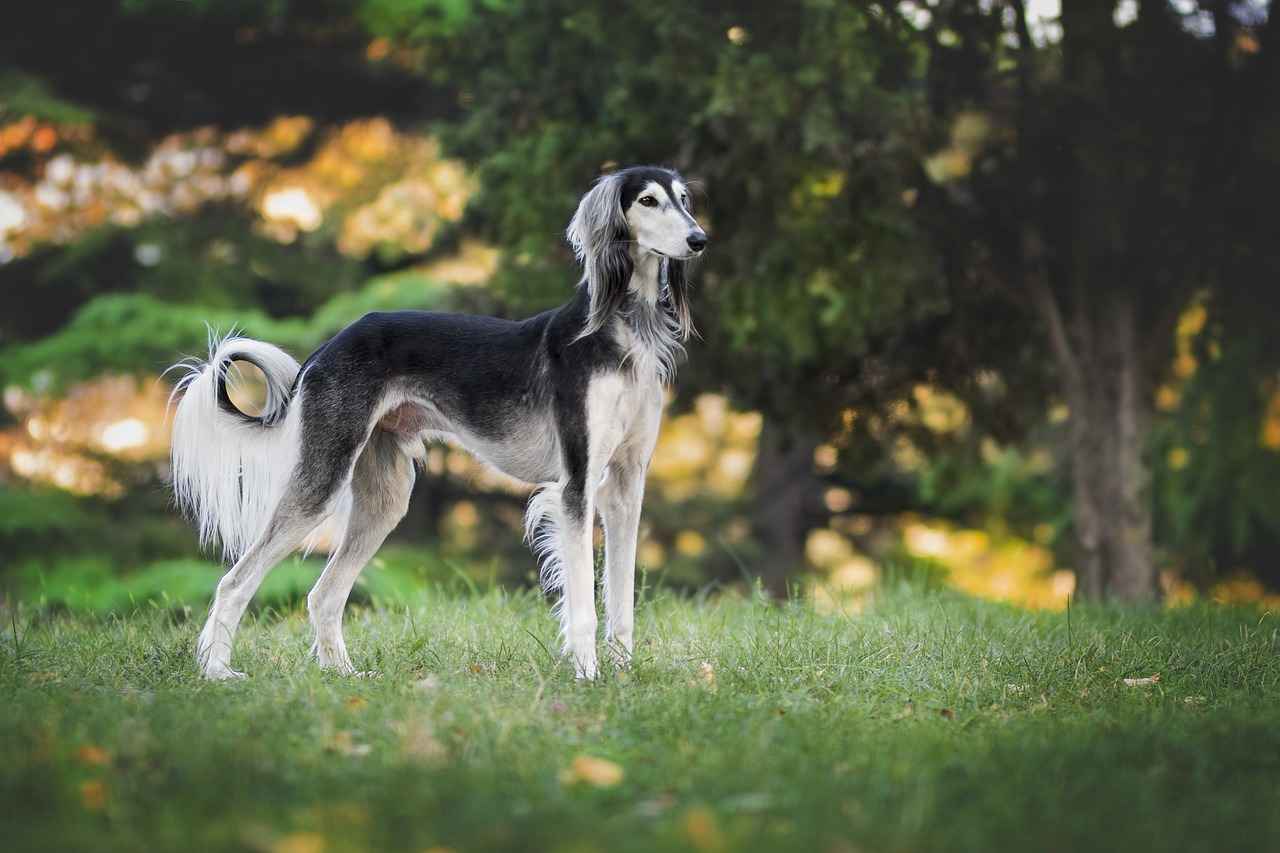
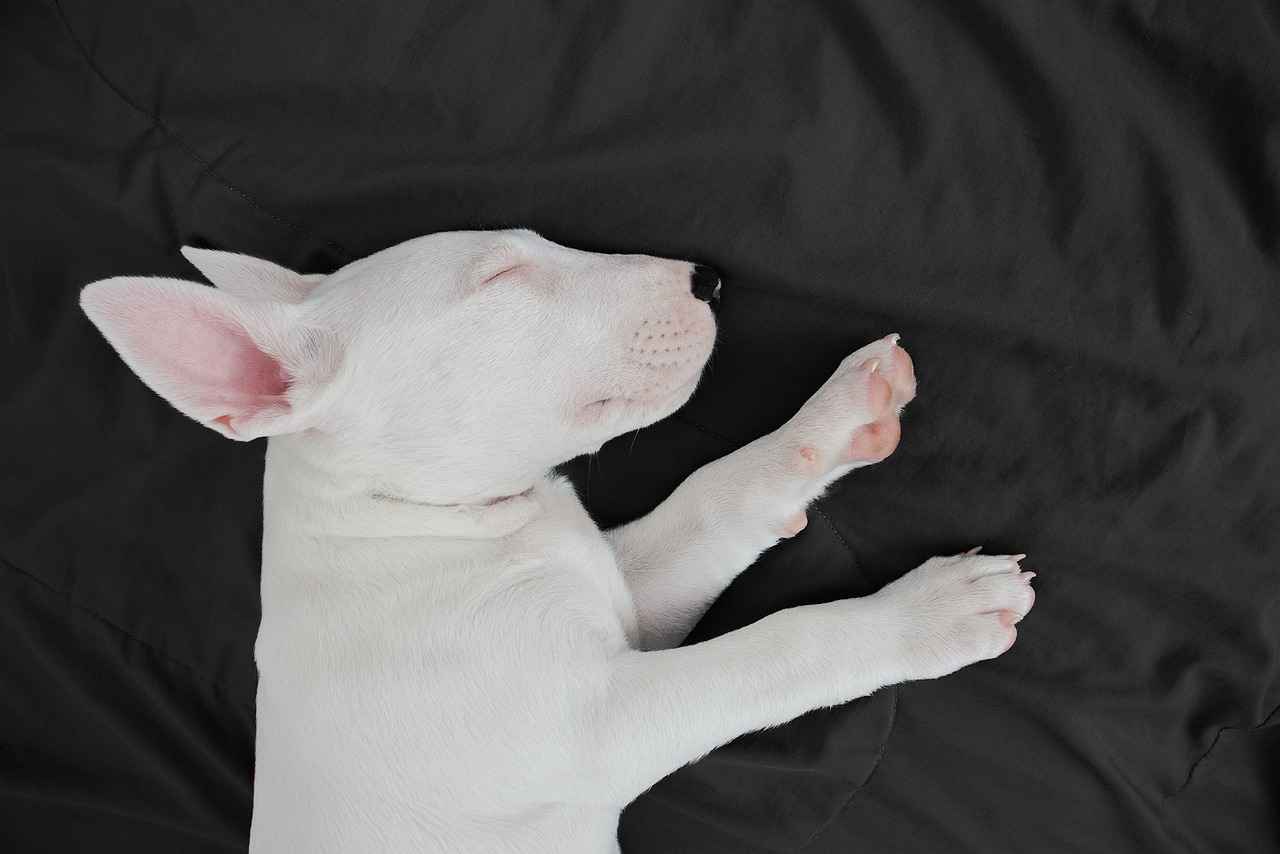
Have you ever wondered, why do dogs have wet noses? This intriguing question sparks curiosity among pet lovers and science enthusiasts alike. A dog’s wet nose isn’t just an adorable feature; it serves multiple purposes that can enhance their health and behavior. Is it really true that a wet nose means a dog is healthy? Or does it simply play a role in their ability to smell better? The fascinating truth behind this canine trait is more than just skin deep.
\nResearch suggests that a dog's wet nose helps them absorb scent molecules, making their sense of smell incredibly sharp. But there's more to the story! Some studies even indicate that a wet nose can help regulate a dog’s temperature. So what exactly causes this moistness? Is it the saliva, or perhaps the environment they are in? As you dig deeper into this topic, you will uncover a wealth of surprising facts that every dog owner should know. Join us on this journey to explore why those adorable wet noses are more than just a cute feature – they’re a vital part of your dog’s health and communication!
\n\nThe Science Behind Wet Noses: What Makes Your Dog’s Nose So Damp?
\n\n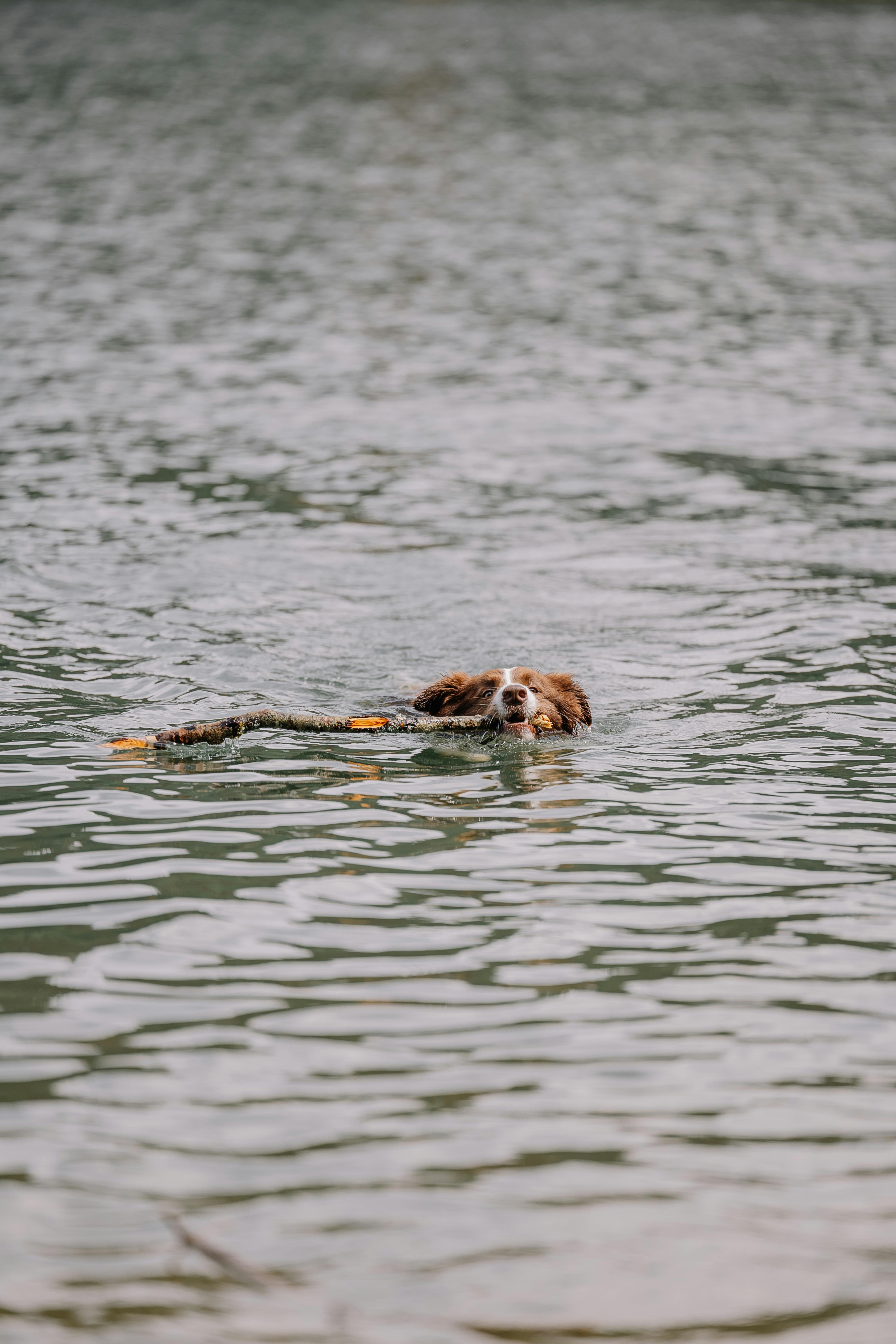 \n\n
\n\nHave you ever wondered why your furry friend’s nose is always damp? It’s one of those peculiar traits that make dogs unique. But what exactly is the science behind wet noses? Why do dogs have wet noses? Let’s dive into this fascinating topic and uncover the truth about your dog’s wet nose.
\nThe Anatomy of a Dog's Nose
\nFirst off, the structure of a dog’s nose is pretty incredible. It is not just for sniffing; it has a lot of functions that contribute to its wetness. A dog's nose is covered with a thin layer of skin that has special glands. These glands produce mucus, which helps to keep the nose moist.
\n- \n
- The moisture helps enhance their sense of smell. \n
- It cools the dog down when it’s hot. \n
- It can also help with communication and expression. \n
Dogs have way more scent receptors in their noses than humans do. In fact, they have about 300 million scent receptors compared to a mere 6 million in humans. So, a wet nose is just one part of a complex system that helps dogs navigate the world around them.
\nWhy Do Dogs Have Wet Noses?
\nNow, let’s get into the main question: why do dogs have wet noses? Here are some reasons why that dampness is actually beneficial:
\n- \n
- \n
Enhanced Smell: The moisture on the nose traps scent particles, allowing dogs to detect smells better. It’s like a natural sponge that absorbs scents, making it easier for them to explore their environment.
\n \n - \n
Thermoregulation: Dogs don’t sweat like humans do. They cool themselves primarily through panting and the moisture on their noses. When a dog's nose is wet, it helps regulate their body temperature.
\n \n - \n
Health Indicator: A wet nose is often a sign of a healthy dog. Conversely, a dry or cracked nose might indicate illness or dehydration. It’s a quick way to check on your pet's health.
\n \n - \n
Communication: Dogs use their noses to communicate with other dogs and animals. A wet nose might indicate excitement or affection, while a dry nose can signal stress or discomfort.
\n \n
The Science of Nose Moisture
\nLet’s look at some facts that shed light on the science behind a dog’s nose.
\n- \n
- Dogs’ noses are naturally moist due to the secretion of mucous from their nasal glands. \n
- The moisture can evaporate quickly, which is why you might notice your dog's nose being wetter after a good sniff around or after playing outside. \n
- Environmental factors like humidity and temperature can affect how wet or dry a dog’s nose is. \n
Interesting Facts About Dog Noses
\nHere are some fun and interesting facts about dog noses that you probably didn’t know:
\n- \n
- Each dog’s nose print is unique, just like a human fingerprint. This uniqueness can be used for identification. \n
- Dogs have a special organ called the Jacobsen's organ, which enhances their ability to smell and helps them detect pheromones. \n
- The color of a dog’s nose can vary widely, from black to brown, pink, or even spotted. \n
Common Misconceptions
\nThere are several myths surrounding dog noses. Here are some common misconceptions:
\n- \n
- A Wet Nose Means a Healthy Dog: While a wet nose is often a sign of good health, it’s not a foolproof indicator. Some dogs can be healthy with a dry nose. \n
- Dogs Sweat Through Their Noses: This is not true. Dogs primarily sweat through their paws, and their noses stay moist from mucous production. \n
What to Do If Your Dog's Nose is Too Dry
\nIf you notice that your dog's nose is unusually dry, here are some steps you can take:
\n- \n
- Hydration: Ensure your dog has access to fresh water at all times. \n
- Check for Other Symptoms: Look for signs of illness, such as lethargy or loss of appetite. \n
- Consult Your Veterinarian: If the dryness persists, it’s best to get professional advice. \n
Final Thoughts
\nUnderstanding the reason behind why dogs have wet noses reveals a lot about their biology and health. It’s not just a quirky feature; it plays a vital role in their daily lives. Whether you’re a new dog owner or a seasoned pet parent, knowing about your dog's wet nose can help you better care for your furry friend. So, the next time you give your pup a scratch behind the ears and feel that damp nose, remember it’s all part of what makes dogs so special.
\n\n5 Surprising Reasons Dogs Have Wet Noses That You Never Knew!
\n\n \n\n
\n\nMany dog owners often wonders why their furry friends has wet noses. It's one of those charming traits that just make dogs so lovable. But did you know there are some surprising scientific reasons behind this? Let’s dive into the fascinating truth about why dogs have wet noses.
\n1. Natural Cooling Mechanism
\nDogs don’t sweat like humans do. They primarily rely on panting to cool down, but their wet noses plays a significant role too. The moisture on their noses helps to evaporate and cools them down. When the moisture evaporates, it reduces their body temperature, helping to keep them comfortable, especially on hot days. Isn’t that clever?
\n2. Enhances Sense of Smell
\nDogs has an extraordinary sense of smell, estimated to be between 10,000 to 100,000 times more sensitive than humans. Their wet noses help with this. The moisture captures scent particles from the air, making it easier for dogs to identify and distinguish smells. A wet nose equals a sharper sense of smell!
\n3. Health Indicator
\nA dog’s nose can actually tell you a lot about its health. A nose that’s dry or cracked might signal dehydration or illness. However, a wet nose is generally a sign of a healthy and happy pup. If you notice any sudden changes in your dog's nose moisture, it could be worth checking in with your veterinarian.
\n4. Communication Tool
\nDogs are social creatures and they communicates through various ways, including their noses. When dogs greet each other, they often sniff each other’s noses, which is a way of saying hello. A wet nose in this context can convey friendliness and approachability. It’s like a handshake for dogs!
\n5. Evolutionary Adaptation
\nFrom an evolutionary standpoint, having a wet nose may have helped dogs’ ancestors survive. The moisture on the nose not only aids in smelling but can also help in tracking prey. This adaptation has been passed down through generations, making it a fascinating piece of canine biology.
\nFun Facts About Dogs and Their Noses
\n- \n
- Dogs have about 220 million scent receptors in their noses, compared to humans, who only have about 5 million. \n
- Dogs can detect certain diseases, like cancer, by sniffing out specific compounds in a person's breath or skin. \n
- The wetness of a dog’s nose can vary based on the breed, environment, and even the time of day. \n
Comparison of Dog Nose Types
\n| Dog Breed | \nNose Type | \nNotable Traits | \n
|---|---|---|
| Bloodhound | \nLong and wet | \nExceptional sense of smell, great tracking ability | \n
| Bulldog | \nShort and wet | \nFriendly temperament, often drools | \n
| Siberian Husky | \nMedium and wet | \nStrong, energetic, and very social | \n
What To Do If Your Dog’s Nose is Dry
\nIf you notice your dog's nose is dry for an extended period, you might want to consider the following:
\n- \n
- Hydration: Make sure your dog drinks enough water. \n
- Environment: Dry air or hot weather can contribute to a dry nose. \n
- Diet: Poor nutrition can also affect your dog’s skin and nose health. \n
- Consult a Vet: If there’s a persistent issue, it’s worth getting professional advice. \n
Understanding why dogs have wet noses not only deepens our appreciation for our furry companions but also helps us take better care of them. These five surprising reasons show just how fascinating and complex our dogs really are. So the next time you give your pup a scratch behind the ears, take a moment to appreciate that wet nose and all the science behind it!
\n\nIs a Wet Nose a Sign of a Healthy Dog? Discover the Truth Here!
\n\n\n\nWhen we think about our furry friends, one common question comes up: Is a wet nose a sign of a healthy dog? The answer might not be as straightforward as some people think. Wet noses are often seen as a sign of good health, but there’s more to the story. Let's dive into the reasons behind why do dogs have wet noses and what it actually means for their health.
\nThe Science Behind Wet Noses
\nDogs have wet noses for a few reasons. First, it helps them with their sense of smell. A dog's nose is packed with scent receptors, and moisture can enhance their ability to pick up scents. Here are some reasons why wet noses are important:
\n- \n
- Enhanced Olfactory Function: The moisture on their nose captures scent particles, making it easier for them to detect various smells. \n
- Temperature Regulation: Dogs don’t sweat like humans do. Instead, moisture on their noses helps them cool down. \n
- Health Indicator: A wet nose can indicate hydration levels. However, it’s not the only indicator of health. \n
Common Misconceptions
\nMany dog owners believe that a wet nose is a sign that their dog is healthy. While a wet nose can indicate hydration, it’s important to note that a dry nose does not automatically mean illness. Here’s a breakdown of common misconceptions:
\n- \n
- \n
Wet Nose = Healthy Dog
\n- \n
- While often true, it’s not a guarantee. Some dogs can be perfectly healthy with dry noses. \n
\n - \n
Dry Nose = Sick Dog
\n- \n
- A dry nose can be caused by many factors, like weather, activity level, and even sleep. \n
\n - \n
Only Dogs with Wet Noses are Happy
\n- \n
- Dogs express happiness in various ways. A wet nose isn’t the only sign of a content pup. \n
\n
Why Do Dogs Have Wet Noses? Discover the Fascinating Truth!
\nThe moistness of a dog’s nose is not just for show. It serves multiple functions that are vital for their survival and well-being. Here’s a closer look:
\n- \n
- Scenting: Dogs use their noses to explore the world, and the moisture helps trap scent particles. \n
- Social Interaction: Dogs often greet each other with nose touches. A wet nose can be more inviting. \n
- Health Monitoring: Owners often check their dog's nose for moisture as a quick health check, but it should be part of a broader health assessment. \n
Factors Affecting Nose Wetness
\nSeveral factors can influence how wet a dog's nose is. These include:
\n- \n
- Breed: Some breeds naturally have drier noses than others. \n
- Season: In warmer weather, dogs might have wetter noses compared to cold, dry winters. \n
- Health Conditions: Allergies, infections, or other health issues can cause changes in a dog’s nose moisture. \n
When to Worry About a Dog's Nose
\nWhile a wet nose is often a good sign, changes in your dog’s nose can indicate underlying problems. Here are signs to watch for:
\n- \n
- Excessively Dry Nose: If it stays dry and cracks appear, it could point to dehydration or health issues. \n
- Crustiness or Discoloration: This may indicate an infection or other health problems. \n
- Nose Bleeds: If you see blood, it’s critical to consult a veterinarian immediately. \n
Fun Facts About Dog Noses
\n- \n
- Dogs have up to 300 million olfactory receptors, compared to about 6 million in humans. \n
- The wetness of their noses can change throughout the day, depending on activity and hydration. \n
- Dogs can recognize their owners’ scent even after long periods apart. \n
Practical Tips for Dog Owners
\nTo keep your dog's nose healthy, consider these tips:
\n- \n
- Stay Hydrated: Ensure your dog has access to clean water at all times. \n
- Regular Check-ups: Visit the vet for routine health checks. \n
- Observe Behavior: Be aware of changes in your dog's behavior, eating, and drinking habits. \n
Understanding why do dogs have wet noses helps owners better care for their pets. While a wet nose can be a good sign, it’s important to remember that it is just one aspect of a dog’s health. Always consider other signs and consult a veterinarian if there are any concerns about your furry friend's well-being. So, the next time you give your pup a pat on the head, take a moment to check that wet nose, but remember it’s just a part of a bigger picture when it comes to your dog's health.
\n\nThe Fascinating Role of Moisture: How Wet Noses Help Dogs Smell Better
\n\n \n\n
\n\nHave you ever notice that when you pet a dog, their noses are often wet? It’s one of those things that can make you curious, right? Why do dogs have wet noses, anyway? Well, the truth behind it is actually fascinating and is all tied up in how dogs smell and interact with the world around them. Let’s dive into some interesting facts about this unique aspect of our canine companions!
\nThe Science Behind Wet Noses
\nDogs have wet noses for a reasons that are closely related to their sense of smell. A wet nose helps dogs absorb scent molecules better, which is crucial since they rely on their olfactory senses to understand their environment and communicate with other animals.
\n- \n
- \n
Moisture Absorption: The moisture on a dog’s nose helps capture scent particles. This is because the wetness creates a surface that can hold onto the scent molecules longer, allowing dogs to detect smells more effectively.
\n \n - \n
Temperature Regulation: It’s not just about smelling. A wet nose can also help in regulating a dog’s body temperature. When a dog pants, moisture from their nose evaporates, which can cool them down.
\n \n
Why Is This Important for Dogs?
\nDogs are known for their incredible sense of smell, which is estimated to be anywhere from 10,000 to 100,000 times more sensitive than humans. Wet noses play a significant role in enhancing their smelling abilities.
\n- \n
- \n
Scent Tracking: Dogs use their noses to follow scents, which is essential for hunting, tracking, and even search and rescue missions. The moisture on their noses means they can pick up and follow scent trails more effectively.
\n \n - \n
Social Interactions: Dogs also use their noses to communicate with each other. A wet nose can indicate a friendly approach, as dogs often greet each other by sniffing. This helps them gather information about the other dog’s health, diet, and even mood.
\n \n
Historical Context of Dog Noses
\nThe evolution of a dog’s nose is as intriguing as their behavior. Thousands of years ago, early domesticated dogs relied heavily on their sense of smell for survival—tracking prey and avoiding predators. Over time, this ability has been honed into what we see in today’s breeds.
\n- \n
- Breeds and Noses: Different dog breeds have varying nose shapes and sizes, which can affect their smelling abilities. For instance, Bloodhounds are known for their exceptional tracking skills due to their long, droopy noses that trap more scent. \n
Fun Facts About Dog Noses
\n- \n
- \n
Unique Patterns: Just like human fingerprints, every dog has a unique nose print. This can actually be used for identification.
\n \n - \n
Scent Discrimination: Dogs can distinguish between different scents even when they are mixed together. This ability is why they are often used in search and rescue operations.
\n \n - \n
Health Indicator: A dog’s nose can indicate their health. If a dog has a dry, cracked nose, it might be a sign of dehydration or illness. Conversely, a wet nose is generally a sign of a healthy dog.
\n \n
Practical Tips for Dog Owners
\nIf you own a dog, understanding the importance of their nose can improve your relationship with them. Here’s some tips:
\n- \n
- \n
Encourage Sniffing: Allow your dog to explore their environment through sniffing. It’s a natural behavior that provides mental stimulation.
\n \n - \n
Monitor Nose Health: Keep an eye on your dog’s nose. If it becomes excessively dry or shows signs of cracking, consult your vet.
\n \n - \n
Scent Games: Engage your dog in scent-based games. Hide treats around the house and let them sniff them out. It’s fun and helps sharpen their smelling skills!
\n \n
Summary of Key Points
\n- \n
- Dogs have wet noses primarily to enhance their sense of smell. \n
- The moisture on their noses helps absorb scent particles and regulate temperature. \n
- Dog noses are unique, and their health can be monitored through their condition. \n
- Encouraging sniffing and participating in scent games can be beneficial for your dog. \n
In conclusion, the fascinating role of moisture in a dog’s nose plays an important part in their interaction with the world. From improved smell to social communication, wet noses are just one of the many unique traits that make dogs such incredible companions. So next time you’re petting a dog, remember that their wet nose is more than just a cute feature; it’s an essential tool in their everyday life!
\n\nCurious Canines: Why Do Dogs' Noses Stay Wet in Different Weather Conditions?
\n\n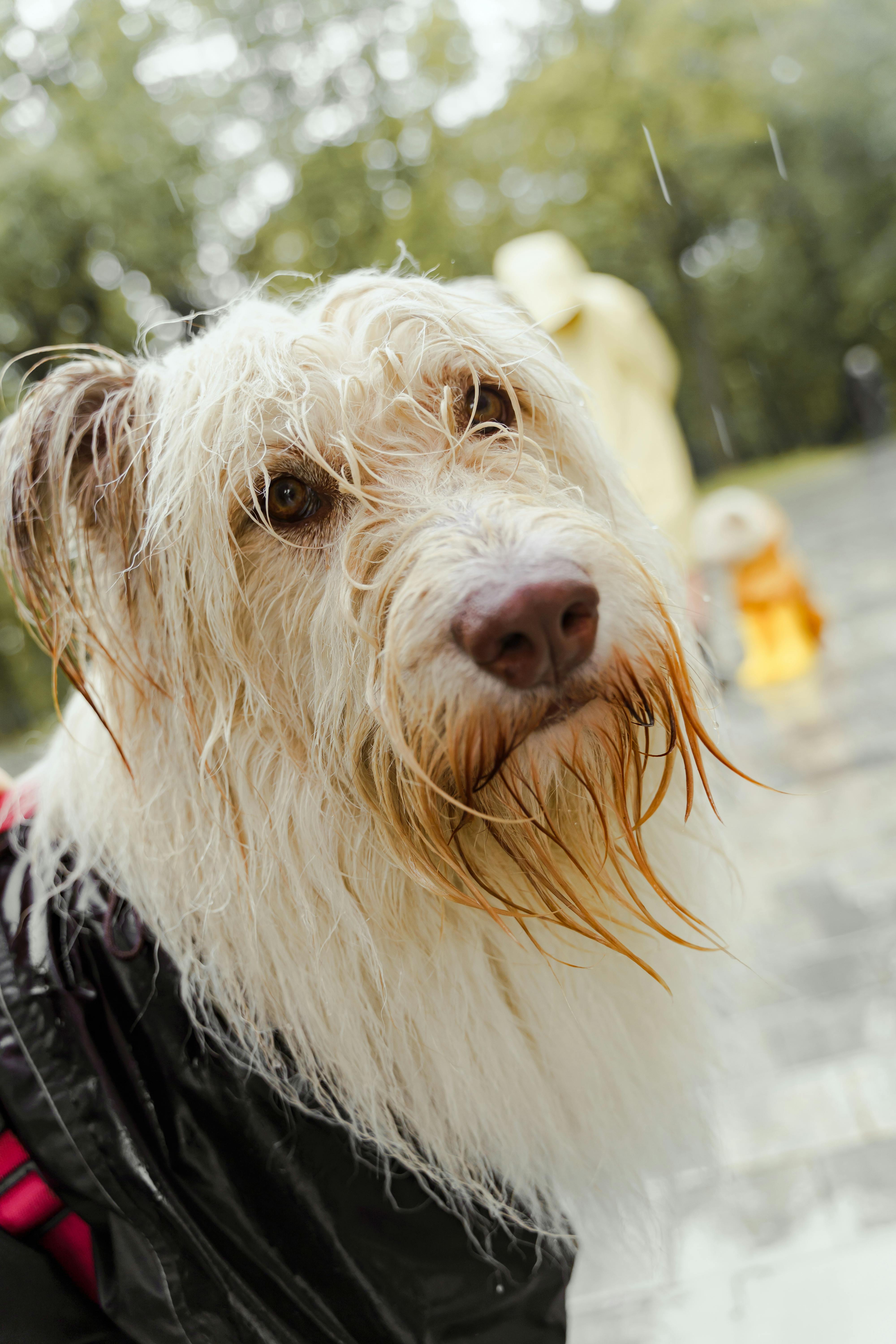 \n\n
\n\nEver wondered why your dog’s nose is always wet? It’s a curious thing, indeed! Understanding why dogs have wet noses is not just a matter of trivia; it can tell you a lot about their health and behavior. Let’s explore the reasons behind this intriguing canine characteristic and how weather can influence it.
\nThe Science Behind Wet Noses
\nDogs have wet noses for a few reasons, and it all comes down to biology and evolution. Here’s what you should know:
\n- \n
- Cooling Mechanism: Dogs don’t sweat like humans do. Instead, they rely on their noses to help regulate their body temperature. A wet nose helps cool them down, especially in warmer weather. \n
- Enhanced Sense of Smell: The moisture on their noses helps to capture scent particles in the air. This is why dogs can smell things we can't. A wet surface enhances their olfactory abilities. \n
- Health Indicator: A dog’s nose can also indicate their health. A wet nose is often a sign of a happy, healthy pup, while a dry nose might mean they are sick or dehydrated. However, this isn’t always the case, so it’s important to look for other symptoms. \n
Weather Effects on Dog Noses
\nDifferent weather conditions can cause dog noses to change in moisture levels. Here’s a breakdown:
\n- \n
- Rainy Days: Dogs’ noses tend to be more moist during rainy weather. The humidity in the air helps keep their noses wet, making it easier for them to pick up scents. \n
- Hot Weather: On hot, sunny days, a dog’s nose might be wetter than usual as they lick it more often to cool down. \n
- Cold Weather: In colder climates, you might notice your dog’s nose becoming drier. This can be due to the dry air or simply because they are less active outside. \n
- Indoor Heating: During winter, indoor heating can cause dry air, making it less comfortable for your dog. They may lick their noses more often to maintain moisture. \n
Fun Facts About Dogs' Noses
\n- \n
- Dogs have about 300 million smell receptors, compared to humans who only have about 5 million. \n
- The texture of a dog's nose is unique, similar to a human fingerprint. No two dogs have the same nose print! \n
- Dogs can detect certain diseases through smell, like cancer or diabetes, due to changes in body chemistry. \n
Caring for Your Dog's Nose
\nKeeping your dog’s nose healthy is important. Here are some tips:
\n- \n
- Hydration: Make sure your dog has access to fresh water at all times; hydration is key for maintaining a healthy nose. \n
- Moisturizers: If your dog has a particularly dry nose, you can consider using dog-safe moisturizers. Check with your vet first. \n
- Avoid Irritation: Avoid exposing your dog’s nose to harsh chemicals or extreme weather for prolonged periods. \n
When to Worry About a Dog's Nose
\nWhile a wet nose is generally a sign of health, there are some cases when you might need to consult a veterinarian:
\n- \n
- Cracked or Bleeding Nose: If your dog’s nose is cracked or bleeding, this can indicate dehydration or other underlying conditions. \n
- Persistent Dryness: A nose that remains dry for an extended period, along with other symptoms like lethargy or loss of appetite, should be examined. \n
- Nasal Discharge: If there’s unusual discharge or if your dog seems to be in pain, it’s best to get a professional opinion. \n
The Bottom Line
\nUnderstanding why dogs have wet noses isn’t just a fun fact but a glimpse into their health and well-being. Just like us, dogs can experience changes based on their environment, and their noses reflect this. So, next time you see your furry friend with a wet nose, remember that it’s more than just a cute characteristic; it’s a fascinating aspect of their biology! Keep an eye on that wet nose, and you’ll be better attuned to your dog’s needs and health.
\n\nFrom Cooling Mechanisms to Scent Detection: 7 Functions of Your Dog’s Wet Nose
\n\n \n\n
\n\nDogs are known for their playful barks and wagging tails, but have you ever wondered why do dogs have wet noses? This simple question leads us to some fascinating truths about our canine companions. A dog’s wet nose plays a crucial role in their health and behavior. Let’s dive into the seven main functions of a dog’s wet nose, revealing how it aids them in everyday life.
\n1. Cooling Mechanism
\nOne of the most critical functions of a dog's wet nose is to help them cool down. Dogs don’t sweat like humans do. Instead, they regulate their body temperature through panting and the moisture on their noses. When a dog’s nose is wet, it helps to evaporate moisture, which cools down their body. This is especially important in warm weather, when dogs can easily overheat.
\n2. Sense of Smell
\nDogs are famous for their incredible sense of smell, and their wet noses play a significant role in this. The moisture on a dog's nose helps to capture scent particles from the air. This allows them to detect odors more efficiently. Think about it — when you’re trying to smell something delicious, you might breathe in more heavily. Dogs do something similar! Their wet noses enhance their olfactory abilities, making them excellent at tracking scents.
\n3. Scent Detection
\nRelated to their sense of smell, a wet nose aids in scent detection. Dogs have up to 300 million scent receptors in their noses compared to a human's 5 million. The wet surface of their noses traps scent molecules, allowing them to analyze smells more accurately. This is why dogs can be trained to find missing persons, detect drugs, or even alert to medical conditions like diabetes.
\n4. Communication
\nDogs communicate in various ways, and their noses are part of that language. A dog may nuzzle or lick you with their wet nose to show affection or to get your attention. This behavior is instinctual, as puppies often nuzzle their mothers for comfort and warmth. Additionally, dogs will use their noses to greet other dogs, sniffing each other to gather information about health, mood, and identity.
\n5. Health Indicator
\nA dog's nose can serve as an indicator of their health. A healthy dog often has a cool, moist nose, while a dry, warm nose may signal illness or dehydration. However, this is not a definitive measure; various factors can influence nose moisture, such as weather and activity level. Regularly checking your dog’s nose can be a part of their health routine, helping you catch signs of illness early.
\n6. Enhanced Taste
\nWhile dogs rely heavily on their sense of smell, a wet nose also contributes to their sense of taste. The moisture on their noses helps to enhance the flavors of food. When dogs lick their food or their surroundings, the wetness allows them to better absorb taste particles. This makes mealtime more enjoyable for them, as they can savor the flavor of their food more intensely.
\n7. Environmental Awareness
\nLastly, a wet nose helps dogs be aware of their environment. Dogs use their noses to explore the world around them. The moisture on their noses allows them to gather information about their surroundings, including the presence of other animals, food sources, and potential dangers. This is particularly important for working dogs, such as police or service dogs, who rely on their noses to do their jobs effectively.
\nSummary of Functions
\nHere’s a quick overview of the seven functions of a dog's wet nose:
\n- \n
- Cooling Mechanism: Helps regulate body temperature. \n
- Sense of Smell: Enhances the ability to detect odors. \n
- Scent Detection: Traps scent particles for better analysis. \n
- Communication: Used for affection and greetings. \n
- Health Indicator: Signals potential illness or dehydration. \n
- Enhanced Taste: Improves flavor absorption during eating. \n
- Environmental Awareness: Gathers information about surroundings. \n
Understanding why do dogs have wet noses sheds light on how integral this feature is to their well-being and behavior. From cooling off to enhancing their sense of smell, the wet nose is an essential part of a dog's anatomy that contributes significantly to their daily lives. Next time you give your furry friend a scratch behind the ears, remember that their wet nose is not just adorable — it's a remarkable tool that helps them navigate the world.
\n\nWet Nose vs. Dry Nose: What Your Dog’s Nose Says About Their Health
\n\n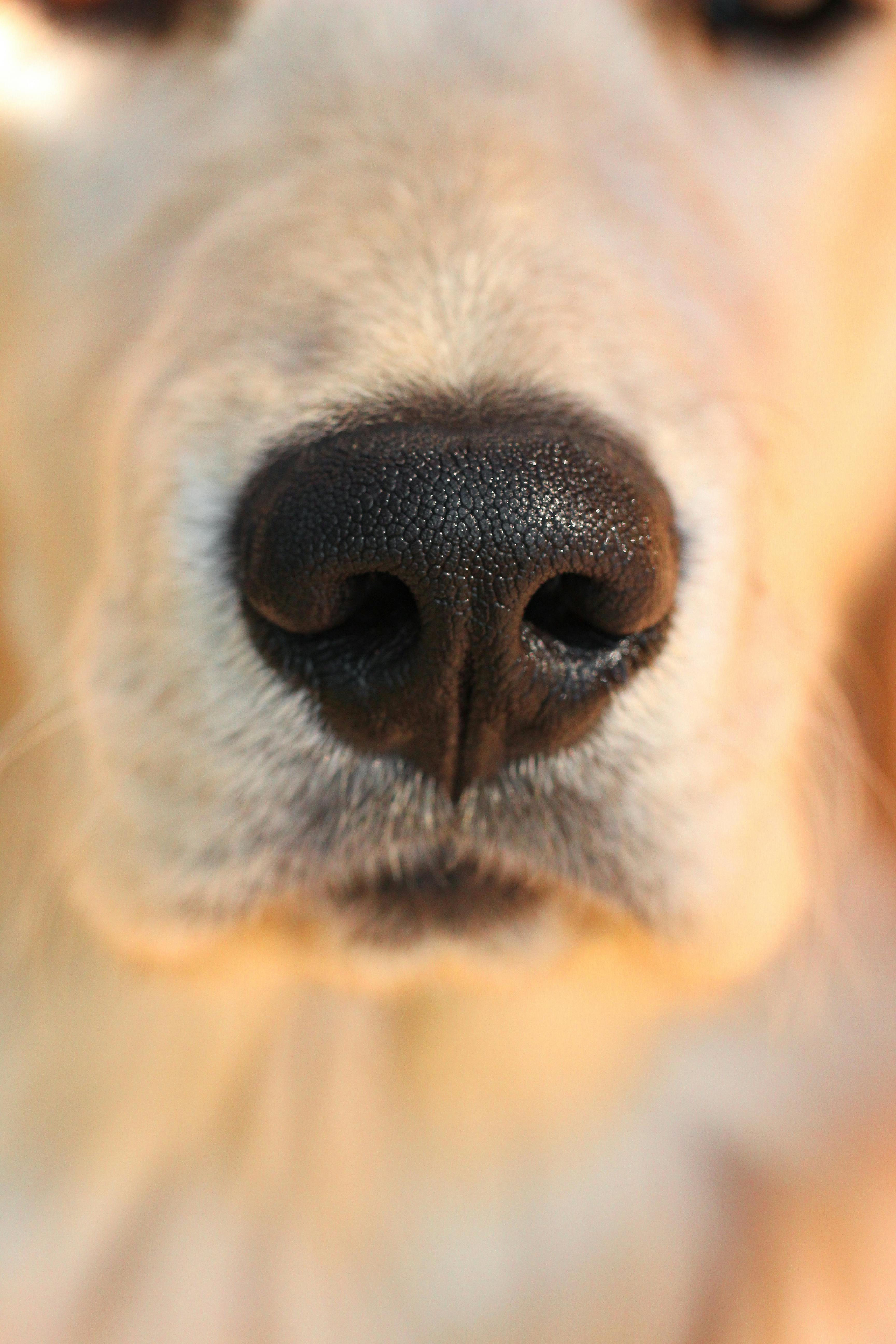 \n\n
\n\nEvery dog owner has probably wondered about their furry friends' wet noses. You know, you’re playing with your pup, and suddenly you notice their nose is like a little sponge, soaking up all the moisture. But what does that actually mean for their health? And why do dogs have wet noses in the first place? There’s a lot more to this seemingly simple feature of dogs than many folks realize.
\nThe Science Behind Wet Noses
\nDogs' noses are naturally moist for several reasons. One of the main reasons is that it helps them to smell better. You see, dogs have an incredible sense of smell, and a wet nose helps to enhance that ability. The moisture captures scent particles from the air, making it easier for your dog to detect scents. In fact, their sense of smell is about 40 times better than humans!
\nHere are some interesting facts about their noses:
\n- \n
- Scent Detection: Dogs can differentiate between different smells and can even identify the emotional state of other animals and humans through scent. \n
- Temperature Regulation: A wet nose also helps dogs regulate their body temperature. They can’t sweat like humans do, so they rely on their noses to help cool them down. \n
- Health Indicator: The state of a dog’s nose can indicate their health condition. A dry or cracked nose might be a signal that something is wrong. \n
The Importance of a Wet Nose
\nYou might be asking, “So, why do dogs have wet noses?” Well, there’s a practical side to it. Dogs’ noses are filled with special glands that produce moisture. This helps keep their noses cool and enhances their olfactory capabilities. Wet noses are often seen as a sign of health in dogs. A wet, cool nose generally indicates hydration and overall well-being.
\nWhat Does a Dry Nose Mean?
\nNow, let's talk about the other side of the coin. A dry nose on your dog doesn’t always mean there’s a problem, but a persistent dry nose can be a sign of various health issues. Here are some common reasons why a dog might have a dry nose:
\n- \n
- Dehydration: If your dog isn’t drinking enough water, their nose might dry out. \n
- Allergies: Like humans, dogs can have allergies that affect their skin and nose. \n
- Environmental Factors: Hot weather, low humidity, or exposure to heating can dry out a dog’s nose. \n
- Health Conditions: Certain medical conditions like autoimmune diseases or infections can lead to a dry nose. \n
Wet Nose vs. Dry Nose: What’s Normal?
\nUnderstanding the difference between wet and dry noses can help you keep your dog healthy. Here’s a simple comparison:
\nWet Nose:
\n- \n
- Usually cool to the touch \n
- Indicates hydration and good health \n
- Enhances sense of smell \n
Dry Nose:
\n- \n
- Can feel warm or hot \n
- May signal dehydration or health issues \n
- Requires monitoring for further symptoms \n
When to Consult a Veterinarian
\nIf your dog’s nose suddenly becomes dry, or if there are other symptoms like lethargy, loss of appetite, or unusual behavior, it's important to consult a veterinarian. Early intervention can often prevent more serious health issues.
\nFun Facts About Dogs’ Noses
\n- \n
- Dogs have about 220 million scent receptors in their noses. Humans only have around 5 million! \n
- Each dog has a unique nose print, which can be similar to a human fingerprint. \n
- Dogs can even detect certain diseases, including cancer, through their sense of smell. \n
Keeping Your Dog Healthy
\nTo maintain your dog’s nose in good condition, ensure they stay hydrated. Offer them plenty of fresh water and monitor their drinking habits. Also, consider their environment; if it’s particularly dry or hot, make sure they have a cool spot to relax. Regular vet check-ups are essential too, as they can help catch any potential health issues early.
\nSo, next time you give your pup a gentle pat and feel that wet nose, remember it’s not just a cute feature. It’s a window into their health and well-being. Keep an eye on those nose conditions, and you’ll be taking a big step towards ensuring your furry friend stays happy and healthy.
\n\nHow to Care for Your Dog's Nose: Tips for Keeping It Healthy and Moist!
\n\n \n\n
\n\nDogs are often referred to as man's best friend, and their noses are one of the most fascinating features about them. If you’ve ever wondered, "Why do dogs have wet noses?" or "How to care for your dog's nose?" you’re not alone. These questions are commonly asked by dog owners who want to ensure their furry friends are healthy and happy.
\nWhy Do Dogs Have Wet Noses?
\nThe wetness of a dog's nose serves multiple purposes. First, it helps to enhance their sense of smell. Dogs have an incredible olfactory system, and a moist nose can trap scent particles more effectively. Here are some interesting facts about why dog's noses are wet:
\n- \n
- Enhanced Smell: The moisture from the nose helps capture scents and improves their ability to identify different smells. \n
- Temperature Regulation: Dogs do not sweat like humans do. A wet nose helps them cool off. \n
- Health Indicator: The condition of a dog's nose can sometimes indicate their health; a dry or cracked nose can be a sign of dehydration or illness. \n
How to Care for Your Dog's Nose: Tips for Keeping It Healthy and Moist!
\nCaring for your dog's nose is crucial to their overall wellbeing. Here are some tips to help you maintain a healthy and moist nose:
\n- \n
- \n
Hydration: Make sure your dog always has access to fresh, clean water. Dehydration can lead to a dry nose.
\n \n - \n
Humidity: If you live in a dry climate, consider using a humidifier at home, especially during winter months. This can help keep your dog's nose moist.
\n \n - \n
Check for Cracks: Regularly inspect your dog’s nose for any cracks or dry patches. If it seems excessively dry or sore, consult your vet.
\n \n - \n
Avoid Irritants: Steer clear of strong perfumes, cleaning products, and smoke around your dog. These can irritate their sensitive noses.
\n \n - \n
Diet: A balanced diet rich in omega-3 and omega-6 fatty acids can promote healthy skin and a moist nose. Foods like fish oil or flaxseed oil can be beneficial.
\n \n - \n
Sun Protection: Just like humans, dogs can get sunburned. If your dog has a light-colored or thinly furred nose, consider using a pet-safe sunscreen when they’re out in the sun for long periods.
\n \n
Interesting Facts About Dog Noses
\n- \n
- Unique Patterns: Just like human fingerprints, every dog has a unique nose print that can be used for identification. \n
- Temperature Sensing: Dogs can detect changes in temperature with their noses, which helps them find food or avoid danger. \n
- Breed Differences: Some breeds have more moist noses than others. For instance, Bulldogs often have drier noses compared to Retrievers. \n
Common Issues with Dog Noses
\nEven with the best care, dogs can experience nose problems. Here are a few common issues you might encounter:
\n- \n
- Nasal Dermatitis: This can occur due to allergies or irritants and causes redness and itching. \n
- Infections: A dog's nose can get infected, leading to swelling and discharge. \n
- Autoimmune Disorders: Some dogs develop conditions that affect their noses and may require veterinary attention. \n
Comparative Nose Care: Dogs vs. Cats
\nDogs and cats have different nose care needs. Here’s a comparison:
\n| Feature | \nDogs | \nCats | \n
|---|---|---|
| Nose Moisture | \nGenerally moist | \nOften drier | \n
| Health Indicators | \nWetness indicates health | \nDryness can indicate illness | \n
| Common Issues | \nCracks, infections | \nDryness, nasal congestion | \n
| Sensitivity to Smells | \nHighly sensitive | \nModerately sensitive | \n
Practical Examples of Nose Care
\n- \n
- Doggy Salves: Some products are specifically designed for dog noses. You can apply these to soothe dry or cracked noses. \n
- Regular Vet Visits: Make sure to include nose checks during routine vet visits. It can prevent minor issues from becoming major ones. \n
- Home Remedies: Coconut oil is an excellent natural moisturizer for your dog's nose. Just apply a small amount as needed. \n
Understanding why dogs have wet noses and how to care for them can greatly enhance the quality of life for your furry friend. A moist nose not only signifies good health but also plays a crucial role in a dog’s well-being. Regular care, a proper diet, and awareness of any changes can ensure your dog's nose remains healthy and functional. So next time you give your pup a pet, take a moment to check their nose—it’s just as important as every wag of their tail!
\n\nThe Evolution of Dog Noses: Why Wet Snouts Are More Than Just Cute!
\n\n \n\n
\n\nDogs are often considered man's best friend, and one of their most endearing features is their wet noses. But have you ever wondered why do dogs have wet noses? It's not just a cute factor; there's a fascinating science behind it. The evolution of dog noses is deeply rooted in their biology and behavior, and understanding it can give you a new appreciation for your furry companion.
\nThe Science Behind Wet Noses
\nWet noses are not merely a characteristic of dogs; it serves several significant functions. The moisture on a dog's nose helps them to absorb scent chemicals. A wet nose can pick up scents more effectively than a dry one, which makes sense considering dogs have an extraordinary sense of smell—estimated to be anywhere from 10,000 to 100,000 times more acute than humans!
\nFunctions of a Dog's Wet Nose
\n- \n
- \n
Enhanced Smell: The wetness helps to trap scent particles. When dogs sniff, the moisture on their nose collects these particles, allowing them to analyze smells more accurately.
\n \n - \n
Thermoregulation: Dogs do not sweat like humans do. Instead, their noses help to regulate body temperature. The moisture can evaporate, cooling the dog down—a crucial function during warm days.
\n \n - \n
Health Indicator: A dog’s nose can be an indicator of health. A dry nose can sometimes signal a fever or dehydration, while a wet nose is generally a sign of a healthy dog.
\n \n
Historical Context of Dog Noses
\nDogs have evolved from wolves, and their noses have adapted over thousands of years. Wolves rely heavily on their sense of smell for hunting and communication. As dogs became domesticated, they maintained this trait, which is why they have such prominent noses even today. The reasons for their wet noses can also be traced back to their ancestors.
\n- \n
- \n
Evolutionary Advantage: In the wild, animals with better olfactory abilities were more successful at finding food and avoiding predators. This evolutionary trait carried over into domestic dogs, making their noses particularly sensitive.
\n \n - \n
Breeds and Nose Variations: Different breeds have different nose shapes and moisture levels. Brachycephalic breeds like Bulldogs may have flatter noses that can affect their ability to smell, while hounds have long, moist noses suited for tracking scents.
\n \n
Comparisons: Wet vs. Dry Noses
\nNot all dogs have perpetually wet noses. Some dogs may have dry noses at times, which can be normal. Here’s a quick comparison:
\n| Nose Condition | \nDescription | \nPossible Causes | \n
|---|---|---|
| Wet Nose | \nCool, moist surface; ideal for scent detection | \nHealthy dog; good hydration | \n
| Dry Nose | \nCan be warm or cool; may indicate health issues if persistent | \nDehydration, fever, or allergies | \n
Fun Facts About Dog Noses
\n- \n
- \n
Unique Patterns: Just like human fingerprints, every dog has a unique nose print. It can even be used for identification!
\n \n - \n
Scent Discrimination: Dogs can differentiate between scents, meaning they can identify one smell among many. That’s why they excel in search and rescue operations.
\n \n - \n
Temperature Regulation: Not only do wet noses help with smelling, but they also assist in keeping dogs cool. A wet nose can help lower a dog’s body temperature during hot weather.
\n \n
Practical Tips for Dog Owners
\nTo ensure your dog’s nose stays healthy:
\n- \n
- \n
Hydration: Always provide fresh water. A hydrated dog is likely to have a moist nose.
\n \n - \n
Check for Changes: Regularly observe your dog’s nose. If it becomes persistently dry or cracked, consult a veterinarian.
\n \n - \n
Avoid Irritants: Keep your dog away from strong chemicals or substances that could irritate their nose.
\n \n - \n
Regular Vet Visits: Routine check-ups can help catch any underlying health concerns early on.
\n \n
The Bottom Line
\nSo, next time you see your furry friend with that adorable, wet snout, remember there’s much more happening than just cuteness. The evolution of dog noses reveals a lot about their sensory abilities and health. Recognizing the significance of their wet noses can deepen the bond you have with your dog and help you understand their needs better. Embrace those wet snouts—they're an essential part of what makes dogs so special!
\n\nCan a Wet Nose Indicate Illness? What Every Dog Owner Should Know!
\n\n \n\n
\n\nEvery dog owner has probably noticed their furry friend’s nose is often wet. But, have you ever thought about why that is? Or even more importantly, can a wet nose indicate illness? These questions are essential for every dog lover to understand. Let’s dive deep into the fascinating truth about why dogs have wet noses and what it could mean for their health.
\nWhy Do Dogs Have Wet Noses?
\nDogs, unlike humans, have a unique way of regulating their body temperature and gathering information about their environment. Their noses play a significant role in these processes. Here are some reasons why a dog’s nose is frequently wet:
\n- \n
- Temperature Regulation: Dogs sweat through their paw pads, but their noses help cool them down too. Wet noses can help maintain a lower body temperature. \n
- Enhanced Sense of Smell: A wet nose can trap scent particles. This makes it easier for dogs to detect smells, which is important for hunting or tracking. \n
- Health Indicator: A dog’s nose can reflect its overall health. Changes in the moisture level may signal underlying health problems. \n
Can a Wet Nose Indicate Illness?
\nWhile a wet nose is often normal, it’s not always the case. A wet nose does not automatically mean your dog is healthy. Here’s a few things to consider:
\n- \n
- Temperature Changes: If a dog’s nose stays dry or warm when it’s usually wet and cool, that might be a sign of fever. \n
- Dehydration: A persistently dry nose could indicate dehydration. Make sure to provide fresh water and monitor their drinking habits. \n
- Infections: Nasal infections can cause changes in moisture levels. If your dog has a runny nose or other symptoms, it might be time to see a vet. \n
- Allergies: Allergies can also change nose moisture levels. Look for other signs like itching or sneezing. \n
Signs to Watch For
\nIf you’re unsure whether your dog’s nose indicates a problem, you should look for these signs:
\n- \n
- Change in Behavior: Is your dog more lethargic than usual? That could be a sign of something wrong. \n
- Nasal Discharge: Clear, colored, or bloody discharge from the nose may need veterinary attention. \n
- Coughing or Sneezing: These respiratory symptoms could accompany a nasal issue. \n
- Loss of Appetite: If your dog isn’t eating, it could be related to illness. \n
Historical Context
\nDogs have wet noses for centuries. This characteristic has evolved as a survival trait. In the wild, a wet nose helps dogs interact with their environment more effectively. Historical records show that dogs were used for hunting, herding, and companionship, and their sense of smell has always been crucial.
\nFun Facts About Dog Noses
\n- \n
- Unique Patterns: Just like human fingerprints, each dog nose has a unique pattern. \n
- Scent Detection: Dogs can smell 10,000 to 100,000 times better than humans. A wet nose enhances this ability. \n
- Temperature Sensitivity: A dog’s nose is sensitive to temperature changes. They can detect heat signatures, which is why they're used in search and rescue operations. \n
- Health Monitoring: Some studies suggest that dog noses might help detect certain diseases in humans, like diabetes or cancer. \n
Practical Examples
\nWhen you notice changes in your dog’s nose, consider these practical steps:
\n- \n
- Observe: Keep an eye on your dog’s behavior and physical condition. \n
- Hydration: Ensure they have access to clean water. Hydration is key! \n
- Veterinary Check-Up: If you see any concerning signs, don’t hesitate to contact your vet. \n
- Environmental Factors: Consider changes in environment—like seasonal allergies that might affect your dog’s nose. \n
By understanding these factors, you can better monitor your dog’s health.
\nFinal Thoughts
\nIn summary, while a wet nose is often a sign of a healthy pup, it’s not always foolproof. Being aware of your dog’s normal habits and behaviors can help catch potential health issues early. Regular vet visits and staying attentive can make all the difference in your dog's well-being. So next time you give your furry friend a pat on the head, remember that little wet nose is more than just cute; it’s a window into their health!
\n\nConclusion
\n\nIn conclusion, the wet noses of dogs serve several essential purposes that contribute to their overall health and well-being. The moisture on a dog's nose enhances their sense of smell, allowing them to detect scents more effectively, which is crucial for communication and navigation in their environment. Additionally, a wet nose helps regulate their body temperature and keeps them cool, especially during warm weather. Understanding the significance of a dog's wet nose can deepen our appreciation for these wonderful companions and their unique biology. Next time you interact with your furry friend, take a moment to observe their nose; it's a fascinating feature that plays a vital role in their daily lives. If you’re a dog owner, consider discussing your pet's nose health with your veterinarian during your next visit, ensuring your canine companion stays happy and healthy for years to come.
\n\n