Have you ever wonder, "Why do dogs have wet noses?" This fascinating question goes beyond mere curiosity; it reveals the incredible biology of our furry friends! A dog’s nose is not just for sniffing; it plays a crucial role in their health and communication. But what’s the reason behind this unique trait? Wet dog noses are often linked to their ability to smell better, regulate body temperature, and even express emotions. Curious pet owners may ask, “Is a wet nose a sign of a healthy dog?” or “What does a dry nose mean?” In this post, we’ll unveil the secrets of why your dog’s nose is often damp and what that means for their overall well-being. From the science of canine nasal moisture to the myths surrounding dog nose temperatures, we've got all the intriguing insights you need. So, if you've ever pondered about your pet's peculiar nose, stay tuned! Discover the truth that might just change the way you understand your beloved companion. Don’t miss out on learning this captivating aspect of dog care that every pet lover should know!
\n\nThe Science Behind Dog Nose Moisture: What You Need to Know
\n\n \n\n
\n\nDogs are known for their wet noses, but have you ever wondered why? It’s one of those things that most people don’t think about too much, but it’s actually pretty fascinating when you dig a little deeper. The science behind dog nose moisture is intriguing, and understanding it can help you appreciate your furry friend even more. So, let’s explore the reasons why dogs have wet noses, the benefits of this unique feature, and some fun facts that will leave you amazed.
\nThe Science of Nose Moisture
\nDogs noses are typically wet because they secrete mucus. This mucus serves several purposes that contribute to the overall health and function of your dog's sense of smell. When a dog licks its nose, it helps to keep it moist, which enhances their ability to pick up scents. The moisture evaporates quickly, and this process actually cools their noses down.
\nHere are some key points about the science of dog nose moisture:
\n- \n
- Scent Detection: A wet nose helps trap scent particles, making it easier for dogs to detect smells. \n
- Temperature Regulation: The moisture on a dog’s nose helps them regulate their body temperature, similar to how sweating works in humans. \n
- Health Indicator: Changes in the moisture level of a dog’s nose can indicate health issues. For instance, a dry nose could suggest dehydration or illness. \n
Why Do Dogs Have Wet Noses?
\nNow that we know the science behind it, let's get into the reasons why dogs have wet noses in the first place. This feature is not just for show; it serves several functions.
\n- \n
- \n
Enhanced Smell: Dogs have an incredible sense of smell, and their wet noses play a big role in this. The moisture helps them absorb scent molecules more effectively.
\n \n - \n
Cooling Mechanism: Dogs don’t sweat like humans do. Instead, they rely on their noses to help cool down. The evaporation of moisture from the nose can help lower body temperature.
\n \n - \n
Communication: Dogs use their noses to communicate with other dogs and animals. The wetness can also signal to other dogs about their health status.
\n \n - \n
Hygiene: A moist nose can help in the removal of dirt and debris, keeping it clean and functional.
\n \n
Fun Facts About Dog Noses
\n- \n
- Unique Patterns: Just like human fingerprints, a dog’s nose print is unique to each dog. \n
- Temperature Sensitivity: Dogs can detect changes in temperature thanks to their sensitive noses. \n
- Size Matters: The size of a dog’s nose can impact its ability to smell. Larger breeds often have more scent receptors. \n
Comparisons: Dog Noses vs. Human Noses
\nHere’s a quick comparison to illustrate the differences between dog noses and human noses:
\n| Feature | \nDog Nose | \nHuman Nose | \n
|---|---|---|
| Moisture Level | \nGenerally wet or moist | \nUsually dry | \n
| Scent Receptors | \nAround 300 million | \nAbout 5 million | \n
| Temperature Sensitivity | \nHighly sensitive | \nLess sensitive | \n
| Function | \nSmell and temperature regulation | \nSmell and breathing | \n
Practical Implications for Dog Owners
\nUnderstanding the importance of your dog’s wet nose can help you take better care of them. Here are some practical tips:
\n- \n
- Monitor Moisture Levels: Regularly check your dog’s nose. If it becomes excessively dry or cracked, consult a vet. \n
- Hydration: Ensure your dog is drinking enough water, as hydration affects nose moisture. \n
- Grooming: Keep your dog’s face clean to prevent build-up around the nose area. \n
- Weather Awareness: Be mindful during hot weather; dogs can easily overheat if they can’t cool down effectively. \n
The Fascinating Truth About Dog Noses
\nIt's amazing how something as simple as a wet nose can have such a big impact on a dog’s life. The moisture not only helps them to smell better but also plays a crucial role in their overall health. From communication to temperature regulation, dog noses are a remarkable feature that showcases the complexity of canine biology.
\nSo, the next time you notice your dog’s wet nose, remember that it’s not just a quirky trait but a vital part of what makes your furry friend so special. It’s a small but significant aspect of their life that contributes to their happiness and well-being. Embrace the science behind it, and you might find yourself even more fascinated by your loyal companion.
\n\nWet Noses and Health: Are Your Dog’s Nasal Conditions a Cause for Concern?
\n\n \n\n
\n\nDogs are often considered man's best friends, and one of their most endearing traits is their wet noses. But why do dogs have wet noses? It’s not just an adorable quirk; there are some fascinating reasons behind it. Moreover, wet noses can indicate health status, which all dog owners should be aware of. In this article, we’ll explore the science behind those wet noses and discuss nasal conditions that could be cause for concern.
\nWhy Do Dogs Have Wet Noses?
\nHave you ever wondered why your furry friend’s nose is always damp? There are several reasons for this phenomenon:
\n- \n
- \n
Thermoregulation: Dogs don’t sweat like humans do. Instead, they rely on their noses to cool down. The moisture on their noses helps to regulate body temperature. When they pant, the evaporation of this moisture helps to dissipate heat.
\n \n - \n
Scent Enhancement: A wet nose helps dogs to pick up scents better. The moisture traps scent particles, making it easier for dogs to detect and identify smells in their environment. This is why dogs are so great at sniffing things out. Their noses are like their own personal scent detectors.
\n \n - \n
Health Indicator: A dog’s nose can also serve as a health gauge. Typically, a moist and cool nose is a sign of good health. However, if a dog’s nose is dry and warm, it might be a sign of illness, dehydration, or fever.
\n \n
Common Nasal Conditions in Dogs
\nWhile having a wet nose is generally a sign of health, sometimes it can indicate underlying nasal conditions. Here are a few conditions to watch out for:
\n- \n
- \n
Nasal Infections: Just like humans, dogs can suffer from infections in their nasal passages. Symptoms may include sneezing, nosebleeds, or discharge from the nose.
\n \n - \n
Allergies: Dogs can develop allergies to various things, including pollen, dust, or even certain foods. Allergic reactions can lead to inflammation and a runny nose.
\n \n - \n
Nasal Tumors: Though rare, tumors can develop in a dog’s nasal cavity. Symptoms might include difficulty breathing, nasal discharge, or swelling around the face.
\n \n - \n
Foreign Objects: Sometimes, dogs can get foreign objects stuck in their noses. This can lead to irritation, nosebleeds, or even infections.
\n \n
Signs That Your Dog Might Need Veterinary Attention
\nIf you’re noticing changes in your dog’s nose or behavior, it’s important to pay attention. Here’s a list of signs that could mean it’s time for a vet visit:
\n- \n
- Persistent nasal discharge, especially if it's colored (green or yellow) \n
- Frequent sneezing or coughing \n
- A noticeable change in your dog’s eating or drinking habits \n
- Swelling around the eyes or face \n
- Signs of pain or discomfort, such as whining or reluctance to play \n
Historical Context: The Dog's Nose Through Time
\nDogs have been companions to humans for thousands of years. In ancient cultures, a dog’s sense of smell was utilized for hunting, herding, and even as a means of protection. The wetness of their noses has always been an asset, enabling them to track scents effectively. Ancient civilizations recognized the importance of a dog’s nose, leading to the various breeds we see today, each with unique olfactory capabilities.
\nFun Facts About Dog Noses
\n- \n
- \n
Unique Patterns: Just like human fingerprints, each dog has a unique nose print. This means that no two dogs have the same nose!
\n \n - \n
Temperature Sensitivity: A dog’s nose is more sensitive than a human’s. They can detect odors at incredibly low concentrations, which is why they make excellent service and detection animals.
\n \n - \n
Nose Work: Some dog owners engage their pets in nose work activities, training them to find specific scents. This can be a fun way to stimulate your dog mentally and physically.
\n \n - \n
Nose as a Tool: Dogs use their noses not just for smelling but also for exploring their environment. They often use their noses to communicate with other dogs, leaving scent markings.
\n \n
In summary, a dog’s wet nose is not just a cute feature; it’s essential for their health and well-being. Understanding the reasons behind it can help dog owners detect potential health issues early. If you’re ever in doubt about your dog's health, it’s always best to consult with a veterinarian. Keeping an eye on those wet noses can lead to better health for your furry companions.
\n\nTop 5 Reasons Why Dogs Have Wet Noses: Uncovering the Truth!
\n\n \n\n
\n\nDogs are often called "man's best friend," but have you ever wondered why they have wet noses? This peculiar trait is not just a random quirk of nature. In fact, there are several fascinating reasons why dogs have wet noses. Let’s dive into the top 5 reasons that explain this unique characteristic and why it matters to your furry friends.
\n1. Temperature Regulation
\nDogs, unlike humans, don’t sweat through their skin. Instead, they have a unique way of cooling themselves off, and their wet noses play a crucial role in that. The moisture from a dog’s nose helps them to regulate their body temperature. When a dog pants, the evaporation of moisture from both the mouth and the nose helps lower their internal temperature.
\n- \n
- How it works:
- \n
- Moisture on the nose evaporates, cooling the surface. \n
- This cooling effect helps maintain a stable body temperature, especially in warm conditions. \n
\n
2. Enhanced Sense of Smell
\nA dog's sense of smell is incredible—up to 100,000 times more sensitive than a human's! A wet nose actually helps with this extraordinary ability. The moisture on the nose captures scent particles from the environment, which improves their ability to detect odors.
\n- \n
- The science behind it:
- \n
- Wet surfaces attract and hold scent particles better than dry surfaces. \n
- Dogs have a special organ called the Jacobsen's organ, which assists in interpreting these smells. \n
\n
3. Communication Tool
\nDogs are communicative creatures, and their wet noses often serve as a way to interact with other dogs and humans. When a dog nudges you with their wet nose, they might be seeking attention, affection, or simply trying to interact.
\n- \n
- Different types of nose nudges:
- \n
- A gentle nudge can mean “pet me.” \n
- A more assertive nudge may indicate “I want to play.” \n
\n
4. Health Indicator
\nA dog’s nose can also serve as a health indicator. A healthy dog typically has a moist and cool nose. However, if a dog’s nose becomes dry or excessively warm, it may signal an underlying health issue.
\n- \n
- What to watch for:
- \n
- A dry nose might indicate dehydration or fever. \n
- Changes in color or texture could point to infections or other health concerns. \n
\n
5. Evolutionary Adaptation
\nThe wet nose of dogs is thought to be an evolutionary adaptation that has helped them survive and thrive as a species. Early ancestors of dogs may have relied heavily on their sense of smell for hunting and navigating their environments.
\n- \n
- Historical context:
- \n
- Wolves, the ancestors of domestic dogs, also have wet noses for the same reasons. \n
- This trait has been preserved through generations, proving its importance in survival. \n
\n
Fun Facts About Dog Noses
\n- \n
- Dogs have unique nose prints, just like human fingerprints. \n
- The average dog has about 220 million scent receptors compared to a human's 5 million. \n
- A dog's nose can change color due to various factors, including exposure to the sun or certain health conditions. \n
Comparison of Canine Nose Types
\n| Dog Breed | \nNose Type | \nSensitivity Level | \n
|---|---|---|
| Bloodhound | \nLong, droopy | \nExtremely high | \n
| Beagle | \nShort, compact | \nVery high | \n
| Dachshund | \nMedium, perky | \nHigh | \n
| Poodle | \nCurly fur, usually wet | \nModerate | \n
| Boxer | \nShort and flat | \nModerate to high | \n
The dog’s wet nose is not just a cute feature; it has real functional purposes that contribute to their health and well-being. Each of these reasons—temperature regulation, enhanced smell, communication, health indicators, and evolutionary adaptation—shows how intricately animals are evolved to thrive in their environments.
\nSo, next time you notice your dog's wet nose, remember, it's not just for show! It's a fascinating aspect of their biology that plays significant roles in how they interact with the world around them. Understanding these traits can help you appreciate your furry friend even more and cater to their needs effectively.
\n\nDo Wet Noses Help Dogs Smell Better? The Fascinating Connection Explained
\n\n \n\n
\n\nDo Wet Noses Help Dogs Smell Better? The Fascinating Connection Explained, Why Do Dogs Have Wet Noses? Discover the Fascinating Truth!
\nHave you ever wondered why your furry friend has that cool, wet nose? It's not just for show, there's a whole lot of science behind it. Wet noses plays a critical role in a dog's sense of smell, which is already pretty amazing. Dogs can sniff out certain scents at levels we humans can only dream of. But does that wetness really make a difference? Let's dive into the fascinating world of canine noses and uncover why they are wet and how it helps dogs smell better.
\nThe Anatomy of a Dog's Nose
\nDogs noses is specially designed for sniffing. Their sense of smell is estimated to be anywhere from 10,000 to 100,000 times more sensitive than humans. This incredible ability comes from their olfactory system, which is packed with olfactory receptors. In fact, dogs have about 300 million olfactory receptors in their noses, compared to humans' mere 5 million.
\nHere's a quick breakdown of the anatomy:
\n- \n
- Nasal Cavity: The area inside the nose where air and scents travels. \n
- Olfactory Receptors: These detect different scents; more receptors means better smell. \n
- Jacobsen's Organ: Also known as the vomeronasal organ, it helps dogs process pheromones and other chemical signals. \n
Why Are Dog Noses Wet?
\nNow, let’s get into the wetness. You might think, "Why do dogs have wet noses?" There are a few reasons for this phenomenon:
\n- \n
- \n
Enhanced Scent Detection: A wet nose can absorb scent molecules better than a dry one. This is crucial for dogs, as they rely heavily on their sense of smell to understand the world around them.
\n \n - \n
Cooling Mechanism: Dogs sweat through their paws, but their noses also help cool them down. The moisture on their noses evaporates, which aids in regulating their body temperature.
\n \n - \n
Health Indicator: A wet nose can also indicate good health in dogs. If a dog's nose is excessively dry, it could signal dehydration or illness.
\n \n
The Science Behind It
\nSo how does all of this work? When a dog sniffs, the moisture on the nose trap scent particles. The liquid layer helps to dissolve these chemicals, which then bind to the olfactory receptors. This process enhances the ability to detect scents, allowing dogs to decipher smells with incredible precision. It's like having a natural superpower!
\nThe Benefits of a Wet Nose in Dogs
\nThere are several key benefits to having a wet nose:
\n- \n
- Improved Scent Recognition: As mentioned, the moisture helps pick up scent molecules. \n
- Better Communication: Dogs communicate using scents, and a wet nose can convey information to other dogs and animals. \n
- Disease Detection: Some dogs can even detect diseases in humans, like diabetes or cancer, through their incredible sense of smell. \n
Fun Facts About Dog Noses
\nHere's some interesting trivia that you might not know:
\n- \n
- Nose Prints: Just like human fingerprints, every dog's nose print is unique. This can actually be used for identification. \n
- Heat Detection: Dogs can detect heat signatures, which is why they can sense certain things even before humans can. \n
- Diverse Noses: Different breeds have different nose shapes and sizes, impacting their smelling abilities. Bloodhounds, for example, are known for their exceptional tracking skills due to their lengthy, droopy noses. \n
Comparison of Dog Breeds and Their Noses
\nSome dog breeds are known for having remarkably better smelling abilities than others. Here’s a quick comparison:
\n| Dog Breed | \nNose Type | \nSmell Sensitivity | \n
|---|---|---|
| Bloodhound | \nLong & Droopy | \nExceptional | \n
| Beagle | \nMedium | \nVery Good | \n
| German Shepherd | \nMedium | \nGood | \n
| Chihuahua | \nSmall | \nFair | \n
Practical Tips for Dog Owners
\nIf you want to help your dog maintain that wet, healthy nose, consider the following tips:
\n- \n
- Hydration: Make sure your dog has access to fresh water at all times. \n
- Nutrition: A balanced diet can help keep your dog's skin and nose healthy. \n
- Regular Vet Visits: Keep regular check-ups to ensure your dog's overall health, which can affect nose moisture. \n
In summary, the wetness of a dog's nose isn't just a quirky trait; it serves multiple important functions that enhance their remarkable sense of smell. Understanding this connection offers a deeper appreciation for our canine companions and their incredible abilities. So next time you give your dog a pat on the head and feel that cool, wet nose, remember the fascinating biology behind it!
\n\nHow a Dog’s Nose Maintains Temperature: The Role of Moisture
\n\n \n\n
\n\nEver wonder why dogs have wet noses? It’s a common question pet owners and lovers ask. The fascinating truth about a dog's nose goes way beyond just being cute. Their noses don't just help them smell, they actually play a big role in regulating their body temperature too. Let's look into the science of why a dog's nose is wet and how moisture helps them maintain a comfortable temperature.
\nThe Science Behind Dog Noses
\nSo, why do dogs have wet noses? The moisture on a dog's nose helps them with thermoregulation. When a dog pants or breathes, the moisture evaporates from their nose which cools them down. This mechanism is similar to how humans sweat. However, dogs primarily rely on panting and their nose to keep them cool.
\n- \n
- Dogs have a higher body temperature than humans, averaging around 101 to 102.5 degrees Fahrenheit. \n
- Unlike humans, dogs have limited sweat glands, mostly located in their paw pads. \n
- Wet noses help to keep their body temperature in check, especially in hot weather. \n
The Role of Moisture
\nMoisture on a dog's nose serves multiple purposes. Not only does it cool them off, but it also enhances their sense of smell. A wet nose captures scent particles more effectively than a dry one. This is because the moisture helps to dissolve certain chemicals in the air which makes it easier for dogs to detect smells.
\nHere are some interesting points about the moisture on dog noses:
\n- \n
- The moisture can come from saliva, which dogs often lick onto their noses. \n
- Environmental factors like humidity and temperature can affect how wet a dog’s nose stays. \n
- A dog’s nose can also change throughout the day, becoming wetter or dryer depending on activities. \n
Why a Wet Nose is Healthy
\nA wet nose is often a sign of good health in dogs. When a dog's nose is dry, it can indicate dehydration or illness. However, it is important to note that a warm, dry nose doesn't always mean something is seriously wrong. It's all about context. Factors such as the time of day, environmental conditions and the dog's activity level can all influence their nose's moisture levels.
\nHere are signs that a dog's nose might indicate health issues:
\n- \n
- Dry Nose: If a dog’s nose becomes persistently dry and warm, it may be an indication of fever or illness. \n
- Cracked or Bleeding: This could signal a skin condition or allergies. \n
- Discoloration: A change in color could also mean an underlying health issue. \n
Comparison of Dog Noses to Other Animals
\nDogs are not the only animals with moist noses. Many mammals, including cats and rabbits, have similar adaptations. However, dog noses are particularly specialized for scent detection.
\nHere’s a quick comparison:
\n| Animal | \nNose Type | \nFunctionality | \n
|---|---|---|
| Dogs | \nWet and cold | \nScent detection, thermoregulation | \n
| Cats | \nWet and warm | \nScent detection | \n
| Rabbits | \nWet and cool | \nScent detection, thermoregulation | \n
| Humans | \nDry and warm | \nLimited scent detection | \n
Practical Examples of Moisture's Role
\nThink about how dogs use their noses in real life. When a dog sniffs around a park, they are not just exploring; they are also cooling themselves down while gathering information about their environment. The moisture on their noses allows them to pick up scents that tell them about other animals, food, or even the weather.
\n- \n
- Tracking: Dogs can track scents over long distances due to their moist noses. \n
- Hunting: In hunting scenarios, a dog’s wet nose helps them find prey. \n
- Service Dogs: Many service dogs are trained to use their noses to detect medical conditions like low blood sugar or seizures. \n
Moisture in a dog's nose is not just a quirk of nature; it plays a crucial role in their health and behavior. Understanding why dogs have wet noses can help owners ensure their pets are healthy and happy.
\nSo the next time you pet your dog and feel their moist nose, remember that it’s not just a cute feature. It’s part of what makes dogs such fascinating creatures! Their noses are not only a tool for smelling but also vital for maintaining their well-being.
\n\nThe Myth of the Dry Nose: What It Means for Your Dog’s Health
\n\n \n\n
\n\nWhen it comes to our furry friends, many pet owners often wonder about the health implications of their dog's nose condition. A common belief is that a dry nose might indicate illness or discomfort. However, the reality is much more complex than that. The myth of the dry nose can lead to misunderstandings about your dog's health. So, why do dogs have wet noses? Let’s uncover the fascinating truth behind this canine characteristic, and what it means for your pet's well-being.
\nThe Function of a Wet Nose
\nDogs have wet noses for a variety of reasons, and these reasons all tie back to their evolution and biology. A wet nose helps dogs in several important ways:
\n- \n
- \n
Sense of Smell: A moist nose helps to enhance a dog's sense of smell. The moisture in the nose captures scent particles, making it easier for dogs to detect odors. This is crucial for their hunting instincts and overall interaction with their environment.
\n \n - \n
Temperature Regulation: Dogs don't sweat like humans do. Instead, they use their noses to help regulate their body temperature. A wet nose can help cool them down, especially in warmer weather.
\n \n - \n
Health Indicator: While a completely dry nose isn’t always a sign of illness, certain changes in the moisture levels can indicate health issues. It’s important to monitor your dog’s overall condition rather than just relying on the nose moisture.
\n \n
Debunking the Dry Nose Myth
\nMany people believe that a warm, dry nose is a surefire sign of sickness. However, this isn't always the case. Here are some points to consider:
\n- \n
- \n
Variability: Just like humans, dogs can have variations in their body temperature and moisture levels throughout the day. Factors like activity level, weather, and time of day can influence nose moisture.
\n \n - \n
Not Always a Red Flag: A dog's wet or dry nose doesn’t consistently correlate with their health status. Many healthy dogs can have dry noses, while some sick dogs may have moist noses.
\n \n - \n
Common Causes of Dry Nose: Here are a few reasons why a dog’s nose may be dry that don’t necessarily indicate illness:
\n- \n
- Dehydration \n
- Allergies \n
- Environmental factors (like air conditioning) \n
- Certain medications \n
\n
What to Look For
\nInstead of focusing solely on whether your dog’s nose is wet or dry, it's best to take a holistic view of their health. Here are some signs to watch for:
\n- \n
- \n
Behavior Changes: If your dog is more lethargic or seems less interested in food or play, it could indicate an issue.
\n \n - \n
Other Symptoms: Look for coughing, vomiting, diarrhea, or changes in drinking habits. These signs can be more telling than just a dry nose.
\n \n - \n
Nose Texture and Color: A healthy nose is typically cool and may vary in color. If your dog's nose is cracked, swollen, or has unusual discoloration, a vet visit is a good idea.
\n \n
Interesting Facts About Dogs' Noses
\n- \n
- \n
Unique Nose Print: Just like human fingerprints, every dog has a unique nose print. It's so unique that it can be used for identification!
\n \n - \n
Nose Temperature: A dog's nose can be cooler than the rest of its body, but this can vary. If it feels hot, it might just be because they’ve been playing.
\n \n - \n
Nasal Glands: Dogs have special glands in their noses that help with scent detection. This is why their noses are often wet.
\n \n
Caring for Your Dog's Nose
\nMaintaining your dog's nose health is important. Here are a few practical tips:
\n- \n
- \n
Hydration: Ensure your dog has access to fresh water at all times. Dehydration can lead to a dry nose.
\n \n - \n
Environmental Control: If your home is dry, consider using a humidifier to help keep your dog's nose moist.
\n \n - \n
Regular Check-Ups: Regular vet visits can help catch any potential health issues early. Your vet can offer the best advice tailored to your dog's specific needs.
\n \n - \n
Watch for Allergies: If you notice changes in your dog’s nose or overall health, consider possible allergens in their environment.
\n \n
Understanding the truth about your dog's nose can help you become a better pet owner. While the myth of the dry nose can create unnecessary worry, it’s essential to focus on the overall health and behavior of your furry friend. Remember, your dog's well-being is influenced by multiple factors, and a wet or dry nose is just one piece of the puzzle. So, keep those tails wagging and stay informed about what truly matters for your dog's health!
\n\nCurious Canines: Why Dogs Have Wet Noses and What It Reveals About Them
\n\n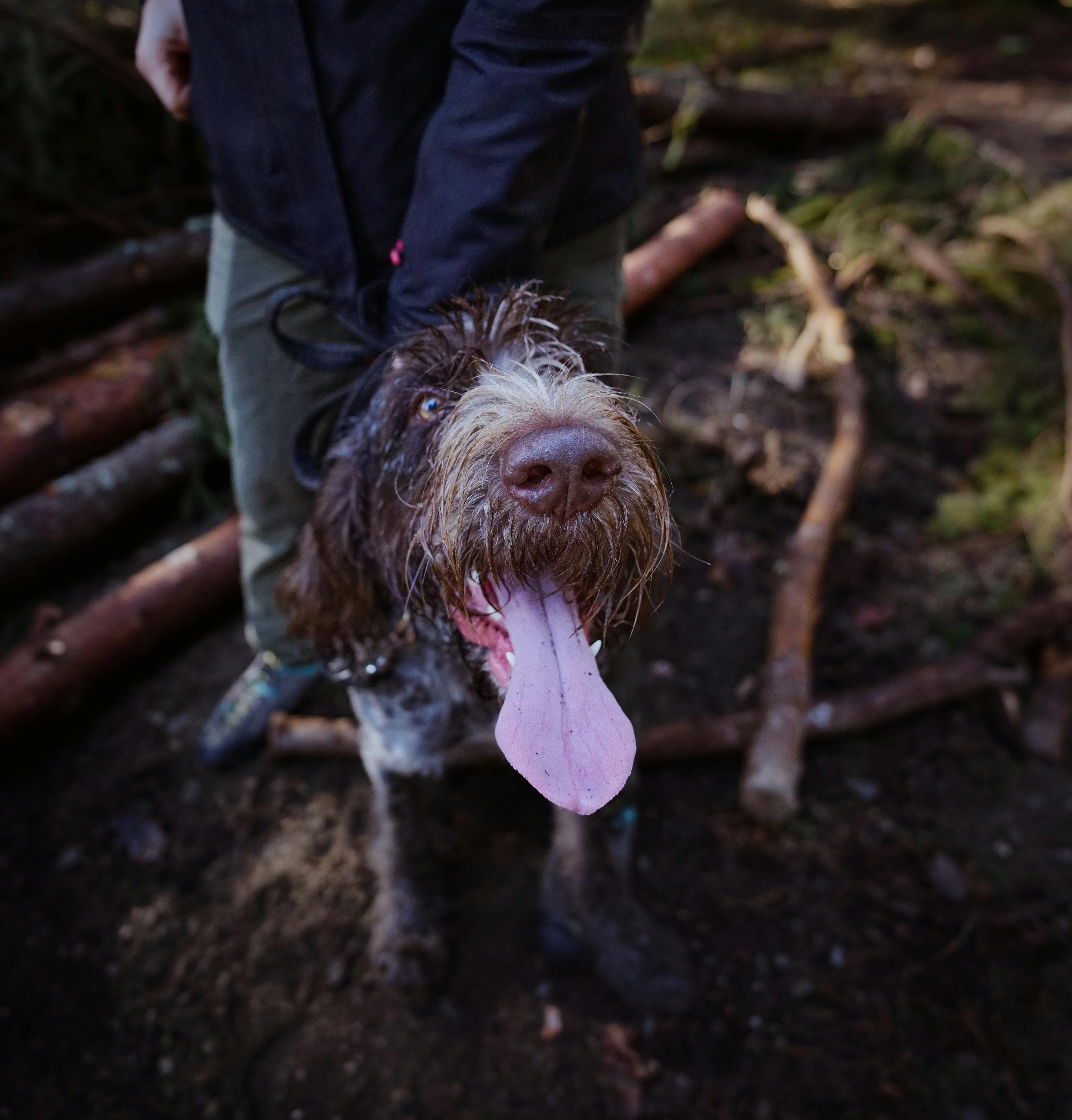 \n\n
\n\nCurious Canines: Why Dogs Have Wet Noses and What It Reveals About Them
\nPeople often wonder why do dogs have wet noses. It’s a question that, while it may seem simple, actually reveals a lot about our furry friends. Wet noses are not just adorable; they serve important purposes in the life of a dog. Let's dive into the fascinating truth behind this common canine trait.
\nThe Science of Wet Noses
\nDogs have a special reason for why their noses are often moist. The wetness comes from a thin layer of mucus that they produce. This mucus plays a crucial role in their ability to smell. Dogs have an incredible sense of smell, estimated to be between 10,000 to 100,000 times more sensitive than humans. A wet nose helps to trap scent particles in the air, which can enhance their olfactory senses.
\nIn fact, research shows that the moisture on a dog's nose can help absorb scent molecules, improving their ability to identify scents. When a dog sniffs something, the moisture on their nose collects more of these particles, making it easier for them to understand what they are smelling.
\nEvolutionary Perspective
\nWet noses also have evolutionary significance. Dogs’ ancestors, the wolves, had wet noses too. This trait likely developed to aid in hunting and survival. The more effective a wolf’s sense of smell, the better chance it had at finding food and avoiding predators. So, when we ask why do dogs have wet noses, we can trace it back to their wild ancestors who relied heavily on their sense of smell for survival.
\nTemperature Regulation
\nAnother interesting fact about wet noses is that they help dogs cool down. Dogs don’t sweat like humans do. Instead, they regulate their body temperature through their noses and by panting. A wet nose can help cool the blood vessels that are close to the surface. This is why you might notice your dog’s nose being wetter after they’ve been playing outside or on a hot day.
\nSigns of Health
\nA dog’s nose can also be an indicator of its health. Here’s what to consider:
\n- \n
- Wet and Cool: Generally, a wet and cool nose is a good sign. It usually means that your dog is healthy and well-hydrated. \n
- Dry or Cracked: A dry or cracked nose can indicate dehydration or illness. However, dogs can have dry noses for various reasons, including allergies or environmental changes. \n
- Persistent Changes: If your dog’s nose changes suddenly or stays dry for an extended period, it may be time to consult with a veterinarian. \n
Fun Facts About Dog Noses
\n- \n
- Dogs have about 220 million scent receptors, compared to humans who have about 5 million. \n
- The unique patterns on a dog’s nose are like human fingerprints; no two dogs have the same nose print. \n
- Dogs can even smell certain diseases, like cancer, in humans due to their keen sense of smell. \n
Comparison: Dogs vs. Other Animals
\nWhen we compare dogs to other animals, we can see how unique their wet noses are:
\n| Animal | \nNose Type | \nSmell Sensitivity | \n
|---|---|---|
| Dogs | \nWet | \n10,000 to 100,000 times better than humans | \n
| Cats | \nDry | \nAbout 10 times better than humans | \n
| Elephants | \nWet | \nExcellent sense of smell, but not as sensitive | \n
| Bears | \nWet | \nAmong the best, but more for tracking food | \n
Dogs’ wet noses are unique in the animal kingdom, giving them distinct advantages in their environment.
\nPractical Examples of Nose Use
\nHave you ever seen a dog sniffing around? Here’s what they might be doing:
\n- \n
- Tracking Scents: Dogs use their noses to track scents during walks or when searching for lost items. \n
- Identifying People: They can recognize people by their unique scent, not just by sight. \n
- Detecting Changes: Dogs can sense changes in their human’s mood or health through scent, often responding to stress or illness by staying close. \n
The wet nose of a dog is more than just a quirky feature; it’s a vital part of their anatomy that plays a significant role in their lives. Understanding why do dogs have wet noses gives us insight into their behavior, health, and the evolutionary traits that make them such unique companions. So, next time you give your canine friend a pat on the head, take a moment to appreciate that cool, wet nose and all the fascinating functions it serves. After all, there’s more to our four-legged friends than what immediately meets the eye.
\n\nDo Certain Breeds Have Wetter Noses? Exploring the Variables in Dog Anatomy
\n\n \n\n
\n\nHave you ever noticed how some dogs has wetter noses than others? It’s a curious aspect of our canine companions, sparking questions among pet owners and dog lovers alike. The wetness of a dog's nose is not just a quirky trait; it serves several important purposes related to their health and well-being. In this article, we’ll explore the fascinating truth about why do dogs have wet noses, how different breeds might be affected, and what it all mean for your furry friend.
\nThe Science Behind Wet Noses
\nFirst, it's important to understand that a dog’s nose is wet for a reason. Dogs have special glands in their noses that secrete moisture. This moisture helps to enhance their sense of smell. Dogs have a remarkable olfactory system, which is estimated to be between 10,000 to 100,000 times more sensitive than that of humans. A wet nose helps to capture scent particles in the air, making it easier for dogs to identify and locate smells.
\n- \n
- Dogs’ noses can sense pheromones, which are chemical signals that can convey information about other animals. \n
- A moist nose can also help regulate a dog’s body temperature, similar to how humans sweat. \n
Do Certain Breeds Have Wetter Noses?
\nNow, you might wonder if certain breeds have wetter noses than others. The answer is yes, but it’s not that simple. Various factors can influence the moisture level of a dog’s nose. Here’s a quick breakdown of some factors:
\n- \n
- Genetics: Some breeds may naturally have wetter noses. Breeds like Labrador Retrievers and Bloodhounds are known for their moist noses due to their strong sense of smell. \n
- Age: Puppies often have wetter noses compared to adult dogs. As dogs age, their noses might become drier. \n
- Health: A dog’s health can greatly impact the moisture of their nose. If a dog is sick or dehydrated, they might have a drier nose. \n
Here’s a list of some dog breeds and their typical nose wetness:
\n- \n
- Labrador Retriever: Wet \n
- Beagle: Wet \n
- Bulldog: Moderate \n
- Shih Tzu: Often dry \n
- Poodle: Varies \n
Why Do Dogs Have Wet Noses?
\nSo, why do dogs have wet noses? Let’s delve into the purposes of this interesting feature:
\n- \n
- Enhanced Smell: As we mentioned, the moisture helps capture scent particles. \n
- Cooling Mechanism: Dogs don’t sweat like humans do. The wetness can help them cool off. \n
- Health Indicator: A wet nose is often a sign of good health, while a dry nose can indicate dehydration or illness. \n
Some people believe that a warm, dry nose means a dog is sick, but that’s not always true. Dogs can have various nose temperatures throughout the day, and it can change based on their activity levels.
\nHistorical Context of Dog Noses
\nHistorically, dogs have been bred for specific purposes, many of which involved their incredible sense of smell. For instance, hunting dogs were often selected for their ability to pick up scents, which often correlates with having a wetter nose. In the past, working dogs were essential for tasks like herding sheep or tracking game, and a wet nose was likely an advantageous trait.
\nComparing Wet and Dry Noses
\nIt’s useful to compare what a wet versus a dry nose can indicate.
\n- \n
- \n
Wet Nose:
\n- \n
- Generally a sign of hydration and health. \n
- Could indicate excitement or curiosity. \n
\n - \n
Dry Nose:
\n- \n
- Might suggest dehydration or illness. \n
- Can be caused by environmental factors like heat. \n
\n
Practical Tips for Dog Owners
\nAs a dog owner, it’s important to pay attention to your furry friend’s nose. Here are some tips:
\n- \n
- Hydrate Regularly: Make sure your dog has access to fresh water at all times. \n
- Monitor Changes: Keep an eye on any sudden changes in the moisture of their nose. \n
- Consult a Vet: If your dog’s nose stays dry for an extended period or shows other signs of illness, consult a veterinarian. \n
It’s fascinating to think about how something as simple as a dog’s nose can tell us so much about their health and behavior. Every dog is unique, and understanding these differences can help you provide better care for your pet. So the next time you pet your dog, take a moment to appreciate the wetness of their nose and all the wonders it represents.
\n\nHow to Care for Your Dog’s Nose: Tips for Keeping It Healthy and Moist
\n\n \n\n
\n\nDogs are often known for their playful antics, loyalty, and that adorable wet nose they have. Have you ever wondered why do dogs have wet noses? Or how to care for this important part of their anatomy? It's more than just a cute characteristic; there's fascinating science behind it. In this article, we will explore the reasons behind your dog’s wet nose, tips for keeping it healthy, and why it matters.
\nWhy Do Dogs Have Wet Noses?
\nThe wetness of a dog's nose serves several purposes. First off, it helps dogs to smell better. A wet nose can enhance their sense of smell, allowing them to pick up on scents more efficiently. It’s like having a built-in scent amplifier! The moisture on the nose collects scent particles from the air, which then gets absorbed by special receptors inside the nose. Isn’t that neat?
\nHere's a little more insight into the reason behind this wetness:
\n- \n
- Cooling Mechanism: Dogs don’t sweat like humans do. Their noses help regulate body temperature through evaporation. When the moisture evaporates, it cools them down. \n
- Health Indicator: A dog’s nose can be a good indicator of their health. Usually, a wet and cool nose signify a healthy dog, while a dry or warm nose might suggest illness. But it's not a definitive measure, so don’t panic if your dog’s nose is dry sometimes. \n
- Scent Detection: As mentioned earlier, the moisture helps trap scents. Dogs rely heavily on their sense of smell, and a wet nose helps them navigate their world. \n
How to Care for Your Dog’s Nose: Tips for Keeping It Healthy and Moist
\nJust like any part of your dog’s body, proper care for their nose can prevent issues and keep it healthy. Here are some handy tips:
\n- \n
- \n
Regular Checks: Check your dog’s nose regularly. Look for cracks, excessive dryness, or swelling. These could be signs of dehydration or other health issues.
\n \n - \n
Hydration is Key: Make sure your dog always has access to fresh water. Dehydration can lead to a dry nose, so keep their water bowl full!
\n \n - \n
Protect from Harsh Weather:
\n- \n
- In winter, cold air can dry out a dog's nose. \n
- In summer, the sun can cause sunburn. Consider using a dog-safe sunscreen on their nose if they spend a lot of time outdoors. \n
\n - \n
Healthy Diet: A well-balanced diet rich in Omega-3 fatty acids can promote healthy skin and, consequently, a healthy nose. Foods like fish oil or flaxseed oil can be beneficial.
\n \n - \n
Moisturizing: If your dog’s nose appears dry, you can apply a small amount of natural oils like coconut oil or specially formulated dog nose balms. Just be sure to use small amounts, and avoid anything with harmful chemicals.
\n \n - \n
Veterinary Visits: Regular vet check-ups can help monitor your dog’s overall health, including their nose. If you notice persistent issues, it's best to consult your vet.
\n \n
Common Nose Problems in Dogs
\nBeing aware of potential problems can help you act quickly when something seems off. Here’s a list of common nose issues in dogs:
\n- \n
- Cracked Nose: Often caused by dry air or sun exposure. \n
- Nasal Discharge: This can indicate allergies, infections, or even more serious conditions. \n
- Nosebleeds: These can happen due to trauma or underlying health issues. \n
- Nasal Tumors: Though rare, these can occur, especially in older dogs. \n
Fun Facts About Dog Noses
\n- \n
- Did you know that a dog's sense of smell is about 40 times better than that of humans? It's true! \n
- Each dog has a unique nose print, just like human fingerprints. They can be used for identification! \n
- Dogs can detect certain diseases in humans, like diabetes or even cancer, through their sense of smell. \n
Caring for your dog's nose is essential for their overall well-being. A wet nose not only enhances their ability to smell but also keeps them cool and can indicate their health status. By providing proper care and being observant, you can ensure your furry friend stays happy and healthy. Remember, if you have concerns about your dog’s nose or overall health, don’t hesitate to reach out to your veterinarian. Your dog relies on you for their care, and that includes their adorable, wet nose!
\n\nThe Fascinating Evolution of Dog Noses: Why Moisture Matters in the Animal Kingdom
\n\n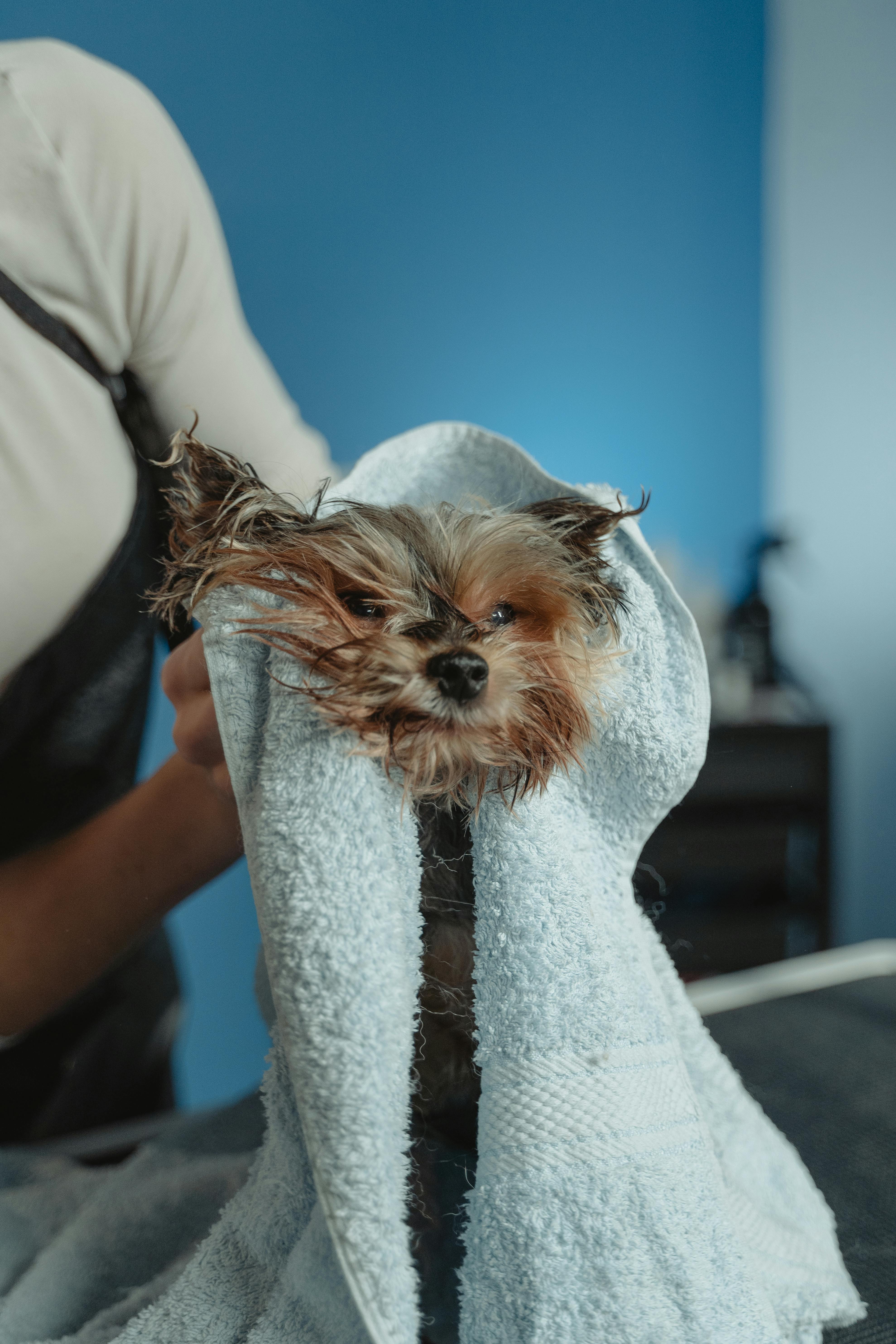 \n\n
\n\nDogs have been companions to humans for thousands of years, but one of the most intriguing aspects of these loyal animals is often overlooked: their noses. The moistness of a dog's nose isn't just a quirky feature; it serves important biological functions. So, why do dogs have wet noses? Let’s explore the fascinating evolution of dog noses and the significance of their moisture in the animal kingdom.
\nThe Science Behind Wet Noses
\nMost people have seen a dog’s nose and noticed how it feels cool and wet. But what causes this moisture? The outer layer of a dog’s nose, known as the rhinarium, is covered in a thin layer of mucous. This moisture is crucial for several reasons:
\n- \n
- Enhanced Smell: Dogs have an incredible sense of smell and the moisture helps to capture scent particles from the air. A wet nose can absorb more scent, which makes it easier for dogs to detect and identify various odors. \n
- Thermoregulation: Dogs don’t sweat like humans do. Instead, they rely on their noses to help regulate their body temperature. The moisture on their noses evaporates, providing a cooling effect. \n
- Health Indicator: A dog’s nose can be a good indicator of its health. A healthy dog usually has a moist and cool nose, while a dry or excessively warm nose can signal illness or dehydration. \n
Historical Context of Dog Noses
\nDogs were domesticated from wolves, and their noses have evolved along with them. Over time, selective breeding has enhanced their olfactory abilities. Ancient humans likely favored dogs with keen senses of smell for hunting and tracking, which contributed to the evolution of their wet noses.
\n- \n
- Domestication: When humans began to domesticate dogs, they chose animals that were better at sensing food, threats, and other animals. This selection favored dogs with more effective olfactory systems, which includes having wet noses. \n
- Different Breeds, Different Noses: Different breeds have different nose shapes and sizes, which can affect their sense of smell. For instance, Bloodhounds are known for their powerful noses, while breeds like Bulldogs have shorter snouts. \n
Why Moisture Matters in the Animal Kingdom
\nMoisture in the noses of dogs isn’t just unique; many animals have similar adaptations. Here’s a look at how moisture plays a role in the animal kingdom:
\n- \n
- Cats: Like dogs, cats also have moist noses for similar reasons. Their sense of smell is important for hunting, and moisture helps them detect scents. \n
- Rabbits: Moist noses help rabbits sense danger. Their keen sense of smell helps them evade predators. \n
- Rodents: Many rodents have wet noses too, which aid them in foraging for food and detecting pheromones from other rodents. \n
This moisture isn’t just limited to mammals, though. Many reptiles and amphibians also have moist skin to facilitate respiration and sensory perception.
\nFun Facts About Dog Noses
\n- \n
- Unique Patterns: Just like human fingerprints, no two dog noses are alike. The patterns of ridges and bumps on a dog's nose are unique to each individual. \n
- Temperature Changes: A dog's nose can change temperature throughout the day, depending on their activity levels and the environment. \n
- Health Monitoring: Pet owners are often advised to monitor their dog's nose. A sudden change in its moisture or temperature can indicate health issues. \n
- Nose Work: Many dogs participate in nose work activities, where they use their sense of smell to find hidden objects or scents. This taps into their natural instincts. \n
The Impact of Environment on Nose Moisture
\nSeveral factors can affect the moisture level in a dog's nose:
\n- \n
- Weather Conditions: Hot and dry weather can lead to a drier nose, while humid conditions may keep it moist. \n
- Health Issues: Illnesses, allergies, or dehydration can cause a dog's nose to become dry. If you notice a sudden change, it’s often best to consult a veterinarian. \n
- Diet: A well-hydrated dog is more likely to have a moist nose. Make sure your dog is drinking enough water and eating a balanced diet. \n
Understanding why dogs have wet noses helps us appreciate these wonderful animals even more. Their moist noses are not just an endearing trait but a crucial part of their anatomy that contributes to their survival, communication, and overall well-being. So next time you’re greeted by a furry friend with a cool, damp nose, know that there’s a fascinating world of biology and evolution at play!
\n\nConclusion
\n\nIn conclusion, the wet noses of dogs serve several important functions that contribute to their health and well-being. This unique characteristic helps enhance their sense of smell, regulate body temperature, and even communicate their emotional state. The moisture on a dog's nose collects scent particles, making their olfactory abilities even more remarkable. Furthermore, a wet nose can also indicate a dog’s overall health, as dehydration or illness may lead to a drier nose. As pet owners, it’s essential to pay attention to your dog’s nose and recognize any changes that might signal health issues. So, the next time you see your furry friend with that familiar wet nose, remember the vital roles it plays. Encourage others to learn more about their pets and share the fascinating science behind these lovable companions. Engage with your dog through play and affection, and enjoy the bond that comes from understanding their unique characteristics.
\n\n