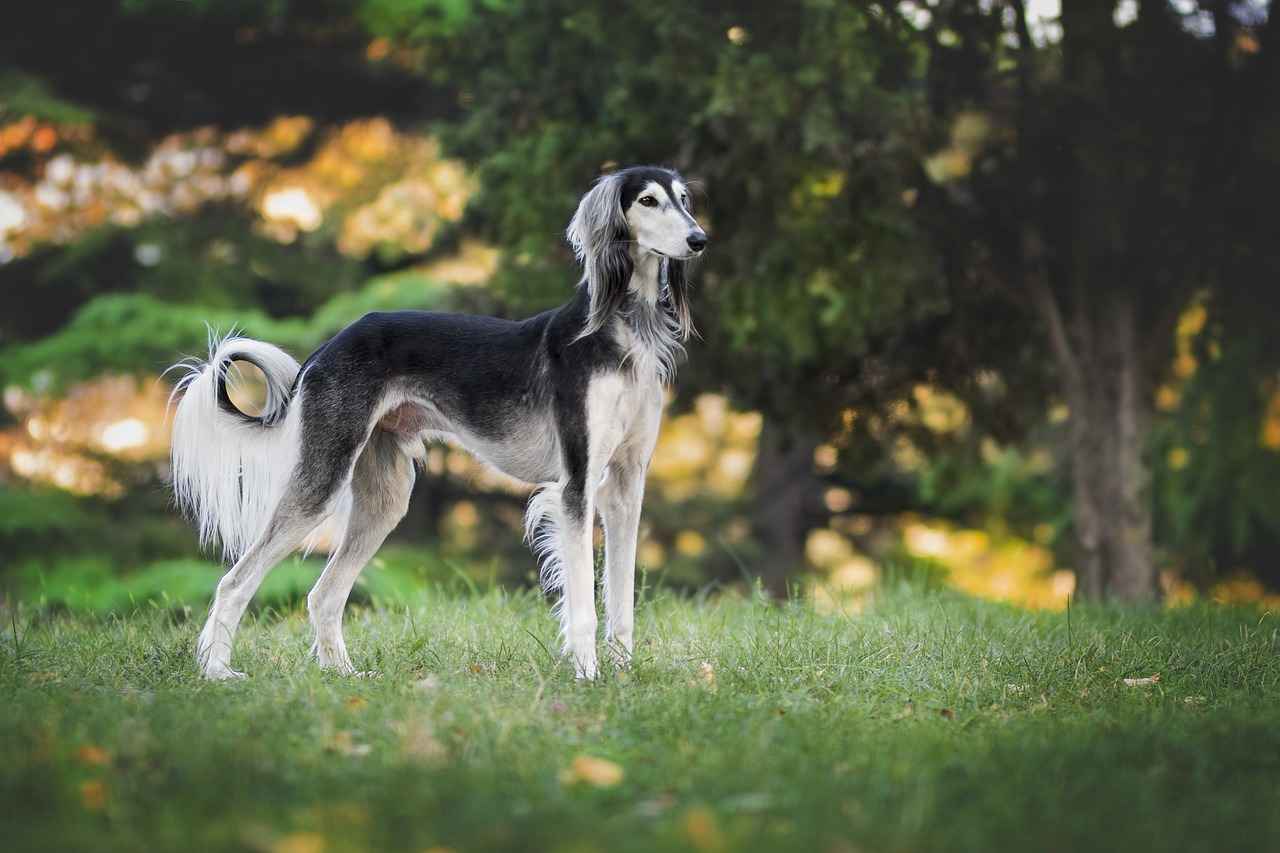
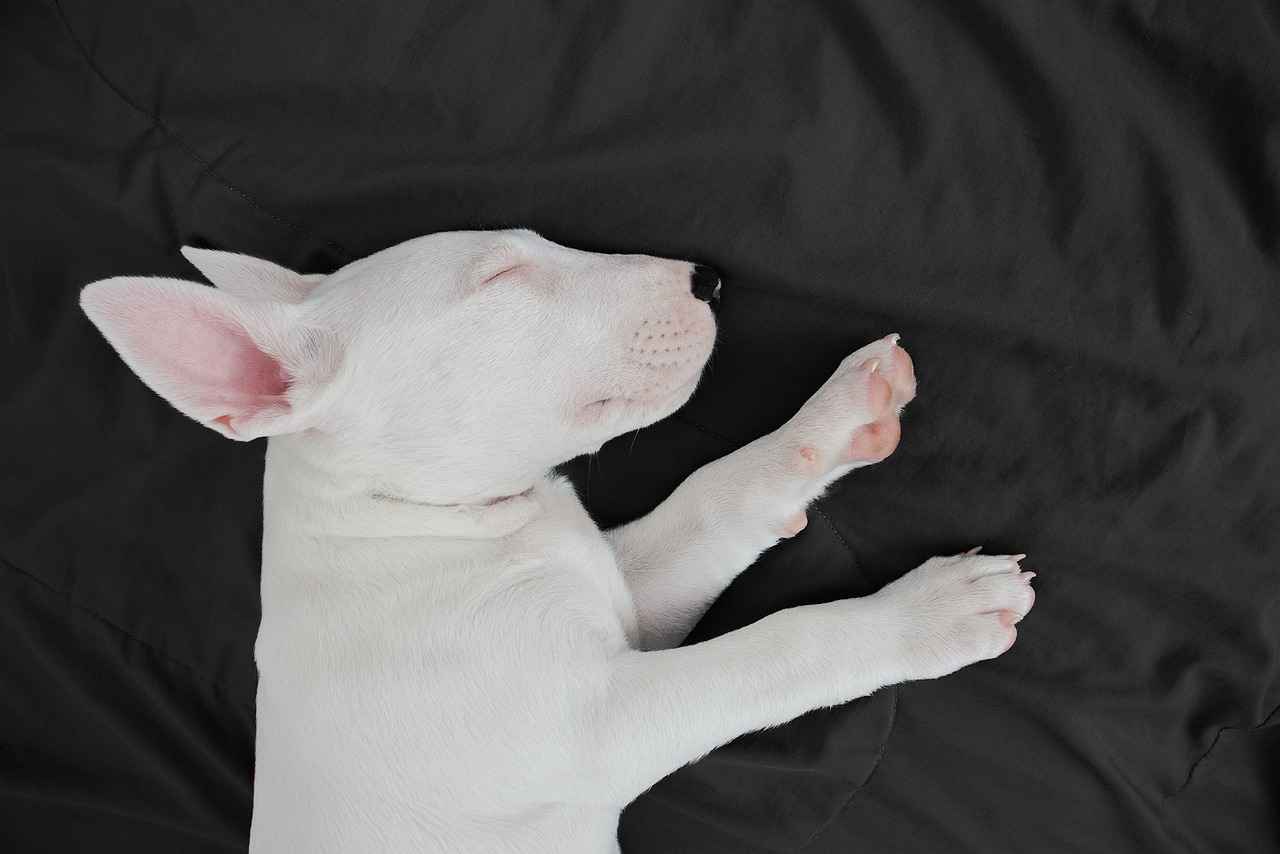
Have you ever wondered, "Why do dogs have wet noses?" This curious trait isn't just for show; it actually plays a vital role in your furry friend's health and well-being. Wet noses in dogs are more than a cute feature; they are a fascinating topic that reveals much about canine biology. In fact, wet noses help dogs to smell better, enhancing their incredible sense of smell. But how does this work? The moisture on their noses helps capture scent particles in the air, making it easier for them to detect everything from treats to potential threats. More over, a wet nose can also be an indicator of a dog's overall health. If you've noticed your pup's nose feels dry, you might be asking yourself, “Is my dog sick?” This article will explore the intriguing question of why do dogs have wet noses and the science behind this unique characteristic. Get ready to dive into the captivating world of canine anatomy and discover the fascinating truth behind why your beloved pet's nose is always a little damp!
\n\nThe Science Behind Canine Nasal Moisture: Why Are Dog Noses Wet?
\n\n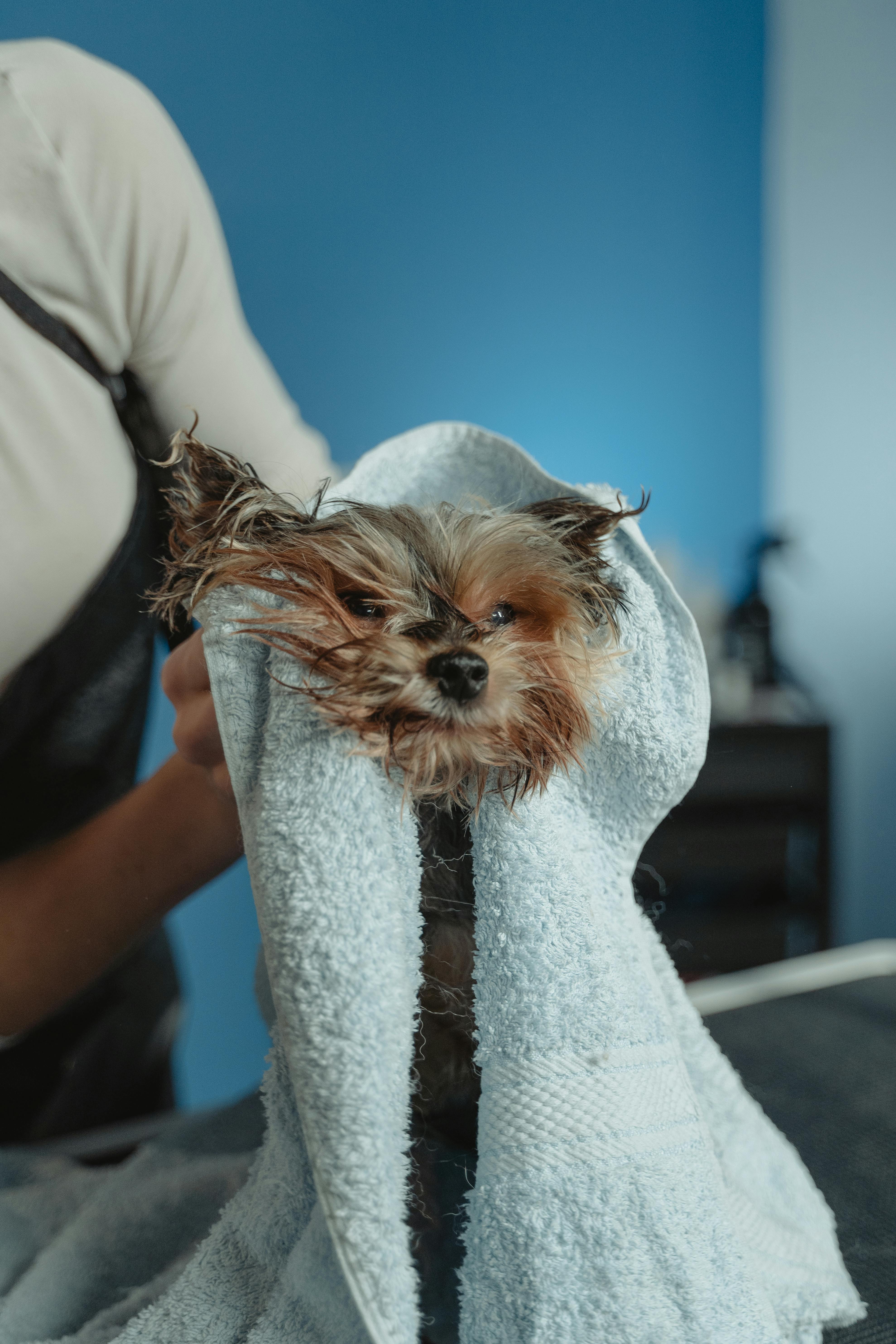 \n\n
\n\nHave you ever noticed your dog's nose and wondered why it’s wet? That’s a question many pet owners ask. The truth is, there’s more to it than you might think! The moisture on a dog's nose serves several important purposes. Let’s dive into the science behind canine nasal moisture and explore why dogs have wet noses.
\nThe Biology of a Dog’s Nose
\nDog noses are not just adorable; they are complex organs that play a vital role in their overall health. A dog’s sense of smell is incredibly powerful, being anywhere from 10,000 to 100,000 times more sensitive than a human's. The wetness on a dog’s nose helps enhance this sense of smell. Here’s how:
\n- \n
- Moisture Helps Capture Scent Particles: When a dog sniffs, the moisture on their nose traps scent particles, allowing them to absorb more smells. \n
- Temperature Regulation: The wet nose helps cool down the dog’s body. Dogs sweat very little through their skin, so the moisture on their nose can aid in regulating body temperature. \n
- Health Indicator: A dog's nose can indicate health. Changes in moisture or texture can signal illness or dehydration. \n
Why Are Dog Noses Wet?
\nSo, why do dogs have wet noses? The moisture is primarily generated by the mucus glands located on the surface of the nose. This moisture is not just for show; it plays a significant role in their sensory functions. Here’s a deeper look:
\n- \n
- Scent Detection: Wetness increases the ability to detect scents, crucial for hunting and foraging. \n
- Communication: Dogs also use their noses to communicate with other dogs. The moisture helps them identify pheromones and other scent signals in their environment. \n
- Environmental Interaction: The wet surface allows dogs to better interact with their surroundings, picking up on scents that are essential for their navigation and understanding of their world. \n
Historical Context
\nDogs have been companions to humans for thousands of years, and their noses have evolved to be highly specialized. Historically, breeds were developed for specific tasks like hunting, herding, or guarding, all of which required an acute sense of smell. The wet nose is a trait that has been beneficial in these roles.
\nFascinating Facts About Dog Noses
\n- \n
- Color Variation: Dogs can have black, brown, or even pink noses. The color can be influenced by breed and genetics. \n
- The Role of Genetics: Some breeds have more pronounced wet noses than others, which is often a result of selective breeding. \n
- Nose Print Identification: Just like human fingerprints, every dog has a unique nose print that can be used for identification. \n
Common Misconceptions
\nMany people believe that a wet nose always means a dog is healthy. This isn’t always true. While a normal wet nose is a good sign, other factors also come into play. Here are some misconceptions:
\n- \n
- Myth: A dry nose means a dog is sick. \n
- Reality: Dogs can have dry noses for many reasons, including weather conditions or after sleeping. \n
- Myth: A constantly wet nose means a dog is healthy. \n
- Reality: If the moisture is excessive, it could indicate health issues. \n
Caring for Your Dog’s Nose
\nThere are some simple ways to ensure your dog’s nose stays healthy. Here’s a quick list:
\n- \n
- Hydration: Keep your dog well-hydrated. Dehydration can lead to a dry nose. \n
- Check for Injuries: Regularly inspect your dog’s nose for cuts or sores. \n
- Environmental Awareness: Be mindful of the weather. Cold or hot climates can affect a dog’s nose moisture levels. \n
When to Consult a Veterinarian
\nIf you notice any sudden changes in your dog's nose, such as excessive dryness, cracking, or unusual discharge, it’s important to consult a veterinarian. These symptoms could indicate underlying health problems that require attention.
\nFinal Thoughts
\nUnderstanding why dogs have wet noses is not just a fun fact; it’s part of knowing how to take better care of your furry friend. The moisture on a dog’s nose is crucial for their health, communication, and sensory perception. So next time you give your pup a scratch behind the ears, take a moment to appreciate the science behind that wet nose! It's a fascinating aspect of canine biology that reflects their unique adaptations and close bond with humans.
\n\nUnraveling the Mystery: What Makes a Dog’s Nose Wet and Cold?
\n\n \n\n
\n\nDogs are some of the most beloved pets around the globe, and their peculiar features often spark curiosity. One question that pops up time and again, especially among dog lovers, is “Why do dogs have wet noses?” It’s a mystery that many have tried to unravel, and there’s more than just simple biology at play. So, let’s dive into the fascinating truth behind those wet and cold noses!
\nThe Science Behind a Dog's Nose
\nFirst off, it's important to understand what a dog's nose does. The wetness and coolness of a dog’s nose serves several purposes. Here’s what we know:
\n- \n
- Temperature Regulation: Dogs primarily regulate their body temperature through panting and their noses. The wetness helps evaporate moisture, cooling them down. \n
- Enhanced Smell: A wet nose helps capture scent particles from the air. This allows them to detect smells much better than humans can. Dogs have around 220 million scent receptors, compared to a human’s 5 million! \n
- Health Indicator: A dog’s nose can also be an indicator of health. A warm, dry nose might suggest fever or illness, while a wet nose is often seen as a sign of a healthy pup. \n
Historical Perspective
\nThe relationship between dogs and humans goes back thousands of years. Early humans likely noticed that dogs with wet noses seemed to be more alert and responsive. This could have led to the understanding that a wet nose was a sign of a healthy animal. Ancient texts and studies indicate that dogs were domesticated for hunting and companionship, and their remarkable sense of smell was a key factor in their usefulness.
\nWhy Are Dog Noses Wet?
\nSo, why exactly do dogs have wet noses? Here’s a breakdown of some reasons:
\n- \n
- \n
Mucous Production: Dogs produce mucous in their noses that keeps them moist. This mucous captures scent particles and enhances their ability to smell.
\n \n - \n
Saliva Transfer: When dogs lick their noses, the saliva helps keep them wet. This is why you often see dogs licking their noses, especially after they eat or drink.
\n \n - \n
Environmental Factors: Just like humans can get sweaty, dogs can absorb moisture from the environment. Humidity can increase the wetness of a dog’s nose.
\n \n
Fun Facts About Dog Noses
\n- \n
- Color Variation: Dog noses can be black, brown, or pink, and the color can change due to temperature or health conditions. \n
- Unique Patterns: Every dog has a unique nose print, similar to human fingerprints. This means that no two dog noses are the same! \n
- Nose Temperature: A dog's nose temperature can vary depending on activity level. After a long run, their noses might be warmer, but not always a sign of illness. \n
Comparisons: Dog Noses vs. Human Noses
\nLet’s compare how dog noses and human noses are different:
\n| Feature | \nDog Nose | \nHuman Nose | \n
|---|---|---|
| Number of Receptors | \n220 million | \n5 million | \n
| Temperature Regulation | \nYes | \nNo | \n
| Sensitivity to Smell | \nExtremely high | \nModerate | \n
| Moisture Production | \nHigh | \nLow | \n
Practical Examples
\nIf you ever noticed your dog’s nose is excessively dry or cracked, it might be time to consider a vet visit. While a wet nose is generally a sign of health, other symptoms may indicate an issue. Here are signs to watch for:
\n- \n
- Nose Discoloration: If your dog’s nose suddenly changes color, it might be a reason for concern. \n
- Crusting or Bleeding: This can indicate allergies or infections, which need immediate attention. \n
- Lethargy: If the wetness is accompanied by lack of energy, it could be a red flag. \n
In the end, the wetness and coldness of a dog’s nose is not just a quirky feature but a vital part of their biology and health. Understanding why dogs have wet noses can help you care for your canine friend even better. So next time you give your furry buddy a pat and feel that cool, wet nose, you can smile knowing there’s a fascinating science behind it!
\n\n5 Surprising Reasons Dogs Have Wet Noses: More Than Just a Quirk!
\n\n \n\n
\n\nHave you ever wondered why do dogs have wet noses? You might think it's just some quirky trait of our furry friends, but actually, there’s a lot more going on there than meets the eye. Wet noses are not just a cute feature; they serve several important functions that can be surprising, even to seasoned dog owners. Here are five reasons that might just change the way you view your pup's nose.
\n1. Temperature Regulation
\nOne of the primary reasons for a dog’s wet nose is to help regulate body temperature. Dogs don’t sweat like humans do; they primarily cool themselves off by panting. However, the moisture on their noses aids in this process. When the moisture evaporates, it can help cool down their body. Isn't that fascinating? This means that a wet nose can be a sign that your dog is working hard to keep cool, especially on hot days.
\n2. Enhanced Sense of Smell
\nDid you know that a dog’s sense of smell is approximately 40 times greater than that of a human? A wet nose plays a crucial role in this superior olfactory ability. The moisture helps to capture scent particles in the air, allowing them to be more easily detected. This is why dogs often sniff around everything — they’re gathering information about the world through their noses! If you ever wonder why your dog seems obsessed with certain smells, it's because they are literally tasting the air.
\n3. Communication Tool
\nDogs communicate in various ways, and their noses are part of that language. A wet nose can signal different things to other dogs and even to humans. For example, a moist nose when greeting you can indicate that your pup is happy and excited to see you. Conversely, if a dog approaches with a dry nose, it might be feeling stressed or unwell. Knowing these subtle cues can help you understand your dog better and respond to their needs.
\n4. Health Indicator
\nThe moisture level of your dog’s nose can also be an indicator of their overall health. A healthy dog typically has a wet and cool nose, while a dry nose might signal dehydration or an illness. However, it's not always a definitive measure. Some breeds have naturally drier noses, and environmental factors such as weather can play a big role too. It's important to monitor your dog's nose in conjunction with other health signs like energy levels and appetite.
\n5. Evolutionary Advantage
\nGoing back in time, wet noses may have offered evolutionary advantages to dogs' wild ancestors. A moist nose helped them track prey by enhancing their sense of smell, which was critical for survival. The ability to detect scents more effectively likely meant the difference between life and death in the wild. Even though our pet dogs don’t hunt for survival anymore, these traits have persisted through generations.
\nQuick Facts About Dogs' Noses
\n- \n
- Dogs have about 300 million scent receptors in their noses, compared to a human’s 5 million. \n
- A dog’s nose print is unique, much like a human fingerprint. \n
- Dogs can even detect certain diseases, like cancer, through their exceptional sense of smell. \n
Things to Keep in Mind
\n- \n
- If you notice a sudden change in your dog’s nose moisture, it’s wise to consult a vet. \n
- Regular check-ups can help ensure your dog stays healthy, including monitoring their nose condition. \n
- Keep your pup hydrated, especially in hot weather, to maintain that healthy wet nose. \n
In the end, understanding why do dogs have wet noses reveals a lot about their biology and behavior. These moist little features aren't just cute — they play vital roles in your dog's day-to-day life, communication, and health. So next time you give your furry companion a pat on the head, take a moment to appreciate that wet nose; it's a window into their fascinating world!
\n\nDo Wet Noses Mean a Healthy Dog? Exploring the Health Benefits of Canine Nasal Moisture
\n\n \n\n
\n\nWhen you see a dog with a wet nose, it often brings a smile to your face. But have you ever wondered if that wet nose means the dog is healthy? Many people believes that a wet nose indicates a well-being in dogs, but the truth is a bit more complex than that. In this article, we dive into why do dogs have wet noses and explore the health benefits of this unique feature.
\nWhy Do Dogs Have Wet Noses?
\nDogs noses are naturally moist, and this serves several important purposes. Firstly, it helps them to detect scents. Dogs have an incredible sense of smell, and having a wet nose enhances their ability to pick up different smells in the environment. The moisture helps dissolve scent particles, making it easier for their olfactory receptors to identify odors.
\nAnother reason for a wet nose is temperature regulation. Dogs don't sweat like humans do. Instead, they regulate their body temperature through panting and by keeping their noses moist. This moisture evaporates and cools the blood vessels in the nose, helping to keep the dog comfortable, especially in warmer weather.
\nThe Health Benefits of Canine Nasal Moisture
\nA wet nose can be a sign of health, but it isn't the only indicator. Here’s a breakdown of some health benefits associated with moist noses in dogs:
\n- \n
- Scent Detection: As mentioned earlier, a wet nose helps with their extraordinary sense of smell. This is crucial for hunting, tracking, and even daily activities. \n
- Temperature Regulation: A moist nose helps dogs maintain a proper body temperature, which is critical for their overall health. \n
- Hydration Indicator: A wet nose can show that a dog is hydrated. However, it should be noted that a dry nose doesn't necessarily mean dehydration, but it could be a sign to watch for other symptoms. \n
- Respiratory Health: A healthy nose is often moist due to proper respiratory function. If a dog has a consistently dry nose accompanied by other symptoms, it might be a reason to consult a veterinarian. \n
What Can Cause a Dry Nose?
\nNot all dogs have wet noses all the time. There are several reasons why a dog's nose might be dry, and they can range from benign to serious. Here are some common causes of a dry dog nose:
\n- \n
- Weather Conditions: Hot or dry weather can lead to dryness. \n
- Dehydration: If a dog isn’t drinking enough water, this could affect their nose. \n
- Illness: Certain illnesses can cause a dry nose. If a dog is lethargic and has other symptoms, it might be time for a vet visit. \n
- Allergies: Dogs can have allergies just like humans, which can affect their noses. \n
How to Care for Your Dog’s Nose
\nJust like any other part of your pet's body, their nose needs care too. Here are some tips on how to keep your dog's nose healthy:
\n- \n
- Hydration: Make sure your dog has access to fresh water at all times. \n
- Regular Vet Check-ups: Routine visits can help catch any potential issues early. \n
- Moisturizing Products: There are dog-safe balms available that can help with dryness. \n
- Environment: If you live in a dry climate, consider using a humidifier in your home. \n
Comparing Wet and Dry Noses: What’s Normal?
\nIt’s important to understand that both wet and dry noses can be normal for dogs. Here’s a quick comparison:
\nWet Nose:
\n- \n
- Usually indicates hydration. \n
- Can enhance scent detection. \n
- Often seen in healthy dogs. \n
Dry Nose:
\n- \n
- Can still be normal depending on the dog. \n
- May indicate dehydration, allergies, or illness if persistent. \n
- Should be monitored closely for other symptoms. \n
Fun Facts About Dog Noses
\nDid you know that a dog's nose print is unique? Just like human fingerprints, each dog has a distinct nose print that can be used for identification.
\nMoreover, dogs have around 300 million olfactory receptors in their noses compared to about 6 million in humans. This gives them an astonishing ability to detect scents, which is why they are often used in search-and-rescue operations, as well as in medical detection roles.
\nWhen you see your dog with that adorable wet nose, remember it’s not just for show. It serves various important purposes that contribute to their overall health and well-being. While a wet nose can be an indicator of a healthy dog, it’s essential to pay attention to other signs as well. Always consult your veterinarian if you notice any changes in your dog’s nose or behavior, to ensure your furry friend stays happy and healthy.
\n\nIs Your Dog’s Nose Wet? Discover What It Says About Their Mood and Health!
\n\n \n\n
\n\nDogs are truly fascinating creatures, and their noses are no exception. If you’ve ever wondered, “Is your dog’s nose wet?” then you’re not alone. Many pet owners have pondered this question, and it turns out that the wetness of a dog’s nose can mean a lot about their mood and health.
\nWhy Do Dogs Have Wet Noses?
\nFirst off, let’s dig into why dogs have those wet noses in the first place.
\n- \n
- Cooling Mechanism: Just like humans sweat to cool down, dogs use their noses to regulate their body temperature. When a dog’s nose is wet, it indicates that they are doing their best to stay cool, especially on hot days. \n
- Sense of Smell: Dogs have an incredible sense of smell, and a wet nose can enhance that ability. The moisture helps to capture scent particles from the air, making it easier for them to sniff out interesting smells. \n
- Health Indicator: A wet nose can often indicate a healthy dog. If your dog’s nose is dry or cracked, it might be a sign of dehydration or illness. \n
The Fascinating Truth Behind Wet Noses
\nSo, what does a wet nose really say about your furry friend? It's not just about temperature or smell. There’s more to it.
\n- \n
- Emotional State: Dogs can be quite expressive, and their noses can reflect their feelings. A wet nose often means a happy and relaxed dog. On the other hand, a dry nose might indicate that they are feeling anxious or unwell. \n
- Illness Symptoms: If your dog’s nose changes from wet to dry suddenly, it could be a signal to pay attention. Other signs of illness might accompany this, such as a change in appetite or lethargy. \n
- Environmental Factors: A dog’s nose can also be affected by weather. For example, a cold and windy day can cause a dog’s nose to dry out, while a humid day might keep it nice and moist. \n
Common Myths About Dog Noses
\nThere are plenty of misconceptions floating around about dog noses. Here are a few that might surprise you:
\n- \n
- A Warm Nose Means a Sick Dog: This is not always true. While a warm nose might indicate a fever, a warm nose can also be caused by other factors like a sunny spot or simply just being active. \n
- All Dogs Have Wet Noses: Not all dogs have the same nose conditions. Some breeds, such as Bulldogs or Pugs, might have naturally drier noses due to their unique anatomy. \n
- Only Sick Dogs Have Dry Noses: A dry nose doesn’t always mean your dog is sick. It could be a temporary condition due to weather or just a normal part of being a dog. \n
How to Care for Your Dog’s Nose
\nTaking care of your dog’s nose is important. Here’s a quick list of things you can do:
\n- \n
- Hydration: Always ensure your dog has access to clean, fresh water. Dehydration can lead to dry noses. \n
- Moisturize: If you notice your dog’s nose becoming dry, consider using a vet-approved nose balm. \n
- Regular Checkups: Routine visits to the vet can help monitor your dog’s overall health, including their nose condition. \n
What to Watch For
\nWhen it comes to your dog’s nose, it's important to pay attention to changes. Here are some signs that could indicate a problem:
\n- \n
- Cracks or sores: May suggest dehydration or allergies. \n
- Discoloration: A change in color could hint at a health issue. \n
- Excessive dryness: This might indicate a need for more hydration or a vet visit. \n
Conclusion
\nUnderstanding your dog’s wet nose can reveal a lot about their health and mood. It’s a simple yet effective way to gauge how they’re feeling. Keeping an eye on the wetness of their nose, along with other behavioral cues, can help you ensure that your furry friend stays happy and healthy. If you ever have doubts or concerns, don’t hesitate to consult with a veterinarian. Your dog’s well-being is worth it!
\n\nThe Evolution of Dog Noses: Why Wetness is Key for Survival
\n\n \n\n
\n\nThe world of dogs is filled with fascinating quirks and traits that have evolved over thousands of years. One of the most interesting characteristics of our furry companions is their noses. Wet noses, in particular, seem to be a defining feature of dogs. But why do dogs have wet noses? The answer is a mix of biology, evolution, and survival instincts that might just surprise you. Let’s explore this intriguing topic and uncover the reasons behind those cold, wet noses.
\nWhy Wetness is Important
\nWet noses are more than just an adorable trait. They serve several important functions for dogs. Here’s a breakdown:
\n- \n
- \n
Enhanced Smell: A dog's sense of smell is significantly heightened by the moisture on their noses. The wetness helps to capture scent particles in the air, allowing dogs to detect a wider range of odors. It’s like having a supercharger for their already impressive olfactory system.
\n \n - \n
Temperature Regulation: Dogs don’t sweat like humans do. Instead, they use their noses to help regulate body temperature. The moisture on the nose can evaporate, which cools them down, especially during hot weather.
\n \n - \n
Health Indicator: A dog's nose can indicate their health. A healthy dog typically has a moist nose, while a dry or cracked nose might indicate dehydration or illness. However, this can vary by breed and environmental conditions.
\n \n
The Evolutionary Perspective
\nUnderstanding why dogs have wet noses requires a look back into their ancestry. Dogs are descended from wolves, which are known for their keen hunting abilities. Here’s how the evolution of their noses played a role in their survival:
\n- \n
- \n
Hunting Efficiency: Wolves relied heavily on their sense of smell to track prey. A wet nose helped them pick up scents more effectively. This trait was passed down to domestic dogs, enhancing their ability to navigate the world through scent.
\n \n - \n
Social Interaction: Wet noses also help in social situations. Dogs use their noses to gather information about other animals and humans. A wet nose can convey emotions and intentions, creating a bond between dogs and their owners.
\n \n
Fun Facts About Dog Noses
\nDid you know that dog noses are unique, much like human fingerprints? Here are some fun facts that highlight the uniqueness of dog noses:
\n- \n
- \n
Nasal Prints: Just like human fingerprints, each dog has a unique nasal print. Some organizations have even used nasal prints for identification.
\n \n - \n
Scent Receptors: Dogs have around 300 million scent receptors in their noses, compared to a human’s mere 5 million. This incredible difference makes dogs exceptional sniffers.
\n \n - \n
Different Breeds, Different Noses: Not all dog noses are created equal. Breeds like Bloodhounds have highly developed noses that make them excellent trackers, while others may have less sensitivity.
\n \n
The Science Behind Wet Noses
\nSo, what makes dog noses wet? The answer lies in the anatomy of a dog’s nose. Here’s a simplified look at the science:
\n- \n
- \n
Mucous Membranes: Dogs’ noses are lined with mucous membranes that produce moisture. This moisture is essential for capturing scent particles and enhancing their sense of smell.
\n \n - \n
Environmental Factors: Dogs' noses can also become wetter in certain environmental conditions, like humidity or after drinking water. It’s nature’s way of helping them stay sharp and ready to sniff out new smells.
\n \n
Common Misconceptions
\nThere are many myths surrounding dog noses. Here’s a quick clarification on a few common misconceptions:
\n- \n
- \n
A Dry Nose Means Your Dog is Sick: Not always true. While a persistent dry nose can indicate health issues, environmental factors or breed characteristics can also influence nose moisture.
\n \n - \n
Dogs Can’t Smell When Their Noses are Cold: This is incorrect. The ability to smell is not directly affected by the temperature of their nose.
\n \n
Conclusion
\nThe wetness of a dog’s nose is a fascinating adaptation that serves critical functions for survival and communication. From enhancing their sense of smell to regulating body temperature, wet noses are an integral part of a dog's biology. Understanding the reasons behind this unique trait gives us a deeper appreciation for our canine companions and their remarkable abilities. So, next time you give your dog a pat and feel that cool, wet nose, remember the evolutionary history and biological significance behind it!
\n\nWet Noses and Scent Detection: How a Dog’s Nose Helps Them Understand the World
\n\n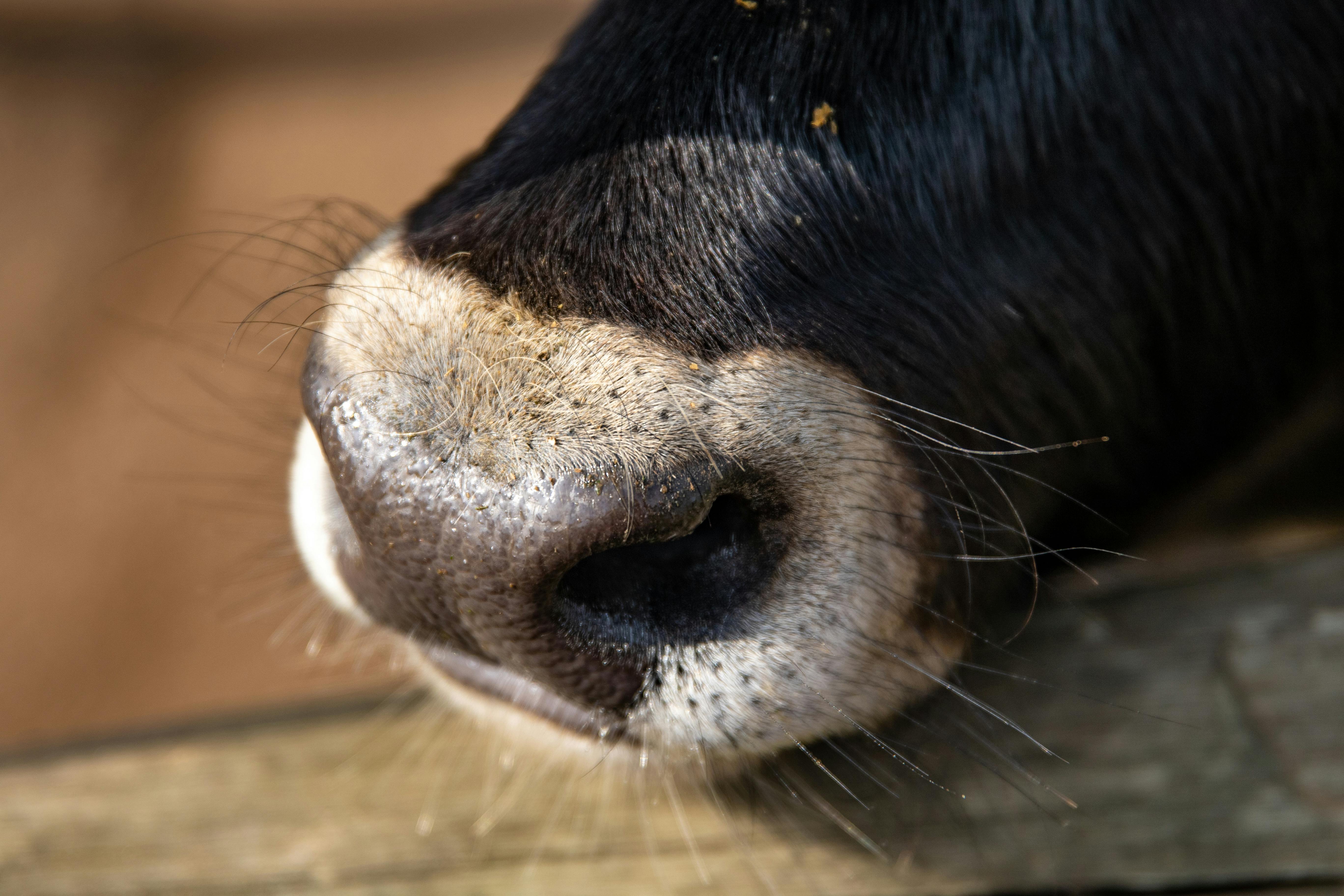 \n\n
\n\nWet noses are a common feature of dogs, and they play a significant role in how these animals interact with their environment. If you ever wonder why do dogs have wet noses, the answer goes beyond mere appearance. In fact, a dog's sense of smell is one of the most powerful in the animal kingdom, allowing them to understand their world in ways humans can hardly comprehend. Let’s dig deeper into the fascinating truth behind those wet noses, and how they contribute to a dog's incredible scent detection abilities.
\nThe Science Behind Wet Noses
\nDogs have wet noses for several reasons. The moisture helps to enhance their sense of smell. When a dog sniffs, the scent particles are more likely to stick to the wet surface of their nose. This is why you often see dogs sniffing around when they explore outside. A wet nose also helps them to cool down; dogs don’t sweat like humans do. Instead, they rely on their noses to regulate body temperature.
\nHere’s a quick summary of why dog’s noses are wet:
\n- \n
- Wetness helps trap scent particles. \n
- It keeps the nose cool, which is essential for regulating body temperature. \n
- Dogs can absorb scent molecules through their nasal membranes more effectively when they are moist. \n
Understanding Canine Scent Detection
\nDogs have an astounding olfactory system. Their sense of smell is estimated to be between 10,000 to 100,000 times more acute than that of humans. This means that what we might perceive as a faint scent can be overwhelmingly strong to a dog. The anatomy of a dog's nose is specially designed for this purpose.
\n- \n
- Olfactory Receptors: Dogs have around 300 million olfactory receptors in their noses, compared to about 6 million in humans. \n
- Jacobsen’s Organ: This unique organ helps dogs detect pheromones, which are chemical signals that can indicate everything from another dog's emotional state to potential mates. \n
- Nasal Turbinates: These structures in a dog’s nose increase the surface area for scent detection, allowing for even more efficient processing of smells. \n
Historical Context of Dogs and Their Noses
\nDogs have been companions to humans for thousands of years, and their noses have played a pivotal role in this relationship. Historically, dogs were bred for specific tasks, many of which required strong scent detection skills. Here are a few instances:
\n- \n
- Hunting: Breeds like Bloodhounds and Beagles were developed for tracking game based on their exceptional olfactory abilities. \n
- Search and Rescue: Dogs are used in various rescue operations to locate missing persons, because they can pick up scents from days or even weeks old. \n
- Law Enforcement: Drug-sniffing dogs are trained to detect illegal substances, while others can identify explosives. \n
Practical Examples of Scent Detection in Dogs
\nDogs are not just pets; they're often utilized in various fields because of their incredible noses. Here’s a list of some ways dogs help humans with their sense of smell:
\n- \n
- Medical Detection: Some dogs can be trained to detect diseases like cancer and diabetes by smelling changes in a person’s body odor. \n
- Search and Rescue Missions: Dogs assist in finding survivors in disaster situations due to their ability to smell through debris. \n
- Therapeutic Roles: Dogs can also sense emotional changes, helping in therapy settings where they support individuals with anxiety or PTSD. \n
Comparing Dogs' Noses to Other Animals
\nWhen we talk about scent detection, it's interesting to compare dogs to other animals. While dogs are remarkable, other creatures also have incredible olfactory capabilities. Here’s how dogs stack up against a few others:
\n| Animal | \nNumber of Olfactory Receptors | \nNotable Scent Detection Skills | \n
|---|---|---|
| Dog | \n~300 million | \nTracking, search and rescue, medical detection | \n
| Elephant | \n~2,000 genes for smell | \nCan detect water sources from several miles away | \n
| Rat | \n~1,000 genes for smell | \nUsed in detecting landmines and tuberculosis | \n
| Bear | \n~220 million | \nExcellent at finding food over vast distances | \n
As you can see, dogs are in a league of their own when it comes to scent detection, but they are not alone in the animal kingdom.
\nWet noses are more than just a cute feature of dogs; they are crucial tools for understanding their environment. The moisture enhances their ability to detect scents and helps them cool down. With an incredible sense of smell, dogs have been valuable partners to humans throughout history, aiding in hunting, rescue, and medical detection. So, next time you see a dog with a wet nose, remember that it's not just an endearing trait—it's a window into a world that humans can only begin to understand.
\n\nCommon Myths About Dog Noses Debunked: Wet or Dry, What’s Normal?
\n\n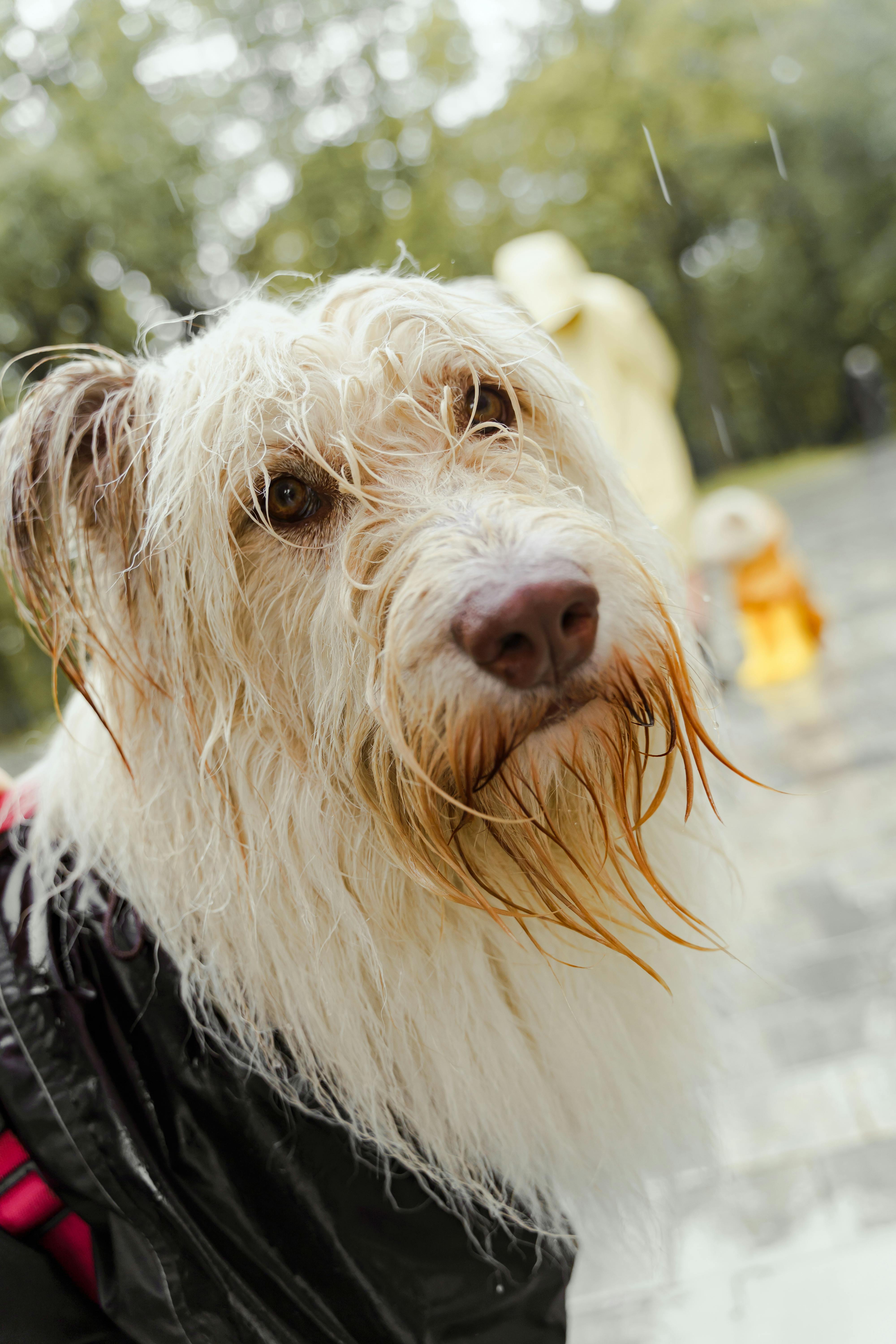 \n\n
\n\nDog noses have always been a subject of curiosity and myth. Many dog owners often wonder why their furry friends have wet noses, and what it means for their health. There’s a lot of misinformation floating around about dog noses, so let’s clear some things up. Wet or dry, what's normal for a dog’s nose? In this article, we will debunk some common myths and explore the fascinating truths behind why dogs have wet noses.
\nMyth 1: A Wet Nose Means a Healthy Dog
\nOne of the most persistent myths is that a wet nose indicates good health. While it’s true that many dogs have wet noses, this doesn’t automatically mean that they’re healthy. The moisture on a dog’s nose comes from a combination of mucus and the surrounding environment, and it can vary throughout the day. Here are a few points to consider:
\n- \n
- Dogs can have wet noses due to environmental factors, such as humidity or recent drinking. \n
- A dry nose doesn’t necessarily indicate illness. Dogs can have dry noses for many reasons, including weather changes or just waking up from a nap. \n
- Always consider other symptoms. If your dog is acting normally but has a dry nose, it might not be a concern. \n
Myth 2: All Dog Noses Are the Same
\nNot all dog noses are created equal. Different breeds can have varying nose types and moisture levels. For instance, brachycephalic breeds, like Bulldogs and Pugs, may have flatter noses that produce less moisture. On the other hand, long-nosed breeds like Greyhounds might have a more pronounced wetness. Here’s a quick breakdown of how various breeds can differ:
\n- \n
- Short-nosed breeds: Often have drier noses due to their anatomy. \n
- Long-nosed breeds: Typically display wetter noses more consistently. \n
- Mixed breeds: Can show characteristics of both types. \n
Myth 3: A Wet Nose Helps with Sense of Smell
\nAnother common belief is that a wet nose enhances a dog’s sense of smell. This is partly true! The moisture on a dog’s nose helps to capture scent particles in the air, which can enhance their ability to smell. But it’s not the only factor. Dogs have a complex olfactory system that includes:
\n- \n
- Olfactory receptors: Dogs have around 300 million olfactory receptors compared to humans, who have about 6 million. \n
- Jacobsen's organ: This organ helps dogs process smells, especially pheromones. \n
So, while a wet nose can aid in their smelling capacity, it’s just one of many factors.
\nMyth 4: A Warm Nose Means a Dog Is Sick
\nMany pet owners worry when they feel their dog's nose is warm, thinking it’s a sign of illness. However, this isn’t always the case. Dog noses can fluctuate in temperature for several reasons:
\n- \n
- Activity Level: After a romp in the park, your dog’s nose may heat up. \n
- Time of Day: Just like humans, dogs can have slightly different temperatures at various times. \n
- Overall Health: Always assess other health indicators, like energy levels and appetite, instead of relying solely on nose temperature. \n
Why Do Dogs Have Wet Noses?
\nSo, why exactly do dogs have wet noses? The moisture serves several functions:
\n- \n
- Cooling Mechanism: Just like sweating helps humans cool down, a dog’s wet nose can help regulate body temperature. \n
- Scent Enhancement: As mentioned earlier, moisture helps capture scent particles, assisting in their remarkable sense of smell. \n
- Communication: Dogs also use their noses to gather information about their surroundings, including other animals. \n
Quick Facts About Dog Noses
\n- \n
- Average Nose Size: Varies greatly between breeds, impacting moisture levels. \n
- Grooming: Dogs often lick their noses, which helps maintain moisture. \n
- Health Indicator: While not a definitive health indicator, changes in nose texture or temperature can signal a need for a vet visit. \n
Comparisons: Wet vs. Dry Noses
\nWet Nose Characteristics:
\n- \n
- Generally cooler to the touch \n
- Can have a sticky or slimy feel \n
- Often associated with active dogs \n
Dry Nose Characteristics:
\n- \n
- Warmer to the touch \n
- May feel cracked or rough \n
- Can indicate dehydration or other health issues if persistent \n
Understanding your dog’s nose can help you better care for them. While wet noses are often seen as a sign of health, it’s essential to consider the whole dog. A dog’s behavior, appetite, and energy level are more reliable indicators of their health than just the state of their nose.
\nSo the next time you wonder about your dog’s nose, remember these insights and separate fact from fiction. It’s all part of the fascinating world of our furry friends!
\n\nThe Role of Dog Noses in Temperature Regulation: Why Wetness Matters
\n\n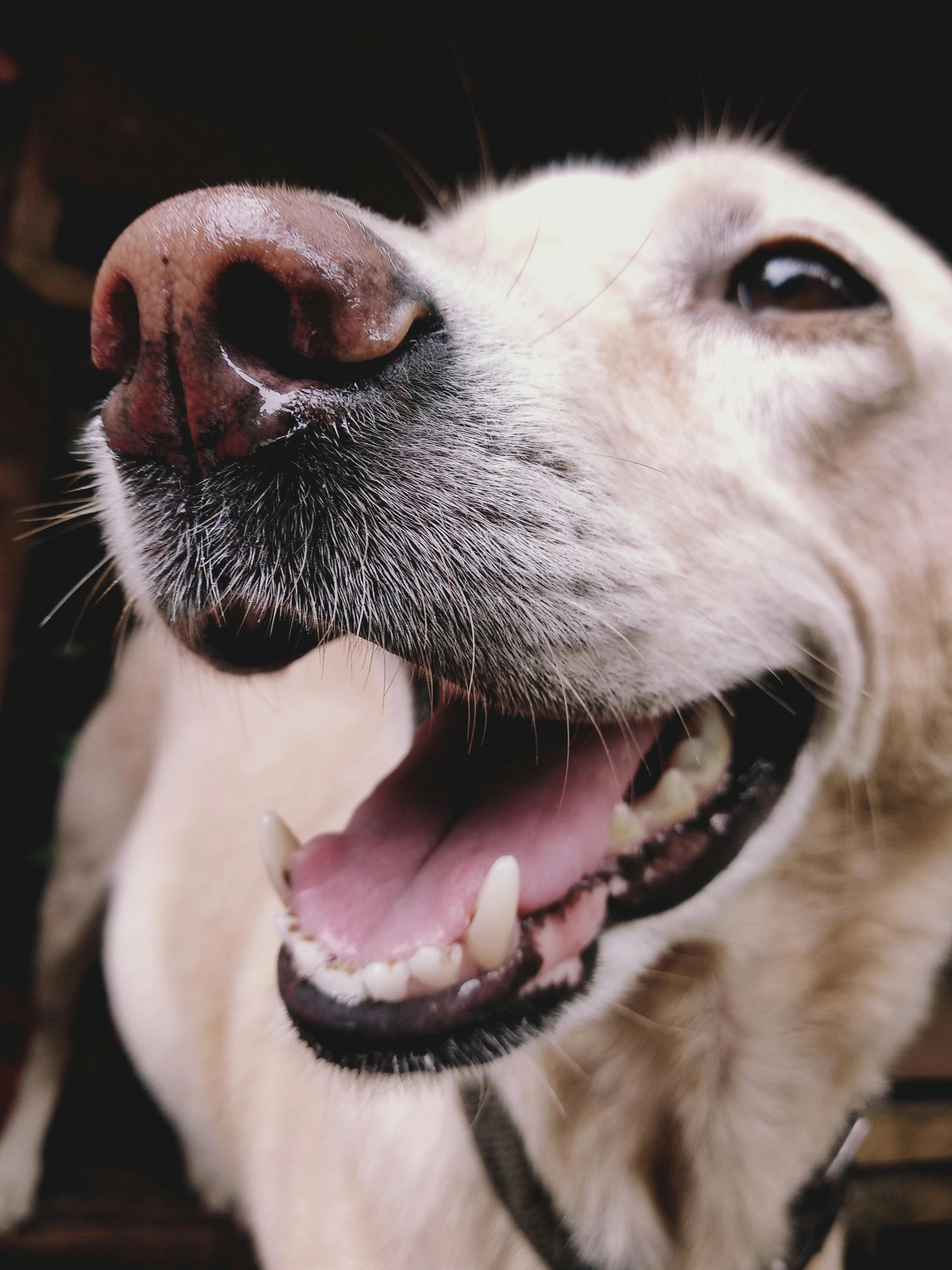 \n\n
\n\nDogs are among the most beloved pets across the world, and their curious features keep us fascinated. One of those features is their wet noses. Ever wonder why do dogs have wet noses? The answer is more than just a cute quirk; it relates to how they regulate their body temperature. Let’s dive deeper into the role of dog noses in temperature regulation and the fascinating truth behind their wetness!
\nThe Importance of Wet Noses
\nDog noses are wet for several reasons. It helps them in numerous ways, and here are some key points to consider:
\n- \n
- \n
Temperature Regulation: Dogs don’t sweat like humans do. Instead, they cool off through their noses. The moisture on the surface of the nose evaporates, which helps to cool their blood vessels underneath. This is critical, especially on hot days.
\n \n - \n
Enhanced Sense of Smell: A wet nose also helps dogs smell better. The moisture on their noses captures scent particles, allowing them to detect smells more effectively. This is why dogs have such a keen sense of smell, which is much stronger than humans.
\n \n - \n
Health Indicator: The condition of a dog's nose can indicate their health. A dry or cracked nose might suggest dehydration or illness, whereas a wet nose is generally a sign of good health.
\n \n
Why Do Dogs Have Wet Noses? A Historical Perspective
\nHistorically, dogs evolved from wolves, which had similar features. Wolves relied heavily on their sense of smell for hunting and survival. The wetness of their noses dates back to this time, allowing them to track scents over long distances. It is believed that this feature was naturally selected over generations, since dogs that could smell better were more successful in finding food and avoiding danger.
\nHow Temperature Regulation Works
\nUnderstanding how dog noses help in temperature regulation is essential. Here’s a simple breakdown:
\n- \n
- \n
Evaporation: Just like how human sweat cools the body, the moisture on a dog’s nose evaporates and cools the blood vessels beneath the nose.
\n \n - \n
Blood Flow: When dogs are hot, blood flow increases to the nasal area. This makes the nose feel cooler as more blood passes through.
\n \n - \n
Behavioral Adaptations: Dogs also engage in behaviors like panting, which further aids in cooling down. The combination of a wet nose and panting is an effective way to manage their body temperature.
\n \n
Fun Facts About Dog Noses
\n- \n
- \n
Unique Patterns: Just like human fingerprints, every dog has a unique nose print. This means no two dogs have the same nose!
\n \n - \n
Size Matters: The size of a dog's nose can influence its ability to smell. Breeds like Bloodhounds have more scent receptors, making them exceptional at tracking.
\n \n - \n
Nasal Turbinates: Inside a dog's nose, there are structures called nasal turbinates which increase the surface area for scent detection. This is why they can pick up on smells that are undetectable to humans.
\n \n
Temperature Regulation Tips for Your Dog
\nAs a pet owner, it's crucial to ensure your dog stays cool and healthy. Here’s a quick list of tips to help regulate your dog’s temperature:
\n- \n
- \n
Provide Plenty of Water: Always have fresh water available, especially on hot days.
\n \n - \n
Shade and Shelter: Ensure your dog has a shaded area to rest or a shelter where they can escape the heat.
\n \n - \n
Limit Exercise: During peak heat hours, reduce outdoor activities. Early morning or late evening is best for walks.
\n \n - \n
Monitor Nose Condition: Keep an eye on your dog’s nose. If it becomes excessively dry or cracked, consult a veterinarian.
\n \n
Comparison: Dogs vs. Other Animals
\nWhile dogs have wet noses for temperature regulation, other animals have different methods. Here’s a quick comparison:
\n| Animal Type | \nTemperature Regulation Method | \n
|---|---|
| Dogs | \nWet noses and panting | \n
| Cats | \nPanting and grooming | \n
| Horses | \nSweating and breathing | \n
| Cows | \nSweating and seeking shade | \n
In essence, the wetness of a dog’s nose plays an essential role not only in keeping them cool but also in enhancing their ability to interact with the world around them. Understanding why dogs have wet noses provides insight into their health and well-being.
\nWhether you are a dog owner or just an admirer, the next time you see a dog with a shiny, wet nose, remember the fascinating truth behind it. It’s not just a cute feature; it’s a critical aspect of how these loyal companions manage their health and interact with their environment.
\n\nCan You Trust a Wet Nose? Understanding Dog Behavior Through Nasal Moisture
\n\n\n\nWhen you see a dog with a wet nose, you might wonder if it’s just cute or if it means something deeper. Why do dogs have wet noses? This question has intrigued pet owners, scientists, and animal behaviorists alike. Understanding your dog’s behavior through the lens of its nasal moisture can be fascinating. So, let’s dive into this topic and uncover the truth behind those adorable wet noses.
\nThe Science Behind Wet Noses
\nDogs noses are not just cute; they play a crucial role in their health and behavior. A wet nose helps dogs in various ways, primarily linked to their sense of smell. Here’s how it works:
\n- \n
- Enhanced Smell: The moisture on a dog's nose captures scent particles from the air. This helps dogs to identify different smells more efficiently. \n
- Cooling Mechanism: Dogs don’t sweat like humans do. Their noses help to cool them down, much like how perspiration cools us. \n
- Health Indicator: A sudden change in nose moisture can indicate health issues. A dry nose might signal dehydration or illness. \n
Why Are Dogs' Noses Wet?
\nSo, why do dogs have wet noses? Here are some common reasons:
\n- \n
- Natural Moisture: The nose naturally secretes mucus, which keeps it moist. This is normal and healthy. \n
- Environment: Dogs often lick their noses, which can make them wet. They may do this after eating or playing outside. \n
- Health Factors: A wet nose is usually a sign of good health, but if it becomes excessively wet, it can be a sign of allergies or infections. \n
Historical Context of Dog Noses
\nDid you know that dogs have been domesticated for thousands of years? The relationship between humans and dogs goes back to at least 15,000 years ago. During this time, dogs developed traits that helped them survive and thrive alongside humans. A wet nose is just one of those traits that evolved for their benefit.
\nDogs’ Amazing Sense of Smell
\nDogs are known to have an incredible sense of smell, estimated to be anywhere from 10,000 to 100,000 times more acute than humans. Here’s a breakdown of how this sense works:
\n- \n
- Olfactory Receptors: Dogs have around 300 million olfactory receptors in their noses compared to the 5 million in humans. \n
- Nasal Structure: Their nasal passages are much longer, allowing for more scent detection. \n
- Vomeronasal Organ: This organ helps dogs detect pheromones, which are important for social interactions among dogs. \n
Fun Facts About Dog Noses
\n- \n
- Unique Nose Print: Just like human fingerprints, every dog’s nose has a unique pattern, which can be used for identification. \n
- Temperature Regulation: Dogs often will lay their heads on cool surfaces to help regulate their body temperature. \n
- Scent Tracking: Dogs can track scents that are days or even weeks old, which is why they are often used in search and rescue missions. \n
Understanding Dog Behavior Through Their Nose
\nObserving your dog's nose can give you insights into their emotional state. Here’s a quick overview of what different nose conditions might mean:
\n| Nose Condition | \nPossible Interpretation | \n
|---|---|
| Wet and Cool | \nHappy and healthy dog | \n
| Dry and Warm | \nPossible illness or dehydration | \n
| Excessively Wet | \nAllergies or other health issues | \n
| Cracked or Chapped | \nDehydration or environmental damage | \n
Practical Examples of Dog Behavior Related to Nose Moisture
\nWhen you’re playing with your dog, notice how often they lick their nose. This can indicate excitement or curiosity. Also, if your dog’s nose is dry after a long walk, it might be time for a drink. Some dogs may sniff the ground and have a wet nose as they explore their environment, trying to gather information about other animals or food.
\nWe often assume a wet nose is just an endearing trait of dogs, but it serves many purposes and reflects their health and emotional state. By understanding the reasons behind this unique feature, you can better care for your canine companion.
\nNext time you see your furry friend with that adorable wet nose, remember it’s not just a cute quirk. It’s a vital part of their health, behavior, and history that connects them to us in meaningful ways. Paying attention to the nuances of their nose can enhance your relationship with your dog, ensuring they remain happy and healthy.
\n\nConclusion
\n\nIn conclusion, the wet noses of dogs serve multiple important functions that contribute to their overall health and well-being. The moisture on their noses helps enhance their sense of smell, allowing them to detect scents more effectively, which is vital for their communication and interaction with the world around them. Additionally, a wet nose plays a role in thermoregulation, helping dogs maintain their body temperature, especially in warmer weather. While the presence of moisture can be a sign of good health, it's essential to monitor any significant changes, as they might indicate underlying health issues. Understanding the reasons behind this unique trait not only deepens our appreciation for our canine companions but also helps us care for them better. So, the next time you see your furry friend with that characteristic wet nose, remember its significance and ensure you’re providing them with the best care possible.
\n\n