
Have you ever wondered, why do dogs have wet noses? This intriguing question not only sparks curiosity but also leads us to discover the fascinating truth behind this unique canine feature! A dog’s nose is not just for sniffing; it plays a crucial role in their health and communication. Many pet owners often ask, “Are wet noses a sign of a happy dog?” or “What does a wet nose mean in dogs?” The reality is, a wet nose helps dogs regulate their body temperature and enhances their sense of smell, making them exceptional creatures. But the reasons don’t stop there! This blog will dive deep into the science behind dog noses and explore the benefits of having a wet nose. From the moisture that traps scent molecules to the playful licks that show affection, understanding why dogs have wet noses can enrich your bond with your furry friend. So, stick around as we unravel the mysteries of your dog’s nose and uncover tips on keeping it healthy. Are you ready to find out the truth? Let’s get started!
Unveiling the Mystery: Why Do Dogs Have Wet Noses? The Science Explained

Have you ever wonder why dogs have wet noses? It’s a quirky feature that’s not only adorable but also serve some important purposes. Many dog owners, and even those who just appreciate the company of our furry friends, often find themselves puzzled by this fascinating trait. Let’s dive into the science behind why dogs’ noses are wet and uncover the reasons in a way that anyone can understand.
The Science Behind Wet Noses
Dogs’ noses are wet because they contain a special type of gland that produces moisture. This moisture plays a crucial role in their sense of smell, which is far superior to that of humans. In fact, dogs have up to 300 million smell receptors in their noses, compared to about 5 million in humans! Here’s how the wetness helps:
- Enhanced Smell: The moisture helps to absorb scent particles from the air, making it easier for dogs to detect and identify odors.
- Cooling Mechanism: A wet nose can help regulate a dog’s body temperature. When they pant, the moisture on their noses evaporates, which can help to cool them down.
- Health Indicator: A wet nose can also be a sign of a healthy dog. While not always true, if a dog’s nose is dry, it might be worth noting any other symptoms they may show.
Historical Context of Dog Noses
Dogs have evolved alongside humans for thousands of years. The domestication of dogs began around 20,000 to 40,000 years ago. Early humans relied on dogs for various tasks, including hunting and protection, and dogs became skilled at sniffing out prey because of their wet noses.
In ancient times, various cultures regarded dogs as companions and helpers. Their ability to smell was not just a trait, it was an essential skill for survival. It’s quite interesting how something so simple as a wet nose can hold such historical significance.
What Makes Dog Noses Wet?
There are several factors that contribute to the moisture on a dog’s nose:
- Nasal Glands: Dogs have mucous-producing glands that create a thin layer of moisture on their noses. This moisture is constantly replenished.
- Environmental Factors: Dogs’ noses can get wet from various environmental factors like rain, snow, or even when they drink water.
- Licking: Dogs often lick their noses, which adds to the moisture. They might do this instinctively to keep their sense of smell at its peak.
Fun Facts About Dog Noses
- Color Changes: The color of a dog’s nose can change depending on health and environmental factors. Pink noses may become darker with sun exposure, while dark noses might lighten with age.
- Unique Patterns: Just like human fingerprints, each dog has a unique nose print! It can be used to identify them.
- Temperature Sensitivity: Dogs’ noses are sensitive to temperature changes, which is why they often know when something is off in their environment.
Common Misconceptions
Many people think that a cold, wet nose means a dog is healthy, while a warm, dry nose signals illness. This isn’t always the case! The temperature and moisture of a dog’s nose can fluctuate for various reasons. Here’s a quick rundown of what to consider:
- Not Always Indicative of Health: A dry nose doesn’t automatically mean your dog is sick. Other symptoms matter more.
- Seasonal Variations: In winter, dogs might have drier noses due to the cold air, while heat can lead to increased moisture in summer.
Practical Tips for Dog Owners
- Regular Check-Ups: Make sure to take your dog for regular vet visits to monitor their overall health, including their nose condition.
- Hydration: Ensure your dog has access to fresh water, as hydration can affect nose moisture.
- Watch for Changes: If you notice sudden changes in your dog’s nose (like excessive dryness or cracking), consult your veterinarian.
Understanding why dogs have wet noses not only helps you appreciate your furry friend more but also gives insights into their health and behavior. The mystery of the wet nose is a blend of biology, evolution, and fun facts that add to the charm of owning a dog. Next time you pet your pooch, take a moment to wonder at the science behind that cute, wet nose!
Top 5 Reasons Your Dog’s Nose is Wet: Understanding Canine Physiology
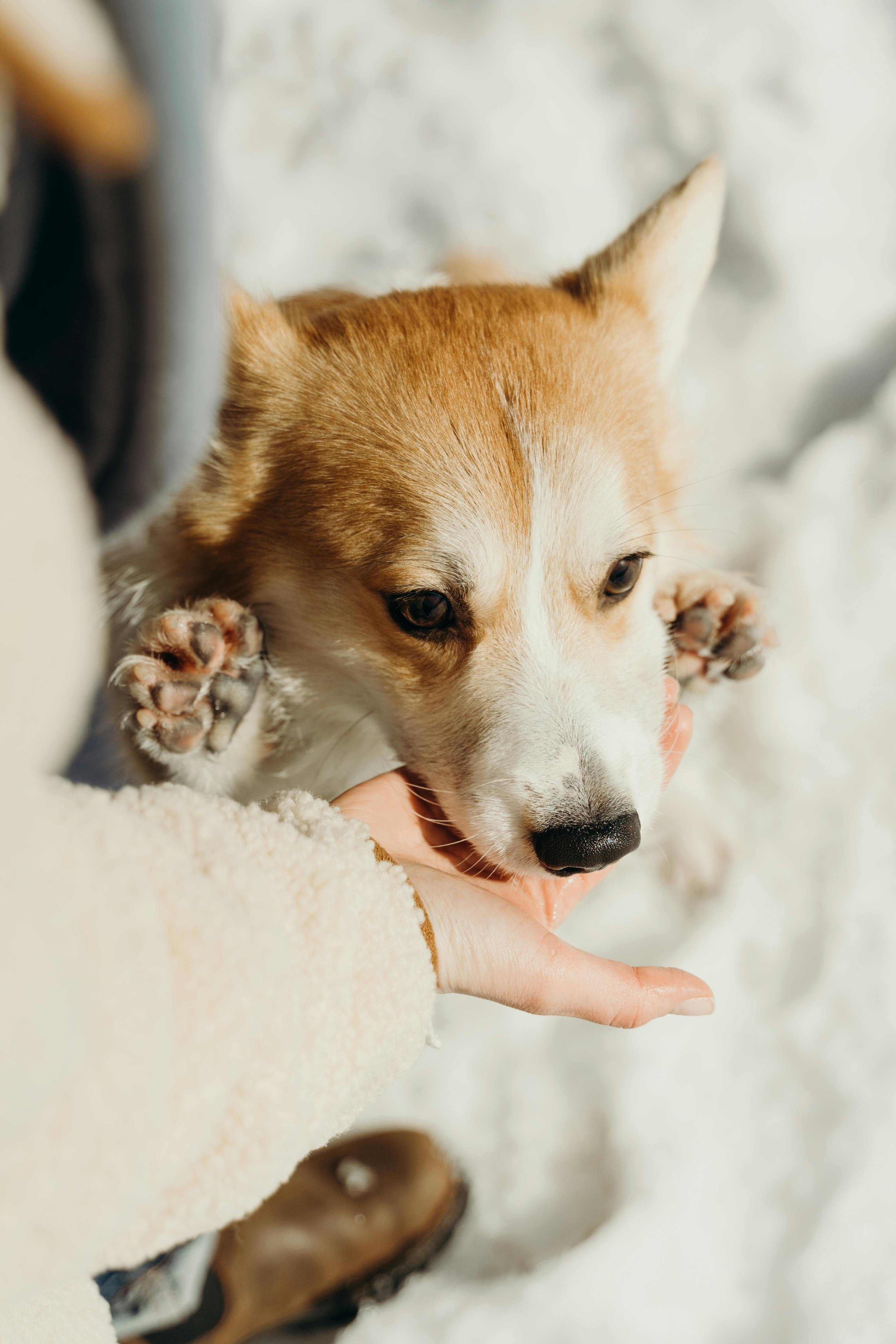
Dogs are often considered man’s best friend, and there’s much to admire about them, especially their unique physiology. One of the most intriguing aspects of dogs is their wet noses. But, why do dogs have wet noses? In this post, we’re going to explore the top five reasons that explain this phenomenon and uncover the fascinating truth behind canine noses.
1. Cooling Mechanism
Dog’s noses are wet mainly because they help regulate the dog’s body temperature. Unlike humans, who sweat through their skin, dogs cool down primarily through panting and their noses. The moisture on their noses evaporates, which helps to lower their body temperature. This is especially important during hot weather when dogs can easily overheat.
- Dogs have sweat glands only in their paw pads.
- A wet nose can lower a dog’s temperature by evaporation.
- The evaporation process can be more efficient in a cooler environment.
2. Sense of Smell
Another reason for a dog’s wet nose is its role in enhancing their sense of smell. Canine noses contain a complex structure that allows them to gather scent molecules from the air. A wet nose can trap these scent particles more effectively. This is essential for dogs as they rely heavily on their sense of smell to interact with the world around them.
- Dogs have up to 300 million olfactory receptors, compared to humans’ 5 million.
- The moisture on their nose helps to absorb scent molecules.
- Wet noses can help dogs pick up smells from further away.
3. Communication Tool
Dogs also use their noses to communicate with each other and with humans. A wet nose can signal a dog’s state of mind. For example, a dog may nuzzle you with a wet nose when they are seeking attention or affection. It can also indicate that a dog is relaxed and comfortable in their environment.
- Wet noses can signify playfulness or curiosity.
- Dogs may nuzzle each other with wet noses during social interactions.
- The moisture can indicate a dog’s emotional state.
4. Health Indicator
A dog’s nose can be an indicator of their health. While a warm or dry nose isn’t always a sign of illness, significant changes in the wetness or temperature of a dog’s nose can indicate underlying health issues. For instance, if a dog’s nose becomes excessively dry, it may signal dehydration or fever.
- Normal noses are typically cool and moist.
- A dry nose can indicate health concerns, but not always.
- Always consult a vet if you notice drastic changes in your dog’s nose condition.
5. Breed Variations
Different breeds of dogs may have variations in their nose wetness. For example, some breeds, like bulldogs, may have naturally drier noses due to their facial structure. On the other hand, hounds tend to have very moist noses. Understanding these breed differences helps dog owners know what to expect and when to seek veterinary advice.
- Breeds like beagles have very wet noses, aiding their tracking abilities.
- Flat-faced breeds may have higher chances of dry noses due to airflow issues.
- It’s important to know your dog’s breed characteristics for better care.
Summary
From regulating body temperature to enhancing their incredible sense of smell, wet noses in dogs serve several important purposes. They are not just a cute feature, but an important part of how dogs interact with their environment, communicate, and even indicate their health status. Understanding these functions can help dog owners provide better care for their furry friends.
So next time when you feel your dog’s wet nose, remember that it is not just adorable, but also a fascinating aspect of their physiology. Embrace the quirks of your canine companion and enjoy the unique relationship you share, knowing that their wet nose is just one of many ways they connect with the world around them.
Is a Wet Nose a Sign of a Healthy Dog? Debunking Common Myths
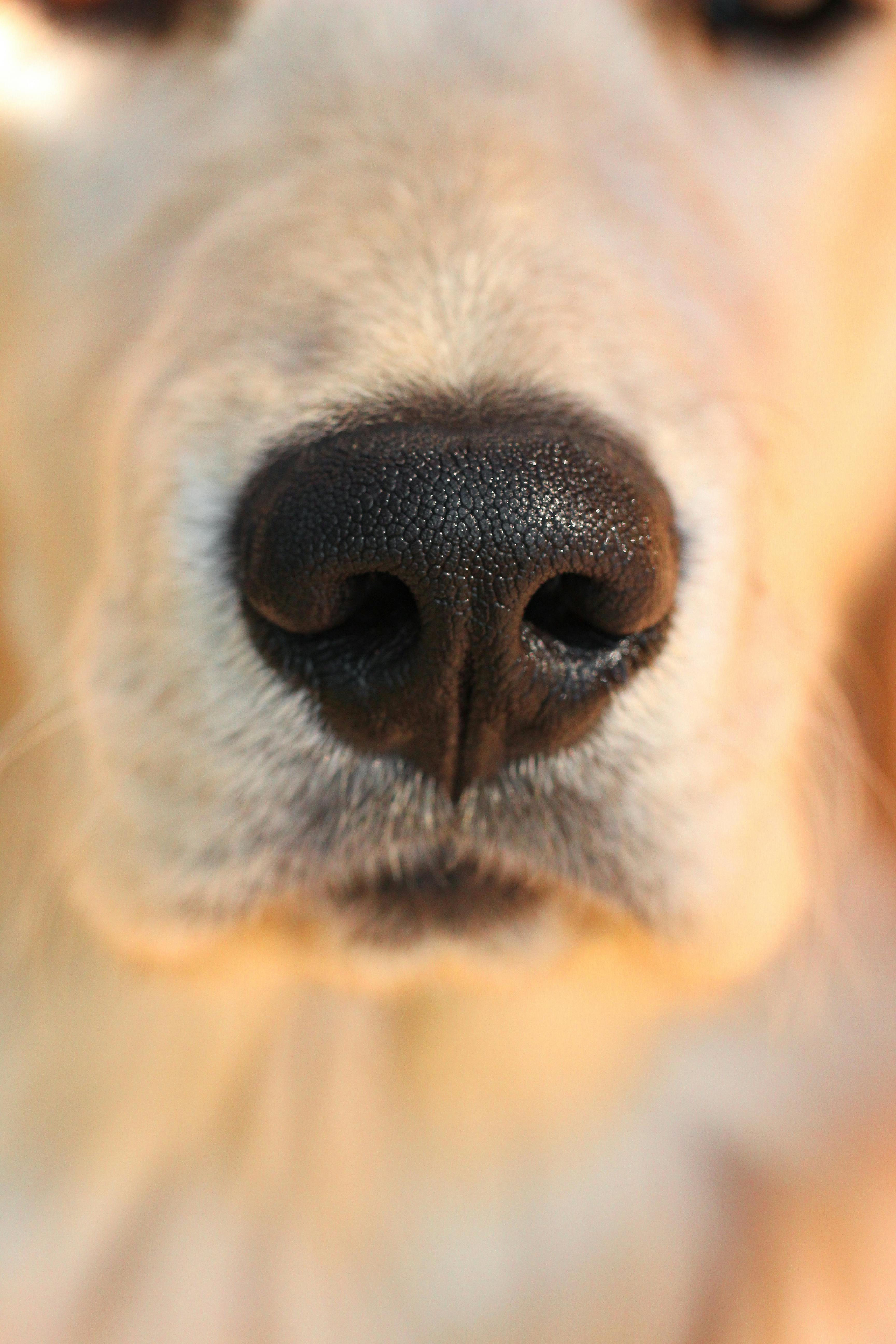
Is a Wet Nose a Sign of a Healthy Dog? Debunking Common Myths, Why Do Dogs Have Wet Noses? Discover The Fascinating Truth!
Most dog owners often wonder if a wet nose means their furry friend is healthy. It’s a common belief that a cold, wet nose is a sign of good health. But, is this really true? Let’s dive into the science behind those wet noses and uncover the myths surrounding them.
Why Do Dogs Have Wet Noses?
Dogs have wet noses for several reasons, and it’s not just for show. Here’s some key points about dog noses:
- Thermoregulation: Dogs can’t sweat like humans do. Instead, they regulate their body temperature through their nose and panting. A wet nose helps cool them down.
- Scent Detection: A wet nose helps enhance a dog’s sense of smell. The moisture captures scent particles from the air, making it easier for them to identify different smells.
- Health Indicator: While a wet nose can sometimes indicate a healthy dog, it’s not the only factor to consider. Other signs of health include energy levels, appetite, and behavior.
The Myths Explained
There’s many myths floating around about dog noses that can confuse pet owners. Here are a few common ones:
Myth: A Wet Nose Always Means A Healthy Dog
Reality: While a wet nose can indicate health, it’s not definitive. Dogs can have dry noses and still be perfectly healthy.Myth: Dogs’ Noses Should Always Be Cold
Reality: The temperature of a dog’s nose varies. Sometimes it can be warm and still be a sign of health, especially if they’ve been resting or sleeping.Myth: Dogs’ Noses Dry Out When They’re Sick
Reality: A dog’s nose can dry out for several reasons, including weather changes, dehydration, or even allergies. It doesn’t necessarily mean they are unwell.
What Affects A Dog’s Nose Moisture?
There are many factors that can influence whether a dog’s nose is wet or dry:
- Environmental Conditions: Hot, dry weather can lead to a drier nose. Similarly, cold air can also affect moisture levels.
- Health Issues: Certain conditions like fever, allergies, or even skin infections can cause changes in nose moisture.
- Age: Older dogs may naturally have drier noses as part of their aging process.
Signs of a Healthy Dog Beyond Their Nose
When checking your dog’s health, it’s important not to focus solely on their nose. Here’s a list of other signs that indicate your dog is healthy:
- Energy Level: Active and playful behavior is a good sign.
- Appetite: A healthy dog usually has a consistent appetite and enjoys their food.
- Coat Condition: A shiny, clean coat often indicates good health.
- Behavior: Normal behavior, like being social and responsive, is an essential indicator.
When to Contact a Veterinarian
If you notice any drastic changes in your dog’s nose or overall behavior, it might be time to consult a veterinarian. Here are some signs that warrant a visit:
- Sudden changes from wet to dry nose without an apparent reason
- Excessive licking of the nose
- Discharge or bleeding from the nose
- Changes in energy or appetite
Fun Facts About Dog Noses
Did you know dog noses are unique just like human fingerprints? Here are some interesting tidbits about dog noses:
- Nose Prints: Each dog has a unique nose print, which can be used for identification.
- Scent vs. Taste: Dogs have about 220 million scent receptors, while humans only have about 5 million. This makes their sense of smell significantly more powerful.
- Temperature Sensitivity: Dog noses can detect changes in temperature, helping them sense their environment better.
In summary, a wet nose can be an indicator of a healthy dog, but it’s not the only factor to consider. The moisture of a dog’s nose can fluctuate due to various environmental and health-related reasons. It’s essential to observe your dog’s overall health through multiple signs like energy levels and appetite. If you’re ever in doubt, don’t hesitate to reach out to a veterinarian for guidance. Stay informed and keep your furry friend happy and healthy!
The Fascinating Truth Behind Dogs’ Wet Noses: What Every Owner Should Know
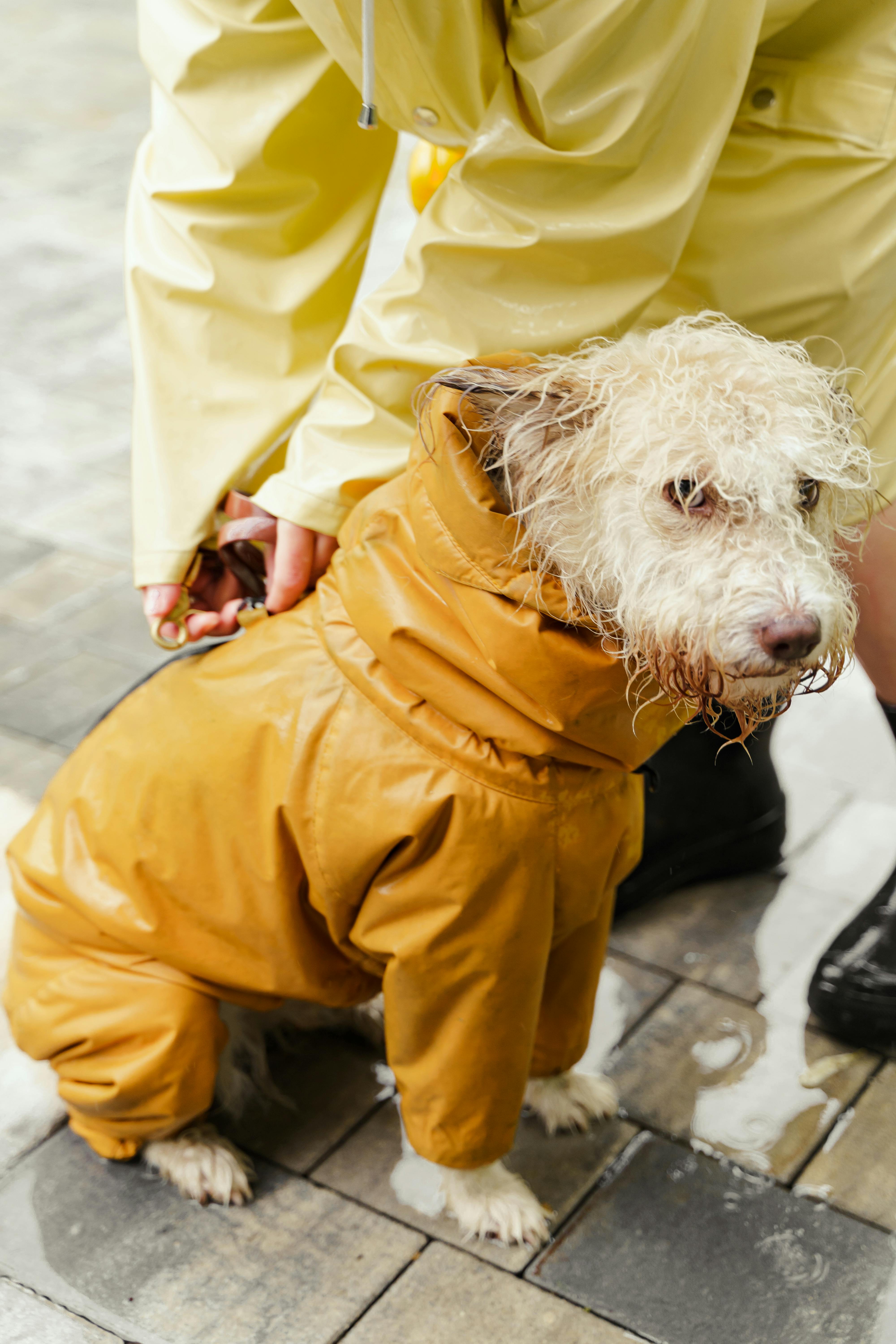
Dogs are often called man’s best friend, but have you ever wondered why their noses are so wet? It’s one of those quirks that many dog owners notice, but few actually understand. So, let’s dive into the fascinating truth behind dogs’ wet noses. Why do dogs have wet noses? Discover the fascinating truth that every pet owner should know!
The Science of Wet Noses
Dogs’ noses are moist for a reason, and it’s not just to make them look cute, although they definitely do! There are several scientific explanations for this common canine feature:
Enhanced Sense of Smell: Dogs have an incredible sense of smell, far superior to humans. A wet nose helps to capture scent particles more effectively. The moisture on the nose allows these tiny particles to stick, which helps dogs identify smells better.
Cooling Mechanism: Just like humans sweat, dogs also need a way to regulate their body temperature. A wet nose helps in cooling their bodies down. When the moisture evaporates, it cools the surface of the nose and helps to lower the dog’s overall body temperature.
Health Indicator: The condition of a dog’s nose can indicate its health. A healthy dog’s nose tends to be moist and cool, while a dry, cracked nose can sometimes be a sign of dehydration or illness. However, this isn’t a fool-proof method; always consult a vet for health concerns.
Historical Context of Dogs’ Noses
The wet nose has been a characteristic of canines for centuries. Ancient domesticated dogs, which were used for hunting and herding, relied on their keen sense of smell. Over time, this characteristic became a staple in various dog breeds. Different cultures have recognized the importance of a dog’s nose, often associating it with wisdom and loyalty.
Fun Facts About Dogs’ Noses
Here are some fun facts about dogs’ noses that you might not know:
Unique Patterns: Just like human fingerprints, every dog’s nose print is unique. It’s common for some organizations to even record nose prints for identification purposes.
Temperature Sensitivity: Dogs can actually sense changes in temperature through their noses. This is why they are often trained to detect temperature-sensitive items, such as drugs or explosives.
Nasal Turbinates: The inside of a dog’s nose contains structures called turbinates, which help filter and warm the air they breathe. This is essential for protecting their lungs and optimizing their sense of smell.
Why Does Your Dog’s Nose Change?
Many dog owners may notice that their pet’s nose changes throughout the day or with the seasons. Here are a few reasons why:
Hydration Levels: A dog that is dehydrated will have a drier nose. Make sure they drink enough water, especially on hot days.
Weather Changes: Cold weather can make a dog’s nose drier, while warm weather can make it more moist. It’s all part of the body’s natural responses.
Health Issues: If your dog’s nose becomes overly dry or cracked, it might be time for a vet visit. Skin conditions, allergies, or infections can affect the moisture levels in their noses.
Tips for Maintaining a Healthy Nose
As a dog owner, it’s important to keep your furry friend’s nose in good shape. Here are some tips:
Regular Check-ups: Schedule annual vet check-ups to ensure your dog is healthy overall, including its nose.
Hydration: Always provide fresh water to keep your dog hydrated.
Moisturizers: If you live in a dry climate, consider using a dog-safe moisturizer to prevent cracking.
Comparing Dog Nose Types
Not all dogs have the same type of nose, and they can vary greatly between breeds. Here’s a simple comparison of different nose types:
| Breed | Nose Type | Common Features |
|---|---|---|
| Labrador Retriever | Broad and wet | Great for smell and temperature control |
| Dachshund | Long and moist | Sensitive to temperature changes |
| Bulldog | Short and wrinkled | Can trap heat more easily |
| Greyhound | Slim and dry | Needs extra hydration in warm weather |
So, there you have it! The fascinating truth behind why dogs have wet noses is a blend of science, health, and history. Understanding this unique feature can help you appreciate your dog even more. Whether they’re sniffing around the park or just giving you those puppy eyes, their wet noses are an essential part of what makes them such amazing companions. Keep them healthy and happy, and they’ll bring joy to your life for many years to come.
How Do Wet Noses Enhance Your Dog’s Sense of Smell? Discover the Connection

Dogs are often called man’s best friend, and one of the most interesting features that they have is their wet noses. But have you ever wonder why do dogs have wet noses? And how do wet noses enhance your dog’s sense of smell? Let’s dig into the fascinating truth behind those damp snouts and discover how they play a crucial role in your furry friend’s ability to sniff out all sorts of scents.
The Science Behind Wet Noses
To understand the connection between wet noses and smell, we first need to realize how dogs perceive the world. Dogs have a sense of smell that is estimated to be anywhere from 10,000 to 100,000 times more acute than humans. This remarkable ability is thanks to their olfactory system, which is packed with scent receptors. In fact, dogs have about 220 million scent receptors in their noses, compared to a meager 5 million in humans.
But what role does moisture play in this? A wet nose can actually enhance a dog’s sense of smell by trapping scent particles. When a dog sniffs, moisture from their nose helps to capture odor molecules from the air. This makes it easier for the scent receptors to detect those molecules, which is why a wet nose is so important for a dog’s olfactory abilities.
Why Are Dog Noses Wet?
There are several reasons why dog noses tend to be moist, and it’s not just to help with their sense of smell. Here’s a list of key factors:
Cooling Mechanism: Dogs don’t sweat like humans do. Instead, they cool themselves primarily through panting and through their noses. The moisture on their snouts evaporates and helps to lower their body temperature.
Scent Detection: As mentioned earlier, a wet nose captures scent particles more effectively, enhancing their ability to smell. This is especially important for hunting dogs or those that need to track scents for various reasons.
Health Indicator: A dog’s nose can also be an indicator of their health. While a wet nose is generally a sign of a healthy dog, a dry or cracked nose may indicate dehydration or illness.
Behavioral Aspect: Dogs often lick their noses, which keeps them moist and also helps them to taste the scents they pick up. This adds another layer to how they interpret smells.
Historical Perspective on Dog Noses
Historically, dogs have been bred for various purposes, including hunting, herding, and companionship. The breeds that were more reliant on their sense of smell have developed particularly moist noses as a result of selective breeding. For example, bloodhounds, known for their incredible tracking abilities, have particularly wet and large noses that enhance their olfactory skills.
Comparison: Dog Noses vs. Human Noses
Let’s take a look at how dog noses compare to human noses in terms of structure and function:
| Feature | Dog Nose | Human Nose |
|---|---|---|
| Number of Scent Receptors | Approximately 220 million | About 5 million |
| Moisture Level | Generally wet | Usually dry |
| Scent Detection Ability | 10,000 to 100,000 times more | Limited |
| Cooling Mechanism | Yes, through evaporation | Minimal (sweating) |
Practical Examples of Nose Use
Dogs use their noses in various practical ways in everyday life:
Search and Rescue: Dogs are trained to sniff out missing persons, drugs, or even explosives. Their wet noses allow them to capture scents from vast areas.
Medical Detection: Some dogs can identify diseases like diabetes or cancer through scent. Their ability to smell changes in human body chemistry is exceptional.
Everyday Interactions: Dogs greet each other and humans by sniffing. They gather information about each other’s health and emotional states through their sense of smell.
In summary, wet noses are not just an adorable trait of dogs; they serve multiple critical functions that enhance their sense of smell. A wet nose helps dogs detect scents better, cools them down, and even serves as a health indicator. So next time you see your pooch with that shiny, wet nose, remember that it’s working hard to sniff out the wonders of the world around them!
The Role of a Dog’s Wet Nose in Communication: What Are They Trying to Tell You?
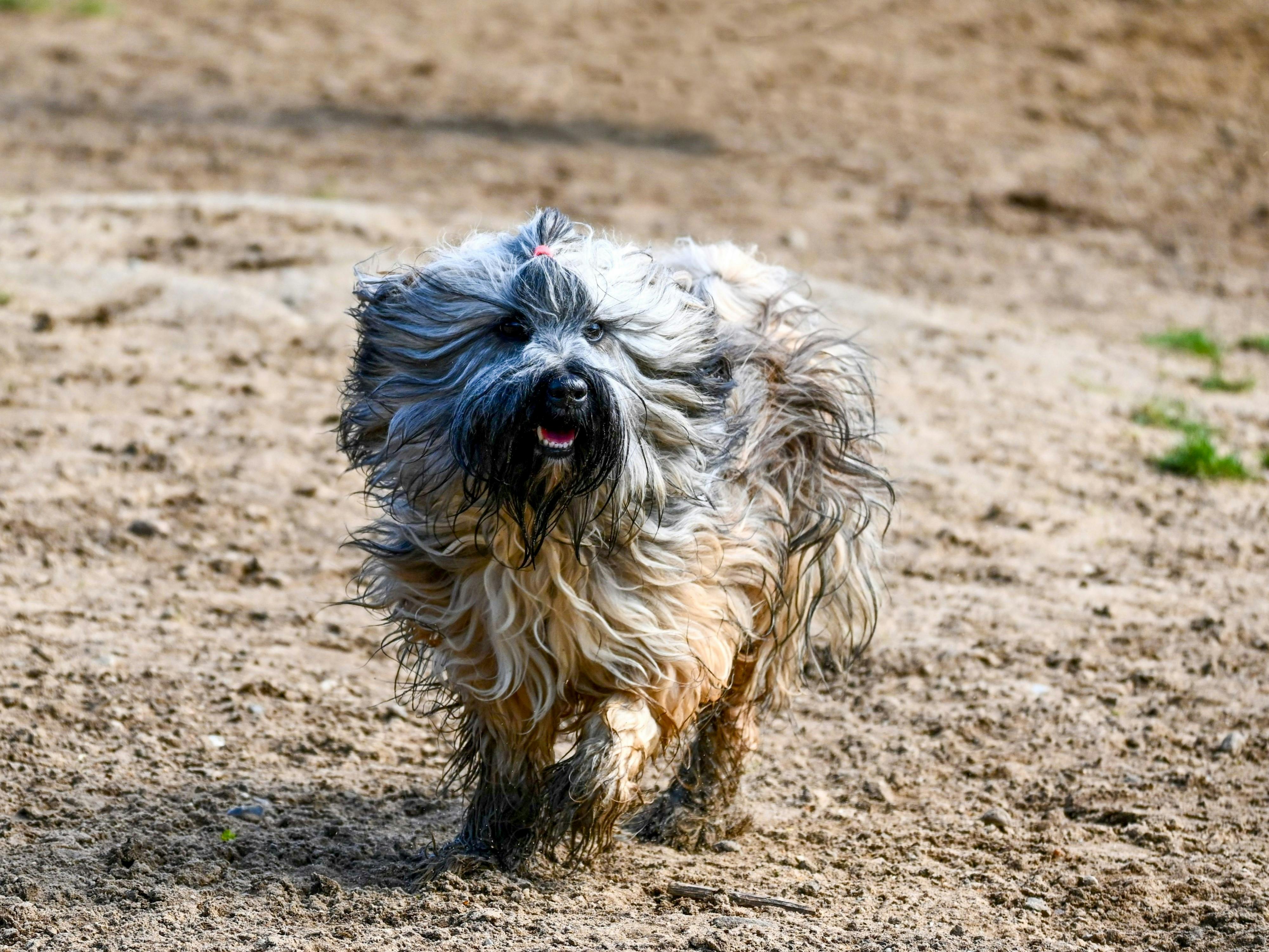
Dogs are known for their unique ways of communicating, and one of the most intriguing aspects of their behavior is their wet noses. The question of why do dogs have wet noses is not just a trivial curiosity; it has roots in their biology and social interactions. In this article, we will explore the fascinating truth behind a dog’s wet nose and what they are trying to tell you with it.
Why Do Dogs Have Wet Noses?
The wetness of a dog’s nose is often attributed to the moisture that helps them sense the world around them better. But, there’s more to it than just that. Here are several reasons explaining the phenomenon:
Enhanced Sense of Smell: Dogs have an incredible sense of smell, which is way better than humans. A wet nose helps to absorb scent particles from the air, improving their olfactory abilities. When the nose is moist, it can trap more scents, allowing dogs to gather information from their environment.
Temperature Regulation: A dog’s nose also assists in regulating its body temperature. Just like sweat helps humans cool off, dogs can lose heat through their noses. When they pant, moisture from the nose evaporates, helping to lower their body temperature.
Social Interaction: Dogs use their noses to communicate and gather information about other dogs and humans. A wet nose can indicate excitement or curiosity. When a dog nudges you with its wet nose, it can mean they want your attention or affection.
Health Indicator: The condition of a dog’s nose can sometimes indicate their health status. A consistently dry or cracked nose can be a sign of dehydration or illness. While a wet nose is generally a sign of good health, it’s important to observe other behaviors.
The Science Behind Dog Noses
The anatomy of a dog’s nose is quite complex. Here’s some interesting physiological facts:
Nasal Mucosa: The inside of a dog’s nose is lined with a special tissue called the nasal mucosa, which helps trap scent particles. This tissue also has a rich supply of blood vessels, contributing to the moistness.
Jacobsen’s Organ: Located in the roof of a dog’s mouth, this organ helps them process smells. Dogs have about 300 million olfactory receptors, compared to humans who have approximately 5 million. This is why dogs can detect certain scents at incredibly low concentrations.
What Are They Trying to Tell You?
When your dog approaches you with a wet nose, it could be trying to communicate various things. Here are some common interpretations of this behavior:
Affection: A gentle nudge with a wet nose can be a sign of love and trust. Dogs often seek physical contact with their owners as a way to bond.
Curiosity: If your dog is sniffing intensely or nudging you, they might be trying to learn more about you and your activities. They are natural explorers!
Hunger or Need: Sometimes, a wet nose can be a way for dogs to signal their needs, like wanting to go outside or asking for food. Pay attention to the context.
Playfulness: If your dog nudges you during playtime, it can be an invitation to engage. Their wet noses can add to the playful atmosphere.
Historical Context and Fun Facts
Dogs as Companions: Dogs have been companions to humans for thousands of years. The bond between dogs and humans has evolved over time, and communication has played a key role.
Different Breeds, Different Noses: Some breeds have different nose shapes and sizes. For example, bloodhounds have long, droopy noses that help them in tracking scents, while pugs have shorter noses that can affect their sense of smell.
Cultural Significance: In various cultures, dogs are seen as symbols of loyalty and friendship. Their wet noses are often associated with these traits, adding to their endearing nature.
Practical Tips for Dog Owners
Understanding your dog’s nose can enhance your relationship with them. Here are some tips:
Observe Behavior: Pay attention to how your dog uses its nose. This can give insights into their feelings and needs.
Maintain Nose Health: Ensure your dog’s nose is healthy. Regular vet check-ups can help identify any issues that may arise.
Engage in Play: Use your dog’s natural curiosity to your advantage. Engage them in games that involve sniffing or searching for treats.
In summary, the wet nose of a dog is not just a cute feature; it plays a vital role in their communication and interaction with the world. Understanding the reasons behind it can pave the way for a deeper connection with your furry friend. So the next time your dog nudges you with that wet nose, remember all the fascinating truths behind this simple act.
Do Dogs Sweat Through Their Noses? Exploring Canine Temperature Regulation
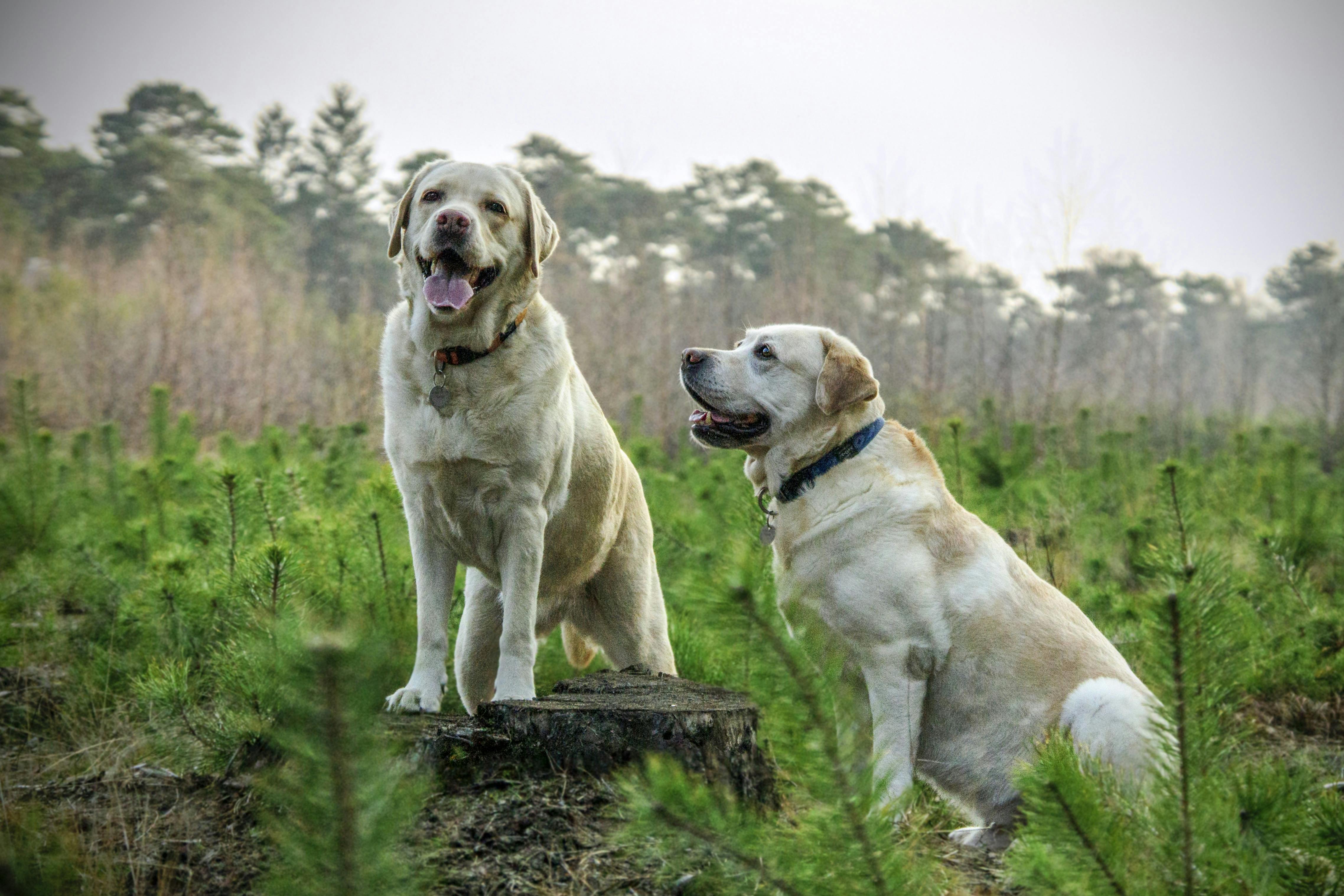
Dogs are one of the most beloved pets around the world and many people often wonder about their unique physiological features. One common question that arises is, “Do dogs sweat through their noses?” This inquiry leads us down a path of understanding how dogs regulate their body temperature and why they have those distinctive wet noses. Let’s explore the fascinating truth behind these canine characteristics!
Do Dogs Sweat?
Unlike humans, dogs do not sweat in the same way. Humans have sweat glands all over their skin, allowing them to cool down by perspiration. Dogs, on the other hand, sweat only from a few spots, mainly through their paw pads. Their primary method of regulating temperature is through panting. When a dog pants, it circulates air through its body, which helps dissipate heat.
So, to answer the question directly: No, dogs do not sweat through their noses. They may have moisture on their noses, but it’s not sweat. Instead, it’s a result of other factors, which we will dive into later.
Why Do Dogs Have Wet Noses?
You might notice your dog’s nose is often damp. This wetness serves several important purposes:
- Scent Detection: A wet nose helps enhance a dog’s sense of smell, as moisture captures scent particles in the air. This makes them more effective hunters and companions.
- Temperature Regulation: While they don’t sweat through their noses, the moisture on a dog’s nose helps keep them cool. It can evaporate, providing a slight cooling effect.
- Health Indicator: A wet nose is often a sign of a healthy dog. If a dog’s nose becomes excessively dry or cracked, it might indicate dehydration or illness.
Historical Context of Dogs’ Noses
Historically, dogs have been bred for various tasks, from hunting to herding, and their noses have adapted accordingly. The wet nose is not just a random trait; it has evolved to optimize their survival in the wild. These adaptations are fascinating and provide insight into the incredible world of canine physiology.
Comparison of Temperature Regulation in Dogs vs. Humans
Here’s a quick comparison table showing how dogs and humans regulate body temperature:
| Feature | Dogs | Humans |
|---|---|---|
| Primary Cooling Method | Panting | Sweating |
| Sweat Glands | Few (paws mainly) | Many (throughout skin) |
| Nose Moisture | Present, not sweat | Not applicable |
Interesting Facts About Dogs’ Noses
- Unique Patterns: Just like human fingerprints, every dog has a unique nose print. This can actually be used for identification.
- Temperature Sensing: Dogs can sense temperature changes in their environment through their noses, which helps them react to changes effectively.
- Nose Color: The color of a dog’s nose can indicate various health issues. A sudden change in color could signal an underlying condition.
Practical Examples of Canine Temperature Regulation
Let’s look at some practical instances where you can see your dog’s temperature regulation in action:
- After Exercise: After a good run, dogs pant heavily, and their noses may become even wetter. This is their body’s way of cooling down after exertion.
- Hot Weather: On hot days, you’ll notice your dog may seek shade or lay on cool surfaces. Their noses will remain moist as they try to keep cool.
- Health Check: If your dog’s nose suddenly becomes dry and warm, it might be time for a vet visit. A healthy dog typically has a cool, moist nose.
Understanding these factors not only helps dog owners provide better care but also deepens the appreciation for our furry friends’ biology.
In summary, dogs do not sweat through their noses, but their wet noses serve crucial roles in their lives, from enhancing their sense of smell to aiding in temperature regulation. Knowing why dogs have wet noses can help you better understand your pet’s health and well-being. So next time you pet your dog and feel that dampness, you’ll know it’s more than just a cute feature; it’s part of what makes dogs such wonderful companions!
The Impact of Environment on Your Dog’s Wet Nose: What to Watch For

Have you ever wondered why your furry friend’s nose is wet? It’s a common sight that many dog owners notice, but the truth behind it is pretty fascinating! The moisture level of a dog’s nose can actually tell you a lot about their health and environment. Let’s dive into why dogs have wet noses and how the surrounding environment impacts them.
Why Do Dogs Have Wet Noses?
Dogs’ noses are wet for several reasons. First of all, the moisture helps them with their sense of smell. Canines are known for their incredible olfactory capabilities, and the wetness on their noses helps to capture scent particles from the air. This is so important for their hunting and social behavior.
- Enhanced Smelling: The wet surface allows scent molecules to stick and be absorbed.
- Temperature Regulation: A wet nose can help cool down a dog’s body, similar to sweating in humans.
- Health Indicator: A consistently wet nose usually indicates good health, while a dry one might signal dehydration or illness.
The Environment’s Role
The environment plays a huge part in a dog’s nose moisture levels. Different factors can affect how wet or dry a dog’s nose becomes. Here’s what to keep an eye on:
- Humidity Levels: A higher humidity can keep a dog’s nose moister, while dry conditions can lead to a drier nose.
- Temperature: Hot weather can cause noses to dry out quicker. It’s important for dog owners to monitor their pet’s hydration, especially in summer.
- Indoor Conditions: Central heating and air conditioning can dry out the air, which may affect your dog’s nose.
Things to Watch For
As a responsible dog owner, you should be aware of some signs that can indicate something is off. Here are the things you should watch for:
- Dry Nose with Cracking: This can indicate dehydration or a skin condition.
- Excessive Moisture: If the nose is excessively wet and there are other symptoms like sneezing or coughing, it could point to allergies or infections.
- Color Changes: A change in color from the normal black or brown can signal health issues.
Historical Context of Dogs’ Noses
Dogs have evolved over thousands of years, and their wet noses are a product of that evolution. Historically, dogs were hunters and companions to humans. The ability to have a keen sense of smell was crucial for survival. The wet noses not only helped in tracking but also in communicating with other dogs and humans.
- Domestication: Dogs became domesticated around 15,000 years ago. Their noses played a vital role in their hunting prowess.
- Breeding: Different breeds have varying nose moisture levels based on their purpose. For example, hounds typically have moister noses to help with tracking scents.
Comparison With Other Animals
Interestingly, dogs are not the only animals with wet noses. Let’s compare a few:
- Cats: Generally, cats have drier noses than dogs, which helps them in their stealthy hunting.
- Pigs: They have very wet noses, assisting them in foraging for food.
- Rabbits: Their noses are often moist, which helps with their sense of smell as well.
Practical Examples
If you notice that your dog’s nose seems unusually dry, it might be helpful to consider some practical solutions.
- Hydration: Ensure your dog has constant access to fresh water.
- Humidifiers: Using a humidifier in your home can help combat dry air, especially during winter.
- Regular Vet Check-ups: Regular visits to the vet can ensure that any underlying health issues are addressed promptly.
Quick List: Factors Affecting Dog’s Nose Wetness
- Weather Conditions: Hot, dry, or humid weather can change moisture levels.
- Health Status: Illness and dehydration can lead to changes in nose wetness.
- Diet: A diet low in moisture can affect hydration, impacting the nose.
Dogs’ wet noses are not just a quirky trait; they are a complex aspect of their biology that interacts deeply with their environment. Observing your dog’s nose can give you insights into their health and well-being. By understanding the impact of the environment on their noses, you can take better care of your beloved pet and ensure they stay happy and healthy.
Can a Dog’s Wet Nose Indicate Illness? Signs Every Pet Parent Should Recognize
Have you ever wonder why your dog’s nose is always wet? It’s one of those cute and quirky things that make dogs so lovable. But can a dog’s wet nose indicate illness? Many pet parents ask this question, and it’s important to understand the signs that every dog owner should recognize.
Why Do Dogs Have Wet Noses?
Dogs have wet noses for a number of reasons. Firstly, a dog’s nose is covered in scent glands that help them to smell better. The moisture helps to absorb scent particles, which is why they can sniff out things like a pro! This is a survival trait that dates back to their ancestors who relied on their sense of smell to hunt and gather food.
Another reason why dog noses are wet is because they lick them. Dogs often lick their noses to keep them clean and to enhance their sense of smell. It’s a natural behavior, and it helps them gather more information about their environment.
The Science Behind the Wet Nose
Here are some scientific facts about dog noses:
- Moisture Retention: Dog’s noses are moist due to the secretions that come from the glands in their noses. This moisture helps to keep their nose cool and enhances their olfactory abilities.
- Temperature Regulation: A wet nose can help regulate a dog’s body temperature. When they pant, moisture evaporates from their nose and helps cool them down.
- Health Indicator: While a wet nose is often seen as a sign of good health, it is not a definitive measure.
Can a Dog’s Wet Nose Indicate Illness?
A wet nose is typically a sign of a healthy dog, but not always. If your dog’s nose becomes dry or cracked, it may indicate an underlying issue. Here’s a list of signs to watch for:
- Dryness: If the nose is suddenly dry and cracked, it could be a sign of dehydration or an illness.
- Change in Color: A change from a healthy black or brown to a pale or even red color can indicate problems.
- Nasal Discharge: If you notice any unusual discharge, especially if it’s green or yellow, that could be a red flag.
- Behavioral Changes: If your dog is lethargic, not eating, or seems to be in pain, consult a vet immediately.
Signs Every Pet Parent Should Recognize
Understanding your dog’s behavior and physical state is crucial. Here’s a handy checklist of things to monitor:
- Eating Habits: Has your dog suddenly stopped eating? This could signal a health issue.
- Energy Levels: Is your dog more tired than usual? Changes in energy can indicate illness.
- Grooming Behavior: Is your dog licking or scratching more than normal? This may mean allergies or skin issues.
- Vocalization: Increased barking or whining might be a sign of discomfort or pain.
What to Do If You’re Concerned
If you suspect that your dog might be ill based on their wet nose or other behaviors, here are a few steps you can take:
- Observe: Keep a close eye on your dog for any additional symptoms.
- Consult Your Vet: If you notice any concerning signs, don’t hesitate to reach out to your veterinarian.
- Hydration: Ensure your dog is drinking enough water, as hydration plays a key role in their overall health.
- Regular Check-ups: Take your dog for regular vet visits to catch any potential problems early.
Fun Facts About Dogs’ Noses
Did you know that a dog’s nose print is unique, just like human fingerprints? Here are some more fun facts:
- Scent Detecting: Dogs can smell approximately 40 times better than humans.
- Temperature Sensitivity: Dogs can detect temperature changes through their noses.
- Social Signaling: Dogs may use their noses to communicate with other dogs, sniffing to gather information about each other.
So the next time you see your dog with that adorable wet nose, remember that it often means they’re healthy and happy. However, keep an eye out for any sudden changes. Dogs are our beloved companions, and understanding their needs is crucial for their well-being. Regular check-ups and attentiveness can make all the difference in keeping your furry friend healthy and by your side for many years to come.
Why Do Puppies Have Extra Wet Noses? Understanding the Developmental Changes

Have you ever wondered why puppies have extra wet noses? Or maybe you’ve noticed that all dogs seem to have that characteristic dampness. It’s like a badge of honor or something. But what’s the deal with their noses, anyway? Let’s dive into the fascinating world of canine noses and explore the reasons behind those wet, often cold, snouts.
The Science Behind Wet Noses
Dogs have wet noses for multiple reasons. One of the main reasons is that the moisture helps with their sense of smell. It’s pretty amazing, actually. The wetness absorbs scent particles, which enhances their ability to sniff out things. Dogs have an incredible sense of smell, about 40 times better than humans!
Here are some interesting facts about why dogs have wet noses:
- Enhanced Scent Detection: The moisture captures scent molecules, which helps dogs detect scents better.
- Temperature Regulation: Dogs can’t sweat like humans do. Their noses help to cool them down.
- Health Indicator: A wet nose is often seen as a sign of good health. However, a dry nose doesn’t always mean a dog is sick.
Why Do Puppies Have Extra Wet Noses?
Puppies often have even wetter noses than adult dogs. This is because, during their early stages of development, they’re still learning and exploring their world. A wet nose helps them learn more about their environment. Puppies are like little scientists, sniffing everything around them.
The extra moisture in their noses also helps them bond with their littermates and human companions. They use their noses to communicate their feelings and emotions. Fun fact: puppies also tend to lick their noses more often, which makes them extra wet!
Comparing Dog Breeds and Their Noses
Different breeds can have varying nose shapes and wetness levels. For instance, breeds like Bloodhounds and Basset Hounds have long, droopy noses that may appear wetter due to their structure. On the other hand, breeds like Bulldogs might have shorter noses that don’t retain moisture as much.
Here’s a quick look at a few dog breeds and their nose characteristics:
| Dog Breed | Nose Type | Wetness Level |
|---|---|---|
| Bloodhound | Long and droopy | Very wet |
| Boxer | Short and broad | Moderately wet |
| Poodle | Medium and pointed | Wet |
| Bulldog | Short and flat | Less wet |
Historical Context of Dog Noses
Throughout history, dogs have been bred for specific tasks, and their noses have played a significant role in that. For example, hunting dogs were bred for their keen sense of smell, which made their noses an essential tool for tracking game. As dogs evolved alongside humans, their wet noses became a common trait among many breeds.
Dogs and Their Environment
Dogs’ wet noses also help them interact with their environment. They often use their noses to explore new things. When a dog meets another dog, they will often sniff each other’s noses. This is like a handshake, but with more slobber involved!
Dogs might also use their noses to determine the emotional state of other animals and humans. A dog can sense anxiety or happiness through scent, which is why they can be such great companions for people.
Practical Examples of Nose Health
While a wet nose is usually a good sign, there can be exceptions. Here are some things to consider about your dog’s nose health:
- Dry Nose: If your dog has a dry nose for an extended period, it might be worth checking in with a vet.
- Crusty or Bleeding Nose: This could indicate a health issue that needs attention.
- Excessively Wet Nose: Sometimes, a runny nose could mean allergies or infections, so keep an eye out.
Final Thoughts
Understanding why puppies have extra wet noses and why dogs in general have wet noses can give you a better appreciation for these furry friends. Their noses are not just an adorable feature; they serve crucial functions that assist in communication, exploration, and even health monitoring. So the next time you give your pup a gentle pat and feel that wet nose against your hand, remember they’re not just being cute—they’re also engaging with their world in their own special way.
Conclusion
In conclusion, the wet noses of dogs serve multiple essential functions that contribute to their overall health and well-being. The moisture helps enhance their sense of smell, as the wet surface captures scent particles more effectively. Additionally, a dog’s nose plays a vital role in regulating body temperature, acting as a natural cooling mechanism. The presence of moisture also assists in the grooming process, allowing dogs to keep their snouts clean and free from irritants. Understanding the science behind a dog’s wet nose not only deepens our appreciation for these beloved companions but also highlights the importance of regular health check-ups. If you notice any significant changes in your dog’s nose, such as excessive dryness or bleeding, it’s a good idea to consult your veterinarian. Embrace the unique characteristics of your furry friend and ensure they lead a happy, healthy life!
