Have you ever wondered why do dogs have wet noses? This intriguing question has captivated pet owners and animal enthusiasts alike. The science behind those moist noses is not only fascinating but also reveals essential insights into your furry friend’s health and behavior. Dogs' noses are naturally moist due to a combination of sweat glands and the unique structure of their nasal passages. But that's not all! A wet nose also serves as a thermoregulatory tool, helping dogs to regulate their body temperature. Isn’t that amazing?
\nMoreover, a dog’s sense of smell is much more powerful than ours, and a wet nose helps enhance this ability. But what does it mean for your dog’s health? Are there reasons to be concerned if their nose is dry? In this article, we will delve into the fascinating truth behind canine noses and answer all your burning questions. From understanding the importance of a wet nose to debunking myths, prepare to be enlightened! Read on to discover the surprising secrets your dog’s wet nose holds and why it matters for their well-being and your bond with them. Don't miss out on this enlightening journey!
\n\nThe Science Behind Canine Noses: Why Are Dogs' Noses Always Wet?
\n\n \n\n
\n\nHave you ever wondered why dogs always seem to have wet noses? It's not just a quirky trait, but there's actually a fascinating science behind it. Dog owners often notice their furry friends’ noses are moist, and this characteristic plays an important role in their sense of smell and overall health. Let's dive into the intriguing world of canine noses and discover why they are almost always wet.
\nThe Anatomy of a Dog's Nose
\nA dog's nose is a complex organ, vastly different from a human's. It contains a variety of structures that help in detecting scents. Here's some interesting facts about dog noses:
\n- \n
- Olfactory Receptors: Dogs have about 220 million olfactory receptors in their noses, while humans only have around 5 million. This means dogs can detect scents at incredibly low concentrations. \n
- Nasal Turbinates: These are thin bones covered in mucous membranes that help to warm and humidify the air that dogs breathe in, enhancing their sense of smell. \n
- Jacobsen's Organ: Also known as the vomeronasal organ, this structure allows dogs to detect pheromones and other chemical signals. \n
Why Are Dog Noses Wet?
\nSo, why do dogs have wet noses? The moisture on a dog’s nose serves multiple purposes. Here’s a breakdown of the reasons:
\n- \n
- Enhanced Smell: A wet nose helps to trap scent particles. When the nose is moist, it can absorb more scent molecules, which allows dogs to smell better. \n
- Cooling Mechanism: Dogs do not sweat like humans do. Their noses play a role in thermoregulation. A moist nose can help cool their body down. \n
- Health Indicator: The condition of a dog's nose can reflect its health. A healthy dog usually has a slightly moist nose, while a dry or cracked nose may indicate dehydration or illness. \n
Historical Context of Dog Noses
\nThroughout history, dogs have been celebrated for their incredible sense of smell. In ancient Egypt, dogs were often used for hunting due to their exceptional olfactory abilities. The Romans even used dogs for tracking and detecting criminals. Today, dogs are employed in various roles, such as search-and-rescue, drug detection, and even medical alert services.
\nFascinating Comparisons: Dog Noses vs. Human Noses
\nTo appreciate the uniqueness of a dog’s nose, let’s compare it with a human’s:
\n| Feature | \nDog Nose | \nHuman Nose | \n
|---|---|---|
| Number of Receptors | \n~220 million | \n~5 million | \n
| Ability to Smell | \n10,000 to 100,000 times better than humans | \nLimited to basic odors | \n
| Moisture Content | \nTypically wet | \nUsually dry | \n
The Role of Mucus in Dogs' Noses
\nThe mucus that coats a dog's nose is also important. It serves several functions:
\n- \n
- Humidity: It helps maintain the right humidity levels, which is crucial for the olfactory receptors to function effectively. \n
- Protection: Mucus traps dust and other particles, keeping the nasal passages clean and protecting against infections. \n
- Chemical Detection: The moisture in the mucus dissolves scent particles, making it easier for the olfactory receptors to detect them. \n
Practical Tips for Dog Owners
\nNow that you know why dogs have wet noses, here are some practical tips for maintaining your dog's nose health:
\n- \n
- Hydration: Make sure your dog drinks enough water, especially during hot weather. \n
- Routine Checks: Regularly check your dog’s nose for any signs of dryness or cracking, which may indicate health issues. \n
- Limit Exposure: Keep your dog away from harsh chemicals, which can dry out their nose and irritate the sensitive skin. \n
Common Misconceptions
\nThere are many myths surrounding dog noses. Here are a few misconceptions that can be clarified:
\n- \n
- A Cold Nose Means A Sick Dog: False! Dogs can have cold noses and still be perfectly healthy. \n
- Dogs Can't Smell If Their Nose Is Dry: Not true! While a wet nose enhances their ability to smell, a dry nose does not eliminate their olfactory capabilities. \n
- All Dogs Have the Same Nose Texture: Each dog has a unique nose print, much like human fingerprints, which can be used for identification. \n
Understanding the science behind your dog's wet nose can deepen your bond with your furry friend. It’s a remarkable feature that showcases their evolutionary adaptations and plays a vital role in their health and behavior. Next time you give your dog a pat, take a moment to appreciate that moist nose and what it truly represents.
\n\n5 Compelling Reasons Your Dog's Wet Nose Is More Than Just Cute
\n\n \n\n
\n\nWhen you think about dogs, you might first think of their wagging tails and floppy ears. But, have you ever wondered why do dogs have wet noses? It's not just an adorable feature; it serves several important purposes. There’s much more to a dog’s wet nose than it being cute, and understanding these reasons can deepen our appreciation for our furry friends. So, let's dive into the fascinating truth about your dog's nose.
\n1. Thermoregulation: Keeping Cool
\nDogs don't sweat like humans do. Instead, they regulate their body temperature through panting and their noses. A wet nose helps to cool off a dog’s body in hot weather. When moisture evaporates from their nose, it helps to lower their body temperature. This is especially crucial during the summer months when heat can be dangerous for pets.
\n- \n
- A dog’s normal body temperature is between 101 to 102.5 degrees Fahrenheit. \n
- Keeping their nose wet is vital for maintaining this temperature. \n
2. Sense of Smell: An Incredible Tool
\nIf you ever notice how a dog sniffs around, it's not just for fun. Their wet noses play a critical role in enhancing their sense of smell. The moisture on a dog's nose helps to capture scent particles, which allows them to process smells more effectively.
\n- \n
- Dogs have up to 300 million smell receptors in their noses, compared to about 5 million in humans. \n
- The wet surface allows those receptors to absorb more scents. \n
This ability is why dogs are utilized in search and rescue missions, detecting drugs, and even identifying medical conditions in humans.
\n3. Communication: A Silent Language
\nBelieve it or not, a dog’s wet nose can also be a way of communication. Dogs use their noses to gather information about their surroundings, including other dogs and humans. When they nuzzle or touch you with their nose, it can be their way of saying hello or asking for attention.
\n- \n
- Dogs have scent glands in their noses that help them communicate with each other. \n
- A wet nose can indicate a friendly or curious approach. \n
Understanding this aspect of your dog’s behavior can help strengthen the bond between you and your pet.
\n4. Health Indicator: What’s Normal?
\nA wet nose is often seen as a sign of a healthy dog, but what does it really signify? A normal, healthy dog will typically have a cool and moist nose. Conversely, if a dog’s nose becomes dry or excessively warm, it can sometimes indicate illness or dehydration.
\nHere’s a quick guide to interpreting your dog’s nose condition:
\n- \n
- Cool and Wet: Normal and healthy \n
- Warm and Dry: Possible fever or dehydration \n
- Cracked or Flaky: Could be a sign of allergies or skin conditions \n
If you notice significant changes in your dog’s nose, it’s always a good idea to consult a veterinarian.
\n5. Evolutionary Traits: A Legacy from Ancestry
\nDogs have evolved from wolves, and their wet noses are believed to be a trait inherited from their ancestors. Wolves rely heavily on their sense of smell for hunting and social interactions, making a wet nose advantageous. This evolutionary trait remains in domestic dogs today, serving similar functions in their daily lives.
\n- \n
- The ancestral lineage of dogs goes back over 15,000 years. \n
- Their nose's structure and moisture retention have adapted to their roles as companions and hunters. \n
Understanding this background can give you a deeper appreciation for your dog’s instincts and behaviors.
\nAdditional Fun Facts
\n- \n
- Dogs' noses are as unique as human fingerprints, with each having a distinct pattern. \n
- The wetness of a dog’s nose can vary based on the environment; it may be drier in winter and wetter in humidity. \n
- Dogs can be trained to identify specific scents, which is why they are used in law enforcement and medical fields. \n
So, next time you see your dog with that adorable wet nose, remember that it’s not just a cute feature. It's a crucial part of their biology, helping them to cool down, smell better, communicate, and even indicate their health. The wet nose is an essential tool for your dog, linking them to their evolutionary past while serving modern needs. Embrace the uniqueness of your dog's wet nose and appreciate all the wonders that come with it.
\n\nExploring the Connection: How a Dog's Wet Nose Affects Their Sense of Smell
\n\n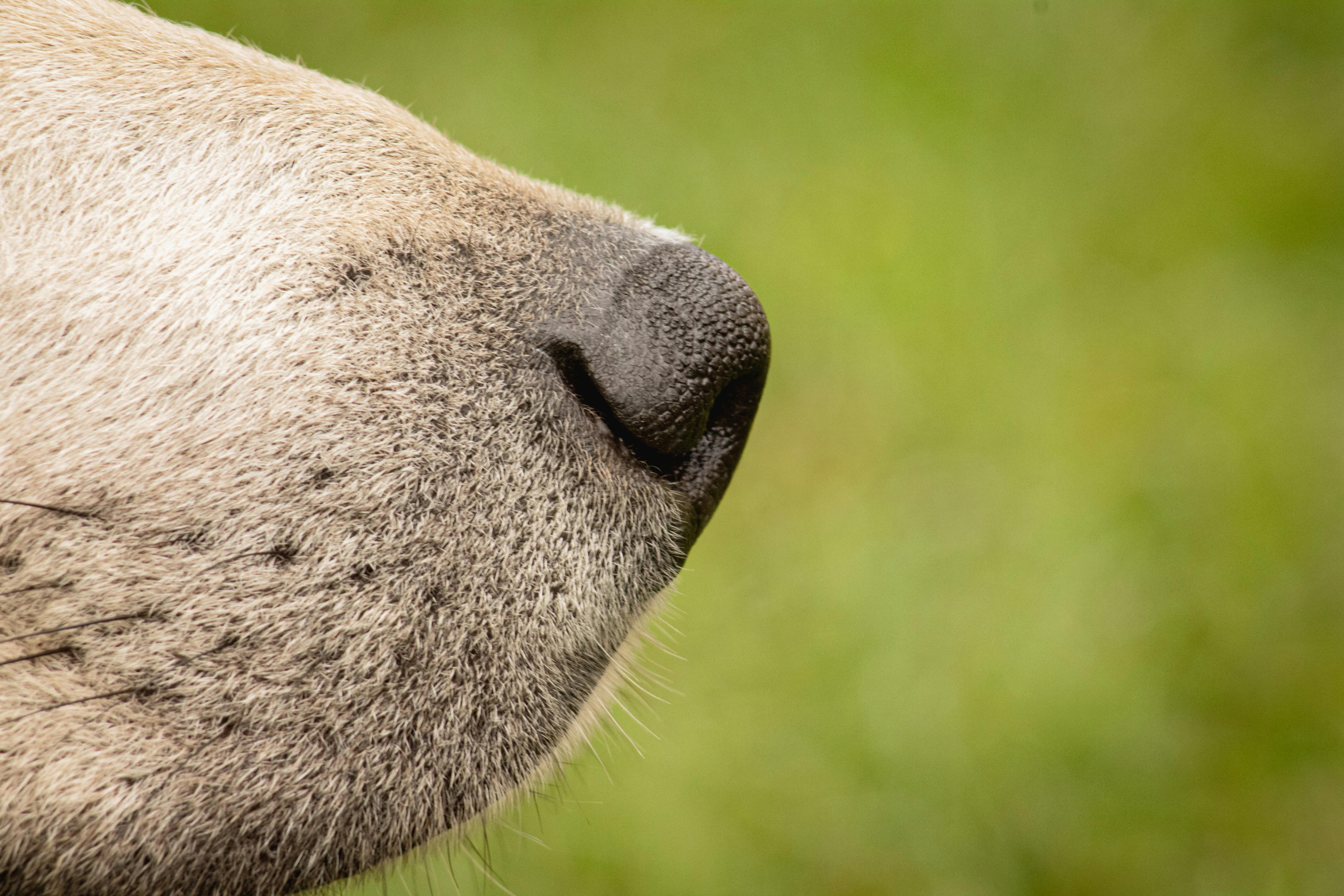 \n\n
\n\nDogs are truly fascinating creatures, and one of their most unique features is their wet noses. If you ever wondered why do dogs have wet noses, you’re not alone. There’s actually a science behind it that relates directly to their incredible sense of smell. Understanding this connection can shed light on why our furry companions, with their wet noses, explore the world in such a distinct way.
\nThe Science of a Dog's Nose
\nDogs’ noses are not just for show. They are specially designed to detect scents with amazing precision. A dog’s sense of smell is commonly estimated to be between 10,000 to 100,000 times more sensitive than that of humans. This means they can pick up on smells that are undetectable to us. The wetness of a dog’s nose plays a crucial role in enhancing this ability.
\n- \n
- Moisture and Scent Receptors: The wetness helps trap scent particles from the air. When a dog's nose is wet, it can absorb these particles more efficiently. This is why you often see dogs sniffing around; they are not just curious, they are collecting scents! \n
- Temperature Regulation: A dog’s nose also helps with regulating temperature, which can be important for their overall health. \n
Why Are Dog Noses Wet?
\nYou might ask, why do dogs have wet noses in the first place? Well, there are several reasons:
\n- \n
- Improved Scent Detection: As mentioned, a wet nose collects scent particles better than a dry one, making their ability to smell even stronger. \n
- Thermoregulation: Dogs don't sweat like humans do. They primarily cool off through panting and their noses. The moisture helps cool their body when they are overheated. \n
- Health Indicator: Sometimes, a dog's wet nose might indicate its health. A healthy dog often has a moist nose, while a dry or cracked nose can sometimes signal illness, though this isn't a hard and fast rule. \n
Historical Context of Dogs' Noses
\nHistorically, dogs have been companions to humans for thousands of years. Ancient civilizations recognized their remarkable sense of smell. Dogs were used for hunting, herding, and even in ancient times for search and rescue operations. The relationship between dogs’ noses and their roles in human society is profound.
\n- \n
- Hunting Dogs: Used for tracking scents of prey, they relied heavily on their wet noses. \n
- Service Dogs: Today, dogs are trained to sniff out drugs, explosives, or even medical conditions like low blood sugar. Their wet noses are an integral part of this process. \n
Fun Facts About Dogs' Noses
\n- \n
- Unique Patterns: Just like human fingerprints, every dog has a unique nose print. \n
- Sniffing Technique: Dogs often sniff in a specific pattern, taking rapid short sniffs followed by a longer sniff. This allows them to gather more scent information. \n
- Nasal Turbinates: Dogs have complex structures in their noses, called nasal turbinates, which help them efficiently process smells. \n
How to Keep Your Dog’s Nose Healthy
\nIt’s important to pay attention to your dog’s nose, as it can be an indicator of their well-being. Here are some tips to maintain a healthy nose:
\n- \n
- Regular Check-ups: A vet can help you monitor your dog’s health, including their nose. \n
- Hydration: Ensure your dog is well-hydrated, as a lack of water can lead to a dry nose. \n
- Avoid Irritants: Be mindful of chemicals or irritants in your home that could affect your dog’s sensitive nose. \n
The Bottom Line
\nIn summary, the connection between a dog’s wet nose and their sense of smell is a remarkable aspect of their biology. The moisture on their noses is not just an odd characteristic but plays a vital role in how they interact with the world. Understanding why do dogs have wet noses helps us appreciate their unique abilities even more. So next time you see that little wet nose, remember it’s much more than just an adorable feature; it’s a tool that enriches their lives and ours. Dogs, with their incredible sense of smell and loving nature, continue to be wonderful companions, reminding us of the beauty of the natural world.
\n\nWet Noses and Health: What Your Dog's Nose Can Reveal About Their Well-Being
\n\n \n\n
\n\nDogs are often called "man's best friend," and one interesting feature that many dog owners notice is their furry friends’ wet noses. But why do dogs have wet noses? It’s not just a quirky characteristic; it actually can reveal a lot about their health and well-being. Let's explore the fascinating truth behind those moist snouts and what they can indicate about your dog's health.
\nWhy Do Dogs Have Wet Noses?
\nThe primary reason dogs have wet noses is due to the unique anatomy of their nasal passages. Here’s a simple breakdown:
\n- \n
- Moisture Production: Dogs naturally produce mucus in their noses, which helps them smell better. A wet nose enhances their sense of smell by trapping scent particles. \n
- Temperature Regulation: Just like sweating helps humans cool down, a dog’s wet nose helps regulate their body temperature. When the moisture evaporates, it cools them down. \n
- Sensory Function: A wet nose can enhance the sensory receptors in dogs, allowing them to have a better sense of smell. This is crucial for their survival instincts. \n
Health Indicators
\nA dog's nose can tell you a lot about their health. Observing the condition of your dog's nose can provide insights into their overall well-being. Here are some things to look out for:
\n- \n
- Color Changes: A healthy dog typically has a moist, cool, and dark-colored nose. If you notice it becomes dry or cracks, it could indicate dehydration or illness. \n
- Temperature: A nose that is unusually hot or dry can be a sign of fever. If your dog’s nose suddenly changes temperature, it might be time to consult a vet. \n
- Discharge: Clear discharge is usually normal, but if it becomes yellow or green, this could indicate an infection or an allergy. \n
- Lumps or Bumps: Any unusual growths or sores on the nose should be checked by a veterinarian, as they could be signs of something more serious. \n
Common Misconceptions
\nThere are several misconceptions around dogs' noses that often mislead pet owners. Here are a few of them:
\n- \n
- Wet Nose Means Healthy: While a wet nose is a good sign, it doesn't always mean your dog is healthy. Some dogs can have dry noses and still be perfectly fine. \n
- Warm Nose Means Sick: A warm nose doesn’t automatically mean a dog has a fever. Dogs' noses can fluctuate in temperature due to various factors, including the environment. \n
- All Dogs Have Wet Noses: While most dogs do have wet noses, some breeds may naturally have drier noses, which can be completely normal. \n
How to Care For Your Dog's Nose
\nTaking care of your dog's nose is essential. Here are some practical tips:
\n- \n
- Hydration: Ensure your dog has access to fresh water to keep them hydrated. \n
- Regular Check-Ups: Regular veterinary visits can help catch any potential issues early. \n
- Limit Sun Exposure: Dogs can get sunburn on their noses, especially those with light-colored fur. Use dog-safe sunscreen if needed. \n
Fun Facts About Dog Noses
\n- \n
- Dogs have an extraordinary sense of smell, estimated to be 10,000 to 100,000 times more sensitive than that of humans. \n
- Each dog’s nose print is as unique as a human fingerprint, which means they can be used for identification. \n
- The wetness of a dog’s nose can change throughout the day, influenced by activity levels and environmental factors. \n
Conclusion
\nSo, next time you lean down and give your furry friend a scratch behind the ears, take a moment to check their nose too. Understanding the reasons behind a dog's wet nose, and what it can reveal about their health is beneficial for every dog owner. Keeping an eye on these small yet significant details can help ensure your four-legged companion stays happy and healthy. Always remember to consult with a veterinarian if you notice any changes that concern you. Dogs rely on us to care for them, and knowing the signs of their well-being is part of that responsibility.
\n\nThe Fascinating Role of Moisture: Why a Wet Nose is Vital for Dogs' Communication
\n\n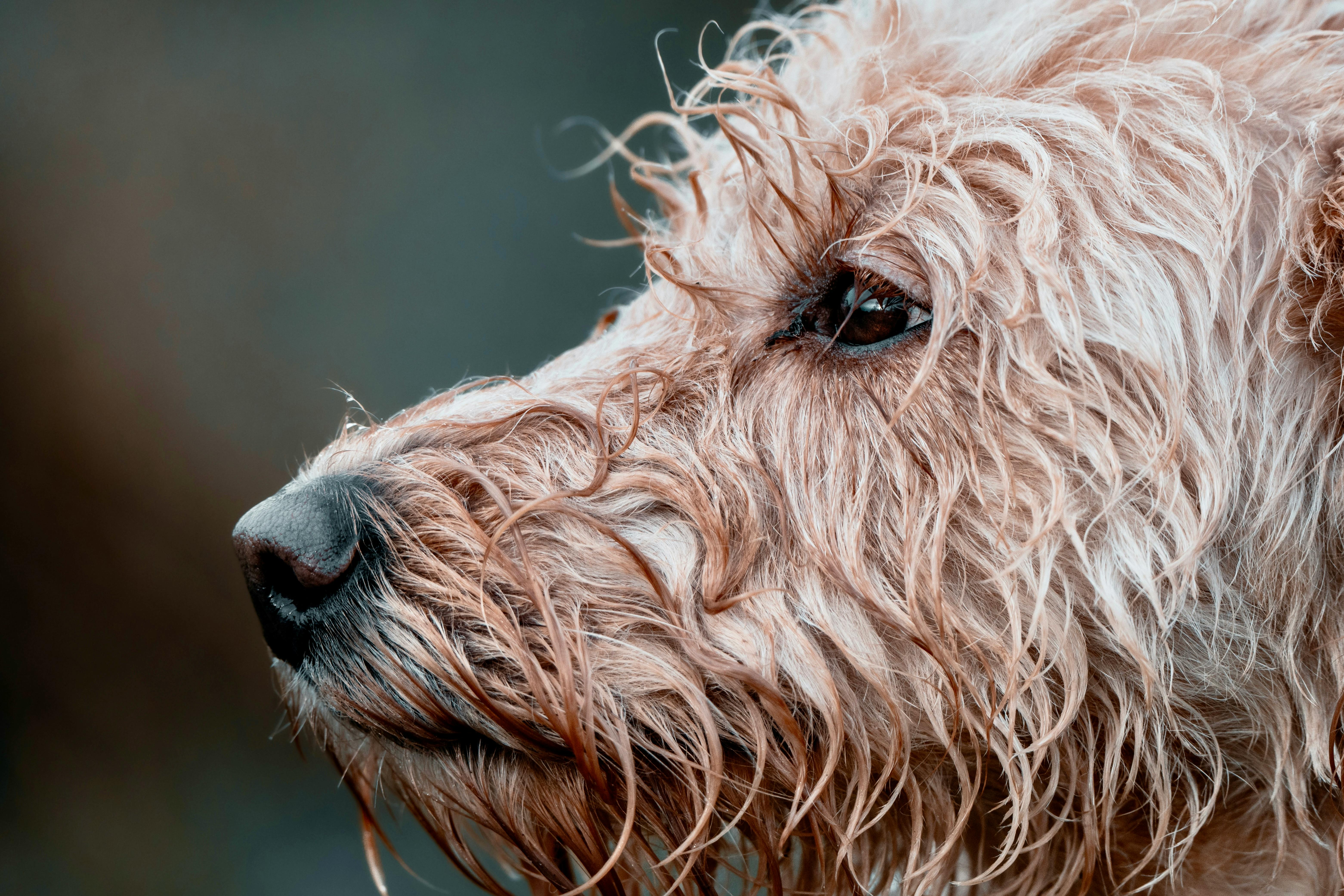 \n\n
\n\nDogs are often called “man’s best friend,” but have you ever wonder why their noses are so wet? It's one of those quirks that many pet owners notice, yet few really understand. The truth is, a wet nose serves multiple important purposes in a dog's life, especially when it comes to communication. So let’s dive into this fascinating topic and explore why do dogs have wet noses and what that means for their interactions.
\nThe Science Behind a Dog's Wet Nose
\nDogs noses are not just for show; they play a crucial role in how dogs perceive the world. The moisture that often coats their noses helps them to detect scents better. It works like this: when a dog sniffs something, the moisture on their nose traps scent particles. This allows them to pick up on smells that humans can’t even imagine. It's said that a dog’s sense of smell is about 40 times better than ours. That’s why they can sniff out drugs, track missing persons, and even detect certain diseases in humans.
\nHistorical Context of Dog Noses
\nIt’s interesting to note that throughout history, dogs have been bred for their unique abilities, including their sense of smell. Ancient civilizations relied on dogs for hunting, herding, and even protection. Breeds like Bloodhounds, known for their incredible tracking ability, have wet noses that help them follow scents over long distances.
\n- \n
- Bloodhounds: Their noses can follow a scent trail that is days old. \n
- Beagles: Known for their keen sense of smell, beagles have wet noses that help them identify different scents. \n
- German Shepherds: Used in police and military work, their wet noses contribute to their tracking skills. \n
Communication Through Scent
\nDogs communicate differently than humans do. While we might rely on verbal communication, dogs primarily communicate through body language and scent. A wet nose plays a key role in this process. When a dog approaches another dog, they often sniff each other’s noses and behinds. This might seem gross to us, but it’s a way for them to gather information.
\nFor example, a dog can learn about another dog’s health, emotional state, and even what they’ve eaten just by smelling. The wetness of their noses enhances this ability, allowing them to absorb more scent information.
\nWhy Do Dogs Have Wet Noses? Key Reasons
\n- \n
- Enhanced Smell: The moisture helps to capture and hold scent particles, making it easier for dogs to detect and identify smells. \n
- Temperature Regulation: Dogs don’t sweat like humans do. A wet nose can help to cool them down, acting as a natural coolant. \n
- Health Indicator: A dog’s wetness can also be an indicator of their health. A dry nose might suggest dehydration or illness, while a wet nose is usually a sign of good health. \n
Fun Facts About Dog Noses
\n- \n
- Dog noses are unique, much like human fingerprints. No two dogs have the same nose print. \n
- Dogs have around 220 million scent receptors in their noses, compared to a human’s 5 million. \n
- A dog’s sense of smell can be so powerful that they can detect certain diseases like cancer or diabetes in humans, simply by sniffing. \n
The Role of Weather and Environment
\nInterestingly, the weather can also affect the moisture of a dog’s nose. For example, if it’s hot and dry outside, dogs might have drier noses. Conversely, a moist environment can lead to a wetter nose. It’s also worth noting that some breeds naturally have drier noses than others.
\n- \n
- Breeds like Bulldogs and Boxers may have a tendency towards drier noses. \n
- On the other hand, breeds like Retrievers usually have wetter noses. \n
Caring for Your Dog’s Nose
\nAs a responsible dog owner, you should pay attention to the condition of your dog's nose. Here are some practical tips to keep it healthy:
\n- \n
- Hydration: Ensure your dog has access to fresh water at all times. \n
- Regular Vet Check-ups: Regular visits to the vet can help catch any potential health issues early on. \n
- Watch for Changes: If your dog’s nose becomes excessively dry or cracked, it could indicate a health problem, so consult your vet. \n
Understanding the role of moisture in a dog's nose can deepen your bond with your furry friend. It’s fascinating how such a small aspect of their anatomy plays a big role in their communication, health, and overall well-being. So next time you give your dog a pat on the head, remember that their wet nose is more than just a cute feature—it's a vital tool for understanding the world around them.
\n\nCan Dogs Control Their Nose Moisture? Discover the Secrets of Canine Physiology
\n\n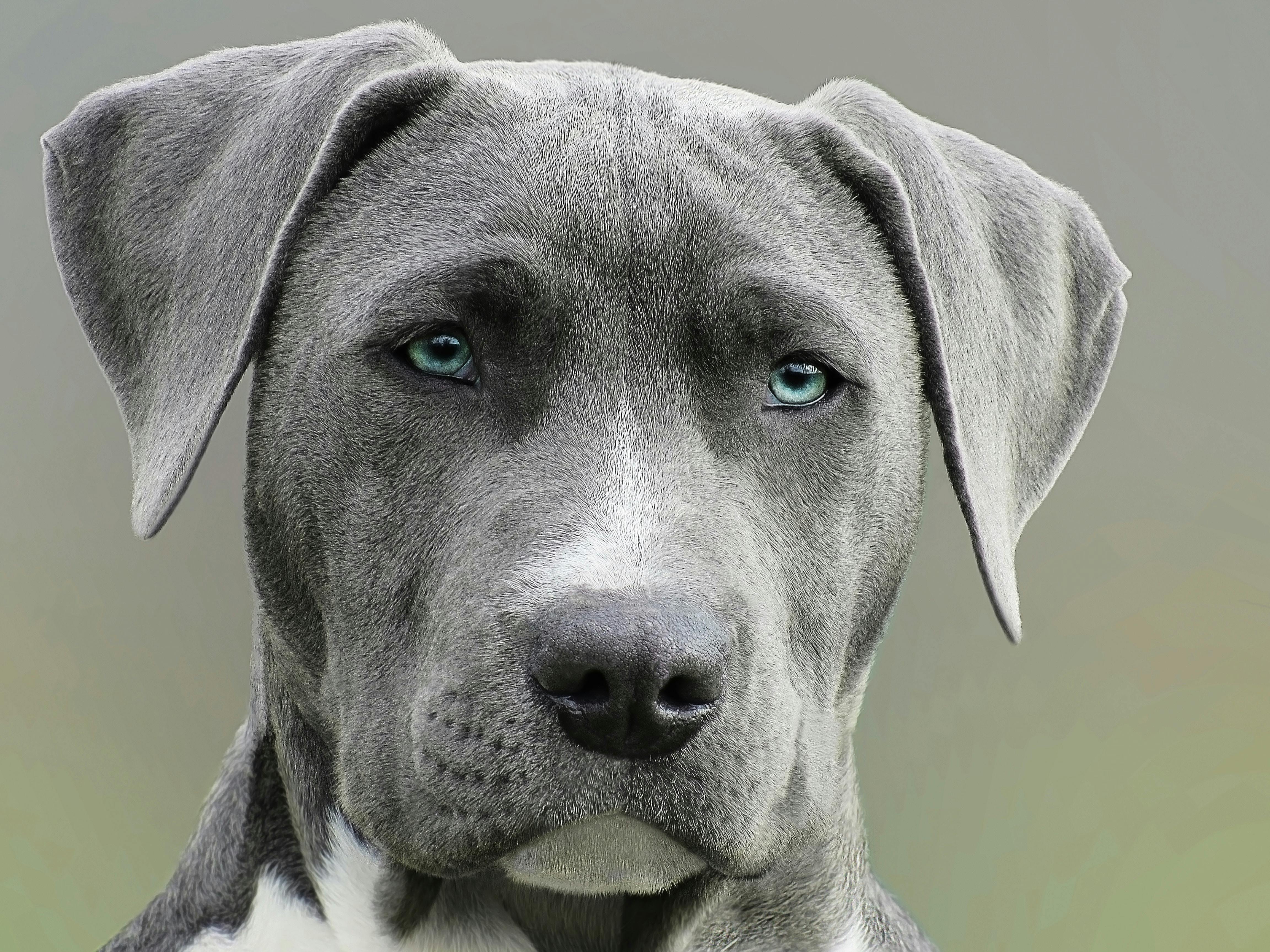 \n\n
\n\nHave you ever wondered why do dogs have wet noses? This simple question opens up a fascinating exploration into canine physiology and behavior. Many dog owners notice the moisture on their furry friends' noses and might ask, can dogs control their nose moisture? The truth behind wet noses is more than just a quirky trait; it’s tied deeply to their health and survival instincts.
\nThe Function of a Wet Nose
\nDogs' noses are not just for sniffing; they serve multiple purposes. The moisture that you see is primarily due to the secretion of mucus, which is essential for several reasons:
\n- \n
- \n
Enhanced Smell: A wet nose helps trap scent particles in the air, making it easier for dogs to detect smells. This is one of the reasons dogs have such a strong sense of smell—estimated to be around 10,000 to 100,000 times more acute than humans!
\n \n - \n
Temperature Regulation: Dogs don't sweat like humans do. Instead, they pant and rely on their noses to help cool down. A moist nose can help them regulate their body temperature.
\n \n - \n
Health Indicator: A dog's nose moisture can also be an indicator of their health. A dry nose sometimes suggests dehydration or illness, while a wet nose is often a sign of a healthy, happy pup.
\n \n
How Do Dogs Control Their Nose Moisture?
\nSo, can dogs control their nose moisture? In short, yes, but it's not like they can consciously decide to make their noses wet or dry. Here’s how it works:
\n- \n
- \n
Environmental Factors: The humidity and temperature in their surroundings play a big role. In a dry environment, a dog's nose might dry up more quickly, whereas in humid conditions, it stays moist.
\n \n - \n
Physical Activity: When dogs are active, their body temperature rises, and they may excrete more moisture through their noses to cool down.
\n \n - \n
Health Status: If a dog is sick or stressed, the moisture levels can change, reflecting their overall health condition.
\n \n
The Science Behind It
\nTo understand why do dogs have wet noses, we must delve into some science. Dogs have a specialized structure in their noses called the Jacobsen's organ, which allows them to detect pheromones and other chemical signals in the environment. It’s this organ that works best when the nose is moist.
\nHere’s a quick comparison to visualize:
\nHumans vs. Dogs in Smell Detection
\n- \n
- Humans: Approximately 5 million olfactory receptors. \n
- Dogs: Ranges from 220 million to 300 million olfactory receptors, depending on the breed. \n
Historical Context of the Dog's Nose
\nHistorically, the canine nose has been a subject of fascination. Ancient cultures valued dogs for their incredible sense of smell, using them for hunting and tracking. Over centuries, selective breeding enhanced this trait further. Breeds like Bloodhounds, known for their tracking abilities, have been specifically bred for their remarkable olfactory skills, which rely heavily on their ability to maintain a moist nose.
\nPractical Examples of Nose Moisture Importance
\n- \n
- \n
Tracking Animals: Bloodhounds can follow a scent trail over great distances, thanks to their wet noses which help in gathering scent particles.
\n \n - \n
Search and Rescue: Dogs are often used in search and rescue missions, where their ability to detect human scent is critical.
\n \n - \n
Medical Detection: Some dogs are trained to detect diseases like cancer or diabetes through scent. Their ability to keep their noses moist enhances their detection capabilities.
\n \n
Fun Facts About Dog Noses
\n- \n
- \n
Unique Nose Prints: Just like human fingerprints, each dog’s nose print is unique and can be used for identification.
\n \n - \n
Temperature Sensitivity: Dogs can sense temperature changes better than humans due to their moist noses.
\n \n - \n
Not All Wet Noses Are Healthy: While a wet nose is often a sign of health, it can also be caused by certain conditions, so it’s important to monitor any sudden changes.
\n \n
In summary, the wet noses of dogs are not just a cute trait; they serve essential functions that aid in their health, survival, and ability to interact with their environment. Understanding these aspects can help dog owners appreciate their pets even more and recognize when something may be off with their furry companions. Next time you notice your dog's wet nose, remember the science and history behind that simple yet complex feature.
\n\n7 Surprising Facts About Dogs' Wet Noses That Every Pet Owner Should Know
\n\n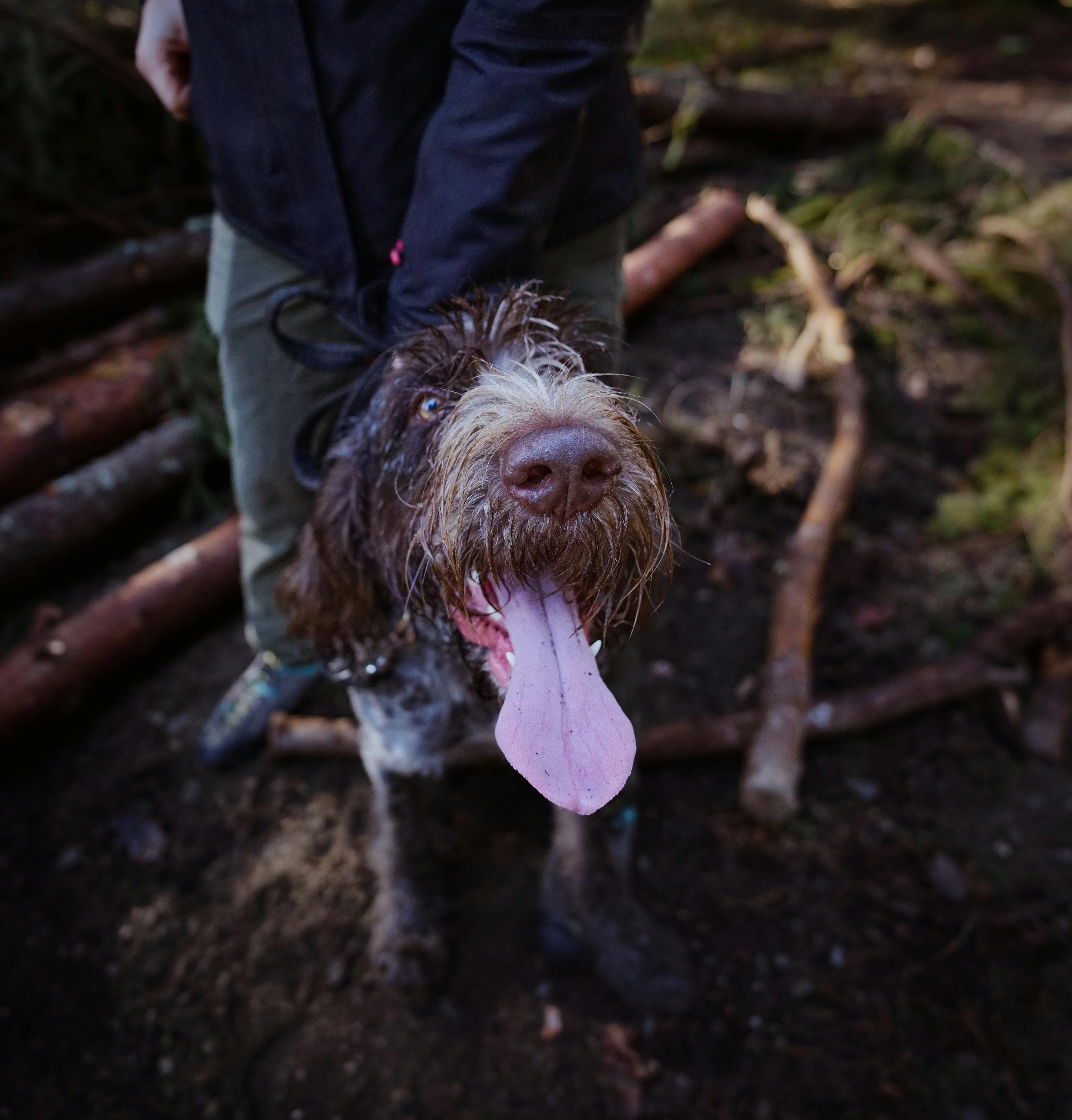 \n\n
\n\nDogs are often considered man’s best friend, and one of their most charming features is their wet noses. Have you ever wondered why dogs have wet noses? It’s more than just a cute quirk; it has some fascinating science behind it. Here are seven surprising facts about dogs' wet noses that every pet owner should know.
\n1. The Science Behind Wet Noses
\nDogs noses are not just wet for no reason. The moisture actually helps them to pick up scents better. When a dog’s nose is wet, it can absorb scent chemicals more effectively, which helps them to identify different smells. Dog’s have around 220 million scent receptors, compared to humans’ 5 million. So, that wet nose is like a supercharged tool for sniffing out the world.
\n2. Temperature Regulation
\nA wet nose also plays a big role in regulating a dog’s body temperature. Dogs don’t sweat like humans do. Instead, they primarily cool down through panting and the moisture on their noses. When a dog is feeling hot, the moisture evaporates, helping to cool them off. This is why you might notice your pup licking their nose more on warm days.
\n3. Communication Tool
\nDogs use their noses to communicate with each other. When a dog meets another dog, they often sniff each other's noses. This is a way for them to gather information about each other, like their health, mood, and even diet. The exchange of scents creates a social bond and helps establish their hierarchies within canine groups.
\n4. Health Indicators
\nA dog’s nose can also indicate their health. Generally, a healthy dog will have a moist, cool nose. However, if a dog’s nose becomes dry or excessively warm, it could be a sign of illness or dehydration. If you notice a significant change in your dog’s nose, it’s best to consult with a veterinarian.
\n5. Nose Prints Are Unique
\nJust like human fingerprints, every dog has a unique nose print. The patterns of ridges and creases on a dog’s nose can be used to identify them. Some organizations have even used nose prints to help reunite lost dogs with their owners. This adds another layer of fascination to our furry friends.
\n6. Dogs and Their Ability to Smell
\nDogs can detect certain diseases through their sense of smell. Research has shown that they can sniff out conditions like cancer, diabetes, and even COVID-19. Their noses can detect certain chemicals in the body that change due to these conditions. This remarkable ability has led to the training of dogs to assist in medical detection.
\n7. The Evolutionary Perspective
\nFrom an evolutionary standpoint, wet noses might have developed as a survival mechanism. Early ancestors of dogs needed to hunt, and a wet nose would have been advantageous for tracking prey. The ability to smell better would have allowed them to find food more efficiently. This evolutionary trait has been carried down through generations.
\nQuick Facts About Dogs' Wet Noses
\n- \n
- A dog's nose is moist because it helps absorb scents. \n
- Wet noses assist in thermoregulation, helping to cool the dog down. \n
- Unique nose prints can be used for dog identification. \n
- Changes in a dog's nose can indicate health issues. \n
- Dogs can detect diseases through scent. \n
Fun Comparisons
\n| Feature | \nHuman Nose | \nDog Nose | \n
|---|---|---|
| Scent Receptors | \n5 million | \n220 million | \n
| Moisture Function | \nMinimal | \nEnhanced smelling | \n
| Temperature Regulation | \nSweat | \nEvaporation | \n
| Unique Identification | \nFingerprints | \nNose prints | \n
The next time you see your dog’s wet nose, remember all these amazing facts that come with it. It’s not just an adorable trait; it’s a vital part of what makes dogs such incredible creatures. Understanding why dogs have wet noses gives us a deeper appreciation for our furry companions and their unique biology. So, embrace the wet nose, and marvel at the science behind it!
\n\nHow Weather Affects Your Dog's Nose: Why It Gets Wet in Different Conditions
\n\n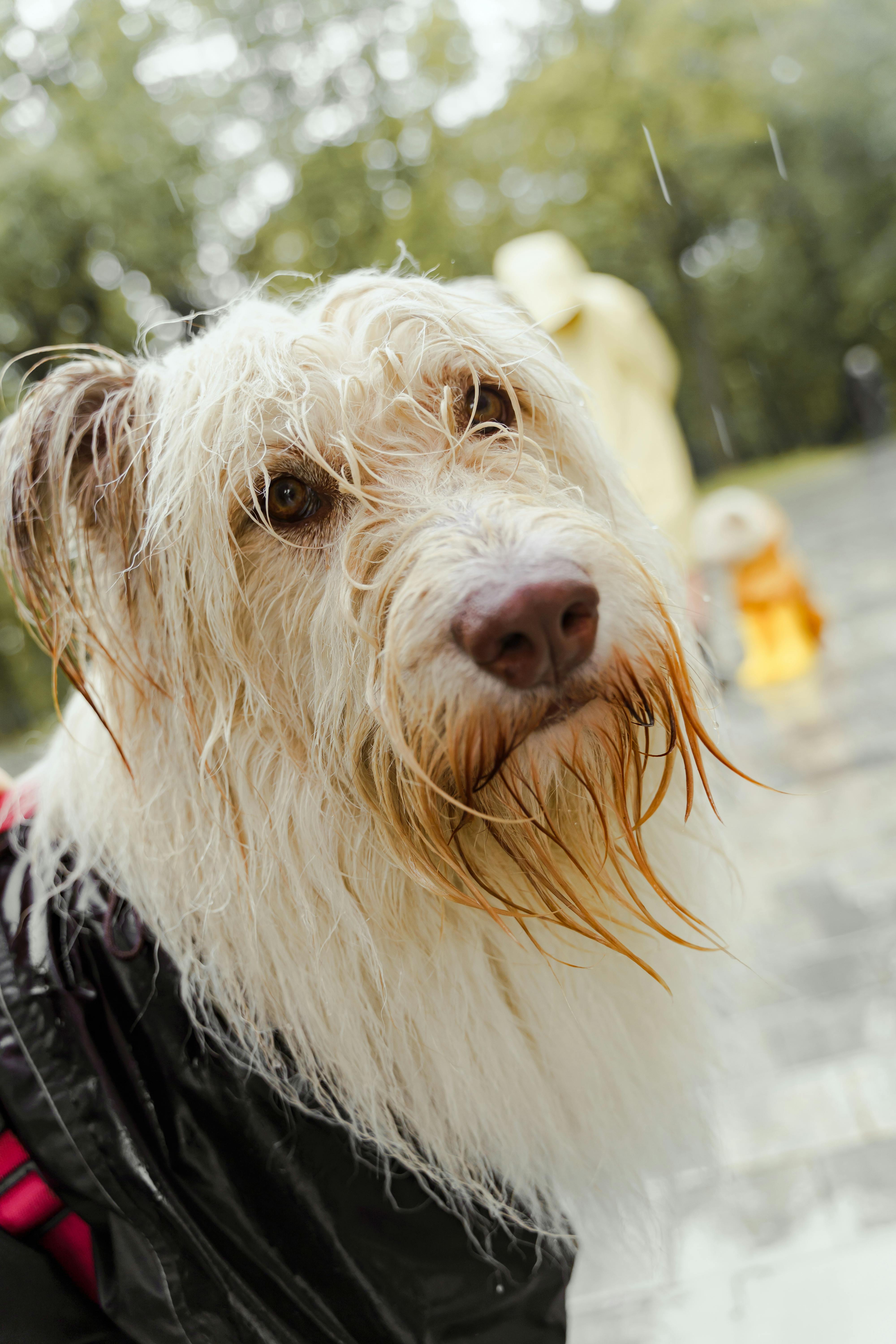 \n\n
\n\nEver wonder why your dog's nose is often wet? Or why the weather can make a difference in how moist their noses feel? There’s a fascinating science behind it, and it’s not just about humidity or temperature. Dogs have wet noses for various reasons, and understanding this can help you better care for your furry friend.
\nThe Science Behind Wet Noses
\nA dog’s nose is usually wet because it helps them sense the world around them. The moisture on their noses helps to capture scent particles, enhancing their powerful sense of smell. Dogs have up to 300 million olfactory receptors in their noses, compared to about 5-6 million in humans. This means a dog can smell things we can’t even imagine!
\nWhy Weather Matters
\nDifferent weather conditions can affect how wet a dog’s nose gets. Here’s how:
\n- \n
- Humidity: In humid conditions, the air is filled with moisture, and this keeps a dog's nose moist. It’s like having a natural humidifier for their sniffer! \n
- Cold Weather: Cold days may cause a dog's nose to feel damp due to condensation. However, if it's too cold, their noses could become dry and cracked. \n
- Heat: On hot days, dogs may pant and sweat through their paw pads, but their noses can still dry out. A dry nose in hot weather can indicate dehydration. \n
- Rain: When it rains, dogs love to play outside! Wet weather can keep their noses very moist, making them happy and sniffing all the scents in the air. \n
Why Do Dogs Have Wet Noses?
\nNow, let’s dive deeper into why dogs have wet noses at all. Here are some of the main reasons:
\n- \n
- Enhanced Smell: As mentioned, moisture helps capture scents. \n
- Body Temperature Regulation: A wet nose can help cool a dog down. When they breathe, the evaporation of moisture from their noses helps to lower their body temperature. \n
- Health Indicator: A healthy dog typically has a moist nose. If you notice significant dryness or cracks, it might be a sign of dehydration or illness. \n
- Natural Behavior: Dogs lick their noses often to keep them wet. It’s instinctual and helps them stay alert to their surroundings. \n
What Should You Watch For?
\nWhile wet noses are usually a sign of a healthy dog, there are some indicators to keep an eye on:
\n- \n
- Dry Nose: If your dog’s nose is dry for an extended period, it could be a sign of dehydration. Make sure they have plenty of water! \n
- Cracked or Bleeding Nose: This can indicate a health issue. It’s important to consult a vet if you see this. \n
- Discharge: Mucus or discharge can be a sign of allergies or infection. If your dog’s nose has unusual discharge, a vet visit is necessary. \n
Fun Facts About Dogs' Noses
\n- \n
- Unique Patterns: Just like human fingerprints, every dog’s nose print is unique. It can actually be used for identification! \n
- Sensitivity: A dog’s nose can detect certain smells up to 100,000 times better than humans. \n
- Behavioral Indicators: Dogs often sniff each other’s noses as a form of greeting and to learn about one another. \n
Caring for Your Dog’s Nose
\nHere are some tips to keep your dog's nose healthy:
\n- \n
- Hydration: Always provide fresh water. Dehydration can lead to a dry nose. \n
- Moisturizers: If your dog has a persistently dry nose, consider a nose balm made for dogs. \n
- Regular Check-ups: Routine vet visits can help monitor your dog’s overall health, including their nose. \n
Quick Comparison of Wet vs. Dry Noses
\nWet Nose:
\n- \n
- Enhances sense of smell \n
- Indicates good health \n
- Helps cool down body temperature \n
Dry Nose:
\n- \n
- May indicate dehydration \n
- Can signal illness if persistent \n
- Requires attention if cracked or bleeding \n
Understanding how weather affects your dog's nose and why they have wet noses can help you take better care of them. Keeping a close eye on their nose can be a good indicator of their health. If you notice any significant changes, don’t hesitate to reach out to your vet. Your dog’s wet nose is not just adorable; it’s a window into their well-being.
\n\nThe Evolutionary Purpose of a Wet Nose: Why Dogs Have Adapted This Unique Feature
\n\n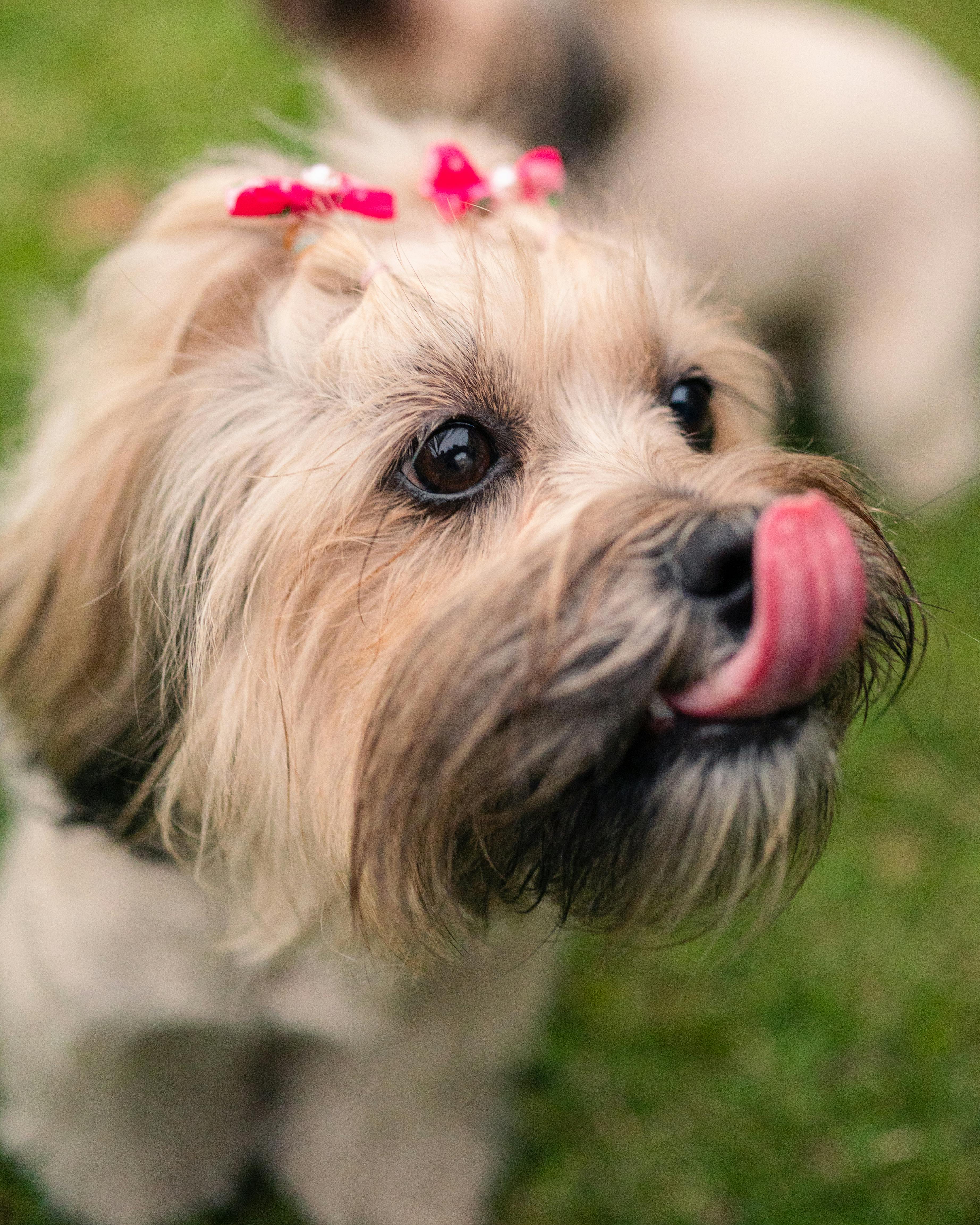 \n\n
\n\nDogs have been man's best friend for centuries, and one of their most interesting features is their wet noses. Have you ever wondered, why do dogs have wet noses? It's a question that not only sparks curiosity but also highlights an evolutionary trait that serves many purposes. Let’s dive into the fascinating truth of why dogs have adapted this unique feature.
\nThe Science Behind Wet Noses
\nThe wetness of a dog's nose is not just for show. In fact, there are several scientific reasons explaining this peculiar characteristic:
\n- \n
- \n
Temperature Regulation: Dogs don’t sweat like humans do. Instead, they rely on their noses to help cool down. The moisture on their noses evaporates, which helps to lower their body temperature, especially during hot weather.
\n \n - \n
Enhanced Sense of Smell: The wet surface of a dog’s nose helps to capture scent particles in the air. Dogs have an incredible sense of smell, and a wet nose aids in this by keeping the nasal membranes moist, increasing their ability to detect different scents.
\n \n - \n
Health Indicator: A dog’s nose can also indicate its health. A wet and cool nose typically means a dog is healthy, while a dry or warm nose can indicate illness or dehydration.
\n \n
Historical Perspective
\nThe evolution of dogs is a long and storied journey. Dogs descended from wolves thousands of years ago, and through selective breeding, they developed various traits that suited human companionship. The wet nose, a feature that likely originated from their ancestors, became advantageous for survival and social interaction.
\n- \n
- \n
Ancestral Traits: Early dogs often lived in environments where scent played a crucial role in hunting and foraging. A wet nose allowed these early canines to track prey more effectively, thus enhancing their survival.
\n \n - \n
Social Communication: Dogs communicate with one another through scent. A wet nose allows them to pick up on pheromones and other scent cues from other dogs, which is vital for social bonding.
\n \n
Why Do Dogs Have Wet Noses? The Facts
\nLet’s break down the main reasons dogs have wet noses into a simple list:
\n- \n
- Cooling Mechanism: Helps dogs regulate body temperature. \n
- Scent Detection: Increases the ability to smell and identify scents. \n
- Health Indicator: Can reflect a dog's wellness status. \n
- Social Interaction: Aids in communication with other dogs. \n
Comparisons with Other Animals
\nDogs aren’t the only animals with wet noses. Other creatures also exhibit this trait, albeit for different reasons. Here are some comparisons:
\n- \n
- \n
Cats: Cats have moist noses too, but they primarily use their noses for hunting and territorial marking.
\n \n - \n
Pigs: Pigs have wet snouts, which help them root around in the ground and detect food.
\n \n - \n
Rabbits: Rabbits have moist noses as well, which aids in their olfactory capabilities but also helps them stay alert to predators.
\n \n
Practical Implications for Dog Owners
\nUnderstanding why dogs have wet noses can help dog owners provide better care. Here are some practical tips:
\n- \n
- \n
Monitor Nose Condition: Regularly check your dog’s nose for changes in moisture or temperature. A dry nose might not always mean something is wrong, but it’s worth monitoring.
\n \n - \n
Hydration: Ensure your dog stays hydrated, especially in hot weather, to maintain their nose’s moisture.
\n \n - \n
Health Checks: If your dog’s nose suddenly becomes excessively dry or warm, it might be time for a vet visit.
\n \n
Fun Facts About Dog Noses
\n- \n
- A dog’s sense of smell is between 10,000 to 100,000 times more acute than that of a human. \n
- Each dog has a unique nose print, similar to a human fingerprint. \n
- Dogs can smell fear, and they can sense human emotions through scent. \n
Understanding the evolutionary purpose of a wet nose in dogs reveals much about their biology and behavior. This simple yet fascinating trait has significant implications for how dogs interact with their environment and their human companions. Next time you’re petting your furry friend, remember that their wet nose is more than just a cute feature; it’s a vital part of what makes them special.
\n\nIs Your Dog's Nose Too Dry? Understanding the Importance of Nose Moisture for Dogs
\n\n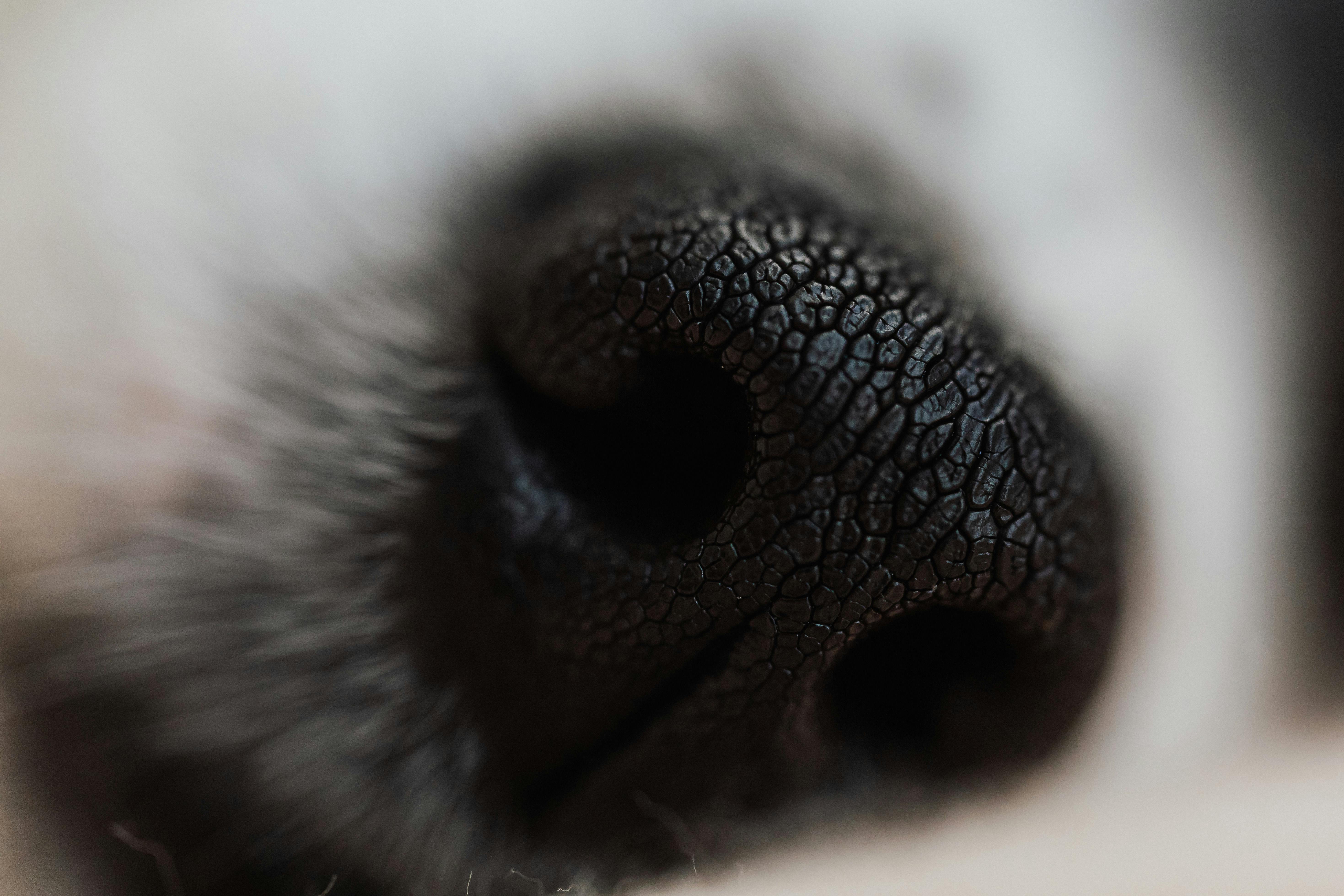 \n\n
\n\nIs your dog's nose too dry? This question often pop up in conversations among dog owners. A dog's nose can tell you a lot about their health. But what does it mean when your furry friend’s nose is too dry? And why do dogs have wet noses in the first place? These are fascinating questions that we’ll explore together.
\nWhy Do Dogs Have Wet Noses?
\nMost folks know that a dog’s nose is usually moist. But why is that? The moisture on a dog’s nose plays a big role in how they experience the world. Here are some reasons:
\n- \n
- Smell Enhancement: Dogs have an amazing sense of smell, and a wet nose helps by trapping scent particles. This moisture allows them to absorb scents better than a dry nose would. \n
- Thermoregulation: A dog’s nose can help regulate their body temperature. Just like humans sweat, dogs can cool down through their nose. \n
- Health Indicator: A wet nose is often seen as a sign of good health. However, it’s important to remember that a dog's nose alone can't tell you everything about their well-being. \n
Understanding Nose Moisture
\nSo, why is nose moisture so important? It's not just about keeping up appearances. Dog noses contain special glands that produce mucus. This mucus helps keep the nose moist and aids in the sense of smell.
\n- \n
- Normal Moisture Levels: A healthy dog’s nose should be cool and moist. If it’s excessively dry or cracked, it could mean something is wrong. \n
- Dehydration: A dry nose can be a sign of dehydration. If your dog hasn’t been drinking enough water, their nose might reflect that. \n
- Environmental Factors: Weather conditions can affect nose moisture. Hot, dry climates can lead to a drier nose, while humidity can keep it moist. \n
What Does a Dry Nose Mean?
\nNow, let’s explore what a dry nose could potentially indicate. A dry nose is not always a cause for concern, but there are several factors to consider:
\n- \n
- Normal Variation: Some dogs naturally have drier noses than others. Breeds like the Bulldog or Greyhound may show more variations in nose moisture. \n
- Illness: A persistently dry or cracked nose could indicate health issues like infections, allergies, or autoimmune diseases. \n
- Age: Older dogs may experience changes in skin and nose moisture levels, leading to a drier nose. \n
Common Causes of a Dry Nose
\nHere’s a list of common reasons for your dog's dry nose:
\n- \n
- Dehydration: Not drinking enough water. \n
- Weather Conditions: Hot or windy weather can dry out a dog’s nose. \n
- Allergies: Environmental allergens can lead to nose irritation. \n
- Infections: Both viral and bacterial infections can cause dryness. \n
- Skin Conditions: Issues like dermatitis can affect nose moisture. \n
How to Maintain Nose Moisture
\nIf you notice your dog's nose is too dry, there are steps you can take to help. Here’s a brief guide:
\n- \n
- Ensure Hydration: Always provide fresh water for your dog. Monitor their water intake. \n
- Humidifier: If you live in a dry area, consider using a humidifier indoors. \n
- Nasal Balms: There are dog-safe balms available that can help moisturize their nose. \n
- Check Diet: Ensure your dog’s diet is rich in essential fatty acids, which promote healthy skin. \n
When to See a Vet
\nIf your dog’s nose remains dry despite your efforts, or if you notice other symptoms like lethargy, loss of appetite, or unusual behavior, it’s best to consult a veterinarian. They can help determine if there’s an underlying issue that needs to be addressed.
\nFinal Thoughts
\nUnderstanding the importance of nose moisture in dogs can be quite enlightening. A wet nose is often seen as a sign of a healthy dog, but a dry nose doesn’t automatically mean something is wrong. By paying attention to your dog's overall health and behavior, you can ensure they stay happy and healthy. Always be observant and proactive about changes in your dog's health, and don’t hesitate to seek professional advice when needed. Your furry friend relies on you to keep them in their best shape!
\n\nConclusion
\n\nIn conclusion, the wet noses of dogs serve several vital functions that contribute to their overall health and well-being. From enhancing their sense of smell, which is essential for communication and environmental awareness, to regulating body temperature through evaporation, a dog’s moist nose plays a crucial role in their daily lives. Additionally, the unique moisture composition helps capture scent particles, allowing dogs to experience the world more vividly. Understanding why dogs have wet noses not only deepens our appreciation for these beloved pets but also highlights the importance of regular nose checks as a health indicator. As you continue to care for your furry friend, take a moment to observe their nose; a healthy, wet nose is often a sign of a happy and well-cared-for dog. If you notice any unusual changes, don’t hesitate to consult your veterinarian for guidance. Your dog's health is worth the attention!
\n\n