
Have you ever wondered, why do dogs have wet noses? This intriguing question sparks curiosity among pet owners and animal lovers alike. The truth behind this fascinating aspect of our furry friends is more than just a quirky trait. With their wet noses, dogs not only enhance their sense of smell but also help regulate their body temperature. Isn’t that cool? In fact, there’s a whole science behind this unique feature! Many people often ask, “Are wet noses a sign of a healthy dog?” or “What does it mean if my dog’s nose is dry?” These questions lead us to explore the incredible world of canine physiology and behavior. Understanding why dogs have wet noses can deepen our bond with them and improve their care. So, if you’re ready to uncover the mysteries behind your dog’s wet nose and learn why this characteristic is so important, keep reading! You might just discover some surprising facts that will change the way you think about your pup. Get ready to dive into the fascinating truth about dog noses and why they play a crucial role in your dog’s life!
The Science Behind Dog Noses: Why Are They Wet and What Does It Mean?
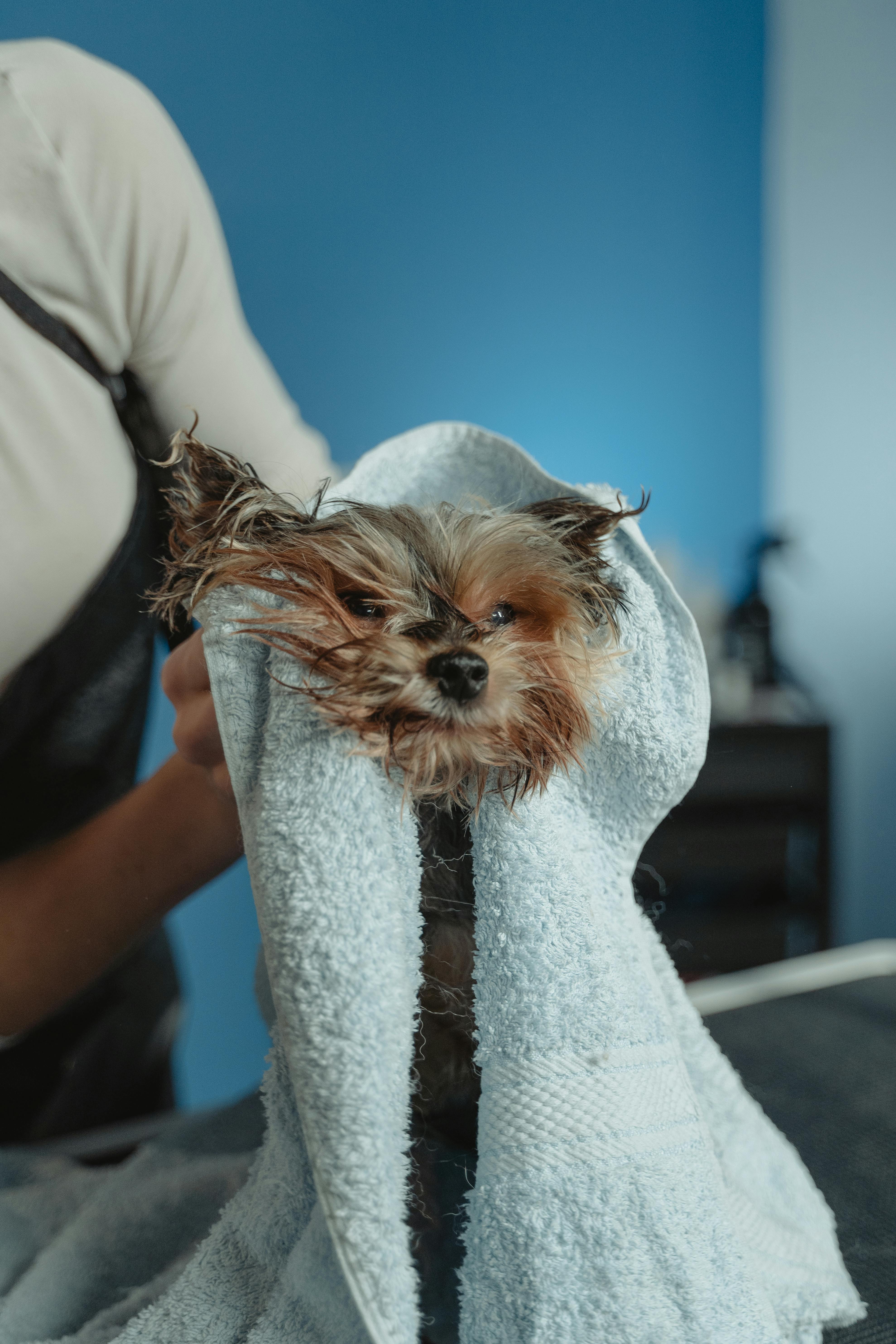
Dogs are truly amazing creatures, and one of the most interesting aspects of them is their noses. Have you ever noticed how your furry friend’s nose is often wet? Why do dogs have wet noses? This question might seem simple, but the science behind it is pretty fascinating. Let’s dive into the world of dog noses and uncover the reasons behind their unique moisture.
The Anatomy of a Dog’s Nose
First off, let’s look at what makes a dog’s nose special. The surface area of a dog’s nose is covered with a layer of skin that contains a lot of olfactory receptors. In fact, dogs have around 220 million scent receptors, compared to humans, who only have about 5 million. This means dogs can smell things we can’t even imagine!
- Olfactory receptors: Responsible for detecting scents.
- Wetness: Helps to capture scent particles better.
- Temperature regulation: Aids in cooling off.
Why Are Dog Noses Wet?
So, why do dogs have wet noses? The moisture serves several important functions. One primary reason is related to their sense of smell. A wet nose can trap scent particles more effectively, which helps dogs to process and identify various smells in their environment. When a dog breathes, the moisture evaporates, helping to cool their body down. It’s like a built-in air conditioning system!
- Enhanced smell: Moisture captures scent better.
- Cooling mechanism: Helps in regulating body temperature.
- Health indicator: A wet nose can signify good health, while a dry nose might indicate something’s off.
The Science of Nose Moisture
The moisture on a dog’s nose primarily comes from two sources: the mucous glands in their nasal passages and saliva. Dogs often lick their noses to keep them moist. This is not just a quirky habit; it has real benefits!
- Mucous glands: Produce natural moisture.
- Licking: Dogs lick their noses to maintain that wetness.
- Evaporation: Helps to cool the nasal passages.
Historical Context of Dog Noses
Historically, different dog breeds have evolved to adapt their sense of smell for various purposes. For example, hunting breeds like Bloodhounds have an incredible sense of smell, which is often attributed to their wet noses. The wetness helps them track scents over long distances, making them invaluable to hunters throughout history.
- Bloodhounds: Known for their exceptional tracking abilities.
- Scent hounds: Bred specifically for tracking scents.
- Working dogs: Used in search and rescue missions.
Health Indicators Based on Nose Moisture
Interestingly, the moisture of a dog’s nose can sometimes indicate their health status. While a wet nose is typically a sign of a healthy dog, a dry nose might not always mean something is wrong. Here are some signs to watch for:
- Wet and cold: Generally indicates good health.
- Dry and cracked: May suggest dehydration or illness.
- Warm and dry: Could indicate fever or overheating.
Practical Examples of Nose Moisture
You might be wondering how to tell if your dog’s nose is healthy. Here are some practical examples:
- Routine checks: Regularly check your dog’s nose for changes.
- Observe behavior: If your dog is acting differently, it could be a sign of illness.
- Consult a vet: Always consult a veterinarian if you notice significant changes in your dog’s health.
Conclusion
The wetness of a dog’s nose is more than just an adorable feature; it plays a crucial role in their health and sensory capabilities. From trapping scent particles to regulating temperature, the science behind dog noses is both fascinating and essential for understanding our furry companions. Next time you give your dog a pat, take a moment to appreciate that moist nose and all the incredible functionality it provides!
Top 5 Reasons Dogs Have Wet Noses: Unveiling the Fascinating Facts

Dogs are more than just pets; they’re our companions, protectors, and sometimes even our best friends. One of the most charming and intriguing traits of dogs is their wet noses. Have you ever wondered why do dogs have wet noses? It turns out, there’s a lot more to this feature than meets the eye. In this article, we’ll explore the top 5 reasons dogs have wet noses, uncovering some fascinating facts along the way.
1. Temperature Regulation
Dogs, unlike humans, can’t sweat through their skin. Their primary way of keeping cool is through their noses and tongues. The moisture on a dog’s nose help to evaporate, which cools them down. When a dog is hot, their nose tends to be wetter, allowing for efficient temperature control. It’s like their personal air conditioning system!
2. Enhanced Sense of Smell
Dogs have an extraordinary sense of smell—far superior to humans. A wet nose help collect scent particles from the air, which allows dogs to better pick up on smells. The moisture acts like a sponge, holding scent particles longer and helping dogs analyze their environment more effectively. A wet nose is like a dog’s very own scent detector!
3. Communication Tool
Dogs express themselves in many ways, and their noses play a role in that too. When a dog’s nose is wet, it can signal to other dogs that they are healthy and ready to play. A dry nose, on the other hand, might indicate stress or illness. This communication is vital in the canine world, helping dogs understand each other even without words.
4. Health Indicator
A dog’s nose can also serve as a health indicator. Most people think that if a dog’s nose is dry, it means they are sick. However, that’s not always true. A dog’s nose can be dry for various reasons, including temperature, activity level, and hydration. Still, if a dog’s nose is consistently dry and cracked, or if there are other symptoms, it could be time for a vet visit.
5. Natural Moisture Production
Dogs’ noses are covered in a special type of tissue called mucous membranes. These membranes secrete moisture, keeping the nose wet. This is a natural process, and the amount of moisture can vary depending on the dog’s activity level, the weather, and even their breed. For instance, some breeds are known to have wetter noses than others. Breeds like Labrador Retrievers and Golden Retrievers often have noticeably moist noses, while others might not.
Interesting Facts About Dog Noses
- The average dog has about 220 million scent receptors in their noses, compared to about 5 million in humans.
- Dog noses are unique, much like human fingerprints. Each dog has a different nose print that could potentially be used for identification.
- Dogs can sniff about 40 times better than humans, which is why they are often used in search and rescue operations.
Comparison of Dog Nose Conditions
Here’s a quick comparison of what different nose conditions might indicate:
| Nose Condition | Possible Implication |
|---|---|
| Wet and Cool | Healthy and hydrated |
| Wet and Warm | Possible fever or overheating |
| Dry and Cool | Normal but could be dehydrated |
| Dry and Warm | Potential illness; vet check recommended |
Practical Tips for Dog Owners
If you own a dog, keeping an eye on their nose can give you some insight into their health. Here’s some practical advice:
- Check your dog’s nose regularly. Is it wet and cool? That’s typically a good sign.
- Keep your dog hydrated, especially in hot weather.
- Look out for other symptoms: lethargy, changes in appetite, or unusual behavior. If you notice these alongside a dry nose, consider consulting a vet.
In summary, the wet noses of dogs serve multiple purposes, from temperature regulation to enhanced communication and health indicators. Understanding why do dogs have wet noses can help you appreciate your furry friends even more. Just remember, a wet nose is a sign of a happy and healthy dog, ready to greet you with unconditional love and joy. So next time you get a sloppy kiss from your pup, you’ll know just how fascinating that wet nose really is!
How a Dog’s Wet Nose Benefits Their Health and Senses: An In-Depth Look
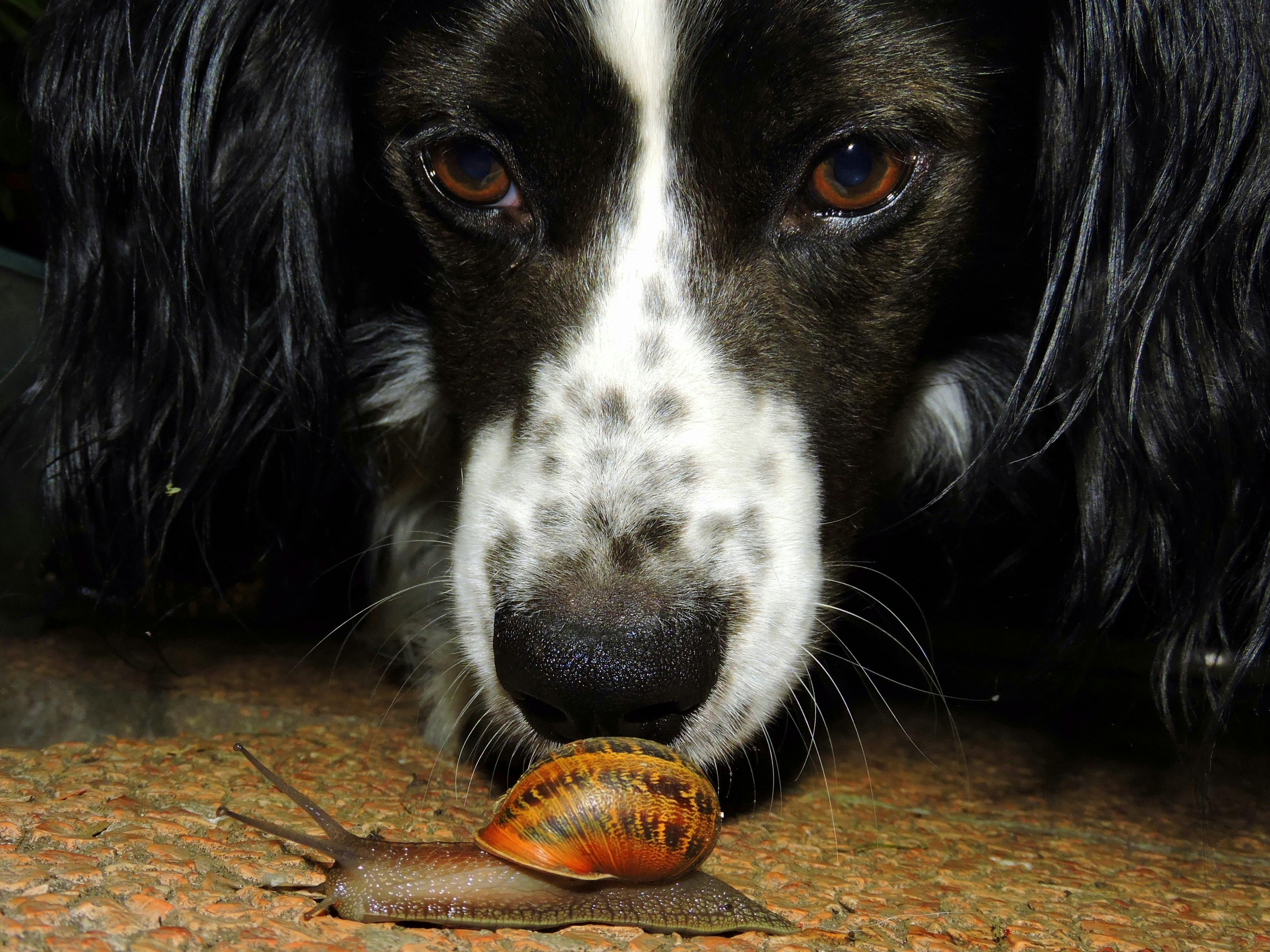
Dogs are often seen with their wet noses, and they seem to love giving wet-nosed kisses to their human companions. But have you ever stopped to wonder why do dogs have wet noses? This peculiar characteristic is not just a cute quirk, it actually serves important purposes for their health and senses. Let’s delve into the fascinating truth about why dog noses are wet and how it benefits them.
The Science Behind a Dog’s Wet Nose
A dog’s nose is covered in a thin layer of moisture that is produced by special glands. This moisture plays a key role in a dog’s ability to smell. When a dog sniffs, the moisture on their nose captures scent particles in the air, allowing them to interpret smells more efficiently. The wetness also helps to cool the dog down, as dogs primarily regulate their body temperature through panting.
- Moisture production: Dogs have nasal glands that produce mucus to keep their nose moist.
- Scent detection: A wet nose can absorb scent particles better, enhancing a dog’s olfactory abilities.
- Temperature regulation: The moisture evaporates, which helps cool the dog’s body.
Why Do Dogs Have Wet Noses? The Evolutionary Perspective
From an evolutionary standpoint, the wet nose serves several purposes that help dogs survive in the wild. Historically, dogs’ ancestors relied on their sense of smell for hunting and navigating their environment. The wetness of the nose has been favored by natural selection, giving them an edge in finding food and avoiding dangers.
- Hunting: A moist nose allows for better scent detection, which is crucial for hunting.
- Communication: Dogs communicate with each other through scent. A wet nose helps to pick up on pheromones and other scent signals.
- Survival: Being able to smell food or predators is vital for survival, especially in the wild.
Health Benefits of a Wet Nose
Believe it or not, a wet nose can be an indicator of a dog’s health. A healthy dog usually has a cool, moist nose. If it’s warm and dry, this may indicate an underlying health issue, although it’s not always the case. Here are some health-related aspects of a dog’s nose:
- Hydration: Dogs with moist noses are generally well-hydrated since it indicates that they are producing enough moisture.
- Temperature check: A wet nose can help regulate body temperature, which is important for overall health.
- Early warning signs: Changes in the moisture level of a dog’s nose can sometimes signal illness, like fever or dehydration.
Fascinating Facts About Dog Noses
Dog noses are more than just cute; they are incredibly complex and can do lots of amazing things. Here are some fascinating facts:
- Unique patterns: Just like human fingerprints, every dog’s nose print is unique.
- Sensitive receptors: A dog’s nose has about 300 million scent receptors, compared to humans, who only have about 6 million.
- Nosework: Many dogs are trained in scent detection jobs, such as search and rescue, drug detection, and even medical alert for conditions like diabetes.
- Temperature sensing: Dogs can detect changes in temperature better than humans, which helps them locate warm or cold objects in their vicinity.
Maintaining Your Dog’s Nose Health
To keep your dog’s nose healthy, there are several practical steps you can take. Here’s a short list of do’s and don’ts:
- Do keep your dog hydrated. Always provide fresh water.
- Don’t expose your dog to extreme temperatures for too long.
- Do check for dry patches or cracks on the nose which could indicate health issues.
- Don’t ignore any sudden changes in the nose’s moisture level.
Comparisons With Other Animals
Dogs are not the only animals with wet noses. Other species have similar adaptations for their health and sensory needs. Here’s a comparison:
| Animal | Nose Type | Purpose |
|---|---|---|
| Dogs | Wet nose | Enhanced smell, temperature regulation |
| Cats | Dry nose | Less reliance on smell |
| Pigs | Wet snout | Excellent sense of smell, foraging |
| Elephants | Trunk | Multi-functional, including smell |
So, why do dogs have wet noses? The answer is multifaceted and deeply rooted in their biology and evolution. The wet nose not only enhances their sense of smell but also helps maintain their health and well-being. Understanding this unique trait can enrich the bond between dogs and their human companions. Just another reason why our furry friends are so special!
Wet Nose Wonders: What Your Dog’s Moisture Levels Say About Their Well-Being
Wet Nose Wonders: What Your Dog’s Moisture Levels Say About Their Well-Being, Why Do Dogs Have Wet Noses? Discover the Fascinating Truth!
When you see your dog with a wet nose, you might think it’s just one of those cute things they do. But did you ever wonder why do dogs have wet noses? There’s actually some science behind it, and it can tell you a lot about their health and happiness. In this post, we’ll dive into the fascinating world of canine noses and what their moisture levels can indicate about your furry friend’s well-being.
The Science Behind Wet Noses
Dogs have wet noses mainly because of a few reasons. It’s not just for show or some random quirk. Here are the key reasons why dog noses are generally moist:
- Cooling Mechanism: Dogs don’t sweat like humans. Instead, they rely on their noses to help cool themselves down. The moisture on their noses evaporates, which cools their body.
- Enhanced Sense of Smell: A wet nose helps trap scent particles. This makes it easier for dogs to pick up various smells in their environment. It’s like having a built-in perfume tester!
- Health Indicator: The state of a dog’s nose can be an indicator of their general health. A wet, cool nose is often a sign of a healthy dog, while a dry or cracked nose might indicate health issues.
Why Do Dogs Have Wet Noses? Historical Context
The evolution of dogs and their wet noses is quite interesting. It is believed that dogs’ ancestors had moist noses as a way to survive in the wild. They needed to be able to smell predators and prey efficiently. Over time, this trait has stayed with them, even as they became our beloved companions. Some theories suggest that dogs, being descendants of wolves, retained this trait for survival.
What Moisture Levels Indicate
Moisture levels in your dog’s nose can actually tell you a lot about their current state. Here’s a handy list of what different moisture levels could mean:
- Normal Moisture: A wet, cool nose usually means your dog is healthy and hydrated.
- Dry Nose: This can mean various things. It might simply be due to the weather, but it can also indicate dehydration or illness.
- Cracked Nose: If your dog’s nose is cracked, it could be a sign of a serious issue. This might require a vet visit.
- Excessively Wet Nose: Sometimes, a nose that is overly wet can indicate allergies or an infection. Keep an eye on this!
How to Care for Your Dog’s Nose
Keeping your dog’s nose healthy is important. Here are some tips to help maintain their nose’s health:
- Hydration: Make sure your dog has access to fresh water at all times. Dehydration can lead to a dry nose.
- Regular Vet Check-ups: Routine vet visits can help catch any potential issues early.
- Protect from Extreme Weather: Cold weather can dry out a dog’s nose. Use pet-safe moisturizers if necessary.
- Watch for Changes: Pay attention to any changes in your dog’s nose. If it becomes excessively dry, cracked, or unusually wet, contact your vet.
Fun Facts About Dog Noses
- Did you know a dog’s sense of smell is 10,000 to 100,000 times more sensitive than a human’s? That’s why their wet noses are so important!
- Dogs have more than 220 million scent receptors in their noses. Humans only have about 5 million.
- The texture of a dog’s nose is unique to each individual, much like human fingerprints.
Common Misconceptions
There are a few myths about dog noses that are worth debunking:
- Myth: A warm nose means your dog is sick.
Fact: Nose temperature can vary and is not a definitive sign of illness. - Myth: Dogs only get wet noses from licking them.
Fact: Environmental factors and their natural moisture production play a big role.
Understanding why do dogs have wet noses and what it says about their health can help owners become better caretakers. It’s fascinating how something so simple can provide insight into your dog’s well-being. So next time you feel that familiar wet nose nudge against you, remember — it’s not just a sign of affection, it’s also an indicator of their health!
Is Your Dog’s Nose Too Wet? Understanding the Signs of Health and Hydration

When you own a dog, you might wonder why their nose is often wet. Is it a sign of health, or should you be concerned? Understanding your dog’s nose can reveal a lot about their overall well-being. Lots of people just think about the wetness but not about what it means for hydration and health. So, let’s dive into the fascinating world of canine noses.
Why Do Dogs Have Wet Noses?
Dogs noses are naturally moist due to several reasons. Here are some key points that explain this phenomenon:
Cooling Mechanism: Dogs don’t sweat like humans do. Instead, they rely on their noses to help regulate body temperature. A wet nose helps to cool them down.
Enhanced Smell: The moisture on a dog’s nose helps capture scent particles. A wet surface can absorb smells better, making a dog’s sense of smell more acute. Dogs have an incredible sense of smell, estimated to be between 10,000 to 100,000 times more sensitive than humans.
Health Indicator: A wet nose often indicates a healthy dog. However, it’s not the only sign to rely on. A dog can have a wet nose and still be sick.
Is a Wet Nose Always Good?
Not necessarily! While a wet nose is generally a good sign, changes in your dog’s nose can indicate underlying health issues. Here are some situations to watch out for:
Dry Nose: If your dog’s nose is unusually dry, it could be a sign of dehydration, fever, or even a respiratory infection.
Cracked or Peeling Skin: This condition is not only uncomfortable for your dog but can also indicate allergies or skin infections.
Excessive Discharge: If the discharge is green or yellow, it may suggest an infection or other health issues.
Temperature Changes: A warm nose can sometimes indicate that your dog might be sick.
How to Keep Your Dog Hydrated
Hydration is crucial for your dog’s health. Dogs can become dehydrated quickly, especially during hot weather or after exercise. Here are some tips to ensure your furry friend stays hydrated:
Fresh Water: Always make sure your dog has access to clean and fresh water. Change the water daily.
Wet Food: Consider incorporating wet dog food into their diet. It can help increase their water intake.
Hydration Pack: There are dog hydration packs available for long walks or hikes. They make it easy to keep your dog hydrated on the go.
Monitor Their Drinking: If you notice your dog isn’t drinking as much, it might be time to consult a veterinarian.
Signs of Dehydration in Dogs
Keeping an eye on your dog’s hydration levels is important. You can look for these symptoms:
Lethargy: If your dog seems unusually tired or inactive.
Loss of Skin Elasticity: When you pinch the skin, it should snap back quickly. If it doesn’t, your dog may be dehydrated.
Dry Gums: Healthy gums should be moist and pink. Dry or sticky gums can indicate dehydration.
Sunken Eyes: Look for changes in your dog’s eyes. Sunken eyes can be a sign of dehydration.
Fun Fact: Dogs and Their Noses
Did you know that a dog’s nose print is unique, much like a human fingerprint? This idea is gaining traction in some parts of the world as a form of identification.
Comparison Table: Dry vs. Wet Nose Indicators
| Condition | Wet Nose | Dry Nose |
|---|---|---|
| Health Indicator | Generally healthy | Potential issues |
| Hydration Level | Likely hydrated | May be dehydrated |
| Smell Sensitivity | Enhanced smell | Normal smell |
| Possible Infections | Rare | Possible |
As a dog owner, it’s essential to understand these signs and what they mean for your pet’s health. Dogs rely on their noses in so many ways, and it’s a key part of their identity. If you have concerns about your dog’s nose, whether it’s wet or dry, don’t hesitate to reach out to a veterinarian. They can provide you with the best advice tailored to your dog’s specific needs. Remember, keeping a close eye on your canine companion’s health is part of being a responsible pet owner. So, the next time you give your dog a pat, take a moment to appreciate that wet nose and what it signifies!
The Role of a Wet Nose in Canine Communication: What Every Dog Owner Should Know
Every dog owner have probably noticed their furry friend’s wet nose and might of wondered, why do dogs have wet noses? It’s one of those quirky things about dogs that often gets overlooked, but actually, it holds a lot of significance in how dogs communicate and perceive their environment. Let’s dive into the fascinating world of canine communication and the role that a wet nose play in it.
The Science Behind Wet Noses
Dogs’ noses are wet for several reasons. First, it helps them to smell better. Canines have an incredible sense of smell, estimated to be anywhere from 10,000 to 100,000 times more sensitive than humans. A wet nose enhances this ability because moisture on the surface of the nose captures scent particles more effectively.
Here’s some key points to consider:
- Moisture Retention: Dogs lick their noses to keep them moist, which helps in gathering scents.
- Temperature Regulation: Just like sweating in humans, a dog’s wet nose can help them cool down.
- Health Indicator: A healthy dog usually has a cool, moist nose. If the nose is dry and warm, it could potentially indicate illness.
The Role of a Wet Nose in Canine Communication
Dogs communicate with a variety of vocalizations and body language, but their noses also play a big part in their social interactions. When dogs meet, they often greet each other by sniffing each other’s noses and behinds. This behavior is not just social; it’s also informative.
When a dog sniffs another dog’s nose, they’re gathering vital information. Here’s what they might learn:
- Health Status: A dog’s scent can indicate health, stress and even emotions.
- Reproductive Status: Female dogs in heat produce different scents, which male dogs can detect from a distance.
- Diet: The smells on a dog’s fur can tell another dog what they’ve been eating.
This whole sniffing ritual is a way for dogs to communicate without the need for barking or growling. It’s their version of small talk!
Historical Context of Dogs and Their Noses
The fascinating truth about why dogs have wet noses goes back thousands of years. Dogs have evolved alongside humans for over 15,000 years, and their keen sense of smell played a crucial role in their domestication. Early humans relied on dogs for hunting, herding, and guarding, and their ability to sniff out food and danger was invaluable.
As dogs became companions, this trait did not disappear. Even today, dogs are used in various fields due to their exceptional olfactory abilities, including:
- Search and Rescue: Dogs help find missing persons in various environments.
- Detection: They can detect drugs, explosives, and even certain medical conditions like low blood sugar or seizures.
The Unique Anatomy of a Dog’s Nose
Understanding the anatomy of a dog’s nose can help explain why it’s so wet. The surface area of a dog’s nose contains a high number of scent receptors. Here’s a closer look at the components:
- Nasal Mucosa: This is the moist tissue that helps trap scent particles.
- Turbinates: These are bony structures in the nasal cavity that increase the surface area for scent detection.
- Jacobsen’s Organ: This organ allows dogs to detect pheromones and other chemical signals in the environment.
Fun Facts About Dogs’ Noses
Here are some quirky and interesting facts about dogs’ noses that might surprise you:
- Cold or Warm?: A dog’s nose temperature can vary. A warm nose doesn’t always signal sickness.
- Nose Prints: Just like human fingerprints, each dog has a unique nose print.
- Color Variations: A dog’s nose color can range from black to pink and is influenced by genetics.
Practical Tips for Dog Owners
As a dog owner, it’s important to pay attention to your dog’s nose. Here are some practical tips:
- Monitor Changes: Keep an eye on changes in nose moisture or temperature. If it becomes persistently dry or warm, consult a veterinarian.
- Hydration: Ensure your dog is well-hydrated since dehydration can lead to a dry nose.
- Regular Vet Check-Ups: Regular health exams can help catch any potential issues early.
Understanding why dogs have wet noses and the role they play in canine communication can enhance the bond between you and your furry friend. By recognizing these signs, you can better interpret your dog’s feelings and health. So the next time you see your dog’s wet nose, remember it’s not just cute — it’s a vital part of their ability to communicate with the world around them.
Curious About Canine Noses? Discover Why Dogs Have Wet Noses and Their Unique Functions
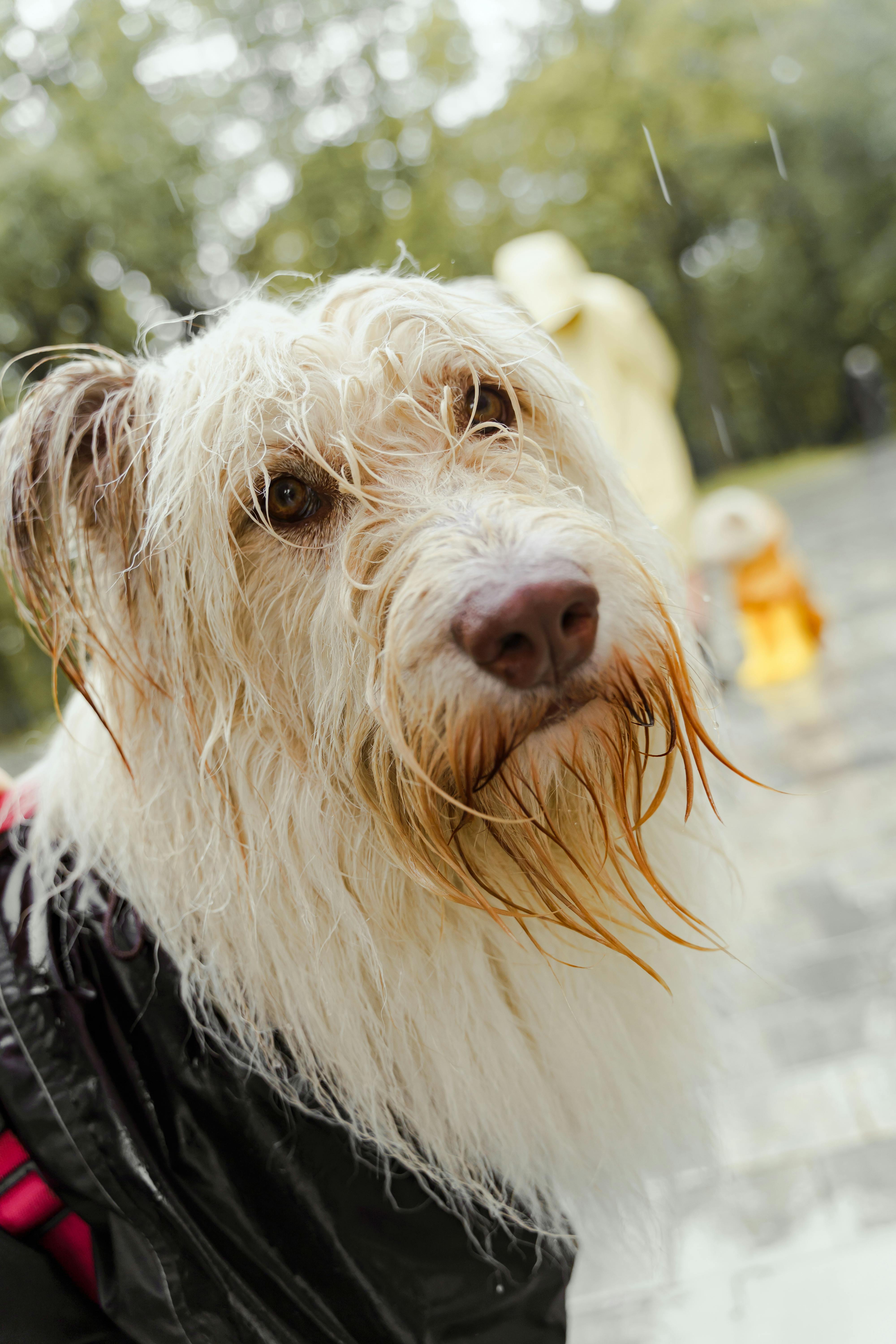
Curious about canine noses? Well, you ain’t alone! Many people wonder why dogs have wet noses and what makes them so special. Dogs noses are not just cute; they play crucial roles in a dog’s life. Let’s dive into this fascinating topic and discover why these furry friends have those unique, moist snouts.
The Science Behind Wet Noses
So, why do dogs have wet noses? The answer lies in the biology of dogs. A dog’s nose is covered in a thin layer of mucus. This moisture does a lot more than just make the nose shiny. It helps enhance their sense of smell, which is already incredible. A dog’s sense of smell is about 10,000 to 100,000 times more sensitive than that of humans. That’s a big difference!
- Moisture and Smell: The wetness of a dog’s nose helps trap scent particles. When these particles stick to the nose, it improves the dog’s ability to detect different odors.
- Temperature Regulation: A wet nose also helps regulate a dog’s body temperature. When they pant, the moisture evaporates, cooling them down.
- Health Indicator: A dog’s nose can be a health indicator. If it’s too dry, it could signal dehydration or illness.
Dogs Noses in History
Dogs have been companions to humans for thousands of years. From ancient hunting partners to modern-day pets, their noses have always played an essential role. In history, dogs were bred for specific tasks, and their noses were crucial for hunting, tracking, and herding.
- Hunting Dogs: Breeds like Bloodhounds and Beagles were specifically bred for their strong sense of smell.
- Service Animals: Today, many dogs are trained to use their noses in search and rescue missions, detecting drugs, or even finding diseases like cancer.
Fun Facts About Dog Noses
If you think all noses are the same, think again! Dog noses come in various shapes and sizes. Here’s some interesting stuff to know:
- Unique Patterns: Just like human fingerprints, each dog’s nose has a unique pattern of ridges and bumps.
- Color Variation: Dog noses can be black, brown, or even pink, depending on the breed and genetics.
- Dog Breeds with Special Noses: Some breeds like the Dachshund have long noses for sniffing out burrowing animals, while Bulldogs have short noses that give them a different kind of sniffing ability.
The Importance of a Wet Nose
So, why does having a wet nose matter? Here’s a quick breakdown of the benefits of a wet nose for dogs:
- Enhanced Scent Detection: Wet noses trap more scent particles.
- Thermoregulation: Helps maintain body temperature.
- Health Monitoring: Changes in moisture can indicate health issues.
- Communication Tool: Dogs use their noses to gather information about other animals and their environment.
Wet Noses and Dog Behavior
A dog’s nose isn’t just for smelling; it also plays a role in their behavior. When a dog greets you, they often sniff as a way of saying hello. They are gathering information about you and your mood. A wet nose can be a sign of excitement or curiosity.
- Greeting Behavior: Sniffing helps dogs learn about other animals or humans they meet.
- Exploration: Dogs explore their world largely through their sense of smell. They might sniff everything from the grass to your shoes!
Caring for Your Dog’s Nose
Taking care of your dog’s nose is important, especially during dry or cold weather. Here are some tips to maintain a healthy nose:
- Hydration: Make sure your dog drinks enough water. A well-hydrated dog often has a moist nose.
- Moisturizing: If your dog has a dry nose, you can use dog-safe moisturizers recommended by your vet.
- Regular Check-ups: Keep an eye on your dog’s nose during vet visits. Any changes in color or moisture can be discussed with your veterinarian.
In summary, the wet nose of a dog is more than just an adorable trait; it serves several unique functions that are key to a dog’s health and well-being. From enhancing their sense of smell to aiding in temperature control, a moist nose is vital to your furry friend. Understanding these aspects not only deepens our appreciation for dogs but also helps us care for them better. So, the next time you pet your canine companion, take a moment to appreciate that wonderful wet nose!
The Truth About Dog Noses: Why Wetness Matters for Your Furry Friend’s Survival
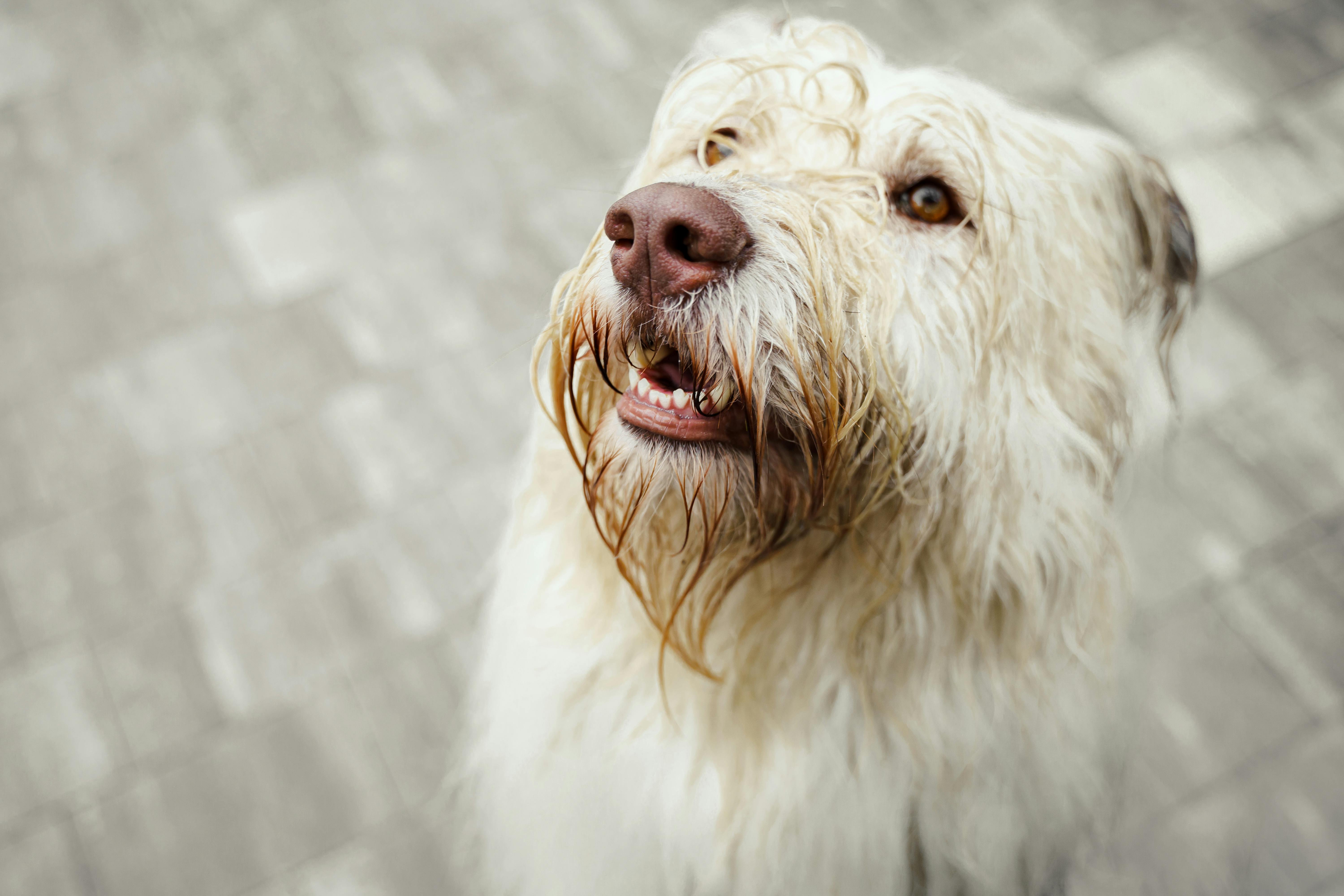
Dogs are some of the most beloved pets around the world, and if you’re a dog owner, you probably wonder about their unique characteristics. One of the most fascinating features that dogs have is their noses, particularly the wetness. You may find yourself asking, “Why do dogs have wet noses?” Well, let’s dive into the truth about dog noses, and why their wetness really matters for their survival.
The Science Behind Wet Noses
First off, a dog’s nose is not just for sniffing. It’s actually a complex organ. The wetness of a dog’s nose plays a crucial role in how they interact with the world. Here are some key facts:
- Temperature Regulation: Just like humans sweat, dogs use their wet noses to help regulate their body temperature. The moisture evaporates, cooling them down.
- Enhanced Smell: Wetness helps to trap scent particles in the air. When a dog’s nose is moist, it can pick up scents better, which is why they are often used for search and rescue missions.
- Health Indicator: A wet nose is generally a sign of good health in dogs. If their nose becomes excessively dry or cracked, it might indicate health issues that require attention.
Historical Context of Dog Noses
Did you know that dogs have been around for thousands of years? Their noses have evolved significantly over time. Early domesticated dogs likely relied on their noses for hunting and finding food. Here’s a brief timeline:
- 15,000 Years Ago: Evidence showed that humans and dogs shared a symbiotic relationship. Dogs helped with hunting, and their sense of smell was vital.
- Modern Breeding: In the last few hundred years, dog breeding has created various breeds, each with unique nose characteristics. Some breeds have longer noses, while others are shorter.
Why Is Wetness Important?
The wetness of a dog’s nose is not just a quirky trait; it serves many important functions. Here’s a closer look:
Scent Detection: Dogs have up to 300 million scent receptors in their noses compared to about 5 million in humans. The moisture helps capture scent particles, allowing dogs to detect smells more effectively.
Cooling Mechanism: In hot weather, dogs can’t sweat like humans do. Their wet noses allow for some cooling through evaporation, reducing the risk of overheating.
Health Monitoring: Owners can often gauge their dog’s health based on nose wetness. A persistently dry nose could mean dehydration or illness, while a healthy nose is usually cool and moist.
Communication: Dogs also use their noses to communicate with each other. The moisture can carry pheromones and other scents that convey information about their emotional state or health.
Common Myths About Dog Noses
There are several myths floating around about dog noses that can be misleading. Here’s a list of some common misconceptions:
Myth: A warm nose means a dog is sick.
- Fact: Nose temperature can vary based on activity, environment, and other factors. A warm nose alone does not indicate illness.
Myth: Dogs only have wet noses when they are healthy.
- Fact: While a moist nose is often a sign of health, it can also vary based on the dog’s environment, breed, and even the weather.
Practical Tips for Dog Owners
Now that we’ve explored the fascinating truth about dog noses, here are some practical tips for dog owners:
- Monitor Nose Condition: Keep an eye on your dog’s nose. If it becomes excessively dry, cracked, or discolored, consult a vet.
- Hydration is Key: Ensure your dog is well-hydrated, especially during hot weather.
- Regular Vet Check-ups: Regular visits to the veterinarian can help catch potential health issues early, including those indicated by changes in nose wetness.
Comparisons with Other Animals
Dogs aren’t the only animals with wet noses. Here’s a quick comparison with some other animals:
- Cats: Like dogs, cats also have moist noses, but they don’t rely on their sense of smell as heavily as dogs do.
- Bears: Bears have an excellent sense of smell too, and their noses are moist, helping them track scents over long distances.
The truth about dog noses is a mix of fascinating biology, evolutionary history, and practical health indicators. Understanding the role of wetness not only enhances our appreciation for our furry friends but also helps us provide better care for them. So next time you pet your dog, take a moment to notice that wet nose and remember all the incredible things it does!
Can a Dog’s Wet Nose Indicate Their Mood? Exploring the Emotional Connection
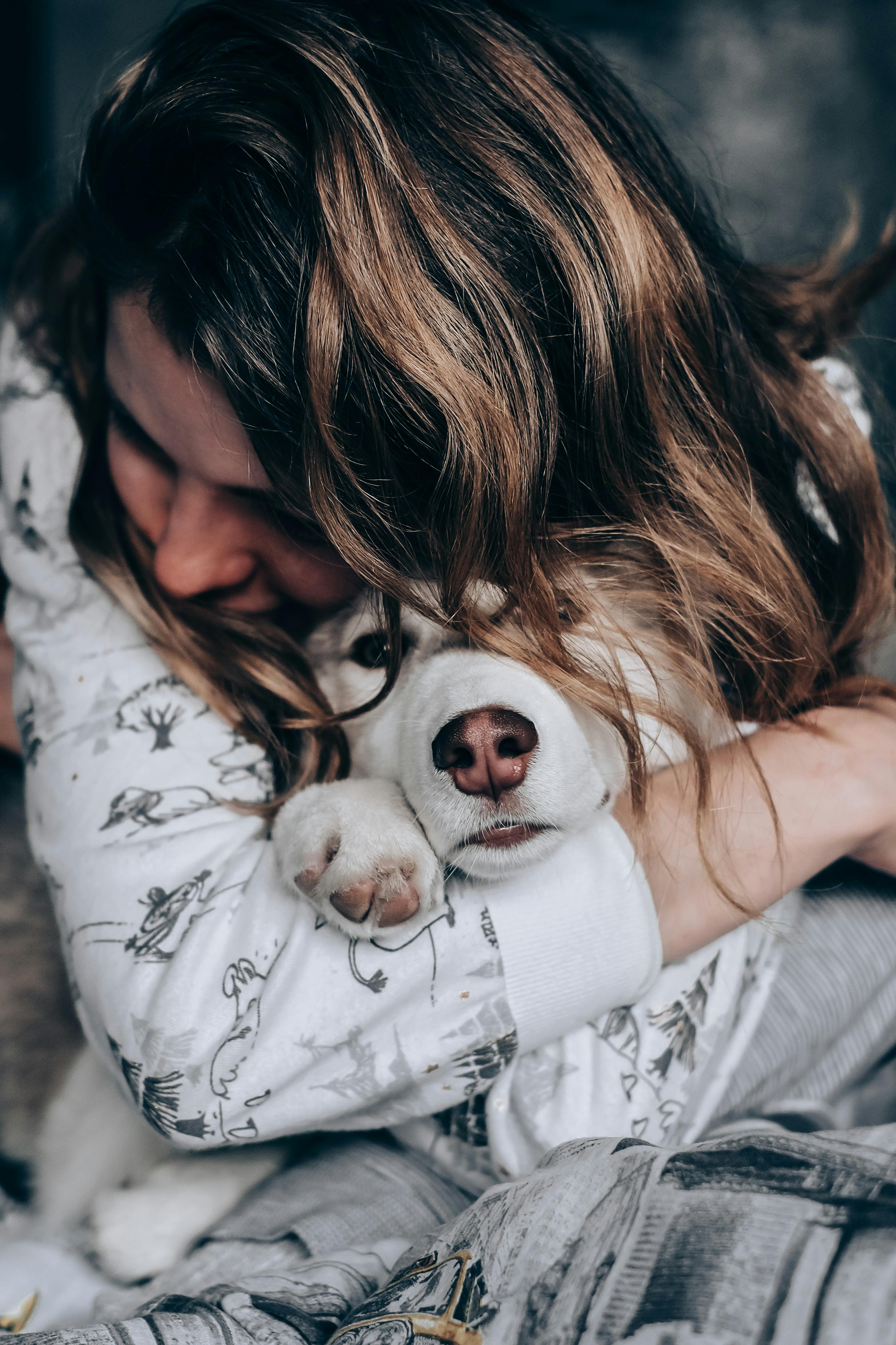
Dogs are often considered man’s best friend, but there’s more to their behavior than just wagging tails and playful barks. One interesting aspect of dogs is their wet noses, which many pet owners often wonder about. Can a dog’s wet nose indicate their mood? This article explores the emotional connection between dogs and humans, while also diving into the reasons behind why dogs have wet noses. You might just find some fascinating truths along the way!
Why Do Dogs Have Wet Noses?
Dogs have wet noses for several reasons, and these reasons are more than just a quirky feature. Here’s a list of some of the key factors:
Cooling Mechanism: Dogs don’t sweat like humans do. Instead, they cool themselves through their noses and paw pads. A wet nose helps to regulate their body temperature, especially during hot weather.
Enhanced Sense of Smell: A wet nose can help dogs smell better. The moisture on a dog’s nose captures scent particles, which makes it easier for them to detect different odors. This is why dogs have such a keen sense of smell, often cited as being up to 40 times better than that of humans.
Health Indicator: A wet nose is often seen as a sign of a healthy dog. However, it’s important to note that not all dogs will have a consistently wet nose. A dry nose doesn’t always mean illness, but sudden changes can indicate health issues and should be checked out by a veterinarian.
Communication: Dogs communicate differently than people do. A wet nose can convey a variety of emotions, such as excitement or affection. When a dog nudges you with its wet nose, it’s often a sign they want attention or are feeling playful.
Can a Dog’s Wet Nose Indicate Their Mood?
Many dog owners have noticed that their dog’s wet nose can seem to change depending on their emotional state. But how accurate is this? Here are some mood indicators linked to the state of a dog’s nose:
Excitement: When a dog is happy or excited, their body is typically more energized. Their nose may feel wetter during these times. It’s like a physical manifestation of their joy!
Calmness: A calm dog might have a moderately wet nose. This state shows that they are relaxed and content, often cuddling close to their owners.
Stress or Anxiety: A stressed dog may have a drier nose. If you notice your dog is anxious, their nose might also appear less moist. It’s essential to observe other body language signs, like ears pinned back or a tucked tail.
Illness or Discomfort: A sudden change to a dry nose can signal health problems. If you notice this change along with lethargy or loss of appetite, it’s best to consult with a vet.
The Emotional Connection Between Dogs and Humans
The bond between dogs and humans is strong, and it’s backed by lots of scientific research. Dogs are known to read human emotions and respond accordingly. This emotional intelligence can be seen in various ways:
Mirroring Emotions: Dogs often mirror their owner’s emotions. If you are happy, they may become more playful. If you’re sad, they might come to comfort you.
Eye Contact: Dogs that maintain eye contact with their owners can show affection and trust. This connection releases oxytocin, often referred to as the “love hormone” in both dogs and humans.
Body Language: Dogs communicate through body language, which includes the state of their nose. A relaxed dog will usually have a wet nose, while one that feels threatened might have a dry nose.
Fun Facts About Dog Noses
Unique Patterns: Just like human fingerprints, each dog has a unique nose print that can be used for identification.
Nasal Passages: Dogs have complex nasal passages that allow them to detect a variety of scents, which is why they are often used in search and rescue missions.
Temperature Regulation: A dog’s wet nose can help them keep cool, but it also plays a role in their hunting instincts. The moisture helps capture scents in the air around them.
Age Changes: As dogs age, their noses may not be as moist as they used to be. Older dogs may have drier noses due to changes in health or hydration.
In summary, a dog’s wet nose can tell us more than just their physical health; it can reflect their emotional state too. Understanding these nuances not only helps strengthen the bond between you and your furry friend but also allows for a deeper appreciation of how dogs communicate. So, the next time you notice your dog’s nose, take a moment to consider what it might be saying!
How Environmental Factors Influence Your Dog’s Nose Moisture: Tips for Pet Parents
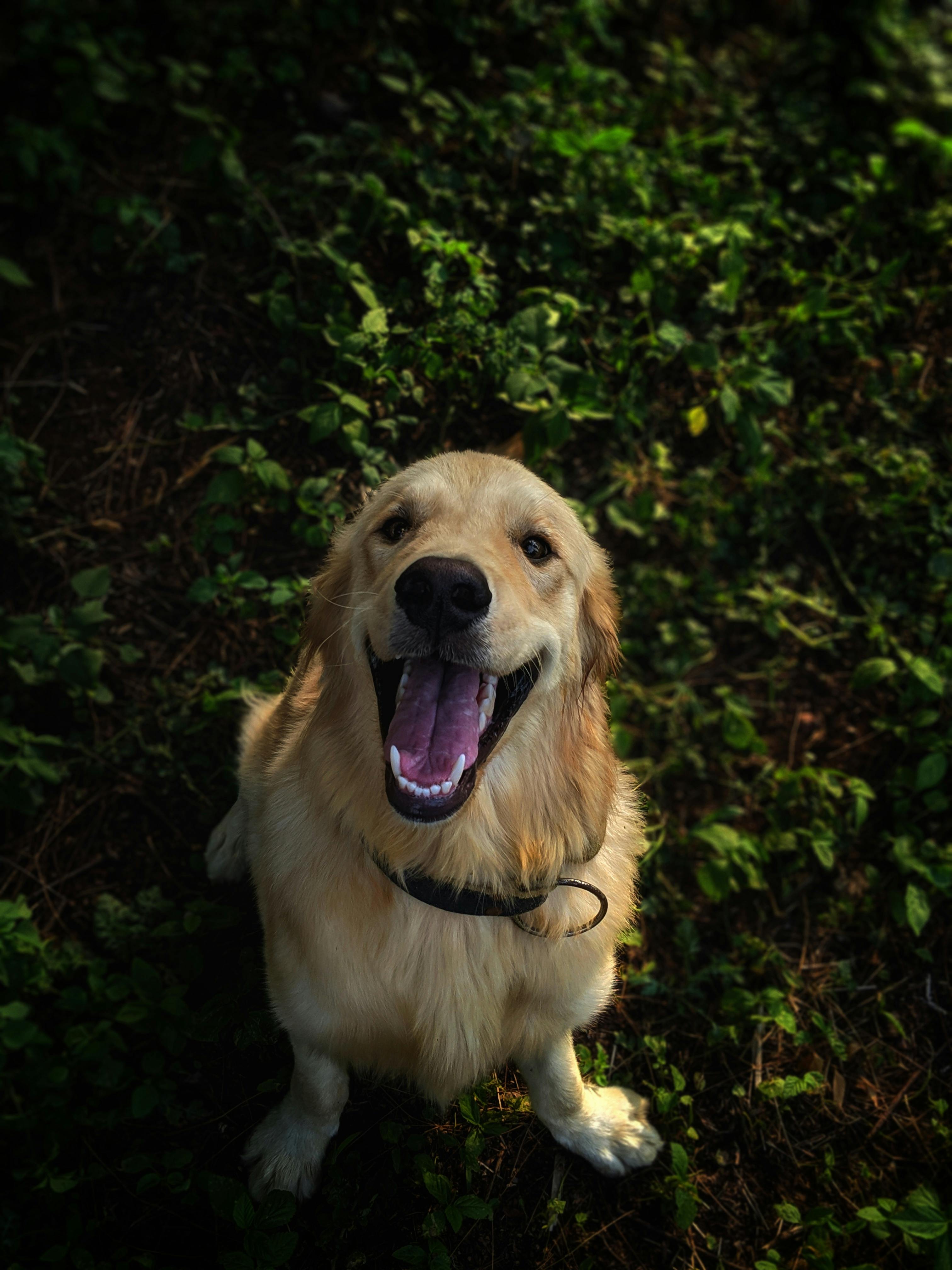
Dogs, they’re our loyal companions and often they’re the center of our lives. But have you ever wondered why do dogs have wet noses? Its a question many pet parents ponder. The moisture on a dog’s nose isn’t just cute; it serves several important functions. However, environmental factors can significantly influence your dog’s nose moisture, and understanding this can help you take better care of your furry friend.
The Science Behind Wet Noses
First off, the main reason why dogs have wet noses is related to their sense of smell. A dog’s nose is packed with more than 300 million olfactory receptors, significantly more than humans who only have about 5 million. The wetness of a dog’s nose helps to trap scent particles, enhancing their ability to detect smells. When a dog’s nose is moist, it can absorb more of these scent particles, which is essential for their navigation of the world.
Environmental Factors Affecting Nose Moisture
Now, lets talk about how the environment plays a role in the moisture levels of your dog’s nose. Here are some main factors:
Humidity: High humidity can help keep your dog’s nose moist, while dry air can lead to a drier nose. This is especially true in winter months when indoor heating can cause the air to be very dry.
Temperature: Extreme temperatures, whether hot or cold, can influence moisture levels. Hot weather can lead to dehydration, which may cause a dry nose. Cold can also cause noses to become dry, as the air is usually less humid.
Allergens and Irritants: Things like pollen, dust, or smoke can affect your dog’s nose moisture too. Allergens can lead to inflammation, which might change the way your dog’s nose feels and looks.
Health Conditions: Sometimes, changes in nose moisture may indicate health issues. A dry nose can be a sign of fever, dehydration, or even more serious conditions.
Tips for Maintaining Your Dog’s Nose Moisture
As a pet parent, you should pay close attention to your dog’s nose. Here are some tips to help maintain moisture:
Hydration Is Key: Always keep fresh water available. Dehydration can lead to a dry nose, and a well-hydrated dog is a happy dog.
Use a Humidifier: Especially during the winter months, using a humidifier can help maintain moisture in the air, benefiting your dog’s nose.
Regular Vet Check-ups: Regular vet visits can help catch any underlying health issues early. A vet can assess if a dry nose is something to worry about.
Apply Natural Oils: If your dog’s nose is frequently dry, consider using natural oils like coconut oil or fish oil. Just a small amount rubbed on their nose can help with moisture.
Keep Allergens Away: If you notice your dog has a dry nose during certain seasons, try to reduce exposure to allergens. Cleaning your home regularly and using air purifiers can help.
Fascinating Facts About Dog Noses
Temperature Regulation: A dog’s nose helps regulate their body temperature. They may lick their noses to cool down, as the moisture evaporates it helps them stay cool.
Unique Patterns: Just like human fingerprints, every dog has a unique nose print. This could even be used to identify them!
Dogs’ Sense of Smell: Dogs can detect certain diseases in humans, including cancer and diabetes, through their sense of smell.
Different Breeds, Different Noses: Some breeds have more moist noses than others. For example, a Bulldog may have a different moisture level than a Greyhound.
Comparing Wet and Dry Noses
Wet Nose vs. Dry Nose:
- Wet Nose: Indicative of a healthy dog, good hydration, and an active sense of smell.
- Dry Nose: Can indicate dehydration, sickness, or environmental stressors.
Conclusion
Understanding why do dogs have wet noses and how environmental factors influence moisture levels is essential for every pet parent. Being aware of the conditions that affect your dog can help you provide the best care possible. Ensuring your pup stays hydrated, keeping an eye on their environment, and being proactive about their health can go a long way in keeping that nose wet and healthy. Your furry friend will appreciate the extra effort!
Conclusion
In conclusion, the wet noses of dogs serve several important purposes that contribute significantly to their health and behavior. As we discussed, a dog’s wet nose helps enhance their sense of smell, allowing them to detect scents more accurately, which is crucial for their communication and interaction with the environment. The moisture on their noses also plays a role in thermoregulation and helps keep them cool, while the secretion of mucus provides protection against pathogens. Additionally, a wet nose can indicate a dog’s overall health, making it a useful indicator for pet owners. Understanding this aspect of canine biology can deepen our appreciation for dogs and their unique adaptations. As you care for your furry friend, remember to monitor their nose health, and if you notice any significant changes, consult your veterinarian. By nurturing our pets’ well-being, we can ensure they lead happy and healthy lives.
