
Have you ever wonder why do dogs have wet noses? It’s a question that many dog owners ask, and the answer is more fascinating than you might think! Dogs’ noses are not just cute; they serve crucial purposes that can impact their health and behavior. The wetness of a dog’s nose is a sign that helps them to detect scents and regulate their body temperature. But that’s not all! In this blog post, we’ll dive deep into the science behind why dogs have wet noses and uncover the secrets of canine scent detection. Could it be that a dog’s wet nose is nature’s built-in tool for communication and survival? Discover how this remarkable feature enhances their ability to connect with the world around them. Join us on this exciting journey to explore the fascinating truth behind your furry friend’s unique physiology. You might be surprised by what you learn! With so many trending topics surrounding pet care and behavior, this is one mystery you won’t want to miss. So, let’s answer the question: Why do dogs have wet noses? Your curiosity will be rewarded!
The Science Behind Wet Noses: What Makes Your Dog’s Nose So Unique?
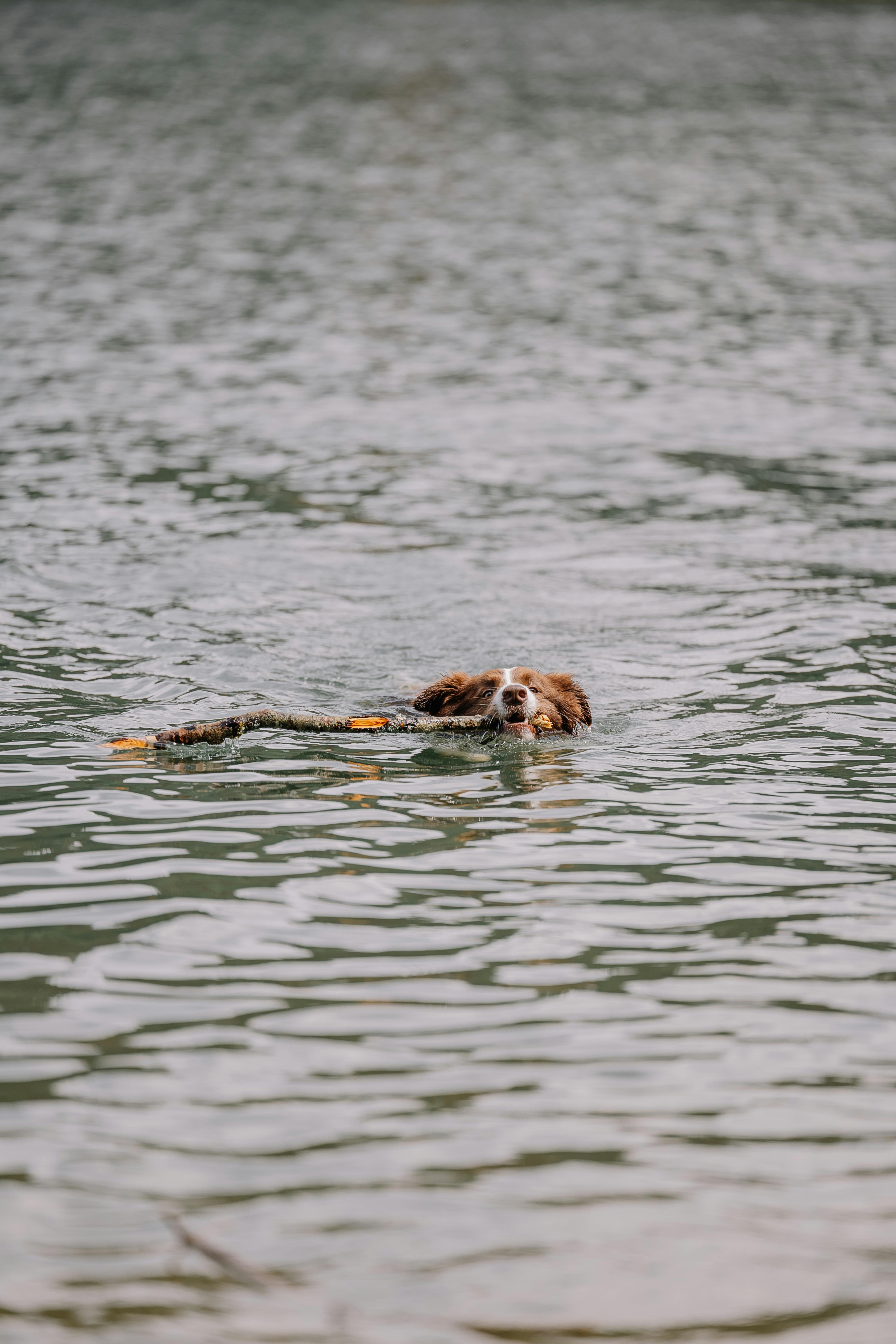
When you look at your dog’s face, one of the most striking features is their wet nose. You might wonder, why do dogs have wet noses? Is it just for looks, or is there something more fascinating behind this? Well, there’s actually a lot of science that explain why our furry friends have this unique trait. Let’s dive into the wet world of dog noses and uncover the captivating reasons behind their moisture.
The Anatomy of a Dog’s Nose
Dog noses are not just ordinary; they’re complex organs that serve important functions. The wetness of a dog’s nose can be linked to several anatomical features:
- Mucous Membranes: These membranes produce moisture to keep the nose wet and help with scent detection.
- Olfactory Receptors: Dogs have about 220 million olfactory receptors, which are far more than humans (about 5 million!). Wet noses help enhance the scent molecules that dogs can detect.
- Sweat Glands: Unlike humans, dogs don’t sweat through their skin. Instead, they have sweat glands in their noses that help regulate temperature and moisture.
Why Are Wet Noses Important?
So, what’s the purpose of this wetness? Here’s a breakdown of why wet noses are crucial for dogs:
Scent Detection: Moisture helps to capture scent particles in the air. When a dog sniffs, the wet surface of its nose increases the likelihood of picking up more scents.
Temperature Regulation: A wet nose helps to cool down a dog’s body. When a dog pants, moisture evaporates from their nose, helping to lower their body temperature.
Health Indicator: A wet nose can often be a sign of a healthy dog. However, changes in moisture levels can indicate illness. A dry or warm nose might suggest a dog could be sick or dehydrated.
The Fascinating Truth About Dog Noses
It’s not just the wetness that makes dog noses unique; it’s also their patterns and colors! Here are some interesting facts:
Unique Nose Prints: Just like human fingerprints, every dog’s nose print is unique. This means you could use a dog’s nose print for identification, if needed!
Color Variation: The color of a dog’s nose can vary greatly, from black to pink to brown. The color can be influenced by breed, genetics, and even health conditions.
Breed Differences: Some breeds have naturally wetter noses than others. For example, Basset Hounds tend to have particularly moist noses, while some smaller breeds might not.
Practical Examples of Wet Nose Functions
Consider how a dog uses its nose daily. Here are some examples of how wet noses play a key role in various dog behaviors:
Hunting Dogs: Breeds like Bloodhounds use their wet noses to track scents over long distances. Their noses are crucial for identifying the direction and strength of scents.
Service Dogs: Many service dogs, such as those that assist in search and rescue missions, rely heavily on their keen sense of smell, enhanced by their wet noses.
Everyday Pets: Even a household pet can use their nose to explore the environment. When you take your dog for a walk, they might sniff every tree and post, gathering information about other animals.
The Science of Nose Moisture
You might be curious about how a dog’s nose stays wet. Here’s a quick look at the science behind it:
Environmental Factors: Humidity and temperature can affect nose moisture. On hot days, dogs might have drier noses, while cooler, humid days can make noses wetter.
Health Status: Hydration levels directly impact a dog’s nose wetness. If your dog isn’t drinking enough water, their nose might dry out.
Diet and Nutrition: A balanced diet can influence overall health and hydration, which is reflected in the moisture of their nose.
Dog noses are not just a cute feature; they serve essential functions that enhance a dog’s life. From their ability to detect scents to their role in regulating body temperature, understanding the science behind wet noses gives you a glimpse into the extraordinary capabilities of your canine companion. Next time you give your furry friend a scratch behind the ears, take a moment to appreciate that wet nose and all the wonders it brings!
5 Surprising Reasons Why Dogs Have Wet Noses: Uncovering the Mystery!
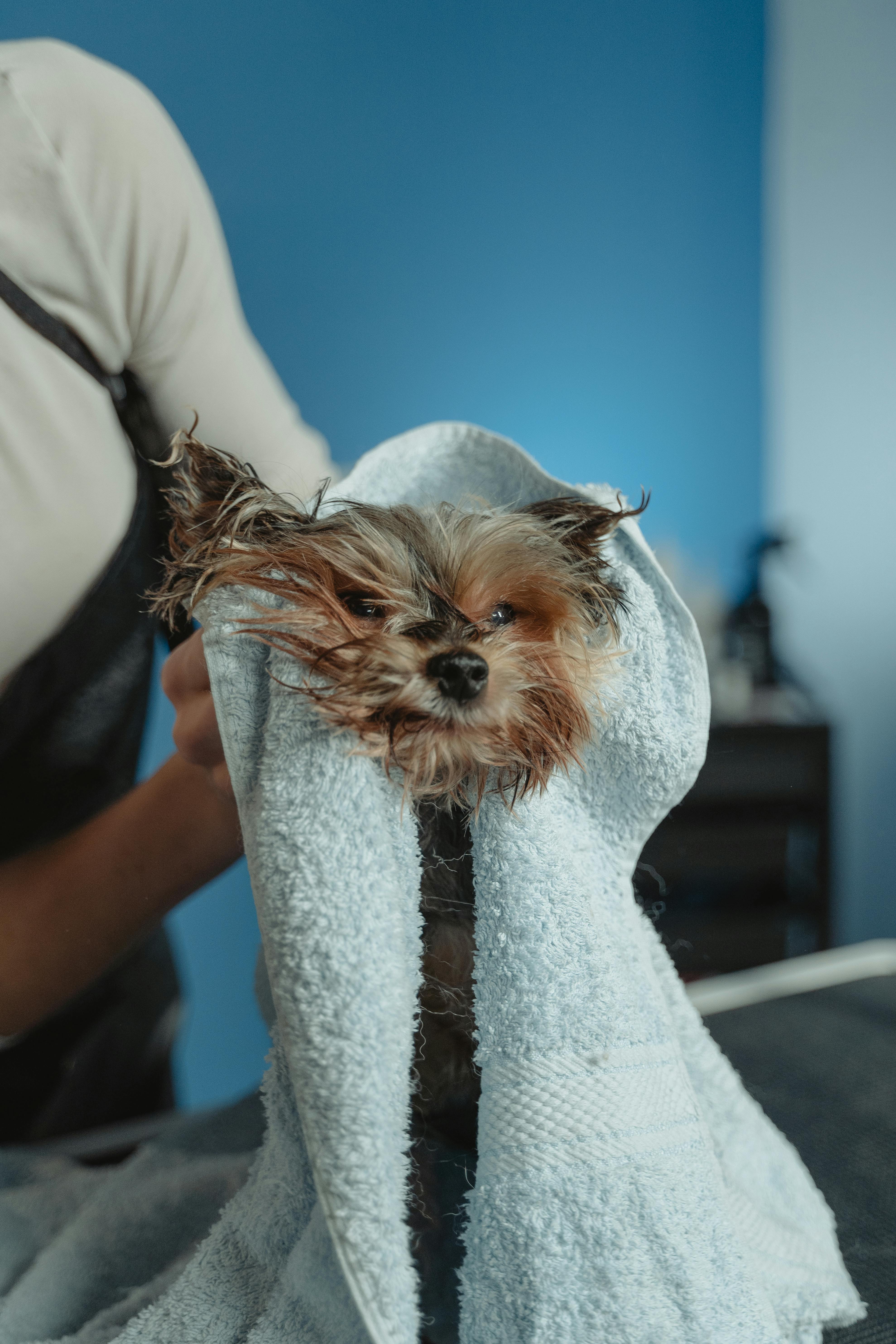
Have you ever wondered why dogs have wet noses? It’s a question many dog owners ask, and the answer is more fascinating than you might think. Wet noses are not just an adorable trait; they serve important purposes. In this article, we will explore 5 surprising reasons why dogs have wet noses, uncovering the mystery behind this unique feature of our furry friends.
1. Temperature Regulation
One of the most interesting reasons why dogs have wet noses is for temperature regulation. Dogs can’t sweat like humans do. Instead, they rely on their noses to help cool down. The moisture on their noses evaporates, which helps to lower their body temperature. This is especially important during hot summer months when they need to cool off quickly.
2. Enhanced Sense of Smell
You know that dogs have an incredible sense of smell, but did you know that their wet noses play a significant role in that? A wet nose helps to absorb scent particles from the air. When a dog sniffs, the moisture on its nose traps these particles, which allows the olfactory receptors to pick up scents better. This is why dogs can smell things that humans can’t even begin to fathom!
3. Communication Tool
Dogs are social creatures and their noses are part of their communication toolkit. A wet nose can signal different emotions or states of being. For instance, a dog might nuzzle you with a wet nose when they want affection or attention. Conversely, a dry nose in certain contexts could indicate that a dog is stressed or unwell. Understanding these signals can enhance your bond with your pet.
4. Health Indicator
Interestingly, the state of a dog’s nose can indicate health. A consistently dry or cracked nose might suggest dehydration or illness. On the other hand, a wet nose usually indicates a healthy, happy dog. While it’s not a foolproof method of diagnosing health issues, keeping an eye on your dog’s nose can provide valuable insights into their overall condition.
5. Evolutionary Adaptation
Lastly, the wet nose of dogs may be an evolutionary adaptation. In the wild, dogs and their ancestors relied on their sense of smell for survival. A wet nose was advantageous for hunting and finding food. Over time, this feature has been passed down through generations, allowing domesticated dogs to retain this important characteristic.
Fun Facts About Dog Noses
- Dogs Have Unique Nose Prints: Just like human fingerprints, each dog has a unique nose print that can be used to identify them.
- Nose Temperature: A dog’s nose is typically cooler than the rest of its body. This difference in temperature can help them detect changes in their environment.
- Nasal Turbinates: Dogs have complex structures in their noses called nasal turbinates, which help to filter and warm the air they breathe.
How to Care for Your Dog’s Nose
Keeping your dog’s nose healthy is important. Here are some tips to help maintain that ideal moisture level:
- Hydration: Ensure your dog always has access to fresh water, as hydration is key to a wet nose.
- Humidity Levels: If you live in a dry climate, consider using a humidifier, especially during winter months.
- Regular Vet Visits: Regular check-ups can help catch any potential health issues early on.
When to Be Concerned
While a wet nose is often a sign of good health, not all changes are benign. Here are some signs that may warrant a visit to the vet:
- Persistent Dryness: If your dog’s nose remains dry for an extended period, it might indicate dehydration or a health issue.
- Cracking or Bleeding: This can be a sign of an infection or other serious conditions.
- Discoloration: Any significant change in color, especially if accompanied by other symptoms, should be checked.
Understanding why dogs have wet noses can deepen your appreciation for these lovable companions. They are not just there for cuteness; they serve a myriad of purposes that enhance your dog’s ability to live a fulfilling life. The next time you see your furry friend with their wet nose, remember the fascinating reasons behind it! Embrace these quirks and enjoy the unique bond you share with your canine buddy.
How a Dog’s Wet Nose Contributes to Their Incredible Sense of Smell
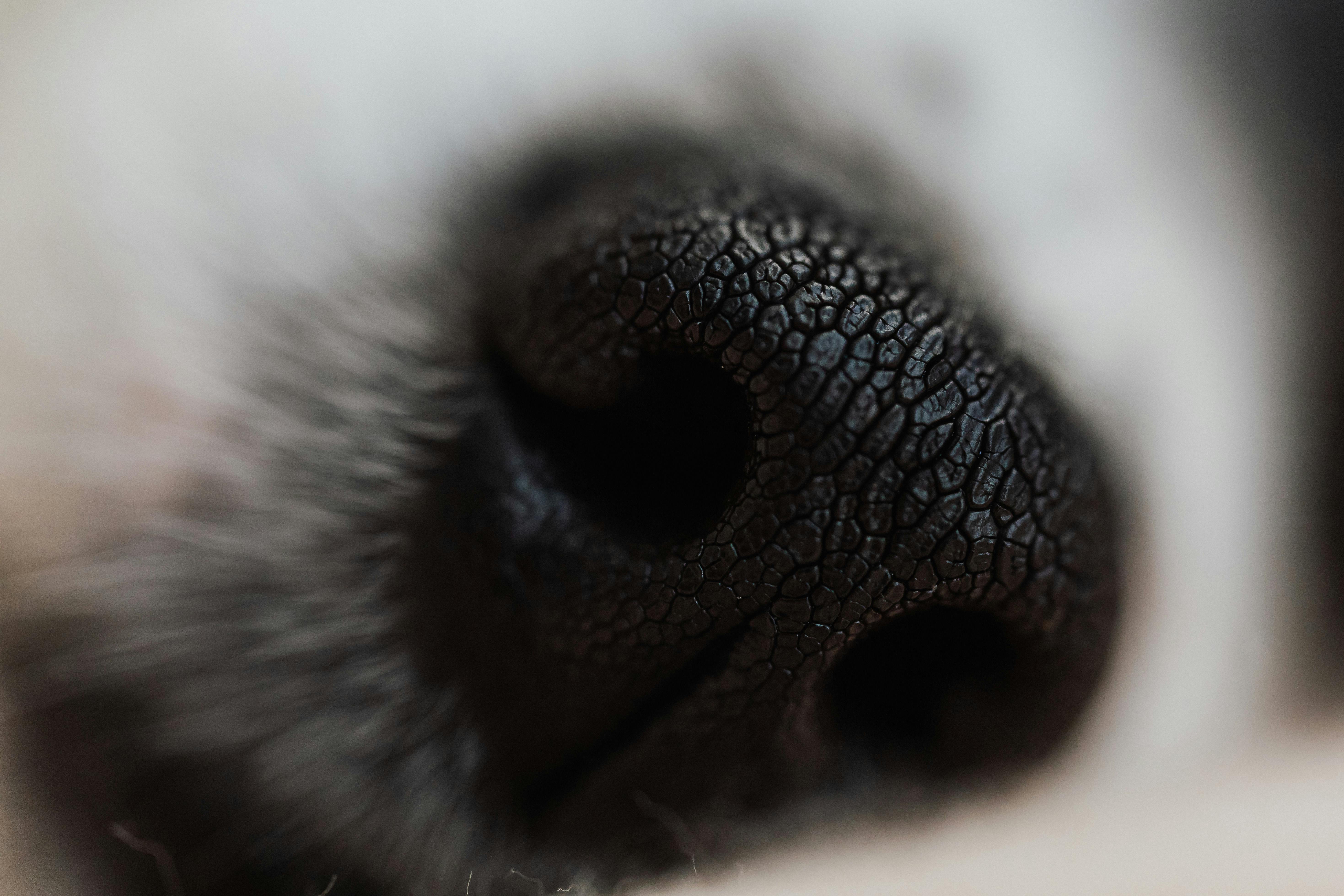
Dogs are often known as man’s best friend, but have you ever wondered why they have that distinctively wet nose? It’s not just for show or a cute feature; it plays a vital role in their incredible sense of smell. Understanding why dogs have wet noses can illuminate just how these loyal companions experience and interact with the world around them.
The Science Behind the Wet Nose
Dogs’ noses are wet for several reasons, mostly linked to their remarkable olfactory abilities. The moisture on a dog’s nose is mainly due to a thin layer of mucous, which helps to capture scent particles in the air. When these particles stick to the nose’s surface, it allows dogs to analyze and interpret smells more effectively.
Here’s a few key points about why dog noses are wet:
- Enhanced Scent Detection: The wetness helps absorb scent molecules, increasing their ability to pick up and identify different odors.
- Temperature Regulation: Dogs also use their noses to help cool themselves down. Since they don’t sweat like humans do, the moisture helps to regulate their body temperature.
- Health Indicator: A dog’s nose can even be a sign of their health. A consistently dry or warm nose may indicate illness, while a typical wet nose suggests good health.
Historical Context of Dog’s Sense of Smell
Dogs have been domesticated for thousands of years. Historically, they have played roles as hunters, herders, and even companions. Their incredible sense of smell stems from their ancestry. For example, certain breeds were specifically developed for their scenting abilities, like Bloodhounds which can track scents over great distances.
Here’s a comparison of some dog breeds known for their exceptional noses:
| Breed | Scenting Ability | Primary Use |
|---|---|---|
| Bloodhound | Can track scents for days | Tracking criminals or lost persons |
| Beagle | Great for detecting small scents | Hunting game, sniffing for drugs |
| German Shepherd | Versatile scent detection | Police and search-and-rescue work |
What Is The Role of a Dog’s Nose?
The dog’s nose is not just a sensory organ but also a complex tool for understanding their environment. With about 220 million scent receptors compared to a human’s 5 million, dogs can detect scents at incredibly low concentrations.
Some functions of a dog’s nose include:
- Detecting Emotions: Dogs can smell fear or anxiety in humans, which is why they can often sense when their owners are upset.
- Finding Food: They can locate food sources from miles away due to their keen sense of smell. This is why dogs excel in search and rescue missions.
- Social Interaction: Dogs also use their noses to gather information about other dogs and animals, such as their health, diet, and emotional state.
Fascinating Facts About Dog Noses
- Dogs have a special organ called the Jacobsen’s organ, located in the nasal cavity, which enhances their sense of smell even further.
- The wetness of a dog’s nose can change throughout the day. For example, after a dog drinks water or when they wake up, their noses are especially wet.
- Different dog breeds can have varying nose shapes, which can affect their scenting capabilities. Breeds with longer noses usually have better scent detection than those with shorter snouts.
Practical Examples of Using Dogs’ Sense of Smell
- Search and Rescue: Dogs are essential in locating missing persons in wilderness areas or disaster zones. Their ability to smell human scent from afar is invaluable.
- Detection Work: Law enforcement agencies use dogs to sniff out drugs, explosives, and even money. Their ability to discern specific scents makes them effective in various detection roles.
- Therapeutic Uses: Some therapy dogs are trained to detect changes in their owners’ bodies, like drops in blood sugar levels for diabetics or seizures in certain medical conditions.
Dogs’ noses are not just wet; they are a gateway to understanding the world in a way humans can only dream of. This unique feature is a perfect blend of biology and evolution, allowing our furry friends to excel in tasks that require incredible olfactory precision. So, the next time you see a dog with a wet nose, remember it’s not just cute—it’s a powerful tool for exploration and communication.
Is a Wet Nose a Sign of a Healthy Dog? Debunking Common Myths
When you think about dogs, their wet noses might be one of the first things that come to your mind. You probably wonder, is a wet nose a sign of a healthy dog? Many people believes that a wet nose indicates a dog is well, but that’s not the whole story. In this article, we will debunk some common myths, explore the reasons behind why dogs have wet noses, and uncover some fascinating truths about our furry friends.
What Causes a Dog’s Nose to Be Wet?
Dogs have wet noses for several reasons, and not all of them related to health. The moisture on a dog’s nose primarily comes from two sources:
Nasal secretions: Dogs produce mucus in their nasal passages. This mucus helps them to smell better by capturing scent particles in the air. The more moisture there is, the better their sense of smell works.
Environmental factors: Dogs often lick their noses, which adds to the moisture. They might do this to clean their noses or simply because they are curious about something they sniffed.
Is a Wet Nose Always a Sign of Good Health?
Now, let’s tackle the myth head-on: a wet nose doesn’t always mean a dog is healthy. While many healthy dogs do have moist noses, there are exceptions. Here are some factors that might affect the wetness of a dog’s nose:
Temperature: A dog’s nose can be drier when they are hot or after they have been active. This doesn’t necessarily mean they’re sick.
Hydration levels: If a dog is dehydrated, their nose might also be dry. It’s important to monitor their water intake.
Health conditions: Certain health issues can cause a dog’s nose to become dry. These includes allergies, infections, or autoimmune diseases.
Myth-Busting: Common Misconceptions About Dog Noses
Myth: A warm nose means a dog is sick.
Fact: The temperature of a dog’s nose can vary throughout the day. A warm nose doesn’t always indicate illness.Myth: A wet nose is the only sign of a healthy dog.
Fact: While a wet nose can be one indicator, it is not the only one. Look for other signs like energy levels, appetite, and behavior.Myth: All dogs have wet noses.
Fact: Some breeds, like bulldogs or pugs, may naturally have drier noses than others.
Why Do Dogs Have Wet Noses? The Science Behind It
The moisture on a dog’s nose serves a purpose. It plays a crucial role in their sense of smell. The wet surface helps to capture scent particles, which are then absorbed into their olfactory receptors. Here’s a breakdown of how it works:
Scent detection: The moisture helps dissolve scent particles, making it easier for dogs to detect odors.
Thermoregulation: Although not their primary method of cooling down, a wet nose can help with thermoregulation.
Communication: Dogs use their noses to gather information about their environment and other animals. A wet nose can be a sign of a dog gathering more scent information.
Understanding Dog Nose Health
Keeping an eye on your dog’s nose can be an important part of their overall health. Here are some quick tips:
Check for changes: If you notice a sudden change in your dog’s nose moisture level, it may be worth consulting a veterinarian.
Look for other symptoms: Monitor for signs like coughing, lethargy, or loss of appetite that may indicate illness.
Regular vet check-ups: Regular visits to the vet can help catch any health issues before they become serious.
The Bottom Line
In summary, while a wet nose can be a sign of a healthy dog, it is not the definitive measure of their health. Dogs have wet noses for a variety of reasons, including their need to smell and their behavior. It’s essential to look at the whole picture when assessing a dog’s well-being. Always consult with a veterinarian if you have concerns about your dog’s health. Remember, each dog is unique, and understanding what’s normal for your pet is key to keeping them happy and healthy. So next time you see that wet nose, know it’s just one piece of the puzzle that makes up your dog’s health and happiness!
Exploring the Health Benefits of a Dog’s Moist Nose: What Pet Owners Should Know
Dogs are often considered man’s best friend, and their presence in our lives brings joy and companionship. One of the most curious aspects of dogs is their moist noses. You might have noticed your dog’s nose is often wet, but why do dogs have wet noses? This article delves into the health benefits of a dog’s moist nose, shedding light on this fascinating topic and what pet owners should be aware of.
Why Do Dogs Have Wet Noses?
The moisture on a dog’s nose serves several important functions. Firstly, it helps enhance their sense of smell. Dogs have an incredible olfactory system that allows them to detect scents at concentrations nearly 100 million times lower than humans can. The wetness on their nose captures scent particles more effectively, providing dogs with better information about their environment.
- Olfactory Function: The moisture helps to dissolve scent particles, allowing dogs to smell better.
- Temperature Regulation: Dogs also use their noses to help regulate their body temperature. The moisture evaporates, which can cool them down.
- Health Indicator: A moist nose is often a sign of a healthy dog. If your dog’s nose becomes dry or cracked, it could indicate dehydration or other health issues.
The Health Benefits of a Dog’s Moist Nose
A wet nose is more than just a quirky characteristic. It can actually be an indicator of your dog’s overall health. Some specific benefits include:
- Enhanced Scent Detection: A dog’s ability to smell is crucial for their interaction with the world. A moist nose can greatly enhance this ability.
- Cooling Mechanism: Dogs do not sweat like humans. Their noses provide a natural way to cool down. If a dog is overheated, they may lick their nose more frequently.
- Indication of Wellness: Generally, a wet nose suggests that your pup is healthy. However, changes in moisture can point to underlying health issues.
What Pet Owners Should Look For
It’s important for dog owners to monitor their pet’s nose. Here are some signs that may indicate a health concern:
- Dryness: A persistently dry nose may suggest dehydration or fever.
- Cracking or Bleeding: This can be a sign of allergies, skin conditions, or even infections.
- Discoloration: A change in color could indicate a reaction to allergens or other health issues.
Frequently Asked Questions
Is a wet nose always a sign of a healthy dog?
- Not necessarily. While a moist nose can be a good indicator, it’s important to look at other signs of health, like energy levels and appetite.
Can a dog’s nose be too wet?
- A very wet nose isn’t usually a cause for concern unless accompanied by other symptoms, like excessive drooling or lethargy.
Do all dogs have the same nose moisture?
- No, some breeds may naturally have drier noses. However, it’s essential to know what’s normal for your dog.
Fun Facts About Dogs’ Noses
- Dogs have about 220 million scent receptors in their noses, compared to about 5 million in humans.
- The wetness on a dog’s nose comes from a combination of mucus and saliva.
- Different breeds may have different nose shapes, which can also affect their sense of smell.
How to Care for Your Dog’s Nose
Keeping your dog’s nose healthy is important. Here are some tips:
- Hydration: Ensure your dog has constant access to fresh water to prevent dehydration.
- Check for Allergens: If you notice changes in moisture or texture, consider if there might be environmental allergens affecting your dog.
- Regular Vet Visits: Regular check-ups can help catch any issues early on.
Summary
Understanding why dogs have wet noses and their health benefits can deepen the bond between you and your furry friend. A moist nose plays a role in a dog’s sense of smell, temperature regulation, and general health. As a responsible pet owner, keeping an eye on your dog’s nose can help you catch potential health issues before they become serious. If you notice any concerning changes in your dog’s nose, it’s always best to consult a veterinarian. By staying informed, you can ensure a happy and healthy life for your beloved pet.
Why Do Different Dog Breeds Have Varying Nose Moisture Levels?

Have you ever wondered why some dogs have wetter noses than others? It’s a question that many dog lovers ask, and the answer is more fascinating than you might think. The differences in nose moisture levels among various breeds can be traced back to a combination of biological, environmental, and evolutionary factors. Let’s dive into the science behind those wet noses and uncover the truth about why dogs have them.
The Science Behind Wet Noses
First off, a dog’s nose is not just for show. It’s a highly developed organ that plays a crucial role in their sense of smell. Dogs have more scent receptors than humans—around 220 million compared to our mere 5 million. This incredible olfactory capability means that dogs depend on their noses for communication, hunting, and understanding their environment.
When it comes to moisture, dog noses are typically moist for a reason. A wet nose helps to enhance their sense of smell. The moisture captures scent particles from the air, making it easier for dogs to detect different odors. So, the wetter the nose, the better the scent detection.
Factors Influencing Nose Moisture Levels
There are several factors that can affect how moist a dog’s nose is. These include:
- Breed Differences: Some breeds naturally have wetter noses than others. For example, hounds and retrievers often have moister noses due to their hunting roles.
- Temperature and Humidity: Just like humans, dogs can experience changes in their noses depending on the climate. A hot, dry day can lead to a drier nose, while a humid day can keep it moist.
- Health Conditions: Sometimes, a dry nose can indicate health issues. Conditions like fever, dehydration, or certain illnesses can lead to a change in moisture levels.
- Age: Older dogs may experience changes in their nose moisture due to various factors, including health and hydration levels.
Why Do Different Breeds Vary?
The moisture levels of noses among different breeds of dogs can be interesting. Certain breeds have adaptations that contribute to their nose characteristics:
- Bloodhounds: Known for their incredible sense of smell, they have wet noses to help capture scents.
- Bulldogs: They often have drier noses, which can be attributed to their unique facial structure.
- Poodles: These dogs can have varying nose moisture, depending on their coat type and grooming.
Common Myths About Dog Nose Moisture
There are many myths about why dogs have wet noses. Here are a few common ones debunked:
- A Wet Nose Means a Healthy Dog: Not necessarily true. While a moist nose can indicate health, it isn’t a definitive sign. A dog can be perfectly healthy with a dry nose.
- All Dogs Have Wet Noses: This is also wrong. Some breeds naturally have drier noses, and individual dogs can vary.
- Nose Temperature Indicates Health: While a warm nose can indicate fever, it’s not a reliable health indicator.
Practical Tips for Dog Owners
If you’re a dog owner, you might want to keep an eye on your pet’s nose. Here are some tips to consider:
- Regular Checkups: Schedule regular vet visits to monitor your dog’s health. Changes in nose moisture can be an early indicator of health issues.
- Hydration: Make sure your dog always has access to fresh water. Dehydration can lead to a dry nose.
- Environment: Be aware of the weather. If it’s particularly dry or hot, consider keeping your dog indoors or providing more hydration.
Conclusion
Understanding why dogs have wet noses and the varying moisture levels among different breeds can deepen your appreciation for these furry companions. It’s not just about the moisture; it’s about how their noses contribute to their incredible sense of smell and overall health. So next time you give your dog a pat and feel that wet nose, remember, there’s a lot more going on than meets the eye.
The Role of a Wet Nose in Dog Communication: What Are They Trying to Tell Us?
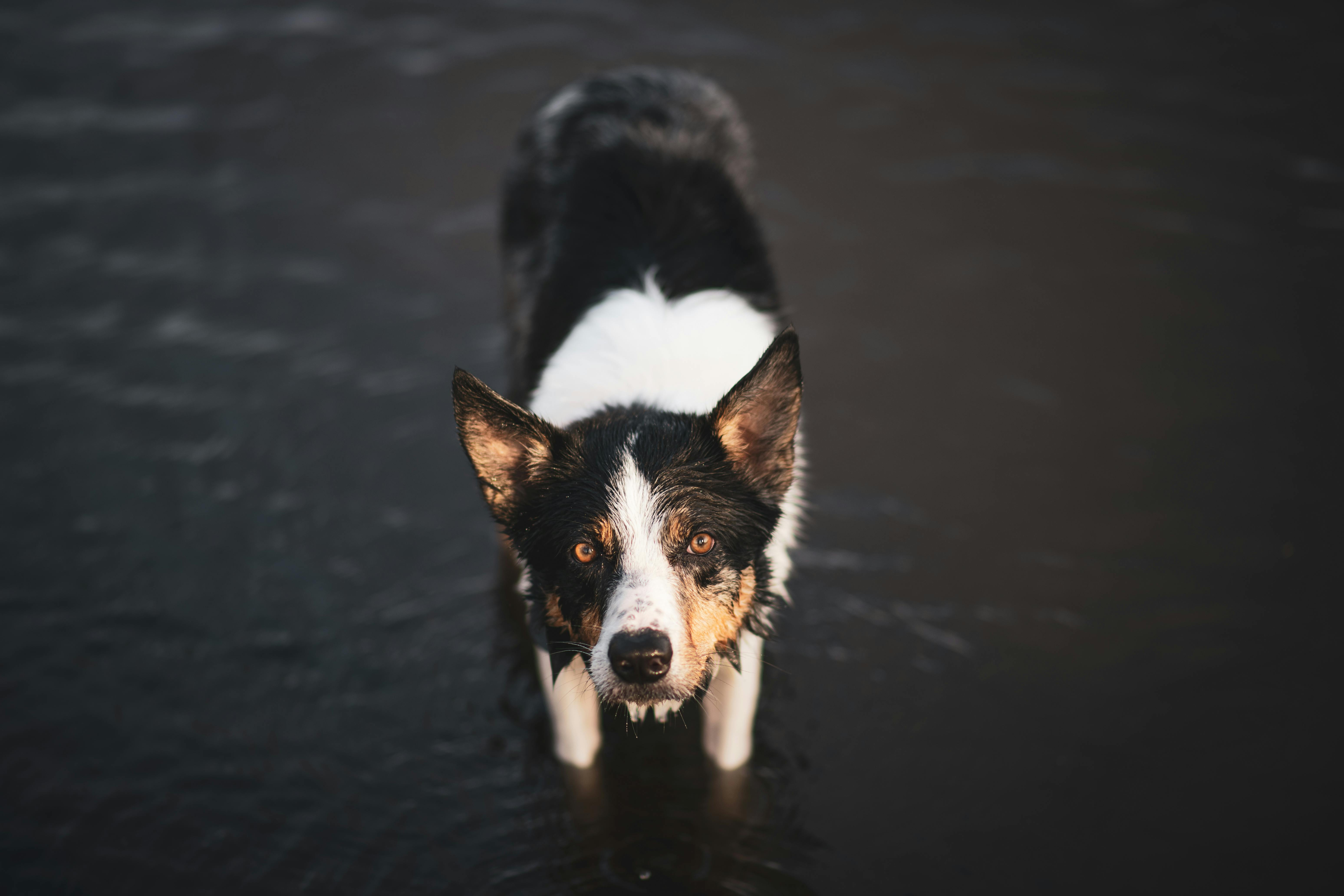
Dogs are often seen as man’s best friend, but have you ever wonder about that wet nose? It’s something that most dog owners notice, but how many people really understand the significance of it? The role of a wet nose in dog communication is pretty fascinating. So, why do dogs have wet noses? Let’s dive into the intriguing world of canine communication and explore what those damp little noses might be trying to tell us.
Why Do Dogs Have Wet Noses?
First off, let’s get into the science behind it. A dog’s nose is wet for several reasons, and it’s not just for show. Here’s what you need to know:
- Temperature Regulation: Dogs don’t sweat like humans do. Instead, they regulate their body temperature through their noses. The moisture on their noses helps them cool down, especially during hot weather.
- Enhanced Smell: A wet nose helps capture scent particles more effectively. This is essential for dogs since they rely heavily on their sense of smell to understand the world around them. Their noses have a special layer of cells that absorb scent particles, and moisture boosts this process.
- Health Indicator: Believe it or not, the moisture level of a dog’s nose can sometimes indicate their health. A warm, dry nose might suggest a fever, while a cold, wet nose usually means they are healthy.
The Role of a Wet Nose in Dog Communication
Dogs may not speak our language, but they sure have their own ways of communicating. A wet nose plays a vital role in how dogs express themselves. Here’s how:
- Greeting and Bonding: When dogs greet each other, they often touch noses. This is a friendly gesture that helps them gather information about each other. A wet nose in this context can signify openness and friendliness.
- Seeking Attention: If your furry friend nudges you with their wet nose, they might be trying to get your attention. It’s their way of saying, “Hey, look at me!” or “Let’s play!”.
- Expressing Emotions: Dogs use their noses to show feelings. A wet and cold nose can indicate relaxation, while a warm and dry nose might suggest they are feeling anxious or stressed.
Fun Facts About Dog Noses
Did you know that dog noses are as unique as human fingerprints? Here are some cool facts about them:
- Scent Detection: Dogs have up to 300 million scent receptors in their noses, compared to humans who only have about 6 million. This makes their sense of smell incredibly powerful.
- Color and Texture: The color and texture of a dog’s nose can vary widely. From black to brown to even pink, each nose is unique and may change slightly with the seasons.
- Nose Prints: Just like fingerprints, each dog has a unique nose print. Researchers even use this feature for identification purposes.
How to Care for Your Dog’s Nose
Taking care of your dog’s nose is important for their overall health. Here are some tips:
- Hydration: Ensure your dog drinks plenty of water to keep the nose moist and healthy.
- Avoid Irritants: Keep your dog away from harsh chemicals and allergens that can dry out their noses.
- Check Regularly: Look for any changes in color, texture, or moisture. If you notice anything unusual, consult a vet.
Understanding Dog Behavior Through Their Noses
Dogs communicate a lot through their noses. Here are some behaviors to observe:
- Sniffing: When dogs sniff around, they are gathering information about their environment. It’s their way of exploring and understanding the world.
- Licking: If a dog licks their nose frequently, it might mean they’re anxious or stressed. Pay attention to their body language for clues.
- Nose to Ground: A dog with their nose to the ground is on a mission. They might be tracking a scent or simply enjoying their time outside.
So, the next time you see your dog with that adorable wet nose, remember it’s more than just a cute feature. It’s an essential part of how they communicate and interact with the world. Understanding your dog’s nose can deepen your bond and enhance your ability to care for your furry friend. Embrace the uniqueness of your dog and the messages they send through their wet noses. It’s a fascinating journey into canine behavior that every dog owner should appreciate.
Can a Dog’s Nose Predict Illness? The Fascinating Connection Revealed
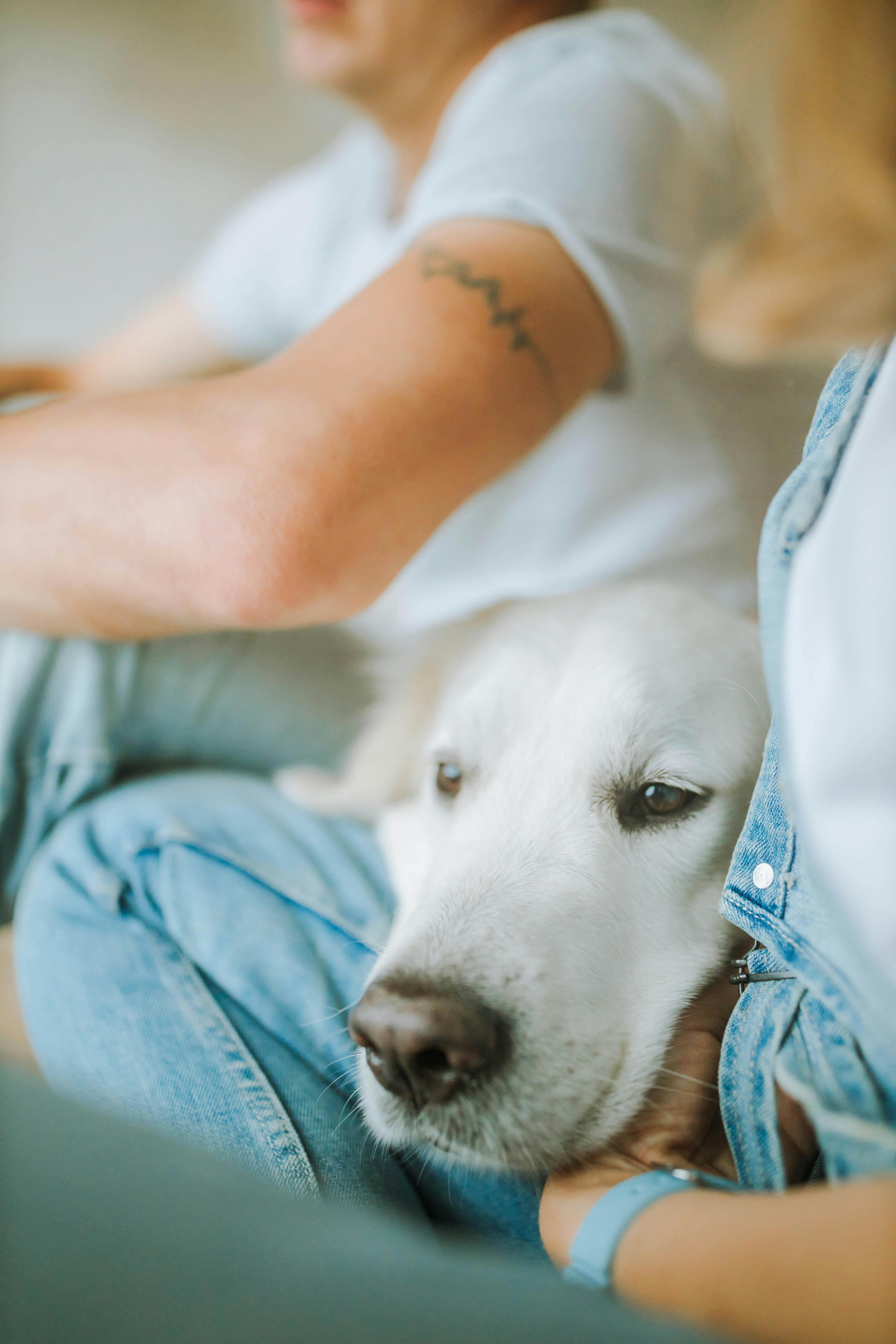
Dogs have been our loyal companions for thousands of years, but did you ever wonder about their incredible sense of smell? Many people ask, can a dog’s nose predict illness? It’s fascinating to think about how these furry friends may have an uncanny ability to sense changes in our bodies. Plus, why do dogs have wet noses, anyway? Let’s explore these intriguing questions and uncover the truth about our canine companions.
The Science Behind a Dog’s Nose
Dogs have an extraordinary sense of smell—estimated to be between 10,000 to 100,000 times more sensitive than humans. This ability allows them to detect various scents, including those produced by illness. Research has shown that dogs can pick up on subtle changes in body chemistry, which might signal the presence of diseases like cancer or diabetes.
- Dogs can detect:
- Cancerous cells
- Blood sugar levels
- Infections
Several studies have been conducted to explore this phenomenon. For example, a study published in the British Medical Journal indicated that dogs were able to identify lung cancer by sniffing breath samples with a high degree of accuracy. Another study showed that dogs could detect prostate cancer through urine samples. The idea that a dog’s nose can predict illness is not just a myth—it’s based on scientific evidence.
Why Are Dog Noses Wet?
Now, let’s shift gears and talk about another interesting aspect of dogs: their wet noses. Many people notice that their dogs’ noses are often moist. But why is this? The moisture on a dog’s nose serves several purposes.
- Functions of a wet nose:
- Enhances their sense of smell
- Regulates body temperature
- Keeps the nose cool and moist
When a dog sniffs around, the wetness helps to trap scent particles, making it easier for them to analyze the smells. This is why you might see your dog sniffing the ground or the air—it’s their way of gathering information about their environment. Additionally, a wet nose can help to cool off a dog’s body temperature, which is vital, especially during hot weather.
Fascinating Facts About Dogs’ Noses
Nose Prints: Just like human fingerprints, every dog has a unique nose print. This is because the patterns of ridges and creases on their nose are different for each dog.
Temperature Regulation: Dogs can’t sweat like humans do. Instead, they rely on their noses to help regulate their body temperature. A cool, wet nose helps in this process.
Scent Discrimination: Dogs can distinguish between different scents, even if they are mixed together. For instance, they can identify a specific person among a crowd just by their scent.
Health Indicators: A change in the moisture level of a dog’s nose can signal health issues. If a dog’s nose suddenly becomes dry or cracked, it might indicate dehydration or illness.
Dogs and Illness Detection: Real-World Application
There are numerous real-world applications of dogs’ ability to predict illness. Here are a few examples:
Medical Alert Dogs: Some dogs are trained specifically to alert their owners to medical conditions, such as low blood sugar in diabetics. They can sense changes in their owner’s body chemistry before symptoms appear.
Cancer Detection: Organizations have begun to train dogs to detect various types of cancer. This could potentially revolutionize early detection and provide a non-invasive alternative to traditional screening methods.
Therapy and Support: Dogs are often used in therapeutic settings, helping individuals cope with emotional and psychological issues. Their ability to detect subtle changes in human behavior can provide crucial support.
The Bottom Line
The connection between a dog’s nose and illness detection is truly fascinating. As we continue to learn more about these incredible animals, it becomes clear that their abilities extend far beyond companionship. The wetness of their noses serves practical purposes, enhancing their remarkable sense of smell and helping them regulate body temperature.
So next time you see your furry friend with a wet nose, remember, there’s a lot more going on than meets the eye. Whether they are alerting us to a potential health issue or simply enjoying a good sniff around the park, dogs play an invaluable role in our lives. Their noses might just be one of the most underappreciated aspects of their nature.
The Evolutionary Advantage of Wet Noses: How It Helps Dogs Survive
Dogs, those loyal companions that brighten our lives, come with a unique feature that many people might not think about — their wet noses. Have you ever wondered why do dogs have wet noses? This characteristic is more than just an endearing trait; it has evolutionary advantages that aid in their survival. Let’s dive into the fascinating truth behind this watery wonder.
The Science of Wet Noses
A dog’s nose is not only a cute little appendage, but it also serves important functions. The moisture on a dog’s nose helps to enhance their sense of smell. Here’s how it works:
- Enhanced Smell: The wetness on a dog’s nose helps to trap scent particles. This means they can pick up on smells better than if their noses were dry.
- Temperature Regulation: Dogs don’t sweat like humans, so their noses help them regulate body temperature. When a dog pants, moisture from their nose evaporates, cooling them down.
- Health Indicator: A wet nose can be a sign of a healthy dog, while a dry nose might indicate dehydration or illness.
Historical Context of Dog Noses
Dogs have been around for thousands of years, evolving from wolves. Their sense of smell has always been crucial for survival. Early dogs relied on keen olfactory senses for hunting and foraging.
- Hunting: In the wild, a dog’s ability to sniff out prey was vital. The moisture in their noses played a role in detecting scents over long distances.
- Social Interactions: Dogs use their noses to communicate. They often sniff each other to gather information about the other dog’s health, mood, and even their reproductive status.
Why Do Dogs Have Wet Noses?
Let’s break down the reasons:
- Scent Detection: Dogs have up to 300 million olfactory receptors in their noses, compared to a human’s 5 million. The wetness aids in catching scent particles, making them more adept at detecting smells.
- Cooling Mechanism: Dogs don’t have sweat glands like humans. Instead, they rely on their moist noses to help cool themselves off during hot days.
- Health Monitoring: A dog’s nose can tell you a lot about their health. A dry or cracked nose might indicate a health issue, while a consistently moist nose is typically a sign of health.
Practical Examples of Wet Noses in Action
If you’ve ever watched a dog in action, you might have seen them using their noses for various purposes. This can include:
- Finding Lost Items: Dogs are often used in search and rescue operations due to their extraordinary sense of smell. A wet nose helps them sniff out missing persons or items.
- Detecting Medical Conditions: Some dogs can detect medical conditions like diabetes or cancer through scent. Their wet noses play a role in enhancing this ability.
- Scent Games: Many dog owners engage their pets in scent games where they hide treats. A wet nose helps dogs find these hidden treasures quickly.
The Evolutionary Advantage
The evolutionary advantage of having a wet nose is clear. It has allowed dogs to adapt and thrive in various environments. Here’s a simple comparison of wet versus dry noses:
| Feature | Wet Nose | Dry Nose |
|---|---|---|
| Scent Detection | Better at trapping scents | Less effective |
| Temperature Control | Helps cool down | Doesn’t cool |
| Health Indicator | Sign of good health | Can indicate issues |
Fun Facts About Dogs’ Noses
- Dogs’ noses are unique, much like human fingerprints. No two noses are alike.
- The color of a dog’s nose can vary by breed, and some dogs can even have spots on their noses.
- Puppies are born with pink noses that darken as they grow.
It’s interesting to note that while we often focus on a dog’s playful nature and loyalty, their wet noses play a significant role in their ability to survive and thrive in the world. This unique feature not only enhances their sensory perception but also aids in their daily functions and health monitoring.
So, the next time you pet your furry friend and feel that wet nose, remember that it’s not just a cute quirk — it’s an evolutionary advantage that helps them navigate the world. Dogs are truly remarkable creatures, and their noses are one of the many reasons why they hold such a special place in our hearts.
Tips for Keeping Your Dog’s Nose Healthy and Moist: Essential Care Practices

Dogs are truly amazing companions, and one of the most curious things about them is their wet noses. Many dog owners often wonder, “Why do dogs have wet noses?” It turns out that a wet nose is more than just a cute feature; it plays a crucial role in their health and well-being. In this article, we gonna explore tips for keeping your dog’s nose healthy and moist, along with the fascinating truth behind why their noses are often wet.
The Function of a Dog’s Nose
First off, let’s look at why dogs have those moist noses. The primary reasons includes:
Sense of Smell: Dogs have a super strong sense of smell, which is way better than humans. Their wet noses helps in absorbing scent chemicals. The moisture on their noses captures these particles, making it easier for them to detect smells.
Temperature Regulation: Just like humans sweat, dogs can cool off through their noses. The moisture evaporates, which helps to lower their body temperature.
Health Indicator: A dog’s nose can be a sign of their health. A dry or cracked nose could be a sign of dehydration, illness, or allergy.
Tips for Keeping Your Dog’s Nose Healthy and Moist
Now that we know why their noses is wet, let’s move on to some essential care practices for keeping your dog’s nose in tip-top shape.
Regular Hydration: Make sure your dog always has access to fresh water. Dehydration can lead to a dry nose. If the nose is dry, consider increasing their water intake.
Humid Environment: During dry seasons or if you live in a dry climate, using a humidifier can help maintain moisture in the air. This can be helpful for dogs who suffers from dry noses.
Avoid Irritants: Chemicals in cleaning products or air fresheners can irritate your dog’s nose. Try to use natural cleaning supplies and limit exposure to strong scents.
Nose Balm: There are specially formulated balms that can help keep your dog’s nose moisturized. Look for natural ingredients like beeswax and shea butter, which are safe for dogs.
Regular Vet Check-ups: Regular veterinary visits can help catch any potential health issues early. If you notice any changes in your dog’s nose, it’s best to consult with your vet.
Watch for Allergies: Dogs can have allergies just like humans. Be observant about changes in your dog’s nose, and if it becomes dry or cracked after being outside, it might be worth discussing potential allergies with your vet.
Common Nose Issues in Dogs
Sometimes, dogs can face nose problems. These includes:
Cracked Nose: Can be caused by dehydration or too much exposure to the sun.
Nasal Discharge: Clear discharge is usually normal, but yellow or green discharge can indicate an infection.
Nose Bleeds: Can happen due to trauma or underlying health conditions. If your dog has a nosebleed that doesn’t stop, it’s a serious concern.
How to Check Your Dog’s Nose Health
Checking your dog’s nose is simple and can be done during cuddle time. Here’s a quick checklist to ensure their nose is healthy:
- Moisture Level: Is it feel moist to the touch?
- Temperature: Is it cool or warm? Warm noses can sometimes indicate a fever.
- Color: Is the color consistent? It should be more pink or black depending on their breed.
- Texture: Is it smooth or rough? Rough patches could indicate skin issues.
Why Do Dogs Have Wet Noses? The Fascinating Truth!
The reason behind the wetness is really interesting! You might of heard about the theory that dogs lick their noses to keep them moist, and that’s partially true. They do lick their noses, but it’s more about their natural biology. Here are some more details:
Scent Enhancement: The moisture on their noses helps to enhance their sense of smell, making it easier for them to pick up on scents in their environment.
Body Temperature: Their wet noses also helps regulate their body temperature, which is crucial for their overall health.
Social Interaction: Dogs also use their noses to gather information about their surroundings and other animals, which is a key part of their social behavior.
Keeping your dog’s nose healthy and moist is a vital part of their overall care. Paying attention to their hydration and environmental factors can help ensure their noses stay in great condition. Remember to regularly check their nose and consult with your vet if you notice any unusual changes. A happy dog is a healthy dog, and part of that happiness comes from a moist, healthy nose!
Conclusion
In conclusion, the wet noses of dogs serve multiple essential functions that contribute to their overall health and well-being. From enhancing their sense of smell to regulating body temperature, the moisture found on their noses plays a crucial role in their sensory perception and thermoregulation. Additionally, the wetness helps to capture scent particles more effectively, making dogs exceptional at detecting various odors in their environment. Understanding the reasons behind this unique characteristic not only deepens our appreciation for our canine companions but also emphasizes the importance of keeping their noses healthy. Regular check-ups with a veterinarian can ensure that your dog’s nose remains in optimal condition. So, the next time you greet your furry friend, take a moment to appreciate the science behind that charming wet nose and consider sharing this knowledge with fellow dog lovers to foster a greater understanding of our beloved pets.
