Have you ever wondered why do dogs have wet noses? It's a question that sparks curiosity among pet lovers and dog owners alike! Dogs have wet noses for several fascinating reasons, and understanding this unique trait can deepen your bond with your furry friend. Wet noses are not just a cute quirk; they play a crucial role in a dog's sense of smell and overall health. Did you know that a dog's nose can actually help them cool down? Or that it can indicate their emotional state? In this article, we will uncover the truth behind wet noses and explore the science and biology that make them so special. Whether you're a curious dog owner or just someone who loves all things canine, you’ll find the answers you’re looking for! So, keep reading to discover the secrets of a dog's nose, why it's important for their well-being, and how it impacts their behavior. Prepare to be amazed as we dive into the world of dogs and their intriguing wet noses!
The Science Behind Dog Noses: Why Are They Always Wet?
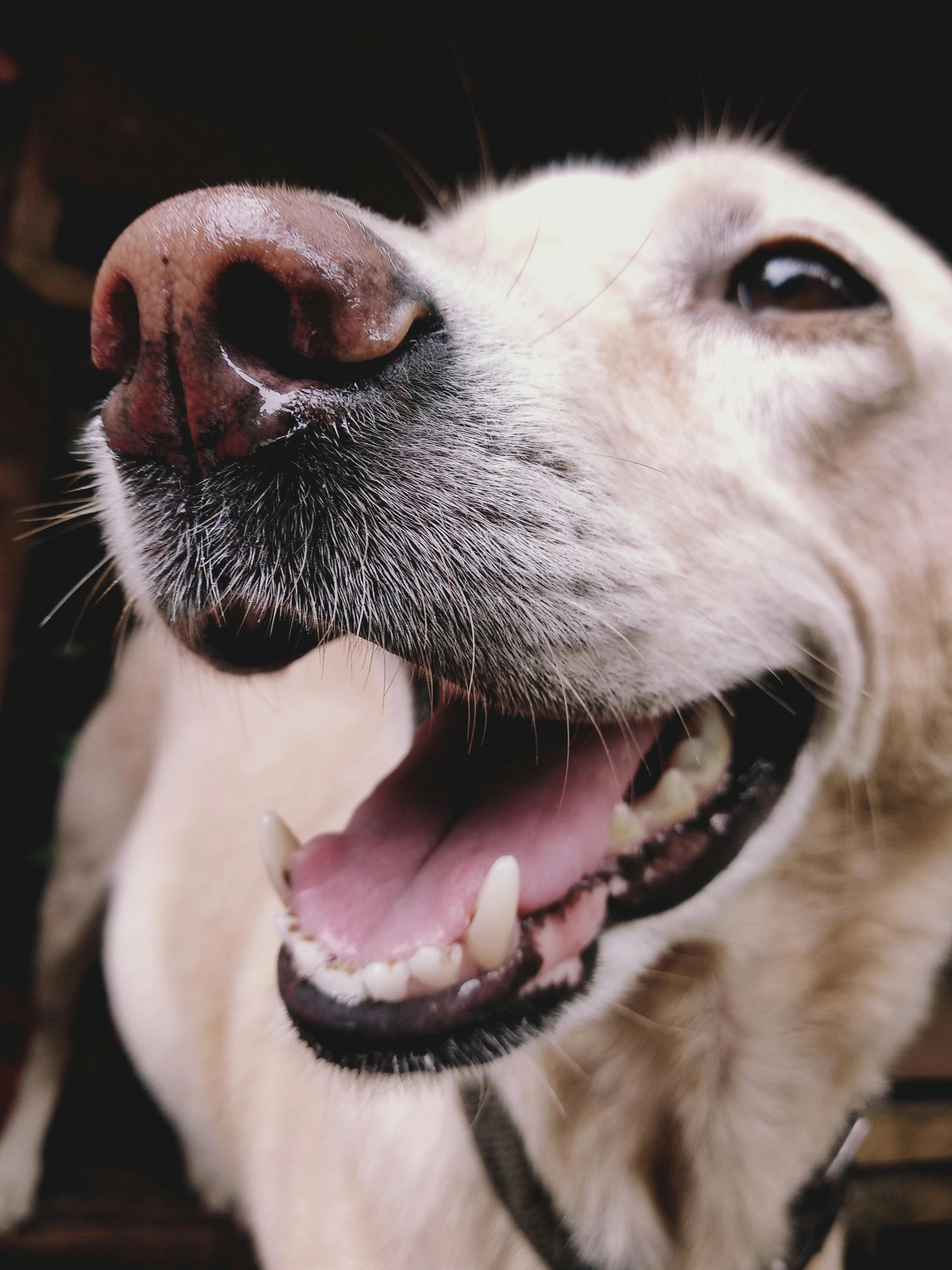
Dogs are one of the most beloved pets around the world, and their wet noses are often a topic of curiosity among pet owners. Why do dogs have wet noses? Is it just a quirky trait, or does it serve a purpose? Let's dive into the science behind dog noses and discover the fascinating truth about why they are always wet.
The Anatomy of a Dog's Nose
A dog's nose is a complex organ, made up of thousands of scent receptors. In fact, dogs have about 220 million olfactory receptors compared to humans, who only have around 5 million. This remarkable difference allows dogs to detect smells at extremely low concentrations. Their noses are not only wet, but they also have a unique structure that helps them in their sniffing endeavors.
- Moisture: The moisture on a dog’s nose helps to capture scent particles from the air. When a dog breathes in, the wetness allows for better absorption of these particles, enhancing their sense of smell.
- Cooling: Dogs do not sweat like humans do. Instead, they cool down through panting and the moisture in their noses helps with this cooling process.
Why Are Dog Noses Wet?
Now, let’s explore the reasons why dog noses are typically wet:
- Enhanced Scent Detection: The wetness traps odor molecules, allowing dogs to smell better. The moisture acts like a sponge, soaking up scents.
- Temperature Regulation: As mentioned, the moisture helps dogs regulate their body temperature. This is especially important during hot weather when they need to cool down.
- Health Indicator: A wet nose is often seen as a sign of a healthy dog. However, a dry nose does not always mean a dog is sick, as many factors can affect nose moisture.
Historical Context and Evolution
Dogs have evolved over thousands of years, and their noses have adapted to their roles as hunters and companions. Early domesticated dogs relied on their sense of smell for hunting and finding food. Wet noses likely became beneficial in this evolutionary process, allowing them to locate prey more effectively.
- Hunting: Early humans relied on dogs for hunting. The ability to smell better because of wet noses would have made them more effective in tracking animals.
- Companionship: As dogs transitioned into companions, their sense of smell continued to be essential for communication and bonding with humans.
Comparisons with Other Animals
When comparing dog noses to those of other animals, we see fascinating differences:
- Cats: Cats also have wet noses, but they have fewer scent receptors than dogs. While they are skilled hunters, a dog's sense of smell is superior.
- Humans: Humans have a much less developed sense of smell compared to dogs. Our noses are dry, and we rely more on vision than scent.
Practical Examples of Wet Noses in Action
Here are some real-world examples of how a dog’s wet nose is beneficial:
- Tracking: Search and rescue dogs use their scent detection abilities to locate missing persons. Their wet noses play a critical role in this process.
- Medical Detection: Some dogs are trained to detect diseases like cancer or diabetes through their keen sense of smell, aided by their moist noses.
Fun Facts About Dog Noses
- A dog's nose print is as unique as a human fingerprint, and it can be used for identification.
- The color of a dog’s nose can change based on temperature or health, indicating different conditions.
- Dogs can distinguish between different smells, even identifying specific scents within a mixture.
It’s clear that a dog's wet nose isn’t just a cute feature; it serves several important functions. From enhancing their ability to smell to cooling their bodies, wet noses are vital to a dog’s health and well-being.
In summary, understanding the science behind dog noses not only satisfies our curiosity but also reinforces the bond we share with our furry friends. So the next time you see your dog’s wet nose, remember it’s not just moist for the sake of it!
5 Fascinating Reasons Dogs Have Wet Noses (And What It Means for You!)
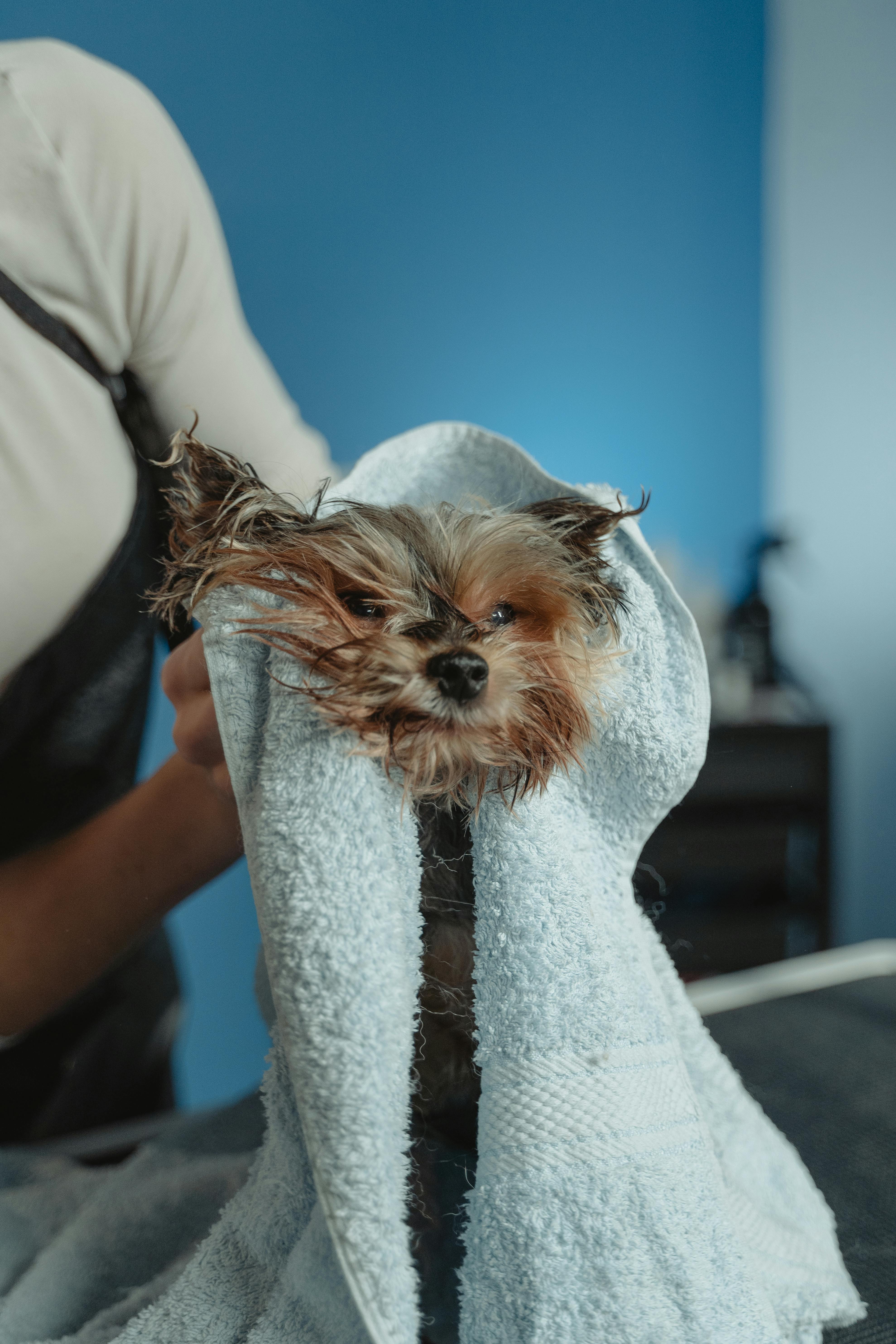
Dogs are often regarded as man's best friend, and one of their most endearing features is their wet noses. But have you ever wondered why do dogs have wet noses? This might seem like a trivial question, but it actually holds some fascinating truths that go beyond simple biology. In this article, we’ll explore five interesting reasons why dogs have wet noses and what this means for you and your furry companion!
1. Sense of Smell Enhancement
Dogs have an incredible sense of smell, which is said to be anywhere from 10,000 to 100,000 times more sensitive than that of humans. A wet nose plays a crucial role in enhancing this superpower. The moisture on dogs' noses helps to capture scent particles from the air, allowing them to detect smells more effectively. When your dog sniffs around the park, it is actually using its wet nose to pick up on all sorts of interesting scents, from other animals to food and more. So, when you see them sniffing, they’re not just being nosy—they’re gathering vital information about their environment!
2. Temperature Regulation
Another fascinating reason dogs have wet noses is related to temperature regulation. Just like sweating helps humans cool down, a wet nose helps dogs stay cool. The moisture on their noses evaporates, which can help lower their body temperature, especially on hot days. This is especially important because dogs don't sweat like humans do. Instead, they rely on panting and the cooling effect of their noses. So when you’re out on a summer day with your furry friend, remember that their wet nose is a sign they are managing their body heat!
3. Health Indicator
A dog’s nose can also be a good health indicator. Generally, a wet and cool nose is a sign of a healthy dog. However, if a dog’s nose becomes excessively dry or hot, it might indicate a health issue, such as fever or dehydration. Here are some health signs to look for:
- Wet and cool: Normal and healthy
- Dry and warm: Possible fever or dehydration
- Cracked or peeling: May indicate a skin issue
If you notice any significant changes in your dog’s nose, it’s always a good idea to consult a veterinarian. It's like checking the oil in your car; it can tell you a lot about how things are running under the hood!
4. Communication Tool
Believe it or not, a dog’s wet nose serves as a form of communication. Dogs often use their noses to greet other dogs and humans, and the moisture can make the interaction more pleasant. Just like how humans shake hands, dogs might use their noses to show affection or submission. When your dog nudges you with its wet nose, it might be asking for attention, affection, or even food. It’s their way of saying, “Hey, look at me!”
5. Evolutionary Trait
From an evolutionary perspective, the wet nose is an ancient trait that has been beneficial for survival. Early dogs needed to track scents for hunting and foraging, and a wet nose would have given them a distinct advantage. This characteristic has been passed down through generations, as dogs that could smell better were more likely to find food and avoid danger. Thus, the wet nose is not just a cute quirk but rather an evolutionary adaptation that has helped dogs thrive.
What This Means for You
Understanding why dogs have wet noses can enhance your relationship with your furry friend. Here are a few practical tips:
- Regularly check your dog's nose for any unusual changes.
- Keep your dog hydrated, especially during warm weather.
- Engage in scent-focused games to stimulate their incredible sense of smell.
- Recognize that a wet nose can also mean your dog is excited or wants your attention.
By being aware of these aspects, you can ensure that you are taking proper care of your canine companion, make informed decisions about their health, and deepen your bond with them. Dogs communicate in many ways, and their wet noses are just one of the fascinating elements that contribute to their unique charm.
So, next time you wonder, "Why do dogs have wet noses?" remember that it's not just a quirky feature—it's a blend of biology, communication, and evolution that enriches the lives of dogs and their human companions alike!
How a Dog’s Wet Nose Benefits Their Health and Senses

Have you ever wondered why dogs have wet noses? It’s a common sight, but the reasons behind it are more than just cute. A dog’s wet nose is a fascinating subject that reveals much about their health and senses. From enhancing their ability to smell to keeping them cool, the benefits are numerous. So, let’s dive into the science behind it!
Why Do Dogs Have Wet Noses?
Dogs noses are wet for several reasons. First, it plays a role in their sense of smell. The moisture enhances a dog's ability to detect scents, which is vital for their survival and communication. When a dog sniffs something, the wet surface helps to trap scent molecules, making it easier for the olfactory receptors to pick them up. This is why dogs are often called man's best friend; their sense of smell is incredibly powerful, estimated to be between 10,000 to 100,000 times better than humans.
Health Benefits of a Wet Nose
Having a wet nose is also a sign of good health in dogs. A wet, cool nose usually indicates that a dog is hydrated and feeling well. However, a dry or warm nose can sometimes be a sign of illness, dehydration, or overheating. Here are some health benefits associated with a dog’s wet nose:
Temperature Regulation: Dogs sweat very little, so their noses help cool them down. It allows moisture to evaporate, which helps to lower their body temperature.
Enhanced Scent Detection: The moisture on a dog’s nose helps absorb scent particles, making it easier for them to identify smells. This is crucial not just for hunting and tracking but also for social interactions with other dogs.
Communication Tool: Dogs often use their noses to greet other dogs and humans. A wet nose can indicate excitement and friendliness, making it a social tool as well.
The Science Behind a Dog’s Nose
The anatomy of a dog’s nose is complex and fascinating. Here’s a breakdown of key components:
Olfactory Receptors: Dogs have approximately 300 million olfactory receptors, compared to a human's 5 million. This gives them an extraordinary ability to detect a wide range of smells.
Jacobsen’s Organ: Also known as the vomeronasal organ, it helps dogs detect pheromones and other chemical signals. This is crucial for communication with other dogs and sensing their environment.
Mucous Membrane: The wetness of a dog’s nose comes from mucus produced in the nasal cavity. This helps to moisten the olfactory receptors, enhancing their smelling capabilities.
Historical Context
The relationship between humans and dogs goes back thousands of years. Dogs were domesticated from wolves around 15,000 years ago, and their sense of smell has been a significant trait that humans have relied on ever since. Ancient cultures used dogs for hunting, tracking, and even as companions. Their wet noses were always a part of the package, helping them adapt and thrive alongside humans.
Fun Facts About Dog Noses
Unique Patterns: Just like human fingerprints, no two dog noses are alike. The patterns of ridges and bumps are unique to each dog.
Sniffing Frequency: A dog can sniff up to 20 times per second, allowing them to gather a lot of information about their surroundings.
Nose Color: The color of a dog’s nose can change with different seasons or conditions. For instance, some dogs have a seasonal condition called "snow nose," where their noses lighten during winter months.
Practical Examples
Here’s a quick guide to understanding your dog’s nose and what it can tell you about their health:
Wet and Cool: Your dog is likely healthy and hydrated.
Dry and Warm: This could indicate illness or dehydration. Monitor for other symptoms.
Constantly Licking: If your dog’s nose is frequently wet from licking, it may also indicate anxiety or excitement.
Discolored Nose: Any sudden change in color or texture could warrant a vet visit.
Understanding why dogs have wet noses not only fascinates but also helps us care for our pets better. Their noses are more than just cute features; they are vital tools for communication, health indicators, and sensory wonders. When you see that adorable, wet nose, remember that it’s doing a lot of work for your furry friend! Keep an eye on it, and you’ll have a better sense of their overall health and happiness.
Is Your Dog’s Wet Nose Normal? Understanding Canine Nose Conditions
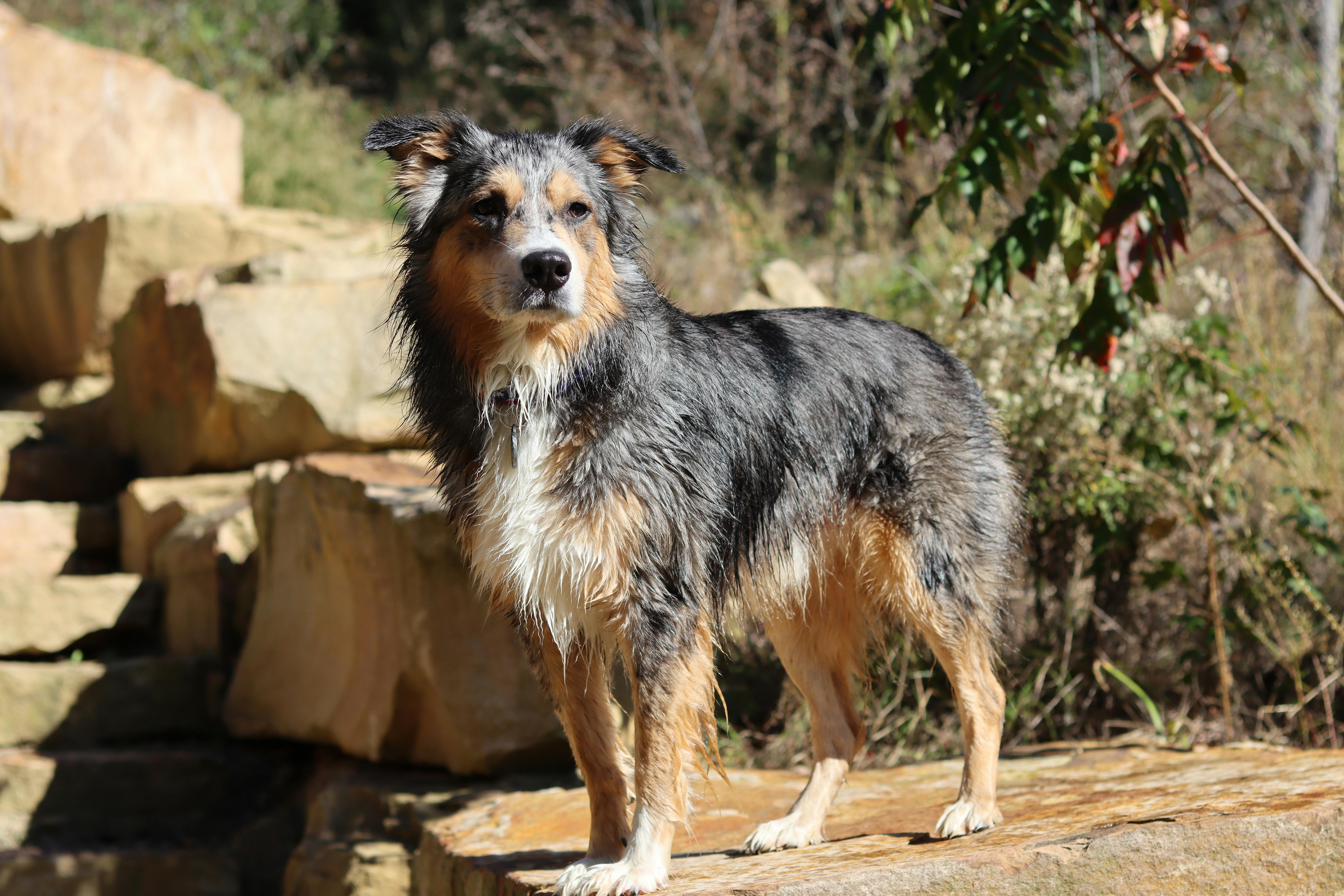
Is your dog’s wet nose normal? This question many dog owners often wonder about. It's a common sight to see your furry friend approach you with a cool, moist nose, but what does it all mean? Let’s dig deeper into the fascinating world of canine noses, explore why they are wet, and also uncover some potential health issues associated with nose conditions.
Why Do Dogs Have Wet Noses?
Dogs’ noses are naturally wet for several reasons. One of the main purposes is to help them smell better. Yep, that’s right – a wet nose enhances the olfactory receptors found in their nasal passages. Here’s how it works:
- Cooling Mechanism: A wet nose helps regulate body temperature. When a dog pants, moisture evaporates from their nose, cooling them down.
- Scent Absorption: The moisture on their nose helps trap scent particles in the air, making it easier for dogs to identify different smells. Dogs have an incredible sense of smell, and their wet nose is an essential part of that.
- Communication: A dog’s nose can also be a way to communicate with other dogs. A wet nose can signal excitement or affection.
Understanding Canine Nose Conditions
While a wet nose is typically a sign of good health, there are conditions that can affect your dog’s nose. Here are some common nose conditions and what they might indicate:
- Dry Nose: A dry nose isn’t always a cause for concern, but if it stays dry for a prolonged period, it may indicate dehydration or illness.
- Crusty or Cracked Nose: This could be a sign of a skin condition, allergies, or even a bacterial infection.
- Discoloration: If you notice changes in color, like a sudden darkening or lightening, it might be a good idea to consult with your veterinarian.
- Nasal Discharge: Clear discharge is typically normal, but if it’s green, yellow, or has a strong odor, this could indicate an infection.
Common Myths About Dog Noses
There are several myths surrounding the wetness of a dog’s nose. Let’s explore some of them:
- A Cold Nose Means a Healthy Dog: While many people believe that a cool, wet nose indicates good health, it’s not always true. Some healthy dogs can have warmer noses, especially if they’ve been sleeping.
- A Dry Nose Means a Fever: Just like humans, dogs can have variations in their body temperature. A dry nose doesn’t necessarily mean your dog has a fever.
- Nose Color is an Indicator of Health: The color of a dog’s nose can vary greatly between breeds and can change with age. It’s not a reliable health indicator.
What Should You Do If You Notice Changes?
If you observe any significant changes in your dog’s nose, it’s essential to pay attention. Here’s what you can do:
- Monitor Symptoms: Take note if other symptoms arise, such as lethargy, loss of appetite, or excessive licking of the nose.
- Stay Hydrated: Make sure your dog has access to fresh water, as hydration is key to maintaining a healthy nose.
- Consult Your Vet: If you’re worried, it’s always best to consult a veterinarian. They can provide accurate diagnosis and treatment options.
Fun Facts About Dog Noses
- Each dog’s nose print is unique, similar to a human fingerprint! This uniqueness can even be used for identification.
- Dogs have up to 300 million scent receptors in their noses, compared to a human's 5 million. That’s why they can sniff out drugs, bombs, and even diseases.
- The wetness of a dog’s nose can vary based on the weather. On hot days, their noses tend to be damper as they cool off.
In summary, a wet nose is a normal characteristic of dogs that serves important functions in their lives. While it’s essential to keep an eye on any changes to your pet’s nose, a wet nose typically indicates a happy, healthy dog. If you have concerns about your dog’s nose or overall health, it’s always smart to reach out to your veterinarian for advice and guidance. Understanding these aspects can enhance both your and your furry friend’s life together.
The Surprising Role of Wet Noses in Canine Communication and Emotion
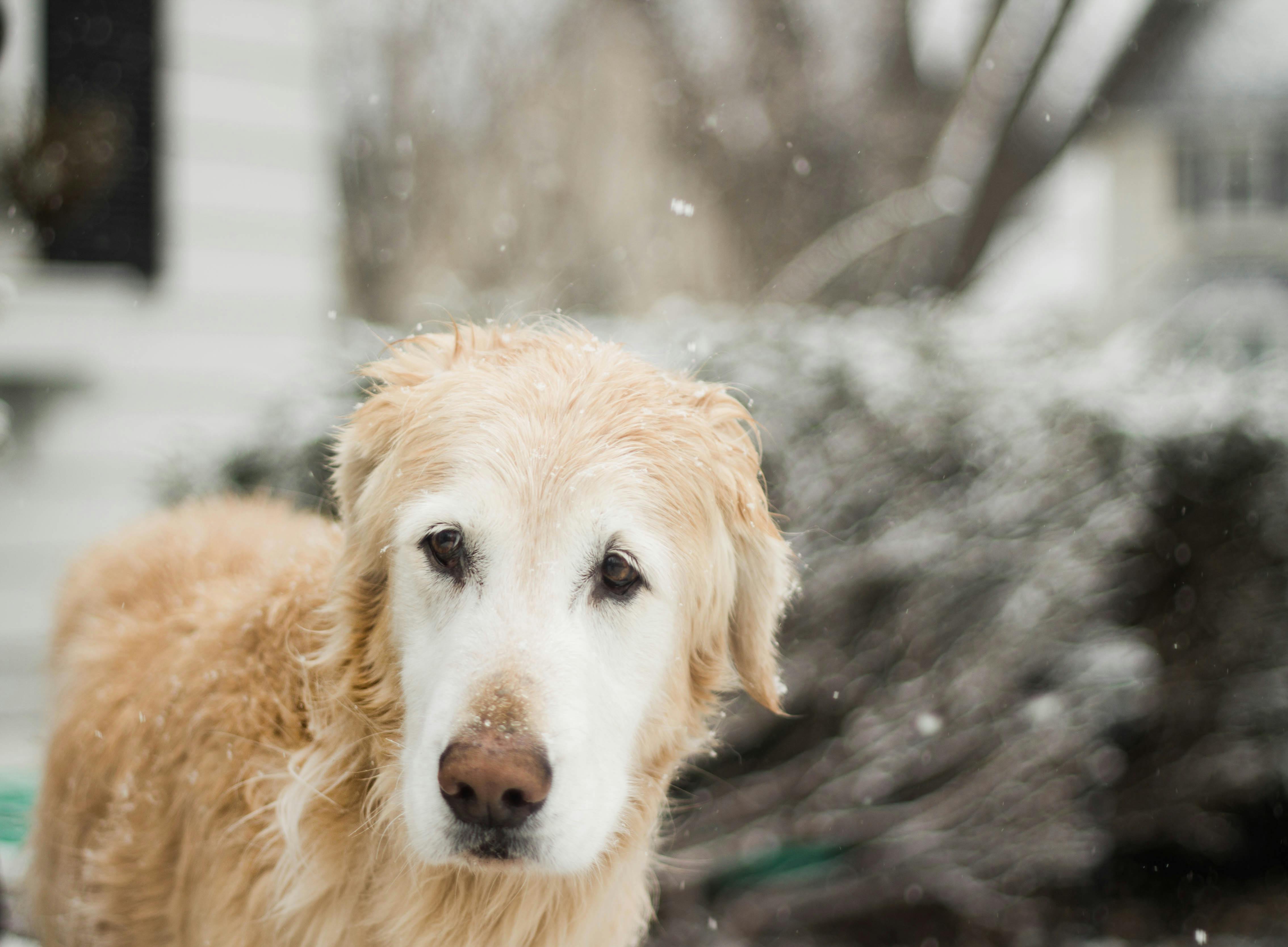
Have you ever noticed how your dog’s nose is always wet? It’s one of those peculiarities that many pet owners just accept as part of owning a canine companion. But why do dogs have wet noses? The answer is actually more fascinating than you might think! Wet noses play a surprising role in canine communication and emotion, revealing deeper insights into your furry friend’s health and feelings. Let’s explore the intriguing world of dog noses and their significance in our pets’ lives!
The Science Behind Wet Noses
Dogs have wet noses for several reasons, and it all boils down to biology. Here’s some interesting facts that explain the phenomenon:
- Temperature Regulation: Dogs regulate their body temperature through their noses. When they breathe, moisture evaporates from their wet noses, which helps cool them down.
- Enhanced Smell: The mucus on a dog’s nose is not just for show. It helps capture scent particles from the air, making it easier for dogs to detect odors. A wet nose can actually improve their sense of smell!
- Health Indicator: A dog's nose can also be an indicator of their health. A consistently wet and cool nose is often a sign of a healthy dog, while a dry or warm nose can indicate illness or dehydration.
Historical Context of Dog Noses
Historically, dogs were domesticated around 20,000 to 40,000 years ago. During that time, humans began to notice how dogs used their noses to communicate and interact with their environment. Ancient cultures revered dogs for their hunting abilities, particularly their keen sense of smell. The wet nose was seen as a symbol of vitality and health.
Over the years, this characteristic has become ingrained in how we view dogs. Many people still believe that the wetness of a dog’s nose is a sign of its well-being, and there are even folk tales surrounding this trait!
How Dogs Communicate with Their Noses
Dogs are social animals, and they utilize their noses to communicate in many ways. Some of these include:
- Scent Marking: Dogs often use their noses to sniff and mark territory. They have a special organ called the vomeronasal organ that helps them process pheromones, which are chemical signals that convey information about other animals.
- Emotional Signals: Dogs can also communicate their emotions through their noses. A dog may nuzzle or nudge you with their nose to seek attention or comfort, especially when they are feeling anxious or scared.
- Social Interactions: When dogs meet each other, they often engage in sniffing each other’s noses and behinds. This behavior is a way of gathering information about one another and establishing social hierarchies.
The Role of Wet Noses in Dog Health
Wet noses do more than just help with communication; they also play a vital role in a dog’s overall health. Here are some health-related insights:
- Signs of Illness: A sudden change in the moisture level of a dog’s nose can indicate health issues. If a dog’s nose becomes dry or cracked, it may be a sign of dehydration, fever, or other health problems.
- Regular Checks: It's a good practice for dog owners to regularly check their pets' noses. If you notice any unusual changes, such as excessive dryness or unusual discharge, consult a veterinarian.
Fun Facts About Dog Noses
Here are some more fascinating tidbits about dog noses that might surprise you:
- Unique Nose Prints: Just like human fingerprints, every dog has a unique nose print. Some organizations even register dog nose prints for identification purposes!
- Different Breeds, Different Noses: The moisture level of a dog’s nose can vary by breed. For example, brachycephalic breeds (like Bulldogs and Pugs) often have flatter noses, which can impact their ability to cool down effectively.
- Dogs vs. Humans: A dog’s sense of smell is estimated to be between 10,000 to 100,000 times more sensitive than that of humans. That means your pup can detect certain odors where we can’t even begin to imagine!
Conclusion
In summary, the wet noses of our canine companions hold a wealth of information about their health, communication styles, and emotional states. Understanding the reasons behind this wetness not only enriches our bond with them but also empowers us to better care for their needs. So, next time you see your dog’s wet nose, take a moment to appreciate just how much it reveals about their world. The next time you wonder, “Why do dogs have wet noses?” remember that it’s not just a quirky trait; it’s a crucial aspect of their well-being and communication.
Wet Nose vs. Dry Nose: What Your Dog’s Nose Says About Their Health
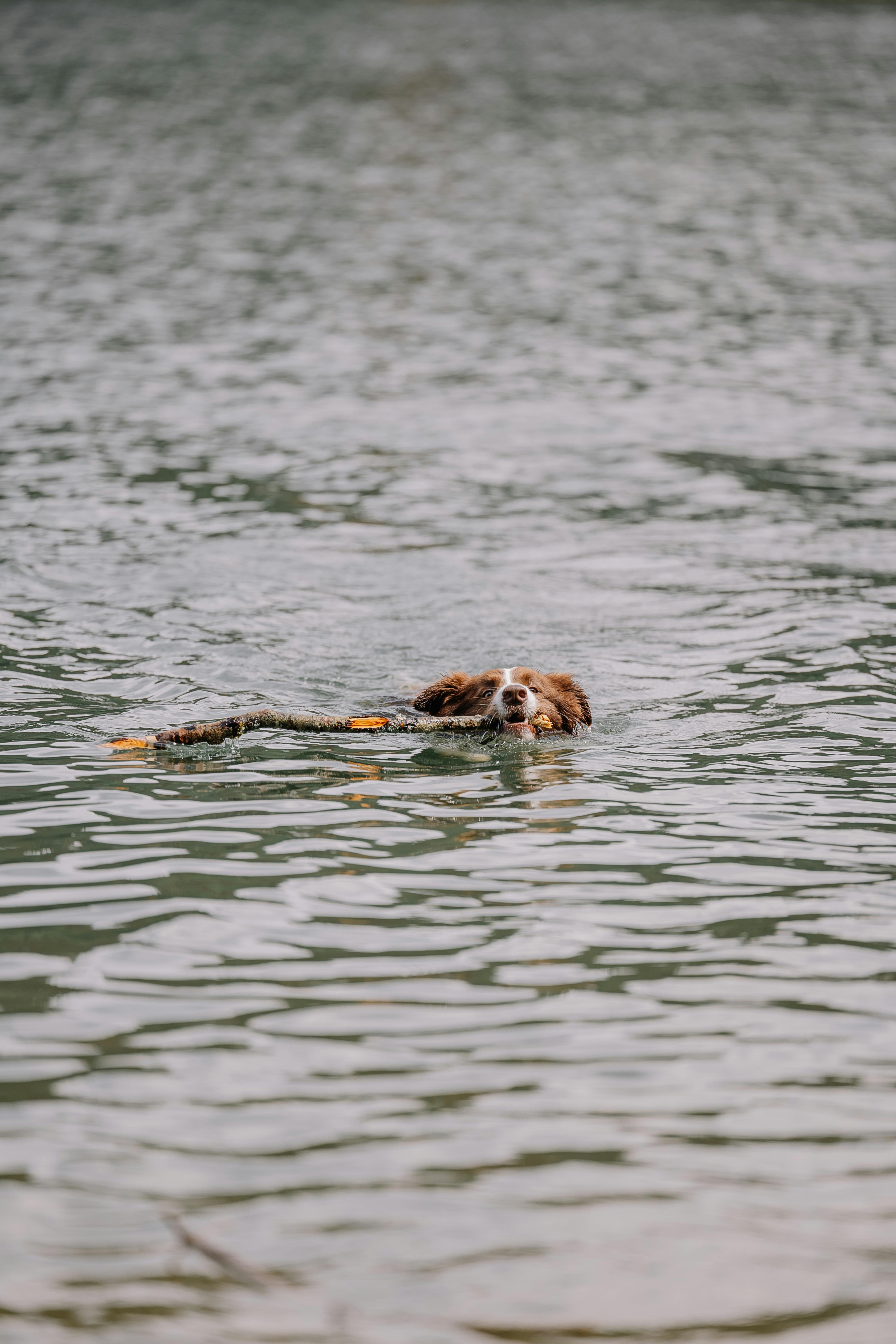
Have you ever wonder why your dog’s nose is wet? Or maybe you’ve heard the saying that a warm, dry nose means a sick dog? The truth is, there’s more to a dog’s nose than just temperature. Understanding the differences between wet nose vs. dry nose can reveals important clues about your furry friend’s health. So, let’s dive into this fascinating topic and explore why do dogs have wet noses in the first place.
The Purpose of a Dog's Wet Nose
Dogs have wet noses for several reasons, and it’s not just because they love to play in the water. A wet nose helps dogs in ways that are important for their survival and well-being. Here are some key points why their noses are wet:
Enhanced Sense of Smell: A wet nose helps in trapping scent particles better. This makes a dog’s sense of smell more acute, which is critical for hunting and navigation. For instance, dogs can detect certain smells up to 100,000 times better than humans.
Cooling Mechanism: Just like humans sweat, dogs use their noses to help regulate their body temperature. The moisture on their nose can evaporate, providing a cooling effect.
Health Indicator: A wet nose can be a sign of hydration and overall good health. However, it’s important to know that a dry nose doesn’t always mean illness.
Common Misconceptions About Nose Temperature
Many people think that a dog’s nose should always be wet and cold. However, this isn’t always true, and there are various factors that can influence a dog’s nose moisture level:
Weather Conditions: Hot, dry weather can lead to a drier nose, while humid conditions can keep it moist.
Activity Level: After running and playing, a dog’s nose might be drier than usual due to the exertion.
Health Issues: Certain illnesses can cause a dog’s nose to dry out, but a dry nose alone isn't a definitive sign of sickness.
Wet Nose vs. Dry Nose: What Does It Mean?
Here’s a simple comparison that can help you understand what a dog’s nose might indicate about their health:
| Nose Condition | Possible Implications |
|---|---|
| Wet & Cold | Healthy, hydrated dog |
| Wet & Warm | Possible fever or illness |
| Dry & Warm | Dehydration or illness |
| Dry & Cold | Possibly healthy, but monitor closely |
Why Do Dogs Have Wet Noses? The Science Behind It
The moisture on a dog’s nose comes from a combination of saliva and secretions from the nasal glands. This moisture serves several functions:
Scent Detection: The wetness helps to dissolve scent particles, making it easier for dogs to identify and locate smells. This is why dogs are often used in search and rescue missions.
Thermoregulation: Dogs do not sweat like humans do. Instead, they rely on their noses to help cool themselves down during hot days.
Communication: Dogs also use their noses to communicate with each other. A wet nose can indicate friendliness and eagerness, while a dry nose might signal stress or discomfort.
Practical Tips for Monitoring Your Dog's Nose
Keeping an eye on your dog’s nose can help you catch health issues early. Here’s what you can do:
Regular Checks: Make it a habit to check your dog’s nose daily. Is it moist? Is it cold? These can be good indicators of their health.
Hydration: Ensure your dog has plenty of water, especially in hot weather. Dehydration can lead to a dry nose and other health issues.
Visit the Vet: If you notice any significant changes in the moisture or temperature of your dog’s nose, it’s best to consult a veterinarian. They can provide insights and necessary treatments if needed.
In Summary
Understanding the differences between wet and dry noses can greatly help you in monitoring your dog's health. Remember, while a wet nose is generally a sign of a happy and healthy dog, other factors can affect this condition. Keep observing, ensure your dog stays hydrated, and don't hesitate to seek professional advice when something seems off. Your dog relies on you for their health and happiness, and being informed is a significant step in caring for your furry friend.
7 Common Myths About Dog Noses: Debunking the Wet Nose Mystery

Dogs are often regarded as man's best friend, but there’s one aspect of their anatomy that tends to mystify many people: their wet noses. The common belief is that a wet nose indicates a healthy dog, but there’s much more to it than that. In this article, we will explore 7 common myths about dog noses, debunking them along the way, and revealing the fascinating truth behind why do dogs have wet noses.
Myth 1: A Wet Nose Means a Healthy Dog
Many pet owners think that if a dog has a wet nose, it’s a sign of good health. While a wet nose is often a sign of hydration, it doesn’t always indicate that your dog is healthy. Dogs can have wet noses for many reasons, including humidity and temperature. So, don’t rely solely on nose wetness to assess your dog's health.
Myth 2: Dogs Only Get Wet Noses When They’re Sick
It’s a common belief that if a dog’s nose is dry, they must be sick. This is not true. Dogs' noses can vary in moisture due to several factors like activity level, environmental conditions, or even the time of day. A dry nose doesn’t automatically mean something is wrong.
Myth 3: All Dogs Have Wet Noses
Not all dogs have wet noses, and this is especially true for certain breeds. For instance, breeds like Bulldogs and Pugs may have drier noses more often due to their unique facial structure. Just because a dog’s nose is dry doesn’t mean they’re unhealthy; it’s just part of their individual characteristics.
Myth 4: Dogs’ Noses Are Always Cooler Than Their Bodies
While it’s generally true that a dog’s nose tends to be cooler than its body temperature, this isn’t always the case. A dog’s internal temperature can fluctuate due to various factors, and their noses can warm up too. So, just because the nose feels warm doesn’t necessarily indicate a fever.
Myth 5: Dogs Use Their Noses to Regulate Temperature
Some people believe that a dog’s wet nose helps them regulate their body temperature, similar to how humans sweat. While dogs do sweat through their paws, their noses do not play a significant role in thermoregulation. The wetness on a dog’s nose can enhance their sense of smell, but it doesn’t contribute much to cooling their bodies.
Myth 6: Dogs Lick Their Noses for Moisture
It’s often thought that dogs lick their noses to keep them moist. While it’s true that licking can add some moisture, dogs’ noses are naturally moist due to the secretion of mucus. Licking can also help remove dirt and debris from their noses, but it’s not their primary source of moisture.
Myth 7: A Dog’s Nose Color Indicates Health
Some people think that a change in nose color means a health problem, but that’s not always the case. A dog’s nose color can change for various reasons, such as exposure to sunlight or seasonal changes. It’s essential to monitor for other symptoms rather than jumping to conclusions based solely on nose color.
The Science Behind Wet Noses
Now that we’ve debunked these myths, it’s important to understand why do dogs have wet noses. Here are some factual points:
- Enhanced Smell: A wet nose can help capture scent particles in the air, making it easier for dogs to smell. This is crucial for their survival instincts and overall understanding of their environment.
- Cooling Mechanism: While not directly related to temperature regulation, the moisture on their noses can help cool them down slightly as it evaporates.
- Health Indicator: Although not definitive, a consistently wet nose can sometimes indicate that a dog is well-hydrated.
Fun Facts About Dog Noses
- Dogs have about 300 million smell receptors in their noses, compared to about 6 million in humans!
- The unique patterns on a dog’s nose are similar to human fingerprints and can be used for identification.
- A dog’s sense of smell is so powerful that they can detect certain diseases, like cancer, in humans.
In summary, the myths surrounding dog noses can lead to confusion for pet owners. Understanding the truth behind why dogs have wet noses can better equip you to care for your furry friend. Always remember to look at your dog’s overall behavior and health rather than just their nose when assessing their well-being. The next time someone mentions a dog’s wet nose, you can confidently share the facts and debunk those common myths!
Why Do Dogs Lick Their Noses? The Connection to Wetness Explained

If you ever noticed your dog licking its nose, you might have asked yourself, "Why do dogs lick their noses? What's the deal with that wetness?" It’s a common behavior, but many pet owners don't understand the fascinating truth behind it. Dogs have this instinct for a reason, and their wet noses play a crucial role in their lives. Let’s dig into the science behind this curious canine behavior and what it means for our furry friends.
The Science of Wet Noses
Dogs' noses are typically moist, and this wetness isn't just for show. It actually serves several important functions. Here's how:
- Enhanced Smell: The moisture on a dog's nose helps to capture scent particles from the air. This makes it easier for dogs to detect and identify smells, giving them an incredible sense of smell that’s way better than ours.
- Thermoregulation: A wet nose helps dogs cool down. When a dog is hot, the moisture can evaporate, which in turn cools their body temperature.
- Health Indicator: A healthy dog usually has a cool, moist nose. Changes in this can indicate health issues, like dehydration or illness.
Why Do Dogs Lick Their Noses?
Dogs lick their noses for various reasons, and understanding these can help you as a pet parent. Here’s a list of common reasons:
- Taste and Smell: Dogs explore their world through their noses and mouths. Licking their noses helps them taste and smell better. They often lick to gain information about their environment.
- Self-Cleaning: Just like cats, dogs groom themselves. Licking their noses can be a part of this grooming process. It keeps them clean and removes debris that might have stuck.
- Nervous Behavior: Sometimes, licking can be a sign of anxiety. Dogs might lick their noses when they're unsure about a situation or feeling stressed. It’s a way for them to calm themselves.
The Connection Between Wetness and Behavior
You may wonder how all this wetness connects to the behaviors we just discussed. When a dog's nose is wet, it enhances their olfactory abilities. That means when they lick their noses, they're not just cleaning but also gathering more scent particles. This process is crucial for their understanding of the world around them.
Historical Context of Dog Nose Wetness
Historically, dogs have evolved from wolves, who relied heavily on their sense of smell for hunting and survival. Over thousands of years of domestication, dogs have retained this keen sense of smell, and their wet noses remain a biological advantage. Ancient breeds that had better olfactory senses were more successful in hunting and companion roles. Their wet noses became a signature trait that helps them thrive.
What Makes a Dog's Nose Dry?
A dog’s nose can dry out for various reasons. Some common factors include:
- Dehydration: If your dog isn’t drinking enough water, it can lead to a dry nose.
- Weather: Hot or dry weather can cause a dog’s nose to lose moisture.
- Health Issues: Sometimes, a dry nose can signal health problems. If you notice a significant change in your dog’s nose, it might be time to consult a vet.
Fun Facts About Dog Noses
- Unique Patterns: Just like human fingerprints, every dog has a unique nose print. This can actually be used for identification!
- Temperature Regulation: A dog’s wet nose plays a role in regulating body temperature. When they pant, the moisture on the nose evaporates, helping cool them down.
- Sense of Taste: Did you know that dogs have a weaker sense of taste compared to humans? They have fewer taste buds, which leads them to rely more on their sense of smell.
Comparing Dog Noses to Other Animals
Dogs are not the only animals with wet noses. Here’s a quick comparison of some animals and their nose characteristics:
| Animal | Nose Type |
|---|---|
| Dogs | Moist, helps with smell and temperature regulation. |
| Cats | Can be moist, but not as wet as dogs; they also groom themselves often. |
| Pigs | Wet and sensitive, used for foraging. |
| Bears | Very moist and have an exceptional sense of smell. |
Understanding why dogs lick their noses and the significance of their wet noses can deepen your appreciation for these amazing animals. Their noses are not just cute features; they are vital tools for survival and communication. So next time you see your dog giving its nose a good lick, you'll know there's more to it than meets the eye.
The Evolutionary Purpose of Wet Noses: How It Helps Dogs Survive
Dogs have long served as man's best friend, but their wet noses often leave people wondering, "Why do dogs have wet noses?" The answer is not just a quirky trait, but it serves a crucial evolutionary purpose that helps them survive in their environments. If you ever pondered why your furry companion's nose is so damp, let's dive into the fascinating truth behind it.
The Purpose of a Wet Nose
A wet nose isn't just a cute feature; it's actually a vital part of a dog's anatomy. Here are some reasons why their noses are wet:
Enhanced Sense of Smell: Dogs have an extraordinary sense of smell, much more sensitive than humans. A wet nose helps to capture scent particles in the air, improving their olfactory abilities. When moisture is present, scent particles stick better, making it easier for them to detect various smells.
Thermoregulation: Dogs don't sweat like humans. Instead, they regulate their body temperature through panting and the moisture on their noses. A wet nose can help keep them cool, especially during hot days. It acts like a radiator, dissipating heat from their bodies.
Health Indicator: The moisture level of a dog's nose can indicate their health. A healthy dog usually has a moist nose, while a dry nose could be a sign of dehydration, illness, or overheating. This feature has been observed across many breeds.
Historical Context of Wet Noses
The evolutionary journey of dogs, tracing back to wolves, shows how their noses have adapted. Early canines relied heavily on their sense of smell for hunting and survival. The wetness of their noses likely evolved to improve their hunting efficiency, enabling them to track prey over long distances. Over time, domestication has not diminished this trait; it remains one of their key survival mechanisms.
Interesting Facts About Dog Noses
Unique Patterns: Just like human fingerprints, every dog has a unique nose print. This uniqueness can even be used for identification purposes.
Scent Receptors: Dogs have over 300 million scent receptors in their noses, compared to about 5-6 million in humans. This vast difference is why dogs can detect certain substances, like drugs or explosives, far better than humans.
Nose Size and Shape: The shape and size of a dog's nose can influence its sense of smell. Breeds with longer snouts, like Bloodhounds, often have a better sense of smell than those with shorter snouts, like Bulldogs.
Comparison of Dog Breeds and Their Noses
Different dog breeds have varying nose characteristics that affect their sense of smell. Here’s a brief comparison:
| Dog Breed | Nose Length | Scent Detection Ability |
|---|---|---|
| Bloodhound | Long | Exceptional |
| Beagle | Medium | High |
| Pug | Short | Moderate |
| German Shepherd | Medium | High |
Practical Examples of Wet Nose Functions
Tracking: Dogs have been used in search and rescue operations, thanks to their remarkable ability to follow scents. Their wet noses help them locate missing persons or even find drugs and explosives.
Hunting: Historically, dogs hunted alongside humans. Their wet noses allowed them to track game effectively, making them valuable partners.
Service Animals: Many service dogs use their sense of smell to detect medical conditions, such as seizures or low blood sugar. Their wet noses play a role in this life-saving ability.
The Role of Environment
The environment also affects a dog's wet nose. Humidity and temperature can influence how wet a dog’s nose is. For instance, in dry, hot conditions, you may notice your dog's nose becoming drier, which might be a sign to provide them with more water and shade.
FAQs About Dogs and Their Noses
Why is my dog's nose sometimes dry?A dry nose can result from various factors, including dehydration, weather conditions, or illness. Monitor other symptoms and consult a vet if concerned.
Should I be worried about a crusty nose?If your dog’s nose has crusty areas or sores, it may need veterinary attention. This could indicate allergies, infections, or other health issues.
Can I do anything to help keep my dog’s nose moist?Ensure your pup stays hydrated and avoid prolonged exposure to hot weather. You can use dog-safe moisturizers if needed.
The evolutionary purpose of wet noses in dogs is a truly fascinating subject, revealing how much these beloved pets depend on their unique physical traits for survival and interaction with their environment. By understanding the reasons behind their wet noses, we can appreciate more the remarkable adaptations that have enabled dogs to become such loyal companions throughout history.
Can a Dog’s Wet Nose Predict Illness? Signs Every Pet Owner Should Know
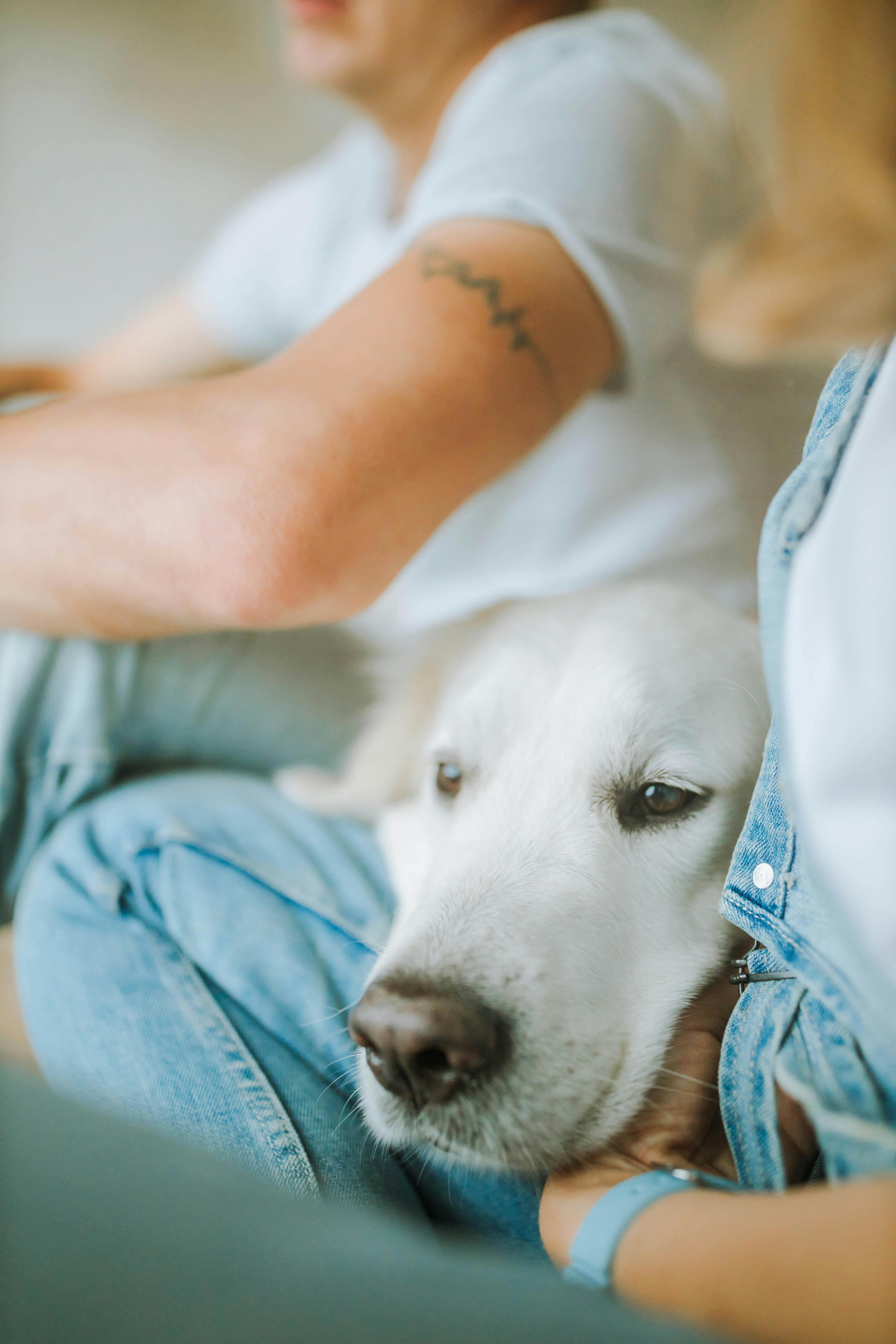
The curious nature of dogs has long fascinated humans, and one question that often comes up is whether a dog’s wet nose can predict illness. Pet owners frequently observe the condition of their dog's nose, thinking it can say something about their health. But why do dogs have wet noses in the first place? Let’s dig into the fascinating truth behind this canine characteristic and discover the signs every pet owner should know.
Understanding Why Dogs Have Wet Noses
Dogs noses are wet for a multitude of reasons. One major reason is that moisture helps enhance their sense of smell. Dogs have an extraordinary sense of smell, up to 100,000 times more sensitive than humans. A wet nose helps absorb scent chemicals in the air, allowing dogs to gather more information about their environment.
Here’s some interesting facts about why dog noses are wet:
- Cooling Mechanism: Dogs sweat through their paws, but their noses also play a role in thermoregulation. A wet nose can help cool them down.
- Sense of Smell: The moisture helps to trap scent particles, allowing dogs to better detect odors.
- Health Indicator: While not definitive, changes in the nose's moisture might indicate health issues, as we will discuss later.
Can a Dog’s Wet Nose Predict Illness?
The belief that a wet nose indicates a healthy dog is widespread among pet owners. However, this is a simplification. While a wet nose can be a sign of a healthy pup, changes in its condition can also be significant. Here’s what to look out for:
- Dry Nose: This might indicate dehydration or fever. A consistently dry nose can be a sign that something’s not right.
- Cracked Nose: If a dog’s nose is cracked or peeling, it can suggest skin problems, allergies, or even sunburn.
- Discharge: Any unusual discharge from the nose, whether clear or colored, should be evaluated by a vet.
- Temperature: While not the most reliable method, a warm nose can indicate a rise in body temperature, often associated with illness.
Signs of Illness in Dogs
In addition to changes in the nose, there are other signs pet owners should watch for. Here’s a list of common symptoms that might indicate health issues:
- Lethargy: If your dog is less active than usual, it may be a sign of illness.
- Loss of Appetite: Sudden changes in eating habits are often concerning.
- Vomiting or Diarrhea: These can be signs of gastrointestinal upset or more serious conditions.
- Coughing or Sneezing: Respiratory issues can manifest as persistent coughing or sneezing.
- Changes in Behavior: If your dog is more irritable or nervous, something could be wrong.
The Importance of Regular Vet Visits
While being observant of your dog's nose and other signs is crucial, regular veterinary check-ups play an essential role in maintaining your pet's health. A vet can help you understand the specific signs of illness and provide vaccinations and preventive care.
Here are some reasons why regular vet visits are important:
- Early Detection: Vets can catch problems before they become more serious.
- Vaccinations: Keeping up with vaccinations is crucial for disease prevention.
- Dental Care: Oral health is often overlooked but is vital for overall well-being.
- Dietary Advice: Vets can recommend appropriate diets based on age, size, and health status.
Fascinating Dog Nose Facts
To wrap up our exploration of dog noses, here are some fun and quirky facts about them:
- Unique Prints: Just like human fingerprints, every dog has a unique nose print.
- Nasal Turbinates: Dogs have complex nasal structures that help filter and warm air.
- Scent Memory: Dogs can remember scents for years, associating them with past experiences.
In conclusion, a dog’s wet nose can offer some clues about their health, but it shouldn’t be the only factor you rely on. By paying attention to your dog’s overall behavior, regular vet visits, and understanding the role of their nose, you can help ensure your furry friend stays happy and healthy. Always consult with a veterinarian if you notice any unusual changes in your pet's health.
Conclusion
In conclusion, the wetness of a dog’s nose serves several important functions that contribute to their overall health and sensory abilities. The moisture helps enhance their sense of smell, allowing them to detect scents more effectively, while also playing a role in thermoregulation and hydration. Additionally, a wet nose is often perceived as a sign of a healthy dog, although variations can occur due to environmental factors or individual health conditions. Understanding the reasons behind this unique characteristic can deepen our appreciation for our canine companions. As responsible pet owners, it’s essential to monitor our dogs’ health closely and consult a veterinarian if we notice any significant changes in their nose's texture or moisture level. Embrace the wonders of your dog’s wet nose, and let it remind you of the intricate biology that makes our pets such fascinating and beloved members of our families.