
Have you ever wondered, why do dogs have wet noses? This intriguing question not only sparks curiosity but also leads us into the fascinating world of canine biology. A dog’s wet nose is more than just an adorable trait; it serves critical functions that enhance their sense of smell and overall health. But what makes a dog’s nose moist? Is it natural or a sign of something wrong? In this article, we will explore the science behind those slimy, cool noses and their importance in a dog’s life. From dog nose health to how it aids in smelling scents, the secrets of a wet nose are captivating. Plus, we will answer the burning question: does the wetness of a dog’s nose indicate its emotional state? Join us as we embark on a journey to unveil the mysteries surrounding this unique canine feature. Whether you’re a dog owner or simply a pet lover, understanding why dogs have wet noses can deepen your appreciation for these loyal companions. Don’t miss out on discovering the remarkable reasons behind this endearing characteristic!
The Science Unveiled: Why Do Dogs Have Wet Noses? Exploring the Fascinating Facts
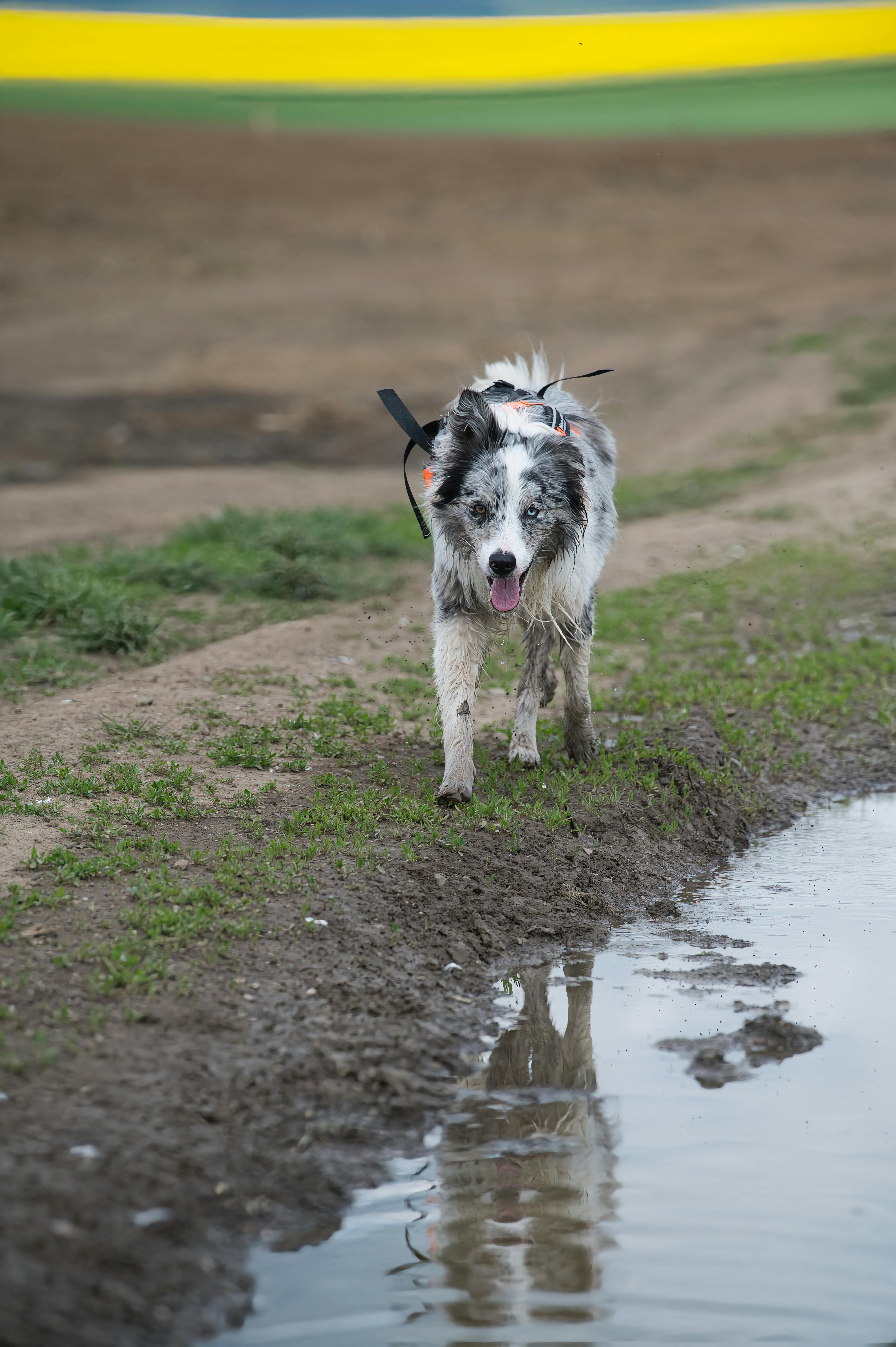
Dogs are often referred to as “man’s best friend,” and their wet noses are one of the many unique features that make them so special. But have you ever wonder why do dogs have wet noses? It’s not just an adorable characteristic; there’s actual science behind it! In this article, we’ll explore the fascinating facts about dog noses, including their purpose, benefits, and some interesting historical context.
The Science Behind Dog Noses
A dog’s nose is not just for sniffing around; it’s a complex organ that serves many important functions. One of the main reasons dogs have wet noses is to enhance their sense of smell. The moisture on their noses helps to trap odor molecules, making it easier for dogs to detect scents in the environment. This is crucial, as dogs have an incredible sense of smell that is far superior to humans.
- Dogs possess up to 300 million smell receptors in their noses, compared to a human’s 5 million.
- The area of a dog’s brain that processes smells is 40 times larger than that of a human.
- Wet noses can help dogs cool off because they don’t sweat like humans do.
Why Do Dogs Have Wet Noses?
The moisture on a dog’s nose serves several purposes:
- Enhances Scent Detection: As mentioned, wetness helps capture scent particles, which allows dogs to identify various smells more effectively.
- Temperature Regulation: Dogs primarily regulate their body temperature through panting, but the moisture on their noses can also contribute to this process.
- Health Indicator: A wet nose is often considered a sign of good health in dogs. Conversely, a dry nose may indicate illness or dehydration, although it’s not a definitive sign of a problem.
Historical Context: Dogs and Their Noses
Historically, dogs have been bred for various purposes, many of which relied on their keen sense of smell. From hunting to herding and even search and rescue, a dog’s ability to sniff out scents has been invaluable.
- Hunting Dogs: Breeds like Bloodhounds and Beagles were specifically bred for their olfactory abilities.
- Rescue Dogs: Many rescue operations use dogs trained to find missing persons. Their wet noses help them detect human scent even amidst challenging conditions.
- Medical Detection: Some dogs are train to detect diseases like cancer or diabetes through scents.
What Happens to a Dog’s Nose?
The condition of a dog’s nose can change throughout the day. Here are some common factors that might cause fluctuations in moisture levels:
- Weather Conditions: Humidity, temperature, and wind can all affect nose moisture. For instance, a dog may have a drier nose in cold, windy weather.
- Health Factors: Dehydration, fever, or certain medical conditions can lead to a dry nose. If you notice persistent changes, it is wise to consult a vet.
- Activity Level: After a long walk or playtime, a dog’s nose may be drier than usual, especially if they’ve been panting.
Fun Facts About Dog Noses
- Dogs have unique nose prints, much like human fingerprints. Each dog’s nose has a distinct pattern of ridges and creases.
- Some breeds, like the Shar Pei, have more wrinkles which can affect their nose moisture.
- Dogs can even “see” with their noses; they can determine the direction of a scent, allowing them to track it down.
Comparison: Wet vs. Dry Noses in Dogs
| Feature | Wet Nose | Dry Nose |
|---|---|---|
| Scent Detection | Enhanced ability to smell | Reduced ability to smell |
| Health Indicator | Often healthy | Can indicate health issues |
| Temperature Regulation | Aids in cooling | Less effective |
Practical Examples of Nose Use
- Search and Rescue: Dogs use their noses to locate missing persons in disaster scenarios.
- Therapy Dogs: Dogs can sense emotions through scent and provide emotional support to those in need.
- Detection Work: Police dogs use their noses to sniff out drugs, explosives, or even currency.
So, next time you see your furry friend with a wet nose, remember that it’s not just a cute quirk. It’s a vital part of what makes dogs so extraordinary. Their ability to detect scents and their social interactions are all tied to this simple yet fascinating feature. Understanding why do dogs have wet noses gives us a greater appreciation for these loyal companions and their unique biology. Whether they’re chasing a ball or simply lounging around, their noses are always on the job!
5 Surprising Reasons Your Dog’s Wet Nose is More Than Just Cute
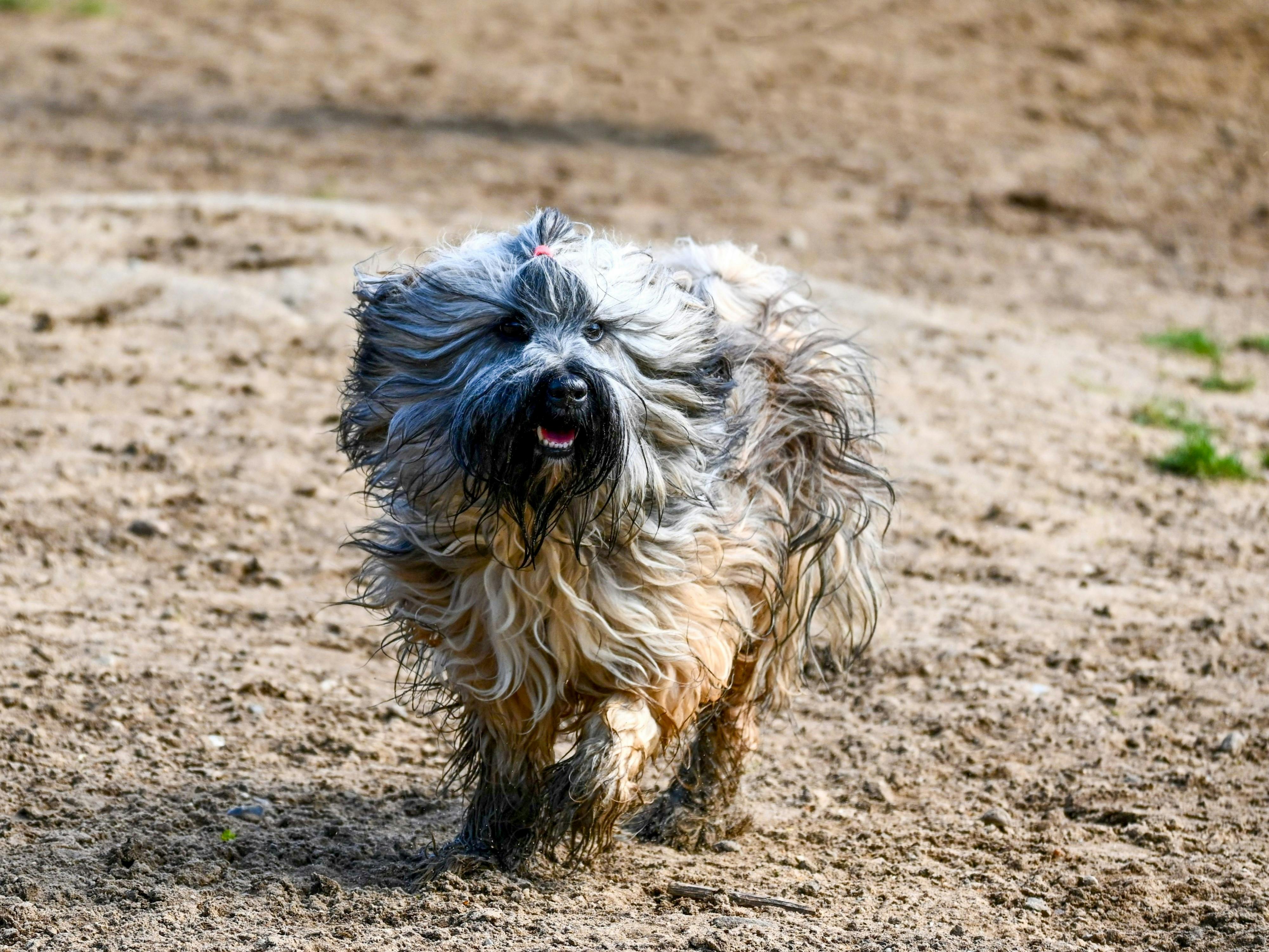
If you’ve ever been greeted by a dog with a cold, wet nose, you might think it’s simply an adorable quirk. But there’s more to that moist snout than just cuteness. Wet noses actually play a vital role in a dog’s health and behavior. In this article, we dive into five surprising reasons that explain why dogs have wet noses and what science tells us about it.
1. Thermoregulation: Keeping Cool
Dogs don’t sweat like humans do. Instead, they rely on their noses to help regulate their body temperature. The moisture on their noses evaporates, which cools them down. Think of it like how we feel cooler when we step out of a hot shower. A wet nose helps dogs manage heat during hot days or after physical activity.
2. Enhanced Sense of Smell
A dog’s sense of smell is already incredible, but a wet nose makes it even better! The moisture helps to trap scent particles in the air, making it easier for dogs to detect odors. Research shows that dogs have up to 300 million scent receptors, compared to a human’s 5 million. So, a wet nose plays a crucial role in their ability to explore the world.
3. Communication Tool
Dogs use their noses for more than just sniffing out treats or new friends. A wet nose can indicate a dog’s emotional state. For instance, a damp nose might be a sign of excitement or curiosity. Conversely, if a dog’s nose is dry, it may not necessarily mean they’re sick, but it could indicate they’re feeling a bit under the weather. Understanding these signals can help dog owners better respond to their furry friends’ needs.
4. Health Indicator
A wet nose is often associated with a healthy dog, but it’s not always a clear-cut indicator. Here’s a quick breakdown of what different nose conditions might mean:
- Wet and Cool: Generally a sign of good health.
- Dry and Warm: Could signal illness or dehydration.
- Runny Nose: Possible allergies or infection.
- Cracked Nose: May indicate dryness or a health issue.
It’s important for dog owners to keep an eye on their pet’s nose as part of their overall health check.
5. Evolutionary Trait
The moist nose of dogs is not just a random quirk; it’s a trait that has developed over thousands of years. Evolutionarily speaking, ancestors of modern dogs had wet noses, which helped them hunt and survive. Early canines relied on their sense of smell to track prey and avoid predators. This trait has been passed down through generations, making it a fundamental aspect of canine biology.
Fun Facts About Dog Noses
- Unique Patterns: Every dog’s nose print is different, similar to human fingerprints.
- Nasal Turbinates: Dogs have structures in their noses that help filter and warm the air they breathe.
- Scent Memory: Dogs can remember scents for years, which is why they often get excited when they smell familiar people or places.
Quick Comparison: Dogs vs. Humans
| Feature | Dogs | Humans |
|---|---|---|
| Sense of Smell | 300 million receptors | 5 million receptors |
| Nose Temperature | Moist helps with cooling | Sweating to cool down |
| Nose Prints | Unique to each dog | Not applicable |
Practical Tips for Dog Owners
- Regular Check-Ups: Monitor your dog’s nose for any changes. If you notice something unusual, consult a vet.
- Hydration: Always have fresh water available to keep your dog hydrated and their nose moist.
- Allergy Awareness: Be aware of seasonal allergies which can affect your dog’s nose and overall health.
- Healthy Diet: A balanced diet can promote overall health, including a healthy nose.
Knowing these surprising reasons behind why dogs have wet noses can enhance your understanding of your furry friend. It shows us that even the smallest features of our pets are tied to their health and well-being. So next time your pup greets you with that cold, wet nose, remember—it’s more than just cute!
How a Dog’s Wet Nose Enhances Their Sense of Smell: The Scientific Connection

Dogs are more than just our furry companions; they are fascinating beings with abilities that often leave us in awe. One of the most intriguing characteristics of dogs is their nose, particularly its wetness. You might ask, why do dogs have wet noses? And how does a dog’s wet nose enhance their sense of smell? Let’s dive into the science behind it, exploring the connection between a dog’s wet nose and their incredible olfactory abilities.
The Science of Smell in Dogs
Dogs possess an extraordinary sense of smell, estimated to be anywhere from 10,000 to 100,000 times more sensitive than that of humans. This heightened ability comes from the sheer number of olfactory receptors in their noses. While humans have about 5 million olfactory receptors, dogs can have as many as 300 million! This makes their ability to detect scents unmatched.
But, what role does a wet nose play in this? The wetness of a dog’s nose is not just for show. It plays a crucial role in how dogs interpret scents. When a dog’s nose is damp, it helps to capture scent particles from the air more effectively. The moisture on the nose absorbs these particles, making it easier for dogs to identify and analyze scents.
Why Are Dog Noses Wet?
A dog’s nose is usually wet due to a combination of factors:
- Mucous Production: Dogs produce mucus that coats their noses. This mucus is essential for trapping scent particles.
- Temperature Regulation: The wetness helps keep a dog’s nose cool, which is vital for maintaining their overall body temperature and health.
- Enhanced Sensory Function: The moisture aids in dissolving scent particles, allowing dogs to better perceive different smells.
Historical Context of Dog Noses
The relationship between humans and dogs goes back thousands of years. Historically, dogs were bred for various tasks, including hunting and herding. Their sense of smell was crucial in these roles. Ancient civilizations recognized the importance of a keen sense of smell, often selecting breeding pairs based on their olfactory abilities.
- Hunting Dogs: Breeds like Bloodhounds were specifically developed for tracking due to their incredible sense of smell.
- Working Dogs: Dogs in service roles, like police or detection dogs, rely heavily on their noses to locate drugs, explosives, or even missing persons.
Comparing Dog and Human Noses
Let’s take a closer look at how dog noses differ from human noses:
| Feature | Dogs | Humans |
|---|---|---|
| Number of Olfactory Receptors | 300 million+ | 5 million |
| Sensitivity to Smell | 10,000 – 100,000 times better | Standard human capability |
| Wetness | Typically wet | Typically dry |
| Function | Enhanced scent detection | General breathing and filtering |
Practical Examples of Smell in Dogs
Dogs use their sense of smell in many everyday situations. Here are some examples of how they utilize their keen sense of smell:
- Tracking: Dogs can follow a scent trail, which is useful in search and rescue operations.
- Detection: Certain breeds are trained to detect drugs or explosives, showcasing their capabilities in law enforcement.
- Medical Alert: Some dogs can smell changes in human bodies, alerting handlers to conditions like low blood sugar or impending seizures.
Fun Facts About Dog Noses
Did you know that a dog’s nose print is as unique as a human fingerprint? Here are some fun facts about dog noses:
- Nasal Folds: The unique patterns on a dog’s nose can be used for identification.
- Temperature Sensitivity: Dogs can detect changes in temperature through their noses.
- Social Interaction: Dogs often greet each other by sniffing noses, which is a way to gather information about one another.
The wetness of a dog’s nose is not just a quirky feature; it serves a vital purpose in enhancing their sense of smell. By understanding the science behind why do dogs have wet noses, we can appreciate their incredible abilities even more. These furry companions have evolved over time, developing traits that allow them to thrive in various roles alongside humans. Their noses, wet and sensitive, are a testament to their unique evolutionary journey, making them one of the most remarkable animals on the planet.
The Role of Moisture: Why Do Dogs Have Wet Noses and What It Means for Their Health
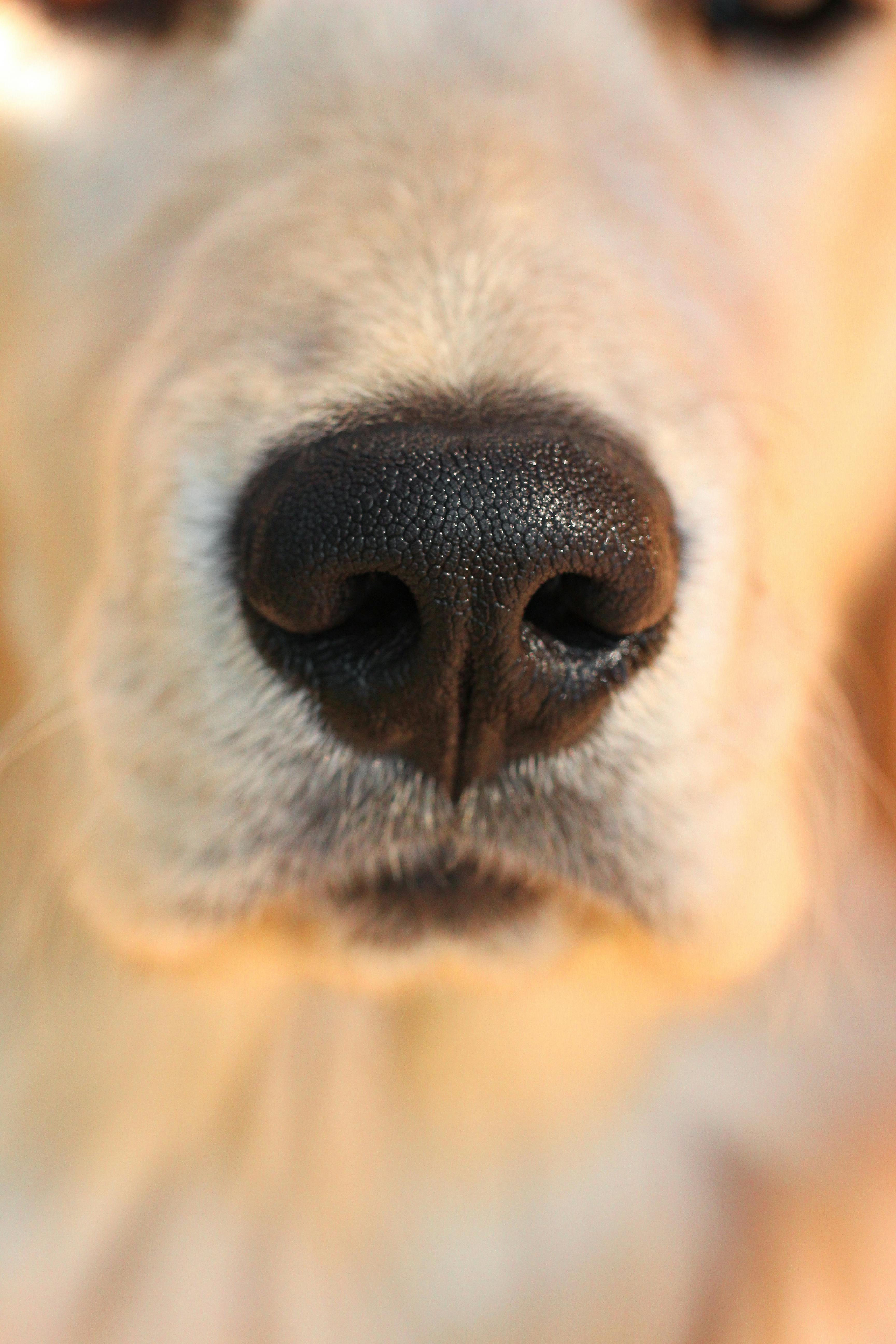
Dogs are known for many things, but one of the most curious aspect about them is their wet noses. You might have noticed it when your furry friend greets you, that cold, damp touch against your hand. But have you ever wondered why do dogs have wet noses? It’s not just an adorable quirk; there’s a whole lot more going on underneath that shiny surface. Let’s dive into the science behind those moist noses and what it means for their health.
The Science of Moisture
The moisture on a dog’s nose is primarily composed of water and various secretions. This wetness plays a vital role in their overall health. Here’s how:
- Temperature Regulation: Dogs don’t sweat the way humans do. Instead, they rely on their noses to help keep their body temperature in check. The moisture evaporates, cooling them down.
- Enhanced Smell: A wet nose helps to capture scent particles in the air. This is why dogs have such an incredible sense of smell. The moisture allows these particles to stick better, which is essential for hunting and exploring.
- Health Indicator: The condition of a dog’s nose can tell you a lot about their health. A healthy nose is typically moist and cool, while a dry or cracked nose may indicate dehydration or illness.
Why Do Dogs Have Wet Noses?
So, why do dogs have wet noses? The short answer: evolution. Dogs are descendants of wolves, and wet noses were useful for their ancestors in hunting and survival. But there’s more to it.
Throughout history, dogs have developed specific traits that aid in their survival. Wet noses are a product of natural selection. Here’s a breakdown:
- Evolutionary Advantage: Wolves and wild canines that had moist noses could better track scents, which was crucial for hunting. This trait got passed down as dogs were domesticated.
- Behavioral Aspects: A wet nose is often a sign of a happy and active dog. When they are excited or engaging in play, their noses tend to get wetter due to increased activity and breathing.
Health Implications of a Wet Nose
The health of your dog can often be gauged by the state of their nose. Here are some common conditions to consider:
- Normal Moist Nose: If your dog’s nose is moist and cool, it typically indicates good health.
- Dry Nose: A persistently dry nose can suggest dehydration, fever, or even certain illnesses. It’s important to pay attention to other symptoms like lethargy or loss of appetite.
- Cracked or Bleeding Nose: This could indicate a need for veterinary attention, possibly due to allergies, infections, or even injuries.
Fun Facts About Dog Noses
- Dogs have around 300 million smell receptors in their noses, compared to about 6 million in humans.
- The shape and size of a dog’s nose can vary greatly among breeds, which can affect their smelling capabilities.
- Dogs can even detect certain diseases, like cancer, through their sense of smell.
How to Care for Your Dog’s Nose
Here are some practical tips for keeping your dog’s nose healthy:
- Hydration: Ensure your dog has access to fresh water at all times. Hydration is key to maintaining a moist nose.
- Humid Environment: In dry climates or during winter, consider using a humidifier in your home to keep moisture levels up.
- Regular Check-ups: Routine vet visits can help catch any potential issues early on.
Comparing Dog Noses to Other Animals
Dogs aren’t the only animals with wet noses. Here’s how they stack up against a few others:
| Animal | Nose Type | Scent Detection Ability |
|---|---|---|
| Dogs | Wet | Extremely High |
| Cats | Dry | Moderate |
| Pigs | Wet | High |
| Elephants | Dry | Very High |
Dogs’ wet noses give them an edge in sniffing out scents, which is why they are often used in search and rescue operations, as well as in law enforcement.
Understanding why do dogs have wet noses helps us appreciate our pets even more. It’s a fascinating blend of biology, evolution, and health indicators. So next time your pup nudges you with that cold, damp nose, you’ll know it’s not just for show. It’s a sign of their unique biology and a crucial part of their interaction with the world around them. Always keep an eye on that nose, as it can signal much about your dog’s well-being.
Wet Noses and Temperature Regulation: How Dogs Keep Cool with Their Unique Anatomy

Dogs are more than just our furry friends; they are a marvel of evolution and biology. From their wagging tails to their playful barks, every part of a dog serves a purpose. One of the most fascinating aspects of dogs is their wet noses. Have you ever wondered why do dogs have wet noses? The answer lies in their unique anatomy and how it helps them regulate their temperature. Let’s explore the science behind this intriguing feature and discover how dogs keep cool in the heat.
Understanding Dog Noses
First things first, the wetness of a dog’s nose is not just for show. A dog’s nose contain a special kind of mucous that helps them in a few ways. This mucous helps to capture scent particles, which is why dogs have such an amazing sense of smell. But that’s not all! The moisture also plays a crucial role in temperature regulation.
- Scent Detection: A wet nose can trap scent more effectively, making it easier for dogs to sniff out interesting smells.
- Cooling Mechanism: Dogs do not sweat like humans. Instead, they rely on their noses to help cool down. When the moisture on their nose evaporates, it helps to lower their body temperature.
The Science Behind Temperature Regulation
Dogs don’t sweat like us, which is a major difference. Human bodies are equipped with sweat glands all over the skin that help cool down when we get too hot. Dogs, however, have fewer sweat glands, and they mainly use their noses and panting to regulate their body temperature.
Here’s how the process works:
- Evaporation: When the moisture on a dog’s nose evaporates, it cools the blood vessels in the area. This helps to lower their overall body temperature.
- Panting: Dogs also pant to regulate their temperature. When they pant, moisture evaporates from their tongues and the lining of their lungs, which further helps to cool them down.
- Blood Flow: Increased blood flow to the nose can help warm it up on cold days, while a cooler nose can help in hot weather.
Why Are Some Dogs’ Noses Wetter Than Others?
Not all dog noses are created equal. Some dogs have wetter noses than others, and this can depend on a variety of factors:
- Breed Differences: Certain breeds, like the Labrador Retriever, often have wetter noses compared to others like the Bulldog.
- Weather Conditions: In humid weather, dogs’ noses tend to stay wetter because the moisture in the air helps to keep it moist.
- Health Factors: A sudden change in the moisture of a dog’s nose may indicate a health issue. For example, a dry nose can sometimes be a sign of dehydration or illness.
Fun Facts About Dog Noses
- Dogs have about 220 million scent receptors, compared to about 5 million in humans. This makes their sense of smell extremely powerful.
- The color of a dog’s nose can change depending on the temperature. For example, a cold nose can appear darker.
- A dog’s nose print is unique, just like a human fingerprint. This uniqueness can even be used for identification purposes.
Keeping Your Dog Cool
As dog owners, it’s important to ensure our furry friends stay cool, especially on hot days. Here are some tips:
- Provide Fresh Water: Always have fresh water available for your dog to drink.
- Shade and Shelter: Make sure your dog has access to shade or a cool area to rest.
- Avoid Hot Pavement: Hot pavement can burn their paws. Walk them during cooler parts of the day.
- Limit Exercise: On hot days, limit vigorous exercise to prevent overheating.
Comparison Table: Dog Cooling Methods vs. Human Cooling Methods
| Method | Dogs | Humans |
|---|---|---|
| Primary Cooling Method | Panting and wet noses | Sweating |
| Temperature Regulation | Evaporation from nose and panting | Evaporation of sweat |
| Sweat Glands | Few, mostly in paw pads | Many, throughout the body |
Dogs are truly incredible creatures, and their wet noses are just one of the many features that make them unique. Understanding why do dogs have wet noses not only gives us insight into the biology of our pets but also helps us care for them better. So, next time you see your dog with that famous wet nose, remember the science behind it and give them a little extra love—because they deserve it!
Do All Dogs Have Wet Noses? Discover the Truth About Canine Nose Variations
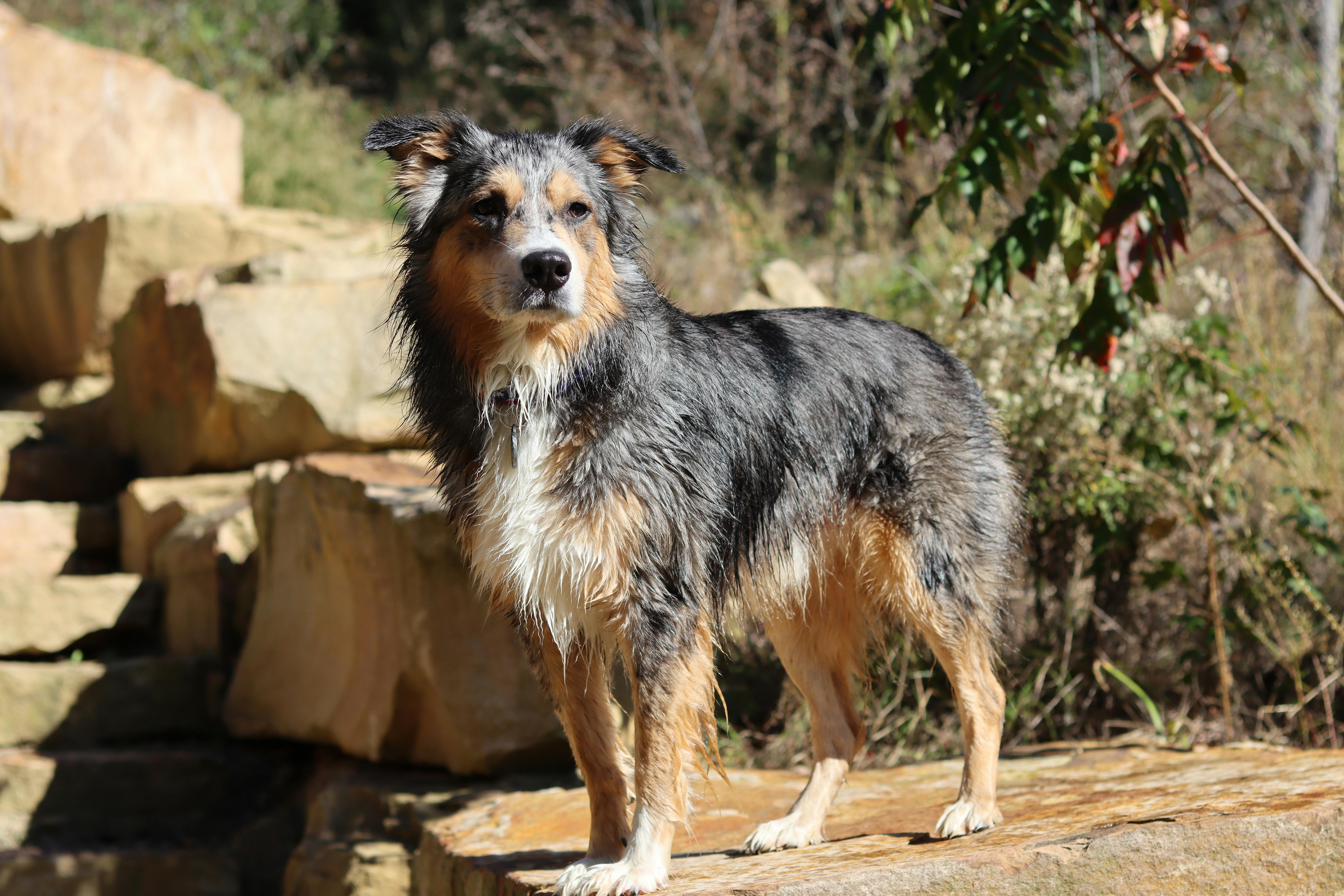
Dogs are often known as man’s best friend, but have you ever stopped to think about their noses? Like, do all dogs have wet noses? The answer might surprise you! Wet noses are commonly associated with dogs, but not every pooch has one. Let’s dig deeper into the science behind canine noses and what makes them so unique.
Understanding Canine Nose Variations
First off, it’s important to note that a dog’s nose can vary widely from breed to breed. Some dogs, like the bulldog or pug, might have drier noses, while others, like the retriever or beagle, usually have that moist, cold nose we often think of. Here are some factors that can impact whether a dog’s nose is wet or dry:
- Breed: Certain breeds have different nose types. Flat-faced breeds often have less moistness.
- Health: A dog’s health can affect nose moisture. Illness or dehydration can lead to a dry nose.
- Environment: Weather conditions can play a role. Hot or dry climates may lead to drier noses.
- Age: Older dogs might experience changes in nose moisture as they age.
Why Do Dogs Have Wet Noses?
Now, you might be wondering, why do dogs have wet noses? There’s a scientific reason behind it! Dogs’ noses are wet for several reasons, and understanding this can help enhance our knowledge about their health and behavior.
Enhanced Smell: A wet nose helps dogs smell better. The moisture helps to capture scent particles, making it easier for dogs to sniff out things. This is why dogs are often used in search and rescue missions.
Cooling Mechanism: Dogs can’t sweat like humans do. Their noses help in regulating body temperature. The moisture on a dog’s nose evaporates and cools them down, especially in hot weather.
Health Indicator: A wet nose is often seen as a sign of a healthy dog. However, it’s important to note that not all healthy dogs have wet noses. A sudden change in moisture level can indicate an underlying health issue.
Common Misconceptions About Dog Noses
There are various myths floating around about dog noses that are just plain wrong. Here’s a few:
- All Dogs Have Wet Noses: As we discussed, not all dogs have wet noses. It’s a common misconception!
- Nose Temperature Equals Health: Some people think that a cold, wet nose means a dog is healthy and a warm, dry nose means sickness. That’s not always true.
- Dogs Only Use Their Noses to Smell: Dogs use their noses for communication too. They can gather information about other animals through scent, which can be crucial for social interactions.
Practical Examples of Nose Conditions in Dogs
Let’s break down some common conditions that can affect a dog’s nose.
- Dry Nose: Can be caused by allergies, sunburn, or dehydration. If a dog’s nose is crusty or cracked, it’s best to consult a vet.
- Nasal Discharge: If there’s a persistent discharge, it could be a sign of an infection or other health concerns.
- Nose Tumors: Though rare, tumors can form on a dog’s nose. If you notice any unusual growths, see a vet for evaluation.
Fun Facts About Dog Noses
Did you know that dog noses are as unique as human fingerprints? Here are some fun facts to consider:
- Nose Prints: Each dog’s nose print is unique, and they can be used for identification!
- Scent Receptors: Dogs have up to 300 million scent receptors, compared to humans who only have about 5 million.
- Color Variations: A dog’s nose can be black, brown, pink, or even spotted! The color can often indicate the dog’s breed and genetics.
So, next time you’re playing fetch with your furry friend, take a moment to appreciate that wet nose! It’s not just a cute feature; it’s a complex tool that helps them interact with the world.
Understanding dogs and their noses helps us build a better bond with our furry companions. Whether it’s a wet nose or a dry one, what matters most is the love and care we provide to them. After all, they rely on us to look after them just as much as we rely on them for companionship and joy.
The Importance of a Wet Nose: How It Affects Your Dog’s Behavior and Emotions

The wet nose of a dog is something that many pet owners notice, but not everyone understands why it is there or what it means. The science behind a dog’s wet nose is more than just an interesting trivia; it actually plays a significant role in your dog’s behavior and emotions. So, let’s dive into the fascinating world of canine noses!
Why Do Dogs Have Wet Noses?
It is pretty common for dogs to have moist noses, but have you ever wondered why? Here are some reasons:
- Temperature Regulation: A wet nose helps dogs to cool down. Just like humans sweat, dogs use their noses to regulate their body temperature.
- Sense of Smell: A wet nose enhances a dog’s sense of smell. The moisture helps to capture scent particles, making their sniffing ability even more powerful.
- Health Indicator: A wet nose can indicate good health. While a dry nose isn’t always a sign of illness, a significantly change in moisture could suggest a health issue.
- Communication: Dogs use their noses to communicate with other dogs and animals. A wet nose can be a sign of excitement or curiosity.
The Science Behind a Dog’s Nose
Digging deeper into the science, studies show that the wetness of a dog’s nose comes from mucous membranes. When a dog licks its nose, it helps to keep it moist. The moisture then aids in the process of olfaction, which is the ability to smell.
Here’s some additional scientific facts about dog noses:
- The canine nose has about 300 million scent receptors, compared to a human’s 5 million.
- Dogs can detect certain scents at incredibly low concentrations, such as one part per trillion.
- The shape of a dog’s nose varies between breeds, which can affect their sense of smell.
What Affects a Dog’s Nose Moisture?
Several factors can affect how wet or dry a dog’s nose is. Here’s a list of things that might come into play:
- Weather: Hot and dry weather can lead to a drier nose, while humid environments can keep it wet.
- Activity Level: Dogs that are very active may have drier noses after running around.
- Health Conditions: Certain health issues can cause a dry nose. For example, allergies, infections, or autoimmune diseases may lead to changes in nose moisture.
- Age: Older dogs might experience changes in the texture and moisture of their noses.
Emotional Indicators Linked to Nose Wetness
Did you know that a dog’s nose can also indicate its emotional state? Here is how:
- Excitement: When dogs are excited, their noses tend to be wetter. This could be because they are more active and licking their noses more often.
- Anxiety: A nervous dog may have a dry nose. Stress can lead to changes in moisture levels, and it’s often a good idea to assess your dog’s overall behavior if you notice this.
- Relaxation: A dog that is comfortable and relaxed may have a normal, slightly moist nose.
Practical Tips for Dog Owners
Understanding the importance of a wet nose can help you better care for your furry friend. Here are some practical tips for dog owners:
- Regular Check-ups: Regular veterinary visits can help you monitor your dog’s health, including nose moisture.
- Stay Hydrated: Make sure your dog has access to fresh water to keep them hydrated, which can help maintain a moist nose.
- Observe Behavior: Keep an eye on your dog’s behavior. If you notice a significant change in their nose moisture, it might be a sign to consult a vet.
The Fascination of Dog Noses
The uniqueness of each dog’s nose is truly remarkable. Some dogs have spots or different colors, which can add to their personality. For example, a Dalmatian has a signature spotted nose, while a Labrador might have a solid black or brown one.
Dogs use their noses for much more than just smelling. They explore and interact with the world around them through their noses, which is part of what makes them such remarkable companions.
In summary, the importance of a wet nose goes beyond its appearance. It plays a vital role in a dog’s life, from health to behavior. Being aware of these factors can help you understand and nurture your pet better. Knowing why do dogs have wet noses is not just a fun fact—it’s a window into the emotional and physical well-being of your furry friend.
Exploring the Myths: Why Do Dogs Have Wet Noses? Debunking Common Misconceptions

Dogs have captivated humans for centuries, and there’s many things we still don’t fully understand about them. One of the most common queries dog owners have is, “Why do dogs have wet noses?” It’s a question that seems simple, yet the answers often filled with misconceptions. Today, we explore the science behind this phenomenon and debunk some of the myths surrounding it.
Wet Noses and Their Purpose
First, let’s get to the heart of the matter. A dog’s nose is wet for several reasons, primarily linked to their health and sensory abilities. Here are some key points to think about:
Enhanced Smell: Dogs have an incredible sense of smell, estimated to be anywhere from 10,000 to 100,000 times more sensitive than humans. A wet nose helps to absorb scent chemicals better. The moisture on their noses helps to catch scent particles in the air, amplifying their olfactory capabilities.
Temperature Regulation: Dogs don’t sweat like humans do. Instead, they cool off through panting and the moisture on their noses. When a dog is hot or excited, the wetness can help them regulate their body temperature more efficiently.
Health Indicator: A wet nose can also indicate a dog’s health. Generally, healthy dogs have moist noses, while dehydration or illness may lead to a dry nose. However, this isn’t a strict rule, as individual variations exist.
Common Myths About Dog Noses
Now, let’s dive into some of the common misconceptions about why dogs have wet noses. You may have heard some of these before, but it’s time to set the record straight.
Myth: Dogs Have Wet Noses Because They Lick Them Constantly
- Fact: While dogs do lick their noses, that’s not the primary reason they’re wet. The moisture largely comes from nasal secretions that keep their sense of smell sharp. Licking can contribute, but it’s not the main source.
Myth: A Dry Nose Means a Sick Dog
- Fact: A dry nose can indicate illness, but it’s not a definitive sign. Factors like weather, activity level, and even time spent sleeping can make a dog’s nose dry. It’s important to consider other symptoms before jumping to conclusions.
Myth: All Dogs Have Wet Noses
- Fact: Not all dogs have consistently wet noses. Some breeds have drier noses naturally, and individual health conditions can influence moisture levels.
Myth: Wet Noses Are a Sign of Happiness
- Fact: While happy dogs can have wet noses, a wet nose does not necessarily equate to happiness. A dog’s emotional state is reflected in various behaviors, not just the moisture of their nose.
The Science Behind Dog Nose Moisture
To understand why dog’s noses are wet, let’s look at a bit of biology. The moistness comes from mucous membranes and secretions that help with their sense of smell. Here is how it works:
Nasal Glands: Dogs have special glands in their noses that produce mucus. This mucus creates a wet surface that captures scent particles.
Environmental Factors: The humidity and temperature of the environment also play a role. Dogs tend to have wetter noses in humid conditions, while dry weather might lead to a drier nose.
Behavioral Aspects: Dogs often wipe their noses on various surfaces, which can add to the wetness. They may also enhance the moisture by drinking water or playing in the snow.
Fun Facts About Dog Noses
Did you know that a dog’s nose is unique, just like a human fingerprint? Here are some more fun facts:
Nose Prints: Each dog has a distinct nose print that can be used for identification.
Color Variation: A dog’s nose color can vary greatly between breeds and even individuals. Some have black noses, while others have pink or spotted noses.
Temperature Checks: While we often touch a dog’s nose to check if they are sick, it’s not a reliable method. Instead, checking their overall behavior, energy levels, and appetite is more effective.
Why This Matters
Understanding why dogs have wet noses goes beyond mere curiosity. It can help owners monitor their pets’ health and well-being more effectively. Knowing that a wet nose is not an absolute indicator of health can reduce unnecessary worry.
In sum, exploring the reasons behind why dogs have wet noses reveals a fascinating blend of biology, behavior, and myth-busting. Whether you’re a seasoned dog owner or a curious admirer, knowing more about this aspect of canine anatomy can deepen your appreciation for these amazing companions. Dogs truly are remarkable creatures, and their wet noses are just one of the many features that make them special.
Can Your Dog’s Wet Nose Indicate Health Issues? Signs Every Pet Owner Should Know
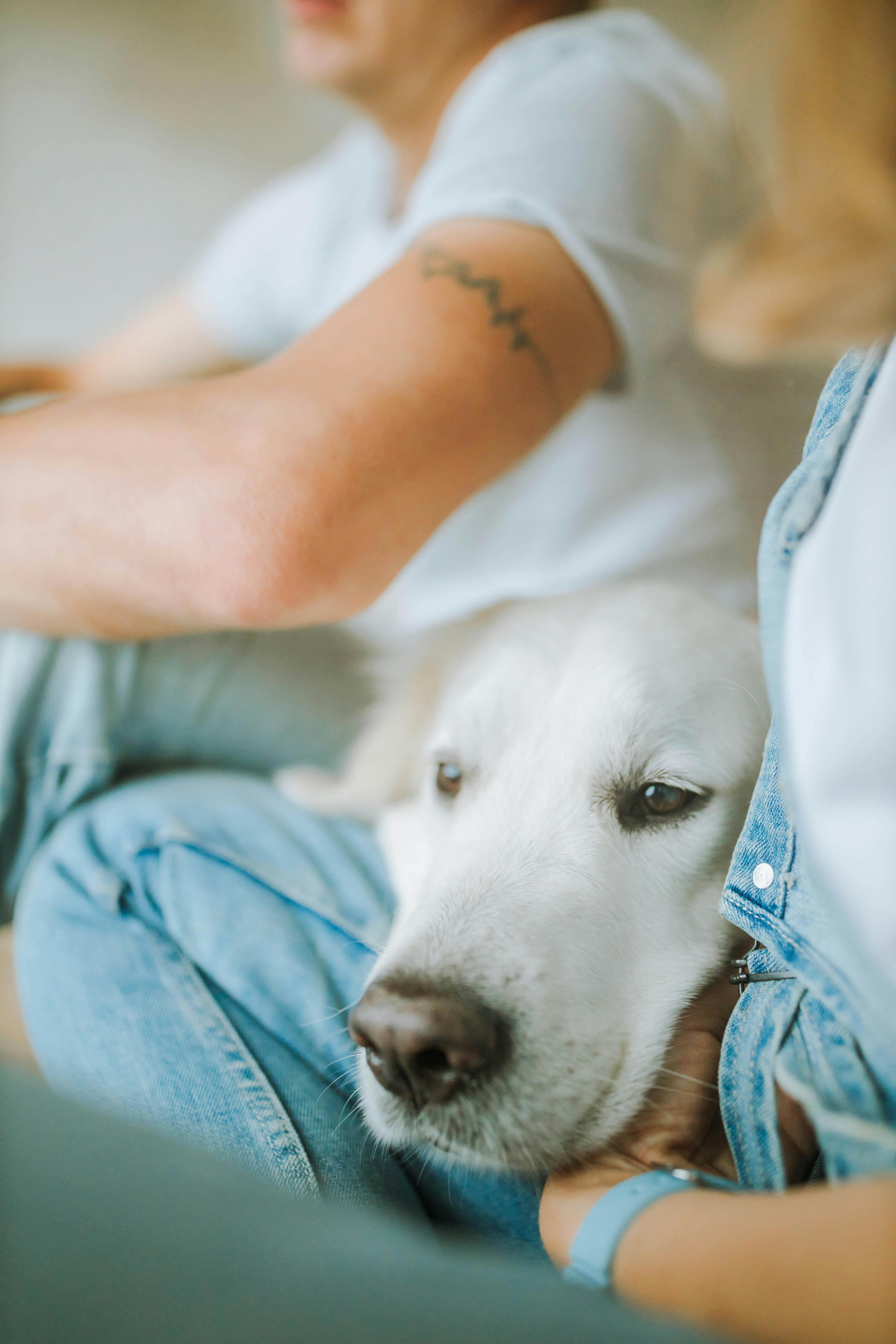
When it comes to our furry friends, there’s a lot we might worry about. One question that often pops up for dog owners is about their noses. Specifically, can your dog’s wet nose indicate health issues? Or maybe you’re just curious, why do dogs have wet noses in the first place? Let’s dive into the science and reasons behind those moist noses and signs every pet owner should know.
The Science Behind a Wet Nose
Dogs have wet noses for a few reasons, and it’s not just about looking cute. A wet nose helps dogs in several ways:
- Thermoregulation: Dogs don’t sweat like humans do. Instead, they cool down through panting and their noses. The moisture on the nose helps to regulate their body temperature.
- Enhanced Sense of Smell: The wetness helps to absorb scent chemicals from the air, which enhances their sense of smell. Dogs have an extraordinary olfactory system, and a moist nose is part of that.
- Health Indicator: A dog’s nose can indicate their health status. A change in moisture level can sometimes signify illness, making it an important aspect for pet owners to monitor.
Why Do Dogs Have Wet Noses?
The evolutionary background of why dogs have wet noses is fascinating. Wolves, their ancestors, also have wet noses which serve similar functions. It is believed that having a wet nose helps in hunting and survival.
Here are some historical points to consider:
- Survival Tactic: Wet noses help dogs pick up scents over long distances, which was essential for hunting and finding food.
- Natural Selection: Dogs with better smelling abilities could find food more effectively, leading to a higher chance of survival and reproduction.
- Physical Adaptation: Over time, dogs have adapted to have moist noses as part of their genetic makeup.
Signs of Health Issues Related to a Dog’s Nose
While a wet nose is mostly a good sign, sudden changes can indicate health problems. Here are some signs every pet owner should keep an eye on:
- Dry Nose: A dry, cracked nose can indicate dehydration, fever, or even illness.
- Excessive Moisture: If a dog’s nose is excessively wet and drippy, it might be a sign of a respiratory infection or allergies.
- Discoloration: If the nose changes color or develops sores, it could be a sign of a serious condition.
- Temperature Changes: If your dog’s nose feels unusually hot or cold, that could signify a health issue.
Additional Health Signs to Monitor
Besides the state of a dog’s nose, other symptoms can indicate health issues. Here are a few to keep an eye on:
- Changes in Appetite: Sudden loss of appetite might suggest illness.
- Lethargy: If your dog seems more tired and less active than usual, that could be a red flag.
- Behavior Changes: Increased aggression or withdrawal from social interactions can signify distress or pain.
What Should You Do If You Notice Changes?
If you notice any of these symptoms, it is best to consult a veterinarian. They can provide a thorough examination and determine if there’s an underlying health issue. Here’s a quick checklist to help you prepare for your vet visit:
- Note the changes you’ve observed
- Bring up any other symptoms (like coughing, vomiting, etc.)
- Discuss any recent dietary changes
- Don’t forget to mention your dog’s activity levels and behavior shifts
Conclusion
Understanding the science behind why dogs have wet noses and what changes might mean is essential for every pet owner. Knowing how to read your furry friend’s health through their nose and other behaviors can help catch potential issues early. Keeping a close eye on those little details can make a huge difference. So, the next time you give your dog a scratch behind the ears, take a moment to check their nose too—it might just tell you more than you think!
Fun Facts About Dog Noses: Why Moisture Matters in Canine Communication and Bonding

Dog noses, they’re like little wonders of nature, right? A lot of people often ask themselves, “Why do dogs have wet noses?” This question can lead to fascinating insights not just about our furry friends but also about how they communicate and bond with us. Moisture in a dog’s nose plays a crucial role in their life, so let’s dive into some fun facts and the science behind it!
The Science of Dog Noses
First off, did you know that a dog’s sense of smell is approximately 40 times better than that of humans? It’s true! Dogs have about 300 million scent receptors in their noses, compared to a mere 5 million in humans. This makes their noses wet for a reason – it helps them pick up scents better. Here’s how it works:
- Moisture enhances scent detection: The wetness on a dog’s nose helps to trap scent particles. When the nose is moist, it can absorb more odor molecules, making it easier for dogs to sniff out things.
- Cooling mechanism: Just like humans sweat to cool down, dogs also rely on their noses. The moisture helps regulate their body temperature, especially on hot days.
- Communication tool: Dogs use their noses to communicate with each other. A wet nose can signal excitement or curiosity, while a dry one might indicate stress or illness.
Why Do Dogs Have Wet Noses?
So, you might wonder, why do dog noses stay wet? Well, here are a few reasons:
- Glandular secretions: Dogs have special glands in their noses that produce moisture. This secretion keeps their noses wet and helps with scent absorption.
- Environmental factors: Dogs often lick their noses, which keeps them moist. They also tend to enjoy playing in water or wet grass, which can contribute to the wetness.
- Health indicator: A wet nose is often seen as a sign of a healthy dog. If a dog’s nose is dry for an extended period, it could indicate dehydration or illness.
Fun Facts About Dog Noses
Here are some interesting tidbits about dog noses that you might not of known:
- Unique Nose Prints: Every dog has a unique nose print, just like human fingerprints. This means that they can be used like IDs!
- Temperature Regulation: A dog’s nose helps to cool them down. When dogs pant, their noses also play a role in regulating their body temperature.
- Scent Memory: Dogs can remember scents for a long time. This is why they can find their way home or recognize their owners even after a long time apart.
- Roles in Hunting: Many working dogs, like bloodhounds, are used for tracking and hunting because of their amazing sense of smell.
The Bonding Aspect
Now, let’s talk about how this wet nose thing affects bonding between humans and dogs. The moisture on a dog’s nose can actually enhance the emotional connection shared between pets and their owners. Here’s why:
- Curiosity: When a dog nudges you with their wet nose, they’re often showing affection or curiosity. It’s a way of saying, “Hey! I want to be close to you!”
- Comfort: A wet nose can be soothing. Many dog owners find comfort in giving their pets gentle pats on the head and scratching behind the ears, which can enhance the bonding experience.
- Emotional Response: Dogs can sense our emotions through their noses. They can pick up on stress, happiness, or sadness. Their wet noses help them better understand how we are feeling.
How to Care for Your Dog’s Nose
It’s important to keep your dog’s nose healthy. Here are a few tips:
- Hydration is key: Make sure your dog is always hydrated, especially in hot weather.
- Check for dryness: If you notice your dog’s nose becoming dry or cracked, it could be a sign of a problem. Consult with a vet if this happens.
- Protect in extreme weather: In very hot or cold conditions, consider using a nose balm to protect their sensitive skin.
In Summary
Understanding why dogs have wet noses goes beyond just knowing a fun fact. It’s about appreciating the science behind their incredible sense of smell, how they communicate, and how we bond with them. Dogs are amazing creatures, and their noses are just one of the many things that make them special. So next time your furry friend gives you a nudge with that wet nose, remember the science and love behind it!
Conclusion
In conclusion, the wet noses of dogs serve several important functions that contribute to their health and communication. The moisture on a dog’s nose enhances their sense of smell, allowing them to better navigate the world through scent. Additionally, a wet nose can help regulate their body temperature, acting as a cooling mechanism in warmer conditions. The presence of mucus on their noses also plays a role in collecting scent particles, further aiding their olfactory abilities. Understanding the reasons behind this unique characteristic not only deepens our appreciation for dogs but also highlights the importance of their overall well-being. So, next time you notice your furry friend with a wet nose, remember that it’s not just an endearing trait but a vital part of what makes them such remarkable companions. Consider sharing this knowledge with fellow dog lovers or even researching more about your pet’s unique traits to foster a deeper bond with them.
