Have you ever wondered why do dogs have wet noses? This intriguing question is more than just a curiosity for pet owners; it unveils a world of fascinating facts about our furry friends! A dog's nose isn't just wet by chance; it serves multiple purposes that benefit their overall health and well-being. From enhancing their sense of smell to regulating their body temperature, the reasons behind a dog's wet nose are truly surprising! But what else could it mean for your dog's behavior and emotional state? In this article, we will explore the benefits of a wet nose in dogs and how it plays a crucial role in their life. Is it really a sign of a healthy dog? Or does it indicate something more? Understanding these aspects can improve your bond with your canine companion and provide insights into their health. As we dive deeper, you will discover how your dog's wet nose is not just a cute feature, but a vital part of their biology. So, let’s unlock the secrets together and learn why your dog’s nose is wet and what it means for their happiness and health!
\n\nUnveiling the Science: Why Do Dogs Have Wet Noses? Exploring the Biology Behind This Fascinating Trait
\n\n \n\n
\n\nDogs have always been fascinating creatures, and one of the most distinctive features they possess is their wet noses. Ever wondered why do dogs have wet noses? This intriguing question leads us to explore the biology and benefits of this unique trait. With their cold, damp noses, dogs not only look adorable but also utilize this feature for a variety of purposes that enhances their interactions with the world. Let's dive into the science behind why dogs have wet noses and discover the surprising benefits!
\nThe Biology of Wet Noses
\nThe wetness of a dog's nose is not just a coincidence; its deeply biological. Generally, a dog's nose is moist due to a thin layer of mucus that aids in detection of scent particles. The moisture helps in capturing scent molecules from the air, which is essential for a dog’s incredible sense of smell. Here some interesting facts about dog noses:
\n- \n
- Scent Detection: Dogs have about 220 million scent receptors, compared to humans, who only have about 5 million. A wet nose helps to trap scents more effectively. \n
- Thermoregulation: Dogs do not sweat like humans. Instead, they rely on their noses and paw pads to help regulate their body temperature. A wet nose can help cool them down. \n
- Health Indicator: A dog's nose can indicate their health. A warm, dry nose could suggest illness, while a moist, cool nose is typically a sign of good health. \n
Evolution and Historical Context
\nThe evolutionary aspect of a dog’s wet nose is quite significant. Early domestication of dogs by humans around 20,000 to 40,000 years ago likely favored canines with superior olfactory abilities. This trait became crucial for hunting and tracking, as they helped humans in finding food and keeping safe from predators. Wet noses, therefore, became an advantage in survival and hunting scenarios.
\nWhy Do Dogs Have Wet Noses? The Surprising Benefits
\nThere are several benefits of having a wet nose, and they go beyond just smell. Here some key advantages:
\n- \n
- \n
Enhanced Smelling Capabilities: As mentioned, moisture on the nose helps in capturing scent particles, which means dogs can smell better and identify various scents, including those of other animals or foods.
\n \n - \n
Communication Tool: Dogs often use their noses for social interactions. A wet nose can be inviting and friendly, which facilitates communication among dogs and with humans.
\n \n - \n
Temperature Regulation: Dogs use their wet noses to help manage body heat. When they breathe in through their noses, the moisture evaporates, which can cool them down.
\n \n - \n
Detecting Illness: There’s evidence that dogs can detect certain diseases, such as cancer, through changes in smell. A wet nose might play a role in their ability to pick up on these subtle scent changes.
\n \n - \n
Hydration Indicator: A wet nose can be a sign that a dog is well-hydrated. If their nose becomes dry, it might be a signal that they need more water.
\n \n
Fun Facts About Dog Noses
\n- \n
- Unique Patterns: Just like human fingerprints, every dog has a unique nose print that can be used for identification. \n
- Color Variations: The color of a dog's nose can vary significantly, from black to pink, and sometimes even spots of both. \n
- Breed Differences: Some breeds have more moisture on their noses than others. For example, Bloodhounds are known for their wet noses due to their exceptional sense of smell. \n
Interesting Comparisons
\nWhen comparing dog noses to those of other animals, the differences are striking.
\n- \n
- Cats: Cats have a similar moist nose, but their sense of smell is not as strong as dogs. They have about 50 to 80 million scent receptors. \n
- Humans: Humans have a significantly less effective sense of smell compared to dogs, and our noses are not designed for scent detection in the same way. \n
Practical Examples of Dog Nose Uses
\nDog noses are not only cute but also serve practical purposes in daily life. Here are some examples:
\n- \n
- Search and Rescue: Dogs are often used in search and rescue operations, utilizing their wet noses to locate missing persons. \n
- Medical Detection: Some dogs are trained to detect diseases like diabetes or cancer, thanks to their keen sense of smell. \n
- Service Animals: Many service dogs assist people with disabilities, using their noses to navigate and communicate effectively. \n
The wet nose of a dog is an incredible feature that goes far beyond appearances. It reflects their health, enhances their communication, and plays a crucial role in their ability to interact with the world. So next time you ask yourself, "Why do dogs have wet noses?" remember, it's not just for show—it's a fascinating aspect of their biology that has numerous benefits!
\n\nThe Surprising Benefits of a Dog's Wet Nose: How It Enhances Their Sense of Smell and More!
\n\n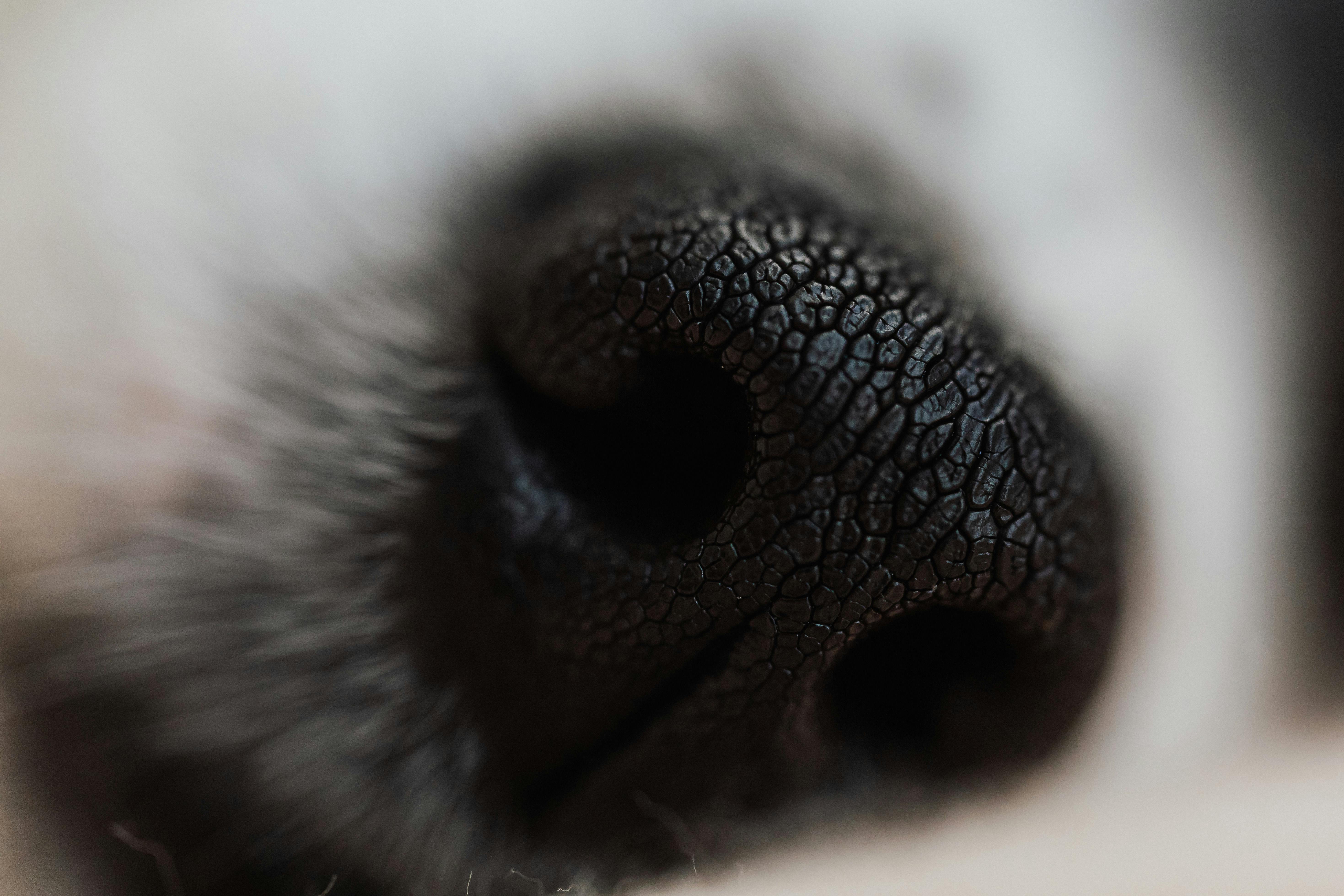 \n\n
\n\nHave you ever wondered why dogs have wet noses? It’s one of those quirky traits that can leave many of us scratching our heads. But, there’s actually a lot more to it than just a cute feature. In fact, a dog’s wet nose serves several important purposes, and it can even enhance their sense of smell. Let’s dive into the surprising benefits of a dog's wet nose and discover the reasons behind this fascinating characteristic.
\nWhy Do Dogs Have Wet Noses?
\nDogs typically have wet noses due to the moisture they secrete from their nasal glands. This moisture helps to cool their body temperature, since dogs don’t sweat like humans do. Instead, they pant and rely on their noses to help regulate their temperature. But that’s not all! The wetness of a dog’s nose also plays a vital role in their incredible ability to smell.
\nHere’s a quick breakdown of the key reasons dogs have wet noses:
\n- \n
- Cooling Mechanism: Helps in temperature regulation. \n
- Enhanced Smell: Moisture collects scent particles, making it easier for dogs to identify smells. \n
- Communication Tool: A wet nose can be a way for dogs to communicate with other dogs and humans. \n
- Health Indicator: Changes in nose moisture can indicate health issues, as a dry nose might signal dehydration or illness. \n
The Science Behind a Dog’s Sense of Smell
\nDogs have over 300 million smell receptors in their noses, compared to a human's mere 5 million. That’s why they can sniff out things we can’t even imagine! The wetness of their noses helps to capture scent molecules, which enhances their olfactory capabilities. When a dog sniffs something, the moisture on its nose absorbs these scent particles, allowing the dog to detect and identify a wide range of smells.
\nSurprising Benefits of a Dog's Wet Nose
\nLet’s explore some of the surprising benefits of having a wet nose:
\n- \n
- \n
Improved Scent Detection: The moisture helps to trap scent particles, which makes it easier for dogs to detect smells from far away. This is crucial for hunting, tracking, and even assisting police in sniffing out drugs or explosives.
\n \n - \n
Better Temperature Control: Just like humans sweat to cool down, dogs use their wet noses to help manage their body heat. This is especially helpful in warm weather and when engaging in physical activities.
\n \n - \n
Social Interactions: Dogs often greet each other with a nose touch. A wet nose can be more inviting and friendly, encouraging positive interactions among dogs and with humans.
\n \n - \n
Health Monitoring: Pet owners can often tell how their dog is feeling by checking the moisture of their nose. A dry or cracked nose might indicate dehydration or illness, prompting owners to seek veterinary advice sooner rather than later.
\n \n - \n
Enhanced Taste: Dogs have a strong sense of smell that is closely linked to their sense of taste. A wet nose can help enhance their tasting experience, as it allows them to identify flavors better.
\n \n
Fun Facts About Dogs and Their Noses
\n- \n
- Nose Prints: Just like human fingerprints, every dog has a unique nose print. It can actually be used for identification purposes. \n
- Color Variation: A dog's nose can be black, brown, or even pink, and the color can change with age or health changes. \n
- Scent Memory: Dogs can remember scents for years, which is why they may get excited when they smell something familiar. \n
Practical Tips for Dog Owners
\n- \n
- Keep It Moist: If you notice your dog’s nose is dry, ensure they are drinking enough water. \n
- Regular Vet Check-ups: Regular visits to the vet can help monitor your dog's health, including nose conditions. \n
- Observe Changes: Changes in your dog’s nose, such as cracking or a sudden change in moisture, should be noted. It may indicate an underlying issue that needs addressing. \n
In summary, a dog’s wet nose is much more than just a charming feature. It serves several critical functions that enhance their sense of smell and overall health. Understanding this can deepen the bond we have with our furry friends. So next time you see your dog’s wet nose, remember all the incredible things it does!
\n\nWet Noses and Health: What Your Dog’s Nose Can Reveal About Their Well-Being
\n\n \n\n
\n\nWhen it comes to our furry friends, many people don’t realize how much their dog's nose can tell them about their health. Wet noses are often seen as a sign of an active, happy dog, but there’s more to it than that. Understanding why do dogs have wet noses can give you insight into their well-being and behavior. Let’s explore the fascinating world of dog noses, the surprising benefits of wetness, and what you should be looking for to ensure your dog stays healthy.
\nWhy Do Dogs Have Wet Noses?
\nDogs have wet noses for several reasons, but mostly it’s about keeping them cool and enhancing their sense of smell. A wet nose helps to regulate their body temperature, which is especially important since dogs can’t sweat like humans do. Instead, they cool off through panting and the moisture on their noses.
\nSome key points about why dog noses are wet:
\n- \n
- Temperature Regulation: Wet noses help dogs cool off by evaporating moisture. \n
- Enhanced Smell: The moisture on their noses helps to trap scent particles, making it easier for dogs to detect smells. \n
- Health Indicator: A dog’s nose can be a good indicator of their health. Changes in moisture levels might suggest underlying health issues. \n
Surprising Benefits of a Wet Nose
\nHaving a wet nose isn't just about health; it also has several benefits for dogs. Here are some surprising advantages:
\n- \n
- \n
Better Smelling Ability: Dogs have about 220 million scent receptors in their noses, and moisture helps capture scents better, enhancing their olfactory capabilities.
\n \n - \n
Cooling Mechanism: The wetness on their nose provides a cooling effect during hot days, helping dogs maintain a comfortable body temperature.
\n \n - \n
Social Signals: Dogs use their noses to communicate. A wet nose can indicate a friendly approach, making interactions with other dogs and humans more positive.
\n \n - \n
Health Monitoring: Regularly checking your dog's nose can help you notice changes that may indicate illness, such as a dry or cracked nose.
\n \n
Understanding Your Dog’s Nose Health
\nWhile a wet nose is generally a sign of good health, there are exceptions. Here’s what you need to monitor:
\n- \n
- \n
Dry Nose: A dry nose might not be a cause for concern, but if it’s persistent, it could indicate dehydration or illness.
\n \n - \n
Cracked Nose: If you notice cracks or sores, it can signal a health issue, and it might be best to consult your vet.
\n \n - \n
Color Changes: A sudden change in color can be a sign of allergies or infection. Normal noses can be black, brown, or even pink, depending on the dog's breed.
\n \n - \n
Temperature: A nose that feels hot can indicate fever. If your dog's nose is consistently warm and dry, it might be time to see a veterinarian.
\n \n
Common Myths About Dog Noses
\nThere are many myths surrounding dog noses that can lead to misunderstandings. Here are a few:
\n- \n
- \n
Myth 1: A warm, dry nose means a dog is sick.
\n- \n
- Reality: Dogs’ noses can vary in temperature and moisture for many reasons. Check other symptoms. \n
\n - \n
Myth 2: Dogs only have wet noses when they’re healthy.
\n- \n
- Reality: Noses can be dry for various reasons, including weather conditions or just waking up. \n
\n - \n
Myth 3: The color of a dog's nose indicates their health.
\n- \n
- Reality: Nose color varies by breed and isn’t a reliable health indicator. \n
\n
What You Should Do
\nSo, what can you do to maintain a healthy nose for your dog? Here’s a simple checklist:
\n- \n
- \n
Stay Hydrated: Make sure your dog always has access to fresh water.
\n \n - \n
Regular Vet Visits: Keep up with annual check-ups to monitor your dog’s overall health.
\n \n - \n
Watch for Changes: Regularly check your dog’s nose for any changes in moisture, color, or texture.
\n \n - \n
Grooming: Regular grooming can help keep your dog’s skin and nose healthy.
\n \n - \n
Safe Environment: Protect your dog from extreme weather conditions which can affect their nose.
\n \n
Understanding your dog’s nose can be a key part in ensuring their health and happiness. By keeping an eye on their wetness and being mindful of changes, you can better care for your furry friend. Remember, a happy dog often has a wet nose, but it’s important to know what that means for their overall well-being. Always stay informed and proactive about your dog’s health for a long and happy life together.
\n\nCurious Canines: Why Do Dogs Have Wet Noses? Debunking Common Myths and Misconceptions
\n\n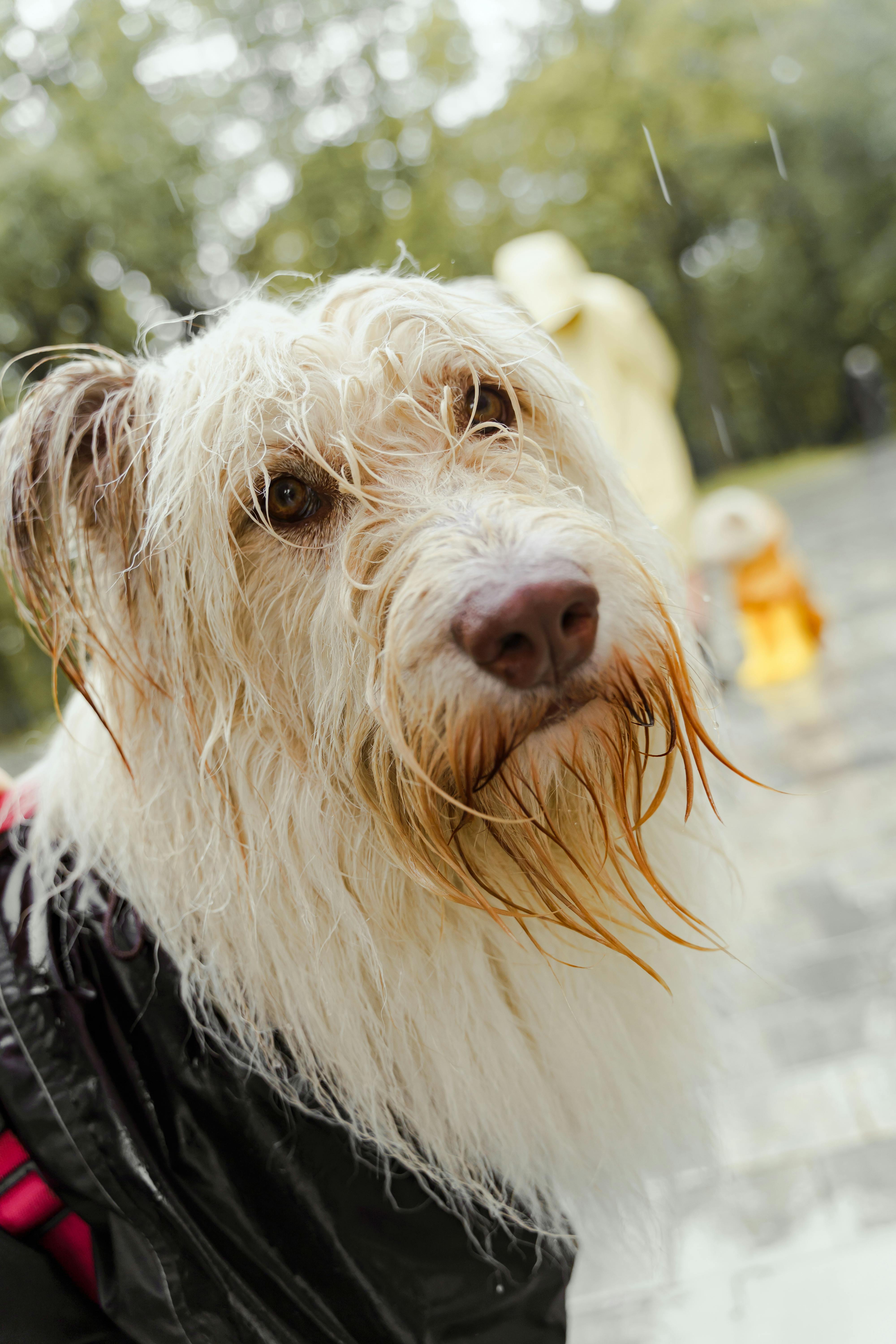 \n\n
\n\nCurious Canines: Why Do Dogs Have Wet Noses? Debunking Common Myths and Misconceptions, Why Do Dogs Have Wet Noses? Discover The Surprising Benefits!
\nHave you ever wondered why dogs have wet noses? It’s a question many dog lovers ask, and the reasons behind it can be quite fascinating. While most people just assume it’s normal for our furry friends, some might think there’s more to it. Today, we’re gonna dive into the science and myths surrounding this curious canine characteristic, and uncover the surprising benefits of a wet nose.
\nThe Science Behind Wet Noses
\nDog noses are often cold and wet, which is totally different from human noses. But why is this? A big part of it relates to how dogs perceive their world. Dogs have a highly developed sense of smell, and their wet noses help enhance this ability. Here's how:
\n- \n
- Moisture and Scent: A moist nose helps capture scent particles in the air. When these particles stick to the wet surface, it makes it easier for dogs to smell. \n
- Temperature Regulation: Dogs don’t sweat like humans do. Instead, they cool off through their noses. The evaporation of moisture from their noses can help regulate body temperature. \n
- Health Indicator: A wet nose can also signal good health. Generally, a healthy dog has a cool, moist nose, while a dry nose could indicate dehydration or illness. \n
Common Myths About Wet Noses
\nThere are many myths floating around about why dogs have wet noses, and not all of them are true. Let’s debunk some of the most common misconceptions:
\n- \n
- \n
Myth 1: Dogs Have Wet Noses Because They Lick Them
\n
\nWhile dogs do lick their noses, it's not the primary reason they're wet. Dogs also get moisture from the air and their environment. \n - \n
Myth 2: A Dry Nose Means Your Dog is Sick
\n
\nNot every dry nose means a dog is unwell. It can simply be due to weather changes or dehydration. Always check other signs of health. \n - \n
Myth 3: Dogs with Wet Noses are Always Happy
\n
\nA wet nose doesn’t necessarily equate to a happy dog. Dogs can have wet noses when they are anxious or scared too. \n - \n
Myth 4: Only Specific Breeds Have Wet Noses
\n
\nAll dogs have wet noses, but the moisture level can vary among breeds. Some breeds, like Bulldogs, may have less moisture due to their unique facial structure. \n
The Benefits of Wet Noses
\nSo what are the benefits of having a wet nose? Here’s a quick list:
\n- \n
- \n
Enhanced Smelling Ability: As mentioned, wet noses improve a dog’s sense of smell, which is vital for hunting, tracking, and even detecting health issues in humans.
\n \n - \n
Cooling Mechanism: Helps dogs stay cool in warmer weather, making it easier for them to enjoy outdoor activities.
\n \n - \n
Health Indicator: A wet nose can be a sign of hydration and overall health. Regularly checking your dog's nose can help notice any changes early on.
\n \n - \n
Social Communication: Dogs often use their noses to communicate with each other. A wet nose can signal friendliness and curiosity.
\n \n
Practical Tips for Dog Owners
\nIf you’re a dog owner, it’s important to keep an eye on your pet’s nose. Here’s what you should do:
\n- \n
- \n
Regular Check-Ups: During vet visits, make sure to mention changes in your dog's nose condition.
\n \n - \n
Hydration: Keep your dog hydrated to maintain a healthy moisture level in their nose.
\n \n - \n
Observe Behavior: Watch for any signs of illness. If your dog’s nose is dry and they are lethargic or not eating, it could be time for a vet visit.
\n \n - \n
Environment Awareness: Be mindful of the weather. In hot weather, ensure your dog has shade and water, as this can affect their nose moisture.
\n \n - \n
Grooming: Regular grooming can help keep your dog’s skin and nose healthy.
\n \n
Conclusion
\nThe wet nose of a dog is much more than a cute feature; it serves multiple practical purposes in a dog’s life. Understanding why dogs have wet noses can help you care better for your furry friends and debunk those common myths. Whether you're a long-time dog owner or thinking about adopting, knowing this unique aspect of canine biology is essential. Keep an eye on that wet nose, and you’ll be one step closer to ensuring your dog’s health and happiness!
\n\nTemperature Regulation: How a Wet Nose Helps Dogs Stay Cool on Hot Days
\n\n \n\n
\n\nDogs are often thought of as our loyal companions, but did you know that their wet noses play a crucial role in their overall health and comfort? Temperature regulation is key to keeping dogs happy and healthy, especially during those hot summer months. One might wonder, why do dogs have wet noses? This article explores the fascinating reasons behind this characteristic and how it helps them stay cool.
\nThe Science Behind a Dog's Wet Nose
\nA dog's nose is generally moist, and there's a scientific reason for it. The moisture on a dog's nose aids in temperature regulation. It's like a natural air conditioner! When dogs breathe, the moisture evaporates, helping to cool their bodies down. This is especially important since dogs don’t sweat like humans do.
\n- \n
- Dogs only have sweat glands in their paw pads. \n
- They primarily regulate their body temperature through panting and their wet noses. \n
- A moist nose can also enhance a dog’s sense of smell, which is vital for many breeds. \n
Why Do Dogs Have Wet Noses?
\nYou might be wondering, why do dogs have wet noses in the first place? The answer is simple yet interesting. The moisture on a dog's nose comes from a combination of saliva and mucus. When dogs lick their noses, they increase the moisture level, which helps them absorb scent molecules from the air. This is how they can smell things from far away.
\nHere are some surprising benefits of a wet nose:
\n- \n
- Enhanced Sense of Smell: A wet nose absorbs scent better, making it easier for dogs to detect different odors. \n
- Temperature Regulation: As mentioned earlier, it plays a role in cooling their bodies down on hot days. \n
- Health Indicator: A wet nose can indicate good health, while a dry nose might signal dehydration or illness. \n
Historical Context of Dog Noses
\nHistorically, dogs were bred for specific purposes, like hunting or herding, and a wet nose was an essential feature. Dogs used their noses for tracking scents, and those with wetter noses often had better success in the field. Over time, this trait became a standard expectation in many breeds.
\nHow Dogs Keep Themselves Cool
\nAside from their wet noses, dogs have a few other methods of staying cool:
\n- \n
- Panting: This is the most common way dogs cool down. As they pant, the evaporation of moisture from their tongues and mouths helps lower their body temperature. \n
- Seeking Shade: Dogs instinctively search for cooler areas to rest when they feel hot. They might dig into the ground or find a shady spot under a tree. \n
- Drinking Water: Hydration is crucial. Dogs need access to fresh water, especially during hot weather. \n
Tips for Keeping Dogs Cool
\nIf you’re a dog owner, it’s essential to help your furry friend stay cool. Here are some tips:
\n- \n
- Provide Fresh Water: Always have a bowl of clean water available for your dog. \n
- Limit Exercise: On particularly hot days, avoid long walks or strenuous activities. \n
- Groom Regularly: Regular brushing can help remove excess fur and keep your dog cooler. \n
- Use Cooling Mats or Vests: These products can help regulate your dog's temperature. \n
- Watch for Signs of Overheating: Excessive panting, drooling, or lethargy can indicate overheating. \n
The Importance of a Healthy Nose
\nWhile a wet nose is a good sign, not all wet noses are created equal. It’s important to monitor your dog’s nose for changes. Sometimes, a dry or cracked nose can indicate an underlying health issue. Here are some things to look out for:
\n- \n
- Color Changes: A nose that changes color could be a sign of a problem. \n
- Cracking or Scaling: This may indicate dehydration or allergies. \n
- Excessive Discharge: If your dog has constant nasal discharge, it might be worth a visit to the vet. \n
Dogs are incredible animals with many fascinating traits. Their wet noses not only help them smell better but also play a vital role in keeping them cool during those sweltering summer days. Understanding why dogs have wet noses can help you appreciate them even more. By taking simple steps to ensure your dog stays cool, you'll contribute to their overall health and happiness on those hot days.
\n\nThe Connection Between Wet Noses and Dog Emotions: Understanding Your Pet's Feelings
\n\n \n\n
\n\nHave you ever wondered why do dogs have wet noses? It’s a curious thing, right? Many dog owners have noticed this characteristic feature, but few understand the deeper connection between wet noses and dog emotions. Understanding your pet's feelings can enrich your relationship and help you care for them better. Let’s explore the fascinating reasons behind those moist noses and what they may signal about your furry friend’s emotional state.
\nThe Science Behind Wet Noses
\nDogs have wet noses mainly due to their unique physiology. The moisture on their noses comes from two main sources: mucus secretions and saliva. This wetness helps to enhance their sense of smell. In fact, dogs have more scent receptors than humans, which allows them to detect odors far better than we can. The wetness on their noses helps to trap scent particles in the air, making it easier for dogs to gather information about their environment.
\n- \n
- Moisture Functions:
- \n
- Enhances sense of smell \n
- Helps cool the body \n
- Aids in communication \n
\n
Emotional Indicators
\nWhen it comes to understanding your dog’s feelings, their wet nose can be a telling sign. A wet nose isn’t just a physical trait; it can reflect their emotional state. Here’s a breakdown of what different nose conditions might indicate:
\n- \n
- Cold and Wet Nose: Typically a sign of a happy and healthy dog. It means they’re relaxed and feeling good. \n
- Warm and Dry Nose: This might indicate stress, anxiety or even illness. If your dog’s nose changes drastically, it could be worth checking with a vet. \n
- Excessively Wet Nose: This could be a sign of excitement or nervousness. Dogs often produce more moisture when they’re anxious. \n
Historical Context of Dog Noses
\nHistorically, dogs were bred for specific tasks, including hunting and herding. Their wet noses evolved as a critical adaptation. For instance, hunting dogs needed to track scents over long distances, and a moist nose helps them do just that. This evolutionary trait is now deeply ingrained in the canine species, connecting them to their ancestors who relied on their sense of smell for survival.
\nThe Benefits of Understanding Nose Signals
\nRecognizing the connection between wet noses and dog emotions can be beneficial for pet owners. Here are some surprising benefits:
\n- \n
- Improved Training: Understanding your dog’s emotional state can help tailor training methods that resonate with them. \n
- Better Health Monitoring: A quick check on your dog’s nose can alert you to potential health issues. \n
- Stronger Bond: Being attuned to your dog's feelings can foster a deeper connection and trust between you and your pet. \n
Practical Tips for Pet Owners
\nHere’s a list of tips to help you take care of your dog’s nose and overall health:
\n- \n
- Regularly check the nose for changes in temperature or moisture. \n
- Ensure they are hydrated, as dehydration can lead to a dry nose. \n
- Keep their living environment clean to prevent allergies or irritations. \n
- Provide a balanced diet that supports overall health, including skin and coat. \n
Fun Facts About Dog Noses
\n- \n
- Dogs have around 300 million scent receptors, compared to approximately 5 million in humans. \n
- The size of a dog’s nose can sometimes correlate with their sense of smell; larger breeds often have more olfactory receptors. \n
- Certain breeds, like Bloodhounds, can track scents that are several days old! \n
The Role of a Dog's Nose in Communication
\nDogs communicate through various methods, and their noses play a significant role in this. A wet nose can mean:
\n- \n
- Greeting: A quick wet nose touch can be a friendly hello. \n
- Affection: When they nuzzle you with their nose, they may be seeking comfort or showing love. \n
- Curiosity: A sniff of something new can indicate interest or excitement. \n
By understanding these signals, you can make better decisions regarding your dog's care and interactions. Always pay attention to their body language, as it can provide context to their emotional state.
\nBeing aware of why do dogs have wet noses and what it means can greatly benefit your relationship with your pet. Dogs communicate in their own ways, and sometimes, it’s all in the nose. Keeping an eye on this often-overlooked aspect of canine behavior can lead to a happier and healthier life for you and your four-legged friend. The more you understand your dog, the better you can respond to their needs and emotions.
\n\nDo All Dogs Have Wet Noses? Discover the Variations Across Breeds and Their Implications
\n\n \n\n
\n\nDogs are some of the most beloved pets around the world, and their wet noses are often a topic of curiosity for dog owners and enthusiasts. So, do all dogs have wet noses? The answer isn't as simple as a yes or no. The truth lies in the variety of dog breeds and their unique characteristics.
\nThe Science Behind Wet Noses
\nFirst, let’s dive into why dogs have wet noses. A dog’s nose is a remarkable organ, and its moisture serves several important purposes. For one, the wetness helps to enhance their sense of smell. Dogs have an incredible olfactory system, which is estimated to be tens of thousands to possibly even 100,000 times more sensitive than humans.
\n- \n
- Moisture helps capture scent particles: When a dog’s nose is wet, it can more effectively trap the scent particles in the air. This moisture aids in the process of olfaction, which is what dogs rely on to gather information about their surroundings. \n
- Temperature regulation: Dogs don’t sweat the same way humans do. Instead, they often rely on their noses to help cool off. A wet nose can help with thermoregulation, allowing them to maintain a comfortable body temperature. \n
- Health Indicator: A wet nose is often seen as a sign of a healthy dog. However, it’s important to remember that there are exceptions. Sometimes, a dog may have a dry nose due to various factors, including environmental conditions or health issues. \n
Variations Across Breeds
\nDifferent breeds of dogs can exhibit varying levels of moisture in their noses. For instance, some breeds are known for their particularly wet noses, while others may have drier noses. Here’s a look at some breeds:
\n- \n
- \n
Breeds with wet noses:
\n- \n
- Labrador Retrievers: Known for their friendly and playful nature, they typically have moist noses. \n
- Golden Retrievers: Another popular breed, they also usually have wet noses, adding to their friendly demeanor. \n
\n - \n
Breeds with drier noses:
\n- \n
- Bulldogs: These dogs often have drier noses, which can be due to their shorter snouts. \n
- Pugs: Similar to Bulldogs, Pugs may also have drier noses, especially in warmer weather. \n
\n
Why Does Nose Wetness Matter?
\nYou might wonder, why does it matter if a dog’s nose is wet or dry? Well, it can be an indicator of their overall health. Here’s a brief overview:
\n- \n
- Normal Conditions: A moist nose generally indicates hydration and good health. \n
- Sickness Indicators: If a dog’s nose is excessively dry or cracked, it could signal dehydration or illness. \n
- Environmental Factors: Sometimes, the weather can play a role in nose moisture. For example, cold weather can lead to drier noses. \n
Surprising Benefits of Wet Noses
\nSo, we’ve established that dogs have wet noses for good reason. But what are the surprising benefits?
\n- \n
- Enhanced Smell: As mentioned before, a wet nose can help dogs smell better. This is crucial for hunting breeds or service dogs that assist individuals with disabilities. \n
- Social Interaction: Dogs use their noses to communicate. A wet nose can be a friendly gesture, inviting interaction from other dogs or humans. \n
- Reduced Allergens: Some studies suggest that a moist nose may help reduce the number of allergens a dog inhales, which could be beneficial for their respiratory health. \n
Fun Facts About Dog Noses
\nHere are a few interesting tidbits about dog noses that you may not know:
\n- \n
- Unique Patterns: Just like human fingerprints, every dog’s nose print is unique. This can be used for identification. \n
- Temperature Sensitivity: Dogs can sense slight changes in temperature through their noses, which helps them detect nearby prey or potential dangers. \n
- History of Usage: Historically, dogs with wet noses were favored in hunting and tracking due to their superior scent abilities. \n
In summary, the wetness of a dog's nose plays an essential role in their health and behavior. While variations exist across breeds, a wet nose typically indicates a well-hydrated and healthy dog. However, if you notice significant changes in your dog's nose moisture, it's always a good idea to consult a veterinarian. Understanding the intricacies of your furry friend's health can lead to a happier, healthier life together.
\n\nThe Role of a Wet Nose in Dog Communication: How Your Pup Uses Their Sense of Smell
\n\n \n\n
\n\nDogs are known for their playful antics and loyal companionship, but one of the most fascinating aspects of their communication is the role of their wet noses. Have you ever wondered why do dogs have wet noses? Well, it's not just for show; this unique feature plays a significant role in how dogs interact with the world around them. Let's explore how your pup uses their sense of smell and the surprising benefits of having a wet nose.
\nThe Science Behind the Wet Nose
\nA dog's nose is not just an adorable feature; it serves a crucial purpose. The wetness of a dog's nose is due to a thin layer of mucus that helps enhance their sense of smell. Dogs have an incredible olfactory system, which is estimated to be anywhere from 10,000 to 100,000 times more sensitive than humans. This means that they can detect scents that we can’t even imagine!
\nHere are some reasons why dog noses are wet:
\n- \n
- Moisture Attraction: The wetness helps to absorb scent molecules from the air, making it easier for dogs to detect different smells. \n
- Temperature Regulation: A wet nose can help dogs cool down. They don’t sweat like humans, so this is one way to regulate their body temperature. \n
- Health Indicator: A dog's nose can also indicate their health. A healthy dog usually has a cool, moist nose, while a dry or warm nose could indicate illness or dehydration. \n
How Dogs Communicate Through Smell
\nDogs communicate primarily through scent. They have a specialized structure in their noses called the Jacobsen's organ, or vomeronasal organ, which helps them process pheromones and other chemical signals. This ability to smell allows dogs to convey information about their environment and even their emotional state.
\nHere’s how dogs use their noses to communicate:
\n- \n
- Identifying Other Dogs: Dogs can smell each other's hormonal signals and pheromones. This helps them understand the health and reproductive status of other dogs. \n
- Detecting Emotions: They can actually pick up on the scents that correspond to human emotions. For instance, when a person is scared, their body releases certain chemicals that dogs can sense. \n
- Finding Food: Dogs can locate food sources by tracking scents, which is why they often sniff around during walks. \n
The Benefits of a Wet Nose
\nApart from communication, the wet nose has several surprising benefits that impact both dogs and their humans. Here’s a list of some of those benefits:
\n- \n
- Enhanced Smell: As mentioned, a wet nose helps dogs pick up scents better, which is vital for their hunting and tracking instincts. \n
- Cooling Mechanism: It helps them stay cool, especially during the hot summer months. \n
- Health Monitoring: A dog’s wet nose can help owners monitor their pet's health. Changes in moisture or temperature can be indicators of health issues. \n
Historical Context of Dog Noses
\nThroughout history, dogs have been companions to humans, and their noses have always played a vital role. Ancient civilizations bred dogs for specific tasks, including hunting, herding, and guarding. The dogs with the most efficient noses were often the most valued, leading to selective breeding for traits associated with a wet and functional nose.
\nFun Facts About Dog Noses
\n- \n
- Unique Nose Prints: Just like human fingerprints, every dog has a unique nose print that can be used for identification. \n
- Nose Color Variation: A dog's nose can change color due to various factors like age, health, or even temperature. \n
- Scent Memory: Dogs can remember smells for a long time, allowing them to recognize familiar scents even after a long time. \n
Practical Examples of Nose Use
\n- \n
- Search and Rescue: Dogs are often used in search and rescue operations because of their exceptional scent-tracking abilities. \n
- Therapy Dogs: Some therapy dogs can detect changes in human body chemistry, alerting their owners to potential health issues like seizures or anxiety attacks. \n
In conclusion, the wet nose of your dog is not just a quirky trait; it’s a powerful tool for communication and survival. From their ability to detect scents to the physical benefits of having a moist nose, dogs truly utilize their noses in remarkable ways. Next time you see your pup sniffing around, remember that they are engaging in a complex form of communication that connects them to the world around them. Understanding this can deepen the bond you share with your furry friend and enhance your appreciation for the incredible capabilities they possess.
\n\nTop 5 Reasons Why a Wet Nose Is Essential for Your Dog's Survival and Well-Being
\n\n \n\n
\n\nDogs are like family members, and their health is super important. One of the most interesting things about them is their wet noses. So, why do dogs have wet noses? There are lot of reasons for it, and it actually plays a big role in their survival and overall well-being. In this article, we gonna explore the top 5 reasons why having a wet nose is essential for your furry friend. Let’s dive into this wet-nosed wonder!
\n1. Enhanced Sense of Smell
\nOne of the biggest benefits of a wet nose is it helps dogs smell better. Dogs possess an incredible sense of smell, estimated to be between 10,000 to 100,000 times more powerful than humans. The moisture on their noses helps to trap scent particles in the air. This means they can detect scents more effectively.
\n- \n
- Dogs have about 220 million scent receptors in their noses. \n
- Humans only have about 5 million. \n
- A wet nose can pick up smells better than a dry one. \n
2. Temperature Regulation
\nDogs can’t sweat like humans do. Instead, their body cools down through panting and the moisture on their noses. When a dog’s nose is wet, it aids in regulating their body temperature. This is especially important on hot days or during physical activities.
\n- \n
- Wet noses can help dissipate heat. \n
- A dog’s normal body temperature is around 101-102.5°F. \n
- Keeping cool is crucial to avoid heatstroke. \n
3. Health Indicator
\nA dog’s nose can actually tell you a lot about their health. Generally, a wet nose is a sign of a healthy dog. If a dog’s nose is dry and warm, it may indicate that they might be sick or dehydrated. Here’s a breakdown:
\n- \n
- Wet and cool: Typically healthy. \n
- Dry and warm: Possible fever or illness. \n
- Cracked or sore: May need vet attention. \n
4. Social Interaction
\nDogs use their noses to communicate with one another. When dogs greet each other, they often sniff each other’s noses and bodies. A wet nose is more inviting and can convey friendliness. This social behavior is essential for their interaction, bonding, and establishing pack hierarchies.
\n- \n
- Sniffing is a way for dogs to gather information. \n
- Wet noses can help signify approachability. \n
- Dogs are naturally social creatures, and it helps them make friends. \n
5. Natural Lubrication
\nThe moisture on a dog's nose isn’t just for show; it serves practical purposes. It helps prevent their noses from becoming dry and cracked. This lubrication is key for maintaining sensitivity and functionality of their sense of smell. A well-hydrated nose is more effective at picking up scents and can help avoid potential health problems.
\n- \n
- Keeps the nose supple and healthy. \n
- Reduces risk of irritation or infections. \n
- Plays a role in their hunting instincts. \n
Surprising Benefits of Wet Noses
\nBeyond the five main reasons listed above, there are more surprising benefits to a dog’s wet nose that can enhance their life. Let’s look at these:
\n- \n
- Better Scent Detection: The wetness helps in absorbing scent particles. \n
- Emotional Bonding: Dogs often nuzzle their owners with their wet noses, showing affection. \n
- Natural Antiseptic: Dog saliva has some antibacterial properties, which can be beneficial. \n
Fun Facts about Dog Noses
\n- \n
- Dogs have unique nose prints, similar to human fingerprints, which can be used for identification. \n
- The color of a dog’s nose can change with the seasons, often becoming lighter in winter. \n
- Some breeds, like Bloodhounds, have exceptionally moist noses that aid their tracking abilities. \n
When it comes down to it, a wet nose is more than just an adorable feature of dogs. It's a vital part of their survival and well-being. It helps them interact with the world around them, keep cool in the heat, and even indicates their health. So, the next time you cuddle with your furry friend, take a moment to appreciate that wet nose. It’s a little marvel of nature, working hard to ensure your dog remains happy, healthy, and connected to you and the environment.
\n\nFrom Playful Pups to Senior Dogs: How Wet Noses Change With Age and What It Means for You
\n\n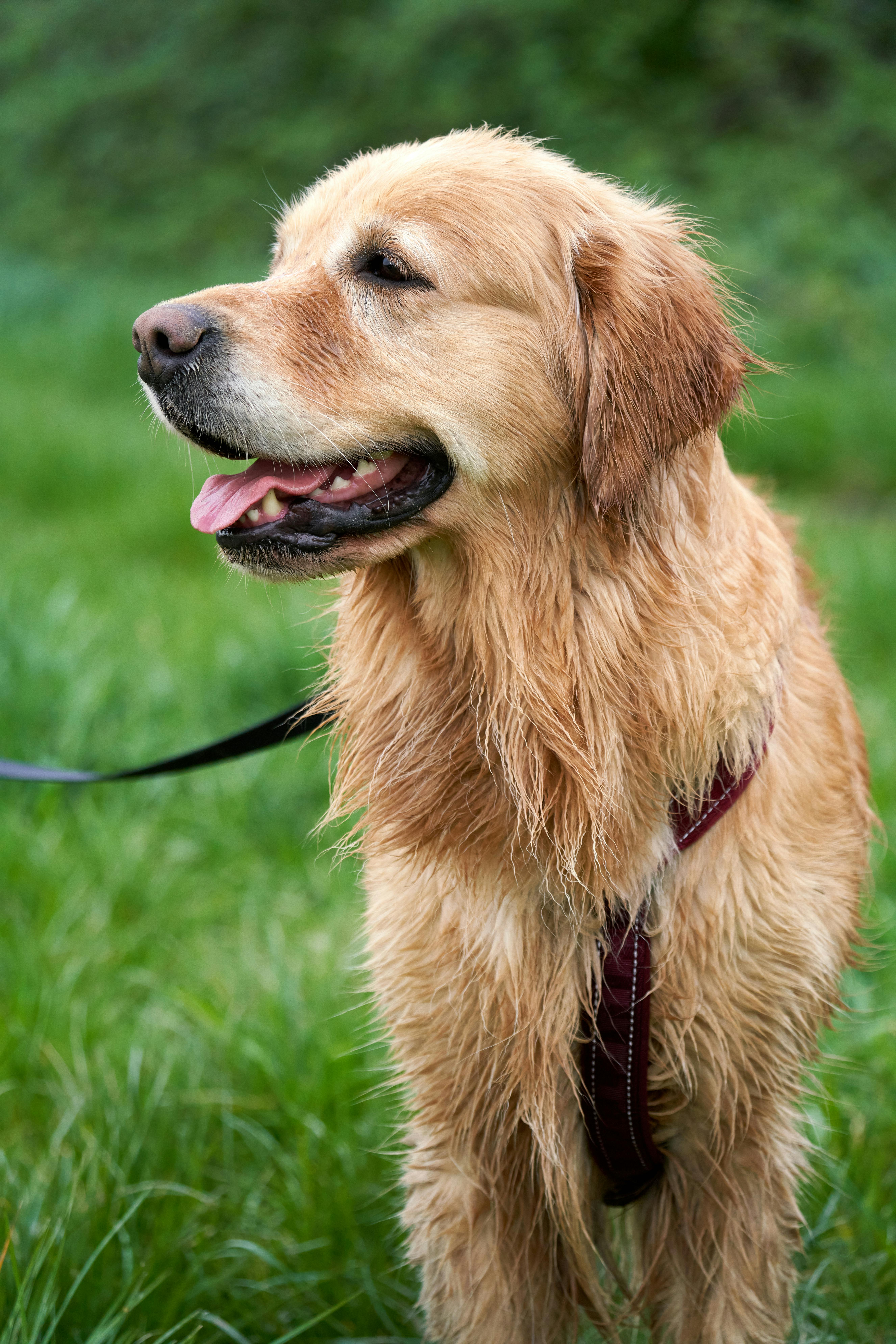 \n\n
\n\nEver wondered why dogs have those famously wet noses? It’s more than just an adorable trait, but it also reflects their health and age. From playful pups bouncing around to wise senior dogs lounging around, a dog's nose can change over time, and it's important to understand what that means for both you and your furry friend.
\nThe Science Behind Wet Noses
\nDogs have wet noses for many reasons, and it starts with their biology. A dog's nose produces mucus which helps to enhance their sense of smell. The moisture allows scent particles to stick, making it easier for dogs to identify different smells. That's why they often seem so fascinated by everything!
\nAdditionally, the wetness on a dog’s nose regulates temperature. Dogs don’t sweat like humans do; they pant to cool off. So, a wet nose can also be a sign of a dog regulating its body temperature.
\nWhy Do Dogs Have Wet Noses?
\nThere are several reasons why dogs' noses are wet, including:
\n- \n
- Enhanced Smell: Wet noses can trap more scent particles. \n
- Temperature Regulation: Helps keep dogs cool. \n
- Health Indicator: Changes in moisture can signal health issues. \n
The Benefits of a Wet Nose
\nA wet nose does not just mean your dog is healthy; there are surprising benefits! Here’s a list of what having a wet nose can mean for your pup:
\n- \n
- Improved Scent Detection: Dogs can smell things much better when their noses are damp. \n
- Cooling Mechanism: It helps to cool down when they are active. \n
- Social Interaction: Dogs often greet each other by sniffing, and a wet nose can be an icebreaker. \n
- Health Monitoring: Changes in the wetness can indicate illness. A dry nose might mean dehydration or fever. \n
How Wet Noses Change With Age
\nJust like humans, dogs' bodies change as they grow older. Here’s how their noses can differ:
\n- \n
- Puppies: Young dogs generally have moist noses. They are active and healthy, which keeps their noses wet. \n
- Adult Dogs: In their prime, adult dogs maintain a nice moisture level. Their noses might get a little dryer in extreme weather though. \n
- Senior Dogs: Older dogs often have drier noses due to various factors like less hydration, health issues, or simply aging. You should observe wetness levels closely. \n
Changes to Watch Out For
\nIt's important for dog owners to be observant. Changes in your dog's nose can indicate more than just age. Here are some signs to pay attention to:
\n- \n
- Dryness: If a normally wet nose becomes dry and cracked, it could indicate dehydration. \n
- Discoloration: A change in color can signify health problems, like infections or autoimmune diseases. \n
- Excess Moisture: An overly wet nose can sometimes be a sign of allergies or infections. \n
Practical Tips for Dog Owners
\nKeeping your dog's nose healthy is important! Here are some practical tips:
\n- \n
- Hydration: Ensure your dog always has access to fresh water. Hydration is key. \n
- Regular Vet Check-ups: Regular check-ups can catch any potential issues before they become serious. \n
- Watch for Changes: Keep an eye on your dog’s nose. If you notice anything unusual, consult your vet. \n
- Grooming: Regular grooming helps with skin health, including the area around the nose. \n
A Quick Comparison
\nHere’s a quick reference table of nose characteristics through different life stages:
\n| Life Stage | \nNose Characteristics | \nPotential Health Indicators | \n
|---|---|---|
| Puppies | \nVery wet, moist | \nGenerally healthy | \n
| Adults | \nMoist, varies with weather | \nHealthy, but watch for changes | \n
| Seniors | \nCan be dry or cracked | \nPossible health issues | \n
As you can see, your dog's wet nose is an essential aspect of their health and well-being. Keeping track of its condition can help you catch any issues early. Remember, a dog’s nose is like a window into their overall health. So, next time you see your pup with that adorable, wet nose, think about all the amazing things it does for them!
\n\nConclusion
\n\nIn conclusion, the wet noses of dogs serve multiple essential functions that contribute to their overall health and well-being. Firstly, a moist nose enhances their sense of smell, allowing them to detect scents more effectively, which is crucial for their survival and interaction with the environment. Additionally, the moisture helps regulate their body temperature, acting as a natural cooling mechanism. We also explored how a dog's nose can indicate health status, with changes in moisture levels often signaling underlying issues. Understanding these aspects of your dog's physiology not only helps you appreciate their unique traits but also empowers you to monitor their health more closely. So the next time you notice your furry friend’s wet nose, remember that it’s not just an adorable feature; it’s a vital part of what makes dogs such remarkable companions. Stay informed and attentive to your pet's needs for a happier, healthier life together.
\n\n