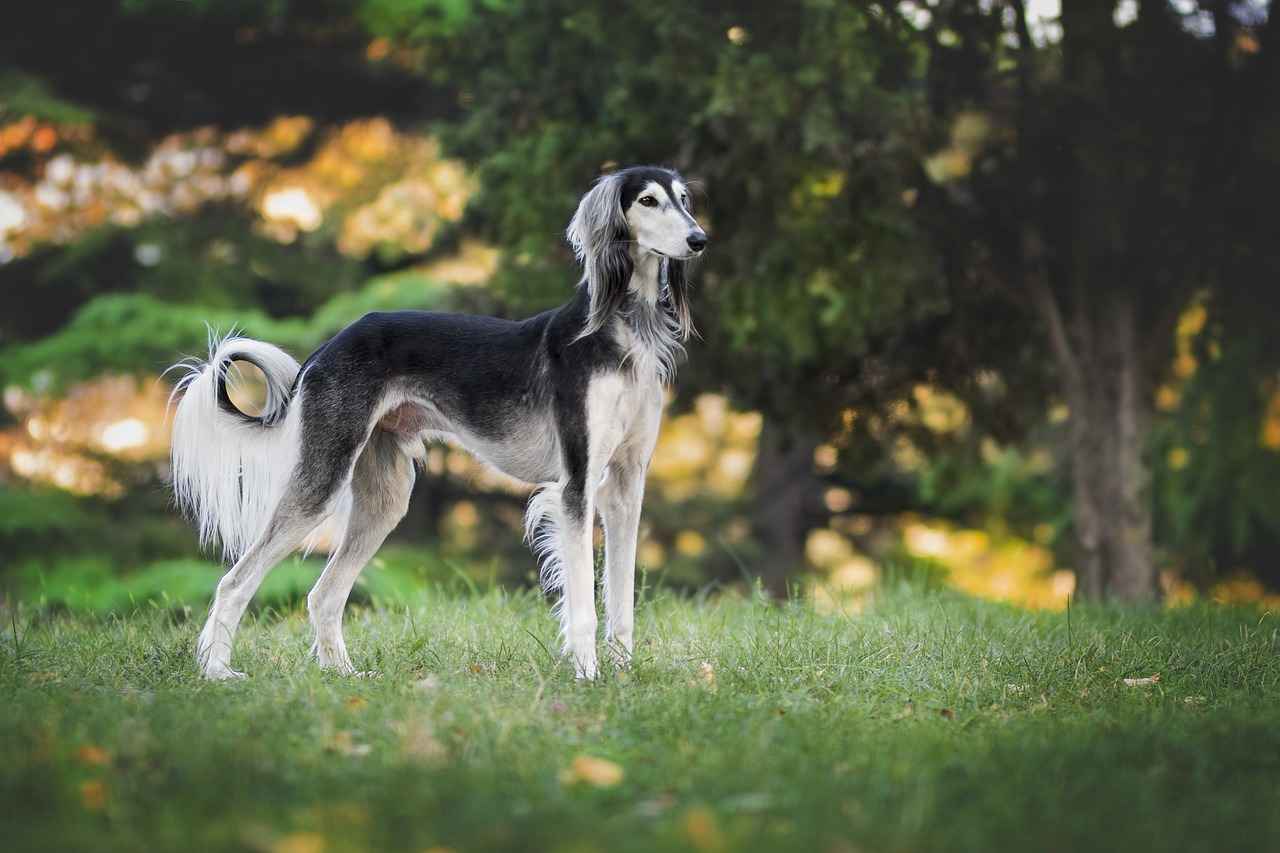
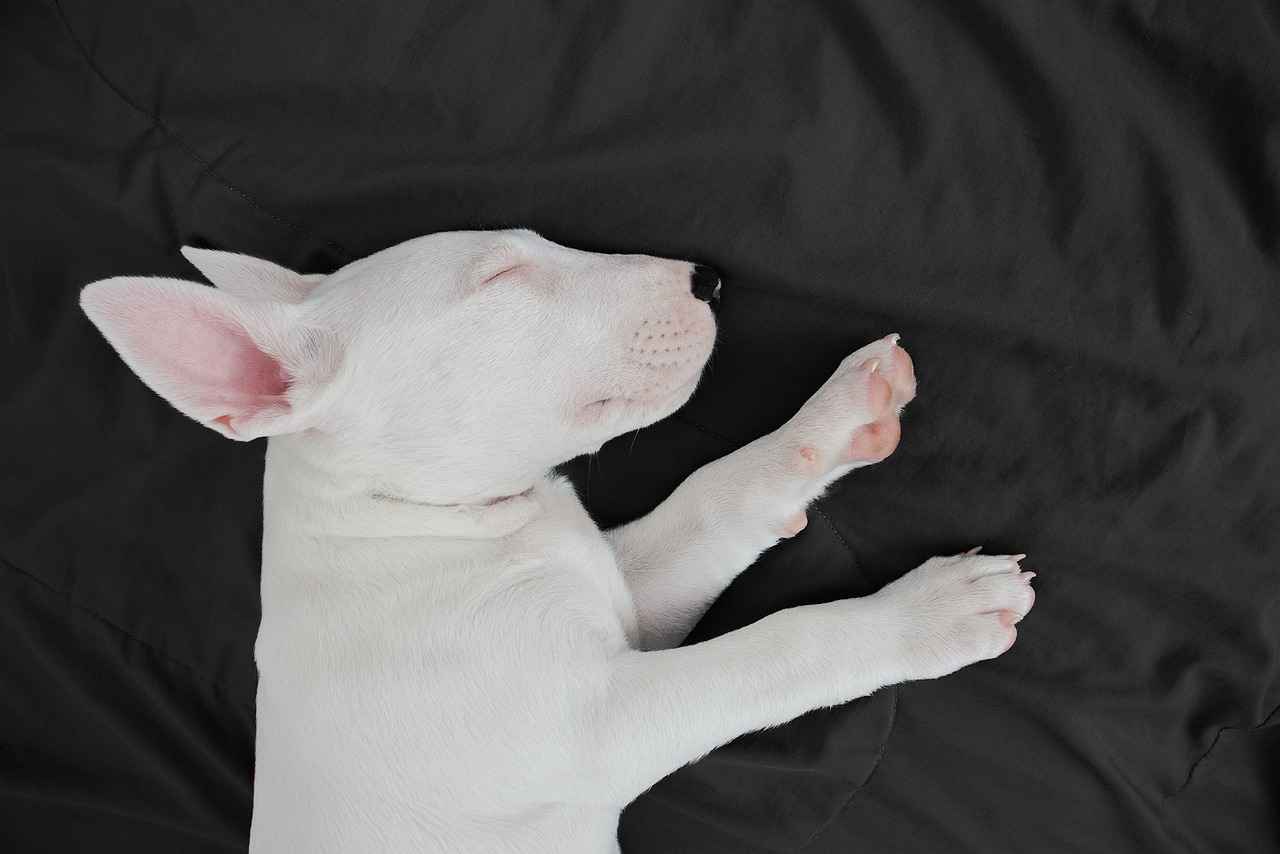
Have you ever wondered, "Why do dogs have wet noses?" This common question piques the curiosity of many dog owners and animal lovers alike. A dog's nose is not just an adorable feature; it serves a fascinating purpose that goes beyond cuteness. The moisture on your furry friend’s snout plays a crucial role in their sense of smell, helping the to identify scents in their environment. But that's not all! Dogs also use their wet noses to regulate body temperature and even communicate with other dogs. Isn't it intriguing how something so simple can hold such importance in their lives? In this article, we will delve into the science behind why dogs have wet noses and uncover the secrets of their unique physiology. So, if you’re asking yourself, “What’s the deal with my pup’s nose?” or “Is it normal for a dog to have a wet nose?”, you’re in the right place! Join us as we explore these questions and more, revealing the remarkable ways in which our canine companions interact with the world. Get ready to be amazed by the wonders of your dog's anatomy!
\n\nThe Science Behind Wet Noses: Why Do Dogs Have This Unique Feature?
\n\n \n\n
\n\nWhen you think about dogs, you might picture their wagging tails, floppy ears, and of course, their adorable wet noses. But have you ever stopped to wonder why do dogs have wet noses? This unique feature of our canine companions serves several important purposes, and it’s not just for show. Let's dive into the science behind wet noses and explore why dogs have this fascinating characteristic.
\nThe Science of Dog Noses
\nDogs have an incredible sense of smell, far superior to humans. Their noses are specially designed with a complex structure that allows them to detect scents at much lower concentrations. The wetness of a dog's nose plays a significant role in this remarkable ability.
\n- \n
- Moisture and Smell: The moisture on a dog’s nose helps to capture scent particles in the air. When a dog inhales, these particles stick to the wet surface, making it easier for the olfactory receptors in their noses to detect and identify scents. \n
- Cooling Mechanism: Just like humans sweat to cool off, dogs also use their noses to regulate their body temperature. The moisture evaporating from their noses can help cool them down, especially during warm days. \n
The Evolutionary Perspective
\nHistorically, dogs have evolved from wolves, and their noses have adapted over time. Wolves rely on their sense of smell to hunt and communicate, and so do their domesticated descendants. The wet nose is a trait that has been passed down and refined through generations.
\n- \n
- Hunting and Survival: In the wild, having a keen sense of smell is vital for finding food and avoiding danger. A wet nose enhances this ability, allowing dogs to track scents more effectively. \n
- Social Interaction: Dogs communicate with each other through scent. A wet nose can mean better social interactions, as dogs can gather more information about their surroundings and other animals by sniffing. \n
What Makes Dog Noses Unique?
\nNot all dog noses are created equal. Different breeds have varied nose shapes and moisture levels. Here’s a quick comparison of some popular breeds and their noses:
\n- \n
- Bloodhound: Known for their exceptional sense of smell, Bloodhounds have large, droopy noses that are often very moist. \n
- Poodle: Poodles have a more compact nose, but it still serves the purpose of scent detection effectively. \n
- Bulldog: Bulldogs have shorter noses, which can affect their smelling ability somewhat, but they still have wet noses that contribute to their olfactory capabilities. \n
Fascinating Facts About Dog Noses
\n- \n
- Nose Prints: Just like human fingerprints, every dog has a unique nose print. This means that a dog’s nose can potentially be used for identification. \n
- Color of the Nose: The color of a dog's nose can vary, but it doesn’t affect its ability to smell. Black noses and pink noses function the same way when it comes to scent detection. \n
- Health Indicator: A wet nose is generally a sign of good health in dogs. If a dog’s nose becomes dry or cracked, it could be a sign of dehydration or illness. \n
Practical Tips for Dog Owners
\nEnsuring your dog maintains a healthy nose is essential. Here are some tips:
\n- \n
- Hydration: Always provide fresh water to keep your dog hydrated. \n
- Regular Check-ups: Visit the veterinarian regularly to check for any issues with your dog’s nose or overall health. \n
- Watch for Changes: If you notice your dog’s nose becoming excessively dry or cracked, consult with your vet. \n
Closing Thoughts
\nThe wet nose of a dog is much more than just a cute feature; it’s a vital part of their biology that aids them in various ways. From enhancing their sense of smell to cooling their bodies, the science behind wet noses is a fascinating blend of evolution and necessity. Whether you’re a seasoned dog owner or considering bringing a new pup into your life, understanding the purpose of this unique trait can enrich your experience with your furry friend. So next time you get a wet nosed kiss, remember the amazing capabilities that come along with it!
\n\n5 Fascinating Reasons Why Your Dog’s Nose is Always Wet
\n\n \n\n
\n\nWhen you see a dog, one of the first things you might notice is their wet nose. It’s kinda strange when you think about it, right? Why do dogs have wet noses? Well, there’s actually a whole bunch of reasons behind it! Let’s explore 5 fascinating reasons why your dog’s nose is always wet and discover their fascinating purpose!
\n1. Temperature Regulation
\nDogs can’t sweat like humans do. Instead, they cool off through panting and their noses. When a dog’s nose is wet, it helps to regulate their body temperature. The moisture evaporates, which can help cool them down. So next time, when it’s hot outside, remember that your dog’s wet nose is working hard to keep them comfortable.
\n- \n
- Dogs have sweat glands only in their paw pads. \n
- Wet noses can indicate a healthy dog that’s managing body heat. \n
- Evaporation from the nose can lower their body temperature by a few degrees. \n
2. Enhanced Sense of Smell
\nOne of the most remarkable facts about dogs is their sense of smell. It’s estimated that dogs have anywhere from 10,000 to 100,000 times the olfactory ability of humans. A wet nose helps to capture scent particles better. The moisture on a dog’s nose acts like a sponge, trapping smells in the air and allowing them to smell better.
\n- \n
- Wet noses keep scent receptors hydrated. \n
- The more moisture, the better they can detect scents. \n
- A dry nose might mean they aren’t smelling as well. \n
3. Communication Tool
\nDogs communicate in various ways, and their noses play a role in that too! A wet nose can indicate different things, like excitement or curiosity. When your pup nudges you with their nose, they may be seeking attention or trying to communicate something important.
\n- \n
- Dogs greet each other by sniffing each other's noses. \n
- A nose nudge can mean “let’s play!” or “I need something.” \n
- Wet noses can show trust and affection towards their humans. \n
4. Health Indicator
\nA dog’s nose can also be a good indicator of their health. While there’s a common myth that a warm, dry nose signifies illness, that’s not always true. A healthy dog usually has a moist nose, but other factors can influence this too, like humidity or activity level.
\n- \n
- Changes in nose moisture can indicate dehydration or illness. \n
- A sudden dryness can be a sign to check on your pup. \n
- Regular observation can help in early detection of health issues. \n
5. Evolutionary Advantage
\nHistorically, dogs evolved from wolves, and having a wet nose was likely beneficial for survival. Wolves with wet noses could hunt better by tracking scents and keeping cool during the chase. This evolutionary trait has continued in domestic dogs, and it’s fascinating how nature shapes these characteristics.
\n- \n
- Wet noses helped early canines survive in the wild. \n
- This trait has been passed down through generations. \n
- Evolution continues to influence domestic dogs today. \n
Fun Facts About Dog Noses
\n- \n
- Dogs have unique nose prints, just like humans have fingerprints. \n
- The average dog’s nose has about 220 million scent receptors. \n
- Some breeds have wetter noses than others due to genetics. \n
What to Do If Your Dog’s Nose Is Dry
\nIf you notice that your dog’s nose is dry for an extended period, it might be a good idea to keep an eye on them. Here are some things you could consider:
\n- \n
- Ensure they have plenty of fresh water available. \n
- Check for any signs of illness, like lethargy or lack of appetite. \n
- Consult with a veterinarian if you’re worried about their health. \n
In conclusion, the wetness of a dog’s nose is not just a quirky characteristic; it serves multiple important purposes, from temperature control and enhanced scent detection to communication and health indicators. Understanding why do dogs have wet noses can help you appreciate your furry friend even more. So, next time you give your dog a pat, take a moment to admire that marvelous wet nose!
\n\nIs Your Dog’s Wet Nose Healthy? Discover What It Means for Their Well-being
\n\n \n\n
\n\nWhen you think about dogs, one of the first things that come to mind is their adorable wet noses. But have you ever wondered, is your dog's wet nose healthy? There’s more to those moist snouts then just a cute feature. The truth is, a dog’s nose can reveal a lot about their health and well-being, plus it serves some fascinating purposes. Let's dive deep into the reasons why dogs have wet noses and what it means for their overall health.
\nWhy Do Dogs Have Wet Noses?
\nThere’s a lot of science behind your furry friend's wet nose. Here’s a breakdown of the main reasons:
\n- \n
- \n
Temperature Regulation: Dogs don't sweat like humans do. Instead, they cool down through panting and their nose. The moisture on their nose helps them regulate their body temperature more effectively.
\n \n - \n
Sense of Smell: A wet nose enhances a dog’s ability to smell. The moisture helps to capture scent particles in the air, making their sense of smell between 10,000 to 100,000 times better than humans. This is crucial for hunting and exploring their environment.
\n \n - \n
Communication Tool: Dogs use their noses to communicate with other dogs and animals. A wet nose can convey emotions and signals, like submission or curiosity.
\n \n - \n
Health Indicator: A dog’s nose can provide clues about their health. While a warm, dry nose isn’t always a sign of illness, a sudden change in the moisture level could indicate a health issue.
\n \n
What Does a Wet Nose Mean for Their Well-being?
\nSo, is your dog's wet nose healthy? Well, it depend on various factors. A typical healthy dog will usually have a moist nose. However, there are exceptions. Here’s what to keep in mind:
\n- \n
- \n
Normal Wetness: Most dogs’ noses are wet due to their natural behavior. A healthy nose is usually cool and moist.
\n \n - \n
Dry Nose: If your dog’s nose is persistently dry, it might not be a cause for concern, but it could indicate dehydration or health issues. Watch for other signs like lethargy or changes in appetite.
\n \n - \n
Cracked or Bleeding Nose: This is more serious. If you notice cracks or bleeding, it could be a sign of allergies, infections, or even autoimmune diseases. It’s important to consult a vet if this happens.
\n \n - \n
Color Changes: Sometimes, the color of a dog’s nose can change. If it turns red, white, or starts to peel, this could indicate a problem.
\n \n
Common Nose Conditions in Dogs
\nHere’s a list of some common conditions that can affect a dog's nose:
\n- \n
- Nasal Dermatitis: Inflammation that causes irritation and dry patches. \n
- Nasal Tumors: Rare but serious; can cause nosebleeds and discharge. \n
- Fungal Infections: Can lead to discoloration and foul smell. \n
- Allergic Reactions: Can cause swelling and excessive licking. \n
Tips for Keeping Your Dog’s Nose Healthy
\nKeeping your dog’s nose healthy is important. Here’s some tips:
\n- \n
- \n
Hydration: Always provide fresh water for your dog. Dehydration can lead to a dry nose.
\n \n - \n
Regular Vet Check-Ups: Routine visits can help catch potential issues early.
\n \n - \n
Limit Sun Exposure: Like humans, dogs can get sunburn. Use pet-safe sunscreen on their noses if they spend a lot of time outdoors.
\n \n - \n
Monitor Changes: Keep an eye on any changes in your dog’s nose. If you notice anything unusual, don't hesitate to contact your veterinarian.
\n \n
Fun Facts About Dog Noses
\n- \n
- Did you know that a dog's nose print is unique, just like a human fingerprint? This uniqueness can be used for identification. \n
- The texture of a dog’s nose can vary widely from breed to breed, some being smooth while others are rough. \n
- Dogs have about 220 million scent receptors in their noses, compared to about 5 million in humans. \n
Understanding your dog's nose can be a fun way to connect with your furry friend. So, the next time you see that wet little nose, remember it’s not just cute—it’s a crucial part of their health and happiness. Whether they're sniffing out new scents or cooling down after a run, their moist noses play an important role in their lives. Always keep an eye on those wet noses, and you can help ensure your dog stays happy and healthy for years to come!
\n\nThe Role of a Dog's Wet Nose in Their Sense of Smell: Unveiling the Mystery
\n\n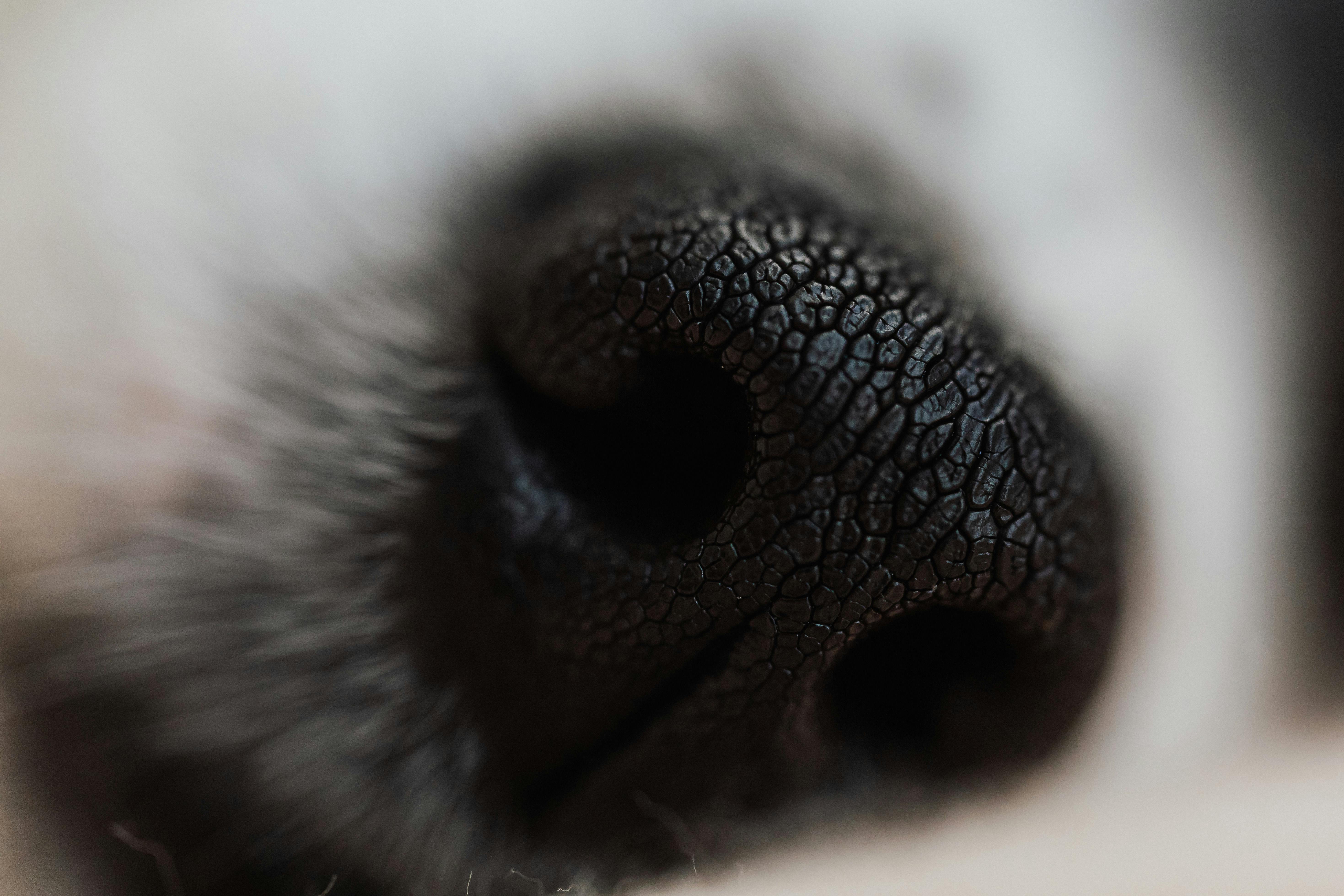 \n\n
\n\nDogs are often considered man's best friend, and one of the most intriguing aspects of dogs is their sense of smell. Have you ever wondered why do dogs have wet noses? It seems like a simple question, but the answer is quite fascinating and reveals a lot about how dogs experience the world around them. The role of a dog’s wet nose in their sense of smell is not just a quirky trait; it serves several important functions.
\nThe Science Behind a Dog's Wet Nose
\nMany people don’t realize that a dog's nose is uniquely designed for smelling. A dog's olfactory system is far more advanced than humans. Here’s how it works:
\n- \n
- Olfactory Receptors: Dogs have about 300 million olfactory receptors in their noses, compared to a human's 5 million. This gives dogs an extraordinary ability to detect scents. \n
- Moisture: The wetness of a dog's nose helps to capture scent particles. When a dog's nose is moist, it can absorb more scent molecules, which enhances their ability to smell. \n
- Temperature Regulation: A wet nose helps regulate a dog’s body temperature. When a dog pants, moisture evaporates from its nose, cooling them down in hot weather. \n
Why Do Dogs Have Wet Noses? The Purposes Explained
\nThe wetness of a dog's nose is not merely for show; it serves several purposes that aid their survival and interaction with their environment. Here’s a closer look:
\n- \n
- Enhanced Smell: The moisture on a dog's nose helps to bind scent particles. This means that when they sniff, they are able to take in more information about their surroundings. \n
- Communication: Dogs use their noses to communicate with one another. A wet nose can signal to other dogs that they are friendly and approachable. \n
- Sensing Environmental Changes: A wet nose is also more sensitive to changes in the environment, such as humidity and temperature. This can help dogs detect certain dangers or changes in their surroundings. \n
Historical Context of Dogs and Their Noses
\nDogs have been companions to humans for thousands of years. Historically, their sense of smell has been crucial. In ancient times, dogs were used for hunting and herding, relying heavily on their acute sense of smell. The domestication of dogs has also allowed for the development of breeds that are specially trained for specific tasks, including search and rescue, detection of drugs or explosives, and even medical alert for conditions like seizures.
\nFun Facts About Dogs’ Noses
\nHere are some fun and interesting facts about dogs and their noses:
\n- \n
- A dog’s nose print is as unique as a human fingerprint. \n
- Some dog breeds, like Bloodhounds, have an incredible tracking ability due to their superior sense of smell. \n
- Dogs can smell certain diseases, including cancer, by detecting volatile organic compounds in a person's breath or skin. \n
- The color of a dog’s nose can change with age, and some dogs may develop a condition called "winter nose," where their nose lightens in color during the colder months. \n
Comparisons Between Dogs and Humans
\nDogs and humans have very different ways of experiencing the world, particularly when it comes to smell. Here’s a comparison that highlights these differences:
\n| Aspect | \nDogs | \nHumans | \n
|---|---|---|
| Number of Olfactory Receptors | \n~300 million | \n~5 million | \n
| Smell Sensitivity | \n10,000 to 100,000 times better | \nLimited sensitivity | \n
| Primary Sense | \nSmell | \nSight | \n
| Nose Moisture Role | \nCaptures scent particles | \nNo significant role | \n
Practical Examples of Dogs Using Their Noses
\nTo understand the importance of a dog’s nose, consider these practical examples:
\n- \n
- Search and Rescue: In disaster situations, trained dogs can locate trapped individuals by smelling their scent. \n
- Detection Work: Dogs are utilized in airports to sniff out drugs or explosives. Their wet noses help them do this efficiently. \n
- Health Monitoring: Some dogs are trained to detect medical conditions like low blood sugar or impending seizures by smell. \n
The mystery of why dogs have wet noses unravels when we consider these many functions. It's not just a quirky characteristic; it is a vital part of how they interact with the world. The next time you see a dog with a wet nose, remember that it’s not just cute—it’s a powerhouse of sensory information, helping them navigate their environment in ways we are only beginning to understand. Dogs' remarkable abilities continue to amaze us, and their wet noses play a crucial role in their lives and ours.
\n\nDo All Dogs Have Wet Noses? Exploring Variations Across Breeds
\n\n \n\n
\n\nDogs have a special place in many people’s hearts. But, one of the most common questions that arise among dog lovers is, do all dogs have wet noses? It's a fascinating topic that takes us into the realm of canine anatomy and behavior. Wet noses are often seen as a sign of a healthy dog, but is it true for every breed? And why do dogs have wet noses in the first place? Let’s dive into these intriguing questions.
\nThe Science Behind Wet Noses
\nFirst off, let’s talk about what makes a dog’s nose wet. The moisture on a dog's nose comes from a mix of factors including their own saliva and the surrounding environment. When dogs lick their noses, they are not just keeping it clean; they also enhance their sense of smell. The wetness helps to capture scent particles in the air, which is crucial for their incredible olfactory abilities.
\n- \n
- Nasal Glands: Dogs have special glands that produce mucus. This mucus helps in trapping scents and also keeps the nose moist. \n
- Temperature Regulation: A wet nose can help dogs cool off. It’s like their own personal air conditioning system. \n
Do All Dogs Have Wet Noses?
\nNow, you might wonder, do all dogs have wet noses? The answer is not so straightforward. While most dogs do have wet noses, there are exceptions depending on various factors like breed, health, and even the environment.
\nFactors Influencing Nose Moisture
\n- \n
- \n
Breed Variations:
\n- \n
- Some breeds, like Bulldogs and Pugs, may have drier noses due to their unique facial structures. \n
- Working breeds, such as Retrievers or Shepherds, usually have wet noses because they are more active and spend more time outdoors. \n
\n - \n
Health Conditions:
\n- \n
- A dry nose can sometimes indicate dehydration or illness. If a dog’s nose is persistently dry, it might be a good idea to consult a vet. \n
- Allergies and skin conditions can also affect nose moisture. \n
\n - \n
Temperature and Environment:
\n- \n
- Hot, dry weather can lead to drier noses. Conversely, in humid climates, noses tend to stay wetter longer. \n
\n
Why Do Dogs Have Wet Noses? Discover Their Fascinating Purpose!
\nThe reasons behind wet noses are numerous, and they contribute significantly to a dog's ability to interact with their environment. Here are some key purposes:
\n- \n
- \n
Enhanced Smelling: Dogs have a sense of smell that is thousands of times more acute than humans. The moisture in their noses helps to absorb scent particles, making it easier for them to detect various smells.
\n \n - \n
Communication: Dogs use their noses as a way to communicate with one another. A wet nose can indicate curiosity or excitement.
\n \n - \n
Health Indicators: A healthy dog often has a moist nose. Pet owners often check nose moisture as a quick way to gauge their pet’s health.
\n \n
Fun Facts About Dog Noses
\nWant to know more? Here are some interesting tidbits about dog noses:
\n- \n
- \n
Nose Print Identification: Just like human fingerprints, each dog's nose print is unique. Some organizations even use them for identification!
\n \n - \n
Dogs Can Smell Emotions: Dogs can sniff out human emotions. They can detect stress or fear through scent changes in humans.
\n \n - \n
Age Impact: As dogs age, their noses can become drier. This change can be normal, but it’s something to keep an eye on.
\n \n
Comparing Wet vs. Dry Noses
\nHere is a quick comparison of wet and dry noses in dogs:
\nWet Nose:
\n- \n
- Typically indicates hydration and good health. \n
- Enhances olfactory capabilities. \n
- More common in active dogs. \n
Dry Nose:
\n- \n
- May indicate dehydration or health issues. \n
- Can be breed-specific, especially in short-nosed breeds. \n
- Not always a sign of illness; sometimes just a natural variation. \n
In summary, while most dogs generally have wet noses, it is not universal across all breeds or conditions. The moisture serves many purposes, from enhancing their sense of smell to helping with communication. If your canine companion has a dry nose, it’s not automatically a cause for concern, but it can be an important health indicator. Keeping an eye on your dog's nose can help you maintain their overall health and happiness. So, next time you pet your furry friend, take a moment to appreciate the science and purpose behind that wet nose!
\n\nHow a Dog’s Wet Nose Helps in Temperature Regulation: What You Need to Know
\n\n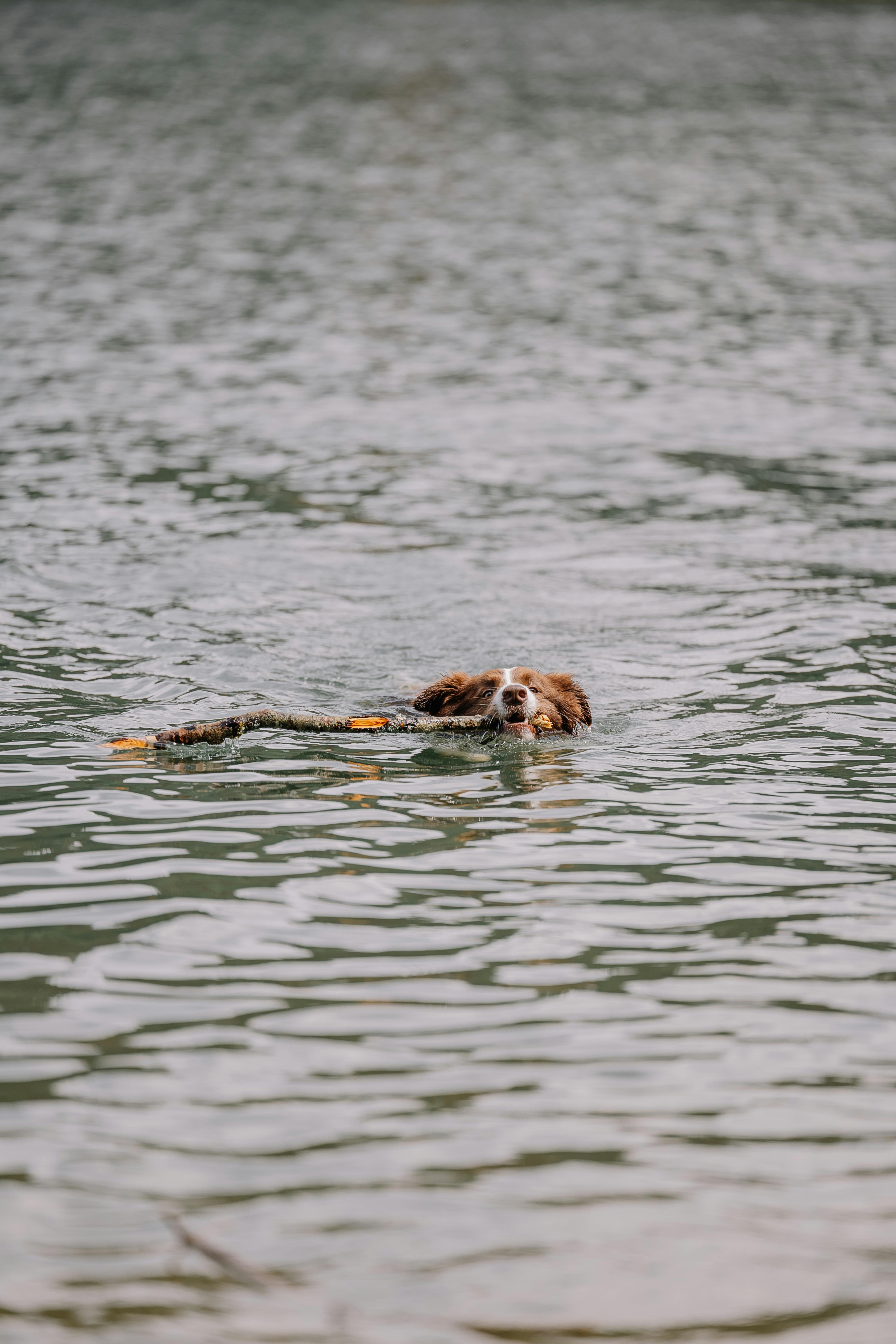 \n\n
\n\nDogs have long been our loyal companions, but have you ever wondered how a dog’s wet nose contributes to its health and well-being? A dog’s nose is not just for sniffing; it plays a crucial role in temperature regulation too. Interestingly, the reasons behind why do dogs have wet noses can be linked to their evolutionary history and biological needs. So, let's dive into the fascinating world of our furry friends and discover the purpose of their moist noses.
\nThe Anatomy of a Dog’s Nose
\nFirst, let’s look at what makes a dog’s nose so unique. The nose is made up of specialized skin that is rich in sweat glands. These glands are responsible for producing moisture, which in turn helps regulate body temperature. Unlike humans, dogs don’t sweat through their skin; instead, they rely on their noses to help cool down.
\n- \n
- Nasal Structure: Dogs have a complex nasal structure with a large surface area that helps in scent detection. \n
- Moisture Production: The wetness of a dog’s nose is due to a thin layer of mucus, which can help absorb scent particles. \n
- Temperature Regulation: This moisture plays a vital role in thermoregulation, which is essential for keeping a dog healthy. \n
Why Are Dog Noses Wet?
\nSo, why do dogs have wet noses? The answer lies in a combination of biology, behavioral traits, and environmental adaptations. Here are some key reasons:
\n- \n
- Cooling Mechanism: Just like humans sweat to cool down, dogs use their wet noses to lower their body temperature. \n
- Enhanced Smell: A wet nose can pick up scent particles more effectively, allowing dogs to have a better sense of smell. \n
- Health Indicator: A wet nose can indicate a healthy dog; if it becomes dry, it might signal dehydration or illness. \n
Historical Context of Dog Noses
\nHistorically, dogs have been bred for various purposes, including hunting, herding, and companionship. Over time, their wet noses have evolved to suit these roles. For example, hunting dogs often rely on their sense of smell to track scents, making a wet nose advantageous.
\n- \n
- Working Dogs: Breeds like Bloodhounds have an exceptional sense of smell and wet noses that help them in tracking scents over long distances. \n
- Companionship: In companion breeds, a wet nose has become a sign of vitality and energy, often leading to a stronger bond with humans. \n
Practical Examples of Nose Functionality
\nLet’s take a look at a few practical examples of how dogs use their wet noses in daily life:
\n- \n
- Tracking Scents: When a dog sniffs around, the moisture on its nose helps capture scent molecules, improving their ability to identify different smells. \n
- Heat Regulation: After a vigorous play session, dogs often pant and have their noses wet to help cool down their bodies. \n
- Social Interactions: Dogs often greet each other with nose-to-nose contact, which can also serve as a way to communicate and gather information. \n
Comparison with Other Animals
\nDogs are not the only animals with wet noses; cats and some wild animals also possess similar traits. However, here’s how dogs stand out:
\n| Animal | \nNose Type | \nPurpose | \n
|---|---|---|
| Dogs | \nWet Nose | \nTemperature regulation and enhanced smell | \n
| Cats | \nDry Nose | \nPrimarily for scent detection but less moisture | \n
| Rabbits | \nWet Nose | \nHelps in temperature regulation, similar to dogs | \n
What Happens When a Dog’s Nose is Dry?
\nA dry nose in dogs can be a cause for concern. While not always indicative of a serious health issue, it can signal dehydration, fever, or other health problems. Some common causes of a dry nose include:
\n- \n
- Dehydration: Lack of water can lead to a dry nose. \n
- Illness: Infections or other health issues may manifest as a dry or cracked nose. \n
- Environmental Factors: Hot weather or dry air can contribute to a dry nose. \n
Understanding Nose Temperature
\nAnother interesting aspect of dog noses is that they can actually tell us something about a dog's health. Here’s a simple checklist to monitor your dog's nose:
\n- \n
- Cool and Wet: Generally a good sign; your dog is likely healthy. \n
- Warm and Dry: Could indicate a fever or illness. \n
- Cracked or Bleeding: Should be evaluated by a veterinarian. \n
In summary, the wet nose of a dog is not just an endearing feature but serves essential functions for their health and communication. Understanding why do dogs have wet noses helps us appreciate these remarkable companions even more. By recognizing the signs of a healthy nose, we can better care for our furry friends and ensure they live long, happy lives.
\n\nWet Noses and Social Cues: How Dogs Use Their Sense of Smell to Communicate
\n\n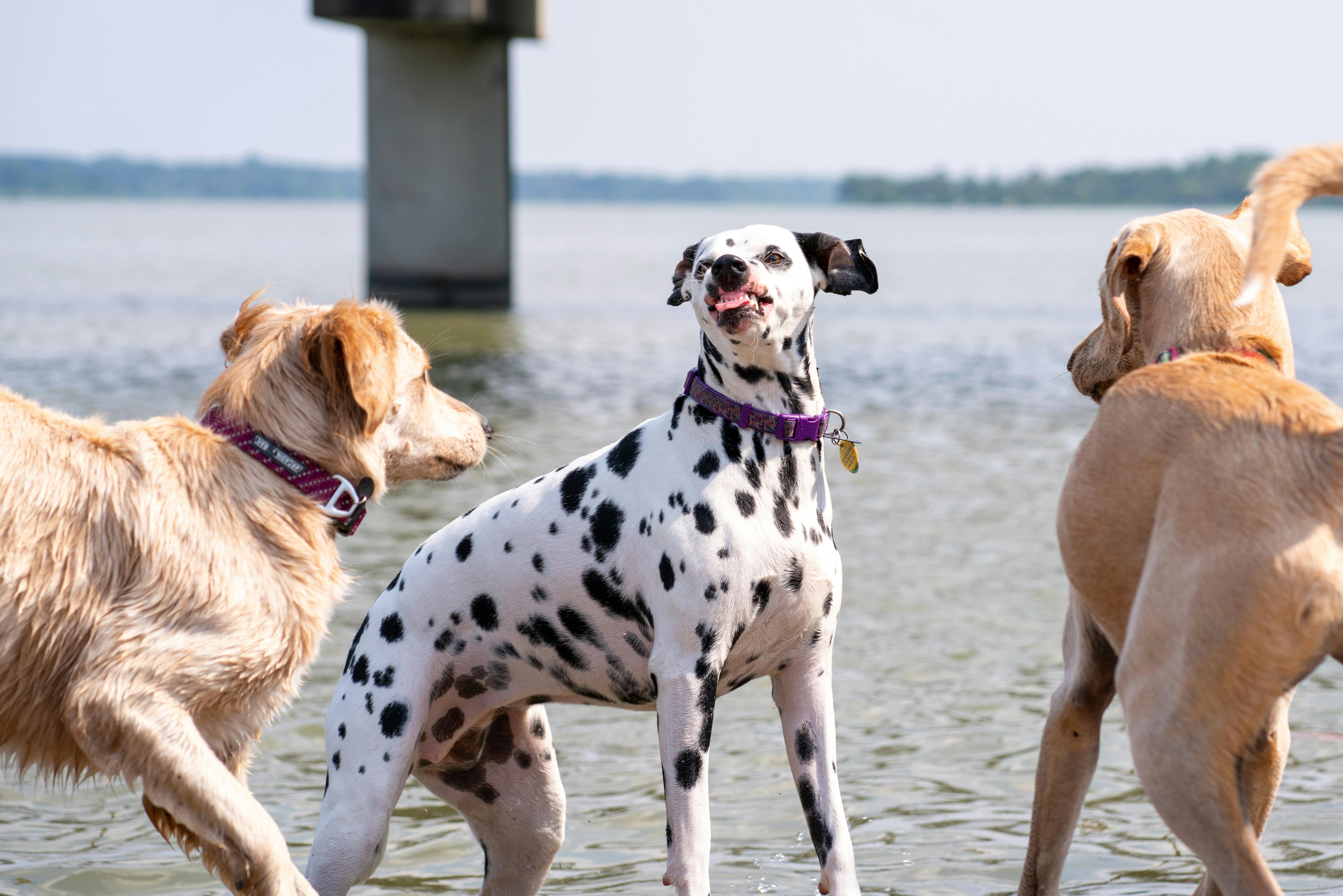 \n\n
\n\nDogs are incredible creatures with a unique way of communicating, and their wet noses plays a crucial role in this fascinating process. Have you ever wondered why do dogs have wet noses? This simple question opens the door to understanding how our furry friends interact with the world around them. Their sense of smell is not just a tool for finding food or tracking scents; it’s a vital part of how they connect with us and other animals.
\nThe Science Behind a Dog's Nose
\nA dog's nose is not only wet, but it’s also packed with millions of scent receptors. In fact, dogs have about 220 million olfactory receptors, compared to a human's mere 5 million. This remarkable difference allows dogs to detect smells at incredibly low concentrations. The moisture on their noses helps to capture scent particles, enhancing their ability to smell. Wet noses also cool down when a dog is panting, which helps regulate their body temperature.
\nWhy Are Dog Noses Wet?
\nThere are several reasons why a dog's nose is often wet. Here’s a quick rundown:
\n- \n
- Enhanced Scent Detection: Moisture helps trap scent particles, amplifying their olfactory capabilities. \n
- Temperature Regulation: Wet noses assist in cooling down a dog’s body. \n
- Health Indicator: A wet nose generally indicates good health, while a dry nose can sometimes signal illness, though it’s not always the case. \n
Social Cues and Communication
\nDogs use their noses to communicate with one another and with humans. Smelling is their primary means of gathering information. When dogs sniff each other, they are exchanging critical information about each other's health, mood, and even reproductive status. This behavior is often seen as a social greeting in the dog world.
\n- \n
- Greet with Scent: Sniffing is a way for dogs to say "hello." \n
- Detect Emotions: Dogs can sense fear, happiness, and even anxiety through smell. \n
- Identify Others: Dogs can recognize familiar humans and other dogs by their unique scents. \n
The Importance of Smell in a Dog's Life
\nSmell is a critical sense for dogs. It shapes their experiences and interactions, and it’s deeply integrated into their daily lives. Here’s how:
\n- \n
- Hunting and Foraging: Dogs use their noses to find food and track animals. \n
- Navigating Environment: Smell helps dogs understand their surroundings, making it easier for them to navigate. \n
- Detecting Danger: Dogs can sense things we can't, like smoke or gas leaks, which makes them excellent companions and protectors. \n
Dogs vs. Humans: A Comparative Look at Senses
\nHere's a quick comparison of how dogs and humans differ in their sensory capabilities:
\n| Sense | \nDogs | \nHumans | \n
|---|---|---|
| Smell | \n220 million receptors | \n5 million receptors | \n
| Hearing | \n40 Hz to 60 kHz | \n20 Hz to 20 kHz | \n
| Vision | \nDichromatic vision | \nTrichromatic vision | \n
As you can see, dogs have superior abilities in smell and hearing, while their color vision is limited compared to humans.
\nPractical Examples of Dogs Using Their Sense of Smell
\nMany dogs are trained to use their incredible sense of smell in various fields:
\n- \n
- Search and Rescue: Dogs can find missing persons using scent trails. \n
- Detection Dogs: They are used in airports to sniff out drugs or explosives. \n
- Medical Detection: Some dogs can detect diseases like cancer or diabetes through scent. \n
The Fascinating Purpose of Wet Noses
\nSo, why do dogs have wet noses? It’s not just for show. Their wet noses serve multiple purposes that enhance their interaction with the world. They are natural scent detectors, social communicators, and body temperature regulators.
\nIf you've ever had a dog lick your face, you know that wet noses can be quite affectionate too! It’s all part of their complex way of communicating and connecting with us.
\nBy understanding the importance of a dog’s wet nose and its role in their communication, we can appreciate more fully the bond we share with these remarkable animals. Their wet noses are not just a quirky feature; they are a gateway into a rich world of scent-based communication that enriches both their lives and ours.
\n\n7 Surprising Facts About Dogs' Wet Noses That Every Pet Owner Should Know
\n\n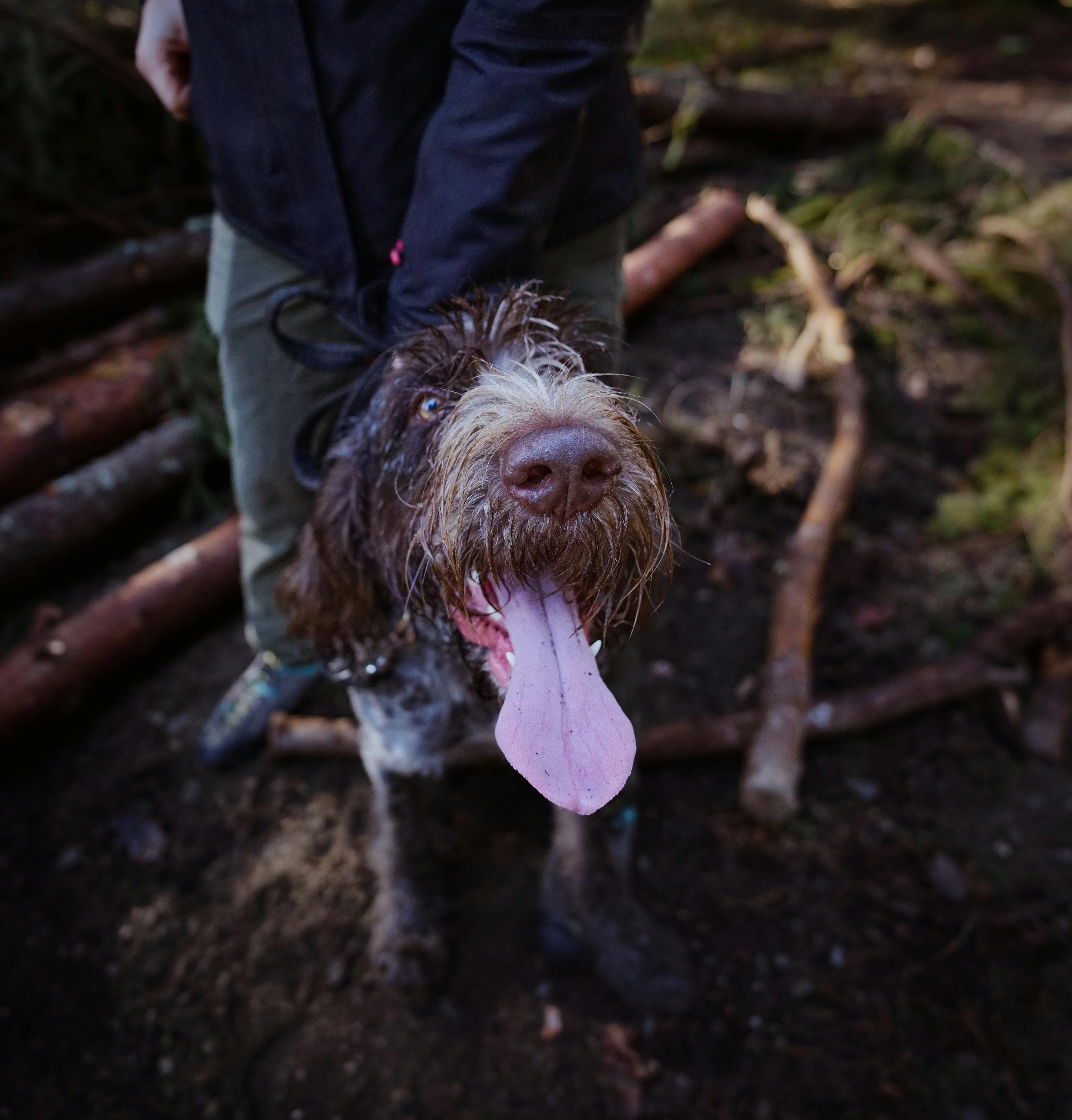 \n\n
\n\nDogs are more than just our furry companions; they are fascinating creatures that have captured human hearts for centuries. One of the most curious and endearing features of our canine friends is their wet noses. Have you ever wondered why do dogs have wet noses? This article will uncover 7 surprising facts about dogs' wet noses that every pet owner should know, shedding light on their fascinating purpose.
\n1. Dogs' Noses Are Naturally Moist
\nMost dogs have wet noses, it’s a natural characteristic. The moisture comes from a combination of mucus and sweat, which helps to cool them down. Unlike humans, who sweat primarily through their skin, dogs only sweat through their paw pads and noses. This is why you might notice your dog's nose glistening after a walk or playtime.
\n2. Enhanced Sense of Smell
\nOne of the primary reasons for a dog's wet nose is that it enhances their sense of smell. The moisture on their noses helps to capture scent particles in the air. When a dog sniffs something, those particles stick to the wet surface, allowing them to detect and identify scents better. Dogs have up to 300 million olfactory receptors in their noses, compared to a human’s 5 million. This makes their sense of smell around 40 times better than ours!
\n3. Temperature Regulation
\nDogs' wet noses also play a role in regulating their body temperature. When a dog pants, moisture evaporates from their nose and helps cool them down. It’s similar to how sweating works for humans. If you notice that your dog's nose is excessively dry, it could indicate overheating or dehydration, so keep an eye on them, especially during hot weather.
\n4. Health Indicators
\nYour dog's nose can actually tell you a lot about their health. A healthy nose is typically moist and cool, but if it becomes dry or cracked, it might be a sign of an underlying health issue. Here’s a quick list of what different nose conditions might indicate:
\n- \n
- Dry Nose: Could suggest dehydration or fever. \n
- Cracked Nose: Might indicate allergies or skin conditions. \n
- Excessively Wet Nose: Could be a sign of a respiratory infection. \n
5. Personal Identification
\nJust like human fingerprints, a dog’s nose print is unique. Each dog has a distinct pattern of ridges and creases on their nose, which can be used for identification. Some organizations even use nose prints for pet identification, ensuring that lost pets can be returned to their owners.
\n6. Social Interactions
\nDogs use their noses to communicate with each other and their environment. When two dogs meet, they often sniff each other’s noses and behinds to gather information about each other. This behavior is a natural part of dog socialization. Their wet noses help them collect scents that convey a wealth of information about the other dog, such as age, health, and even mood.
\n7. Evolutionary Advantage
\nThe wet nose is believed to be an evolutionary trait that has helped dogs survive in the wild. The ability to smell better due to a moist nose helps dogs track prey and detect danger. This sensory advantage has carried through generations, making it a crucial part of their survival instincts.
\nFun Facts About Dogs' Noses
\nHere’s a quick list of some additional fun facts about dogs' noses:
\n- \n
- Dogs can smell certain diseases, like cancer, with their keen sense of smell. \n
- Dogs’ noses can detect changes in human emotions through scent. \n
- The average dog’s nose can sniff out a teaspoon of sugar in a million gallons of water. \n
- Dogs use their noses more than their eyes to understand the world around them. \n
Practical Tips for Pet Owners
\nUnderstanding the purpose of your dog’s wet nose can help you take better care of them. Here are some practical tips:
\n- \n
- Hydration: Ensure your dog has access to fresh water to keep their nose moist. \n
- Regular Check-ups: Regular vet visits can help you monitor your dog’s overall health, including their nose condition. \n
- Observe Changes: Keep an eye on any changes in your dog’s nose and consult your vet if you notice anything unusual. \n
So next time you look at your dog's wet nose, remember that it's not just an adorable feature; it serves multiple purposes that contribute to their health and well-being. Understanding why do dogs have wet noses can deepen your bond with your furry friend and enhance your role as a responsible pet owner.
\n\nCan a Dry Nose Indicate Health Issues in Dogs? Understanding the Signs
\n\n \n\n
\n\nEvery dog owner has probably noticed their furry friend's nose at some point. But have you ever wondered why do dogs have wet noses? Or, can a dry nose indicate health issues in dogs? These questions are more than just curiosity; they can give us clues about our pets' health.
\nUnderstanding the Signs of a Dog's Nose
\nA dog's nose can tell you much about their health. A common belief is that a wet nose indicates a healthy dog, while a dry nose might suggest illness. However, it’s not that simple. The state of a dog’s nose could fluctuate based on numerous factors, including:
\n- \n
- Temperature: A dog's nose can change its moisture level due to the weather or environmental conditions. \n
- Activity Level: After running around or playing, a dog’s nose may be dry. \n
- Time of Day: Noses can dry out overnight, just like ours! \n
Do Dry Noses Always Mean Health Issues?
\nNot really. While a dry nose can be a sign of health problems, it doesn’t always mean something is wrong. Some potential causes of a dry nose might include:
\n- \n
- Dehydration: If a dog isn't drinking enough water, their nose might dry out. \n
- Allergies: Allergic reactions can cause dryness and irritation. \n
- Infections: Various infections can lead to changes in the moisture level of the nose. \n
However, if you notice persistent dryness, cracks, or changes in color, it’s best to consult with a veterinarian.
\nWhy Do Dogs Have Wet Noses?
\nWet noses serve a purpose beyond just being cute. Here are some fascinating reasons why dogs have wet noses:
\n- \n
- Scent Enhancement: A moist nose helps to absorb scent chemicals, improving a dog's ability to smell. This is vital for their survival and interaction with the environment. \n
- Cooling Mechanism: Dogs don’t sweat like humans. A wet nose can help regulate their body temperature. \n
- Health Indicator: A healthy nose is usually moist. It’s one of the first indicators pet owners can check to assess their dog’s health. \n
The Science Behind Nose Wetness
\nThe moisture you feel on a dog’s nose comes from a few sources:
\n- \n
- Mucous Production: Dogs produce mucus that keeps their noses moist. It’s just like how we sometimes have a runny nose when we're sick. \n
- Saliva: Dogs often lick their noses, which adds moisture. They do this instinctively, as it can help them taste and identify scents better. \n
Signs to Watch For
\nAs a dog owner, it’s essential to be observant. Here are some signs that your dog may need medical attention related to their nose:
\n- \n
- Persistent Dryness: If the dryness lasts more than a day or two. \n
- Cracks or Bleeding: Any visible injury or bleeding from the nose. \n
- Discoloration: A change in the color of the nose, like turning bright red or pale. \n
- Behavior Changes: If your dog is lethargic, not eating, or showing signs of pain. \n
Keeping Your Dog's Nose Healthy
\nYou can take some simple steps to ensure your dog’s nose stays healthy:
\n- \n
- Hydration: Always provide fresh water and encourage your dog to drink. \n
- Humidity Levels: Use a humidifier in dry environments, especially during winter months. \n
- Regular Check-ups: Regular vet visits can help catch any underlying issues early. \n
Fun Facts About Dog Noses
\n- \n
- Did you know that dogs’ noses have unique patterns, much like human fingerprints? \n
- A dog's sense of smell is 10,000 to 100,000 times more sensitive than ours. \n
- Some breeds are more prone to nose problems, such as Bulldogs and Pugs due to their unique facial structures. \n
In summary, while a dry nose can sometimes indicate health issues in dogs, it’s not a definitive sign of illness. Understanding why dogs have wet noses helps us appreciate their fascinating biology. Keeping an eye on your dog's nose and overall behavior is vital. If any unusual changes occur, don’t hesitate to talk to a vet to ensure your canine companion is happy and healthy.
\n\nHow to Care for Your Dog's Nose: Tips for Keeping It Healthy and Moist
\n\n \n\n
\n\nWhen it comes to our furry companions, their health is always a top priority. One often overlooked aspect of a dog's well-being is their nose. You may have wondered, "How do I care for my dog's nose?" or "Why do dogs have wet noses?" These questions lead us into a fascinating world of canine biology and care. Let's dive into the importance of your dog's nose and how to keep it healthy and moist.
\nWhy Do Dogs Have Wet Noses?
\nDogs have wet noses for a reasons that is more than just cute! The moisture on their noses helps to enhance their sense of smell. When the nose is wet, it captures scent particles more effectively, allowing dogs to detect odors better than humans can. This is significant because dogs have up to 300 million scent receptors compared to a mere 5 million in humans. So, a wet nose is not just an adorable feature; it serves a critical function in their lives.
\nFun Facts About Dog Noses:
\n- \n
- Heat Regulation: Dogs sweat primarily through their paw pads, but their noses also help to cool them down. \n
- Unique Patterns: Just like human fingerprints, each dog has a unique nose print that can be used for identification. \n
- Sensitive Skin: A dog's nose is incredibly sensitive, which means that it can easily get dry or cracked if not taken care of. \n
How to Care for Your Dog's Nose: Tips for Keeping It Healthy and Moist
\nCaring for your dog's nose is essential. A dry or cracked nose can be a sign of health issues or dehydration. Here’s how you can ensure your furry friend’s snout stays moist and healthy:
\n- \n
- \n
Hydration is Key:
\n- \n
- Always provide fresh water for your dog. \n
- Make sure they drink enough, especially in hot weather or after exercise. \n
\n - \n
Apply Nose Balm:
\n- \n
- Use a dog-safe nose balm to moisturize their nose. \n
- Look for balms that are natural and free from harmful chemicals. \n
\n - \n
Watch the Weather:
\n- \n
- In cold or windy climates, your dog’s nose may dry out more easily. \n
- Consider using a protective balm before going outside. \n
\n - \n
Regular Checks:
\n- \n
- Inspect your dog’s nose regularly for cracks or dryness. \n
- If you notice any unusual changes, consult your veterinarian. \n
\n - \n
Diet Matters:
\n- \n
- Ensure your dog is eating a balanced diet rich in essential fatty acids. \n
- Foods like salmon and flaxseed oil can help maintain skin health. \n
\n - \n
Limit Sun Exposure:
\n- \n
- Dogs with light-colored noses are more susceptible to sunburn. \n
- Consider using sunscreen made for pets if they spend extended time outside. \n
\n - \n
Keep it Clean:
\n- \n
- Wipe your dog’s nose gently with a damp cloth to remove dirt. \n
- Avoid using harsh soaps or chemicals that could irritate their skin. \n
\n
Why a Wet Nose is Beneficial
\nNow that we know how to care for a dog’s nose, let’s further explore why it’s beneficial to have a wet one. Wet noses help with:
\n- \n
- Scent Detection: As mentioned earlier, this is crucial for dogs in their daily life. \n
- Cooling System: Dogs can’t sweat like humans, so moist noses help regulate their body temperature. \n
- Health Indicators: A healthy dog usually has a moist nose. If it becomes dry or excessively wet, it might signal a health problem. \n
When to Seek Veterinary Advice
\nIf you notice your dog's nose is excessively dry, cracked, or bleeding, it’s important to reach out to your veterinarian. Changes in the moisture of their nose can indicate allergies, infections, or even systemic diseases that need to be addressed.
\nQuick Reference: Signs of a Healthy Dog Nose
\n- \n
- Moist to touch \n
- No cracks or sores \n
- Normal color (usually dark brown or black, depending on the breed) \n
- Not excessively warm \n
Summary
\nCaring for your dog’s nose is an important part of maintaining their overall health. By keeping it moist and healthy, you not only enhance their ability to smell but also ensure they stay comfortable and happy. Remember that a wet nose is a sign of a healthy pup, so pay attention to any changes. Regular care and attention can make all the difference in your furry friend's life. So next time you give your dog some love, don’t forget to check that adorable snout!
\n\nConclusion
\n\nIn conclusion, the wet noses of dogs serve several important functions that contribute to their overall health and sensory capabilities. The moisture on a dog's nose helps enhance their sense of smell by trapping scent particles, allowing them to detect various odors more effectively. Additionally, the wetness aids in temperature regulation, keeping them cool during warm weather. Dogs also use their noses as a means of communication, expressing emotions and intentions through scent. Understanding this natural characteristic not only deepens our appreciation for our furry companions but also highlights the importance of their well-being. As responsible pet owners, we can support our dogs' health by ensuring they stay hydrated and providing regular veterinary check-ups. So the next time you greet your pup and feel that delightful wet nose, remember the incredible biology behind it and cherish the bond you share.
\n\n