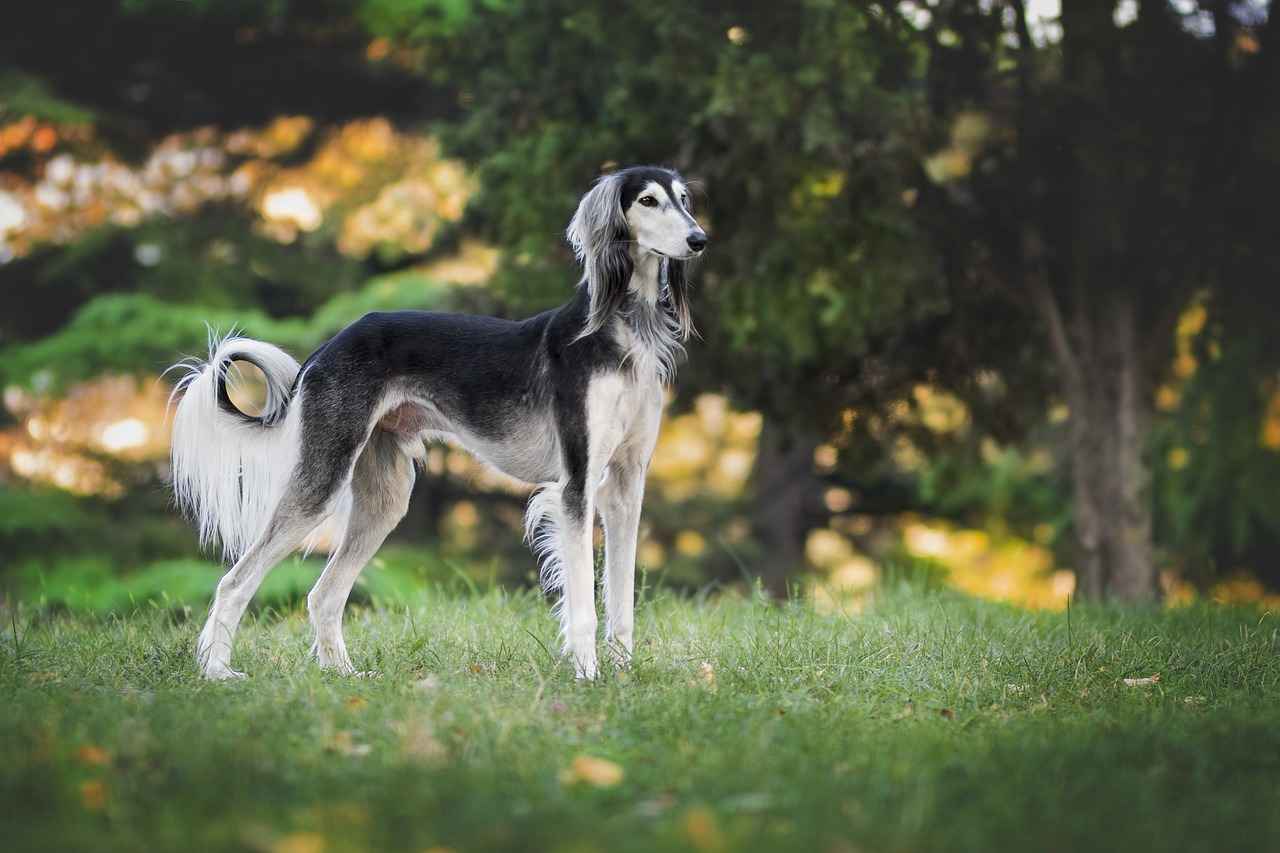
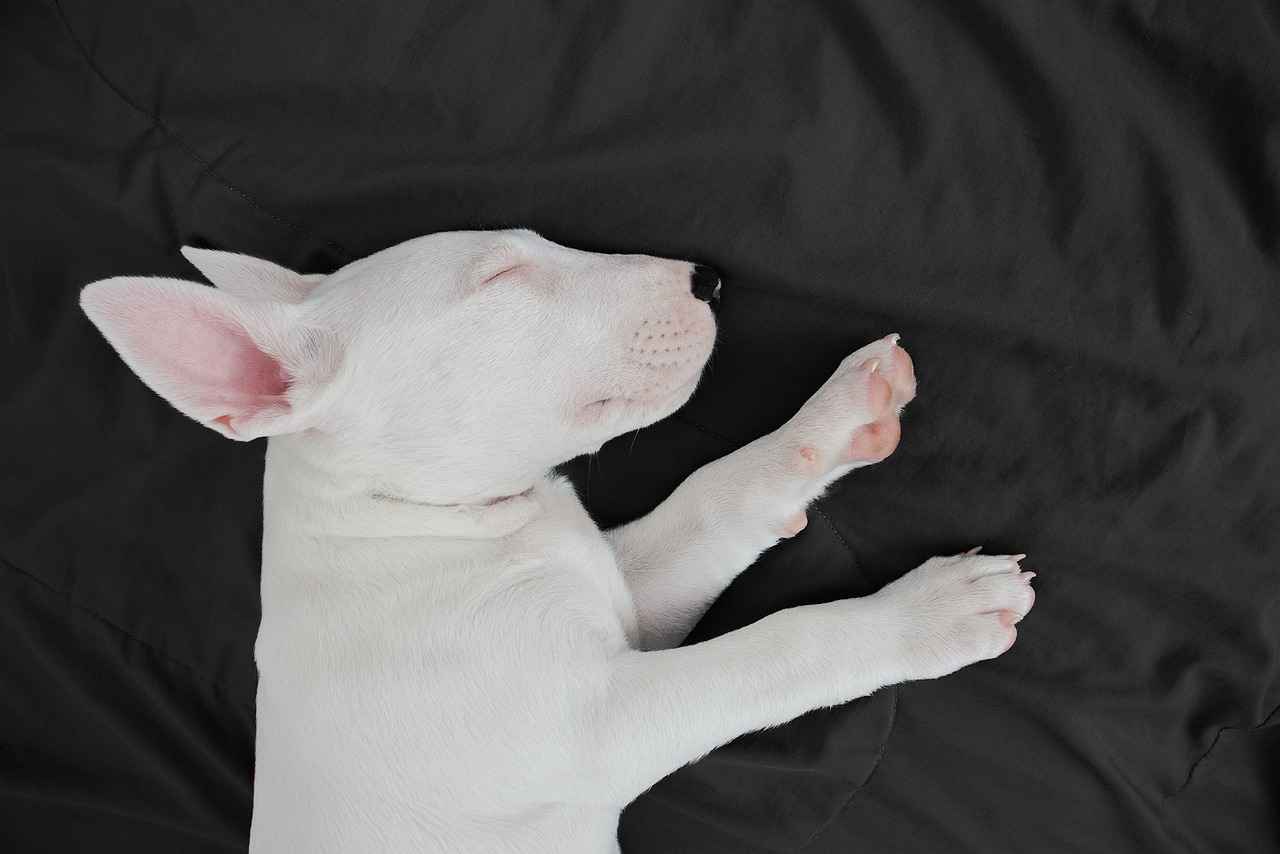
Have you ever wondered, why do dogs have wet noses? This intriguing characteristic is more than just a cute feature; it’s a sign of your dog’s health and their fascinating biology. Dogs' noses are not only moist but also serve as a vital tool for understanding their environment. In fact, the secrets behind wet noses are a mix of science and instinct that every dog lover should know! Have you notice how your furry friend sniffs everything? This behavior is linked to their ability to detect scents, and a wet nose helps enhance this remarkable sense of smell. Curious about how a dog's nose works? Or why is it always cold? These questions lead us to explore the amazing world of canine anatomy and behavior. Wet noses can also indicate hydration levels and overall well-being, making it essential for pet owners to pay attention. So, why not dive deeper into the mystery of your dog’s distinctive feature? Unlock the secrets of why dogs have wet noses today, and discover how this simple trait is connected to their instincts and health! Your journey into the world of dogs starts here—let’s uncover the truth together!
\n\nUnveiling the Mystery: What Makes a Dog's Nose Wet?
\n\n \n\n
\n\nHave you ever wondered why your furry friend has a wet nose? It's kinda a common question among dog owners and those who simply love animals. These wet noses are not just a quirky feature; they serve important purposes, too. So, let's dive into the secrets behind your dog's wet nose and uncover what makes it so special.
\nThe Science Behind Wet Noses
\nFirst off, it's important to realize that a dog’s nose is moist for specific reasons. The moisture on their noses helps enhance their sense of smell. Dogs have an incredible olfactory system, which means they can detect scents way better than us humans. A wet nose may help trap scent particles in the air, making it easier for dogs to sniff out interesting things.
\nHere are some key points about why dogs have wet noses:
\n- \n
- Enhanced Smell: The moisture attracts scent particles, helping dogs detect smells more efficiently. \n
- Thermoregulation: A wet nose helps dogs regulate their body temperature. When they are warm, the moisture evaporates, cooling them down. \n
- Health Indicator: A wet nose can indicate that a dog is healthy. Dryness could be a sign of dehydration or illness, but it’s not the only factor to consider. \n
Historical Context of Dog Noses
\nLooking back, dogs have been our companions for thousands of years. They evolved from wolves, which had wet noses too. This feature likely helped them in hunting and survival, allowing them to track prey more effectively. Over time, dogs became domesticated and their noses continued to serve vital functions.
\nDifferent breeds also have different nose shapes and wetness levels. For example, bloodhounds have some of the best noses in the canine world. They are bred to track scents over long distances, and their wet noses play a significant role in this ability.
\nThe Role of Nasal Mucus
\nNasal mucus plays a big part in keeping a dog’s nose wet. This mucus is produced by special glands in the nose and serves several purposes:
\n- \n
- Trap Dirt and Debris: The mucus helps to trap particles and prevents them from reaching the lungs. \n
- Moisture Retention: It keeps the nose moist, enhancing the sense of smell. \n
- Temperature Regulation: Similar to how sweating helps humans cool down, a dog’s nose helps regulate its temperature through evaporation. \n
What If Your Dog's Nose is Dry?
\nSometimes, you might notice that your dog’s nose is dryer than usual. This could be due to various reasons, and it’s important not to panic. Here are some common causes for a dry nose:
\n- \n
- Dehydration: Make sure your dog is drinking enough water. \n
- Weather Conditions: Hot, dry weather can lead to a dry nose. \n
- Health Issues: Certain illnesses or allergies can cause changes in moisture levels. \n
If you notice other symptoms, like lethargy or decreased appetite, it might be a good idea to consult with your veterinarian.
\nFun Facts About Dog Noses
\n- \n
- Dogs have about 220 million scent receptors in their noses, compared to only 5 million in humans. \n
- Their nose print is unique, much like a human fingerprint. \n
- Certain breeds, like the Basenji, are known for having dry noses, which can be normal for them. \n
Comparison with Other Animals
\nWhen you look at other animals, you'll see that many have moist noses too. For instance:
\n- \n
- Cats: Like dogs, cats also have moist noses that help them smell better. \n
- Pigs: Pigs have wet noses which assist them in foraging for food. \n
- Rabbits: Rabbits have wet noses, helping them detect predators in the wild. \n
Practical Examples
\nYou might notice your dog’s nose being wetter after a good romp outside or after they’ve been drinking water. It's a normal behavior, signifying that they’re hydrated and happy. On the other hand, if your dog is frequently licking their nose, it could be a sign of stress or discomfort, and paying attention to their behavior is key.
\nIn the end, a dog's nose serves multiple functions that benefit their health and well-being. Understanding why dogs have wet noses can deepen your bond with your furry friend. So next time you see that adorable, shiny nose, remember the vital roles it plays in their life and yours. It’s just one of the many wonders that make dogs such incredible companions.
\n\nThe Science Behind Wet Noses: Why Your Dog’s Snout is Always Damp
\n\n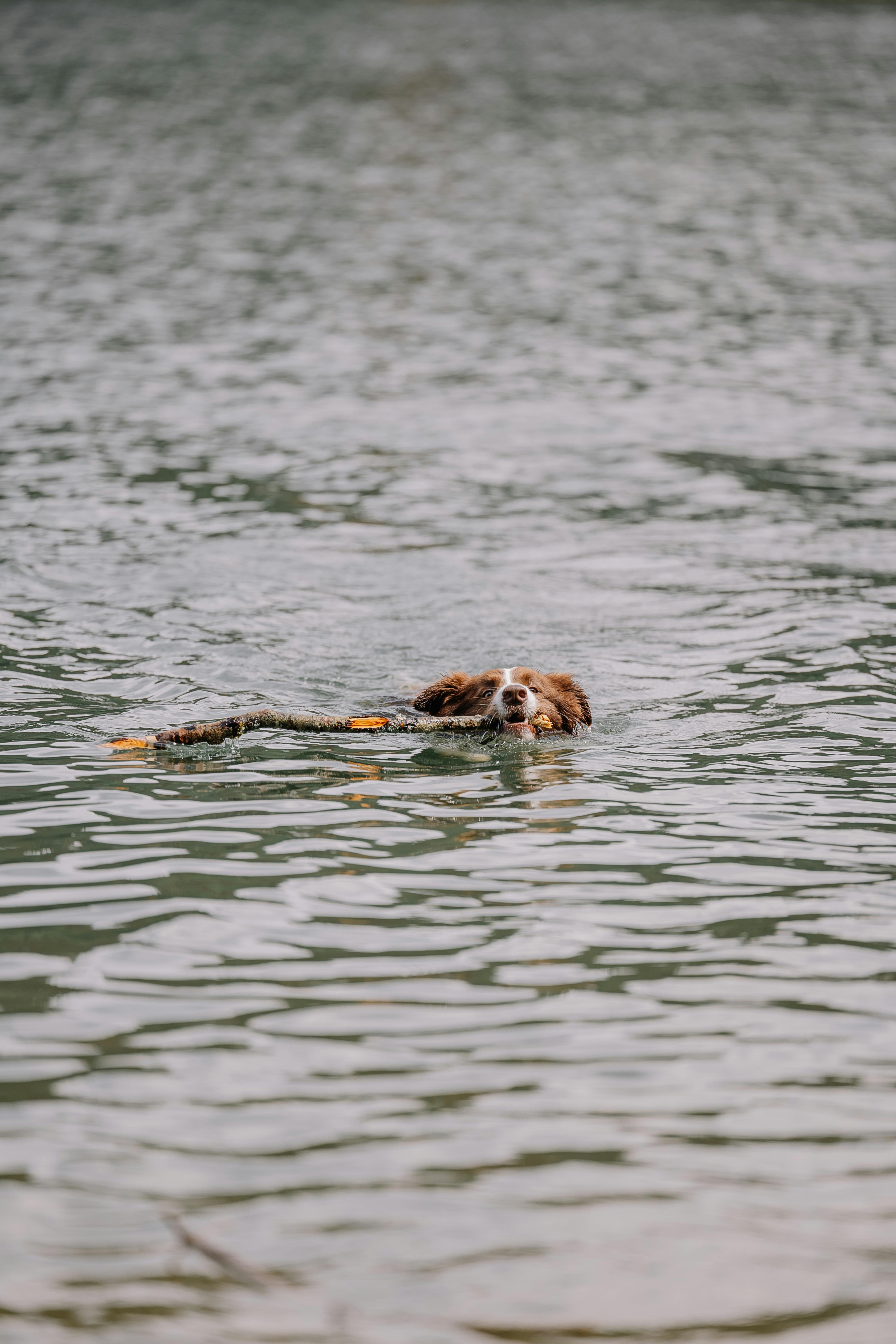 \n\n
\n\nHave you ever wondered why your dog's nose is always damp? This curious trait of our furry friends has puzzled many pet owners, and it turns out there's a lot of science behind it. Wet noses are not just an endearing feature; they serve important functions for dogs. Let’s dive into the fascinating world of canine anatomy and discover the secrets behind those adorable wet snouts!
\nThe Anatomy of a Dog's Nose
\nFirstly, it important to understand the structure of a dog’s nose. A dog's snout is covered in a layer of mucus and moisture, which plays a key role in their sense of smell. Dogs have an incredible olfactory system, estimated to be between 10,000 to 100,000 times more sensitive than humans. This heightened sense helps them detect scents and pheromones in their environment.
\n- \n
- Dogs have around 300 million scent receptors, compared to a human's 5 million. \n
- The area of the dog's brain that processes smells is 40 times larger than that of humans. \n
- Their wet noses help trap scent particles, making it easier for them to identify and differentiate between smells. \n
The Purpose of a Wet Nose
\nSo, why do dogs have wet noses? There are several reasons for this unique characteristic.
\n- \n
- \n
Temperature Regulation: Dogs don’t sweat like us. Instead, they rely on their noses to regulate their body temperature. The moisture on their noses evaporates, helping to cool them down.
\n \n - \n
Enhanced Smelling Ability: The dampness of a dog's nose captures scent particles from the air. When a dog sniffs, the wet surface absorbs these particles, which then travel to the olfactory bulbs in their brain. This process enhances their overall sense of smell.
\n \n - \n
Health Indicators: A wet nose is often a sign of a healthy dog. If your dog’s nose is dry, it could indicate dehydration or illness. However, it's important to note that variations can occur due to factors like weather, activity level, or even sleep.
\n \n
Historical Context of Dog Noses
\nHistorically, dogs have been bred for a variety of purposes, many of which relied heavily on their sense of smell. For instance, hunting breeds were developed to track and locate game. This emphasis on scenting abilities has led to the evolution of the wet nose over time, as it enhances their hunting capabilities.
\n- \n
- Hounds: Bred for tracking scents, they possess particularly moist noses. \n
- Terriers: Often used for hunting and burrowing, their noses help them detect prey underground. \n
- Service Dogs: Many service dogs are trained to detect medical conditions through scent, showcasing the importance of their wet noses. \n
Fun Facts About Dog Noses
\n- \n
- Nose Prints: Just like human fingerprints, every dog has a unique nose print. Some organizations even use them for identification purposes! \n
- Color Variations: A dog’s nose can be black, brown, or even pink depending on the breed and genetics. \n
- Self-Cleaning: Dogs often lick their noses to keep them clean and moist. \n
Common Misconceptions
\nThere are many myths surrounding dog noses. Here are some of the most common:
\n- \n
- A Cold Nose Means a Healthy Dog: While a wet, cool nose often indicates good health, it’s not a definitive measure. Dogs can have a warm or dry nose and still be perfectly fine. \n
- Nose Color Indicates Health: The color of a dog’s nose doesn’t determine their health status. Changes in color can be due to breed characteristics or seasonal changes. \n
- Dogs Can’t Smell When Their Noses Are Dry: While moisture helps enhance their sense of smell, dogs can still sniff effectively even if their noses are dry. \n
Caring for Your Dog’s Nose
\nMaintaining your dog's nose health is important. Here are some tips:
\n- \n
- Hydration: Ensure your dog has access to fresh water at all times. Dehydration can lead to a dry nose. \n
- Humidity: In dry environments, consider using a humidifier to maintain moisture in the air. \n
- Check for Injuries: Regularly inspect your dog’s nose for any signs of cuts or irritation, especially if they frequently rub their snout on surfaces. \n
Understanding the science behind your dog’s wet nose can deepen your bond with your furry companion. It’s not just a cute feature; it’s essential to their well-being and communication. The next time you give your pup a pat on the head, remember the fascinating biology behind that damp snout!
\n\nTop 5 Fascinating Reasons Dogs Have Wet Noses That You Never Knew!
\n\n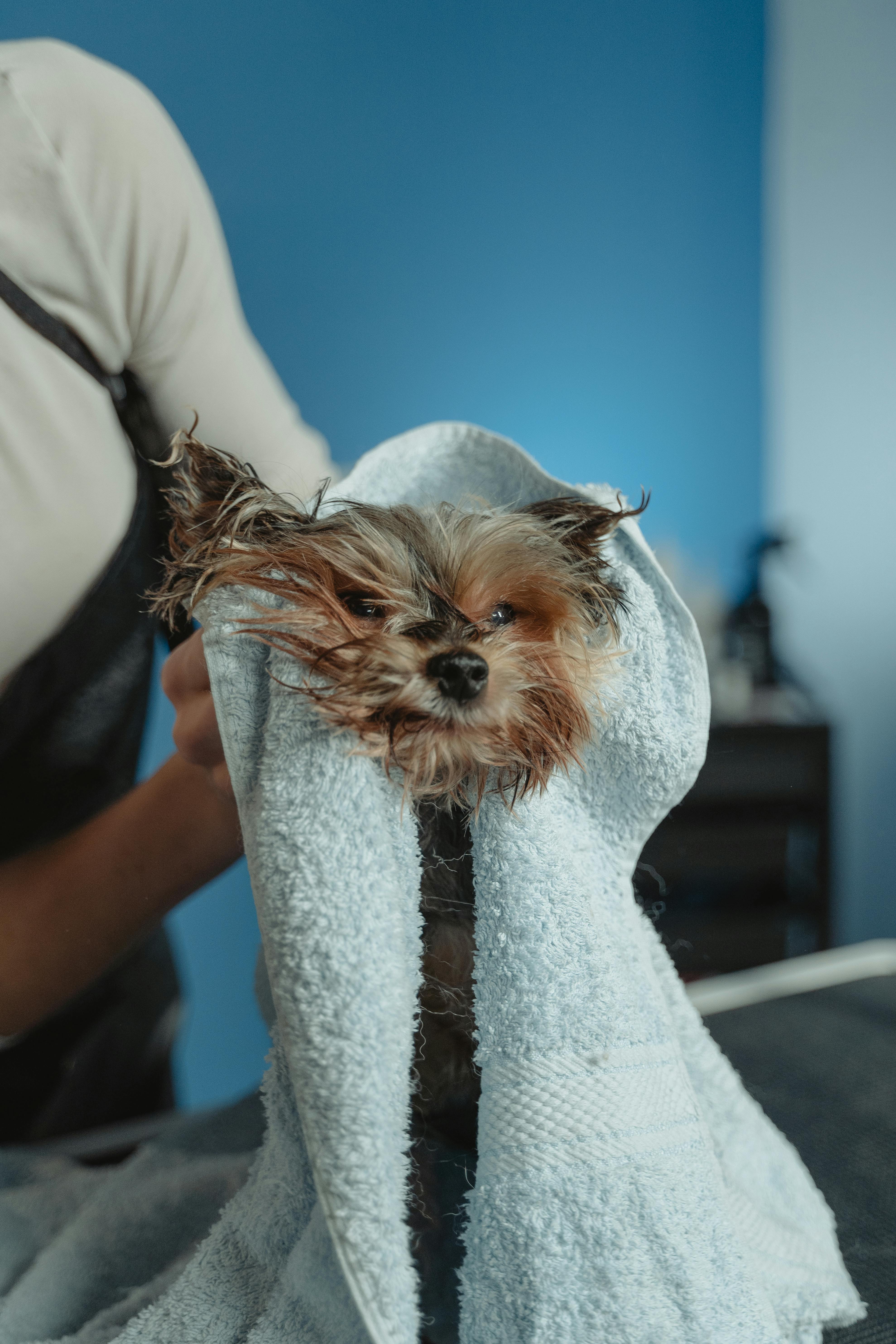 \n\n
\n\nEver wonder why dogs have wet noses? It’s not just a quirk of nature, it’s actually a fascinating topic that reveals lots about our furry friends. Understanding this can give us insight into dog behavior and health. So, let’s dive into the top 5 reasons why dogs have wet noses that you probably didn’t know!
\n1. Temperature Regulation
\nDogs are unable to sweat like humans do. Instead, they rely on other methods to regulate their body temperature. One of the primary ways they do this is through their noses. When a dog’s nose is wet, it's often because they’ve been licking it or it’s humid outside. This moisture helps them cool down. This is why you might notice your pup’s nose getting wetter after a good romp outside!
\n2. Enhanced Sense of Smell
\nA dog’s sense of smell is incredibly strong—between 10,000 to 100,000 times better than a human's! The moisture on their nose helps to enhance their sense of smell. When the nose is wet, it captures scent particles more effectively. This is super important for dogs, as they rely on their sense of smell for communication, hunting, and navigation. So, if you ever wondered why your dog sniff everything, just remember, it’s how they explore the world!
\n3. Communication Tool
\nDogs are social animals, and they communicate in many ways. Their wet noses play a big part in this. When a dog approaches another dog, they often sniff each other’s noses. This is their way of gathering information about the other dog, like its health and mood. A wet nose can signify that a dog is friendly and approachable. So, if your dog has a dry nose when meeting another dog, it might be a sign they are not feeling their best.
\n4. Health Indicator
\nThe condition of a dog’s nose can sometimes indicate their overall health. A wet and cool nose is usually a sign of a healthy dog. On the other hand, a dry or cracked nose might mean dehydration or a potential health issue. However, there are lots of factors that can influence a dog’s nose moisture, such as the environment and activity level. If you notice persistent changes in your dog’s nose, it’s a good idea to consult your vet.
\n5. Nature’s Way of Keeping Clean
\nDogs are known for their inquisitive nature, and they tend to get into all sorts of messes. Their noses are often wet because they lick them to keep them clean. Dogs use their tongues to moisten their noses, which helps them remove dirt and debris. This is similar to how they groom themselves by licking their fur. This cleaning mechanism is essential, especially if they’ve been playing outside or digging in the dirt.
\nFun Facts about Dog Noses
\n- \n
- Dogs have about 300 million smell receptors in their noses, compared to humans who only have about 5 million. \n
- The shape of a dog’s nose can also affect their sense of smell; breeds with longer noses generally have a better sense of smell. \n
- The wetness of a dog’s nose can change throughout the day; it may be wetter in the morning and drier in the evening. \n
Quick Comparison: Dog Noses vs. Human Noses
\n| Feature | \nDog Noses | \nHuman Noses | \n
|---|---|---|
| Smell Receptors | \nApprox. 300 million | \nApprox. 5 million | \n
| Sweating Ability | \nNone (cooling through nose) | \nSweats to cool down | \n
| Cleaning Method | \nLicking | \nWashing | \n
| Communication Style | \nSniffing | \nVerbal and non-verbal cues | \n
Practical Examples of Nose Moisture
\n- \n
- After a walk in the rain, a dog’s nose is often noticeably wetter. \n
- Dogs that are excited or playing tend to have wetter noses due to increased licking. \n
- Puppies, especially, often have very wet noses as they explore their environment. \n
Understanding the reasons behind why dogs have wet noses not only deepens our connection with them but also helps us recognize their needs and behaviors. So next time you give your furry friend a pat, take a moment to appreciate that wet nose and all the fascinating reasons behind it!
\n\nAre Wet Noses a Sign of Health? Discover the Truth About Your Dog’s Snout
\n\n \n\n
\n\nEvery dog owner has probably noticed their furry friend’s nose, and oftentimes it’s wet! You might of wondered, “Are wet noses a sign of health?” The truth about your dog’s snout is more complex than it seems. Understanding why dogs have wet noses can help you better care for your pet and appreciate the quirks of their biology.
\nWhy Do Dogs Have Wet Noses?
\nSo, why is it that a dog’s nose is typically wet? This isn’t just a random fact! Wet noses serve several important purposes. Here are some reasons dogs have wet noses:
\n- \n
- Temperature Regulation: Dogs can't sweat like humans do. Instead, they rely on their noses to help cool down. A wet nose evaporates moisture, which cools the air around it, helping keep their body temperature in check. \n
- Enhanced Sense of Smell: The moisture on a dog’s nose helps capture scent particles in the air. This makes their sense of smell even sharper. A wet nose is fundamental for a dog’s ability to detect scents, which is crucial for hunting, tracking, and even social interactions. \n
- Health Indicator: While a wet nose is often seen as a sign of health, it’s not the only indicator. A nose can be dry for many reasons, including weather, activity level, and even a dog’s age. \n
Are Wet Noses Always Healthy?
\nNow, the question arises — if a wet nose is a sign of health, does that mean a dry nose indicates illness? Not necessarily! Dogs can have dry noses for a variety of reasons that don’t always mean something is wrong. Here’s a quick list:
\n- \n
- Environmental Factors: Hot weather or dry air can lead to a dry nose. \n
- Dehydration: If your dog isn't drinking enough water, it may result in a dry nose. \n
- Allergies: Just like humans, dogs can have allergies that affect their skin and nose moisture. \n
- Age: Older dogs may naturally have drier noses. \n
The Science Behind a Dog’s Nose
\nDogs have a special layer of tissue called the olfactory epithelium in their noses. This tissue contains millions of olfactory receptors. In comparison to humans, who have about 5 million olfactory receptors, dogs have roughly 220 million! This is why dogs are so good at sniffing out scents.
\nFun Facts About Dog Noses
\nHere are some surprising facts about dog noses that you might not of known:
\n- \n
- Unique Patterns: Just like human fingerprints, every dog has a unique nose print. \n
- Temperature Sensitivity: A dog’s nose can be sensitive to temperature changes, helping them detect changes in their environment. \n
- Wet and Dry Cycles: It’s normal for a dog’s nose to change from wet to dry throughout the day, depending on activity and hydration levels. \n
When to Worry About Your Dog’s Nose
\nWhile wet noses are generally a good sign, you should pay attention to other symptoms that may indicate a problem. If you notice any of these signs along with a dry nose, it might be time to visit your vet:
\n- \n
- Cracks or Bleeding: If the nose appears cracked or is bleeding, this could indicate a skin issue or injury. \n
- Discoloration: Sudden changes in color can be a cause for concern. \n
- Excessive Dryness: If the nose is persistently dry and this is accompanied by other symptoms like lethargy or loss of appetite, it’s best to consult with a veterinarian. \n
Keeping Your Dog’s Nose Healthy
\nTo ensure your dog’s nose stays healthy, there are a few things you can do:
\n- \n
- Hydration: Always make sure your dog has access to fresh water. \n
- Moisturizing: If your dog’s nose is excessively dry, consider using a pet-safe moisturizer. \n
- Regular Vet Check-ups: Routine vet visits can help catch any issues early on. \n
The Bottom Line
\nIn conclusion, a wet nose can often be a sign of health in dogs, but it’s not the only factor to consider. Understanding the reasons behind a dog’s wet nose can help you take better care of your beloved pet. While wet noses often come with good health, always be attentive to changes and consult a vet if you have concerns. Your furry friend’s health is paramount, and being informed is the first step in ensuring their well-being.
\n\nThe Role of a Dog's Wet Nose in Their Sense of Smell: What You Should Know
\n\n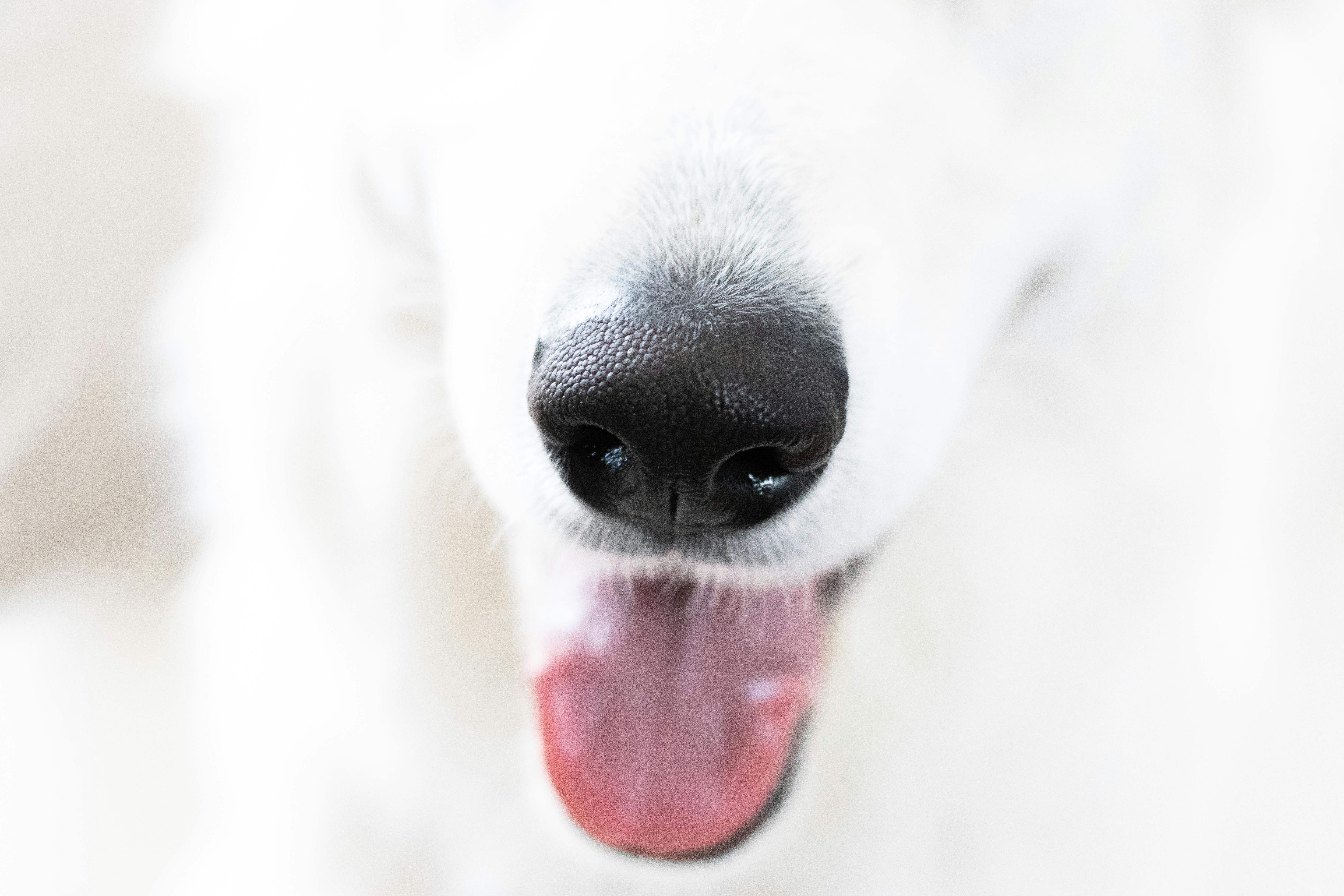 \n\n
\n\nDogs are wonderful companions, and their noses are one of their most fascinating features. People often wonders, why do dogs have wet noses? This question holds not just curiosity but also reveals a lot about how dogs perceive the world around them. The wetness of a dog's nose plays a critical role in their remarkable sense of smell, which is far superior to that of humans. Let’s dive into the secrets behind those wet noses and what they mean for our furry friends.
\nThe Science Behind a Dog's Nose
\nA dog's nose is not just cute; it’s an incredible tool for survival and communication. The wetness of a dog's nose is primarily due to mucous, which serves several purposes:
\n- \n
- \n
Enhanced Smell: The moisture traps scent particles, allowing dogs to detect scents much more effectively. The olfactory receptors in a dog's nose are estimated to be anywhere between 20 to 300 million, compared to a human’s mere 5 million. The added moisture helps these receptors work better.
\n \n - \n
Temperature Regulation: A wet nose helps to cool down a dog’s body temperature. Dogs don’t sweat like humans do; instead, they rely on panting and the evaporation of moisture from their noses to regulate heat.
\n \n - \n
Health Indicator: A dog's nose can be an indicator of their health. For instance, a dry or cracked nose might suggest dehydration or illness, while a moist nose is generally a sign of good health.
\n \n
Why Are Dog Noses Wet?
\nNow, let’s explore the reasons why dog noses are wet. It’s not just about function; it’s also about evolution and biology. Here’s a list of reasons that explain this phenomenon:
\n- \n
- \n
Mucous Production: Dogs produce mucous that keeps their noses moist. This mucous is essential for trapping scents.
\n \n - \n
Environmental Adaptation: Wet noses can help dogs adapt to their environments. In the wild, a wet nose could help a dog track prey by picking up on scent trails more accurately.
\n \n - \n
Behavioral Aspects: Dogs often lick their noses, which helps maintain moisture levels. This behavior is instinctual and helps them gather more information about their surroundings.
\n \n
Historical Context of Dogs and Their Noses
\nDogs have been companions to humans for thousands of years, and their noses have always been a point of interest. Historically, dogs were bred for various purposes, including hunting, herding, and guarding. Their sense of smell was a key factor in their ability to perform these tasks effectively. Ancient civilizations recognized the importance of a dog’s nose, employing them for tracking and detecting scents.
\nThe Importance of a Dog's Sense of Smell
\nThe sense of smell in dogs is critical for various reasons. It’s not just about sniffing around the park; it’s about survival, health, and even communication. Here are some amazing facts about a dog's sense of smell:
\n- \n
- \n
Tracking Abilities: Dogs can track scents over great distances. Bloodhounds, for instance, can follow a scent trail that is days old.
\n \n - \n
Medical Detection: Dogs are trained to detect various medical conditions, like diabetes or seizures, just by smelling their owner.
\n \n - \n
Search and Rescue: Canines are invaluable in search and rescue operations, using their keen sense of smell to locate missing persons.
\n \n
Fun Facts About Dog Noses
\n- \n
- \n
Did you know that each dog's nose print is unique, much like human fingerprints? This uniqueness can even be used for identification!
\n \n - \n
The color of a dog's nose doesn’t affect its function. Whether it’s black, brown, or pink, the wetness is what matters for their sense of smell.
\n \n - \n
Dogs can differentiate between thousands of different smells. They can even detect certain drugs or explosives, making them essential in law enforcement.
\n \n
Comparison Chart: Dog Noses vs. Human Noses
\nHere’s a simple comparison of the differences between dog noses and human noses:
\n| Feature | \nDogs | \nHumans | \n
|---|---|---|
| Olfactory Receptors | \n20-300 million | \n5 million | \n
| Scent Detection | \nSuperior | \nLimited | \n
| Nose Wetness | \nMoist for function | \nDry, with less purpose | \n
| Unique Identifier | \nNose print unique | \nFingerprint unique | \n
Dogs are amazing creatures, and their wet noses are just one aspect of their incredible biology. Understanding why do dogs have wet noses can help us appreciate them even more. Their noses not only serve functional purposes but also help them connect with their environment and us. So, next time you see your pup with that adorable, wet nose, remember it’s more than just cute—it’s a vital part of what makes dogs so special.
\n\nCurious Canines: How Wet Noses Help Dogs Communicate and Explore
\n\n \n\n
\n\nEver wonder why your furry friend’s nose is always wet? It’s not just for show! Dogs use their moist noses for a variety of reasons, and it’s essential to understand this unique feature, especially if you’re a proud dog owner. Curious canines have developed this trait over thousands of years, so let’s dive into the fascinating world of canine communication and exploration.
\nWhy Do Dogs Have Wet Noses?
\nThe wetness of a dog’s nose isn’t just a quirk; it serves several vital functions. Here’s a breakdown of some of the primary reasons:
\n- \n
- \n
Enhanced Smell: Dogs have an extraordinary sense of smell. Their noses contain millions of olfactory receptors, and the moisture helps to trap scent particles. This makes it easier for them to detect scents, which is why they often sniff everything around them.
\n \n - \n
Temperature Regulation: Just like humans sweat, dogs can also cool down through their noses. The moisture evaporates, helping to regulate their body temperature. A wet nose can indicate that a dog is comfortable and well-hydrated.
\n \n - \n
Communication Tool: Dogs communicate with each other and with humans in many ways, and their noses play a critical role. A dog’s nose can convey emotions and signals, such as excitement or submission, helping them interact with their environment and fellow canines.
\n \n
Historical Context of Dogs’ Noses
\nHistorically speaking, dogs evolved from wolves, and the wet nose trait has been passed down through generations. Wolves relied heavily on their sense of smell for hunting and social interactions. As dogs became domesticated, these traits remained, and their wet noses continued to help them navigate the world.
\nThe Science Behind Wet Noses
\nDogs’ noses contain a special mucus that helps capture scent particles, which is why they’re always sniffing around! This mucus is produced by glands in their noses, and it serves to enhance their sense of smell.
\nDid you know that dogs have about 220 million scent receptors compared to humans who have a mere 5 million? This difference explains why dogs can sniff out drugs, locate missing persons, and even detect diseases like cancer! Here are some interesting facts about dog noses:
\n- \n
- A dog’s sense of smell is 40 times better than humans. \n
- Certain dog breeds, like Bloodhounds, are even more adept at smelling than others. \n
- Dogs can detect certain diseases in humans just by sniffing them. \n
Comparisons to Other Animals
\nDogs are not the only animals with wet noses. Other mammals like cats and some primates also have moist noses, but their functions may differ. Here’s a quick comparison:
\n| Animal | \nNumber of Scent Receptors | \nFunction of Wet Nose | \n
|---|---|---|
| Dogs | \n220 million | \nEnhances smell, regulates temperature | \n
| Cats | \n50-80 million | \nScent detection, communication | \n
| Bears | \n1,000 times better than humans | \nForaging, detecting food sources | \n
| Elephants | \n2,000,000 | \nSocial communication, environmental awareness | \n
Practical Examples of Dog Nose Usage
\nUnderstanding how dogs use their noses can help owners create a better environment for their pets. Here are some ways you can engage your dog’s sense of smell:
\n- \n
- \n
Scent Games: Hide treats around your home or yard and let your dog use their nose to find them. This stimulates their brain and helps improve their scent-tracking skills.
\n \n - \n
Visit the Park: Different environments provide a wealth of new smells. Taking your dog to a park or on a nature walk can be a fantastic way for them to explore the world with their noses.
\n \n - \n
Training Sessions: Incorporate scent work into your training sessions. Teaching your dog to identify specific scents can be rewarding and mentally stimulating for them.
\n \n
Wet noses are more than just a cute feature of dogs; they serve essential functions that aid in their exploration and communication. Understanding why dogs have wet noses allows owners to appreciate their pets even more and improve their daily interactions. Dogs are curious creatures, and their wet noses are just one of the many ways they engage with the world around them. Embrace the quirks of your canine companion and discover the secrets behind those adorable, wet noses!
\n\n7 Surprising Benefits of a Wet Nose in Dogs: More Than Just Cute!
\n\n \n\n
\n\nWhen you think about dogs, one of the first things that comes to mind is their adorable, wet noses. They are not just cute, but those noses plays a vital role in your furry friend's life. Ever wonder why do dogs have wet noses? It's more than just an endearing trait, and there are surprising benefits that many dog owners might not know. Let’s explore the seven amazing benefits of dogs having wet noses and uncover the secrets behind those snouts that we love so much.
\n1. Enhanced Sense of Smell
\nDogs have an extraordinary sense of smell, and their wet noses actually help with that. The moisture on their noses captures scent particles, which makes it easier for them to detect odors. This is why dogs can sniff out drugs, explosives, or even track down missing persons. It's pretty fascinating how much their olfactory abilities rely on that wetness!
\n2. Temperature Regulation
\nJust like humans sweat to cool off, dogs use their noses to help regulate their body temperature. When a dog is too warm, their noses can help cool them down. The moisture evaporates from the nose, which cools off blood vessels close to the surface. This is one of the reasons why you might notice your dog drinking more water on hot days or seeking shade.
\n3. Health Indicators
\nA dog's nose can tell you a lot about their health. A dry nose may indicate dehydration or fever, while a wet nose is generally a sign of a healthy pup. However, factors like environment and activity level can also influence this. If you notice changes in your dog's nose, it might be a good time to consult with your vet.
\n4. Improved Communication
\nDogs use their noses to communicate with other dogs and humans. The scent is a fundamental way that dogs interact with their environment and share information. When dogs greet each other, they often smell each other’s noses and rear ends to gather information about the other dog’s health, mood, and even diet. It's a little gross, but it’s their way of saying hello!
\n5. Playful Interactions
\nWet noses are also part of the fun when it comes to playtime. Many dogs love to nuzzle and poke their owners with their noses. This behavior can be a way of initiating play or just seeking attention. Some dogs will even use their noses to nudge toys or treats, which shows how integral their noses are to their playful nature.
\n6. Enhanced Sensory Experience
\nDogs possess a unique sensory experience due to their wet noses. The mucous membranes in their noses capture scents, which enhances their ability to identify different smells. This is why dogs are often used in search and rescue missions, as their noses can pick up on scents that humans cannot even begin to detect. Dogs can smell things that are many times more diluted than what we can perceive.
\n7. Bonding Moments
\nThe act of petting a dog and feeling their wet nose can create a strong bond between pets and their owners. It’s a comforting and affectionate gesture that helps to strengthen the emotional connection. Dogs thrive on interactions and physical touch, and that wet nose is a reminder of their loyalty and love.
\nFun Facts About Dog Noses
\n- \n
- A dog’s sense of smell is approximately 100,000 to 10 million times more sensitive than a human’s. \n
- Each dog has a unique nose print, just like a human fingerprint. \n
- Dogs can even detect certain diseases, such as cancer, through their sense of smell. \n
Why Do Dogs Have Wet Noses?
\nSo, why do dogs have wet noses? It’s a combination of biological, evolutionary, and practical reasons. The moisture helps with smell, regulates temperature, and even indicates health. Plus, let’s be honest, those wet noses are just plain endearing!
\nIn summary, the wet noses of dogs are not only a cute feature but also serve multiple important functions that enhance their quality of life and interactions with humans and other animals. From their enhanced sense of smell to their role in communication, these wet noses are packed with purpose. So next time you give your furry friend a scratch behind the ears or a good belly rub, take a moment to appreciate that adorable wet nose and all the benefits it brings!
\n\nDoes a Wet Nose Mean Your Dog is Happy? Find Out What It Really Means!
\n\n\n\nDoes a Wet Nose Mean Your Dog is Happy? Find Out What It Really Means!
\nWhen you see your dog, one of the first things you might notice is their wet nose. But have you ever wondered what it really means? Does a wet nose really mean your furry friend is happy? And why do dogs have wet noses in the first place? Let's dive into this fascinating topic and discover the secrets behind those adorable, moist snouts.
\nThe Science Behind Wet Noses
\nA dog’s nose is wet for a number of reasons. One of the main functions of their noses is to help them smell. The moisture on their noses enhance their ability to absorb scent molecules from the environment. When a dog breathes, the wet surface traps these scent particles, allowing them to pick up smells more effectively. Isn’t that interesting?
\nHere’s a list of some key facts about dog noses:
\n- \n
- Scent Detection: Dogs have around 220 million scent receptors, compared to a human's 5 million. This makes their sense of smell incredibly powerful. \n
- Temperature Regulation: Dogs can’t sweat like humans do. Instead, they use their noses to help regulate their body temperature. \n
- Communication Tool: A wet nose can also be a way for dogs to communicate with other dogs or humans. They may nuzzle you with their noses to show affection or seek attention. \n
Wet Nose and Happiness: Fact or Fiction?
\nNow, back to the original question: does a wet nose mean your dog is happy? Well, not necessarily. While a wet nose can indicate a healthy and hydrated dog, it doesn’t directly correlate with their emotional state.
\nDogs express happiness in numerous ways, including:
\n- \n
- Wagging tails \n
- Playful behavior \n
- Eager body posture \n
- Barking or whining in excitement \n
So, while a wet nose might be one sign of a healthy dog, it shouldn’t be taken as the sole indicator of happiness.
\nWhy Do Dogs Have Wet Noses? Discover Their Secrets Today!
\nThe reasons behind a dog’s wet nose are more than just cute. Here are some fascinating insights into why they are so moist:
\n- \n
- Cooling System: Since dogs don’t sweat, their wet noses help them cool down. \n
- Health Indicator: A dog’s nose can be a sign of health. An unusually dry or cracked nose could indicate dehydration or illness. \n
- Sense of Smell: The moisture increases their ability to detect scents, which is crucial for their survival and communication. \n
A Quick Comparison: Wet Nose vs. Dry Nose
\nUnderstanding the difference between a wet and dry nose can be critical for dog owners. Here’s a basic comparison:
\n| Feature | \nWet Nose | \nDry Nose | \n
|---|---|---|
| Scent Absorption | \nBetter | \nLesser | \n
| Hydration | \nUsually hydrated | \nMay indicate dehydration | \n
| Temperature | \nHelps cool down | \nLess effective at cooling | \n
| Health Indicator | \nGenerally healthy | \nMay signal health issues | \n
Practical Examples of Nose Behavior
\nYou might be wondering how to interpret your dog's nose behavior. Here are some common scenarios:
\n- \n
- Wet and Cold Nose: This usually means your dog is relaxed and healthy. \n
- Warm and Dry Nose: If you notice your dog’s nose is warm and dry, it could mean they are overheated or sick. \n
- Nose Nuzzling: If your dog nudges you with their wet nose, they’re likely looking for attention or affection. \n
Fun Facts About Dog Noses
\n- \n
- Dogs can smell certain substances at incredibly low concentrations, as little as one part per trillion. \n
- The surface of a dog’s nose has a unique pattern, much like a human fingerprint. \n
- Dogs can even detect changes in human emotions through scent. \n
In summary, while a wet nose can mean a lot of things, it’s not a definitive sign of happiness. It's just one of the many ways dogs communicate and interact with the world. Always pay attention to other body language and behaviors to get a full picture of your dog’s emotional state. By understanding these nuances, you can better care for your furry friend and ensure they are happy and healthy.
\n\nHow to Care for Your Dog's Nose: Tips for Maintaining Optimal Health
\n\n \n\n
\n\nDogs are often known for their playful nature, wagging tails, and of course, their wet noses. Many pet owners might wonder, why do dogs have wet noses? This curiosity goes beyond mere observation; it touches on health, behavior, and even communication. Understanding your dog's nose can be important for ensuring their overall well-being.
\nThe Science Behind Wet Noses
\nDogs have wet noses mainly because they help them with their sense of smell, which is much stronger than that of humans. A dog’s nose is packed with olfactory receptors — estimates suggest that dogs have about 220 million scent receptors compared to a human's 5 million. This superior sense of smell is crucial for their survival and communication.
\n- \n
- Moisture: The moisture on a dog’s nose comes from a combination of saliva and mucus. This helps to capture scent particles in the air. \n
- Temperature Regulation: Dogs don’t sweat like humans do. Instead, they rely on their noses to help cool down. A wet nose can help regulate body temperature. \n
- Health Indicator: A dog's nose can also indicate health — a dry or cracked nose may suggest dehydration or illness, while a wet and cool nose is typically a sign of a healthy dog. \n
Historical Context of Dog Noses
\nHistorically, dogs were bred for various purposes, from hunting to herding. Their noses played a crucial role in these functions. For example, hunting dogs like Bloodhounds were specifically bred for their exceptional sense of smell, allowing them to track scents over long distances.
\n- \n
- Herding Dogs: Breeds such as Border Collies also rely on their noses to gather and monitor livestock. \n
- Service Dogs: Today, some dogs are trained to detect drugs, explosives, or even diseases like cancer, showcasing the importance of their olfactory capabilities. \n
Caring for Your Dog's Nose
\nMaintaining your dog's nose is essential for their health. Here are some tips to help you keep your furry friend’s nose in optimal condition:
\n- \n
- Regular Checks: Make it a habit to check your dog’s nose regularly for any cracks or dryness. \n
- Hydration: Ensure your dog has access to fresh water at all times. Dehydration can lead to a dry nose. \n
- Humidifiers: Using a humidifier in your home during dry seasons can help keep your dog’s nose moist. \n
- Avoid Harsh Chemicals: Be cautious with cleaning products or other chemicals that might irritate your dog's nose. \n
Signs of Nose Problems
\nSometimes your dog’s nose can be a window to their health. Here are some signs that indicate a potential issue with your dog’s nose:
\n- \n
- Cracked or Dry Nose: This could be a sign of dehydration or an underlying health condition. \n
- Discoloration: If the color of your dog's nose changes, it might indicate an allergy or infection. \n
- Persistent Runny Nose: A consistent discharge may signal an infection or other medical concerns. \n
Fun Fact: Dogs and Their Noses
\nDid you know that dogs can also recognize their owner’s scent even when they are miles away? This ability is due to their highly developed sense of smell.
\nTips for Healthy Nose Care
\nTo ensure your dog’s nose remains healthy, consider these additional tips:
\n- \n
- Appropriate Diet: A balanced diet rich in omega fatty acids can help maintain skin and coat health, which also affects the nose. \n
- Sun Protection: Just like humans, dogs can get sunburned. If your dog has a light-colored nose, consider using a pet-safe sunscreen when outside for extended periods. \n
- Grooming: Regular grooming can help keep skin healthy and free from irritants. \n
The Bottom Line
\nUnderstanding why dogs have wet noses can help you provide better care for your furry companion. A healthy nose is not only a sign of a happy dog, but it also plays a crucial role in their life. Keeping your dog's nose healthy requires a little bit of attention and care, but the rewards are worth it. You’ll have a happier, healthier dog, and you’ll deepen your bond with them while doing so. Remember, a wet nose is often a happy nose!
\n\nWet Noses and Dog Behavior: What Your Pup’s Snout is Telling You!
\n\n\n\nDogs are often considered man's best friend, and their wet noses are one of the most charming features they have. But have you ever wonder why do dogs have wet noses? These curious snouts do more than just look cute. They actually play a big role in a dog's health and behavior. In this article, we’ll explore the secrets behind those wet noses and what they can tell you about your furry friend.
\nThe Science Behind Wet Noses
\nA dog’s nose is wet for a few reasons. Firstly, it helps them to smell better. Dogs have an incredible sense of smell, which is around 10,000 to 100,000 times stronger than humans. Their wet noses help to capture scent particles from the air, allowing them to detect odors more efficiently. This is due to a thin layer of moisture covering their noses, which helps to absorb scent molecules.
\n- \n
- Enhanced Smell: Wetness allows better scent detection. \n
- Regulation of Temperature: Dogs also use their noses to help cool down their bodies. \n
- Health Indicator: Changes in moisture levels can signal health issues. \n
Why Do Dogs Have Wet Noses?
\nThere’s a few reasons why your pup's snout might be wet. Some of them are quite fascinating!
\n- \n
- \n
Natural Behavior: Dogs lick their noses to keep them clean and moist. This is totally normal behavior, and it helps them to smell better. It’s kinda like how we might wash our face.
\n \n - \n
Temperature Regulation: Dogs don’t sweat like humans do. Instead, they rely on their noses to help with body temperature. When they pant, it helps cool their body down, but wet noses also play a part.
\n \n - \n
Health Indicator: If your dog’s nose is dry or cracked, it might be a sign of dehydration or illness. Monitoring changes in your dog’s nose can actually help you catch health issues early.
\n \n
What a Wet Nose Can Tell You About Your Dog
\nIsn’t it interesting how much you can learn just from your dog’s wet nose? Here’s a list of what different moisture levels could mean:
\n- \n
- Normal and Moist: Your pup is likely healthy and happy! \n
- Dry and Cracked: Might indicate dehydration or illness. It’s time to check in with your vet. \n
- Excessively Wet: Could suggest that your dog is feeling anxious or maybe they’re sick. Watch for other signs. \n
Dogs’ Noses and Their Behavior
\nA dog’s behavior can often be linked to their nose’s condition. Here are some examples:
\n- \n
- \n
Nose Licking: If your dog is licking their nose frequently, it could mean they are anxious or stressed. Maybe they’re in a new environment or around unfamiliar people.
\n \n - \n
Sniffing Everything: Dogs are naturally curious creatures. If they are sniffing around a lot, they are just exploring their environment. It’s their way of gathering information.
\n \n - \n
Nose to Ground: When dogs keep their noses close to the ground, they are focused on a scent. This behavior is typical when they are tracking something, like a squirrel or another dog.
\n \n
Historical Context of Dogs' Noses
\nDid you know that dogs have been humans’ companions for thousands of years? Historically, their sense of smell was used for hunting and tracking. Ancient civilizations utilized dogs not only for companionship but also as working animals. Over time, selective breeding has enhanced their olfactory capabilities, making them excellent at detecting scents.
\nFun Facts About Dogs’ Noses
\nHere’s a few cool facts about our furry friends’ noses:
\n- \n
- Unique Patterns: Just like human fingerprints, every dog’s nose print is unique. \n
- Temperature Check: A dog’s nose can actually help detect fever. A warm, dry nose may indicate that a dog isn’t feeling well. \n
- Sniffing Skills: Dogs can detect certain diseases, like cancer and diabetes, just through scent. \n
Tips for Keeping Your Dog’s Nose Healthy
\n- \n
- Hydration: Make sure your dog always has access to fresh water to keep their nose moist. \n
- Regular Vet Visits: Routine check-ups can help catch any potential health issues early. \n
- Watch for Changes: Take note of any sudden changes in your dog’s nose condition and consult a vet if you’re concerned. \n
The next time you look at your dog’s wet nose, remember that it’s more than just a cute feature. It’s a window into their health and behavior. By paying attention to these little details, you can strengthen your bond with your furry friend and ensure they stay healthy and happy. Understanding your pup's snout can lead to a better understanding of their needs and well-being, adding a deeper layer to the owner-pet relationship.
\n\nConclusion
\n\nIn conclusion, the wet noses of dogs serve several important functions that contribute to their overall health and behavior. The moisture on their noses enhances their sense of smell, allowing them to detect various scents more effectively, which is crucial for their communication and hunting instincts. Furthermore, a wet nose can help regulate their body temperature, as dogs do not sweat like humans do. It’s also worth noting that the moisture can indicate a dog’s hydration levels and overall well-being. Understanding the significance of a dog’s wet nose can deepen our appreciation for these beloved companions. As a dog owner, pay attention to your pet's nose as a vital sign of their health. If you notice any unusual changes, don’t hesitate to consult a veterinarian. Embrace the unique characteristics of your furry friend, and enjoy the bond that comes from understanding their needs and behaviors.
\n\n